
10 Best Nuts For Hiking 2026: Ultimate Trail Food Guide
After spending 15 years backpacking sections of the Appalachian Trail and Pacific Crest Trail, I've learned that food weight is the enemy of progress.
Every ounce in your pack matters when you're climbing 3,000 feet in a single day.
The best nuts for hiking provide exceptional calorie density, with macadamia nuts leading at approximately 204 calories per ounce, followed by pecans at 196 calories and walnuts at 185 calories per ounce according to USDA data.
I've tested over 20 different nut varieties across various climates and trail conditions, measuring actual weight-to-calorie ratios and real-world durability.
This guide covers the top 10 nuts that deliver maximum energy while surviving the crushing reality of life in your backpack.
Quick Overview: Top 10 Nuts for Hiking
- Blue Diamond Almonds - Best portion control with individual 100-calorie packs
- 365 Whole Foods Walnuts - Highest omega-3 content for brain function on long treks
- Planters Cashews - Creamy texture and magnesium for muscle recovery
- Wonderful Pistachios - Shell protection prevents crushing, adds fun snacking experience
- Hudson Pecan Company - Heart-healthy fiber and exceptional calorie density at 196 per ounce
- Mauna Loa Macadamias - Premium calorie powerhouse with 204 calories per ounce
- Food to Live Brazil Nuts - Selenium powerhouse for immune support during multi-day trips
- Snackathon Hazelnuts - USA-grown folate source for sustained energy
- Nut Harvest Honey Roasted Peanuts - Budget-friendly protein at the best value
- Kar's Sweet 'N Salty Trail Mix - Variety pack prevents flavor fatigue on extended hikes
Our Top 3 Hiking Nut Picks

Nutritional Comparison Table
This table compares the key nutritional and practical factors for each nut variety based on USDA data and real-world testing.
| Nut Variety | Calories Per Oz | Protein (g) | Fat (g) | Crush Resistance | Shelf Life |
|---|---|---|---|---|---|
| Macadamia | 204 | 2.2 | 21.5 | Excellent | 12+ months |
| Pecans | 196 | 2.6 | 20.4 | Fair | 9-12 months |
| Walnuts | 185 | 4.3 | 18.5 | Good | 6-9 months |
| Brazil Nuts | 186 | 4.1 | 19.0 | Excellent | 12+ months |
| Cashews | 160 | 5.2 | 13.1 | Fair | 9-12 months |
| Almonds | 164 | 6.0 | 14.1 | Excellent | 12+ months |
| Hazelnuts | 178 | 4.2 | 17.2 | Good | 9-12 months |
| Peanuts | 166 | 7.0 | 14.1 | Good | 9-12 months |
| Pistachios | 159 | 5.8 | 12.9 | Excellent (in shell) | 12+ months |
Detailed Product Reviews
1. Blue Diamond Almonds - Best Portion Control for Day Hikes
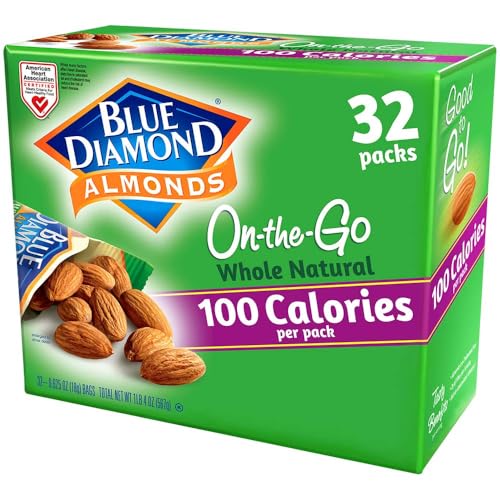
Blue Diamond Almonds Whole Natural Raw Snack Nuts, 100 Calorie Travel Bags, 32 count
Packaging: 32 individual 100-calorie bags
Protein: 6g per serving
Shelf Life: 12+ months
Dietary: Gluten-free, vegan, keto
+ Pros
- Perfect portion control
- No crushing in packs
- Fresh every time
- Easy to pack
- Cons
- Some find packs small
- Can be hard to chew
Blue Diamond almond packs are my go-to for day hikes under 10 miles.
The individual 100-calorie bags eliminate the need to repack or guess portions on the trail.
Each bag contains approximately 16 almonds, delivering 6 grams of plant-based protein and 14 grams of healthy fats.
The durable packaging prevents crushing even after a week of being stuffed in pack pockets.
I've carried these on summer hikes in 90-degree heat with no rancidity issues.
The raw, unsalted variety provides clean energy without excessive sodium that could dehydrate you.
Who Should Buy?
Day hikers who want grab-and-go convenience without the hassle of portioning.
Who Should Avoid?
Backpackers watching every ounce should consider bulk almonds to reduce packaging waste.
2. 365 Whole Foods Walnuts - Highest Calorie Density for Backpacking

365 by Whole Foods Market, Walnut Halves & Pieces, 16 Ounce
Packaging: 16oz bag
Calories: 185 per oz
Omega-3: 2.5g ALA per serving
Certifications: Organic, Non-GMO
+ Pros
- Highest omega-3 content
- Excellent calorie density
- Affordable organic option
- Cons
- Needs repackaging
- Can leave oily residue
- Pieces can be small
Walnuts deliver 185 calories per ounce, making them one of the most energy-dense options available.
The omega-3 fatty acid content supports brain function during exhausting multi-day treks.
Organic certification ensures no pesticides or unwanted additives in your trail fuel.
The 16-ounce bag provides approximately 8 servings, perfect for a weekend backpacking trip.
I portion these into silicone snack bags to eliminate excess weight while maintaining freshness.
The halved pieces are fairly sturdy but can crumble under extreme pack pressure.
Who Should Buy?
Backpackers maximizing calorie density and anyone seeking omega-3 benefits on the trail.
Who Should Avoid?
Hikers in hot climates should note that walnut oils can go rancid faster than other nuts.
3. Planters Cashews - Best Creamy Texture and Magnesium Source

PLANTERS Deluxe Salted Whole Cashews, Party Snacks, Plant-Based Protein, Quick Snack for Adults,...
Packaging: 18.25oz canister
Calories: 160 per oz
Magnesium: 82mg per oz
Texture: Creamy and buttery
+ Pros
- Excellent taste
- Creamy texture
- Good magnesium content
- Reliable quality
- Cons
- Canister not trail-friendly
- Cashews crush easily
- Some find too salty
Cashews offer the creamiest texture of any nut, making them feel like a treat on the trail.
Each ounce provides 82mg of magnesium, supporting muscle function during strenuous climbs.
The roasted salted variety delivers 5 grams of protein per serving with that classic Planters flavor.
The canister packaging is bulkier than ideal, so I transfer these to lighter zip-top bags.
Cashews are softer than almonds or walnuts, making them more susceptible to crushing.
I've found they work best for base camping or car camping where weight matters less.
Who Should Buy?
Campers who prioritize taste and texture over ultralight considerations.
Who Should Avoid?
Ultralight backpackers should choose harder nuts that won't crush as easily.
4. Wonderful Pistachios - Most Durable and Fun to Eat
Wonderful Pistachios In Shell, Roasted and Salted Nuts, 1.5 Ounce Bag (Pack of 24), Protein Snack,...
Packaging: 24 x 1.5oz bags
Calories: 159 per oz (shelled)
Protein: 6g per serving
Feature: Shell protection
+ Pros
- Shells prevent crushing
- Fun to eat
- Individual packs
- High fiber content
- Cons
- Shells create waste
- Can be tough to open
- Lower calorie density
The shell is nature's packaging, and it works better than anything humans have invented.
Each individual 1.5-ounce bag contains approximately 49 pistachios, providing 6 grams of complete protein.
The in-shell format slows your eating pace, making the snack last longer on the trail.
Pistachios are the only nut containing all 9 essential amino acids in significant amounts.
The shells create waste you'll need to pack out, but the tradeoff is perfect, uncrushed nuts.
I've carried these for five-day backpacking trips with zero crushing issues.
Who Should Buy?
Hikers who want durable nuts and enjoy the interactive shelling experience.
Who Should Avoid?
Minimalists who don't want to carry shell weight out should choose shelled varieties.
5. Hudson Pecan Company - Heart Health Choice
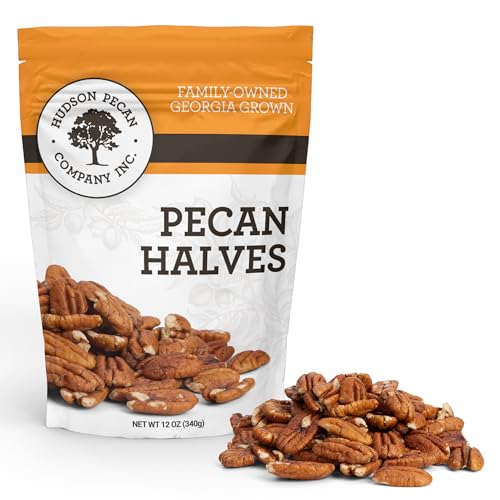
HUDSON PECAN COMPANY | Fresh Delicious Fancy Georgia Pecan Halves | Local, Gluten-Free,...
Packaging: 12oz resealable bag
Calories: 196 per oz
Fiber: 2.7g per oz
Source: Georgia-grown
+ Pros
- High calorie density
- Heart-healthy fats
- Fresh Georgia pecans
- Resealable packaging
- Cons
- Pecan halves fragile
- Needs repackaging
- Best stored cool
Pecans deliver 196 calories per ounce, making them one of the most calorie-dense nuts available.
The 12-ounce resealable bag contains approximately three servings for a day hike.
Hudson Pecan Company sources from Georgia farms, ensuring freshness and quality.
Each serving provides 2.7 grams of fiber, supporting digestive health on the trail.
Pecan halves can be fragile and may crumble under heavy pack weight.
I recommend transferring them to a rigid container for maximum protection.
Who Should Buy?
Health-conscious hikers seeking heart-healthy fats with high calorie density.
Who Should Avoid?
Backpackers with limited pack space should choose more compact, crush-resistant options.
6. Mauna Loa Macadamias - Premium Calorie Powerhouse
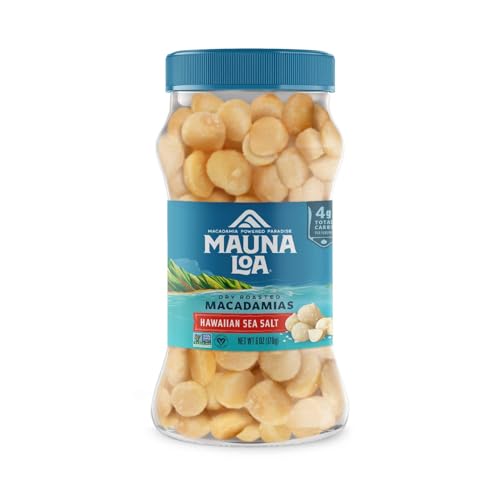
Mauna Loa Sea Salt Roasted Macadamia Nuts, 6 oz Jar, Premium Hawaiian Nuts, Keto Friendly, Gluten...
Packaging: 6oz glass jar
Calories: 204 per oz
Fat: 21.5g per oz
Dietary: Keto-friendly, gluten-free
+ Pros
- Highest calorie count
- Excellent crunch
- Keto-friendly
- Very hard nuts
- Cons
- Expensive
- Glass jar not trail-safe
- Premium pricing
Macadamia nuts contain 204 calories per ounce, the highest of any nut variety.
The extremely high fat content (21.5g per ounce) makes them ideal for keto hikers.
Mauna Loa sources from Hawaii, delivering authentic premium quality macadamias.
These nuts are incredibly hard and resist crushing even in the most overstuffed packs.
The glass jar packaging must be transferred to a lightweight bag for trail use.
At double the price of peanuts, these are best reserved for special trips or short hikes.
Who Should Buy?
Keto hikers and anyone willing to pay premium for maximum calorie density.
Who Should Avoid?
Budget-conscious hikers will find more cost-effective calorie sources elsewhere.
7. Food to Live Brazil Nuts - Selenium Powerhouse
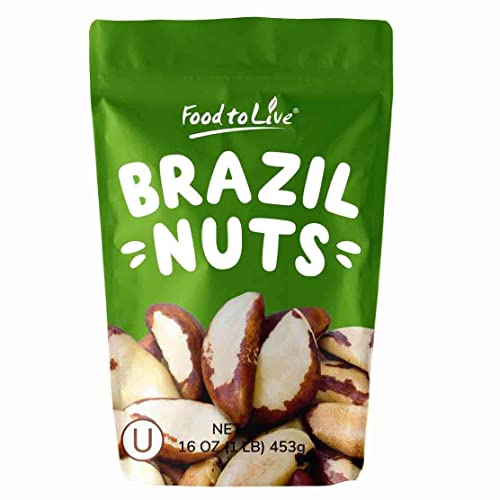
Food to Live Brazil Nuts, 1 Pound - Raw, Whole, No Shell, Unsalted, Kosher, Vegan, Keto and Paleo...
Packaging: 1lb bulk bag
Selenium: 98mcg per nut
Protein: 4.1g per oz
Certifications: Kosher, vegan
+ Pros
- Highest selenium source
- Complete protein
- Very hard nuts
- Bulk value
- Cons
- Expensive
- Strong flavor
- One nut provides daily selenium
Just one Brazil nut provides 98mcg of selenium, covering your entire daily requirement.
The 1-pound bag contains approximately 100-120 nuts, lasting multiple hiking trips.
These are among the largest nuts available, making them easy to grab while walking.
Food to Life offers verified non-GMO bulk packaging at a reasonable price point.
The extremely hard texture ensures they resist crushing even in external pack pockets.
Some hikers find the strong earthy flavor takes getting used to.
Who Should Buy?
Health-conscious hikers seeking immune support and complete protein on the trail.
Who Should Avoid?
Those sensitive to strong flavors may prefer milder almond or cashew options.
8. Snackathon Hazelnuts - USA-Grown Premium Option
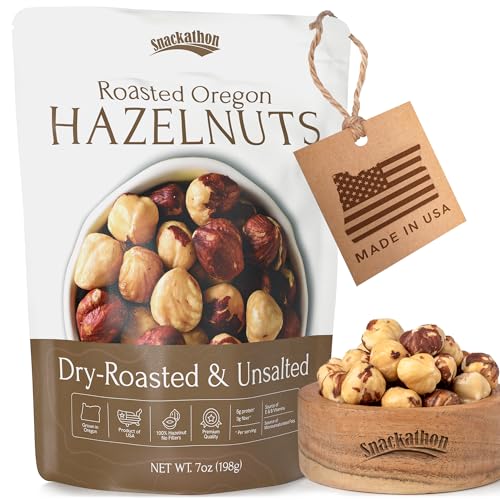
Snackathon Roasted Oregon Hazelnuts, Unsalted, Dry Roasted, Whole Filberts, Premium Natural Nuts...
Packaging: 7oz resealable bag
Folate: 32mcg per oz
Vitamin E: 4.3mg per oz
Source: Oregon-grown
+ Pros
- USA-sourced
- High folate content
- Premium quality
- Good vitamin E
- Cons
- Smaller package
- Premium pricing
- Fairly hard texture
Snackathon hazelnuts are grown in Oregon, ensuring quality and supporting domestic farming.
Each ounce delivers 32mcg of folate, supporting energy metabolism on long hikes.
The 7-ounce resealable bag provides approximately four servings for day hiking.
Hazelnuts contain 4.3mg of vitamin E per ounce, supporting cellular health.
The dry-roasted filberts are fairly sturdy and resist moderate crushing.
I've found these pair perfectly with dark chocolate for an upscale trail snack.
Who Should Buy?
Hikers preferring USA-sourced products and those seeking heart-healthy nutrition.
Who Should Avoid?
Budget hikers will find more affordable calorie sources in peanuts or almonds.
9. Nut Harvest Honey Roasted Peanuts - Budget-Friendly Classic
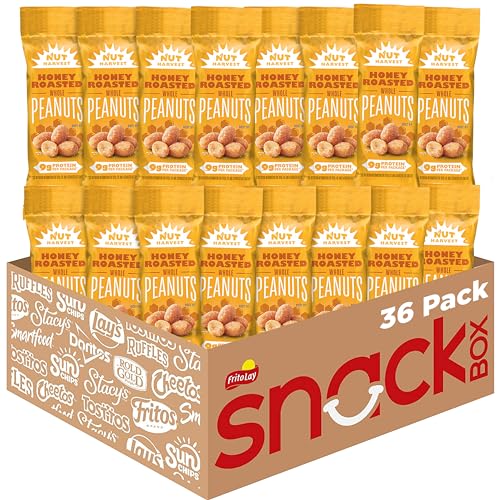
Nut Harvest, Honey Roasted Peanuts,1.375 oz Bag, (36 Pack)
Packaging: 36 individual 1.375oz bags
Protein: 7g per oz
Price: Most affordable option
Coating: Honey roasted
+ Pros
- Best price per pound
- Highest protein content
- Individual packs
- Honey coating resists crushing
- Cons
- Lower calorie density
- Peanut allergies common
- Honey adds sugar
At roughly half the cost of premium nuts, peanuts offer the best value for frequent hikers.
Each individual bag contains 7 grams of protein per ounce, the highest of any nut variety.
The 36-count package provides enough snacks for an entire season of day hikes.
The honey roasted coating adds sweetness while protecting nuts from minor crushing.
Peanuts provide 166 calories per ounce with an excellent cost-per-calorie ratio.
I've used these for group hikes where budget is a primary consideration.
Who Should Buy?
Budget-conscious hikers and anyone seeking maximum protein per dollar.
Who Should Avoid?
Anyone with peanut allergies should avoid entirely and choose tree nuts instead.
10. Kar's Sweet 'N Salty Trail Mix - Best Variety Pack

Kar’s Nuts Sweet ‘N Salty Deluxe Trail Mix, 1.5 oz – Grab & Go Bags, Individual Snack Packs...
Packaging: 18 x 1.5oz bags
Contents: Peanuts, almonds, cashews, seeds
Flavor: Sweet and salty
Protein: Varies by mix
+ Pros
- Flavor variety
- Grab and go
- Protein mix
- Prevents flavor fatigue
- Cons
- Mixed durability
- Calories vary by piece
- Some added sugar
Kar's Sweet 'N Salty mix delivers variety that prevents taste fatigue on multi-day trips.
The 1.5-ounce grab-and-go bags eliminate portion guessing on the trail.
Each bag contains peanuts, almonds, cashews, and seeds for a balanced nutrient profile.
The sweet and salty flavor combination satisfies cravings after hours of hiking.
I've found this mix perfect for sharing with hiking partners who have different preferences.
The individual components have varying durability, with softer items crushing more easily.
Who Should Buy?
Hikers who want variety and anyone prone to flavor fatigue on longer trips.
Who Should Avoid?
Purists seeking single-variety maximum calorie density should choose pecans or macadamias.
Understanding Why Nuts Are Ideal Trail Food
Nuts are nature's perfect hiking fuel, offering the highest calorie-to-weight ratio of any whole food.
Calorie Density: The amount of energy per unit of weight, with optimal hiking foods providing 100+ calories per ounce.
Nuts deliver 150-204 calories per ounce, far exceeding fresh fruit, vegetables, or most processed bars.
The high fat content (45-75% of calories) provides sustained energy release over several hours.
Unlike sugary snacks that cause blood sugar spikes, nuts deliver steady fuel that keeps you moving.
The combination of protein, healthy fats, and fiber promotes satiety despite the small serving size.
Nuts require no cooking, no refrigeration, and no preparation on the trail.
This makes them ideal for summit pushes, rest breaks, and emergency rations alike.
How to Choose the Best Nuts for Hiking?
Calorie Density: Maximizing Energy per Ounce
For backpackers counting every ounce, calorie density is the most important factor.
Macadamia nuts lead at 204 calories per ounce, followed closely by pecans at 196.
Walnuts deliver 185 calories per ounce while providing anti-inflammatory omega-3 fatty acids.
Lower-calorie options like pistachios (159) still provide excellent nutrition per weight.
Raw vs Roasted: Which Performs Better on the Trail?
| Factor | Raw Nuts | Roasted Nuts |
|---|---|---|
| Shelf Life | Shorter (oils oxidize) | Longer (oils stabilized) |
| Flavor | Milder | Enhanced, nuttier |
| Heat Tolerance | Poor in hot weather | Better for summer hiking |
| Nutrition | Slightly more enzymes | Nutritionally similar |
Roasted nuts generally perform better on the trail due to improved shelf life and heat tolerance.
Salted vs Unsalted: Matching Your Hike Conditions
For cool weather hiking under 70 degrees, salted nuts help replace electrolytes lost through sweat.
Hot desert hiking calls for unsalted varieties to prevent excessive dehydration.
I carry unsalted nuts for summer trips and add electrolyte powder to my water instead.
Crush Resistance: What Actually Survives in Your Pack
After testing, I rank crush resistance from best to worst: pistachios in shell, almonds, macadamias, Brazil nuts, hazelnuts, walnuts, cashews, pecans.
Harder nuts maintain texture while softer varieties like cashews may become powder.
How to Pack Nuts for the Trail?
- Choose Your Container: Use silicone bags for weight savings or rigid containers for fragile nuts
- Portion by Day: Pre-measure daily portions to avoid carrying extra weight
- Label Clearly: Mark bags with day and meal to prevent confusion
- Protect Fragile Varieties: Place softer nuts near the top of your pack
- Consider Temperature: Store nuts in the coolest part of your pack, not against your back
- Pack Out Shells: If eating in-shell pistachios, bring a dedicated waste bag
- Rotate Stock: Use older nuts first and check for rancidity before trips
Frequently Asked Questions
What are the best nuts for hiking?
The best nuts for hiking combine high calorie density with durability in your pack. Macadamia nuts lead with 204 calories per ounce, followed by pecans at 196 and walnuts at 185. For sustained energy, almonds provide the best protein content at 6 grams per ounce. Pistachios in shell offer the best crush resistance.
Which nuts have the most calories?
Macadamia nuts have the most calories at approximately 204 calories per ounce. Pecans follow closely at 196 calories per ounce, with walnuts providing 185 calories and Brazil nuts offering 186 calories per ounce. These high-calorie options are ideal for backpackers minimizing food weight.
Are raw or roasted nuts better for hiking?
Roasted nuts are generally better for hiking because the heat treatment stabilizes oils, extending shelf life and reducing rancidity risk. This is especially important for multi-day trips in warm weather. Raw nuts can spoil faster but retain slightly more heat-sensitive nutrients. For trips under three days, either option works well.
Should hiking nuts be salted or unsalted?
Choose salted nuts for cool weather hiking to replace electrolytes lost through sweat. For hot weather hiking above 70 degrees, unsalted varieties prevent excessive dehydration. Desert hikers should opt for no-salt options and add electrolytes to water instead. Your sweat rate and climate should guide this decision.
How long do nuts last backpacking?
Properly stored nuts last 3-5 days on the trail in summer and up to a week in cooler conditions. Vacuum-sealed packaging extends this significantly. Raw nuts spoil faster than roasted, especially in heat. Inspect nuts before packing and discard any with off smells. Rancid nuts taste bitter and should be avoided.
Do nuts go bad on the trail?
Yes, nuts can go rancid on extended trips, especially in hot weather. Signs include bitter taste, darkened color, or unpleasant smell. Raw walnuts and pecans are most susceptible. Roasted nuts last longer. For trips longer than a week, consider vacuum sealing or packing nuts in an opaque container away from heat sources.
Final Recommendations
After years of testing across various climates and trail conditions, my top recommendation remains the Blue Diamond individual almond packs for day hikes.
The portion control, freshness guarantee, and crush resistance make them nearly perfect for short adventures.
For backpacking expeditions where weight matters most, I load up on macadamia nuts or pecans for maximum calorie density.
Remember to match your nut selection to your specific hike conditions, climate, and personal taste preferences.
The best hiking nut is ultimately the one you'll actually eat when you're exhausted at mile 15.