
Kayak Scupper Plugs: Essential Tips and Effective Techniques
Kayak scupper plugs are small but essential accessories that every sit-on-top kayak owner should understand. These simple devices control water flow through the drainage holes in your kayak's hull, giving you the flexibility to stay dry in calm conditions or allow rapid drainage when needed. Whether you are new to paddle sports or have years of experience, knowing when and how to use scupper plugs can make your time on the water more comfortable and safer.
In this comprehensive guide, I will walk you through everything you need to know about kayak scupper plugs in 2026. From understanding how they work to choosing the right size and knowing when to remove them, these insights will help you make informed decisions about your kayak setup.
Let me break down the essential functions, explore the different types available, and share practical tips that will keep you paddling comfortably in any conditions.
What Are Kayak Scupper Plugs and How Do They Work
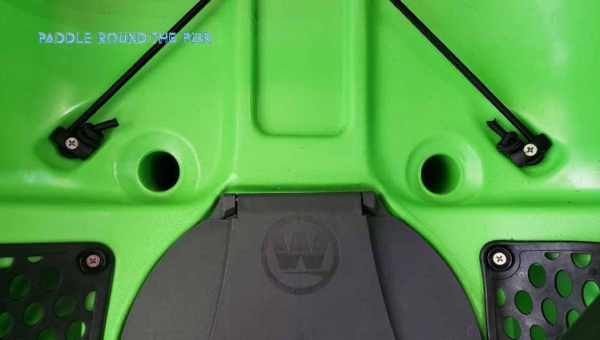
Scupper holes are built-in drainage openings found in sit-on-top kayaks. They run from the deck through the hull to the water below, allowing any water that splashes into your kayak to drain out naturally. This design keeps your feet dry and your vessel lighter while paddling.
The Purpose of Scupper Holes in Sit-On-Top Kayaks
Scupper holes serve a vital role in the design of sit-on-top kayaks. These hollow channels connect the deck surface to the water below, creating a self-draining system. When water splashes onto your kayak deck from waves, paddle drip, or rain, it naturally flows toward these holes and exits back into the water.
Without these drainage holes, water would accumulate in your footwells and seating area, adding unwanted weight and potentially compromising your stability. This is why sit-on-top kayaks are popular for recreational paddling and fishing, they are designed to handle water entry efficiently.
How Scupper Plugs Control Water Flow
Kayak scupper plugs function as removable seals for these drainage holes. By inserting plugs into the scuppers, you block the upward flow of water while still allowing any water on your deck to drain downward. This gives you control over how much water enters your kayak based on current conditions.
When properly fitted, scupper plugs create a water-tight seal that prevents water from entering through the holes from below. This is particularly useful in calm water, cold weather, or when carrying heavy loads that sit lower in the water. Understanding this control mechanism helps you optimize your kayak setup for different paddling environments.
Benefits of Using Kayak Scupper Plugs
- Stay dry in calm conditions: Blocking scupper holes prevents water from splashing up into your footwells when the water surface is flat or when you are sitting still.
- Increase buoyancy: A plugged kayak rides slightly higher in the water, reducing drag and improving paddling efficiency.
- Keep gear protected: Sealed scuppers mean less water reaching your equipment, tackle boxes, and personal items stored on deck.
- Enhanced stability: Controlling water entry helps maintain proper weight distribution and balance while on the water.
- Cold weather comfort: Preventing cold water from entering your kayak keeps you warmer and extends your paddling season.
Also Read: Sit-On-Top vs Sit-In Kayak 2026: Complete Guide and Comparison
Types of Kayak Scupper Plugs
Understanding the different types of kayak scupper plugs helps you choose the right option for your specific needs. Each design offers unique advantages for different paddling conditions and kayak models.
Standard Rubber and Silicone Scupper Plugs
The most common type of kayak scupper plugs are made from rubber or silicone materials. These plugs feature a tapered or conical shape that allows them to fit snugly into scupper holes of various sizes. The hollow design compresses slightly when inserted, creating a tight seal that prevents water from entering.
Many standard plugs include a loop pull or ring pull design that makes removal quick and easy. This feature is essential when you need to drain water rapidly or remove plugs in an emergency. The flexible material allows these plugs to conform to slight variations in hole shape while maintaining their sealing capability.
Self-Draining and One-Way Scupper Plugs
Self-draining scupper plugs, also called one-way scupper plugs, represent a significant innovation in kayak accessories. These clever devices allow water to flow out of your kayak while preventing water from entering from below. They use a one-way valve mechanism that opens under the weight of accumulated water on your deck but seals shut against water pressure from underneath.
This design offers the best of both worlds, you stay dry in normal conditions while excess water automatically drains away. For kayak fishing enthusiasts and those who paddle in variable conditions, self-draining scupper plugs eliminate the need to constantly insert and remove plugs as conditions change. Many paddlers find these worth the slightly higher cost for the convenience they provide.
Brand-Specific and Universal Fit Plugs
Some kayak manufacturers produce proprietary scupper plugs designed specifically for their models. These brand-specific plugs often provide the most precise fit for kayaks from companies like Lifetime, Perception, Jackson Kayak, Old Town, and Ocean Kayak. If you own a popular kayak model, checking for brand-specific options can ensure optimal performance.
Universal scupper plugs offer flexibility across multiple kayak brands. These adjustable or tapered designs accommodate a range of hole sizes and shapes. While they may not fit as precisely as brand-specific options, universal plugs are readily available and work well for many paddlers. They are particularly useful if you own multiple kayaks or frequently switch between different vessels.
DIY Kayak Scupper Plugs
If you prefer a hands-on approach or need a quick solution, creating DIY kayak scupper plugs is straightforward. Here is a simple method to make your own:
- Gather materials: You will need a rubber or cork stopper that matches your scupper hole diameter, plus a length of durable cord or string.
- Drill a center hole: Create a hole through the middle of your stopper, large enough for your cord to pass through easily.
- Thread the cord: Pass the cord through the hole and tie secure knots at both ends, leaving enough length to grab for removal.
- Test the fit: Insert your DIY plug into the scupper hole to verify it creates a water-tight seal and can be removed smoothly.
- Make multiple: Create enough plugs for all your scupper holes, as having spares is always recommended.
DIY scupper plugs work well for casual paddlers and can be made from inexpensive materials found at hardware stores. However, commercial plugs often provide better long-term durability and more reliable sealing.
Scupper Plug Types Comparison
| Type | Best For | Key Advantage | Consideration |
|---|---|---|---|
| Standard Rubber | General paddling | Affordable, widely available | Must remove to drain water |
| Self-Draining | Fishing, variable conditions | Automatic drainage | Higher cost |
| Silicone | Cold weather | Flexible in low temps | May wear faster |
| Foam | Temporary use | Very lightweight | Less durable |
| Brand-Specific | Exact model fit | Perfect seal | Limited compatibility |
Also Read: Kayak Maintenance Guide: Expert Tips for Hull Care and Wax
When to Use Kayak Scupper Plugs
Knowing when to insert your scupper plugs is just as important as having them. Proper timing ensures you stay dry without compromising safety or performance.
Ideal Conditions for Plugged Scuppers
Calm water is the most obvious time to use scupper plugs. When the surface is flat and you are not expecting waves or chop, sealing your scupper holes keeps you completely dry. This is ideal for recreational paddling on lakes, slow-moving rivers, and protected bays where water splashing up through the holes is unlikely.
Cold weather paddling is another scenario where plugs are essential. Preventing cold water from entering your kayak helps maintain your body temperature and extends your comfort level significantly. In winter or early spring conditions, keeping your footwells dry can be the difference between an enjoyable trip and a cold, miserable experience.
When carrying heavy loads, such as camping gear or extensive fishing equipment, your kayak sits lower in the water. This increases the chance of water pushing up through the scupper holes. Plugging them prevents this water intrusion and helps maintain proper buoyancy even with extra weight on board.
Speed and Efficiency Benefits
Using scupper plugs can actually improve your kayak's performance. A plugged kayak rides slightly higher in the water due to increased buoyancy, which reduces drag and allows you to paddle more efficiently. If speed matters for your trip, consider sealing those holes to gain a slight performance edge.
When NOT to Use Scupper Plugs
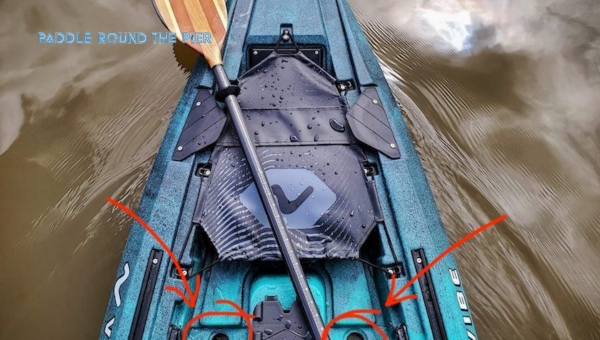
Understanding when to remove your scupper plugs is critical for safety. There are specific conditions where keeping your drainage holes open is the smarter choice.
Rough Water and Choppy Conditions
When paddling in rough water, choppy conditions, or surf, keeping your scupper holes open is essential. Waves will inevitably splash water onto your deck, and you need that water to drain out quickly to maintain stability. Plugged scuppers in these conditions can lead to water accumulation that affects your balance and safety.
If you are launching through surf or paddling in windy conditions that create significant wave action, remove your plugs before heading out. The ability to self-bail rapidly is worth getting a bit wet from water pushing up through the holes.
Heavy Rain and Storm Situations
During heavy rain or when storms approach, open scupper holes allow rainwater to drain rather than collecting in your kayak. A plugged kayak in a downpour can accumulate significant water weight, potentially affecting handling and stability. Always check weather forecasts and remove plugs if rain is expected.
Emergency Situations and Quick Exit Needs
In emergency situations, you may need to exit your kayak quickly or drain water rapidly. Scupper plugs that are difficult to remove can slow down this process. For this reason, many experienced paddlers recommend carrying spares and practicing quick removal techniques.
Never permanently seal your scupper holes with glue or permanent plugs. These holes are a safety feature designed to keep your kayak from flooding completely. Always use removable plugs that can be extracted quickly if needed.
Also Read: Can A Kayak Sink, Or Do They Always Float? 2026 Guide
Proper Installation and Usage Tips
Getting the most out of your kayak scupper plugs requires proper installation techniques and some advanced strategies that experienced paddlers use.
Step-by-Step Installation Guide
- Locate all scupper holes: Identify where the holes are positioned on your kayak, typically in the cockpit, footwells, and tank well areas.
- Choose the right size: Test fit your plugs to ensure they create a snug seal without requiring excessive force to insert.
- Insert from below: Push plugs up into the holes from underneath the kayak for the most secure fit.
- Check for gaps: Verify there are no visible gaps around the plug edges that would allow water seepage.
- Test on land first: Before launching, pour some water on your deck to confirm plugs seal properly.
Partial Plugging Strategy
One advanced technique that many experienced paddlers use is partial plugging. Instead of sealing every scupper hole, you might only plug those directly beneath your seat while leaving forward and aft holes open. This strategy keeps your seating area dry while still allowing drainage from other areas of the kayak.
Partial plugging works particularly well for fishing kayaks where you want a dry seat but do not mind some water in the tank well. It is also useful in mild chop where full drainage is not critical but comfort under your seat matters.
Seasonal Adjustments and Maintenance
Consider adjusting your scupper plug strategy seasonally. In warmer months, you might leave plugs out more often to stay cool from incidental water contact. During colder seasons, keeping plugs installed preserves warmth and comfort.
Regular maintenance ensures your plugs perform well. Rinse them with freshwater after each use, especially after paddling in saltwater. Check for wear, cracking, or deformation that could compromise the seal. Store plugs in a dry location away from direct sunlight to extend their lifespan.
Carrying spares is a smart practice recommended by professional guides. Scupper plugs are small and easily lost, especially when removing them quickly on the water. Keep an extra set in your dry bag or tackle box so you are never caught without them when conditions change.
Determining The Right Scupper Plug Size for Your Kayak
Finding the correct scupper plug size is essential for effective water control. An ill-fitting plug either leaks or becomes difficult to remove when needed.
Measuring Your Scupper Holes
To determine the right plug size, you need accurate measurements of your scupper holes. Use calipers or a measuring tape to check both the diameter and depth of each hole. Most sit-on-top kayaks have scupper holes ranging from approximately 1.13 inches to 1.40 inches in diameter, though sizes vary by manufacturer.
Measure across the widest part of the hole opening and note any tapering or irregular shapes. Some holes are perfectly cylindrical while others have slight conical shapes that affect plug fit. Taking measurements at multiple points helps identify the best plug profile for your specific kayak.
Scupper Plug Size Chart
Use this general size chart as a starting point when selecting scupper plugs:
| Hole Diameter | Plug Size Needed | Common Kayak Brands |
|---|---|---|
| 1.00 to 1.15 inches | Small | Some Perception, Old Town models |
| 1.15 to 1.30 inches | Medium | Lifetime, Sun Dolphin, many fishing kayaks |
| 1.30 to 1.45 inches | Large | Ocean Kayak, Jackson, Wilderness Systems |
| 1.45 to 1.65 inches | X-Large | Some tandem kayaks, specialty models |
Keep in mind that scupper holes are not universal across all kayak brands. A plug that fits one model perfectly may be too loose or too tight on another. If you are unsure, adjustable plugs or consulting your kayak manufacturer's specifications can help you make the right choice.
Adjustable and Universal Options
If precise sizing seems complicated, adjustable scupper plugs offer a practical solution. These plugs feature expandable designs that accommodate a range of hole sizes. They are particularly useful if you own multiple kayaks or if your scupper holes have non-standard dimensions.
Universal tapered plugs work well for many paddlers because they compress to fit various diameters. The conical shape naturally adapts to different hole sizes while maintaining a reliable seal.
Troubleshooting Common Issues with Kayak Scupper Plugs
Even with proper selection and installation, you may encounter occasional problems with scupper plugs. Here is how to address the most common issues.
Addressing Leaky Kayak Scupper Plugs
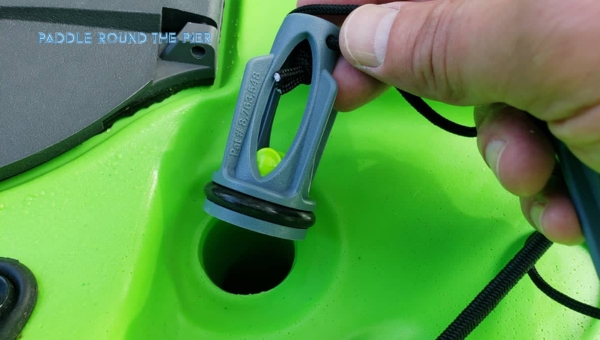
If you notice water seeping around your plugs despite proper installation, several solutions may help. First, verify the plug is fully seated in the hole. Sometimes a plug that appears secure is not pushed in completely, leaving small gaps for water entry.
Adding foam discs or rubber rings around the plug before insertion can fill small gaps and improve the seal. These inexpensive accessories are available at most paddle sports retailers. For persistent leaks, consider switching to a different plug style or size that better matches your scupper hole dimensions.
Over time, rubber and silicone plugs can shrink, crack, or lose elasticity. Regular replacement is part of proper kayak maintenance. If your plugs are more than a season or two old and leaking, fresh replacements often solve the problem immediately.
Environmental and Invasive Species Considerations
A often overlooked aspect of scupper plug maintenance involves invasive species prevention. When you remove plugs after paddling, they may carry seeds, small aquatic organisms, or debris from one water body to another. Cleaning your plugs thoroughly before moving to a new location helps prevent spreading invasive species.
Rinse plugs with freshwater and inspect them for hitchhikers after each trip. This simple practice protects ecosystems and ensures you are practicing responsible paddling. Some paddlers keep separate plug sets for different water bodies to eliminate any risk of cross-contamination.
FAQs
Should I plug the scupper holes in my kayak?
You should plug scupper holes in calm water, cold weather, or when carrying heavy loads. Remove them in rough water, heavy rain, or when you need rapid drainage. Partial plugging, where you only seal holes beneath your seat, works well for many situations.
Will a kayak float without scupper plugs?
Yes, a kayak will float without scupper plugs. Scupper holes are designed to let water drain out, not to keep the kayak afloat. Your kayak's buoyancy comes from the hull design and sealed air chambers. However, without plugs in calm conditions, you may get wet from water splashing up through the holes.
Are all scupper holes the same size?
No, scupper holes are not all the same size. Most range from 1.13 to 1.40 inches in diameter, but sizes vary by kayak brand and model. Lifetime, Perception, Jackson Kayak, and other manufacturers each use different specifications. Always measure your specific holes before purchasing plugs.
What is the difference between a drain plug and a scupper plug?
A drain plug is found on sit-in kayaks and seals a single drain opening at the stern or bow. A scupper plug fits into the multiple drainage holes on sit-on-top kayaks that run from the deck through the hull. Scupper plugs are designed for quick insertion and removal, while drain plugs are typically threaded and intended for end-of-trip drainage.
Can leaving scupper plugs in a boat cause it to sink?
Scupper plugs alone will not cause a kayak to sink, but leaving them in during heavy rain or rough water can allow water accumulation that affects stability. In extreme conditions with plugged scuppers, a kayak could take on enough water to become unsafe. Always remove plugs when conditions require rapid self-draining.
Are kayak scupper plugs universal?
While universal scupper plugs exist that fit multiple kayak brands, they are not truly one-size-fits-all. Tapered and adjustable plugs accommodate a range of hole sizes, but brand-specific plugs often provide the best fit. Measure your scupper holes to determine whether universal or brand-specific plugs are your best option.
Conclusion
Kayak scupper plugs are simple accessories that significantly enhance your paddling experience. Understanding when to use them and when to remove them helps you stay dry, comfortable, and safe on the water. From standard rubber plugs to innovative self-draining designs, the right choice depends on your specific kayak model and paddling conditions.
Remember that scupper plugs are tools for control, not permanent modifications. Keep them handy, carry spares, and adjust your strategy based on weather and water conditions. Whether you are fishing on a calm lake or exploring coastal waters, proper scupper plug use is an essential skill for every sit-on-top kayaker.
Scupper plugs are just one of many essential kayak accessories that can enhance your paddling experience. With the knowledge from this guide, you are ready to make the most of your time on the water in 2026 and beyond.