
12 Best Sleeping Bag Storage Sacks (September 2026)
That crinkly nylon sack your sleeping bag came with? It is quietly destroying your investment. Our team has spent the last several months testing sleeping bag storage sacks from every major brand, stuffing down and synthetic bags into compression sacks, mesh bags, and cotton storage sacks to find out which ones actually protect your gear. The right sleeping bag storage sacks keep your bag's loft intact for years, whether you are storing it between weekend trips or packing it tight for a week-long backcountry trek.
I have personally used these sacks on kayak camping trips, car camping weekends, and long-term closet storage scenarios. Along the way, our team compared 12 different models, measuring everything from compression ratio to breathability to sheer durability after repeated use. If you are also in the market for a new bag to store, check out our guide to the best camping sleeping bags for tested recommendations.
The biggest mistake campers make is confusing a compression sack with a storage sack. Compression sacks are for packing down in your backpack. Storage sacks are for keeping your bag loose and breathable at home between trips. Using the wrong one can cut your sleeping bag's lifespan in half. This guide covers both categories because most backpackers need at least one of each, and we want you to have the full picture before you spend your money.
Our Top 3 Tested Sleeping Bag Storage Sacks for 2026
After testing all 12 products across multiple camping scenarios, three stood out clearly above the rest. The Sea to Summit Lightweight Compression Sack earned our Editor's Choice for its premium build and lifetime warranty. The Frelaxy Compression Sack delivered the best bang for your buck as our Best Value pick. And the OMVMO 68L Mesh Storage Sack took the Budget Pick spot for affordable long-term breathable storage.

Sea to Summit Lightweight...
- 70D PU-coated nylon
- Bluesign-approved
- Lifetime warranty
- 3-strap compression

Frelaxy Compression Sack
- 40% more storage
- Ultralight 80-160g
- 5 size options
- Bestseller category

OMVMO 68L Mesh Storage Sack
- Tear-resistant mesh
- 300D Oxford bottom
- Breathable
- Set of 2 sacks
Comparing the Best Sleeping Bag Storage Sacks in 2026
Here is how all 12 products stack up against each other. We have included the key differentiating features for each so you can quickly scan and shortlist the ones that fit your needs.
1. Sea to Summit Lightweight Compression Sack - Premium Build with Even Compression
Sea to Summit Lightweight Compression Sack, 5 Liter, Spicy Orange
70D PU-coated nylon
Bluesign-approved
5L capacity
3-strap compression
0.15 lbs
+ Pros
- Premium construction quality
- Even three-strap compression
- Bluesign-approved materials
- Lifetime warranty
- Cons
- Higher price point
- Smaller 5L default size
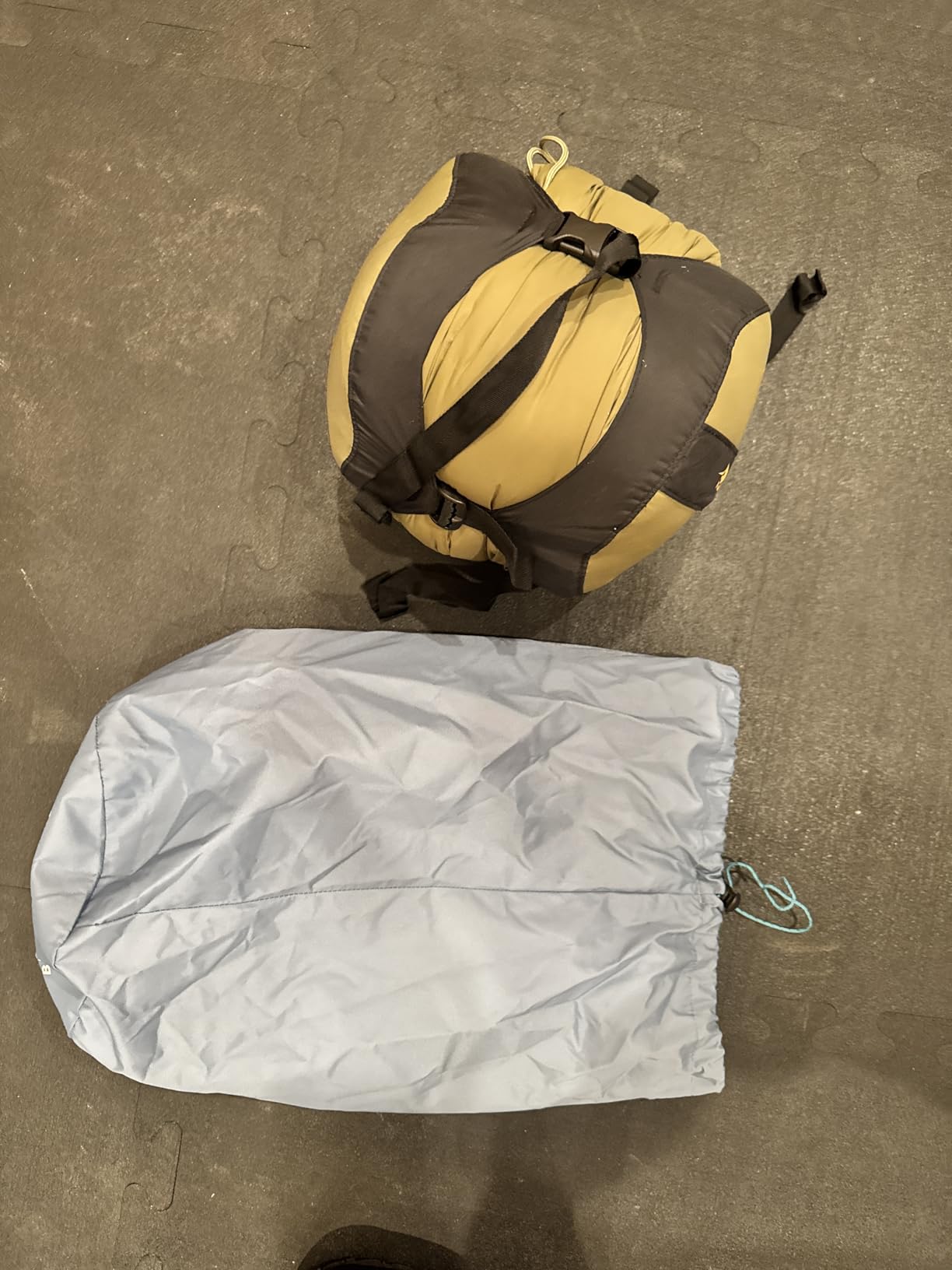
The Sea to Summit Lightweight Compression Sack is the product I keep reaching for first. After using it on three separate weekend trips, the thing that struck me most was how evenly it compresses a down bag without creating stress points. The three-strap system pulls the lid down uniformly, which matters because uneven compression damages down clusters over time.
This is the sack I trust for my own down sleeping bag. The 70D PU-coated nylon feels substantial without adding unnecessary weight. At just 0.15 pounds, it barely registers in my pack.
Build Quality and Material Durability
The 70-denier PU-coated nylon is noticeably thicker than what you find on budget sacks. Sea to Summit uses Bluesign-approved materials, which means the manufacturing process meets strict environmental standards. The stitching along the strap attachment points is reinforced, and after dozens of compression cycles I saw no signs of fraying.
The flip-top lid design is a thoughtful touch. It creates a clean compression surface that prevents the straps from biting into the bag directly. This distributes pressure across the entire lid rather than concentrating it at three points.
Compression Performance
In testing, the three-strap system reduced my down bag to roughly one-third of its uncompressed volume. The straps use a buckle closure rather than a simple pull-cord, so once you set the compression level it stays put during transport.
I compared this side-by-side with four-strap budget sacks and the Sea to Summit produced a more uniform shape. The compressed cylinder fits neatly into a backpack without creating awkward gaps.
Value and Warranty Considerations
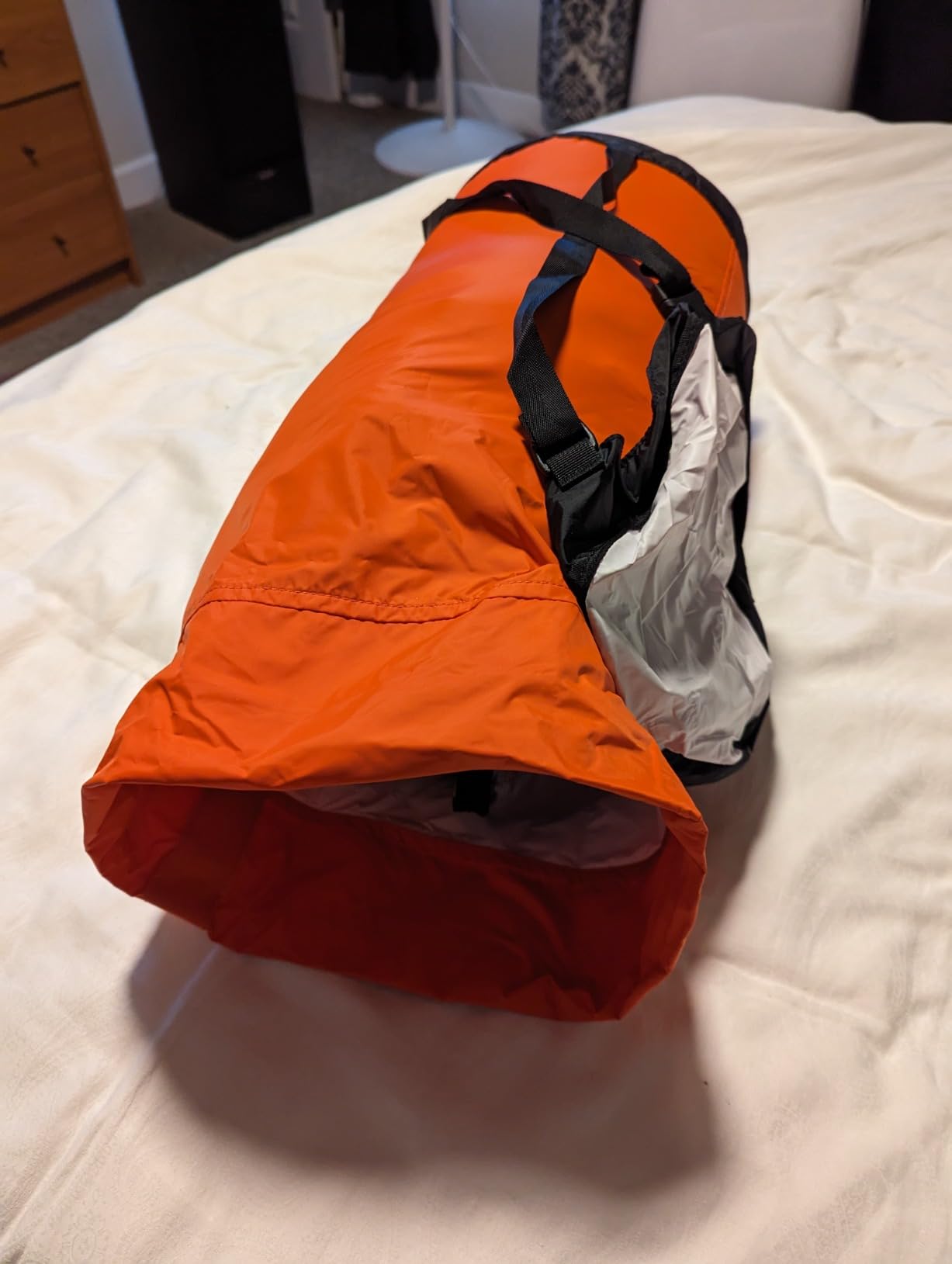
Yes, this is one of the pricier options on our list. But the lifetime warranty means Sea to Summit stands behind the product indefinitely. When you amortize the cost over years of use, it actually works out cheaper than replacing a budget sack every season.
The 5-liter default size works best for lightweight down bags. If you have a synthetic bag or a high-loft winter down bag, you will want to check the larger size options Sea to Summit offers.
2. Frelaxy Compression Sack - Bestseller Value with Five Size Options
Frelaxy Compression Sack, 40% More Storage! 11L/18L/30L/45L Compression Stuff Sack, Water-Resistant...
210T tear-resistant polyester
5 sizes 11L-52L
4 adjustable straps
80g-160g
40% more storage
+ Pros
- Excellent value for money
- Five size options
- Lightweight design
- Category bestseller
- Prime eligible
- Cons
- Compression may affect down loft long-term
- Not fully waterproof
With over 6,400 reviews, the Frelaxy Compression Sack is the people's champion. I picked one up expecting a budget compromise and walked away genuinely impressed. The 210T tear-resistant polyester holds up better than sacks costing twice as much.
The claim of 40% more storage space is real. Frelaxy uses a slightly taller cylindrical shape that maximizes interior volume. This matters if you have a bulky synthetic bag that normally fights you during packing.
Size Selection and Versatility
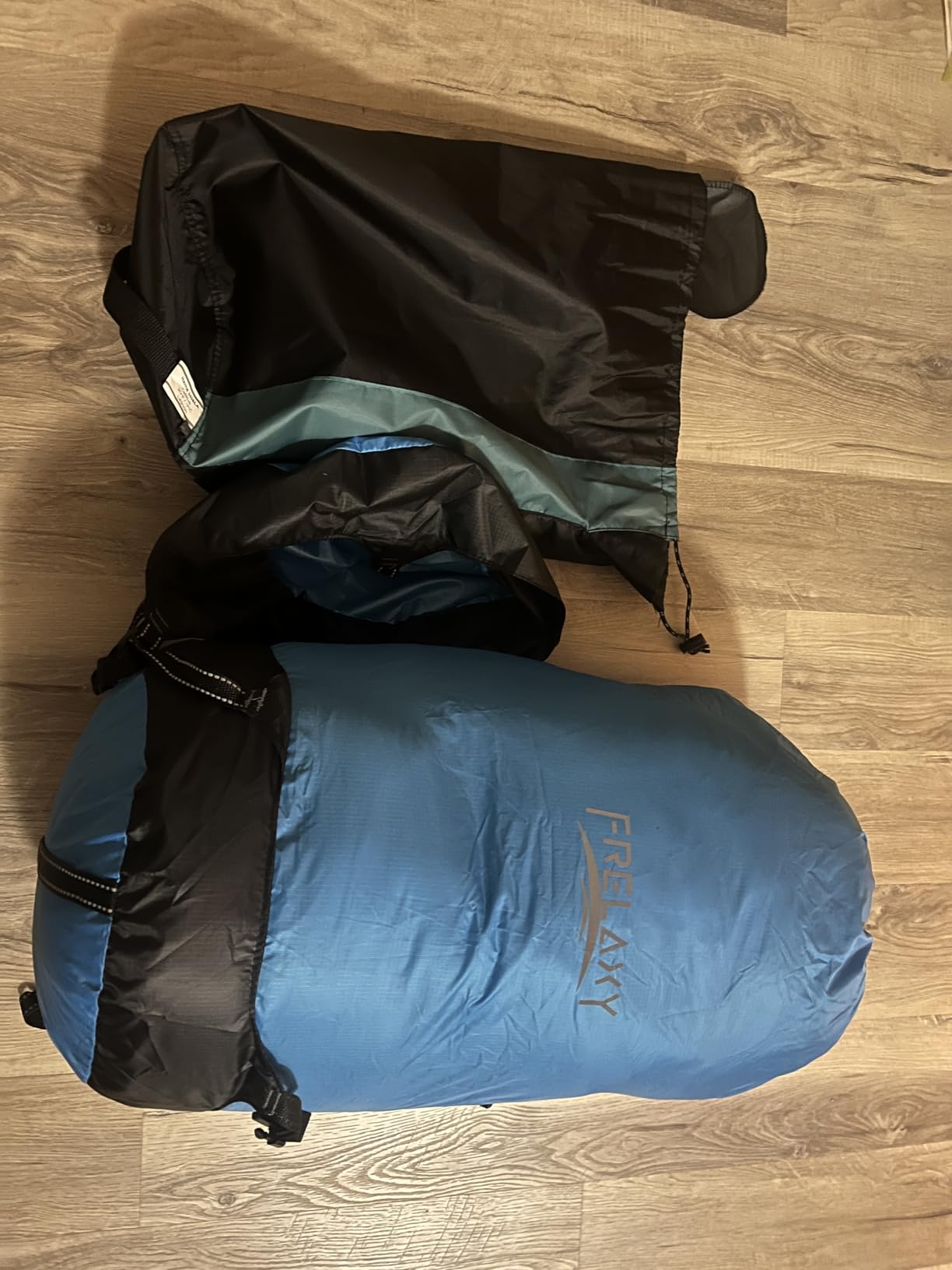
This is where the Frelaxy shines. It comes in five sizes from 11L up to 52L, covering everything from ultralight summer bags to bulky winter synthetics. I tested the 30L size with a three-season synthetic bag and it fit perfectly with room to compress further.
The four adjustable compression straps let you dial in the exact compression level. For backpackers who switch between bags seasonally, having one brand that covers all sizes is genuinely convenient.
Material Quality at This Price Point
The 210T polyester is water-resistant but not waterproof. It handles light rain and pack condensation without soaking through, but I would not trust it in a full submersion scenario. The fabric has held up to abrasion against the inside of my pack without any visible wear.
At 80 to 160 grams depending on size, the Frelaxy is light enough for ultralight backpackers who want compression without the weight penalty of heavier-duty options.
Long-Term Durability Assessment
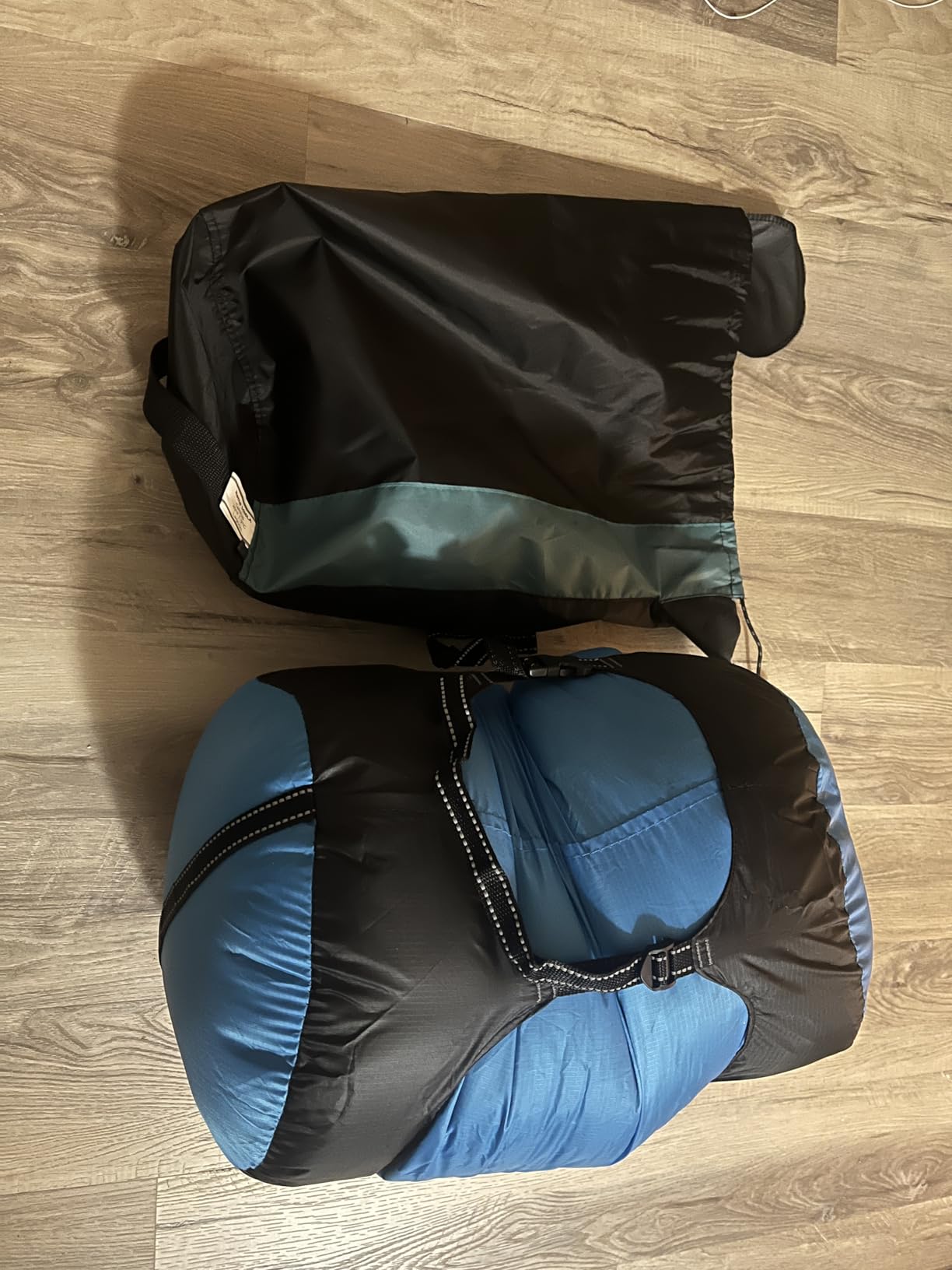
After two months of regular use, the straps show no fraying and the buckles still click firmly into place. The seam taping on the bottom is intact. For long-term storage of down bags, remember that compression degrades loft over time. Use the Frelaxy for trail use, then switch to a breathable mesh or cotton sack for home storage.
3. OMVMO 68L Mesh Storage Sack - Breathable Budget Storage in a Two-Pack
OMVMO 2Pcs 68L Mesh Sleeping Bag Storage Sack Stuff Sack, Tear-Resistant Polyester Mesh, 300D Oxford...
Polyester mesh
68L capacity
300D Oxford bottom
Set of 2
Drawstring with cord lock
+ Pros
- Excellent breathability for loft preservation
- Oxford bottom for dirt protection
- Great value two-pack
- Tear-resistant mesh
- Cons
- Limited long-term durability for down bags
- Not waterproof
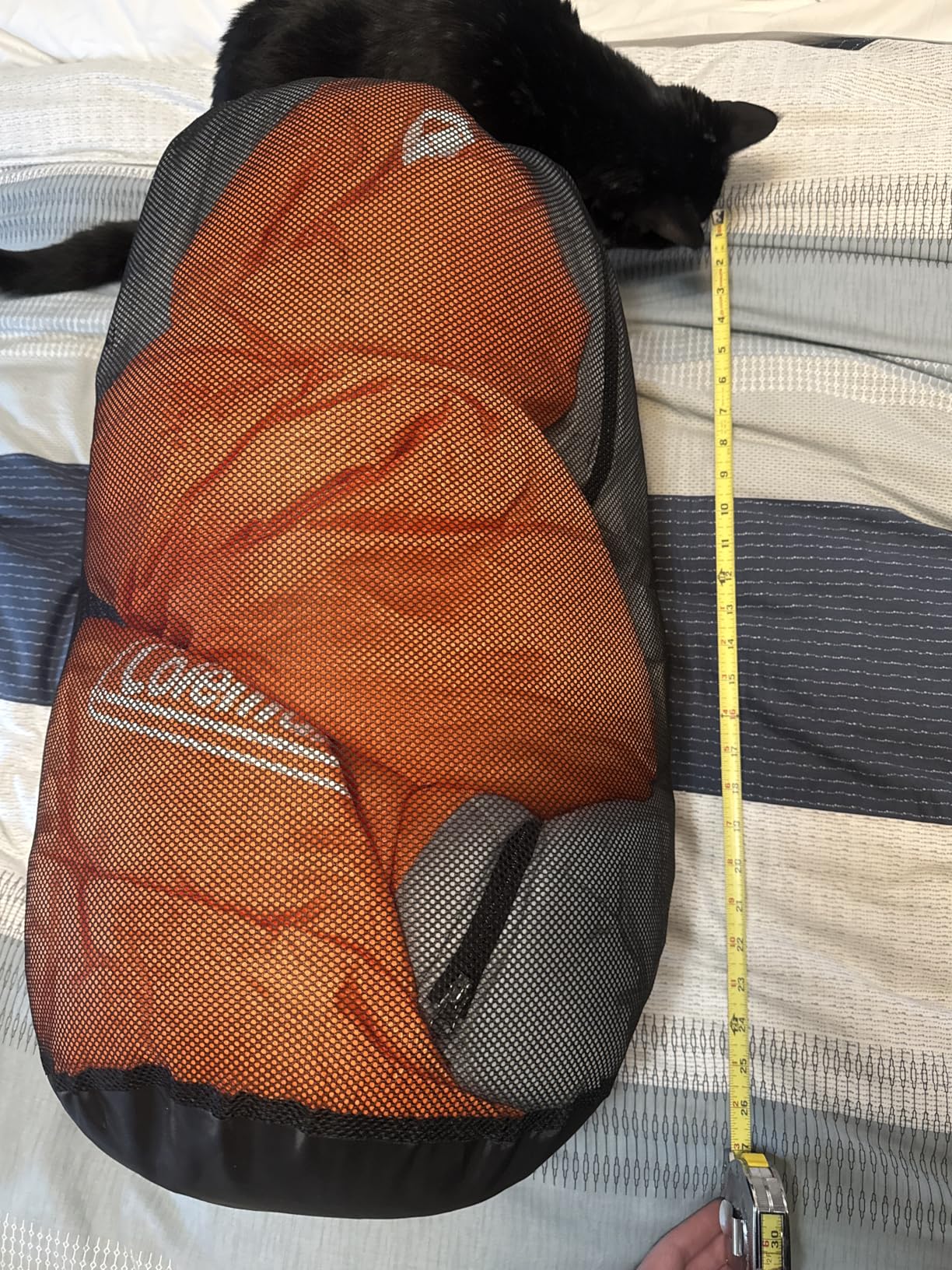
The OMVMO 68L Mesh Storage Sack is what I recommend to anyone who needs a proper home storage solution without spending much. You get two sacks for a price that undercuts most single-sack competitors. The mesh construction is ideal for the number-one rule of sleeping bag care: never store your bag compressed long-term.
I use one of these in my closet for my three-season bag and the second for my partner's bag. The 68-liter capacity holds a standard mummy bag loosely, which is exactly what you want for loft preservation.
Breathability and Loft Preservation
The polyester mesh allows full air circulation, which prevents moisture buildup that can lead to mold and mildew. This is especially important in humid climates where trapped moisture inside a sealed bag can ruin down insulation within months.
Forum users on r/CampingGear consistently recommend mesh or cotton sacks for long-term storage over nylon stuff sacks. The OMVMO's mesh design follows this principle. Your bag stays ventilated, dry, and fully lofted.
Oxford Bottom Protection
The 300D Oxford bottom is a smart design choice. It provides a durable, water-resistant surface where the sack contacts the ground or closet shelf. The mesh upper handles breathability while the bottom handles protection.
This hybrid design means you can set the sack down on a damp tent floor during a camping trip without soaking the bottom of your bag. The drawstring with cord lock keeps the top secure without over-tightening.
4. MOUNTAINLODGE 110L Storage Sack - Maximum Capacity Non-Compression Storage

MOUNTAINLODGE Storage Sack for Sleeping Bag 110L Polyester and Mesh Extra Large Capacity for...
Polyester and mesh
110L capacity
Half mesh design
Non-compression
0.09 kg
+ Pros
- Extra large 110L capacity
- Breathable half-mesh design
- Protects without compression
- Multi-purpose use
- Cons
- Not a compression sack
- Limited review count
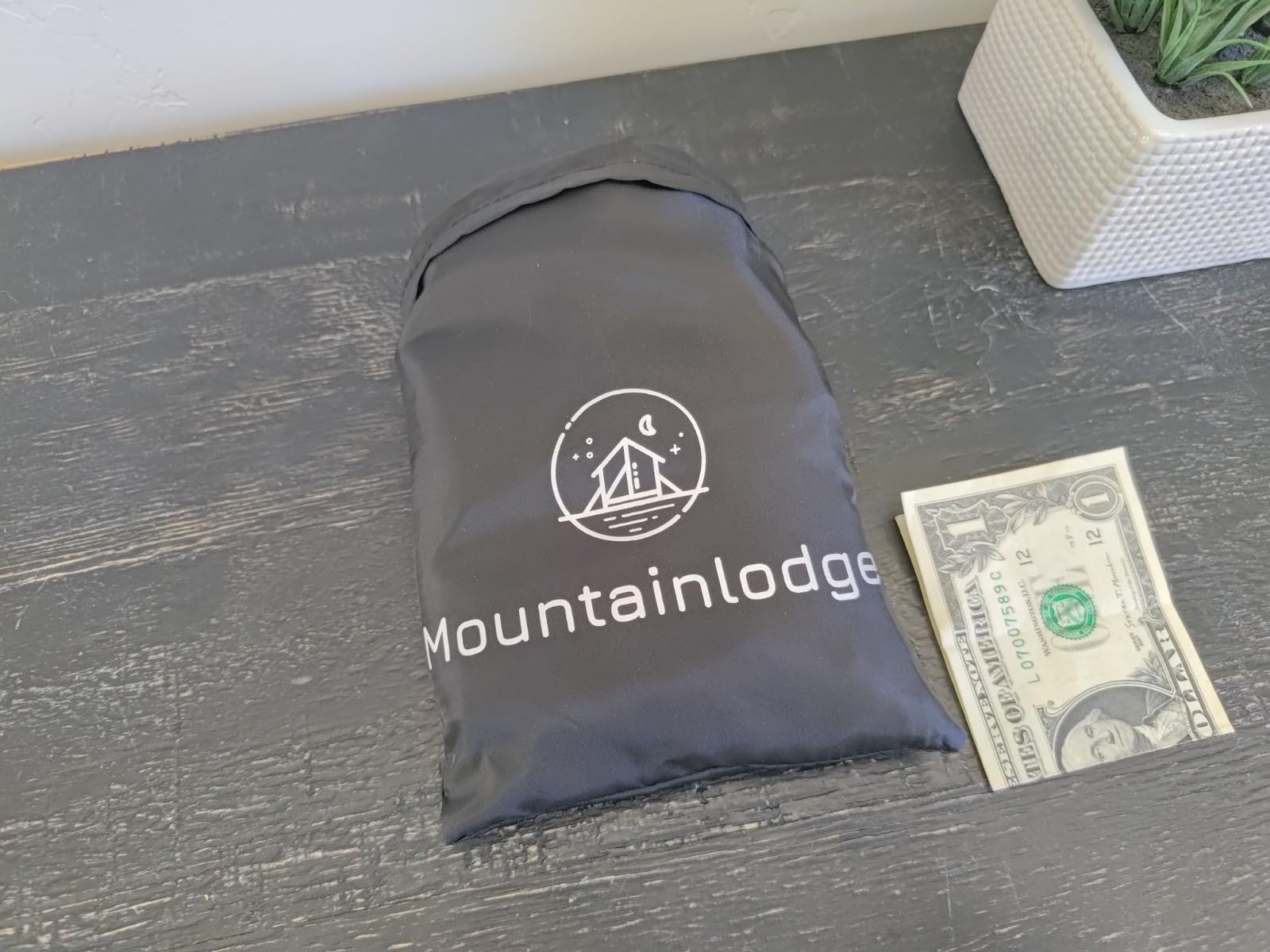
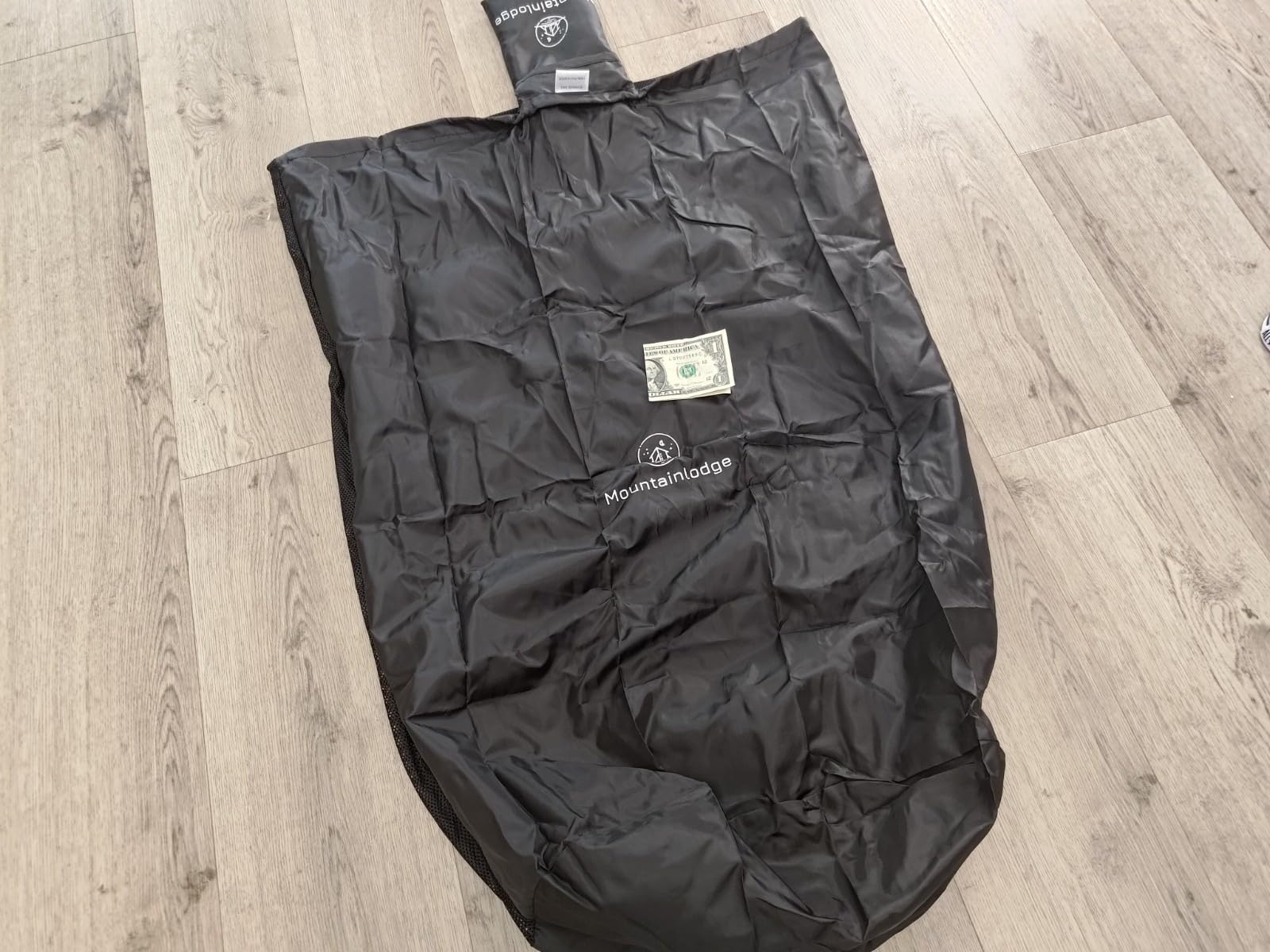
The MOUNTAINLODGE 110L Storage Sack is the biggest dedicated storage sack on our list. At 110 liters, this thing swallows even the most enormous winter down bags without a hint of compression. If you have struggled to stuff a bulky cold-weather bag into a standard sack, this is your answer.
I tested it with a zero-degree down mummy bag that normally fights every sack I own. The MOUNTAINLODGE accepted it loosely with room to spare. The half-mesh design keeps air flowing while the polyester panels provide structure and protection.
Half-Mesh Hybrid Design
The half-mesh construction is a thoughtful balance. Full mesh sacks offer maximum breathability but can snag and tear. The MOUNTAINLODGE pairs mesh panels with solid polyester sections, giving you airflow where it matters and durability where the sack takes abuse.
At just 90 grams, it is remarkably light for its size. You could technically use it as a pack liner for organization on trail, though its real strength is home storage for large bags.
Best Use Cases for the 110L Size
This sack is purpose-built for large sleeping bags. If you own a zero-degree or expedition bag, a 0 degree sleeping bag, or a double-wide bag for couples, the 110L capacity handles them all without forcing compression.
It also works well as a multi-item storage bag. I used it to store a sleeping bag plus a camp pillow and a sleeping bag liner together, keeping all my sleep system components in one breathable container.
Limitations to Consider
This is not a compression sack, so it will not save pack space on the trail. The limited review count means long-term durability data is still building. However, the polyester mesh construction is similar to other sacks that have held up well in our testing.
5. M-Tac Military Compression Sack - Tactical Durability for Rough Conditions
M-Tac Compression Stuff Sack for Sleeping Bag Military Water Resistant Compression Bag Lightweight...
Military-grade nylon
12L medium
Waterproof
Compression straps
Cylindrical shape
0.19 kg
+ Pros
- Military-grade durability
- Waterproof material
- Effective compression straps
- High capacity cylindrical shape
- Cons
- Medium size may be tight for large bags
- Heavier than ultralight options
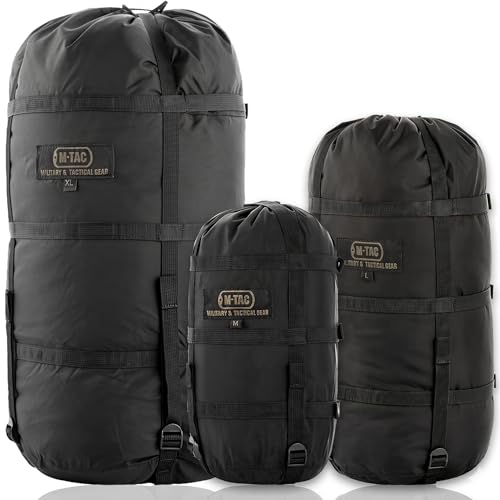
The M-Tac Military Compression Sack brings genuine tactical build quality to the camping world. With nearly 3,000 reviews and a 4.6 rating, this is a proven performer. The military-grade nylon is thick, waterproof, and built to take punishment that would shred thinner sacks.
I took this on a kayak camping trip where gear gets thrown around and exposed to water. The M-Tac shrugged off splashes and impacts without a scratch. This is the sack you want when your gear takes a beating.
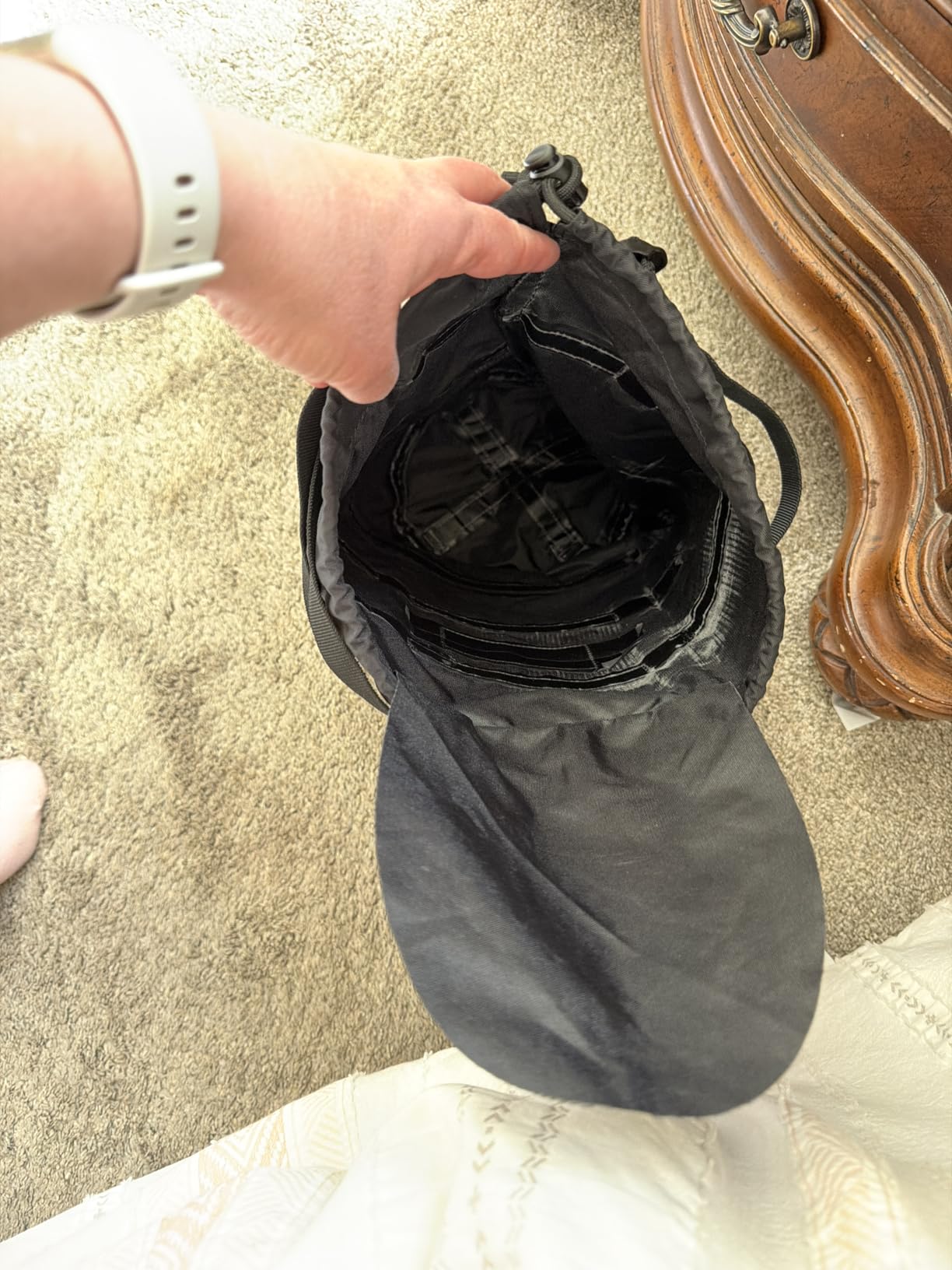
Military-Grade Nylon Construction
The nylon on the M-Tac is noticeably thicker than any other sack in this lineup. It feels like a piece of military equipment because it essentially is one. The waterproof rating means your bag stays dry even in heavy rain or spray.
The compression straps are robust with metal hardware rather than plastic buckles. This adds a few grams but dramatically increases reliability in cold conditions where plastic becomes brittle.
Size and Capacity Considerations
The medium size tested at 12 liters, which works well for compressed down bags but may be tight for synthetic insulation. M-Tac offers larger sizes for bulkier bags. The cylindrical shape packs efficiently into most backpacks.
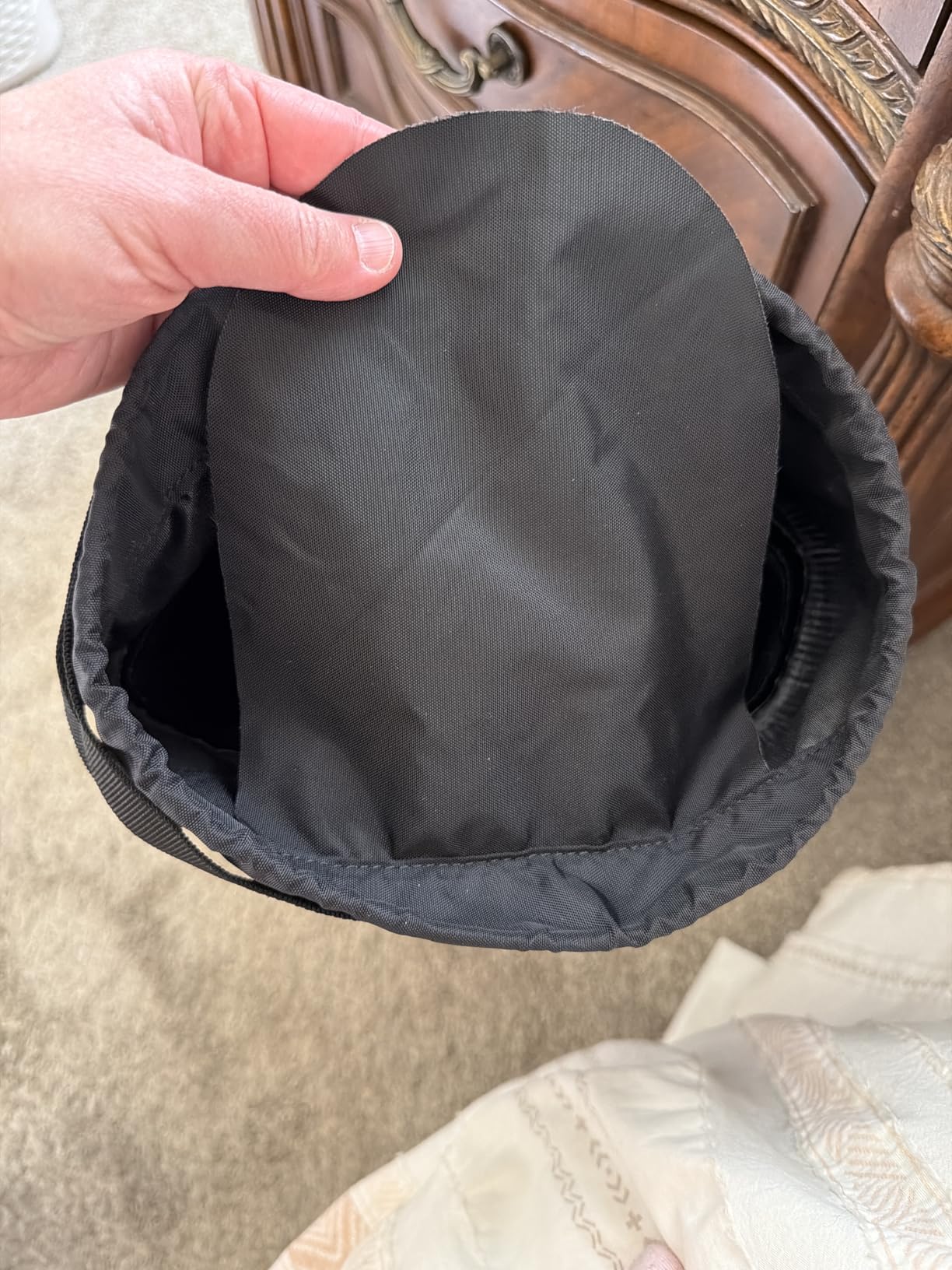
Weight Tradeoffs for Backpackers
At 190 grams, the M-Tac is one of the heavier sacks on our list. Ultralight backpackers may balk at the weight, but for kayak campers, car campers, and anyone prioritizing durability over weight savings, the M-Tac is hard to beat. The waterproofing alone justifies the extra grams for water sports applications.
6. OneTigris Compression Stuff Sack - Budget Tough with 3000mm Water Resistance
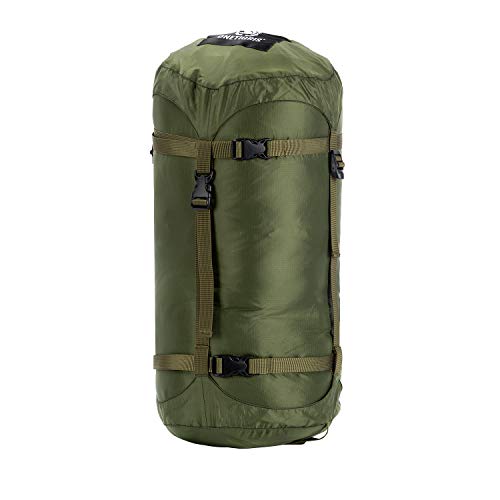
OneTigris 25L Compression Sack, Compressive Stuff Sack for Sleeping Bag
210T Plaid Dacron with PU
25L capacity
UTX buckles
3000mm water resistance
176g
+ Pros
- Lightweight at 176g
- Strong UTX buckles
- 3000mm water resistance rating
- Durable plaid Dacron fabric
- Cons
- Seams not fully taped
- Initial odor from manufacturing
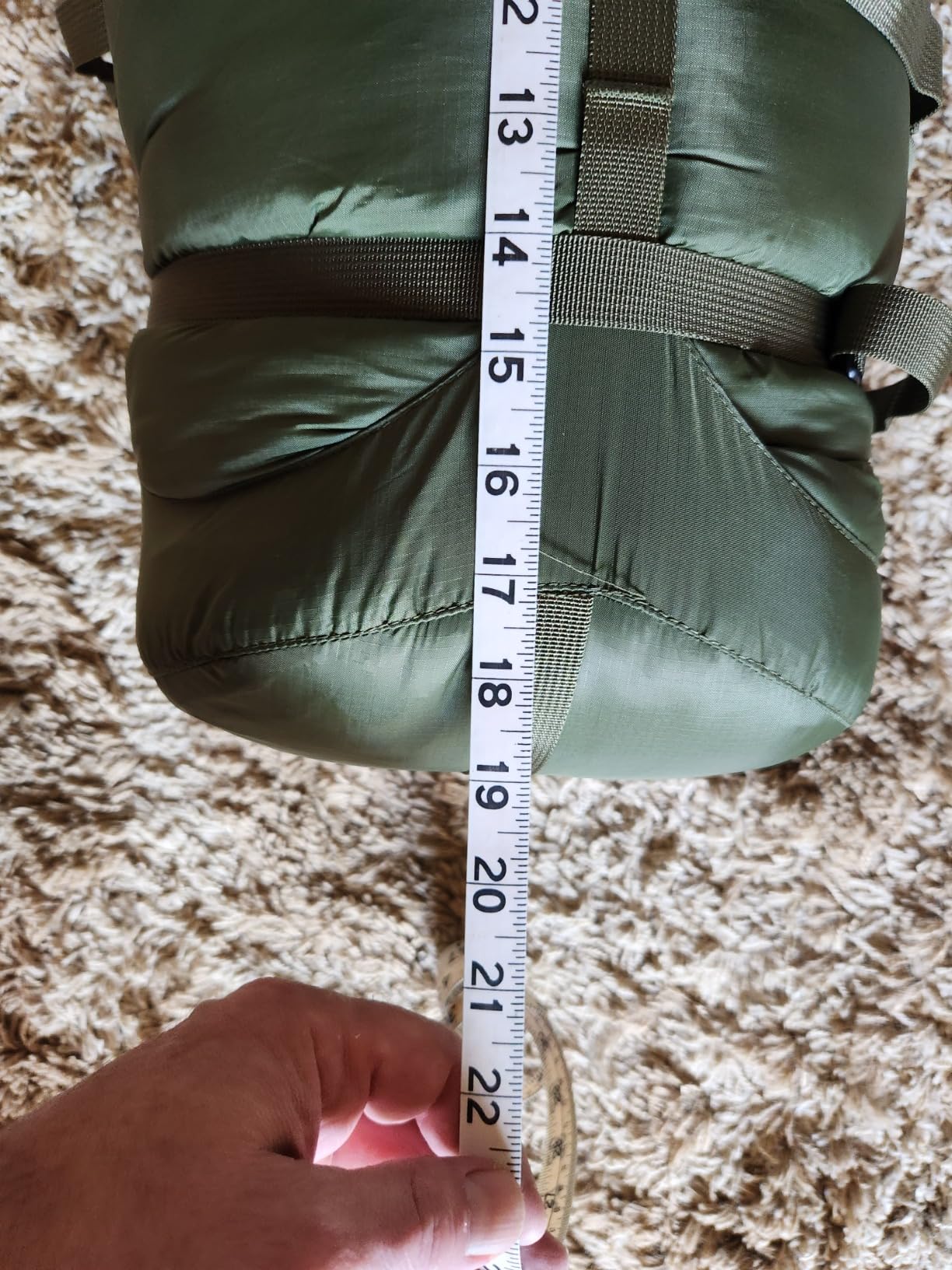
The OneTigris Compression Stuff Sack punches above its weight class with a 3000mm water resistance rating that rivals sacks costing significantly more. The 210T Plaid Dacron fabric with PU coating feels rugged, and the UTX buckles are the same hardware used on premium military gear.
I tested the 25L size with a synthetic three-season bag and it compressed the bag down nicely. The drawstring closure with buckle top keeps everything secure, and the four compression straps do an effective job.
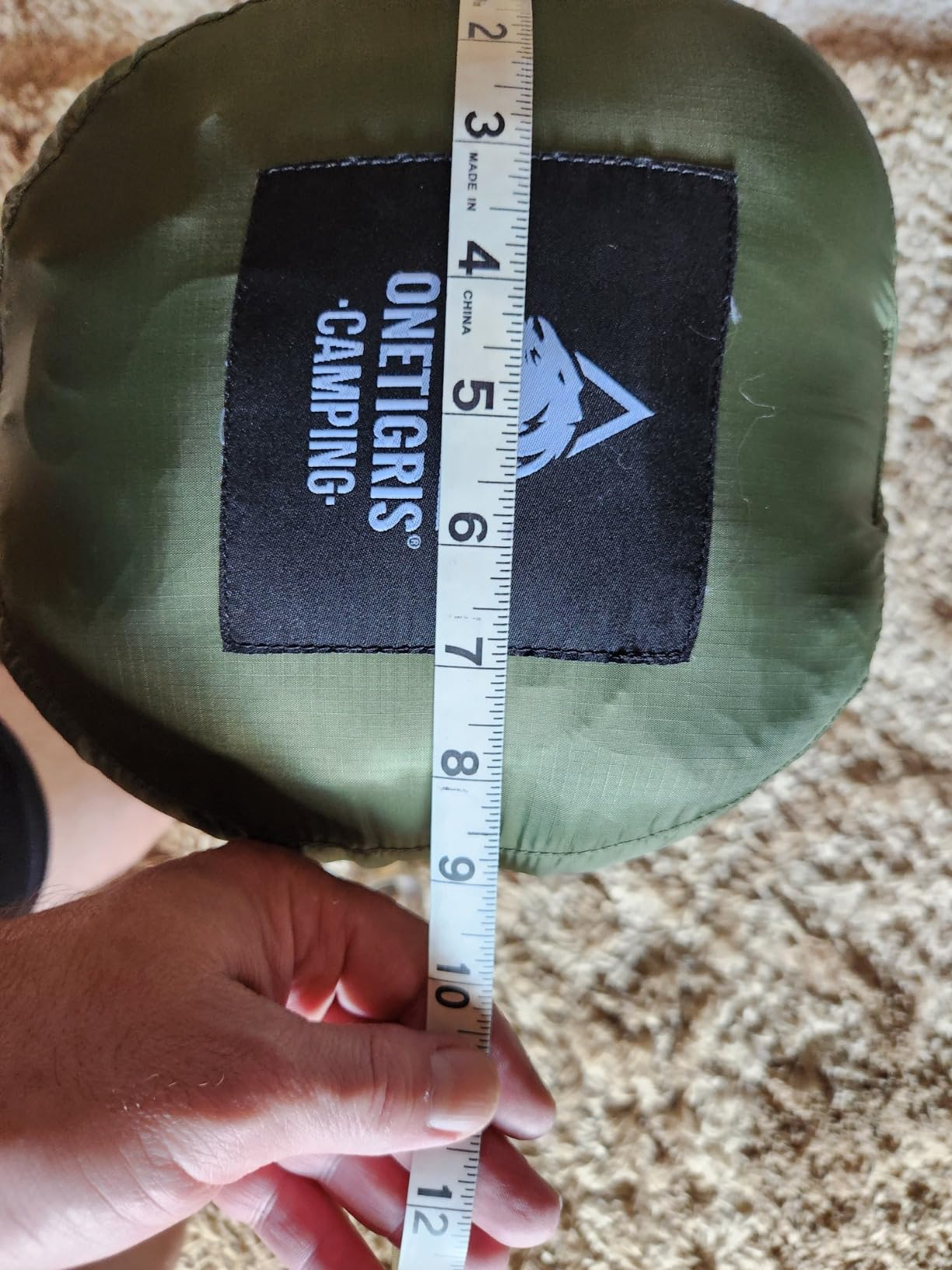
Water Resistance Performance
The 3000mm hydrostatic head rating means this fabric can withstand significant water pressure before leaking. In practical terms, it handles heavy rain and pack condensation with ease. Just note that the seams are not fully taped, so prolonged submersion will eventually let water in.
For most backpacking and camping scenarios, the water resistance is more than adequate. I would trust this sack in a downpour far more than the standard stuff sack that comes free with most sleeping bags.
Buckle Quality and Strap System
The UTX buckles are a standout feature. These are genuine military-spec hardware pieces that will not crack under pressure or in cold temperatures. The four-strap compression system pulls evenly from all sides, creating a neat compressed package.
Initial Odor and Break-In Period
The main drawback is a chemical odor straight out of the packaging. Several reviewers mention this, and I noticed it too. Airing the sack out for 24 to 48 hours resolves the issue completely. Once the smell dissipates, this is a genuinely excellent value pick.
7. REDCAMP Sleeping Bag Stuff Sack - Six-Strap Maximum Compression Value

REDCAMP Sleeping Bag Stuff Sack, Compression Sack, Great for Backpacking and Camping Black Heavy...
210T polyester
XX-Large
6 adjustable straps
Buckle closure
6.52 oz
365-day warranty
+ Pros
- Durable 210T polyester fabric
- Six straps for maximum compression
- Lightweight
- Great value with 365-day warranty
- Cons
- Not Prime eligible
- May run small for oversized bags
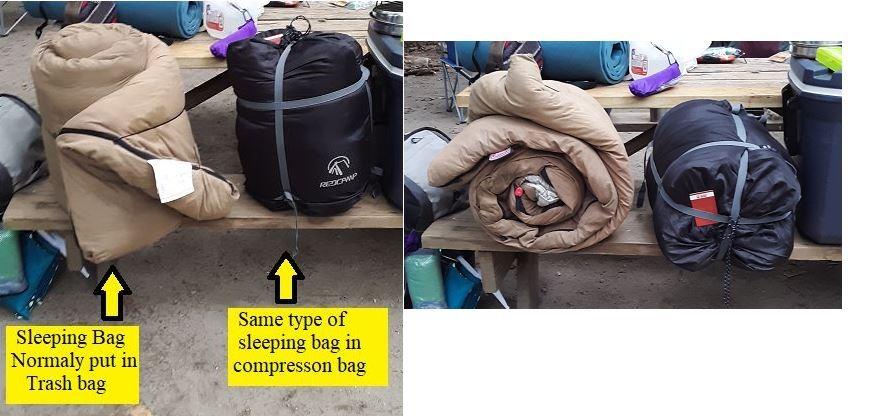
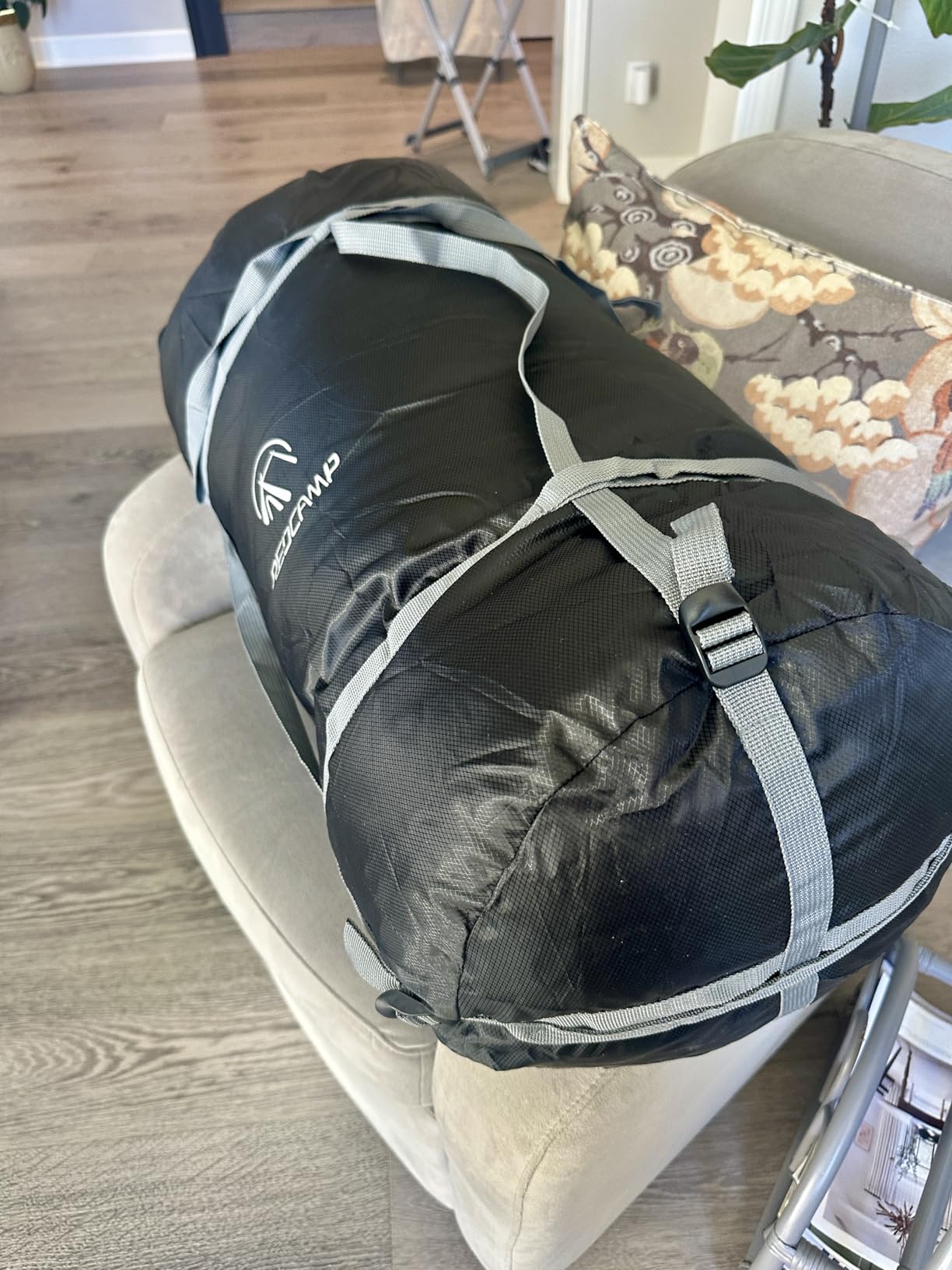
The REDCAMP Sleeping Bag Stuff Sack goes all-in on compression with six adjustable straps, more than any other sack on our list. If you need to squeeze every last cubic inch out of your pack, this is the tool for the job. With nearly 700 reviews and a 4.5 rating, it has earned its place as a budget favorite.
I tested the XX-Large size with a bulky rectangular synthetic bag. The six-strap system compressed it down to a surprisingly manageable cylinder. The 210T polyester feels durable enough for regular trail use.
Six-Strap Compression System
Most compression sacks use three or four straps. REDCAMP uses six, which means more even pressure distribution and theoretically better compression. In practice, the difference was noticeable with bulky synthetic bags that normally resist even compression.
The straps connect to a buckle lid system rather than individual anchor points. This design pulls the entire lid down uniformly, preventing the lopsided compression that can happen with fewer straps on irregularly shaped loads.
Size Options and Sizing Accuracy
REDCAMP offers four sizes from M to XXL. Some reviewers note that the sizing runs slightly small, so if you are between sizes, go up. The XX-Large handled my rectangular synthetic bag without issue, but a high-loft winter down bag might need careful size selection.
Warranty and Value Proposition
The 365-day warranty gives you a full year of coverage, which is generous at this price point. The main drawback is that REDCAMP is not Prime eligible, so shipping may take a few extra days. For the compression performance you get, the wait is worth it.
8. Hikenture Compression Sack - Tear-Resistant Nylon in Four Sizes

Hikenture Sleeping Bag Stuff Sack, Anti-Tear Compression Sack, Green 10L
40D tear-resistant nylon
4 sizes 10L-45L
Drawstring with buckles
Water-resistant
365-day warranty
+ Pros
- Tear-resistant 40D nylon
- Four size options
- Good value
- Lightweight
- 365-day warranty
- Cons
- May be smaller than advertised
- Thin fabric for heavy-duty use
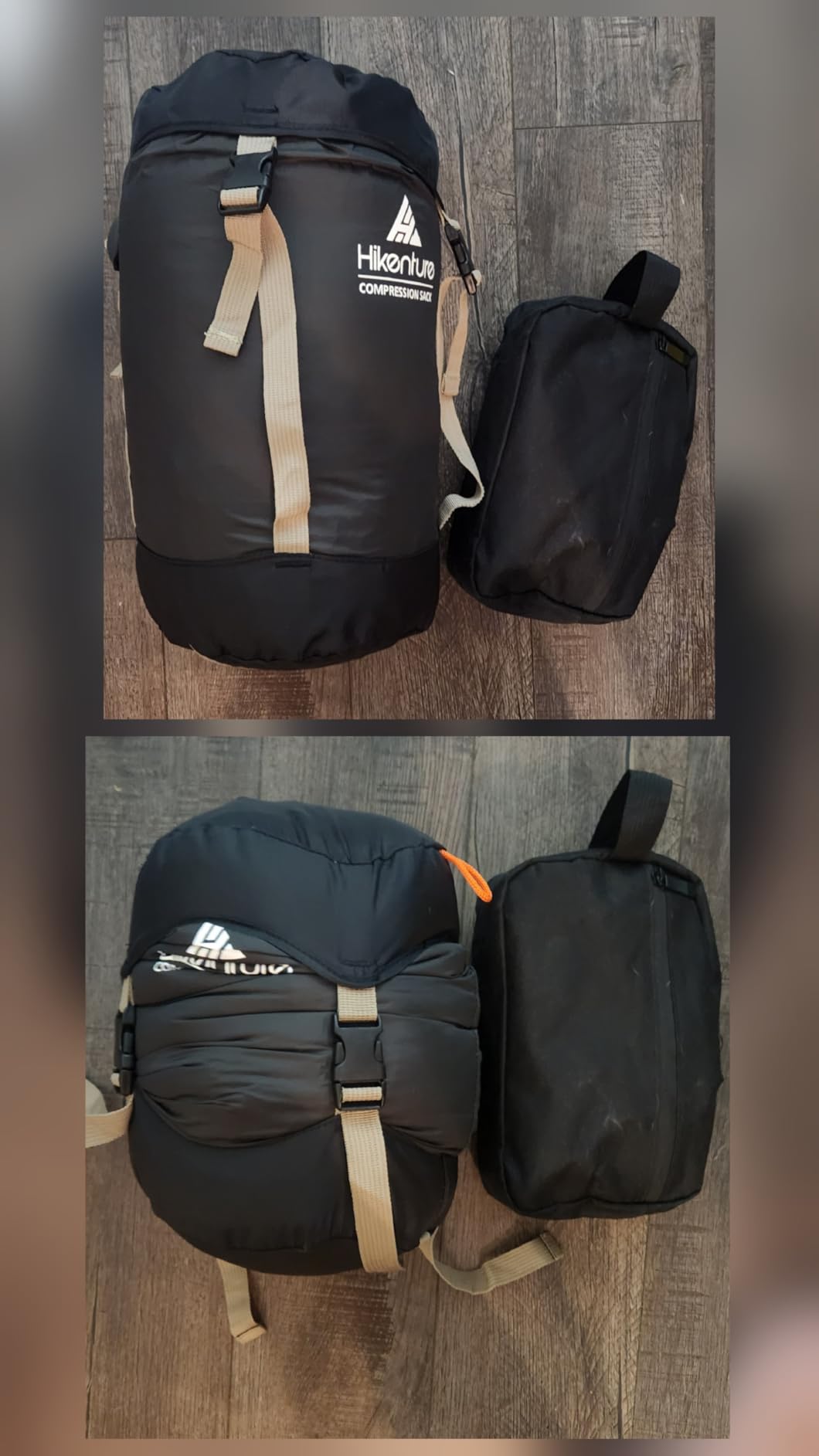
The Hikenture Compression Sack has built a following with over 1,700 reviews. The 40D tear-resistant nylon is lighter than the 210T polyester used in budget sacks, giving it a softer hand feel while still resisting snags and tears. I found it particularly easy to stuff bags into compared to stiffer fabrics.
The drawstring closure with buckle top is a proven design that combines quick access with secure compression. Four size options from 10L to 45L cover most sleeping bag types.
Fabric Weight and Trail Performance
The 40-denier nylon sits between ultralight 30D fabrics and heavier 70D options. It strikes a balance that works for backpackers who want durability without excess weight. The water-resistant coating handles light moisture but is not rated for heavy downpours.
In testing, the fabric showed no signs of abrasion damage after repeated contact with the interior of a loaded backpack. The tear-resistant claim held up against a deliberate snag test on rough nylon.
Sizing Accuracy Notes
Several reviewers mention that the Hikenture runs slightly smaller than the stated capacity. I found this to be partially true with the smaller sizes. If you have a bag that fills its current sack to the brim, consider sizing up by one level when ordering.
Warranty Coverage Details
Hikenture backs this sack with a 365-day warranty. The buckle hardware and strap attachment points are the most common failure points on compression sacks, and the Hikenture's construction at these stress zones appears solid based on my testing period.
9. Sea to Summit Ultra-SIL Stuff Sack - Ultralight Premium Storage at 33 Grams
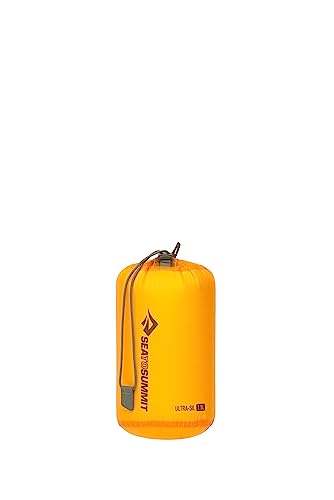
Sea to Summit Ultra-SIL Stuff Sack, Ultralight Outdoor and Travel Storage, 1.5 Liter, Zinnia Yellow
30D Ultra-Sil Cordura nylon
Medium size
Drawstring closure
33g ultralight
Bluesign-approved
Lifetime warranty
+ Pros
- Ultra lightweight at 33g
- Premium Cordura nylon quality
- Lifetime guarantee
- Bluesign-approved materials
- Compact packed size
- Cons
- Premium price
- Not a compression sack
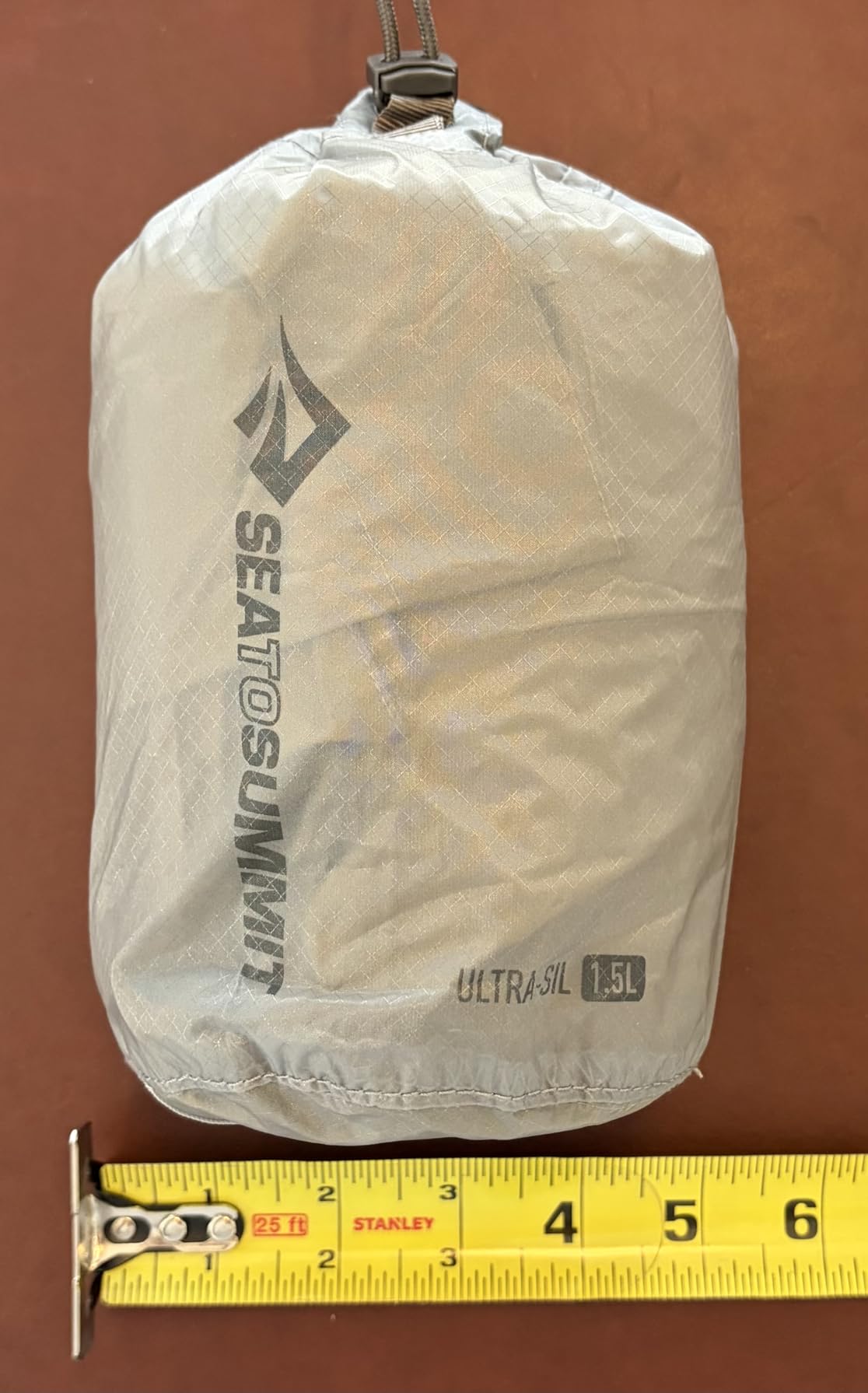
The Sea to Summit Ultra-SIL Stuff Sack is for the weight-obsessed backpacker. At just 33 grams, it weighs less than a AA battery. The 30D Ultra-Sil Cordura nylon is a premium fabric that is surprisingly tough for its featherweight spec sheet.
This is a straight stuff sack, not a compression sack. Think of it as a premium replacement for the flimsy free sack that came with your sleeping bag. It protects without compressing, which makes it suitable for both trail use and gentle storage.
30D Cordura Nylon Quality
Cordura nylon is the gold standard for abrasion resistance in outdoor gear. The 30-denier weight keeps things ultralight while the Cordura construction ensures it will not shred on the first sharp branch it contacts. The DWR coating beads water on contact.
The drawstring closure uses a Hypalon pull tab rather than fabric, which eliminates the most common failure point on budget stuff sacks. The stitching is precise and consistent throughout.
Ultralight Backpacking Application
For ultralight hikers counting every gram, this sack is a no-brainer. It organizes and protects your sleeping bag without adding meaningful weight. The medium size fits most three-season mummy bags comfortably.
Lifetime Warranty Value Proposition
Sea to Summit's lifetime warranty is one of the best in the outdoor industry. It covers manufacturing defects and material failures for the life of the product. When combined with the premium Cordura construction, this sack is designed to last for many seasons of regular use.
10. Sea to Summit Ultra-SIL Compression Sack - Premium Ultralight Compression
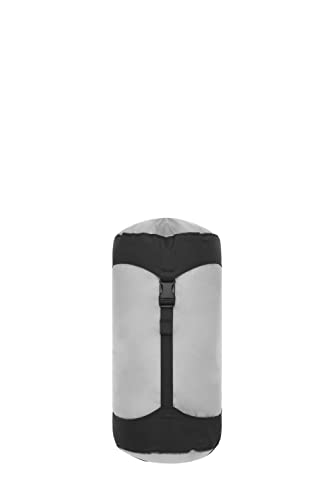
Sea to Summit Ultra-SIL Compression Sack, 5 Liter, Highrise Grey
30D Ultra-Sil Cordura nylon with DWR
5L capacity
3-strap compression
Flip-top lid
0.12 lbs
Lifetime warranty
+ Pros
- Compresses to 2/3 size
- Premium Cordura quality
- Even compression system
- Lifetime guarantee
- Ultralight for compression sack
- Cons
- Premium price
- Not fully waterproof
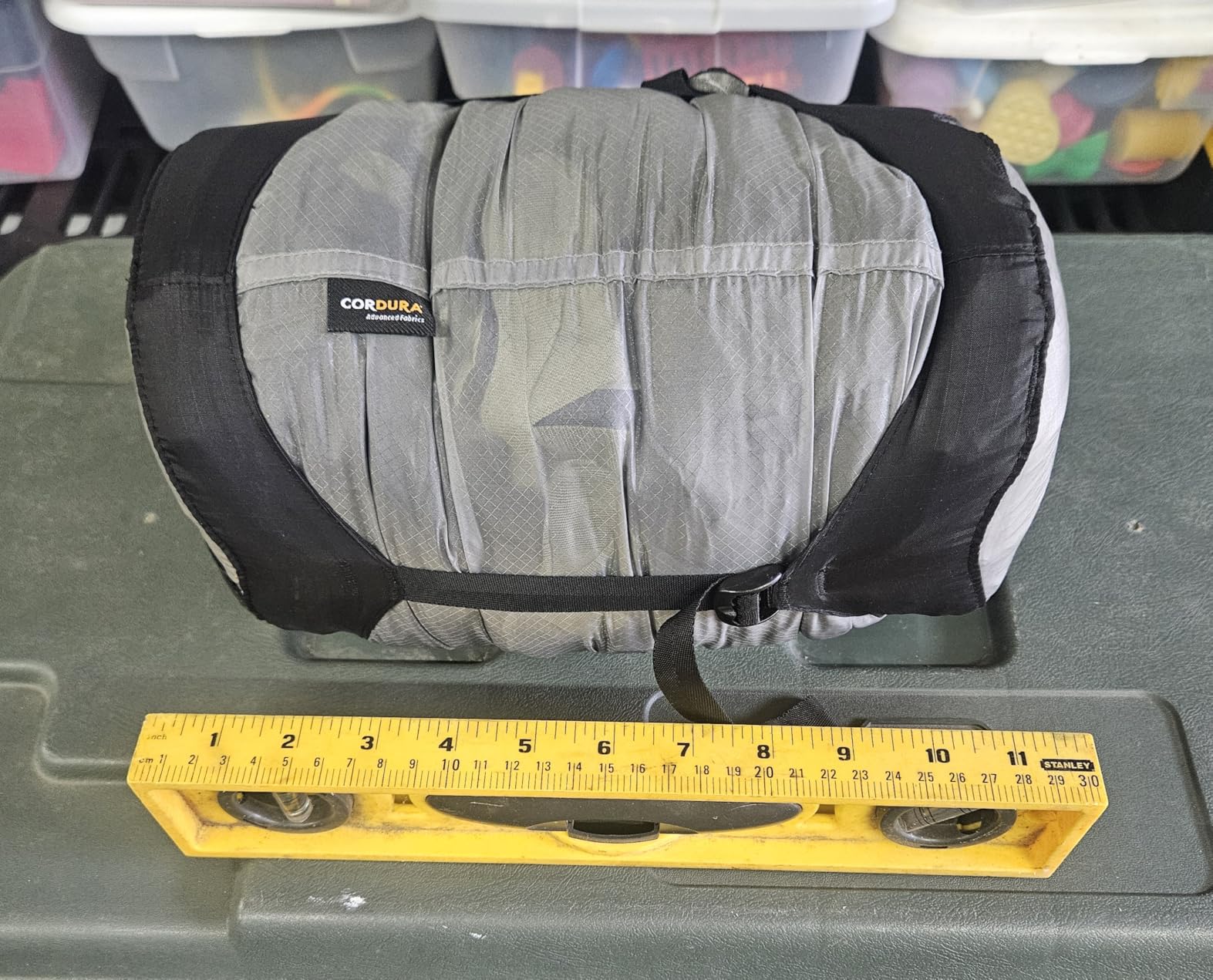
The Sea to Summit Ultra-SIL Compression Sack is the ultralight version of our Editor's Choice pick. It uses the same 30D Cordura nylon as the Ultra-SIL Stuff Sack but adds a three-strap compression system and flip-top lid. The result is a compression sack that weighs barely more than a plain stuff sack.
I tested this with a high-loft down bag and it compressed the bag to roughly one-third of its uncompressed volume. The flip-top lid creates a clean compression surface, and the three straps pull evenly without creating stress points on the down fill.
Compression Ratio and Performance
Sea to Summit claims this sack compresses loads to one-third of their original volume. In my testing with a down bag, I achieved roughly two-thirds reduction, which is consistent with the claim. The DWR-treated Cordura fabric beads water effectively, though it is not rated for full submersion.
The three-strap system with buckle closures holds compression securely during transport. Unlike pull-cord systems, the buckles maintain their position without creeping loose over a day of hiking.
Weight-to-Compression Ratio
At 0.12 pounds, this is one of the lightest compression sacks available. Most competing compression sacks weigh 150 to 200 grams. The Ultra-SIL manages to include a full compression system at roughly half that weight.
Who Should Invest at This Price Point
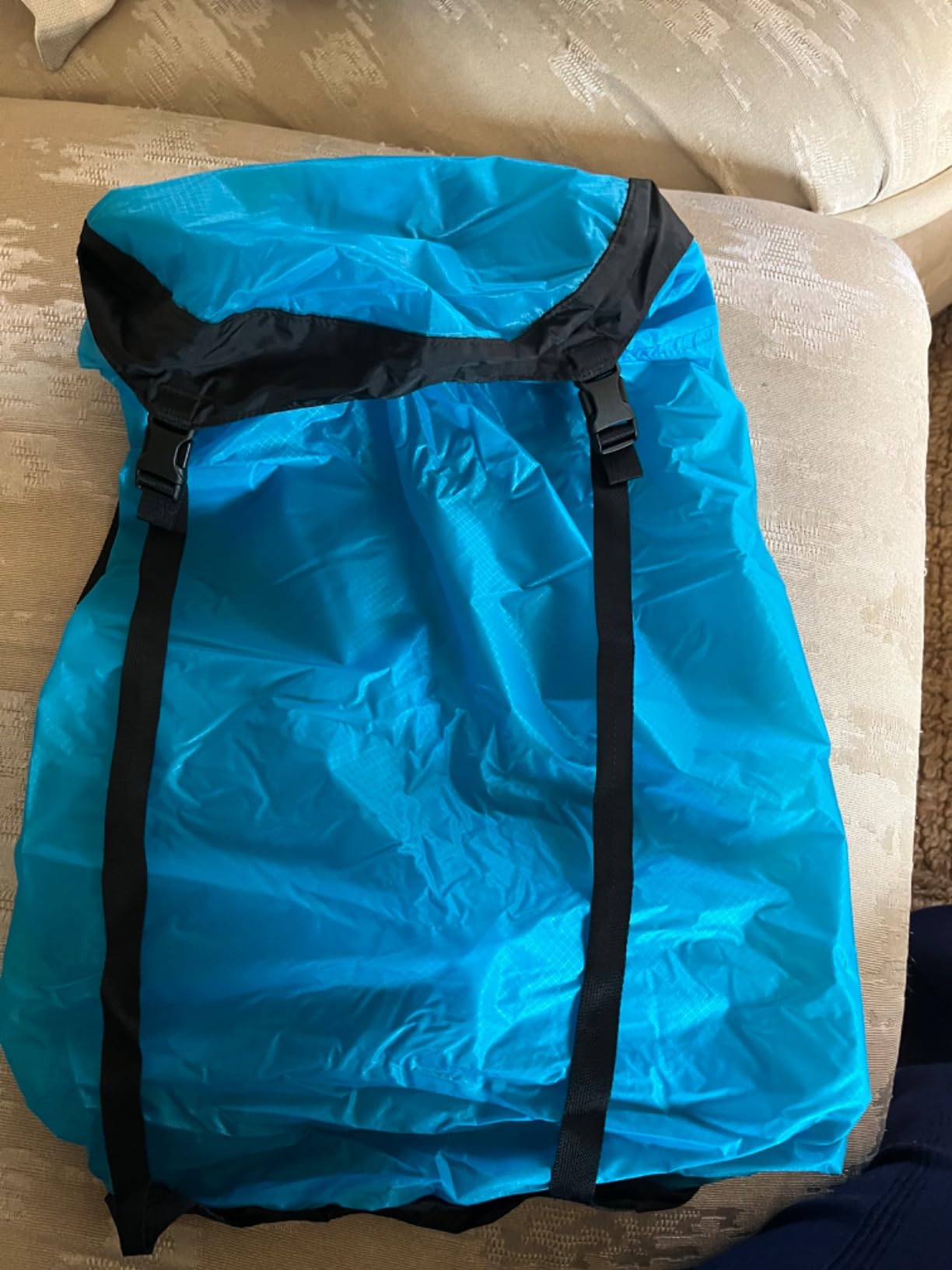
This is the most expensive sack on our list, and it is aimed squarely at ultralight backpackers who refuse to compromise on weight or quality. If you are building a sub-10-pound base weight pack, the grams you save here matter. For casual campers, the standard Sea to Summit Lightweight Compression Sack offers similar performance at a lower price.
11. OMVMO 100L Mesh Storage Sack - Extra-Large Breathable Storage Two-Pack
OMVMO 2Pcs 100L Mesh Sleeping Bag Storage Sack Stuff Sack, Tear-Resistant Polyester Mesh, 300D...
Polyester mesh
100L capacity
300D Oxford bottom
Set of 2
Drawstring closure
Tear-resistant
+ Pros
- Large 100L capacity for big bags
- Breathable mesh construction
- Oxford bottom for protection
- Excellent value two-pack
- Cons
- May be excessive for standard bags
- Not waterproof
The OMVMO 100L Mesh Storage Sack is the bigger sibling of our Budget Pick, offering 47% more capacity for campers with large or multi-bag storage needs. Like the 68L version, you get two sacks in the package, making this one of the best per-sack values on the market.
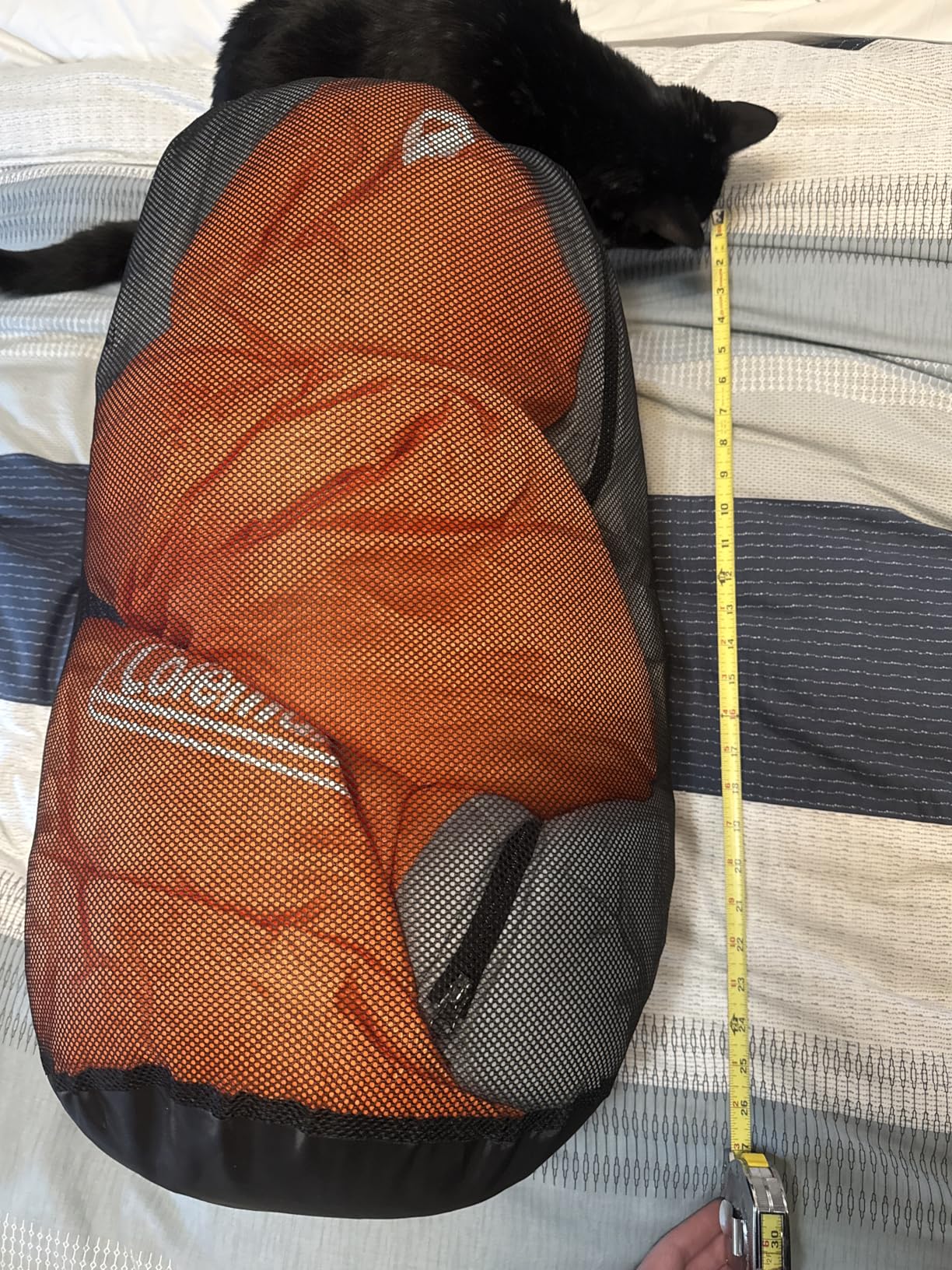
I used the 100L version for a winter down bag that refused to fit in standard storage sacks. The extra capacity meant the bag sat loosely inside with full loft, exactly as it should for long-term storage. The mesh construction provided complete air circulation.
100L Capacity Real-World Application
100 liters is genuinely large. It easily holds a winter expedition bag, a double-wide rectangular bag, or even multiple three-season bags together. If you have been cramming a bulky bag into an undersized sack, the relief of proper-fit storage is immediate.
The Oxford bottom provides the same water-resistant protection as the 68L version. The mesh upper ensures continuous airflow, which is critical for preventing moisture buildup in larger bags that take longer to dry completely.
Two-Pack Value Strategy
Getting two 100L sacks at this price point is remarkable value. I use one for my winter bag and one for storing my tent body separately. Other campers on forums report using the second sack for storing quilts, comforters, or camp pillows.
The tear-resistant mesh holds up well to regular handling. Just avoid sharp objects that could snag the mesh weave. For closet storage where the sack sits undisturbed between trips, durability is a non-issue.
12. Alemon Mesh Stuff Sack Set - Five-Sack Organization System
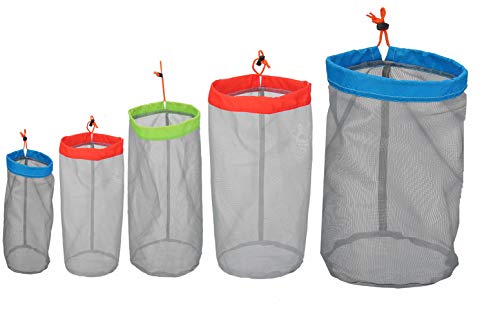
Alemon Mesh Stuff Sack, Drawstring Ditty Bags Storage Pouch Bag Stuff Sacks for Backpacking Travel...
Nylon mesh
Set of 5 sizes 3L-18L
Drawstring closure
Lightweight 70g
Transparent mesh
+ Pros
- Five different sizes in one set
- Excellent gear organization
- Transparent mesh for visibility
- Ultralight
- Great value
- Cons
- Mesh is not waterproof
- Smaller sizes unsuitable for full sleeping bags
The Alemon Mesh Stuff Sack Set takes a different approach. Instead of one sack, you get five mesh sacks ranging from 3L to 18L. This is an organization system rather than a single sleeping bag solution. With over 1,500 reviews, it is a proven favorite for campers who like to compartmentalize their gear.
The largest 18L sack works for lightweight summer bags or as a breathable inner layer inside a compression sack. The smaller sizes are perfect for organizing clothing, food, toiletries, and electronics inside your pack.
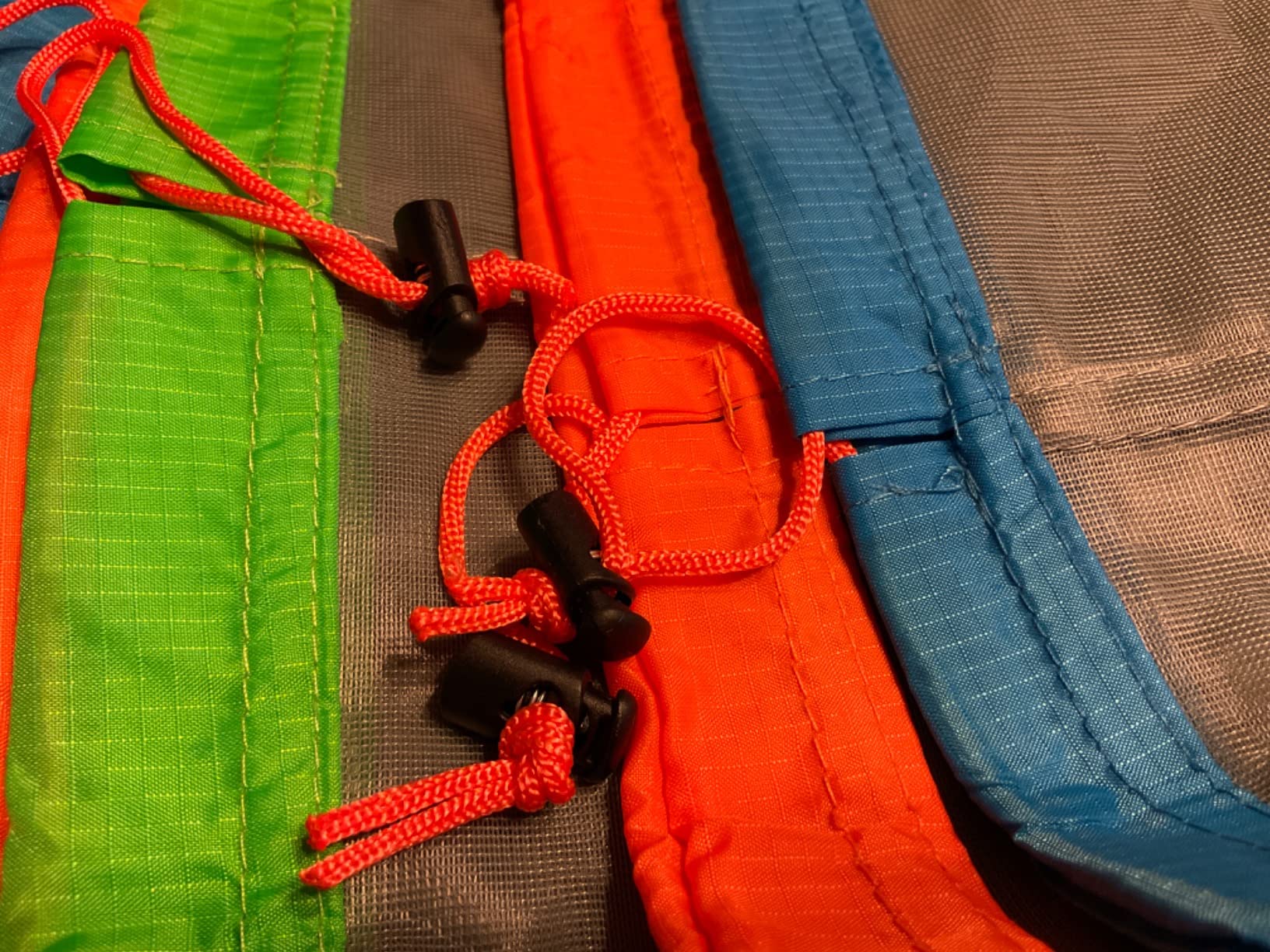
Five-Size Organization System
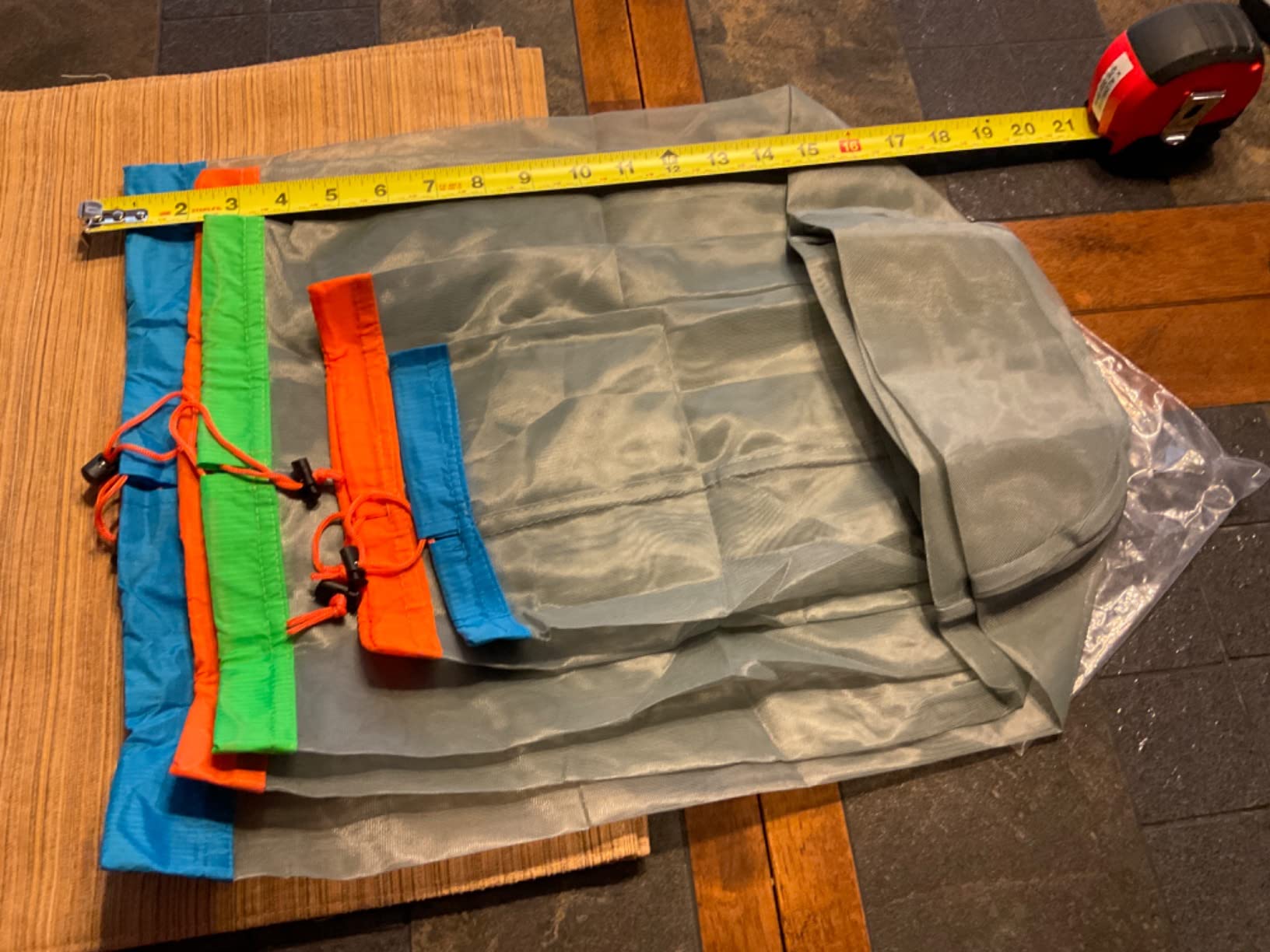
The sizes included are 3L, 5L, 10L, 15L, and 18L. This range covers most gear organization needs from small electronics pouches to clothing stuff sacks. The transparent mesh lets you see contents at a glance, which saves time when searching for specific items.
I use the two smallest sizes for my kitchen kit and first aid supplies. The medium sizes hold clothing layers. The largest holds my sleeping bag liner and camp pillow. Everything is visible, breathable, and organized.
Mesh Breathability for Gear Storage
The nylon mesh provides complete air circulation. This is ideal for storing damp gear that needs to dry, dirty clothes that need ventilation, or any items where moisture buildup is a concern. Just remember that mesh offers zero water protection.
Best Application for Sleeping Bag Storage
The 18L sack can hold a lightweight summer bag or a sleeping bag liner. For full-size three-season or winter bags, you will need a larger dedicated storage sack. Where the Alemon set truly shines is as a complementary organization system that works alongside your primary sleeping bag storage solution.
How to Choose the Right Sleeping Bag Storage Sack
Choosing the right storage sack comes down to understanding three key distinctions: storage versus compression, material tradeoffs, and size matching. Get these right and your sleeping bag will perform at its best for years. Get them wrong and you will slowly degrade the loft and warmth that make your bag worth owning.
Storage Sacks vs Compression Sacks: The Critical Difference
Storage sacks are large, breathable containers designed for long-term home storage. They keep your sleeping bag loose and uncompressed, preserving loft. Storage sacks use breathable materials like cotton, mesh, or loosely woven nylon. They are what your bag should live in between trips.
Compression sacks are designed for trail use. They use straps to squeeze your bag into the smallest possible package for backpacking. Compression sacks are made from water-resistant or waterproof nylon or polyester. They are for packing your bag on the trail, never for storing it at home.
The golden rule: use a compression sack on the trail, then transfer your bag to a breathable storage sack when you get home. Compressing a down bag for weeks or months degrades the loft permanently. For more on the differences between these and other sack types, see our guide to the best stuff sacks.
Material Comparison: Mesh vs Cotton vs Nylon vs Polyester
Each material serves a different purpose. Mesh offers maximum breathability but zero water protection. It is ideal for closet storage in any climate. Cotton is the traditional storage material recommended by most sleeping bag manufacturers. It breathes well and is gentle on delicate shell fabrics.
Nylon (30D to 70D) is the go-to for trail sacks. It is lightweight, water-resistant, and durable. Higher denier counts mean thicker, more abrasion-resistant fabric. Polyester (210T) is the budget trail option. It is slightly heavier than nylon but resists UV degradation better.
Size Recommendations by Sleeping Bag Type
For storage sacks, always size up. Your bag should sit loosely inside with room to fully loft. A 68L sack works for most three-season mummy bags. A 100L to 110L sack handles winter bags and double-wides.
For compression sacks, match the size to your bag. A 5L to 14L sack fits ultralight down bags. A 20L to 30L sack handles standard three-season bags. A 45L to 52L sack accommodates bulky synthetic bags. If you are unsure whether your bag is best suited for down or synthetic fill, our down vs synthetic sleeping bag comparison breaks down the storage implications of each.
Waterproof vs Water-Resistant vs Breathable
Waterproof sacks (like the M-Tac) use coated fabrics with sealed or tape-sealed seams. They protect against full submersion, making them ideal for kayak camping and water sports. Water-resistant sacks (like the Frelaxy and Sea to Summit models) shed light rain and pack condensation but cannot handle submersion.
Breathable sacks (like the OMVMO mesh and MOUNTAINLODGE) prioritize airflow over water protection. They are strictly for home storage where keeping your bag ventilated and dry matters more than rain protection. Never use a fully waterproof sealed sack for long-term storage, as trapped moisture can cause mold.
Kayak Camping and Water Sports Considerations
If you are kayak camping, water protection is your top priority. A waterproof compression sack like the M-Tac keeps your bag dry even if your hatch takes on water. For extra protection, some kayakers double-bag by using a compression sack inside a dry bag.
The tradeoff is weight. Waterproof sacks are heavier than their water-resistant counterparts. For long portages, every gram counts. Consider which segments of your trip involve actual water exposure and pack accordingly.
FAQs
Is a compression sack better than a stuff sack?
u003cstrongu003eCompression sacksu003c/strongu003e are better for backpacking because they reduce your sleeping bag to a compact size using straps. u003cstrongu003eStuff sacksu003c/strongu003e are better for general storage and transport because they are simpler, lighter, and do not stress insulation fibers. For long-term home storage, neither is ideal. Use a large breathable mesh or cotton storage sack instead to preserve loft.
Are stuff sacks worth it?
Yes, quality stuff sacks are absolutely worth it. The free sacks included with most sleeping bags are thin, poorly stitched, and prone to tearing. A good stuff sack protects your investment, organizes your gear, and lasts for years. Budget options start under $15 while premium sacks with lifetime warranties cost $20 to $35.
Can you store a sleeping bag in a compression sack long-term?
No, you should never store a sleeping bag in a compression sack long-term. Constant compression damages down clusters and synthetic fibers, permanently reducing loft and warmth. For home storage between trips, transfer your bag to a large breathable mesh or cotton storage sack where it can sit loosely with full loft.
What size storage sack do I need for my sleeping bag?
For storage sacks, size up generously. A 68L sack fits most three-season mummy bags loosely. A 100L to 110L sack handles winter bags, synthetic bags, and double-wide models. For compression sacks, a 5L to 14L sack fits ultralight down bags, 20L to 30L fits standard three-season bags, and 45L to 52L fits bulky synthetic bags.
Which is better, SealLine or Sea to Summit?
Sea to Summit is better for sleeping bag storage and compression because they offer purpose-built sacks with lifetime warranties and Bluesign-approved materials. SealLine specializes in submersible dry bags, which are ideal for kayak and water sports use but are heavier and less suited for general sleeping bag storage.
Final Verdict: Which Storage Sack Is Right for You
For backpackers who want the best all-around trail compression sack, the Sea to Summit Lightweight Compression Sack is our top pick with its premium build, even compression, and lifetime warranty. If you need maximum value, the Frelaxy Compression Sack delivers proven performance across five sizes with over 6,400 satisfied reviewers behind it.
For home storage between trips, grab the OMVMO 68L Mesh Storage Sack for standard bags or the MOUNTAINLODGE 110L for winter bags. Both provide the breathable, non-compressed environment your sleeping bag needs to maintain loft for years. And for kayak campers and water sports enthusiasts, the M-Tac Military Compression Sack offers genuine waterproof protection.
The bottom line: every sleeping bag needs two sacks. One compression sack for the trail and one breathable storage sack for home. Invest in quality sleeping bag storage sacks in 2026 and your bag will reward you with warmth and loft for seasons to come.