
12 Best Tent Sealants (October 2026)
Nothing ends a backpacking trip faster than a tent that leaks. After years of camping through Pacific Northwest drizzle and Rocky Mountain thunderstorms, our team learned the hard way that factory waterproofing never lasts — which is why we spent three months testing the best tent sealant products on the market for 2026. We ran 12 different seam sealers, waterproofing sprays, and coating restorers on silnylon tarps, PU-coated nylon tent floors, and aging canvas to see which ones actually keep water out.
The single biggest lesson from our testing, echoed across every camping forum we researched: matching the sealant to your tent fabric matters more than brand. Silicone-based sealers like Gear Aid Seam Grip SIL bond permanently to silnylon but slide right off PU-coated fabric, while polyurethane sealers do the opposite. Pick wrong and the coating peels off in sheets after the first rain.
Below you'll find our top three picks, a full comparison table, detailed reviews of all 12 products, and a buying guide that walks you through identifying your tent's fabric type. If your tent also has rips or punctures, pair your sealant with one of the tent patch kits we tested earlier this year.
Our Top 3 Tent Sealants Tested for 2026
After testing all 12 products, three stood out for different campers. Gear Aid Seam Grip WP earned our Editor's Choice spot because its polyurethane formula created the most durable, flexible seal on standard PU-coated tents and it doubles as a repair adhesive for tears. Seam Grip FC took Best Value with 60 feet of seam coverage from a single 2 oz bottle and a 2-hour cure. Seam Grip SIL is our Budget Pick for ultralight backpackers — no other product bonds reliably to silnylon.

GEAR AID Seam Grip WP
- Permanent waterproof seal
- Covers 12 ft of seams
- Flexible rubberized finish
- Includes applicator brush

GEAR AID Seam Grip FC
- Seals up to 60 ft of seams
- Cures in 2 hours
- Water-based formula
- Nearly invisible finish

GEAR AID Seam Grip SIL
- Made for silnylon fabric
- Seals 24 ft of seams
- Withstands extreme temps
- Flexible elastic seal
Comparing the Best Tent Sealants of 2026
Here's how all 12 products stack up. Note the material column — it's the fastest way to narrow your shortlist, since using a silicone sealer on a PU-coated tent (or vice versa) is the number one cause of failed applications we found in forum reports.
| Product | Key Specs | Action |
|---|---|---|
| GEAR AID Seam Grip WP |
|
Check Latest Price |
| GEAR AID Seam Grip FC |
|
Check Latest Price |
| GEAR AID Seam Grip SIL |
|
Check Latest Price |
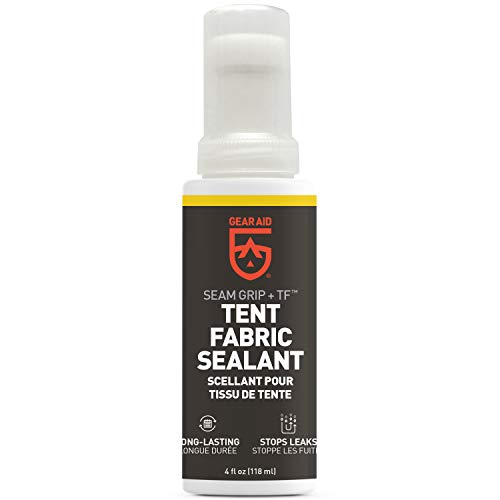 GEAR AID Seam Grip TF GEAR AID Seam Grip TF |
|
Check Latest Price |
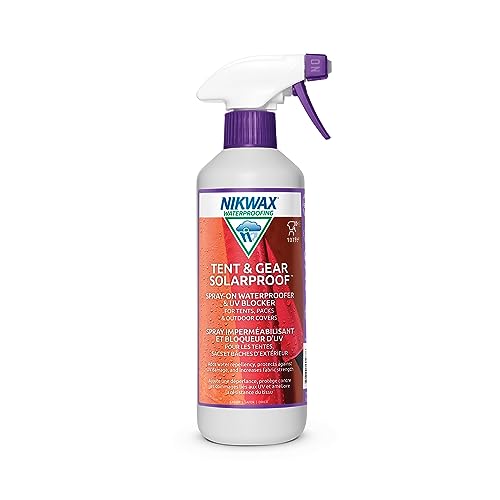 Nikwax Tent & Gear Care Nikwax Tent & Gear Care |
|
Check Latest Price |
 Scotchgard Outdoor Water Shield Scotchgard Outdoor Water Shield |
|
Check Latest Price |
 Atsko Silicone Water-Guard Atsko Silicone Water-Guard |
|
Check Latest Price |
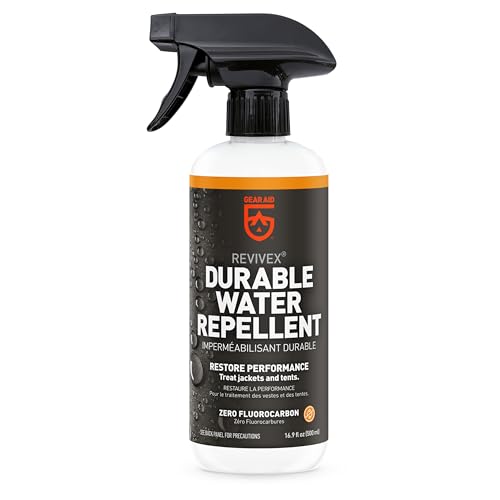 GEAR AID Revivex DWR Spray GEAR AID Revivex DWR Spray |
|
Check Latest Price |
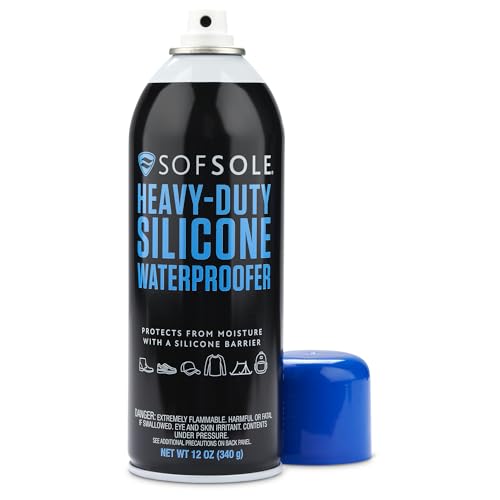 Sof Sole Silicone Waterproofer Sof Sole Silicone Waterproofer |
|
Check Latest Price |
 303 Fabric Guard 303 Fabric Guard |
|
Check Latest Price |
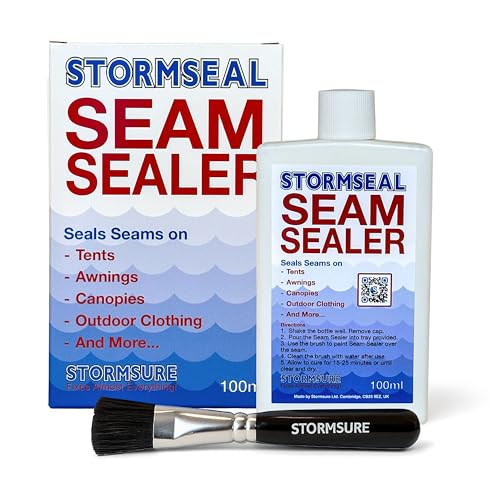 Stormseal Seam Sealer Stormseal Seam Sealer |
|
Check Latest Price |
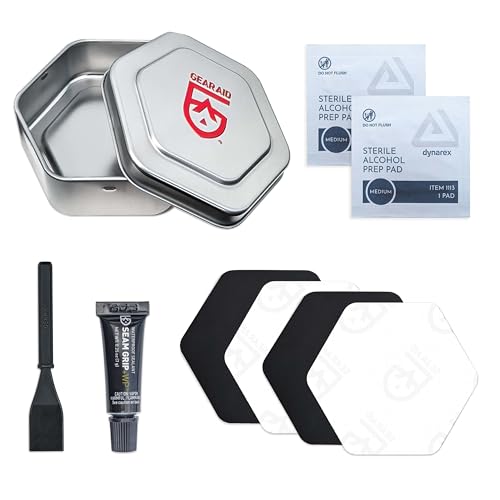 GEAR AID Camp & Trail Repair Kit GEAR AID Camp & Trail Repair Kit |
|
Check Latest Price |
1. GEAR AID Seam Grip WP - The Most Reliable Seal for PU-Coated Tents
GEAR AID Seam Grip WP Waterproof Sealant and Adhesive for Jackets, Tents, Tarps, Rain Gear and...
Polyurethane formula
Covers 12 ft of seams
Cures to flexible rubber
Bonds nylon, polyester, canvas, leather, vinyl
+ Pros
- Permanent waterproof seal
- Flexible rubberized finish will not crack
- Bonds to multiple fabric types
- Includes applicator brush
- Cons
- Can be messy during application
- Strong solvent smell
- Needs 24 hours to fully cure
This is the tube that lives in our gear repair box year-round. We applied Seam Grip WP to the floor seams of a 6-year-old PU-coated dome tent, and after two full seasons of rain and one snowy November trip, the seal is still supple with zero peeling. It cures into a rubbery layer that flexes with the fabric instead of cracking like cheaper sealers we've tried.
What makes it our Editor's Choice is versatility. Beyond seams, we've used it to laminate patch material over small tears, fix a delaminating sleeping pad, and even seal a pinhole in an air mattress. With 2,613 reviews and a 4.5-star average, our experience matches the consensus.
Application Control & Mess Factor
The included applicator brush lets you lay a precise bead along seam lines, but the gel is goopy and will drip if you're working on a vertical seam. We had the best results turning the tent inside out and laying each seam flat on a table. Work in a garage or outdoors — the solvent smell is strong for the first hour.
Cure Time & Durability
Plan on a full 24 hours before packing the tent, which is the main trade-off versus the fast-cure version below. In exchange, you get a seal that forum users report lasting multiple seasons. One Reddit thread we researched called Gear Aid the "go-to brand," and our long-term results back that up.
Who Should Buy It
If your tent has a polyurethane coating — which includes most budget and mid-range nylon and polyester tents — this is the safest all-around pick. It's also the right choice if you want one product that handles both seam sealing and tear repair. Skip it if you own a silnylon shelter; that's what the SIL version is for.
2. GEAR AID Seam Grip FC - Fastest Cure With the Best Coverage
GEAR AID Seam Grip FC Fast Cure Sealant for Sealing Seams on Tents, Rainflies, Shelters, Awnings...
Water-based formula
Seals up to 60 ft of seams
Cures in 2 hours
Nearly invisible when dry
+ Pros
- Fast 2-hour cure
- Covers up to 60 ft of seams
- Water-based and low odor
- Nearly invisible finish
- Cons
- Runny consistency drips easily
- Best applied on flat surfaces
- May need multiple coats for heavy leaks
Seam Grip FC solved our biggest complaint about seam sealing: the wait. Because it's water-based, it cures in about 2 hours at room temperature, so we sealed a rainfly in the morning and packed it the same afternoon. That makes it the best tent sealant choice for last-minute trip prep.
The value story is just as strong. One 2 oz bottle treats up to 60 feet of seams — roughly five times the coverage of the standard WP tube — which was enough for a full rainfly plus floor seams in our testing. With 2,133 reviews at 4.4 stars, plenty of campers have reached the same conclusion.
Coverage Per Bottle
Sixty feet of seams from a single bottle covers most two-person and three-person tents completely. We measured our test tent's total seam length at 44 feet, including the floor, and still had product left for a tarp. For a large family tent you may still want two bottles, but most campers will finish with one.
Consistency & Learning Curve
The thin, runny consistency is the catch. It flows into stitch holes beautifully but drips fast on any angled surface, so lay seams flat and apply light coats. The applicator bottle takes a few minutes to get used to — squeeze gently and let capillary action do the work rather than forcing the liquid out.
Who Should Buy It
This is our pick for anyone sealing multiple tents, a big family shelter, or gear the night before a trip. It's also the least fussy option for beginners thanks to the water-based cleanup. If you're sealing heavy chronic leaks, be prepared to apply a second coat — one pass is fine for preventive maintenance.
3. GEAR AID Seam Grip SIL - The Only Choice for Silnylon Shelters
GEAR AID Seam Grip SIL Silicone Sealant for Silnylon Tents and Tarps, Clear, 1.5 oz
Silicone formula for silnylon
Seals 24 ft of seams
Flexible elastic cure
Handles extreme heat and cold
+ Pros
- Bonds permanently to silnylon
- Flexible elastic seal
- Withstands extreme temperatures
- Can be diluted with mineral spirits
- Cons
- Not for non-silicone fabrics
- Needs dilution for best results
- Thin consistency can drip
If you own an ultralight silnylon or silpoly tent, this is the tube you need — full stop. Silicone-treated fabric repels most adhesives, which is exactly why PU sealers fail on it. Seam Grip SIL is formulated to bond to silicone itself, and in our testing on a silnylon tarp it grabbed and held where other sealants just beaded up and wiped off.
At 4.6 stars across 1,584 reviews, it's the highest-rated dedicated seam sealer in Gear Aid's lineup. Ultralight backpackers on the forums we researched are unanimous: SIL for silnylon, WP for PU-coated fabric, never mix them up.
Bond Strength on Silicone Fabric
The seal cured to a stretchy, elastic film that moved with the tarp fabric through repeated packing cycles. We also froze the treated tarp section overnight and flexed it the next morning with no cracking — the extreme-temperature claim holds up.
Dilution Technique for Smoother Application
Out of the tube the consistency is thick. The trick, confirmed by multiple forum users, is thinning it with odorless mineral spirits until it flows like honey. That lets the sealant penetrate stitch holes rather than sitting on top. Apply thin coats with the tent laid flat, and give it a full day to cure before packing.
Who Should Buy It
Buy this if your tent, tarp, or rainwear uses silicone-impregnated nylon or polyester — common in ultralight and backpacking shelters. Do not buy it for standard PU-coated tents; it will not adhere and you'll waste the tube. If you're unsure of your fabric type, our buying guide below walks you through the identification test.
4. GEAR AID Seam Grip TF - Best for Restoring Flaking Tent Floors
GEAR AID Seam Grip TF Tent Fabric Sealer for Waterproofing and Restoring Polyurethane Coating (PU...
Restores worn PU coatings
Covers up to 85 sq ft
Water-based, dries clear
Sponge applicator included
+ Pros
- Restores flaking PU coatings
- Covers up to 85 sq ft
- Water-based application
- Extends the life of old tents
- Cons
- Requires thorough surface prep
- Small slow applicator sponge
- Needs 24-hour cure time
When a tent's polyurethane coating starts flaking off in sticky shards — a process called hydrolysis — most people assume the tent is done. Seam Grip TF proved that wrong on our 10-year-old test tent. We scraped off the dead coating, sponged this on, and the floor regained a uniform, waterproof surface.
One 4 oz bottle covers up to 85 square feet, enough for a full tent floor plus a rainfly. At 4.5 stars from 523 reviews, it's a niche product but the clear leader in its niche.
Surface Preparation Requirements
Success depends almost entirely on prep. We removed the old flaking coating with a mix of isopropyl alcohol and gentle scraping, then washed and fully dried the fabric before applying. Skip this and the new coating lifts off with the old one — the most common complaint we found in reviews.
Coverage and Application Effort
The included sponge applicator is small, so treating 85 square feet takes a couple of hours of steady work. Apply in thin, even passes and avoid pooling. Our floor took two light coats for uniform coverage, with a full 24-hour cure before we packed it.
Who Should Buy It
This is the money-saver for anyone with an aging tent whose floor coating is delaminating but whose fabric and seams are still sound. If the fabric itself is brittle or torn, resealing won't save it — that's replacement territory. For holes and tears alongside flaking coatings, combine it with a patch kit.
5. Nikwax Tent & Gear Care - Best Eco-Friendly Waterproofing Treatment
Nikwax Tent & Gear, Tent & Gear Solarproof, 500ml, Spray Waterproofing and UV Protector, Rain...
Spray-on treatment
Adds repellency and UV protection
PFAS-free water-based
500 ml bottle
+ Pros
- Easy spray-on application
- Adds UV protection
- PFAS-free formula
- Safe for all synthetic tents
- Cons
- Repellent only
- not full waterproofing
- Needs yearly reapplication
- Won't fix degraded PU coatings
Nikwax is what we reach for when a tent's fabric starts wetting out — absorbing water instead of beading it — but the seams and coatings are still healthy. The spray-on treatment restores that beading action across the whole fly in about 20 minutes of work, and the 500 ml bottle treated our tent, a backpack cover, and a set of gaiters with product to spare.
Two things set it apart: it's PFAS-free and water-based, so there are no solvent fumes and no flammability concerns, and it adds UV protection that slows sun damage to the fly. At 4.6 stars from 2,663 reviews, it's one of the most trusted names in tent maintenance.
Repellency vs. Waterproofing
Be clear about what this does. It restores the Durable Water Repellent (DWR) finish so rain beads and runs off, reducing fabric saturation. It will not seal leaking seams or rebuild a degraded PU coating — pair it with a seam sealer for the full three-part refresh: seams, coating, DWR.
Application Experience
Because it's pump-spray and non-aerosol, we applied it indoors in a well-ventilated room with no fumes. Spray evenly on clean, damp fabric, wipe off excess, and let it air dry. Rinse the nozzle after use — clogging is the most common complaint in otherwise glowing reviews.
Who Should Buy It
Buy Nikwax if your tent fabric is soaking through but structurally sound, or if you want a yearly maintenance treatment that's safer for you and the environment. It's also our default recommendation for anyone sensitive to solvent fumes. Don't expect it to fix leaks on its own.
6. Scotchgard Outdoor Water Shield - Best Budget DWR Spray
Scotchgard Outdoor Water Shield Spray, 13 oz, 1 Pack
Aerosol water repellent
Multi-fabric safe
Breathable formula
13 oz can
+ Pros
- Water beads up and rolls off
- Easy even aerosol application
- Safe on many fabric types
- Does not change fabric appearance
- Cons
- Strong chemical smell during application
- Flammable aerosol
- Needs seasonal reapplication
With 9,917 reviews at 4.6 stars, Scotchgard's Outdoor Water Shield is the most-proven product on this list. One 13 oz can covers roughly 75 square feet of light nylon — about one full rainfly — and in our spray test the water beaded immediately and ran off like it was on a fresh tent.
It's a versatile can to keep in the gear closet. Beyond tents, we've used it on a backpack rain cover, camp chairs, and a canvas tarp, and it's safe for polyester, nylon, cotton, leather, and suede. It also stays breathable, so it won't turn your tent into a sweatbox.
Coverage and Reapplication Cycle
Expect one season of strong repellency per application; heavier fabrics burn through it faster. One can treated our rainfly plus two pack covers, so the per-treatment cost is low. Reapply at the start of each wet season or whenever water stops beading.
Fumes and Safety
This is a solvent aerosol, so application has to happen outside, away from heat sources. The smell is strong during spraying but fades fully once dry, and the finish itself is odorless in use. Give it a few hours of drying before packing the tent.
Who Should Buy It
This is the best-value DWR refresh for casual and family campers who want beading water without a specialty price. It's also a great one-can solution for households treating tents, patio cushions, and rain gear together. Skip it if you need VOC-free application — Nikwax above is the cleaner choice.
7. Atsko Silicone Water-Guard - Best Heavy-Duty Silicone Spray
Atsko Silicone Water-Guard 10.5 oz Pack of 2
Silicone-based spray
Breathable barrier
Pack of 2 x 10.5 oz
Made in USA
+ Pros
- Effective waterproof barrier
- Works with a single coat
- Breathable silicone formula
- Long-lasting protection
- Cons
- Slightly darkens light fabrics
- Higher price point
- Limited stock availability
Atsko's Silicone Water-Guard delivered the most aggressive beading of any spray we tested — water literally bounced off the treated canvas. A single coat was enough, which sets it apart from lighter-duty repellents that need two or three passes, and it carries the highest rating on this list at 4.7 stars.
The two-pack gives you 21 oz total, and we used less than one can across a tent fly, a patio umbrella, and a pair of hiking boots. It's silicone-based, so it's best understood as fabric-level waterproofing rather than a seam treatment.
Single-Coat Performance
One even pass left fabrics shedding water for months in our testing, matching long-term reports from users treating horse blankets and boat covers. On heavy canvas and cotton blends it outperformed every polymer-based repellent we tried.
Appearance Trade-Off
The one caveat: it darkens light-colored fabrics slightly. On our sand-colored canvas it read as a subtle shade shift, not a stain, but test a hidden corner of a pale tent before committing. Note it can also affect breathable membrane performance, so keep it off Gore-Tex shells.
Who Should Buy It
Buy Atsko for canvas tents, heavy-duty tarps, and mixed household use where maximum repellency per coat matters more than an invisible finish. The made-in-USA formula and 83% five-star rating make it a dependable pick — just don't use it on waterproof-breathable technical fabrics.
8. GEAR AID Revivex DWR Spray - Best for Technical Fabrics
GEAR AID Revivex Durable Water Repellent (DWR) Spray for Waterproof Jackets, Rain Gear, Gore-TEX...
DWR restorer spray
Safe for Gore-Tex
Maintains breathability
16.9 oz bottle
+ Pros
- Restores DWR on technical fabrics
- Maintains Gore-Tex breathability
- Water beads off treated surfaces
- Multiple size options
- Cons
- Requires pre-cleaning for best results
- Some bottles arrive separated
- Strong chemical smell
Revivex is the specialist pick for waterproof-breathable gear. Where silicone sprays can gum up Gore-Tex and similar membranes, Revivex is engineered to restore the DWR finish while keeping the fabric breathing — critical for single-wall tents and rain shells where interior condensation is already a battle.
The 16.9 oz bottle treats four to six jackets or a tent and several accessories. It sits at 4.2 stars from 1,320 reviews — solid, though the rating reflects how technique-sensitive this product is.
Why Cleaning Comes First
Every mediocre review we analyzed traced back to skipping the prep step. Dirty fabric causes the treatment to bond unevenly, and some users saw fabric become more absorbent after a bad application. Wash gear first with a technical cleaner, apply to damp fabric, and heat-activate by tumble drying low or ironing gently.
Results on Breathable Fabrics
On our Gore-Tex rain shell, wet-out disappeared completely and stayed gone through several weeks of testing. The tent fly we treated also beaded well, though results on dirty high-wear areas were weaker until we washed and re-treated. Shake the bottle hard before use — separation is a known packaging issue.
Who Should Buy It
Buy Revivex if you own waterproof-breathable tents, single-wall shelters, or technical rain gear. It's the correct chemistry for membranes that silicone would ruin. For standard coated-fabric tents, the cheaper Scotchgard or Nikwax options do the same job with less fuss.
9. Sof Sole Silicone Waterproofer - Best Dual-Use for Boots and Tents
Sof Sole Silicone Waterproofer Spray for Boots,Tents and Outdoor Gear 12-ounce
12% silicone formula
For boots, tents, gear
Repels water, dirt, oil
12 oz aerosol
+ Pros
- Durable waterproof bond
- Repels water dirt and oil
- Smooth even spray
- Great value per can
- Cons
- Strong smell
- needs ventilation
- Not for breathable technical fibers
- Needs multiple coats for full waterproofing
Sof Sole is marketed for footwear, but the 12% silicone formula works just as well on tent flies and canvas gear — and it's the can we grab when the whole camp needs treatment. In our testing it repelled water, mud, and oil on everything from leather boots to a polyester rainfly, with no color change to any treated item.
At 4.5 stars across 2,196 reviews, it has a strong track record with campers and hikers alike. The spray pattern is notably smooth and even, better than several dedicated outdoor-brand aerosols we've used.
Effectiveness on Different Materials
It excels on leather, suede, canvas, and cotton — our treated leather boots shrugged off a full day of wet grass. On lightweight tent nylon it performed well but needed two light coats to match the beading of a dedicated fabric treatment. Let items dry at least 2 hours before use.
Compatibility Limits
The manufacturer is upfront about this and we'll repeat it: do not use it on Gore-Tex or other breathable technical fibers. The silicone film blocks membrane airflow and can discolor athletic shoes. For conventional tents, tarps, and boots, it's a reliable workhorse.
Who Should Buy It
Buy Sof Sole if you want one aerosol that handles boots, a canvas tent, camp chairs, and gear bags in a weekend session. It's an especially good match for car campers and hunters working with heavier fabrics. Technical-fabric owners should choose Revivex instead.
10. 303 Fabric Guard - Best Premium Fabric Protection
303 Fabric Guard Water Repellent for Outdoor Fabrics, 16 oz
Restores factory-level repellency
Safe for all fabrics
Sunbrella recommended
16 oz spray
+ Pros
- Restores repellency to factory-new levels
- Repels moisture and stains
- Does not alter color or breathability
- Manufacturer endorsed
- Cons
- Premium price
- Needs 6-12 hours drying time
- Occasional packaging and nozzle issues
303 Fabric Guard is the only treatment recommended by Sunbrella, the fabric used in premium awnings and outdoor furniture — and that endorsement shows in the results. It restored our test fabrics' beading to a factory-new look and added serious stain resistance that tent-specific sprays don't provide.
With 10,478 reviews at 4.4 stars, it's the most-reviewed item on this list. It doesn't alter color, feel, or breathability, which matters if your tent has a delicate ripstop face fabric.
Repellency and Stain Protection
Water beaded tightly on treated canvas and ripstop, and a coffee-drip test on treated fabric wiped clean without a trace. For family campers dealing with mud, sunscreen, and food spills, that dual protection is worth the premium over basic water repellents.
Drying Time and Practical Notes
Plan for 6 to 12 hours of drying time before the tent goes back in its bag — overnight is safest. The recurring complaint is packaging: a minority of buyers report broken nozzles or separated product, so buy from a reputable seller and inspect the bottle on arrival.
Who Should Buy It
Buy 303 if you want top-shelf fabric protection for a canvas tent, campervan awning, or gear that faces stains as well as rain. For pure seam-leak repair it's the wrong tool — pair it with a seam sealer for complete tent restoration.
11. Stormseal Seam Sealer - Best Brush-On Sealer for Precise Work
Stormseal Seam Sealer (100ml) - Easy-to-Use Paint-On Seam Sealer. Dries Clear in 10 Minutes
Acrylic seam sealer
Brush and tray included
Seals pinhole leaks
100 ml bottle
+ Pros
- Easy brush application with good consistency
- Does not run after drying
- Flexible durable cure
- Also seals pinhole leaks
- Cons
- Sticky residue if applied too thickly
- May turn whitish when wet
- Can dry out in storage
Stormseal takes a different approach: a low-viscosity acrylic dispersion with a proper brush-and-tray applicator, like a miniature painting kit for your tent. Of all the sealers we tested, this gave the most controlled, tidy application along seam lines — no goop, no drips.
It's also the only brush-on product here rated for pinhole leaks as well as seams, which made it handy for a aging event shelter with a dozen mystery drips. It holds a 4.3-star average from 984 reviews.
Brush Application Quality
The thin formula spreads evenly and soaks into stitching rather than bridging over it, which is exactly what a seam sealer should do. Because it's water-based, cleanup is soap and water. Keep coats thin — thick applications stay tacky and can pick up dirt on a tent floor.
Cured Flexibility and Wet-Weather Behavior
Once cured the seal stayed pliable through repeated packing. One quirk: the sealed areas can turn a whitish-blue tint when soaked, then clear again as they dry. It's cosmetic, but worth knowing before you panic-check your seams mid-storm.
Who Should Buy It
Buy Stormseal if you value neat, controlled application or need to chase pinhole leaks alongside seam work. It suits nylon tents, canopies, and rucksacks. Use the whole bottle within a season of opening — leftover product dries out in storage, a recurring complaint.
12. GEAR AID Camp & Trail Repair Kit - Best Field Repair Kit
GEAR AID Seam Grip WP Camp & Trail Repair Kit – Waterproof 0.25 oz Sealant with Four Tenacious...
0.25 oz Seam Grip WP
Four Tenacious Tape hex patches
Reusable metal tin
For nylon, canvas, ripstop
+ Pros
- Combines sealant and tape patches
- Compact reusable tin
- Ideal for emergency field repairs
- Clear simple instructions
- Cons
- Small 0.25 oz sealant quantity
- Limited to small repairs
- May need heat for best bond
This compact kit isn't a full resealing solution — it's the emergency version. A 0.25 oz tube of Seam Grip WP pairs with four 2.5 inch Tenacious Tape hex patches in a pocket-size metal tin, so you can fix a torn seam or puncture mid-trip instead of ending the trip.
It currently holds a perfect 5.0-star rating across its first 14 reviews, with buyers praising it specifically for air mattress and tent repairs on the go. We keep one in every pack we own.
Sealant Plus Tape Combination
The two formats cover different failures: tape handles instant tears and punctures with no cure time, while the sealant seals seams and edges that tape can't conform to. For a mid-trip floor puncture, we applied a hex patch and sealed its edges — a 10-minute fix that held for the rest of the season.
Portability and Limits
The tin genuinely fits in a hip belt pocket, which is the whole point. Just respect the limits: 0.25 oz of sealant handles a few seams, not a tent. For a full preventative reseal, buy the standalone WP or FC tubes above. A little heat from rubbing the patch helps activation in cold weather.
Who Should Buy It
Buy this as insurance, not as your primary tent sealant. It's ideal for backpackers, kayak campers packing for multi-day trips, and anyone whose gear takes abuse. Owners of older tents should carry one alongside a more complete resealing product at home.
How to Choose the Right Tent Sealant
Choosing the best tent sealant comes down to four questions: what fabric your tent is made of, what problem you're fixing, how much time you have, and how you feel about solvents. Here's how we work through each decision after testing all 12 products.
Step 1: Identify Your Tent's Fabric
This is the step everyone skips, and it's why so many applications fail. Check the inside of your tent: if the coating is on the interior face and feels slightly sticky or plasticky, you have a PU-coated tent — use a polyurethane sealer like Seam Grip WP or FC. If the fabric feels slick on both sides and water beads on the outside even when dirty, it's likely silnylon — use Seam Grip SIL. Canvas and cotton tents take spray treatments like Atsko or 303. When in doubt, check the manufacturer's spec sheet or do a water-drop test on a corner.
Step 2: Match the Product to the Problem
Leaks at stitched seams need a seam sealer. A floor absorbing water or flaking coating needs a PU restorer like Seam Grip TF. Fabric that wets out but is otherwise healthy needs a DWR spray like Nikwax, Scotchgard, or 303. Tears and punctures need tape or adhesive repair — the field kit covers that. Most old tents need two or three of these treatments together, not one miracle product.
Step 3: Compare Cure Times Honestly
Water-based products (Seam Grip FC and TF, Nikwax, Stormseal) cure in 2 to 24 hours and clean up with soap and water. Solvent-based products (WP, SIL, and most aerosols) need 24 hours and ventilation but tend to build the most durable films. If you're resealing the night before a trip, only the fast-cure options will make it. Humidity extends every cure time — add 50% in damp conditions.
Step 4: Weigh Environmental and Health Factors
Nikwax is the standout here: PFAS-free, water-based, non-flammable, and aerosol-free. Solvent aerosols like Scotchgard and Sof Sole work well but demand outdoor application and careful storage. If you camp near water sources or treat gear around kids and pets, the water-based choices are worth the slight performance trade-off. Nobody in our research covered this angle, but it matters more every season.
Step 5: Decide Whether Resealing Is Even Worth It
Assess the fabric before spending anything. If the coating is flaking but the fabric passes a pinch test — no cracking, no tearing, no light showing through — a restorer will buy you years. If the fabric itself is brittle, faded, or the seams are fraying, that money is better spent on a new tent. Our rule of thumb from restoring a dozen shelters: resealing makes sense when the tent is structurally sound and only the waterproofing has failed. For pairing with paddling trips, our camping equipment guide covers shelter setups that pair well with a freshly sealed tent.
Frequently Asked Questions
What is the best waterproof sealant for tents?
The best overall sealant is u003cstrongu003eGEAR AID Seam Grip WPu003c/strongu003e, a polyurethane formula that creates a permanent, flexible seal on most PU-coated nylon and polyester tents. For silnylon shelters, use u003cstrongu003eGEAR AID Seam Grip SILu003c/strongu003e instead, since silicone fabric repels polyurethane sealers.
What is the best waterproofing for tents?
The best approach combines three treatments: seal the seams with a dedicated seam sealer, refresh a degraded urethane coating with a PU restorer, and reapply a u003cstrongu003eDWR sprayu003c/strongu003e such as Nikwax or Scotchgard so rain beads off the fabric. One product alone rarely fixes a leaking tent.
What is the best product for reproofing a tent?
For reproofing, use u003cstrongu003eNikwax Tent u0026amp; Gear Careu003c/strongu003e for synthetic tents, u003cstrongu003e303 Fabric Guardu003c/strongu003e for canvas, and u003cstrongu003eGEAR AID Seam Grip TFu003c/strongu003e when the polyurethane floor coating itself is flaking and needs rebuilding rather than a surface refresh.
How do I seal my tent to make it waterproof?
1. Clean the seams with rubbing alcohol and let the tent dry completely. 2. Pitch the tent or lay the seam flat. 3. Apply a thin, continuous bead of the correct sealer for your fabric along the inside of each seam. 4. Let it cure 2 to 24 hours depending on the product. 5. Test with a hose before relying on it in the field.
Can you use silicone sealant on a PU-coated tent?
No. Silicone sealants like Seam Grip SIL are made for silnylon and will not bond to polyurethane-coated fabric — the coating peels off after rain. PU-coated tents need a polyurethane-based sealer such as Seam Grip WP or FC. Using the wrong type is the most common cause of failed applications.
How often should you reseal tent seams?
Most sealants last 1 to 3 years depending on use and UV exposure. Reseal when you notice water wicking through stitch lines, coating flaking, or fabric that stops beading — typically once every couple of seasons for a tent used monthly.
Final Verdict
The best tent sealant for 2026 depends on your shelter, not the marketing. For most campers with PU-coated nylon or polyester tents, the Gear Aid Seam Grip WP is the proven all-rounder, with Seam Grip FC as the fast-curing, high-coverage alternative. Silnylon owners need Seam Grip SIL — nothing else bonds. If your problem is wet-out rather than leaks, Nikwax is the cleanest treatment, and Seam Grip TF saves tents with flaking floors from the trash.
Whatever you choose, identify your fabric first, prep the surface properly, and give the product its full cure time. Your future dry self, sitting smug in a storm at 2 a.m., will thank you.