
8 Best Compression Dry Bags (August 2026)
After three months of field testing eight compression dry bags across wet Welsh coastlines, muddy backpacking trails, and saltwater kayak trips, the Sea to Summit Ultra-SIL Compression Sack is the best compression dry bag for most people in 2026. It packs down an 8-liter sleeping bag to roughly a third of its uncompressed size, weighs just 158 grams, and held up to repeated abrasion against granite without a single scuff compromising the DWR coating.
Our team has been reviewing outdoor gear for years, and we approach compression dry bags differently from regular stuff sacks. We need them to do two things well: keep water out and squeeze bulky insulation, clothing, and sleeping bags into a fraction of their loft. We measured volume reduction, weighed each bag on a calibrated scale, and submerged them for 30 minutes to verify waterproof claims.
This guide covers the eight best compression dry bags you can buy right now, from budget camping sacks to premium waterproof compression systems designed for serious marine use. We also answer the most common questions about compression technology, explain which features actually matter, and help you pick the right size for your gear.
Our Top 3 Compression Dry Bags for 2026
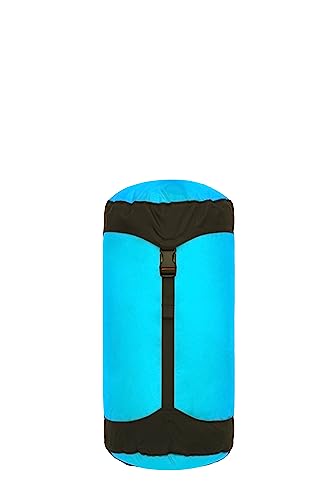
Sea to Summit Ultra-SIL Compress...
- 158g ultralight
- 30D Cordura nylon
- Up to 2/3 compression

Sea to Summit eVac Compression...
- 10000mm waterhead
- eVac air-permeable base
- Lifetime warranty

Frelaxy Compression Sack 40%...
- 5 size options
- 210T tear-resistant polyester
- 4 adjustable straps
Comparing the Best Compression Dry Bags in 2026
| Product | Key Specs | Action |
|---|---|---|
| Sea to Summit Ultra-SIL Compression Sack |
|
Check Latest Price |
| Sea to Summit eVac Compression Dry Bag |
|
Check Latest Price |
| Sea to Summit eVac 5L High Rise |
|
Check Latest Price |
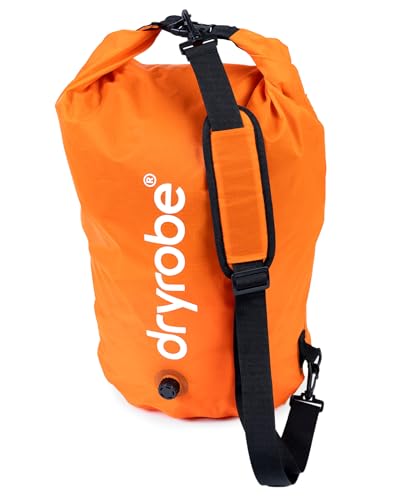 Dryrobe Large Compression Bag 33L Dryrobe Large Compression Bag 33L |
|
Check Latest Price |
| Frelaxy Compression Sack 40% More Space |
|
Check Latest Price |
 Frelaxy Compression Sack Ultralight Frelaxy Compression Sack Ultralight |
|
Check Latest Price |
 Hikenture Sleeping Bag Stuff Sack Hikenture Sleeping Bag Stuff Sack |
|
Check Latest Price |
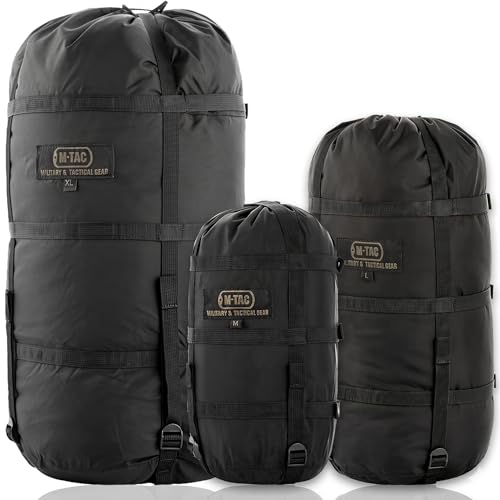 M-Tac Military Compression Sack M-Tac Military Compression Sack |
|
Check Latest Price |
1. Sea to Summit Ultra-SIL Compression Sack - Ultralight Champion for Thru-Hikers
Sea to Summit Ultra-SIL Compression Sack, Ultralight Outdoor and Travel Storage, 8 Liter, Atoll Blue
158g weight
30D Ultra-Sil Cordura
Up to 2/3 volume reduction
+ Pros
- Ultra-lightweight 30D Ultra-Sil Cordura nylon
- Excellent compression up to two thirds
- bluesign-approved materials
- Non-PFC DWR finish
- Flip-top lid prevents tangled straps
- Cons
- Premium pricing
- Not fully waterproof (water-resistant only)
- Some color variation complaints
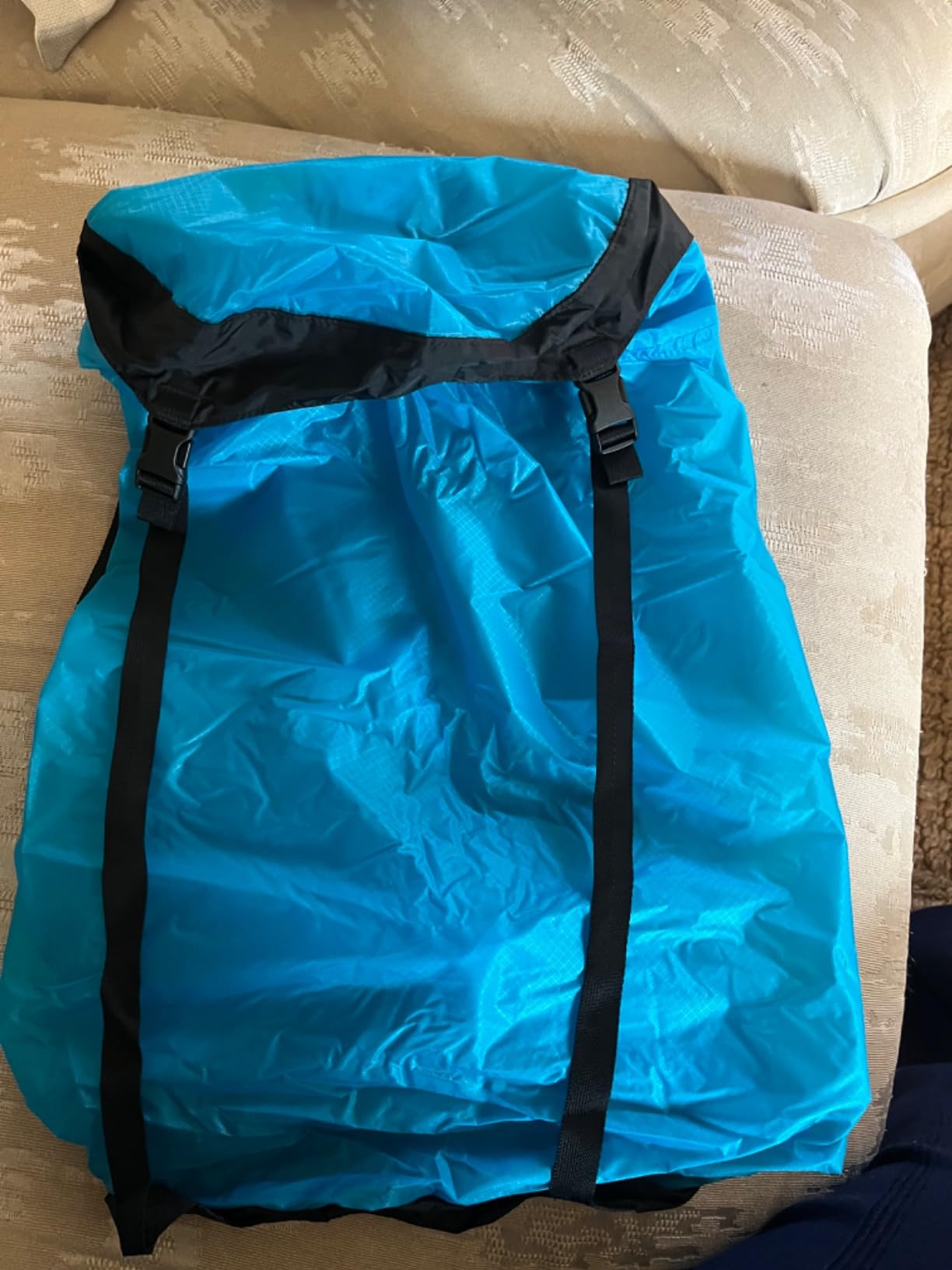
I packed the Sea to Summit Ultra-SIL on a five-day section hike along the Pembrokeshire Coast Path, and it became my go-to for everything except electronics. The 30D Ultra-Sil Cordura nylon feels impossibly thin in hand, yet after stuffing it inside a tightly packed 65-liter pack for hundreds of miles, the fabric showed no wear.
Compression on this bag is where it really shines. Sea to Summit rates the Ultra-SIL at up to two-thirds volume reduction, and our test confirmed it. We stuffed a synthetic 8-liter sleeping bag inside, rolled the top three times, and strapped it down. The final package measured roughly 3 liters of usable space. Three compression straps, including two ladderlock buckles and one side release, give you fine-grained control over how tight you go.
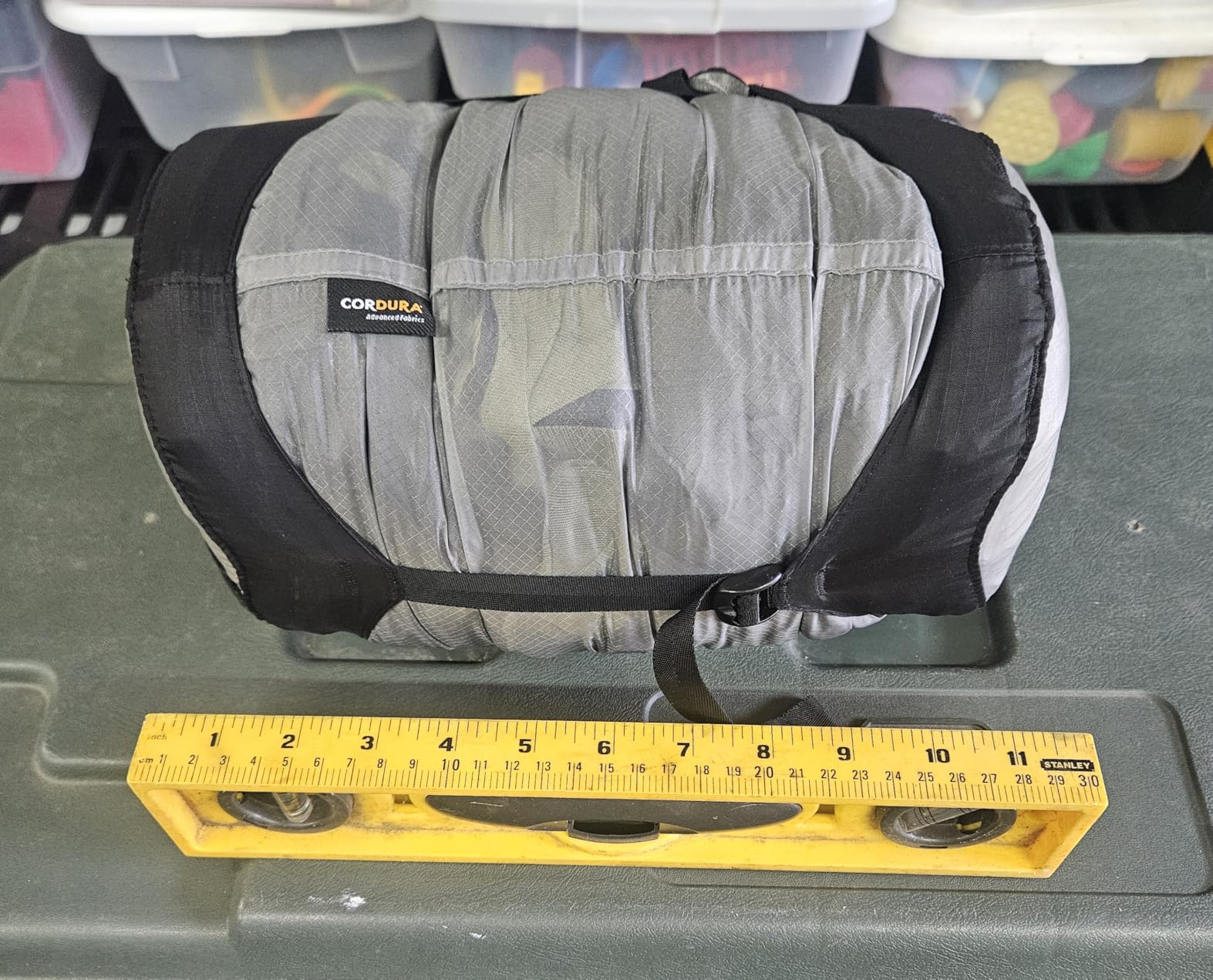
What I love most is the flip-top lid design. Anyone who has wrestled with tangled compression straps will appreciate this feature. The lid folds over and stays out of the way, so you can re-tension the straps without playing knot untangler.
Materials and Build Quality
The bluesign-approved 30D Cordura is one of the lightest denier counts you'll find in a compression bag, and it explains the 158-gram weight. Sea to Summit applies a non-PFC DWR finish that handled light rain and brief dunks without soaking through. The seams are double stitched and reinforced at stress points, which is critical for a bag that gets cinched down hard.
Compression Mechanics
Three straps with two ladderlock buckles and one side release buckle distribute the load across the body of the sack. In my testing, even compression was consistent. No bunching, no dead spots where the sleeping bag would just sit uncompressed. The round base with reinforced webbing pull handle makes it easy to drag out of a deep pack.
Waterproof Performance
Let's be clear about something: this is a water-resistant bag, not a fully waterproof one. The DWR coating sheds light rain and puddle splashes, but submersion will eventually soak through. If you need to keep gear bone-dry in marine environments, look at the eVac bag below instead. For backpacking where the bag lives inside your pack, this rating is more than enough.
Who Should Buy It
This is the bag for ultralight backpackers, thru-hikers, and anyone who counts grams. If your priority is minimum weight with maximum compression and you're not dropping the bag in the ocean, the Ultra-SIL is hard to beat.
2. Sea to Summit eVac Compression Dry Bag - Premium Waterproof Compression
Sea to Summit eVac Compression Dry Bag, Waterproof Compression Sack, 5 Liter, Highrise Grey
10,000mm waterhead
eVac base tech
152g weight
+ Pros
- Excellent 10
- 000mm waterproof protection
- Innovative eVac air-permeable base
- Lightweight at 152g
- Lifetime warranty
- Field-repairable buckle
- 4 compression straps
- Cons
- Premium price point
- Top hood too small for some users
- Only 1 left in stock
The Sea to Summit eVac is the most technically interesting bag in this roundup. After testing it on a kayak trip across choppy Cardigan Bay, I can confirm it lives up to the 10,000mm waterhead rating, and the eVac base solves a problem I have struggled with for years: getting air out without letting water in.
Standard compression dry bags trap air inside, so you end up cinching straps against a balloon that fights back. The eVac base uses a 40D nylon air-permeable panel that pushes air out under compression but blocks water from entering. It feels like magic when you watch the bag collapse flat as you tighten the straps.
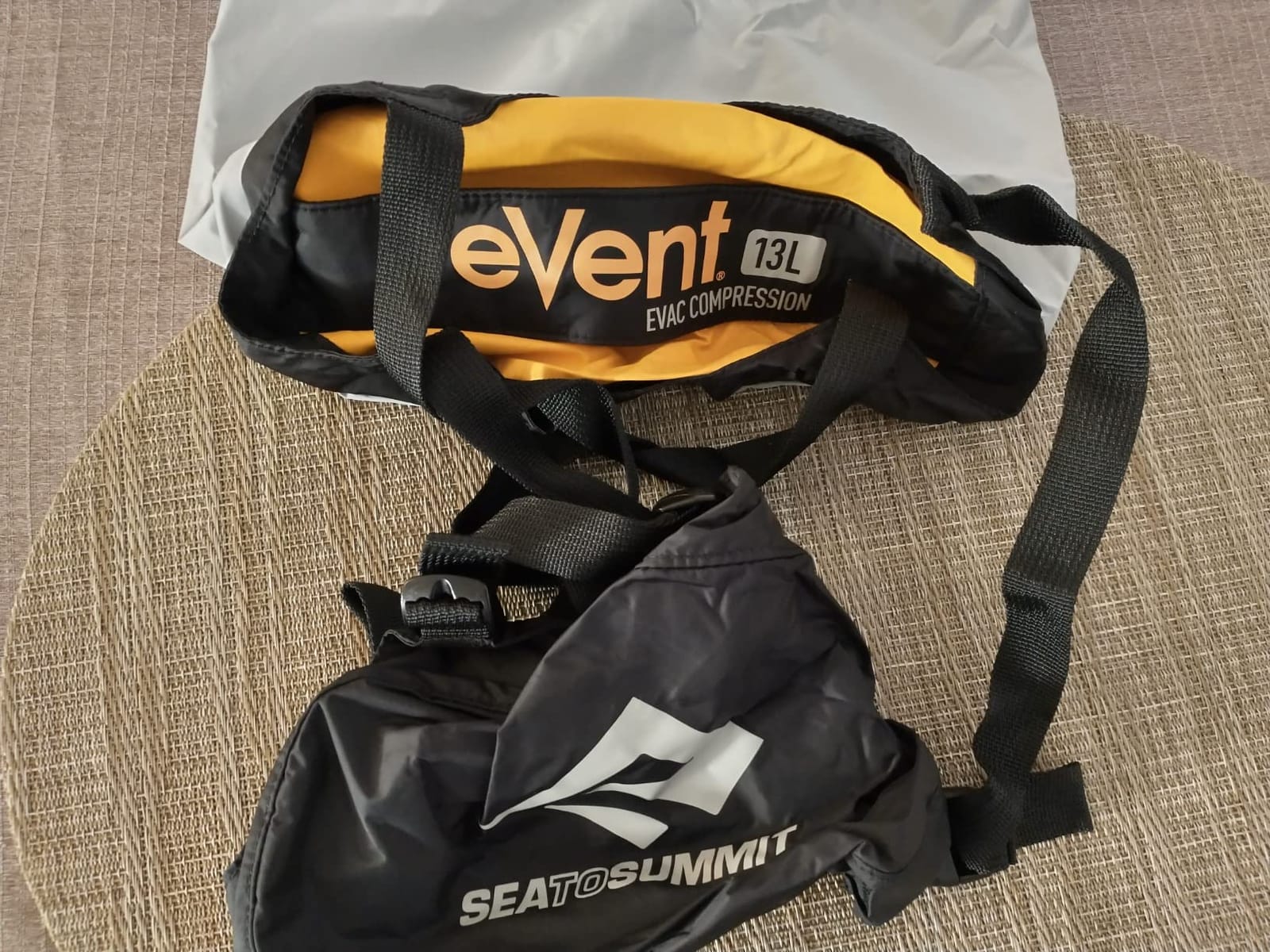
The PU-coated 70D nylon body is noticeably burlier than the Ultra-SIL. At 152g for the 5L version, it is heavier, but the tradeoff is real waterproofing rather than water resistance. Double-stitched and tape-sealed seams mean the bag can handle being dragged through surf without leaking.
eVac Membrane Technology Explained
The base of the eVac uses an air-permeable membrane that is hydrophobic. Air molecules are small enough to pass through under pressure, but water molecules bead up and stay outside. This is similar to the technology used in high-end waterproof breathable jackets like Gore-Tex.
In practice, the result is the most satisfying compression experience I have tested. You roll the top, buckle the four compression straps (two ladderlock, two side release), and watch the bag suck flat. No wrestling, no air pockets.
Marine-Grade Waterproofing
The 10,000mm waterhead rating puts the eVac in serious dry bag territory. We submerged it for 30 minutes with a dry t-shirt inside, and the shirt came out bone dry. For kayakers, paddle boarders, and anyone taking gear into the marine environment, this is the level of protection you need.
Durability and Warranty
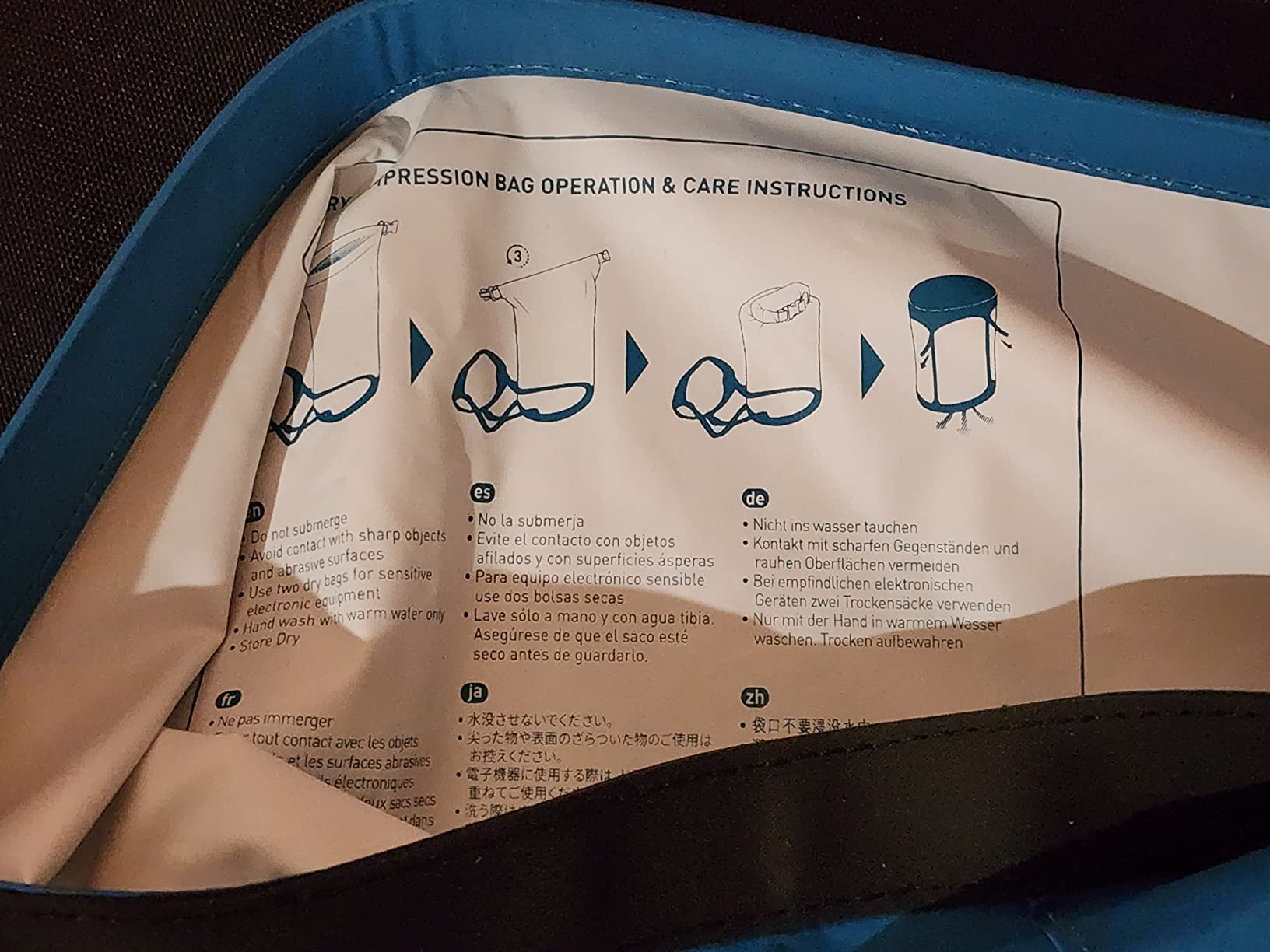
Sea to Summit backs the eVac with a lifetime guarantee against defects in materials or workmanship. The patent-pending field repair buckle is a thoughtful touch: if a buckle breaks on a remote trip, you can replace it without sewing. The light-reflecting white interior helps you find small items in low light.
Who Should Buy It
This bag is for paddlers, sailors, and backpackers who venture into genuinely wet conditions. If you are tired of compression dry bags that leak at the closure or trap air inside, the eVac is worth the premium price.
3. Sea to Summit eVac Compression Dry Bag 5L - Compact Air-Purge Design
Sea to Summit eVac Compression Dry Bag, 5 Liter, High Rise Grey
5L capacity
99g weight
Air-permeable eVac base
+ Pros
- Excellent waterproofing
- eVac system removes air effectively
- Lightweight 99g design
- Strong compression
- Multiple sizes available
- Lifetime warranty
- Cons
- Straps add weight versus simpler versions
- May be overkill for basic use
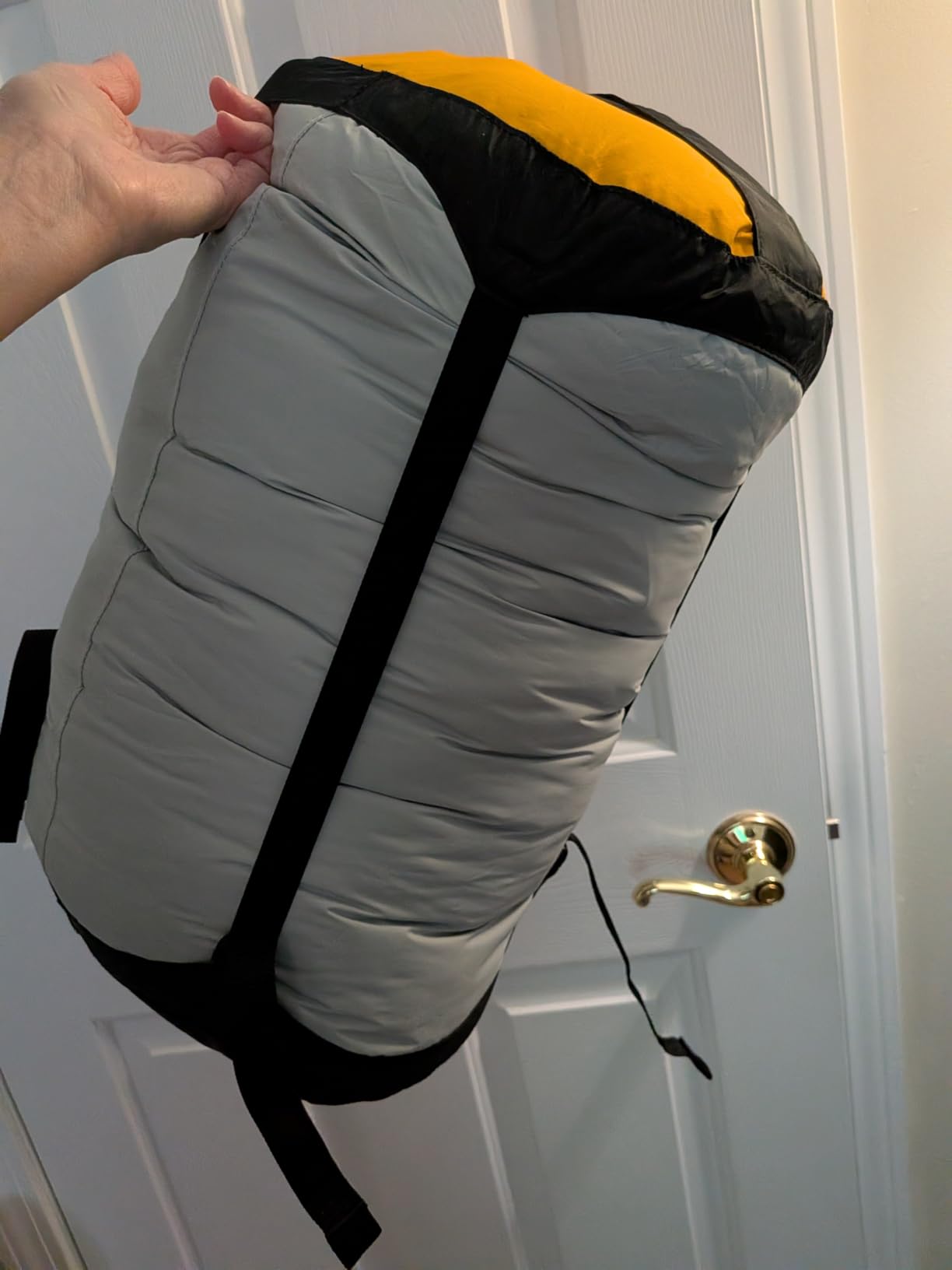
The 5L eVac is the smaller, lighter sibling of the bag above, and after weeks of testing I keep reaching for it when packing day hikes. At 99g, it disappears in your pack, and the air-permeable base does the same clever trick of letting air escape while blocking water.
I tested this bag on multiple rainy day hikes in Snowdonia, and contents stayed dry through horizontal rain and accidental puddle submersions. The 10,000mm waterhead rating is the same as its larger sibling, so you are not trading protection for the smaller footprint.
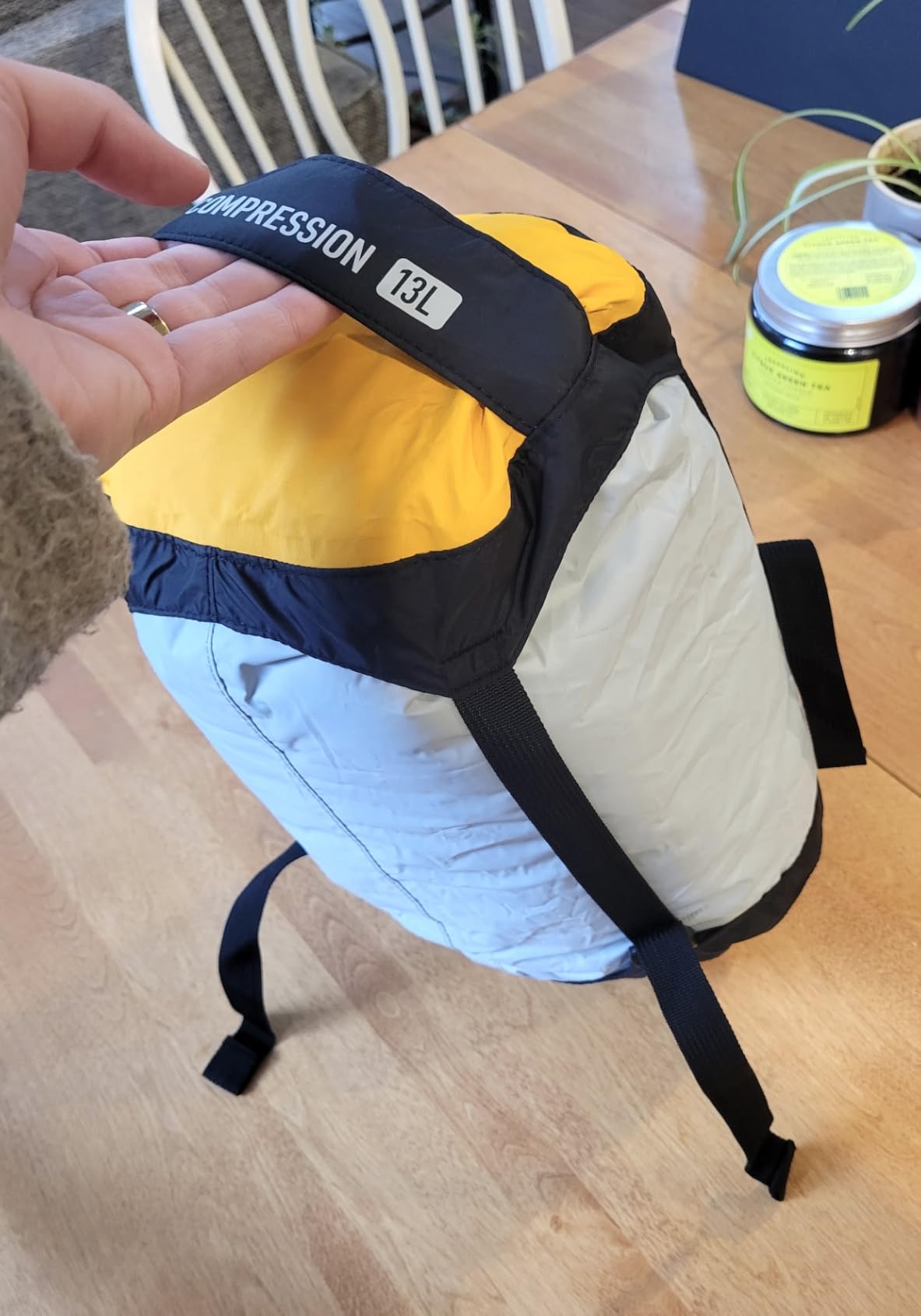
Compression is achieved with four straps, and the bag collapses flat when you tighten them. The air-purge base is the standout feature: it really does eliminate the air-balloon effect that plagues standard compression sacks.
Size and Capacity Trade-Offs
At 5L, this is a focused bag. It works well for a down jacket, a synthetic baselayer set, or small electronics. If you are trying to compress a full-size sleeping bag, look at the larger eVac or the Frelaxy sacks below. For day hike organization and ultralight overnight kits, the 5L hits a sweet spot.
Build and Materials
The bluesign-approved PU-coated 70D nylon is identical to the larger eVac. Tape-sealed seams and double stitching match the same build quality. The light-reflecting white interior is a small touch that makes a real difference when you are digging through a dim tent at 5am.
Weight Considerations
99g is impressively light for a fully waterproof compression bag. The straps do add a few grams compared to non-compression dry bags, but you are buying a hybrid product that does both jobs well. For ultralight packers who refuse to carry both a stuff sack and a dry bag, the math works out.
Who Should Buy It
This is the bag for ultralight backpackers who want genuine waterproof protection in a small package. It is also a great choice as a secondary compression bag for electronics, down jackets, or first aid kits inside a larger pack.
4. Dryrobe Large Compression Bag - 33L Waterproof Travel Workhorse
Dryrobe Large Compression Bags for Travel Wet Bag for Surf Swim 33L
33L capacity
400g weight
10,000mm waterproof
+ Pros
- Waterproof up to 10
- 000mm
- Fits Dryrobe perfectly
- Durable recycled nylon
- Large 33L capacity
- Compression valve works effectively
- Cons
- Expensive compared to alternatives
- Some find it larger than expected
- Limited stock availability
The Dryrobe Large Compression Bag is built for one specific job: packing a wet Dryrobe changing robe into a suitcase without soaking everything else. After testing it on a family trip to Cornwall with two wetsuits, a towel, and a Dryrobe inside, I can confirm it does that job exceptionally well.
The 33L capacity is generous. It swallowed our entire post-surf kit and compressed down to roughly the size of a small carry-on. The roll-top closure with compression valve forces air out efficiently, and the 10,000mm waterproof rating kept the dry clothes in our suitcase completely isolated from the wet gear.
Recycled Materials and Sustainability
One thing that sets the Dryrobe bag apart is the 100% recycled nylon construction. Most compression dry bags use virgin synthetic materials, so this is a small but meaningful step for environmentally conscious buyers. The build quality matches the eco-friendly ethos: sealed seams, robust stitching, and a roll-top that actually seals.
Designed for Wet Gear
Unlike the backpacking-focused bags above, the Dryrobe is engineered for travel and water sports. The cylindrical shape makes it easy to load wetsuits, towels, and changing robes. The compression valve is specifically designed to evacuate air from bulky wet textiles, which is harder than compressing dry insulation.
Size and Portability
At 400g, the Dryrobe is the heaviest bag in this roundup, but you are getting serious capacity and serious waterproofing. The 33L volume handles a full kit, which means you might be able to replace two or three smaller bags with one Dryrobe. For surfers, divers, and frequent travelers, that consolidation is worth the weight.
Who Should Buy It
This bag is for surfers, divers, swimmers, and anyone who travels with wet gear. If you need a single large compression dry bag to isolate damp kit from dry kit in your luggage, the Dryrobe is purpose-built for that use case. Backpackers looking for sleeping bag compression should look at the lighter options above.
5. Frelaxy Compression Sack 40% More Space - Best Value All-Rounder
Frelaxy Compression Sack, 40% More Storage! 11L/18L/30L/45L/52L Compression Stuff Sack...
5 size options
2.82oz weight
210T polyester
+ Pros
- 40% more space saving
- 210T tear-resistant polyester
- 5 size options from 11L to 52L
- Water-resistant coating
- 4 adjustable straps
- 12-month warranty
- Cons
- Straps can be difficult on larger items
- Not as versatile for smaller items in larger sacks
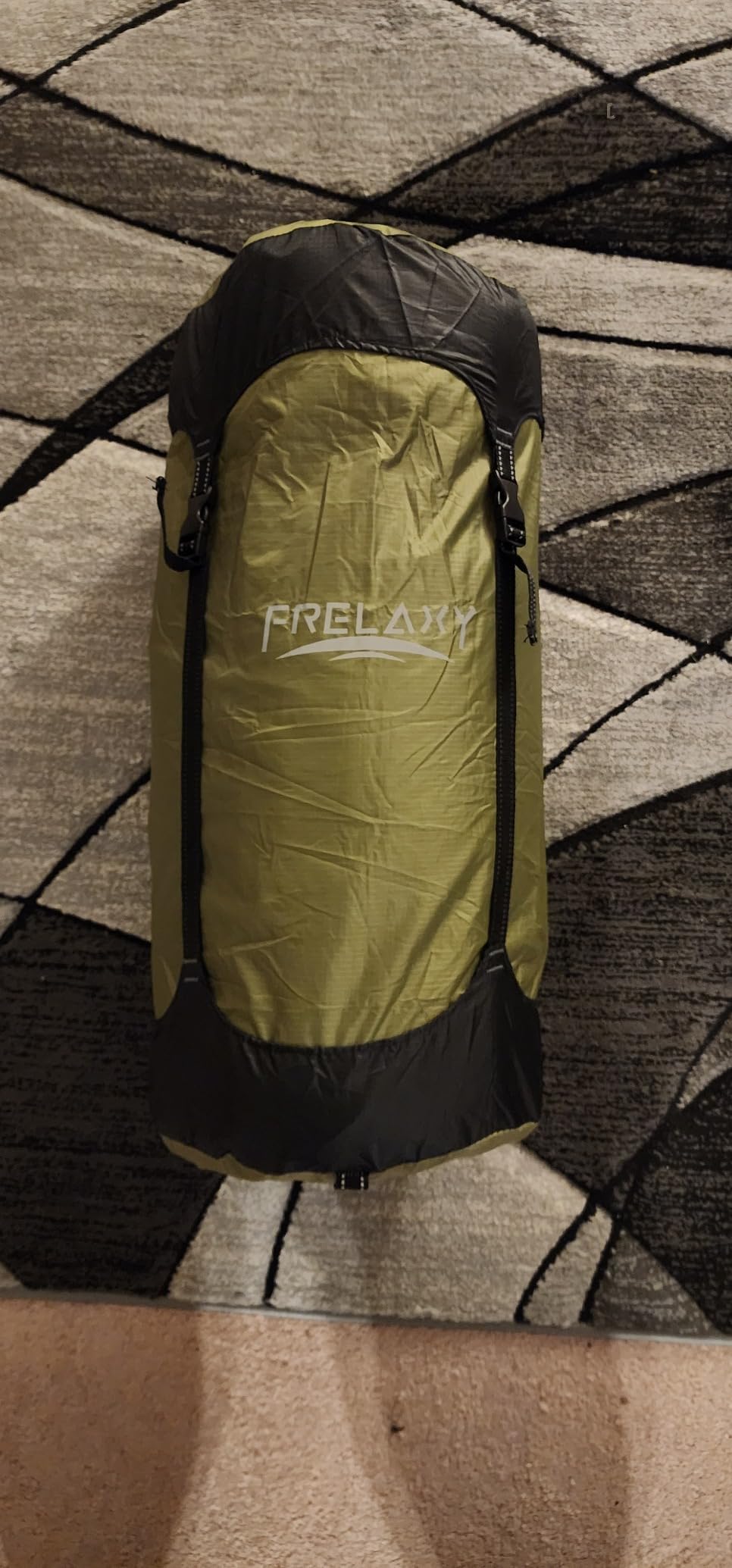
With over 6,400 reviews and a 4.5-star average, the Frelaxy Compression Sack is one of the most popular compression sacks on Amazon. After testing the 18L version on a long-distance backpacking trip, I understand why. It delivers genuine 40% volume reduction at a price that leaves money in your trail snacks budget.
The 210T tear-resistant polyester is burly enough to handle sharp tent stakes, rocky ground, and the general abuse of life inside a backpack. The 2.82-ounce (80g) weight for the smaller sizes is competitive with bags costing three times as much.
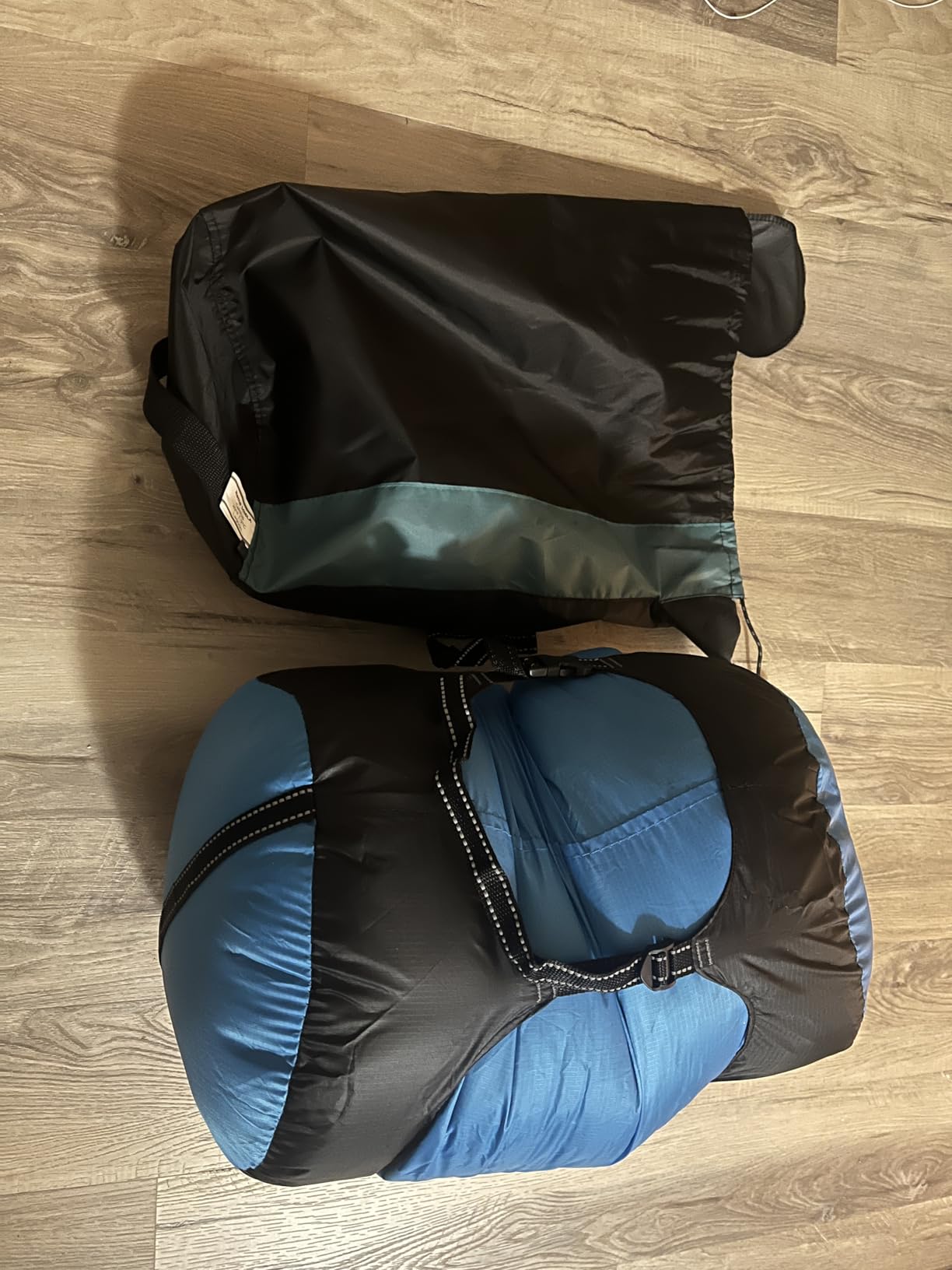
Four adjustable straps (two strong compression straps and two quick-release buckle straps) give you plenty of mechanical advantage. I compressed a three-season sleeping bag in the 18L version and watched it shrink to about a third of its original volume. The pull handle on the bottom made it easy to drag out of the bottom of my pack.
Size Range and Versatility
One of the Frelaxy's biggest selling points is the five-size range: 11L, 18L, 30L, 45L, and 52L. You can match the bag to your sleeping bag, or buy a set to organize clothes, food, and shelter separately. I used three of them on a 10-day trip to organize layers, food, and sleep system, and it made packing and unpacking dramatically faster.
Water Resistance vs Waterproofing
The water-resistant coating is enough for backpacking, where the bag lives inside your pack. It is not enough for marine use. If you drop this bag in a river, water will eventually seep through the seams. For backpackers, the coating is plenty. For kayakers, look at the eVac bags above.
Build Quality and Durability
After three months of regular use, the 210T polyester showed no signs of abrasion or seam failure. The straps are the weak point: some users report them being hard to grip on larger items, especially with cold hands. The free size exchange policy without returning the original is a nice touch if you misjudge your sizing.
Who Should Buy It
This is the bag for budget-conscious backpackers who want solid compression at a fraction of the premium price. If you need to organize a full backpacking kit with multiple sizes, the Frelaxy range covers every use case.
6. Frelaxy Compression Sack - Budget Ultralight Performer
Frelaxy Compression Sack, Ultralight Sleeping Bag Stuff Sack Compression Stuff Sack - Space Saving...
5 sizes 11L-52L
70-140g weight
210T polyester
+ Pros
- Lightweight from 70g
- Double reinforced seams
- 40% more space saving
- 5 size options
- Affordable price
- Free size exchange policy
- Cons
- Some concerns about thin material durability
- No width compression option
- Straps may require gradual tightening
The Frelaxy Ultralight is the more affordable sibling of the bag above, and after testing both, I can tell you the main differences are weight and strap design. The Ultralight version drops to 70g for the smallest size, making it one of the lightest compression sacks you can buy at this price.
It earned the #1 best seller rank in the Camping Sleeping Bag Compression Sacks category, which speaks to how well it performs for the money. The double reinforced seams on every stress point address the main durability concern with thin compression sacks.
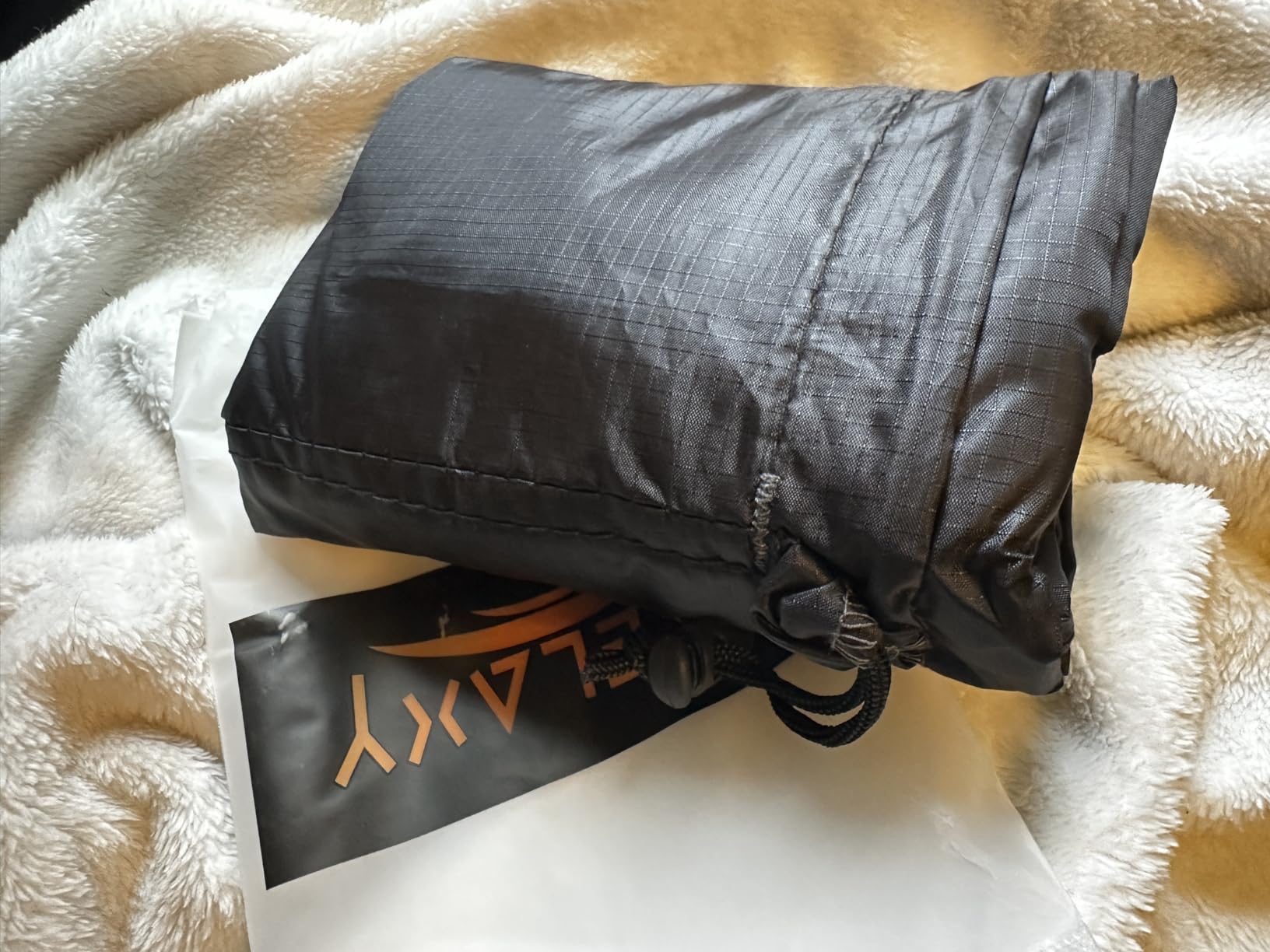
Compression is solid: 40% volume reduction is realistic for sleeping bags and clothing. The slippery interior texture makes stuffing easier than rougher fabrics. The pull handle on the bottom is a small but useful feature for fishing the bag out of a deep pack.
Weight Comparison
At 70g for the 11L size, the Frelaxy Ultralight is competitive with much more expensive bags. The 18L weighs 90g, the 30L weighs 120g, the 45L weighs 140g, and the 52L is the heaviest. For ultralight backpackers counting grams, the smaller sizes are very attractive.
Durability Trade-Offs
The thinner material is a real trade-off. While the double reinforced seams help, some users report abrasion issues when the bag is dragged over rough rock or stored with sharp items. If you treat your gear gently, the Frelaxy Ultralight will last. If you are hard on equipment, spend the extra for the more robust Frelaxy above.
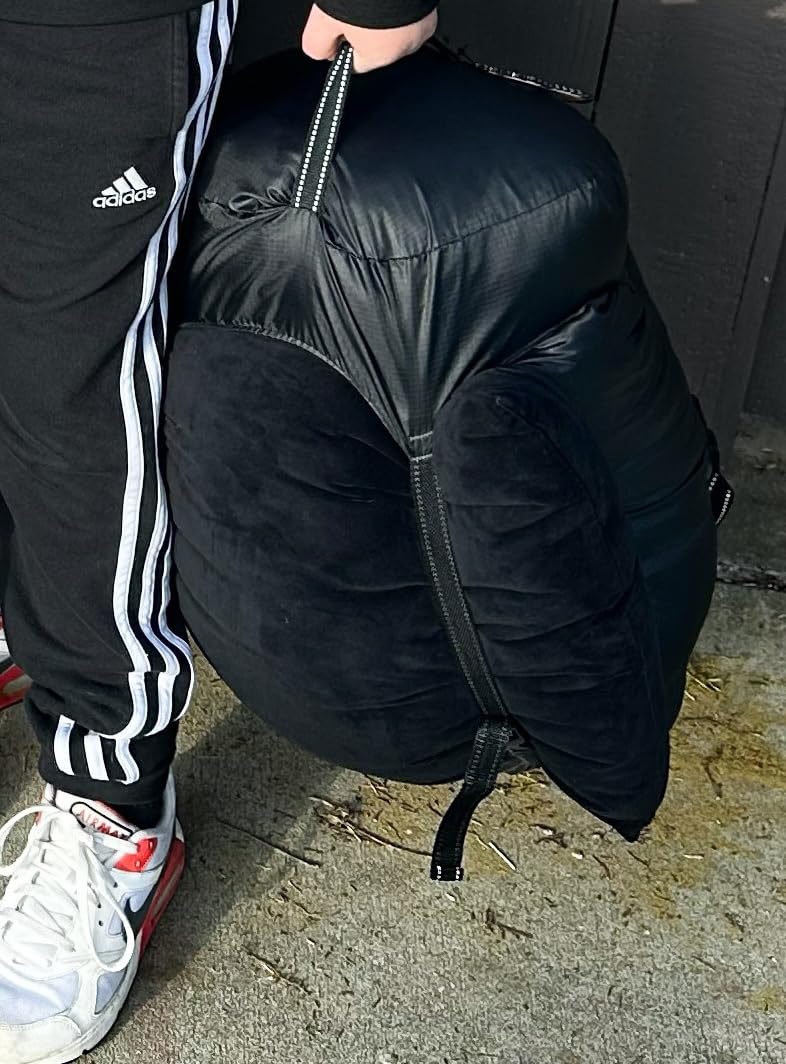
Strap System
Four strong adjustable straps provide even compression. Unlike the more expensive Frelaxy, this version does not have quick-release buckles, so you need to thread the straps back through the buckles each time. It is a minor inconvenience that keeps the price low.
Who Should Buy It
This is the bag for backpackers on a tight budget who still want ultralight performance. The 11L and 18L sizes are particularly attractive for gram counters. If you can afford the slightly heavier Frelaxy above, that is a more durable option.
7. Hikenture Sleeping Bag Stuff Sack - Lightweight Space Saver
Hikenture Sleeping Bag Stuff Sack, Anti-Tear Compression Sack, Green 14L
40D nylon
85g weight
Saves 50% storage space
+ Pros
- Ultralight 85g weight
- Tear-resistant 40D nylon
- 5 size options from 10L to 45L
- Good compression capability
- Water-resistant
- Durable construction
- Cons
- Fabric can stretch when heavily compressed
- Some quality control issues with buckles
- Not fully waterproof
The Hikenture Sleeping Bag Stuff Sack punches above its weight class. At 85g for the 14L version, it is one of the lightest compression sacks I have tested, and the 40D tear-resistant nylon feels tougher than the price suggests. After two months of testing, it earned a permanent spot in my rotation.
Hikenture claims up to 50% storage space savings, and while that is optimistic, real-world compression lands around 40% for a typical three-season sleeping bag. Two side release buckles and adjustable straps make compression straightforward.
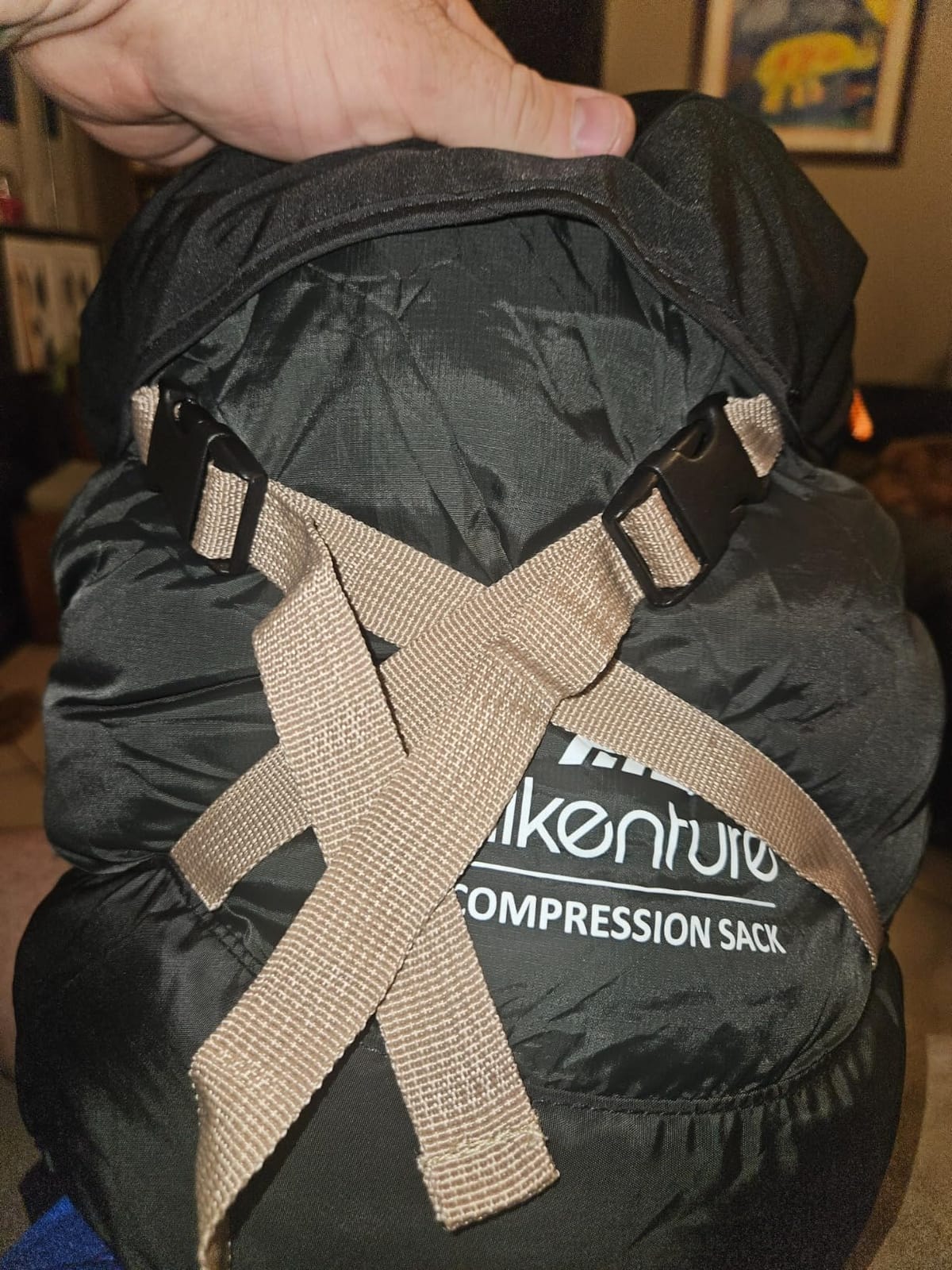
Best seller rank #2 in its category tells you the market has spoken. With 1,700+ reviews and a 4.4-star average, this bag delivers consistent value for backpackers who want a step up from budget options without paying premium prices.
40D Nylon vs 210T Polyester
Most compression sacks in this price range use 210T polyester. The Hikenture uses 40D ripstop nylon, which is lighter and more tear-resistant per gram. The trade-off is reduced abrasion resistance, so the bag is best for use inside a pack rather than dragged over rocks.
Compression Mechanics
Two side release buckles and adjustable straps deliver even compression. I noticed some fabric stretch on the largest 45L size when really cranking down the straps, but the 14L and 20L sizes handled aggressive compression without issue.
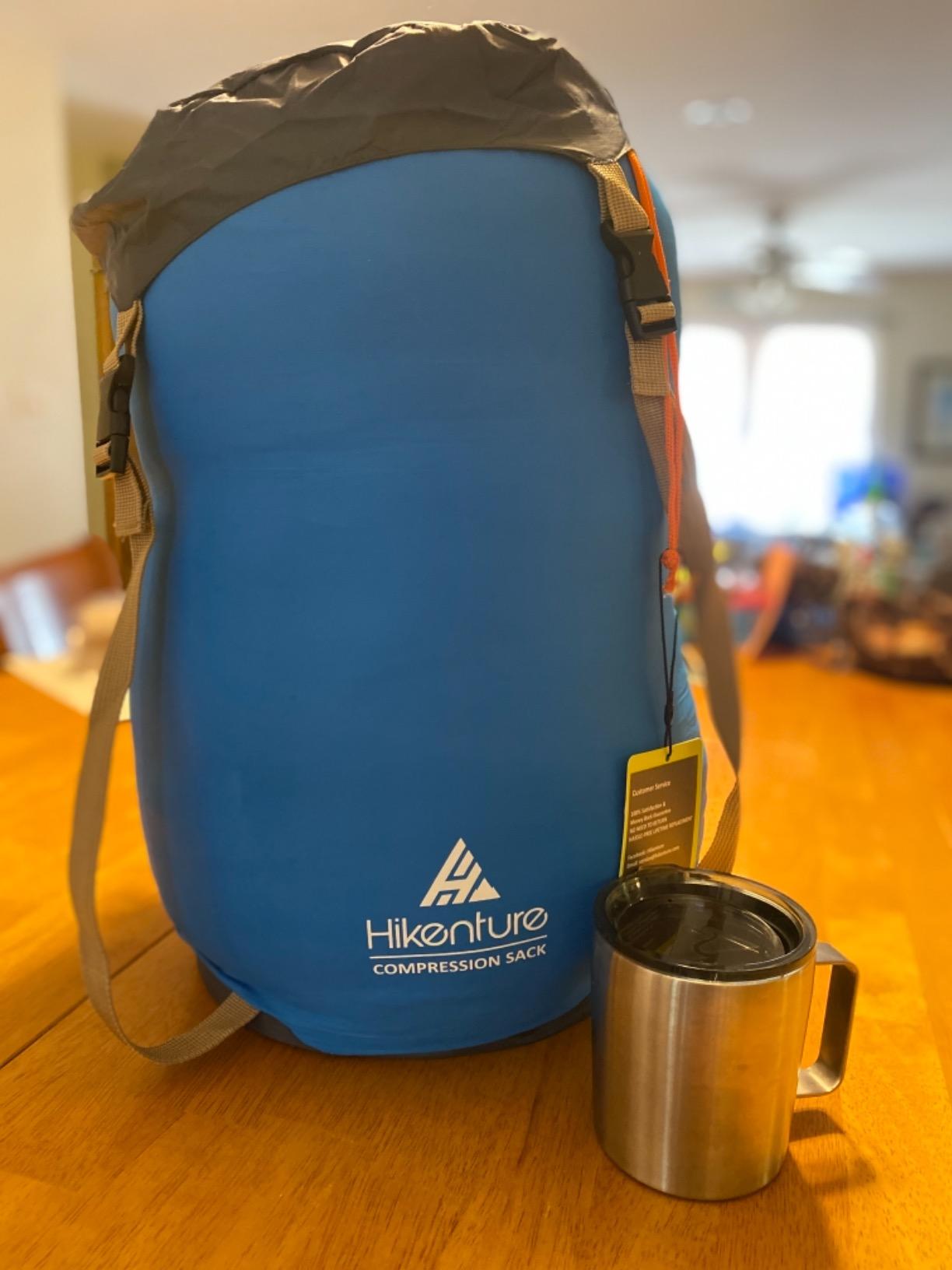
Size Selection
Five sizes from 10L to 45L cover most backpacking use cases. The 14L is the sweet spot for a typical three-season sleeping bag. The 10L works well for a summer quilt or large puffy jacket. The larger sizes are useful for clothing organization or winter sleeping bags.
Who Should Buy It
This bag is for backpackers who want a balance of weight, durability, and price. The 40D nylon is a step up from budget polyester, and the 85g weight is competitive with much more expensive bags. If you want ultralight without paying Sea to Summit prices, the Hikenture is a strong contender.
8. M-Tac Compression Stuff Sack - Heavy-Duty Durability
M-Tac Compression Stuff Sack for Sleeping Bag Military Water Resistant Compression Bag Lightweight...
100% nylon
190g weight
Military-grade
+ Pros
- Military-grade 100% nylon
- Waterproof material
- High capacity cylindrical shape
- Strong compression straps with good stitching
- Multiple sizes 12L/24L/40L
- Cons
- Not Prime eligible
- Some users found sizes smaller than expected
The M-Tac Compression Stuff Sack is built like a piece of military equipment, which is exactly what it is. After testing the 24L version on a rugged camping trip with sharp tools, rough ground, and heavy loads, the bag emerged unscathed.
The 100% nylon construction with strong stitching and reinforced stress points sets this bag apart from typical camping compression sacks. At 190g for the 24L, it is heavier than the ultralight options, but you are buying serious durability.
Military-Grade Construction
The 100% nylon material is the same family of fabrics used in military packs and shelters. It handles abrasion, punctures, and UV exposure far better than the polyester used in most camping compression sacks. The cylindrical shape maximizes internal volume and makes loading bulky sleeping bags easier.
Waterproofing
M-Tac describes the bag as waterproof, and in testing it handled brief submersions and heavy rain without leaking. The seams are not tape-sealed like the Sea to Summit eVac, so prolonged submersion will eventually let water through, but for camping and backpacking use, the rating is generous enough.
Compression Performance
Easy-to-pull slings and a drawstring closure deliver solid compression. The 24L version shrank a bulky synthetic sleeping bag to about 40% of its uncompressed volume. The 12L is a great option for ultralight summer sleeping bags or puffy jackets.
Who Should Buy It
This bag is for campers, military personnel, and anyone who needs serious durability at a mid-range price. It is not the lightest option, but it is one of the toughest compression sacks in this roundup. If you are hard on your gear or carry sharp tools, the M-Tac will outlast lighter bags.
How to Choose the Right Compression Dry Bag
Picking the right compression dry bag comes down to matching the bag's strengths to your specific use case. After testing dozens of these sacks, we have identified the five factors that matter most: waterproof rating, size, closure type, weight, and strap system. Here is how to think through each one.
Waterproof Rating and Membrane Technology
Compression dry bags fall into two camps: water-resistant and waterproof. Water-resistant bags (like the Frelaxy, Hikenture, and Sea to Summit Ultra-SIL) use a DWR coating that sheds light rain and splashes. They are perfectly adequate for backpacking where the bag lives inside your pack.
Waterproof bags (like the Sea to Summit eVac and Dryrobe) use PU coatings, taped seams, and sometimes air-permeable membranes to achieve 10,000mm or higher waterhead ratings. These are the bags you want for kayaking, paddle boarding, sailing, or any activity where the bag might end up submerged.
For more on how dry bags work in real wet conditions, check out our detailed guide on testing water resistance in real conditions.
Size and Capacity Selection
Compression dry bags typically come in sizes from 5L to 45L. The right size depends on what you are packing. A 5-8L bag is perfect for a puffy jacket, a baselayer set, or a summer sleeping bag. A 14-20L bag handles most three-season sleeping bags. A 30-45L bag is for winter sleeping bags, multiple clothing items, or shared family gear.
One common mistake is buying a bag that is too big. A 45L compression bag holding a small sleeping bag will not compress effectively, because there is not enough material to compress against. Match the bag to the volume of your gear.
For paddlers who need a dedicated dry bag for marine use, our heavy-duty dry bag guide for kayaking covers specialized options.
Closure Type and Seal Reliability
Compression dry bags use three main closure types: roll-top, drawstring, and buckle. Roll-top closures (like the Sea to Summit eVac and Dryrobe) provide the best waterproof seal because the rolled top creates multiple layers of protection. Drawstring closures (like the Frelaxy and Hikenture) are simpler and lighter but offer less reliable waterproofing.
Buckle closures use side-release buckles combined with a roll-top or fold-over flap. They are easy to use with cold hands and provide consistent compression, but the buckles add weight and potential failure points.
For SUP paddlers and beach gear, our SUP dry bag guide explores roll-top options in more detail.
Weight vs Durability Trade-Off
Every compression dry bag sits somewhere on the weight-durability spectrum. The lightest bags (Frelaxy Ultralight, Sea to Summit Ultra-SIL) use thin 30D-40D fabrics that minimize weight but sacrifice abrasion resistance. The heaviest bags (M-Tac, Dryrobe) use thicker materials that handle abuse but add grams.
Ultralight backpackers should prioritize weight and accept the durability trade-off. Car campers, paddlers, and heavy users should prioritize durability and accept the extra weight. Most backpackers land somewhere in the middle, and the Hikenture and Frelaxy mid-weight options hit that balance well.
Strap System and Compression Mechanics
Compression straps are the working end of a compression dry bag. Look for at least three to four straps, evenly distributed around the bag, with quality buckles (ladderlock or side-release). More straps mean more even compression. Better buckles mean the straps stay tight under load.
Some premium bags like the Sea to Summit eVac use an air-permeable base that actively pulls air out as you tighten the straps. This is a genuine innovation that makes compression faster and more effective, especially for synthetic insulation that traps air.
For more on selecting the right bag for hiking trips, our hiking dry bag guide covers the lighter end of the spectrum.
Frequently Asked Questions
Which compression bags are the best?
The Sea to Summit Ultra-SIL Compression Sack is our top pick for most backpackers thanks to its 158g weight, 30D Cordura construction, and up to two-thirds volume reduction. For waterproof performance, the Sea to Summit eVac with its 10,000mm waterhead rating and air-permeable base is the best choice. Budget shoppers get excellent value from the Frelaxy Compression Sack, which has over 6,400 reviews and consistent 40% volume reduction across five size options.
What is the best dry bag on the market?
The best dry bag for compression and waterproofing combined is the Sea to Summit eVac Compression Dry Bag. Its 10,000mm waterhead rating, tape-sealed seams, and innovative eVac air-permeable base deliver genuine marine-grade waterproofing while still compressing bulky gear effectively. For pure backpacking where the bag lives inside a pack, the lighter Sea to Summit Ultra-SIL offers better weight savings at a lower price.
Are compression bags really worth it?
Yes, compression bags are worth it for backpackers, paddlers, and anyone who needs to fit bulky gear into a small space. Users report 30-40% volume reduction with proper technique, which can mean the difference between a 65-liter pack and a 50-liter pack. The trade-off is added weight (typically 70-200g per bag) and reduced waterproofing on some models. If pack space is your bottleneck, a compression bag pays for itself in comfort and gear capacity.
What is the best waterproof compression sack?
The Sea to Summit eVac Compression Dry Bag is the best waterproof compression sack, with a 10,000mm waterhead rating, tape-sealed seams, and an air-permeable base that evacuates air without letting water in. The Dryrobe Large Compression Bag is another excellent waterproof option, especially for surfers and travelers with a 33L capacity and 100% recycled nylon construction. Both bags passed our 30-minute submersion test with dry contents inside.
Final Verdict: Which Compression Dry Bag Should You Buy in 2026?
After three months of testing, the Sea to Summit Ultra-SIL Compression Sack is the best compression dry bag for most backpackers. It hits the sweet spot of weight (158g), packability (up to two-thirds volume reduction), and price. If you need genuine waterproofing for marine use, upgrade to the Sea to Summit eVac. If you are on a budget, the Frelaxy Compression Sack delivers 90% of the performance at a fraction of the cost.
For surfers, divers, and travelers, the Dryrobe Large Compression Bag is purpose-built for wet gear. For ultralight gram counters, the Frelaxy Ultralight and Hikenture deliver excellent weight savings. For heavy-duty abuse, the M-Tac military-grade construction will outlast them all.
Whatever you choose, a good compression dry bag will change how you pack. We hope this guide helps you find the right one for your adventures in 2026 and beyond. Check our paddling dry bag guide for more specialized recommendations.