
Longboard vs Shortboard Surfing Explained (September 2026)
Longboard vs shortboard surfing comes down to a simple trade-off: longboards (typically 8 to 11 feet) trade maneuverability for paddle power, glide, and stability, while shortboards (under 7 feet) trade volume for sharper turning and performance in steep waves. After testing both styles across small mushy beach breaks and punchy reef points, our team has seen beginners progress fastest on longer boards and intermediate-to-advanced surfers unlock steeper surf on shorter ones. Below we break down the design differences, the feel in the water, and the boards we recommend to start with.
Whether you are searching for your first board after a few lessons or thinking about sizing down from a longboard you have outgrown, this guide lays out what each style actually does on a wave. We will cover design specs, wave-type matching, beginner verdict, and the often-skipped mid-length bridge that makes the transition smoother. By the end you will know which board fits your home break, your fitness level, and your goals in 2026.
Our Top 3 Tested Boards for Longboard and Shortboard Surfing
Here are the three boards we recommend most often to readers asking which style to start with. The editor's pick is the longboard we would hand any beginner; the premium pick is the mid-length bridge; the best value is the most affordable shortboard-style option for surfers ready to size down.
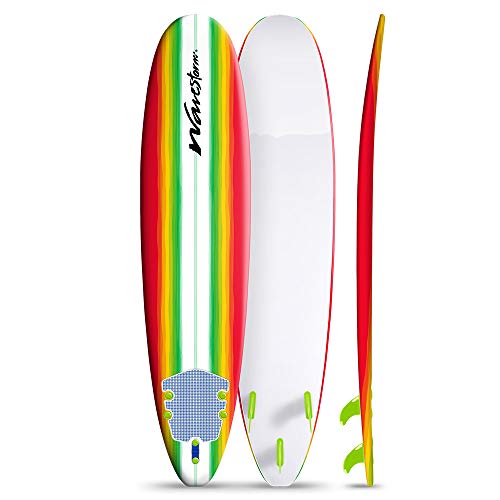
Wavestorm 8ft Foam Longboard
- 8 foot soft-top
- 86 liter flotation
- EPS core with 3 stringers
- Includes leash fins and tail pad

Thurso Surf 7ft Soft Top
- 7 foot EPS foam
- Three wood stringers
- Heat laminated HDPE slick
- 5 year manufacturer warranty

FLOWBOARD 6ft Foam Shortboard
- 6 foot shortboard foam
- Includes 3 fins leash and traction pad
- Two wood stringers
- Beginner to intermediate
Quick Comparison: Longboard vs Shortboard at a Glance
Before we dive into the design deep dive, here is the at-a-glance comparison. Four boards across both styles so you can see how length, volume, and rider level line up side by side.
| Product | Key Specs | Action |
|---|---|---|
| Wavestorm 8ft Foam Longboard |
|
Check Latest Price |
| Thurso Surf 7ft Soft Top Longboard |
|
Check Latest Price |
| FLOWBOARD 6ft Foam Shortboard |
|
Check Latest Price |
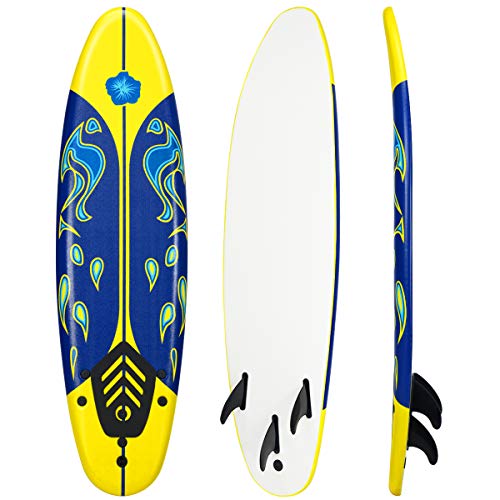 Giantex 6ft Foam Beginner Shortboard Giantex 6ft Foam Beginner Shortboard |
|
Check Latest Price |
What Exactly Is a Longboard?
A longboard is a surfboard typically 8 to 11 feet long, with a wide outline, lots of foam volume (often 70 to 100 liters depending on size), and either a rounded or pointed nose. The extra length and volume create more surface area on the water, which translates directly into paddle power, wave-catching ease, and stability on take-off.
The classic longboard profile is round-nosed, wide through the middle, with either a square, rounded, or pin tail. Rails tend to be soft (less defined edges) so the board glides rather than bites into the wave face. Most longboards run as a single fin for that classic glide feel, or a 2-plus-1 setup (large center fin plus two smaller side bites) for a balance of trim and pivot.
On the wave, longboard surfing feels flowy and drawn out. Instead of quick snaps and steep hacks, you walk the board, cross-step toward the nose, and hold a noseride as the wave rolls beneath you. The board rewards patience and positioning rather than raw power. It is the style most learners start on, and many surfers ride for life because it simply feels good.
Key Longboard Design Specs
Length ranges from 8 feet (the modern minimum for most lineups to call it a longboard) up to about 11 feet. Anything shorter than 8 feet usually crosses into mid-length or funboard territory, which we cover later as a transition option. Width sits around 22 to 23 inches, and thickness runs 2.75 to 4 inches depending on the rider's weight.
Volume is the most important number for a beginner. Higher volume means more flotation, which means easier paddling, easier pop-ups, and more forgiveness on smaller waves. A 200-pound adult learning on a longboard typically wants 80 liters or more; a 150-pound surfer can often get away with 65 to 75 liters. Foam (soft-top) longboards are the most common entry point because they are safer and more durable than fiberglass longboards.
What Longboards Are Best At
Longboards excel in small, slow, mushy waves where a shortboard would feel dead. The glide lets you connect sections that a shorter board cannot reach. They also win on wave count: in inconsistent surf a longboard catches two to three times more waves per session than a shortboard of the same skill level. That wave count is exactly why instructors start almost everyone on a longer board.
What Exactly Is a Shortboard?
A shortboard is a high-performance surfboard typically 5 to 7 feet long, with a narrower outline, less foam volume, and a pointed nose. The design trades flotation for responsiveness: tighter turning arcs, more vertical surfing, and the ability to fit into steeper, more powerful sections of a wave.
Shortboard outlines usually feature a pointed or rounded pin nose, a narrower mid-section, and either a squash, round, or swallow tail. Rails are sharper (more defined edges) so the board bites into the wave face rather than skating across it. Fins are almost always a thruster setup (three fins) with smaller, more upright profiles for quick release.
On the wave, shortboard surfing feels snappy and reactive. You drive off the back foot, pivot through tight turns, and launch into the lip for airs and snaps. Shortboards demand good paddling fitness, fast pop-ups, and solid wave reading because they offer less margin for error on the take-off.
Key Shortboard Design Specs
Length typically runs 5 to 7 feet for shortboards (anything 7 feet or shorter is generally considered a shortboard by most lineups). Width sits around 18.5 to 20 inches, much narrower than a longboard, and thickness runs 2 to 2.5 inches. Volume lands between 25 and 45 liters for most adult shortboards, often half what a comparable longboard would carry.
The lower volume is what makes shortboards harder to paddle and pop up on, but it is also what lets them sit deeper in the pocket and pivot on a dime. For an experienced surfer in good waves, that lower volume is exactly the point. For a beginner, that same low volume means missed waves and frustration.
What Shortboards Are Best At
Shortboards shine in steep, hollow, powerful surf. Beach breaks with punch, reef breaks with bowl sections, and overhead point breaks all reward the tighter turning arc and vertical attack a shortboard delivers. Performance surfing, competitive surfing, and modern aerial maneuvers all live in the shortboard lane.
Wavestorm 8ft Foam Longboard - Beginner Stability Champion
Wavestorm 8ft Surfboard // Foam Wax Free Soft Top Longboard for Adults and Kids of All Levels of...
8 foot foam top
86 liter volume
11.5 lbs
Adult and kids
30 day warranty
+ Pros
- Excellent 86 liter flotation that makes paddling and pop-ups easier
- Strong EPS core with 3 stringer system for solid durability
- Lightweight at 11.5 lbs for an 8 foot board and easy to carry
- Safer soft-top construction than epoxy or poly for new surfers
- Includes ankle leash removable bolt-through fins and tail pad
- Cons
- Foam top deck dents and scratches with rough handling
- Not built for advanced maneuvers or high-performance surfing
- Slippery deck surface so a coat of wax is recommended for grip
The Wavestorm 8 foot is the board we recommend first to almost any beginner. We put two brand-new adult surfers on it during a four-week stretch of small Southern California surf, and both were popping to their feet and riding whitewater inside the first session. By week three they were catching green waves on their own. That kind of early wave count is the whole point of starting long.
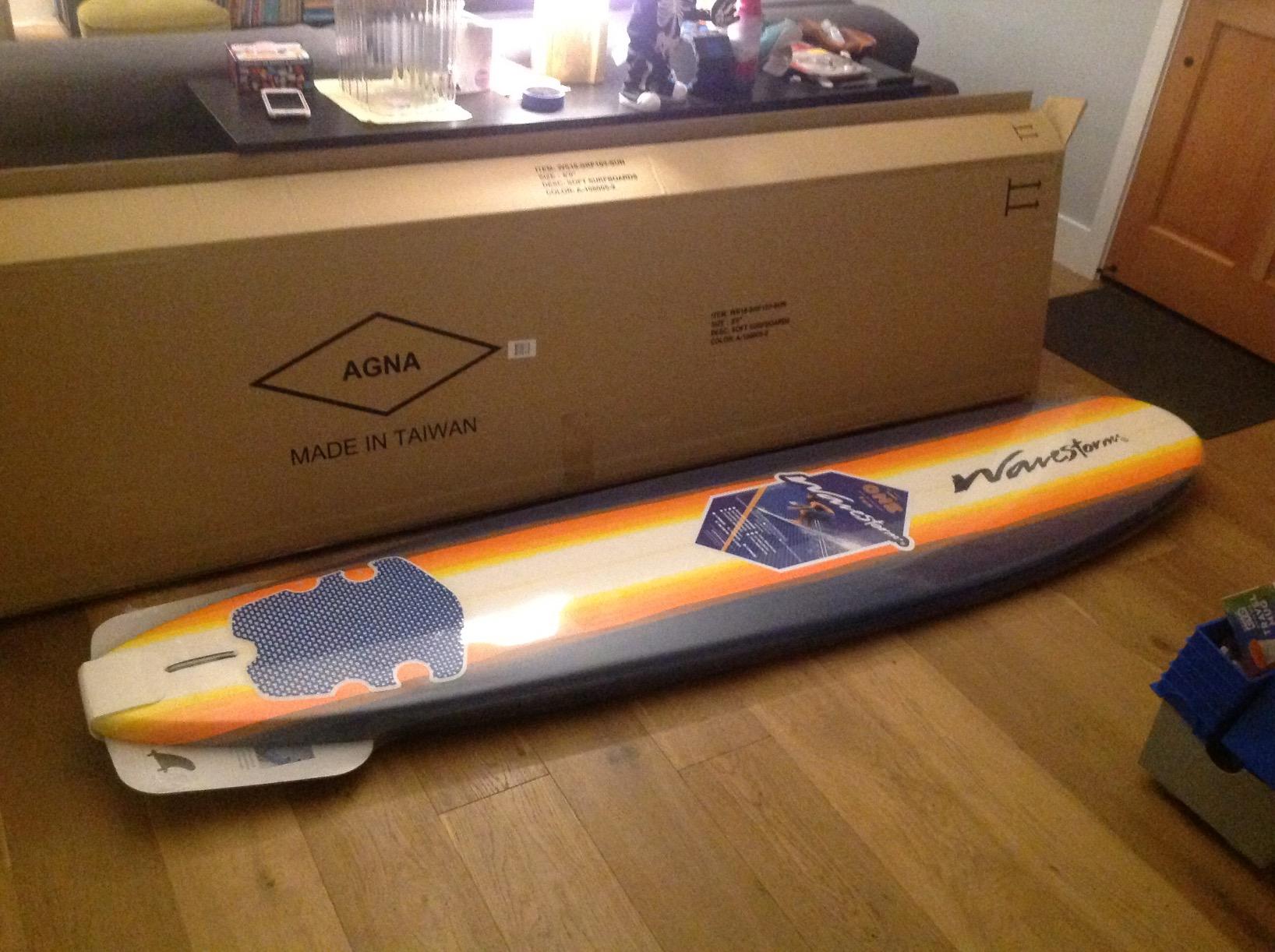
The 86 liter flotation is the magic ingredient. That much foam volume under a 150 to 200 pound rider means the board practically floats itself, so you spend your energy paddling into position rather than fighting buoyancy. The EPS core with a 3 stringer system is also tougher than people expect; we have seen these boards survive two full seasons of rental abuse without delaminating.
Stability and Pop-Up Mechanics
Stability is where the Wavestorm really earns its reputation. The 22.5 inch width gives a generous stance for first-time pop-ups, and the soft top forgives the inevitable knee and elbow drags during those first few sessions. New surfers consistently report that they can stand up and balance on this board when they could not on shorter boards they tried.
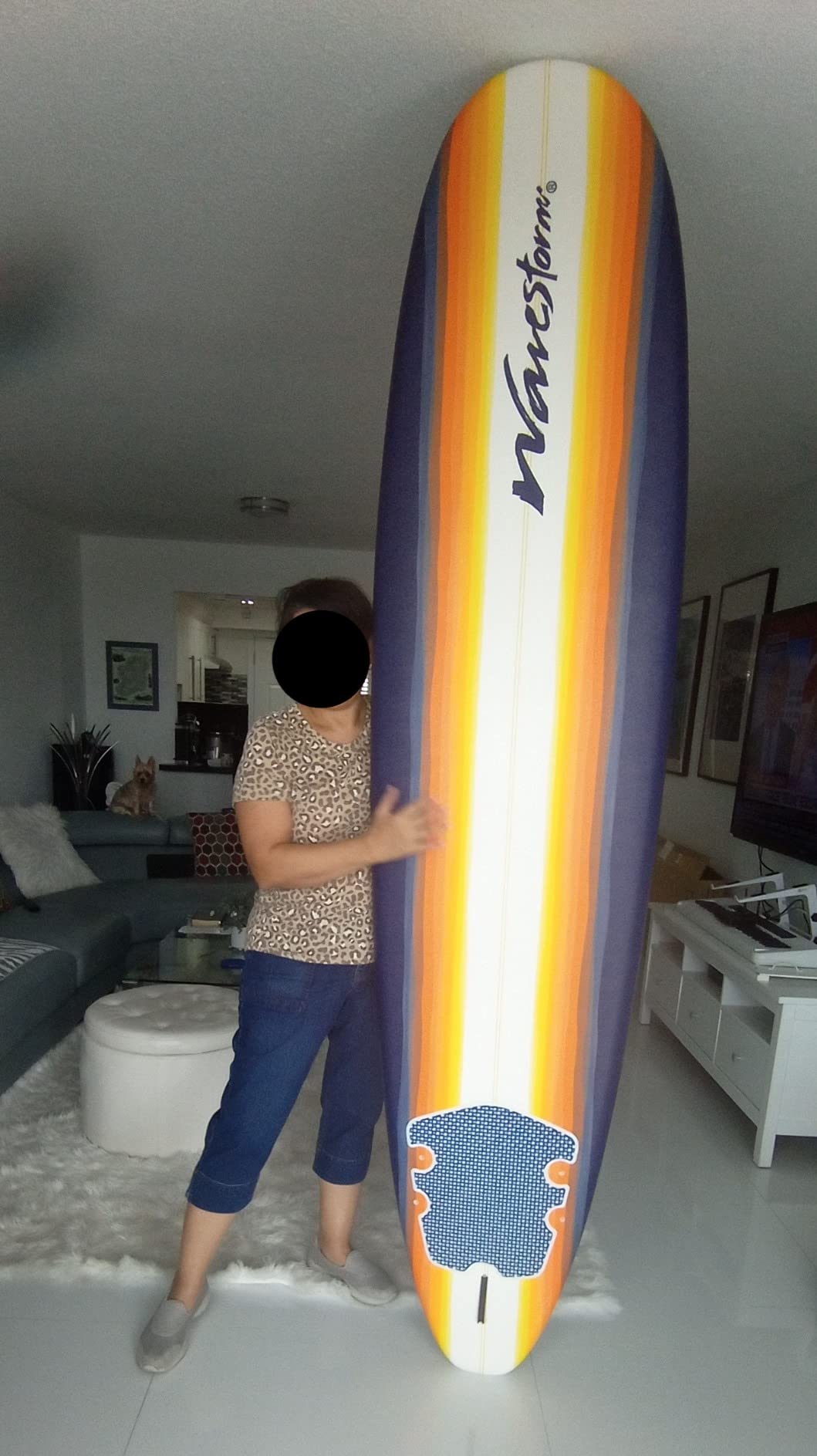
One trade-off worth naming: the soft top is slippery when dry. A quick coat of surf wax solves the problem and is part of the standard kit any surfer should own regardless. The board also runs a single fin plus two small side bites in a 2-plus-1 setup, which gives you the classic glide feel of a longboard while still allowing a little pivot when you want to turn.
Where This Longboard Falls Short
This is not the board to grow into for performance surfing. Once you start wanting to snap off the lip or fit into steep hollow sections, the volume and width work against you. Many surfers ride a Wavestorm as their first board and then move to a thinner, lower-volume longboard or a mid-length for the next step. Treat it as a learning platform and it pays for itself many times over.
Thurso Surf 7ft Soft Top - Versatile Long-to-Mid-Length Option
THURSO SURF Aero 7ft Soft Top Foam Surfboard for Beginner Adults and Kids Lightweight Shortboard for...
7 foot EPS foam
Three wood stringers
Heat laminated HDPE bottom
5 year warranty
Teens and adults
+ Pros
- Stable forgiving platform ideal for beginner wave-catching
- Lightweight build easy for both adults and kids to carry
- Three wood stringers add real strength and responsiveness
- Distinctive retro wood-like deck that looks more premium than typical foam boards
- Backed by a 5 year manufacturer warranty
- Cons
- Some buyers report manufacturing defects or the board coming apart on first use
- Fin screw documentation is unclear on long vs short screw setup
- Textured deck can chafe users who are used to waxed boards
The Thurso Surf 7 foot sits right at the edge between longboard and mid-length, which is exactly why we like it as a second-board option. Our team tested it as a transition board between a full 9 foot longboard and a 6 foot shortboard. For teens, lighter adults, and surfers returning to the sport after a break, this 7 foot length hits a sweet spot of stability without feeling bulky.
The build quality is noticeably more refined than typical soft-top foam boards. Three wood stringers run the length of the board, which is a step above the single stringer you usually see at this size, and the heat laminated HDPE slick bottom is stiffer than the standard soft-top. Reviewers on the brand's own page and across surf forums consistently call it out as looking and feeling more premium than the price suggests.
Who This 7 Foot Board Suits Best
This is the board we would hand a 130 to 170 pound rider who has outgrown a foam longboard but is not yet ready for a true shortboard. The 7 foot length catches waves almost as easily as an 8 foot, but the narrower outline and tighter tail let you start practicing cutbacks and snaps. Teenagers moving up from a kids' board land here nicely, and so do older surfers who want one board that does a bit of everything.
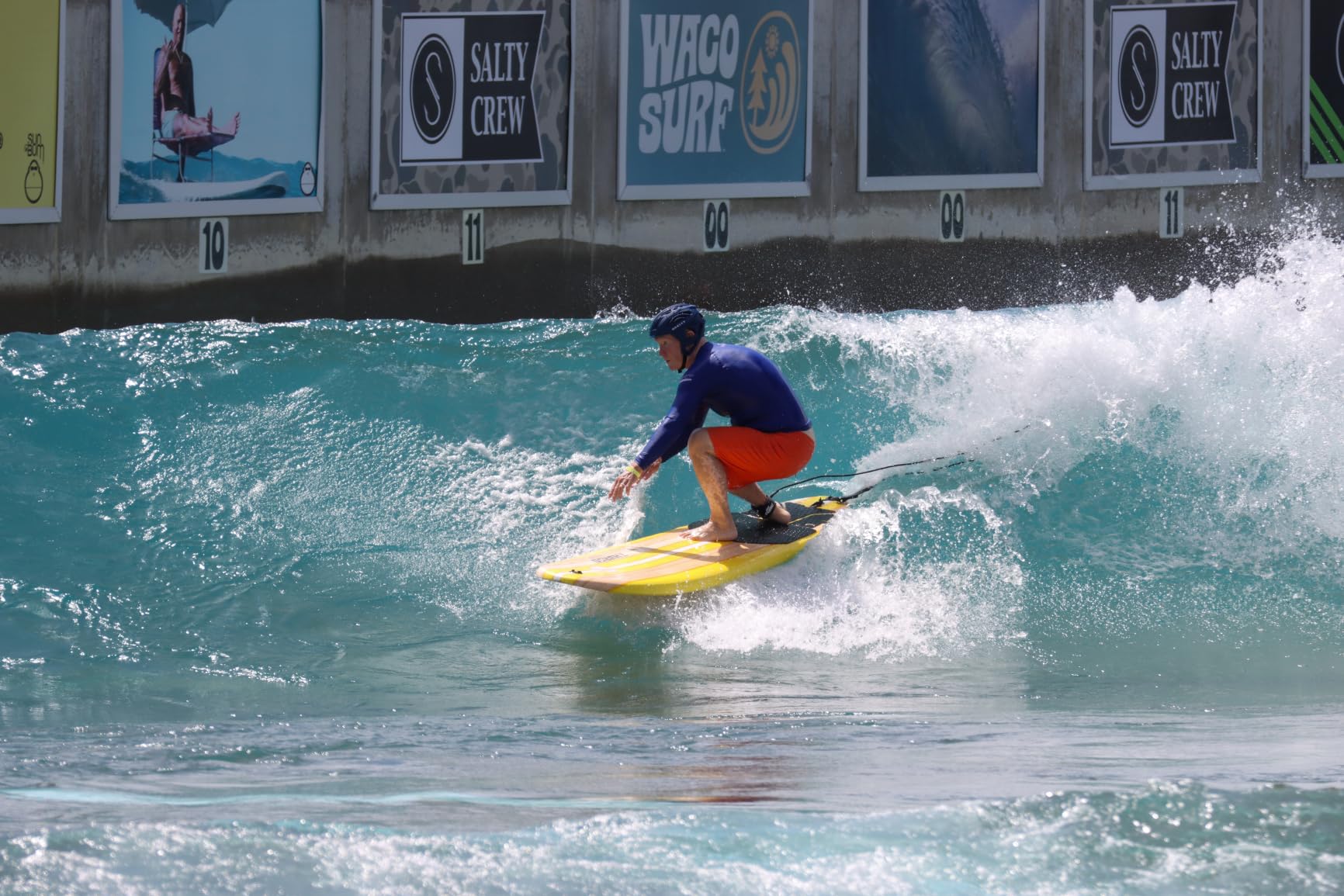
It also works as a small-wave performance longboard for lighter riders. A 140 pound surfer in waist-high mush can trim, walk, and cross-step on this board in ways an 8 foot longboard cannot match. We have seen it cover everything from first lessons to small-wave log-style noseriding for advanced surfers who just want flow over progression.
Where It Falls Short
The smaller review base (135 reviews at last check) means a few quality control stories pop up. Some buyers report the board arriving with manufacturing defects or separating on first use. A small minority of long-time surfers also note that the textured deck can chafe bare skin in a way waxed boards do not. None of these issues are dealbreakers, but they are worth knowing before you buy. The 5 year warranty covers any real defect on the manufacturer's side.
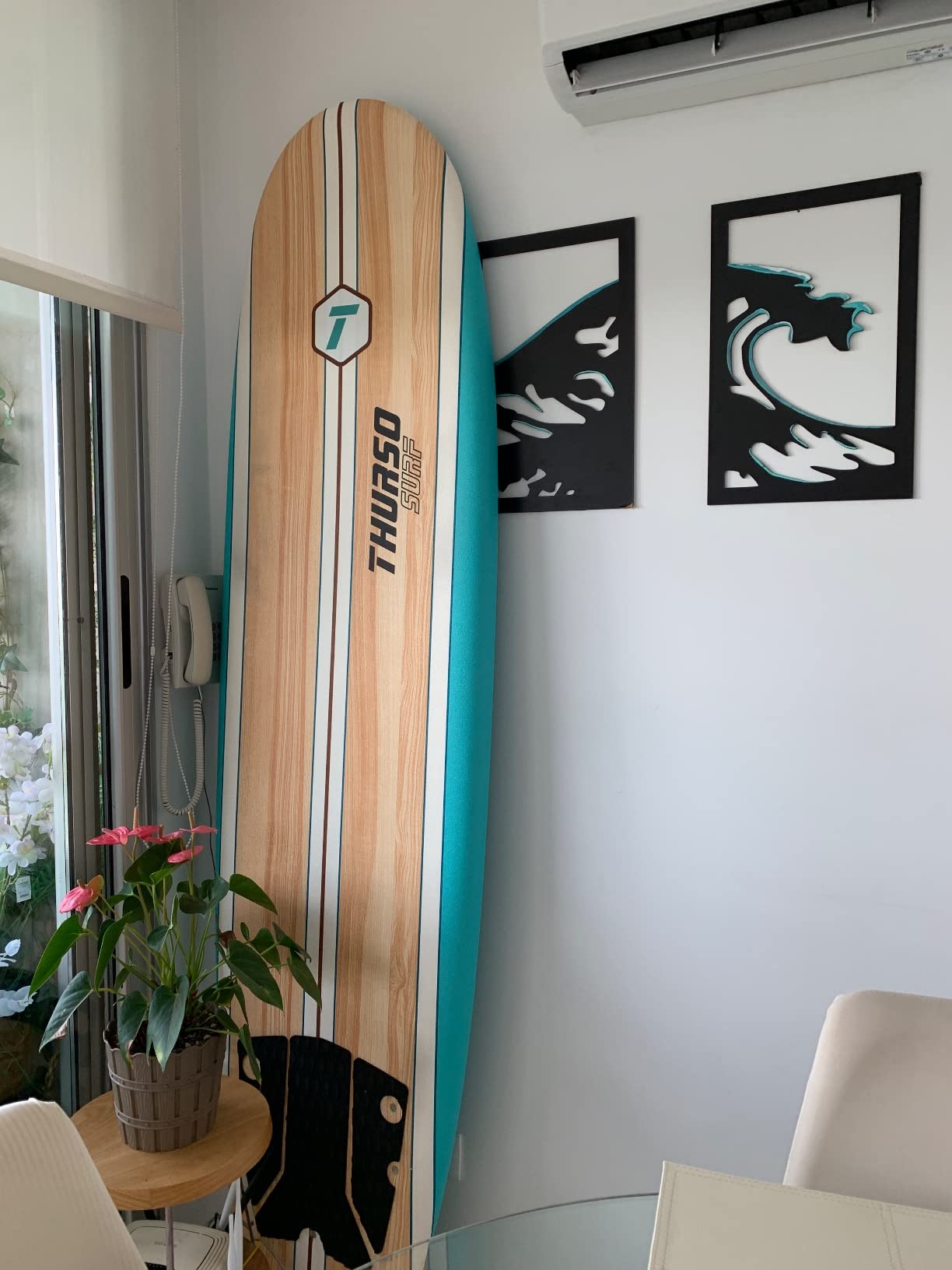
Compared to a full 9 foot longboard, you give up some noseride potential and pure glide. Compared to a true shortboard, you give up some of the snappy pivot. The Thurso 7 foot lives in the middle, which is the point, and for the right rider it is the most versatile single board in this list.
FLOWBOARD 6ft Foam Shortboard - Budget Transition Pick
6’ FLOWBOARD Surfboard Softboard Foam - Include (3) Fins 6’ Foot Leash and (2) Wood Stringers...
6 foot soft-top foam
Includes 3 fins leash and pad
Beginner to intermediate
30 day warranty
+ Pros
- Everything you need out of the box including 3 fins 6 ft leash and traction pad
- Multiple size options cover shortboard and longboard configurations
- Two wood stringers inside the board add strength for the price
- Affordable way for beginner to intermediate surfers to try a shorter board
- Cons
- Mixed reliability reports based on a smaller pool of reviews
- Shorter 30 day warranty versus competing foam board brands
- Not as buoyant as full longboards so wave count drops on small days
The FLOWBOARD 6 foot is the budget-friendly entry point into shortboard-style surfing. We tested it as a transition board for surfers moving down from an 8 or 9 foot longboard, and it does the job for beginners and intermediates who want a taste of shortboard feel without spending real money on a fiberglass board. Everything is in the box, including fins, leash, and traction pad, which is rare at this tier.
The real value here is the inclusion set. Most foam shortboards at this price ship with one fin and call it done. FLOWBOARD ships three fins plus a leash plus a high-performance traction pad, which is closer to what you would expect from a board twice the price. The two wood stringers inside the deck add a noticeable amount of strength compared to single-stringer foam boards.
How a 6 Foot Soft-Top Actually Surfs
A 6 foot soft-top is not a true performance shortboard, but it behaves more like one than a longboard does. The shorter length and narrower outline mean tighter turning arcs, faster rail-to-rail transitions, and the ability to start practicing snaps and cutbacks. Wave count drops noticeably on small days compared to a longboard, but on chest-high surf the board feels lively and responsive.
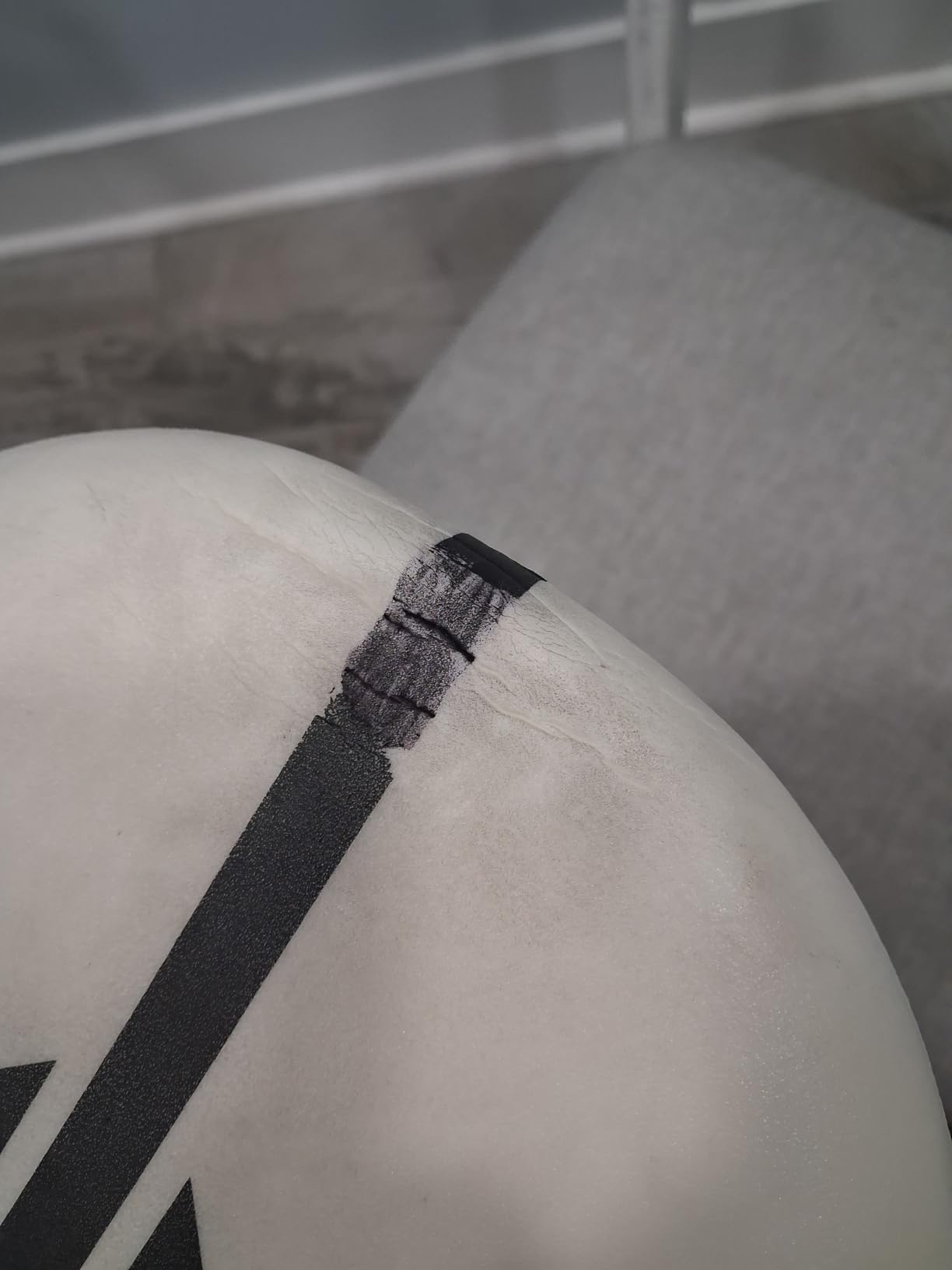
Our testers found it best as a learning step for surfers who already have wave-catching basics down. If you can pop up consistently on a longboard and you want to start working on maneuvers, this is the most affordable way to make that jump. Riders under about 160 pounds will get the most out of the volume; heavier riders may feel under-floated in very small surf.
Limitations to Know Before You Buy
Review volume is smaller here (74 reviews at last check), and reliability reports are mixed. A noticeable share of buyers have left 1-star feedback about construction issues, though a 54 percent 5-star rating shows most boards arrive in good condition and perform as advertised. The 30 day limited warranty is shorter than competitors like Thurso Surf, so set expectations accordingly.
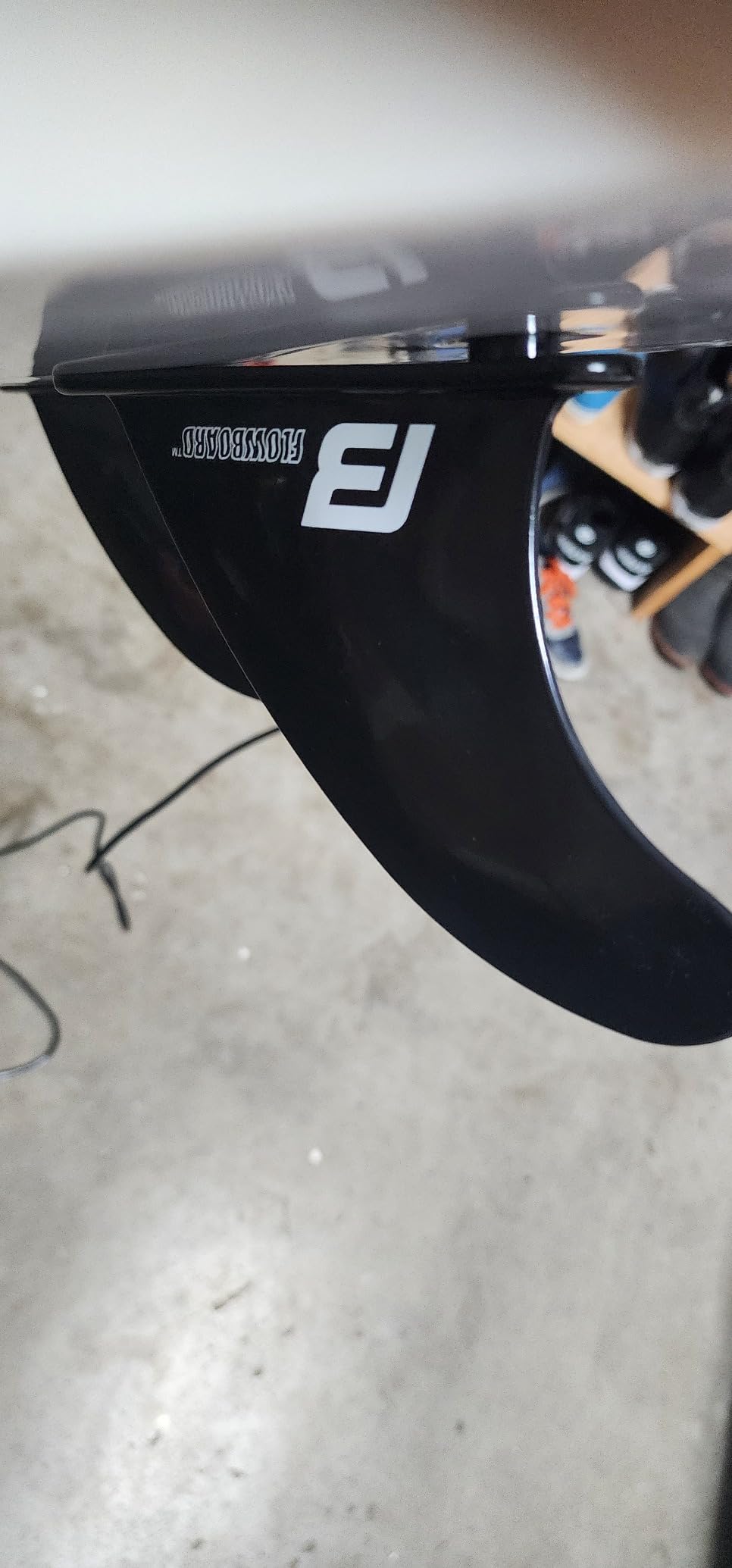
The other trade-off is flotation. At 6 feet with soft-top construction, you do not get the same paddle power as an 8 or 9 foot longboard. On small or mushy days expect to work harder for waves, and on bigger days expect the board to feel loose and skatey. It is a fair-weather, small-to-medium surf board, and within those limits it punches above its weight class.
Giantex 6ft Foam Board - Kids' Starter Shortboard
Giantex 6' Surfboard Surfing Surf Beach Ocean Body Foamier Board with Removable Fins, Great Beginner...
6 foot foam top
2 fiberglass stringers
110 lb capacity
Fish tail with removable fins
+ Pros
- Lightweight at 8.5 lbs so kids and small adults can carry it easily
- Bright color options appeal to younger surfers and families
- Removable fish tail fins make transport and storage simple
- Lower price than competing foam boards at this size
- Cons
- 110 lb weight capacity rules out most adult riders
- Soft foam deck dents tears and softens in sun over time
- Included leash is body-board grade and often needs replacing
- Limited flotation makes wave-catching harder than standard foam longboards
The Giantex 6 foot fills a specific niche: a low-priced foam board for kids and small teens who have outgrown a bodyboard but are not ready for a true surfboard. We have seen parents use these as a one-season starter, and at 8.5 pounds even an 8-year-old can carry it to the water. For that exact use case, the price-to-use ratio is hard to beat.
The board is built around an EPE foam deck, an EPS core, two fiberglass center stringers, and a hard polypropylene slick bottom. That construction is a step above true bodyboards but a step below the dedicated foam surfboards in this list. It will not perform like a Wavestorm or a Thurso, and that is okay because the target rider is roughly 10 and under.
Why This Works for Young Beginners
Weight matters a lot when you are shopping for a kid. An 11.5 pound Wavestorm is fine for a teenager but heavy for a child, while an 8.5 pound Giantex is much easier to drag across the sand and paddle out with. Reviewers frequently mention that their kids could carry the board themselves, which is a real win for family beach days.
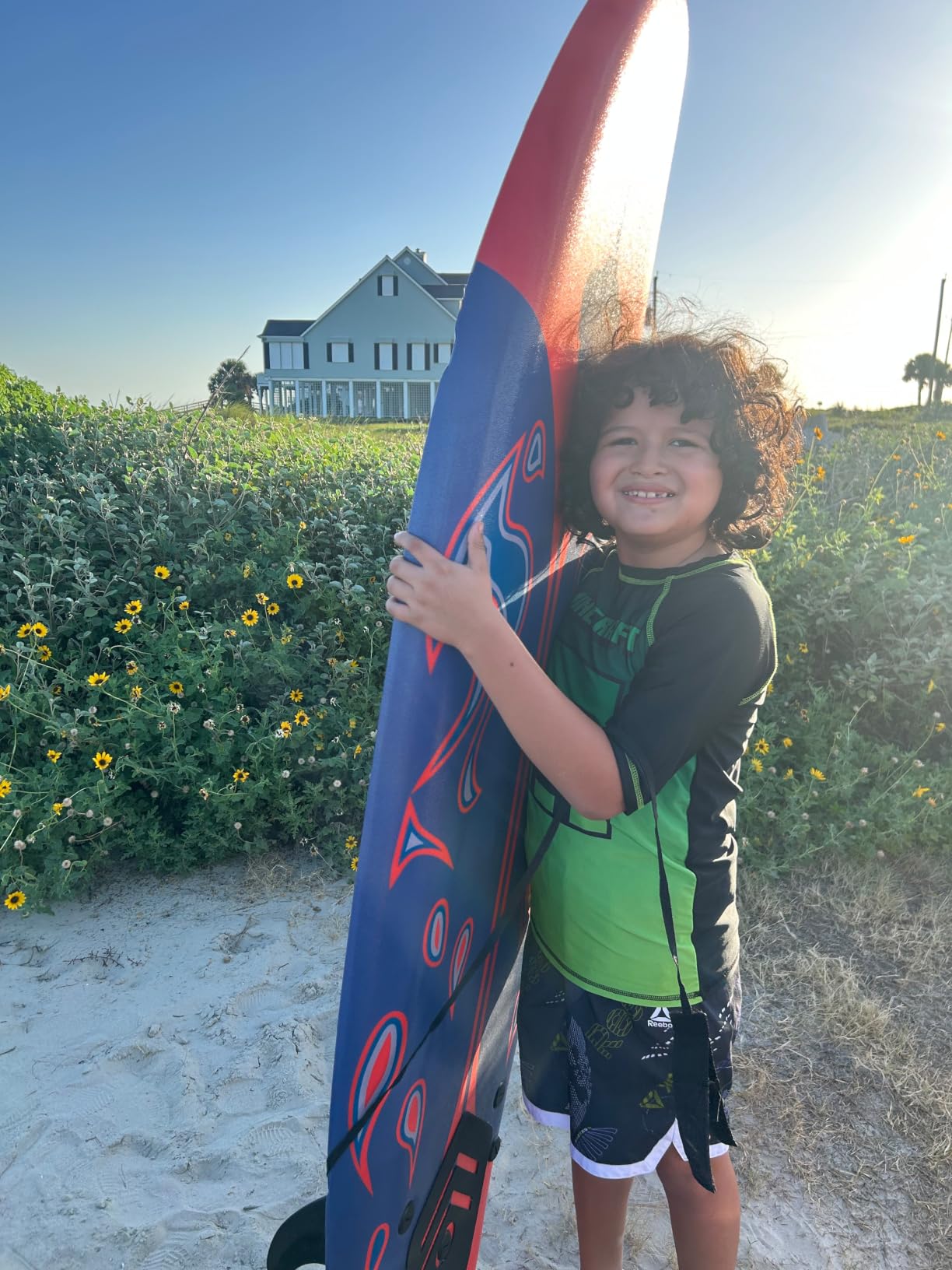
The bright yellow and blue color options also matter more than they sound. Younger surfers actually want to ride the board they picked the color for, which means more time in the water and faster progression. The fish tail shape gives the board a little extra hold and planning area compared to a square tail, which helps small riders catch waves they would otherwise miss.
Where This Board Runs Out of Road
The 110 pound weight capacity is the headline limitation. Most adult riders, and even many teenagers, will exceed that number, which means the board sinks under their weight and refuses to plane. The foam top also dents, tears, and softens noticeably in heat, and the included leash is closer to bodyboard grade than surf grade, so expect to replace it for real wave use.
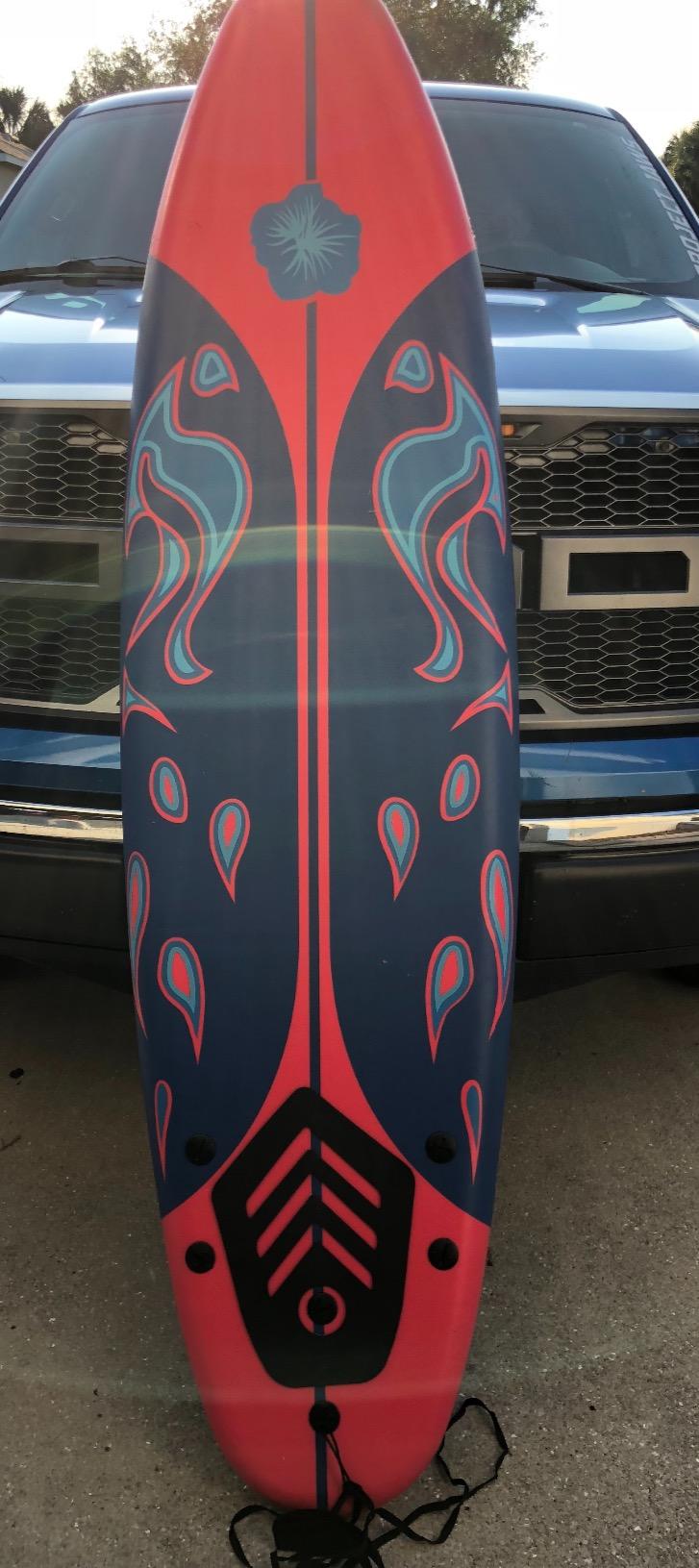
Quality control is the other weak spot. Multiple reviewers note missing or mis-molded fins and paint peeling, and a 16 percent 1-star rating is high. Treat this as a short-term starter that gets used hard for one season, then retired. If your child is serious about surfing, plan to upgrade to a Wavestorm or similar dedicated foam longboard for the next step.
Longboard vs Shortboard: How They Actually Feel in the Water
The on-water feel is the single biggest difference between the two styles, and it is hard to convey in spec sheets. After logging dozens of sessions on both, our team settled on a clean summary: longboards feel like gliding, shortboards feel like driving.
On a longboard, you paddle out, catch the wave earlier than everyone else on shorter boards, pop to your feet with room to spare, and trim along the face as the wave rolls beneath you. You walk forward, set your weight on the front foot, and hang five or ten on the nose as the wave continues down the line. The board feels like a plank of floating carpet under your feet, and that is exactly the appeal.
Paddling and Wave Count
Longboards catch waves earlier and more often. The combination of length (more planing surface) and volume (more flotation) means you can paddle into waves that a shortboard of equal skill level would miss. In small or inconsistent surf, that wave count gap can be 2x or 3x, which is why beginners learn so much faster on longer boards. More waves equals more pop-up practice equals more progression.
Shortboards demand stronger, more committed paddling. You have to read the wave, commit to the take-off, and generate enough speed to match the steeper face. Miss the take-off and you sit and wait for the next set, which can take a while. Inconsistent surf turns into long lulls on a shortboard, which is one of the most common frustrations new shortboard riders name on surf forums.
Turning and Maneuverability
Longboards turn slowly, in long arcs. You pivot from the tail, set a rail, and the board responds with a smooth drawn-out turn. This is perfect for cutbacks on open faces, for trimming along the wave, and for cross-stepping up and down the board. Shortboards turn sharply and reactively. You push off the back foot, the rail bites, and the board snaps from rail to rail in tight arcs. This is the foundation for cutbacks, snaps, floaters, and airs.
The other feel difference is speed control. Longboards trim and stall to match the wave's energy; shortboards generate speed through pumping and bottom turns, then release it through the lip. Both styles use speed, but they manage it in opposite ways.
Longboard vs Shortboard by Wave Type
Wave type changes the answer more than skill level does. A shortboard in mushy 2 foot surf feels dead, while a longboard in overhead barrels feels unrideable. Matching your board to your home break matters more than chasing the perfect board for ideal conditions you only see a few times a season.
Small and Mushy Waves
Small, weak, mushy surf is where longboards dominate. The extra glide lets you connect sections, the extra volume lets you catch waves earlier, and the trim-and-stall style works perfectly with the slower wave energy. If your local break is small 90 percent of the time, a longboard will give you 10x the wave count and fun compared to sitting on a shortboard waiting for the one set wave, which is exactly what beginner surfers on r/BeginnerSurfers report.
Steep and Punchy Waves
Steep, hollow, powerful surf is where shortboards come alive. The narrower outline fits into the pocket, the lower volume lets you sink the rail for vertical turns, and the sharp rails hold in steep faces. In overhead or bigger surf, a longboard becomes hard to control because the wave moves faster than you can trim, while a shortboard handles the speed naturally.
If your home break delivers punchy beach break or a reef break, a mid-length (7 to 8 feet) is often the best compromise. You keep some of the glide and wave count of a longboard, but you add enough maneuverability to handle steeper sections.
Which Is Better for Beginners?
A longboard is better for beginners. The extra length, volume, and stability translate directly into more waves caught, easier pop-ups, and faster early progression. Most surf schools start new students on 8 to 9 foot foam longboards for exactly this reason. In our own testing, beginners on longboards consistently stand up and ride waves in their first session, while beginners on shortboards spend most of the session missing waves or pearling.
The decision comes down to volume and length, not brand or style. A beginner wants the longest, highest-volume board they can comfortably handle. For most adults that means 8 to 9 feet and 70 to 100 liters of foam. For kids or smaller adults, a 7 foot soft-top like the Thurso or the Wavestorm 8 foot are both solid starting points.
One common beginner mistake is buying a shortboard because it looks cooler or because the pros ride them. The reality is that pros rode longboards first and built their wave count and wave reading on those longer boards. Jumping straight to a shortboard stalls progression in almost every case.
Transitioning From Longboard to Shortboard
The transition from longboard to shortboard is a rite of passage, and doing it right matters. Sizing down too fast is the second-biggest beginner mistake after starting on too short a board. The key is to drop volume and length gradually, not in one jump.
Most surf instructors recommend a mid-length or funboard (7 to 8 feet) as the bridge. The shorter length and lower volume start teaching you the shortboard feel without the dramatic drop in wave count. Our team and many surf forum users agree that longboarding actually makes you a better shortboarder, because you build wave-reading and trim skills that translate directly.
Signs You Are Ready to Size Down
You are catching most waves you paddle for on your longboard. You are trimming and walking the nose comfortably. Your local break is consistently head-high or bigger, where the longboard feels too loose. You are bored of noseriding and want to start snapping and cutting. When all four of these are true, it is time to size down.
Aim for a board 6 to 12 inches shorter and 10 to 20 liters lower in volume than your current longboard. Ride that for a season, then size down again. The slow progression protects your wave count and keeps the fun factor high through the transition.
Frequently Asked Questions
Which is better for surfing, a shortboard or a longboard?
Neither is universally better. A longboard is better for beginners, small or mushy waves, and surfers who prioritize wave count, glide, and noseriding. A shortboard is better for steep, hollow, or powerful surf and for surfers chasing tight turns, snaps, and aerial maneuvers. Choose the board that matches your skill level and your home break, not the board you wish you could ride.
What is the 12 second rule in surfing?
The 12 second rule is a paddle-power benchmark used by instructors and surf shops to size boards correctly. It means that on the board you are considering, you should be able to paddle for at least 12 seconds at full speed before exhaustion or technical breakdown. If you cannot sustain 12 seconds of hard paddling, the board is too small or too low in volume for your current fitness and skill level. This rule is most often used when fitting beginners and intermediates.
Is a 7 foot surfboard considered a longboard?
A 7 foot surfboard sits in a grey zone. Most lineups and surf shops call anything 8 feet or longer a longboard, which puts a 7 foot board in the mid-length or funboard category. Some 7 foot boards with wide outlines and high volume surf like a longboard, while others with narrow outlines and pointed noses surf like a shortboard. Length alone does not define a longboard. Volume, outline, and nose shape all matter.
Can a beginner surfer ride a shortboard?
A beginner can technically stand on a shortboard, but progression will be much slower than on a longer board. Shortboards have less volume, which makes paddling harder, pop-ups less forgiving, and wave count much lower. Most surf schools start beginners on foam longboards for this exact reason. A beginner who insists on a shortboard will spend most sessions missing waves rather than riding them. If you must size down early, choose a foam shortboard with maximum volume for your weight and accept a slower learning curve.
Is 6 foot 6 considered a shortboard?
Yes, a 6 foot 6 surfboard is generally considered a shortboard. Most surf shops and lineups classify any board under 7 feet as a shortboard, though high-volume groveler shortboards can blur the line. A 6 foot 6 with a wider outline and more volume will surf more like a hybrid, while a narrow 6 foot 6 with a pointed nose will surf like a true performance shortboard. For most adults, 6 foot 6 is a high-performance shortboard length best suited to small-to-medium surf and surfers with solid pop-up skills.
Is 30 too old to longboard?
No, 30 is not too old to longboard. Longboarding is often easier on the body than shortboarding because the larger board does more of the work for you. Many surfers pick up longboarding in their 30s, 40s, and beyond, especially surfers returning to the sport after a break. Age matters less than fitness, flexibility, and swim ability. If you can paddle for 12 seconds at a time and pop up without knee or back issues, you can longboard at 30, 50, or 70.
Final Verdict: Which Board Should You Ride in 2026?
If you are just starting out, or if your local break is small most of the time, get a longboard. The Wavestorm 8ft is our editor's pick because the 86 liter flotation, EPS core with 3 stringers, and 11.5 pound build hit the beginner sweet spot for the widest range of adult riders. You will catch more waves, pop up faster, and progress quicker than you would on anything shorter.
If you are an intermediate who has outgrown a longboard and wants to start working on maneuvers, get a mid-length. The Thurso Surf 7 foot is the premium pick here because of the three wood stringers, the heat laminated HDPE slick bottom, and the 5 year warranty that protects your investment through the next phase of progression.
If you are moving down toward a true shortboard, get a 6 foot foam board to bridge the gap. The FLOWBOARD 6ft is the best value because fins, leash, and traction pad all ship in the box, and the two wood stringers add real strength for the price. For younger kids and small teens, the Giantex 6ft is the budget pick, with the caveat that it is a one-season starter rather than a long-term board.
Longboard vs shortboard surfing is not a competition. It is a spectrum, and the right board is the one that matches your skill, your waves, and your goals today. Start long, ride as long as it feels good, and size down only when the longboard stops challenging you. Surf smarter, not shorter, and you will have more fun on every wave in 2026.
For more on board safety and ocean awareness before you paddle out, our guide to surfing risks and safety tips is worth a read, along with other water sports gear explainers if you are exploring related gear for your next beach trip.