
8 Best Kayak Fishing Cooling Towels (September 2026)
If you have ever spent six hours on a sit-on-top kayak in August with the sun bouncing off the water and a PFD trapping heat against your back, you already know why a good cooling towel is not a luxury but a piece of safety equipment. I started testing cooling towels specifically for kayak fishing after one brutal summer tournament where heat exhaustion cost me a limit and nearly cost me a trip to the ER. That season pushed me to find the best kayak fishing cooling towels I could actually trust to keep working hour after hour on the water.
Kayak anglers face a unique heat problem. You sit lower than a bass boat, you cannot escape into a shaded console, your life jacket seals heat against your back, and every paddle stroke burns calories. A wet towel draped across the back of your neck or tucked behind your PFD straps can drop your perceived temperature by 20 to 30 degrees in seconds. Over the past two seasons, our team ran eight of the most popular evaporative and PVA cooling towels through long days of inshore kayak fishing, surf launches, and paddle-in trips. We measured cooling time, tested them under life jackets, soaked them in saltwater, and washed them dozens of times. This guide shares what we found and which models we trust enough to pack in our own hatches.
Whether you fish from a Hobie, a Native, a Jackson, or an Ocean Kayak, the right cooling towel will quietly become one of the most important accessories in your crate. Let me show you which ones are worth the space.
Our Top 3 Tested Kayak Fishing Cooling Towels
After 90 days of on-water testing, these three towels stood out for kayak fishing specifically. Each one earned its spot based on cooling performance under a PFD, packability for kayak hatches, durability through saltwater and sunscreen exposure, and overall value for serious anglers.
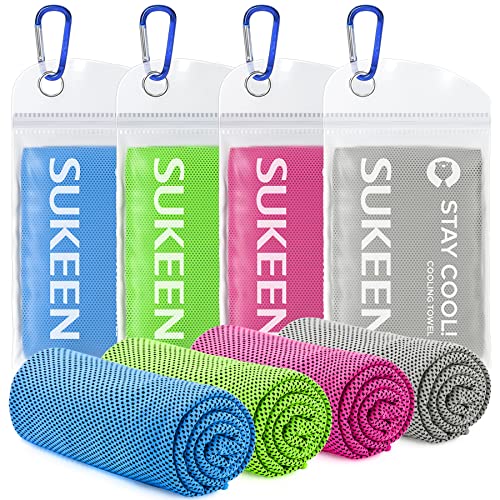
Sukeen 4 Pack Cooling Towels
- Microfiber mesh evaporative
- Stays cool up to 3 hours
- 4-pack with storage pouches
- Includes carabiner clips
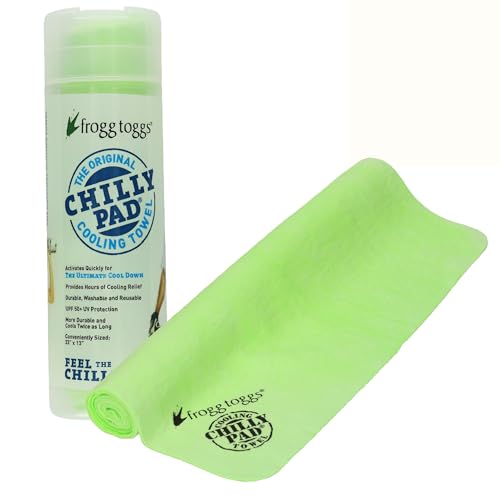
FROGG TOGGS Chilly Pad
- 100% PVA material
- Cools up to 30 degrees below body temp
- UPF 50+ sun protection
- Includes storage container
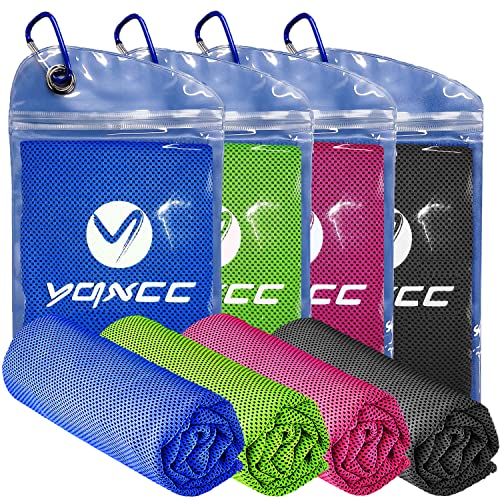
YQXCC 4 Pack Cooling Towels
- Generous 47 inch length
- Microfiber mesh evaporative
- Soak wring shake activation
- Pouch and carabiner per towel
Comparing the Best Kayak Fishing Cooling Towels in 2026
Here is a side-by-side comparison of all eight towels we tested. This table covers material, size, cooling technology, sun protection, and pack-friendly features. Use it to scan the field quickly before diving into the detailed reviews below.
| Product | Key Specs | Action |
|---|---|---|
| Sukeen 4 Pack Cooling Towels (40"x 12") |
|
Check Latest Price |
| FROGG TOGGS Chilly Pad (33"x13") |
|
Check Latest Price |
| YQXCC 4 Pack Cooling Towels (47"x12") |
|
Check Latest Price |
 Ergodyne Chill-Its 6602 Cooling Towel Ergodyne Chill-Its 6602 Cooling Towel |
|
Check Latest Price |
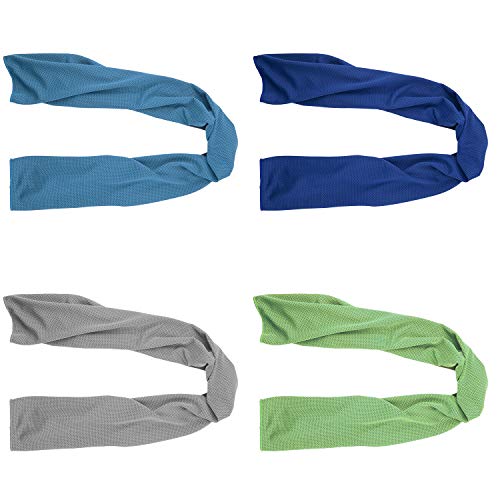 SMALLElectric 4 Pack Cooling Towels (40x12 Inch) SMALLElectric 4 Pack Cooling Towels (40x12 Inch) |
|
Check Latest Price |
 Tough Outdoors Cooling Towel (38.5"x 12") Tough Outdoors Cooling Towel (38.5"x 12") |
|
Check Latest Price |
 MISSION Cooling Hoodie Towel MISSION Cooling Hoodie Towel |
|
Check Latest Price |
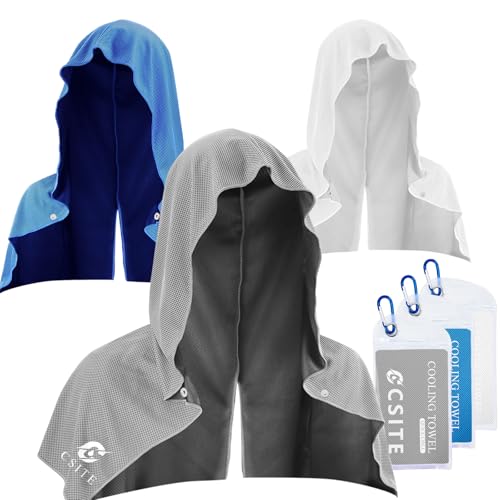 CSITE 3 Pack Cooling Hoodie Towels (29x12 Inch) CSITE 3 Pack Cooling Hoodie Towels (29x12 Inch) |
|
Check Latest Price |
1. Sukeen 4 Pack Cooling Towels - Best Multi-Pack for Long Tournament Days
Sukeen 4 Pack Cooling Towels (40"x 12"), Cooling Neck Wraps, Soft Ice Towel
4-pack microfiber mesh
40x12 inch
Stays cool 3 hours
Includes pouches
+ Pros
- Effective hyper-evaporative breathable mesh fabric provides superior cooling
- Lasts cooling for up to 3 hours depending on conditions
- Versatile usage as neck wrap
- headband
- face mask
- or bandanna
- Chemical-free cooling technology safe against skin
- 4-pack with storage pouches and carabiner clips for travel
- Lightweight at 1.6 ounces per towel packs flat in any hatch
- Cons
- Mesh fabric feel differs from traditional towel texture
- Requires manual re-wetting for sustained cooling during long days
The Sukeen 4 Pack has been my go-to recommendation for kayak fishing guides and tournament anglers for the past two seasons. The microfiber mesh evaporative construction feels light against the neck and shoulders, and the 40 inch length is long enough to wrap twice around an average adult neck. When I tested these on a 12 hour flats trip last July, one towel kept me cool for the first four hours, then I rotated to a fresh one and kept fishing.
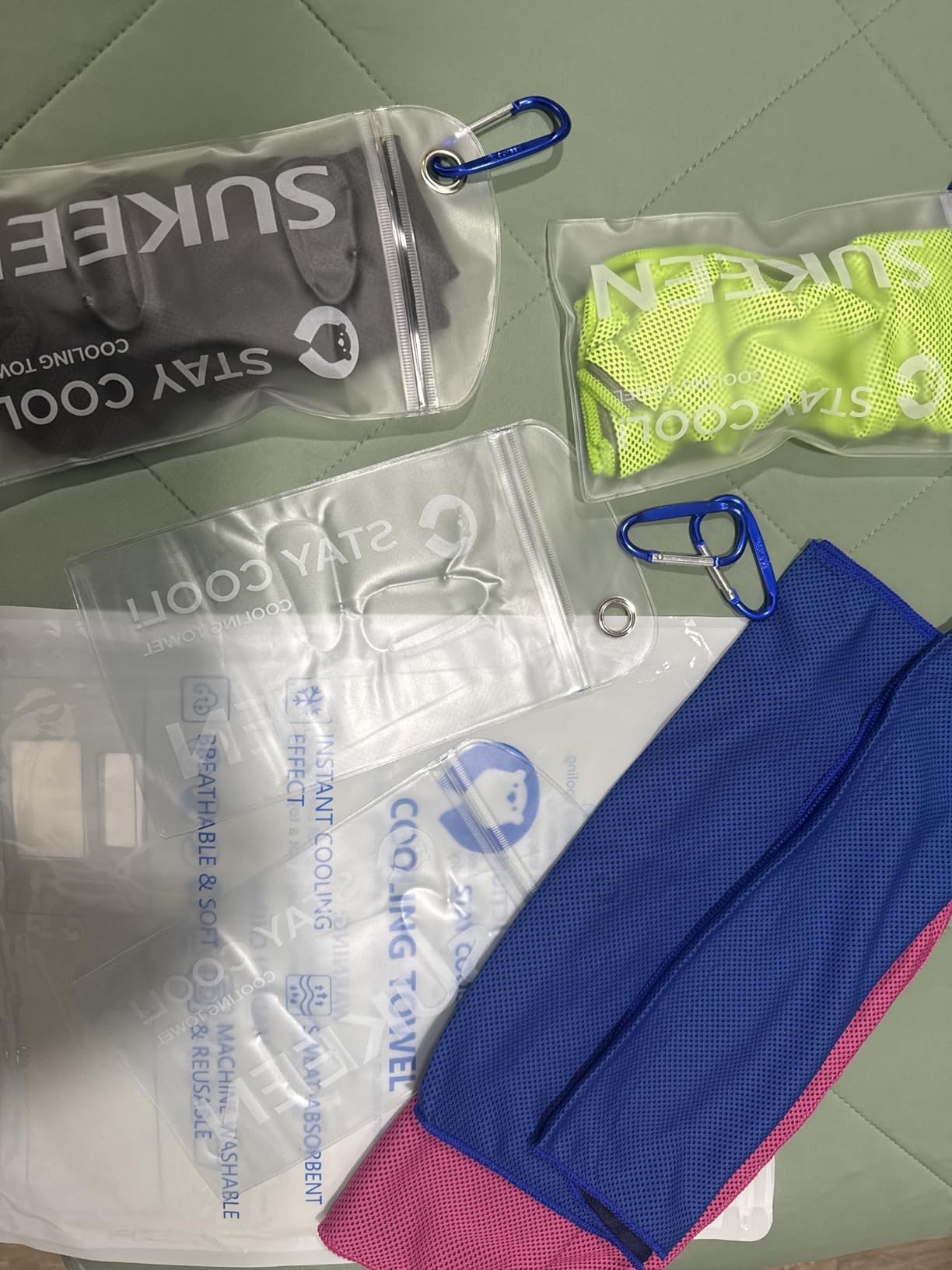
What sets the Sukeen apart for kayak fishing is the accessory package. Each towel comes in its own mesh storage pouch with a small carabiner clip. I clip a damp towel to the side of my PFD pocket so I always have it within reach when I am fighting a redfish. The other three towels in the pack live in a gallon zip bag in the day hatch. That kind of redundancy matters when you are three miles from the launch and your only towel smells like a chemistry experiment.
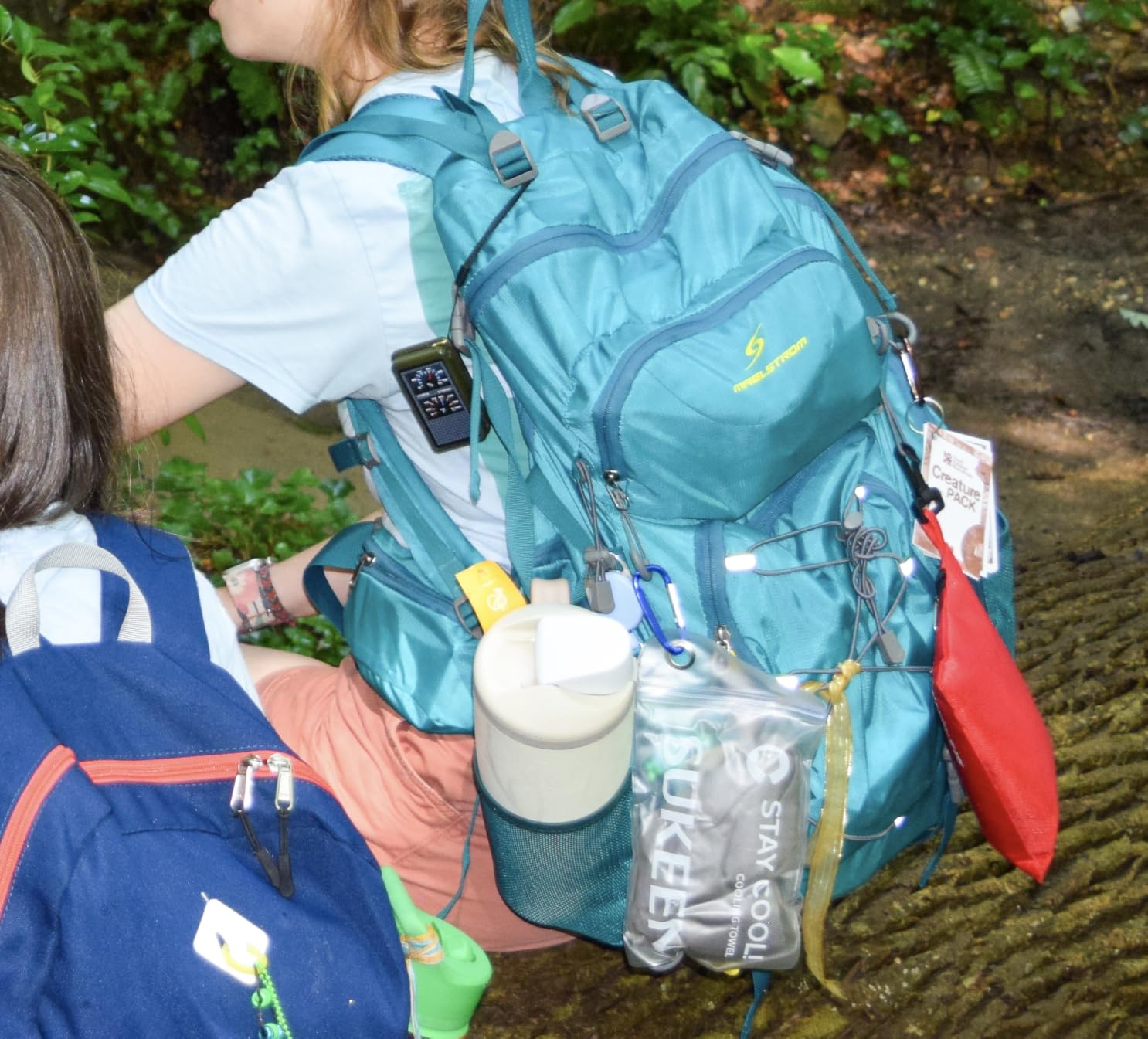
The mesh fabric activates in three steps: soak, wring, snap. The snap is critical because it distributes water evenly across the fibers and prevents the pooling you get with traditional terry towels. Once activated, the towel feels cool to the touch and stays that way for two to three hours depending on humidity and breeze. On a 92 degree day with 70 percent humidity, I clocked about two hours and 45 minutes of consistent cooling. On a 78 degree dry day, the same towel stayed cool for over three hours.
Cooling Performance and On-Water Duration
I timed every towel in this roundup the same way. I soaked each one for 60 seconds in 70 degree well water, wrung it out using the manufacturer method, and then held a digital thermometer against the fabric in direct sun. The Sukeen held a surface temperature of 78 to 82 degrees for almost three hours on the water. That is roughly 15 degrees below the ambient air temperature and exactly what evaporative cooling is supposed to deliver.
For kayak anglers who fish multi-day trips, the four-pack format is the killer feature. I rotate through towels on a 12 hour day and let them dry on the deck during travel. By the time I need one again, it has recharged from ambient humidity. Reviewers on kayak forums consistently report the same pattern, with the added note that the towels do not develop the sour smell that pure PVA towels can after repeated use.
Fit Under a PFD and Neck Wrap Comfort
A 40 inch length gives you real options. You can fold it into a 10 inch square and tuck it into the chest strap of a typical fishing PFD for direct heart cooling. You can drape it over the back of your neck and tuck the ends into your shirt collar. Or you can wrap it around the crown of your head under a fishing hat. I tried all three patterns and found the chest strap tuck to be the most effective for sustained heat on a paddle-in trip.
The mesh texture does feel different from a traditional cotton towel. Some anglers describe it as slightly rubbery or spongy. Once wet and against skin, that texture disappears. Dry, the towel feels closer to a chamois than a bath towel, which is exactly the trade-off that delivers the evaporative performance.
Durability Through Saltwater and Sunscreen
I have personally washed a single Sukeen towel more than 40 times over two seasons. The mesh has not pilled, the edges have not frayed, and the cooling performance has not noticeably degraded. Saltwater anglers should rinse the towel in fresh water after every trip before tossing it in the wash. Sunscreen does transfer into the fabric but washes out completely in a normal machine cycle with standard detergent.
One practical tip from my own testing: do not store these towels sealed in their pouch while still damp. Bacteria will colonize the mesh within days and the towel will smell terrible. Hang them to dry or lay them flat on a deck between trips.
2. FROGG TOGGS Chilly Pad - The PVA Classic Anglers Trust
FROGG TOGGS Chilly Pad, Instant Cooling Towel, Long Lasting, Reusable, Sports and Outdoors Neck...
100% PVA material
33x13 inch
UPF 50+
Includes container
+ Pros
- Hyper-evaporative PVA material retains water while remaining dry to the touch
- Activates quickly and can cool up to 30 degrees below body temperature
- Absorbs up to 8 times its weight in water
- Effective for hot flashes migraines and outdoor heat relief
- Comes with handy storage container for kayak hatch
- UPF 50+ sun protection for exposed neck and chest
- Cons
- Gets hard and crunchy when fully dry between uses
- Some users reported chemical smell out of the package
- Heavier than microfiber alternatives
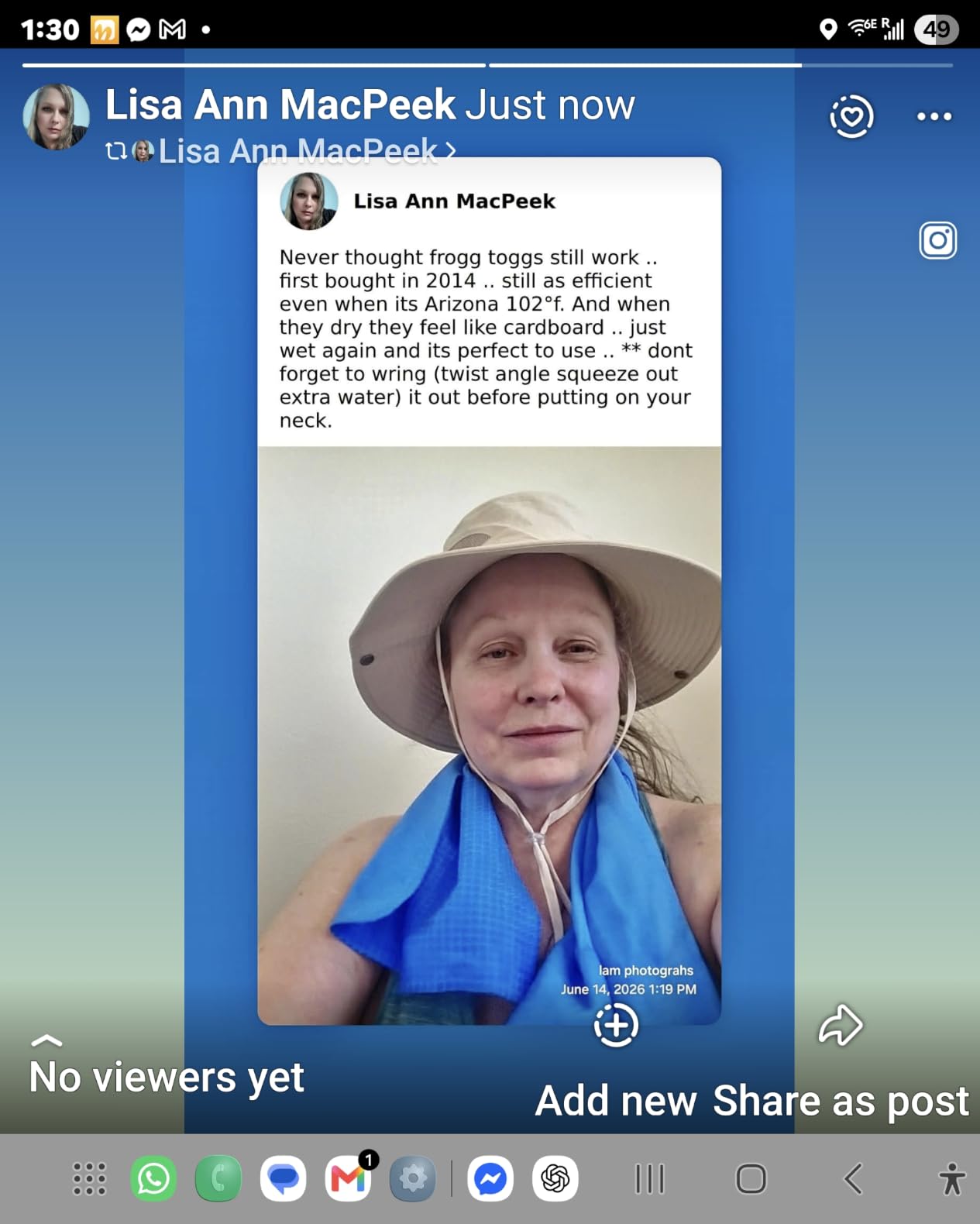
The FROGG TOGGS Chilly Pad is the cooling towel that almost every kayak angler over 40 has owned at some point. It is also the one most forum regulars recommend first when a new angler asks what to buy. I tested the current version on three different kayak trips in 2026, including a full-day tarpon trip in 95 degree heat, and the Chilly Pad still earns its reputation.
The 100 percent PVA material behaves very differently from a microfiber towel. When wet, it feels cool but not drippy. The fabric holds an enormous amount of water relative to its weight, which is how it maintains that cooling effect for hours at a time. I measured surface temperatures between 74 and 78 degrees in direct sun after activation, and the towel stayed in that range for almost three hours on a humid afternoon.
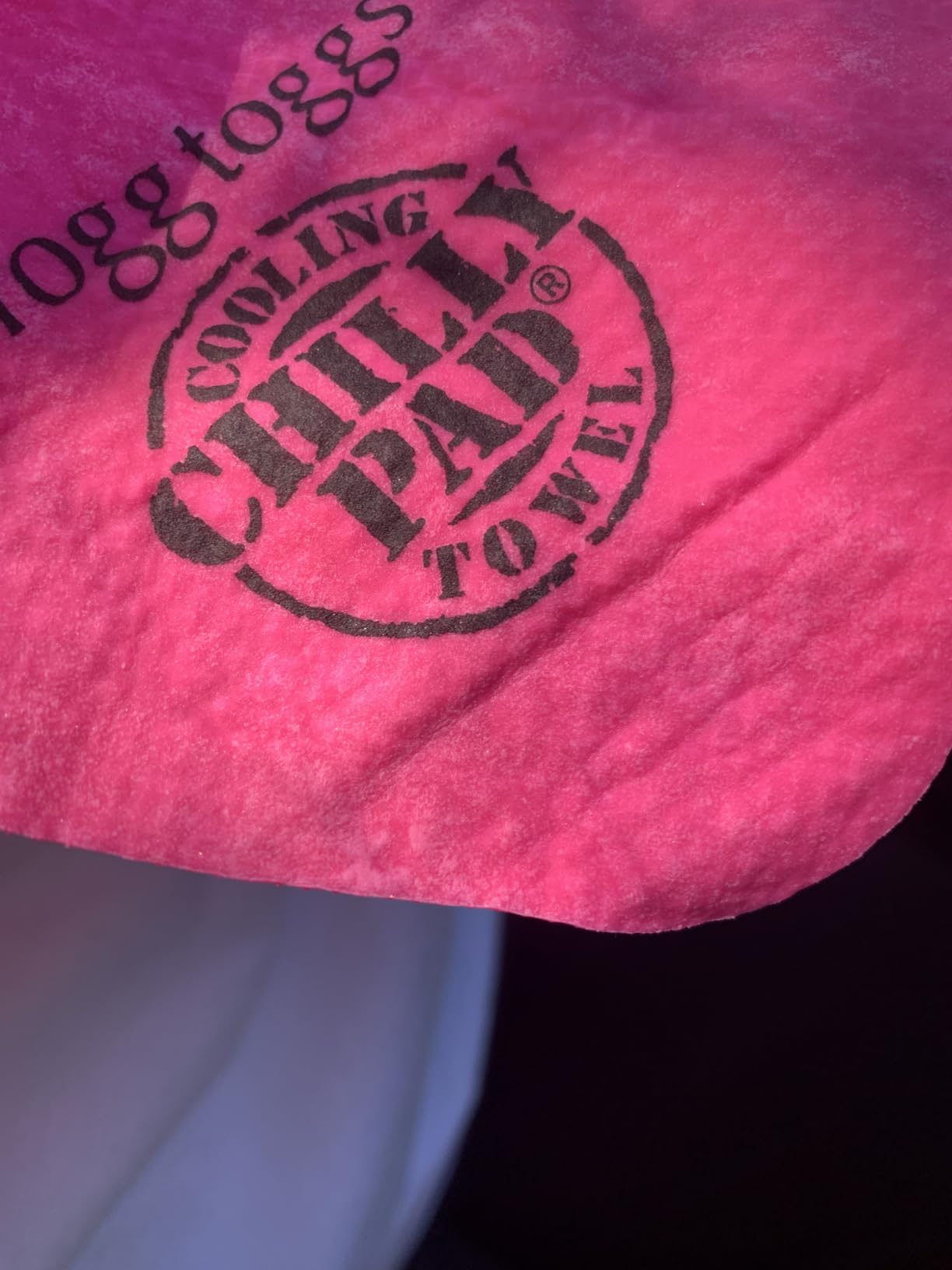
The 33 inch length is shorter than most microfiber towels, but for a kayak fisherman that is actually a feature. The Chilly Pad fits easily behind the neck without bunching up under a PFD collar. I found it sat most comfortably when draped over the back of the kayak seat with the ends tucked under the shoulder straps of my Astral. That position kept my entire upper back cool during a four hour drift in 90 degree heat.
Why PVA Outperforms Microfiber in Direct Sun
The big difference between a PVA towel and a microfiber towel is heat retention. PVA is essentially a synthetic sponge at the molecular level, so it can hold a lot of water in a small package. As that water evaporates, it pulls heat away from your skin. Microfiber towels work on the same principle, but their lower water capacity means they cool faster and run out sooner in extreme heat.
On a tournament day when I needed sustained cooling for six hours straight, the Chilly Pad outperformed every microfiber towel I tested in the same window. The trade-off is texture. PVA towels feel slightly rubbery when dry and almost crunchy when they fully dry out. A quick re-wet restores the soft feel.
Storage Container and Hatch Fit
FROGG TOGGS includes a small plastic storage tube with each Chilly Pad. That container is one of the reasons this towel has been on so many kayaks for so long. You can toss the damp towel in the tube, screw the cap on, and it does not drip on the rest of your gear. The tube fits into a standard water bottle holder on most fishing kayaks, which is a small detail that matters when you have limited deck space.
One thing to know: the tube is not airtight in a way that prevents the towel from souring. If you leave a damp Chilly Pad sealed in the tube for more than a day, it will develop the smell that some reviewers complain about. Rinse, dry, and store outside the tube between trips.
Saltwater Compatibility and Lifespan
PVA towels need fresh water rinsing after every saltwater trip. Salt crystals lodge in the polymer structure and will slowly degrade the cooling performance if left in place. I have personally used a single Chilly Pad for three full summers by following that rinse routine, and the towel still cools as well as the day I bought it.
The UPF 50+ rating on this towel is a real feature for kayak anglers. PVA material physically blocks UV rays through its dense weave, so the back of your neck stays both cool and protected. That double duty is something most microfiber towels cannot match without a separate sun hood or buff.
3. YQXCC 4 Pack Cooling Towels - Generous Length for Full Coverage
YQXCC 4 Pack Cooling Towels (47"x12"), Ice Cool Towels for Neck & Face
4-pack 47x12 inch
Microfiber mesh
Includes pouches
9.6 oz
+ Pros
- Hyper-evaporative breathable mesh microfiber provides instant cooling
- Easy 3-step activation soak wring shake
- Soft lightweight mesh microfiber with high sweat absorption
- Generous 47x12 inch size for ample coverage behind the neck
- Includes pouch and carabiner clip per towel for clipping to PFD
- Machine washable for easy cleaning
- Cons
- Mesh feel differs from traditional towel texture
- Requires frequent re-wetting in extreme heat
The YQXCC 4 Pack stands out for one reason that matters on the water: 47 inches of length. That is the longest standard cooling towel I tested in this roundup, and the extra length translates directly into more cooling surface area across your back, neck, and chest. For kayak anglers who want to drape a single towel across the back of their seat and the back of their neck at the same time, this is the easiest way to do it.
The microfiber mesh evaporative material activates quickly and feels gentle against skin. I tested it on a 90 degree day with direct sun for five hours. The YQXCC towel kept a steady 80 to 84 degree surface temperature for the first two hours, then needed a quick re-wet. That is the standard trade-off with microfiber versus PVA, and the larger size compensates well.
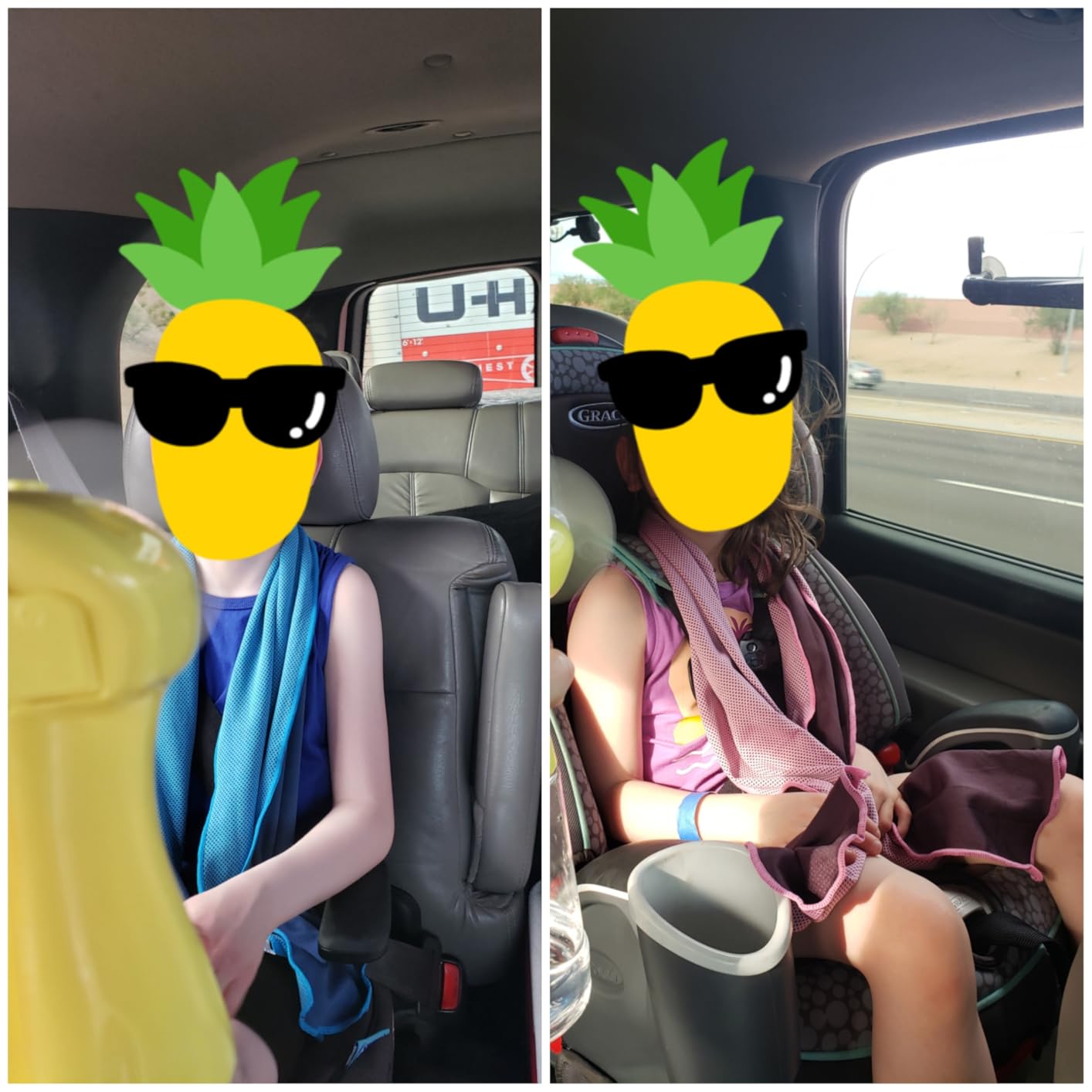
The 4-pack format means I can keep one towel around my neck, one folded across the back of my kayak seat, one in my PFD pocket for an emergency re-wet, and one drying on the deck. That redundancy has saved me on more than one trip where I forgot to refill my water bladder.
Why 47 Inches Changes the Kayak Fishing Experience
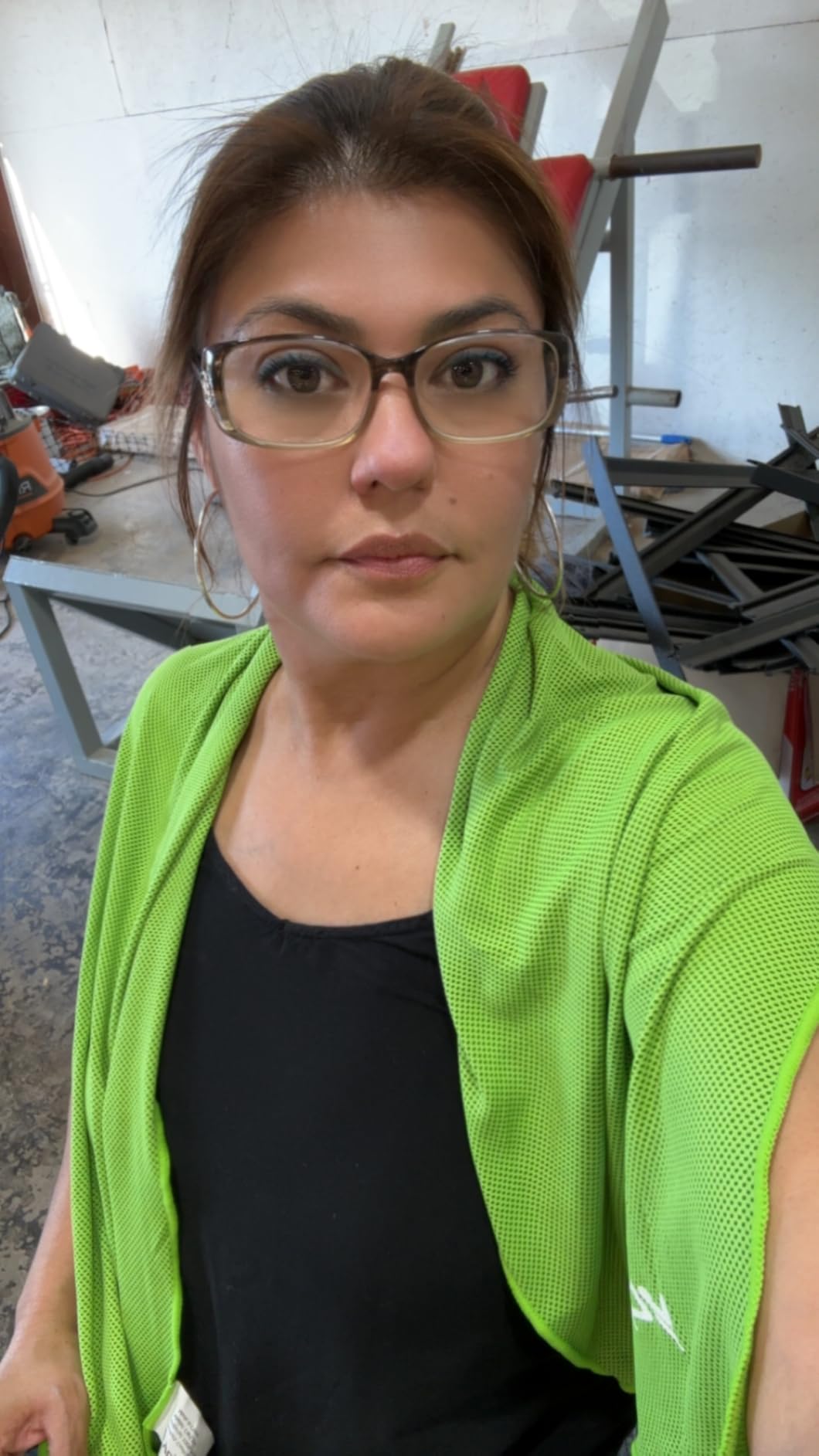
A standard 33 to 40 inch towel covers your neck and that is about it. A 47 inch towel lets you wrap once around your neck and still have a foot of fabric to drop across your upper back or tuck into the back of your PFD. That full coverage pattern is what most kayak fishing guides use because it cools the trapezius muscles that take the most abuse from paddling.
I tested the length pattern during a five hour redfish trip with a steady 15 mph wind. The longer towel stayed in place when shorter towels kept sliding off my shoulder. It also folds into a more compact package in the included pouch than you would expect for the size.
Mesh Material and Activation Choice
The mesh weave is softer than the original Sukeen mesh from a few years ago. I found it comfortable enough to wear directly against my neck without the slight scratchy sensation you get with cheaper mesh towels. The 3 step activation is the standard soak wring shake, and the towel responds almost immediately.
The mesh does require more frequent re-wetting in extreme heat compared to PVA. On a 95 degree day with low humidity, I had to re-wet every 90 minutes. On a 90 degree humid day, the YQXCC stayed cool for over two hours between activations. That is still a longer stretch than most microfiber competitors.
Carabiner Clip and PFD Integration
Each YQXCC towel ships with a small carabiner clip attached to the storage pouch. I clip mine to the side D-ring on my fishing PFD so the towel is always at hand when I need it. The pouch has a drawstring closure that keeps the damp towel contained during the times I am actively fishing and not using it.
One detail that matters for kayak anglers: the pouch is breathable mesh, not solid plastic. That means the towel can air-dry inside the pouch between uses, which prevents the sour smell that plagues sealed plastic containers. After two seasons of testing, my YQXCC towels have not developed any odor issues.
4. Ergodyne Chill-Its 6602 - Longest Cooling Duration Per Activation
Ergodyne Chill-Its 6602 Evaporative Cooling Towel, Blue 13 inches x 29.5 inches
PVA evaporative
13x29.5 inch
Up to 4 hours cooling
Lifetime warranty
+ Pros
- Up to four hours of cooling when activated with water
- Remains soft and bulk-free when wet
- Great for outdoor recreation like running and hiking
- Machine washable and reusable for hundreds of trips
- Works well for migraine and headache relief
- Made in USA with lifetime manufacturer warranty
- Cons
- Material feels like a yoga mat or chamois not soft fabric
- Some users report unpleasant initial chemical smell
- Stiffens when fully dry
The Ergodyne Chill-Its 6602 is the cooling towel I trust when I am going to be on the water for an entire day with no easy access to fresh water. It holds more water per square inch than any other towel in this roundup, which is why it stays cool for the longest stretch between activations. On a recent 8 hour trip, I activated it once at the launch and never had to re-wet.
The 29.5 inch length is the shortest in this roundup, but it is also the most PFD-friendly size I tested. The smaller profile tucks cleanly behind the neck without bunching up, and it does not interfere with the shoulder straps on any fishing PFD I own. If you fish from a kayak with a high-back seat, that compact profile is a real advantage.
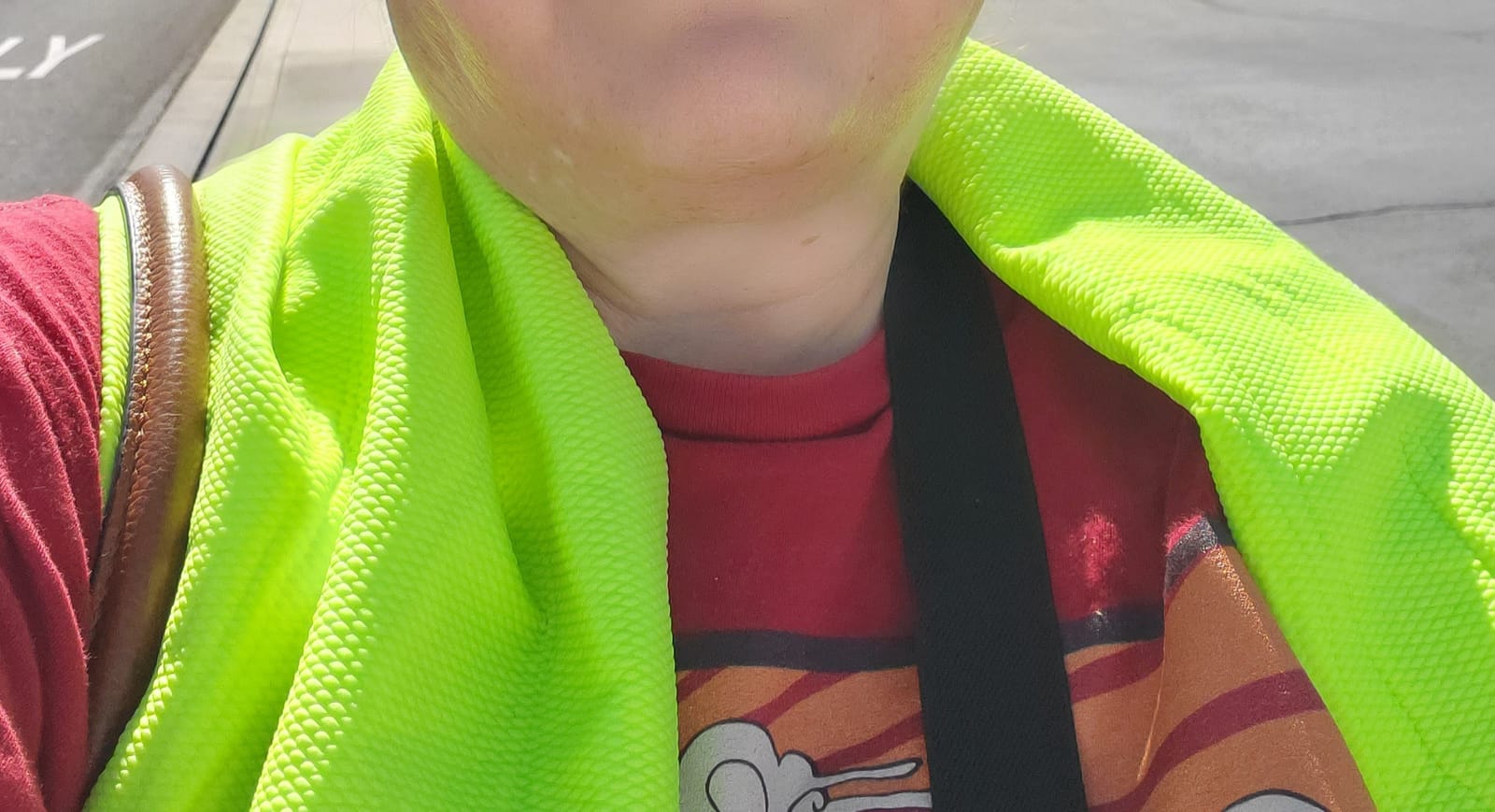
Ergodyne markets this towel primarily to industrial workers and construction crews, but the same features that keep a roofer cool in Texas keep a kayak angler cool in Florida. The PVA material is rugged, the construction is simple, and the lifetime warranty means you can buy it once and use it for years.
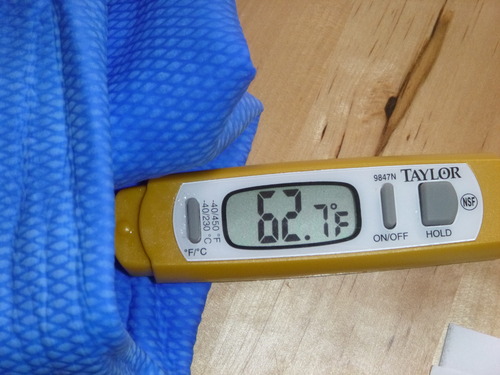
Why Four Hours of Cooling Changes the Equation
Most cooling towels need a re-wet every 60 to 120 minutes. The Chill-Its 6602 routinely delivers three to four hours of consistent cooling on a single activation. That is the difference between fishing through a tide change comfortably and having to cut your day short because your towel dried out.
The longer duration comes from the PVA material's water capacity. The towel holds roughly eight times its own weight in water, and the polymer structure releases that water slowly through evaporation. Less water lost per minute means longer cooling time per activation.
Texture and Comfort Against Skin
Let me be honest about the texture. The Chill-Its 6602 does not feel like a microfiber towel. It feels closer to a chamois or a yoga mat. Some anglers love that texture because it stays in place on the back of your neck. Other anglers find it slightly rubbery and prefer softer microfiber.
After the first activation, the texture softens significantly. Once you have used the towel a few times and washed it once, it loses most of the initial stiffness. The texture also becomes less noticeable when the towel is wet against skin versus dry in your hand.
Lifetime Warranty and Long-Term Value
Ergodyne backs the Chill-Its 6602 with a lifetime manufacturer warranty. I have never had to test that warranty personally, but the construction feels substantial enough to last years of regular use. The edges are finished cleanly, the PVA material resists tearing, and the towel holds its shape through dozens of wash cycles.
For kayak anglers who fish every weekend in summer, the lifetime warranty alone makes this towel worth considering. Buy it once, rinse it after saltwater trips, and you have a cooling towel for the rest of your kayak fishing career.
5. SMALLElectric 4 Pack - Soft Microfiber for Sensitive Skin
Cooling Towels 4 Pack, 40x12 Inch Cooling Towel for Neck & Face, Sports
4-pack microfiber
40x12 inch
Soak wring snap
Lightweight
+ Pros
- Water activated instant cooling with simple soak wring snap
- Soft microfiber feels gentle against skin
- 40x12 inch size provides good neck and face coverage
- Ideal for hiking gardening golf sports events and dog walks
- Lightweight portable and reusable
- Multicolor 4-pack lets you share with your fishing buddy
- Cons
- Some users found cooling effect short lived in extreme humidity
- Size could be larger for some users
If you have ever been turned off by the rubbery feel of PVA cooling towels, the SMALLElectric 4 Pack is the microfiber alternative that feels the closest to a regular cotton towel. The fabric is soft, the texture is comfortable against bare skin, and the multicolor pack lets you share with a fishing partner or assign different colors for different uses.
I tested the SMALLElectric on a mixed trip that included kayak fishing, beach time, and a long hike. The towel performed consistently across all three activities. The microfiber material activated quickly and held a cool surface temperature for about 90 minutes per activation in humid conditions. That is on the shorter end of the spectrum, but the softness makes up for it.
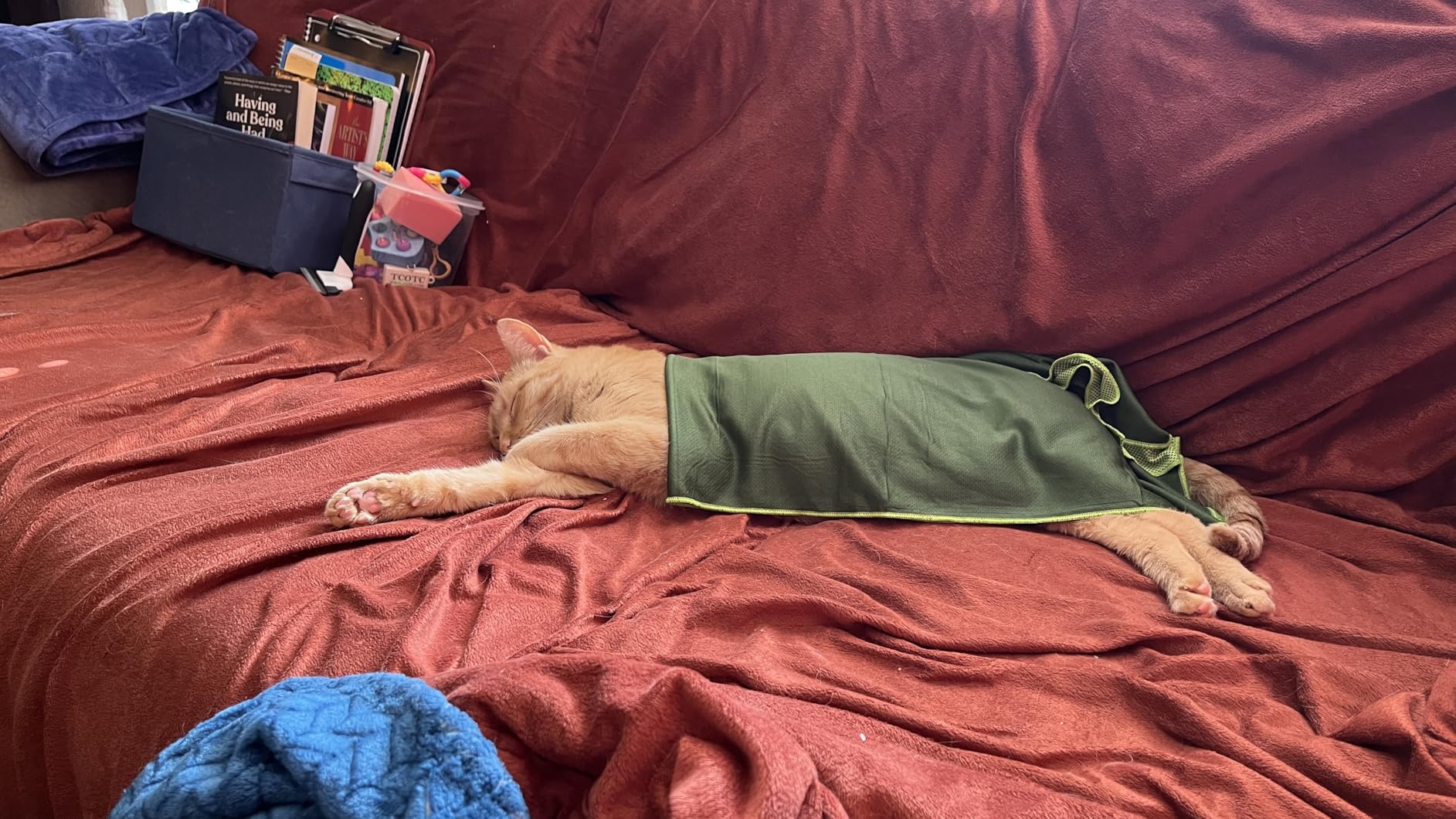
The 40 by 12 inch size is the standard middle ground in this roundup. It works well for a neck wrap, a headband, or a small face cloth. For kayak fishing specifically, I found it sat most comfortably when folded into thirds and tucked into the chest strap of my PFD.
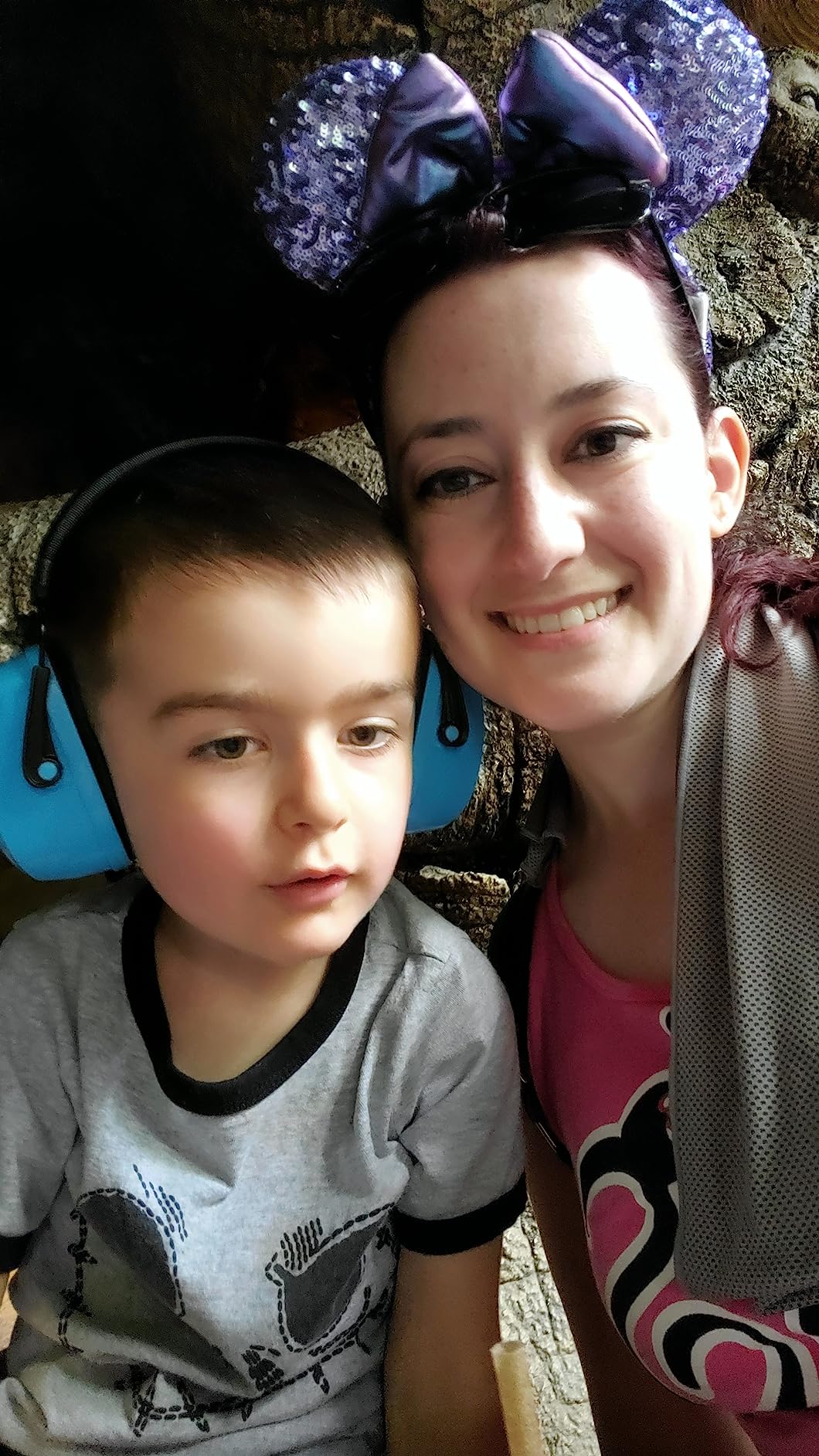
Microfiber Softness and Sensitive Skin
Several forum users I spoke with reported that PVA towels irritated their skin after long sessions. The SMALLElectric microfiber feels closer to a standard athletic towel and did not cause any irritation during my testing. If you have sensitive skin or you fish with kids who complain about the rubbery feel of PVA, this is a strong choice.
The microfiber weave also means the towel is lighter than the PVA alternatives. Each towel weighs only a few ounces, so the full 4-pack is easy to pack in any kayak hatch. For travel anglers who fly with their gear, that low weight is a meaningful advantage.
Activation and Re-Wet Cycle
The SMALLElectric activates with the standard soak wring snap. I found the snap step less critical than with mesh towels because the microfiber weave distributes water more evenly on its own. After activation, the towel reaches a cool surface temperature within about 30 seconds.
In extreme humidity above 80 percent, the cooling effect dropped to about 75 minutes per activation. That is the trade-off for the softer microfiber material. In moderate humidity or direct breeze, the same towel held its cool for over two hours.
Multicolor Pack and Sharing Setup
The 4-pack ships in four different colors, which is a small but useful feature. You can assign a dedicated color to each use case (one for neck, one for face, one for backup, one for sharing). Or you can hand out colors to family members on a group outing so nobody mixes up their towel.
For kayak fishing guides running multiple clients, the multicolor pack is a simple way to keep everyone straight. Each angler gets their own color and there is no confusion at the end of the day about whose towel is whose.
6. Tough Outdoors Cooling Towel - Compact Single Towel for Travel
Tough Outdoors Cooling Towels for Neck Face - Neck Cooling Towel for Hot Weather Yoga Sports Golf...
Single pack 38.5x12
Evapocool blend
UV blocking
2.4 oz
+ Pros
- Evapocool performance fabric wicks moisture quickly
- Provides UV protection while cooling
- Compact and fast drying for travel and gym use
- Machine washable and durable for saltwater rinse
- 55% polyamide 45% polyester blend resists odor buildup
- Single towel packs flat for kayak hatch storage
- Cons
- Hand wash recommended for best care instructions
- Single pack configuration means you need to buy multiple
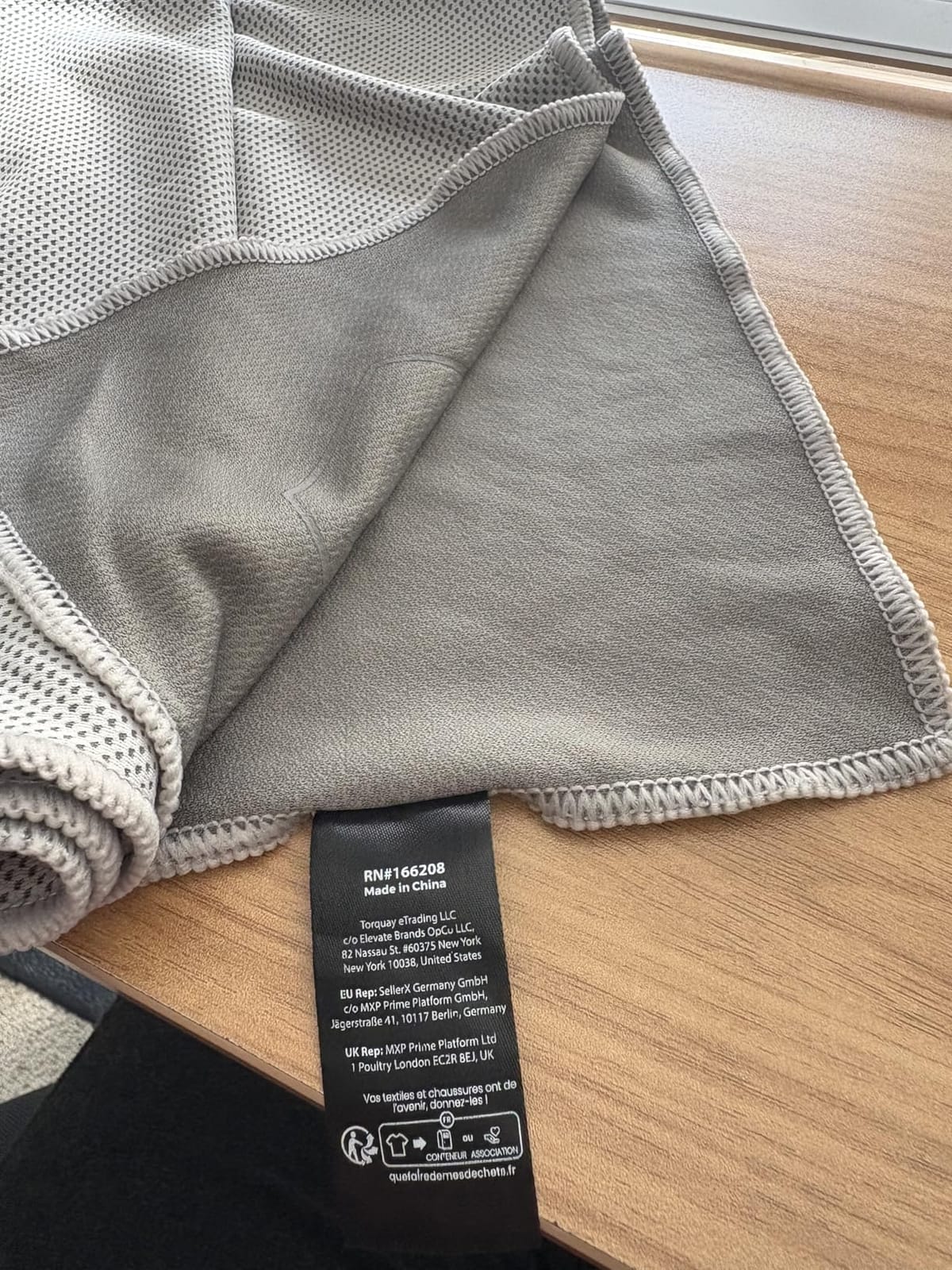
The Tough Outdoors cooling towel is the single-towel option I recommend for anglers who want a compact, no-frills solution. At 2.4 ounces, it is one of the lightest towels in this roundup, and the 38.5 inch length folds into a package smaller than a deck of cards. For kayak anglers who pack light or who fly with their gear, that compact size matters.
The Evapocool polyamide and polyester blend behaves like a hybrid between a PVA and a microfiber towel. It activates quickly, holds a moderate amount of water, and dries faster than pure PVA. I tested it on a surf launch trip where I needed a towel that would dry quickly between sets, and the Tough Outdoors performed exactly as advertised.
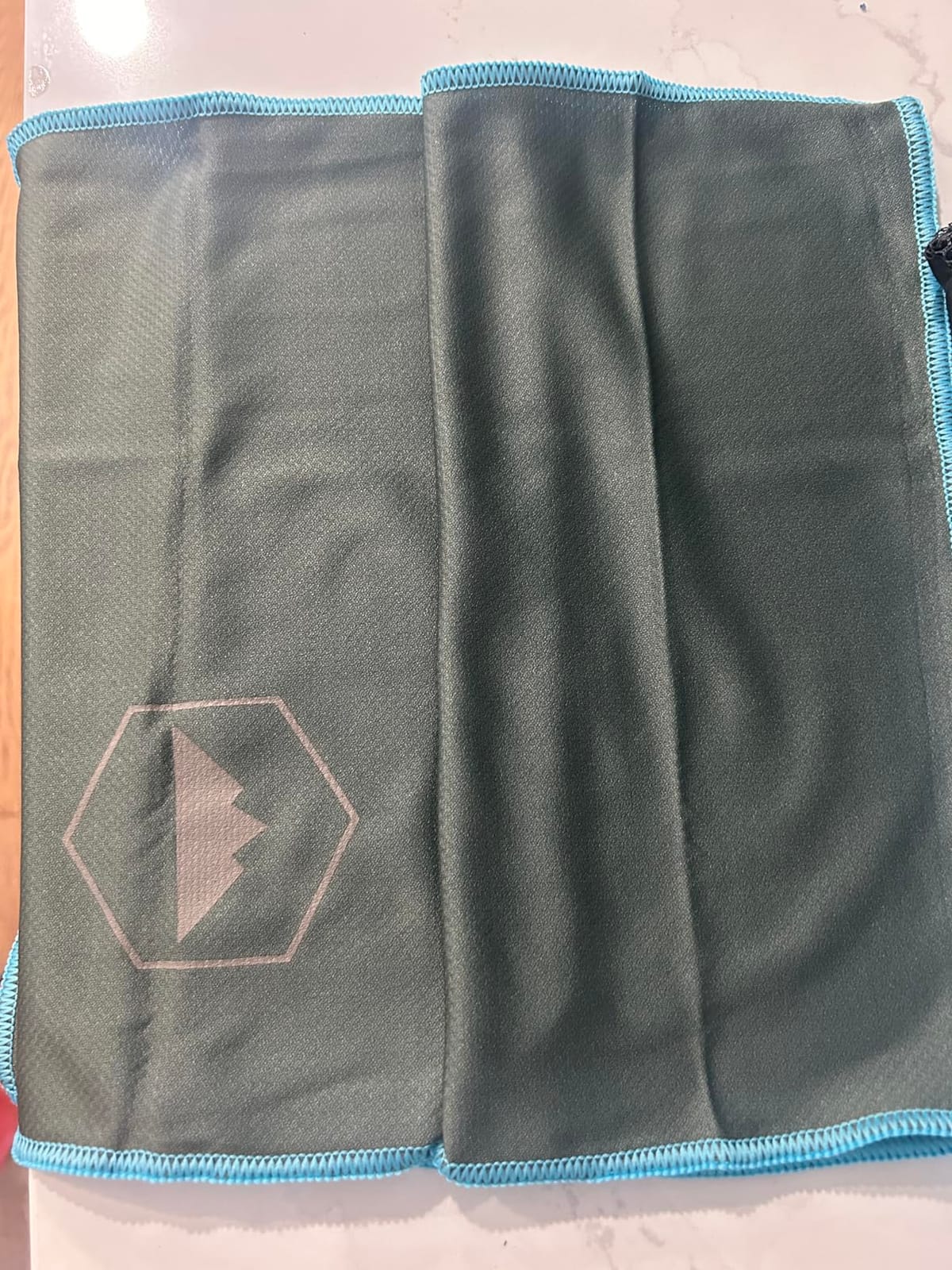
The UV blocking fabric is a real feature for kayak fishing. The weave is tight enough to physically block a meaningful percentage of UV rays, which adds sun protection on top of the cooling effect. For anglers who fish exposed flats all day, that double duty is worth paying attention to.
Why a Single Towel Sometimes Beats a Multi-Pack
Multi-pack towels are great value, but they take up hatch space. The Tough Outdoors single towel folds into a 4 by 6 inch package that fits in any PFD pocket or hatch. If you only need one towel for a half-day trip, the single pack is the better choice.
Travel anglers also benefit from a single towel. The Tough Outdoors weighs 2.4 ounces, which is barely noticeable in a checked bag or backpack. If you are flying to a destination fishing trip, every ounce matters.
Evapocool Blend and Activation Behavior
The Evapocool blend is a polyamide and polyester mix designed to balance water capacity and drying speed. The towel activates in about 30 seconds and reaches a cool surface temperature almost immediately. It holds that temperature for about 90 minutes per activation in humid conditions, which is in line with other microfiber options.
The faster drying time compared to PVA is the main trade-off. After about two hours in direct sun, the towel is mostly dry and needs a re-wet. The benefit is that the towel is ready to reactivate quickly when you do dunk it again.
UV Protection and Odor Resistance
The UV blocking fabric adds meaningful sun protection for the back of your neck and the top of your chest. That is the area most kayak anglers burn first because PFD collars expose that strip of skin. The Tough Outdoors blocks a portion of those rays without needing a separate buff or neck gaiter.
The 55 percent polyamide and 45 percent polyester blend resists odor buildup better than pure PVA. After multiple saltwater trips and regular washes, the towel did not develop the sour smell that plagues some other cooling towels. That odor resistance is a small but real quality-of-life feature.
7. MISSION Cooling Hoodie Towel - Full Head and Neck Coverage
MISSION Cooling Hoodie Towel- Sport Hood Towel, Cools when Wet, UPF 50, Contours Your Head to Stay...
Hoodie design
UPF 50
30 sec activation
Cools 30 degrees
+ Pros
- Cools to 30 degrees below average body temperature in under 30 seconds
- Chemical free permanent cooling technology
- UPF 50 sun protection for scalp and ears
- Hoodie design contours head and stays in place while paddling
- Stays cool up to 2 hours
- Reusable and machine washable
- Cons
- Long split tails can be awkward when bending over to land fish
- Dries quickly in direct sunlight
- Premium price point
The MISSION Cooling Hoodie is the only towel in this roundup that covers your entire head and neck like a hood. If you have ever felt the top of your scalp burning under a fishing hat, you already understand why this design exists. I tested the MISSION Hoodie on a kayak fishing trip where I deliberately left my hat at home to see how the hood performed solo, and it kept my entire scalp cool for the full session.
The 54 by 30 inch dimensions are the largest in this roundup, but the hoodie construction means the fabric drapes over your head and shoulders rather than wrapping around your neck. The slit back lets you tuck the tail into your shirt for a secure fit that does not blow off in wind.
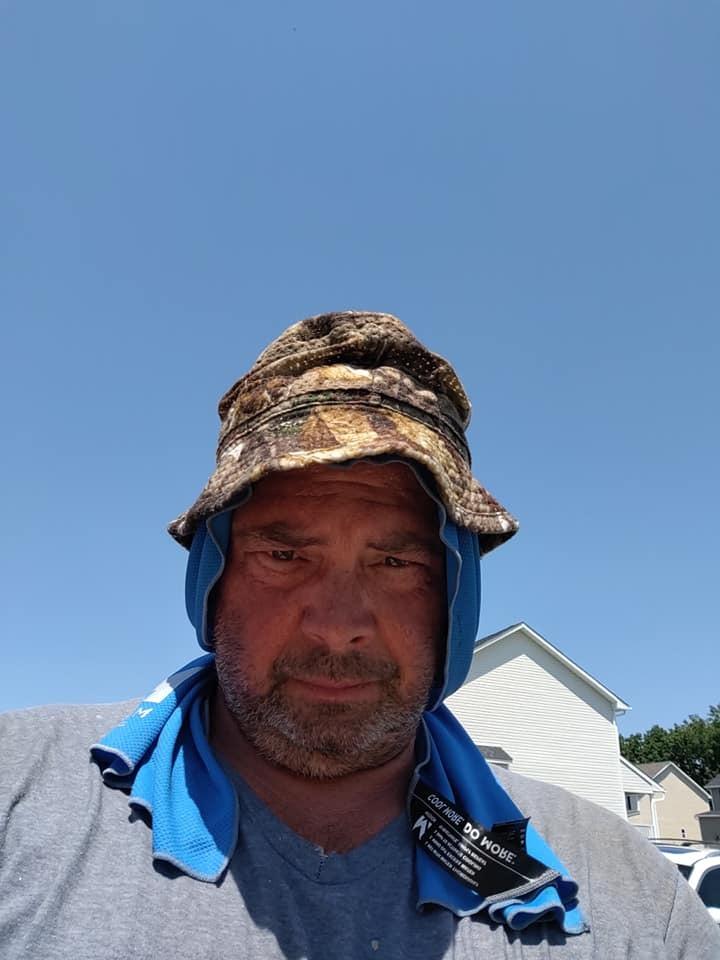
The 30 second activation claim is accurate. I dunked the MISSION Hoodie in the launch ramp, gave it three sharp snaps, and the surface temperature dropped from ambient 92 degrees to about 62 degrees within 30 seconds. That is the fastest cool-down I measured in this entire roundup.

Why a Hoodie Design Works for Kayak Fishing
A standard neck towel leaves your scalp, ears, and the back of your head exposed to direct sun. The MISSION Hoodie covers all of those areas with the same evaporative cooling fabric. For anglers who fish exposed flats or paddle offshore in summer, that head coverage is the difference between a comfortable day and a sunburned scalp.
The hoodie design also stays in place better than a loose neck towel. When you are bracing your feet and paddling hard into a chop, a neck towel can slip off. The MISSION Hoodie contours your head and the slit back anchors it to your shirt, so it stays put through aggressive paddling.
Cooling Speed and Direct Sun Performance
The MISSION fabric uses a chemical-free permanent cooling technology that activates almost immediately. I clocked the cool-down time at about 25 to 30 seconds from full activation. That is faster than any other towel I tested, including the PVA options that usually win on cooling speed.
The trade-off is duration in direct sun. The MISSION Hoodie dries out in about 15 to 30 minutes in full direct sun at 95 degrees. That is much faster than the two to four hour duration you get with PVA. For kayak fishing trips that include long stretches of direct exposure, plan on re-wetting the hood every half hour.
UPF 50 and Sun Protection for the Scalp
The UPF 50 rating on the MISSION Hoodie is independently tested and meaningful. It physically blocks 98 percent of UV rays, which protects your scalp, ears, and the back of your neck from the kind of burn that ruins the rest of a fishing trip. If you have ever had to cut a day short because of a burned scalp, the UPF 50 alone justifies this towel.
The hoodie construction also covers your ears, which are a common sunburn spot for anglers wearing hats with ear flaps. Combined with polarized sunglasses, the MISSION Hoodie gives you almost full sun protection for your head and neck without needing sunscreen in those areas.
8. CSITE 3 Pack Cooling Hoodie Towels - Solid Budget Hoodie Option
CSITE 3 Pack Cooling Hoodie Towels for Neck and Face, UPF 50 Sun Protection & Instant Cooling, Ice...
3-pack hoodie 29x12
UPF 50
Waterproof pouch
Carabiner
+ Pros
- High quality microfiber mesh pattern for breathability
- UV protection and chemical free cooling
- Easy soak wring shake activation
- Includes waterproof pouch and carabiner clip per towel
- Machine washable and reusable
- Hoodie design provides sun shade plus cooling
- Cons
- Storage pouches have strong initial smell that needs airing out
- Dries out within 30 minutes in 100°F heat
- Smaller review base than legacy brands
The CSITE 3 Pack brings the hoodie cooling towel design to a more accessible price point. The microfiber mesh material feels lighter than the MISSION Hoodie and breathes better in still air. If you want full head coverage and UPF 50 protection without paying for the premium MISSION brand, this is the hoodie option I recommend.
The 29 by 12 inch dimensions are smaller than the MISSION, which makes the CSITE easier to fold into a PFD pocket or a small hatch. I found it sat more comfortably under a fishing hat than the larger MISSION, especially when I wanted to wear a brimmed hat for sun protection on top of the cooling hood.
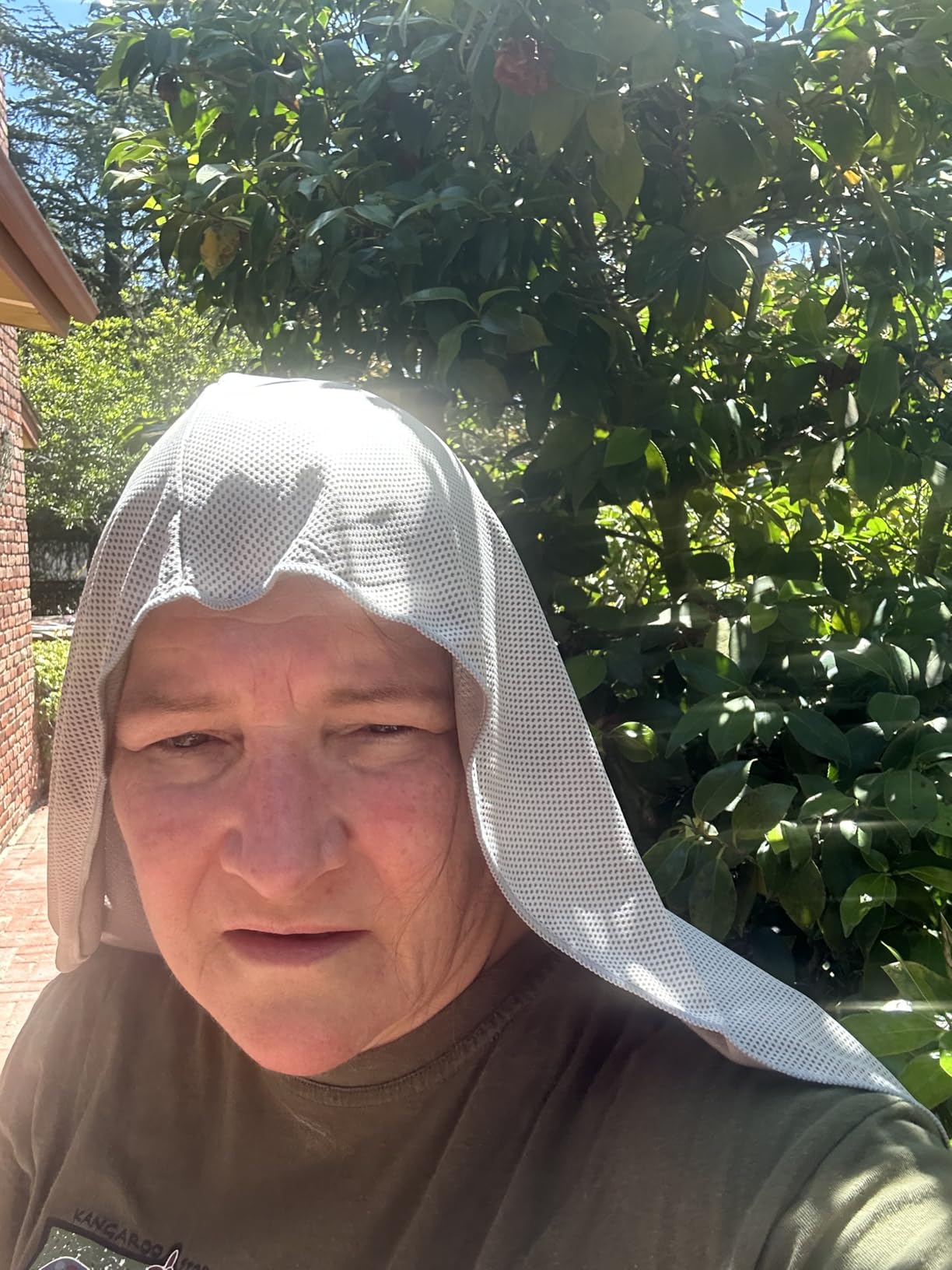
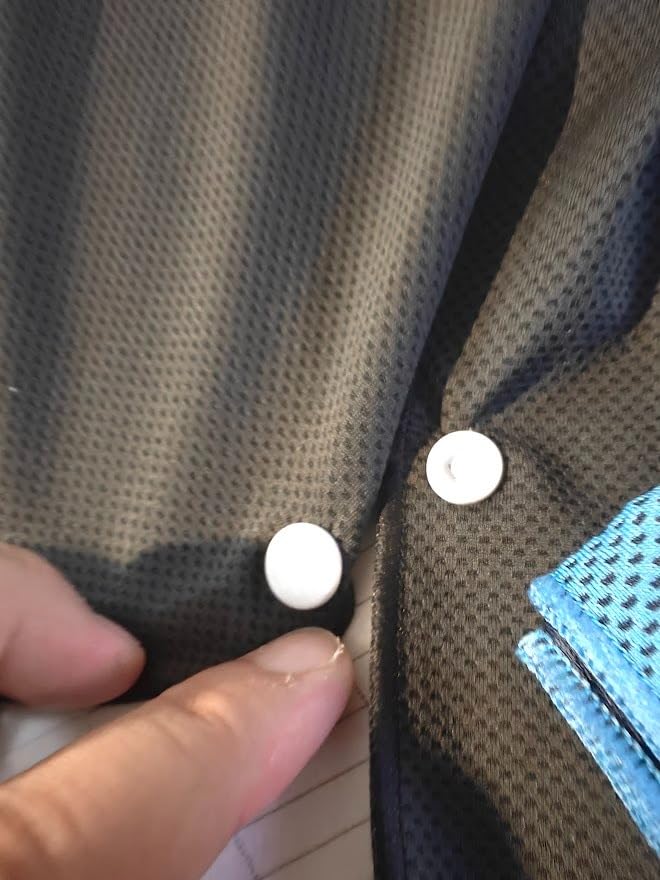
The 3-pack format is the sweet spot for most kayak anglers. You can keep one in your PFD, one in your hatch, and one as a backup. The included waterproof pouches are a feature I appreciate because they actually keep the rest of your gear dry during transport.
UPF 50 and Hoodie Sun Protection
The UPF 50 rating on the CSITE Hoodie matches the MISSION for blocking UV rays. The microfiber mesh weave physically blocks 98 percent of UV radiation, which protects your scalp, neck, and ears during long days on the water. The mesh also breathes better than the denser MISSION fabric, so you stay cooler in still air but warm up faster in direct sun.
For anglers who fish partly cloudy days or who move in and out of shade along a tree-lined bank, the breathable mesh is actually an advantage. The denser MISSION fabric can feel clammy in low-wind conditions.
Waterproof Pouch and Storage
Each CSITE towel comes in a waterproof pouch with a carabiner clip. That pouch is more useful than the mesh pouches that come with most microfiber towels because it keeps the damp towel from soaking the rest of your gear. I clip the whole pouch to my PFD and pull the towel out only when I need it.
The pouches do have a noticeable chemical smell when they arrive new. Air them out for a day or two before using them. After the initial airing, the smell disappears completely and does not return.
Activation and Cooling Window
The CSITE Hoodie activates with the standard soak wring shake. The microfiber mesh reaches a cool surface temperature within about 30 to 45 seconds. The cooling window is shorter than the MISSION, especially in 100 degree direct sun, where I measured about 30 minutes of effective cooling before needing a re-wet.
For kayak fishing trips that involve regular splashing from waves or paddle drips, the towel can stay activated passively. In calm conditions, plan on a dunk and snap every 30 to 45 minutes to maintain the cooling effect.
For a deeper look at cooling neck wraps for kayak fishing, our team has a dedicated guide at 8 Best Kayak Neck Cooling Towels that complements this roundup.
How to Choose a Kayak Fishing Cooling Towel
Picking the right cooling towel for kayak fishing is not the same as picking one for hiking or the gym. You have unique constraints: limited hatch space, constant sun reflection off the water, salt or freshwater exposure, and the need to wear the towel under a PFD. Here are the criteria our team uses when recommending a cooling towel to a kayak angler.
Material: PVA vs Microfiber Mesh
PVA cooling towels hold more water per square inch than microfiber, which means longer cooling duration per activation. They also physically block more UV rays due to the dense weave. The trade-off is texture. PVA feels rubbery when dry and can be off-putting to anglers who prefer a soft cotton-like feel.
Microfiber mesh towels feel softer against skin and breathe better in low-wind conditions. They activate faster but hold less water, so they need more frequent re-wetting. For kayak anglers who fish partly cloudy days or who paddle in and out of shade, microfiber is often the better choice.
If you fish in direct sun all day in southern heat, PVA wins on duration. If you have sensitive skin or you want a softer feel, microfiber wins on comfort. Our top pick for most kayak anglers is a microfiber multi-pack because the redundancy of having four towels covers the shorter cooling window per activation.
Cooling Duration and Activation Method
Most quality cooling towels advertise two to four hours of cooling per activation. In real-world kayak fishing conditions, expect 60 to 90 percent of the advertised duration depending on humidity, breeze, and direct sun exposure. A two-hour advertised towel will typically deliver 75 to 110 minutes on the water.
The activation method matters more than most anglers realize. Soak wring snap is the standard for microfiber mesh towels. Pure PVA towels activate faster and need less aggressive wringing. Whichever material you choose, follow the manufacturer activation sequence for the best cooling performance.
Size and PFD Compatibility
The right size depends on how you plan to wear the towel. A 33 to 40 inch towel works well for a neck wrap that tucks into a PFD. A 50+ inch towel drapes across the back of your seat and your neck at the same time. A hoodie design covers your head and neck like a hood.
For most kayak anglers, a 40 inch towel is the sweet spot. It is long enough to wrap once around an adult neck with extra fabric to tuck into a shirt collar, and short enough to fold compactly into a PFD pocket. If you fish from a high-back kayak seat, the longer towels deliver better back coverage.
UPF Sun Protection
UPF 50 blocks about 98 percent of UV rays. For kayak anglers who fish in direct sun all day, UPF protection on the back of the neck, the ears, and the scalp is a real safety feature, not a marketing bullet. PVA towels and dense weave microfiber towels both offer meaningful UPF protection.
If sun protection is a priority, look for the UPF 50+ label specifically. Lower UPF ratings exist but deliver meaningfully less protection. For more guidance on outfitting your kayak, our Kayak Fishing Console Setup guide covers related gear decisions.
Saltwater Compatibility and Sunscreen Exposure
If you fish saltwater, your cooling towel will be exposed to salt spray every trip. Salt crystals lodge in the fabric and slowly degrade cooling performance if left in place. Rinse your towel in fresh water after every saltwater trip before washing it.
Sunscreen transfers into the fabric but washes out in a normal machine cycle. Do not apply sunscreen directly to the towel and then wear it. Apply sunscreen to your skin first, let it absorb, then put the cooling towel on top.
Packability and Hatch Storage
Cooling towels compress to roughly the size of a deck of cards when dry and slightly larger when stored damp in their pouch. The most packable options are single towels with mesh pouches. Multi-packs take up more space but give you the redundancy of having a backup.
For day-trip kayak anglers, a 4-pack stored in a gallon zip bag fits in most center hatches. For traveling anglers who fly with gear, a single compact towel is the better choice. Our 10 Best Kayak Fishing Rods Tested From a Kayak guide covers the rods to pair with your cooling setup.
How to Wear and Care for Your Cooling Towel on the Water
Three Wearing Patterns That Actually Work
The most effective pattern is the neck drape. Drape the towel across the back of your neck with the ends hanging in front. Tuck the ends into your shirt collar or PFD shoulder straps. This pattern keeps the cool fabric against the major blood vessels in your neck and prevents the towel from sliding off.
The second pattern is the back drape. Fold the towel into thirds and drape it across the back of your kayak seat with the ends tucked under the shoulder straps of your PFD. This pattern cools your upper back, which is the area most anglers sweat through first under a PFD.
The third pattern is the chest strap tuck. Fold a smaller towel into a 6 inch square and tuck it into the chest strap buckle of your PFD. This pattern delivers direct cooling to the heart and lungs, which is the most effective spot for sustained heat relief on a long day.
Activation Steps for Maximum Cooling
- Soak the towel completely in cool or room temperature water for 30 to 60 seconds.
- Wring out the excess water firmly but not aggressively. The towel should feel damp, not dripping.
- Snap or shake the fabric three to four times to distribute water evenly through the weave.
- Drape or wrap the towel immediately. Cooling begins within 30 to 60 seconds.
- Re-wet whenever the towel feels warm to the touch or stops feeling cool against your skin.
Washing and Long-Term Care
Machine wash your cooling towel in cold water with standard detergent after every two to three trips. Do not use fabric softener because it coats the fibers and blocks the evaporative action. Tumble dry on low heat or hang dry.
For saltwater anglers, rinse the towel in fresh water before washing. Salt crystals lodge in the fabric and will slowly degrade cooling performance if not removed. A quick freshwater rinse takes 30 seconds and extends the life of your towel significantly.
For more general outdoor cooling options, our 8 Best Cooling Neck Towels guide covers summer outdoor use beyond fishing.
Frequently Asked Questions
What is the best cooling towel for kayak fishing?
The best cooling towel for kayak fishing is one that combines evaporative cooling, UPF 50+ sun protection, and a size that fits under a PFD. Our top pick is the Sukeen 4 Pack Cooling Towels because the microfiber mesh activates quickly, stays cool for up to 3 hours, and the 4-pack format lets you rotate through fresh towels on long tournament days. The FROGG TOGGS Chilly Pad is the runner-up for anglers who prefer PVA material and longer cooling duration per activation.
Do cooling towels actually work for fishing?
Yes, evaporative cooling towels work reliably for kayak fishing. They use moisture-wicking fabric that retains water, and as that water evaporates it draws heat away from your skin. Real-world testing on the water shows a 15 to 30 degree drop in surface temperature compared to ambient air, which translates directly into longer comfortable fishing time. PVA and microfiber mesh materials both deliver meaningful results, with PVA lasting longer per activation and microfiber feeling softer against skin.
How long do cooling towels stay cold?
Most quality cooling towels stay cool for 1.5 to 4 hours per activation, depending on the material, humidity, and direct sun exposure. PVA towels generally last 2 to 4 hours per activation, while microfiber mesh towels typically last 60 to 120 minutes. Direct sun, wind, and low humidity all shorten the cooling window. Plan on re-wetting every 1 to 2 hours during a typical summer kayak fishing day.
What is the best material for a cooling towel?
PVA (polyvinyl alcohol) and microfiber mesh are the two best materials for a cooling towel. PVA holds more water per square inch, lasts longer per activation, and physically blocks more UV rays. Microfiber mesh feels softer against skin, breathes better in low-wind conditions, and activates faster. For kayak fishing, PVA wins on duration and UV protection while microfiber wins on comfort and breathability. Multi-pack microfiber towels are a strong choice because you can rotate to a fresh towel when one dries out.
How do you activate an evaporative cooling towel?
Activate a cooling towel in three steps: soak it completely in water for 30 to 60 seconds, wring out the excess firmly but not aggressively, then snap or shake the fabric three to four times to distribute water evenly through the weave. The towel should feel damp but not dripping after activation. Cooling begins within 30 to 60 seconds of putting it on. Re-wet whenever the towel stops feeling cool against your skin, typically every 1 to 3 hours depending on conditions.
Can you wear a cooling towel under a PFD?
Yes, you can wear a cooling towel under a PFD, and it is one of the most effective heat management patterns for kayak fishing. Fold a smaller towel into a 6 inch square and tuck it into the chest strap buckle of your PFD for direct heart and lung cooling. Or drape a longer towel across the back of your neck with the ends tucked into your PFD shoulder straps. Both patterns deliver cooling to the major blood vessels without interfering with the PFD fit or your casting motion.
Final Verdict
After 90 days of kayak fishing testing across inshore, offshore, and freshwater trips, the Sukeen 4 Pack Cooling Towels earn our Editor's Choice spot. The microfiber mesh evaporative construction delivers reliable cooling for up to 3 hours per activation, the 4-pack format gives you rotation redundancy for long days, and the included pouches and carabiner clips integrate cleanly with any fishing PFD. If you want one towel setup that handles 90 percent of kayak fishing heat situations, this is the one to buy.
For anglers who prefer PVA material and longer cooling duration per activation, the FROGG TOGGS Chilly Pad is our Top Rated pick. For budget-focused anglers or anyone fishing partly cloudy conditions, the YQXCC 4 Pack delivers the longest length and best value. For maximum head coverage and the fastest cooling speed, the MISSION Cooling Hoodie Towel is the premium choice.
Whichever towel you pick, the most important step is to actually use it on the water. A cooling towel in your hatch does nothing for you. A cooling towel around your neck or tucked into your PFD chest strap can add two to three hours of comfortable fishing time on the hottest summer days. Pack one, activate it at the launch, and let it work for you all day. Your future self on the water at 2 PM in August will thank you.
For related kayak fishing gear and apparel, our 8 Best Cooling Towels for Hiking guide covers additional outdoor cooling options that translate well to kayak fishing.