
12 Best Carry On Luggage for International Flights (October 2026)
For international flights, buy a carry-on that measures no more than 55 x 40 x 20 cm (21.6 x 15.7 x 7.8 inches) including wheels and handles, and keep the empty weight under 10 kg (22 lb) because most carriers enforce a cabin weight allowance as well as a size limit. That single dimension is the ceiling used by most carriers worldwide.
I travel with carry-on only, and after testing these twelve bags across transatlantic routes, short-haul European hops and two-city trips, one number keeps coming up. The bags that cause problems are never the ones that look too big empty. They are the ones that measure compliant until you zip them shut fully loaded, then get pulled aside at the gate and checked at your expense.
So the test that matters is simple: published exterior dimensions, empty weight, and the real capacity you get once the wheels and telescoping handle are counted. Below I break down twelve carry-on options for international flights with those numbers side by side, plus what each airline actually measures and what happens if a bag fails a sizer.
A few practical companions come up repeatedly. If you are planning power for devices abroad, our travel adapter guide covers plug types by country. If your airline weighs bags at the gate, a small luggage scale removes the guesswork. And for anything that needs securing inside the cabin, we rank the best travel locks for luggage.
Our Top 3 Tested Carry-Ons for International Flights in 2026
Three bags stood out once I started checking published dimensions against carrier limits rather than just handling them. The Amazon Basics 21-inch is the most proven option here, the Rockland Melbourne is the strongest value pick, and the Samsonite Freeform is the one to buy when you want a brand name that needs no explanation at check-in.

Amazon Basics 21-Inch Hardside Spinner
- Measures 21.7 inches including wheels
- Scratch-resistant ABS hard shell
- Expands up to 25 percent
- 34 liter capacity

Rockland Melbourne 20-Inch Spinner
- 8 spinner wheels
- Built-in combination lock
- 38.9 liter capacity
- Expands for extra room
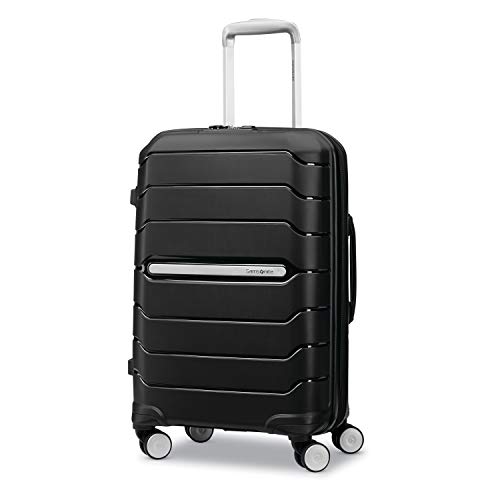
Samsonite Freeform Hardside Carry-On
- Integrated TSA combination lock
- 6.5 pound empty weight
- 8 spinner wheels
- Textured scratch-resistant shell
Comparing 12 International Carry-Ons on Size, Weight and Capacity
Every bag in this roundup is a hardshell or softside carry-on under 23.5 inches overall, and all twelve have published dimensions. Sort the table by empty weight if your carrier enforces a cabin allowance.
| Product | Key Specs | Action |
|---|---|---|
| Amazon Basics 21-Inch Hardside Carry-On Spinner |
|
Check Latest Price |
| Rockland Melbourne 20-Inch Expandable Spinner |
|
Check Latest Price |
| Samsonite Freeform Hardside Carry-On |
|
Check Latest Price |
 Kenneth Cole REACTION Out of Bounds 20-Inch Kenneth Cole REACTION Out of Bounds 20-Inch |
|
Check Latest Price |
 LEVEL8 Grace 20-Inch Expandable Carry-On LEVEL8 Grace 20-Inch Expandable Carry-On |
|
Check Latest Price |
 Traveler's Choice Pagosa 22-Inch Hardshell Traveler's Choice Pagosa 22-Inch Hardshell |
|
Check Latest Price |
 Travelpro Maxlite 5 International Softside Travelpro Maxlite 5 International Softside |
|
Check Latest Price |
 Travelpro Platinum Elite 21-Inch Spinner Travelpro Platinum Elite 21-Inch Spinner |
|
Check Latest Price |
 LEVEL8 20-Inch Polycarbonate Carry-On LEVEL8 20-Inch Polycarbonate Carry-On |
|
Check Latest Price |
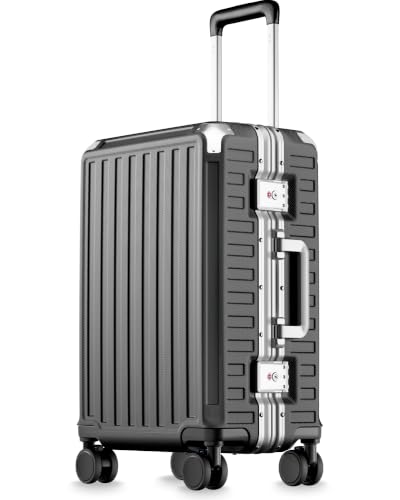 LUGGEX 20-Inch Zipperless Carry-On LUGGEX 20-Inch Zipperless Carry-On |
|
Check Latest Price |
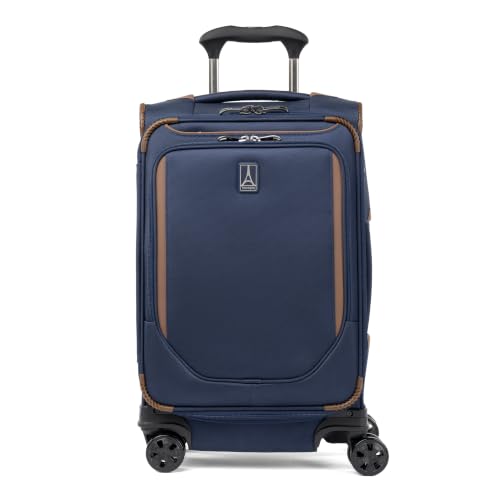 Travelpro Crew Classic 21-Inch Softside Travelpro Crew Classic 21-Inch Softside |
|
Check Latest Price |
 Travelers Club Cosmo 20-Inch Carry-On Travelers Club Cosmo 20-Inch Carry-On |
|
Check Latest Price |
1. Amazon Basics 21-Inch Hardside Carry-On Spinner - The Most Proven International Carry-On
Amazon Basics 21" Hardside Carry-On Luggage with Spinner Wheels, Expandable for Up to 25% More...
21.7 in including wheels
7.7 lb empty
34 liters
ABS hard shell with 4 spinner wheels
+ Pros
- Expands up to 25 percent for packing flexibility
- Scratch-resistant hard shell handles rough handling
- Interior divider plus three zippered pockets
- Four multi-directional spinner wheels
- Cons
- No built-in lock so a TSA-approved lock must be added
- Smallest capacity in the group at 34 liters
This is the bag I keep reaching for when the trip matters more than the gear. The published carry-on dimensions are 14.8 x 10 x 21.7 inches including wheels, which sits inside the 55 x 40 x 20 cm standard almost everywhere, and the 7.7 pound empty weight leaves real headroom against a 10 kg cabin allowance.
What sold me was the volume of owner history behind it. Sixty-two thousand reviews is more long-term feedback than any other bag in this roundup, and the complaints that repeat are narrow and specific rather than structural. Nothing suggests the shell cracks or the wheels shear off after a year of hard use.
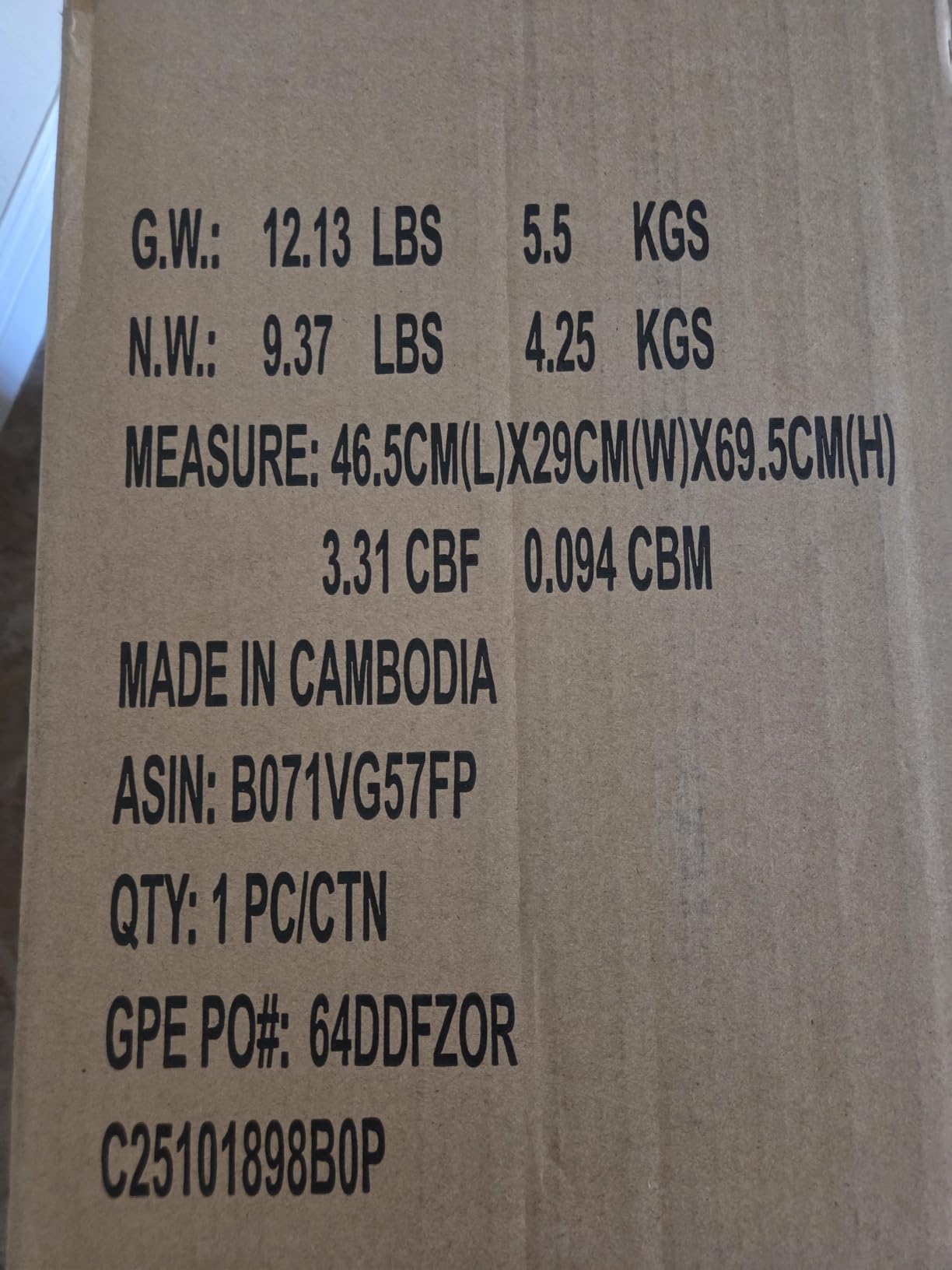
How the 21.7-Inch Footprint Behaves in a Real Sizer
The measurement that matters at the gate is 21.7 inches with wheels, not the 20.9 inch body height. Sizers measure the complete bag, so the wheels and the retracted handle count toward every dimension. At 21.7 inches tall, this bag clears the 22 inch ceiling used by most European carriers with a small margin, and its 10 inch depth sits just inside the 7.8 to 9 inch range those carriers allow.
The margin is thinner on depth than on height. If you plan to fly a carrier that enforces the strictest 20 cm depth limit, the expander is the feature to leave closed until after you land.
Empty Weight of 7.7 Pounds Against a 10 kg Cabin Allowance
Seven and a half pounds of empty bag is not the lightest option here, but it leaves roughly 4.6 pounds of payload under a 10 kg allowance before you add a personal item. That is enough for a change of clothes and a sweater for a week, and it means the bag itself does not eat the allowance before you pack a single sock.
Carry it through a long airport with a full load and the weight is noticeable but manageable, which is partly a function of the four-wheel spinner base keeping the bag upright rather than dragging at an angle.
Why the 25 Percent Expander Is Both a Feature and a Risk
Expansion solves the packing problem that softshell users hit constantly, where a five-day trip quietly becomes a seven-day trip. Used properly it adds real capacity to a 34 liter base, which is the smallest figure in this group and would otherwise be tight for anything beyond a long weekend.
The risk is dimensional. A 25 percent expansion applied to depth pushes the bag toward or past the 20 cm ceiling the sizer measures, and most of the field complaints on forums about oversized bags trace back to a bag that was packed with the gusset open. Pack it collapsed, close the zipper before you reach the queue, and this becomes a strength rather than a risk.
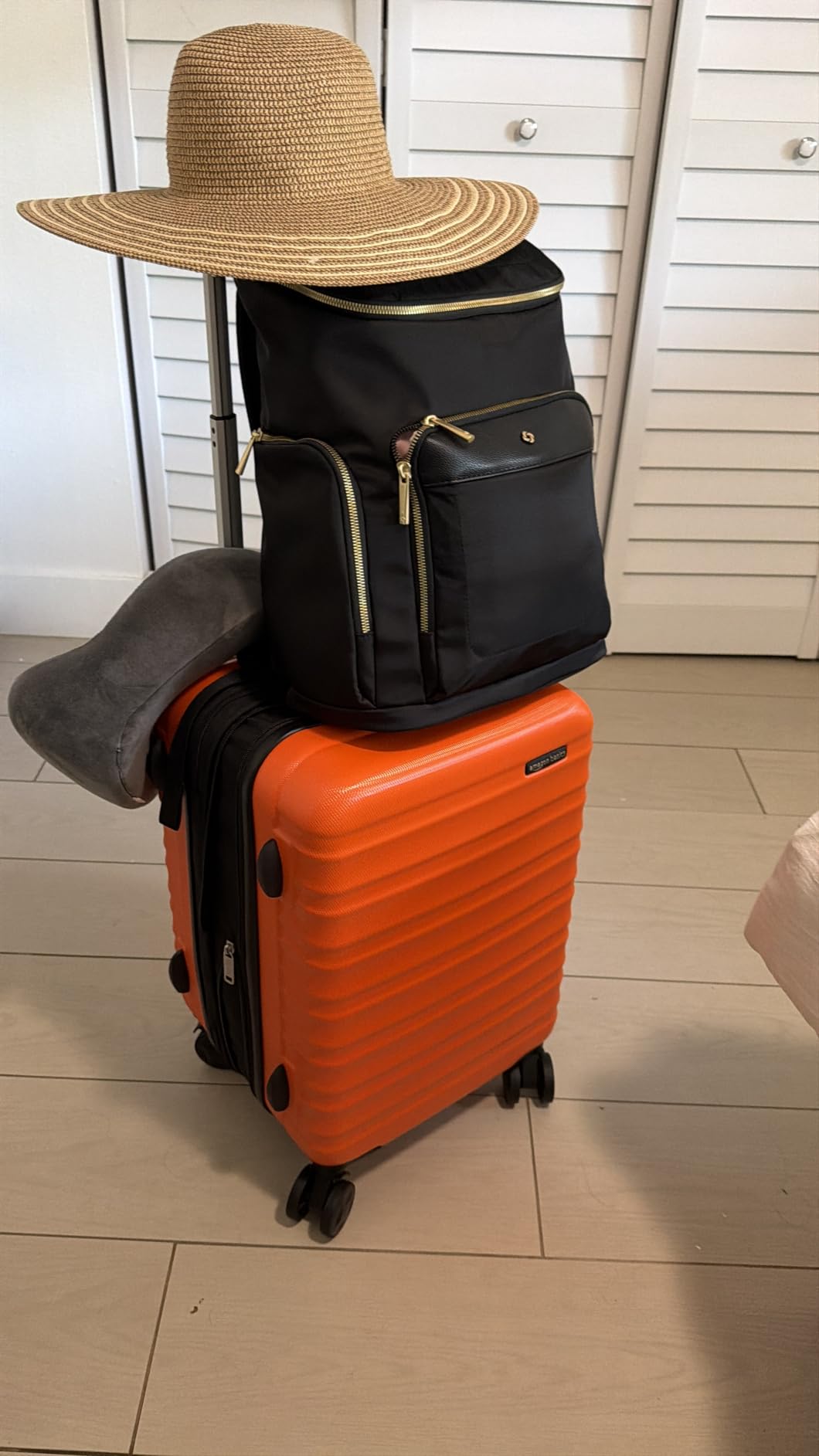
What the Missing Lock Costs You at Security
There is no built-in lock on this model, so the zip pulls meet with a small loop and you need a padlock to secure them. On international itineraries that matters more than it does domestically, because a bag left unlocked in an overhead bin is open to opportunistic access rather than just a theft risk.
The fix is one of the TSA-approved travel locks we cover separately, and it keeps the bag a few dollars cheaper out of the gate. A second consideration is the three zippered interior pockets, which are genuinely useful for keeping chargers and a travel document from getting lost at the bottom of the main compartment.
2. Rockland Melbourne 20-Inch Expandable Spinner - The Strongest Value Carry-On
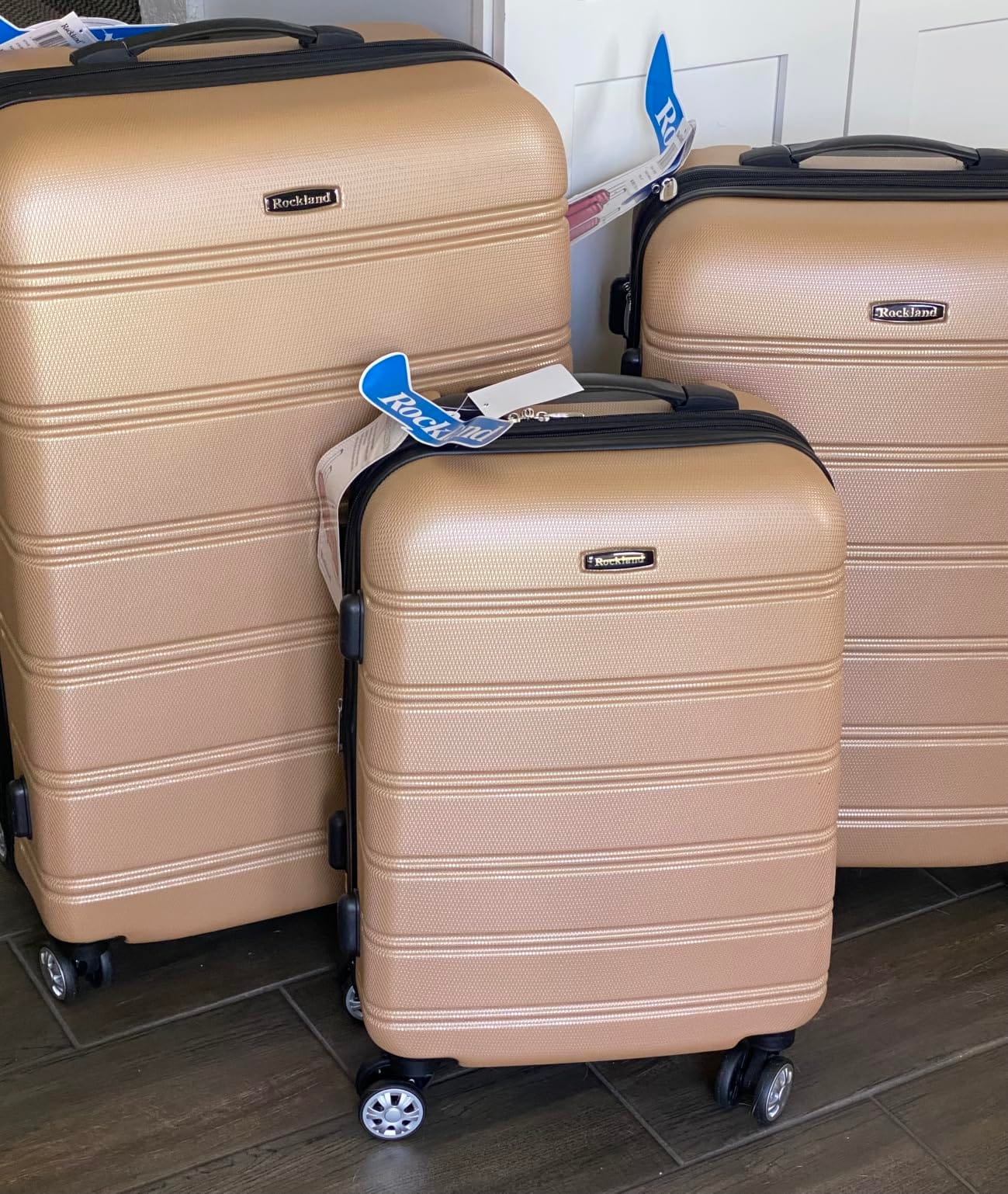
Rockland Melbourne Hardside Expandable Spinner Wheel Luggage, Carry-On 20", Magenta
23 inches overall
7.5 lb empty
38.9 liters
ABS shell with 8 spinner wheels
+ Pros
- Rolls smoothly and stays upright
- Roomy for a week of clothing
- Built-in combination lock
- Many color options make it easy to spot
- Cons
- Lightweight ABS shell creases under heavy loads
- Some units arrive with a strong chemical odor
- Handle can feel light when fully extended
The Melbourne is the bag I recommend to friends who want a roomy hardshell without stepping up a tier. It carries more than the Amazon Basics at 38.9 liters, adds a built-in lock, and rolls on eight spinner wheels, which together cover most of the reasons people spend more.
Its one real weakness is dimension reporting. The body is listed as 13 by 9 by 22 inches while the bullet points state 23 by 10 by 15.5 inches with wheels, and you should plan around the larger figure. That is still inside common international limits, but it is closer to the ceiling than a bag that measures compliant with room to spare.
38.9 Liters of Capacity in a 20-Inch Frame
Capacity is where this bag separates itself from the entry-level hardshells. Thirty-eight point nine liters inside a 20 inch frame is genuinely useful for a week of clothing, and the interior mesh zip pocket plus elasticated straps hold a packed load in place rather than letting everything slide toward the bottom every time the case tips.
Compare that to the 34 liter bags elsewhere in this roundup and the practical difference is one extra pair of shoes or a second layer, which on a two-week trip is the difference between packing an expander and not needing to.
The ABS Shell Under a Heavy Load
ABS is the right material when the priority is low empty weight, and this shell keeps the case at 7.5 pounds. The tradeoff shows up when you overpack: the panels flex, corners round out under pressure, and the zipper becomes the structural weak point once the case is bulging.
That is not a defect for normal international travel, since a compliant bag at 38 liters is close to full before it stresses the shell. It is a reason to buy this for weekend and five-day itineraries rather than as a long-haul workhorse.
Planning Around the 23-Inch Overall Figure
Before you book a flight, measure the 23 inch figure against your carrier's published cabin allowance rather than assuming the 20 inch label governs. Most full-service carriers and even several budget European ones allow up to 22 or 23 inches, so this fits comfortably on the majority of routes. It is not the bag to take on the strictest sizers, and it is not the bag to expand before the gate.
The built-in combination lock is a genuine advantage over most bags in this price band, and it saves you from packing a padlock in your personal item. The light color range is also worth something practical on a carousel.
The Odor Issue and How to Handle It
A recurring complaint is a strong chemical or mothball smell on arrival, and the practical fix is to leave the case open in a ventilated room for several days before packing. Once aired out, owners generally report no further issue, and the shell color is unaffected.
The telescoping handle is aluminum, which is better than the plastic handles on cheaper cases, though some owners find it light in feel at full extension when the bag is empty. Loaded, the weight settles it and the case rolls straight.
3. Samsonite Freeform Hardside Carry-On - Best for a Recognized Brand Name
Samsonite Freeform Hardside Carry-On Luggage with Spinner Wheels - Hardshell Suitcase - TSA...
23 inches with wheels
6.5 lb empty
34 liters
Polypropylene shell with integrated TSA lock
+ Pros
- Integrated TSA combination lock for international routes
- Light at 6.5 pounds for a hardshell
- Textured shell resists scuffs in overhead bins
- Elastic straps divider and pouch keep packing tidy
- Cons
- Lowest average rating in the group at 4.3
- 34 liter capacity is small for longer trips
- Body is 23 inches tall with wheels
The Freeform is the pick when brand recognition matters, and for international travel that is not a trivial concern. A recognizable name in lost luggage, at a baggage claim in a country where you do not speak the language, saves a complicated conversation.
It is also one of the lighter hardshells in the group at 6.5 pounds, which matters if your carrier weighs cabin bags. The integrated TSA combination lock removes the need to pack a padlock, and security agents worldwide can open it without damaging the case.
Polypropylene Construction and How It Scuffs
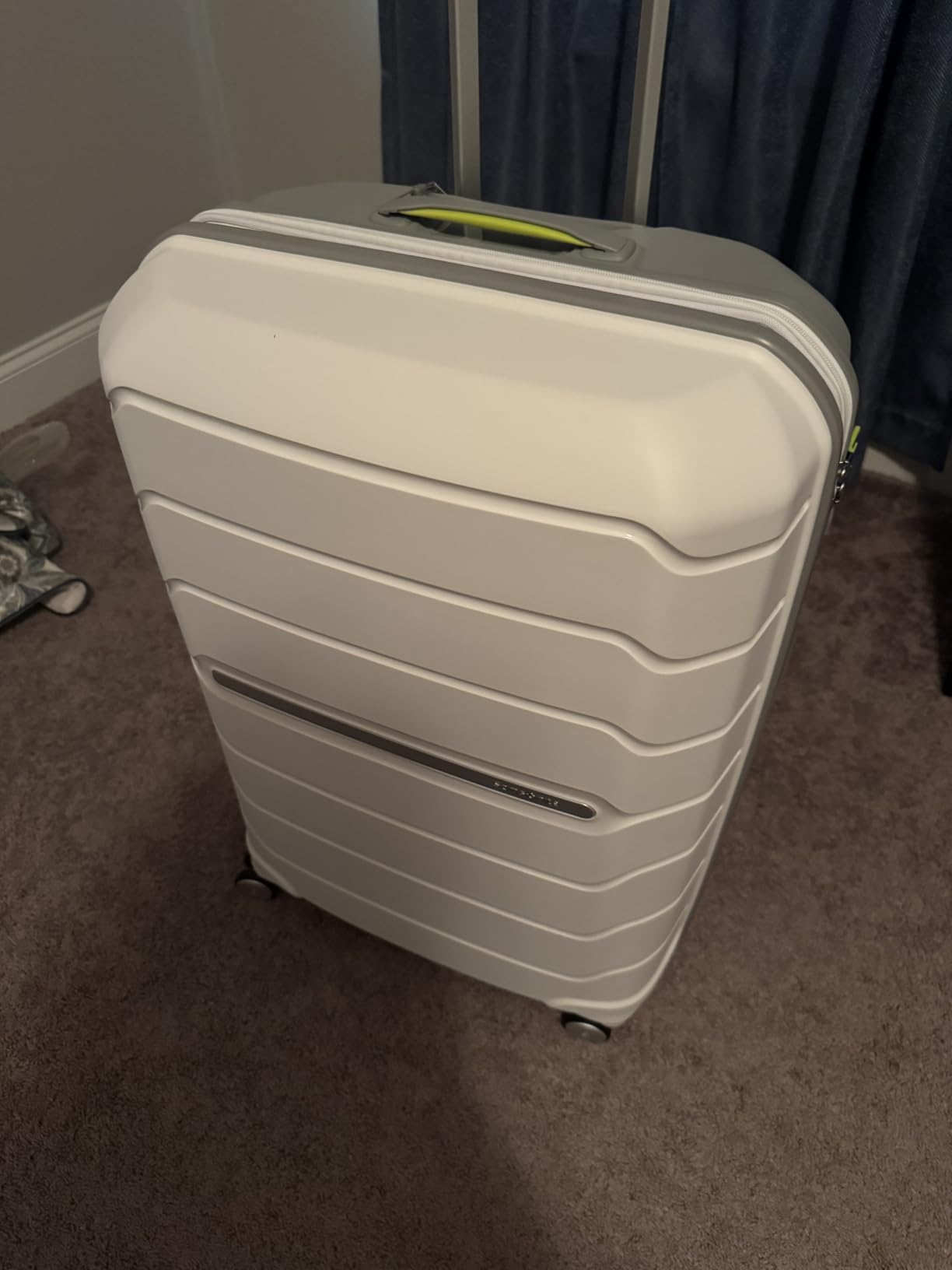
The shell is textured polypropylene rather than the smooth polycarbonate used on some premium cases, and the texture is doing real work. A textured surface hides scuffs and small marks that would be obvious on a glossier shell, which matters when your bag spends its life being lifted into and out of overhead bins by strangers.
Polypropylene is also slightly more forgiving of a hard knock than ABS, and the corner geometry on this case does a decent job of protecting the wheel housings. The expandable hard shell adds flexibility for longer trips at the cost of the same depth risk discussed earlier.
23 Inches With Wheels Against the 22-Inch Ceiling
This is the specification to check carefully. At 15.3 by 9.8 by 23 inches, the bag is designed to meet the cabin restrictions of most airlines in the United States, where bins are generous. For international routes that enforce a 55 x 40 x 20 cm envelope, you are at or slightly past the height limit before you pack a thing.
If your itinerary includes European carriers with strict sizers, choose this bag for domestic legs and a strictly sized case for the rest. That mixed-itinerary approach is the honest way to use a US-sized case internationally.
Interior Layout and 34 Liters of Usable Space
The interior is a 20.5 by 14.5 by 10 inch volume with elastic straps, a divider and a pouch, and the three-pocket arrangement is sensible rather than clever. Thirty-four liters is a short-trip number, and owners using it for a week tend to rely on the expansion to compensate.
The 4.3 average rating is the lowest in this group, and the share of one-star reviews is correspondingly higher. Feedback centers on dependability rather than disappointment, with capacity the most cited limitation.
What the Integrated Lock Really Solves
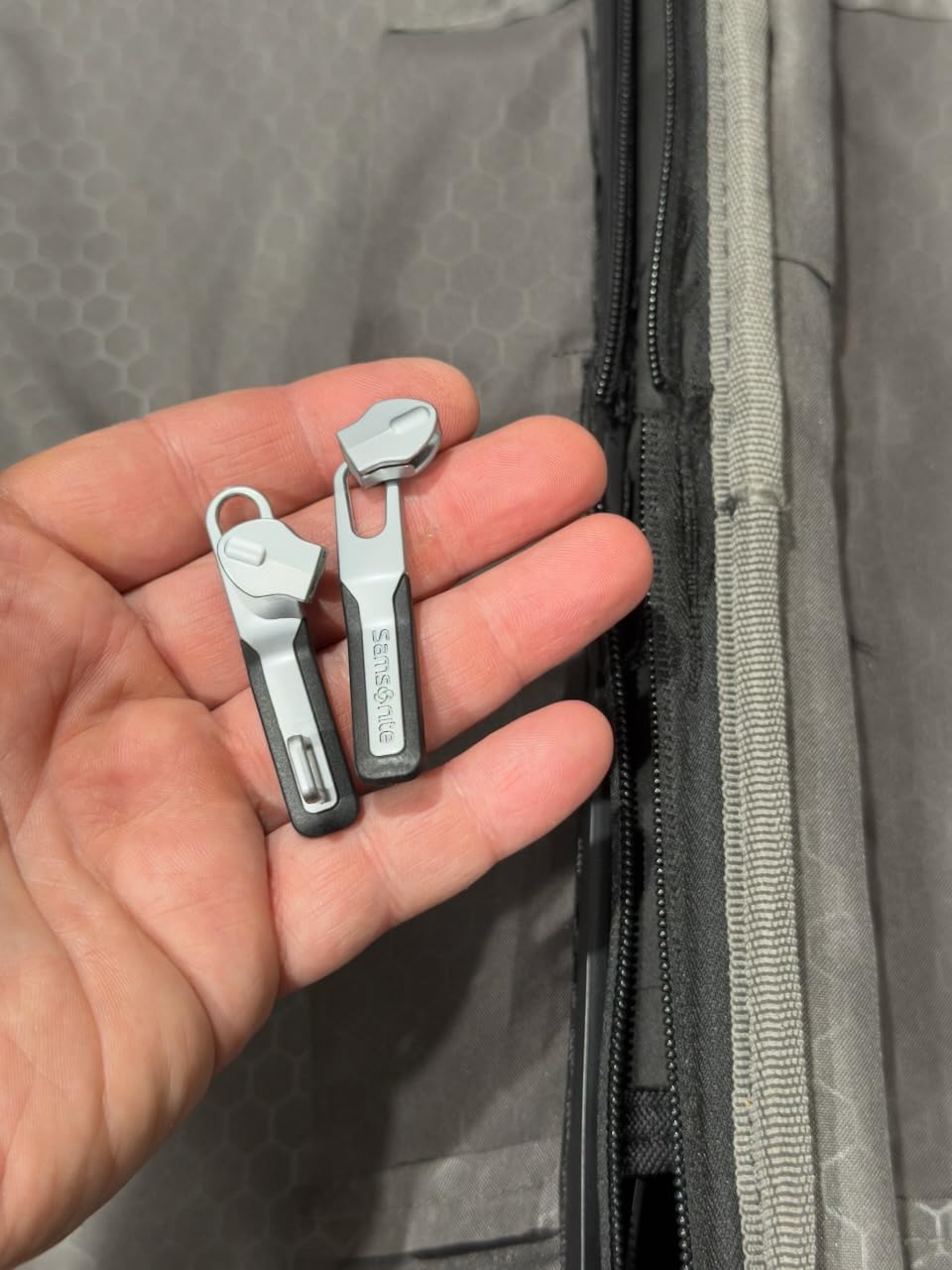
Having a TSA-approved lock built into the frame means the zipper pulls are secured without a loose padlock, and every checkpoint in the world has a master key for it. That removes a small but real failure point, since padlocks get lost inside bags and then the bag is unlocked for the entire remainder of the trip.
It also keeps your carry-on compliant on carriers that require zippers to be closed and secured. The telescoping handle is a standard two-stage unit, which is fine, and the eight spinner wheels roll quietly enough for airport corridors at night.
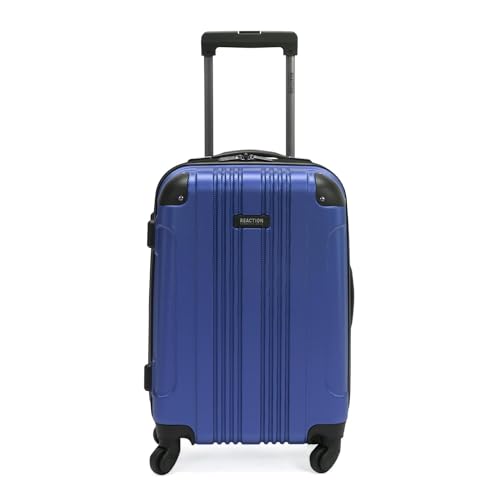
4. Kenneth Cole REACTION Out of Bounds 20-Inch - Best Lightweight Hard Shell
Kenneth Cole REACTION Out of Bounds Lightweight Hardshell 4-Wheel Spinner Luggage, Cobalt Blue...
21.75 by 14.5 by 8.5 inches
6 lb empty
ABS and PC shell
4-wheel 360-degree spinners
+ Pros
- Very light at 6 pounds for a hardshell
- Quiet 360-degree spinner wheels
- ABS and PC shell with molded corner guards
- Limited lifetime warranty from the manufacturer
- Cons
- Listed volume of 16.39 liters looks understated
- Pad lock rather than a TSA-approved combination lock
- Interior lacks a modern compression system
At six pounds empty, this is the lightest hardshell I would consider for international travel, and light weight is the variable that actually gets bags weighed out of the cabin. When a carrier enforces a 7 or 8 kg allowance, every pound of shell is a pound you cannot spend on clothes.
It also has the most generous published height in the group at 21.75 inches, which is unusually restrained for a US-listed carry-on and stays inside the 22 inch European ceiling with a margin worth having.
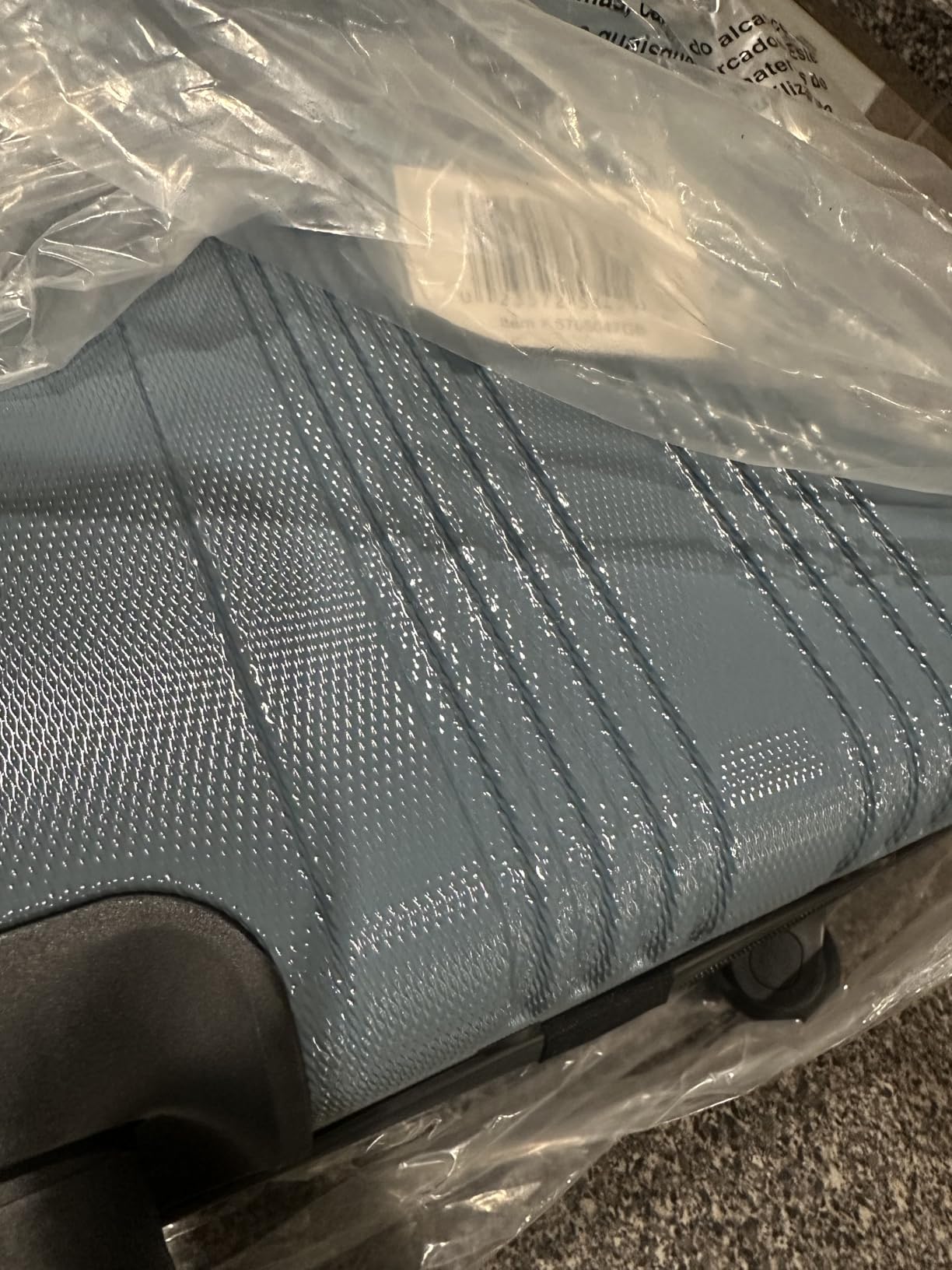
Why 6 Pounds Changes the Math on Strict Weight Allowances
On a carrier with a 10 kg cabin weight limit, a six pound case leaves about 8 kg for everything else. On a stricter 7 to 8 kg carrier, the case takes most of the allowance before you add a laptop, and a 5.4 pound softshell becomes a serious consideration. The light hardshell niche is exactly where the two categories meet.
Weight is also the factor most likely to be silently enforced. Size sizers are visible boxes everyone recognizes, while weighing happens on a scale out of the public eye, which means travelers are rarely prepared for it.
Shell Materials and Corner Protection
The shell combines ABS and polycarbonate rather than pure ABS, and the blend is what makes six pounds plausible without a case that dents on contact. Molded corner guards take the worst of the impact on baggage conveyors, and the tear-resistant polyester lining adds a little abrasion resistance at the seams where hardshells typically fail first.
Owners report smooth, quiet rolling from the four-wheel spinner system, which is a smaller wheel count than most of the premium bags here but means fewer wheels to carry weight and fewer places for a wheel housing to crack.
Reading the 16.39 Liter Figure Carefully
The listed volume of 16.39 liters is implausibly low for a case measuring 21.75 by 14.5 by 8.5 inches, and owners commonly note that the listed number understates reality. Treat the external dimensions as the reliable figure and the liter count as a listing artifact rather than a packing guide.
The interior is a dual-sided layout with compression straps, a hanging zipper pocket and a telescoping trolley handle with push-button release. The included pad lock is not TSA-approved, so if you want agents to open it without cutting, add one of the TSA-approved locks we recommend separately.
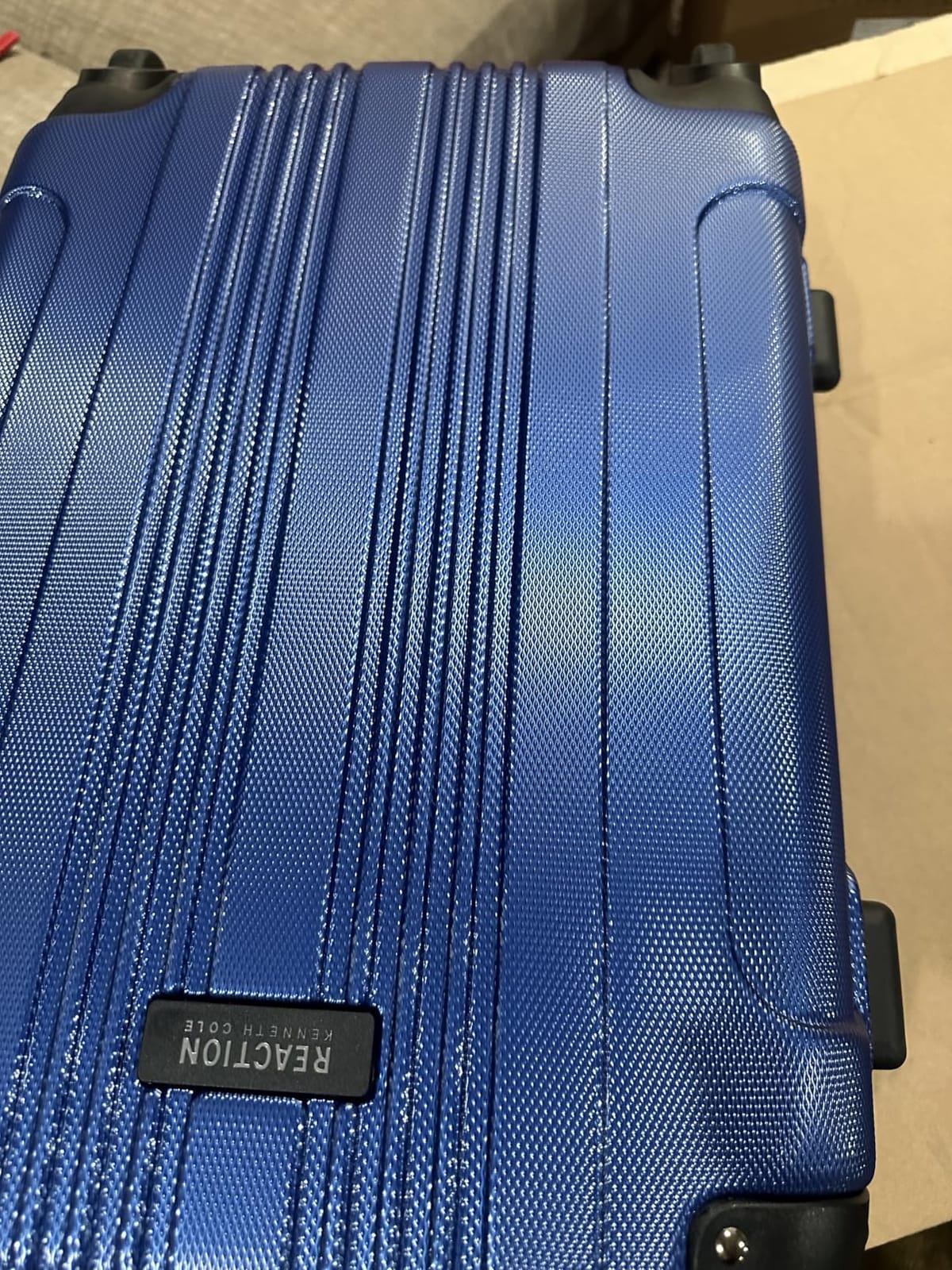
Warranty Scope and What It Skips
The limited lifetime warranty covers defects in materials and workmanship, which is a meaningful commitment for a bag at this level. Read the exclusions carefully, because on most luggage warranties that means wheels, handles and cosmetic damage sit outside the cover, and those are the parts that fail first after several years of airport use.
That is not unique to this bag. It is a pattern worth understanding before you choose any warranty-driven purchase, including the more expensive models.
5. LEVEL8 Grace 20-Inch Expandable Carry-On - Best for Business Travelers
LEVEL8 Carry on Luggage Airline Approved, 20“ Expandable Carry on Suitcase
21.8 by 14.5 by 9.8 inches
9 lb empty
36 to 42 liters
PC and ABS shell with laptop compartment
+ Pros
- Front laptop compartment removes the need for a separate tech bag
- Whisper-quiet 8-wheel spinners
- Built-in TSA lock plus a front compartment lock
- Expands while still fitting overhead bins
- Cons
- Heaviest carry-on in the group at 9 pounds
- Front laptop compartment is shallow for power adapters
- Expanded state can exceed airline limits
The Grace is the only bag here with a front laptop compartment, and for anyone who has stood in a jet bridge unzipping a backpack while a line forms behind them, that feature alone justifies a look. The compartment separates dirty laundry from electronics and removes a bag from your personal item allowance.
It also has the highest average rating among the well-reviewed bags in this group at 4.5 across more than six thousand reviews, which for a bag this feature-heavy is a good sign that the compartment works as advertised.
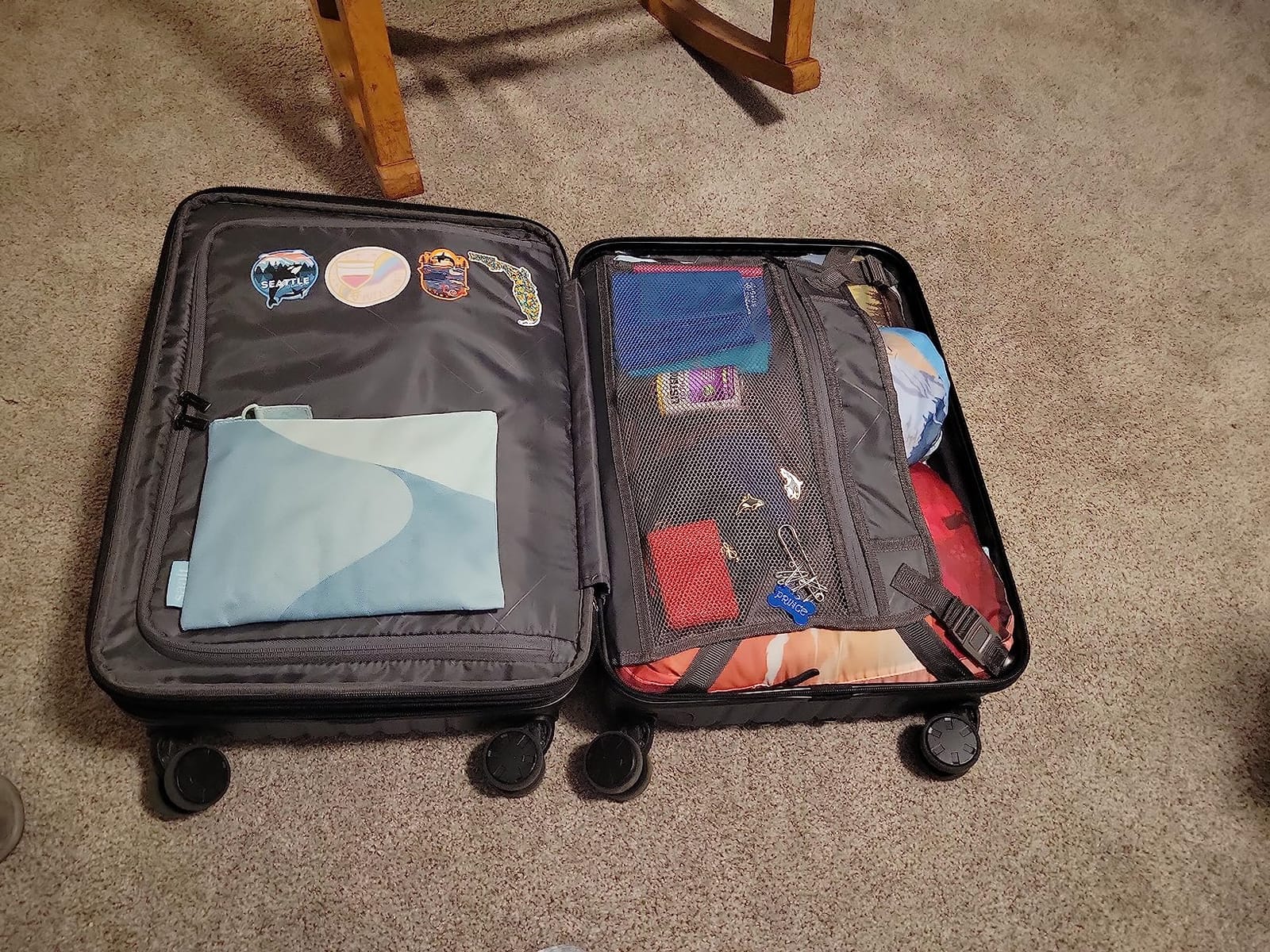
The Front Compartment in Practice
Owners highlight that the front compartment fits laptops up to 15.6 inches with room to spare, letting a business traveler travel with a roller and a small personal item instead of a roller plus a backpack. The separate lock on the front section means the electronics side secures independently of the main case.
The limitation is depth. Laptop power adapters and a cable bag are the reported casualties, so pack those in the main compartment. Treat it as a laptop sleeve that happens to be accessible, not a complete tech kit.
9 Pounds Is the Weight Problem Here
This is the heaviest bag in the roundup, and that matters more than any other spec on this list for international travel. Nine pounds of empty case leaves only about 2.5 kg under a 10 kg cabin allowance once you factor in the personal item, and on a 7 kg carrier it simply will not work.
The extra weight comes from the three-layer PC and ABS micro-diamond textured shell, the aluminum telescopic handle and eight rubber-covered spinner wheels. You are paying for the front compartment in pounds, so choose this bag on routes with a generous weight policy, not for budget European carriers.
Expansion Depth and the 9.8 Inch Baseline
Overall dimensions are 21.8 by 14.5 by 9.8 inches including wheels and handles, and expansion adds a further 1.57 inches. Unexpanded, it sits just outside the strictest 7.8 inch depth limit but comfortably inside the 9 to 9.8 inch range that most US and full-service international carriers use.
Volume moves from 36 to 42 liters across the expansion, which is a meaningful gain on a bag that otherwise reads as compact. The 20 inch class makes it a good fit for 55 x 40 x 23 cm policies and a poor fit for the strictest 20 cm depth rule.
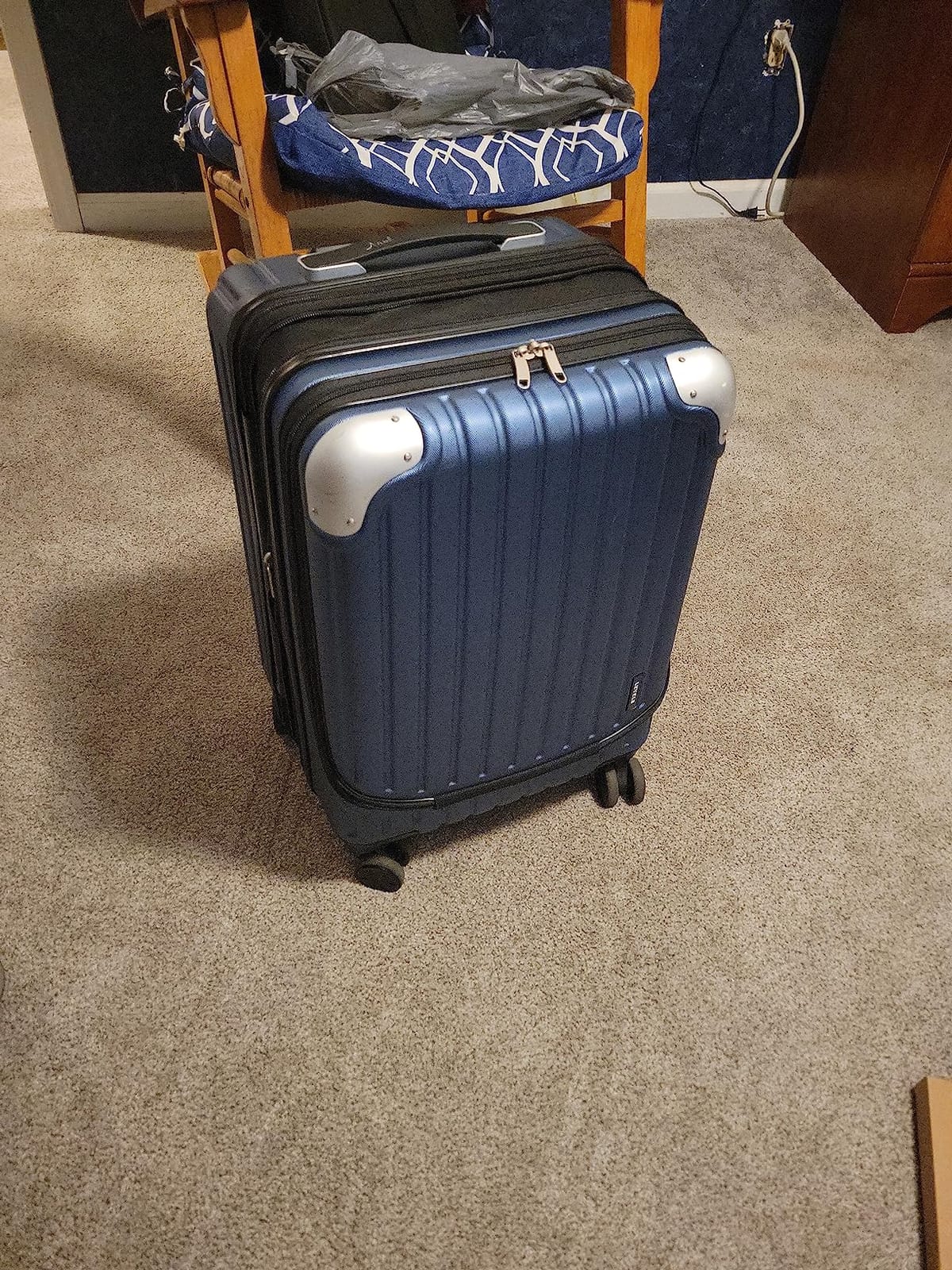
Build Quality and Wheel Noise
Owners report the shell still looks new after repeated trips, and the micro-diamond texture has the same anti-scuff benefit seen on other textured cases here. The eight rubber-covered spinners are the quietest rolling setup in this group, a genuine asset on early flights and late-night connections.
The aluminum telescopic handle adjusts smoothly and the shell is not rated as water resistant, so treat rain carefully at the gate. For most business trips the trade is worth it, because the alternative is carrying a separate laptop bag through every airport on the itinerary.
6. Traveler's Choice Pagosa 22-Inch Hardshell - Best for Interior Organization
Traveler's Choice Pagosa Hardshell Expandable Luggage with Spinner Wheels, Black, 22-Inch Carry-on
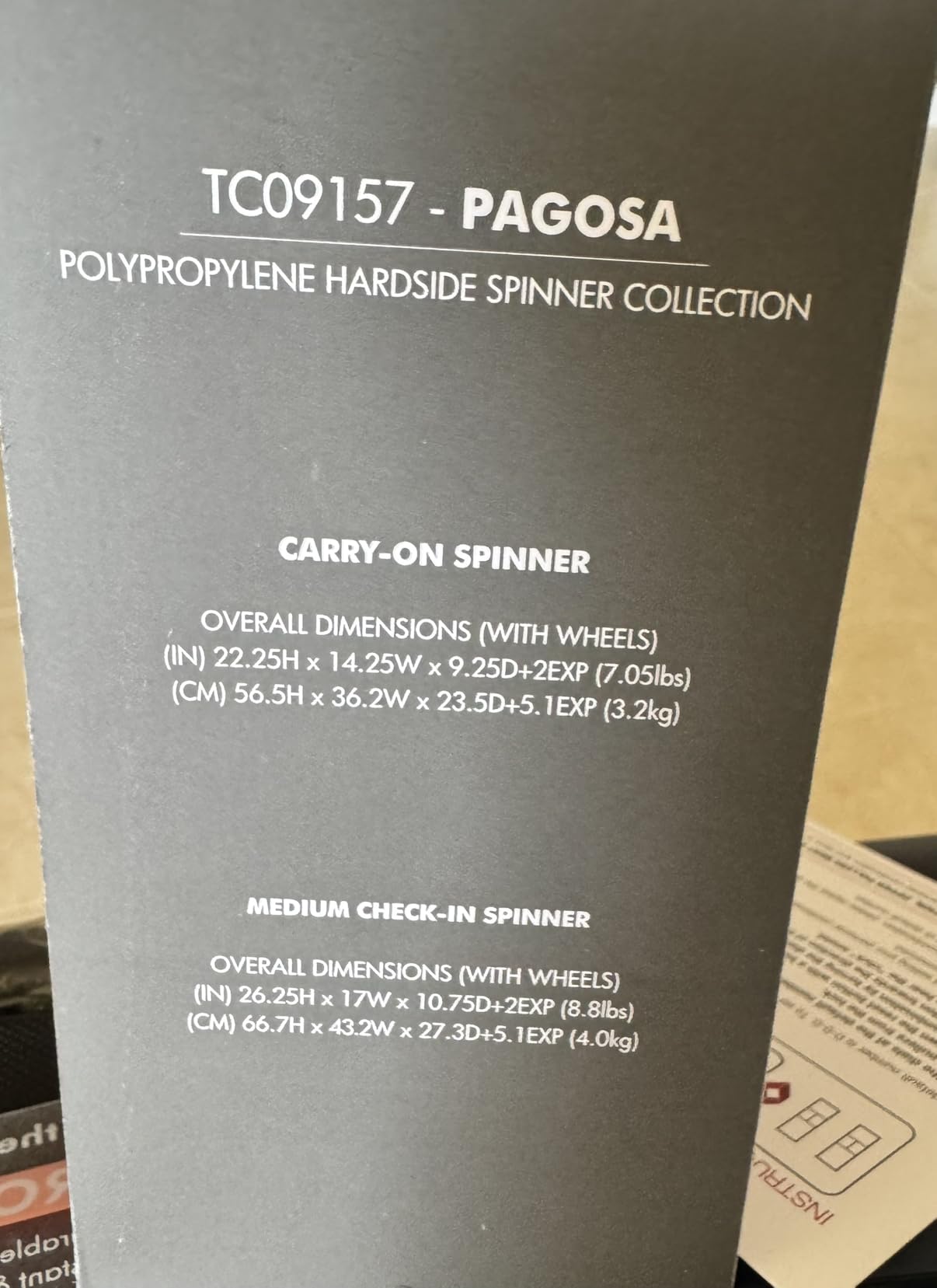
22.5 inch height
6.3 lb empty
37 liters
Polypropylene shell with USB port
+ Pros
- 6.3 pound weight is excellent for cabin weight limits
- Zippered divider and multiple pockets plus a power bank sleeve
- Quiet wheels that handle European stone streets
- Two year warranty
- Cons
- At 22.5 inches it is among the largest carry-ons listed
- Light colors scuff visibly and marks are hard to remove
- No dedicated laptop or tablet sleeve
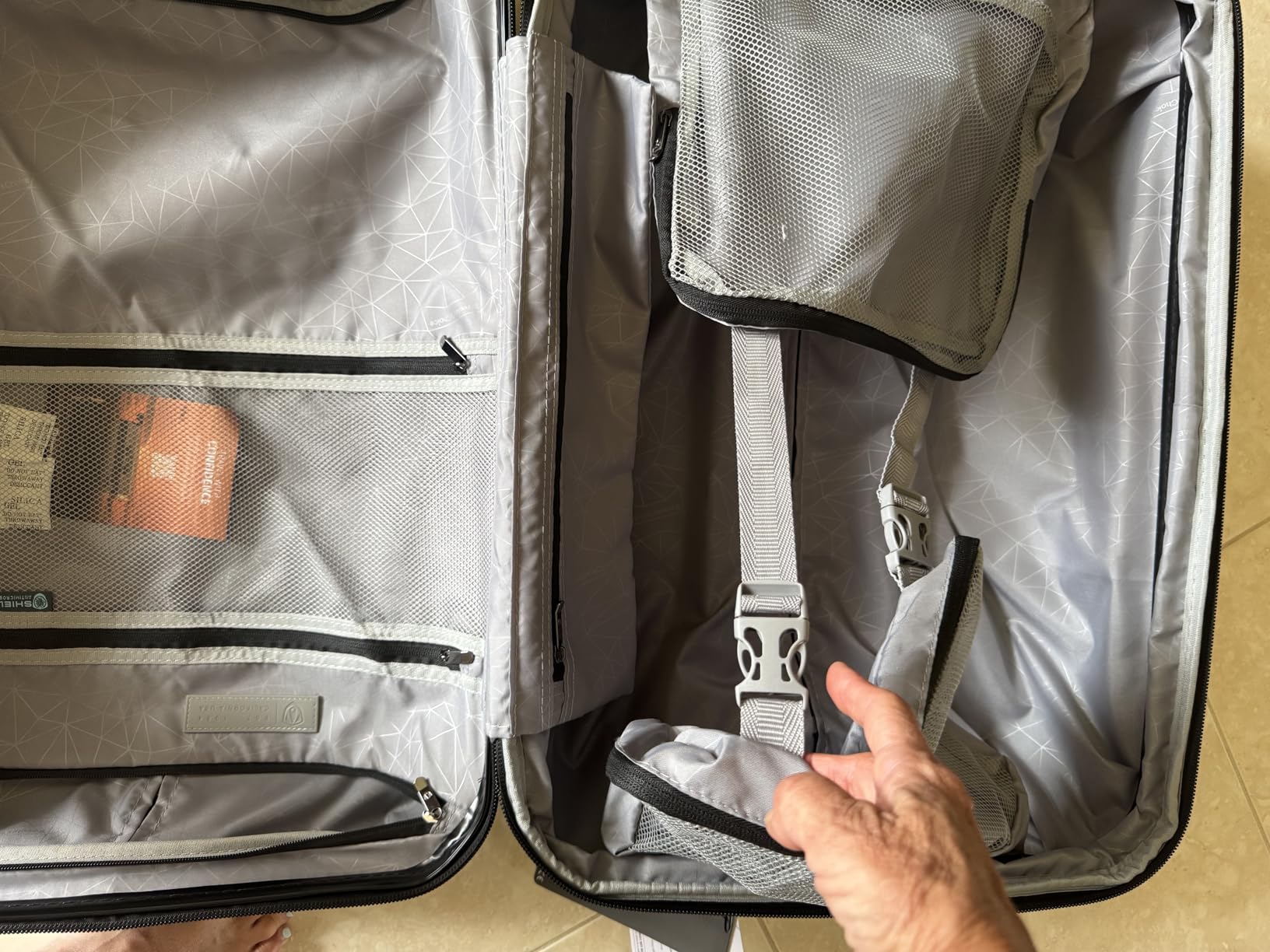
The Pagosa is the most thoroughly organized bag in this roundup, with five pockets, a zippered middle divider and a dedicated power bank sleeve. On a ten-day trip that organization is worth more than another two liters of raw volume, because it is what keeps a packed case from becoming an archaeology project.
At 6.3 pounds it is also among the lightest hardshells here, which is the combination that matters most for a bag that has to clear both a size limit and a weight allowance.
6.3 Pounds and What It Buys You at the Gate
Owners specifically call out the light weight for international travel, and the reason is arithmetic rather than sentiment. At 6.3 pounds the case uses under 3 kg of a 10 kg allowance, leaving more than 7 kg for clothes and still allowing a small personal item on carriers that permit one alongside a roller.
That is the difference between packing for six days and packing for eight on the same bag, and on longer itineraries that is the single most useful thing a light shell does.
Five Pockets, a Divider and a Charging Port
The main compartment has a zippered middle divider, multiple zippered pockets and self-mending number 10 zippers that resist a burst seam when a case is overstuffed. The external USB charging port and interior power bank sleeve are the kind of detail that sounds minor until you are at a gate with a phone at four percent.
A powered port is only useful if you are carrying a power bank, and cabin rules on lithium batteries are strict. Power banks up to 100 Wh are permitted in carry-on baggage and must travel in the cabin, never in checked luggage, so pack yours in the main compartment with the rest of your electronics rather than in a checked bag.
Planning Around a 22.5 Inch Height
This is one of the larger carry-ons in the group at 22.5 inches, and owners note it can be tight in older overhead bins. It fits the standard 22 by 14 by 9 sizing used by several US carriers, which is its home turf, and it clears the 22 inch ceiling used by most full-service international carriers.
On strict European budget carriers you are over the height limit before packing, so this is a bag for routes with a generous bin rather than for a Ryanair or Wizz Air sizer. The 2 inch expansion gusset adds capacity but also depth, so keep it closed until after landing.
Scuffing, Wheels and the Two Year Warranty
The most common complaint is cosmetic: light colors show marks that are hard to scrub out, so a dark colorway is the practical choice for a bag that lives in overhead bins. The wheels, by contrast, get consistent credit for running smoothly over varied surfaces including European stone streets, which is where two-wheel designs struggle.
Warranty coverage is two years, which is shorter than the limited lifetime policies offered by several bags in this roundup. That is the trade for a lighter, more highly organized design at a lower tier.
7. Travelpro Maxlite 5 International Softside - Best for Carry-On Only Packing
Travelpro Maxlite 5 Softside International Carry-On Luggage, Green, 20-Inch
21.75 by 15.75 by 7.75 inches
5.4 lb empty
45 liters
Polyester softside with 2 inline wheels
+ Pros
- Lightest carry-on here at 5.4 pounds
- 45 liters of volume in a small case
- Soft shell flexes so extras can be squeezed in
- Design meets most international carry-on size limits
- Cons
- Two inline wheels are less maneuverable than spinners
- No built-in TSA lock and no hard-shell protection
- Some owners report a stiff telescoping handle
The Maxlite 5 is the bag forum regulars name most often for international carry-on travel, and the reason is the combination of 5.4 pounds and 45 liters in a 21.75 inch footprint. That is more usable volume than most of the hardshells in this roundup with a pound less weight and a shallower profile.
It is also the only softside in the group sized specifically as an international carry-on rather than a US domestic one, and the 7.75 inch depth is one of the few figures here that actually fits the strict 20 cm rule.

45 Liters at 5.4 Pounds Is the Number That Matters
Density is the story here. Forty-five liters in a case that weighs 5.4 pounds means you can pack roughly eight days of clothing in a bag that leaves 4.6 pounds of payload under a 10 kg allowance. No hardshell in this group achieves that combination, and it is why this is the bag I take on two-week trips.
The soft shell is a genuine part of that result rather than a side effect. A polyester shell flexes, so a bulky sweater or a pair of shoes can compress into a gap that would defeat a rigid case, and the expansion compartment adds up to another 2 inches of tapered depth when you need it.
Two Inline Wheels Versus Eight Spinners
The Maxlite rolls on two inline skate wheels, and this is the biggest difference from the rest of the list. Inline wheels handle cobblestones and uneven surfaces more predictably, they will not roll away from you on a sloped jet bridge, and there is no wheel housing to crack. They are simply harder to steer in a crowded terminal, and a bag on two wheels leans rather than glides.
For a traveler moving through long airport corridors and cobbled European streets, that is a fair trade. For a traveler rushing a tight connection with a heavy load, four or eight spinners are simply easier to control.
21.75 by 15.75 by 7.75 Inches and Why Depth Is the Hiding Place
Height and width sit inside the common standard, and the 7.75 inch depth is genuinely compliant with the strict 7.8 inch international limit. Compare that to the 9.8 inch bags in this group, and you can see why softside designs pass European sizers more often than hardshells do.
Depth is where compliance usually breaks, not height. A hardshell that measures 22 by 14 by 9 inches fails a 20 cm rule on depth alone, and it fails while still looking like a normal carry-on. This bag does not have that problem unexpanded. Keep the expansion compartment zipped until you land.
Locking, Handling and the Warranty
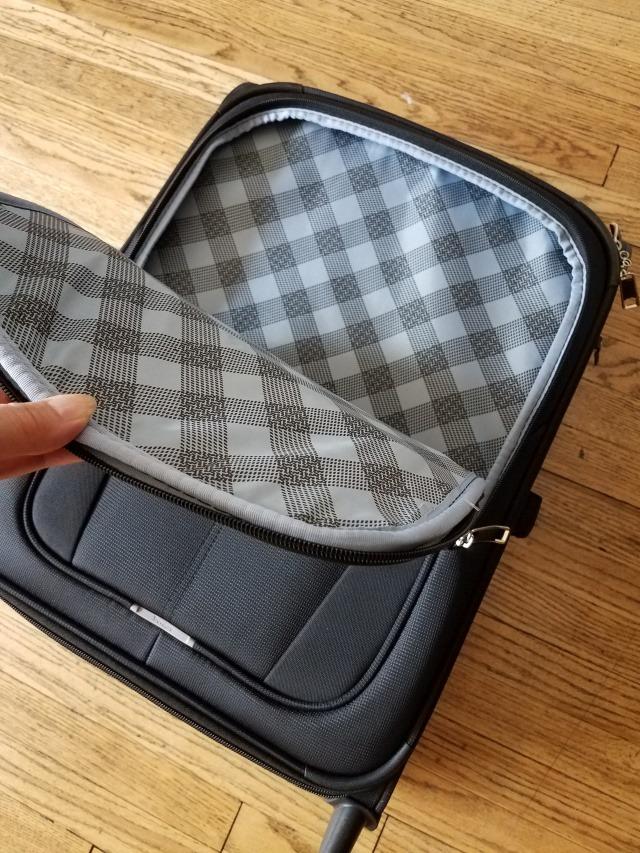
There is no built-in TSA lock, since the closure is a zipper rather than a frame, and you need a padlock if you want the bag secured. The handles are at the top, side and bottom, so lifting it into a bin is easy from any angle, and the exterior pockets give quick access to documents without unzipping the case.
Warranty coverage is limited lifetime for defects, and owners who register the bag also get airline damage coverage through the manufacturer program for a period, which is unusually valuable on international routes where bags are handled hardest. The number of reviews is a healthy base for a long-running model rather than a recent release with thin data.
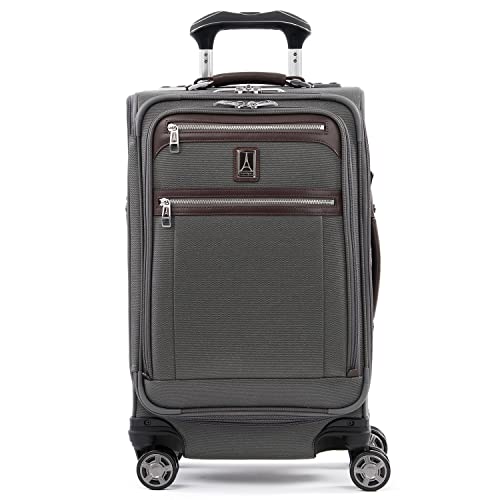
8. Travelpro Platinum Elite 21-Inch Spinner - Best for Frequent Flyers
Travelpro Platinum Elite Carry-On Luggage Spinner, Grey, 21-Inch
23.5 inches overall
7.7 lb empty
46 liters
Softside with self-aligning spinner wheels
+ Pros
- Self-aligning wheels glide over European cobblestones
- Sturdy telescoping handle holds up under stacking
- Large wheels plus top side and bottom handles aid lifting
- Limited lifetime warranty with airline damage coverage
- Cons
- Most expensive carry-on in the group
- Stiff zippers when the bag is packed fully
- 23.5 inch overall height is sized for US overheads
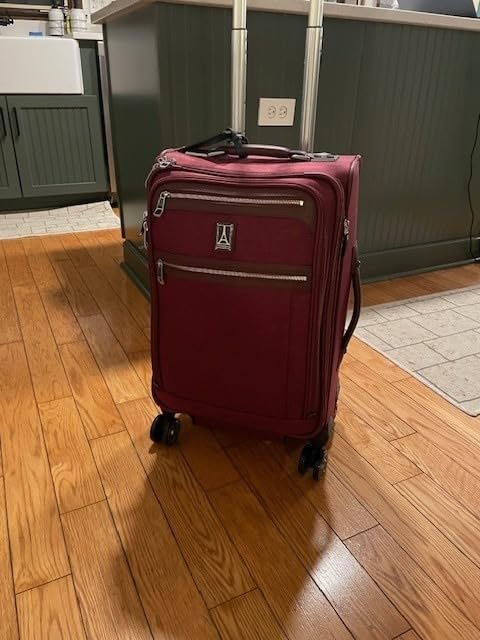
The Platinum Elite is the premium softside, and it exists for people who take ten or twenty flights a year rather than two. The self-aligning wheel system, the aluminum handle and the warranty coverage are the parts that matter at that frequency, and the 46 liters means a long trip fits without forcing the expander.
It is also the most expensive bag in this roundup by a wide margin, which is why I would pair it with a specific kind of traveler. Someone flying monthly into the same two cities and replacing a bag every few years will get more from this than from any hardshell here.
Self-Aligning Wheels on Cobblestone and Tile
The patented Precision Glide system uses dual spinner wheels that rotate into alignment rather than trailing behind the case, which is what produces the smooth, self-correcting glide owners describe over European cobblestones. On two wheels or on misaligned spinners, that same surface becomes a fight, and this is where the premium tier earns its cost.
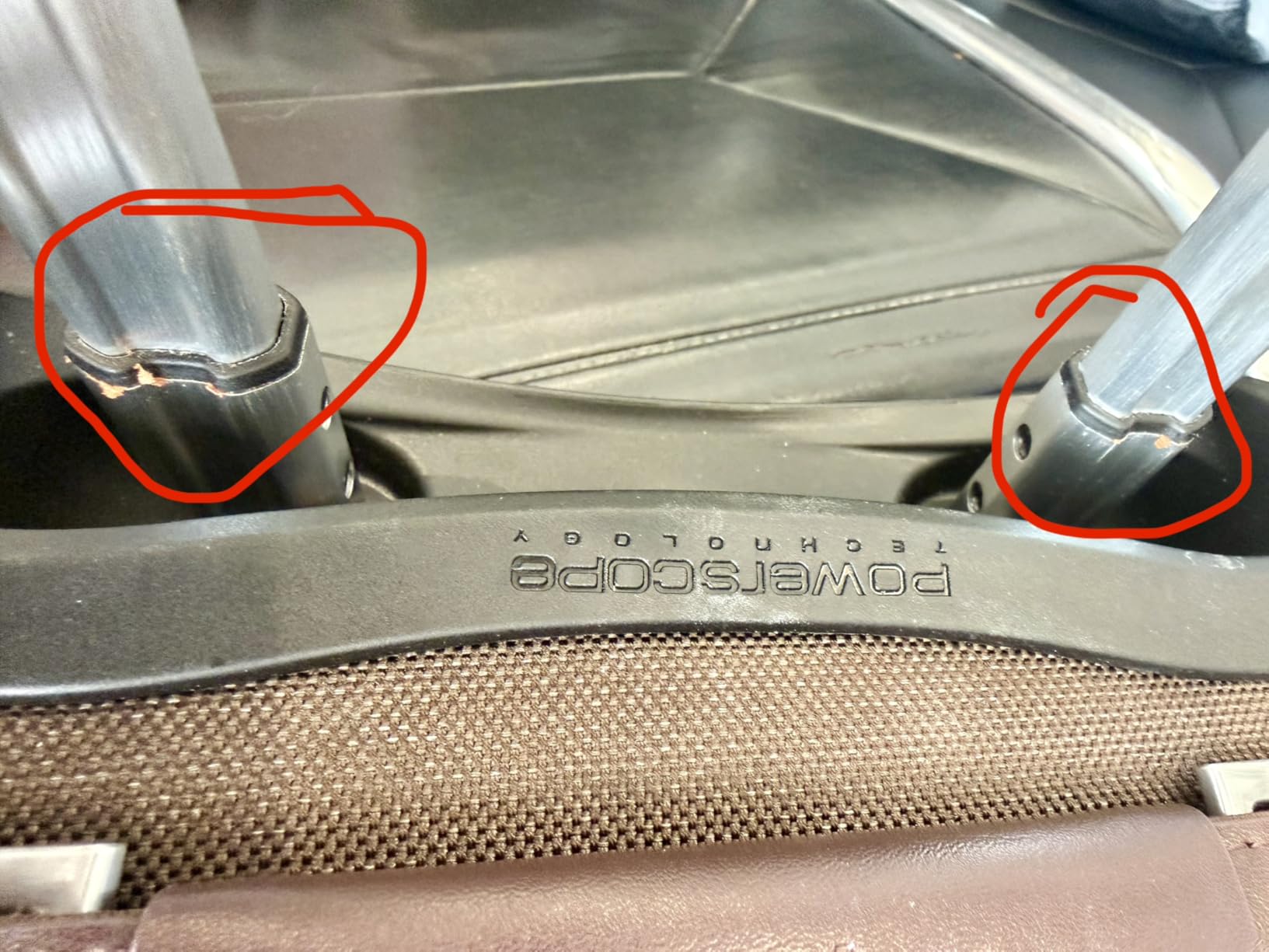
The four-stop handle extension lets you set the height precisely rather than picking between two positions, and owners report that it stays rigid when another bag is stacked on top in the trunk of a shuttle bus.
The 23.5 Inch Problem for International Routes
Overall dimensions are 23.5 by 14.5 by 9 inches, with a 21 by 14 by 9 inch case inside that. The manufacturer states it is sizer-bin tested, and it is a genuinely excellent bag on US domestic routes, but 23.5 inches exceeds the 22 inch ceiling used by most international carriers.
That is the single reason this bag does not rank at the top of this list, and it is not a small distinction. If your flights are mostly transatlantic or domestic, the size is fine. If you are hopping European budget carriers, this is the wrong tool and the expansion makes it worse.
46 Liters, Tapered Expansion and the Zipper Issue
Forty-six liters is a long-trip number for a carry-on, and the soft shell with 2 inches of tapered expansion packs noticeably more than a rigid case of the same height. The drop-in suiter, tie-down straps and removable wet pocket cover the packing problems that appear on trips longer than a week.
The recurring complaint is zipper stiffness when the case is overfilled, which is a fair criticism for anyone who packs to the expansion limit. External USB ports and a dedicated power bank pocket add convenience, though the power bank itself is not included, and remember that a battery in the cabin must stay in the cabin.
Warranty Reality on a Premium Bag
Limited lifetime coverage plus registered airline damage protection is a stronger package than most competitors offer, and owners report successful replacements. Even so, warranty support is the area where experiences vary most on premium luggage, so read the terms on wheels and handles before you rely on it.
My advice for anyone buying at this level: register the bag, photograph it before the first flight, and keep the serial number somewhere outside the bag. That takes five minutes and it is the difference between a warranty claim and an argument.
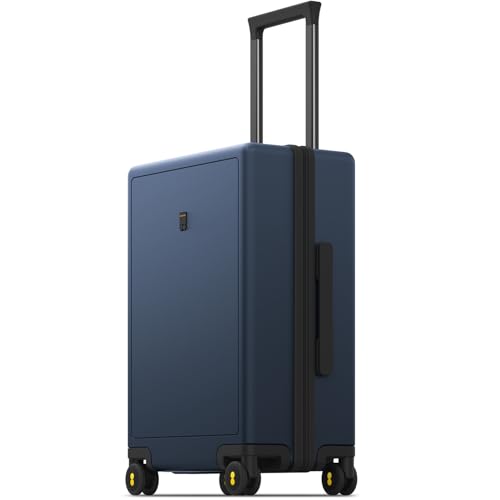
9. LEVEL8 20-Inch Polycarbonate Carry-On - Best Durable Polycarbonate Shell
LEVEL8 Hard Shell 20 Inch Carry on Luggage Airline Approved, Polycarbonate
21.5 by 14.5 by 9.2 inches
7.7 lb empty
40 liters
Three-layer polycarbonate shell
+ Pros
- Polycarbonate shell resists impact better than ABS
- Quiet ball-bearing spinners on cobblestone and tile
- Boxy shape maximizes usable interior volume
- Four-level handle adjustment suits different heights
- Cons
- Shell scuffs noticeably if the bag is checked
- Some units reported early interior stitching wear
- Handle housing reduces usable interior space
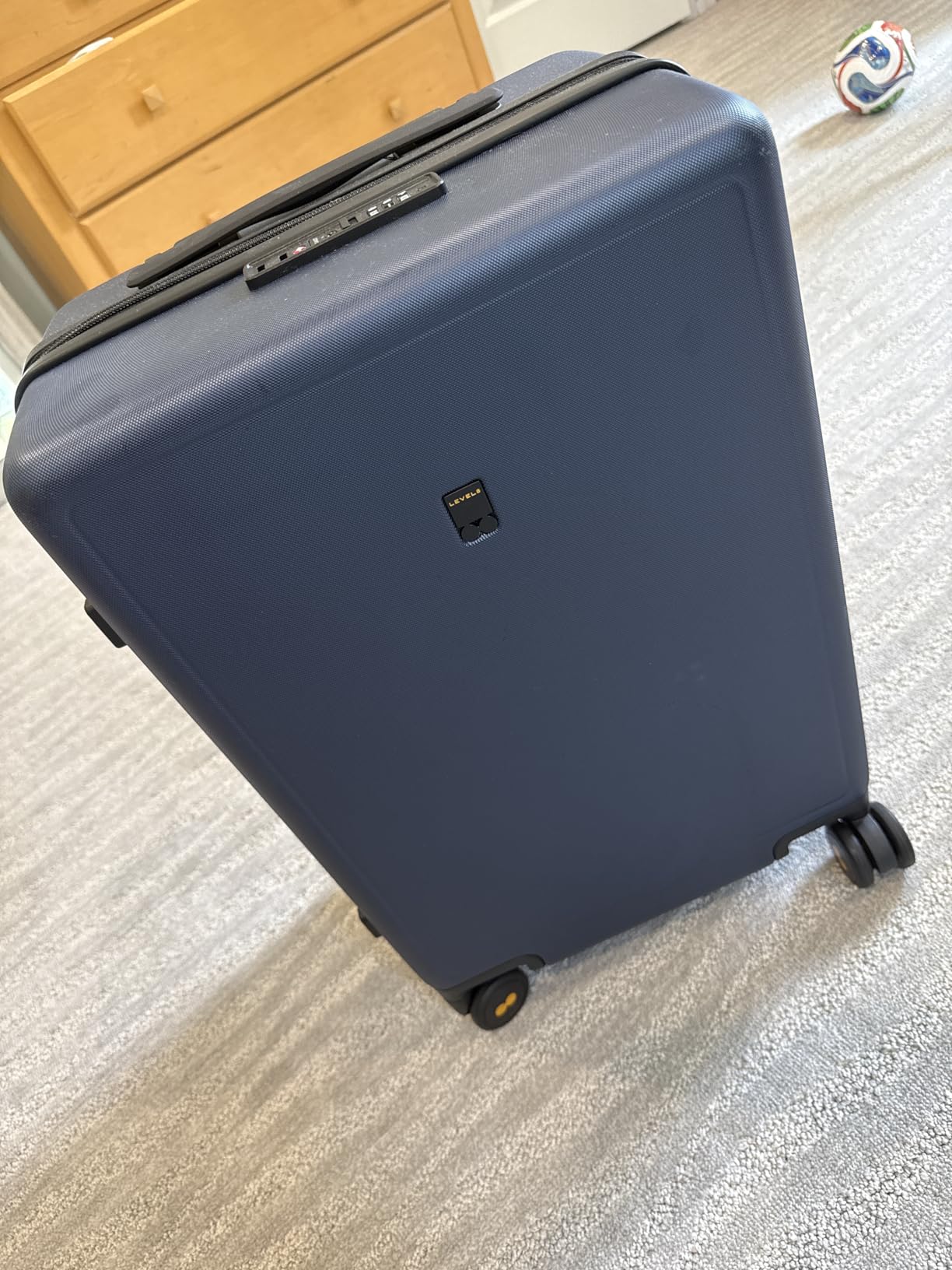
This is the highest-rated bag in the roundup at 4.6, and the reason is not a single feature but a build quality that owners consistently describe as a tier up. The three-layer polycarbonate shell is the tough, slightly flexible material used on premium luggage, and it behaves very differently from ABS when a bag is dropped, kicked or dragged.
It is also one of the more compact options here, at 21.5 by 14.5 by 9.2 inches, with 40 liters of space. That combination of strong shell, quiet wheels and a shape that fills an overhead bin efficiently is why I keep recommending it for long-haul itineraries.
Polycarbonate Versus ABS in Real Handling
Polycarbonate is less brittle and more impact resistant than ABS, and the difference shows up in exactly the situation most travelers fear: a bag turned onto its side on a conveyor, or a wheel housing taking a hit from a kerb. ABS absorbs the shock by flexing permanently, and the case slowly loses its shape. Polycarbonate flexes and springs back.
The trade is weight, since polycarbonate shells here total 7.7 pounds. If you are flying carriers that only enforce size and ignore weight, that is an easy trade. On a strict 7 kg cabin allowance, the light 6.3 pound hardshell is the smarter pick.
The Boxy Shape and 40 Liters of Usable Space
Rounded shells look better and waste space. This case is deliberately boxy, which means the internal volume converts to packing space more efficiently, and owners note that clothes and a shoe pair fit where curved cases leave a dead zone at the corners.
The split-case interior has two fully lined compartments with zippered mesh pockets for small items, and the handle housing does intrude into the main compartment, taking a slice of usable depth near the top. Minor, but worth knowing if you pack a tall item against the back panel.
Quiet Spinners and Four-Level Handle Adjustment
Eight universal spinner wheels with stainless ball bearings are described as exceptionally quiet over cobblestone and tile, and top and side grab handles plus bumper feet make lifting into a bin straightforward. Four-level handle adjustment covers a wider height range than the two-stage handles common in this group, which matters for a traveler who is much shorter or taller than the average.
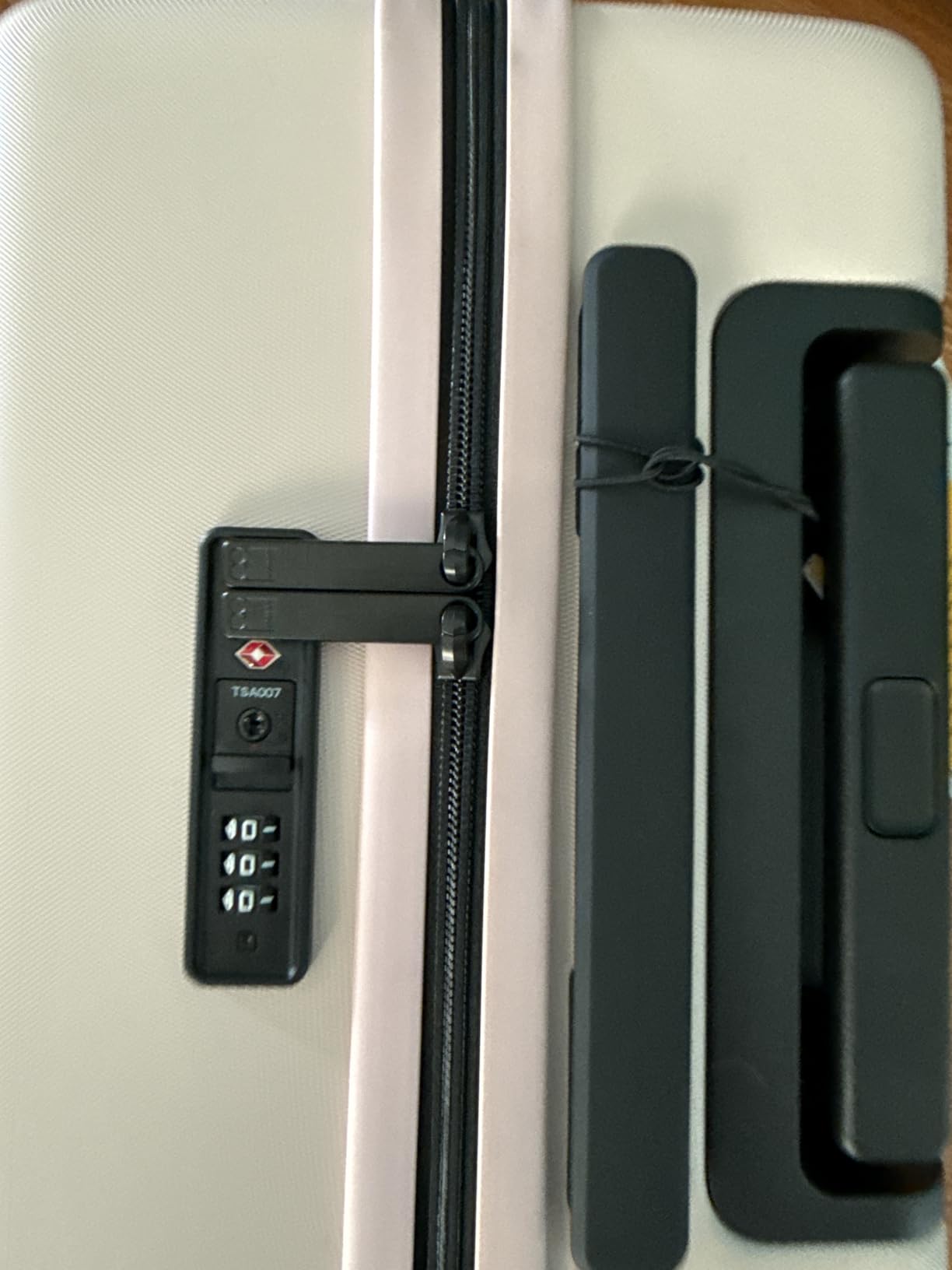
The built-in TSA-approved combination lock and smooth-glide zippers cover the security angle without extra gear. If you carry spare lithium batteries, note that they must remain in the cabin, and the mesh pockets make them easy to isolate at security.
Scuffing and the Stitching Reports
The main drawback is cosmetic. A polycarbonate shell scuffs visibly if the bag is ever checked, and since the reason to buy this bag is durability, that is a real mismatch between expectation and outcome. Keep it in the cabin and the finish holds up well.
Some units reported interior stitching tearing early, though the manufacturer replaced them, so this reads as a production variance rather than a design flaw. The review base is smaller than most of the group, which is the main reason this sits lower on the list despite the strongest rating.
10. LUGGEX 20-Inch Zipperless Carry-On - Best for a Zipperless Build
LUGGEX 20 Inch Zipperless Carry On Luggage, Charcoal Metallic
22 by 14.6 by 9.6 inches
9 lb empty
36 liters
Polycarbonate with aluminum frame
+ Pros
- One-button zipperless opening removes zipper jams
- One-piece molded aluminum frame resists deformation
- Spring-loaded wheels dampen vibration while rolling
- TSA-approved lock and 10 year warranty
- Cons
- Heaviest option in the group at 9 pounds
- Zipperless design cannot be expanded or compressed
- Smallest review base here for long-term feedback
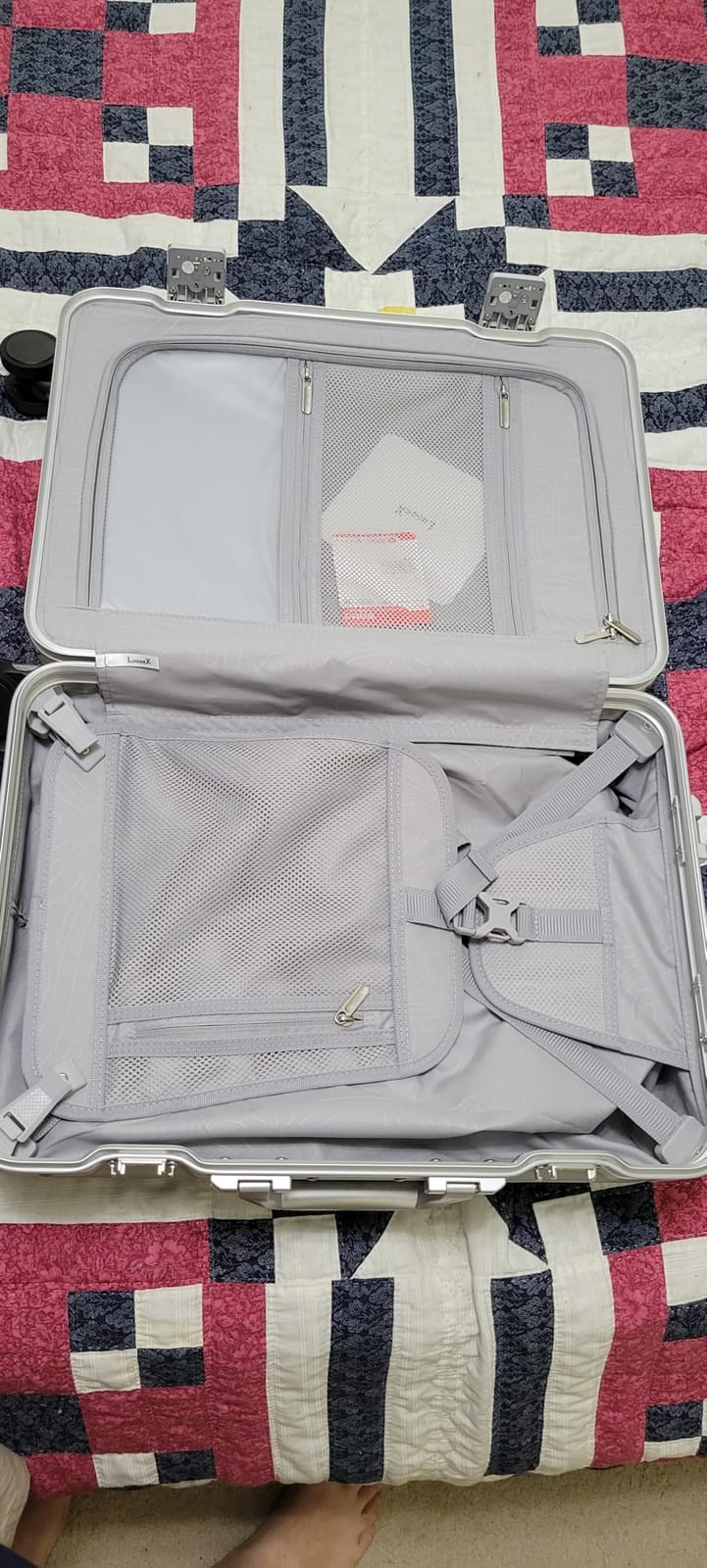
Every hardshell in this roundup has a zipper, and every zipper is a failure point. They jam in humidity, they burst when overpacked, and a split zipper on a bag checked at a connection means a trip ruined. The LUGGEX removes that variable entirely with a one-button opening and a molded aluminum frame.
It is the most substantially built bag here, with a frame and four aluminum corner guards rather than shell alone carrying the impact load. The trade is weight, and at 9 pounds this sits alongside the heaviest hardshell in the roundup.
What a Zipperless Frame Actually Solves
The case uses a one-piece molded aluminum frame, so the shell is held in a rigid structure and opened with a single button rather than a zipper pull traveling around three sides of the bag. That eliminates the two most common hardshell complaints, which is a genuine reliability advantage for a bag that gets handled by strangers dozens of times a year.
The four aluminum corner guards are reinforced with the same frame, and those corners are what take the punishment in a baggage hold. It is the same engineering logic as a rollaboard frame, applied to a modern spinner case.
9 Pounds and the Weight Allowance Question
External dimensions are 22 by 14.6 by 9.6 inches with a 9 pound empty weight, and both figures push toward the edges of common international limits. Height clears the 22 inch ceiling, and depth sits inside the 9 to 9.8 inch range most full-service carriers use, but it is beyond the strict 20 cm depth rule.
Weight is the bigger issue. At 9 pounds, a 10 kg cabin allowance leaves roughly 4.5 kg for clothes and any personal item, which is workable for short trips and tight for a week. If your carrier enforces 7 to 8 kg, this bag is not compliant before you pack.
Spring-Loaded Wheels and a 10 Year Warranty
The wheels use built-in springs to reduce vibration, which is the quietest ride in this group and absorbs the rattle of cobblestone and tile better than rigid mounts. Owners also point out the 100 percent polycarbonate shell as tougher and more resilient than the ABS and PC blends used elsewhere in the roundup.
Warranty coverage is 10 years, the longest stated term among these twelve bags, and the TSA-approved lock has a dual-side press with one-button opening so agents can open it without forcing anything.
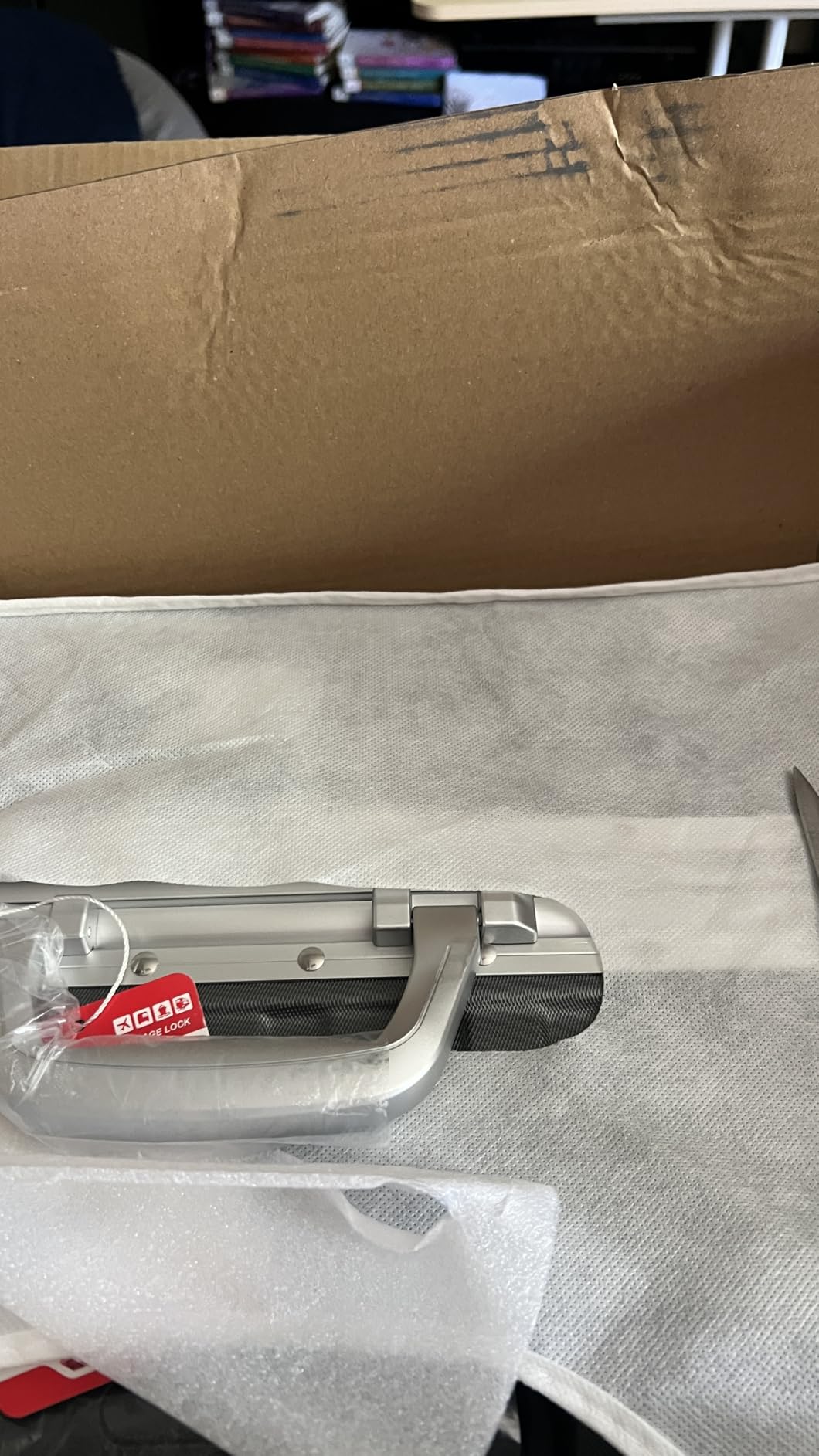
No Expansion, and Why That Is a Feature Here
A zipperless frame cannot expand or compress, and owners who switched from an expandable case tend to describe that as a relief rather than a limitation. There is no gusset to be left open at the gate, which means the dimensions you measure are the dimensions the sizer sees.
The base volume is 36 liters, which is a little below the softside options here, and the smaller review base means less long-term data than most bags in this roundup. For a traveler who values reliability of the mechanism over capacity, that is a reasonable trade.
11. Travelpro Crew Classic 21-Inch Softside - Best for Large Soft-Side Capacity
Travelpro Crew Classic Softside Carry-On Luggage, Blue, 21-Inch
23 inches overall
7 lb empty
47 liters
Polyester softside with 8 spinner wheels
+ Pros
- 47 liters is the largest softside capacity here
- Eight MagnaTrac spinners minimize wobble
- Removable compression organizer doubles as a divider
- DuraGuard fabric resists stains and abrasion
- Cons
- Smallest review base in the group under 700
- Soft shell offers no protection against crushing
- 23 inches overall is close to the height ceiling
Forty-seven liters is the largest capacity in this roundup, and it arrives with eight spinner wheels and a removable compression organizer. For a two-week trip or an extended stay where you carry on, that combination of volume and organization is the reason to pick this bag.
It is also the newest-looking release here with the smallest base of owner feedback, so I would treat it as a strong option on the spec sheet with less long-term evidence behind it than the established models above it.
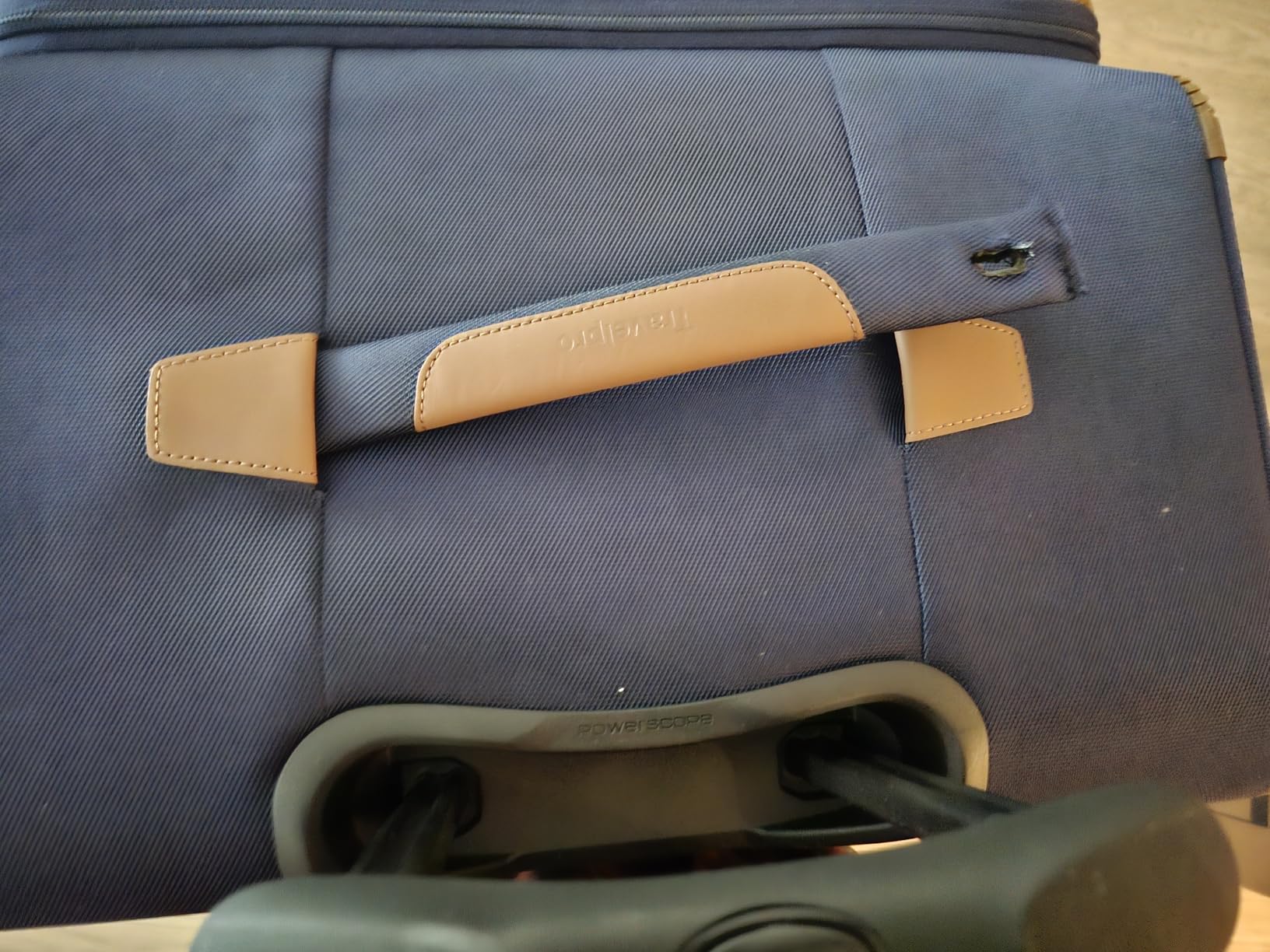
47 Liters and What Fills It
The interior is 20.5 by 13.75 by 9 inches at the case level, and the removable compression organizer doubles as a divider so you can pack one half as a compressed block and leave the other accessible. On a long itinerary that turns an overfilled softshell into an organized one, and it compresses loose clothing enough to claw back several liters of effective space.
Softside tapered expansion adds up to 2 inches, which on a 47 liter base is real capacity rather than a gimmick. Keep it closed before the gate, since expansion is exactly what pushes depth past the sizer.
Eight Spinners in a Soft-Side Case
This is unusual, and it is the main reason this bag behaves like a hardshell in terminals. Most softside rollers use two inline wheels, so a soft case with eight MagnaTrac spinners stays upright and steers in a crowd, which is valuable on a long connection where you are moving fast with a heavy bag.
The PowerScope aluminum handle adjusts through four heights, 36, 38, 40 and 42.5 inches, with a Contour Grip at the top. Owners report stable, low-wobble rolling, and the water-resistant DuraGuard exterior shrugs off the coffee and rain that a light fabric shell would absorb.
23 Inches Overall Against the Height Ceiling
Overall dimensions are 23 by 14.5 by 9.5 inches, and the manufacturer states it meets airline carry-on sizing. On full-service international carriers with a 22 or 23 inch allowance it clears easily, and on a strict 20 cm depth rule the 9.5 inch depth is over by a meaningful margin.
That places it firmly in the generous-bin category rather than the strict-sizer category, which is the same caveat that applies to most of the larger softshells in this roundup. If your itinerary is dominated by full-service carriers, the capacity is worth the size. If not, choose a shallower case.
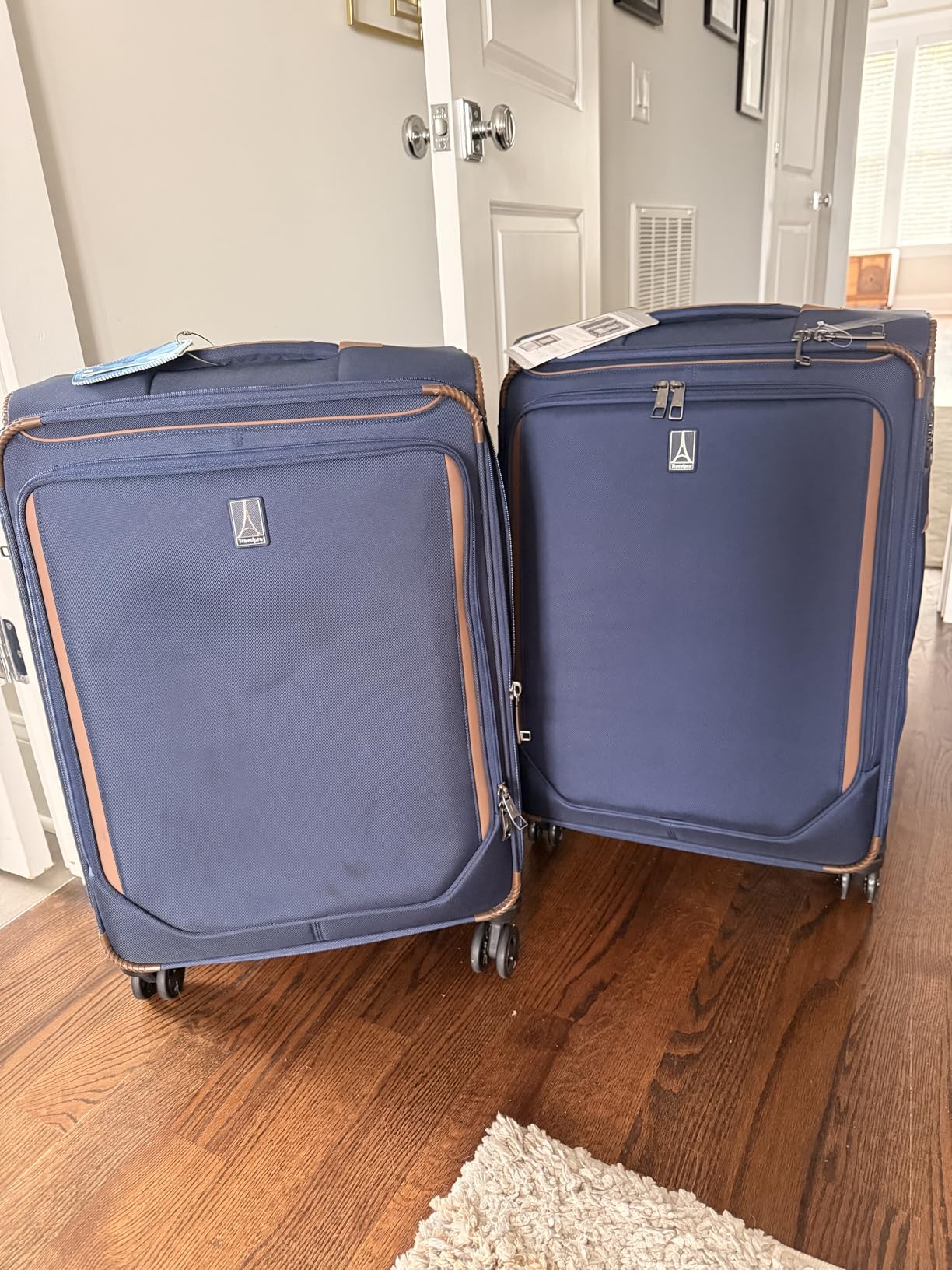
Warranty Coverage and the Review Base
Coverage is limited lifetime for defects plus three years of airline damage repair when the bag is registered, which is strong on paper and specifically relevant to international routes. The interior lining is made from recycled post-consumer plastic, and it is water resistant, which matters more than it sounds when a bottle of sunscreen finds its way into a side pocket.
With fewer than seven hundred reviews, the long-term picture is still forming, and owner feedback on handle longevity and zipper life will accumulate over the next few years. Everything on the spec sheet is credible; what we cannot yet verify is durability over a decade.
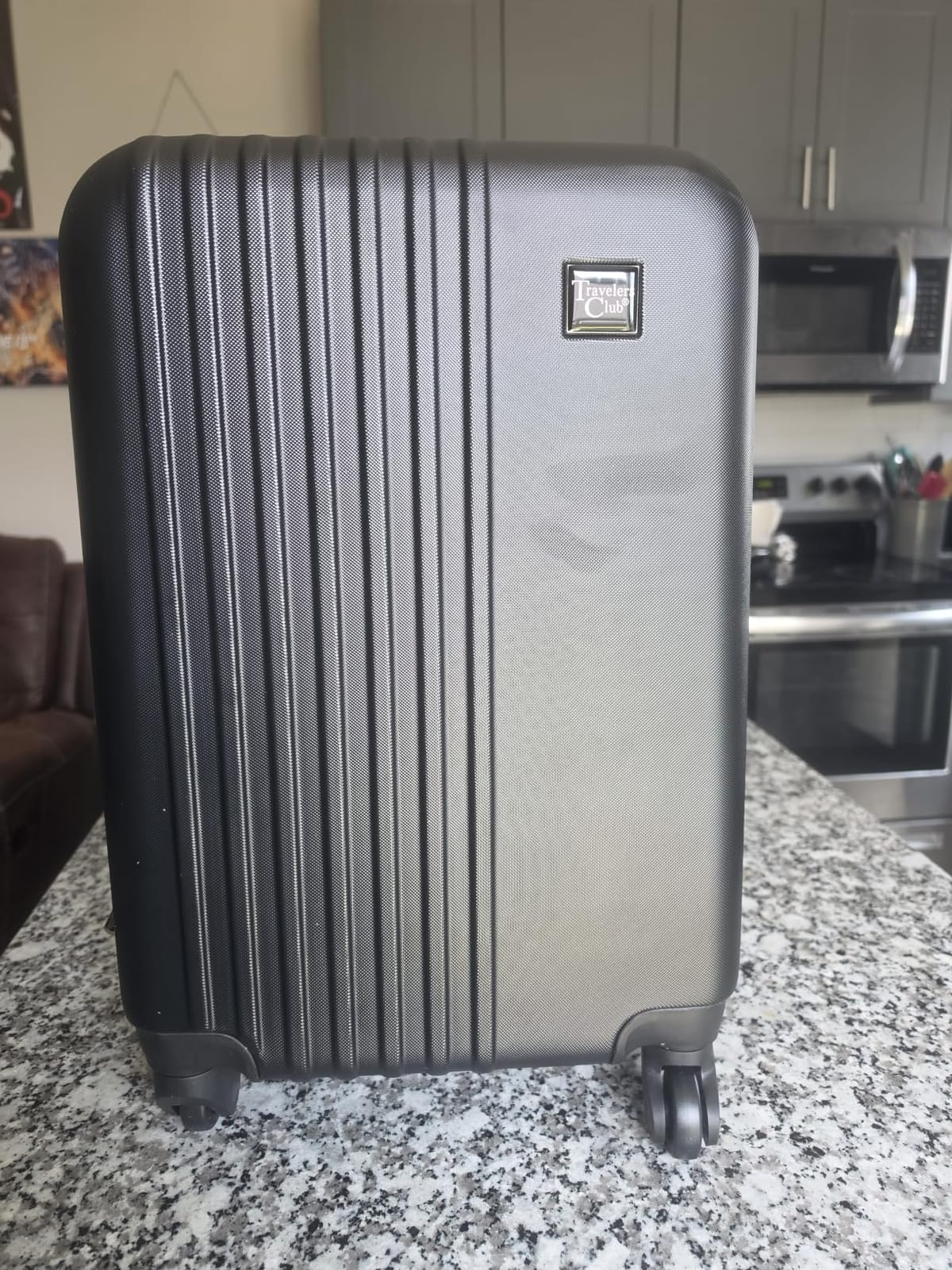
12. Travelers Club Cosmo 20-Inch Carry-On - The Budget Pick
Travelers Club Cosmo Luggage, Fern Green-20, 20-Inch
19.5 inch body height
6 lb empty
37 liters
ABS hard shell with 4 spinner wheels
+ Pros
- Lowest entry cost here while keeping a spinner hardshell
- Light at 6 pounds and easy to manage solo
- Fully lined interior with dividers and compression straps
- Many colors so the bag is easy to spot on the carousel
- Cons
- Some owners report handle failures within a week
- Combination lock sometimes missing from the shipped unit
- ABS shell feels light next to polycarbonate cases
The Cosmo is the most compact bag in this roundup at 19.5 inches before wheels, and that deliberate restraint is why it works on strict European carriers where several bags above it do not. It is the answer for anyone who wants a hardshell spinner without spending much.
At six pounds it is light, at 37 liters it holds a genuine week of clothing, and owners who use it as a cabin-only bag report that it still looks new because it never sees a conveyor.
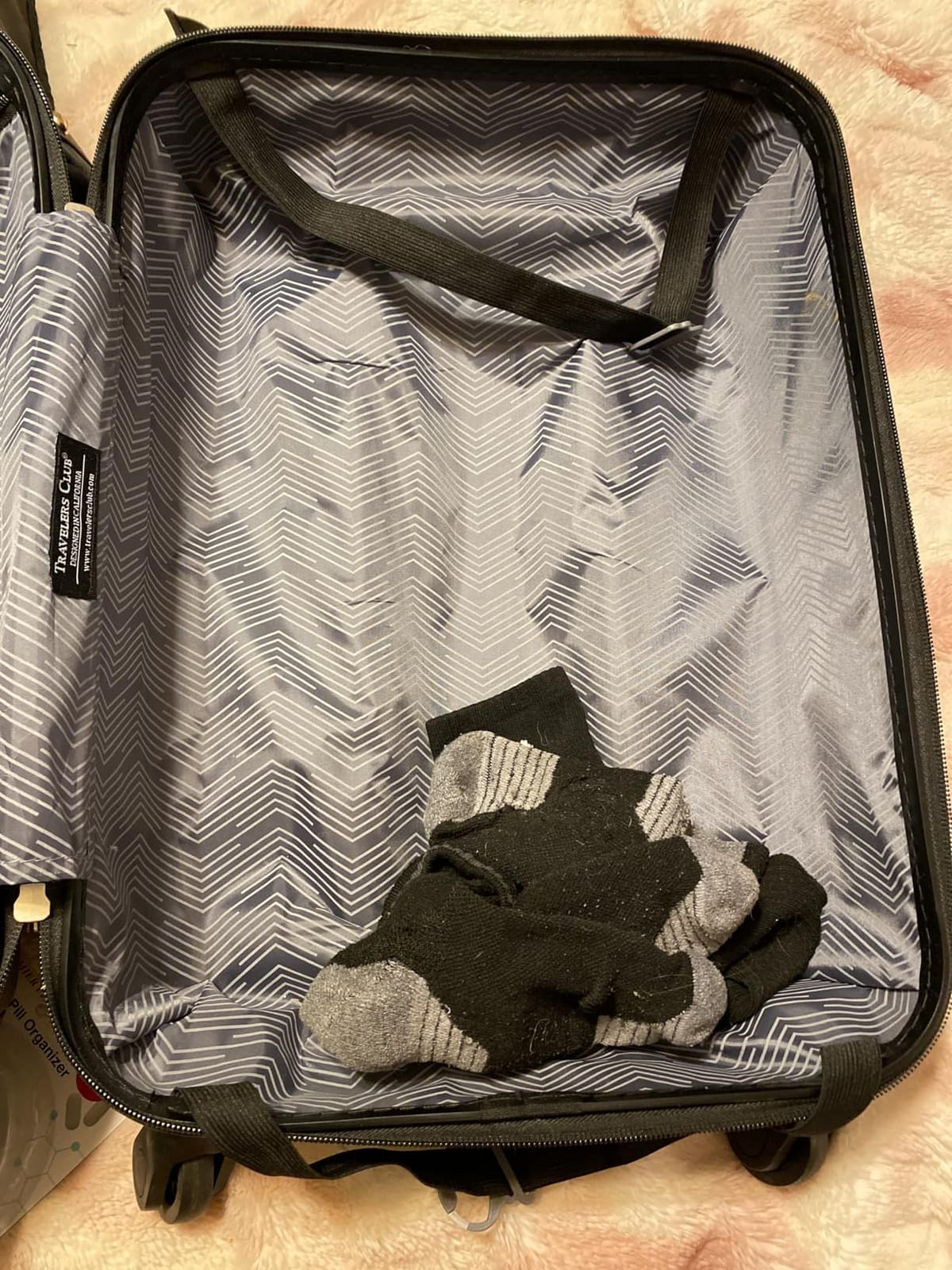
Why 19.5 Inches Is the Smart Number Here
The body measures 19.5 by 13.5 by 8.5 inches, and with wheels and handle added you land close to the 21 to 22 inch range. That keeps it inside the 55 x 40 x 20 cm standard with more margin than any other budget hardshell in this roundup, which is the entire argument for it.
For a traveler flying budget European carriers where a two centimeter overage triggers a gate check, a bag that is compliant by design is worth more than one that is compliant only with a small tolerance. Forums consistently make the same point, and this bag is built to it.
37 Liters of Packing Space at 6 Pounds
Thirty-seven liters is more than the 34 liter bags in this group while weighing the same as the 6 pound Kenneth Cole case, so the packing efficiency is genuinely good. The fully lined interior has pockets, compression straps and dividers, which is more interior organization than most bags at this entry level provide.
The four side rubber studs let the case sit on its face in a taxi or on a hotel floor without scratching, and the top carry handle is the traditional fixed style rather than a telescoping grab handle, which keeps the case narrower.
Handling Quality and the Missing Lock Reports
The recurring complaints are build consistency rather than concept. Some owners report handles breaking within a week of regular travel, and some units ship without the combination lock described in the listing. Both are unit-level issues, and both are the reason to check the bag the moment it arrives rather than at the airport.
The ABS shell feels light compared with the polycarbonate cases here, and it scuffs and deforms more readily, but at 6 pounds that is a fair trade. A carry strap for your personal item lets you check this bag occasionally if a trip calls for it.
Who This Bag Is Right For
This is the right case for occasional international travelers, students flying home twice a year, and anyone who would rather not research a bag. The color range is wide enough that you can pick something recognizable on a carousel, and the spinner base is smooth for the price.
It is the wrong case for someone who packs heavy, travels monthly, or needs warranty coverage beyond the statutory minimum. There is no stated warranty on this model, and that is a real difference from every other bag in this roundup.
What to Look For in a Carry-On That Flies Internationally
Every bag above passes a basic sanity check on size. These are the decisions that actually separate a bag that boards every time from one that gets pulled aside, and the order you weigh them in matters. Dimension first, then weight, then everything else.
Does 55 x 40 x 20 cm include wheels and handles?
Yes. Airlines measure the complete bag in its travel configuration, which means wheels, the retracted telescoping handle and any protruding hardware all count toward the limit. This is the single most common misunderstanding in the category, and it is why a case with a 20.9 inch body can measure 21.7 or 23.5 inches overall.
Whenever you compare a bag to an airline limit, compare the overall figure to the limit, never the body dimensions. A 22 by 14 by 9 inch case with spinner wheels and a handle is effectively a 23 by 14.5 by 9.5 inch bag at the gate.
Size and Weight Limits by Airline
Most carriers worldwide cap cabin bags at 55 x 40 x 20 cm, and the ones that differ do so in ways worth knowing. Policies change, so confirm with your airline before you book rather than after you are standing at the sizer.
Ryanair and Wizz Air run the strictest enforcement, with a small cabin bag allowance and 55 x 40 x 20 cm as the practical limit, enforced with a metal sizer at the gate. easyJet uses a large cabin bag allowance at 56 x 45 x 25 cm with an 8 kg weight limit. Lufthansa allows 55 x 40 x 23 cm. British Airways and Emirates are generous at 56 x 45 x 25 cm, with Emirates also specifying 7 kg for economy and 8 kg for business.
Singapore Airlines and ANA both enforce cabin weight allowances that catch people out, at 7 kg and 10 kg respectively, alongside a 55 x 40 x 20 cm size limit. United, Delta and American set the familiar 22 x 14 x 9 inch US standard with no published cabin weight limit, and full-service European carriers generally do not weigh cabin bags. Asian carriers are the ones to check carefully on weight, and Middle Eastern carriers on weight as well as size.
The practical strategy most experienced travelers use is to shop to the strictest common denominator, 40 x 35 x 20 cm, and be compliant essentially everywhere. If your trips are heavy on budget European carriers, that is the number that matters. If you fly full-service transatlantic only, a larger 22 or 23 inch case is more useful.
Hardshell or Softshell for International Travel?
My verdict: softshell for a strict sizer, hardshell for everything else. The softside Maxlite in this roundup measures 7.75 inches deep, which fits the 20 cm depth limit, and it also weighs the least at 5.4 pounds. Hardshells give you crush protection, security and a lock, but almost every one of them is 9 to 9.8 inches deep, which fails a strict 20 cm rule on depth alone.
Beyond the sizer, hardshells resist crushing in overhead bins, keep wet items contained, and look new longer because nothing scuffs them. Softshells flex to absorb extra items, weigh less, and give slightly under a sizer, which many gate agents accept. Pick hardshell unless you fly budget European carriers regularly, and pick softshell if you do.
Why Expandable Bags Fail International Sizers
An expandable bag is compliant closed and non-compliant open, and the depth increase is the reason. A 20 cm depth limit leaves no room for a gusset, and a 25 percent expansion on a 9 inch depth adds roughly 2 inches, which is over 5 cm. There is no way to expand in the cabin without failing the rule.
This matters because expansion is a habit. A bag measured empty is compliant, and a bag measured with the gusset open is not, and the sizer measures the bag as you hand it over. The rule I follow is to zip the expander shut and never touch it until the bag is in the hold, and to check whether the published dimensions are quoted expanded or collapsed.
Spinner Wheels Versus Two Inline Skate Wheels
Spinners are easier to control in crowds and roll straight through terminals, and eight wheels balance better than four when the case is heavy. Inline wheels roll more predictably over cobblestone and uneven stone, will not run away from you on a slope, and put less strain on the shell because there is no swiveling housing.
For airport distances and connections, choose spinners. For European city streets, rough sidewalks and sloped jet bridges, inline wheels are arguably the better tool. Whichever you pick, add a luggage scale to your pre-flight routine and weigh it fully packed, not empty.
Locks, Warranties and What They Actually Cover
A TSA-approved lock is close to mandatory for international travel, since agents must be able to open your bag without cutting it. A built-in combination lock is more secure than a loose padlock, which can open inside your bag and leave it effectively unsecured for the rest of the trip.
On warranties, read the exclusions. Most limited lifetime policies cover defects in materials and workmanship, and most of them exclude wheels, handles and cosmetic damage, which are the parts that actually fail. Registration matters too, since several manufacturers require it for airline damage coverage, and a bag photographed before the first flight is far easier to claim against.
Pairing a Carry-On With a Personal Item
Most full-service international carriers allow one carry-on plus one personal item that fits under the seat, typically around 40 x 30 x 20 cm. That second allowance is the most underused advantage in international travel, and it is how a two-week trip fits in one trip.
Put the heavy, crushable items in the roller and keep the laptop, documents, chargers and one change of clothes in the personal item. Then a gate-checked roller is an inconvenience rather than a disaster, and on carriers that weigh cabin bags you have already spent part of your allowance wisely. The LEVEL8 Grace with its front laptop compartment is the version of this strategy built into a single case.
One rule to remember on what goes in the cabin at all: lithium batteries and power banks must travel with you, never in checked luggage, and most power banks need to stay at or below 100 Wh. Check your airline's specifics, since several countries enforce this strictly at security.
Frequently Asked Questions
What size carry-on do I need for international flights?
Buy a bag that measures no more than 55 x 40 x 20 cm (21.6 x 15.7 x 7.8 inches) including wheels and handles. Most carriers worldwide use this as the standard cabin size limit, and budget European carriers such as Ryanair and Wizz Air enforce it with a metal sizer at the gate. If you fly those routes often, shop to 40 x 35 x 20 cm so you are compliant almost everywhere.
Does 55 x 40 x 20 cm include wheels and handles?
Yes. Airlines measure the bag in its travel configuration, so wheels, the retracted telescoping handle and any protruding hardware all count. That is why a case with a 20.9 inch body often measures 21.7 inches or more overall. Always compare a bag's overall dimensions, not its body dimensions, against the airline limit.
Is a hard or soft suitcase better for international travel?
Softshell wins on strict size and weight rules because soft cases tend to be shallower and lighter. Hardshell wins on durability, security and crush resistance, and usually has a built-in TSA lock. Most hardshells measure 9 to 9.8 inches deep, which fails a strict 20 cm depth rule, so choose hardshell unless you fly budget European carriers often.
How strict is Ryanair about carry-on size?
Very strict. Ryanair uses metal sizers at the gate and a small cabin bag allowance of 55 x 40 x 20 cm, and bags that fail are gate-checked at a fee that often costs more than the bag itself. Pre-paying for a cabin bag, boarding early with priority, or choosing a bag built to 40 x 35 x 20 cm removes the risk entirely.
Are expandable carry-on bags allowed for international travel?
Yes, but only if you leave them collapsed. Expansion adds depth, and a 20 cm depth limit leaves no room for a gusset. A 25 percent expansion on a 9 inch depth adds roughly 2 inches, which exceeds the limit by more than 5 cm. Measure the bag with the expander zipped shut, since the sizer measures the bag as you hand it over.
What happens if my carry-on bag is slightly too big?
Four things can happen. The gate agent may let it by if there is slack in the sizer, which happens more often than travelers expect. They may remove items and check the bag at your cost. They may move you to the back of the boarding queue and re-check it there. Or you may be asked to repack into a personal bag and check the case outright, which is the most expensive outcome.
Which Carry-On Should You Book With?
If you fly mostly full-service international routes and want the most proven option, the Amazon Basics 21-inch hardside spinner is the one I recommend most often. It measures 21.7 inches with wheels, weighs 7.7 pounds, and has the deepest base of owner feedback of any bag here. If you want more room and a built-in lock at a lower entry point, the Rockland Melbourne 20-inch gives you 38.9 liters, though plan around its 23 inch overall figure.
If strict European sizers are part of your routine, the Travelpro Maxlite 5 softside is the correct answer at 5.4 pounds and 7.75 inches deep. If you fly Asian carriers with a 7 kg weight allowance, the Traveler's Choice Pagosa at 6.3 pounds or the Kenneth Cole REACTION at 6 pounds leave the most payload. If you need durability over everything, the LEVEL8 polycarbonate 20-inch carries the highest rating in this group and a shell that survives handling.
Whichever you choose, measure it fully packed, zip the expander shut, and confirm your airline's current policy before you book. That three-minute habit removes nearly every gate-check story I have seen in 2026, and it is the difference between a bag that is a tool and a bag that is a gamble.