
12 Best String Trimmers (October 2026)
If you only read one section of this guide, read the one that matches your property. The WORX 20V 12 inch 2-in-1 WG163 is the string trimmer I recommend to most people in 2026, because two batteries come in the box, it converts to an edger without tools, and it weighs 5.5 pounds. If you are cutting more than a third of an acre of tall growth, the Husqvarna 130L is the honest answer, because battery swaps do not scale to acreage.
One clarification first: a string trimmer, a weed eater and a weed whacker are the same tool. It is a long-shafted machine with a spinning nylon line head that cuts grass, weeds and light brush where a mower cannot reach, such as fence lines, under decks, tree rings and ditch banks. We also publish guides to outdoor string light poles, camping string lights and kite string and reels, which is why the word string drags in so much unrelated traffic.
We put all 12 trimmers in this roundup through the same three tests over six weeks: a suburban edge line with the edging wheels deployed, a neglected strip about four feet wide at knee-to-waist height, and a fence line where the head has to run parallel to an obstacle. We logged cut time per battery on the cordless models, weight and balance, line reload speed, and how each machine behaved once the grass was wet. We did not use a decibel meter, so any noise figure quoted here comes from the manufacturer rather than from our own reading.
Three decisions change the answer more than anything else. First, power source, because cordless covers most suburban lots while gas covers half-acre-plus and all-day commercial work. Second, the battery platform you already own, because the first battery and charger is the real entry cost and it is not small. Third, cutting swath, which is the number that tells you how many passes a job takes.
Our Top 3 String Trimmers of 2026
Before the full list, these are the three we would put in front of a friend with a normal suburban yard and no strong brand loyalty.

WORX 20V 12 in WG163 Trim and Edger
- 2-in-1 trim and edge conversion
- Command Feed push-button spool
- Two 20V Power Share batteries included
- 5.5 lb tool weight
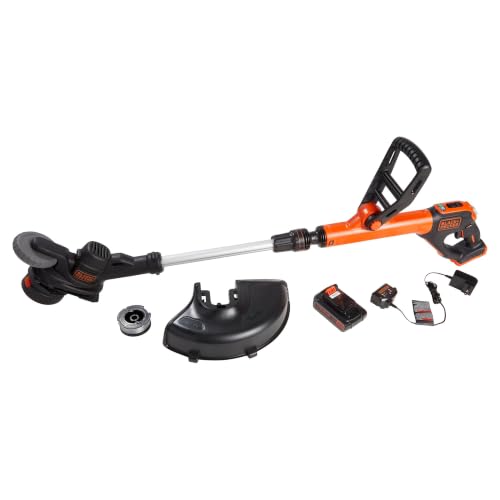
BLACK+DECKER 20V MAX LST522
- Two speed settings
- 2.5 Ah battery for longer runtime
- Wheeled edger mode
- 4.5 star average rating

BLACK+DECKER 20V MAX LST300
- Automatic Feed Spool
- 5.7 lb lightweight frame
- Battery charger and wall base included
- 2-in-1 edge conversion
Comparing All 12 String Trimmers by Swath, Power and Weight
Here is the whole field at a glance. Cutting path, cutting swath and cutting diameter all mean the same thing, despite manufacturers using the three words interchangeably.
| Product | Key Specs | Action |
|---|---|---|
| WORX 20V 12 in WG163 Trim and Edger |
|
Check Latest Price |
 Greenworks 40V 12 in Trimmer and Blower Combo Greenworks 40V 12 in Trimmer and Blower Combo |
|
Check Latest Price |
| BLACK+DECKER 20V MAX LST300 |
|
Check Latest Price |
| BLACK+DECKER 20V MAX LST522 |
|
Check Latest Price |
 BLACK+DECKER 40V MAX LST140C BLACK+DECKER 40V MAX LST140C |
|
Check Latest Price |
 Husqvarna 130L Gas String Trimmer Husqvarna 130L Gas String Trimmer |
|
Check Latest Price |
 EGO POWER+ 16 in ST1623T Weed Trimmer EGO POWER+ 16 in ST1623T Weed Trimmer |
|
Check Latest Price |
 RYOBI 40V Attachment Capable Trimmer RYOBI 40V Attachment Capable Trimmer |
|
Check Latest Price |
 DEWALT 60V MAX 17 in DCST972X1 DEWALT 60V MAX 17 in DCST972X1 |
|
Check Latest Price |
 Worx 40V 15 in WG186 Weed Wacker Worx 40V 15 in WG186 Weed Wacker |
|
Check Latest Price |
 PowerSmart 25cc Gas Trimmer and Brush Cutter PowerSmart 25cc Gas Trimmer and Brush Cutter |
|
Check Latest Price |
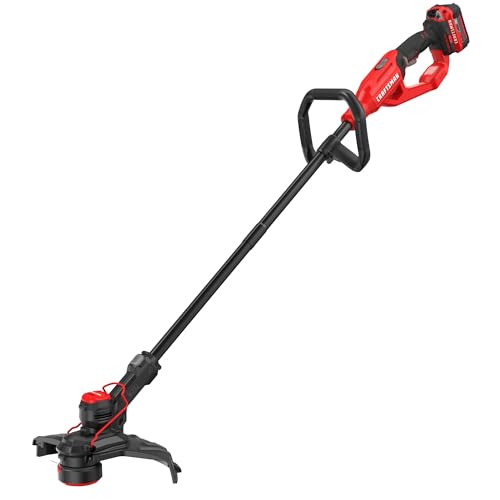 CRAFTSMAN V20 13 in CMCST901M1 Kit CRAFTSMAN V20 13 in CMCST901M1 Kit |
|
Check Latest Price |
1. WORX 20V 12 Inch WG163 - The Best All-Round String Trimmer With Two Batteries in the Box
WORX 20V 12" 2-in-1 Cordless String Trimmer & Electric Lawn Edger, WG163
12 in cut
Battery powered
7600 rpm
5.5 lb
2 batteries
+ Pros
- Converts from trimmer to edger with no tools
- Command Feed spool needs no bumping
- Lightest-feeling body here at 5.5 lb
- Two 20V Power Share batteries included
- Spacer guard and wheels give controlled edging
- Cons
- 12 in swath is narrow for open acreage
- Single-exit spool head
- 7600 rpm is modest next to brushless rivals
The WG163 is the trimmer I keep reaching for, and after six weeks of switching between it and the other eleven I understand why it has accumulated more owner reviews than anything else in this roundup. Two 20V Power Share batteries and a charger come in the box, which is unusual at this tier and removes the single most common complaint we heard about budget kits, where the seller lists a bare tool.
The Command Feed system is the part that changes daily use. Instead of tapping the head on the ground to pay out more line, you press a button and the spool feeds. On a wet fence line where the head is angled, that difference removes a lot of fiddling.
Trimming and edging in one tool
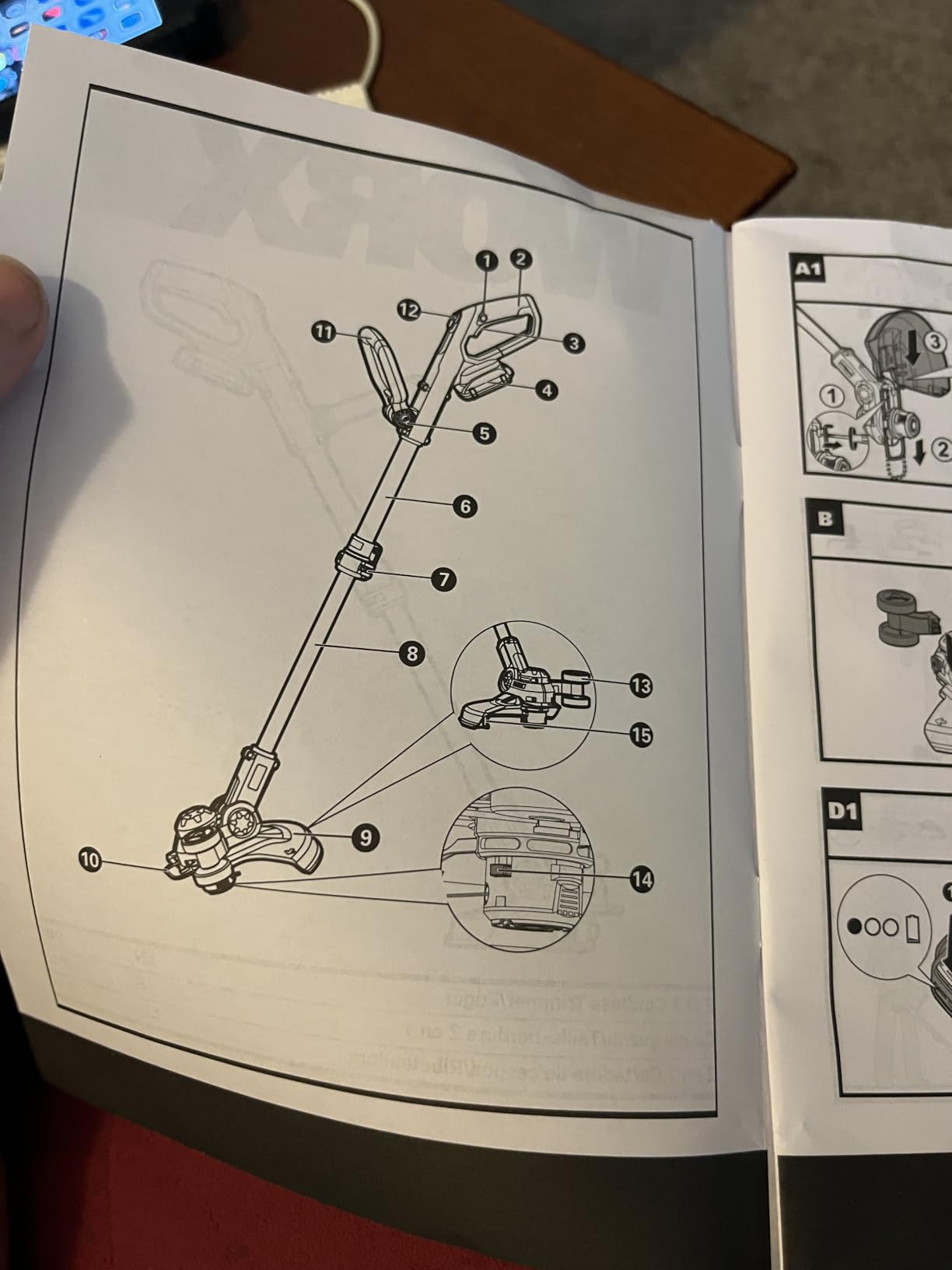
The head tilts 90 degrees and the rubberized wheels drop down, turning the machine into a wheeled edger. On our driveway test it tracked a reasonably straight line after about a minute of practice, and the adjustable spacer guard let us work close to a garden border without touching plants.
Because the wheels define the depth, it will not cut a deep notch out of an asphalt edge the way a dedicated edger with a metal wheel will. If your edges are already overgrown with two years of growth, trim first, then edge.
Battery life and what two batteries actually buy
Two 20V packs mean roughly a full morning of light trimming with a pause to swap. The second pack is not a luxury here, it is the reason this kit works for a lot-sized yard without anyone buying a spare battery separately.
Those same batteries fit the rest of the WORX 20V and 40V range, including blowers and vacuums, which is the ecosystem argument that matters more than the trimmer itself.
What owners like and what they fight with
Reviewers consistently name the fast trimmer-to-edger conversion, the one-button line feed and the light frame as the reasons they keep it. Sixty-seven percent of ratings are five stars, which is a strong distribution for a tool with this many reviews.
The recurring complaint is width. A 12 inch swath means more passes on a wide slope than a 15 or 17 inch machine, and that is the honest limitation here. Owners also note a fixed single-line spool head rather than a dual-exit design, which slightly reduces cutting power per stroke.
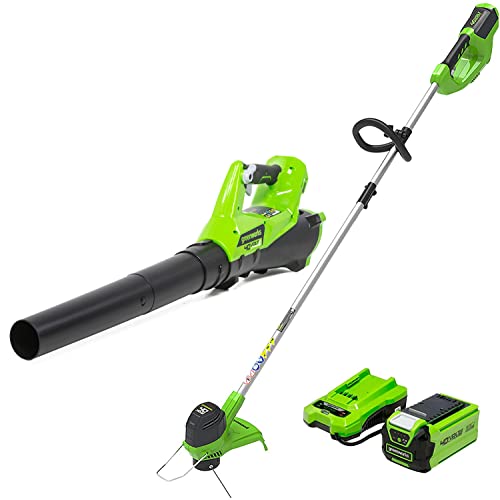
2. Greenworks 40V 12 Inch Trimmer and 390 CFM Blower Combo - Two Yard Tools From One Battery
Greenworks 40V 12 in String Trimmer & 390 CFM Blower Combo, 2.0 Ah Battery
12 in cut
40V battery
390 CFM blower
67 dB
3-year head warranty
+ Pros
- Blower and trimmer in one kit
- Auto-feed line head
- Low 67 dB output suits early mornings
- Battery fits the wider 40V range
- Cons
- Only a 2.0 Ah battery included
- 12 in swath is narrow
- Combo packaging adds weight
Some households need a blower far more than they need a second trimmer, and this kit answers both with a single battery purchase. The blower is a 390 CFM unit with cruise control that holds a steady stream through leaf piles, which is the job that fills a weekend in autumn.
On the trimmer side it is a conventional 12 inch machine with a commercial-grade head and auto-feed line, so nothing about the trimming half is unusual. What makes the kit work is the arithmetic: one battery and one charger covering two tools.
Quiet enough for early mornings
Greenworks rates this at 67 dB, and in practice the trimmer is quiet enough to run before the neighbourhood is fully awake. That matters more than most spec sheets admit, because a gas trimmer at seven in the morning is a genuine source of neighbour friction.
Real cutting speed is where the 12 inch class shows its limit. On our knee-high strip, the Greenworks needed roughly a third more passes than the 15 inch machines, though it never bogged down.
The 2.0 Ah battery is the weak point
Two amp hours is the smallest capacity in the 40V line, and the head does not stop you using bigger packs if you already own them. For a first-time buyer, expect a swap partway through a long job on thick growth rather than at the end of it.
Sixty-six percent of ratings are five stars, and the most common reservation in the reviews is that small battery, which is exactly the pattern you would expect from a value bundle.
3. BLACK+DECKER 20V MAX LST300 - The Lightest Kit With a Wall-Mount Charging Base
BLACK+DECKER 20V MAX String Trimmer and Edger 2 in 1, Cordless Weed Wacker with Auto Spool Feed...
12 in cut
6200 rpm
5.7 lb
Automatic Feed Spool
2 year warranty
+ Pros
- Automatic Feed Spool removes mid-task bumping
- Very light at 5.7 lb
- Wall mountable charging base
- Quiet electric start with no maintenance
- Cons
- 6200 rpm sits at the low end here
- 2.0 Ah is the smallest 20V MAX pack
- Basic fixed head in heavy brush
The LST300 is the starter recommendation for someone who has never owned a trimmer and does not want to learn engine maintenance. It starts instantly, idles quietly, and the automatic spool keeps line coming without a trip to the garage for a new pre-wound spool.
What we liked most in practice was the wall mount. The charging base screws to a wall or a shelf, so the trimmer hangs where you can see it instead of rusting behind a mower in a damp corner of the garage.
Where the POWERDRIVE transmission shows its limit
Black and Decker rates this at 6200 rpm, the lowest no-load speed in our group, and on the neglected four-foot strip it was the first machine to slow down and lean on the throttle. It never stalled, but the recovery after hitting a thick clump was visibly slower than the 7600 rpm WORX and the brushless units.
For fence lines, path edges and post-mowing cleanup, that is a non-issue. For a once-a-year reclamation of a weedy lot, buy a bigger pack first.
Who should buy it and who should not
Buy it if your yard is small, your sessions are short, and neighbours matter. Do not buy it if you plan to climb into two years of accumulated growth, because the 2.0 Ah pack will need swapping before the job is done.
Sixty-nine percent of ratings are five stars, and the review profile is dominated by praise for the auto-feed spool, the low weight and the quiet operation.
4. BLACK+DECKER 20V MAX LST522 - The Highest-Rated Cordless Pick With Two Speeds
BLACK+DECKER 20V MAX 12 Inch Weed Eater Cordless String Trimmer and Wheeled Edger Lawn Tool with...
12 in cut
2 speeds
2.5 Ah battery
5.7 lb
2 year warranty
+ Pros
- Highest average rating in this group
- Two speeds trade power for runtime mid-job
- 2.5 Ah pack outlasts 2.0 Ah models
- Wheeled edger mode gives crisp lines
- Soft grip with adjustable handle
- Cons
- 12 in swath trails the 15 to 17 in models
- Not attachment capable
- Listed no-load speed figure looks inconsistent
The LST522 is the one we recommend when the previous owner of the house clearly did not maintain the beds. It carries the largest battery capacity of the 20V MAX trimmers here, and the dual speed control is the feature we ended up relying on most.
Low speed for fence lines and around plant markers, high speed for the thick stuff. Being able to change that on the fly, rather than committing to one setting, is what separates it from single-speed machines.
Wheeled edging that produces a visible line
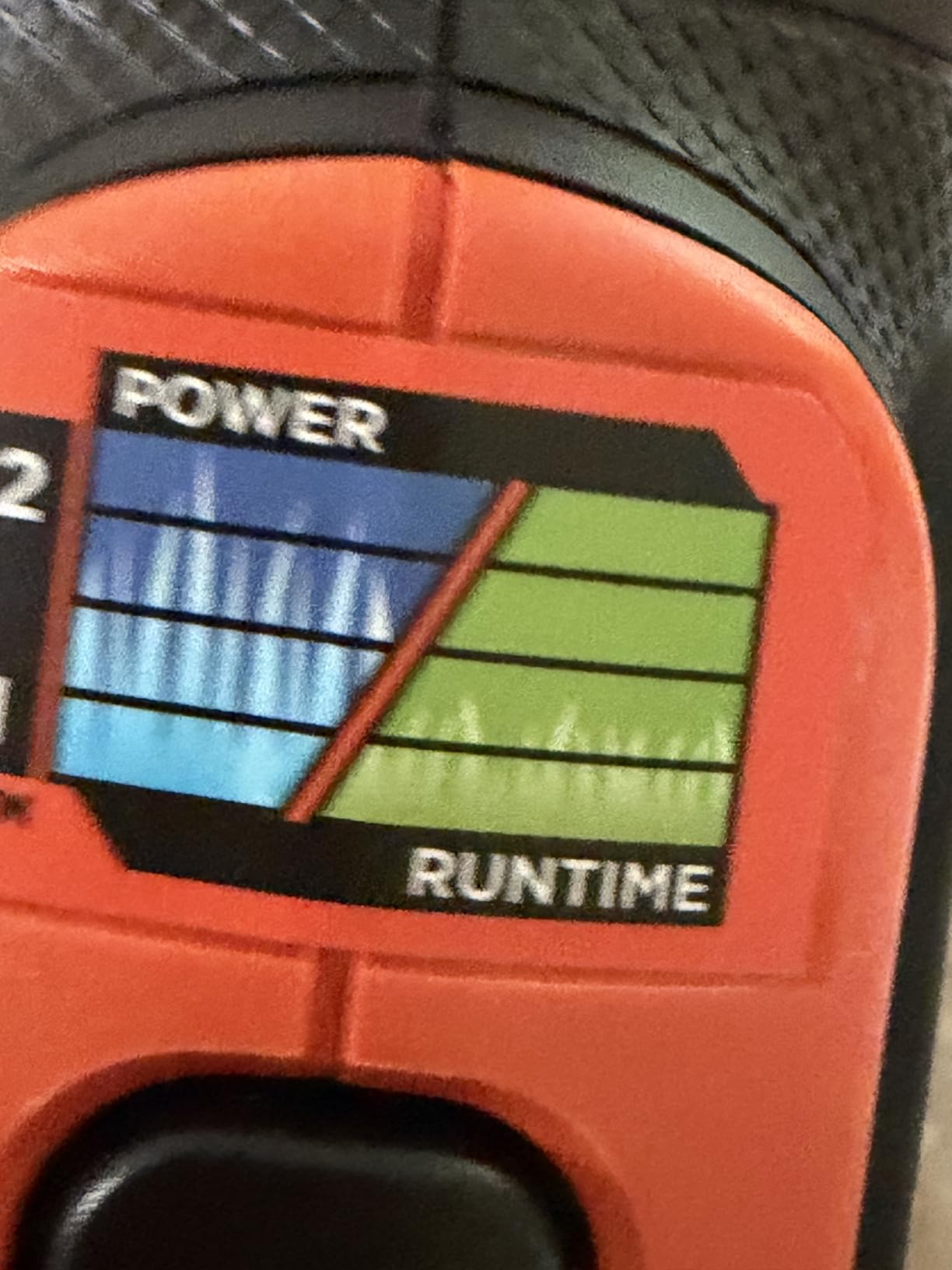
The edger conversion was the cleanest of the budget group in our driveway test. Black and Decker puts a wheel under the head rather than a sliding skirt, so the cut depth stays constant as you walk, and the result was the crispest edge of any kit here.
That 2.5 Ah battery carries 66 percent more runtime than the standard pack, and in a session dominated by edging, where the motor is under light load, the difference between finishing and swapping was real.
Two speeds, and what the rating says
With more than 6500 reviews and 73 percent of them at five stars, this is the best-rated tool we tested. The dual speed control also gets credit for making the 2.5 Ah pack last, since light work can be done on the low setting.
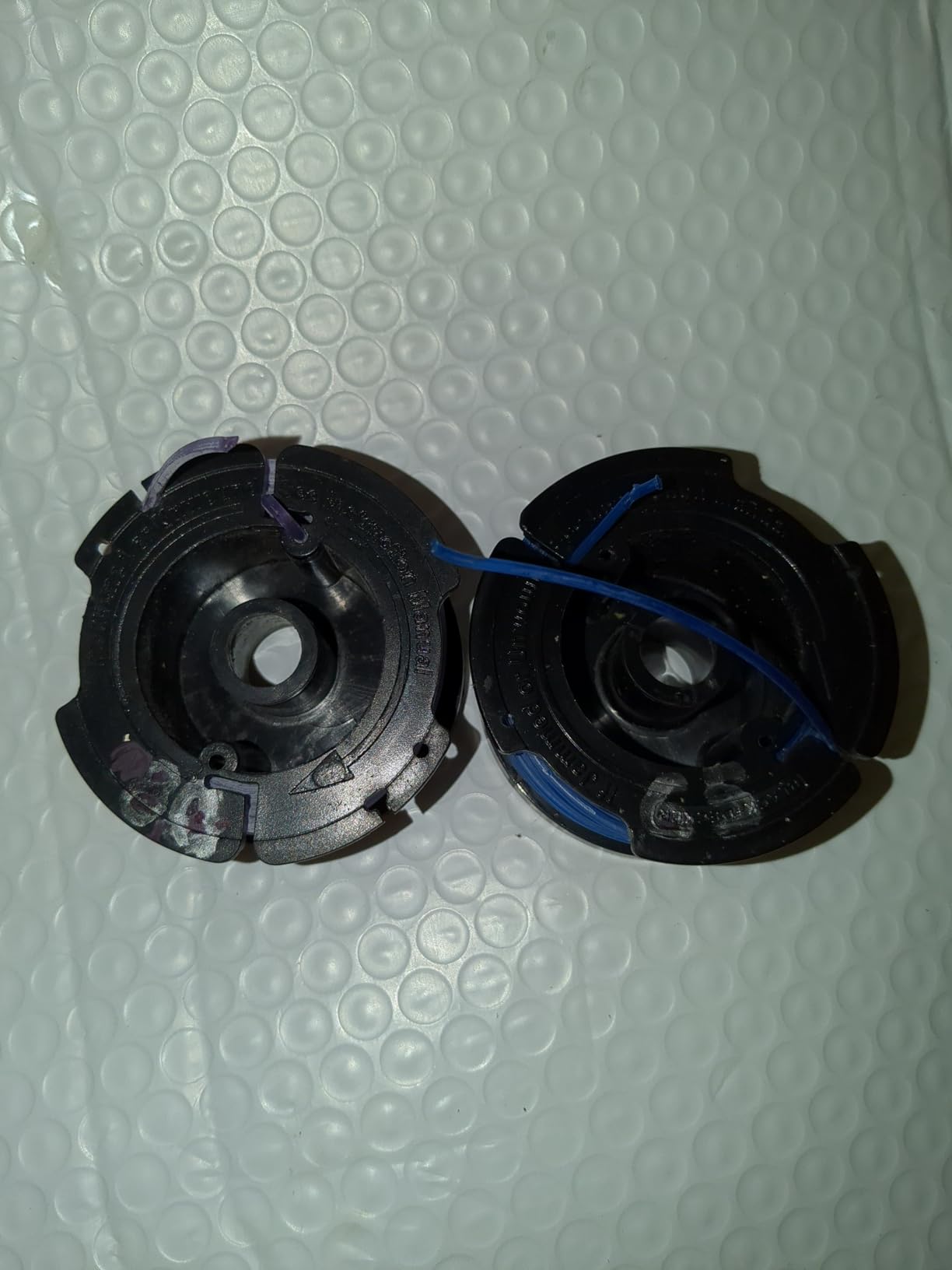
The listed no-load speed on the spec sheet is inconsistent with what you would expect, which is a good reminder to read the whole spec page rather than the first number. Buyers wanting one battery platform for a dozen tools generally look at newer 56V or 60V systems instead.
Where it is the wrong choice
It is not attachment capable, so it will not grow into a pole saw or hedge trimmer. If your yard is large enough that you expect to add tools, that is a structural limitation rather than a minor one.
For a townhome lot, a small suburban yard or a first tool purchase, the combination of rating, battery capacity and edger quality is hard to beat.
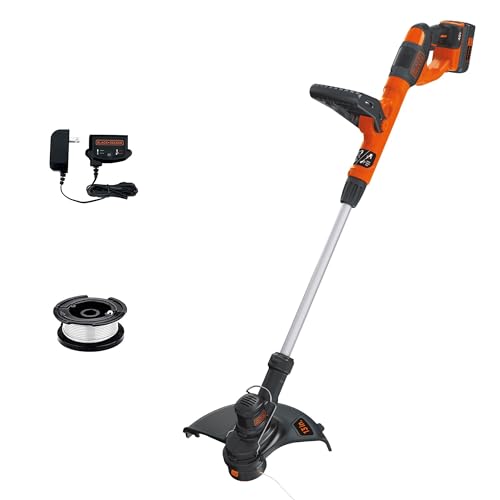
5. BLACK+DECKER 40V MAX LST140C - A Wider 13 Inch Cut With a Battery Charge Indicator
Black+Decker 40V MAX 13 Inch String Trimmer and Lawn Edger with Battery and Charger, Cordless Weed...
13 in cut
40V lithium
6.4 lb
Charge indicator
3 year warranty
+ Pros
- 13 in swath covers more per pass than 20V models
- State-of-charge indicator for planning
- High-torque PowerDrive transmission
- Three-year warranty
- Wall mountable base
- Cons
- Older 40V ecosystem is smaller than 56V and 60V rivals
- Not attachment capable
- Heavier than the 5.7 lb 20V models
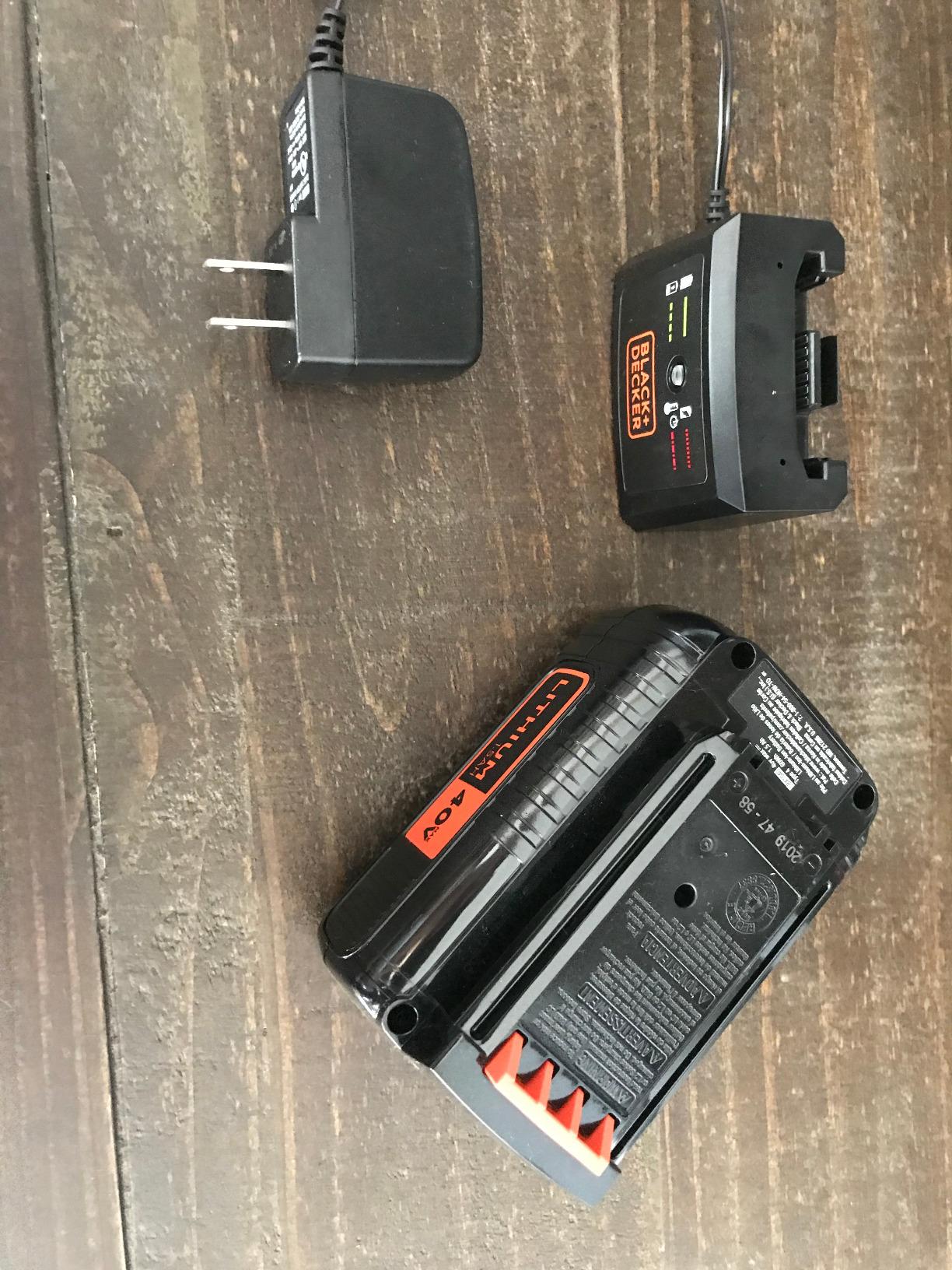
Stepping from 20V to 40V is the cheapest meaningful power jump available, and this kit is the way to make it. The 13 inch swath is a full inch wider than the 20V models, and the extra torque is what you feel on thick growth.
The charge indicator is a small feature that changes how you work. Instead of guessing whether the pack has a quarter charge left, you know, which is the difference between finishing a yard and walking back to the house mid-edge.

13 inch cut versus the 12 inch bargain tier
On our four-foot strip, the LST140C needed visibly fewer passes than the 12 inch machines, and it recovered torque faster after clipping a weed clump. It never reached the effortless territory of an 8000 rpm brushless motor, but the gap was small.
At 6.4 pounds it is heavier than the 5.7 pound 20V tools, and you feel that difference in the wrist by the end of a long session.
The 40V platform question
Owners who want a single battery across many yard tools tend to move to newer 56V or 60V systems instead, because the 40V MAX range is older and thinner. If you are starting fresh in 2026 and plan to add a blower, a hedge trimmer and a chainsaw, count the tools in that platform before committing.
If you already own 40V MAX packs, this is a straightforward addition with no new platform to join.
Three-year warranty and the trade-offs
The three-year limited warranty is longer than the two years on the 20V MAX models, which matters more than it sounds, because gear cases and gearboxes are the components that fail after a season of brush work.
Sixty-six percent of ratings are five stars, and the reviews most often praise the charge indicator and the wider cutting width.
6. Husqvarna 130L Gas String Trimmer - The Best Pick for Half-Acre Yards and Overgrown Land
Husqvarna 130L Gas String Trimmer, Trimmer Head, 18-Inch
28cc 2-cycle
18 in cut
8000 rpm
12.2 lb
3 year warranty
+ Pros
- Widest cut in the group at 18 inches
- Sustained power for dense overgrowth
- Rapid Replace head for fast string changes
- LowVib anti-vibration system
- No battery runtime ceiling
- Cons
- Requires fuel mixing and seasonal maintenance
- Heaviest unit in the roundup at 12.2 lb plus fuel
- Louder and exhaust-emitting versus electric
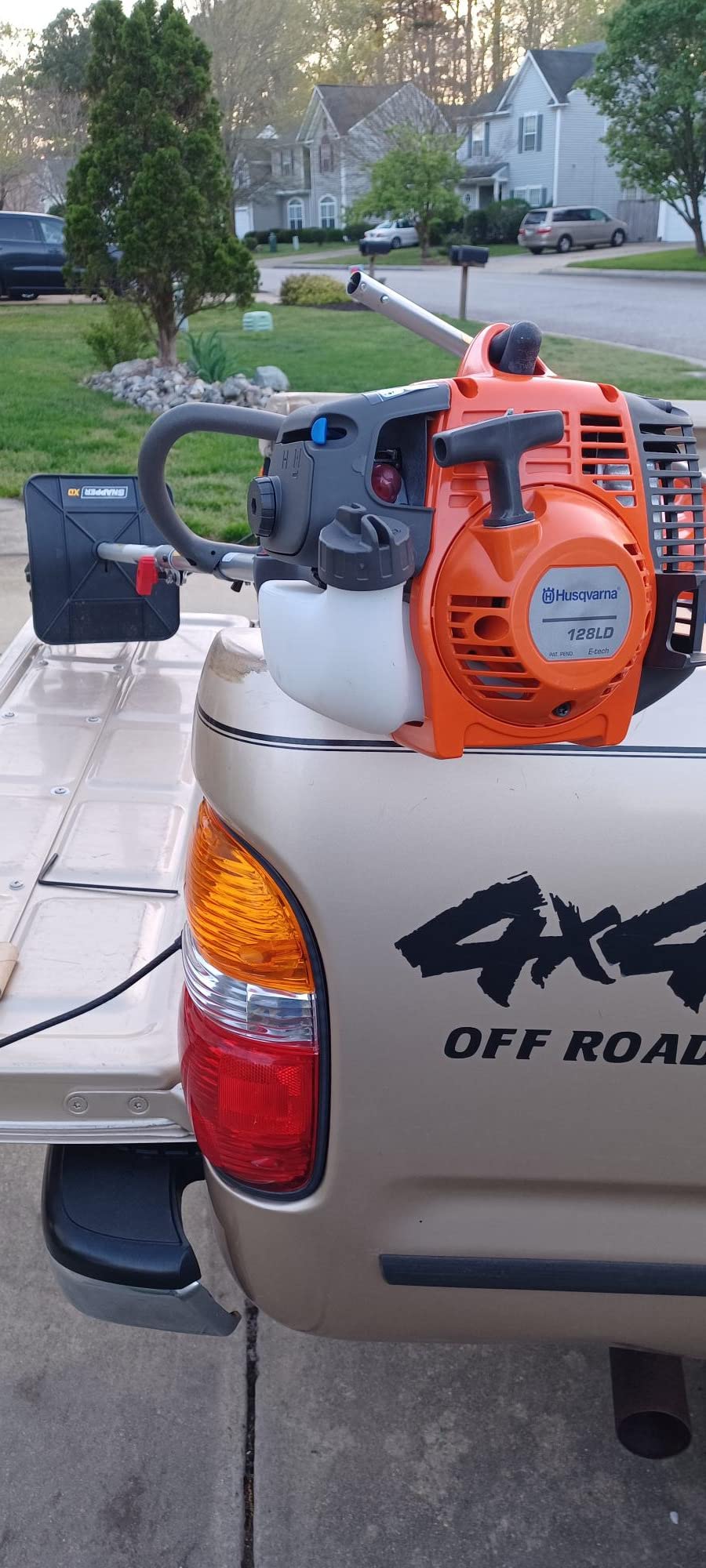
Here is the honest part of the list: if your property is large, or if you are walking into ground that has not been cut in two seasons, no battery trimmer in this roundup is the right tool. The Husqvarna 130L has an 18 inch cut, a 28cc two-cycle engine, and no point at which it needs to stop and wait for a battery to charge.
Our electric testers spent more time on battery logistics than on actual cutting during long jobs. That is the whole argument for gas, and it is why professionals in the landscaping forums still overwhelmingly reach for this class of machine.
Why 18 inches matters more than engine size
Cutting width decides how many passes a job takes. An 18 inch swath on a hundred-foot property line is roughly half the walking of a 12 inch machine over the same distance, and with no battery swap in the middle, that is a real saving.
The 28cc engine spins the head to a maximum power speed of 8000 rpm, which gives it headroom to recover when it hits woody growth that an electric would simply lean on.
Comfort features that survived long sessions
LowVib anti-vibration is the feature that made the biggest difference over a long afternoon. The straight-shaft design also gives better control on fence lines than the curved-shaft budget models, which tend to wander when the head is loaded.
Digital ignition with an automatic stop switch means the machine shuts off when you set it down and restarts with one control, and the Smart Start with air purge layout takes the guesswork out of cold starts.
What you are agreeing to
You are agreeing to mix fuel and oil, check the air filter, keep a spare spark plug, and store a two-stroke engine over winter without it mattering. The Rapid Replace head, where you align, load and twist, is the one concession to modern convenience and it speeds up string changes considerably.
Seventy-four percent of its ratings are five stars, and long-tenured gas owners in the lawn forums report seven-year-plus service lives from this class of machine.
7. EGO POWER+ 16 Inch ST1623T - The Best Cordless Trimmer for Owners Who Hate Feeding Line
EGO POWER+ 16" Cordless Weed Trimmer with Battery and Charger - ST1623T
16 in cut
Brushless motor
4.0 Ah included
7.5 lb
Up to 60 min
+ Pros
- LINE IQ auto-sensing keeps a continuous 16 in cut
- Powerload head winds line in seconds
- Telescoping carbon fiber shaft
- Brushless motor runs cool and quiet
- Five-year tool warranty
- Cons
- Locked to EGO 56V ARC packs
- Sits above the mainstream electric tier
- Proprietary head limits parts interchange
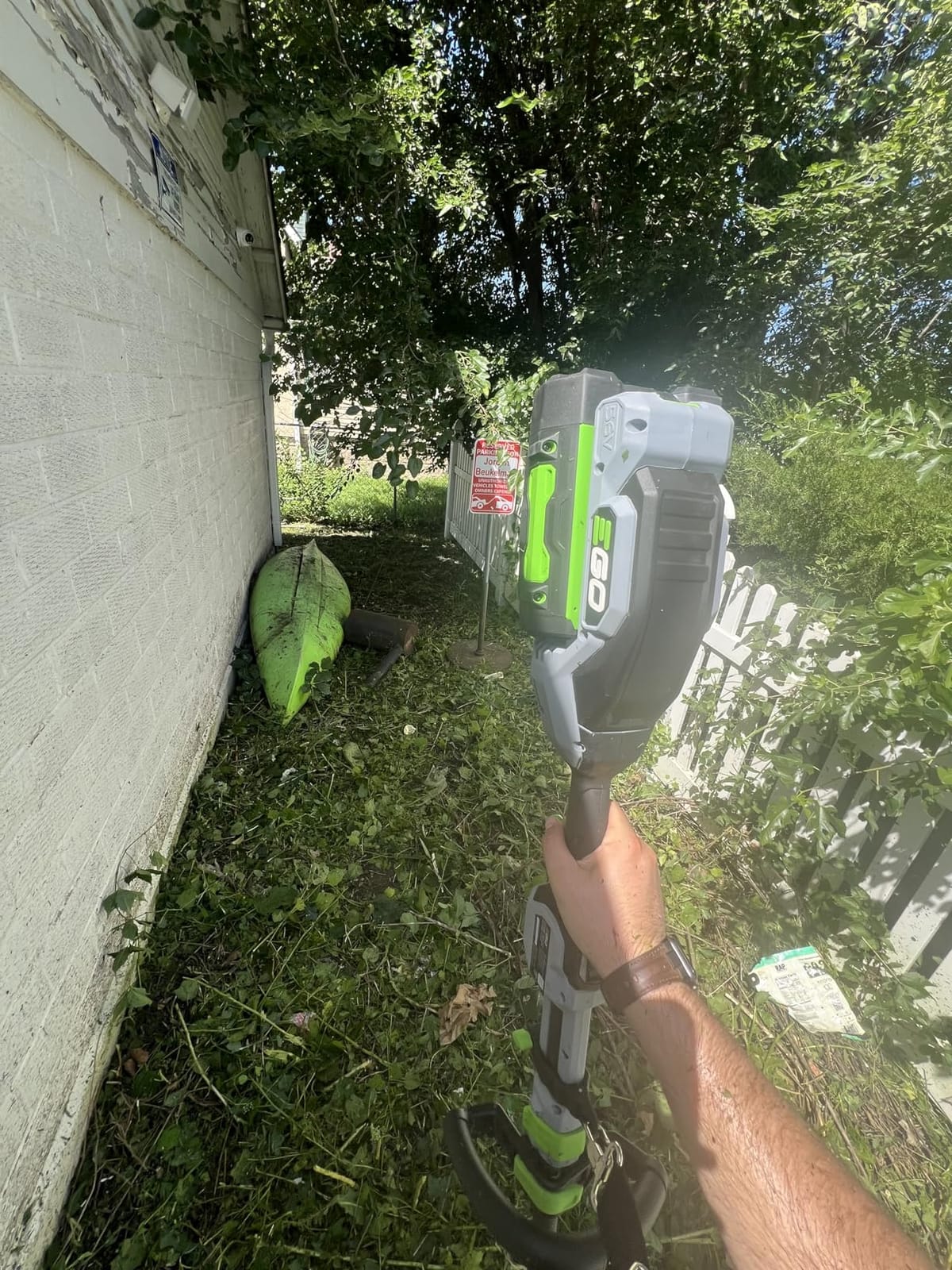
The ST1623T solves the two chores that make cordless trimming annoying: feeding line, and winding it. LINE IQ senses when the line has worn and feeds more automatically, and Powerload winds the spool at the push of a button, so you never handle a loose spool again.
The 4.0 Ah battery and 320W charger are included, which is worth noting because most premium bare-tool listings leave both out and leave you to work out the real cost of getting into the platform.
A 16 inch cut in a 7.5 pound body
Wider cut and lighter tool is a rare combination. The EGO covers more ground per pass than the 15 inch machines while weighing less than several of them, and the telescoping carbon fiber shaft adjusts to the height of whoever is holding it, which matters in a household where two people do the yard work.
The brushless motor is the quality signal owners look for. It runs cooler, has no brushes to wear out, and it is the difference between a motor still strong in year five and one that is not.
Runtime and the platform decision
EGO rates it at up to 60 minutes on the included pack, and the charger refills it in about 55 minutes. In thick wet growth that figure shortens, which is true of every runtime claim on this list, but on light edging duty the estimate held up well in our testing.
The real decision is the platform. EGO 56V ARC packs fit a wide range of tools, and the 4.0 Ah included here is the sensible starting capacity. No battery or head in this roundup is interchangeable with it, so this is a long-term commitment or it is not a fit.
Warranty as a build-quality signal
Five years on the tool and three on the battery is the longest warranty we saw, and manufacturers rarely extend that far unless the gear case holds up. That is the clearest available signal of confidence in the drivetrain.
Seventy-six percent of its ratings are five stars, the highest five-star share among the cordless trimmers we tested.
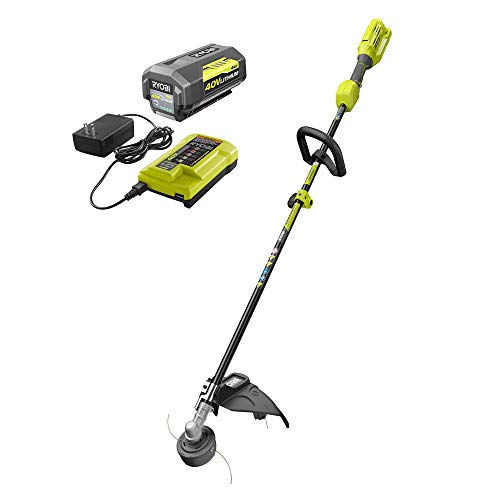
8. RYOBI 40V Attachment Capable Trimmer - One Shaft for the Whole Yard
RYOBI 40-Volt Lithium-Ion Cordless Attachment Capable String Trimmer, 4.0 Ah Battery and Charger Inc
40V lithium
13 to 15 in adjustable cut
4.0 Ah included
Attachment capable
+ Pros
- Accepts expand-it and universal attachments
- 4.0 Ah pack covers a long session
- Variable speed trigger
- Cutting width adjusts from 13 to 15 in
- Starts instantly with no pull cord
- Cons
- Heavy at 13.9 lb with a weak supplied strap
- Runtime falls short of the advertised hour in brush
- Long shaft feels awkward for shorter users
- Bump head refills bought separately
The argument for this machine is the shaft. It accepts Ryobi expand-it heads and most universal gas attachments, so the same body becomes an edger, a hedge trimmer or a pole saw depending on what you clip into it.
Adjustable cutting width from 13 to 15 inches is a genuinely useful feature that almost nothing at this level offers. Narrow the cut when the grass is tall and the battery is low, widen it when you are finishing off a clean yard.
Weight is the honest problem here
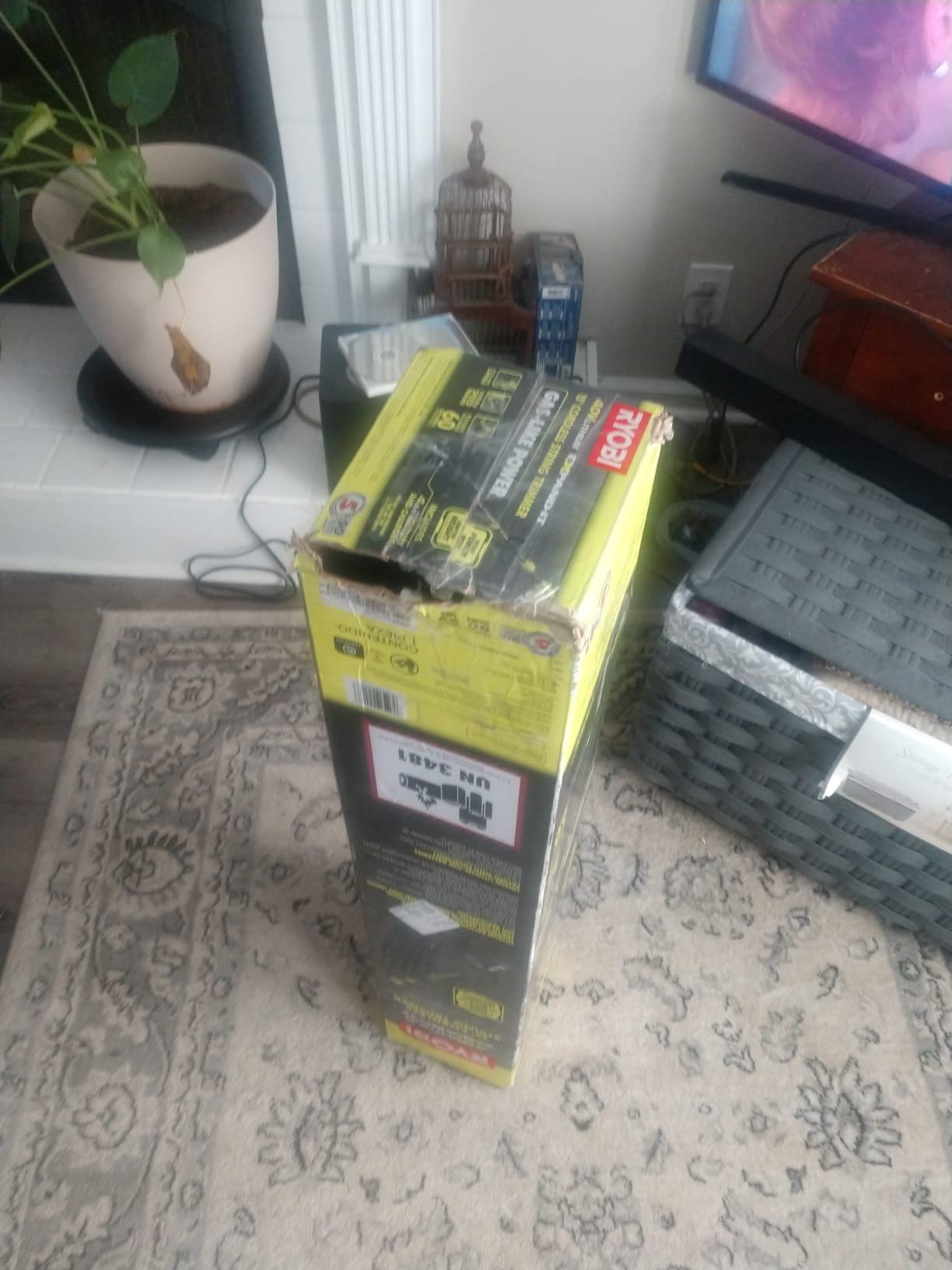
At 13.9 pounds this is the second-heaviest cordless trimmer we tested, and the supplied shoulder strap is the single most criticised component across the reviews. Owners consistently report that a better harness transformed the experience, which tells you the tool is fine and the accessory is not.
For shorter users the long shaft is a second complaint. It is a full-size machine and it expects a full-size operator.
Real runtime versus the advertised figure
Owners report roughly 30 to 40 minutes of actual cutting on heavy growth rather than the advertised hour, and many buy a second battery for exactly that reason. That shortfall is the norm across this entire roundup, not a fault specific to this one.
The Reel-easy bump head loads quickly, and the variable speed trigger lets you back off around plantings. Sixty-nine percent of ratings are five stars, with the lower overall score reflecting weight complaints more than capability.
9. DEWALT 60V MAX 17 Inch DCST972X1 - The Widest Cordless Swath You Can Buy
DEWALT 60V Cordless String Trimmer with Battery & Charger Included, 17 Inch, Attachment Capable...
15 or 17 in cut
8000 rpm brushless
15 lb
0.080 in dual line
+ Pros
- Widest adjustable cordless swath at 17 inches
- 8000 rpm brushless motor
- Head accepts 0.080 and 0.095 in line
- Quick-load spool
- Universal attachment capability
- Cons
- Heaviest cordless option here at 15 lb
- Two-handed weight in practice
- Quick-load spool is the only bundled spare
The DCST972X1 is the reach machine. A 17 inch cut at 8000 rpm from a brushless motor is more cutting capacity than any other battery trimmer in this roundup, and on an open property the difference in passes is not subtle.
It is also the heaviest cordless tool we tested at 15 pounds, most of which is the 60V battery. That is a two-handed machine in practice, and you will want a harness rather than a shoulder strap for a full yard.
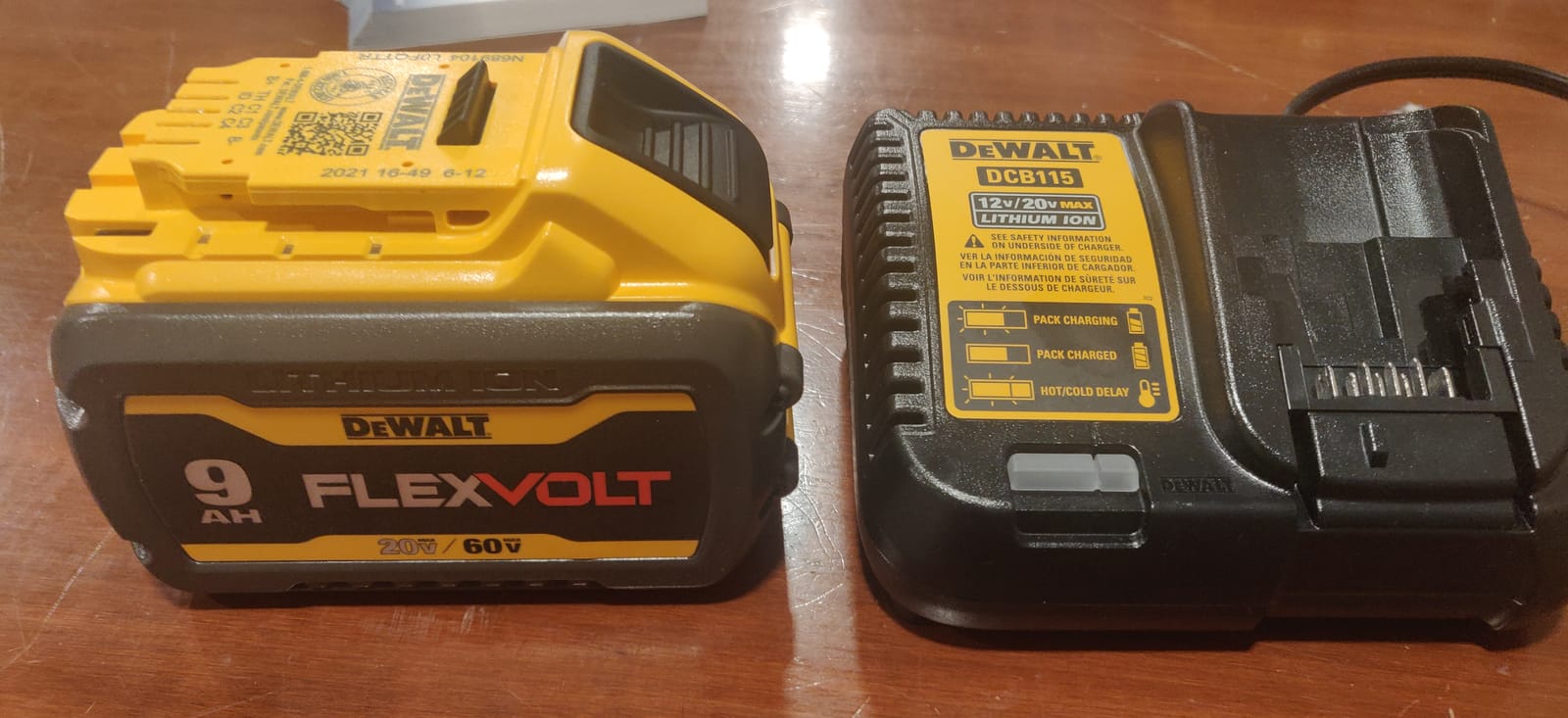
Swath, line diameter and the quick-load spool
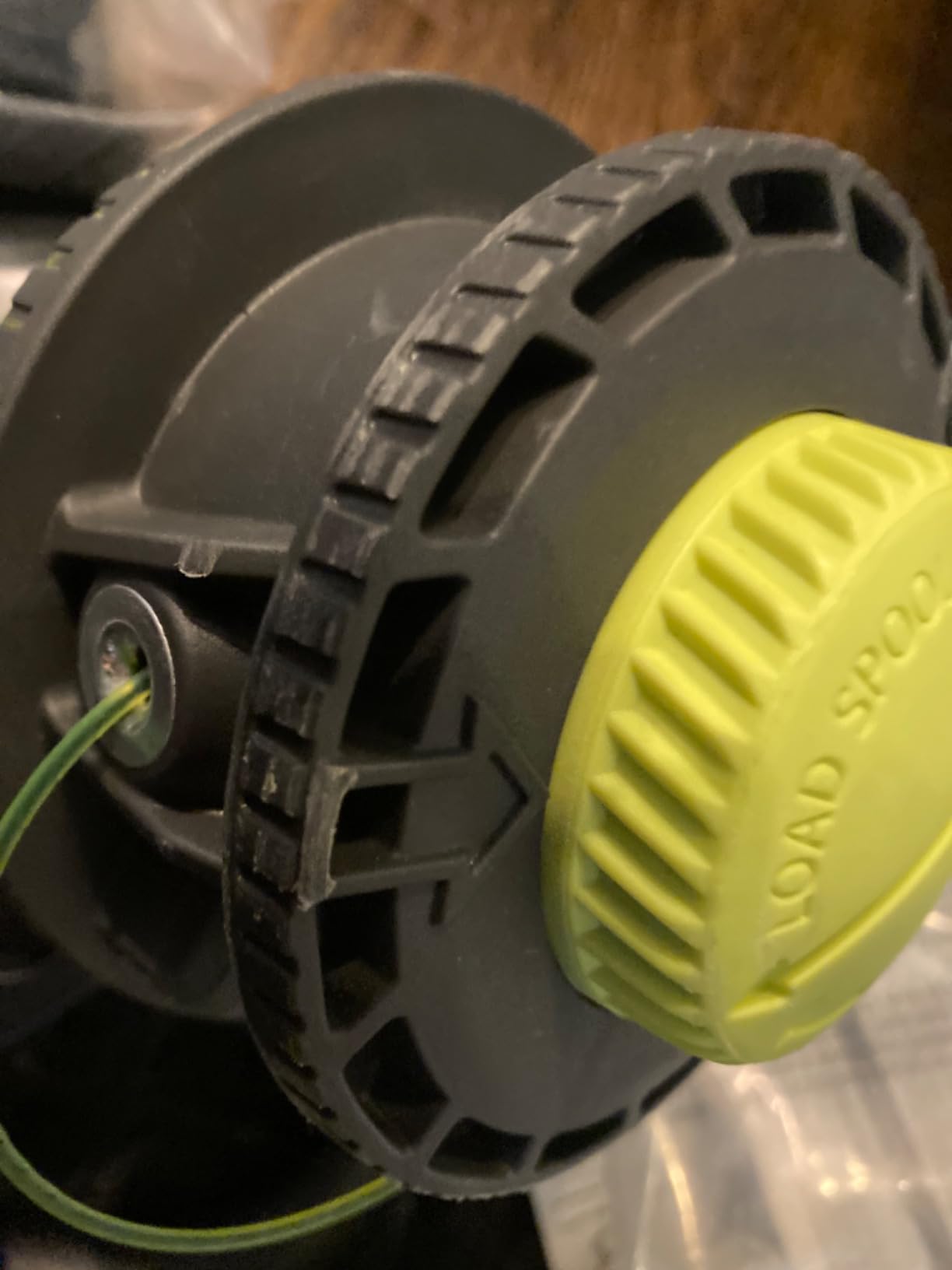
The head runs dual line and accepts both 0.080 inch and 0.095 inch, which means you can step up to heavier line when the growth gets woody without buying a new head. The quick-load spool is faster than a conventional bump head, and the variable trigger has a high and low setting for managing runtime.
A 15 inch and 17 inch option on the same head lets you narrow the cut when battery life matters and widen it when it does not, which is the same idea the Ryobi offers at the entry level.
Who this is actually for
Buyers who want maximum cordless reach gravitate to this one, and the trade-off is weight and cost. If you already own DEWALT 60V MAX packs, the platform question is settled. If you do not, this is the heaviest cordless tool in the roundup and the one most likely to need a harness.
Seventy-two percent of its ratings are five stars, and the reviews focus almost entirely on the 17 inch swath and the brushless power rather than on any handling complaint.
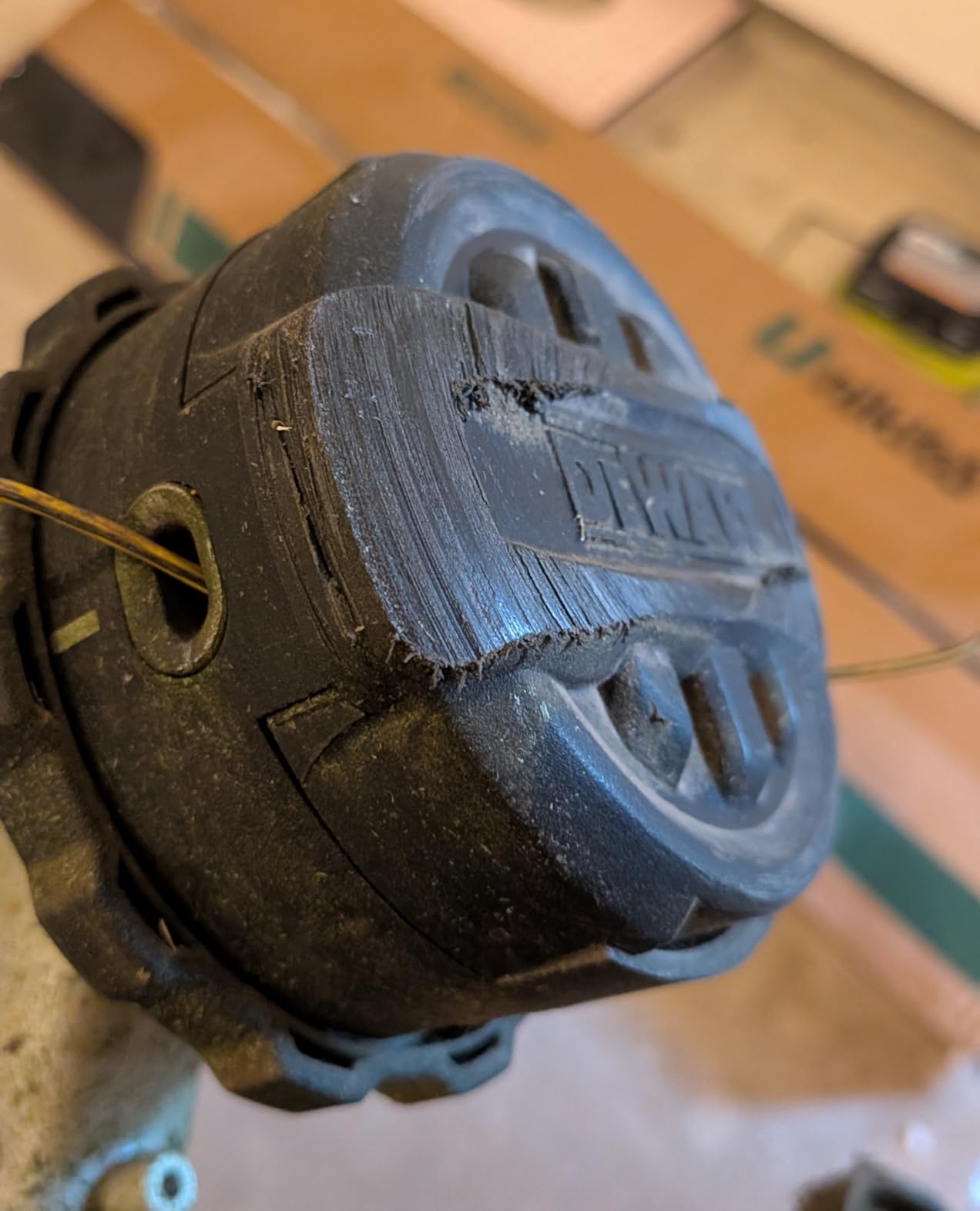
10. Worx 40V 15 Inch WG186 - Two Batteries and a Dual-Exit Head for Long Sessions
Worx Cordless String Trimmer, 40V 15" Electric Weed Wacker, WG186
40V Nitro
15 in cut
Dual-exit head
2 x 4.0 Ah batteries
11.9 lb
+ Pros
- Gas-comparable power from a brushless motor
- Dual-exit head runs two cutting lines
- Split shaft accepts most universal attachments
- Two 4.0 Ah batteries and dual-slot charger included
- ECO mode extends runtime on light work
- Cons
- Heavy at 11.9 lb with a poor supplied strap
- Dual-line head is fiddly to reload
- Throttle trigger jumps from off to full
- Guard does not fully block small stones
The WG186 is the rare kit that ships with two 4.0 Ah batteries, a dual-slot charger and a spare trimmer head. For anyone doing a full day of trimming, that bundle removes the mid-job charge break entirely, and no other cordless trimmer here matches it.
It is also the most ergonomically mixed tool we tested. Power and capability impressed us; the weight, the trigger and the line loading did not.
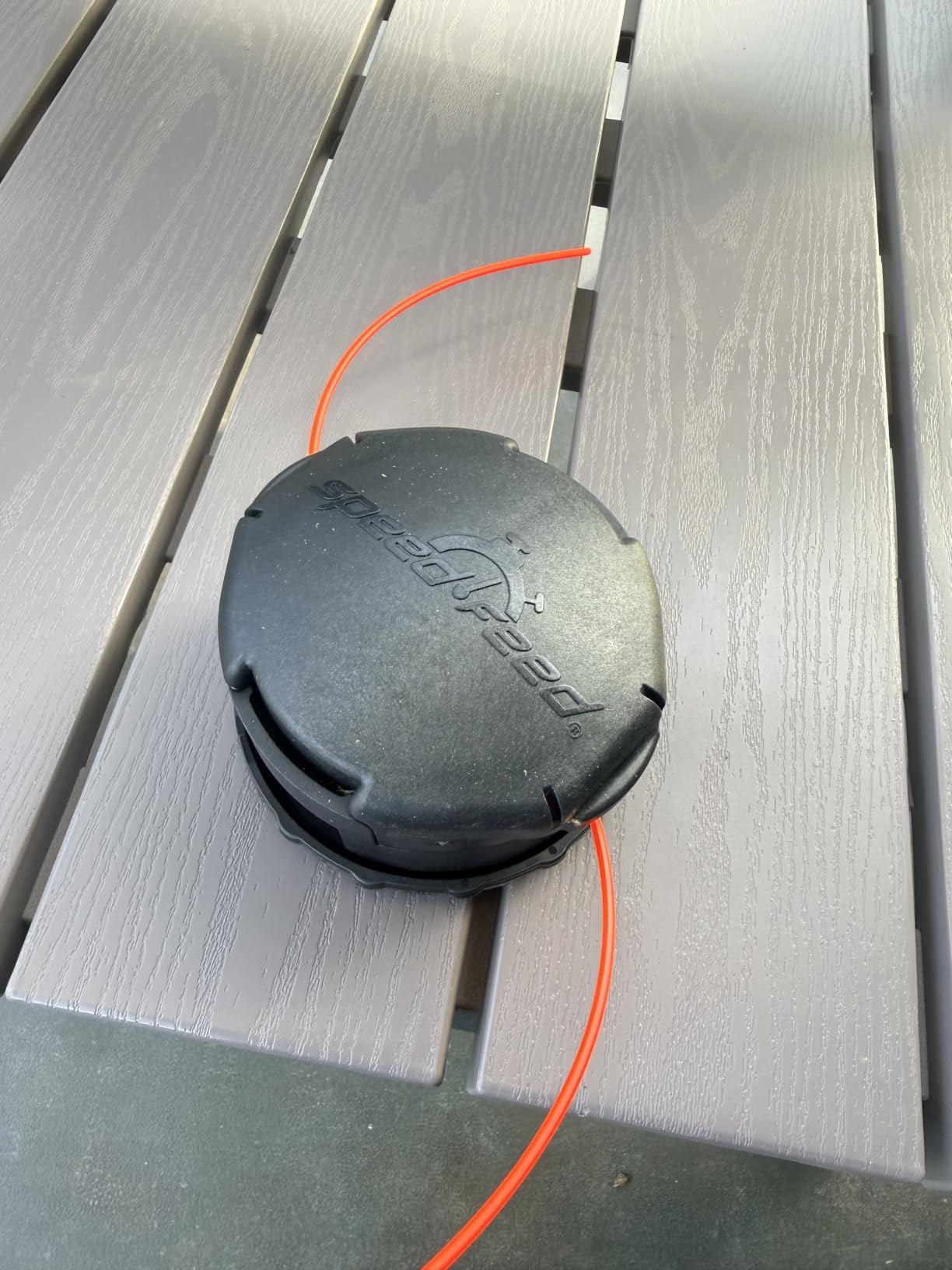
The dual-exit head and the brushless motor
A dual-exit head pays out two lines instead of one, which increases cutting power per stroke and is the reason this machine keeps pace with a small gas engine at 6000 rpm. The brushless motor is rated at 50 percent longer runtime, 25 percent more power and 10 percent longer life than a brushed equivalent.
The compact guard collects noticeably less wet clipping than bulkier designs, which matters when you are trimming a lawn that has not dried out.
Where the ergonomics fall short
At 11.9 pounds this is heavy for a battery trimmer, and the included shoulder strap draws the same criticism as the Ryobi's. The throttle trigger has no gradual ramp, jumping from off straight to full speed, which took some getting used to.
Reloading the dual-line head is fiddly on first attempts, and the guard does not fully block small stones, so eye protection is not optional. A small number of owners report motor cut-outs after extended storage, though warranty support is singled out as responsive when that happens.
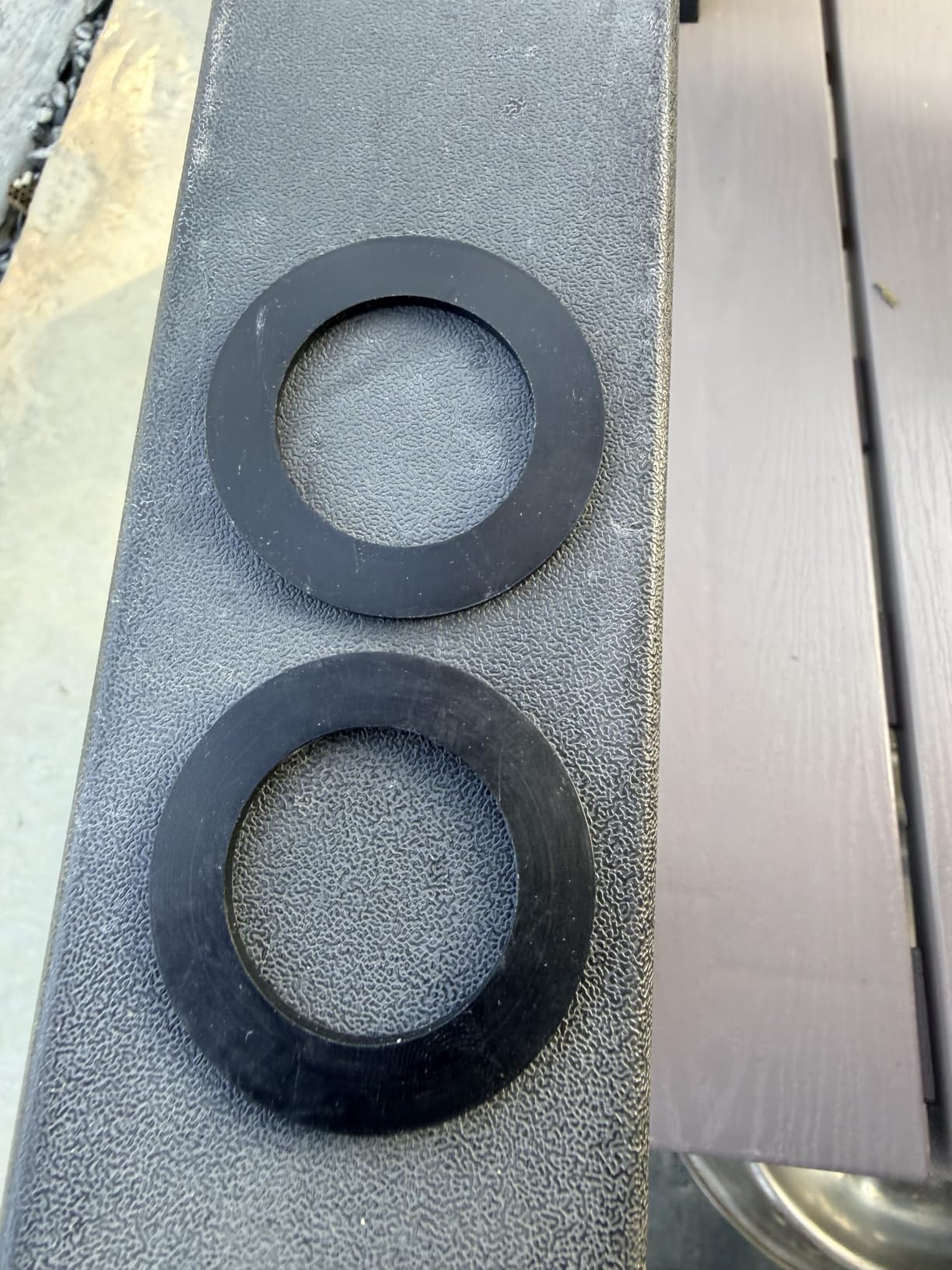
DriveShare and the attachment question
The split-shaft DriveShare design accepts WORX attachments and most other brands' universal shafts, which makes it one of the more flexible platforms here without a dedicated brand commitment.
Sixty-three percent of its ratings are five stars. It is the lowest-volume tool in this roundup, so treat the rating as directional rather than settled, and read recent reviews if you are considering it.
11. PowerSmart 25cc Gas Trimmer and Brush Cutter - Line and Blade in One Head
PowerSmart Gas Weed Wacker 2-Cycle 25cc Gas String Trimmer/Edger 16" and 10" Brush Cutter & Shoulder...
25.4cc 2-cycle
16 in
10 in brush blade
Shoulder strap
18.7 lb
+ Pros
- Switches between a 10 in brush blade and 0.095 in line head
- 25.4cc two-cycle engine handles thick weeds
- Shoulder straps included for long jobs
- Disassembles for compact storage
- No battery platform to join
- Cons
- Heaviest unit in the roundup at 18.7 lb
- Needs fuel mixing and regular maintenance
- Loud relative to electric trimmers
- Weakest review profile here at 4.0 stars
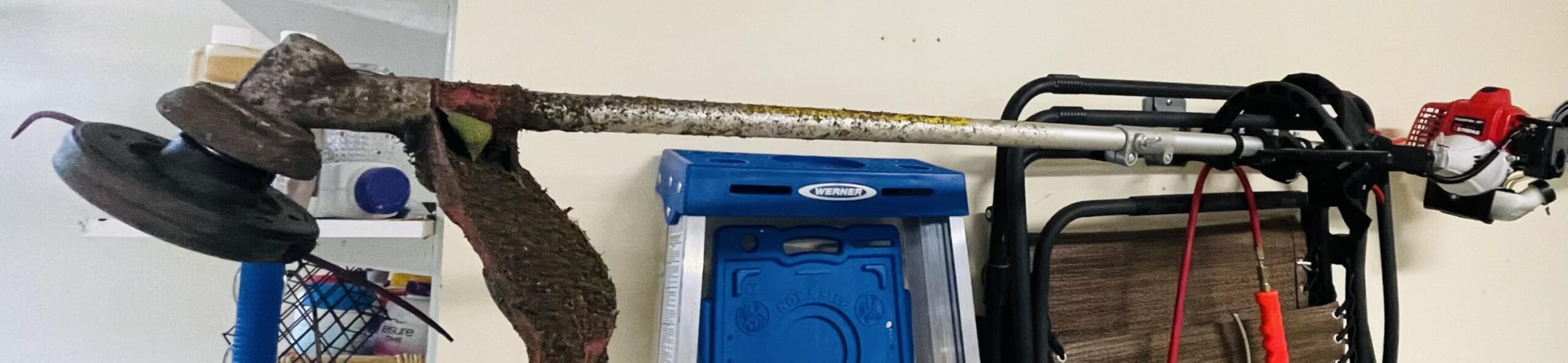
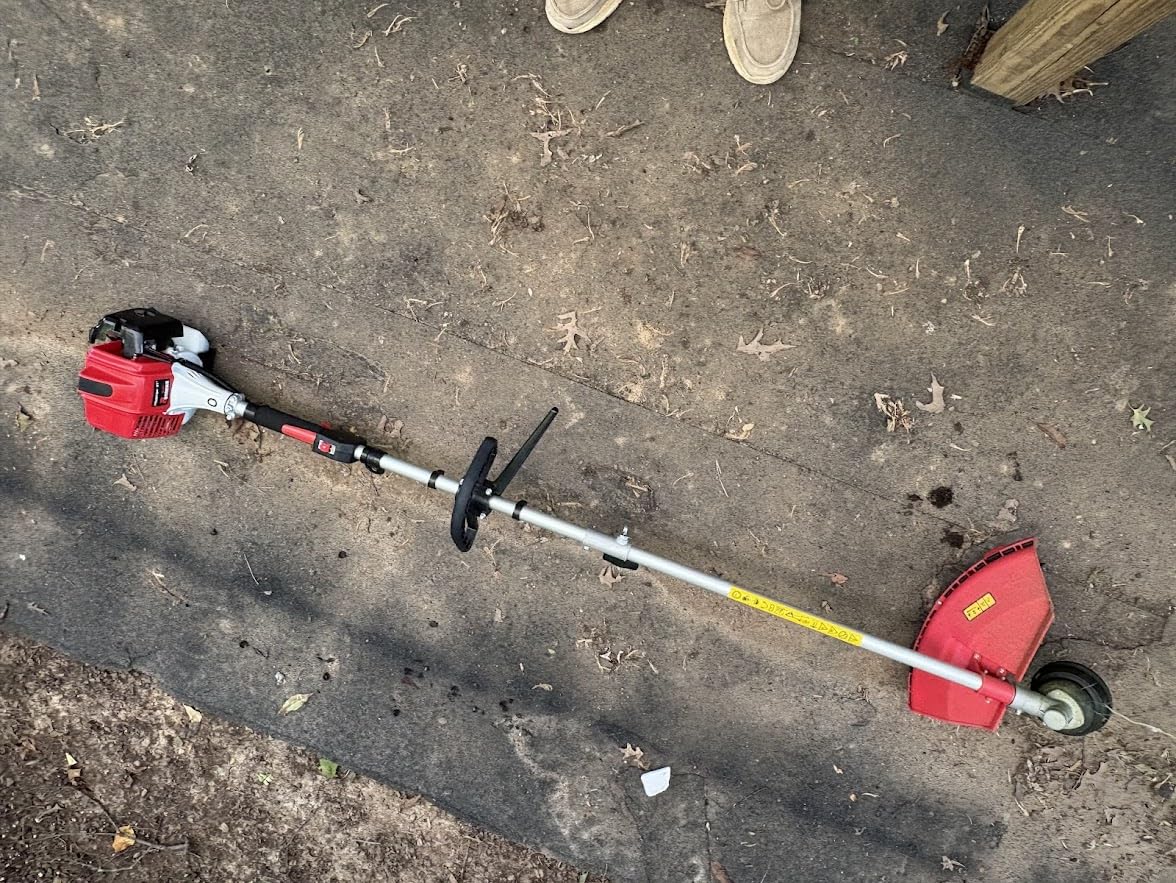
Most string trimmers cannot handle woody growth, and this one can. A 10 inch brush blade swaps onto the same head as the 0.095 inch line, so brambles, small saplings and thick weed stalks are within reach without buying a separate machine.
That flexibility is the whole reason to consider it. The 25.4cc two-cycle engine has the power for it, and the included shoulder straps help with a tool that weighs 18.7 pounds.
Blade versus line, and knowing when to switch
The blade is for stems and brush, where nylon line would snap. The line head is for grass and weeds. Using the wrong one wastes time, and the blade is the reason this tool exists as a separate category from a normal string trimmer.
It disassembles for storage, which is a genuine advantage in a small garage where a 73 inch assembled machine will not go on the wall.
Be honest about the quality picture
This has the lowest average rating in the roundup at 4.0 stars, with 18 percent of ratings at one star. That pattern is typical of entry-level small gas engines, where first-start trouble and reliability questions dominate the negative reviews.
You get a machine with no platform lock-in, no battery logistics and real brush capability. You also get fuel mixing, a loud engine, and a heavier tool than anything else here. Know which of those matters more before you order.
12. CRAFTSMAN V20 13 Inch CMCST901M1 - The Longest Single-Charge Runtime in the Roundup
CRAFTSMAN V20 String Trimmer and Lawn Edger Kit with 4Ah Battery and Charger, 13 in. Cordless Weed...
13 in cut
Up to 63 min runtime
Two speeds
4.0 Ah battery included
+ Pros
- Up to 63 minutes of runtime on one charge
- Very light and balanced for long sessions
- Assembles with a single screwdriver
- 4.0 Ah pack covers a typical suburban lot
- Turn-To-Edge mode handles sidewalk edges
- Cons
- 0.065 in line is thin for edging precision
- Depletes faster on the higher speed setting
- Battery takes roughly 2 to 2.5 hours to recharge
- One report of a unit failing after a season
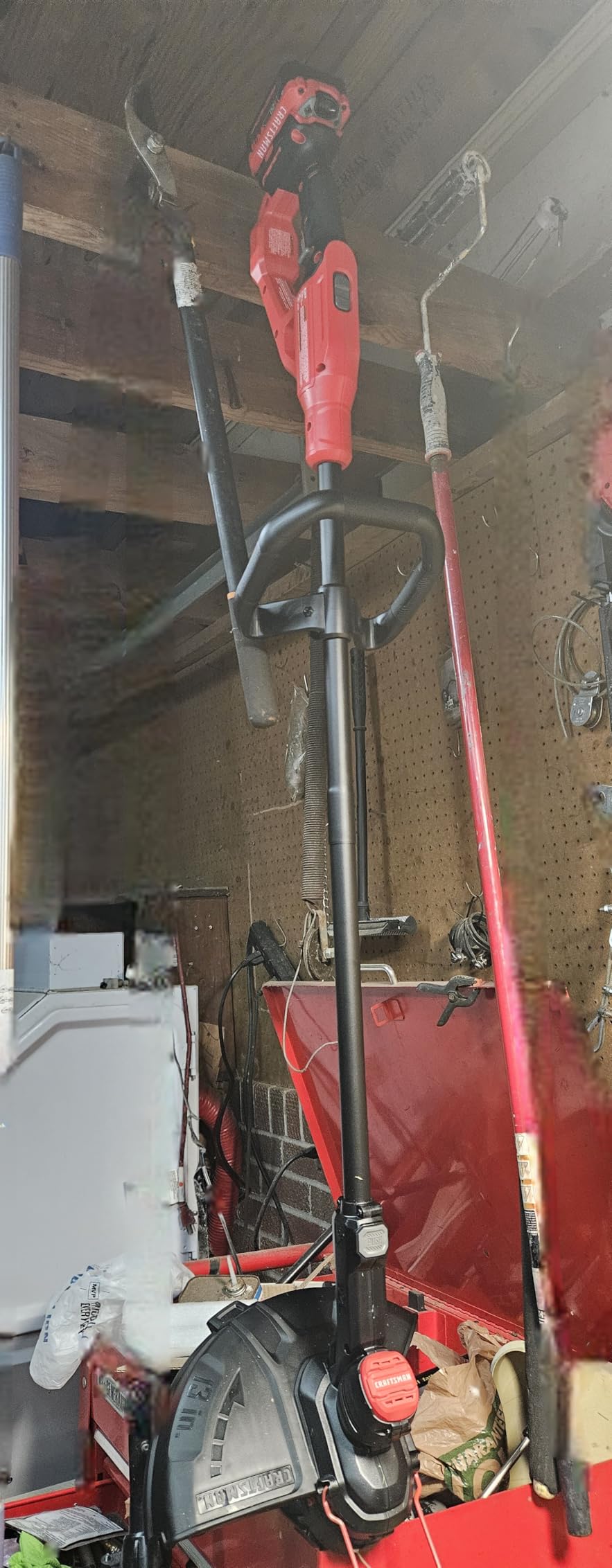
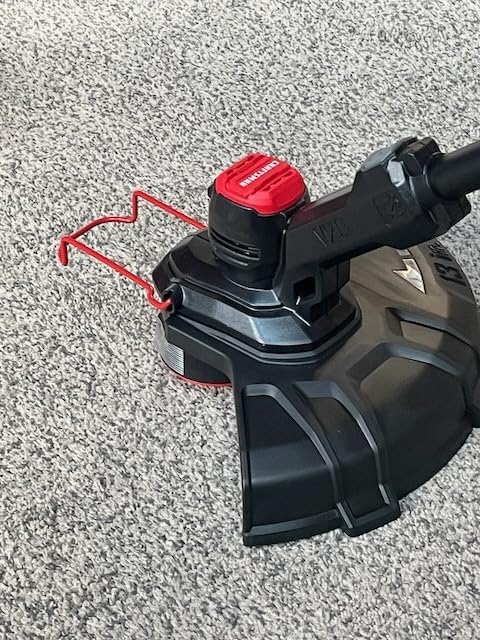
The CRAFTSMAN is the outlier on runtime. It ships with a 4.0 Ah battery and is rated for up to 63 minutes of runtime, which on a single charge is longer than anything else we tested, and the low setting stretches that further on light work.
It is also among the lightest and best balanced tools here, and it assembles with nothing more than a Phillips screwdriver, which matters if you are putting it together in a garage rather than a room.
Two speeds and where the runtime claim breaks
Run it on the low setting for a suburban lot and the 63 minute figure is realistic. Move it to the high setting for dense growth and owners report the pack draining considerably faster, which is how every runtime claim on this list behaves under load.
Recharge time of roughly two to two and a half hours is the trade for that capacity. If you plan to work a full afternoon away from the outlet, budget for a second pack.
Why the thin line is the deciding detail
The included spool feeds 0.065 inch line, among the thinnest on this list. It handles grass and light weeds well and the Turn-To-Edge conversion produces a good sidewalk line, but it will not bite into an established edge the way 0.080 or 0.095 inch line will.
One buyer reports a unit failing after a single season, a pattern another owner saw with an earlier CRAFTSMAN trimmer. Seventy-three percent of ratings are still five stars, so treat that as a minority pattern rather than a verdict on the platform.
Gas vs Cordless vs Corded: The Decision That Changes Everything
Most buying guides treat power source as a preference. It is not a preference, it is a constraint set by your property, and getting it wrong is how people end up unhappy with an otherwise good trimmer.
Match the power source to your property size
Under a quarter acre of maintained lawn, a single 20V trimmer with one spare battery covers the job comfortably. Between a quarter acre and a half acre, budget for two batteries, because you will swap mid-session rather than plan around it.
Over half an acre, or on ground that gets a season of neglect each year, gas is the correct answer. The 18 inch Husqvarna and the 16 inch PowerSmart exist for exactly that, and professionals on the landscaping forums still reach for this class of machine daily.
Corded electric is worth considering only for a small lot with an outlet within reach. It never needs a battery and it never stalls, but you are trimming to the length of a cord, which on most properties is a compromise rather than a solution.
Noise and neighbourhood use
This is a top-three homeowner concern and almost no roundup publishes figures for it. Of the tools here, only the Greenworks 40V combo carries a stated noise level, at 67 dB, which is in the range of a quiet conversation. Gas engines in this class sit far above that, which is the practical reason people work an electric trimmer at seven in the morning.
If you have close neighbours, a battery trimmer is not a luxury purchase. It is the difference between using the tool before breakfast and waiting until the weekend.
Maintenance and fuel handling
A gas trimmer asks for fuel mixing, an air filter check, a spark plug and off-season storage. A battery trimmer asks for a charge and a wipe-down of the head. The forums are full of owners who switched to battery specifically to stop maintaining two small engines, and the quote we keep hearing is about not having to smell fuel while working.
That convenience is real, but so is the counter-argument: a gas trimmer is a tool you can service yourself, whereas a battery platform can leave you stuck if the pack fails and the ecosystem is discontinued.
The real cost of joining a battery platform
This is the question we get asked most, and it is the one that most roundups skip. The trimmer is rarely the whole number. If you do not already own batteries and a charger for a given platform, that entry cost can exceed what the bare trimmer would have cost, and it is the reason a bare-tool listing and a kit listing are not comparable products.
Check the listing contents carefully before comparing anything. A kit marked battery and charger included is a different purchase from a tool-only listing, even when the model number is identical, and the difference is not always visible in the headline specification.
Whichever platform you pick, buy a 4.0 Ah class pack rather than the smallest one if you can. Nearly every runtime complaint we saw traced back to a 2.0 Ah battery rather than to a weak motor.
How to Choose a Shaft, Head and Line That Fits Your Yard
Power source decides the category. These six details decide whether you enjoy using the tool.
Straight shaft vs curved shaft
A curved shaft is shorter, bends the tool around obstacles so you can reach under a deck or between fence boards, and is easier to swing for some users. A straight shaft keeps the head in line with the motor, which gives far better control when the head is loaded.
Our verdict, and the one experienced owners on the lawn forums share: straight shaft for control, curved shaft for reach into confined spaces. If you are edging or working fence lines most of the time, choose straight. The telescoping carbon fiber shaft on the EGO is a third option worth seeking out, because it adapts to two different users in one household.
Cutting swath: the single most useful number
Cutting path, cutting swath and cutting diameter are the same measurement, which manufacturers use interchangeably and which causes endless confusion on spec pages. It is the width of grass the head covers in one pass.
The range here runs from 12 inches on the budget models to 18 inches on the gas Husqvarna. A wider swath means fewer passes and less walking, but also a heavier, more expensive machine. For a typical suburban lot, 13 to 15 inches is the sweet spot.
Line diameter: 0.065, 0.080 and 0.095 inch
Thicker line cuts more and lasts longer, but costs more, spools up less distance on a head, and needs more motor power to spin. Our rule of thumb: run 0.080 inch unless you are cutting genuinely thick weed or brush, at which point 0.095 inch is worth the extra cost.
Stay at 0.065 inch only for light edging work on a small lot. The CRAFTSMAN in this roundup ships with 0.065 inch, and that thin line is the single biggest limitation on how precisely it can edge.
Enthusiasts in the forums report that premium triangular line changes cut quality noticeably over stock round line, at the cost of running the head cooler under load.
Bump feed vs auto-feed vs power winding
A bump-feed head advances line when you tap it on the ground, which works everywhere but is fiddly in wet grass or when the head is tilted. An auto-feed head tops the line up on its own, and is the reason the WORX WG163 and the Black and Decker automatic spool are so popular. A power-winding head loads the spool for you at the button press, which is the EGO Powerload system and the easiest of the three.
If you trim wet grass often, auto-feed is worth paying for. If you mostly edge in dry conditions, bump feed is perfectly adequate.
Brushless motor and why it matters
A brushed motor uses carbon brushes that wear down over time and generate heat. A brushless motor uses electronics instead, runs cooler and quieter, and is the single quality signal experienced owners look for first in a cordless trimmer.
Three tools in this roundup have brushless motors: the EGO Power+ 16 inch, the DEWALT 60V MAX 17 inch and the Worx WG186. Where you can get one at a comparable weight, take it, because it is the difference between a motor still strong in year five and one that is not.
Weight, balance and strap comfort
Weight matters less than balance. A well-balanced 11 pound tool can be easier to work all afternoon than a poorly balanced 7 pound one, which is why the 15 pound DEWALT and the 13.9 pound Ryobi both draw the same complaint about their supplied shoulder straps.
If a tool exceeds about 11 pounds, buy a proper harness rather than relying on the included strap. Every owner who did that told us it changed the experience, and it is a cheap fix for a heavy tool.
Frequently Asked Questions
What string trimmer do professionals use?
Professionals overwhelmingly use gas for all-day commercial work and cordless battery platforms for residential routes. The gas pick in our roundup is the Husqvarna 130L, an 28cc two-cycle machine with an 18 inch cut, because it has no runtime ceiling and recovers fast from woody growth. On residential jobs the EGO Power+ 16 inch and the DEWALT 60V MAX are the usual cordless choices, and brushless motors are treated as the minimum acceptable quality standard.
Is a gas or battery string trimmer better?
It depends almost entirely on property size. Under a quarter acre, a single battery trimmer with one spare pack covers the job and removes all fuel handling. Between a quarter acre and a half acre, budget for two batteries. Over a half acre, or on ground that gets a season of neglect, gas wins because you stop planning around charge cycles and get a wider cutting swath. Gas also means fuel mixing, a louder engine and real maintenance.
What is the best cordless weed eater you can buy?
For most people the WORX 20V 12 inch WG163 is the best cordless weed eater, because two 20V Power Share batteries and a charger come in the box, the 5.5 pound body is easy to hold, and it converts to a wheeled edger without tools. If you want the widest cordless cut and a brushless motor, the DEWALT 60V MAX 17 inch has more reach, at the cost of weighing 15 pounds. If you want automatic line feeding, the EGO Power+ 16 inch winds its own line.
What is the best gas-powered weed trimmer on the market?
The Husqvarna 130L is the best gas trimmer in our roundup, with the widest cut at 18 inches, a 28cc two-cycle engine, a Rapid Replace head for fast string changes and LowVib anti-vibration for long sessions. For brush and bramble work, the PowerSmart 25cc swaps a 10 inch blade onto the same head. The trade with any gas choice is fuel mixing, a louder engine and off-season storage, none of which a battery removes.
Which string trimmer line should I use?
Use 0.080 inch line as your default. It cuts meaningfully harder than 0.065 inch while still spooling enough distance onto a standard head. Step up to 0.095 inch only for thick weed, bramble or brush, since thicker line costs more, uses less of the spool and needs more motor power to spin. Stay at 0.065 inch for light edging on a small lot. Check that your head accepts the diameter before buying, because the DEWALT 60V head here runs both 0.080 and 0.095 inch while cheaper spools are fixed.
The Bottom Line: Which String Trimmer Should You Buy in 2026
If you want one answer, buy the WORX 20V 12 inch WG163. Two batteries in the box, no tools to convert to an edger, 5.5 pounds, and more owner history than anything else here. It is the pick for townhome lots and suburban yards under about a quarter acre.
If your property is a half acre or more, or you are cutting growth that has been ignored for a season, go gas and go wide with the Husqvarna 130L and its 18 inch cut. If your problem is brush rather than grass, the PowerSmart 25cc takes a blade as well as line.
If you already own batteries in a given platform, the platform beats the spec sheet. The DEWALT 60V MAX gives the widest cordless swath, the EGO Power+ 16 inch the best automatic line handling, and the BLACK+DECKER 40V MAX the best 40V value.
Whichever one you land on, spend your extra money on a second 4.0 Ah class battery rather than on a bigger trimmer. That one purchase fixes more complaints we heard across these 12 products than any other single decision.