
5 Best Finger Mullet Fishing Gear (October 2026) - Expert Guide
Every fall, the Atlantic and Gulf coasts transform into feeding frenzies that make even seasoned anglers shake their heads in wonder. The cause? A massive migration of finger mullet that sends predators into a feeding-induced madness. I first witnessed this phenomenon from my kayak off the Texas coast in 2026, watching bull reds explode on bait balls so thick they turned the water black. That experience fundamentally changed how I approach inshore fishing.
Finger mullet fishing isn't just another technique to add to your arsenal - it's a gateway to consistent success that transcends seasons and species. Whether you're targeting slot reds in Louisiana marshes, chasing snook under Florida dock lights, or battling speckled trout over Carolina grass beds, these silvery baitfish produce when artificials fail. The key lies in understanding not just how to fish them, but how to source, handle, and present them like a seasoned guide.
This guide distills everything I've learned from two decades of chasing these silver bullets across multiple states. From kayak-specific netting techniques to advanced rigging methods that separate weekend warriors from consistent producers, you'll discover why finger mullet remain the most versatile live bait in coastal waters. Whether you're new to live bait fishing or looking to refine your approach, these techniques will transform your results.
What Are Finger Mullet (And Why Fish Go Crazy for Them)?
Finger mullet are juvenile striped mullet (Mugil cephalus) that earn their name from their size - typically 2 to 6 inches long, roughly the length of an adult index finger. These schooling baitfish inhabit coastal estuaries, bays, tidal creeks, and surf zones along the Atlantic seaboard and Gulf of Mexico. Unlike many bait species that require specialized knowledge to locate, finger mullet announce their presence through surface activity that even novice anglers can spot.
What makes finger mullet such effective bait? The answer lies in their natural defenses. As prey fish, mullet evolved to flash their silver sides when threatened - a distress signal that triggers predatory instincts in game fish. Their erratic swimming patterns mimic wounded baitfish, and their oily flesh releases scent trails that attract predators from considerable distances. Unlike shrimp that require careful presentation to avoid spinning, or artificials that demand precise retrieves, finger mullet do the work for you.
The versatility of finger mullet sets them apart from other live baits. They stay alive longer than most minnows in bait buckets, survive handling better than shrimp, and produce across a wider temperature range than pinfish or pogies. I've used them successfully in everything from 50-degree winter water to 85-degree summer flats. Their hardiness combined with universal appeal to predators makes them the ultimate confidence bait.
Target Species: What You'll Catch with Finger Mullet
The list of species that refuse finger mullet is shorter than the list that crush them. In my experience, there isn't a predatory inshore fish that won't eat these baitfish when presented properly. Understanding which species prefer which presentations helps you tailor your approach for maximum success.
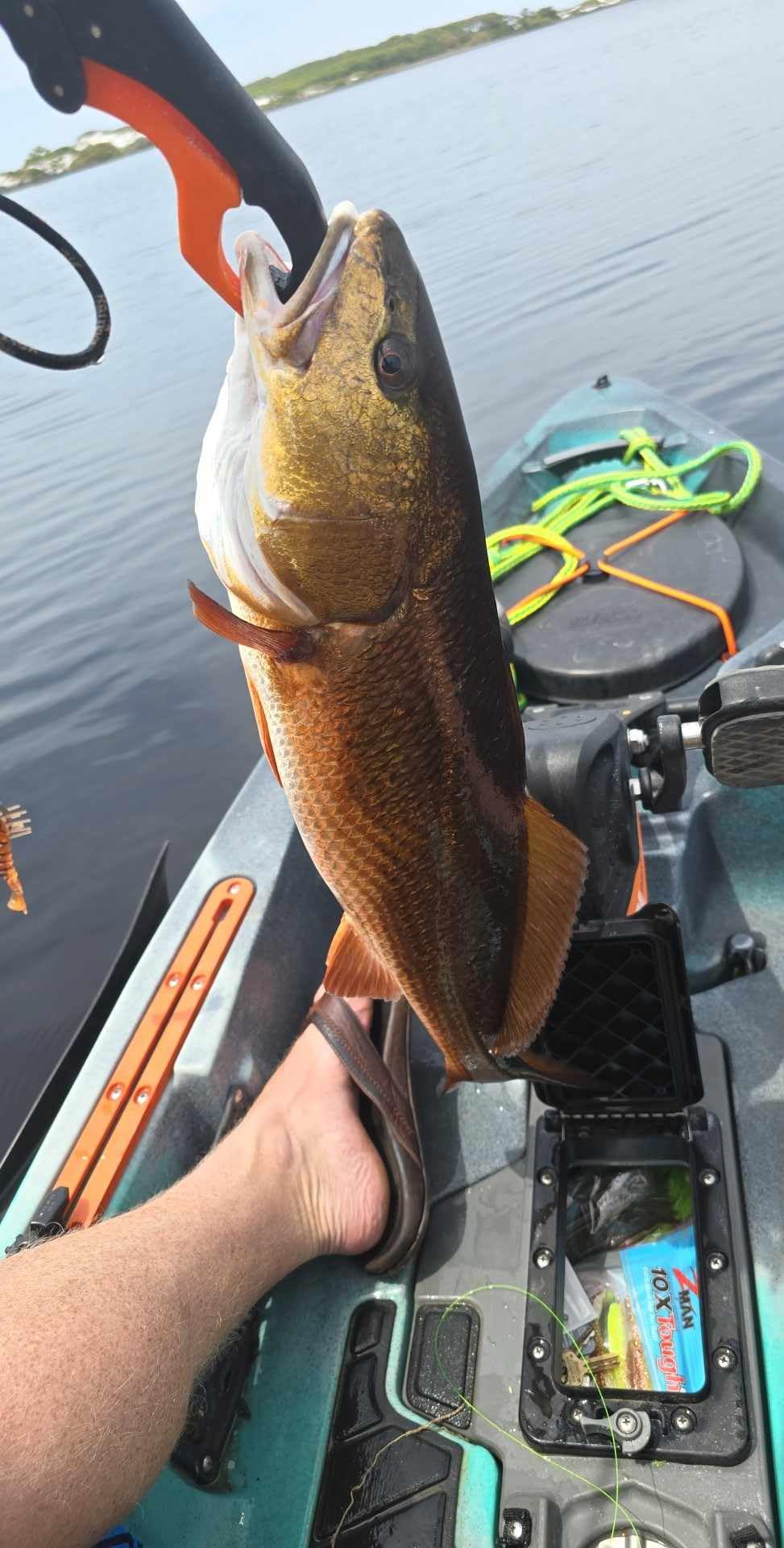
Redfish (Red Drum) are perhaps the most reliable targets for finger mullet anglers. These bronze bombers have a particular fondness for mullet in the 3-4 inch range, especially during fall feeding frenzies. Free-lining finger mullet around oyster beds and grass edges produces consistent results, though a popping cork rig excels when targeting fish in 2-4 feet of water. Many anglers report using finger mullet for redfish with exceptional results at coastal hotspots - the bait's natural swimming action triggers aggressive strikes from reds of all sizes.
Speckled Trout demand a more refined approach. While they'll certainly attack larger mullet, trout seem to prefer finger mullet in the 2-3 inch range. Free-lining with minimal weight works best, as trout are often line-shy. Focus on drop-offs adjacent to grass beds and structure during low-light periods for best results.
Flounder require patience but reward those who wait. These ambush predators grab finger mullet and often hold them for several seconds before swallowing completely. The trick is counting to five slowly after feeling the initial thump before setting the hook. Carolina rigs work exceptionally well for flounder, keeping the bait near the bottom where these flatfish wait in ambush.
Snook are perhaps the most exciting targets on finger mullet. Their explosive strikes and acrobatic jumps make them the stuff of fishing dreams. Fish finger mullet around dock pilings, mangrove edges, and bridge shadow lines during tidal movements. Snook often position themselves to intercept mullet being swept by current.
Tarpon and Jack Crevalle represent the heavy artillery of finger mullet fishing. When massive schools of finger mullet move through, these bruisers launch aerial assaults that can leave you breathless. Scale up your tackle and use larger mullet (5-6 inches) for these species.
Other species regularly caught on finger mullet include black drum, bluefish, Spanish mackerel, ladyfish, sharks, cobia, and even the occasional grouper. The "finger mullet rig" approach works across virtually all coastal fisheries, making this bait indispensable for anglers who target multiple species.
How to Catch Finger Mullet: Cast Net Mastery
Learning to catch your own finger mullet opens up fishing possibilities that store-bought bait simply can't match. A cast net remains the most efficient tool for the job, though technique matters more than equipment. For finger mullet specifically, a 6-8 foot radius net with 3/8-inch mesh strikes the ideal balance between catching capacity and manageable weight.
The mesh size is critical - too large and mullet slip through; too small and the net becomes unnecessarily heavy. A 3/8-inch mesh captures mullet from 2-6 inches effectively while still sinking fast enough to trap schools before they scatter. The weight per foot also matters - around 1 pound per foot provides sufficient sink rate without exhausting your shoulder during repeated throws.
Finding Finger Mullet Schools
Success begins with locating productive waters. Finger mullet congregate in predictable patterns that savvy anglers learn to read. Look for nervous water - surface disturbances created by feeding or fleeing baitfish. During low-light periods, watch for the tiny splashes of mullet jumping to escape predators.
- Shallow grass flats during incoming tides concentrate feeding mullet
- Creek mouths where freshwater meets saltwater create mixing zones mullet favor
- Marina basins offer structure and protection, especially at dawn and dusk
- Beach troughs formed by wave action channel mullet along the surf line
- Dock and pier shadows provide ambush points where predators drive mullet
Bird activity provides the most reliable visual cue. When you see terns, gulls, or pelicans diving repeatedly, they're feeding on baitfish pushed to the surface by predators below. Position yourself up-current from the activity and wait for schools to move within casting range.
Cast Net Technique from a Kayak
Throwing a cast net from a sit-on-top kayak presents unique challenges but remains entirely doable with practice. Stability is paramount - never attempt this in rough water or strong current without experience. The key is smooth, controlled movements rather than trying to replicate shore-based throws.
- Approach quietly - Use your paddle to drift toward schools, not a motor. Sound travels efficiently through water and spooks baitfish.
- Lead the school - Mullet move constantly. Throw where they're heading, not where they currently are. Observe their direction for 10-15 seconds before committing.
- Quick retrieve - Once the net sinks, haul it in immediately. Mullet are escape artists - the longer the net sits, the more bait you'll lose through the mesh.
- Transfer quickly - Have your bait bucket ready and move mullet into aerated water within seconds of landing the net.
Practice on land first. Set up targets in your yard and work on achieving that perfect "pancake" spread where the net opens fully before hitting the water. A poorly thrown net that lands as a ball catches nothing but disappointment. If you plan to stand in your kayak while casting, consider adding outriggers for stability - safety always comes before bait.
Alternative Methods: No Cast Net? No Problem
Physical limitations or fishing from unstable platforms don't have to exclude you from catching finger mullet. Several effective methods require no casting net skills while still producing quality bait.
Sabiki Rig Method
The sabiki rig consists of multiple small hooks attached to a main line, designed specifically for catching small baitfish. For finger mullet, use a rig with size 8-12 hooks and tiny pieces of shrimp or bread balls as bait. Add a small float 18 inches above the top hook and a 1/2-ounce weight at the bottom to keep the rig vertical.
Cast near grass edges, dock pilings, or channel markers where finger mullet congregate. A gentle jigging motion attracts attention without spooking the school. When a mullet hits, play it carefully - the small hooks can tear out if you horse the fish. Once you hook one, others often follow, creating a fast-paced catch session that fills your bucket efficiently.
Hook and Bobber Technique
This old-school method works surprisingly well for patient anglers. Rig a size 10-12 hook with a small piece of white bread rolled into a firm ball. Set a small bobber 2-3 feet above the hook and cast into channels or creek mouths. The mullet nibble the bread, and while it's slower than cast netting, it's accessible to anyone with basic tackle.
The key is using just enough bread to cover the hook point without creating a bulky presentation that mullet reject. Check your bait every few minutes - the bread dissolves quickly in saltwater. This method shines during early morning hours when mullet feed aggressively on surface material.
Trap Method
Minnow traps designed for freshwater work equally well for finger mullet in tidal creeks. Bait the trap with bread, oatmeal, or canned cat food (the strong scent attracts mullet from distance). Set traps at high tide in areas with good flow, then retrieve at low tide when mullet concentrate in deeper pockets.
This passive approach lets you fish while the trap works. Check local regulations - some areas restrict trap mesh sizes or require specific labeling. While not as productive as cast netting, trapping produces fresh bait without the physical demands of throwing a net repeatedly.
Keeping Finger Mullet Alive: The Secret to Success
Live finger mullet catch significantly more fish than dead ones. The challenge lies in keeping them lively from capture until deployment. Poor bait management kills more fishing opportunities than bad technique ever will.
For half-day trips (4-6 hours), a quality 5-gallon bucket with aeration suffices. The critical factor is density - never exceed two dozen finger mullet per bucket. Overcrowding creates competition for oxygen and produces stressed, dying bait. Change 1/3 of the water every hour using fresh seawater to remove waste and replenish oxygen.
All-day anglers should invest in a flow-through bait system or a quality kayak livewell that attaches securely to the vessel. These systems provide constant water exchange, keeping mullet frisky for 8+ hours. Position the bucket or livewell low and centered in your kayak to maintain stability - a top-heavy bait container can compromise your balance, especially in choppy conditions.
Water temperature management is crucial during summer months. Finger mullet stress rapidly in warm water above 80 degrees. Add a frozen water bottle to your bucket - it melts slowly, cooling the water without the shock of ice addition. Monitor your bait for these stress indicators:
- Swimming at the surface while gasping (oxygen deprivation)
- Laying on their sides or remaining motionless at the bottom
- Red noses from repeatedly striking the bucket walls
- Loss of scales or visible damage to fins
When you observe these signs, either change water immediately or deploy those specific mullet first before they expire. Stressed bait attracts fewer strikes than healthy, active ones.
Rigging Finger Mullet: Three Proven Methods
How you rig finger mullet determines how naturally they swim, how long they survive on the hook, and ultimately, how many fish you catch. These three methods cover virtually every fishing scenario you'll encounter.
Carolina Rig (My Go-To Setup)
The Carolina rig combines the casting weight of a sinker with the natural presentation of a free-swimming bait. This setup excels for bottom-feeding species like redfish and flounder while maintaining enough weight for respectable casting distance.
- 1/2 to 1-ounce egg sinker (match to current strength)
- Plastic bead between sinker and swivel (protects the knot)
- Barrel swivel to prevent line twist
- 18-24 inches of 20-pound fluorocarbon leader
- Size 2/0 Kahle or circle hook
Hook the mullet through both lips from bottom to top. This keeps the mouth closed while allowing normal breathing and swimming. The weight sits on bottom while the bait hovers naturally above, creating an irresistible target for prowling predators.
Free-Line Rig (For Spooky Fish)
When fish are pressured or in clear, shallow water, less hardware produces more strikes. The free-line rig removes visible weight entirely, presenting the most natural bait movement possible.
- 3-4 feet of 15-20 pound fluorocarbon leader
- Size 1/0 circle hook
- Optional: Small split shot 12 inches above hook for slight casting weight
Hook placement options expand with free-lining. Through the lips works, but hooking just behind the dorsal fin creates a wounded-swimming action that drives aggressive fish wild. The bait struggles to swim normally, triggering predatory instincts. This presentation shines when sight-casting to specific fish.
Popping Cork Rig (Attention Getter)
The popping cork combines noise attraction with live bait presentation, calling fish from distances beyond visual range. This rig dominates when covering water or fishing stained conditions where visibility is limited.
- Quality popping cork (weighted versions cast farther)
- 2-3 feet of 20-pound fluorocarbon leader below cork
- Size 2/0 Kahle or circle hook
Hook finger mullet through the nose bridge - the clear cartilage between the eyes. This placement maximizes bait longevity while allowing erratic movement when you pop the cork. The sharp jerking motion of the cork creates surface disturbance that mimics feeding fish, drawing predators to investigate your bait.
Where to Hook Finger Mullet (Location Matters)
Hook placement is the single most important factor in finger mullet presentation. The same bait on the wrong hook placement dies quickly and produces lackluster results. Understanding when to use each method separates successful anglers from frustrated ones.
Through the Lips (Bottom/Bridge): Insert the hook from the bottom lip up through the top lip, keeping the mouth closed. This allows the mullet to breathe normally while preventing it from spitting the hook during casting. Best for bottom fishing with weight or bridge/pier fishing where the bait needs to swim downward.
Nose/Eye Socket (Drift/Free-Line): Thread the hook through the hard cartilage between the eyes. This location keeps mullet alive longest - I've had mullet swim actively for 30+ minutes on this hook placement. Ideal for drift fishing, free-lining, and situations where maximum bait longevity matters.
Behind the Dorsal Fin (Wounded Action): Hook about 1/3 back from the head, just behind the dorsal fin and above the lateral line. This creates an injured-swimming action that triggers aggressive strikes from otherwise neutral fish. The mullet can't swim properly, which ironically makes it more appealing to predators.
Tail Hook (Strong Current): Insert the hook through the meaty portion near the tail. This forces the mullet to swim forward constantly to escape the current, creating a frantic action that predator fish find irresistible. Use this method in inlets, passes, or anywhere strong current flows.
Understanding the trade-offs of each hooking method helps you make informed decisions on the water. The following table breaks down when to use each approach:
| Hook Location | Best For | Bait Life | Swimming Action | Casting Security |
|---|---|---|---|---|
| Through Both Lips | Bottom fishing, weighted rigs | 15-20 minutes | Natural downward swimming | Excellent |
| Nose/Eye Socket | Free-lining, drift fishing | 25-35 minutes | Natural, unrestricted | Good |
| Behind Dorsal Fin | Targeted casting to specific fish | 10-15 minutes | Wounded, erratic | Fair |
| Tail Hook | Strong current, inlet fishing | 8-12 minutes | Frantic forward swimming | Fair |
Forum discussions consistently highlight that proper hook placement extends bait life significantly - something experienced anglers prioritize over convenience. Choose your hook location based on your target species, fishing conditions, and how long you need the bait to remain lively.
Seasonal Patterns: When Finger Mullet Fishing Peaks
Understanding seasonal movements of finger mullet transforms good anglers into great ones. These baitfish follow predictable patterns throughout the year that savvy anglers anticipate and exploit.
Spring (March-May): As water temperatures climb into the 60s, finger mullet emerge from winter holes and spread across warming flats. Afternoon high tides during sunny days concentrate them in shallow back bays and creeks. Fish them in 1-3 feet of water around emerging grass beds.
Summer (June-August): Prime time for quantity and quality. Mullet are abundant everywhere - beaches, flats, rivers, and passes. The challenge is keeping them alive in hot water. Focus your fishing during early morning and evening hours when temperatures moderate and predators feed aggressively.
Fall (September-November): The legendary mullet run dominates coastal fishing conversations for good reason. Massive schools migrate south along beaches and through inlets, triggering feeding frenzies that produce the year's best fishing. If you fish finger mullet only once annually, make it October.
Winter (December-February): Mullet retreat to deep channels, holes, and the back reaches of creeks where water temperatures remain stable. They're harder to locate and catch but still effective for lethargic predators. Slow your presentation and fish deeper structure.
The Mullet Run Timing Guide
The fall mullet run is the most anticipated inshore fishing event of the year along the Atlantic and Gulf coasts. Understanding the timing helps you position yourself for epic action when it unfolds.
The run typically begins in late August in northern regions (Carolinas, Georgia) and progressively moves south through September and October. By November, the bulk of the migration reaches Florida waters. Local timing varies based on water temperature triggers - the magic number seems to be when surface temps drop consistently below 75 degrees.
During the run, finger mullet school in massive pods numbering in the tens of thousands. These schools move predictably along beach fronts, through inlets, and into backwaters. Predatory fish shadow these schools, creating feeding opportunities that last for weeks.
The best fishing occurs during the first major cold fronts of fall. These temperature drops trigger heavy feeding as fish prepare for winter. Incoming tides that coincide with dawn or dusk produce explosive action, with predators pushing mullet against shorelines and into channels.
Signs that the run is active include birds diving aggressively along beaches, surface explosions as predators attack bait balls, and the distinctive "black water" appearance created by dense mullet schools. Position yourself along migration routes - inlets, passes, and beach troughs - for consistent action.
Advanced Techniques: Level Up Your Mullet Game
Once you've mastered the fundamentals, these advanced tactics will put you ahead of the crowd. These are the techniques guides use when the fishing gets tough and weekend anglers go home empty-handed.
Chumming with Finger Mullet
Creating a scent trail brings predators to you rather than requiring you to find them. Sacrifice 3-4 finger mullet by cutting them into thumbnail-sized chunks. Toss these pieces up-current from your fishing position every few minutes. The oil and scent create an invisible highway that leads fish directly to your live bait.
This technique shines when fishing docks, bridges, or stationary structure. The chum slick spreads downstream, attracting fish from surprising distances. Once you see activity on your fishfinder or notice line twitching from investigating fish, stop chumming and let your live bait do the work.
Night Fishing Under Lights
Dock lights and bridge lights create predictable feeding zones after dark. These lights attract small baitfish, which in turn attract finger mullet and the predators that eat them. The fishing can be spectacular when you find the right light.
Position your kayak just outside the light's edge, where darkness meets illumination. Predators patrol this transition zone, waiting for bait to venture out of the light. Free-line your finger mullet through this zone with minimal weight. Snook and tarpon are particularly active during these nighttime feeding sessions. A quality headlamp helps with rigging and fish handling while preserving your night vision.
Match the Hatch Sizing
Predators key on the most abundant prey size in their environment. When you catch finger mullet, pay attention to what size dominates the school. If most mullet are 3 inches, don't fish a 6-inch bait - it's outside the predator's search image.
I keep different sizes separated in my bait bucket using small mesh bags or separate containers. This allows me to match exactly what the fish are seeing naturally. During the mullet run, size matching becomes less critical due to the sheer abundance of bait, but during normal conditions, it often makes the difference between catching and just fishing.
The Wounded Mullet Trick
For stubborn or neutral fish, creating an obviously injured bait can trigger a reaction strike. Use scissors to clip one pectoral fin of your finger mullet. This forces the baitfish to swim in tight circles, mimicking a wounded, disoriented fish.
The technique seems harsh, but it produces when nothing else will. Fish that refuse healthy baits often smash wounded ones immediately. Use this as a last resort when you've identified fish but can't trigger strikes with conventional presentations.
Common Mistakes to Avoid
Even experienced anglers fall into habits that reduce their finger mullet success. Recognizing and correcting these errors immediately improves your catch rate.
Overcrowding Bait Buckets kills more mullet than anything else. Three dozen finger mullet in a 5-gallon bucket creates a death trap. The competition for oxygen stresses everyone, and the survivors are sluggish and unappealing. Follow the two-dozen maximum rule regardless of how many you caught.
Wrong Hook Sizes ruin presentations. Oversized hooks weigh down small mullet, preventing natural swimming. Undersized hooks pull out on big fish. Match your hook to bait size: size 1 for 2-inch mullet, size 1/0 for 3-inch, and size 2/0 for 4-6 inch baits.
Fishing Dead Mullet Like Live Ones produces disappointing results. Once a mullet dies, its presentation changes completely. Dead mullet work best as cut bait on bottom, not attempting to mimic live swimming action. Recognize when your bait has expired and either cut it or replace it.
Spooking Schools ruins areas for hours. Cast nets thrown directly on top of mullet schools send them scattering and often drive them from the area entirely. Learn to lead the school by 10-15 feet, letting them swim into your net's landing zone. Patience in approach pays dividends in bait catch.
Essential Gear for Finger Mullet Fishing
Quality gear makes finger mullet fishing more efficient and enjoyable. While you can get started with basic equipment, these specialized tools solve common problems and improve your overall experience on the water.
Best Cast Net for Finger Mullet

Betts Old Salt Premium Cast Net for Bait Fish with Utility Box (4-Feet x 3/8-Inch)
4-foot radius
3/8-inch mesh
1lb per foot weight
Includes utility box
+ Pros
- Quality construction with tight leadline
- Perfect size for kayak fishing
- Includes storage box for accessories
- Good weight for sinking quickly
- Cons
- Not Prime eligible
- Ships in 2-3 days
The Betts Old Salt Premium Cast Net offers the ideal combination of size, weight, and quality for finger mullet fishing. At 4-foot radius with 3/8-inch mesh, it captures mullet efficiently without becoming unmanageable from a kayak or shore. The included utility box keeps your hooks, lures, and accessories organized while you focus on netting bait.
What separates this net from cheaper alternatives is the tight leadline construction. Lead weights stay in place throw after throw, ensuring consistent sinking speed and net closure. The 1-pound per foot weight provides fast sink rate to trap schools before they scatter, yet won't exhaust your shoulder during a morning of bait catching.
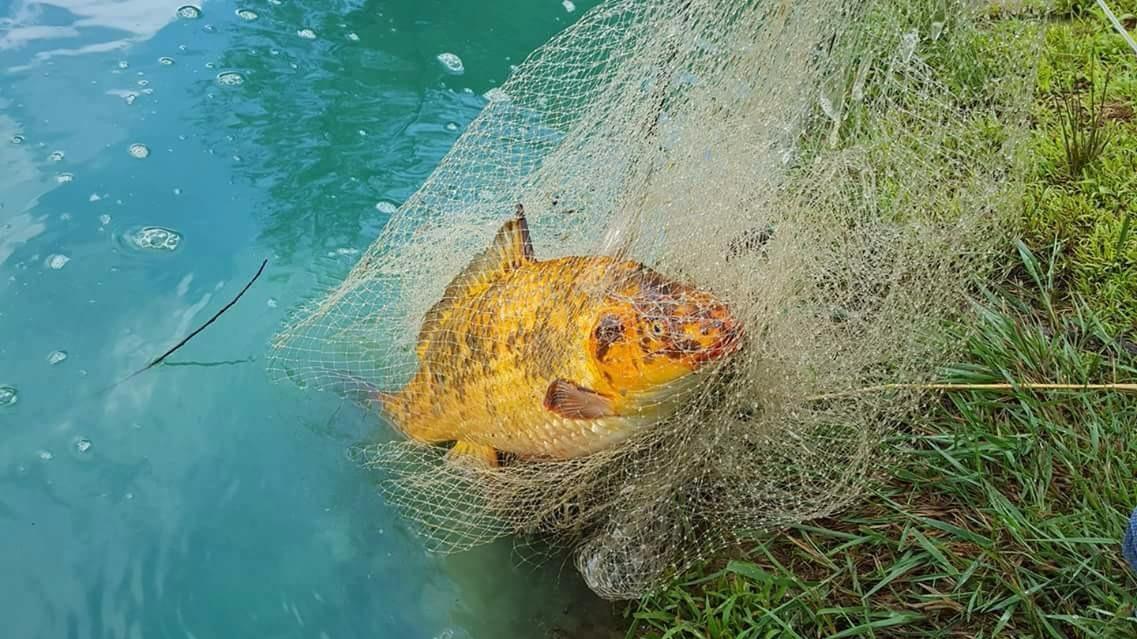
I've used this net extensively from both kayaks and shorelines. The 4-foot radius represents the sweet spot - large enough to catch sufficient bait in 2-3 throws, small enough to manage without a partner. For kayak anglers specifically, the manageable size prevents the stability issues that larger nets create.
Whether you're targeting finger mullet in shallow grass flats or deeper channel edges, this net performs consistently. The 3/8-inch mesh captures mullet as small as 2 inches while avoiding the bulk that larger mesh sizes create. For anyone serious about catching their own live bait, this cast net belongs in your arsenal.

Best Landing Net and Fish Gripper Kit

Bombrooster Foldable Kayak Landing Net Kit, 4PCS Fishing Tool Set
4-piece fishing tool kit
Folding landing net
Fish gripper with lanyard
Stainless steel pliers
+ Pros
- Complete kit with multiple tools
- Compact and foldable design
- Good for kayak fishing
- Ergonomic non-slip handles
- Cons
- Pliers may be small for larger tasks
- Net rated for fish under 15lbs
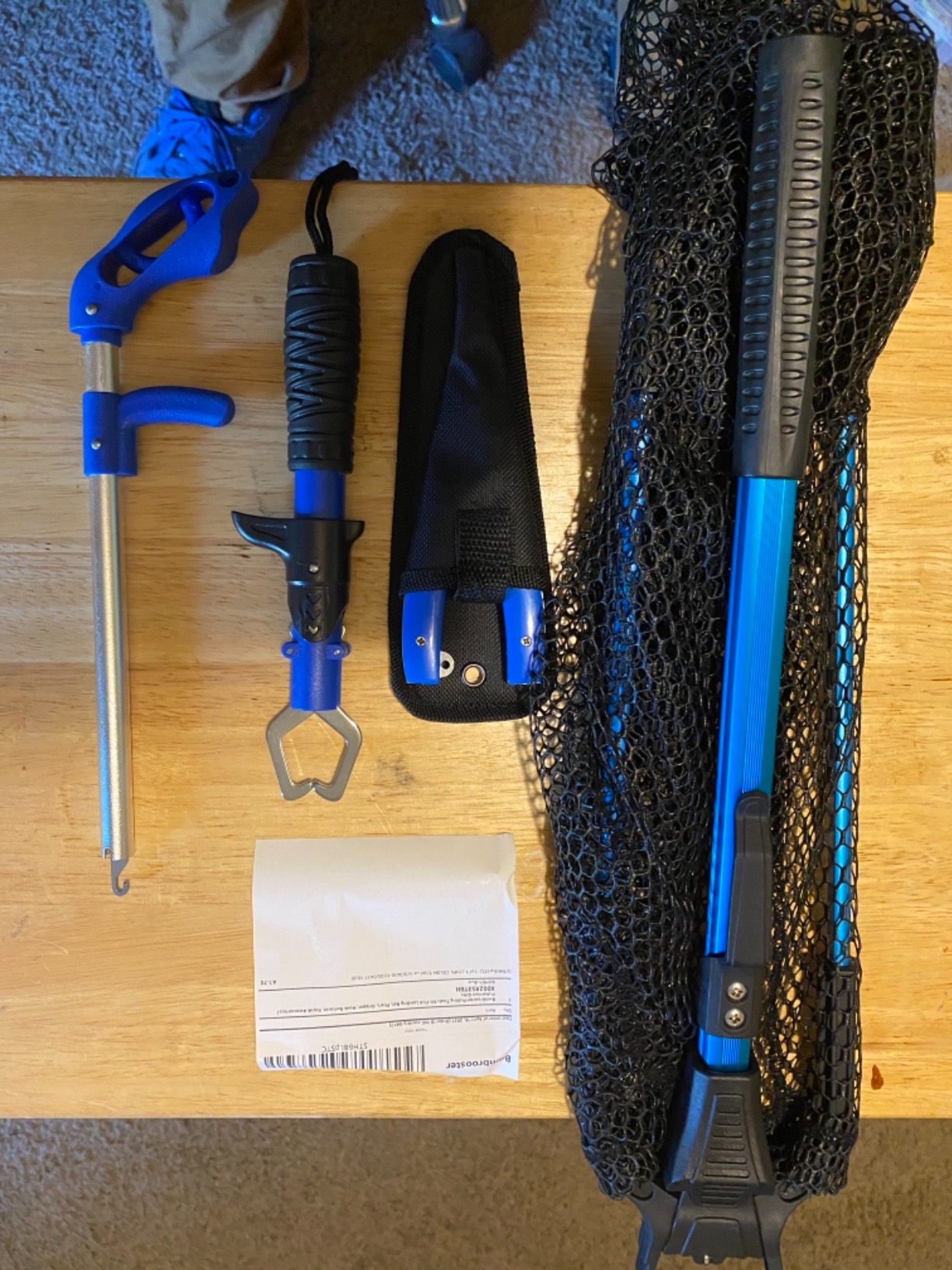
Handling fish safely while protecting yourself from sharp hooks requires the right tools. This 4-piece kit provides everything needed for proper catch-and-release fishing or securing your catch for the cooler. The folding landing net features non-tangling coated mesh that won't damage fish scales or remove protective slime.
The included fish gripper features a T-handle design with a wrist lanyard, allowing one-handed operation while you manage your line or prepare the camera. This proves invaluable when handling toothy fish like bluefish or Spanish mackerel that frequent finger mullet schools.
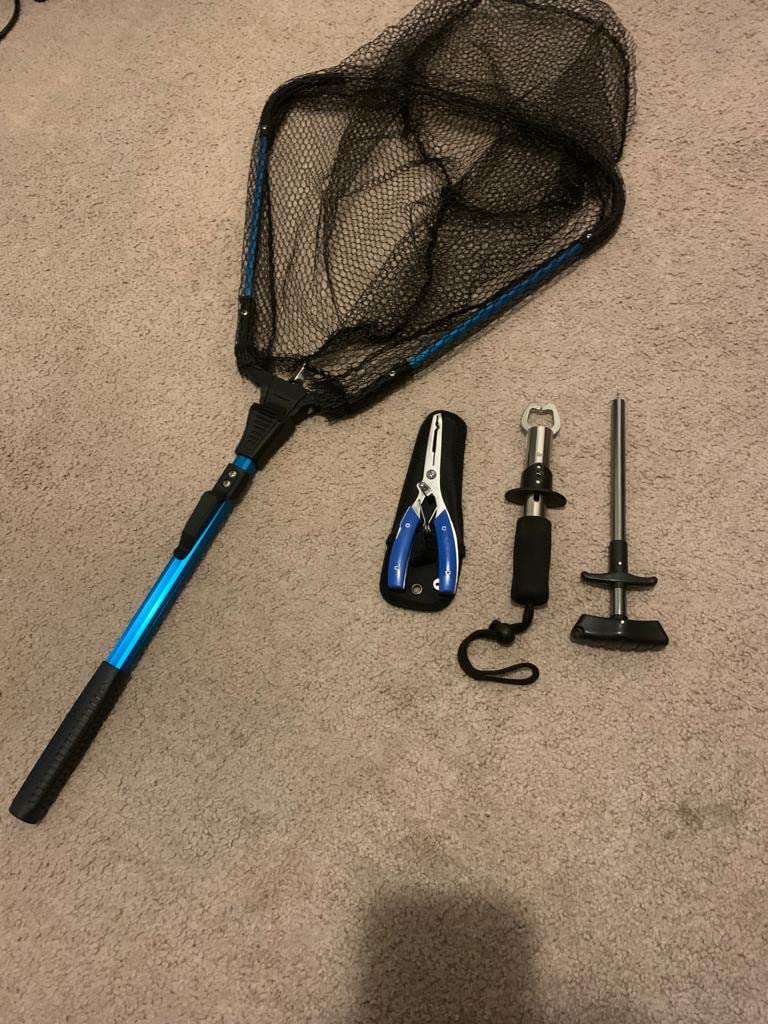
Kayak anglers particularly appreciate the compact, foldable design. The net collapses to fit in tight storage spaces, and the included tools cover most fishing scenarios without requiring a bulky tackle box. The stainless steel pliers handle cutting line and removing hooks efficiently, while the dedicated hook remover tool provides safe extraction from deep hooksets.
For the price, this kit eliminates the need to purchase tools separately while ensuring compatibility between components. Everything stores together, reducing the chance of forgetting essential gear on the water.
Best Live Bait Bucket with Aerator

VEYWANE Live Bait or Fish Bucket with Aerator, 14 Quarts Multi-Function Collapsible Fishing...
14 Quarts (3.5 Gallon) capacity
Rechargeable 2600mAh battery
Collapsible design
36-72 hour battery life
+ Pros
- Collapsible for easy storage
- Long battery life (36-72 hours)
- Multi-purpose design
- Rechargeable aerator included
- Cons
- Some durability concerns noted
- Aerator noise noticeable
Keeping finger mullet alive requires more than just water - they need consistent oxygenation, especially during summer heat. This collapsible bait bucket combines capacity with convenience, featuring a built-in rechargeable aerator that runs up to 72 hours on a single charge.
The 14-quart capacity holds plenty of finger mullet for an extended fishing session without overcrowding. The collapsible design proves invaluable for kayak anglers with limited storage - the bucket folds flat when not in use, occupying minimal space during transport.
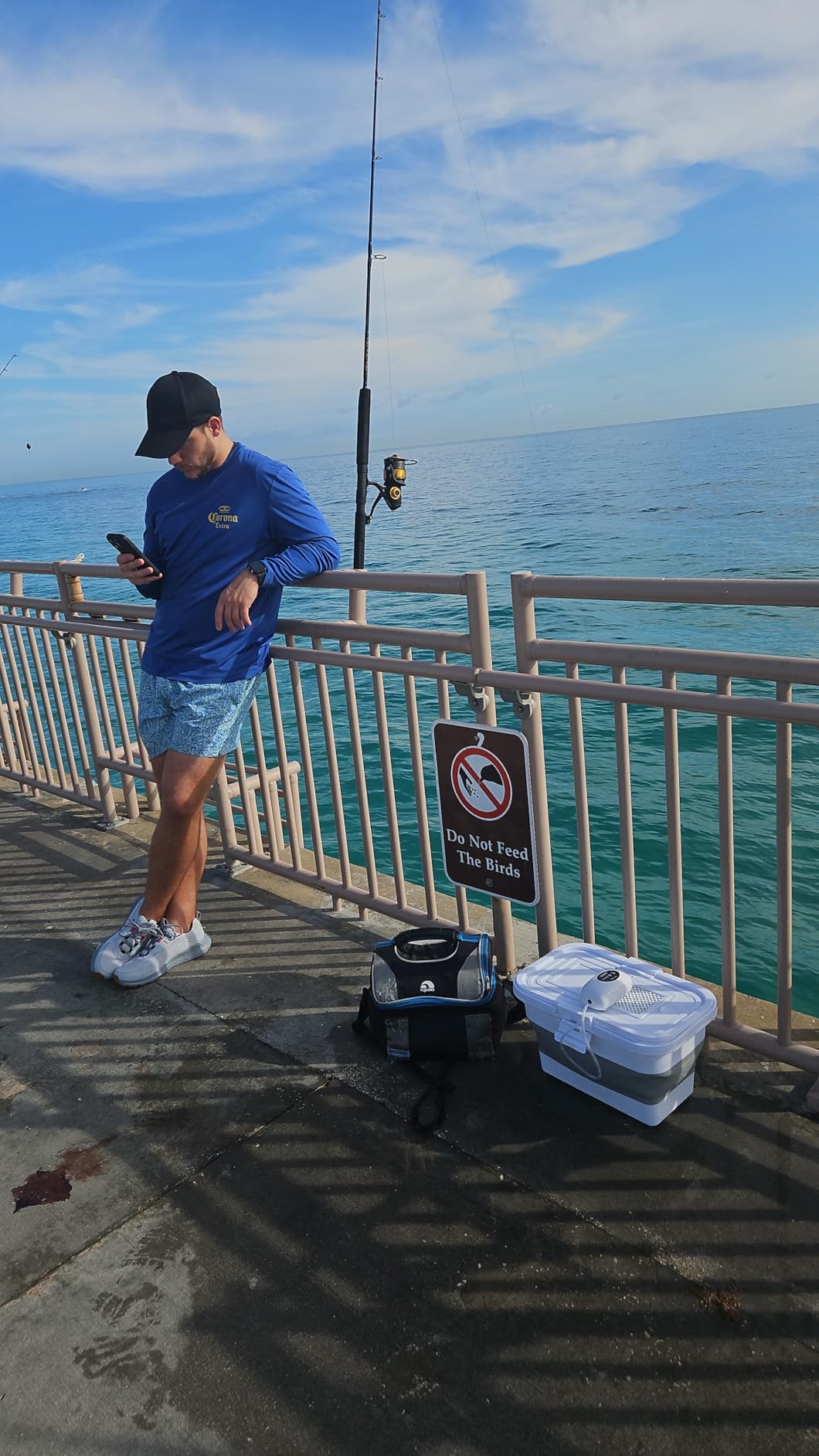
Unlike battery-powered aerators that require constant replacement, the rechargeable 2600mAh battery saves money long-term while reducing waste. The aerator produces sufficient bubbles to keep water oxygenated even with two dozen mullet competing for air. A waterproof switch prevents accidental activation during splashing conditions.
Between fishing trips, the bucket serves multiple purposes - camp storage, laundry basket, or wash basin. This versatility justifies the space it occupies in your gear collection. For serious live bait anglers, proper aeration isn't optional, and this system delivers reliable performance trip after trip.
Best Sabiki Rig for Catching Finger Mullet

Free Fisher 22 Packs Bait Rigs Set, Fishing Bait Rigs,Fishing Rigs with Sharp Hooks,Soft Shrimp Lure...
22 rigs per package
Genuine fish skin with scent
Luminous beads for night fishing
Assorted sizes 8# to 16#
+ Pros
- Excellent variety of rigs
- Sharp high-quality hooks
- Real fish skin attracts fish
- Great value for money
- Cons
- Hook sizes may vary from standard
- Some knots may need checking
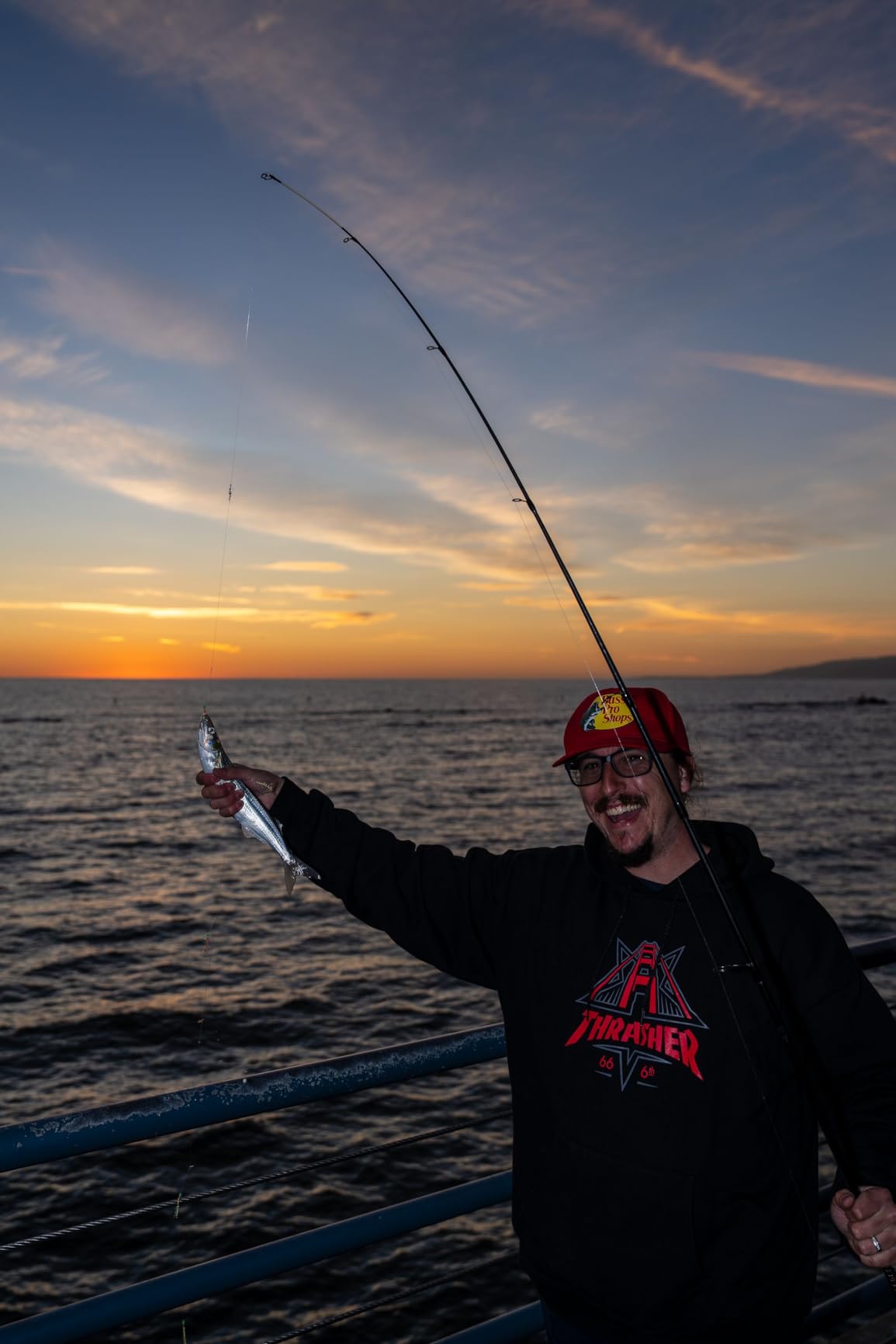
When cast netting isn't practical, a sabiki rig provides an effective alternative for catching finger mullet. This comprehensive set includes 22 rigs featuring genuine fish skin that releases scent trails attracting baitfish from distance. The luminous beads add visibility during low-light conditions when mullet feed most actively.
The high carbon steel hooks maintain sharpness even after multiple catches, while the included swivels and snaps prevent line twist during active jigging. Assorted sizes from 8# to 16# let you match hook size to the mullet size you're targeting.
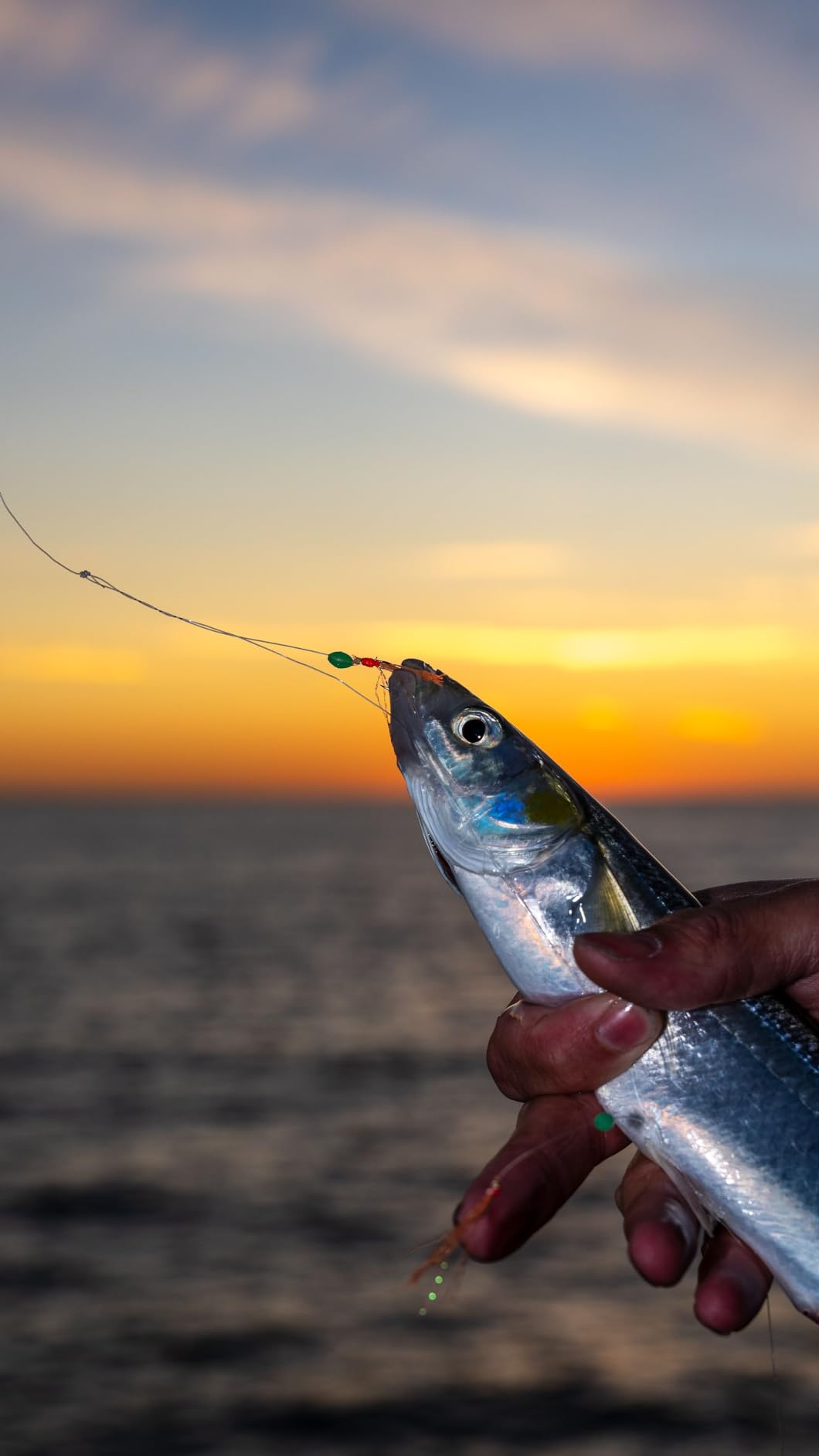
Finger mullet respond particularly well to the fish skin baits, which mimic the texture and scent of natural prey. The rigs come pre-tied, saving time on the water - simply attach to your main line, add a small weight, and start fishing. For anglers who struggle with cast net throwing or fish from platforms where netting is impractical, these rigs provide consistent results.
At the price point, having 22 rigs means you're set for multiple seasons. Even if you lose a few to snags or damage, the quantity ensures you won't run out during a productive fishing trip.
Best Popping Cork for Finger Mullet Rig
BOMBER Salt Water Paradise Popper Xtreme Jigs, Orange
Titanium-Tuff construction
Weighted for longer casts
Splashy clatter attracts fish
Works with live bait and lures
+ Pros
- Excellent pop sound that attracts fish
- Durable titanium wire construction
- Weighted for long-distance casting
- Great for redfish
- speckled trout
- and snook
- Cons
- Some users report wire loop can break on large fish
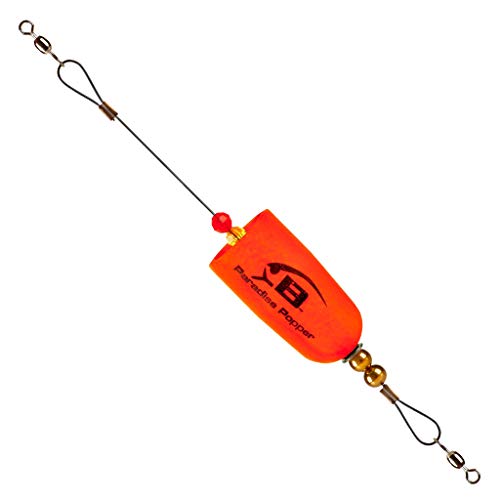
The Bomber Paradise Popper represents the gold standard for popping corks used in finger mullet fishing. Its titanium-wired construction withstands the saltwater environment while producing the distinctive "pop" that calls predators from surprising distances. The weighted design enables casting distances that unweighted corks simply can't achieve.
What separates this cork from cheaper alternatives is the sound profile. The splashy clatter mimics feeding fish breaking the surface, triggering predatory instincts in redfish, speckled trout, and snook. When worked with a sharp jerking motion, the cork creates both visual and auditory attraction that draws fish to your live bait.
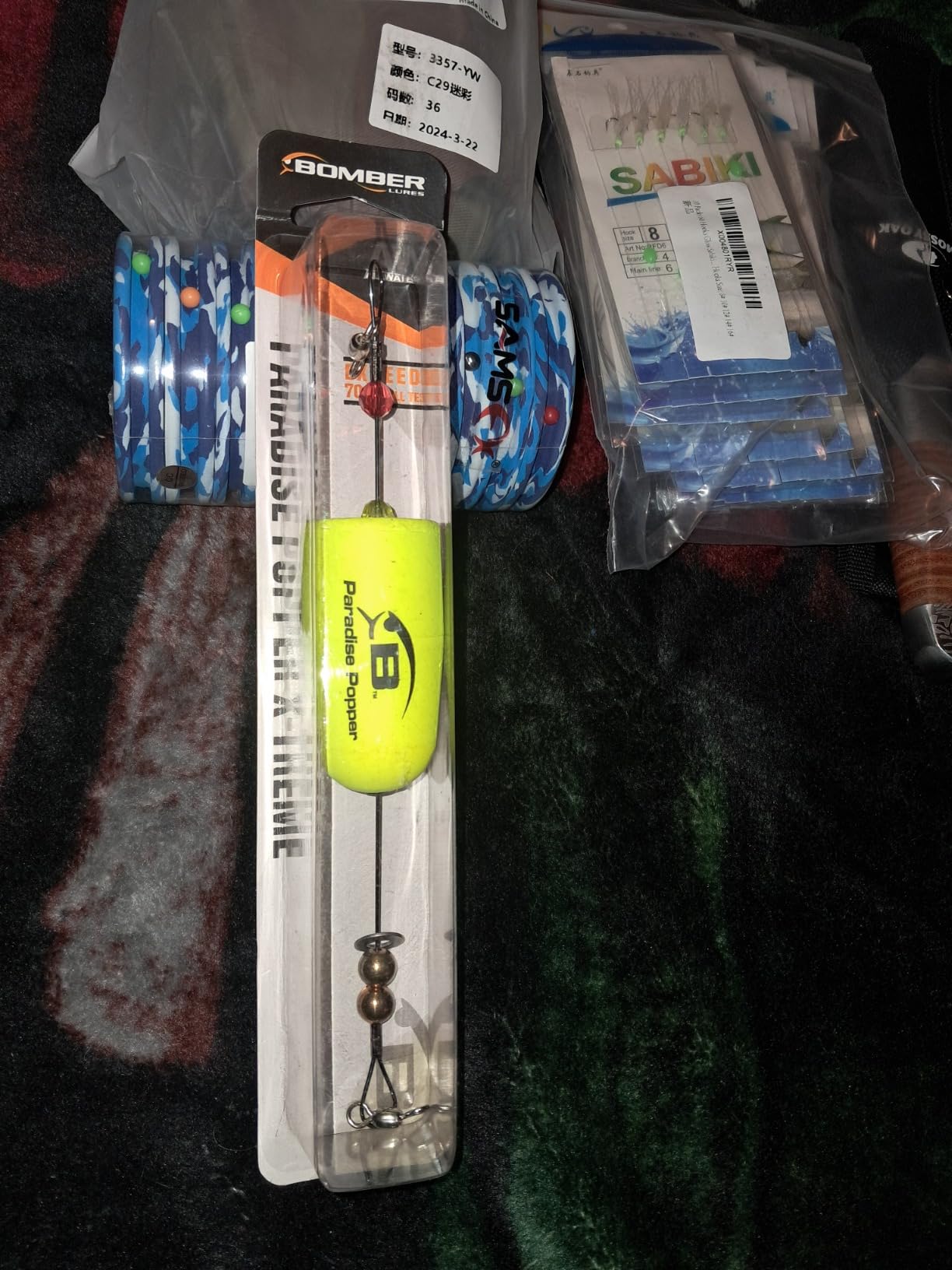
The titanium construction resists corrosion that destroys lesser corks after a season of use. While some users report occasional wire loop breakage on large fish, proper drag settings and technique minimize this risk. The orange color provides high visibility against various water conditions, helping you track your bait's position.
For finger mullet presentations, rig this cork with 2-3 feet of fluorocarbon leader terminating in a size 2/0 Kahle hook. Hook your mullet through the nose bridge and work the cork with sharp 1-foot sweeps of your rod tip. The resulting commotion brings fish from adjacent structure and grass beds to investigate your offering.
Additional Essential Gear
- Long-nose pliers - Essential for removing hooks from toothy species
- Polarized sunglasses - Cut glare and spot bait schools beneath the surface
- Bait transfer net - Small mesh net for moving mullet without handling
- Cast net bucket - Mesh bucket for storing and rinsing your cast net
- Hook sharpener - Maintain needle-sharp points for solid hooksets
Safety Considerations for Kayak Anglers
Fishing with live bait from a kayak introduces unique challenges that shore anglers don't face. Recognizing and mitigating these risks keeps your focus on fishing rather than survival.
Standing to cast net presents the most obvious danger. Only attempt this in flat-calm conditions with a stable fishing kayak. Consider adding outriggers for additional stability if you plan to stand regularly. Practice your throwing motion while seated first, then progress to standing once you're confident in your balance.
Multiple rods with live bait create chaos during hot bites. A hooked fish thrashing near your kayak can tangle with spare rods, bait buckets, and paddle leashes. Secure all loose gear before deploying live bait, and consider rod leashes mandatory equipment rather than optional accessories.
Bait bucket placement directly affects kayak stability. Keep buckets low and centered - never secure them to high points or off one side. A tethered floating bucket often works better than deck-mounted options in rough water, as it moves independently with wave action.
Sharp hooks and thrashing fish are hazardous in confined kayak spaces. Keep fish grippers and pliers immediately accessible, not buried in a tackle crate. Consider wearing eye protection when handling fish near your face - a flopping fish with exposed hooks can cause serious injury.
Storing and Preserving Finger Mullet
Sometimes you catch more mullet than you can use in one session. Proper preservation techniques extend the utility of your bait while maintaining effectiveness for future trips.
Freezing for Later Use
- Rinse mullet thoroughly in clean saltwater to remove slime and debris
- Pat dry with paper towels - excess moisture creates freezer burn
- Vacuum seal in meal-sized portions (about a dozen per bag)
- Lay bags flat in freezer for efficient storage
- Use within 3 months for best quality, though they'll last 6 months
Frozen finger mullet work best as cut bait for bottom-dwelling species like catfish and sharks. Thaw slowly in saltwater when ready to use, then fish immediately. Never refreeze thawed mullet - the texture degrades significantly.
Brining for Toughness
Brining toughens mullet for casting and helps them stay on hooks longer. Mix 1 cup non-iodized salt with 1 quart of water. Soak fresh mullet for 2 hours, then pat dry and freeze or use immediately. The salt firms the flesh while preserving the natural oils that attract fish.
This method proves particularly valuable for surf fishing where long casts are necessary. Brined mullet withstand the force of casting better than untreated bait, reducing the frustration of baits flying off hooks mid-cast.
Quick Salting Method
For immediate use, roll fresh-dead mullet in table salt and let sit for 10 minutes. Rinse briefly before fishing. This firms the flesh enough for reasonable casting while preserving the natural scent. It's not as effective as brining for long-term storage but works in a pinch.
Troubleshooting Common Problems
Even experienced finger mullet anglers encounter problems. Here are solutions to the most common frustrations:
"My mullet die too fast" - Check water temperature first - warm water above 80 degrees kills quickly. Reduce bucket density, increase aeration, or add frozen water bottles. Change water more frequently, ensuring you're using saltwater rather than fresh.
"I can't find mullet schools" - Try different tide phases - incoming tides concentrate mullet in predictable areas. Look for bird activity as your primary indicator. Scout new areas at dawn when surface activity is most visible. Temperature breaks often hold bait - find where warm and cool water meet.
"Fish won't eat my mullet" - Downsize your hooks first - oversized hardware spooks fish. Lengthen leaders if fish are line-shy. Reduce weight for a more natural presentation. Check if your mullet size matches what predators are currently eating - match the hatch matters.
"Mullet won't stay on the hook" - Adjust hook placement - through the lips or nose holds best. Consider using bait thread or elastic to secure the bait to your hook. Check hook sharpness - dull points require more force to penetrate, dislodging baits. Avoid using old, soft mullet that tear easily.
Regional Variations and Tips
Finger mullet fishing techniques vary by region due to different species, water conditions, and local patterns. Understanding these variations helps you adapt when traveling or fishing new waters.
Texas Coast: Popping corks dominate the finger mullet scene here. The muddy water common in Texas bays requires the noise and visibility that corks provide. Bull reds over shell beds can't resist a properly worked mullet under a cork.
Florida Keys and Southern Florida: Free-lining rules in these clear waters. Snook and tarpon are particularly wary of hardware, so minimal presentations produce best. Bridge fishing at night with free-lined mullet produces explosive action when tides move strongly.
Carolina Coast: The legendary fall mullet run creates surf fishing opportunities unlike anywhere else. Carolina rigs work exceptionally well for flounder and drum in the inlets during migration periods. The surf fishing during the run is legendary for a reason.
Louisiana Marsh: Sight-casting to redfish with finger mullet is the primary technique here. The shallow, clear water allows anglers to spot fish and present baits precisely. Mullet under popping corks catches virtually everything that swims in these rich estuaries.
Making the Most of Every Trip
Consistent success with finger mullet requires more than just technique - it demands preparation and attention to details that separate good anglers from great ones.
Scout at low tide to identify structure and channels that hold fish when water returns. The bottom features visible at low tide become ambush points at high tide. Take photos or mark waypoints for reference when the water rises.
Maintain a fishing log noting successful patterns. Record moon phase, tide stage, water temperature, location, and mullet size for each productive trip. Patterns emerge over time that guide future success. What worked in October may not work in June.
Network with local anglers at ramps and bait shops. Finger mullet movements change daily based on conditions, and local knowledge provides invaluable shortcuts to finding bait. A five-minute conversation can save hours of searching.
Experiment constantly with presentations. The rig that produced yesterday might fail today. Try different hook placements, leader lengths, and weights until you find what the fish want. Flexibility catches more fish than rigid adherence to "standard" techniques.
FAQ
What is finger mullet good bait for?
Finger mullet excel as bait for virtually every predatory inshore species. They produce exceptional results for redfish, speckled trout, flounder, snook, tarpon, jack crevalle, bluefish, Spanish mackerel, black drum, and sharks. Their silver flash and natural swimming action trigger strikes from fish that ignore artificial lures.
How to fish finger mullet?
The three most effective methods are: Carolina rig for bottom feeding fish like redfish and flounder, free-line rig for spooky fish in clear water, and popping cork rig for attracting fish from distance in stained water. Hook placement through the lips or nose produces the most natural presentation and longest bait life.
What type of fish eat finger mullet?
Nearly every predatory saltwater fish eats finger mullet. Primary targets include redfish (red drum), speckled trout, snook, flounder, tarpon, jack crevalle, bluefish, Spanish mackerel, black drum, cobia, ladyfish, and various shark species. Even freshwater species like bass will eat finger mullet in brackish environments.
How many finger mullet can I catch legally?
Most states don't limit the number of finger mullet caught for personal bait use. However, cast net size restrictions often apply - for example, Florida limits cast nets to 14-foot radius. Always check current regulations in your specific fishing area, as rules change and some states require fishing licenses even for bait collection.
How long will finger mullet live in a bucket?
With proper aeration and reasonable density (no more than two dozen per 5-gallon bucket), finger mullet survive 4-6 hours in summer and 8+ hours in cooler conditions. Key factors are water temperature, oxygen levels, and overcrowding. Change 1/3 of the water hourly with fresh saltwater to maximize survival time.
Can I use frozen finger mullet effectively?
Frozen finger mullet work effectively as cut bait for bottom species like catfish and sharks, but they don't produce as well as live bait for gamefish. If you must freeze them, vacuum seal in saltwater and use within 3 months. Thaw slowly in saltwater before fishing. For best results with gamefish, use fresh-dead mullet the same day they die.
What's the best hook size for finger mullet?
Match hook size to bait size: use size 1 hooks for 2-inch mullet, size 1/0 for 3-inch mullet, and size 2/0 for 4-6 inch mullet. Circle hooks and Kahle hooks both work well - circles are safer for catch-and-release, while Kahle hooks provide solid hooksets. Avoid oversized hooks that prevent natural swimming.
How do I keep finger mullet from flying off when casting?
Proper hook placement through the lips or nose provides the most secure hold. Use a lob casting motion rather than whipping your rod. Consider using bait thread or elastic to secure the mullet more firmly to the hook. Check that hooks are razor sharp - dull hooks require more force to penetrate, which can dislodge baits during casting.
Bottom Line: Your Finger Mullet Fishing Journey
Finger mullet fishing represents one of the most reliable pathways to consistent success in coastal waters. From the quiet anticipation of netting your own bait at dawn to the explosive strike of a trophy fish on your line, this approach connects you to fishing traditions that span generations.
The techniques covered in this guide - from proper cast net selection to advanced hook placement strategies - provide the foundation for productive angling throughout 2026 and beyond. But the real magic happens when you adapt these fundamentals to your local waters, developing intuition that no article can teach.
Start with the basics. Secure a quality cast net, learn to keep your bait lively, and master the three core rigs. As your confidence grows, experiment with advanced techniques like chumming and nighttime dock fishing. Pay attention to what produces in your specific environment and build your approach accordingly.
The mullet run will come again this fall, as it has for millennia. Predators will gather, feeding frenzies will erupt, and anglers with finger mullet on their hooks will be positioned for the action of a lifetime. Whether you're kayak fishing quiet backwaters or surf casting during the migration, these silver baitfish open doors to experiences that artificial lures simply cannot replicate.
Your next great catch is waiting. Fill that bait bucket, rig up, and get on the water. The fish are feeding, and now you have the knowledge to meet them there.