
8 Best Bass Fishing Lures After Heavy Rain (September 2026)
Three weeks ago, I sat in my truck watching a spring storm pound Lake Travis for two solid hours. While most anglers called it a day and headed home, I waited. At 6 AM the next morning, I launched my kayak into water that looked like chocolate milk in some areas and crystal clear in others. By noon, I had landed 28 bass, including a 6.8-pound chunk that annihilated a spinnerbait right where a drainage pipe was pumping fresh water into the lake. That day reinforced what I have learned over 15 years of kayak fishing: bass fishing after heavy rain is not just about showing up. It is about knowing where to be, when to be there, and what to throw.
Here is the truth most weekend warriors miss: post-storm bass fishing can produce the best action of your season, or it can leave you skunked and scratching your head. The difference comes down to understanding how rain changes the underwater world and adjusting your approach accordingly. This guide breaks down everything I have learned about turning those post-rain conditions into trophy opportunities from a kayak.
Do Bass Bite After Rain? The Science Behind the Bite
Yes, bass absolutely feed aggressively after rain, but the conditions dictate just how aggressive they become. Last spring on Lake Whitney, I learned this lesson the hard way. A cold front dumped three inches of rain overnight, dropping the water temperature from 68°F to 58°F in hours. The bass went from active to nearly comatose. Meanwhile, two months later on the same lake, a warm summer thunderstorm triggered a feeding frenzy that had fish crashing topwaters for hours.
The type of rain matters more than the amount. Warm rain during stable weather patterns creates ideal feeding conditions. Cold rain following a front often shuts fish down completely. Light steady rain has minimal impact on bass behavior. Heavy downpours that create significant runoff produce the most dramatic results. Understanding these differences separates successful post-rain anglers from frustrated ones.
Why Freshwater Fishing After Rain Changes Everything
When heavy rain hits your local lake or river, it triggers a chain reaction that transforms the underwater environment. Rainfall physically forces oxygen into surface water through the impact and mixing action. This oxygen infusion kicks bass metabolism into overdrive, making them more active and willing to chase prey. In summer months, I have watched lethargic bass suddenly become hunters after a good rain event.
The influx of freshwater brings food into the system. Worms, insects, terrestrial creatures, and baitfish get washed into the lake, activating the entire food chain. Those newly flooded bushes and willows that were high and dry yesterday become prime hunting grounds today. Some of my biggest bass have come from hitting cover that just went underwater within the past few hours.
River Fishing After Rain: Reading Current and Structure
Fishing rivers after heavy rain requires a completely different mindset than lake fishing. The current increases dramatically, and bass position themselves to take advantage of the chaos. Last summer on the Guadalupe River, the flow rate tripled after a storm system passed through. While boat anglers struggled to maintain position, I used my kayak to slip into eddies and behind current breaks where bass were stacked up waiting for food to drift by. For more detailed river tactics, check out our complete guide to river bass fishing techniques.
Current breaks become gold mines after rain. Every rock, bridge piling, logjam, and depth change creates an area of reduced current where bass can hold without expending excessive energy. I have pulled multiple fish from single eddies when the river is running hard. Inside bends also concentrate fish because they collect floating debris and disoriented baitfish being swept downstream.
Safety becomes paramount in flooded rivers. If you are not experienced with strong current, wait for conditions to stabilize. No fish is worth risking your life over. Check river gauges before heading out, and avoid fishing when water levels are rising rapidly.
Bass Fishing in the Rain vs. After the Storm
Fishing during rain and fishing after rain stops require completely different approaches. Both can be productive, but understanding the distinction helps you adjust your tactics appropriately.
During the Rain:
- Topwater dominates: Rain hitting the surface creates cover for aggressive topwater presentations
- Speed up your retrieve: Bass are often active and chasing, so cover water quickly
- Stay shallow: Bass frequently move up in the water column during rain events
- Dark colors work: Black, blue, and dark patterns show up better in low light conditions
After the Rain:
- Find the edges: Mud lines, current seams, and temperature changes concentrate fish
- Match speed to conditions: Warm water means normal retrieves, cold water means slowing down
- Work the runoff zones: Target areas where water and nutrients enter the main lake
- Adjust colors for clarity: Bright colors for muddy water, natural patterns for clearer areas
I have found that the sweet spot is often 2-4 hours after the rain stops. That is when runoff really kicks in and creates the transitional zones where bass feed most aggressively.
What Lures to Use for Bass After Rain: My Go-To Arsenal
After years of testing hundreds of lures in post-rain conditions, these selections consistently produce when the water is stained and bass are feeding. Each serves a specific purpose in your post-rain strategy. While crawfish lures are not my first choice immediately after heavy rain, they become deadly once water clarity begins to improve. Learn more in our guide to the best crawfish lures for bass.
1. BOOYAH Pond Magic Spinnerbait - Perfect for Small Waters
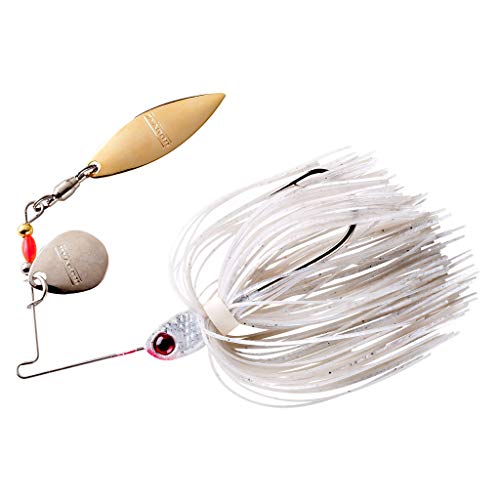
BOOYAH Pond Magic Small-Water Spinner, Shad
60-strand ultra fine silicone skirts
Mustad Ultra Point 2/0 Hook
3/16 oz top water size
+ Pros
- Compact size ideal for finicky bass
- Blade spins smoothly at slow retrieve
- Great color variety for different conditions
- Razor-sharp hook right out of package
- Excellent for ponds and creeks
- Cons
- Slightly lighter than standard spinnerbaits
- Best matched with light to medium rod
The BOOYAH Pond Magic has become my secret weapon for small water after rain. The compact 3/16 oz size is perfect for finicky bass in ponds and creeks where runoff concentrates fish. I typically throw this in white/chartreuse when the water is really stained, letting it flutter down just above the bottom in 3-6 feet of water.
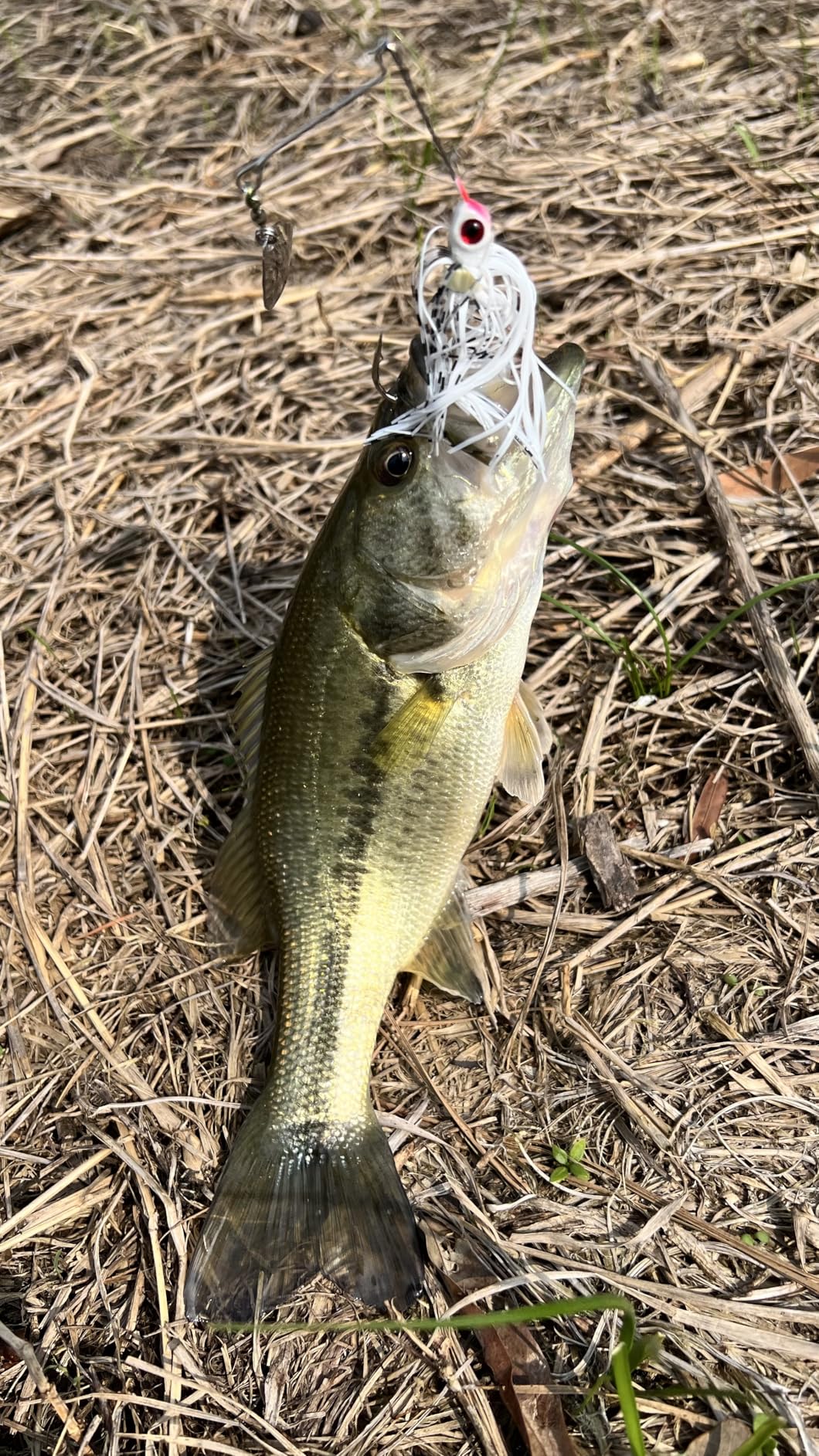
The 60-strand silicone skirt pulses even at slow retrieve speeds, which is crucial when bass are not willing to chase fast-moving baits. The Mustad hook is sticky sharp and has never let me down on the hookset. In flooded conditions, the smaller profile often outproduces larger spinnerbaits because it matches the smaller forage getting washed into the system.
When to Choose This Lure
Reach for the Pond Magic when fishing smaller bodies of water, heavily vegetated areas, or when bass seem reluctant to commit to larger presentations. It excels in 2-5 feet of water where precision casting matters more than covering acres of water.
2. Z-MAN The Original Chatterbait - The Vibration King
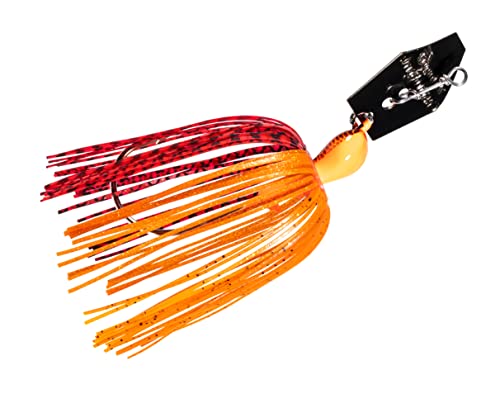
Zman Chatterbait Fire Craw 0.5 Oz
Exclusive hex-shaped ChatterBlade
Flash of spinnerbait, vibration of crankbait
Works entire water column
+ Pros
- Unmatched vibration draws strikes in dirty water
- Versatile - works at any depth
- Immediate action on retrieve
- Excellent in stained/muddy conditions
- High-quality construction holds up well
- Cons
- May need trailer for optimal action
- Some colors sell out quickly
When the water looks like chocolate milk, the Z-MAN Chatterbait is my first cast. The hex-shaped blade creates a vibration that bass can feel through their lateral line from surprising distances. I pair it with a white or chartreuse trailer and work it anywhere from right below the surface down to 10 feet depending on where I mark fish.
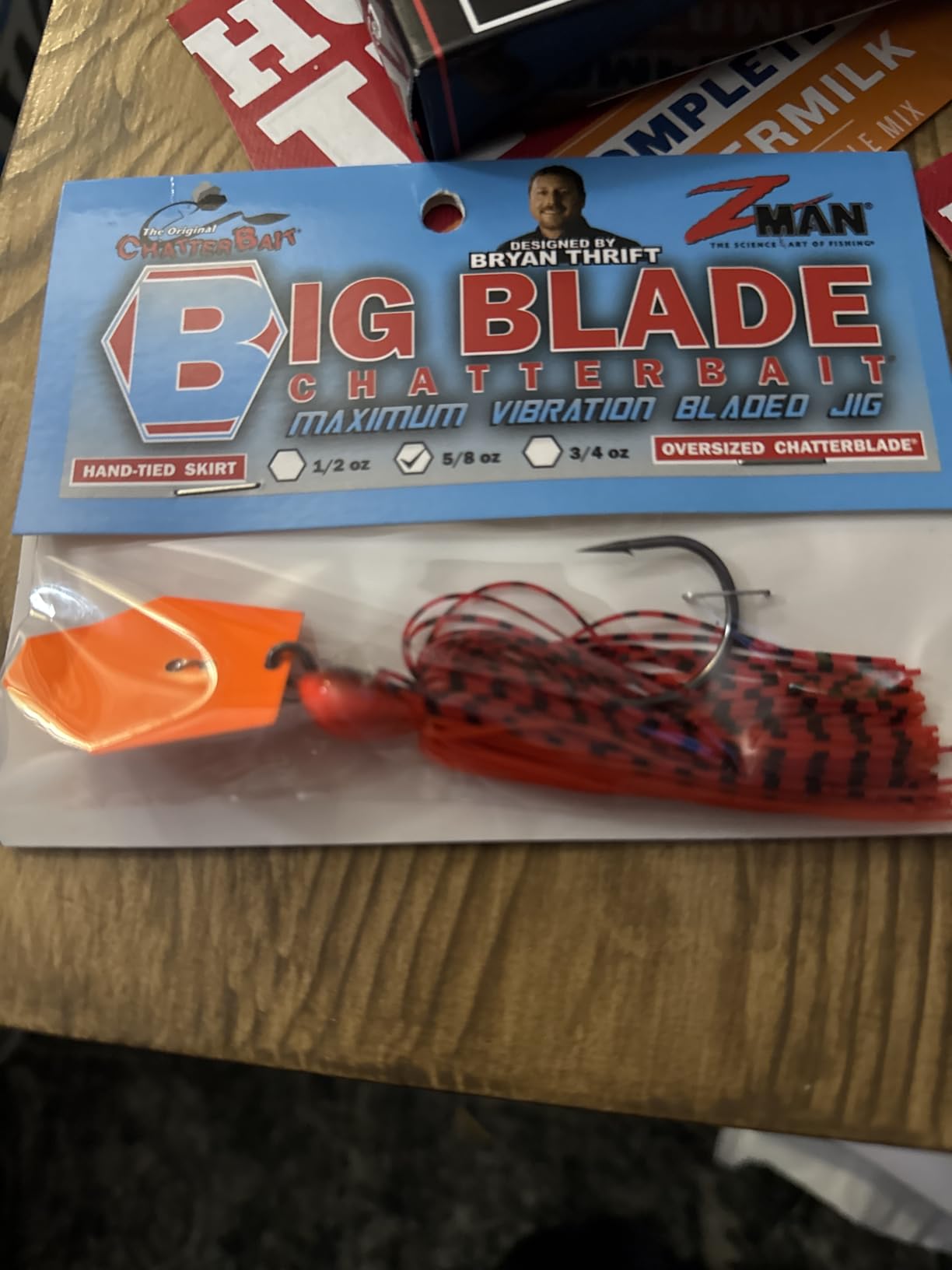
The beauty of this lure is its versatility. You can burn it fast to cover water and trigger reaction strikes, or slow roll it just above the bottom when bass are more tentative. The blade starts vibrating immediately on the retrieve, so even short casts produce maximum attraction. Last fall, I caught a 7-pound largemouth in water with maybe 6 inches of visibility because the fish could feel this lure coming.
When to Choose This Lure
Deploy the Chatterbait when water visibility drops below a foot, when you need to cover water quickly to locate active fish, or when bass are relating to shallow flooded cover. It is particularly deadly when worked parallel to mud lines where dirty water meets clearer water.
3. Northland Tackle Reed-Runner - Weedless Wonder

Northland Fishing Tackle Reed Runner Tandem Spin - Premium Spinner Baits for Freshwater - Lures for...
Virtually weedless construction
Extra willow blade paired with Colorado blade
15 colors and 3 sizes available
+ Pros
- Excellent weedless design for fishing in cover
- Tandem blades create extra vibration
- Comes with stinger hook attached
- Durable skirt material
- Casts a country mile
- Cons
- Only one review image available
- Limited review count vs competitors
Newly flooded cover is where big bass hide after rain, but it is also where most lures get hung up. The Reed-Runner solves that problem with its weedless design that lets you throw right into flooded bushes, willows, and grass without constantly hanging up. The tandem blade setup creates flash and vibration that call fish out of thick cover.
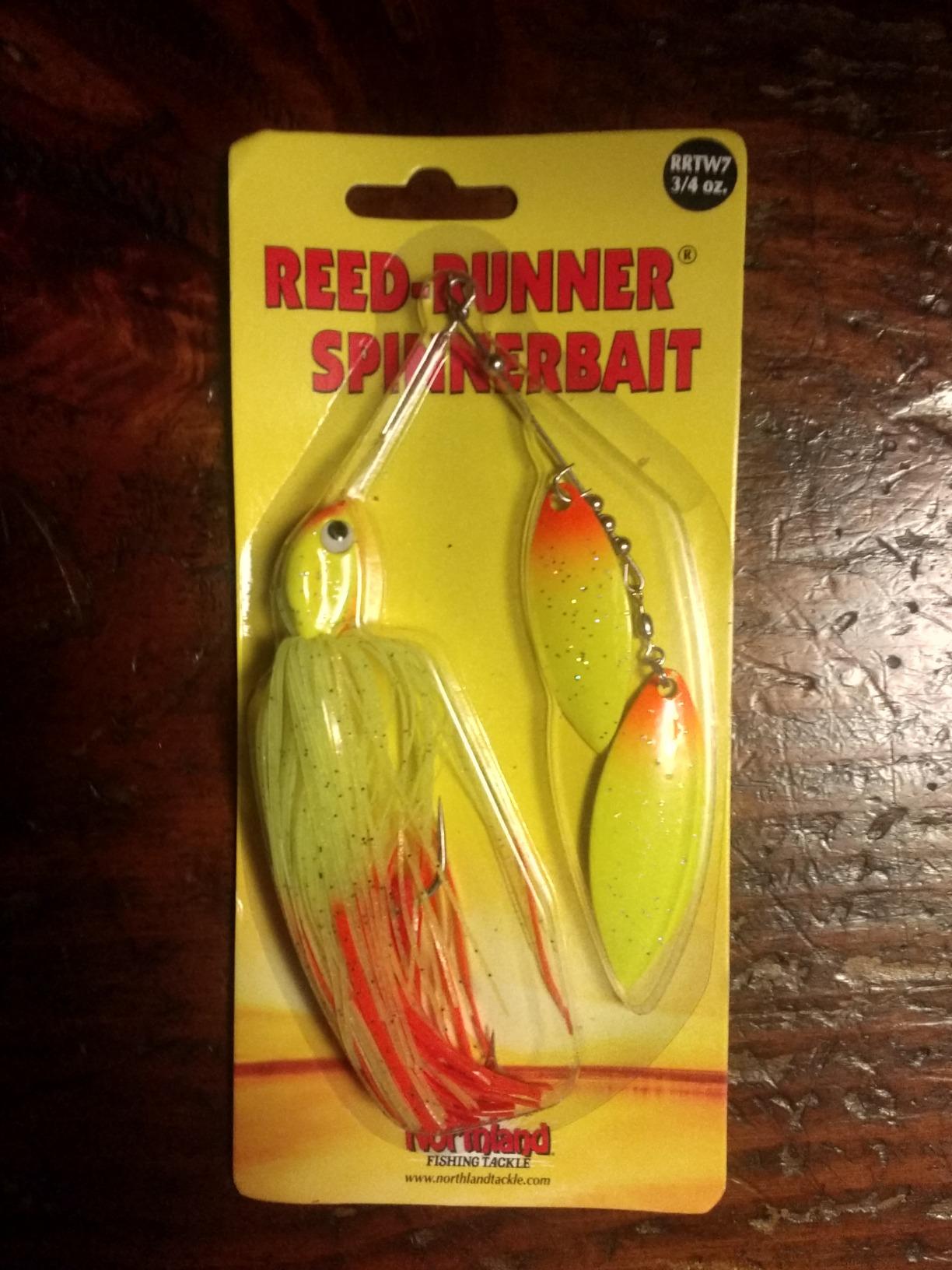
I like to work this lure with a yo-yo retrieve in heavy cover. Let it sink to the bottom, rip it up a couple feet, and let it flutter back down on semi-slack line. The strikes often come on the fall when the skirt is pulsing and the blades are fluttering. The attached stinger hook increases your hookup percentage on short-striking fish that are just swiping at the lure.
When to Choose This Lure
Choose the Reed-Runner when fishing newly flooded timber, thick vegetation, or anywhere snags are likely. It shines in 3-8 feet of water where bass are holding tight to cover and need extra incentive to come out and attack.
4. Harmony Fishing Chatterbait Kit - Beginner Friendly

Chatterbait Kit - Z-Man 3/8oz Chatter Bait + Z-Man Razor ShadZ + How to Fish Guide (Black/Blue)
3/8oz Chatterbait included
4 Razor ShadZ soft plastic trailers
How to Fish Guide included
+ Pros
- Complete kit with trailers included
- Educational guide great for beginners
- Strong vibration draws strikes in dirty water
- Easy to use - just cast and reel
- Durable construction lasts for months
- Cons
- Slightly higher price point
- Limited stock availability
If you are new to post-rain fishing or want everything you need in one package, this kit from Harmony Fishing Company is a smart choice. The included 3/8 oz Chatterbait is the ideal size for most post-rain situations, and the four Razor ShadZ trailers give you options for different water colors and conditions.
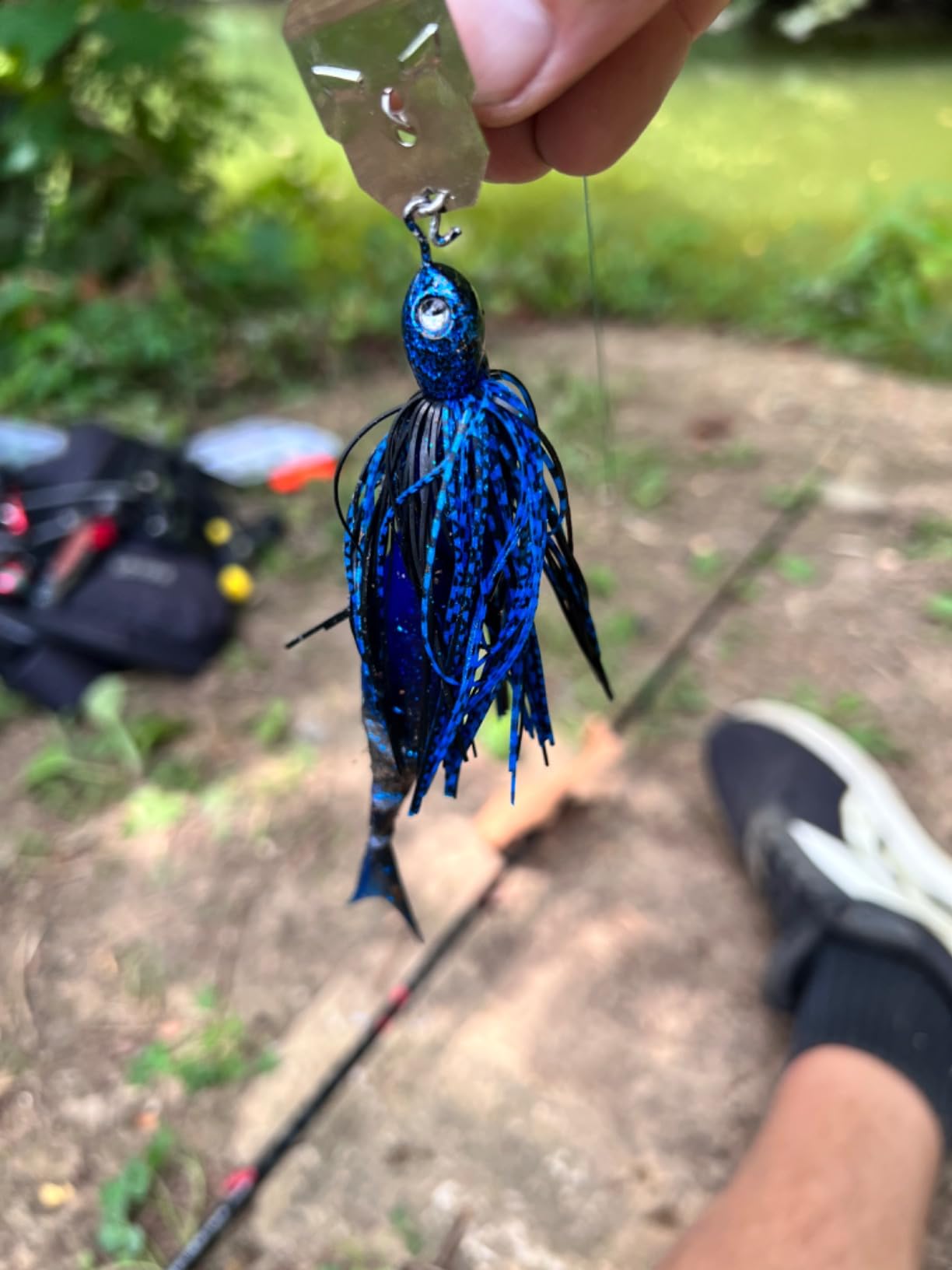
The included guide is surprisingly helpful for anglers just learning how to fish a Chatterbait effectively. It covers retrieve speeds, target areas, and color selection basics. I have given this kit to friends getting into bass fishing, and they have all caught fish with it on their first post-rain outings. The black/blue color combination included in the kit is particularly effective in stained water.
When to Choose This Lure
This kit is perfect for beginners building their first tackle box, anglers who want a grab-and-go option without thinking about trailer selection, or anyone fishing with friends who need to borrow gear. It is also great for tournament anglers who want backup lures rigged and ready.
5. Lunkerhunt Spinnerbait - Wind Fighting Champion
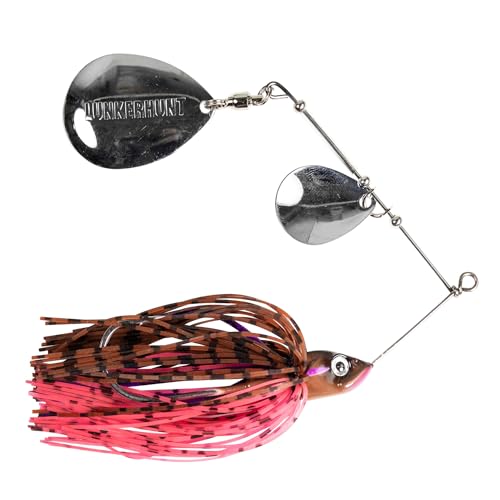
Lunkerhunt Spinnerbait for Bass Fishing, Emits High Vibration | Freshwater Spinning Fishing Lure...
Double willow leaf metal blades
Size 4 shallow cup blades
Premium hand-tied silicone skirt
+ Pros
- Award-winning fishing lure design
- Double willow blades create excellent flash
- Works great in choppy water
- Good hook-up ratio
- Casts well even in windy conditions
- Cons
- May swim sideways with trailer added
- Split ring could be stronger
Post-rain conditions often come with wind, and the Lunkerhunt Spinnerbait is built to perform when the water gets choppy. The double willow blades create flash and vibration that cuts through wind-affected water, helping bass locate your lure even when surface conditions are rough. The spoon wire frame provides strength for casting into the wind without worrying about the lure failing.
The hand-tied silicone skirt pulses with an action that imitates fleeing baitfish, and the size 4 shallow cup blades emit high vibration at both slow and fast retrieve speeds. I reach for this lure when the wind has blown baitfish up against a shoreline or when I need to make long casts into a headwind to reach productive water.
When to Choose This Lure
Select the Lunkerhunt when wind creates a chop on the surface, when fishing windblown banks after storms, or when you need maximum casting distance into the wind. It excels in open water situations where you are covering lots of water to locate roaming schools of bass.
6. Pelican 1200 Case - Essential Gear Protection
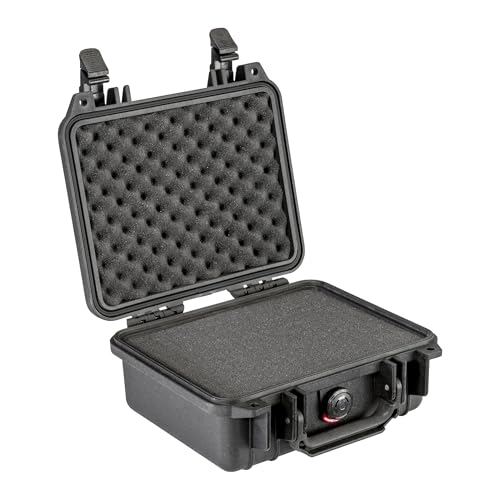
Pelican 1200 Case With Foam (Black)
Watertight tongue and groove fit
Pick N'Pluck customizable foam
Automatic Pressure Equalization Valve
+ Pros
- Excellent waterproof protection for gear
- Customizable foam interior
- Lifetime warranty from manufacturer
- Tough and durable construction
- Perfect size for GoPro and camera equipment
- Cons
- Latches require effort to open
- May be too small for DSLR with lens
- Relatively heavy for the size
Rain and mud destroy electronics. After losing a phone and a camera to water damage in my early kayak fishing days, I now keep all sensitive gear in a Pelican 1200 Case. The watertight seal has survived complete submersions, and the customizable foam lets me configure the interior for cameras, phones, wallets, keys, and anything else that cannot get wet.
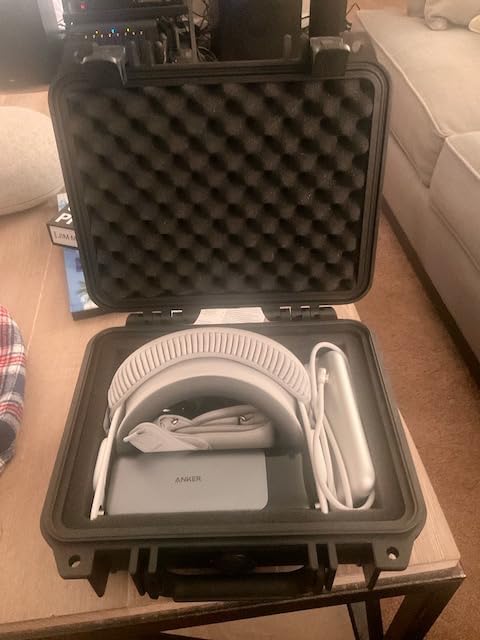
The automatic pressure equalization valve prevents vacuum lock when changing elevations, which matters if you are driving from lowland lakes to mountain reservoirs. The stainless steel padlock protectors add security when leaving gear in your vehicle. At just over 9 inches long, it fits perfectly in most kayak tankwells or storage compartments.
When to Use This Case
Use the Pelican 1200 anytime rain is in the forecast, when paddling rough water, or for storing electronics and valuables during any kayak fishing trip. It is essential gear for post-rain fishing when splashing and wet conditions are guaranteed.
7. Booyah Blade Spinnerbait - Post-Rain Powerhouse
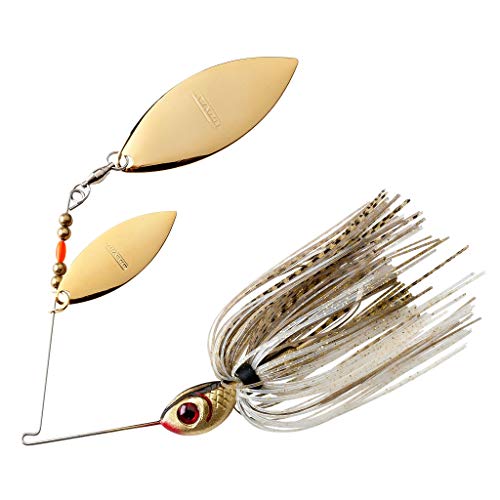
BOOYAH Blade Spinner-Bait Bass Fishing Lure, Gold Shiner, Double Willow (1/2 oz)
Flex wire alloy frames for maximum vibration
55-strand silicone skirts
Jeweler's grade gold and nickel-plated blades
+ Pros
- Excellent vibration attracts fish in murky water
- Works for all bass species
- High-quality components and construction
- Multiple color options available
- Great value compared to premium brands
- Cons
- Single lure per package
- May need to replace skirts after heavy use
The Booyah Blade Spinnerbait has probably caught me more post-rain bass than any other single lure. The flex wire frame transmits maximum vibration through the water, and the 55-strand skirt pulses with an incredibly lifelike action. The jeweler's grade blades flash even in low light conditions common after storms.
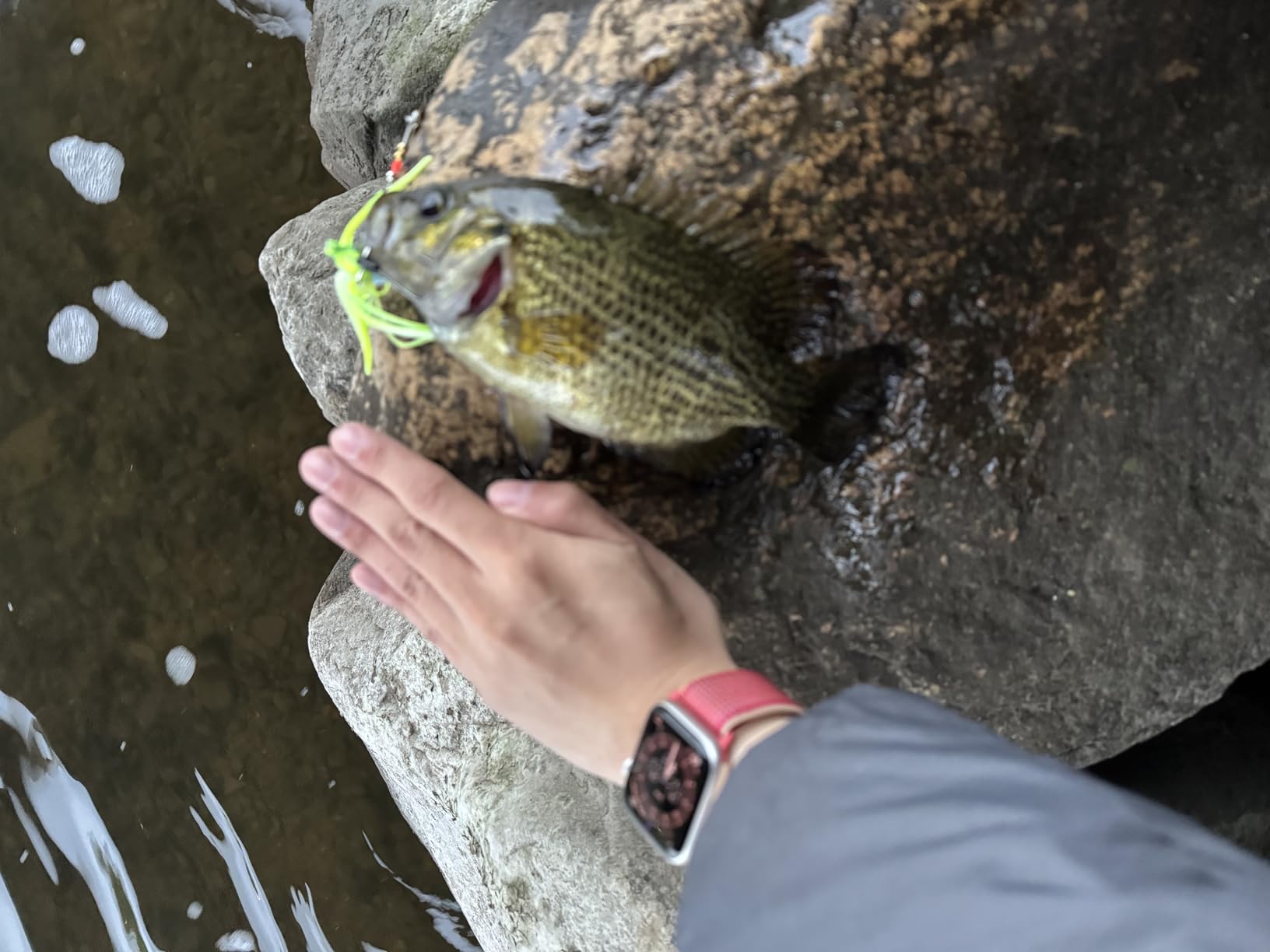
I typically throw the 1/2 oz model in white/chartreuse when water visibility drops below a foot. The Colorado blade configuration produces a thumping vibration that bass can feel from a distance, which is crucial when sight feeding is not an option. The hard coat paint with 3D eyes holds up surprisingly well despite repeated impacts with rocks and timber.
When to Choose This Lure
This spinnerbait shines when you need to cover water to locate fish, when bass are feeding aggressively in 4-10 feet of water, or when you are fishing mud lines where dirty water meets clear. It is my go-to search bait after rain until the fish tell me what they want.
8. Bill Lewis SB-57 Squarebill Crankbait - Cover Crusher
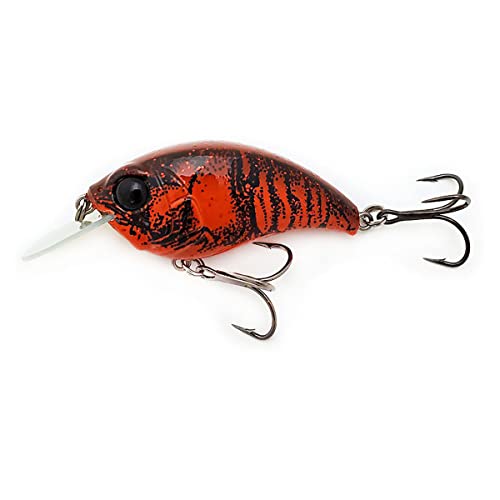
Bill Lewis Lures Lifelike SB-57 3/8 OZ. MDJ Series Squarebill Crankbait Fishing Lure with Mustad...
Honeycomb Wall Construction
Stock Triple Grip hooks
Dives 3-6 feet with slow rise
+ Pros
- Excellent deflection off cover
- Strong rattle helps bass locate lure
- Honeycomb construction durable yet responsive
- Quality Mustad Triple Grip hooks stock
- Dives 3-6 feet ideal for post-rain bass
- Cons
- Slightly higher price than entry-level crankbaits
- Limited diving depth range
When bass move into shallow flooded cover after rain, the Bill Lewis SB-57 Squarebill is my weapon of choice. The honeycomb wall construction makes the body 25% thinner but stronger, creating an agile, reactive action that triggers strikes when the lure deflects off cover. The thin circuit board lip is tough but sensitive, perfect for banging through timber and rocks without hanging up constantly.
The slow rise on pause is what really sets this lure apart. When you stop reeling, it suspends and slowly floats up, triggering reaction strikes from following bass that think their prey is escaping. The stock Mustad Triple Grip hooks are perfectly sized and razor sharp right out of the package, eliminating the need to upgrade before fishing.
When to Choose This Lure
Choose the SB-57 when bass are relating to shallow cover in 3-6 feet of water, when you need a lure that comes through timber without constantly hanging up, or when bass are following but not committing to faster moving baits. It is particularly deadly on rocky banks and around dock pilings after rain.
Finding Bass After Rain: Reading the Water
Success after rain requires understanding where bass relocate when conditions change. Here is my systematic approach to locating fish after storms.
Runoff Areas: Your Starting Point
Any place where water enters the lake deserves your attention first. Creek channels, drainage pipes, roadside ditches, and natural washes all concentrate bass. The best spots have steady flow creating visible mud lines. Position your kayak where muddy water meets clear and work both sides of the transition zone.
Windblown Banks: Baitfish Concentrations
After storms, wind often pushes baitfish and warm surface water to specific shorelines. These windblown banks can be absolute dynamite, sometimes holding the only active fish on the entire lake. Look for areas where waves are crashing into shore and water appears slightly off-color from the mixing action.
Newly Flooded Cover: Temporary Bass Magnets
Rising water creates new habitat overnight. Flooded bushes, willows, and submerged grass lines hold bass that moved up to feed on displaced prey. These areas are time-sensitive; they produce best within 24-48 hours of the water rising, before bass move back to permanent structure.
Main Lake Points: Current Traps
When runoff creates flow through the main lake, bass position on points to ambush baitfish being swept by. Work different depths until you find the active zone. Fish might be anywhere from 3 feet to 15 feet depending on water temperature and current strength.
Protected Pockets: Clear Water Refuges
If the main lake is too muddy or rough, protected coves and pockets often maintain better clarity. These areas provide refuge for baitfish and bass, concentrating them in smaller areas. You might need to run several miles to find clear water, but it is usually worth the effort.
Kayak Tactics for Post-Rain Success
Fishing from a kayak after heavy rain offers distinct advantages over larger boats, but you need the right approach to capitalize on them. If you are new to kayak fishing, our guide on choosing a bass fishing kayak covers the essential features for anglers who chase bass in changing conditions.
Positioning and Anchoring
The ability to hold position in current or wind determines your success. An anchor system allows you to stay locked on productive spots. When working mud lines, anchor just outside the dirty water and cast across the color change, working the transition where bass stage to ambush prey.
Stealth Advantage
Kayaks access shallow runoff areas where boats cannot go. After rain, bass often push way back into skinny water chasing food. I have caught quality fish in 18 inches of water that just flooded, areas completely inaccessible to motorized vessels.
Safety Priority
Post-rain conditions introduce hazards. Watch for floating debris like logs and trash. Be aware of increased current that can push you off course quickly. Check weather radar for additional storms building. Wear your PFD at all times, and always let someone know your launch time and expected return.
Reading Conditions: When to Fish and When to Wait
Not all post-rain scenarios are created equal. Knowing when to launch and when to stay home saves you from frustrating days on the water.
Fish Immediately When:
- Water temperature stays above 60°F during and after the rain
- Steady rain falls without lightning danger
- Water rises but maintains fishable clarity
- Multiple runoff areas show active inflow
- You can safely navigate given the conditions
Wait 12-24 Hours When:
- A cold front drops water temps more than 10°F
- The entire lake turns to chocolate milk visibility
- Dangerous debris is floating everywhere
- River gauges indicate flood stage
- Lightning is still visible in the distance
Skip It Entirely When:
- Water temperatures crash below 50°F suddenly
- The lake is experiencing fall turnover
- Extreme flooding makes access dangerous
- Authorities have closed water access
- Your gut tells you conditions are unsafe
Common Mistakes After Rain (And How to Avoid Them)
These errors cost anglers fish every time storms pass through. Learn from these mistakes instead of making them yourself.
Fishing Too Deep
The myth that bass always go deep in muddy water kills more fishing trips than bad weather. Some of my best post-rain catches have come in 2-3 feet of stained water. Bass often move shallow to feed on prey washed in by runoff. Start shallow and work deeper only if the fish are not there.
Wrong Retrieve Speed
Match your retrieve to water temperature, not just clarity. Cold muddy water requires slow, deliberate presentations. Warm muddy water lets you get away with faster retrieves that trigger reaction strikes. When in doubt, start slow and speed up if bass are responding aggressively.
Ignoring Safety
I have seen kayakers flip in current they could not handle because they were desperate to catch fish after a storm. If you are questioning whether it is safe, stay home. The fish will still be there tomorrow, but you cannot fish if you are injured or worse.
Giving Up Too Fast
Post-rain patterns change hourly as runoff increases or decreases. What does not work at dawn might be deadly by mid-morning. Keep adjusting your locations, depths, and retrieves until you find what triggers bites that day.
Wrong Color Selection
Dark colors in muddy water is outdated advice. Chartreuse, white, and bright color combinations often outperform dark patterns in stained conditions. Bass locate lures by vibration first and sight second in dirty water, so use colors that create contrast rather than blending in.
Seasonal Considerations for Post-Rain Bass
Each season brings different challenges and opportunities when fishing after rain. Understanding these seasonal patterns helps you adjust expectations and tactics throughout the year.
Spring (March-May): Prime Time
Spring rains create the best post-storm fishing of the year. Warm rain activates pre-spawn bass and gets post-spawn fish feeding heavily to recover from the reproductive process. Water temperatures rise into optimal ranges, and the influx of nutrients triggers plankton blooms that feed the entire food chain. Focus on shallow areas near spawning grounds, and do not be afraid to throw fast-moving reaction baits.
Summer (June-August): Mixed Bag
Summer rain fishing depends entirely on water temperature changes. Cool rain dropping water temps out of the 80s and 90s creates feeding frenzies as bass get relief from heat stress. Warm rain during already hot conditions can actually make fishing tougher by adding unproductive water without cooling benefits. Early morning and late evening remain your best windows regardless of rain.
Fall (September-November): Lake Turnover Warning
Fall brings the most dangerous condition for post-rain fishing: lake turnover. When cooling surface water becomes denser than the water below, the lake mixes from top to bottom, spreading low-oxygen bottom water throughout. This natural phenomenon already stresses bass. Adding cold rain during or immediately after turnover can create conditions so poor that fish completely stop feeding for days.
Watch for turnover signs: water that smells like rotten eggs, surface debris scattered randomly, and fish showing erratic behavior on electronics. If you suspect turnover is occurring, wait a full week after the rain before fishing. Warm rain before turnover hits can actually extend good fishing, but once turnover starts, cold rain makes things worse. Focus on the warmest parts of the day when water temps stabilize slightly.
Winter (December-February): Generally Tough
Cold rain during winter months usually hurts more than it helps. Bass metabolism is already slow, and cold precipitation drops water temperatures further into the lethargic zone. Wait for stable weather following rain before expecting consistent action. When you do fish, target the warmest part of the day, use extremely slow presentations, and focus on deep structure where fish retreat from the cold.
Advanced Techniques That Actually Work
These specialized approaches consistently produce when standard tactics fail. Add them to your arsenal for tough post-rain conditions.
The Yo-Yo Retrieve
For spinnerbaits in current, let the lure sink to bottom, then rip it up 2-3 feet and let it flutter down on semi-slack line. Strikes often come on the fall when the blades are helicoptering and the skirt is fully expanded.
Dead-Sticking Mud Lines
Position parallel to a visible mud line and cast a weightless soft plastic right on the color change. Let it sit for 30 seconds or longer between subtle twitches. Patience pays when bass are using the mud line as an ambush point.
Rapid Fire Cranking
When bass are actively feeding on shad, make rapid casts with a squarebill crankbait, retrieving fast and covering water until you connect. Once you find fish, thoroughly work the area before moving on.
Current Swing Technique
In rivers, cast upstream and let the current swing your lure past structure. The natural drift looks more realistic than fighting current with your retrieve, and current-oriented bass cannot resist the easy meal.
Real Success Stories from the Water
These recent trips demonstrate what is possible when you apply the principles outlined in this guide.
Lake Travis, March 2026: After a warm spring storm dropped two inches overnight, I launched at dawn to find a distinct mud line stretching from the 620 bridge area. Working the edge with a white spinnerbait, I landed 31 bass in four hours. The highlight was a 7.2-pound largemouth that crushed my lure so hard I thought I had hooked a log. The key was positioning my kayak parallel to the mud line and making casts that crossed from dirty to clear water.
Guadalupe River, October 2025: Post-hurricane remnants brought heavy rain that had the river running high and dirty. Most anglers stayed home, but I found bass stacked in eddies behind bridge supports. Using a Chatterbait worked slowly through the current breaks, I caught 22 bass including three over 4 pounds. The fish were so concentrated in the limited slack water that I barely moved my kayak for three hours.
Local Pond, February 2026: A small neighborhood pond I rarely fish produced an incredible morning after heavy rain. The drainage pipe was pumping muddy water into an otherwise clear pond, creating a perfect transition zone. Using a small spinnerbait, I caught 15 bass in 90 minutes, including my personal best from that particular pond at 5.8 pounds. Sometimes the smallest waters produce the biggest surprises.
Lake Fork, April 2025: During a guide trip for a friend new to bass fishing, we timed our launch perfectly as a storm system cleared. The flooded willows in 2-3 feet of water were absolutely loaded with bass chasing shad. Between us, we caught over 50 fish, with my client landing his first bass over 6 pounds. We used squarebill crankbaits bounced off every piece of cover we could find.
Essential Gear for Post-Rain Kayak Fishing
Beyond lures, certain gear becomes essential when fishing after rain. Here is what I never leave the launch without.
- Quality Rain Gear: Breathable, waterproof jacket and pants keep you comfortable when conditions are wet
- Anchor System: Crucial for holding position in wind and current
- Polarized Sunglasses: Essential for spotting mud lines and structure despite surface glare
- Waterproof Storage: Protect your electronics and valuables from splashing and rain
- Safety Whistle: Current and wind can separate you from your kayak quickly
- First Aid Kit: More important when weather conditions make evacuation difficult
When it comes to line selection after rain, many anglers wonder if heavier line is necessary. The answer depends on your target areas, but upsizing to 15-20 pound test fluorocarbon or 40-50 pound braid makes sense when fishing around flooded cover and debris. For detailed recommendations, see our guide on selecting the right fishing line for different bass fishing scenarios.
If you are fishing Texas waters like Lake Travis, Fork, or Whitney mentioned throughout this guide, check out our resource on Texas kayak fishing locations for more detailed information on these productive fisheries.
FAQ Section
How long should I wait to fish after heavy rain?
It depends on rain type and season. For warm rain in spring/summer, you can often launch as soon as it is safe, sometimes while still drizzling. For cold rain or winter storms, waiting 24-48 hours for conditions to stabilize produces better results. The sweet spot is typically 2-6 hours after rain stops when runoff peaks.
What is the 80/20 rule in bass fishing?
The 80/20 rule states that 80% of the bass are found in 20% of the water. After rain, this becomes even more pronounced. Focus your efforts on runoff areas, mud lines, and current breaks where bass concentrate. Spending time in unproductive water drains precious fishing hours.
What color lures work best in muddy water after rain?
Chartreuse, white, and black/blue are go-to colors in stained water. However, vibration matters more than color. A chartreuse spinnerbait with Colorado blades creates tons of vibration bass can locate in zero visibility. In moderately stained water, fire tiger and citrus shad patterns excel.
Is it safe to kayak fish after thunderstorms?
Only after lightning completely passes. Wait at least 30 minutes after the last thunder. Check radar to ensure no additional cells are approaching. Be extra cautious of debris, increased current, and rapidly changing conditions. If you have any doubts about safety, wait for another day.
Do bass really feed more after rain?
Absolutely, but with conditions. Warm rain in spring/summer triggers aggressive feeding. The influx of oxygen, food, and optimal temperatures creates perfect feeding conditions. However, cold rain or dramatic temperature drops can shut fishing down completely. Learn to read the conditions, not just the fact that it rained.
What is the 90/10 rule in fishing?
The 90/10 rule suggests that 90% of your success comes from 10% of your effort, specifically finding the right location. After rain, this means identifying the specific runoff areas, mud lines, or current breaks where bass are concentrated. One productive spot often outperforms hours of random casting.
Should I use heavier line after rain storms?
Yes, upsizing after rain makes sense. Muddy water gives you cover to use heavier line, and you will likely be fishing around debris and heavy cover. Go from 12-pound fluorocarbon to 17-20 pound in muddy conditions. For braid, jump from 30 to 50-pound test for better abrasion resistance around flooded cover.
What about night fishing after rain?
Some of the best post-rain trips happen after dark. Bass feed heavily following storms when temperatures stabilize. Black spinnerbaits, dark jigs, and loud topwaters produce well. Focus on lighted docks, points, and anywhere you found fish during daylight. Always prioritize safety with proper lighting and let someone know your plans.
Bottom Line: Your Post-Rain Game Plan
Bass fishing after heavy rain storms rewards anglers who understand the patterns and adapt their tactics accordingly. The keys are simple: find the runoff zones, match your lures and presentation to the conditions, and prioritize safety over catching fish.
Some of my most memorable days on the water have come in the hours following big storms. The mud lines, current breaks, and flooded cover that intimidate casual anglers are the same features that concentrate bass and create feeding opportunities for those willing to fish them properly.
Remember that every lake and river system responds differently to rainfall. What works on my home waters might need adjustment on yours. Keep a fishing journal tracking conditions, techniques, and results after storms. Over time, patterns will emerge that make you deadly effective when other anglers are staying home.
The next time rain appears in your forecast, do not cancel your fishing trip. Start planning for what could be the best bass fishing of the season. Those transition zones and runoff areas are underwater highways directing you straight to actively feeding fish. Load your kayak, rig your rods with the right lures, and get ready for action that makes fair-weather fishing seem boring by comparison.