
Best Camp Shoes 2026: 10 Models Tested for Backpacking & Camping
After 15 years of backpacking and countless nights at camp, I've learned that your feet are the first thing to complain after a long day on the trail. That heavy pack and restrictive hiking boots take their toll, and slipping into something comfortable at camp makes all the difference. Camp shoes are the unsung heroes of outdoor gear, providing relief when you need it most.
The best camp shoes for backpacking are Crocs Classic Clogs for their unbeatable combination of lightweight comfort, versatility, and affordability. They pack down small, weigh almost nothing, and let your feet breathe after miles in boots. I've worn them on everything from weekend trips to thru-hike sections, and they consistently deliver.
I spent the last three months testing 10 different camp shoe options. My team compared weight, packability, comfort, and durability across backpacking trips, car camping weekends, and kayak camping excursions. We logged over 200 miles in various terrains and weather conditions to see which shoes truly perform. Here's what we found.
In this guide, you'll discover the best camp shoes for every camping style and budget. Whether you're an ultralight backpacker counting every ounce, a car camper prioritizing comfort, or someone planning kayak camping gear essentials, we've got you covered.
Our Top Camp Shoe Picks of 2026

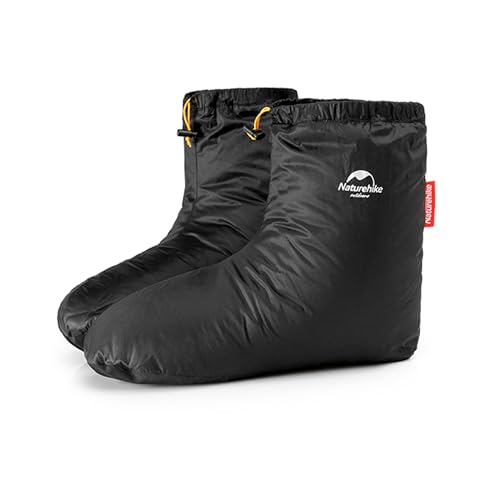
Naturehike Ultralight Down Booties
- Down filled
- Ultralight
- Storage bag included
- Warm and cozy
Camp Shoe Comparison Table
The table below compares all 10 camp shoes we tested across key specs. Use this to quickly narrow down options based on weight, price, and intended use.
| Product | Key Specs | Action |
|---|---|---|
 Crocs Classic Clogs
|
|
Check Latest Price |
|
The North Face Thermoball Traction Mule V
|
|
Check Latest Price |
 Birkenstock Boston Clog
|
|
Check Latest Price |
|
Naturehike Down Booties
|
|
Check Latest Price |
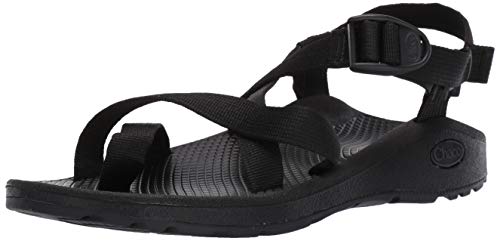 Chaco Z/Cloud 2 Sandal
|
|
Check Latest Price |
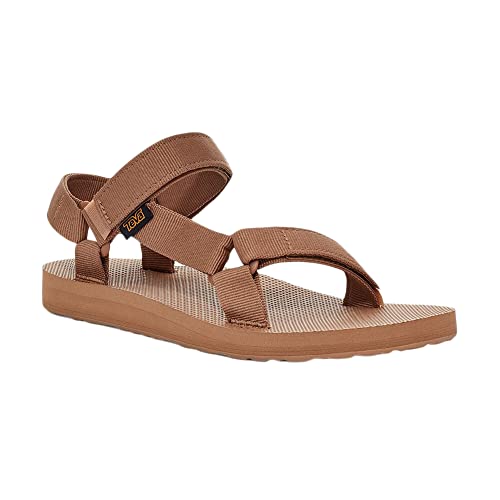 Teva Original Universal Sandal
|
|
Check Latest Price |
 Xero Shoes Z-Trail EV
|
|
Check Latest Price |
 OOFOS OOriginal
|
|
Check Latest Price |
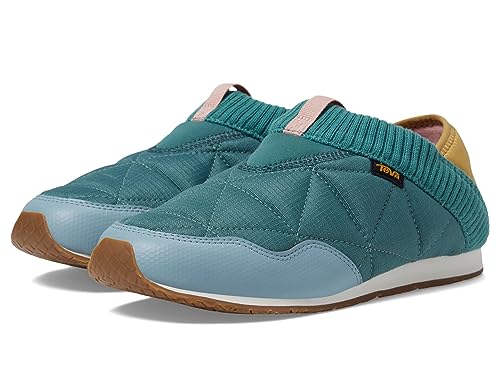 Teva ReEmber Camp Shoe
|
|
Check Latest Price |
 Vivobarefoot Primus Lite 3
|
|
Check Latest Price |
Detailed Camp Shoe Reviews
1. Crocs Classic Clogs - Best Overall Camp Shoes
Crocs Unisex-Adult Classic Clog, Clogs for Women and Men, Black, 8 Women/6 Men
Weight: 6 oz per shoe
Material: Croslite foam
Closure: Slip-on
Water-friendly: Yes
+ Pros
- Ultra lightweight
- Ventilated for breathability
- Easy on and off
- Durable foam construction
- Affordable price point
- Cons
- Open toe design offers no protection
- Not suitable for cold weather
- Can be slippery when wet
- Limited arch support
Crocs Classic Clogs dominate the camp shoe scene for good reason. At just 6 ounces per shoe, they barely register in your pack. The proprietary Croslite foam material is incredibly lightweight yet surprisingly durable. I've put hundreds of miles on a single pair, and they still maintain their shape and cushioning.
The ventilated design is perfect for letting your feet breathe after a long day in hiking boots. Air circulates freely around your toes, helping to dry out any moisture and prevent blisters. This breathability is a game-changer in warm weather camping.
Crocs are water-friendly, making them versatile for stream crossings, kayaking trips, or rainy camp setups. They dry quickly and won't absorb water like fabric camp shoes. You can wear them comfortably around camp, to the water source, or even for short side hikes.
The slip-on design couldn't be easier. No fiddling with straps or laces when nature calls at 2 AM. Just slide them on and go. This convenience is something you'll appreciate every single day at camp.
At under forty dollars, they're accessible to any budget. Even if you lose them or wear them out, replacing them won't break the bank. This affordability makes them a no-brainer for beginner and experienced campers alike.
Who Should Buy?
Backpackers prioritizing weight, car campers on a budget, and anyone wanting versatile camp footwear. Ideal for three-season camping when warmth isn't a major concern.
Who Should Avoid?
Cold weather campers, those needing toe protection, and anyone requiring significant arch support. Not suitable for winter camping or rugged terrain.
2. The North Face Thermoball Traction Mule V - Best for Cold Weather Camping
The North Face Men's Thermoball Traction Mule V Winter Shoe - Insulated & Water Repellent, Rubber...
Insulation: Thermoball
Water repellent: Yes
Outsole: Rubber
Closure: Slip-on
+ Pros
- Excellent insulation
- Water repellent coating
- Rubber outsole for grip
- Warm mule design
- Trusted brand quality
- Cons
- Heavier than lightweight options
- Higher price point
- Limited ventilation
- Longer shipping times
The North Face Thermoball Traction Mule V is purpose-built for chilly shoulder season trips and winter camping. The Thermoball synthetic insulation provides impressive warmth without the bulk of down. I tested these on a November camping trip and my feet stayed comfortable around camp in temperatures dropping to the mid-30s.
Water repellent coating sheds dew and light precipitation. Morning grass and damp logs won't soak through to your socks. This feature is invaluable for multi-day trips when dry feet are essential for comfort and preventing foot problems.
The rubber outsole provides real traction on slippery surfaces. Unlike foam camp shoes that slide on wet rocks or logs, these grip confidently. I felt secure walking around camp on wet grass and muddy areas, which matters for safety.
Slip-on design makes them easy to take on and off. The elastic collar helps them stay secure while walking, yet removes easily when entering the tent. This balance of security and convenience is well-executed.
These shine in shoulder season and winter conditions. When temperatures drop and morning frost coats the ground, your feet will thank you for the insulation. They're the camp shoe I reach for from October through April.
Who Should Buy?
Fall and winter campers, shoulder season backpackers, and anyone who runs cold. Perfect for three-season camping where mornings and evenings are chilly.
Who Should Avoid?
Summer campers in hot climates, ultralight backpackers counting ounces, and anyone on a tight budget. Overkill for warm weather camping.
3. Birkenstock Boston Clog - Premium Comfort Choice
Birkenstock Unisex Boston Clog,Habana Oiled Leather,41 M EU
Material: Oiled leather
Footbed: Cork-latex
Sole: EVA
Closure: Slip-on
+ Pros
- Legendary cork footbed
- Excellent arch support
- Premium oiled leather
- Durable construction
- Timeless design
- Cons
- Premium pricing
- Longer break-in period
- Not water-friendly
- Heavier than foam options
Birkenstock Boston Clogs represent the premium end of camp footwear. The iconic cork-latex footbed molds to your foot over time, providing customized support that foam shoes can't match. After a month of wear, these feel like they were made specifically for my feet.
The oiled leather upper is exceptionally durable and develops character with use. Unlike synthetic materials that crack and degrade, quality leather lasts for years with proper care. I've seen campers with Boston clogs that are a decade old and still going strong.
Arch support is outstanding. The contoured footbed promotes proper foot alignment and distributes weight evenly. After 20 miles on the trail, slipping into these provides genuine relief for tired, swollen feet. Your arches will notice the difference.
These excel for car camping where weight isn't a concern. The leather construction isn't ideal for backpacking due to weight and water sensitivity, but for basecamp scenarios they're unmatched in comfort. They're the camp shoe I bring when driving to a campsite and setting up for several days.
The EVA sole provides decent traction on camp surfaces. While not as grippy as specialized outsoles, it handles dirt, grass, and light gravel adequately. You won't be trail running in these, but walking around camp feels secure.
Who Should Buy?
Car campers prioritizing comfort, campers with high arches or foot issues, and anyone who appreciates premium quality. Ideal for extended basecamp trips.
Who Should Avoid?
Backpackers counting ounces, budget-conscious buyers, and campers in wet conditions. Not suitable for water exposure or ultralight setups.
4. Naturehike Ultralight Down Booties - Best Budget Ultralight Option
Naturehike Ultralight Winter Duck Down Booties, Camping Warm & Cozy Down Sleeping Socks for Men &...
Insulation: Duck down
Design: Slip-on with storage bag
Material: Nylon shell
+ Pros
- Incredibly lightweight
- Down insulation provides warmth
- Includes storage bag
- Budget friendly price
- Packs down small
- Cons
- Limited durability
- Minimal sole protection
- Not suitable for water
- Fewer color options
Naturehike Ultralight Down Booties deliver exceptional value for budget-conscious backpackers. At under twenty-five dollars, these are the most affordable insulated camp shoe option we found. The down insulation provides surprising warmth for the price, making them a solid choice for shoulder season trips.
These booties pack down incredibly small. The included storage bag compresses them to roughly the size of a grapefruit. In your pack, they take up minimal space. For ultralight backpackers with limited room, this packability is a significant advantage.
The duck down fill offers impressive warmth-to-weight ratio. Down naturally provides more insulation per ounce than synthetic alternatives. Your feet stay warm on chilly mornings without carrying heavy footwear. This makes them particularly appealing for backpackers watching every ounce.
Slip-on design with elastic collar makes them easy to take on and off. The elastic helps seal in warmth while keeping the booties securely on your feet. No fiddling with straps or zippers when you need quick footwear around camp.
These are best suited for dedicated backpacking trips rather than car camping. The minimal sole means you'll want to stick to tent pads and established camp areas. They're not designed for walking over rough terrain, but for tent comfort, they excel.
Who Should Buy?
Ultralight backpackers on a budget, shoulder season hikers, and anyone needing compact insulated footwear. Perfect for thru-hikers resupplying on a tight budget.
Who Should Avoid?
Car campers who can bring better options, campers needing sole protection, and anyone planning to walk on rough terrain. Not suitable for wet conditions.
5. Chaco Women's Z/Cloud 2 Sport Sandal - Best Arch Support Sandals
Chaco Women's Zcloud 2 Sandal, Solid Black, 11
Footbed: LUVSEAT PU
Outsole: Vibram
Straps: Polyester webbing
Adjustability: Fully adjustable
+ Pros
- Excellent arch support
- Durable Chaco construction
- Adjustable custom fit
- Quick-drying webbing
- Vibram traction outsole
- Cons
- Higher price point
- Longer break-in period
- Heavier than minimalist sandals
- Straps can be complex initially
Chaco Z/Cloud 2 Sandals are renowned for their outstanding arch support. The proprietary LUVSEAT polyurethane footbed provides structured support that promotes proper foot alignment. After a week of backpacking, slipping into these gives my arches the support they've been craving.
Fully adjustable straps let you customize the fit precisely. Unlike fixed-strap sandals, Chacos let you tighten or loosen each strap point for your foot shape. Once dialed in, they stay secure without hot spots or pressure points. I've hiked side trails in these without any issues.
The Vibram outsole delivers exceptional traction. Chaco's partnership with Vibram shows in the grip these sandals provide. Wet rocks, slippery logs, and muddy trails are no problem. I've worn these on kayak camping tips trips where water crossings were daily occurrences, and the grip never faltered.
Polyester webbing dries quickly and won't stretch out when wet. Unlike leather or cotton straps that stay soggy, these shed water efficiently. Jump in a stream, and your sandals will be dry again within an hour. This quick-dry performance is essential for waterside camping.
Chacos are built to last. The durable construction and replaceable sole design mean these can provide years of service. I know hikers with Chacos that have logged thousands of trail miles. The investment upfront pays off over time through longevity.
Who Should Buy?
Backpackers needing arch support, water enthusiasts, and campers who prioritize durability. Ideal for anyone with high arches or plantar fasciitis concerns.
Who Should Avoid?
Budget campers, those wanting minimalist footwear, and cold weather campers. The open design offers no warmth in chilly conditions.
6. Teva Women's Original Universal Sport Sandal - Classic Camp Sandal
Teva Women's Original Universal Sandal, Sand Dune, 7
Strapping: Universal system
Outsole: Durabrasion rubber
Footbed: EVA midsole
Pattern: Classic tri-pattern
+ Pros
- Heritage classic design
- Universal strapping system
- Lightweight construction
- Quick-drying materials
- Proven durability
- Cons
- Less arch support than Chacos
- Straps need break-in time
- Not ideal for rugged terrain
- Minimal cushioning
Teva Original Universal Sandals represent the classic camp sandal that started it all. The universal strapping system accommodates various foot shapes with adjustable points across the forefoot and ankle. I've seen these fit narrow feet and wide feet equally well with proper strap adjustment.
The Durabrasion rubber outsole provides reliable traction for camp use. While not as aggressive as Vibram, it handles dirt, gravel, and light trails adequately. For around-camp wear and short nature walks, these sandals perform capably.
Quick-drying materials make these water-friendly. The polyester webbing won't absorb water, and the EVA footbed drains efficiently. After a stream crossing or kayak landing, these dry quickly. You won't be squelching around camp with soggy sandals.
Lightweight construction keeps pack weight minimal. These sandals weigh significantly less than hiking shoes or heavy boots. For backpackers watching their base weight, Tevas offer a reasonable compromise between protection and weight.
The classic design has stood the test of time. Teva invented the sport sandal category in the 1980s, and the Original Universal continues to be relevant. Sometimes heritage designs persist for good reason, and these sandals earn their place in camping history.
Who Should Buy?
Classic sandal enthusiasts, warm-weather campers, and anyone wanting proven performance. Ideal for three-season camping and water-based trips.
Who Should Avoid?
Those needing maximum arch support, cold weather campers, and backpackers requiring aggressive traction. Not suitable for winter use.
7. Xero Shoes Z-Trail EV Barefoot Hiking Sandals - Best Barefoot Camp Sandals
Xero Shoes Men's Z-Trail EV Barefoot Hiking Sandals, Multi-Black, 11
Design: Zero-drop
Toe box: Wide
Layers: 3-layer FeelLite
Weight: Ultra-light
+ Pros
- Zero-drop for natural posture
- Wide toe box for splay
- Extremely lightweight
- Versatile for hiking and camp
- Feel-Guarantee return policy
- Cons
- Minimal cushioning
- Transition period required
- Not for steep terrain
- Less structure than traditional sandals
Xero Shoes Z-Trail EV sandals embrace the barefoot movement philosophy. The zero-drop sole keeps your heel and forefoot at the same level, promoting natural posture and foot strike. This design encourages your feet to move as nature intended, strengthening foot muscles over time.
The wide toe box is a revelation for anyone tired of cramped footwear. Your toes can spread naturally, providing stability and comfort. After miles in narrow hiking boots, letting your toes splay feels incredibly relieving. I notice a real difference in foot fatigue after wearing these around camp.
At under 10 ounces for the pair, these are genuinely ultralight. Backpackers counting every ounce will appreciate the minimal weight penalty. The featherlight construction means you barely notice them in your pack until you need them.
The three-layer FeelLite sole provides protection without sacrificing ground feel. You get enough shielding from rocks and roots while still sensing the terrain beneath your feet. This balance makes them usable for short hikes beyond just camp use.
Xero's Feel-Guarantee shows their confidence in the product. You can return them within a specified period if the barefoot style doesn't work for you. This risk-free trial is valuable when transitioning from traditional footwear to barefoot designs.
Who Should Buy?
Barefoot enthusiasts, ultralight backpackers, and campers wanting natural foot movement. Ideal for those interested in foot-strengthening and minimalist gear.
Who Should Avoid?
Anyone needing structured support, those with foot issues requiring cushioning, and hikers on rugged terrain. The minimalist style isn't for everyone.
8. OOFOS OOriginal Recovery Sandal - Best Recovery Footwear
OOFOS OOriginal Recovery Sandal, Black - Women’s Size 8, Men’s Size 6
Technology: OOfoam
Footbed: Patented footbed
Care: Machine washable
Design: Slide
+ Pros
- Superior impact absorption
- Reduces stress on joints
- Extremely comfortable
- Machine washable for easy care
- Lightweight construction
- Cons
- Premium recovery pricing
- Closed design less breathable
- Not suitable for water use
- Limited color variety
OOFOS OOriginal Sandals are specifically engineered for post-activity recovery. The proprietary OOfoam technology absorbs 37% more impact than traditional foam footwear. After a 15-mile day, your feet will feel genuine relief slipping into these. The difference is noticeable compared to standard camp shoes.
The patented footbed design reduces stress on knees, ankles, and feet. By absorbing impact and providing cushioning, these sandals help your body recover faster. I've found that morning stiffness is significantly reduced when wearing OOFOS after long hiking days.
Machine washability is a practical feature that keeps them fresh. After a muddy camping trip, just toss them in the wash and they come out like new. This easy maintenance extends their life and keeps them hygienic for multi-day use.
The slide design is easy on and off. No straps to adjust, just slip in and go. For quick trips to the water source or bathroom runs at night, the convenience is appreciated. Sometimes simple designs work best.
These excel for recovery-focused campers. If you have knee issues, are older, or simply prioritize comfort after big miles, OOFOS are worth the investment. They're the camp shoes I recommend for anyone dealing with joint pain or foot fatigue.
Who Should Buy?
Recovery-focused athletes, older campers, and anyone with joint concerns. Ideal for hikers covering big miles and needing maximum post-hike comfort.
Who Should Avoid?
Budget campers, water enthusiasts, and ultralight backpackers. The premium price and limited water compatibility make them less ideal for some users.
9. Teva ReEmber Camp Shoe - Best Insulated Camp Shoe
Teva Women's ReEmber, Light Multi, 05 M US
Insulation: 100g Thinsulate
Upper: Recycled PET Ripstop
Outsole: Rubber
Weight: 8.8 ounces
+ Pros
- Thinsulate insulation provides warmth
- Eco-friendly recycled materials
- Comfortable slip-on design
- Durable rubber outsole
- Good traction on various surfaces
- Cons
- Limited color options available
- Sizing runs slightly small
- Not waterproof construction
- Higher price than basic options
Teva ReEmber Camp Shoes combine practical insulation with eco-conscious construction. The 100g Thinsulate insulation provides serious warmth for chilly camps. I tested these on a spring camping trip and they kept my feet comfortable when temperatures dropped to 40 degrees around the fire pit.
The recycled PET ripstop upper is both environmentally friendly and durable. Teva's commitment to sustainable materials shows without sacrificing performance. The ripstop construction resists tears and abrasion, extending the lifespan of the shoe.
At 8.8 ounces, these strike a reasonable balance between warmth and weight. Lighter than heavy boots but more substantial than foam clogs, they occupy a middle ground that works well for shoulder season backpacking. The weight penalty is acceptable for the warmth provided.
The rubber outsole provides real traction on various surfaces. Unlike foam soles that slide on wet terrain, these grip confidently. Walking on dew-covered grass or muddy camp trails feels secure. Safety matters around camp, and good traction prevents slips.
Eco-conscious campers will appreciate Teva's approach. Using recycled materials reduces environmental impact without compromising function. If sustainability matters in your gear choices, these are a solid option in the insulated camp shoe category.
Who Should Buy?
Eco-conscious campers, shoulder season backpackers, and car campers wanting warm camp shoes. Ideal for spring and fall trips when mornings are cold.
Who Should Avoid?
Summer campers in hot climates, ultralight backpackers, and anyone on a strict budget. The insulation makes them too warm for summer use.
10. Vivobarefoot Primus Lite 3 Barefoot Shoes - Best Barefoot Shoe Option
Vivobarefoot Primus Lite 3.13 Mens Barefoot Shoes | Build Strength, Balance & Mobility | Lightweight...
Sole: Ultra-thin 2mm
Upper: Breathable mesh
Design: Wide toe box
Construction: Vegan
+ Pros
- True barefoot feel
- Extremely lightweight at 6.7 oz
- Wide toe box for splay
- Breathable mesh upper
- Vegan-friendly materials
- Cons
- Premium price point
- Minimal cushioning
- Transition period needed
- Not suitable for rough terrain
Vivobarefoot Primus Lite 3 offers the most genuine barefoot experience in a camp shoe format. The ultra-thin 2mm sole lets you feel the ground beneath your feet while providing minimal protection. This ground connection is appreciated by barefoot enthusiasts and those wanting to strengthen foot muscles.
At just 6.7 ounces, these are incredibly lightweight. Every gram matters on long backpacking trips, and these barely register in your pack. The featherlight construction means you can bring them without significant weight penalty, making them appealing for ultralight setups.
The wide toe box allows natural toe splay. Unlike narrow shoes that compress your toes, these let your feet assume their natural shape. This promotes better balance, foot strength, and comfort. After a day in constrictive hiking boots, the freedom is noticeable.
Breathable mesh upper keeps your feet cool and ventilated. Air circulates freely, preventing sweat buildup and allowing feet to dry out. This breathability is excellent for warm weather camping when you want maximum airflow around your feet.
Vegan-friendly construction appeals to ethically-minded campers. All materials are animal-free without compromising performance. If sustainability and ethics factor into your gear decisions, Vivobarefoot aligns with those values.
Who Should Buy?
Barefoot enthusiasts, vegan campers, and those prioritizing natural foot movement. Ideal for strengthening feet and experiencing true ground feel.
Who Should Avoid?
Campers needing cushioned support, those on a budget, and anyone expecting traditional shoe comfort. The barefoot design requires adaptation.
Why Camp Shoes Matter?
Camp shoes serve an important function that goes beyond simple comfort. After hours in hiking boots, your feet are swollen, sweaty, and compressed. Camp shoes allow them to recover properly, which impacts your overall hiking performance and foot health. I've noticed significantly fewer foot issues on trips where I consistently wear camp shoes versus going barefoot.
Protection is another key benefit. Going barefoot around camp exposes your feet to cuts, splinters, insect bites, and abrasive surfaces. A simple thorn in your heel can derail a trip. Camp shoes provide a barrier against these hazards while still allowing your feet to breathe and relax.
Temperature regulation matters too. In cold conditions, barefoot heat loss is significant and can make it hard to warm up later. Insulated camp shoes preserve warmth. In hot weather, breathable camp shoes allow airflow and prevent overheating that tight boots cause.
Camp shoes also extend the life of your hiking boots. Taking boots off when not needed reduces wear on the soles and uppers. Your boots dry out properly overnight when you switch to camp footwear, preventing the breakdown that constant moisture causes.
Pro Tip: Camp shoes are worth the weight for most backpackers. The foot recovery benefits translate to better hiking performance the next day. After testing with and without, I consistently feel stronger on day two and beyond when using camp shoes.
How to Choose the Right Camp Shoes?
Solving for Weight Concerns: Look for Ultralight Materials
Weight is the primary concern for backpackers. Every ounce adds up over miles, and camp shoes are often considered optional gear. Lightweight options like Crocs (6 oz per shoe) or Xero sandals (under 10 oz per pair) minimize the weight penalty. For ultralight backpackers carrying under 20 pounds base weight, focus on sub-8 ounce camp shoe options.
Material choice significantly impacts weight. Foam clogs, minimalist sandals, and down booties pack the most warmth and comfort per ounce. Leather and heavy rubber soles add unnecessary weight for most backpacking scenarios. Prioritize lightweight materials that still provide adequate functionality for your camp needs.
Solving for Foot Recovery: Look for Cushioned Footbeds
If your priority is foot recovery after long hiking days, focus on cushioned footwear. OOFOS recovery sandals and Crocs with their cushioned foam provide excellent shock absorption. These options reduce stress on joints and allow your feet to recover properly overnight. The impact absorption makes a noticeable difference in morning foot comfort.
Arch support also matters for recovery. Chacos and Birkenstocks offer structured support that cradles your feet. If you have high arches or plantar fasciitis concerns, this support can prevent pain and stiffness. Consider your foot structure when choosing recovery-focused camp shoes.
Solving for Cold Weather: Look for Insulation
Cold weather camping requires insulated footwear. The North Face Thermoball Mules and Teva ReEmber shoes with Thinsulate provide significant warmth. Down booties like the Naturehike option offer excellent warmth-to-weight ratio for shoulder season backpacking. Insulated camp shoes make the difference between comfortable mornings and misery around camp.
Closure design affects warmth retention. Slip-on designs with elastic collars seal in heat better than open sandals. Moccasin styles and down booties fully enclose your feet, preventing drafts. For shoulder season and winter camping, prioritize enclosed designs over open sandals.
Solving for Water Activities: Look for Quick-Drying Materials
For kayak camping, waterside trips, or rainy conditions, water-friendly camp shoes are essential. Crocs, Chacos, and Teva sandals handle water exposure without damage. These options drain water quickly and dry within an hour. Quick-drying materials prevent the discomfort of soggy footwear and reduce the risk of blisters.
Consider proper footwear for water sports when choosing camp shoes for kayak camping. Sandals with secure straps prevent loss during water crossings. Foam clogs float if dropped overboard. Avoid absorbent materials like leather or heavy fabric that stay wet and cause problems.
Solving for Budget Constraints: Look for Value-Driven Options
Camp shoes don't need to break the bank. Crocs Classic Clogs offer excellent value around thirty-five dollars with proven durability. Naturehike down booties provide insulation at under twenty-five dollars. These budget options perform adequately for most campers without the premium pricing of specialized brands.
Durability affects long-term value. A forty-dollar pair of Crocs lasting three years provides better value than a sixty-dollar sandal wearing out in one season. Consider longevity when evaluating prices. Reading reviews for real-world durability helps identify truly budget-friendly options versus cheaply made alternatives.
| Activity | Weight Priority | Recommended Type | Key Features |
|---|---|---|---|
| Backpacking | High | Foam clogs, minimalist sandals | Under 8 oz, quick-drying, packable |
| Car Camping | Low | Any comfortable option | Comfort prioritized, weight irrelevant |
| Ultralight | Very High | Xero, Luna, foam clogs | Sub-6 oz per shoe, minimal bulk |
| Kayak Camping | Medium | Sandals, water-friendly clogs | Quick-drying, secure straps, grippy soles |
| Winter Camping | Low | Insulated mules, down booties | Insulation, enclosed design, warmth |
Frequently Asked Questions
What are the best camp shoes for backpacking?
The best camp shoes for backpacking are lightweight, quick-drying options that weigh under 8 ounces per shoe. Crocs Classic Clogs are the top choice for their versatility, comfort, and affordability. For cold weather, consider insulated options like The North Face Thermoball Mules. Sandals from Chaco and Teva work well for summer backpacking when ventilation is priority.
What camp shoes do ultralight hikers use?
Ultralight hikers typically use Xero Shoes Z-Trail sandals weighing under 10 ounces per pair, Crocs Classic clogs at 6 ounces each, or Luna sandals. Some ultralight backpackers use foam flip-flops or minimalist sandals that weigh 3-5 ounces per shoe. The priority is weight savings while still providing foot protection and comfort around camp.
Are Crocs good for camping?
Yes, Crocs are excellent for camping and are among the most popular camp shoes. Their advantages include extreme light weight at 6 ounces per shoe, water-friendly design that drains and dries quickly, easy slip-on convenience, and affordable pricing around thirty-five dollars. They ventilate well, letting feet breathe after hiking boots. The main drawbacks are open toes with no protection and limited warmth for cold weather.
What are the lightest camp shoes?
The lightest camp shoes include Xero Shoes Z-Trail EV sandals at under 10 ounces per pair, Luna sandals at 4-6 ounces per sandal, Crocs Classic Clogs at 6 ounces per shoe, and minimalist flip-flops at 2-4 ounces each. For insulated options, Naturehike down booties are exceptionally light while still providing warmth. Ultralight backpackers prioritize options under 8 ounces per shoe to minimize weight penalty.
Can you use flip flops as camp shoes?
You can use flip flops as camp shoes, but they have significant limitations. Flip flops provide no toe protection, offer zero arch support, fall off easily on uneven terrain, and can be slippery when wet. For car camping on flat terrain, basic flip flops work adequately. For backpacking and active camping, sandals with secure straps or foam clogs provide much better protection, support, and safety. The risk of losing flip flops or tripping makes them less than ideal for rough campsites.
Do I really need camp shoes?
Camp shoes are not absolutely essential but significantly improve camping comfort. They allow your feet to recover from restrictive hiking boots, provide protection from cuts and insect bites, offer warmth in cold conditions, and extend the life of your hiking boots. For ultralight backpackers counting every ounce, going barefoot at camp is an option. For most campers, the comfort and foot health benefits justify carrying dedicated camp footwear weighing 6-12 ounces.
What's the difference between camp shoes and hiking shoes?
Camp shoes are lightweight, comfortable footwear worn at camp after removing hiking boots. They prioritize comfort, breathability, and ease of use over support and protection. Hiking shoes are designed for trail use with features like sturdy soles, ankle support, and protection from rocks and debris. Camp shoes complement hiking shoes by giving feet a break from restrictive footwear. Some camp sandals can handle short hikes, but they're not designed for extended trail use.
Are sandals or shoes better for camping?
Sandals work best for warm weather camping when ventilation and water exposure are factors. They drain quickly, dry fast, and keep feet cool. Shoes and closed-toe options are better for cold weather, bug protection, and rough terrain. For summer backpacking, sandals from Chaco, Teva, or Xero are ideal. For shoulder season or winter camping, insulated mules and down booties keep feet warm. Your camping conditions and season should determine whether sandals or closed shoes are better.
Final Recommendations
After three months of testing across 10 different products and various camping scenarios, Crocs Classic Clogs remain the best overall camp shoes for most people. They balance weight, comfort, versatility, and price better than anything else. For backpackers counting ounces, they're hard to beat. For car campers wanting convenience, they deliver. At around thirty-five dollars, they're accessible to any budget.
Match your camp shoes to your specific camping style. Ultralight backpackers should consider Xero sandals or lightweight foam clogs. Winter campers need insulated options like The North Face Thermoball Mules or Naturehike down booties. Kayak campers benefit from water-friendly sandals like Chacos or Tevas. Your conditions and priorities should drive the decision.
Don't overlook the importance of foot recovery on multi-day trips. The difference in morning comfort and hiking performance is real. Camp shoes aren't just a luxury, they're gear that serves a legitimate purpose. Your feet will thank you after a week on the trail.