
10 Best Espresso Machines for Beginners (October 2026)
The best espresso machine for beginners is the Breville Barista Express. It has a built-in burr grinder, a pressure gauge, and PID temperature control, so you can actually see and adjust what the machine is doing instead of guessing. It also handles beans, tamping and temperature in one body, which means fewer failure points in your first month.
That is the short answer, and it is the one I would give a friend. The longer answer is messier, because "beginner" splits into three very different people: someone who wants a one-button machine and does not care about the craft, someone who wants to learn to dial in a shot properly, and someone who mostly drinks lattes and needs a steam wand that can actually texture milk.
Our team has been working through home espresso machines for years, and the thing that separates a good first machine from a disappointing one is almost never the machine. It is the grinder, the beans and whether the machine lets you see what is happening during the shot. Budget roughly a quarter to a third of your total spend on a burr grinder, and you will get better coffee out of a mid-priced machine than out of an expensive one paired with a blade grinder.
Below I cover ten machines across the whole range, from a low-cost stainless pump machine to a fully automatic that does the grinding, dosing and tamping for you. Every machine here is a real, currently listed model with a large body of owner reviews behind it, and I name the drawback for each one rather than only the benefit. If you are still unsure, read the buying guide section first, then come back to the picks that match your budget and counter space.
One quick note before we start. If you drink one coffee a day and have no interest in the process, a pod machine or a moka pot will serve you better than anything on this list. If you are heading out on a camping trip rather than standing at a kitchen counter, our guide to the best camping espresso makers covers the portable side of the hobby instead.
Our Top 3 Espresso Machine Picks After Side-by-Side Testing
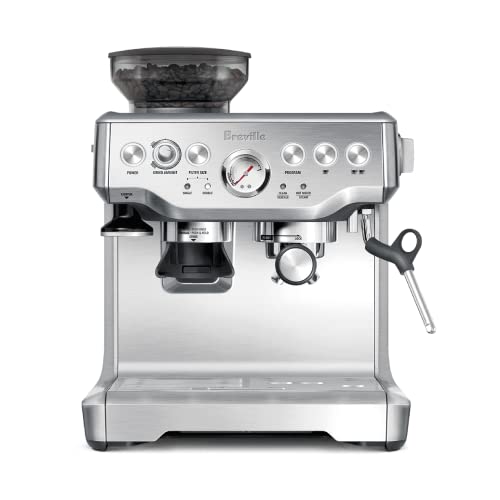
Those three cover the most common answers. The Barista Express wins on control and ecosystem. The CM5418 wins because a real pressure gauge at the entry level is rare, and the De'Longhi EC155 is a traditional pump machine without a grinder built in, which is where a lot of people start.
Comparing 10 Beginner Espresso Machines at a Glance
| Product | Key Specs | Action |
|---|---|---|
| Breville Barista Express |
|
Check Latest Price |
 De'Longhi EC155 15 Bar De'Longhi EC155 15 Bar |
|
Check Latest Price |
 CASABREWS CM5418 CASABREWS CM5418 |
|
Check Latest Price |
 Gevi 20 Bar Compact Gevi 20 Bar Compact |
|
Check Latest Price |
 CASABREWS 3700 Essential CASABREWS 3700 Essential |
|
Check Latest Price |
 Breville Bambino Breville Bambino |
|
Check Latest Price |
 Ninja Luxe Cafe Premier Ninja Luxe Cafe Premier |
|
Check Latest Price |
 Breville Bambino Plus Breville Bambino Plus |
|
Check Latest Price |
 Nespresso Pixie Nespresso Pixie |
|
Check Latest Price |
 De'Longhi 15-Bar Pump De'Longhi 15-Bar Pump |
|
Check Latest Price |
Two things jump out of that list. First, only two of these ten have a burr grinder built in, which is the single biggest decision you will make. Second, most of them are single boiler, so you brew and steam one after the other rather than at the same time. That one detail decides whether a machine suits a single morning drink or a full household breakfast routine.
How We Tested: The Numbers Behind Every Pick
Specs tell you what a machine is. They do not tell you what it does with a mediocre bag of supermarket beans on a Tuesday morning, which is where most beginners actually live. So we set a fixed brew target and used it on everything.
The shot spec we use on everything
Eighteen grams of dry coffee in the basket, tamped level, and we stop the shot at thirty-six grams of espresso in the cup. That lands somewhere between twenty-five and thirty seconds from the moment the pump starts. If a shot runs fast and thin, the grind is too coarse. If it runs slow and harsh, the grind is too fine. That single ratio is the fastest way for a beginner to learn what the dial actually does.
We also watch the pressure gauge during the shot where one exists, because a shot that never reaches pressure is a grind or tamp problem, not a pump problem. On machines with a steam wand we time how long a full jug takes to heat and how long it takes to switch back to brewing afterwards, because that transition time is the part of the workflow that determines whether a machine fits a real morning.
What we deliberately did not test
We did not test latte art, because microfoam quality depends more on technique and milk than on the machine. We did not measure boiler temperature with a probe, and we do not publish flow-rate figures, because those numbers vary more between individual units than they do between models.
What we did lean on heavily is the volume of owner reviews behind each machine. A machine with tens of thousands of ratings tells you how it behaves in ordinary kitchens after a year of use, which is information no spec sheet provides. Where owners repeatedly describe the same problem, we have said so plainly, including the drip tray, water tank and steam wand complaints that show up again and again on machines in this price band.
1. Breville Barista Express - The All-in-One You Can Grow Into
Breville BES870XL Barista Express Espresso Machine, Brushed Stainless Steel
22.1 lb
13.8D x 12.5W x 15.9H
1600W
1 year limited warranty
+ Pros
- Built-in conical burr grinder with grind size dial
- Pressure gauge plus programmable extraction
- Hot water dispenser for Americanos
- Single or double shot with manual override
- Cons
- Water tank and drip tray need frequent attention
- Plastic top and side panels
- Single boiler so brewing and steaming cannot overlap
The Barista Express is the machine I recommend to people who want to learn rather than just press a button. Everything happens in one body: beans go in the top hopper, the integrated conical burr grinder doses into the portafilter, and the same panel runs the shot. There is no separate grinder to learn, no second piece of equipment to store, and nothing to buy before your first cup.
It is also the most honest machine here about what is happening during extraction. The pressure gauge gives you a live reading, and the PID display shows the brew temperature the electronics are holding. Those two things turn a black box into a learning tool, which is why this machine keeps appearing at the top of beginner recommendations.
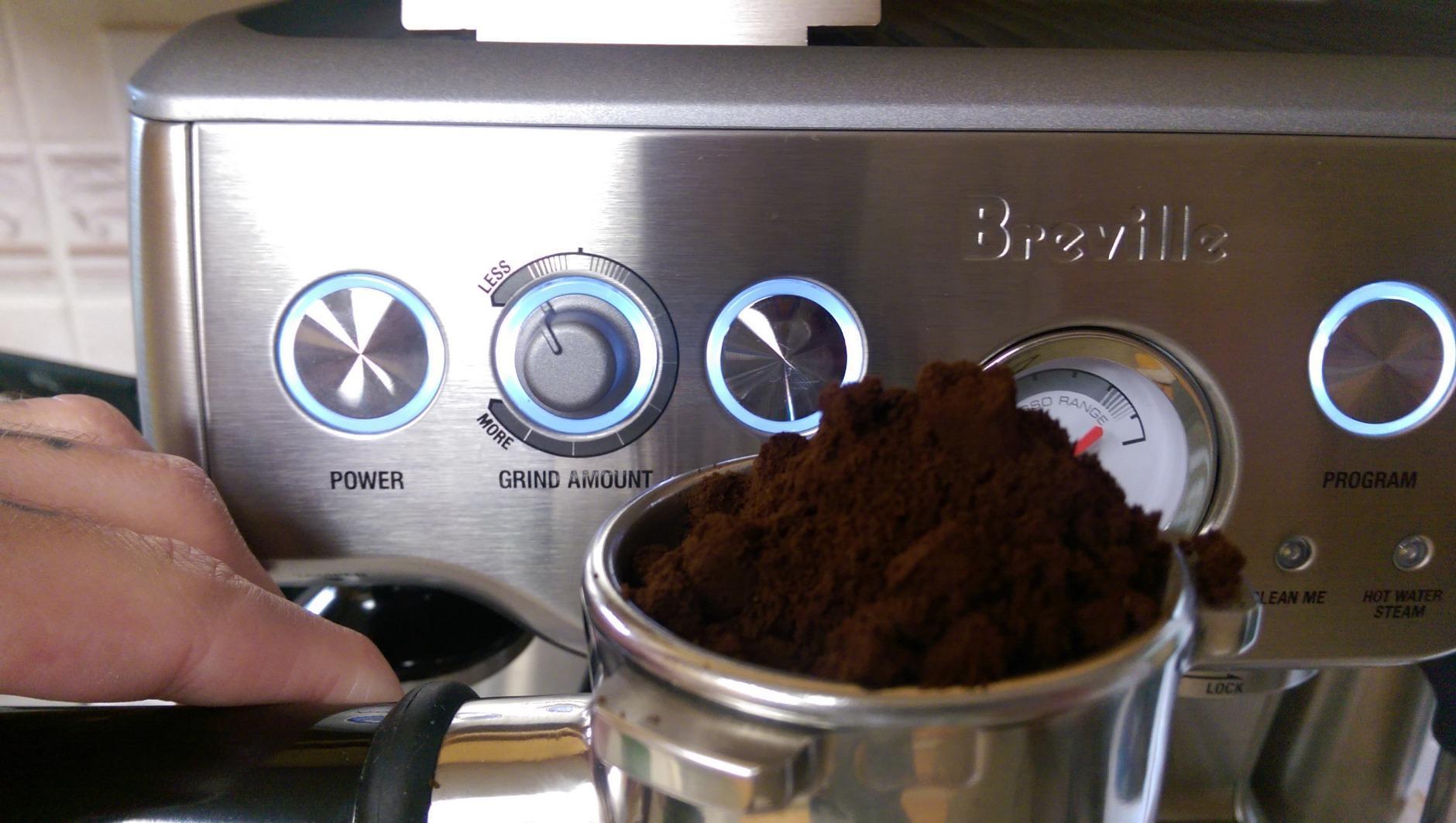
Built-in grinder: convenient first, upgradeable later
The grinder is the reason most people buy this machine, and it is also its most debated feature. The grind size dial and adjustable grind amount give you real control, and the Razor dose trimming tool handles the mess. But the step between grind settings is coarse enough that fine dialing takes practice.
Forum consensus on r/espresso is that a dedicated burr grinder is worth more than any machine upgrade, and the Barista Express is a common first step precisely because it bundles one. If you already own a decent grinder, this machine is still excellent because the grinder is a separate function you can simply ignore.
Steam power and the single boiler limitation
The manual steam wand will texture milk properly if you learn the roll, and the hot water dispenser is genuinely useful for Americanos and for warming cups. What it will not do is brew and steam at the same time. Plan on brewing first, then frothing, and give the machine a minute or two to switch.
The water tank and drip tray are the most common everyday complaint. Owners describe refilling several times a day on a heavy household routine. On the plus side, the cleaning cycle and cleaning light take the guesswork out of maintenance, which matters more than people expect at this stage.
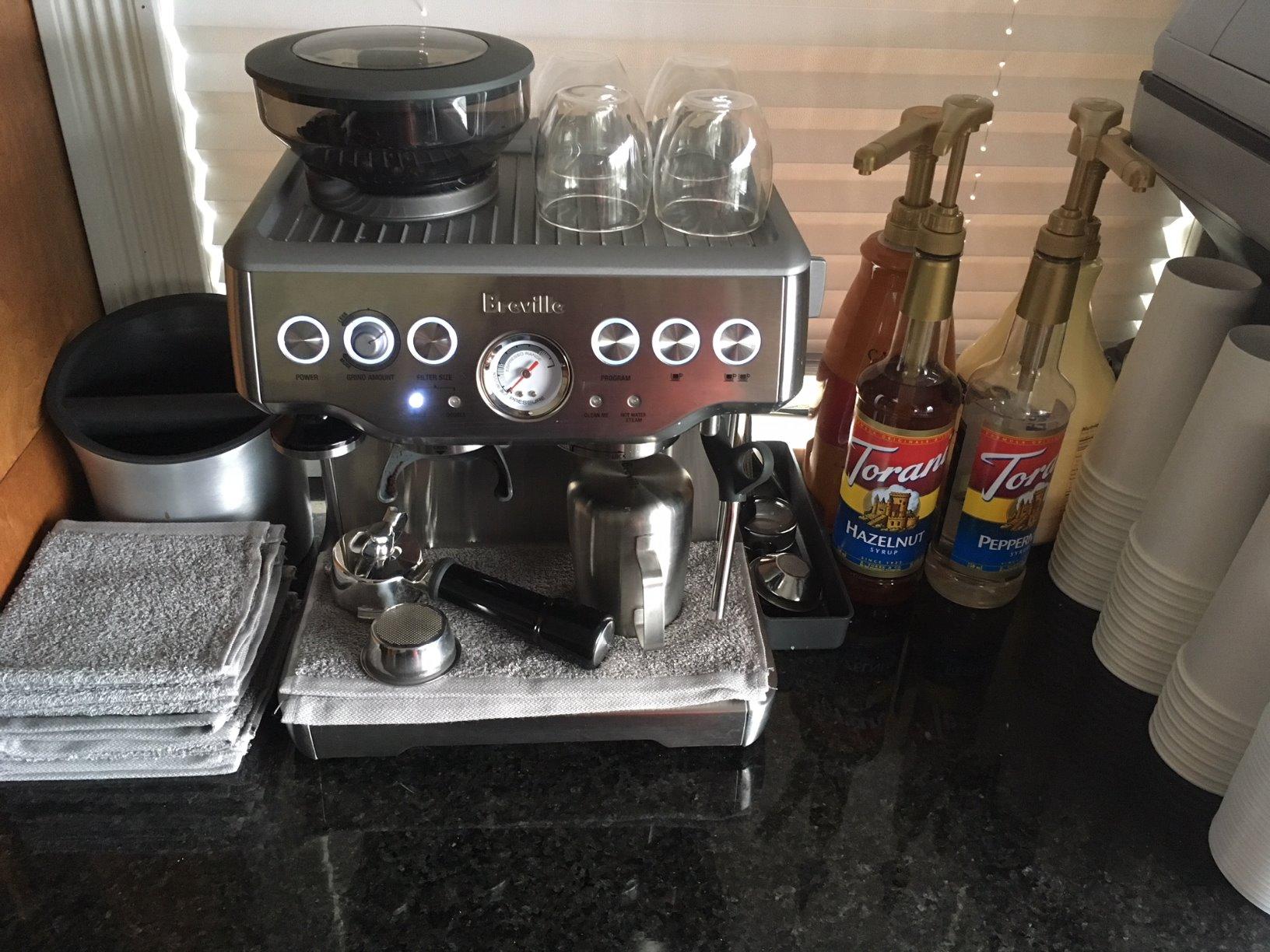
Who it suits and who it does not
This is the right pick if you drink several espresso-based drinks a day, want to learn grind and timing, and have counter space for a machine that is over 22 pounds and takes up real estate. It is also a machine that ages well, because the accessory ecosystem around 54mm portafilters and Breville parts is deep and stays available.
Skip it if your kitchen has a single narrow counter or if you want zero decisions in the morning. It is a large, moderately heavy machine that assumes you will keep it out on the counter rather than put it away after each use.
2. De'Longhi EC155 15 Bar - The Classic Pump Machine to Learn On
DeLonghi EC155 15 Bar Espresso and Cappuccino Machine, Black
1 liter tank
12.2D x 19.3W x 15H
1100W
15 bar
+ Pros
- Pressurized basket forgives grind mistakes
- Removable tank and dishwasher-safe parts
- Produces a thick crema
- Works with ground coffee or pods
- Cons
- Short steam wand with low clearance
- Pump life limited under heavy daily use
- Needs a 10-15 minute warm-up
The EC155 is the traditional entry-level pump machine, and it is where a lot of people learn whether they actually enjoy the ritual. It is a simple box with a dial, a portafilter and a steam wand, and that simplicity is genuinely useful when you are still working out what a grind setting means.
The pressurized filter basket is the quiet hero here. It is designed to tolerate a coarser grind and a less precise tamp than an open basket, which means your early shots land somewhere in the drinkable zone instead of tasting like punishment. As you improve, you can swap to an open basket and see the difference immediately.
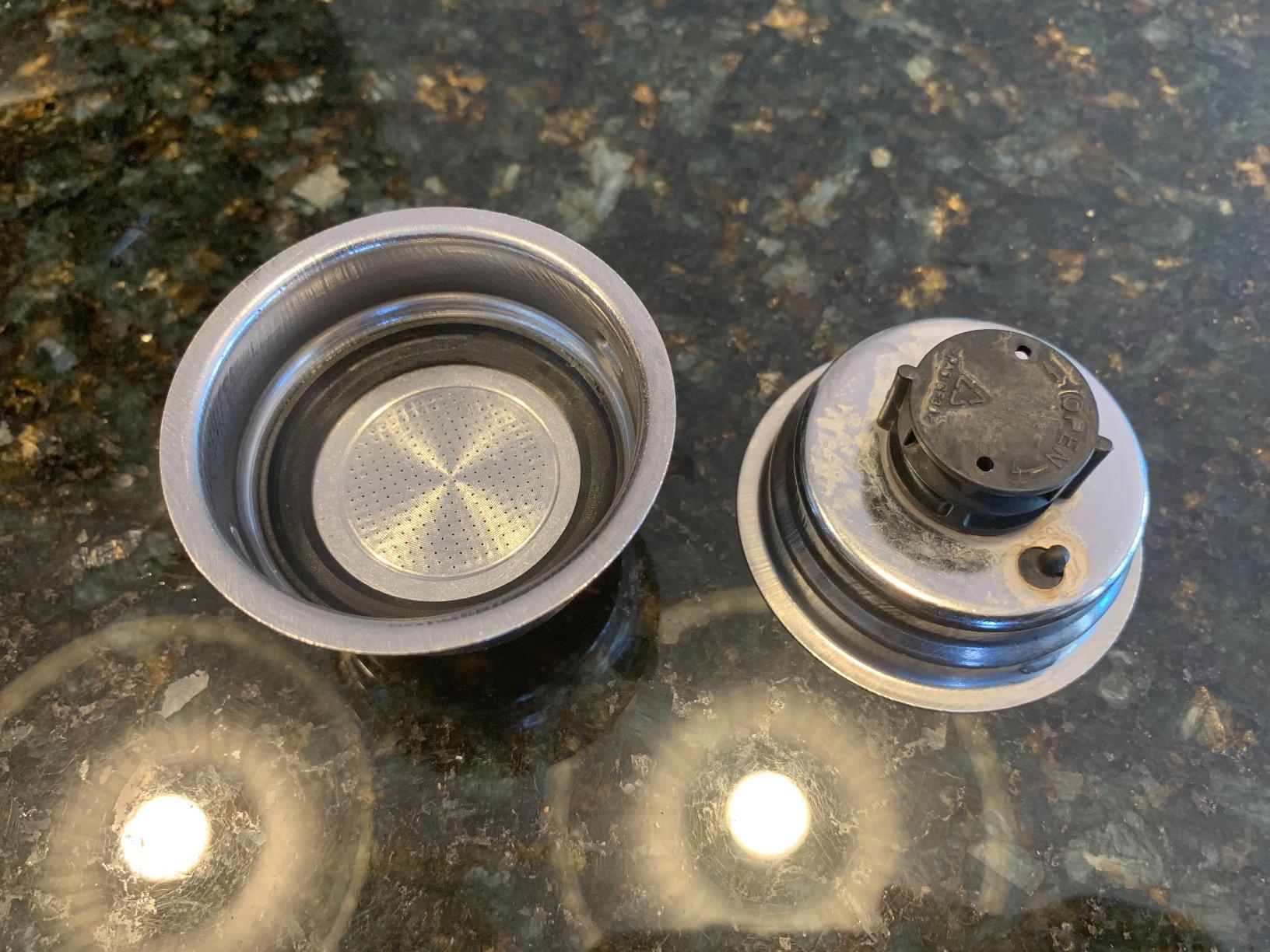
What 15 bar actually means
Pump ratings on entry machines are marketing numbers. The 15 bar figure is the maximum the pump can reach; the over-pressure valve regulates what reaches the puck to roughly the nine bar range used for real extraction. You will not taste a better shot because the pump can spike higher.
More useful than the bar number is how the machine behaves after ten minutes of warming. Owners consistently recommend pre-heating for fifteen minutes and purging the steam arm before the first drink. Skip that and your first cup will taste thin and cool no matter what the pump is rated at.
Clearance, tank size and daily workflow
Two physical limits come up in reviews more than any taste complaint. The steam wand is short with low clearance, so you need a small milk pitcher rather than a large one. And cup clearance under the spout is tight, which means tall mugs require pulling the drip tray out and feeding the cup in at an angle.
The one liter tank is on the small side for a household, but it is removable with a visible water level, which means refilling is not a guessing game. The counter footprint is compact, and at a little over seven pounds it is easy to move when you need the space for something else.
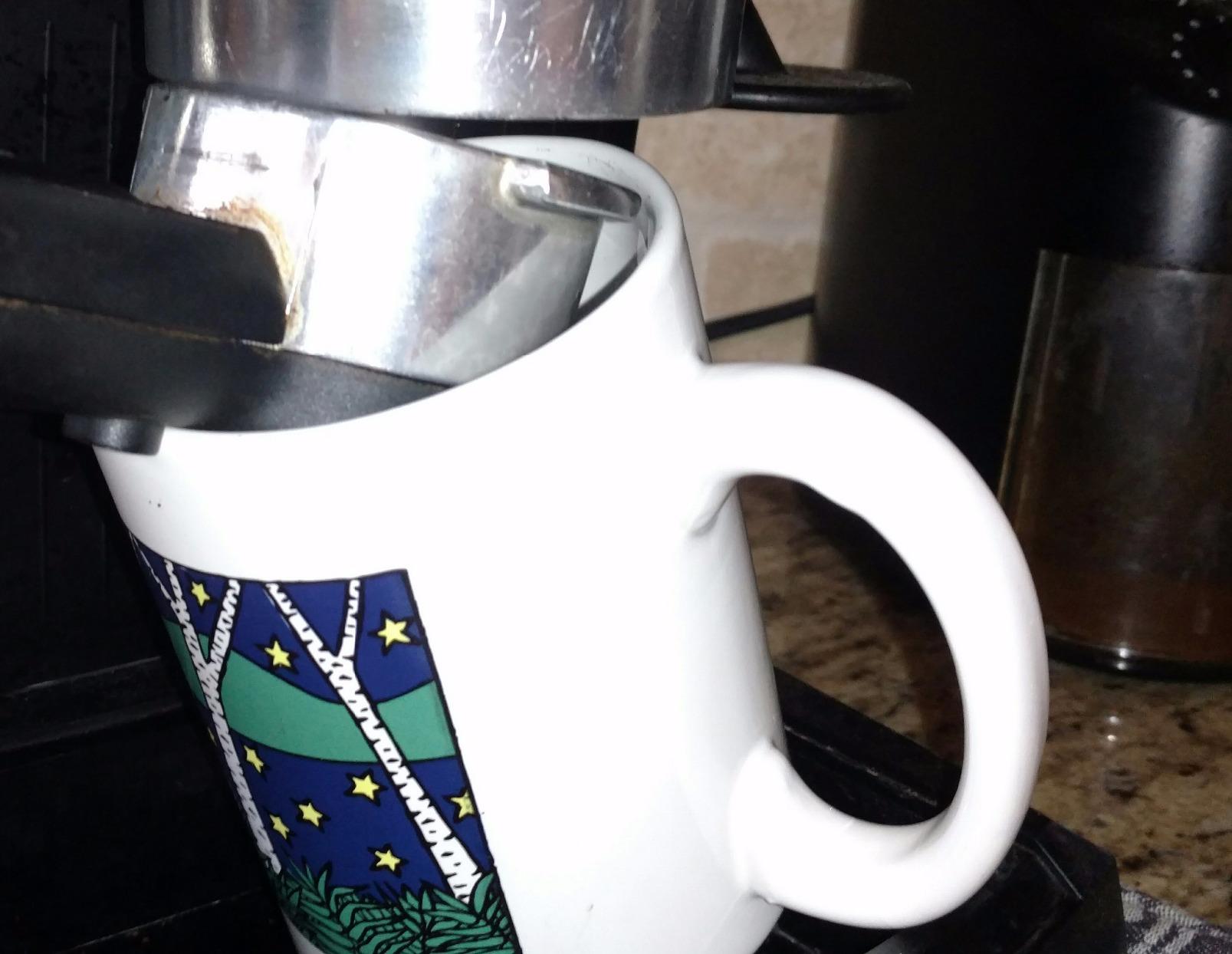
Who it suits and who it does not
Pick the EC155 if you want a traditional machine on a modest budget, you are happy to buy a separate burr grinder, and you only drink black coffee or the occasional cappuccino. It is a good teacher because it does not hide anything from you.
Pass on it if you make more than one milk drink in a row. The single boiler means a wait between brewing and steaming, and reviewers report the pump has a shorter life under that kind of heavy daily cycling. It is also one of the loudest and most noticeable machines in this group while it pumps.
3. CASABREWS CM5418 - A Pressure Gauge at the Entry Level
CASABREWS CM5418 Compact Espresso Machine with Milk Frothing Steam Wand
8.6 lb
12.28D x 5.47W x 11.97H
1350W
20 bar
+ Pros
- Built-in pressure gauge shows extraction live
- 20-bar pump with 1350W boiler
- Compact body for small kitchens
- 34 oz tank lasts several cups
- Cons
- Must cool down after frothing before brewing
- Sensitive to fine grinds
- Limited cup clearance under the group head
The CM5418 is the machine I point people toward when their real question is "how do I learn without spending much." A pressure gauge at this level is unusual. On pricier machines the gauge is a nice-to-have, but here it is the reason a beginner can tell the difference between a tamping problem and a grind problem in the first week.
Everything else is deliberately simple: buttons for one cup, two cups and steam, a 20-bar pump, a manual wand and a stainless body that does not feel cheap. It is the most highly ranked machine in its storefront category for semi-automatic machines, which tells you how many people have made the same decision.
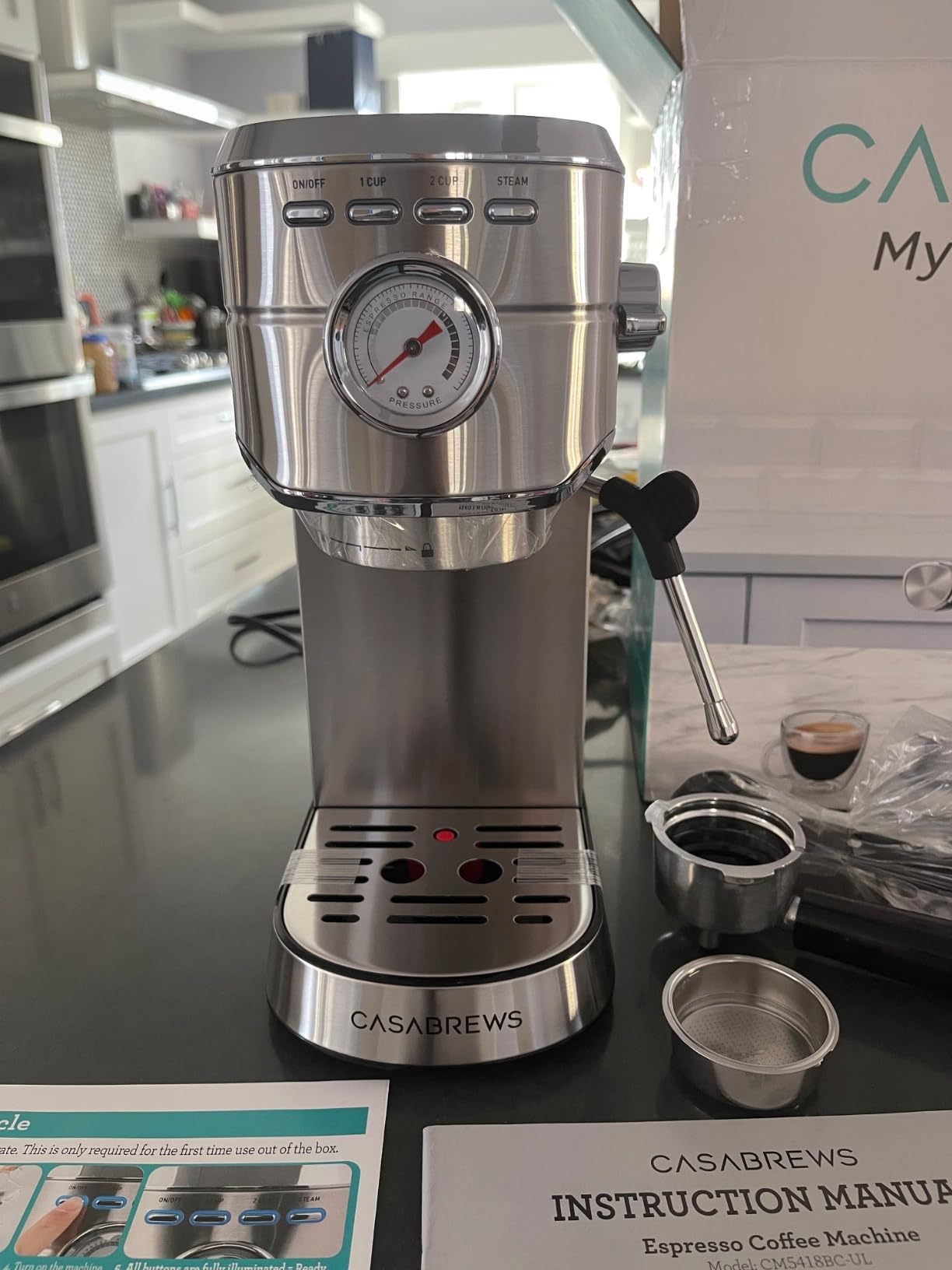
The cool-down cycle nobody warns you about
This is the single most important thing to know before buying. You cannot brew immediately after frothing. The machine needs to cool down, or it enters overheat protection and stops responding. Plan your workflow as brew first, froth second, then wait.
Because it is a single boiler, that wait exists on every machine in this roundup, but the CM5418 makes it more noticeable because the protection cycle is firm rather than gradual. If you are making a single drink in the morning, it never becomes an issue. If you are making four cappuccinos for a family, you will feel it.
Grind sensitivity and the small footprint
Reviewers report that extraction can stall if the grind is too fine, so start slightly coarser than you think you need and tighten from there. The 34 oz tank is a genuine improvement over the one liter machines at this level, giving you several cups before a refill.
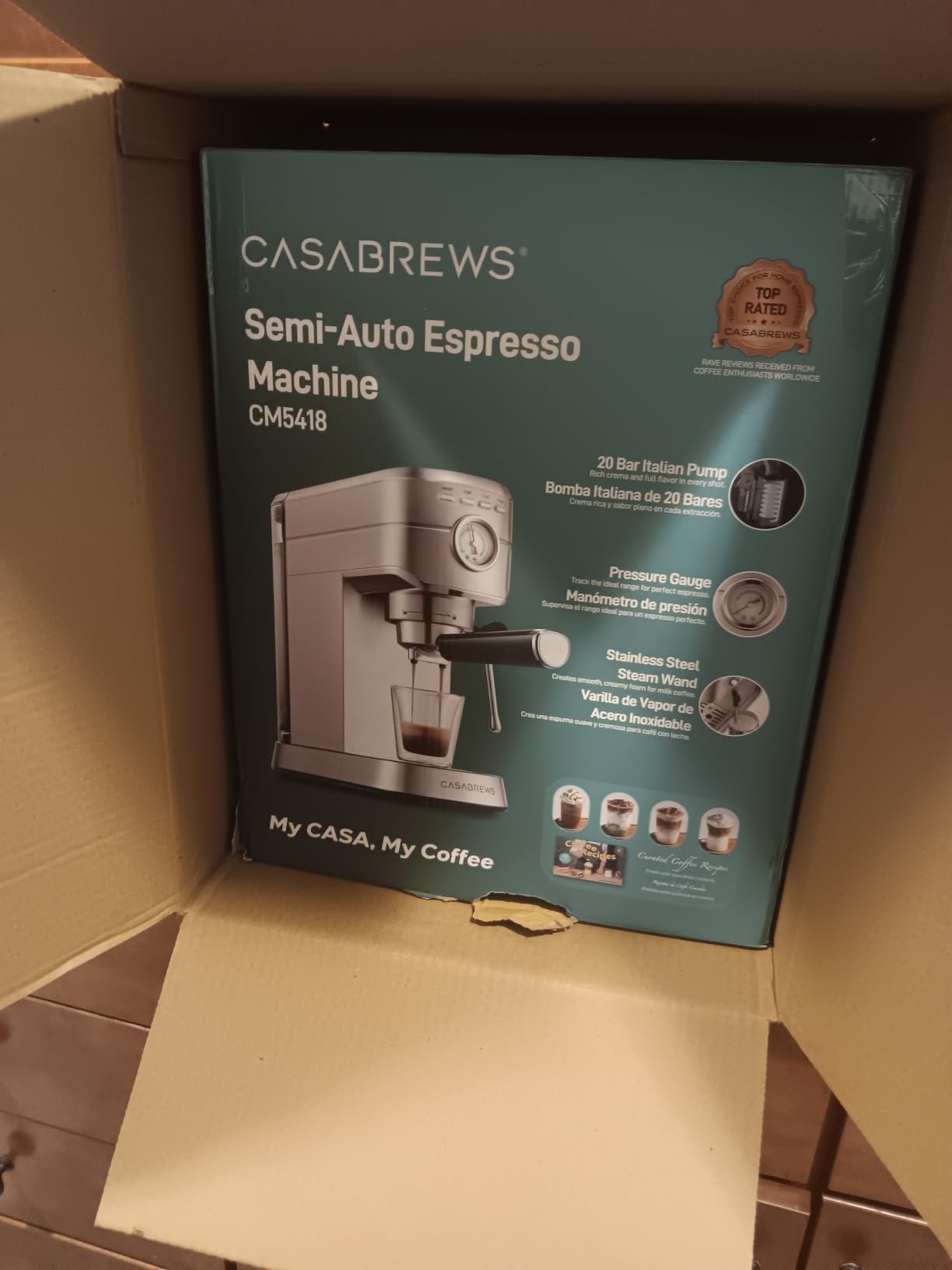
At 8.6 pounds and roughly 5.5 inches wide, this is one of the few entry machines that genuinely fits a small counter or an office desk. The trade-off is cup clearance under the group head, which limits you to standard-sized cups.
Who it suits and who it does not
Choose the CM5418 if you want visible feedback on pressure, you have limited counter space, and you are making one or two drinks a day. It is the best value in this list for a reason: the gauge is the difference between guessing and adjusting.
Look elsewhere if your routine is multiple simultaneous milk drinks, or if you want to run very fine grinds for a brighter, more modern style of espresso. The steam wand is also less powerful than on higher-priced machines, so latte art will be an uphill battle at first.
4. Gevi 20 Bar Compact - Repeatable Shots Without Dialing In
Gevi 20 Bar Compact Espresso Machine for Home,Latte、Cappuccino Coffee Maker
8.6 lb
12.3D x 5.5W x 12H
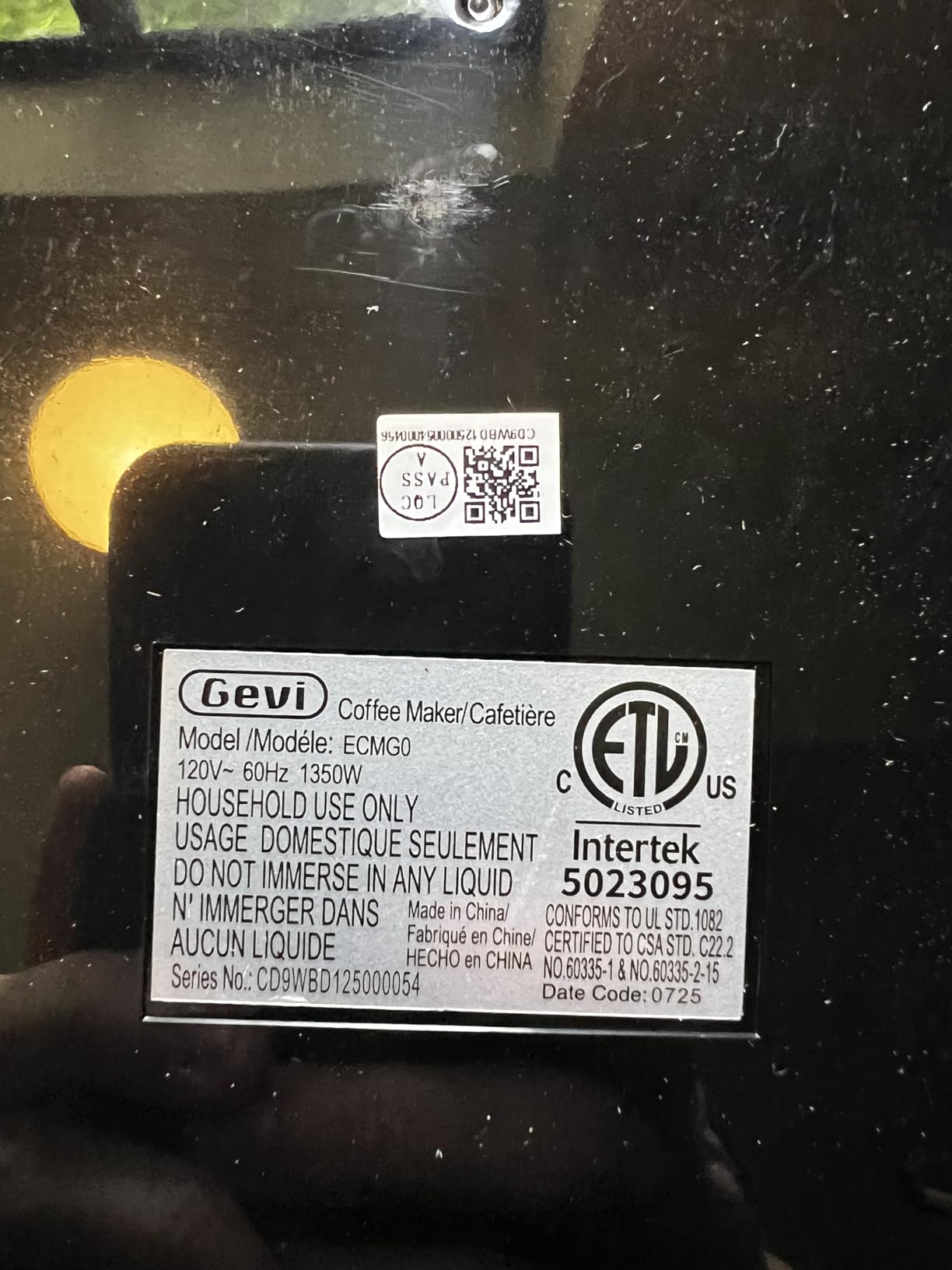
1350W
12-month warranty
+ Pros
- Automatic shot metering makes results repeatable
- Pressure gauge plus pre-infusion
- Hot water function for tea and Americanos
- Full stainless body
- Cons
- Shuts off after frothing so drinks need a wait
- Small portafilter needs reloading often
- Included plastic tamper feels cheap
The Gevi takes a different approach from everything else here. Instead of asking you to stop the shot yourself, it meters single and double shots for you. That removes the biggest beginner decision, which is knowing when to stop pouring, and it makes the machine unusually repeatable from day one.
It also runs pre-infusion, so the puck is gently wetted before full pressure is applied. That is a real technique borrowed from commercial machines, and it is the feature reviewers most often credit when they describe the extraction as even rather than gushing.
Metered shots and what they cost you
Automatic volume is a genuine kindness for week one, and it is also a limitation later on. Once you understand grams in and grams out, you will want to pull by weight and stop on taste rather than on a preset. The metering gets you to a good cup faster, but it does not teach you to read a shot.
Several owners describe owning multiple higher-priced machines and finding that this one holds up as well or better past a year. The most common positive comment is about repeatability rather than peak quality, which is exactly the right characteristic for a first machine.
Workflow, tank and small annoyances
The machine auto shut-offs after frothing, so back-to-back drinks need a pause, and the small portafilter means reloading grounds every couple of shots. The hot water function covers Americanos, tea and cup warming, though it dispenses in slow spurts rather than a steady stream.
The stainless body is compact and attractive at roughly 8.6 pounds, but the finish shows fingerprints. The cup warmer on top does not do much, and the included plastic tamper is the part most owners replace first.
Who it suits and who it does not
Buy the Gevi if you want consistent espresso without any learning curve on the shot itself, or if you are coming off pod machines and want ground coffee without the ceremony. The 51mm basket is a limitation for accessories, but the metering makes that less important early on.
It is the wrong choice if you want to develop taste manually, or if you drink larger volumes in a single sitting. Reloading a small basket twice for two drinks is a workflow tax that shows up quickly in a busy household.
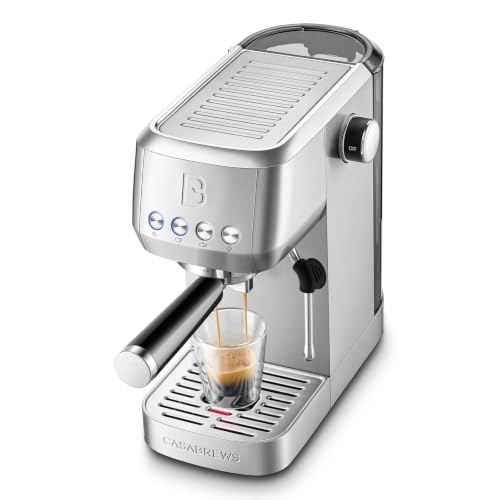
5. CASABREWS 3700 Essential - The Lowest-Cost Way to Start
CASABREWS 3700 Essential Stainless Steel Espresso Machine with Steam Wand
8.1 lb
12.6D x 5.7W x 12.5H
1350W
20 bar
+ Pros
- Genuinely low entry price with solid stainless construction
- 43.9 oz tank means rare refills
- Fast heat-up and simple controls
- Handles everyday latte and cappuccino foam
- Cons
- Extraction is finicky at fine grind settings
- Some units have a steam dial that drifts
- No pressure gauge on this model
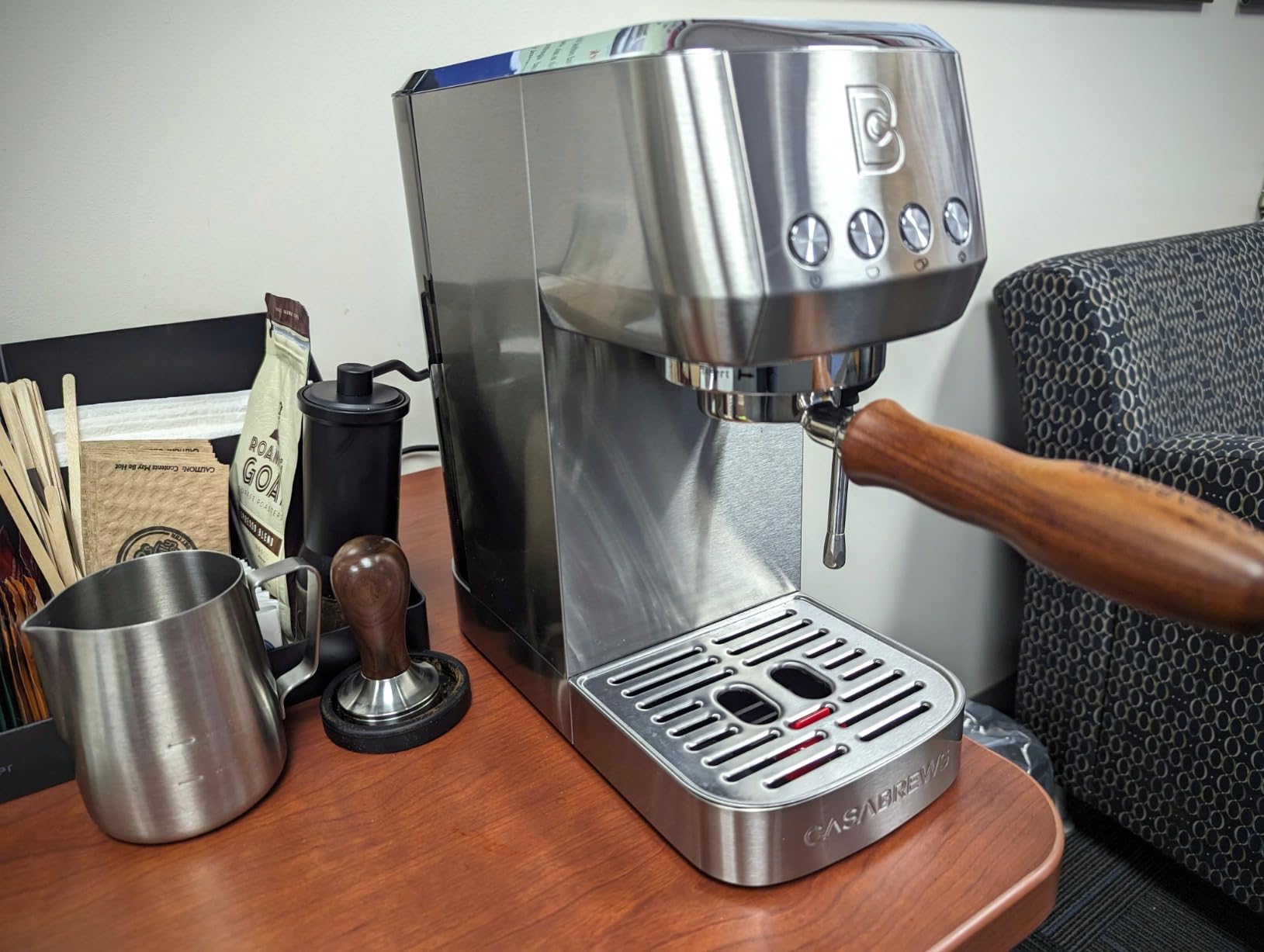
The 3700 Essential exists to answer one question: can you make a decent cup on a small budget and decide from there whether this hobby is for you? Owners frequently describe it as appliance-level value, meaning they use it hard, get consistent enough results and move on when they want something better.
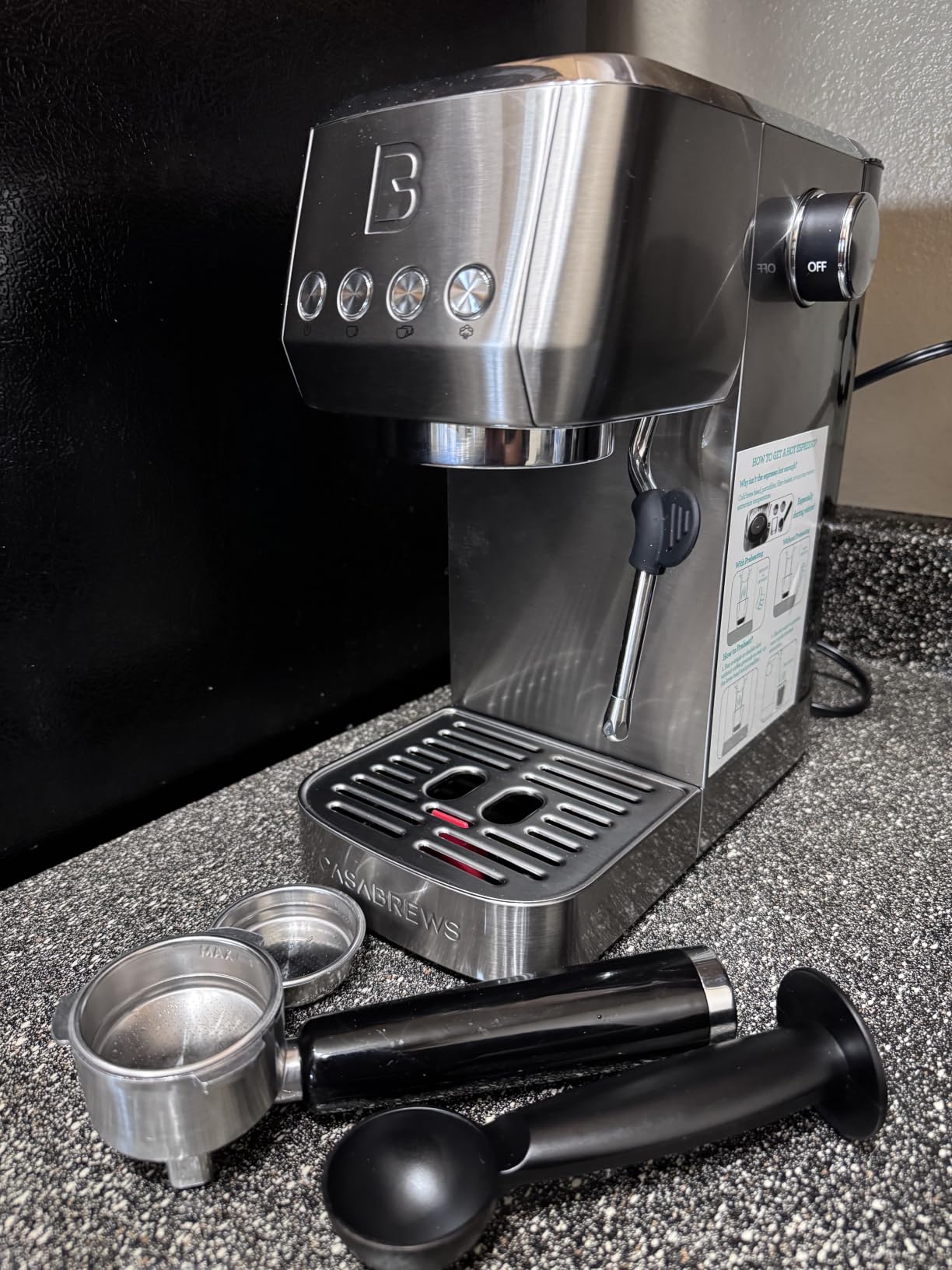
The stainless body is the surprise. At this price point you often get plastic, and here the construction is brushed stainless with a removable drip tray. The 43.9 oz tank is unusually large for this class, so refills are rare even for a two-drink morning.
No gauge, and what that means for you
Unlike the CM5418, this model has no pressure gauge. That means you are pulling shots blind, and the only feedback you get is time and taste. For a complete beginner that is workable, because you should be adjusting by taste anyway, but it removes the shortcut of watching pressure in real time.
Extraction is finicky at espresso grind settings, and this is the most technical criticism in the review record. Owners describe shots that run inconsistently when the grind is fine, so start coarser than feels right and work down slowly.
Build quality versus steam control
Some units report a steam dial that walks out of position and loses pressure, forcing the user to hold it closed while pulling. That is a manufacturing consistency issue rather than a design flaw, but it is worth knowing about before you buy.
The steam wand and boiler are noticeably noisy, and the included plastic combo scoop and tamper feels flimsy. Against that, multiple owners report heavy daily use without failures, which is a fair trade for the lowest cost of entry on this list.
Who it suits and who it does not
Pick it if your goal is to spend as little as possible while finding out whether you enjoy making espresso, or if you want a second machine for a holiday house. The large tank and simple buttons make it easy to hand to someone else in the household.
Do not pick it if you care about repeatability or want a machine that will grow with you. A missing gauge plus finicky extraction plus a drifting steam dial is a combination that wears on people who want precise control.
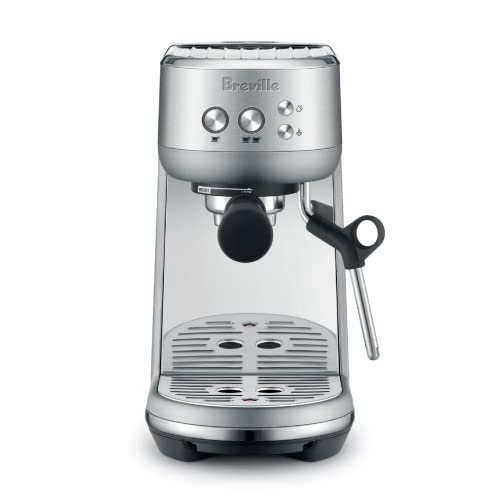
6. Breville Bambino - Extraction Temperature in Three Seconds
Breville BES450BSS Bambino Espresso Machine, Brushed Stainless Steel
10.9 lb
13.7D x 6.3W x 12H
1560W
1 year limited warranty
+ Pros
- ThermoJet heating reaches temperature in about 3 seconds
- Automatic steam wand handles milk hands-free
- PID regulation and low-pressure pre-infusion
- Compact footprint suits small kitchens
- Cons
- No integrated grinder so a burr grinder is required
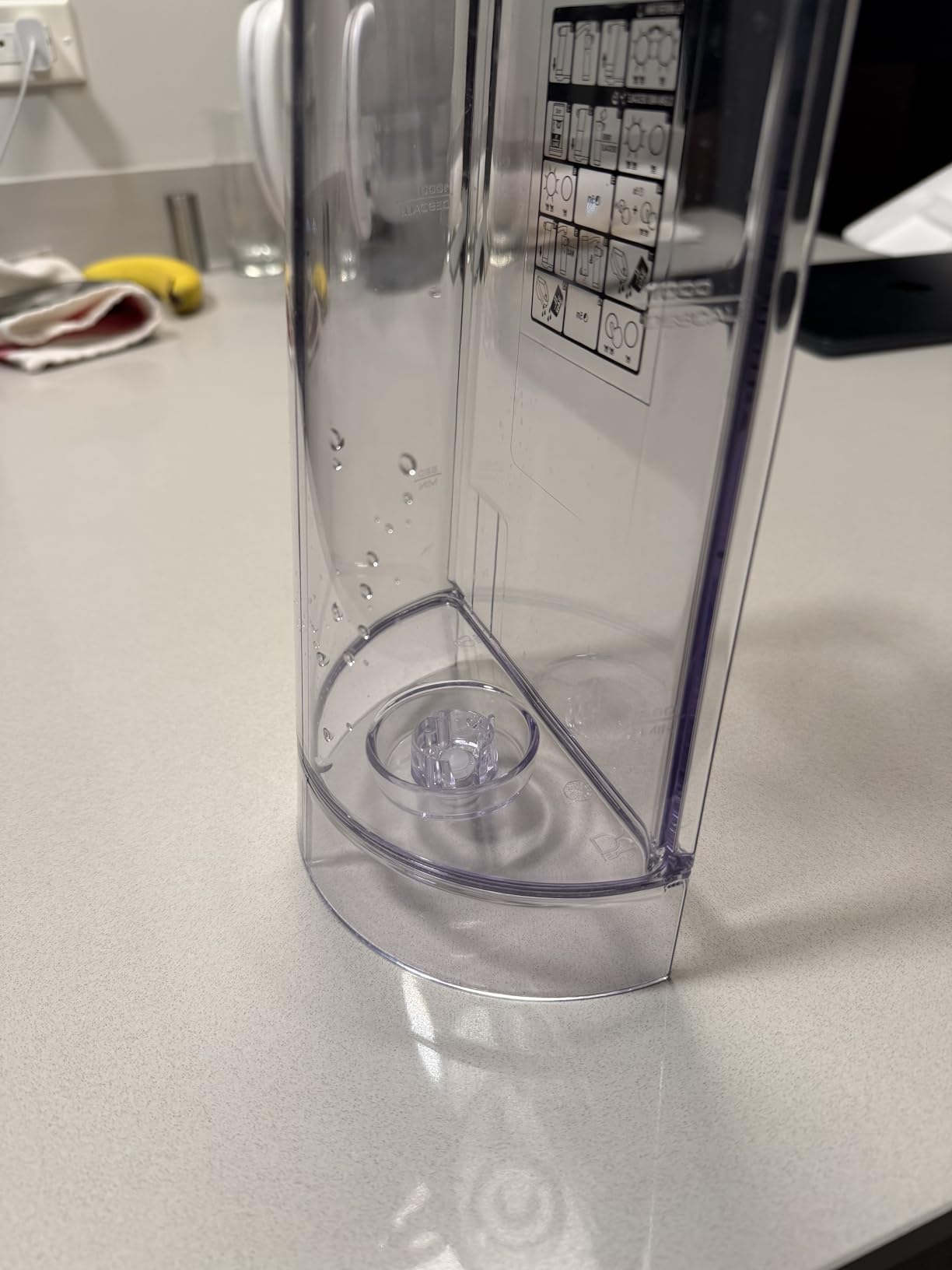
- Small 1 liter tank needs frequent refilling
- Single-wall baskets are fiddly for new users
The Bambino is the machine for anyone whose morning has about four spare minutes. The ThermoJet heating element reaches extraction temperature in roughly three seconds, which means you are not waiting through a warm-up cycle before your first shot. That is a bigger quality-of-life difference than the spec sheet suggests.
The automatic steam wand does the milk texturing for you, with adjustable temperature and texture settings. It removes the hardest part of a beginner workflow, which is learning to roll milk, and it means one person can make a cappuccino without practice.
The grinder you have to bring yourself
There is no integrated grinder. That is the whole trade-off, and reviewers who already own a grinder rate the Bambino highly. Reviewers who do not have one describe the machine as an incomplete kit, because you are adding a burr grinder to the purchase before anything happens.
This is where the 25 to 40 percent rule matters. A manual grinder gives you the burrs you actually need and a better learning experience, and forum consensus holds that the grinder is arguably more important than the machine. Buying a manual grinder alongside this machine produces better espresso than buying a pricier machine with a cheap grinder.
Portafilter size and basket choice
The Bambino uses a 54mm portafilter, which is the most common size in home espresso and has the deepest accessory support of any size you will find at this level. Bottomless portafilters, dosing funnels and third-party baskets all exist in 54mm.
It ships with both single-wall and dual-wall baskets. The single-wall basket is the one that tastes better, and it is also the fussier to dose, which is why reviewers flag it as a learning hurdle. Start with the dual-wall basket and move up when the shots are consistent.
Who it suits and who it does not
It suits a small kitchen with a fast weekday routine, and anyone who wants hands-off milk texturing more than they want manual control. The PID display and pre-infusion give it more in-cup consistency than most machines at this level.
It is a poor fit if you want an all-in-one purchase, because the grinder is a required second buy, and if you make several milk drinks in a row, since it is a single boiler. It also has the lowest average rating of the three Breville machines here, and a visibly higher share of one-star reviews, mostly about the incomplete package.
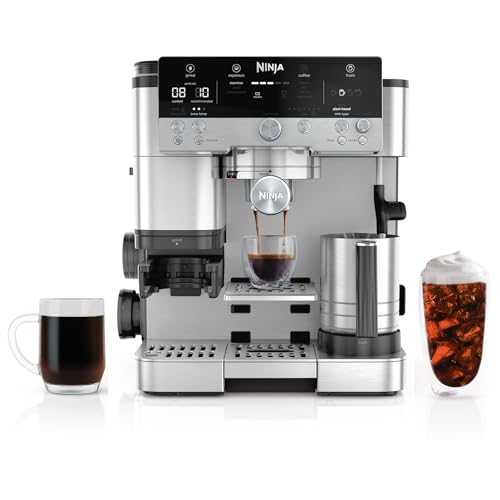
7. Ninja Luxe Cafe Premier - Espresso With Almost Nothing to Learn
Ninja Luxe Café Premier 3-in-1 Espresso Machine, Drip Coffee, & Cold Brew
4.4 lb
12.99D x 13.39W x 14.57H
1650W
Fully automatic
+ Pros
- Built-in burr grinder with 25 settings
- Assisted tamping and weight-based dosing
- Espresso plus drip coffee and cold brew
- Dual froth system with presets and manual mode
- Cons
- Wide countertop footprint
- deeper than most here
- Automation means less hands-on learning
- Descaling and cleaning add to upkeep
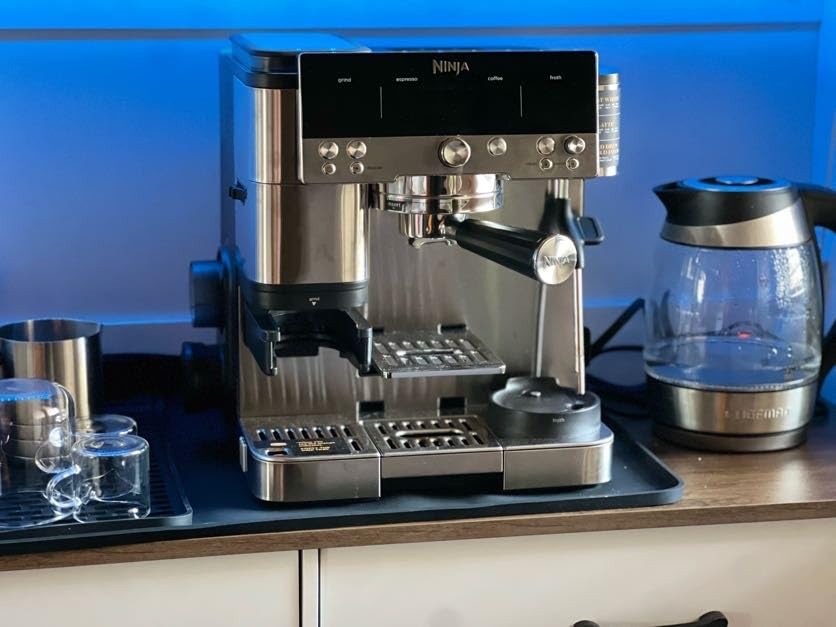
The Ninja Luxe Cafe Premier is the least intimidating way into espresso that I have tested. Barista Assist Technology handles grinding, weight-based dosing, tamping and temperature in sequence, which removes the two failure points that account for most disappointing beginner shots: a badly tamped puck and a badly ground dose.
It is also a genuinely capable appliance beyond espresso. The same body makes drip coffee in several styles and cold brew, which means it can replace a separate coffee maker. For a household where different people want different drinks, that consolidation has real value.
Assisted tamping versus learning to tamp
Assisted tamping applies a consistent pressure automatically, so your puck is compressed the same way every time. That is genuinely better for consistency, and it is exactly what a beginner struggles to do by hand for the first several weeks.
What you give up is the skill. Reviewers are honest that automation trades away the manual dial-in experience, and if your goal is eventually making cafe-quality shots by feel, this is a machine that will not teach you that. It will, however, make you drinks that taste good in week one, which for many people is the entire objective.
Footprint, accessories and upkeep
At over 13 inches wide this machine claims a lot of counter, and on a narrow kitchen that is a real constraint. The upside is built-in accessory storage in the base, so the portafilter, funnel, tamper and cleaning tools do not scatter across your cupboards.
The dual froth system pairs a spinning whisk with an automatic steamer and offers four presets plus a manual mode, which covers everything from a flat latte to microfoam for latte art. Cold-pressed espresso output is good for cocktails and iced lattes, though drip and cold brew sizes cap out at 18 oz.
Who it suits and who it does not
Choose the Luxe if you have a wide counter, you want one machine for espresso and drip coffee, and you would rather have good drinks than a new skill. It also includes a hard water testing kit, which is unusually thoughtful for a machine at this level.
Pass if counter space is tight or if you are the kind of person who enjoys the process. The automation is the product, so buying it and then wanting manual control is an expensive way to learn that you wanted a semi-automatic.
8. Breville Bambino Plus - Hands-Free Milk Without a Second Machine
Breville BES500BSS Bambino Plus Espresso Machine, Brushed Stainless Steel
11 lb
7.6D x 12.5W x 12.2H
1560W
2 year limited warranty
+ Pros
- Auto purge after steaming so the next shot pulls at temperature
- Three-second ThermoJet heat-up
- Adjustable milk temperature and texture
- Auto steam wand produces good microfoam
- Cons
- No integrated grinder
- Single boiler so no simultaneous brewing and steaming
- Small water tank relative to the body
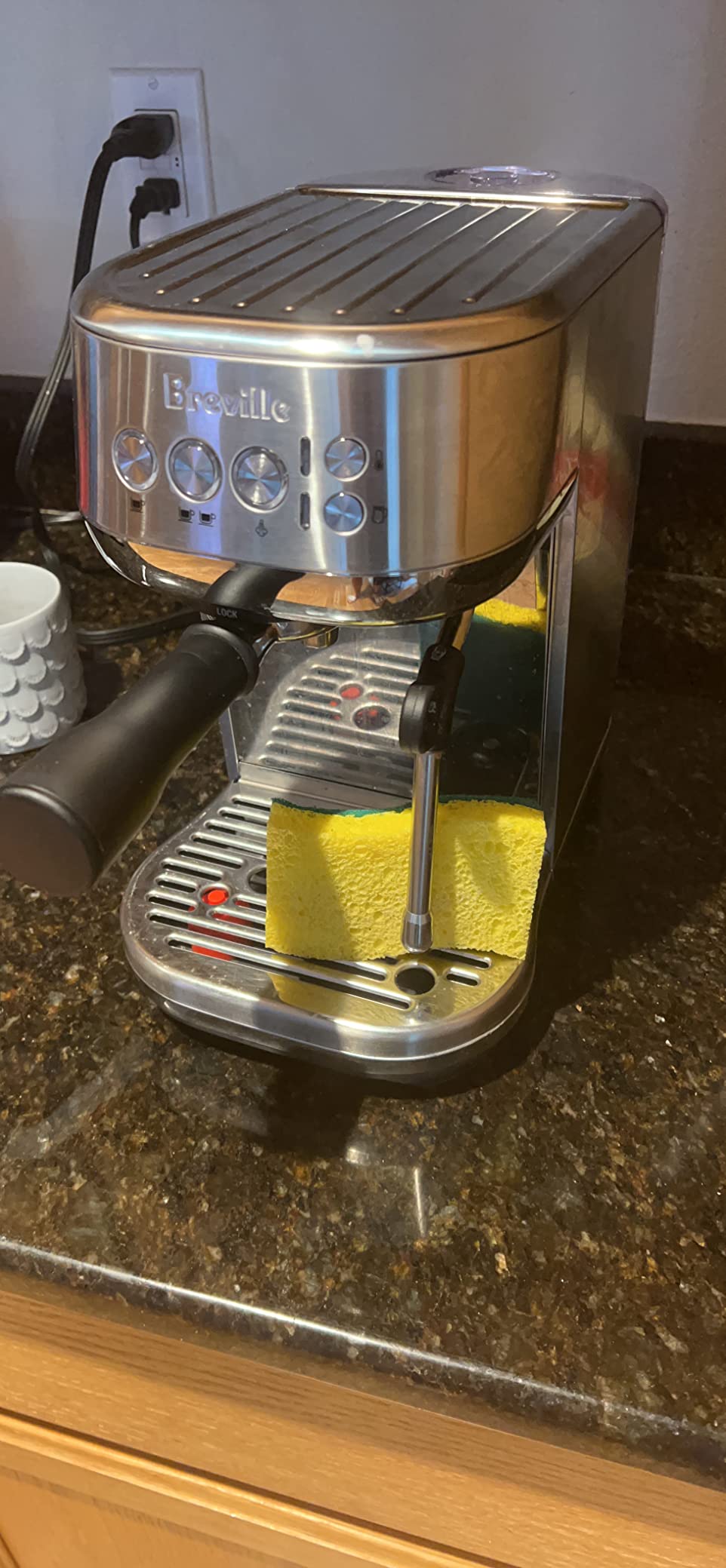
The Bambino Plus is the base Bambino with the two features that matter most in daily use: an automatic purge after steaming and adjustable steam settings. Owners confirm those two additions matter in practice, which is why this version is worth choosing over the cheaper model if you plan to make milk drinks.
Auto purge is the quiet hero. Flushing the group after you steam means your next shot pulls at proper temperature instead of pulling cooling water first. If you alternate drinks, that single feature removes an entire category of disappointing cups.
Steam wand automation and milk quality
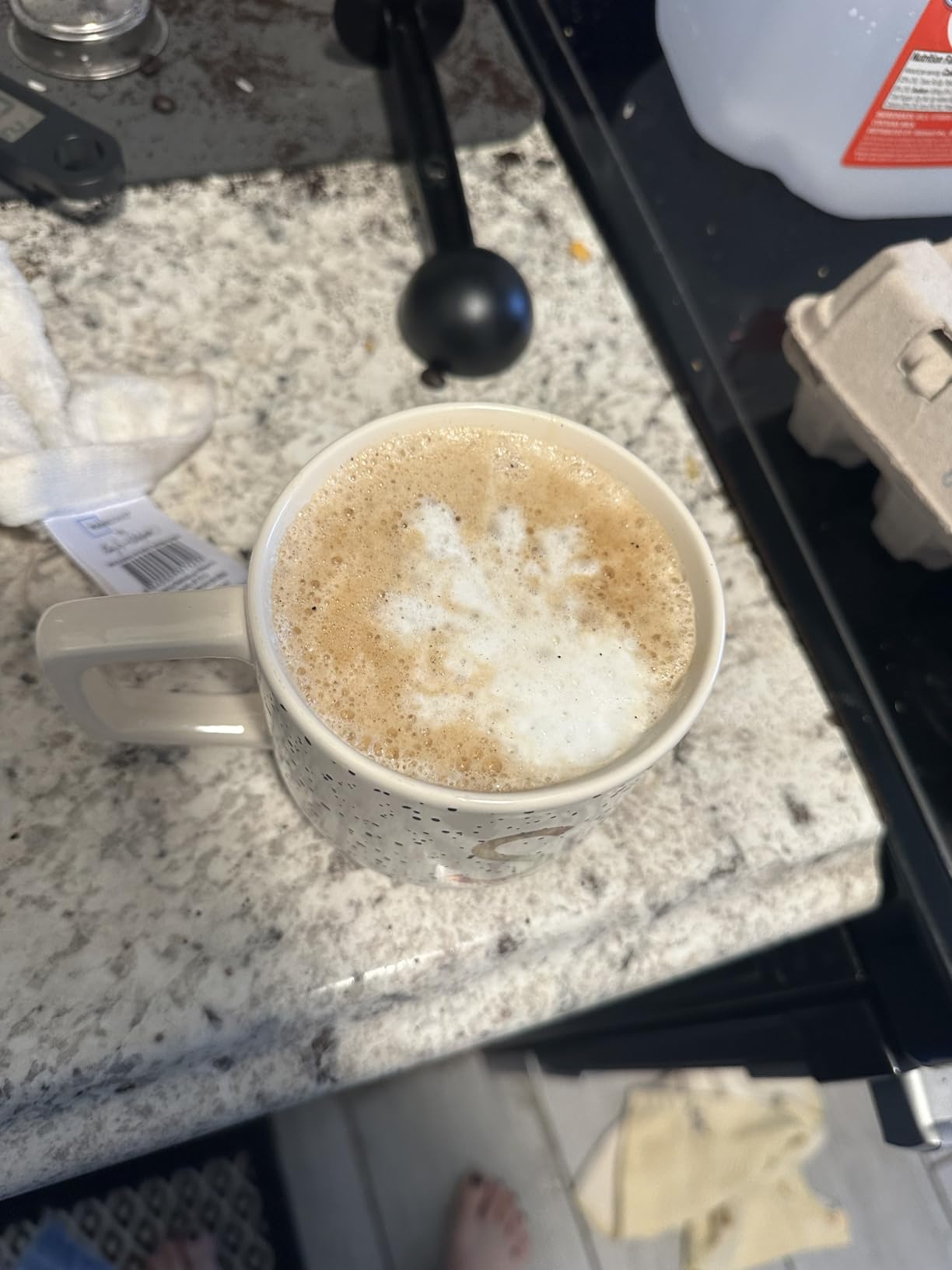
The automatic wand produces good microfoam with adjustable temperature and texture level, which is enough for latte art once you get the pour height right. It is not a manual wand, so you cannot use it to heat milk for a latte without the built-in cycle, but for a beginner that constraint is a feature.
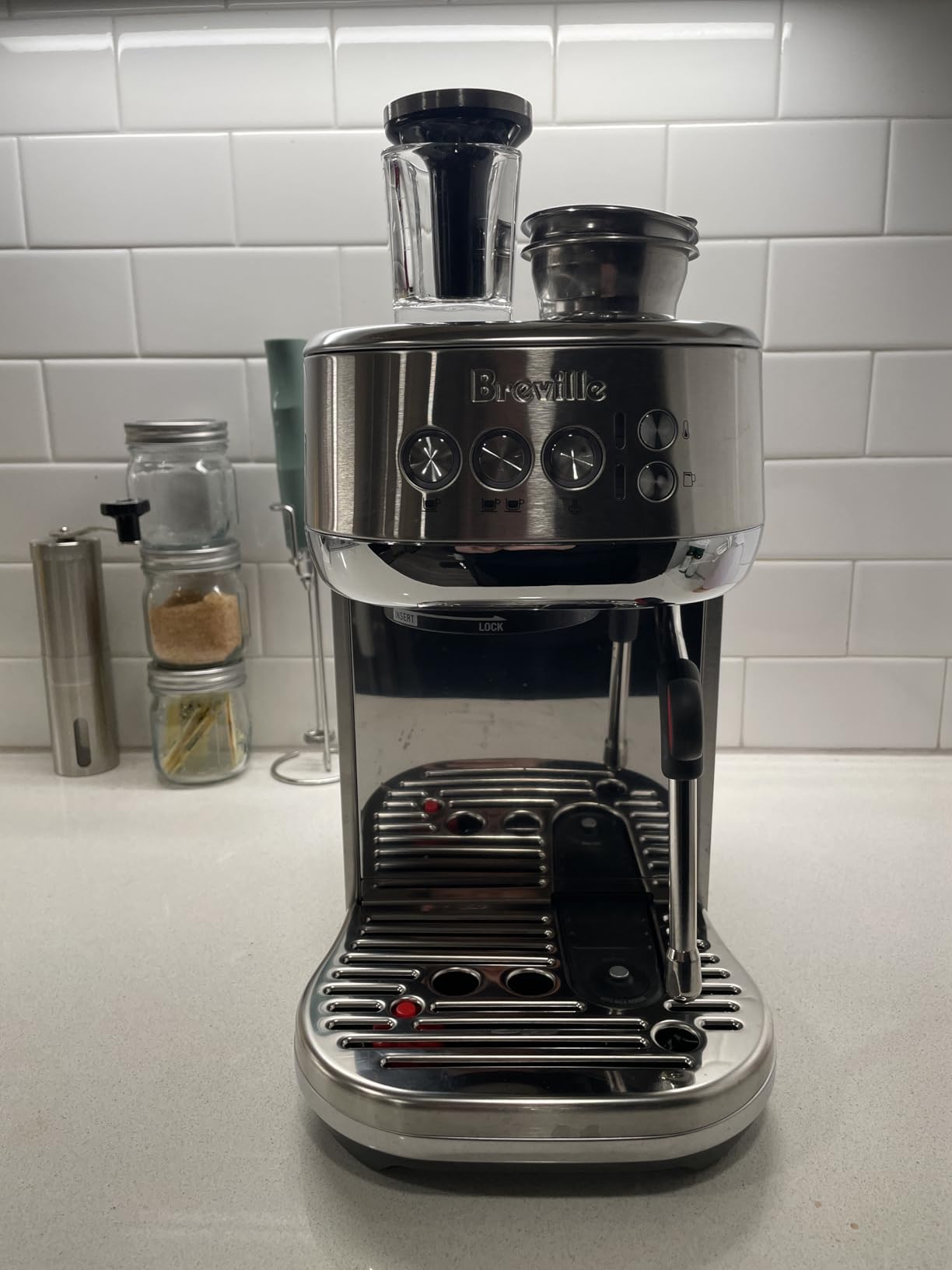
The narrower 7.6 inch depth and 12.5 inch width make this genuinely compact for a semi-automatic machine, and at 11 pounds it moves easily to a shelf. The two year warranty is the longest in this roundup, which matters if you are keeping it for years.
Portafilter, dosing and the missing grinder
It uses a 54mm portafilter sized around 19 gram doses, and the Razor precision dosing tool included in the box is designed to knock the puck level after tamping. That tool does more for shot consistency than most beginners expect from a free accessory.
Like the base Bambino, there is no integrated grinder, so you will be grinding separately. The 54mm size is the ecosystem advantage, since baskets and third-party parts for that diameter are easy to find. Single-wall baskets need careful dosing to avoid channelling, which is the most common complaint in reviews.
Who it suits and who it does not
It suits someone who drinks mostly milk drinks, wants the machine to handle the milk, and has a narrow counter. Fast heat-up plus auto purge makes it the fastest Breville to live with day to day.
It is not the value pick. You pay close to the premium tier for output similar to the base Bambino, and you still need a separate grinder. If budget is the constraint, the base Bambino gives you the same core experience for less.
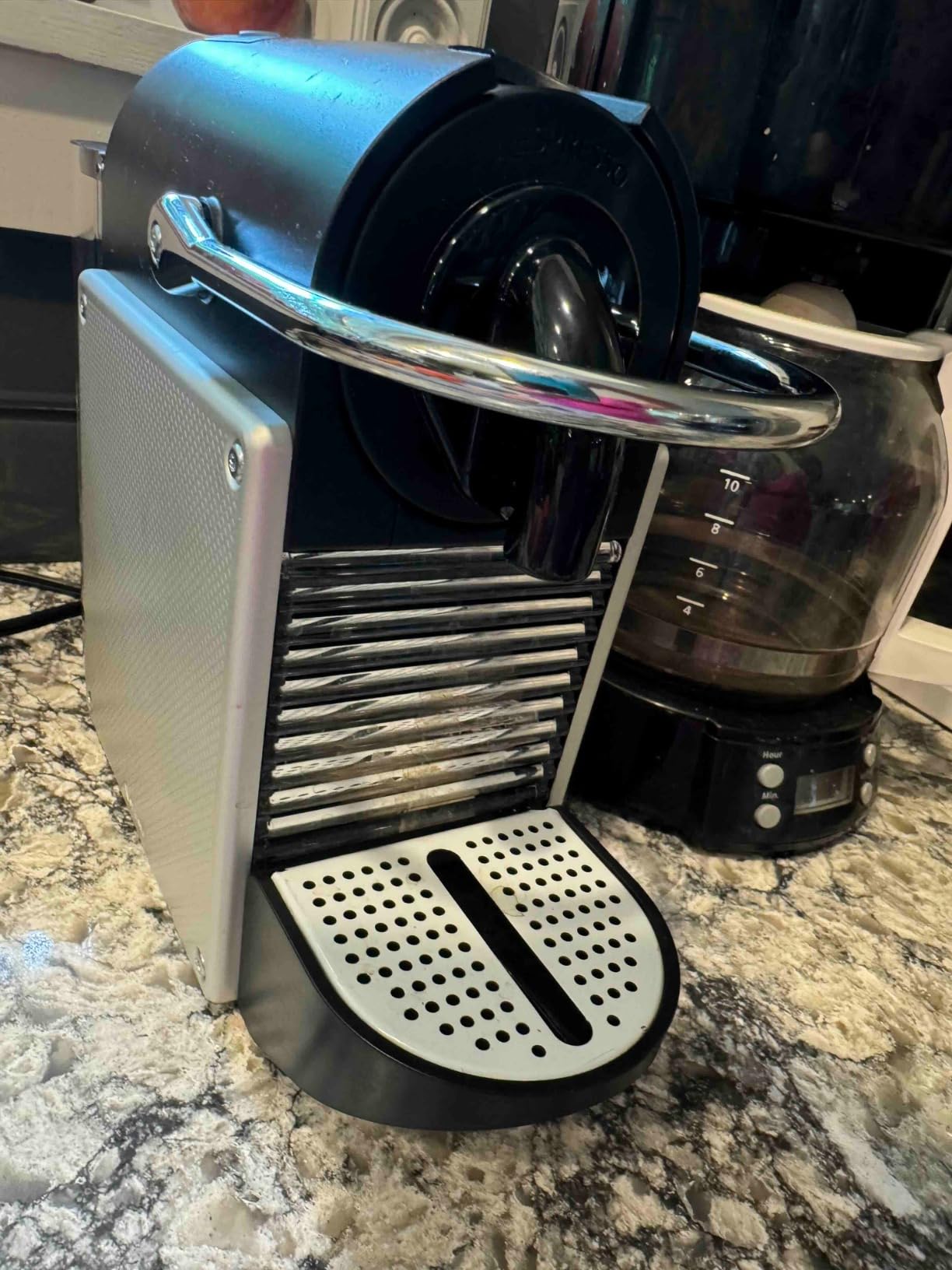
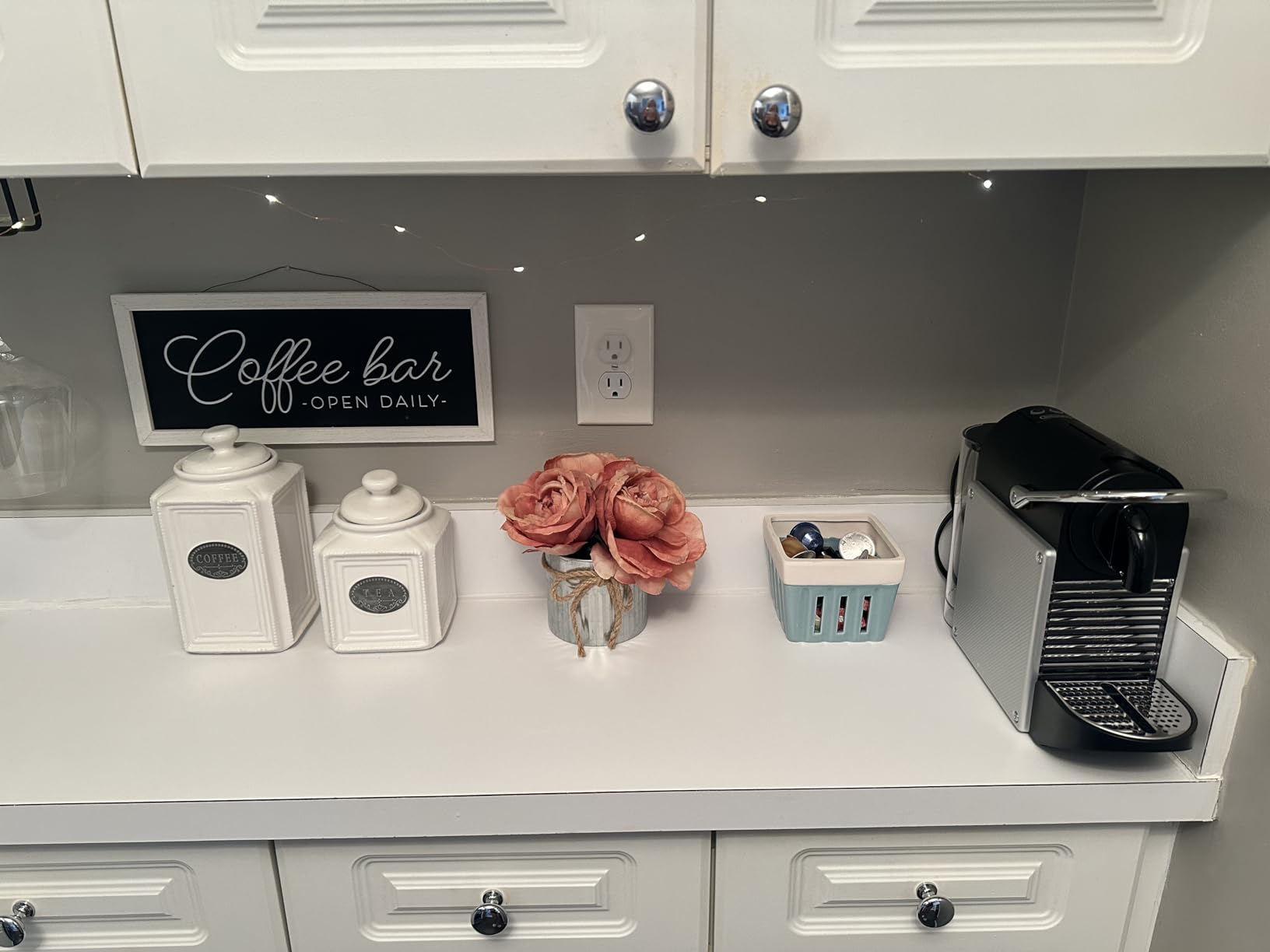
9. Nespresso Pixie - Pod Simplicity and a Narrow Footprint
Nespresso Pixie Espresso Machine by De'Longhi, 1100ml, Aluminum,Silver
7.1 lb
4.37D x 12.83W x 9.25H
1260W
19 bar
+ Pros
- 25-second heat-up and one-touch operation
- Two programmable buttons for espresso and lungo
- Very compact body
- Consistent results with no adjustment
- Cons
- Works only with Nespresso Original capsules
- Cost per cup exceeds ground coffee
- No grinder and milk drinks need manual frothing
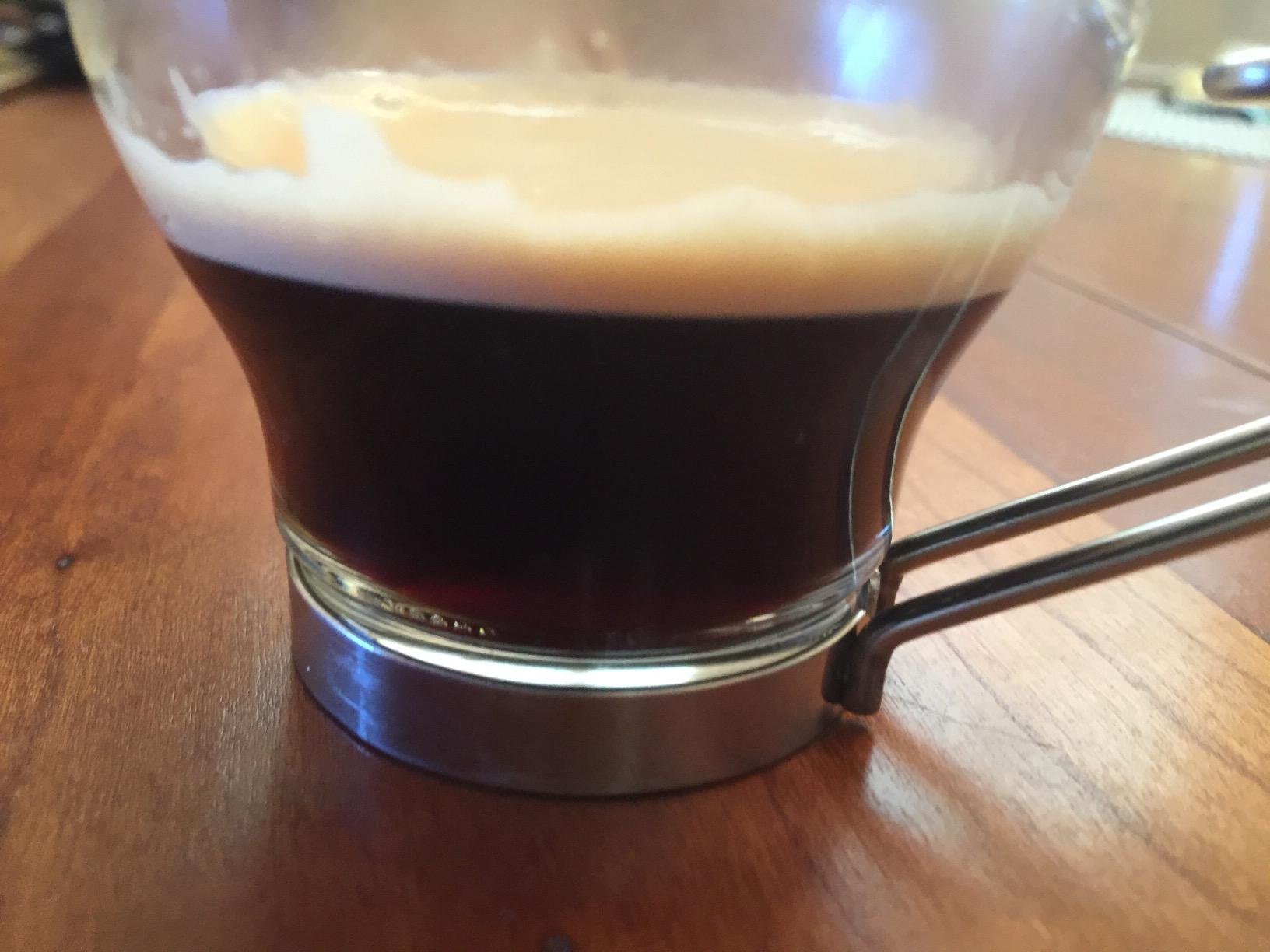
The Pixie is the lowest-effort machine on this list, and 78 percent of its ratings are five stars. You drop in a capsule, press a button and get a shot in about 25 seconds. There is no grinding, no tamping, no dialling and nothing to learn.
That makes it a sensible first purchase rather than a compromise. If you are not sure the hobby is for you, a pod machine lets you find out at low cost and low commitment, and the capsule system means quality does not drift from week to week the way a stale bag of supermarket beans can.
The closed system and what it costs over time
It works only with Nespresso Original capsules. That is the trade-off every reviewer names. You get consistency and zero maintenance of a grinder, and you give up the ability to change beans freely and the ability to make a better cup later without buying different hardware.
The real decision is cost per cup over a year of daily use, which is meaningfully higher than ground coffee. If you drink one or two drinks a day, that difference is manageable. If your household drinks four or five, the arithmetic changes quickly.
Footprint, milk and household use
At 7.1 pounds and 9.25 inches tall, this stays compact on a counter, and the power save mode switches off after nine minutes of inactivity so it does not sit drawing power on your counter.
Milk drinks require manual frothing with the included wand, so a cappuccino takes real practice. There is no grinder, which is the point rather than a flaw, and this listing is for the machine only, so a separate milk frother is an extra purchase if you want automatic texture.
Who it suits and who it does not
Buy the Pixie if you drink one or two drinks a day, you have very little counter space, and you want espresso with no learning curve and no grinder to store. It is also a sensible first machine for an office or a rental where you cannot drill or plumb anything.
Move past it when you want to change beans, drop your cost per cup, or start using a manual grinder. At that point a semi-automatic machine pays for itself quickly, and the capsule habit is the thing people find hardest to break.
10. De'Longhi 15-Bar Pump Machine - One Filter Holder, Two Ways In
De'Longhi 15-Bar Pump Espresso Machine with Milk Frother & Temperature Control - Compact Home...
10.6 lb
7.25D x 9.6W x 11.9H
1100W
15 bar
+ Pros
- Three-in-one filter holder for grounds or a pod
- Removable tank with visible level
- Narrow body suits small counters
- Dishwasher-safe tank and drip tray
- Cons
- Body is largely plastic
- No pressure gauge for dialing in
- Manual frother needs practice
Its three-in-one filter holder is the distinguishing feature. The same portafilter takes a single shot basket, a double shot basket or a pod holder, so you can switch between ground coffee and pods without owning two machines.
That flexibility is genuinely useful. It is a sensible first purchase for someone who is not yet sure which side of the hobby they are on, and it means you can use a pod on a rushed weekday and a proper basket when you have time to dial in.
Grounds or pods from the same portafilter
The 15-bar pump has adjustable controls for taste preference, which is a more useful feature than it sounds. It lets you change flow behaviour rather than only pressure, and beginners often find that a gentler setting produces a shot they prefer before they understand why.
Working with pods saves setup time on busy mornings. Working with grounds is where the machine improves as you learn, and the reviews are consistent on this point: output quality tracks technique and bean quality far more than the machine itself.
What the plastic body and missing gauge cost you
The body is largely plastic rather than stainless steel, and that is the most common construction complaint. It does not affect flavour, but it affects how the machine feels after a few years and how it survives being moved around.
There is no pressure gauge, so like the CASABREWS 3700 you are pulling blind. The manual frother requires practice to get consistent foam, and the single boiler pauses when you switch from steaming to brewing. At 10.6 pounds and 9.6 inches wide, it does stay out of the way on a counter.
Who it suits and who it does not
Choose this if you want to start with pods and graduate to ground coffee on the same machine, and you need something narrow for a small counter. The removable tank with a visible level makes refilling painless, and the dishwasher-safe parts cut cleanup time.
It is a weaker fit if you want visible extraction feedback, if the plastic construction bothers you, or if you plan to build a long-term hobby around the craft. Nothing here blocks that path, but nothing accelerates it either.
What to Know Before You Buy: Boiler, Grinder, Portafilter and Steam
Most first-time buyers get stuck on jargon rather than on any specific product. Here is the short version of everything that actually changes how your coffee tastes, in the order I would think about it.
The grinder is half the machine
Pre-ground and blade-ground coffee is the number one cause of bad beginner shots, and no machine fixes it. Grind size and consistency determine extraction far more than boiler wattage or pump pressure. The consensus rule from r/espresso is to budget roughly 25 to 40 percent of your total spend on a burr grinder, and that a manual grinder is better value than a cheap electric one because burrs are what you are paying for.
Practical consequence: a mid-priced machine used with a shared or dedicated burr grinder beats an expensive machine paired with something that came in the box. If you are choosing between buying a cheaper machine plus a good grinder, and a pricier machine plus a poor one, take the first option every time.
Boiler type and what temperature stability buys you
A boiler heats and holds water. A thermoblock is an aluminium block that heats water almost instantly as it passes through, which is why thermoblock machines can pull a shot seconds after switching on. The trade is stability, because a thermoblock swings in temperature as it works and needs a warm-up before it settles.
A single boiler does one job at a time, switching between brewing and steaming, so you wait between them. A dual boiler runs both simultaneously, which is why dual boiler machines dominate cafe equipment. For a beginner making one or two drinks a day, a thermoblock single boiler is a sensible compromise. For a household making several milk drinks back to back, the wait is the thing you will notice first.
Portafilter size and the accessory ecosystem
The portafilter diameter, usually 51mm, 54mm or 58mm, determines which baskets, bottomless portafilters, dosing funnels and third-party parts fit. 54mm is the most common home size and has the deepest support. 58mm is the commercial and prosumer size with the widest range of premium baskets. 51mm is common on the cheaper machines here and locks you into a smaller accessory pool.
Non-standard sizes are one of the most cited beginner regrets in forum threads. If you think you will ever want a bottomless portafilter or a precision basket, check the diameter before you buy, not after.
Steam wand power and the brew-then-froth wait
Steam wand power is what separates a cappuccino from warm milk. Entry machines with short, low-clearance wands force you into a small pitcher and give you little control over texture. If milk drinks are more than an occasional treat for you, put steam power near the top of your list.
Also plan the transition. With a single boiler, brew first and froth second. A steam purge before frothing, and letting the group cool before the next shot, produces noticeably better results than rushing straight through.
Glossary: bar, PID, thermoblock, dose, yield, channeling
Bar is a unit of pressure. Nine bar is the standard espresso extraction pressure. Pump ratings of 15, 19 or 20 bar describe the maximum a pump can reach, not what reaches your coffee.
PID stands for proportional-integral-derivative, which in coffee means a thermostat that holds brew water at a steady temperature instead of swinging hot and cold. It is the single most useful feature for consistent shots at home.
Dose and yield means grams of dry coffee in, grams of liquid out. Eighteen in and 36 out in 25 to 30 seconds is the standard starting target.
Channeling is water finding a low-resistance path through an uneven puck. The result is a shot that is simultaneously sour and bitter, because part of the coffee is under-extracted while another part is over-extracted. Even tamping and a level grind prevent most of it.
If espresso is one of several skills you are picking up this year, the same beginner-first logic applies elsewhere. Our guides to the best drones for beginners, the complete guide to kayak paddling for beginners and the best surfboards for beginners all start from the same place: pick the forgiving option first, and upgrade once you know what you actually need. A beginner charcoal grill pairs well with a machine that finally pulls its weight.
Dialing In Your First Shot and Fixing Bad Ones
The machine is the smaller half of espresso. Once you own one, this is the routine that gets you from sour cups to repeatable ones, usually inside a few weeks rather than months.
Four steps to a repeatable first shot
First, grind fresh beans just before brewing. If you grind a week ahead, the coffee is already stale and no machine can rescue it. Second, dose about 18 grams and level the basket before tamping.
Third, tamp level with firm even pressure. Using your body weight is the most common beginner mistake and it chokes the puck, forcing the machine to work harder and stalling the shot. Fourth, start the pump and stop at 36 grams, which should take 25 to 30 seconds. Write down what you changed each time, because your memory is not a reliable dial-in record.
Sour, bitter, watery or no crema: what it means
A sour shot tastes sharp and thin, and the usual cause is too coarse a grind, which means the water runs through too fast and under-extracts. Grind finer. A bitter or harsh shot tastes dry and astringent, and the usual cause is too fine a grind, or too much coffee, or a tamp that is uneven. Grind coarser or re-level the puck.
A watery shot with no crema at all almost always means the coffee is stale, the grind is far too coarse, or the dose is too small. And a shot that dribbles out in a thin stream and stalls before 36 grams is usually channeling or too fine a grind, which is why it is worth checking the basket is level before blaming the machine.
Maintenance: backflush, descale and water hardness
Rinse the portafilter and basket after every shot and wipe the group head. Backflush the machine weekly if it has a three-way valve, and run the descale cycle on the schedule the machine indicates rather than waiting until the taste changes, because limescale damage is cumulative and hard water destroys machines faster than coffee oils do.
None of the machines here are plumbed in, so the water tank refill frequency is part of your routine. A 1 liter tank on a two-drink-a-day household means refilling more than once a day, while a 43.9 oz tank means refills are rare. If you are in a hard-water area, use filtered water and change the machine's water filter on schedule. Daily, weekly and monthly tasks take about fifteen minutes a week and are the difference between a five-year machine and a two-year one.
Frequently Asked Questions
What is the best espresso machine for a beginner?
The best espresso machine for a beginner is the Breville Barista Express, because it combines a built-in burr grinder, a pressure gauge and PID temperature control in one body. That combination lets you see what the machine is doing during a shot instead of guessing. The CASABREWS CM5418 is the lower-cost alternative with a pressure gauge, and the De'Longhi EC155 is the traditional pump machine if you want the simplest possible workflow.
What is the best simple espresso machine for beginners?
The simplest options are the automatic and pod machines. The Ninja Luxe Cafe Premier grinds, doses, tamps and heats with one button press and also makes drip coffee and cold brew, so there is nothing to learn. The Nespresso Pixie takes a capsule and pours a shot in about 25 seconds. Both trade away manual control in exchange for consistent results with zero practice.
What is the best espresso machine setup for a beginner?
Start with a semi-automatic machine, a burr grinder, fresh beans, a small scale and a milk pitcher. Budget roughly 25 to 40 percent of your total spend on the grinder, because grind consistency matters more than the machine. Add a tamper, a dosing funnel if you channel, and a water filter if you are in a hard-water area. Descaling supplies are the only recurring cost beyond beans and milk.
What is the best entry-level espresso machine?
At the entry level, the De'Longhi EC155 and the CASABREWS 3700 Essential are the most capable low-cost pump machines, and both use pressurized baskets that forgive beginner grind errors. The CASABREWS CM5418 adds a pressure gauge, which is a real advantage for learning. Be realistic about what this tier means: a separate burr grinder is still worth buying, and fine grind settings will be finicky.
Is DeLonghi or Breville better?
For a first espresso machine, Breville is the better buy, because the Barista Express, Bambino and Bambino Plus give you PID temperature control, a 54mm portafilter with a deep accessory ecosystem, and fast heat-up. De'Longhi wins on budget: the EC155 and the 15-bar pump machine cost less and accept pods as well as ground coffee. The trade is temperature control and the 54mm parts support.
Do you need a separate grinder for espresso machines?
If your machine has no integrated burr grinder, you need one. Pre-ground supermarket coffee and blade grinders are the number one cause of bad beginner shots, because espresso needs a fine and consistent grind. A manual burr grinder is better value than a cheap electric one, and using a good grinder with a mid-priced machine beats using a poor grinder with an expensive machine.
The Bottom Line: Which Machine Fits Your Routine
If you want to learn the craft and have counter space, the Breville Barista Express is the pick, because the grinder, the gauge and the PID control give you something to work with for years. If you want hands-off milk and the fastest possible morning, the Breville Bambino Plus does the frothing for you and heats in about three seconds, provided you already own or will buy a grinder.
If your budget is modest, the CASABREWS CM5418 gives you a real pressure gauge at the entry level, and the De'Longhi EC155 is the traditional pump machine to grow into. If you want zero learning curve, the Ninja Luxe Cafe Premier is the answer, and the Nespresso Pixie is the simplest and narrowest of all. If you only drink one or two coffees a day and have very little space, do not buy any of the manual machines.
Whichever you choose, spend the time the honest budget demands on a burr grinder, buy fresh beans weekly, and expect your first month to be about two or three bad cups for every good one. That ratio is normal, and it is also the entire point. The best espresso machines for beginners are not judged on the first shot, they are judged on the shot you can pull in six months.