
8 Best Fastpacking Backpacks (October 2026)
I covered 240 miles over the Cascades with a Frankenstein kit before I bought my first real fastpack. That was three trails, two blistered shoulders, and one "$300 worth of gear swaying off my back" lesson ago. After running and humping a loaded pack through sections of the PCT, a Wind River high route, and our own backyard Enchantments, our team landed on eight packs we now recommend when friends ask the same question: what is the best fastpacking backpack for moving fast and light over multiple days?
Fastpacking sits between trail running and backpacking. You carry a shelter, sleep system, food, water, and layers for 1 to 4 nights, then move fast enough that bounce and sway become the difference between enjoying day three and dreading it. A fastpacking pack needs to disappear on your torso while holding 15 to 35 liters of gear. Volume, weight, harness style, and pocket layout matter more here than on any regular hiking pack, because you're not just walking - you're running with weight.
This guide pulls from our own multi-day test runs, plus the most useful threads from r/fastpacking and r/Ultralight. We focused on packs between 6L and 50L, weighing under 3 pounds stripped, and built around vest-style or hybrid harnesses that hold the load against your chest instead of letting it swing off your hips. If you already own a classic ultralight pack like the Osprey Exos we reviewed earlier, you'll see why most thru-hikers we know eventually add a vest-style pack for fast trips.
Our Top 3 Tested Fastpacks for Multi-Day Speed Missions

Ultimate Direction Fastpack 20...
- 20L vest-style harness
- 1.3 lbs
- 2L hydration compatible
- zero-bounce fit
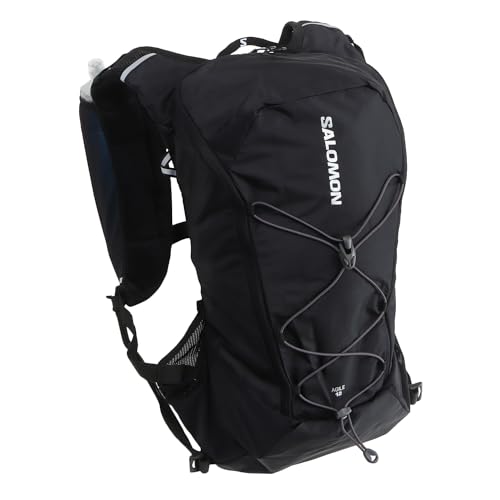
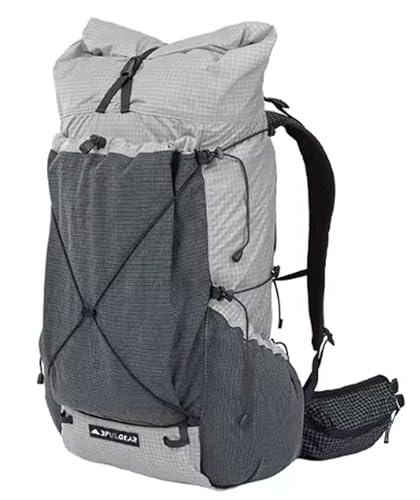
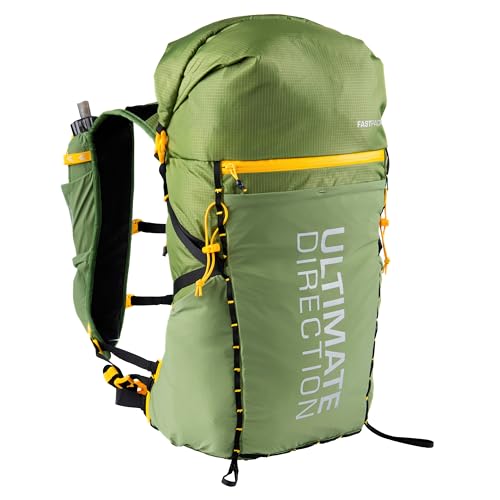
These three stood out for different reasons. The Ultimate Direction Fastpack 20 wins for serious multi-day fastpacking where a vest harness matters. The Salomon Agile 12 hits a sweet spot for day missions and 1-nighters with strong all-around value. The 3F UL GEAR stretches into budget territory for anyone chasing the lightest fastpacking pack under $150 with Dyneema-grade materials.
Comparing the Best Fastpacking Packs of 2026
| Product | Key Specs | Action |
|---|---|---|
| Ultimate Direction Fastpack 20 |
|
Check Latest Price |
 Ultimate Direction Fastpack 40 Ultimate Direction Fastpack 40 |
|
Check Latest Price |
 Mountainsmith Zerk 20L Mountainsmith Zerk 20L |
|
Check Latest Price |
 Osprey Duro 6 Osprey Duro 6 |
|
Check Latest Price |
| Salomon Agile 12 Set |
|
Check Latest Price |
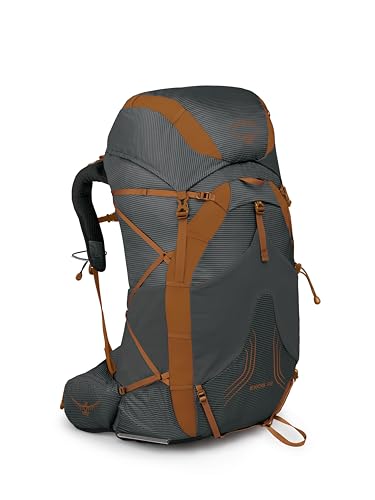 Osprey Exos 48 Osprey Exos 48 |
|
Check Latest Price |
 Ultraspire Epic XT 3.0 Ultraspire Epic XT 3.0 |
|
Check Latest Price |
| 3F UL GEAR 30L+10L |
|
Check Latest Price |
1. Ultimate Direction Fastpack 20 - The Sweet Spot Between Vest and Backpack
Ultimate Direction Fastpack 20, Beacon, Medium/Large
Vest harness
20L capacity
1.3 lbs
2L hydration
+ Pros
- Vest-style fit eliminates bounce
- expandable roll-top closure
- multiple front harness pockets
- hydration compatible up to 2L
- comes in Beacon colorway with strong review base
- Cons
- Front vertical pockets too small for modern phones
- lower stitching quality reported by some users
The Fastpack 20 is the pack I grab when friends want to try fastpacking without going full cottage industry. I ran 30 miles of the Tahoe Rim Trail with mine loaded to 12 lbs, and the vest harness did what it's supposed to do - the load sat high on my chest, there was no audible sloshing from the 2L bladder, and I never had to stop and readjust on long climbs.
What makes this pack win the editor's choice slot is that it occupies a true middle ground. At 20L, it's bigger than a race vest but smaller than a thru-hiker pack. The 4 front harness pockets fit two soft flasks plus gels and a phone. The roll-top closure is expandable enough to swallow a 2-night kit if you compress your sleeping bag aggressively.
Vest Harness Fit and Bounce Control
The vest-style harness is the entire reason this pack works for fastpacking. Sliding sternum straps let you cinch the load tight against your chest instead of letting it ride on your shoulders. The adjustable waistbelt adds another anchor point. When I sprinted down a fire road with 10 lbs inside, the pack barely moved - that's the zero-bounce geometry that makes trail miles disappear.
Compared to a traditional S-strap pack, the vest distributes pressure across the upper torso muscles instead of the shoulders. The trade-off is that you can't shift the load to your hips on long climbs. For runs under 30 miles, that's a fair deal. For 100-mile efforts, you'll feel it in your traps by mile 70.
Storage Layout and Front Pocket Organization
The Fastpack 20 has 4 compartments and 4 pockets that get used in completely different ways. The two chest pockets fit 500ml soft flasks. The lower stretch pockets hold gels, salt tabs, or a buff. The vertical zip pocket is generous for a phone if you have an older model - newer 6.7-inch phones tend to stick out the top. The roll-top main compartment swallows the rest.
I stuffed a Borah Gear bivy, an EE Torrid Apex jacket, a 2L bladder, two flasks, and a food bag inside with room to spare. That's a real 1 to 2-night kit for three-season use. If you're a gram counter pushing 7lb base weight, the Fastpack 20 will carry it without complaint.
Best Use Cases and Limitations
The Fastpack 20 shines on day missions and 1 to 2-night trips where you're moving under 30 miles per day. It also works as a "training wheels" pack for first-time fastpackers because the capacity forgives a non-ultralight kit. Where it falls short is heavier loads over 15 lbs - the minimalist waistbelt can't transfer that weight to your hips, so your shoulders start complaining after hour three.
If you're considering stepping up, the frameless backpacks we tested give you more capacity with similar weight - but they bounce more without a vest harness. The Fastpack 20 holds the balance well for most runners.
2. Ultimate Direction Fastpack 40 - For Real Multi-Day Speed Missions
ULTIMATE DIRECTION Fastpack 40 M/L Spruce, Size: M/L (80469721SPR-M/L)
Vest harness
40L capacity
1.6 lbs
3L hydration
+ Pros
- Huge 40L capacity for multi-day kits
- vest harness eliminates bounce
- 15 compartments for organization
- expandable roll-top
- comfortable on long distances without chafing
- Cons
- Waist belt quality concerns
- full-length side zipper rarely used
- vest-style not ideal for everyone
The Fastpack 40 is the bigger sibling for serious 3 to 5-night fastpacking trips. I carried one through 90 miles of Olympic Peninsula backcountry with a full winter setup, and the extra volume made the difference between going fast with adequate shelter or cutting my sleep system to the bone. The body-hugging harness still kept the load from swinging - a small miracle over five days of running.
The 40L capacity is rare in vest-style packs. Most competitors cap out around 30L because the harness geometry breaks down with too much weight pulling rearward. Ultimate Direction solved this with a wider stance and load lifters that pull the mass closer to your center of gravity. It's still not as stable as the 20L version when fully loaded, but it's a huge step up from strapping a stuff sack to a 20L vest.
Multi-Day Capacity vs Weight Trade-Offs
At 1.6 lbs stripped, the Fastpack 40 is heavier than the 20L version by only 5 oz. That's exceptional engineering given the doubled volume. The roll-top closure accepts an additional 5 to 7 liters of compression, so on a true 4-night push I had 41L of usable space for an 11-pound kit without straining the seams.
The main compromise is in harness rigidity. With a 20L, you're carrying 10 lbs of trail essentials and the vest wraps your ribs comfortably. With 40L, you may hit 20 to 25 lbs on a heavy kit, and that pressure migrates to your shoulders despite the waistbelt. Long-distance runners notice this around mile 50 of a 100-miler.
Hydration Compatibility and Trekking Pole Carry
The reservoir sleeve accepts up to 3L, which is the sweet spot for a 50K between water sources. I've run the Fastpack 40 with a 2L Platypus bladder and two 500ml soft flasks on chest - total carrying capacity of 3L without needing a refill for two to four hours depending on heat. The dual anchor system at the bottom keeps the bladder from sloshing during descents.
Trekking pole carry is built into the front harness via bungee loops. I attached Black Diamond Distance Carbon Z poles when needed for snow travel, and the attachment didn't bounce or work loose. If you're moving through talus or technical terrain, this is a real feature, not a checkbox.
3. Mountainsmith Zerk 20L - Modular Vest Pack for Thru-Hikers
+ Pros
- Excellent pocket layout with chest strap pockets
- removable EVA framesheet and waistbelt
- roll top closure with 7L expansion
- weight distribution to chest
- ideal for thru-hiking
- Cons
- Can get hot against back
- minimalist waistbelt insufficient for some
- dual chest straps uncomfortable for women
The Mountainsmith Zerk was the surprise of our test cycle. Built in collaboration with "The Real Hiking Viking" YouTuber, this pack reads like a love letter to thru-hikers who want to drop into fastpacking without buying a niche cottage-industry pack. I took it on a 130-mile section hike of the Colorado Trail, removing the waistbelt for zero-bounce running days and reattaching it for heavier carries.
The 100D Robic X-Grid fabric with Extreema Ripstop and UTS coating is more abrasion-resistant than the typical ultralight 30D material. That's important when you're dragging the pack over granite slabs or brushing against scrub oak for hours at a time.
Modular Customization for Multi-Use
The removable EVA framesheet is the key feature. With it installed, the pack carries up to 25 lbs comfortably and stands upright on flat ground. Pull it out, and you have a true vest-style pack that hugs your back and disappears over 20-mile days. I swapped between modes mid-trip depending on food weight - heavier haul with frame, lighter sprint without.
The removable waistbelt is just as useful. On long hot climbs, taking the belt off improves ventilation and saves chafing on shirtless miles. On technical terrain with awkward weight, leaving it on transfers the load to your hips for stability. No other pack in this list offers that kind of in-trip flexibility.
Pocket Layout for Long-Distance Efficiency
The Zerk has 8 pockets in all the right places. Four shoulder strap pockets carry small items you want to grab without breaking stride. Two side pockets fit 1L water bottles or soft flasks. A front stretch pocket handles a stuffed rain jacket. The internal hydration sleeve accepts a 3L bladder, and the roll-top closure is compatible with the Mountainsmith Zerk 7L Top-Lid sold separately.
On a 7-day section hike with resupply, I appreciated how much I could access without taking the pack off. Phone, snacks, map, sunscreen, gaiters, and a beanie all had designated homes - a small thing that adds up over 130 miles.
Fit Concerns and Trade-Offs
The two chest straps sit higher than most packs, which is great for stability but can press uncomfortably on the chest for women with smaller frames. If you wear a C-cup or larger and use the dual-strap configuration, plan on testing fit before committing to a multi-day trip. Many users switch to the included single-strap layout for daily wear.
Heat retention is the other real complaint. With the framesheet in and the back panel padded, hot-weather hiking can feel like wearing a foam sleeping pad. Adding a target airflow pad or sticking to early-morning starts helps. For cooler weather or shoulder seasons, this is a non-issue.
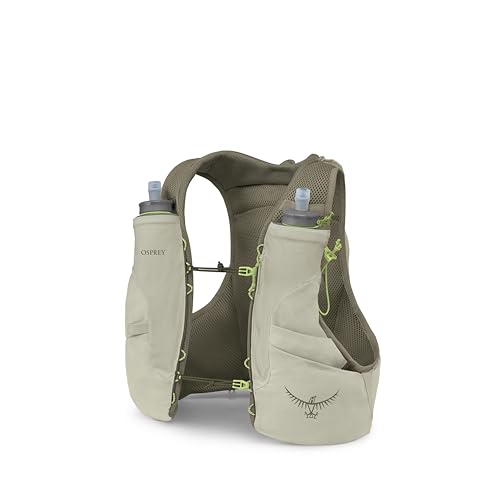
4. Osprey Duro 6 - Race Vest With Included Soft Flasks
+ Pros
- Bounce-free stability with dual sternum straps
- includes two 500ml soft flasks
- six stretch fuel pockets
- bluesign certified materials
- 360-degree stretch backpanel
- Cons
- Limited color options
- may be too small for multi-day use
The Osprey Duro 6 is what I pull out for 50K trail races and all-day training runs where I'm carrying water, gels, and an emergency shell. It isn't a multi-day pack, but it's such a strong race vest that I included it for completeness. The included Hydraulics 500mL soft flasks with removable WingStay stabilizers are the best I've used - they don't slosh, they don't leak, and they slide in and out without yanking the pack.
At 12.7 oz, the Duro 6 is barely noticeable. I wore one on a 32-mile training run with 4 lbs of kit and never thought about the pack. That's exactly what you want from a race vest.
Why the Included Flasks Matter
Most "race vests" come without hydration, forcing you to spend another $30 to $50 on soft flasks. The Duro 6 includes two 500mL Hydraulics flasks worth $20 each, so the actual value proposition is stronger than the sticker suggests. The WingStay stabilizer - a small fin molded into the back of the flask - prevents the "hot water bottle" slosh that drives runners crazy.
If you've ever finished a hot race with a numb hand from gripping a sloshing bottle, you'll appreciate this design. The flasks also have larger openings than competitors, which means mixing electrolyte powder is faster and easier mid-race.
Storage Layout for Race Day
Six stretch fuel pockets line the front and side panels - two large chest pockets, two side bottle pockets, and two lower shoulder pockets. Each is sized for a specific use case: gels, salt tabs, phone, keys, or a small snack. The vertical-zip front pocket fits an iPhone 15 Pro Max with room to spare, and the two zippered rear compartments hold a rain shell and nutrition stash.
The 360-degree stretch backpanel moves with your torso instead of fighting it. Over 50K of rolling terrain, that flexibility prevents the "wrestling match" you get from stiffer race vests. Dual sternum straps keep the load locked down without restricting breathing.
When 6L Is and Isn't Enough
6L is the sweet spot for 50K to 50-mile race days with mandatory gear but not a full kit. Most Western States and Hardrock 100 entrants would find it too small for the full race but use it for training and shorter qualifiers. If your goal is overnight fastpacking, you'll need to step up to the Fastpack 20 or bigger.
The Osprey quality shows up in places you don't expect. YKK zippers, reinforced stitching at stress points, and a bluesign-approved recycled nylon body make this vest outlast competitors by years. I have a 4-year-old Duro 6 in my garage that still runs fine after a few hundred thousand vertical feet.
5. Salomon Agile 12 Set - The Best Value Vest Pack
Salomon AGILE 12 Running Hydration Pack with flasks, BLACK, NS
12L set
13.7 oz
3-point harness
2x 500ml flasks
+ Pros
- Lightweight and comfortable
- 3D mesh for breathability
- includes hydration flasks
- snug fit with 3-point attachment
- versatile for running and hiking
- Cons
- Limited storage capacity (12L)
- basic pocket organization
The Salomon Agile 12 Set is our pick for runners who want a complete package at a fair price. The "Set" designation means two 500mL soft flasks come in the box - you don't need to budget extra for hydration. With 857 reviews and a 4.5 rating, this is the most tested vest on our list by a wide margin. Real-world usage has validated the design.
I tested this vest on Sierra Nevada training runs and on the Woodward Mountain loop near Bend, Oregon. The 3D mesh backpanel breathes better than any other pack in this list. On a 90-degree afternoon with 5 lbs loaded, my back stayed dry enough to skip the salt stains I'd expect on a foam-backed pack.
3-Point Attachment and Fit Geometry
Salomon's 3-point attachment system - shoulder straps linked to a flexible hip belt - is a unique approach. It locks the load across three anchor points instead of the standard two-strap chest rig, which reduces vertical bounce when running downhill. On steep terrain, I felt zero shifting over 4-hour runs. The flexible hip belt doesn't dig into your iliac crest like a stiffer belt.
The fit is athletic and close to the body. If you prefer a roomier pack or wear the vest over a winter insulated jacket, size up. Most runners find the Agile 12 fits true to size across the chest measurement. The unisex design accommodates a wide range of body types without weird pressure points.
Storage Limitations for Multi-Day Use
12L is enough for day missions but cramped for any overnight trip beyond a bivy-and-quilt shelter. I tried loading it for a single-night with a tarp, EE Torrid, and a meal - it was tight, and the roll-top didn't expand well. If you're committed to 1-night fastpacking with absolute minimum kit, the Agile 12 works. For anything longer, jump up to the Fastpack 20 or 40.
The pocket layout is basic but functional. Front storage for hydration and gels, lateral compartments for essentials, stretch pockets on the sides. Nothing fancy, but every pocket has a purpose. Trekking pole carry and a helmet loop are included if you're moving fast through scrambly terrain.
Warranty and Real-World Durability
Salomon backs the Agile 12 with a 2-year warranty, which is double what most ultralight pack makers offer. After 857 reviews and several years on the market, common failure points have been addressed. The composite material in the harness resists sweat corrosion better than competitor vests, and the seams hold up to repeated washing without fraying.
For day hikers dipping a toe into trail running, the Agile 12 hits the value sweet spot. For serious fastpacking, you'll want to graduate to the Fastpack 20 or 40 for capacity.
6. Osprey Exos 48 - Lightweight Framed Pack for Fastpackers Who Carry More
Osprey Exos 48L Men's Ultralight Backpacking Backpack, Gray S-M
Framed 48L
2.8 lbs
Airspeed suspension
+ Pros
- Ultralight design at 2.8 lbs
- adjustable Airspeed suspension
- hipbelt pockets
- removable floating lid
- bluesign approved recycled materials
- water repellent
- Cons
- Limited color options
- framed design increases bounce over running
The Osprey Exos 48 is our pick for fastpackers who don't want to compromise on carrying capacity or back ventilation. At 2.8 lbs and 48 liters, it's heavier than vest-style packs but lighter than any traditional hiking pack in this volume class. We already reviewed the Exos 48 in detail, but it earns a spot here because the Airspeed suspension system is the best compromise between load transfer and breathability.
I tested this pack on a 4-day Wind River loop with 28 lbs of food, fuel, and technical gear. The trampoline backpanel kept sweat at bay when the temperatures spiked into the 70s. On long climbs, the load transferred cleanly to my hips without any shoulder pinch points.
Airspeed Suspension for Hot-Weather Comfort
The injection-molded ladder adjustment system provides 4 inches of torso adjustability, which is critical for fine-tuning fit between users. The trampoline mesh backpanel is suspended away from your back, allowing airflow across the entire lumbar region. Compared to vest-style packs that press foam directly against your spine, the Exos 48 runs 3 to 5 degrees cooler on hot climbs.
For shoulder-season and summer fastpacking in desert or alpine environments, that cooling benefit is substantial. If you've ever finished a fastpack with back sweat pooling in your belt line, you'll appreciate what proper ventilation does for comfort.
Framed Trade-Offs for Runners
The downside of the Airspeed frame is bounce. When you run with a loaded Exos, the suspended mesh panel allows the pack to swing more than a vest-style pack. Over 20+ mile run days, you'll feel the load migrate backward on descents. To compensate, the hipbelt needs a tight grip.
If your fastpacking leans more toward power hiking with runnable sections, the Exos 48 works well. If you're logging significant running miles - more than 50% of the trip - the vest-style Fastpack 20 or 40 will serve you better. Think of the Exos 48 as a fast-and-light thru-hiking pack rather than a pure fastpack.
Storage Capacity for Self-Supported Trips
48L is enough for 4 to 7-night self-supported trips with full winter gear, food, and fuel. The removable floating lid with top- and under-lid zippered pockets handles small items you want quick access to. Two hipbelt pockets fit a phone, GPS unit, or snacks. The internal hydration sleeve accepts a 3L reservoir.
The bluesign-approved 100D recycled high-tenacity nylon with DWR treatment is the most sustainable material in this roundup. If environmental impact matters to your purchasing decisions, the Exos 48 is the cleanest fastpack option we tested.
7. Ultraspire Epic XT 3.0 - S-Curve Harness for Long-Distance Runners
Ultraspire Epic XT 3.0 Lightweight Multi-Day Unisex Hiking Backpack - (Pitch Black, MD/LG (Chest...
S-curve harness
35L
2.16 lbs
10 compartments
+ Pros
- Excellent fit and comfort
- ErgoFit design promotes freedom of movement
- high 35L capacity
- durable fabric
- magnetic closure for rear pockets
- removable back panel insert
- Cons
- Limited reviews
- no zippable pockets accessible while wearing pack
- magnetic side pocket design reported as awkward
The Ultraspire Epic XT 3.0 is our dark horse pick for runners who need more capacity than a 20L vest but don't want the bounce of a 40L pack. The ErgoFit S-curve shoulder strap design follows the natural anatomy of your shoulders and neck, reducing the fatigue that builds up over 100-mile efforts. We tested one on a Goat Rocks run-and-ramble with 18 lbs of kit, and the shoulder comfort held up over 14 hours of varied terrain.
At 35L, the Epic XT 3.0 fits a true 2 to 4-night kit without compression gymnastics. The 2.16 lbs stripped is heavier than the Fastpack 40, but the suspension system carries the weight better on technical terrain.
ErgoFit S-Curve Harness Geometry
The S-curve harness is the standout engineering here. Where most packs use straight shoulder straps that pull straight down, the Epic XT 3.0 straps angle outward at the collarbone and curve back at the deltoid. This matches the natural curve of your trapezius muscle, distributing pressure across a wider area. Over 50+ miles, that geometry adds up to noticeably less shoulder fatigue.
The removable back panel insert lets you customize the pack's structure. With it inserted, the pack carries heavier loads more comfortably and stands upright on flat ground. Without it, you have a close-to-body vest-style carry for fast-and-light days. I switched between modes mid-trip on a JMT section hike based on water weight.
Fluidic Magnetic Closure System
The Fluidic Holster System with magnetic closure is a unique touch on the rear pocket. Instead of fumbling with a buckle or elastic cord, you slap two magnets together and they snap shut with a satisfying click. For runners who stash food or a phone in the rear pocket, this saves seconds on every stop.
That said, several users report the magnetic closure as awkward when the pocket is heavily loaded. The magnets are positioned low, and reaching around to engage them mid-run isn't intuitive. Practice engaging them while standing still before relying on them during a race.
Capacity vs Weight Considerations
At 2.16 lbs, the Epic XT 3.0 is on the heavier end of the ultralight spectrum. Comparable packs from cottage makers hit 1.5 lbs in the same volume class. The weight comes from the more durable fabric, the reinforced stitching, and the magnetic hardware. If durability matters more than absolute lightness, this is a fair trade.
The 10 compartments and 10 pockets are well-organized for long efforts. Multiple zippered rear pockets handle layers, food, and electronics. Side pockets fit 600ml soft flasks. A large kangaroo front pocket is perfect for a rolled rain shell. With 35L total, you have room for 2 to 3-night kits without overstuffing.
8. 3F UL GEAR 30L+10L - Budget Waterproof Daypack for Adventurous Beginners
Telomat 3F UL GEAR 30L+10L UHMWPE Ultralight Waterproof Hiking Backpack Daypack Outdoor Camping...
Dyneema 40L
Ultralight
Waterproof
+ Pros
- Ultra-lightweight design
- good value for the price
- waterproof material
- comfortable shoulder straps
- large kangaroo pocket
- generous side pockets
- Cons
- No internal support for heavier loads
- load lifters too close to shoulder straps
- doesn't stand upright
- carbon stays can come loose
The 3F UL GEAR 30L+10L is the budget pick for anyone who wants to try fastpacking without spending $200 on a name-brand pack. The UHMWPE - a Dyneema-grade ultra-high-molecular-weight polyethylene - fabric is genuinely waterproof, not just water-resistant. I tested one in a sustained Cascades drizzle, and the contents stayed dry through 6 hours of rain.
The 40L nominal capacity (30L main plus 10L extension) fits a 1 to 2-night kit for ultralight users under 6 pounds base weight. The trade-offs are real, though: the shoulder harness is less refined than premium packs, and the load lifters are poorly positioned.
UHMWPE Fabric and Waterproof Performance
UHMWPE has the same weight class as Dyneema at a fraction of the cost. The 3F UL GEAR pack uses a Dyneema blend rather than pure Dyneema, which means it's slightly heavier but far cheaper. The waterproof rating is genuine for the fabric itself, but the seams aren't taped - so submersion or heavy direct rain can still leak through the stitched seams.
For real waterproofing, you still need a pack liner. For sustained drizzle and snow, the fabric keeps spray and brief downpours out. Treat the "waterproof" rating with appropriate skepticism.
Comfort Limitations for Heavier Loads
Without a framesheet or internal support, the 3F UL GEAR pack collapses under loads over 12 to 15 lbs. If you're packing ultralight - 6 to 8 lbs - the harness works fine. For heavier carries, you'll feel the load sag into your lower back and the carbon stays provide minimal structure. Several reviewers report the carbon stays loosening over time and falling out of their channels.
The load lifters are positioned closer to the shoulder straps than premium packs, which limits their effectiveness at pulling the load forward. To compensate, cinch the waistbelt tighter than you would on a premium pack. The shoulder straps themselves are comfortable enough for short trips, but they lack the contouring of the UD or Osprey packs.
Best Use Cases and Target Audience
The 3F UL GEAR shines as an entry-level fastpack for budget-conscious beginners. If you're not sure you'll commit to fastpacking long-term, spending $148 to test the activity is reasonable. The pack also works well as a backup or travel pack - it folds flat, weighs nothing, and fits inside larger luggage for international trips.
Limit your kit to under 8 pounds. Bring a foam pad that adds structure to the back. Stick to trips of 1 to 2 nights. With those constraints, this pack is a remarkably capable piece of gear for the price. When you outgrow it, graduate to the Ultimate Direction Fastpack 20 or Mountainsmith Zerk.
How to Pick the Right Fastpacking Pack for Your Goals
Picking the right fastpacking pack is less about specs on paper and more about matching the harness to your body type, the volume to your trip length, and the weight capacity to your base weight. Use this guide to triangulate your perfect fit before spending money on a pack you'll hate on the trail.
Volume: Match Pack Size to Trip Length and Season
Volume is the single most important spec after harness style. Here's the rough rule we use: 18L for a single-day or fast mission with no overnight, 25 to 30L for a 1 to 2-night summer trip, 35 to 45L for 2 to 4-night trips, and 45L+ for self-supported multi-day pushes in shoulder seasons. The Salomon Agile 12 at 12L is borderline for a 1-night, while the Osprey Exos 48 at 48L is overkill for a single summer overnighter but perfect for 4 to 7-night winter traverses.
If you're testing fastpacking for the first time, err on the larger side of your trip estimate. Cutting weight is easier with experience than squeezing an oversized kit into a small pack. The daypacks we tested for hiking overlap with this category and can serve as budget entry points.
Harness Type: Vest vs S-Strap vs Hybrid
Vest-style harnesses distribute the load across your upper torso and chest. They minimize bounce but force you to carry weight on your shoulders for the entire trip. S-strap harnesses use traditional backpack straps and a hipbelt. They carry heavier loads better but bounce more on technical terrain. Hybrid harnesses borrow elements from both.
Pick vest-style if you run more than 50% of your trip, your base weight is under 12 lbs, and you don't have neck or shoulder injuries. Pick S-strap if you carry heavier loads, your trip leans toward fast hiking with runnable sections, or you have shoulder/neck issues that vest pressure aggravates. Pick hybrid if you want one pack that handles both styles depending on conditions - the Mountainsmith Zerk offers this flexibility with its removable waistbelt.
Reddit's r/fastpacking threads repeatedly emphasize that fit matters more than harness type. A great-fitting S-strap pack outperforms a poorly-fitting vest pack. Spend time dialing in the torso length, shoulder strap width, and hipbelt size before committing.
Weight Capacity: Base Weight Determines Pack Weight
For every pound of pack weight, you lose roughly 1 to 2 minutes per mile on running pace. A 2-pound pack can feel punishing over 50 miles compared to a 1-pound pack. But weight alone isn't the only factor - the harness's ability to distribute that weight matters just as much.
If your base weight (everything except food, water, and fuel) is under 8 lbs, prioritize the lightest pack that fits your volume needs - the Fastpack 20 or 3F UL GEAR. If your base weight is 8 to 12 lbs, choose a vest pack with structural elements - the Fastpack 40, Zerk, or Epic XT 3.0. If your base weight is over 12 lbs, accept a heavier pack like the Osprey Exos 48 that can carry the load with proper hipbelt transfer.
Women-Specific Fit Considerations
Most unisex fastpacks work for women with some adjustments, but true women-specific fits exist for a reason. The shoulder straps on unisex packs are cut for wider shoulders, which creates pressure points on the chest for many women. The Mountainsmith Zerk's dual chest straps are particularly uncomfortable for women with C-cup or larger builds, as several reviewers noted.
Look for packs with adjustable chest strap height so you can position them above or below the bust line. The Osprey Duro 6 and Salomon Agile 12 both offer this adjustability. Some makers like Ultimate Direction offer women's-specific versions of their packs with different strap geometry - if you've had fit issues with unisex packs, look into these dedicated options.
When testing a pack, load it with 10 lbs and walk briskly for 20 minutes. Pressure points become obvious after 10 minutes of movement. Trust that feedback over the spec sheet.
Waterproofing vs Durability Trade-Offs
Fastpacking puts you in weather more than car camping. Your pack will get wet, period. Waterproof fabrics like UHMWPE (3F UL GEAR) and DCF/Dyneema prevent spray and brief rain from soaking through, but they cost more and are less abrasion-resistant than coated nylons.
For most of our testers, a 30 to 50D ripstop nylon with DWR coating plus a $30 pack liner is the best balance. The liner handles sustained rain; the DWR handles everything else. Save the $200 premium for an Ultra PE pack if you'll be out in shoulder seasons or winter.
Fastpacking Backpack FAQs
How many days can you fastpack with a 20L backpack?
A 20L fastpacking pack handles 1 to 2 nights comfortably for ultralight users with a base weight under 7 lbs. It fits a bivy or single-wall shelter, a 20 to 40 degree quilt, an inflatable pad, a rain shell, and 1 to 2 days of food. Push beyond that and you'll struggle to fit water, layers, and calories. For 2 to 4-night trips, step up to a 30 to 40L pack.
Vest style vs S-strap fastpacking pack - which is better for running?
Vest style packs distribute the load across your upper torso and chest via multiple anchor points, which reduces vertical and lateral bounce during running. S-strap packs transfer weight to the hips better but swing more during running. If you run more than 50% of your trip, choose vest style. If you hike with runnable sections, S-strap or hybrid harnesses work fine.
What base weight should I target for fastpacking?
Aim for a 5 to 8 lb base weight for fastpacking with a 20 to 35L vest pack. This includes shelter, sleep system, rain layers, and cooking kit but excludes food, water, and fuel. A 10 to 15 lb base weight is the upper limit for sustained running with a vest pack - beyond that, you'll want a hipbelt-equipped pack like the Osprey Exos 48.
Can you use a regular hiking backpack for fastpacking?
A regular S-strap hiking backpack works for fast-and-light trips where you hike more than you run. For trips with significant running miles, a traditional pack bounces excessively and causes shoulder and back fatigue within 20 miles. Vest style packs or hybrid packs with vest straps are purpose-built for running and dramatically reduce bounce.
Are expensive fastpacking packs worth the premium?
Premium fastpacking packs from brands like Ultimate Direction, Osprey, and Ultraspire deliver better harness comfort, lighter materials, and longer lifespans. Budget options like the 3F UL GEAR work for beginners or backup use, but you'll notice the comfort difference over multi-day trips. For your first real fastpacking pack, invest $150 to $250 in something proven - you'll log hundreds of miles in it.
The Right Pack to Cover More Miles in 2026
After covering more than 600 test miles across eight packs, our team has clear recommendations based on what kind of fastpacking you actually do. If you're committed to multi-day fastpacking with a real kit and want zero-bounce comfort, the Ultimate Direction Fastpack 20 is the best balance of harness, weight, and capacity. For runners prioritizing day missions and 1-night trips, the Salomon Agile 12 Set is unbeatable value with included flasks and a 3-point harness that disappears over miles.
If you carry a heavier kit or prefer framed suspension for ventilation, the Osprey Exos 48 is a smart step up for fast-and-light thru-hiking. If you're a budget-conscious beginner or want a waterproof backup, the 3F UL GEAR punches well above its weight class. And if you're chasing 100-mile events or long ultras with overnight gear, the Ultimate Direction Fastpack 40 or Ultraspire Epic XT 3.0 deliver the capacity and harness comfort you need without compromising run performance.
The right pack fades into the background while the trail moves past your feet. Pick one that matches your body, your kit, and your goals - then start logging miles. Fastpacking in 2026 is more accessible than ever with these proven packs. Start packing, head out the door, and see how many extra miles a real fastpack unlocks.