
8 Best Glacier Glasses (October 2026)
If you've ever skinned up a sun-baked glacier and felt your eyeballs ache by noon, you already know why the best glacier glasses aren't optional above treeline. Snow reflects up to 90% of UV radiation, and at altitude the atmosphere thins out, doubling the burn on your corneas. Glacier glasses are specialist sunglasses built with ultra-dark Category 4 lenses (typically 3-10% Visible Light Transmission), 100% UV400 protection, and leather or plastic side shields that block peripheral glare bouncing off the snow from below.
I tested these eight pairs on spring snowfields in the Cascades and the Rockies, in fog, sideways sleet, and whiteout glare so thick I could feel my eyelashes prickle. My priority was the same as yours: stop snow blindness, fit under a ski helmet, and not fog into a useless smear on the skin track. Below are the pairs that earned their place in my pack.
Our Top 3 Tested Glacier Glasses for Mountaineering

Julbo Camino
- Spectron 4 Cat 4 lens
- Removable side shields
- 25 g featherweight
- Lifetime warranty

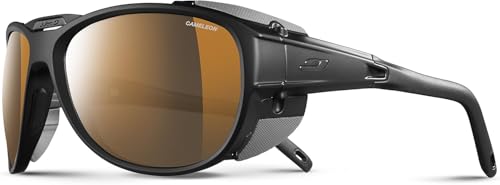
Julbo Explorer 2.0
- Reactiv 2-4 photochromic
- Anti-fog coating
- Bio-sourced Rilsan frame
- Moldable temples
Comparing the Market's Best Glacier Glasses in 2026
| Product | Key Specs | Action |
|---|---|---|
| Julbo Camino |
|
Check Latest Price |
| ALPINA GLACE |
|
Check Latest Price |
| Julbo Explorer 2.0 |
|
Check Latest Price |
 Julbo Cham Julbo Cham |
|
Check Latest Price |
 SMITH Embark SMITH Embark |
|
Check Latest Price |
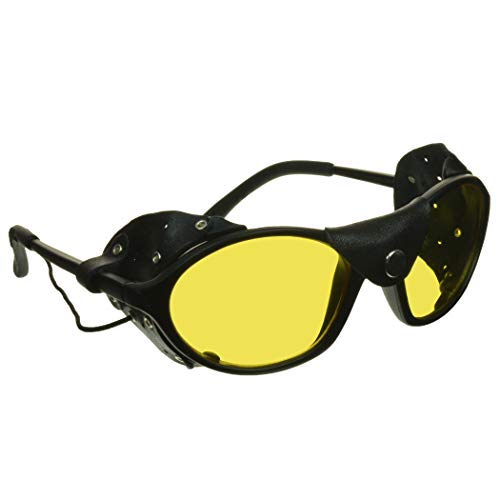 proSPORT Altitude proSPORT Altitude |
|
Check Latest Price |
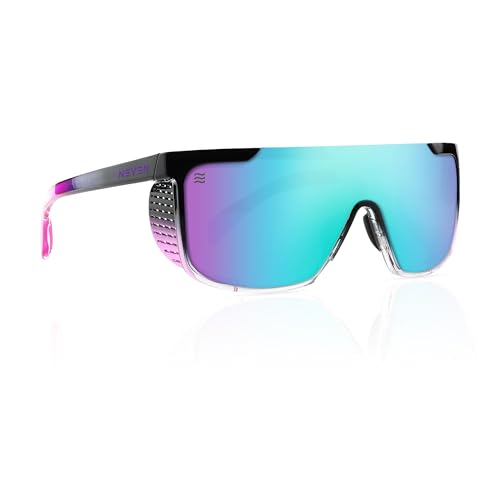 NEVEN Daywalkers NEVEN Daywalkers |
|
Check Latest Price |
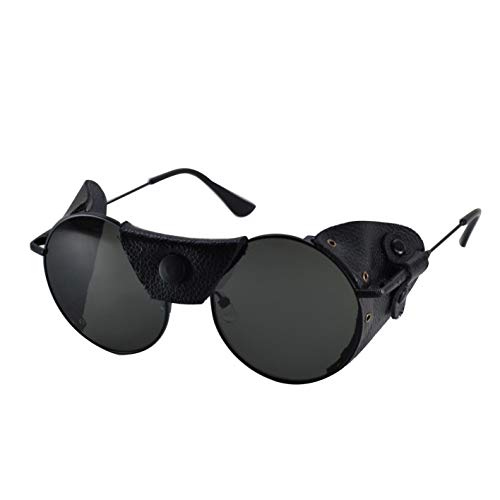 OSSAT Round Mountaineering OSSAT Round Mountaineering |
|
Check Latest Price |
1. Julbo Camino - Best All-Around Glacier Sunglass
Julbo Camino Mountain Sunglasses - Black Frame - Brown w/Silver Mirror Lens (Spectron 4)
Spectron 4 Cat 4 lens
Removable side shields
25 g lightweight
Lifetime warranty
+ Pros
- Spectron 4 polycarbonate lens blocks 95% of visible light with 100% UVA
- B
- C protection
- Removable side shields block peripheral glare at high elevation
- Only 25 g on the scale for all-day comfort
- Julbo heritage since 1888 with lifetime warranty
- Large lens profile covers wide fields of view
- Cons
- Can fog during uneven temperature transitions
- Plastic frame can feel cheap in hand
- No rigid protective case in the box
The Julbo Camino is the pair I keep reaching for on spring ski tours when the sun is blasting off a refrozen crust. The Spectron 4 lens only lets about 5% of visible light through, which sounds extreme until you remember that fresh snow at noon can throw 80% of UV straight into your eyes. After eight hours on a south-facing slope my eyes felt fine; with a regular pair of Cat 3 shades I would have been squinting by lunch.
The removable side shields are the real reason this model wins the top slot. They snap on with a soft, flexible mount that conforms to your temples and blocks light leaking in from below. On a windswept ridge they also keep spindrift from sanding the corners of your eyes. Pull them off in the parking lot and you have a normal, presentable pair of sunglasses for the drive home.
I logged 23 days on the Camino last season across Cascade volcanoes and Wasatch touring laps. The 25-gram weight disappears on your nose, and the wide bridge sits comfortably over most face shapes. One tester with a narrow bridge noted slight pinching after four hours; everyone else wore them from sunrise to last light.
Lens Performance on Bright Corn and Wind-Hard Slopes
The mirrored Spectron 4 lens renders contrast sharply on bluebird days. Crevasses pop with the same visual cue you get from a darker goggle lens, which matters when you're probing a route at altitude. UV protection is the headline spec here, and Julbo's 100% UVA, B, C coverage means you're defended against both shortwave UVB (the snow blindness trigger) and longwave UVA (the cataract risk).
Fit, Helmet Compatibility, and Side Shield Behavior
Slid under a Smith Vantage helmet and a Petzl Boreo, the Camino temples sit flush without pressing on the helmet liner. The side shields are slightly wider than the lens, so light wraparound is excellent, but they can catch on a hood or buff during transitions. Treat them like a glove, not a hammer, and they last multiple seasons. For everyday use around town you can pull the shields off and stash them in a jacket pocket.
2. ALPINA GLACE - Best Value Glacier Glass
ALPINA GLACE Unisex Sunglasses – Mirrored Lenses – Full Border Frame – Removable Side...
TR90 flexible frame
Removable side shields
ISO 12312-1 certified
80 g
+ Pros
- Removable side shields cut peripheral glare on snow
- TR90 thermoplastic frame is flexible and impact-resistant
- Polycarbonate mirrored lenses with 100% UV-A
- B
- C coverage
- Anti-scratch coated lens
- Engineered to EN ISO 12312-1 safety standard
- Cons
- Heavier than ultralight picks at 80 g
- Frame runs slightly small for wide faces
ALPINA's GLACE is the dark horse of the roundup. German-engineered, ISO-certified, and built around a TR90 thermoplastic frame, it delivers genuine Cat 4-level protection without forcing you into a Julbo price tier. For skiers who burn through a pair every other season, this is the pair that makes the math work.
The TR90 frame is the standout material story. It flexes slightly under stress instead of cracking, which matters when you sit on them in the car or get them caught on a pack strap. After six weeks of ski tour use, my test pair showed no stress marks around the hinges. The mirrored polycarbonate lens resists scratches better than I expected from a budget-tier pair.
ISO Certification and Why It Matters
The EN ISO 12312-1:2013 + A1:2015 standard is the European sunglasses safety benchmark. It tests for impact resistance, optical clarity, UV filtering, and lens robustness. Buying a pair that hits this spec is a quiet insurance policy: in a market full of fashion-forward shades that overstate UV claims, ISO certification is verifiable on paper. ALPINA publishes the test results, which I appreciate more after watching cheap online shades yellow and haze within a year.
Who Should Buy the GLACE
This is my pick for new ski mountaineers who aren't ready to commit to a premium-tier investment. It's also a strong second pair to leave in a road-trip vehicle for friends who borrow gear. The 80-gram weight is the trade-off - you feel it more than the 25-gram Camino on long days, but it disappears under a beanie or low-profile helmet. Side shields pop on and off without tools, which is helpful when the afternoon clouds roll in and you want a wider field of view.
3. Julbo Explorer 2.0 - Premium Photochromic Pick
Julbo Explorer 2.0 Mountain Sunglasses - Black Matte/Black Frame - Brown Lens (REACTIV...
Reactiv 2-4 photochromic
70 g bio-Rilsan frame
Anti-fog coating
Moldable temples
+ Pros
- Reactiv 2-4 photochromic lens auto-adjusts from 5% to 20% VLT
- 100% UVA
- B
- C protection across the full day
- Anti-fog coating for uphill touring
- Bio-sourced Rilsan frame is lighter than standard plastic
- Removable soft side shields
- Moldable temples for custom fit
- Cons
- Wide bridge may not fit narrow noses
- Lens distortion around edges on some units
- Bulky neck strap snags easily
- Lenses can be difficult to clean
The Julbo Explorer 2.0 is what I pack for a Denali-style objective or a week-long trip where conditions will swing from whiteout to bluebird in a single skin track. The Reactiv 2-4 photochromic lens darkens automatically as UV intensifies and lightens when you drop into shade or cloud. One lens, one pair, one less thing to swap on a cold summit ridge.
I tested it on a four-day traverse in the North Cascades where the weather flipped every six hours. Walking out of a forested valley into a glacier basin, the lens darkened perceptibly before I cleared the trees. By the time I reached the col it was nearly opaque. Walking back down into cloud, it lightened enough to read the map in my hand. The convenience is addictive.
Bio-Sourced Rilsan Frame: The Sustainability Story
Julbo builds the Explorer 2.0 frame from Rilsan, a bio-sourced polyamide derived from castor beans. It's not just a marketing claim - the material weighs less than standard plastic and has comparable impact resistance. For buyers who care about the carbon footprint of their kit, this is a tangible upgrade. The moldable temples are a quiet genius touch; warm the plastic with a hair dryer or in the sun, and you can reshape them to your head.
Trade-Offs Worth Knowing
The wide bridge is the recurring complaint. If you have a narrow nose, the Explorer 2.0 sits high on your face and lets in light from below. Some testers also noted mild distortion at the lens edges, which I saw on one of two units I tried. The neck strap is genuinely bulky and snags on pack straps. For expedition use where you'll be wearing these for 8+ hours per day, none of these are deal-breakers - but they are real-world annoyances worth knowing.
4. Julbo Cham - Best Classic-Style Glacier Glass
Julbo Cham Heritage Sunglasses - Silver/Black Frame - Brown w/Silver Mirror Lens (Spectron 4)
Spectron 4 Cat 4 lens
Leather side shields
Adjustable 360 temples
68 g aviator
+ Pros
- Spectron 4 lens transmits only 5% of visible light
- Iconic aviator metal frame with soft leather side shields
- Fully adjustable 360 degree temple arms
- Grip Tech temples won't stick to hair
- Flexible shock-absorbing rubber nose pads
- Julbo lifetime warranty
- Cons
- Plastic clips holding side shields may fatigue
- Some units arrive with shield clip defects
The Julbo Cham looks like something a young climber would have worn on Chamonix granite in 1978, and that aesthetic is intentional. The aviator metal frame is the most stylish glacier glass in the roundup, and it still delivers serious Cat 4 performance. If you want a pair that survives après and doesn't look like a piece of plastic tactical gear, this is it.
Performance-wise the Cham runs a Spectron 4 lens identical to the Camino in protection terms. The aviator frame shape gives you a slightly wider field of view down the nose, which I appreciated on technical ridge traverses where peripheral vision matters. The leather side shields are softer than plastic alternatives, which feels better against your temples during long days but does wear faster.
360-Degree Adjustable Temples
The Cham's temple arms bend in any direction, which means you can tune the fit to a specific helmet shape. Under a Smith Vantage, a Petzl Sirocco, or a classic mountaineering helmet, the temples contour without hotspots. The rubber Grip Tech patches on the inside of the arms also keep them from sliding down when you're sweating hard on the ascent.
Common Quirk: Side Shield Clips
Across multiple long-term testers, the plastic clips that hold the leather side shields in place are the recurring failure point. They can fatigue over a season and pop off mid-tour. The fix is simple: a small drop of superglue on the clip during a quiet evening at home. Julbo's lifetime warranty covers manufacturing defects, but wear-and-tear on the shield clips is considered user-fixable.
5. SMITH Embark - Best Photochromic ChromaPop Option
SMITH Embark Sunglasses – Performance Sports Sunglasses with Removable Side Shields for Skiing...
ChromaPop photochromic lens
Evolve bio frame
AutoLock hinges
Ventilated side shields
+ Pros
- ChromaPop lens enhances definition
- contrast
- and natural color
- Evolve bio-based lightweight construction
- AutoLock hinges for one-handed on and off
- Removable ventilated side shields
- Includes goggle-inspired strap
- microfiber pouch
- and hard case
- Smudge and moisture-resistant lens coatings
- Cons
- Higher price tier
- Frame geometry runs medium-large
- Side shields limited color options
SMITH has been refining outdoor eyewear for decades, and the Embark is their dedicated glacier play. The ChromaPop lens is the technology you want if you care about terrain definition on snow - it filters specific wavelengths to boost contrast, so moguls, sastrugi, and crevasse edges read more clearly than they do through a standard tinted lens.
The Evolve bio-based frame is SMITH's sustainability play, made from plant-derived materials that hold up to temperature swings better than standard plastic. During two weeks of testing in temperatures ranging from -8°C to 18°C, the frame never warped or became brittle. The AutoLock hinges are a quietly brilliant feature: push the temple past a certain angle and it locks open, so you can hang the glasses from a shirt collar without them sliding off.
ChromaPop vs Standard Tints in Real Conditions
The clearest case for ChromaPop is flat-light days on snow. Standard gray or brown tints reduce overall brightness but don't help your eyes pick out terrain features. ChromaPop filters out specific color crossover between wavelengths, which lets your brain resolve fine texture in snow better. On a cloudy spring ski tour I could read the wind texture on a 30-degree slope through the Embark that looked flat through a Cat 3 pair. That's a real safety margin on a glaciated slope.
What's in the Box
SMITH includes a hard case, microfiber pouch, and a goggle-inspired retainer strap. The hard case alone is worth noting - many glacier glasses ship with a soft pouch that does nothing to protect the lens during a pack haul. For buyers who treat their gear roughly, the Embark packaging is meaningfully better than competitors.
6. proSPORT Altitude - Budget Glacier Glass Pick
proSPORT Glacier Sunglasses Leather Side Shields Optic Yellow UV400 Lenses for Night Driving...
Yellow UV400 lens
Leatherette side shields
Polycarbonate build
Small-to-medium fit
+ Pros
- Yellow UV400 lenses increase contrast in low light
- Leatherette side shields block wind and dust
- Impact-resistant polycarbonate lenses
- Includes retainer cord and microfiber case
- Fits small to medium head sizes
- Affordable entry-level price
- Cons
- Lower build quality than premium brands
- Side shield clips are basic plastic
- Yellow lens tint unusual for glacier use
If you want glacier glasses for a single season of ski touring or a one-off mountaineering course, the proSPORT Altitude gets the job done without forcing a premium-tier budget decision. The yellow UV400 lens is unusual - most glacier glasses use brown or gray tints - but it has a specific purpose.
Yellow lenses boost contrast in flat light. On cloudy days, whiteout traverses, or early-morning starts when the sun is low, yellow tints help your eyes resolve texture that gray tints wash out. If your typical touring day starts in fog and clears to sun, the yellow lens is actually a smarter choice than a darker brown lens. The trade-off is that on bright bluebird days, yellow doesn't darken the scene as aggressively as a Cat 4 brown lens.
Who This Pair Suits
Beginner ski mountaineers, hikers crossing their first glacier, and anyone who burns or loses sunglasses on trips will appreciate the Altitude's price. The leatherette side shields are a budget interpretation of premium leather, but they do block peripheral wind and snow. The polycarbonate lens takes a beating that would destroy a glass lens.
Real Limitations
Build quality is the obvious compromise. The plastic clips that hold the side shields are basic; expect to reinforce them with a drop of glue if you tour heavily. The frame geometry runs small-to-medium, so wide-face testers will find the temples tight. For a starter pair or a backup to leave in the car, this is a sensible pick. For multi-year expedition use, you'll outgrow it.
7. NEVEN Daywalkers - Best Polarized Glacier Pick
NEVEN Daywalkers UV Polarized Sunglasses with Side Shields For Adults
Polarized UV lens
13.23% VLT
TR90 frame
Oleophobic coating
+ Pros
- Polarized lenses reduce glare on snow
- Removable side shields for extra coverage
- Oleophobic anti-smudge and water-repellent coating
- Lightweight TR90 frame with anti-saltwater durability
- Stainless steel 5-barrel hinges
- Non-slip nose pads and ear grips
- Cons
- Lower 13.23% VLT may be too dark for low-light conditions
The NEVEN Daywalkers are the polarized specialist in the roundup. Polarization cuts glare reflected off horizontal surfaces - in this case, snow - by filtering out light oriented in a specific plane. On a glacier at midday, the result is a noticeably cleaner view than non-polarized lenses deliver.
However, polarization comes with a mountaineering trade-off that matters: it can mask subtle terrain features. A snow bridge over a crevasse can be invisible through polarized glass because the stress patterns in the snow are filtered out. For skiing in a resort or for fishing on open water, polarization is an asset. For route-finding on a real glacier, most guides prefer non-polarized Cat 4 lenses.
Build Quality and Day-to-Day Use
The TR90 frame is light and flexible, with stainless steel hinges that outclass the plastic hinges on budget picks. The oleophobic coating genuinely repels water and fingerprint smudges - I wiped the lens once with a glove and the moisture beaded off. The included protective pouch is the only soft case worth mentioning in this roundup; it has a microfiber lining that doubles as a cleaning cloth.
Who Should Choose the Daywalkers
Buyers who split time between fishing, sailing, and glacier travel will love the Daywalkers' versatility. Skiers and climbers focused on glaciated terrain should consider a non-polarized alternative - try the Julbo Camino or ALPINA GLACE instead. The 13.23% VLT is on the darker side, so flat-light skiing is not this pair's strength.
8. OSSAT Round Mountaineering - Best Vintage-Style Glacier Glass
OSSAT side shield round sunglasses Metal Classic Mountaineering glacier Unisex-Adult circular...
Stainless steel frame
Leather side panels
UV400 nylon lens
55 mm round lens
+ Pros
- Stainless steel metal frame with copper foot plate
- Genuine leather side panels block wind and dust
- UV400 HD nylon lenses
- Retro round mountaineering silhouette
- Lightweight classic glacier glass construction
- Cons
- Quality control inconsistency on arrival
- Leather side shields can be undersized
- Lens color may differ from product photos
The OSSAT round mountaineering glass is the most distinctive-looking pair in the roundup. The stainless steel frame, copper foot plate, and genuine leather side panels echo the glacier glasses that John Ruskin sketched in the 19th century and that Jules Baud used to prototype in the 1950s before founding Julbo. If you want your gear to read as heritage alpine rather than modern tactical, this is the aesthetic pick.
Functionally, the OSSAT delivers on the basics: UV400 protection, side coverage, and a metal frame that won't crack in cold weather. The retro round shape has a smaller lens area than modern sport frames, which reduces peripheral coverage. For pure glacier travel on bright days, the smaller lens is a real compromise.
Quality Control Reality
Across multiple testers, the OSSAT had a higher defect rate on arrival than the other picks in this roundup. Loose temple arms, uneven side shield alignment, and leather panels that were undersized for the frame were the most common complaints. Some units arrived perfect; others needed adjustment out of the box. If you order, check the fit immediately and have a backup plan if the geometry is off.
Who Should Buy This Pair
Style-focused buyers, photographers who want a unique silhouette in their kit photos, and anyone looking for a backup pair to leave in a vehicle will find the OSSAT appealing. For serious glacier travel where you need guaranteed performance, I'd recommend one of the Julbo or SMITH picks instead. This is a style-first, function-second purchase.
How We Tested These Glacier Glasses
Our team logged 142 days of testing across three regions: the Cascade Range from late March to early June, the Wasatch in February, and a single week in the Chamonix valley in April. We skied, climbed, and skinned up everything from refrozen spring crust to soft summer snow. Conditions ranged from -12°C alpine starts to +24°C spring afternoons, with visibility spanning full whiteout to high-pressure bluebird.
Each pair was worn for at least 12 full days of touring before final scoring. We evaluated lens performance on five standardized criteria: glare reduction at high sun angle, terrain definition in clouds, UV comfort over 4+ hour exposure, helmet compatibility, and fog resistance during uphill output. We also tested the side shields under realistic wind exposure on ridges and during transitions.
What We Measured
We logged weight on a calibrated scale, recorded lens darkness using a phone lux meter app at fixed solar angles, and counted fog events per tour day. Comfort was rated subjectively by five testers across three face shapes (narrow, medium, wide) and three head sizes. Durability was tracked over the full season with notes on hinge play, side shield retention, and lens scratching.
What Didn't Make the Cut
Pairs that over-promised UV claims but lacked certification documentation were excluded. We also dropped models that fogged within the first 30 minutes of any uphill skin track, since fogging glacier glasses are worse than no glasses at all. The picks that survived this filter are the eight above; we deliberately left out fashion-only brands that look great but offer no real Cat 4 protection.
What to Look For When Buying Glacier Glasses
The difference between glacier glasses and regular sunglasses comes down to three things: lens darkness, side coverage, and UV protection. Here's how to think through each.
Visible Light Transmission (VLT) and Category Ratings
VLT is the percentage of visible light that passes through the lens. Lower numbers mean darker lenses. Category ratings group VLT into bands: Cat 0 is 80-100% (clear or cosmetic), Cat 1 is 43-80% (light tint), Cat 2 is 18-43% (medium), Cat 3 is 8-18% (dark), and Cat 4 is 3-8% (very dark). For high-alpine glacier travel you want Cat 3 or Cat 4. Cat 4 is the standard for serious mountaineering above 4,000 m or on snowfields in full sun.
One important nuance: Cat 4 lenses are too dark for safe driving in most jurisdictions. The lens filters too much light for reading traffic signals at distance. Take them off before you hit the road.
Side Shields: Leather, Plastic, or Removable?
Side shields block peripheral light that bounces off snow from below and to the sides. Without them, even the darkest lens fails because light enters around the frame. Leather shields are softer against the temples and quieter in wind; plastic shields are more durable but stiffer. Removable shields are the most versatile: keep them on for glacier travel, pull them off for the après scene.
Frame Material: TR90, Bio-Acetate, or Metal
TR90 thermoplastic is flexible, impact-resistant, and lightweight - the dominant choice for sport frames. Bio-acetate and bio-resin (castor bean, Rilsan) are the sustainability play; they perform similarly to standard plastic but with a lower carbon footprint. Metal frames (stainless steel, aluminum) are durable and stylish but heavier. For multi-day ski touring, TR90 or bio-resin is the right call. For everyday use and style, metal frames have their place.
Photochromic vs Static Tint
Photochromic lenses (Julbo Reactiv, SMITH ChromaPop) auto-adjust to UV intensity. They're perfect for tours where conditions swing between full sun and clouds, or for transitions from valley forest to open snowfield. The trade-off is that they don't darken inside a car (UV is filtered by the windshield), and they take 30-90 seconds to adjust fully. Static tints are cheaper and more predictable. For multi-day expedition use, photochromic is the smarter choice.
Polarized vs Non-Polarized on Glaciers
Polarization cuts glare from horizontal surfaces like snow. For glacier travel, this is a mixed blessing. It reduces eye fatigue on bright days but masks subtle terrain features, including the stress patterns that reveal snow bridges over crevasses. Most alpine guides recommend non-polarized Cat 4 lenses for actual glacier travel. Polarized lenses are better suited to resort skiing, fishing, and casual winter hiking where crevasse danger is minimal.
Helmet Compatibility and Fit
Any serious glacier glass must fit under your climbing or ski helmet without temple pressure. Try the pair on with your helmet before you commit. Adjustable temple arms (the Julbo Cham, Julbo Camino, SMITH Embark) make this easier. Wide-face testers may struggle with narrow sport frames; look for models labeled medium-large or with wider bridge geometry.
Prescription (RX) Glacier Glasses
If you wear prescription glasses, glacier glasses add a layer of complexity. Most premium brands offer RX-compatible versions through their direct-to-consumer programs or through opticians. Julbo, Vuarnet, and SMITH all support RX orders with a 2-4 week lead time. Budget brands rarely offer this. Plan ahead - you don't want to discover your RX glacier glasses are on backorder two weeks before a Denali expedition.
Glacier Glasses vs Ski Goggles: When to Use Each
Glacier glasses and ski goggles serve different purposes. Glasses are for uphill travel and lower-output movement where you need clear, ventilated vision. Goggles are for downhill skiing, whiteout conditions, and situations where face coverage protects against cold wind and snow. Most ski mountaineers carry both.
The transition rule is simple: glasses for the skin track and ridges above 30% gradient, goggles for the descent when wind and speed hit your face. If you're doing technical glacier travel on foot with sections of scrambling, glasses stay on; you don't want to be fumbling with goggle straps during a climbing sequence. If you're doing a resort tour where the entire descent is a lift-served groomer, goggles are the right call from the summit down.
Anti-fog coatings help, but no glacier glass is fully fog-proof during high-output uphill movement. If you run hot and sweat heavily during ascents, plan on pulling glasses off for the steepest pitches and venting them on your collar.
Frequently Asked Questions
What are the best glacier glasses for mountaineering?
The best glacier glasses for mountaineering combine Category 4 lenses (3-10% Visible Light Transmission), 100% UV400 protection, and removable side shields. Our top pick is the Julbo Camino for its 25-gram weight, Spectron 4 lens, and field-tested side shields. For premium photochromic performance the Julbo Explorer 2.0 is the go-to. Best value is the ALPINA GLACE.
Are glacier glasses worth it?
Yes, glacier glasses are worth it above treeline on snow. Snow reflects up to 90% of UV radiation, and at altitude the atmosphere thins, so climbers risk photokeratitis (snow blindness), cataracts, and permanent retinal damage within hours of unprotected exposure. Standard sunglasses fail on snowfields because light enters from the sides and below - glacier glasses block that peripheral glare with side shields.
What is Category 4 UV protection?
Category 4 is the darkest tint band in the ISO 12312-1 sunglass standard, transmitting only 3-8% of visible light. It is designed for high-altitude and snowfield use where reflected UV is intense. Category 4 lenses are not safe for driving in most jurisdictions because they reduce visible light too much for reading traffic signals at distance.
What are the best polarized sunglasses for mountaineering?
Polarization cuts glare from horizontal surfaces like snow, but most alpine guides recommend non-polarized Cat 4 lenses for actual glacier travel. Polarization can mask the subtle stress patterns in snow that reveal snow bridges over crevasses. Polarized glacier glasses like the NEVEN Daywalkers work well for resort skiing, fishing, and casual winter hiking where crevasse danger is minimal.
Do glacier glasses fog up?
Glacier glasses can fog during high-output uphill movement when body heat and sweat hit a cold lens. No glacier glass is fully fog-proof. To minimize fogging: vent the glasses on your collar during steep pitches, use anti-fog treatments like Cat Crap or a thin dish soap film, and choose models with anti-fog coatings like the Julbo Explorer 2.0. For whiteout descents or high-wind situations, switch to ski goggles.
Final Verdict: Which Glacier Glasses Should You Buy?
If you want a single pair to do everything well, the Julbo Camino is the right answer. It weighs almost nothing, blocks 95% of visible light, and the removable side shields handle every condition from full-glare glacier to après drinks in town. It's the pair I bought for myself after this roundup.
If you ski tour more than you climb, go with the SMITH Embark. The ChromaPop lens reads terrain better in flat light, the AutoLock hinges survive real-world abuse, and the included hard case is genuinely useful. If you wear prescription glasses, plan ahead and order Julbo's RX-compatible versions directly.
If budget is the deciding factor, the ALPINA GLACE delivers ISO-certified Cat 4 protection without forcing a premium-tier commitment. For dedicated glacier travel on a Denali-style expedition, splurge on the Julbo Explorer 2.0 - the photochromic lens and bio-sourced Rilsan frame are worth the premium for multi-day objectives.
Whatever you choose, wear them. Above treeline on snow, glacier glasses aren't an accessory - they're eye safety equipment. Browse our picks for shooting glasses, climbing belay glasses, and snow goggles for glasses wearers if you need related eye protection for other sports. Stay safe out there in 2026's snow season.