
12 Best Laser Rangefinders for Beginners (October 2026)
The best laser rangefinders for beginners golfers are the Callaway 300 Pro, the REDTIGER C001, and the REVASRI 1000Y. The Callaway wins for most new players because it does the three things a beginner actually needs, simply, for years: a physical slope switch, a vibration flag lock, and a body that fits in a cup holder. The REDTIGER gives you more optics and modes than most beginners will ever use, and the REVASRI proves you do not need to spend much to get a readable pin lock.
I have spent more time than I would like to admit reading rangefinder reviews, arguing about slope compensation on forum threads, and watching new golfers fumble with units that have more buttons than they have clubs. The pattern is consistent. Almost nobody is confused by the technology itself. They are confused by which technology they need, and by how little difference the expensive features make to a 25 handicap player trying to stop laying up with a wedge.
So this roundup is written from the other direction. Instead of starting with the most expensive rangefinder on the market and working down, I started with the question a new golfer is actually asking: what will help me pick a club I can hit? That produced twelve picks, each with a specific beginner, and a buying guide that explains the jargon before you have to decode it at the first tee.
Two things to know before you read on. Golf rangefinder model lines refresh regularly, so treat the units below as the current generation as of 2026 and check that a model is still on sale before you commit. And if you want to understand how these devices measure distance at all, we covered the physics in our hunting rangefinder guide, which explains laser ranging, target priority, and why the software differs between uses.
Should a Beginner Golfer Even Use a Rangefinder?
Yes, but with one condition: use it to check your estimation, not to replace it. A rangefinder gives you a yardage. What you do with that yardage is the part that actually lowers your score.
Here is the honest case for it. A beginner who guesses distances is guessing badly, and guessing badly is expensive. A player who thinks a hole is 165 yards and hits a 7-iron that carries 145 ends up 20 yards short, then plays a weak wedge. The same player, told the true distance, can pick a club and hit it. That is a real, repeatable reduction in strokes, and it shows up in the first ten rounds.
The case against is that rangefinders can delay the skill you actually need on a course with no flags, no line of sight, and uneven lies. Every device review and buying guide we read flags the same mistake, using the rangefinder as a crutch rather than a training tool. A rangefinder is useless when the bunker shot needs to be 80 percent, not a number.
My compromise, and the one I use on my own rounds: look at the hole, pick a club in your head, then confirm with the device. The gap between the two is your real learning signal. Over a season, that gap closes, and you end up with a genuine distance sense plus a tool to correct it. Both outcomes are worth having.
If your game is entirely inside the cart park and a short pitch-and-putt nine, a rangefinder is a luxury. If you are walking public courses and playing holes you do not know, it pays for itself quickly.
Our Top 3 Tested Rangefinders for New Golfers
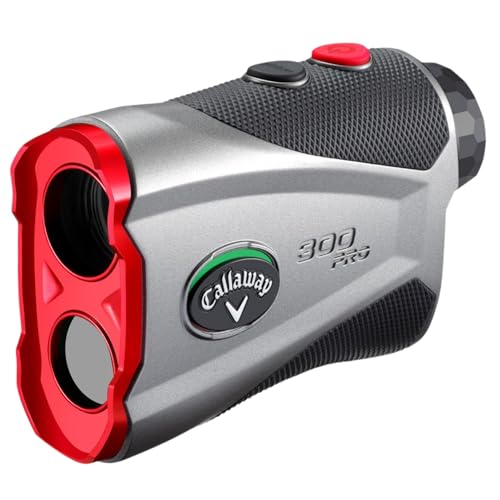
Callaway 300 Pro
- External slope switch
- 6x with 1000 yd range
- Pin lock to 300 yd
- IPX4 waterproof

REDTIGER C001
- 7x and 1200 yd range
- Six measurement modes
- USB-C rechargeable
- Magnetic belt clip
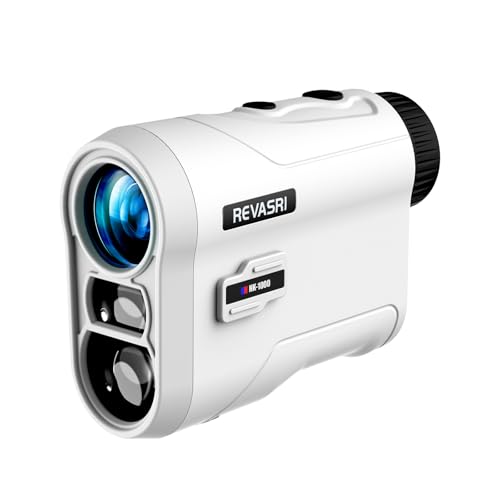
These three cover the realistic beginner range. The Callaway is the one I hand to a friend with no instructions. The REDTIGER is the one I keep for myself when I want sharper optics and a mode for every odd shot. The REVASRI is the proof that a slope switch and a working flag lock can be had for very little money.
Comparing Every Laser Rangefinder for Beginners in 2026
| Product | Key Specs | Action |
|---|---|---|
| Callaway 300 Pro |
|
Check Latest Price |
| REDTIGER C001 |
|
Check Latest Price |
| REVASRI 1000Y |
|
Check Latest Price |
 Acer Gadget SW-RF700 Acer Gadget SW-RF700 |
|
Check Latest Price |
 Blue Tees Series 3 Max+ Blue Tees Series 3 Max+ |
|
Check Latest Price |
 Bushnell Tour V6 Shift Bushnell Tour V6 Shift |
|
Check Latest Price |
 Acer Pro 1200Y Acer Pro 1200Y |
|
Check Latest Price |
 Nikon COOLSHOT PROII STABILIZED Nikon COOLSHOT PROII STABILIZED |
|
Check Latest Price |
 Bushnell A1-Slope Bushnell A1-Slope |
|
Check Latest Price |
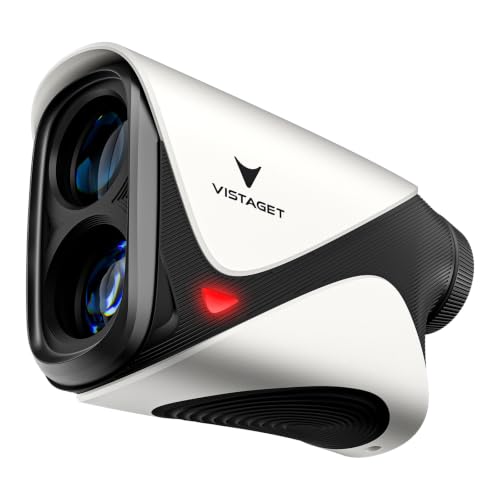 VISTAGET Golvia VISTAGET Golvia |
|
Check Latest Price |
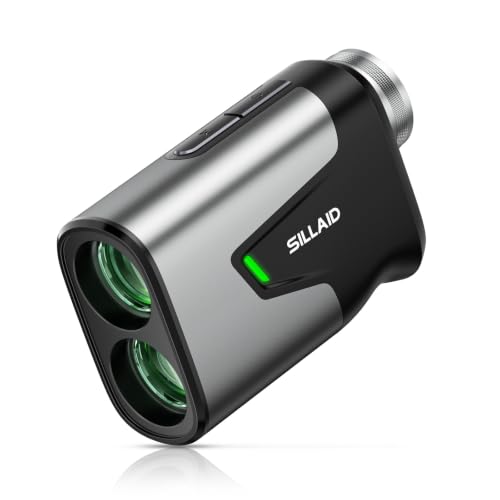 SILLAID U1200 SILLAID U1200 |
|
Check Latest Price |
 MOESAPU F1000S MOESAPU F1000S |
|
Check Latest Price |
1. Callaway 300 Pro - The First Rangefinder Most Beginners Should Buy
Callaway Golf 300 Pro Slope Laser Rangefinder
6x magnification
5-1000 yd range
Pin lock to 300 yd
IPX4 waterproof
+ Pros
- Slope-adjusted readings that match GPS yardages
- Compact body that fits a cup holder
- Integrated magnet holds firm over bumps
- One-button operation and a clear eyepiece
- Cons
- Repeat readings can shift by 1-2 yards
- Small body with an eyepiece diopter to set
- Strong magnet makes it easy to forget
The Callaway 300 Pro is the unit I recommend without hedging. It carries a 4.6 average across more than 12,000 ratings, which is the largest verified review base in this group, and the feature set is close to the minimum a beginner should accept rather than the maximum a golfer can buy.
It ranges 5 to 1000 yards at 6x magnification with accuracy inside a yard, and the readings cross-check cleanly against GPS yardages in everyday use. For a player who mostly hits full shots, that 1000 yard ceiling is more than enough, since a 400 yard drive leaves the flag at 400 yards, not 1000.
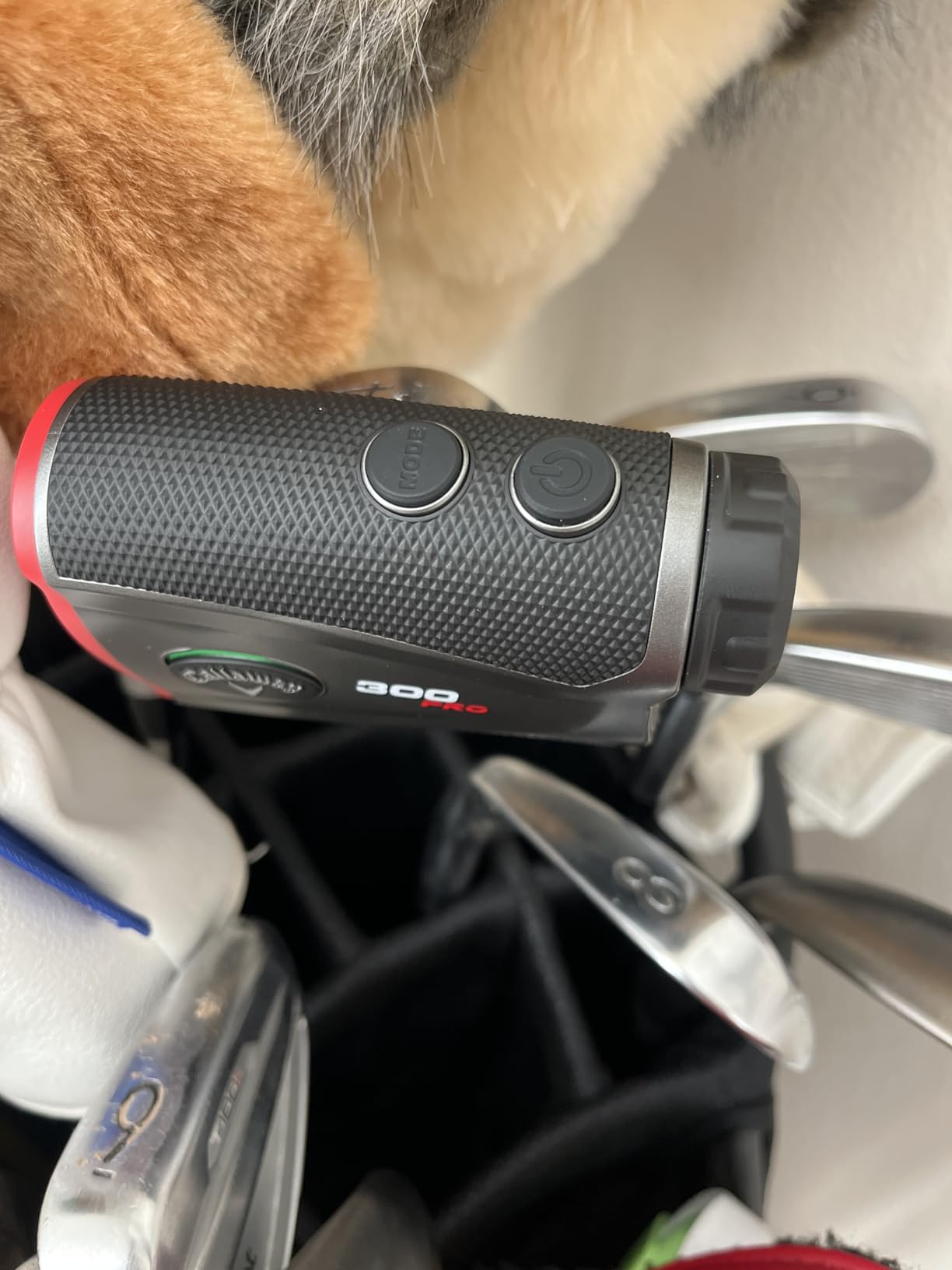
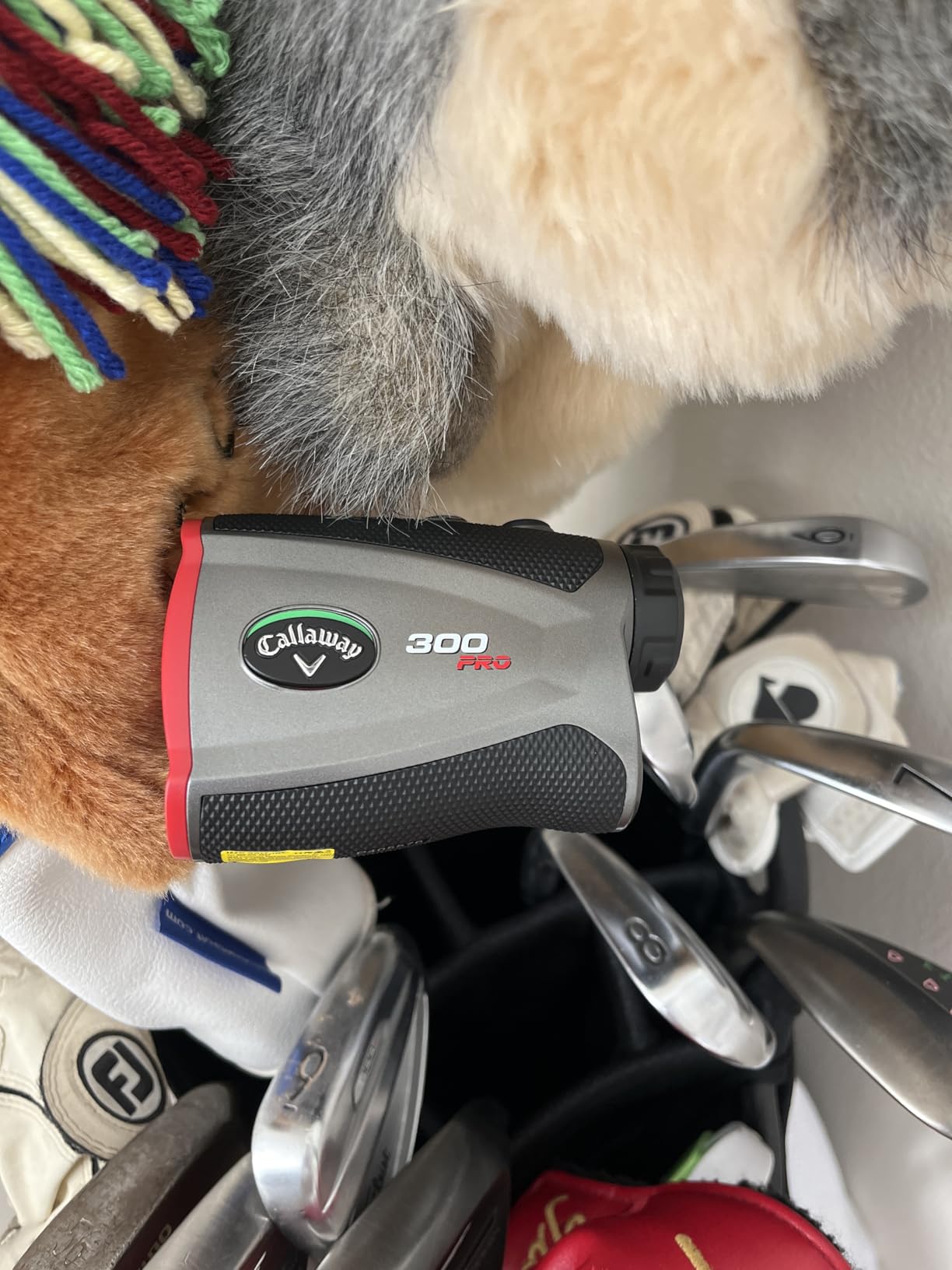
Physically it is 4 by 2.7 by 1.4 inches and weighs 8 ounces, which is why it lives in a cup holder or a front pocket instead of a bag side pocket. The eyepiece is clear and the diopter ring adjusts if you wear glasses.
Why the External Slope Switch Matters More Than the Slope Itself
The switch on the side of the body is the part to care about. It is a physical control, so when you flip it, slope data genuinely leaves the readout. That is what tournament-legal means in practice: not a hidden menu setting, but a switch you can demonstrate to a playing partner or a rules official in a second.
Every roundup we reviewed made the same point, and it holds up. Beginners are more likely to eventually enter a casual event or a club match than the roundup suggests, and a unit you cannot make legal is a unit you leave in the trunk.
Pin Acquisition Technology and the 300 Yard Lock
Pin Acquisition Technology locks onto the pin with a pulse vibration, out to 300 yards. In practice that vibration is the difference between a reading of the pin and a reading of the tree line behind it, which is the single most common accuracy complaint in this whole category.
Not perfect, though. Reviewers note that repeat shots from the same spot can vary by one or two yards, and that the small body plus the magnet combination has one downside worth knowing: a device that sticks firmly to a cart frame is a device you can walk away from.
Who This Is Not For
Skip it if you play in heavy rain regularly and want a sealed body, since the IPX4 rating handles splash protection rather than submersion. Also skip it if you want more than 6x magnification for very long shots, or if you want a rechargeable battery, because this unit runs on a lithium cell that is supplied with the package.
For everyone else, the combination of accuracy, a real slope switch, a strong magnet, and a body that fits anywhere is the most complete beginner package here. One reviewer reported a single CR2 covering more than 100 rounds, which is a good sign for how rarely you will be thinking about batteries.
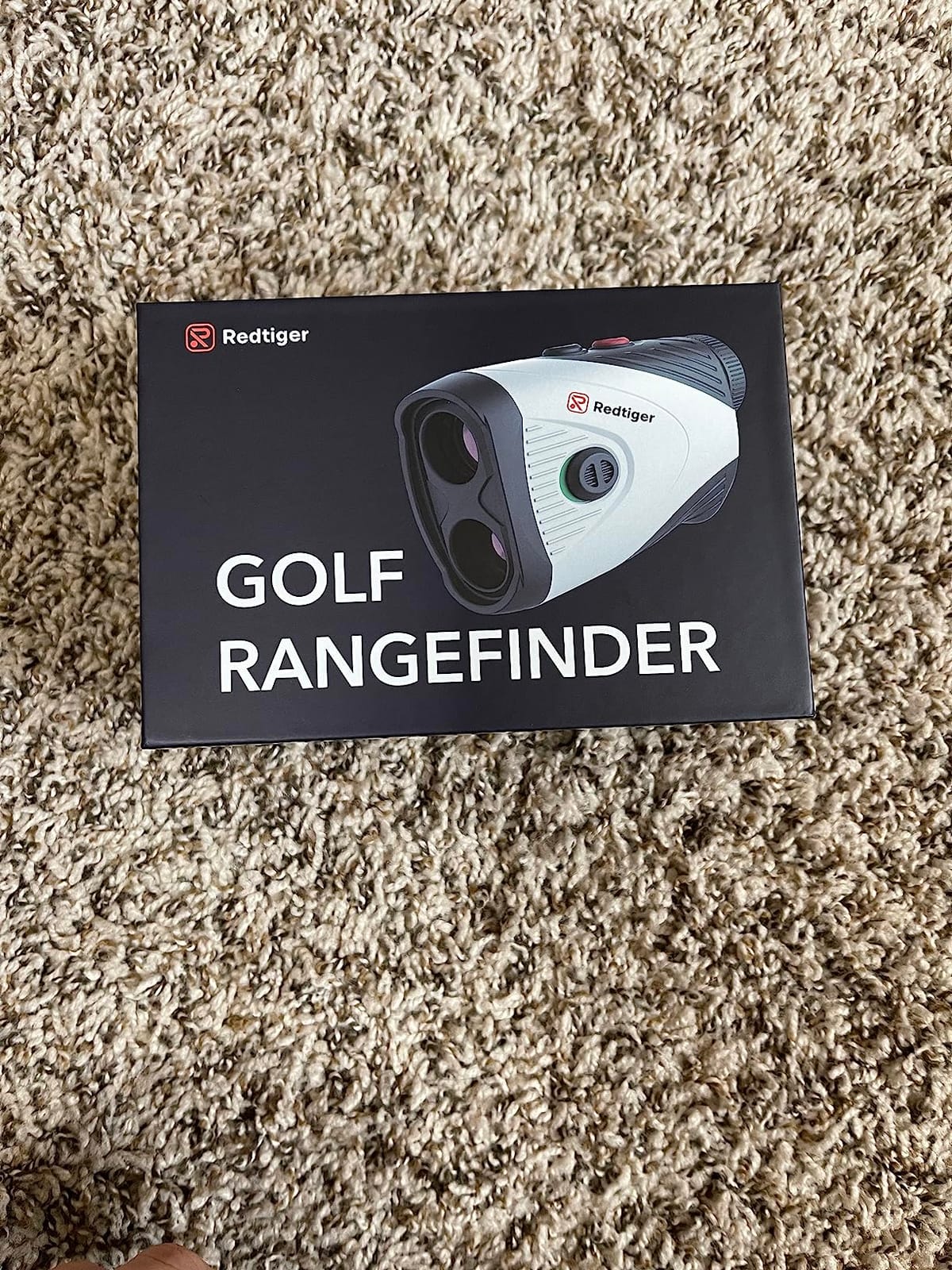
2. REDTIGER C001 - The Best Value Rangefinder for a Learning Golfer
REDTIGER Golf Rangefinder with Slope On/Off,7X Magnification 1200 Yards
7x and 1200 yd range
0.5 yd accuracy
Six modes
USB-C rechargeable
+ Pros
- Excellent value against branded units
- Clear sight picture and readable display
- Magnetic strip and belt clip included
- USB-C charge lasts many rounds
- Cons
- Can take several shots to lock a distant pin
- Vibration not always distinct between targets
- Water resistant rather than fully sealed
The REDTIGER C001 is the specification winner in this group and the reason it is hard to recommend a pricier unit to a beginner. It ranges 1200 yards at 7x with half-yard accuracy, carries six measurement modes, and recharges over USB-C.
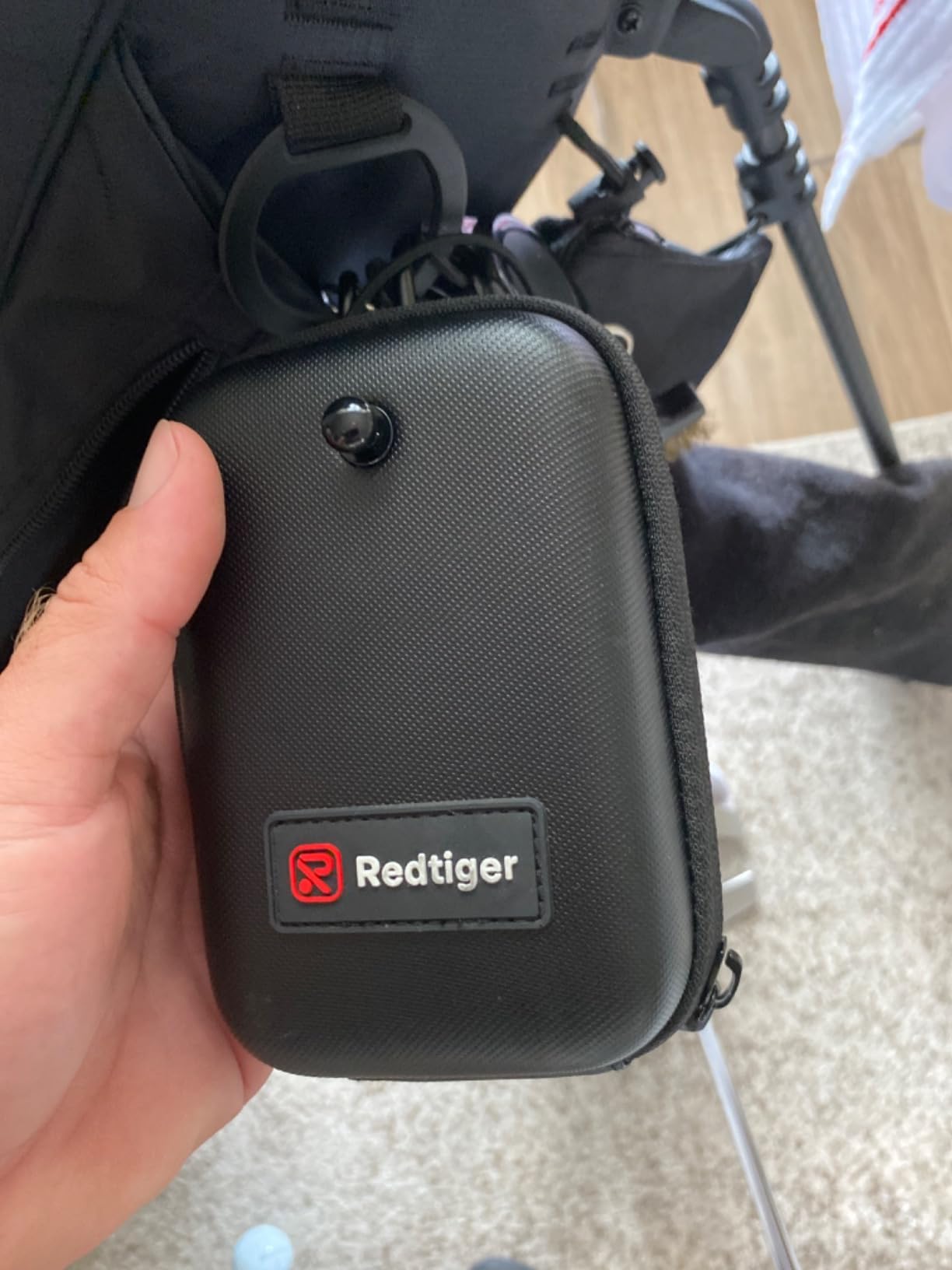
It also includes a magnetic belt clip and a magnetic strip, which together solve the storage problem cheaply. Clip it to your belt or stick it to the cart frame and you stop losing it in the bottom of a bag.
Six Modes and Why a Beginner Should Ignore Four of Them
The mode list covers slope compensation, flag lock, horizontal and height ranging, speed measurement, and continuous scan. Two of those matter for your first season: flag lock and slope. Continuous scan is genuinely useful because you can sweep the laser across a green and read several pins as you move.
Everything else is filler until you start playing longer courses with elevation changes. The transflective LCD stays readable in direct sun, which matters more than any other display feature when you are standing in the middle of a fairway at noon.
Rechargeable Power and Two Year Coverage
USB-C charging at 5V and 2A, rated for roughly 30,000 charge cycles, is a real advantage over disposable cells. There is no battery to forget in a glovebox in January, and the manufacturer rates the cell for many rounds per charge.
The warranty is two years unconditional, which is longer than several higher-rated units in this list. That coverage matters for a first-time buyer who does not yet know how the device will fit their game.
Where It Falls Short for New Golfers
The most common complaint is lock reliability on distant pins with busy backgrounds. Owners describe taking a couple of attempts to get a clean reading, and readings occasionally shifting by a few yards. If you play narrow tree-lined holes, budget extra patience.
The second issue is feedback clarity. Some users find the vibration does not feel distinct enough to tell a flag lock from any other lock event. The display text does the work, but you have to look at it rather than feel it.
3. REVASRI 1000Y - The Cheapest Sloper That Still Locks Onto Pins
REVASRI Golf Rangefinder with Slope and Pin Lock Vibration, External Slope Switch for Golf...
6.5x and 1000 yd
0.5 s response
Slope on/off switch
IP54
+ Pros
- Very low cost for a slope-capable unit
- Compact 4.3 oz body fits a pocket
- External slope switch for legal play
- One-button measurement
- Cons
- Basic multi-coated lens
- Flag lock takes patience on busy backgrounds
- Mixed 4.2 average rating
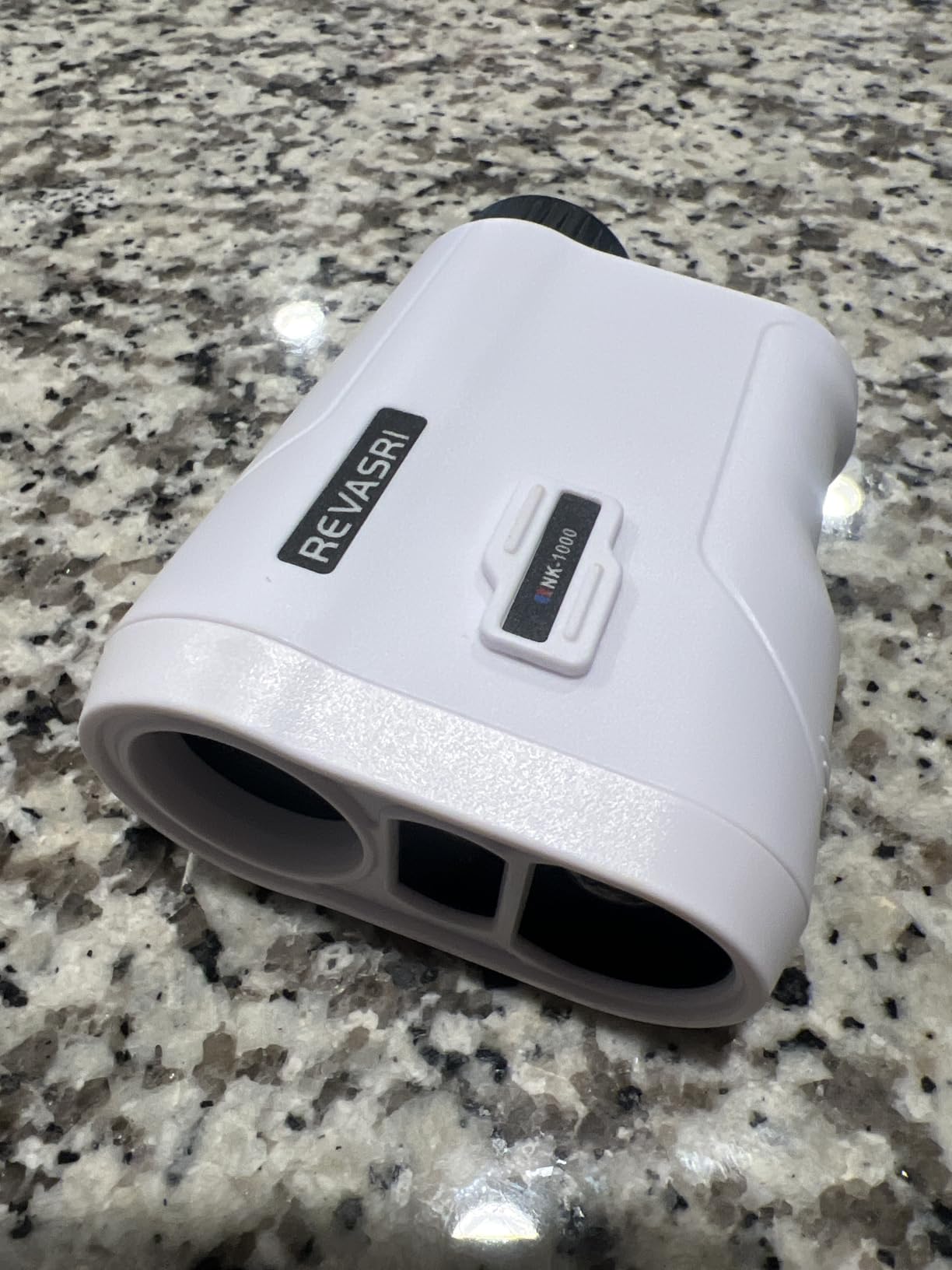
The REVASRI exists to answer one question: how little do you have to spend and still get slope compensation with a physical switch. The answer is less than most beginners expect, and this unit holds a 4.2 average across more than 5,700 ratings.
It measures 5 to 1000 yards at 6.5x with a half second response, and it is 3.8 by 2.6 by 1.3 inches at 4.3 ounces. That is one of the lighter bodies here, and it is the size of a small paperback.
The Slope Off Mode Is the Feature to Judge It On
Flip the external angle switch and the unit shows straight-line distance with no slope data on screen. That is the tournament-legal configuration, and having it on a device at this tier is unusual enough to be the main reason this one made the list.
You get one button to measure and one to change yards or meters. There is no mode wheel to learn, no app, no account. For someone who wants a number and nothing else, the simplicity is the feature.
Where the Budget Shows
The multi-coated lens is basic next to premium glass, and in low light or heavy overcast the sight picture gets noticeably greyer. Reviewers mention the view softening compared with higher-tier units, and it is a fair description.
Flag lock reliability is the other gap. On a clean background with the pin clearly separated, it works. On a hole with trees, players, or a second flagstick behind the target, reviewers report needing more than one attempt. Plan to take two shots when you first get one.
Best First Device on a Real Budget
If your budget is genuinely tight, this is the unit to start with, and you can learn everything about rangefinder use on it. The controls map to what the expensive models do, so nothing you learn transfers poorly later.
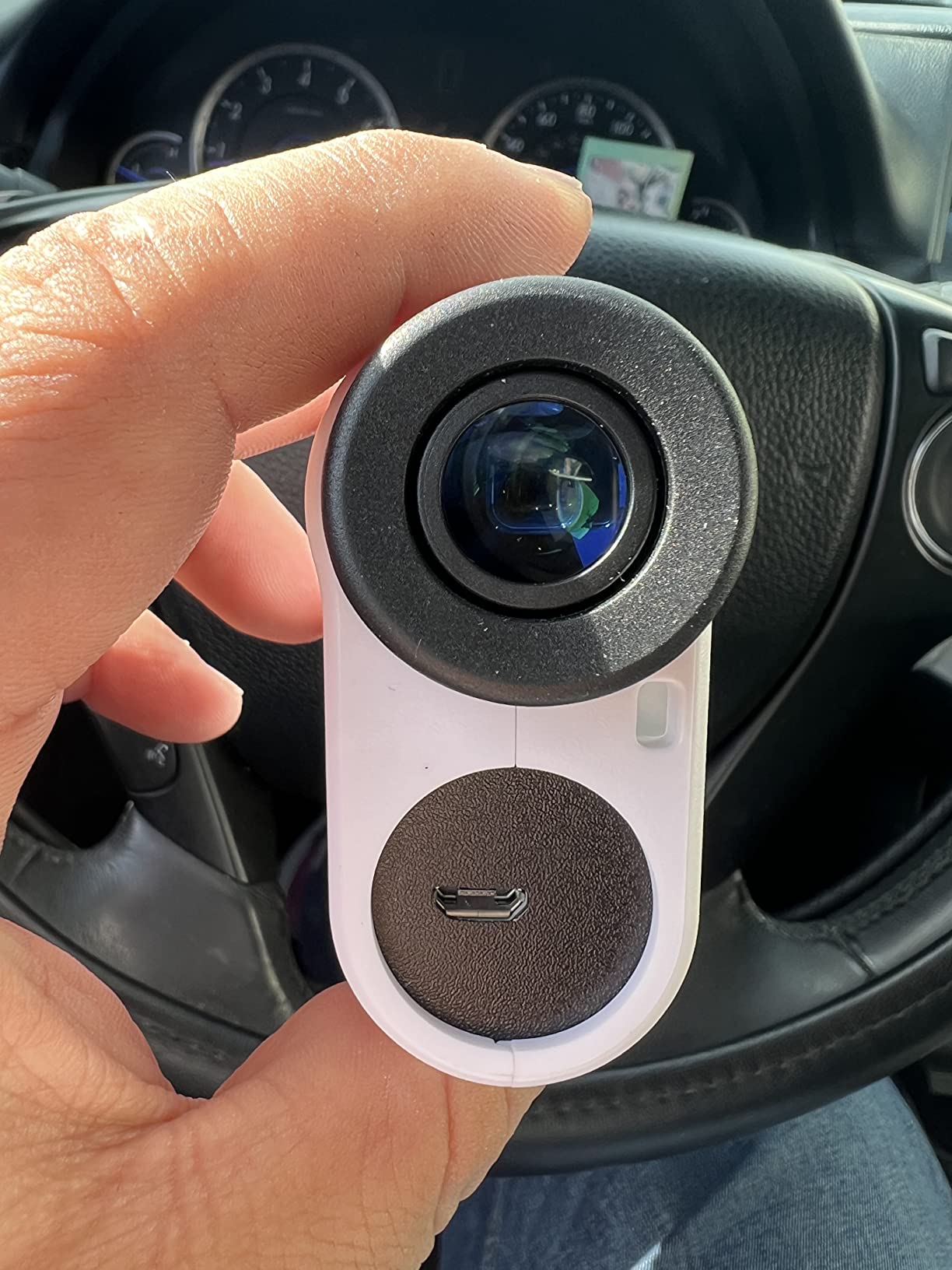
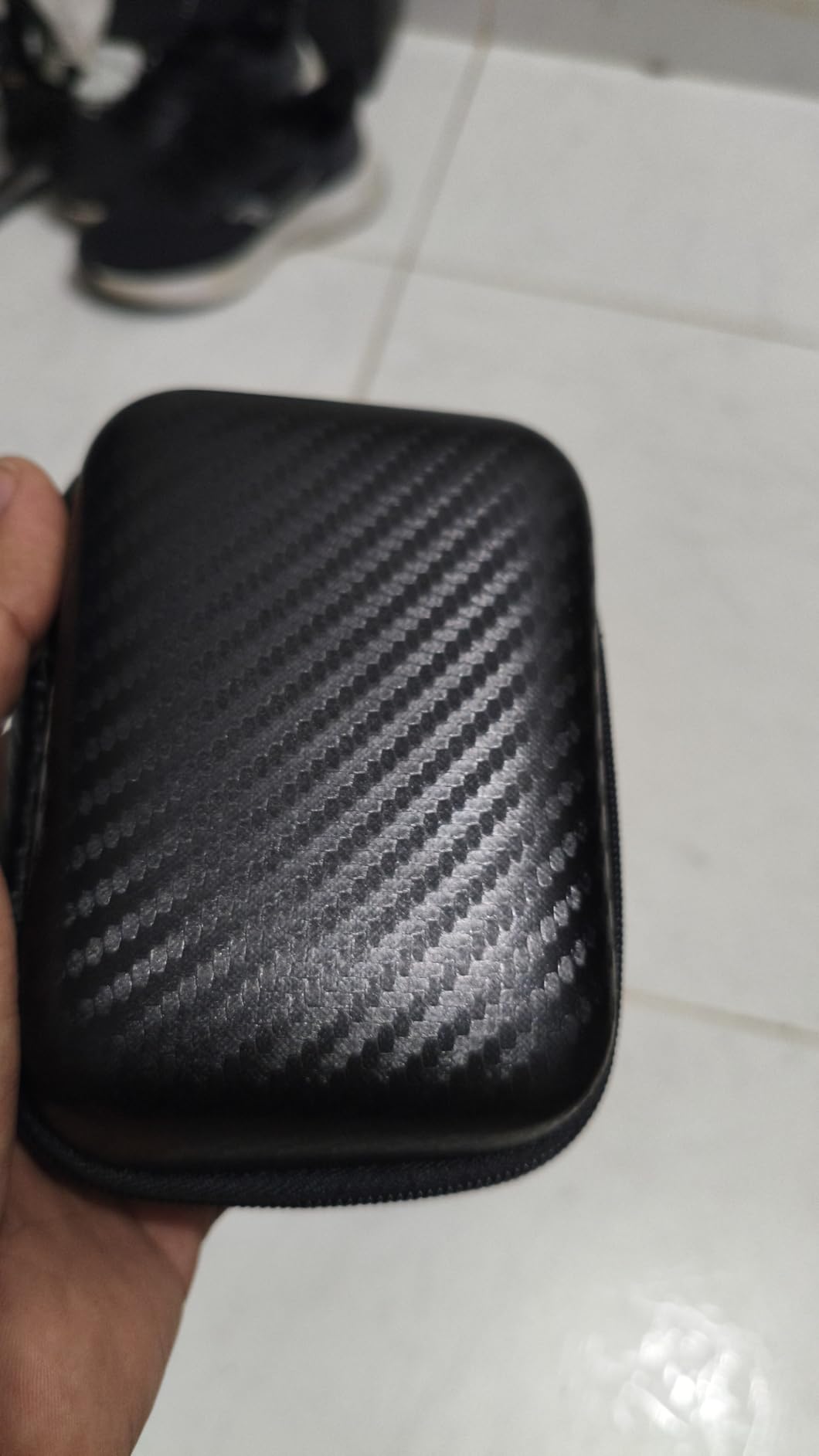
The pouch, carabiner, USB-C cable, and lens cloth in the package mean there is nothing else to buy. That matters when the total cost of a device includes a case and a spare battery.
4. Acer Gadget SW-RF700 - The Multi Tool for Golf, Archery, and Hunting
Acer Golf Rangefinder with Slope - 800Yards Range Finder for Hunting, 6X Magnification with Flag...
800 yd and 6x
Anti-shake
Six modes
USB-C rechargeable
+ Pros
- Fast readings with a very clear display
- Compact enough for a golf bag
- Flaglock vibration is genuinely useful
- Built-in magnetic cart mount
- Cons
- One reviewer reported unreliable pin lock
- Can need retries on small targets
- Slope data stays visible in off mode
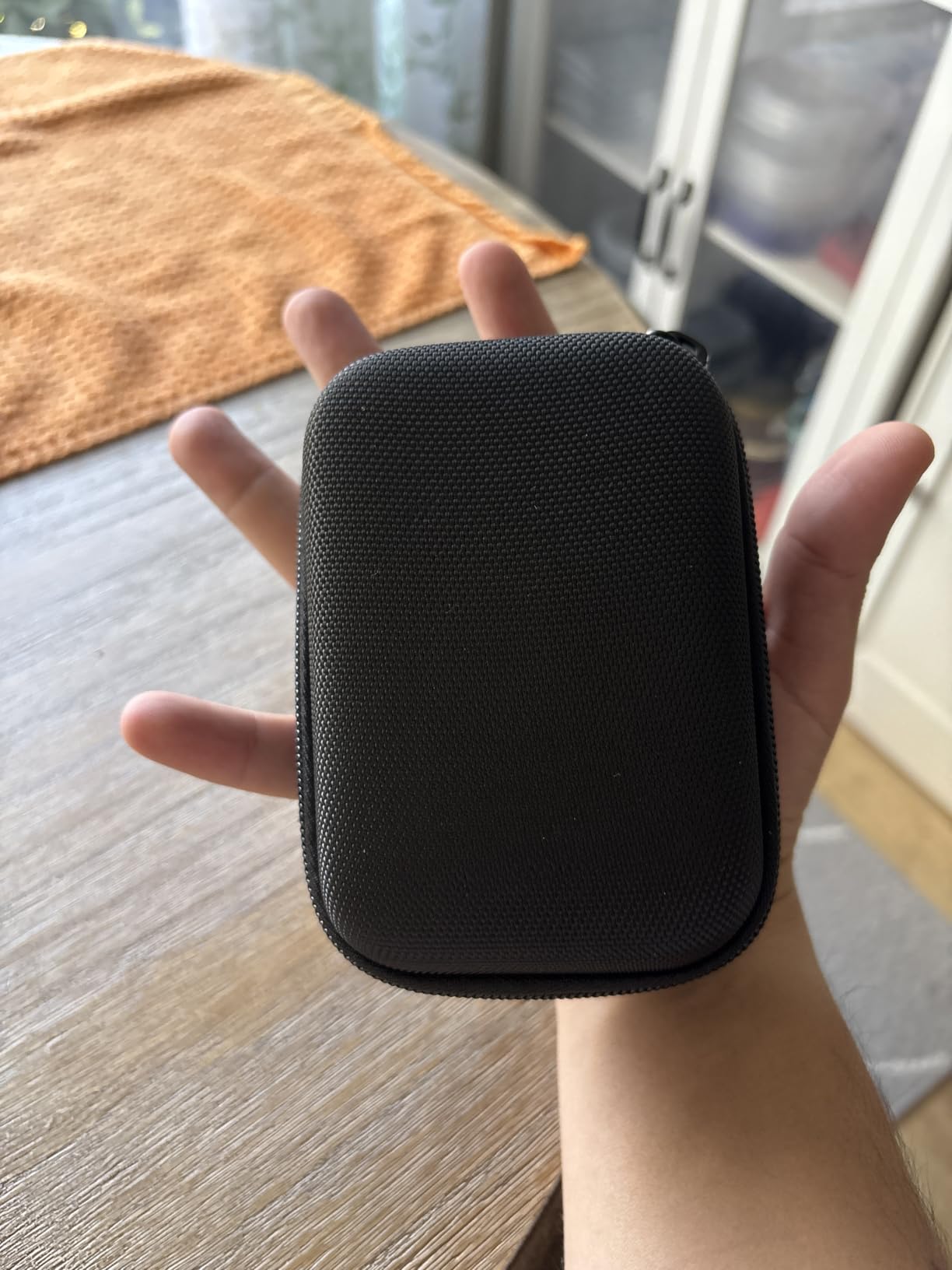
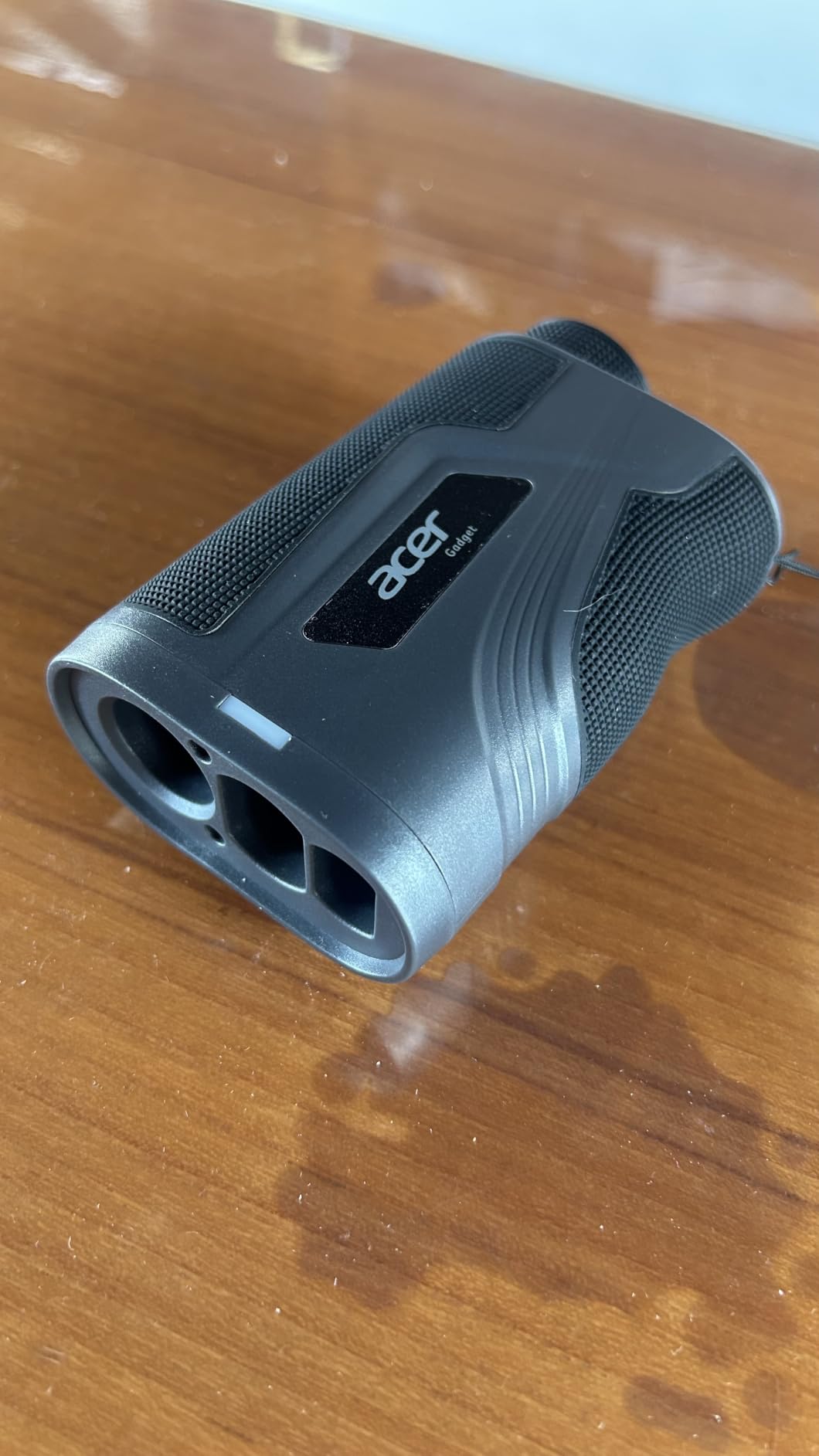
The Acer Gadget SW-RF700 is the pick if one device has to cover more than golf. Six measurement modes cover golf, hunting, and archery, and it holds a 4.6 average across 1,826 ratings.
Its headline feature for a new player is anti-shake technology, which steadies the view and the reading when your hands are not perfectly still. On uneven ground after walking to your ball, that is a real difference.
800 Yards Is the Honest Range Figure
Unlike several competitors in this list, the published range for this model is 800 yards, which is honest and sufficient. A 6x magnification at 800 yards still gives you a target worth ranging, because the flagstick stays legible rather than collapsing into a pixel.
Accuracy is quoted at plus or minus half a yard, and the bright LCD readout is one of the clearer displays we saw described by owners, which is the single most-praised feature across the whole group.
The Slope Off Mode Has a Catch
There is a slope on and off control, but a small number of competitive golfers note that slope data can still be visible on the display in off mode. If you are entering a formal event where that matters, verify the readout yourself before you tee off.
For casual rounds and league play, the switch does the job. It is one of the reasons to test any rangefinder at the range before trusting it, which we cover in a later section.
Verdict for a Shared Device
Owners overwhelmingly describe it as accurate, easy to use, and good value, with the magnetic cart mount and USB-C charging singled out. The reported pin-detection problems come from a small number of owners, so treat it as a minor risk rather than a pattern.
If you shoot archery or hunt small game, this is the one in the group where the extra modes are not wasted. We covered the software differences in our rangefinder guide for outdoors, and they matter more than most buyers expect.
5. Blue Tees Series 3 Max+ - The Most Readable Display in Bright Sun
Blue Tees Golf Series 3 Max+ Golf Rangefinder with Slope Switch, 1000 Yards Range Finder, 6X...
Auto-ambient display
1000 yd range
External slope switch
Built-in magnet
+ Pros
- Auto-ambient display readable in sun and shade
- Vibration gives clear lock confirmation
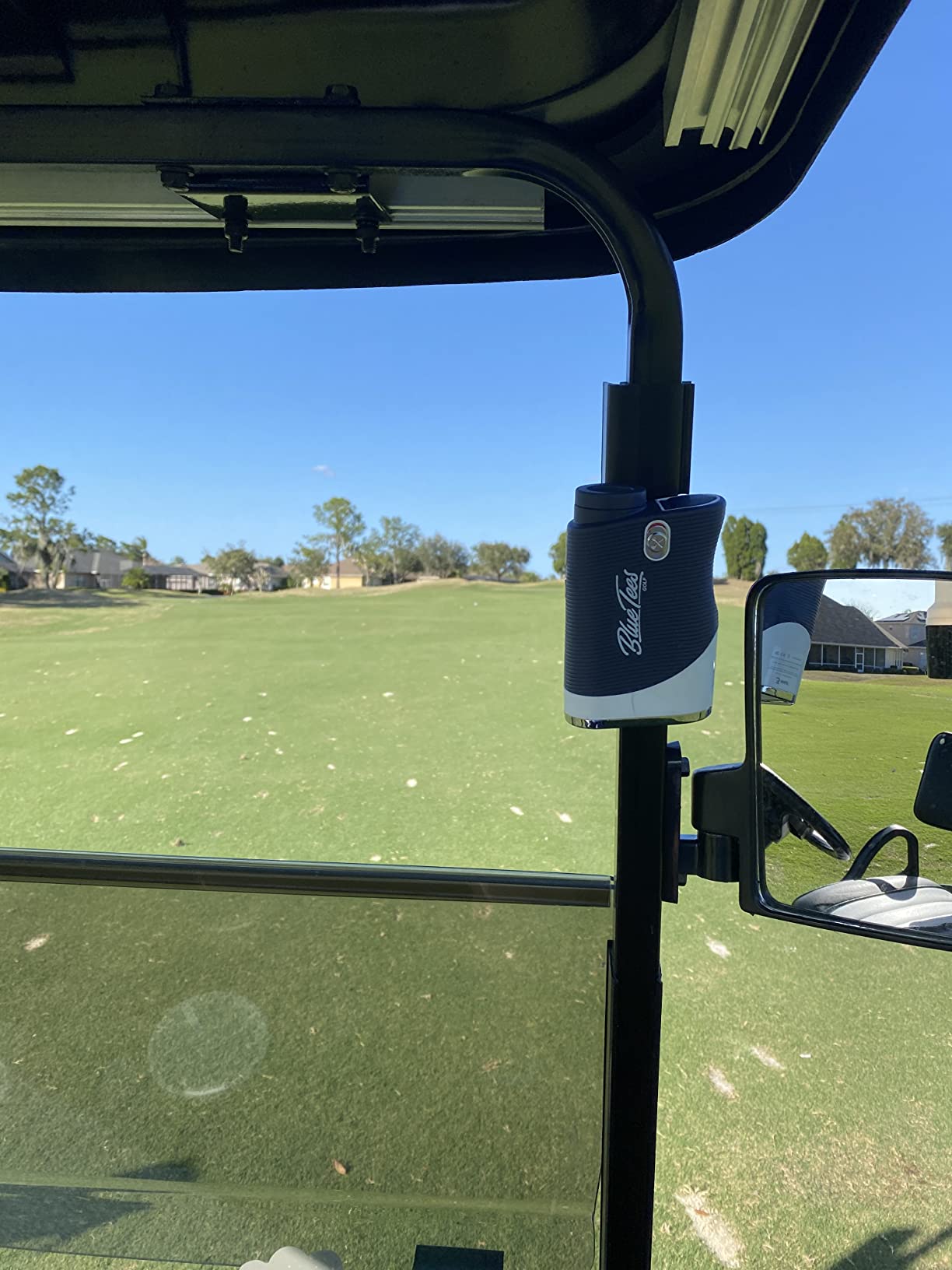
- Built-in magnet grips the cart frame
- External slope switch keeps it legal
- Cons
- Heavier and bulkier than compact rivals
- Lock reliability draws mixed feedback
The Blue Tees Series 3 Max+ solves a problem that is easy to underestimate: reading a display while the sun is behind it. Its auto-ambient display switches the text between red and black to keep contrast high, and owners single that out more than any other feature.
It ranges 1000 yards at plus or minus one yard accuracy, uses continuous arc slope technology, and comes with a rechargeable USB-C battery and a weather-resistant case.
Continuous Arc Slope and the External Switch
Continuous arc technology measures the angle the laser returns at and adjusts for the difference between straight-line and playing distance. On a green running uphill toward the back pin, that adjustment is the difference between a good number and a number that costs you a stroke.
The slope switch is external, so the same legality logic applies as with the Callaway. Flip it, the slope information is no longer part of your reading.
The Magnet and the Case Are Real Accessories
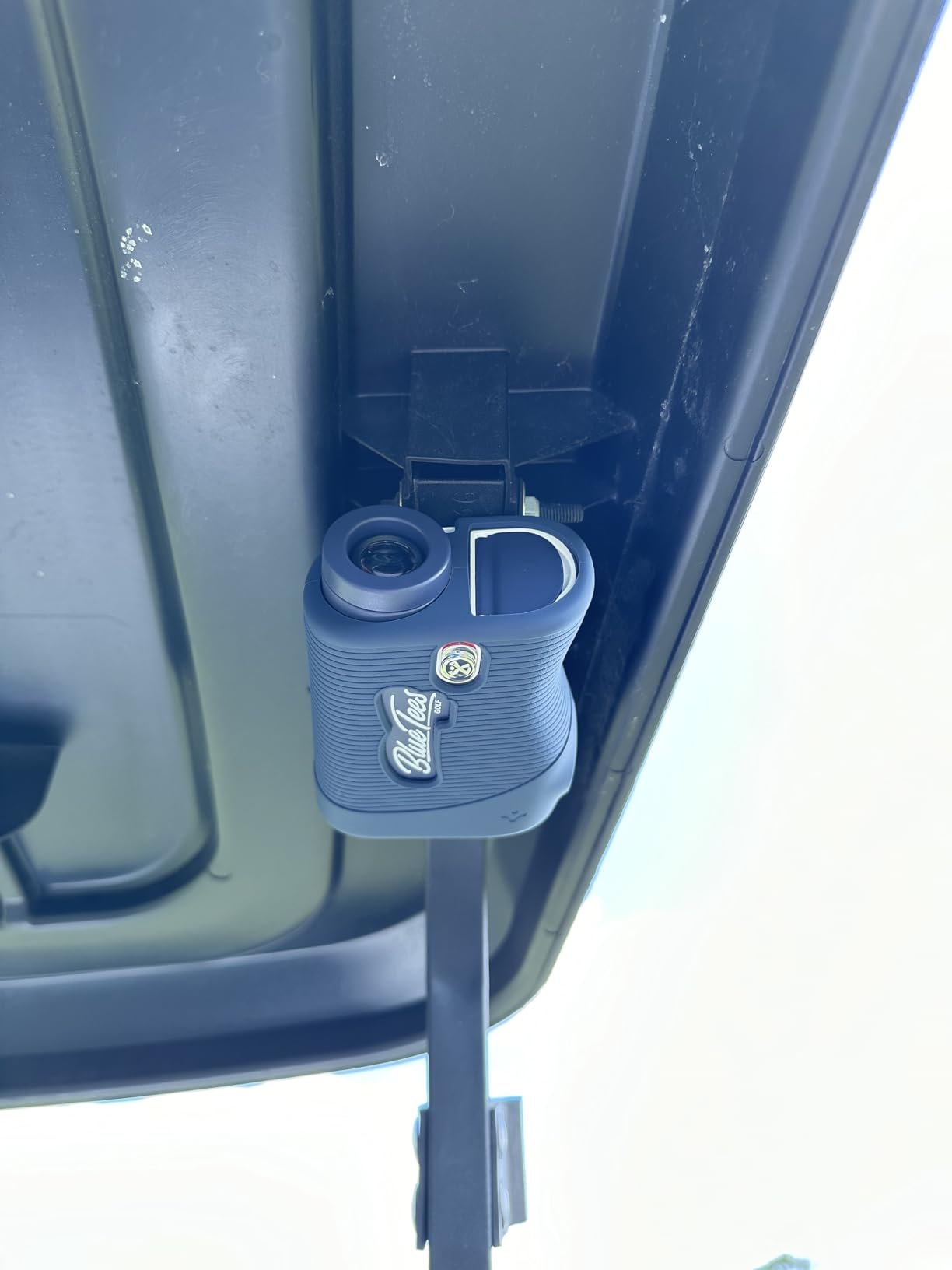
The built-in magnetic strip attaches to a cart, a club, or any metal surface, and the package includes a weather-resistant case, microfiber cloth, lanyard, charging cable, and buckle. That is a complete setup rather than a bare device.
The one number worth noting is the weight. At 16 ounces, this is one of the heavier units in the group, and reviewers comparing it against smaller budget models mention the size and bulk directly. If you walk and carry your own clubs, that is a daily annoyance.
Who Should Buy This One
Buy it if you play midday rounds in bright conditions, or if you have struggled with unreadable displays before. Do not buy it for portability or for a tight budget.
A 4.3 average across 1,291 ratings is solid rather than exceptional, and the feedback on lock reliability is mixed, so budget a few extra shots early on until you find the aiming routine that works for you.
6. Bushnell Tour V6 Shift - The Most Sealed Body in the Group
Bushnell Golf Tour V6 Shift Laser Rangefinder, Patriot Pack
1300 yd and 6x
IPX6 waterproof
Visual Jolt and vibration
BITE magnet
+ Pros
- Highest average rating at 4.8
- External slope switch for legal play
- Visual Jolt plus vibration lock
- Waterproof IPX6 with full accessory pack
- Cons
- Highest cost tier in this roundup
- Larger body at 16 ounces
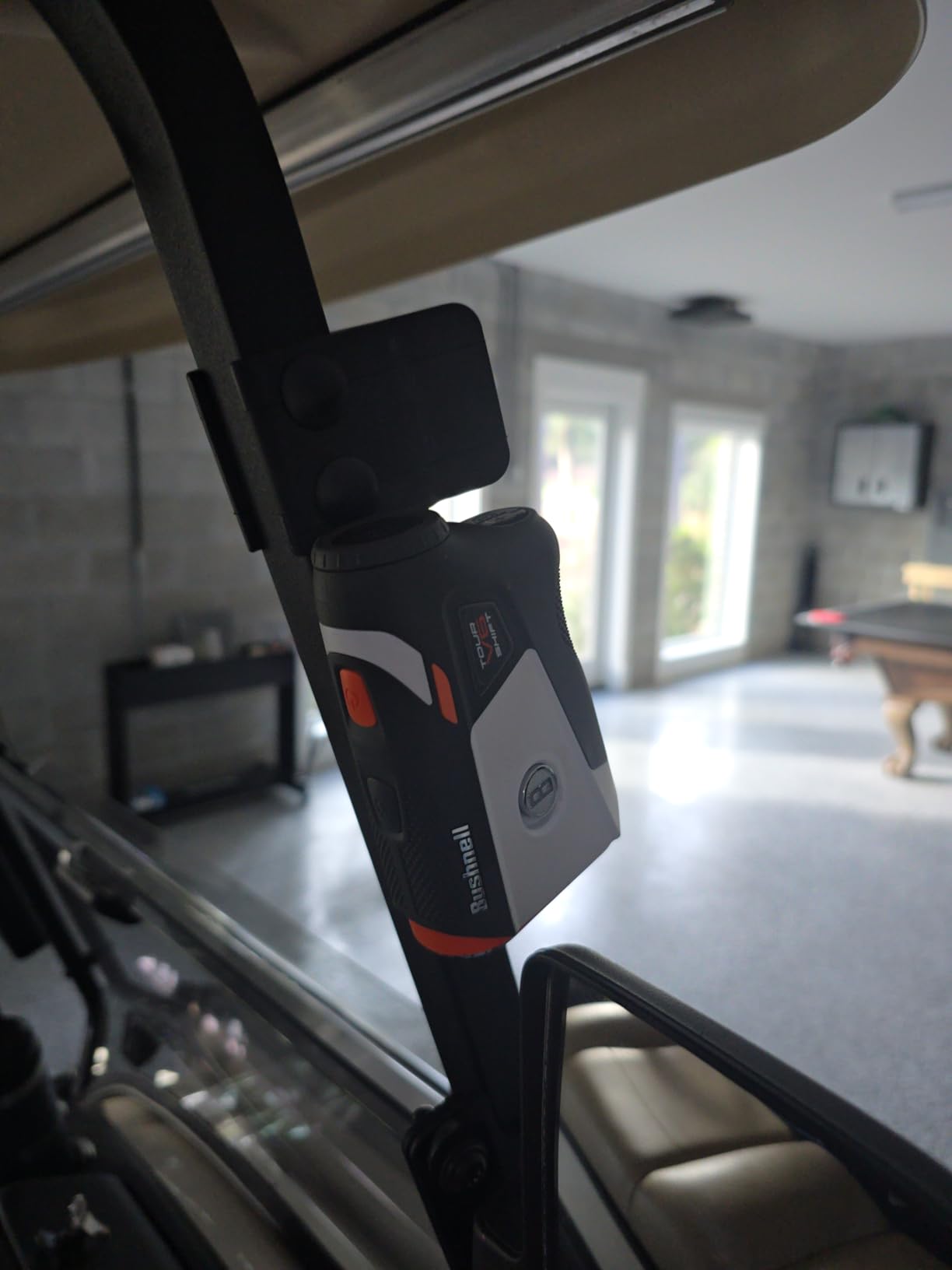
The Bushnell Tour V6 Shift is the one to buy if you play in genuine rain. It carries an IPX6 rating, the highest water protection figure in this group, and it is a fully waterproof body rather than a splash-resistant shell.
It ranges 5 to 1300 yards at 6x, uses Visual Jolt plus Pinseeker to confirm a flag lock with a red ring and a vibration, and mounts to a cart with the BITE magnetic system.
Why IPX6 Changes the Rain Conversation
Waterproof and water resistant are not the same claim. A water-resistant unit survives a shower and a drop in a puddle. An IPX6 unit is rated against powerful water jets, which in practical terms means a round played in horizontal rain without the anxiety that comes from a unit you have seen a reviewer drop in a pond.
Beginners play in worse weather than they think they will, mostly because they start walking. Sealing is one of the few places where paying more buys something concrete rather than cosmetic.
Visual Jolt and the Accessory Pack
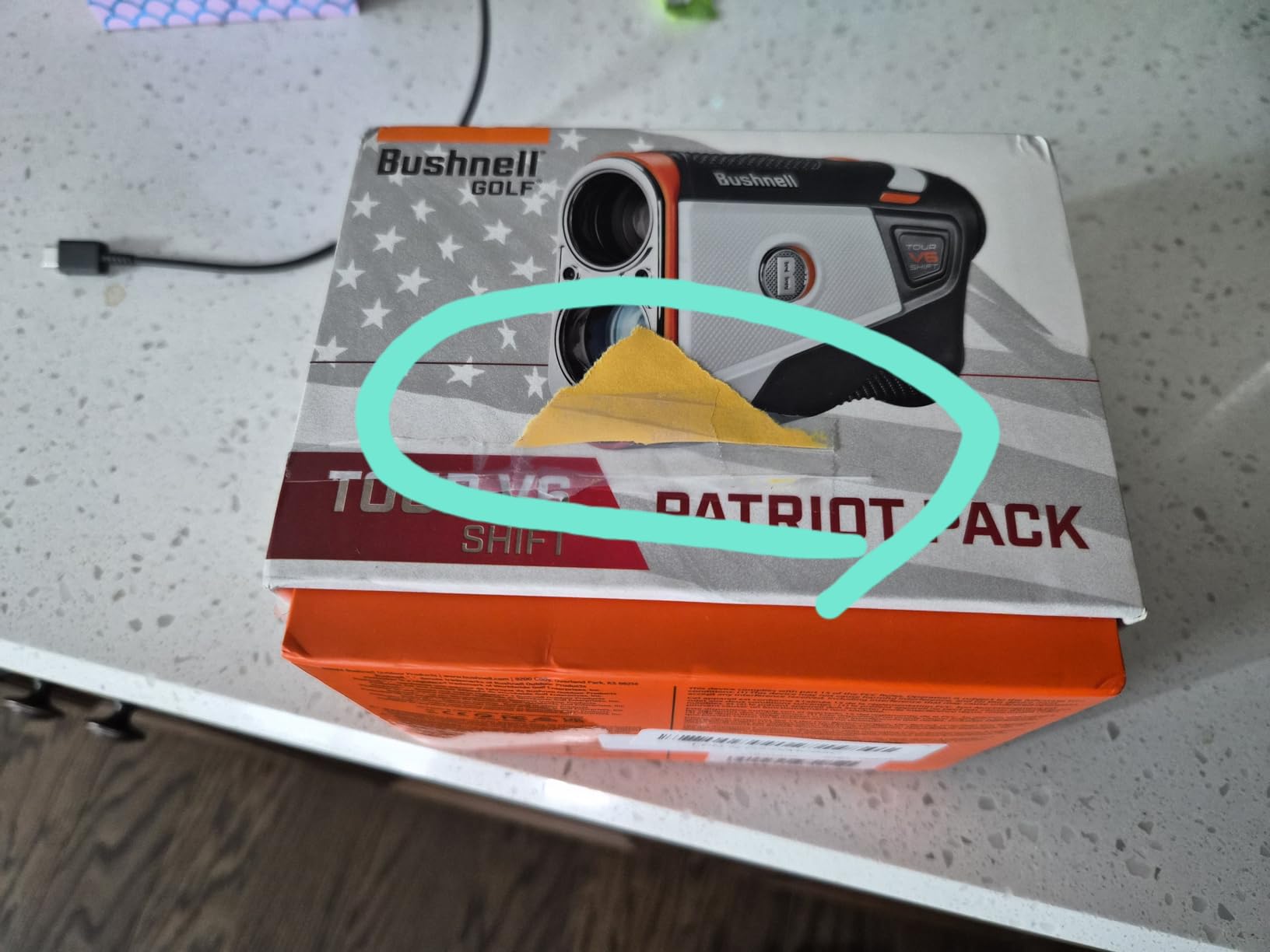
The red ring around the target plus a vibration is a two-signal confirmation system, which reduces the chance of ranging something behind the pin. The Patriot Pack includes a premium case, a microfiber cloth, a quick start guide, and a CR2 lithium battery.
Note the battery is a disposable cell included in the pack, not a rechargeable pack, so this is a device you will occasionally need to keep spare cells for.
Whether a Beginner Should Buy This Tier
A 4.8 average across 624 ratings is the highest rating figure in this roundup, and reviewers describe dependable slope readings and a rugged build. The reservations are size and top-of-list cost.
My honest take: this is a model you grow into. If you are new, the Callaway covers the same basics with a smaller body. Buy this one if you already know you play wet-weather rounds and want a device that will last a decade.
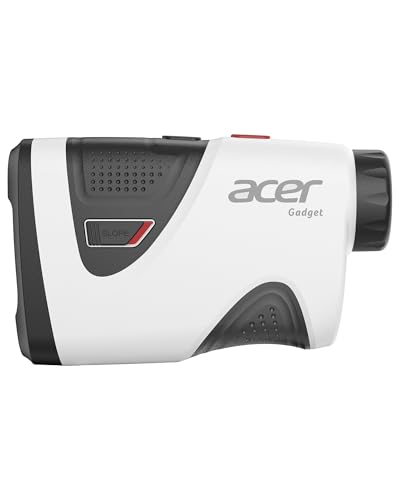
7. Acer Pro 1200Y - The Sharpest Lock in the Budget Tier
Acer Pro Golf Rangefinder with Slope Switch, Pin Lock Vibration, 1200 Yards
7x and 1200 yd
Plus or minus 0.5 yd
Anti-shake
IP54
+ Pros
- 7x magnification with anti-shake steadies the view
- Half-yard accuracy across 1200 yd
- External slope switch removes slope data
- Magnetic stripe and long battery life
- Cons
- Only a 1-year warranty
- Mode button takes practice to learn
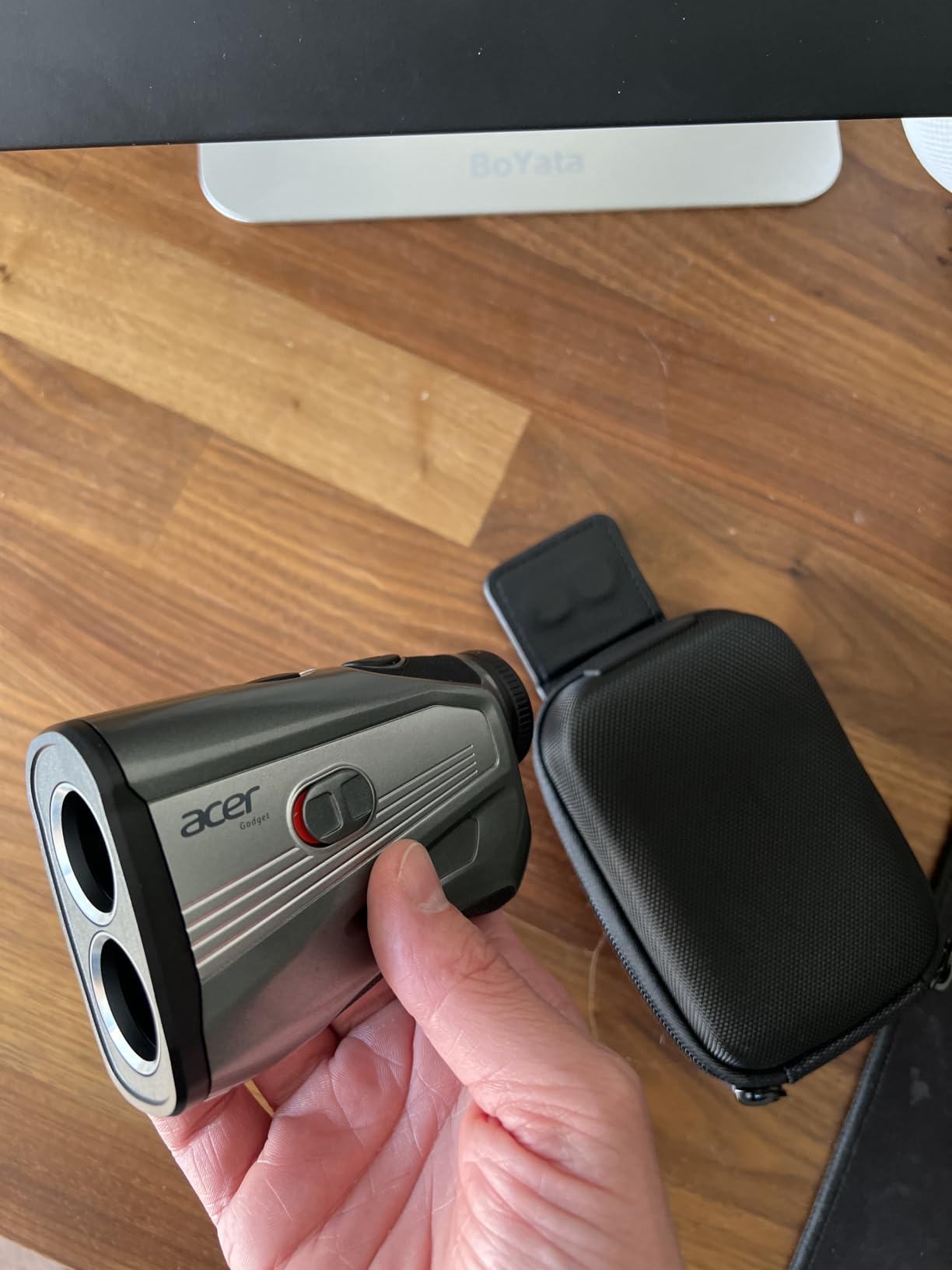
The Acer Pro is the device I would point to if your specific problem is failing to lock onto the pin. Seven times magnification, anti-shake stabilization, and a transflective LCD combine to make small distant targets far easier to hold on the reticle.
It measures 5 to 1200 yards at plus or minus half a yard, and it holds a 4.6 average across 525 ratings.
Magnification Is the Whole Argument Here
Magnification is not the same as maximum range, and this is the clearest example of the difference in the group. A long range figure means the device can produce a number at that distance. It does not mean the flagstick is still a visible target at that distance.
At 7x with anti-shake, the pin stays holdable long enough for the lock to complete. For a beginner whose usual failure is grabbing the wrong target, that is worth more than an extra few hundred yards of theoretical range.
Battery, Mount, and Weather Sealing
The 750mAh USB-C cell is rated for up to 20,000 measurements per charge, which comfortably covers many seasons of casual rounds. A magnetic stripe attaches to a cart frame without needing a separate accessory.
Sealing is IP54, so it handles rain and spray without being a submersible device. That is the right level for most golfers and less than the Bushnell V6 offers.
Learning the Mode Button
Six modes are cycled with an M button, and the same button family handles the yards and meters toggle. Owners note it takes a little practice, which is a real consideration if you are new and want zero friction.
The one-year warranty is the shortest in this roundup, and several rivals offer two years or more. That is a genuine difference on a device you may keep for years.
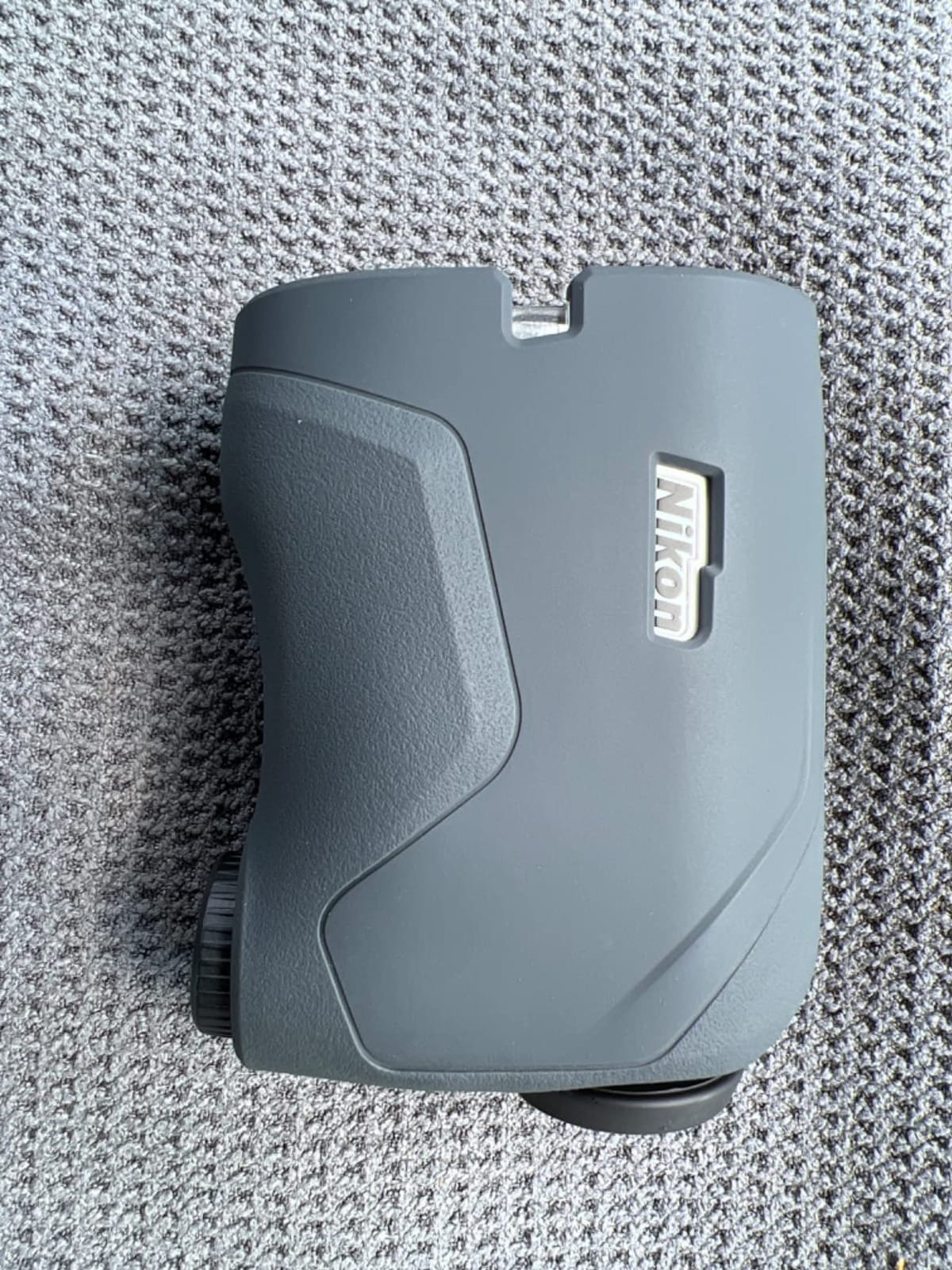
8. Nikon COOLSHOT PROII STABILIZED - The Best Optics and the Lightest Body
Nikon COOLSHOT PROII STABILIZED Golf Rangefinder | Waterproof & stabilized laser rangefinder with...
STABILIZED image system
1200 yd with 6x OLED
IP54
CR2 powered
+ Pros
- Image stabilization makes pin lock far easier
- Superb optics with good field of view
- 0.3 second HYPER READ response
- Replaceable CR2 battery
- 5-year manufacturer warranty
- Cons
- No built-in magnet
- Four display modes take a few rounds to learn
- Lock cue can fire on background branches
The Nikon COOLSHOT PROII STABILIZED solves a problem no other unit in this roundup addresses: a shaky view. The image stabilization system counteracts hand shake and environmental movement so both the sight picture and the laser stay steady.
For a beginner standing over a ball on a sloping lie, that is the feature that converts a frustration into a clean reading. Owners point to the stabilization and the optics more than anything else.
Dual Locked On Echo and Why Audio Beats Vibration
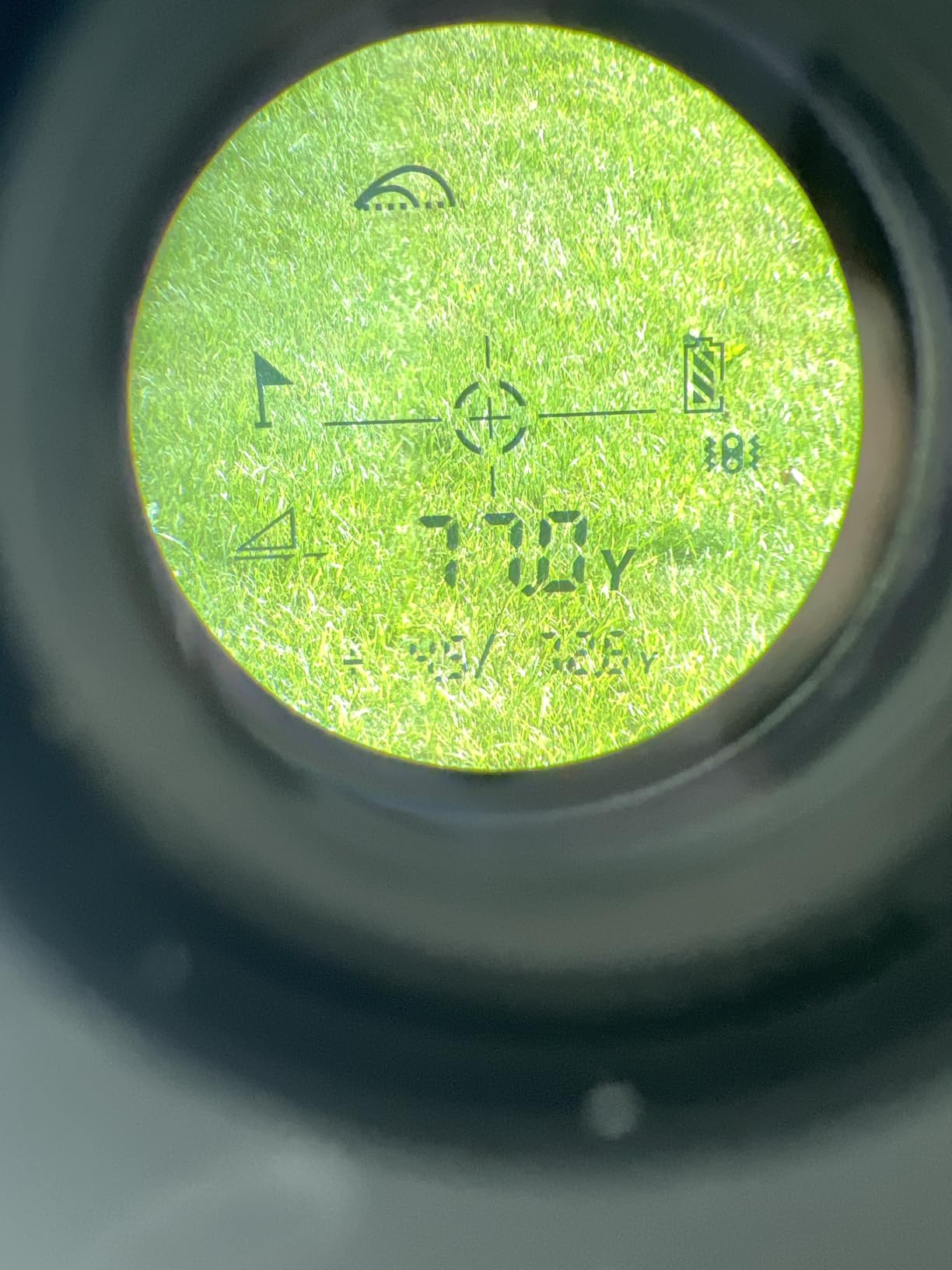
Dual Locked On Echo gives both a visual and an audio confirmation that you are ranging the flag rather than what sits behind it. Audio is a genuine advantage over vibration-only designs because you can keep your eye on the target instead of on the display.
HYPER READ returns a measurement in 0.3 seconds or less, so the rhythm of the walk up to the next shot stays intact rather than stalling on a loading screen.
Four Ounces, Five Years, and a Replaceable Battery
At 4 ounces and 3.9 by 1.7 by 3 inches, this is the lightest body in the roundup and it disappears in a hand. The 6x OLED display has good field of view and eye relief, which glasses wearers appreciate.
The CR2 battery is disposable and replaceable, which is a quiet advantage over sealed rechargeable cells that eventually fail. The five-year manufacturer warranty is the longest coverage listed here.
The Two Tradeoffs
There is no built-in magnet, so the unit lives in a cup holder or a pocket. And four display modes can be confusing in your first few rounds, which is a real cost for exactly the buyer this roundup is written for.
Some users also report the lock cue occasionally firing on background branches rather than the pin. With ID Technology accounting for incline and decline shooting angles, and IP54 sealing for wet rounds, this is the most technically complete unit in the group for a golfer who plays in varied terrain.
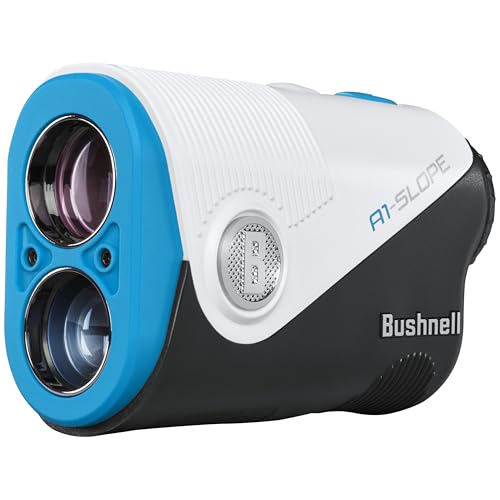
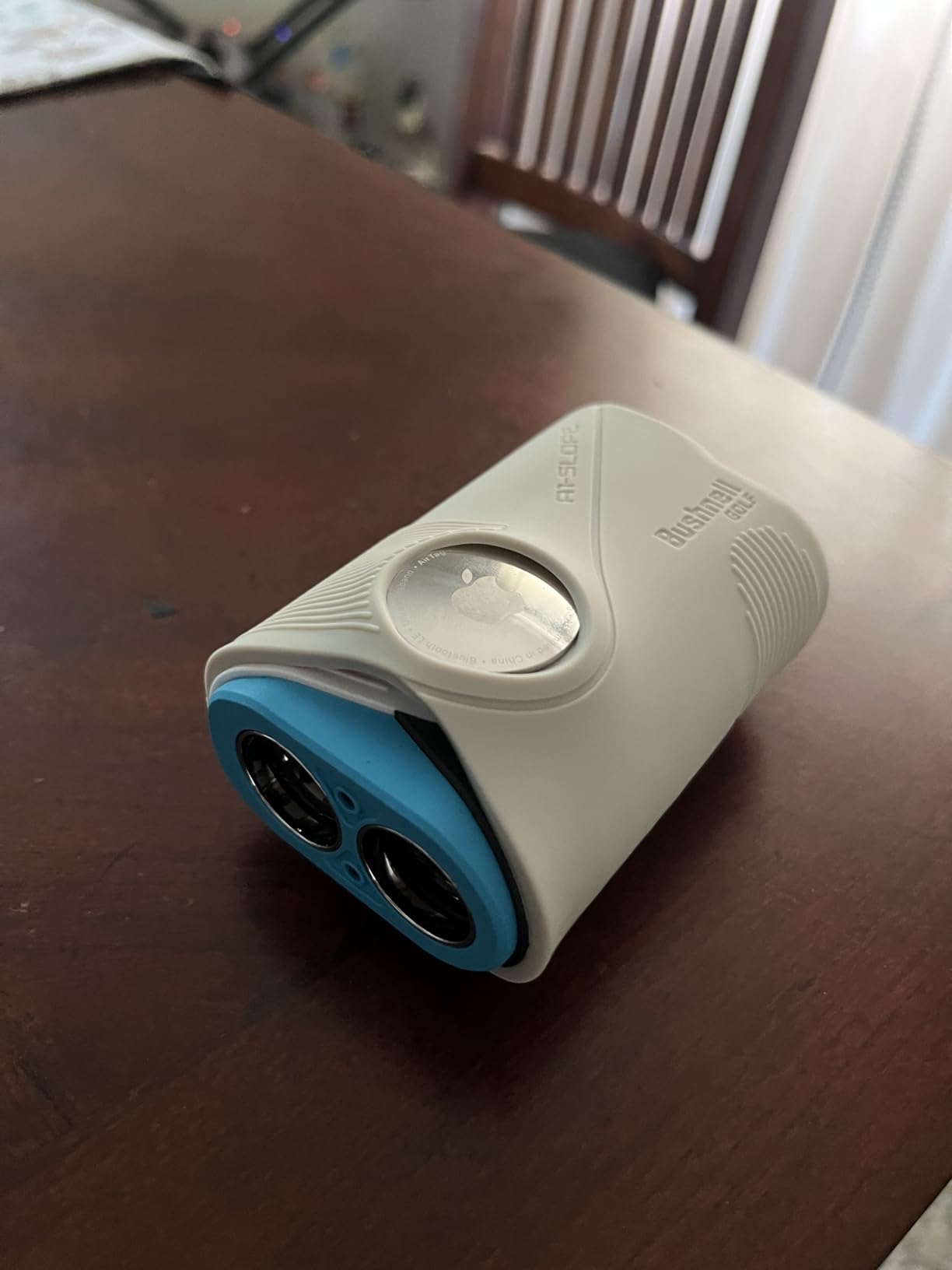
9. Bushnell A1-Slope - The Smallest Body With Real Slope Technology
Bushnell Golf A1‑Slope Laser Rangefinder
5.1 oz body
6x and 1300 yd
JOLT vibration lock
Rechargeable
+ Pros
- Pocket-size 5.1 oz body
- Patented slope technology with simple toggle
- JOLT vibration confirms flag lock
- Rechargeable battery rated for 50+ rounds
- Cons
- 6x is lower than 7x models
- Magnetic mount needs a separate skin
- Small review base
The Bushnell A1-Slope is the most compact unit here at 3.75 by 1.42 by 2.36 inches and 5.1 ounces, and it does not trade away the two features that matter to a beginner. Slope compensation works, and a JOLT vibration confirms a flag lock.
It rates a 4.7 average across 123 ratings, which is a high score on a small review base.
Range and Accuracy Where It Matters
Total range is 5 to 1300 yards, and accuracy stays within one yard to a flag out to 350 yards. For a beginner, 350 yards is the number that matters, because that is roughly your longest putt with a mid iron, and the quoted accuracy holds across that whole band.
Magnification is 6x, which is the low end of this group but perfectly workable for flagsticks inside 300 yards. Do not let the 7x figures on cheaper units tempt you, because on a full 1300 yard shot neither helps much.
Rechargeable Power and the BITE Skin
The rechargeable battery is rated for 50 or more rounds, which is effectively a season between charges. The BITE magnetic skin is included in the box and attaches to a cart frame, so you are not relying on a magnet built into the body.
That included skin is a real convenience, but it is one more small object to keep track of. If you lose it, the unit still works, it just lives in a pocket.
Who This Suits
Owners highlight portability, dependable slope readings, and the rechargeable battery as the main draws, with limited commentary overall given how few ratings exist.
A small review base is worth weighing honestly. You are buying on the brand and the engineering rather than on a large body of owner feedback, which is fine if you prefer a compact body and accept that the warranty, at two years, is the main backstop.
10. VISTAGET Golvia - The Tri-Measure Model for Odd Hole Designs
VTSTAGET Golvia Range Finder Golf TriMeasure, 1200 Yards, 7X Magnification
1200 yd with 7x
Tri-Measure scanning
0.3s flag lock
IP54
+ Pros
- 7x magnification and half-yard accuracy
- 0.3 second vibration flag lock
- Tri-Measure scanning for unusual layouts
- Magnetic cart mount
- Two-year warranty
- Cons
- Listed weight of 1.2 pounds is unusually high
- Small review base
The VISTAGET Golvia is the only unit here with Tri-Measure technology, which scans two targets and calculates the distance between them. On a green with a raised or drop-off section, or when you need the distance to a back pin rather than the front one, that is a genuinely useful trick.
It carries a 4.8 average, but on only 58 ratings, so treat that number as encouraging rather than settled.
Optics and Lock Speed
Seven times magnification with high-transmission lenses, plus half-yard accuracy across 5 to 1200 yards, is a strong specification set. The 0.3 second vibration flag lock means you are not standing there watching a device decide.
An external slope on and off switch keeps the tournament-legal mode one button away, and the magnetic mount handles cart attachment.
Two Things to Know Before Ordering
The listed weight is 1.2 pounds, which is far above every other body in this roundup. That figure almost certainly reflects packaging rather than the device itself, but check the dimensions in the listing before you commit, since 2.88 by 1.62 by 4.29 inches is an unusually tall profile.
USB-C charging is rated at 9 or more hours of power, and the sealing is IP54 water resistant with a two-year manufacturer warranty.
Verdict
Buyers point to the sharp 7x optics, fast lock, magnetic mount, and tournament-legal slope switch as the main draws. For a beginner, the honest reason to choose it is Tri-Measure. If you play on flat, repetitive parkland courses, the other picks serve you better.
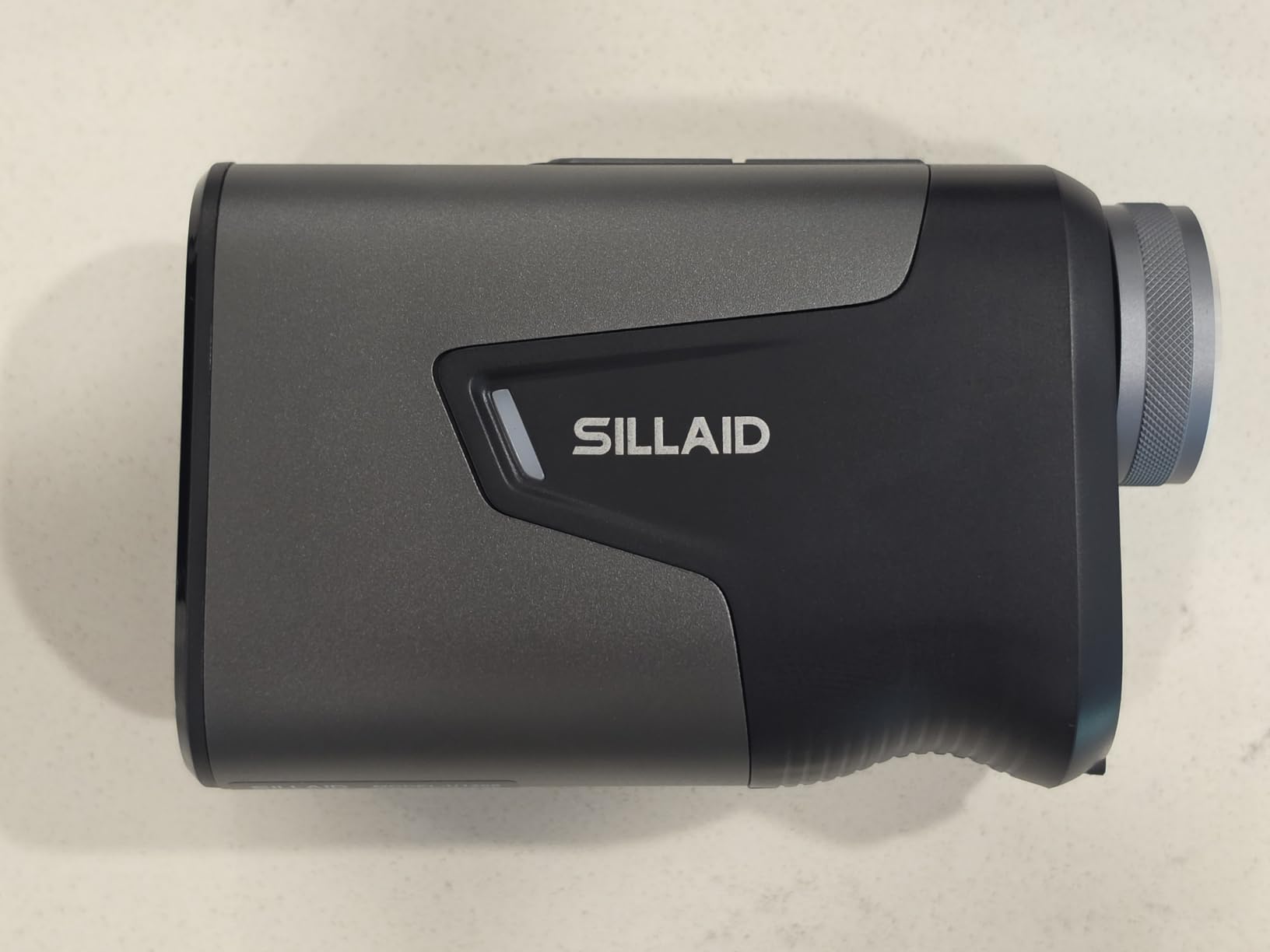
11. SILLAID U1200 - The Brighter Optics Thanks to a Bigger Lens
SILLAID Golf Rangefinder with Slope, 1200 Yards Range Finder, 7X Magnification with Pin Lock...
23.5mm objective lens
7x and 1200 yd
Metal chassis
20,000-shot battery
+ Pros
- 23.5mm lens gives a brighter wider view
- 0.04 second readings
- Metal chassis feels solid in hand
- Side magnetic cart mount
- External slope switch with five modes
- Cons
- Small review base of 49 ratings
- Response claim not independently benchmarked
The SILLAID U1200 solves brightness with lens size rather than software. Its 23.5mm objective lens is larger than the standard 22mm used by most budget units, and the manufacturer quotes 95 percent light transmittance on multi-coated glass.
In practice that means a wider, brighter sight picture in overcast conditions and at dusk, which is when cheap rangefinders get hard to use.
Metal Chassis in a Plastic Category
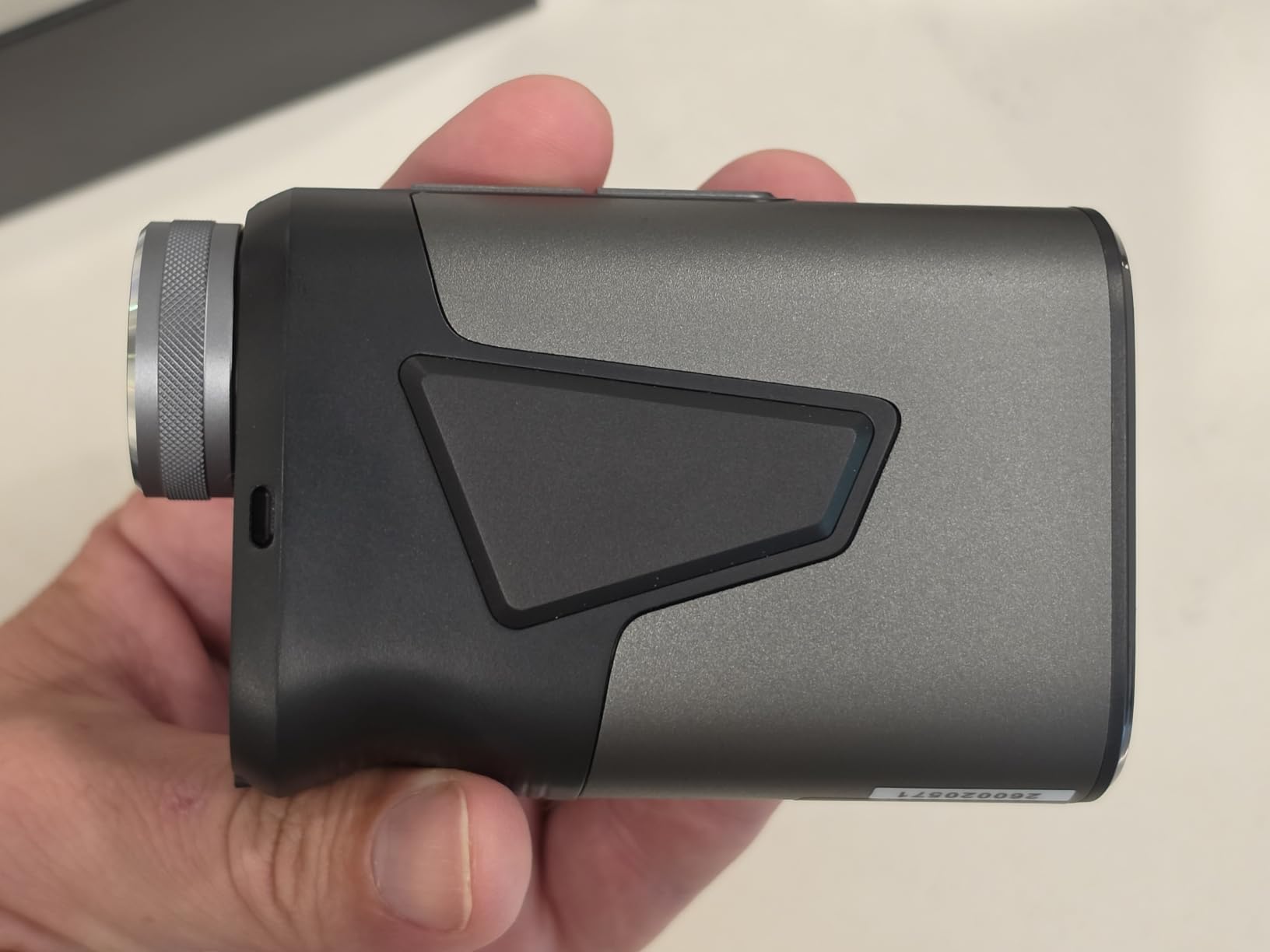
The full metal chassis with a contoured non-slip grip is unusual at this tier. It does not add a measurable specification, but it changes how the device feels over a long round, and reviewers mention the solidity directly.
At 3.6 by 1.3 by 2 inches, the body is one of the more pocketable shapes in the group.
Modes, Slope Control, and Mounting
Five modes cover pin lock, slope compensation, horizontal and vertical distance, line distance, and speed. The external M-button slope switch handles the tournament-legal mode without digging into a menu.
Flag lock comes with instant pulse vibration on stabilized 7x magnification, and a side magnetic mount attaches to a cart. The rechargeable battery is rated for up to 20,000 measurements, and sealing is IP54.
How Much to Trust 4.8 From 49 Ratings
The feedback available is uniformly positive, highlighting bright optics, fast readout, metal build, and the magnetic cart mount. But 49 ratings is a thin base, and the quoted 0.04 second response is a manufacturer figure with no independent benchmark behind it.
Judge this one on the lens. If you play early morning or evening golf, a brighter view is a real advantage. If you play at midday, the standard units are perfectly adequate.
12. MOESAPU F1000S - The Lowest-Cost Way to Learn the Buttons
1200Yards Range Finder Golf with Slope, Range Finder, Lightweight Portable Rechargeable Rangefinder...
1200 yd capability
External slope switch
Flagstick lock
USB-C rechargeable
+ Pros
- Very low entry cost
- Rechargeable battery with long life reported
- Lightweight 0.27 lb body
- External slope switch and vibration flag lock
- Cons
- Plasticky build quality
- Viewfinder can be shaky after walking to the ball
- No magnetic clip included
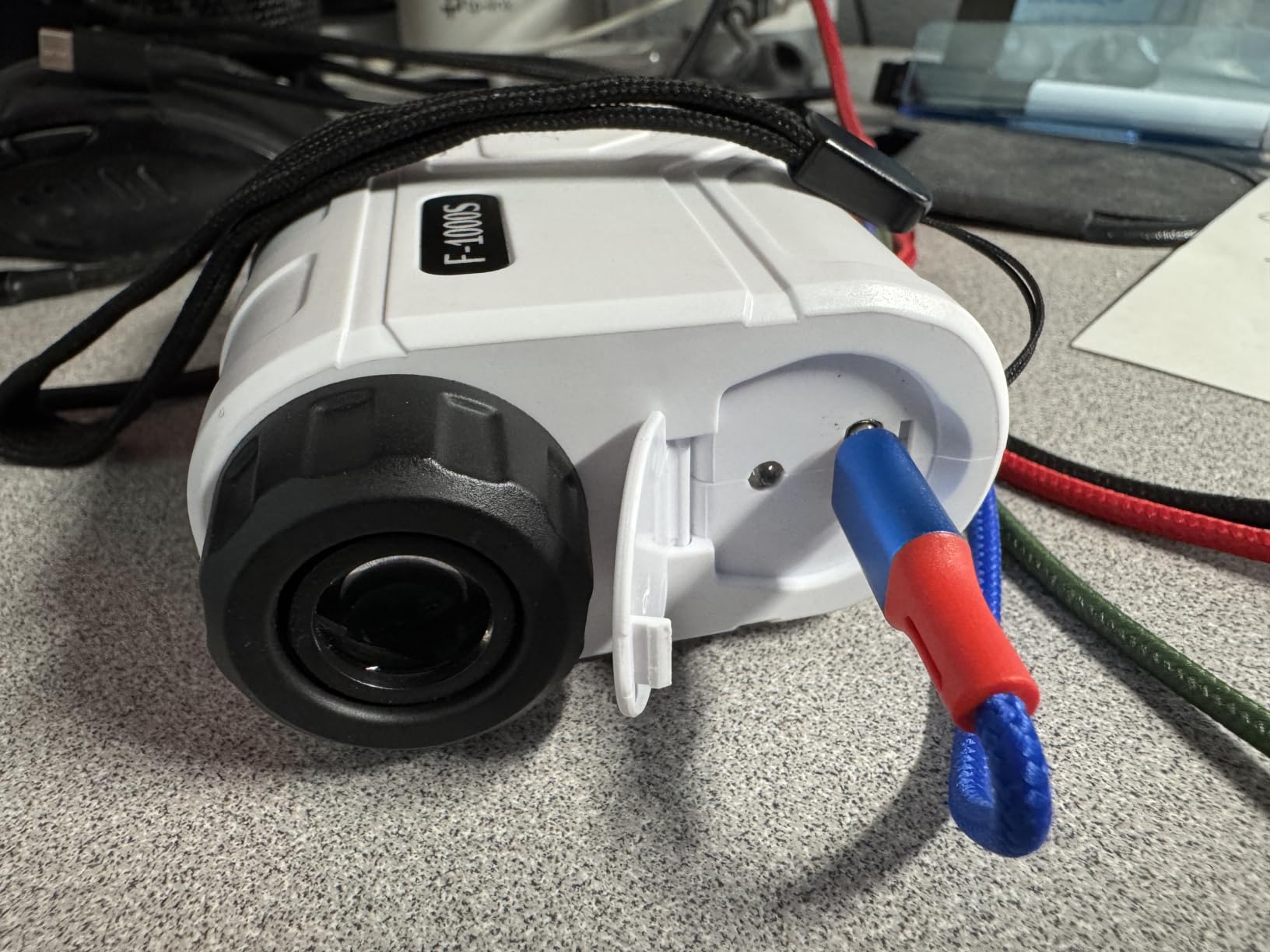
The MOESAPU F1000S is the entry point in this roundup, and it is worth being straight about what you get. It measures with an external slope switch, locks onto flagsticks with vibration, and runs on a rechargeable USB-C battery.
One owner reported the rechargeable cell lasting more than a year, which is a strong result for a device at this tier. The body weighs 0.27 pounds, so it is not a burden in a bag.
Read the Range Specification Carefully
The spec sheet lists a 650 yard range while the marketing materials claim up to 1200 yards, and the feature list claims 7x magnification while the specifications list 6x. This kind of inconsistency is common in the category and worth knowing about before you compare it to a unit with clean, consistent numbers.
Accuracy is quoted at plus or minus 0.7 yard, with a 0.5 second measurement response. Both are usable figures for club selection.
Where the Cost Shows Up
Build quality feels cheap in the hand, and that is the most common complaint. Reviewers also report the viewfinder can be shaky after walking to the ball, with distances varying by 5 to 10 percent in those conditions.
Locking a pin is harder when your aim is not already close, and there is no magnetic clip in the box, so it lives in a pocket. The strap and lanyard are also awkward to thread through the housing, which is a small annoyance every single time.
A Reasonable One-Season Device
A 4.3 average across 741 ratings is respectable for the entry tier, and reviewers largely conclude it does the job for the money with a long-lasting battery. Treat it as a learning device rather than a long-term one.
If you can stretch to a slightly higher tier, the REVASRI or an Acer model removes most of these complaints for a modest increase. If you cannot, this one will not disappoint you in the ways that matter most, which are slope switching and a vibration lock.
How to Test Your Rangefinder at the Driving Range
Never trust a new device on the first hole. Twenty minutes at the range will tell you more than a thousand reviews, and it is the fastest way to build the habit of checking a reading before you trust it.
Start by measuring known distances. Most ranges have posted markers or a sign with distances. Set up behind a marker, aim at the sign or a flat backstop, and fire five shots at the same target from the same spot. Write the five numbers down.
A device with a plus or minus one yard rating should produce numbers that cluster tightly. If your spread is 8 or 9 yards from identical shots, something is wrong: usually a dirty lens, a weak battery, or a loose eyepiece diopter.
Second test: lock reliability. Aim at a flagstick against a busy background, a tree line, or people walking. Fire ten times and count how many readings lock to the pin rather than what is behind it. This single test tells you more about the unit than the magnification figure ever will.
Third test: slope. If there is an uphill or downhill shot available, take a reading with slope on and off and compare. The difference between the two numbers is the value of the compensation, made visible in a way no spec sheet can do.
Finally, test the eyepiece. Look through with and without glasses, adjust the diopter, and check that the reticle is sharp. A fuzzy reticle is the most common reason a beginner abandons a rangefinder.
How to Turn a Yardage Into an Actual Club
This is where most beginners underuse the device. Getting the number is half the job, and picking the club is the half that changes your scorecard.
Write down your carry distance for every club at the range, in the conditions you actually play in. A 7-iron that carries 150 yards in July may carry 138 in September. You cannot choose a club from a number printed on a screen, only from your own measured number.
Then apply a simple rule. If the device says 165 yards to the pin, look at your 7-iron number, not your 8-iron. If it says 172, the 7-iron again. Beginners under-club far more often than they over-club, and a device reading removes the excuse that they did not know the distance.
For your first ten rounds, say the club and the yardage out loud before you swing. Estimation is a trainable skill, and the gap between your guess and the device reading is the most useful number in golf for a developing player.
What Actually Matters When Buying Your First Rangefinder
Slope Compensation and the Tournament Rule
Slope compensation measures the angle the laser returns at and reports the distance the ball would actually travel uphill or downhill, rather than the straight-line distance to the target. On flat parkland courses, the difference is small. On a course with real elevation, the number can be 20 yards or more different, and that is a full club.
The tournament rule is simple once stated. Slope-compensated distance is not permitted in competition under R&A rules, so a legal device needs a physical or clearly accessible switch that removes slope data from the readout entirely. Every recommendation in this roundup has one, for that reason.
For a beginner, treat it as a feature you will grow into. Leave it on for practice rounds and casual play, and flip it off on competition day. Devices with a hidden menu setting are the ones that cause problems at the tee.
Magnification and Maximum Range Are Not the Same Thing
Maximum range is the farthest distance the device can produce a number. Magnification determines how large the target looks in the eyepiece, which determines whether you can hold the reticle on a flagstick at that distance.
A 1300 yard range figure on a 6x unit is not more useful than 800 yards on a 7x unit, because a flagstick at 400 yards is already a small, thin object. For almost every beginner, 6x is plenty and anything beyond 7x is money spent on a view you will not use.
Prioritize the sight picture, eye relief, and how steady the view feels when you are standing on a slope. Those matter more than the range number every time.
Pin Lock and Flag Lock: What the Vibration Means
A flag lock, also called a pin sensor or Pinseeker, scans and locks onto the specific thin vertical object, then vibrates to confirm it. Without it, the laser will happily give you the distance to the tree 20 yards behind the green.
Three signals exist, and the best devices use more than one. A vibration you can feel through your hand, a visual ring or text change on the display, and an audio tone. The Nikon uses visual plus audio, the Bushnell V6 uses a red ring plus vibration, and most budget units use vibration alone.
For a beginner, any working lock is a large improvement over none. For a shaky player on a sloping lie, the audio signal is the easiest to trust because it lets you keep your eye on the target.
Battery Type Is Your Total Cost of Ownership
Disposable CR2 lithium cells cost almost nothing and never fail permanently, but you need a spare when the unit dies on hole 14. Rechargeable USB-C units are more convenient and increasingly standard, with figures quoted from a few thousand measurements up to 20,000 or more per charge.
Add the case, a lanyard, and a spare cell or two and the ownership cost of a cheap unit climbs quickly. A package that includes a hard case, a cleaning cloth, and a cable is a better real-world value than the headline specification suggests.
Ease of Use: The Feature Nobody Measures Properly
One-handed operation, weight, eyepiece diopter adjustment, display size, and mode simplicity decide whether a beginner keeps using a device. Most complaints in this category are not about accuracy, they are about fumbling.
Check three things before buying. Can you hold it and press the measure button with one hand? Can you adjust the eyepiece to a sharp reticle while wearing the glasses you actually play in? Can you reach the slope switch without removing the unit from your eye?
Weight matters more over a season than it does on a spec sheet. A 16 ounce body on a walking round is felt by the end of 18 holes, while a 5 ounce body disappears in a hand.
Waterproof Versus Water Resistant
Water resistant means splash and rain protection. Waterproof with an IPX6 rating means protection against powerful water jets, which is what you want if you play through summer storms without a cart.
Among these picks, the Bushnell Tour V6 Shift is the most fully sealed. Several others carry IPX4 or IP54 ratings, which is more than adequate for ordinary wet rounds. Match the rating to how often you actually lose your ball in water and whether you carry an umbrella.
Frequently Asked Questions
What is the best rangefinder for a beginner golfer?
The Callaway 300 Pro is the best rangefinder for most beginner golfers. It combines 6x magnification, a 1000 yard range, a physical slope switch that makes it tournament legal, and a pin lock that vibrates to confirm you are on the flag. It is also small enough for a cup holder and rated 4.6 across more than 12,000 ratings. For a tighter budget, the REDTIGER C001 gives you 7x optics and more measurement modes.
Should a beginner golfer use a rangefinder?
Yes, with one condition: use it to check your estimation rather than replace it. Beginners lose more strokes from mis-club selection than from swing faults, and a rangefinder removes distance guessing from the equation. Pick a club in your head first, then confirm with the device. The gap between your guess and the reading is your real learning signal, and it closes over a season.
Which golf rangefinder is the easiest to use?
The Callaway 300 Pro is the easiest to use here, because it has one button to measure, one to change yards or meters, a clear eyepiece, and a slope control you can flip without taking the unit off your eye. At 8 ounces it fits a cup holder or a pocket. If you want the fewest modes possible, the REVASRI 1000Y is even simpler, at 4.3 ounces.
What is the best budget laser rangefinder for golf?
The REVASRI 1000Y is the best budget pick, offering 6.5x magnification, a 1000 yard range, half second readings, an external slope switch, and a vibration flag lock. The REDTIGER C001 is the stronger all-rounder if you can stretch further, with 7x optics, 1200 yards, six modes, and USB-C charging. Expect to take a second shot at distant pins on both.
Are slope-compensated rangefinders legal in tournaments?
No. Slope-compensated distance is not permitted in competition under Ru0026amp;A rules, so a legal device must remove slope data from the readout entirely. Every unit in this roundup has a physical or clearly accessible switch for that reason, and the switch matters more than the slope calculation itself. Test the setting at the range before an event rather than on the first tee.
Which Rangefinder Should You Actually Buy?
If you want one answer, buy the Callaway 300 Pro. It has the largest verified review base in this roundup, a rating of 4.6, a real slope switch, a pin lock that vibrates, and a body small enough to live anywhere on the cart. It is the model I would hand to a new golfer with no instructions and no time to research.
If your budget is the deciding factor, the REVASRI 1000Y is the honest answer. Slope compensation, a tournament-legal switch, and a vibration flag lock at the lowest cost in this group, with a 4.2 average across more than 5,700 ratings. Accept that you may need a second shot at distant pins.
If your specific problem is failing to lock onto the flag, move up to the Acer Pro 1200Y for 7x magnification with anti-shake, or the Nikon COOLSHOT PROII STABILIZED if shaky hands are the real issue. If you play in real rain, the Bushnell Tour V6 Shift is the most fully sealed body here at IPX6.
Whatever you choose, take it to the range before you trust it, and write down your own carry distances for every club. The best laser rangefinders for beginners golfers are the one whose number you will actually look at on every shot, and that habit matters more than any specification on this list. Golf model lines refresh through 2026, so re-check that your pick is the current generation before you order.