
10 Best Lawn Aerators for Compacted Soil (October 2026)
If your lawn gets watered, gets fed and still stays thin and patchy, the problem is almost never the fertilizer. It is compacted soil. Air, water and nutrients cannot reach the root zone because the pore spaces have been crushed shut, and the best lawn aerators for compacted soil exist to reopen them. I have spent years working soil that would not take a screwdriver without leaning on it, and the single change that moves the needle fastest is putting real soil plugs on the surface where you can see them.
That is why the core and spike question matters more than any other decision in this category. A hollow-tine core aerator pulls a cylinder of soil out of the ground and leaves an open hole that water pours into. A spike aerator pushes a solid pin down, which opens some airflow but shoves the surrounding soil sideways instead of removing it. One of those two tools is treating compaction, and the other is mostly a thatch scratcher.
Below I break down ten aerators across the full range, from a foot-step tool that treats one flower bed corner to a 48 inch tow-behind that a lawn tractor drags across three acres. Every pick is broken down by the specs that actually decide whether a tool can penetrate hard ground: tine type, effective penetration depth, tine spacing, working width and how much ballast the weight tray takes. Nothing here is sponsored, and the pros and cons are the ones owners actually report.
The Three Aerator Types That Matter for Compacted Soil
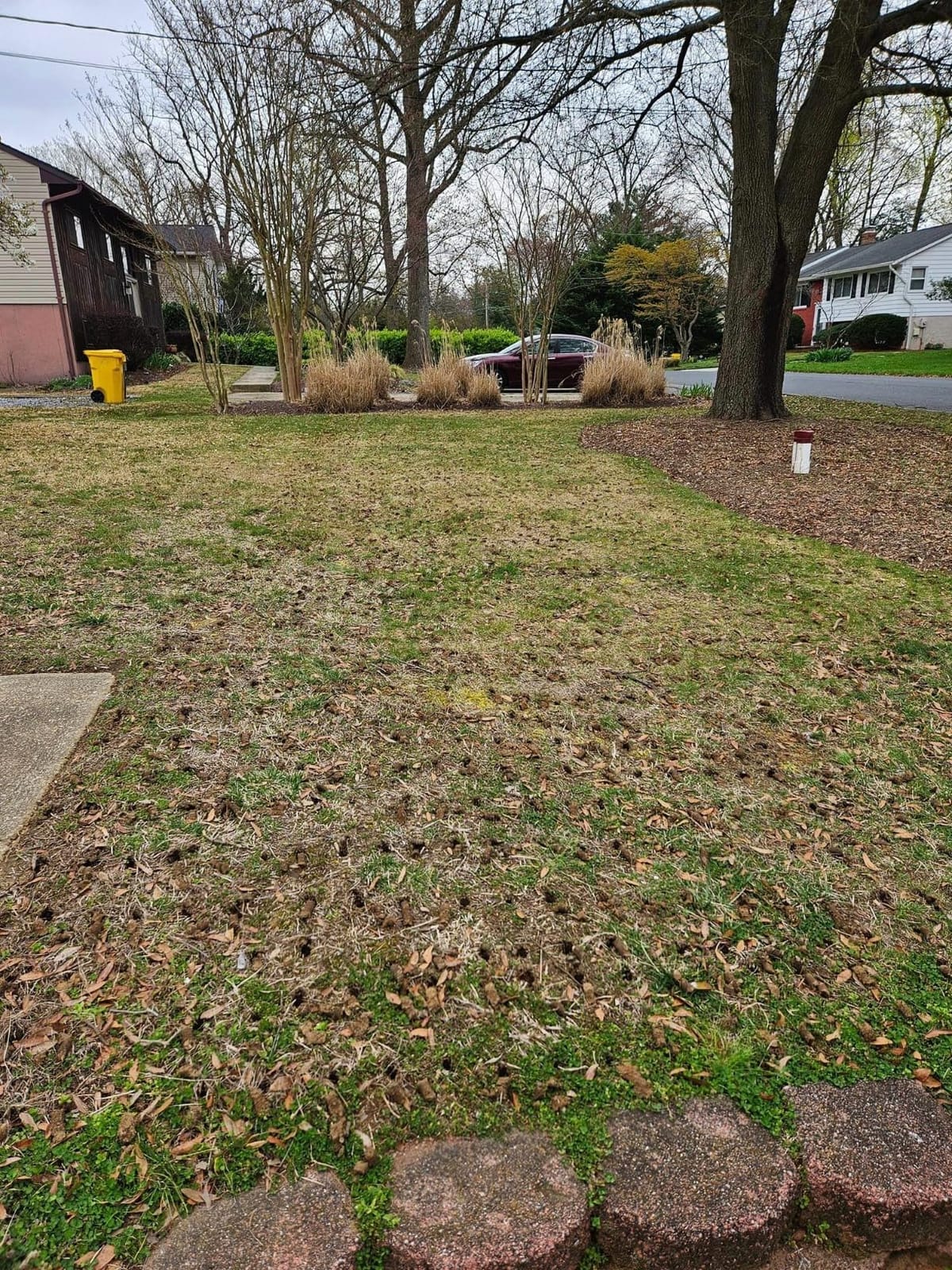
Core aerators (also called plug aerators or coring aerators) use hollow, heat-treated tines that punch into the ground and lift a cylinder of soil. The plug drops on the surface, breaks down over a week or two and returns to the lawn, while the hole stays open. This is the only type that genuinely removes material from the root zone, which is why it is the right answer for clay and fill dirt.
Spike aerators use solid steel pins. They open small channels for air and water and are a genuine maintenance tool on sand and loam, but they displace soil downward and sideways rather than removing it. Professional consensus treats solid-tine spiking as closer to a golf-course practice than a lawn fix.
Rolling spike aerators are the same principle on a drum you tow behind a mower, turning a spike aerator into a drive-over implement. They are fast and leave nothing to clean up, which is why they pair well with a coring aerator for monthly passes.
Liquid aerators are a soil-conditioning treatment rather than a mechanical one. Evidence on them is mixed, and they do nothing for physical pore space, so they are not the answer to hard compacted ground.
Aerator shoes spike a lawn through perforated boot soles. On hard soil they cannot generate the downward force needed, and because they are solid pins, holes close over quickly. If you own one, keep it for scratch-thatch work on soft ground and expect nothing more.
Core vs Spike Aerator: Which One Actually Fixes Compacted Soil
A core aerator is better for compacted soil. A hollow-tine core aerator removes a plug of soil and leaves an open channel for air, water and fertilizer, while a spike aerator drives a solid pin into the ground, pushing the surrounding soil sideways and closing the hole back up over time.
The mechanism matters more than the marketing. A spike pushes a rod through soil that is already dense. That rod has to go somewhere, so it compresses the wall of the hole and packs the soil a fraction tighter immediately around it. A hollow tine lifts the material out and takes it to the surface, so the channel is genuinely open air space rather than a slightly widened, slightly compressed pore.
The clay warning is worth stating plainly, because it changes what you should buy. On heavy clay, solid-tine spiking can smear the side of the hole and compact it further, while a hollow tine lifts an intact core out. The same advice shows up on trade sites and on lawn-care forums, where the recurring complaint about shoe and spike aerators is that they poke holes and can leave the soil around each hole even more compressed.
There is one honest exception. If you own a core aerator and want to walk the lawn weekly without mowing plugs for a week, a spike aerator used as a light follow-up tool is fine on sand and loam. Professionals spike sand-based playing surfaces for exactly this reason. Just do not expect a spike pass to undo compaction in clay.
Our Top 3 Lawn Aerators for Compacted Soil
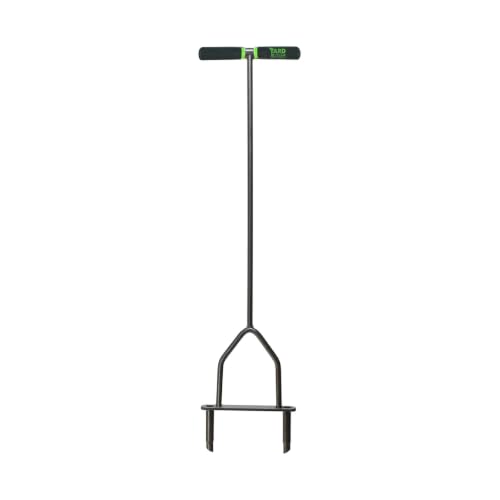
Yard Butler Coring Aerator
- Dual plug coring head
- Foot bar for extra downward force
- Powder-coated steel
- Long handle
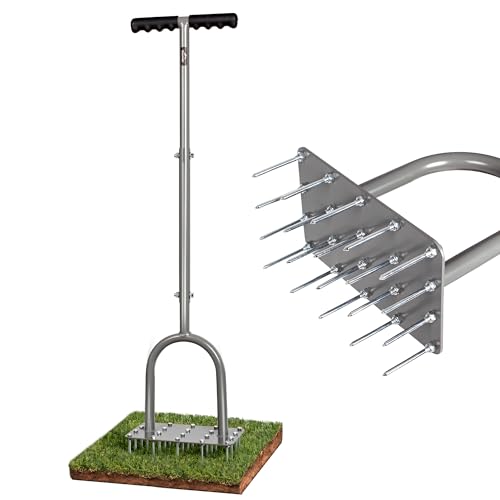
Walensee 4-Row Spike Tool
- 20 steel spikes at 2.8 inches
- 9.2 by 5.5 inch foot plate
- 34.6 inch overall length
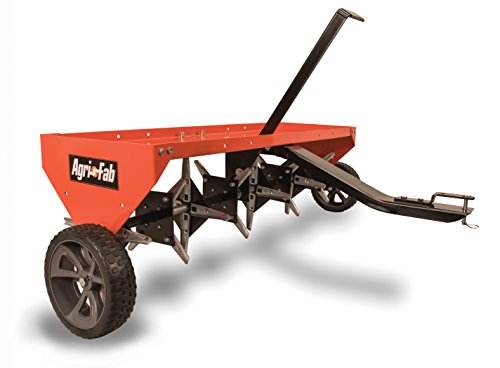
Agri-Fab 48 Inch Plug Aerator
- 32 galvanized knives
- Plugs up to 3 inches deep
- Weight tray takes 175 lbs
Comparing All 10 Lawn Aerators for Compacted Soil in 2026
| Product | Key Specs | Action |
|---|---|---|
| Yard Butler Manual Lawn Coring Aerator |
|
Check Latest Price |
| Walensee 4-Row Lawn Aerator Tool |
|
Check Latest Price |
| Agri-Fab 48 Inch Tow Behind Plug Aerator |
|
Check Latest Price |
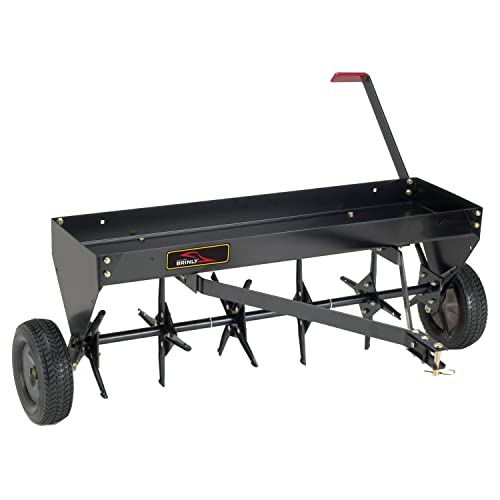 Brinly 40 Inch Tow Behind Plug Aerator Brinly 40 Inch Tow Behind Plug Aerator |
|
Check Latest Price |
 Brinly 40 Inch Tow Behind Spike Aerator Brinly 40 Inch Tow Behind Spike Aerator |
|
Check Latest Price |
 Landzie 42 Inch Hollow Tine Core Aerator Landzie 42 Inch Hollow Tine Core Aerator |
|
Check Latest Price |
 LawnVigor Manual Lawn Core Aerator LawnVigor Manual Lawn Core Aerator |
|
Check Latest Price |
 Dolibest 4 Corer Plug Aerator Dolibest 4 Corer Plug Aerator |
|
Check Latest Price |
 Suchtale 40 Inch Tow Behind Spike Aerator Suchtale 40 Inch Tow Behind Spike Aerator |
|
Check Latest Price |
 BARAYSTUS 4-Prong Foot-Step Spike Aerator BARAYSTUS 4-Prong Foot-Step Spike Aerator |
|
Check Latest Price |
1. Yard Butler Manual Lawn Coring Aerator ID-6C - Best Overall for Compacted Soil
Yard Butler Manual Lawn Coring Aerator, ID-6C - Lawn Care Tool for Aerating - Long-Handled...
Dual hollow plug coring head
Foot bar for extra force
Powder-coated steel
38 by 11 by 2 inches
+ Pros
- Long handle means no bending or back strain
- Powder-coated steel built for year-round use
- Foot bar gives real prying force on hard ground
- Pulls actual soil plugs rather than poking holes
- Cons
- Slow and physically demanding on a full lawn
- Tines and plugs need cleaning between uses
The Yard Butler ID-6C is the one I keep coming back to because it is the rare manual tool that is honest about what it does. It is a coring aerator: a long steel shaft with a dual plug head that drives hollow tines into the ground and lifts real cores to the surface. At 4.3 stars across 8722 reviews it is the most proven manual tool in this group by a wide margin, and the number of owners is itself a signal about how long it holds up.
That long handle is the reason it works on a standing adult. Most spike and coring tools put you in a bent-over posture after five minutes. This one puts the foot bar on the ground and lets you press down with your body weight, which is exactly the force you need when the soil is hard enough to reject a screwdriver.
What you accept with this tool is time. Treat a 6000 square foot lawn with a manual corer and you will be counting steps, not passes. The trade is that it costs little, stores against a wall, needs no fuel or battery, and treats the compacted path by the gate just as well as it treats the open lawn.
Why the foot bar matters on compacted ground
Corners fail on hard soil because you cannot generate enough downward force by pushing on a handle alone. The foot bar lets you stand on the tool and drive the tines straight down, which is what gets the hollow tine below the crust and into soft soil underneath. Owners consistently describe the foot bar as the difference between scratching the surface and coring properly.
Core depth and the soil moisture rule
You get the deepest cores when the ground is damp but not wet, which is also the window aeration services work in. Water the lawn the day before, not the morning of, and the soil will push out intact plugs instead of crumbling or refusing the tine. If the ground is bone dry, you will be fighting the tool and risking tine damage for nothing.
What it will not do for you
It will not cover a large property in an afternoon, and it will not treat a lawn so hard that nothing penetrates it without a lot of force. If you own a riding mower and have more than about a quarter acre, a tow-behind on pick 3 or 4 will cover the same ground in a fraction of the time.
2. Walensee 4-Row Lawn Aerator Tool - Best for Small Yards and Lawn Edges
Walensee 4-Row Lawn Aerator Tool with 20 Steel Spikes for Small Yards
20 steel spikes of 2.8 inches
Four-row foot plate
34.6 inch overall length
Alloy steel and iron
+ Pros
- Fast hassle-free assembly with parts included
- Sturdy steel build that feels stable not flimsy
- 2.8 inch spikes give meaningful penetration
- Light enough to reduce fatigue
- Cons
- Small footprint makes full-yard work labor intensive
- Plain steel spikes will rust if left damp
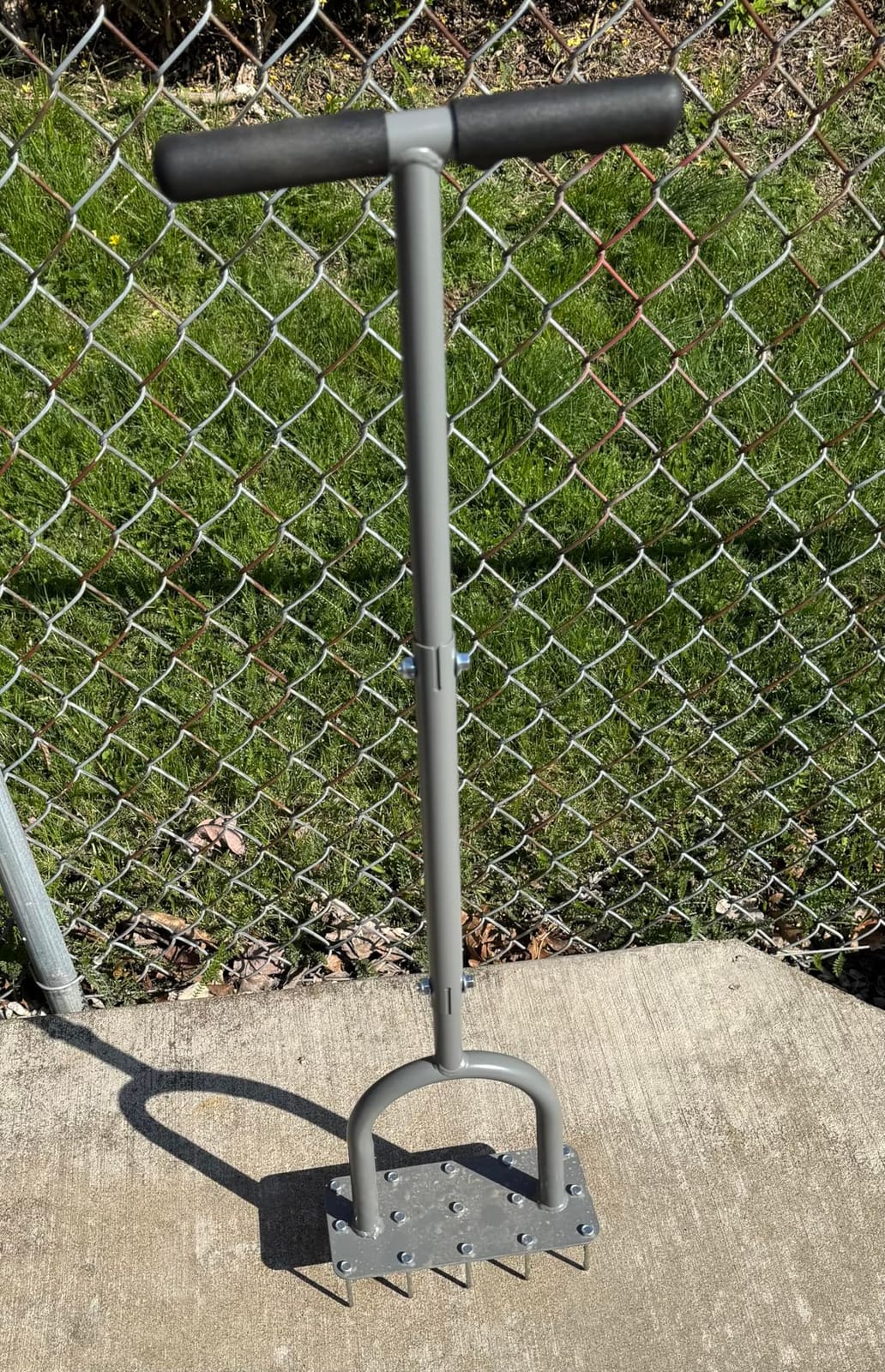
This is the tool I recommend when the compaction is not lawn-wide but localized: a path between the gate and the shed, a strip along the fence the mower never reaches, the bare edge under the porch overhang. Twenty steel spikes in four rows on a 9.2 by 5.5 inch foot plate, at 4.3 stars from 2787 reviews, cover ground quickly in the places that actually need it.
Be clear about what you are buying. These are solid spikes, not hollow tines, so this is spike aeration and it carries the same limitation. On soft loam and sandy soil it opens real channels for air and water. On hard clay it perforates the surface and you will be repeating the pass more often than you would like.
The assembly is genuinely quick, which matters for a tool that lives in a shed rather than on a wall. Owners call the steel build solid rather than flimsy, and at 34.6 inches long it fits under a bench without becoming a trip hazard.
Where a spike tool still earns its spot
Two places, honestly. The first is alongside a core aerator, as a light monthly pass that keeps newly opened channels from sealing back up between spring and fall. The second is on sandy or loamy soil where the goal is surface water infiltration rather than pore-space relief. Neither use requires deep penetration, which is exactly what a spike delivers best.
The rust reality of plain steel
These spikes are alloy steel and iron with no coating listed, so owners report they need drying after use and will show surface rust if left wet. That is cosmetic rather than structural, but wipe the head down after a wet pass and store it dry and it will outlast a decade of seasonal use.
Who should skip it
Anyone with heavy clay or a full yard to treat. The 9.2 by 5.5 inch footprint is a spot-treatment tool, and owners repeatedly note that covering a whole lawn with it is labor intensive. If your problem is the entire lawn, you want a wider coring tool or a tow-behind.
3. Agri-Fab 48 Inch Tow Behind Plug Aerator - Best for Clay Soil
Agri-Fab 48 In Tow Behind Lawn Plug Aerator with 32 Galvanized Knives and Universal Hitch
32 galvanized self-sharpening knives
Plugs up to 3 inches deep
Weight tray holds 175 lbs
+ Pros
- Deep 3 inch cores give real relief in hard soil
- Galvanized self-sharpening knives stay effective
- Large tray takes heavy ballast for packed lawns
- Flat free-rolling tires do not go flat
- Cons
- Bulky 94 pound frame is awkward to store
- Requires a lawn or garden tractor to pull
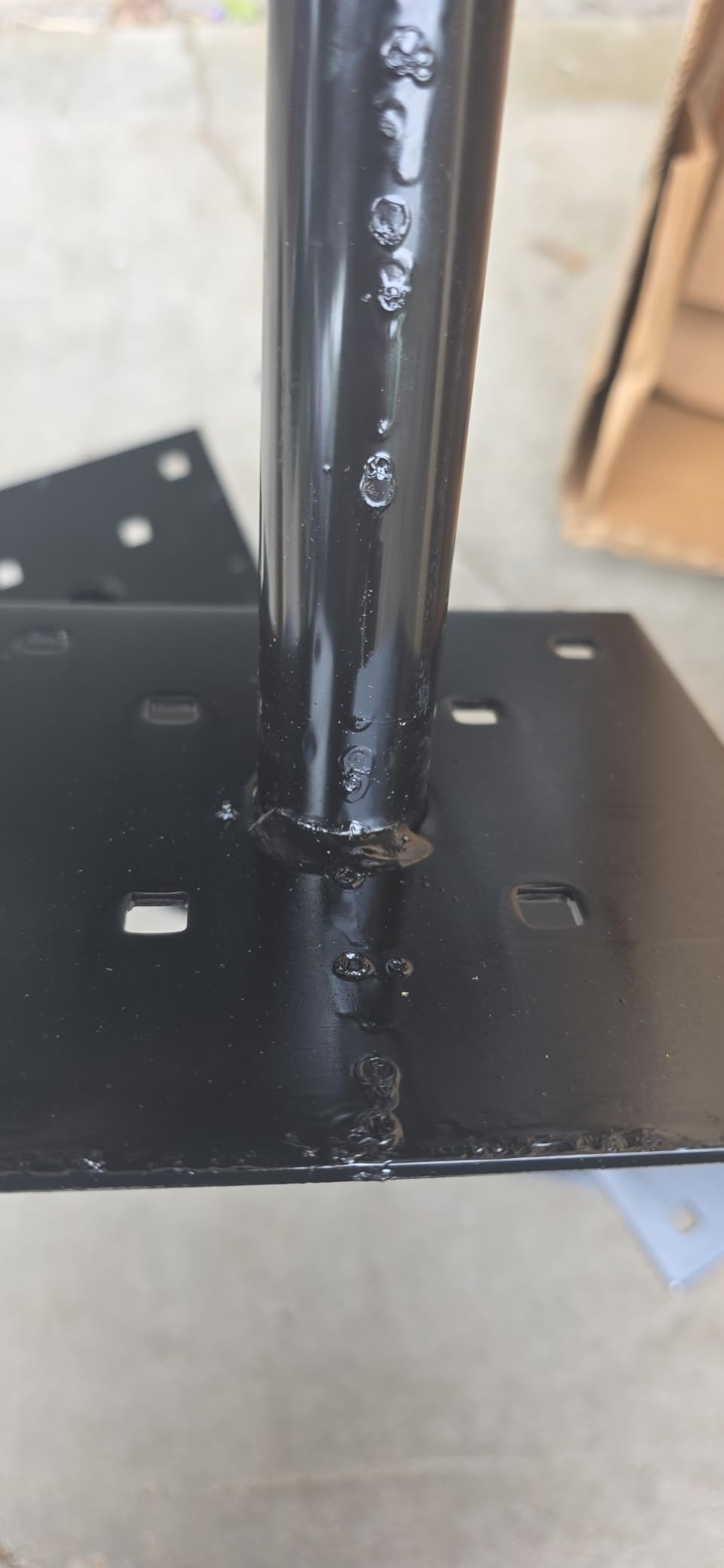
When the soil is clay, the number that matters is how deep the core comes out, and this is the deepest coring depth in our group at 3 inches. Thirty-two galvanized self-sharpening knives across a 48 inch width, rated 4.2 across 2470 reviews, is the machine I would use to break up a yard that a screwdriver will not enter.
The weight tray is the part most owners underuse. It supports up to 175 lbs of ballast, and a tow-behind corer with an empty tray will skate across the surface of compacted ground rather than bite into it. Loading the tray is what converts a 3 inch spec into a 3 inch hole in your particular soil.
Galvanized self-sharpening knives and clay
Clay is abrasive and it fills the inside of a tine quickly. Galvanized coating resists the corrosion that turns a cheap tine to rust after a season, and self-sharpening knives shed the packed material that would otherwise blunt a conventional edge. Owners on clay report that the cores come out intact and roughly 3 inches long once the tray is loaded.
How much ballast actually helps
Add weight in stages and check a core after each stage rather than maxing the tray on the first pass. What you are watching for is a core of roughly 1 inch diameter and 3 inches long, matching the hole dimensions the trade describes as a useful aeration target. A full tray helps more than a partly loaded one, but only up to the point where the frame bottoms out and starts scraping.
The tractor requirement and the storage problem
This is a lawn tractor or garden tractor attachment, so if you have no riding mower, it is not for you. At 94 pounds and 35 by 60 by 36 inches, it is also the heaviest item in this roundup and awkward to move without the tractor. The cantilever transport handle and flat free-rolling tires at least let you raise and roll it without dragging the knives.
4. Brinly 40 Inch Tow Behind Plug Aerator - Best for Large Lawns
Brinly Tow Behind Plug Aerator with Universal Hitch, 40" - Flat Black
Heat-treated plugging spoons
Plugs up to 3 inches deep
Enclosed 150 lb weight tray
+ Pros
- Heat-treated spoons hold an edge in hard soil
- Enclosed tray maximizes depth with ballast
- Three rotating tine sections reduce turf damage
- Semi-pneumatic tires avoid flat-tire upkeep
- Cons
- Highest cost in this group and needs a tractor
- Modest attachment category rank
This one holds a 4.4 star average across 977 reviews, and the reason it earns that is a design choice most competitors do not make: narrower, sharpened plugging spoons. Narrower tines enter compacted ground with less added weight, which means you reach your depth without fighting the machine.
Twenty-four heat-treated 16-gauge spoons across 40 inches, pulling plugs up to 3 inches deep, is a serious coring tool. Three independently rotating welded tine sections keep the implement turning cleanly at the end of a row, which matters more than it sounds because a non-rotating tine drags and tears turf on every turn.
Why narrower spoons beat wider ones on hard ground
A wide tine needs more downward force to reach the same depth, and in compacted soil that force has to come from ballast or from a heavier tractor. A narrower, sharpened spoon concentrates the same force over less area, so it enters the crust sooner and pulls a cleaner, narrower core with less turf disruption around the hole.
The enclosed weight tray and what to put in it
The fully enclosed tray holds up to 150 lbs and keeps soil and moisture off the tines while you travel, which helps the spoons keep cutting clean. Load it enough that the frame feels planted rather than skimming, and stop when the tines bottom out on the layer of hardpan at the bottom of the hole.
Semi-pneumatic tires and the flat-tire problem
The 10 inch semi-pneumatic rubber tread tires are a practical answer to a real complaint from tow-behind owners: air-filled tires go flat between seasons and need a pump. Owners of 40 inch plug aerators on lawn forums commonly mention hauling a battery pump. These tires remove that step from the annual maintenance list.
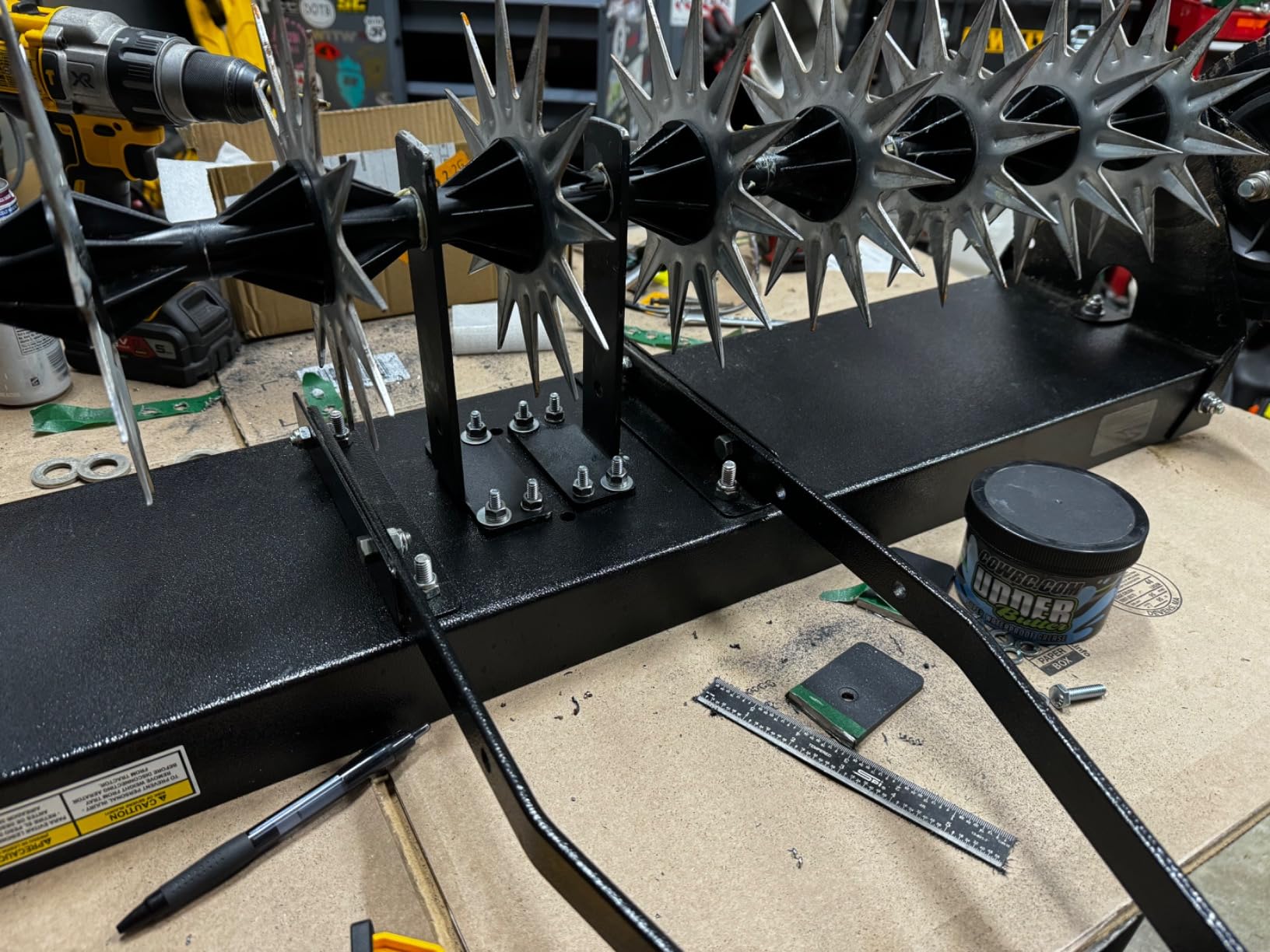
5. Brinly SAT2 Tow Behind Spike Aerator - Best for Routine Maintenance Passes
Brinly SAT2-40BH-P Tow Behind Spike Aerator with Transport Wheels, 40" - Hammered Black
11 tine stars with 12 spike tips
Penetrates up to 2 inches deep
3-D galvanized tines
+ Pros
- Good for frequent light passes about once a month
- Openings help waterings last longer
- 3-D galvanized tines resist bending and rust
- Transport wheels avoid flat-tire top-ups
- Cons
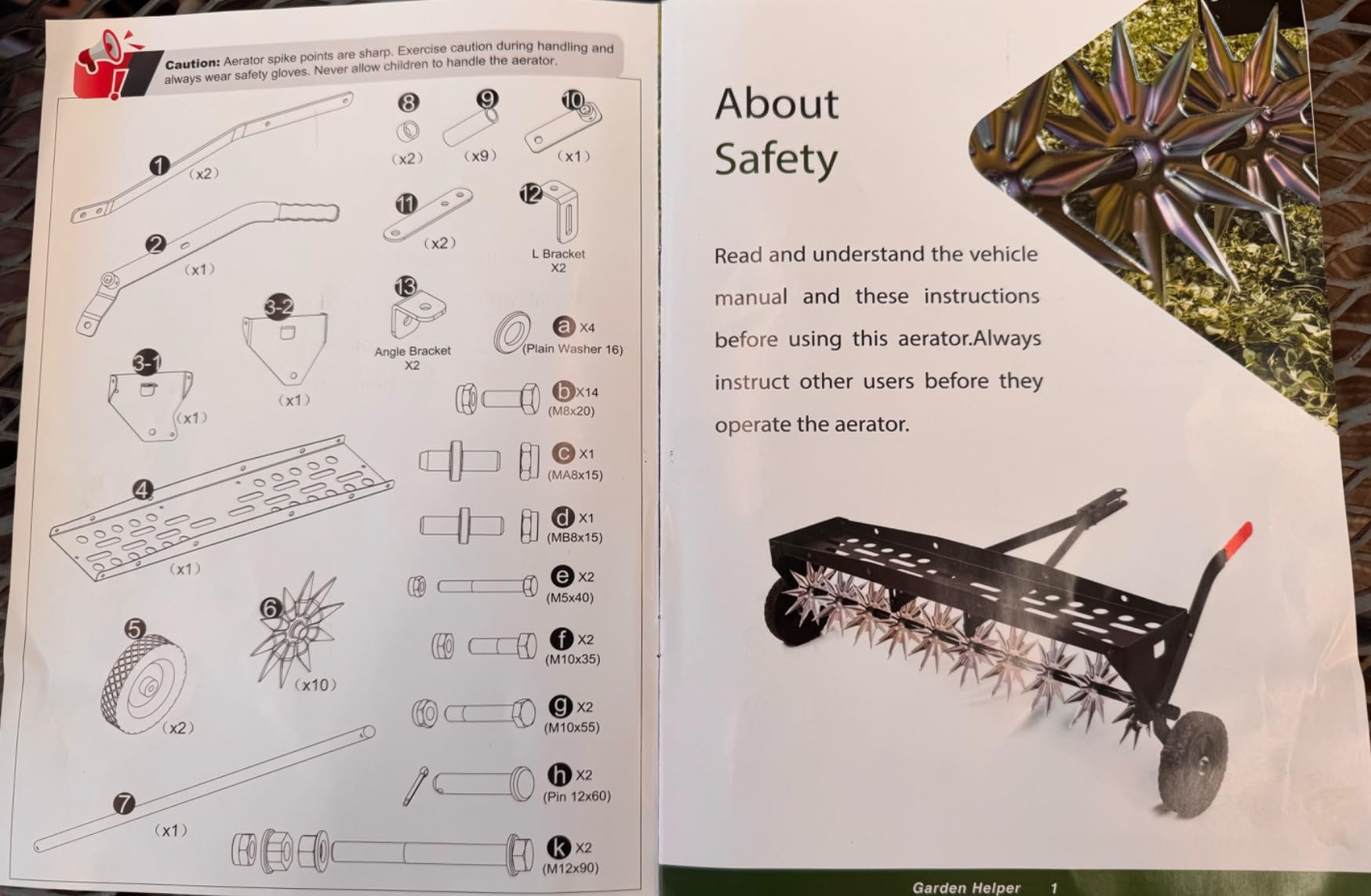
- Assembly takes about an hour with confusing diagrams
- Axle spacers are not always included
- Spikes are very sharp during assembly and use
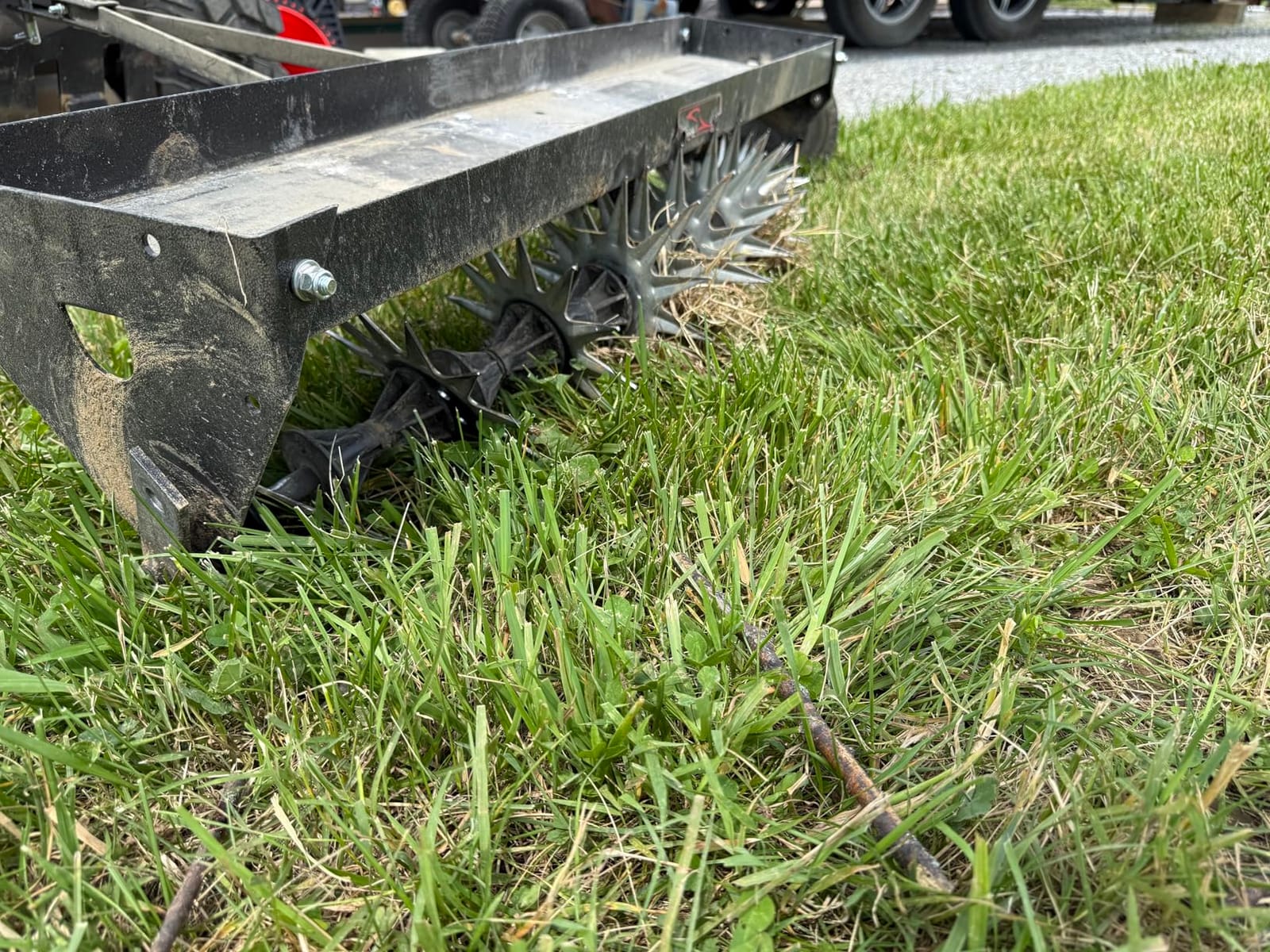
Spike aeration earns its place as a habit, not as a cure. Owners of this 40 inch Brinly describe using it for a light pass roughly once a month alongside a coring aerator, keeping channels open between the two or three coring passes you get in a season. For that job, 11 tine stars with 12 spike tips each is a dense spike pattern at a 40 inch width.
Be realistic about the depth: 2 inches. That is enough to perforate a surface crust and help water soak in, and not enough to relieve compaction in the root zone. The patent-pending 3-D galvanized tines are marketed for double strength and rust resistance, and owners do report that they hold up in hard ground better than plain spikes.
Weight tray and depth on sandy ground
The rigid weight tray accepts up to 150 lbs, which on sand and loam gets you closer to the 2 inch rated depth. On sand the tray matters less because the ground gives readily. On clay, adding weight spikier is exactly the smearing scenario described earlier, so treat this as a maintenance tool rather than the answer to a clay problem.
Assembly is the weak point
This is the pick with the most concrete setup complaints in the group. Owners report an assembly taking about an hour with conflicting diagrams, and axle spacers that were not included in some kits, which lets tine stars wobble or come apart in use. Check the parts list against the manual before you start, and wear gloves because the spikes are sharp enough to catch hands.
Transport wheels and the monthly pass
A single lever engages the transport wheels so you can cross a drive or a walkway without lifting. For a monthly habit across a large lawn, that convenience is the difference between doing it and skipping it, and a skipped pass is a pass that did not happen.
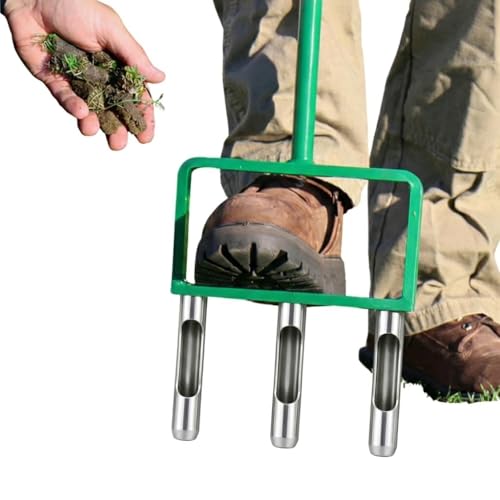
6. Landzie 42 Inch Hollow Tine Core Aerator - Best for Targeted Coring
Landzie - Lawn Aerator Tool 42", Hollow Tine Core Aerator
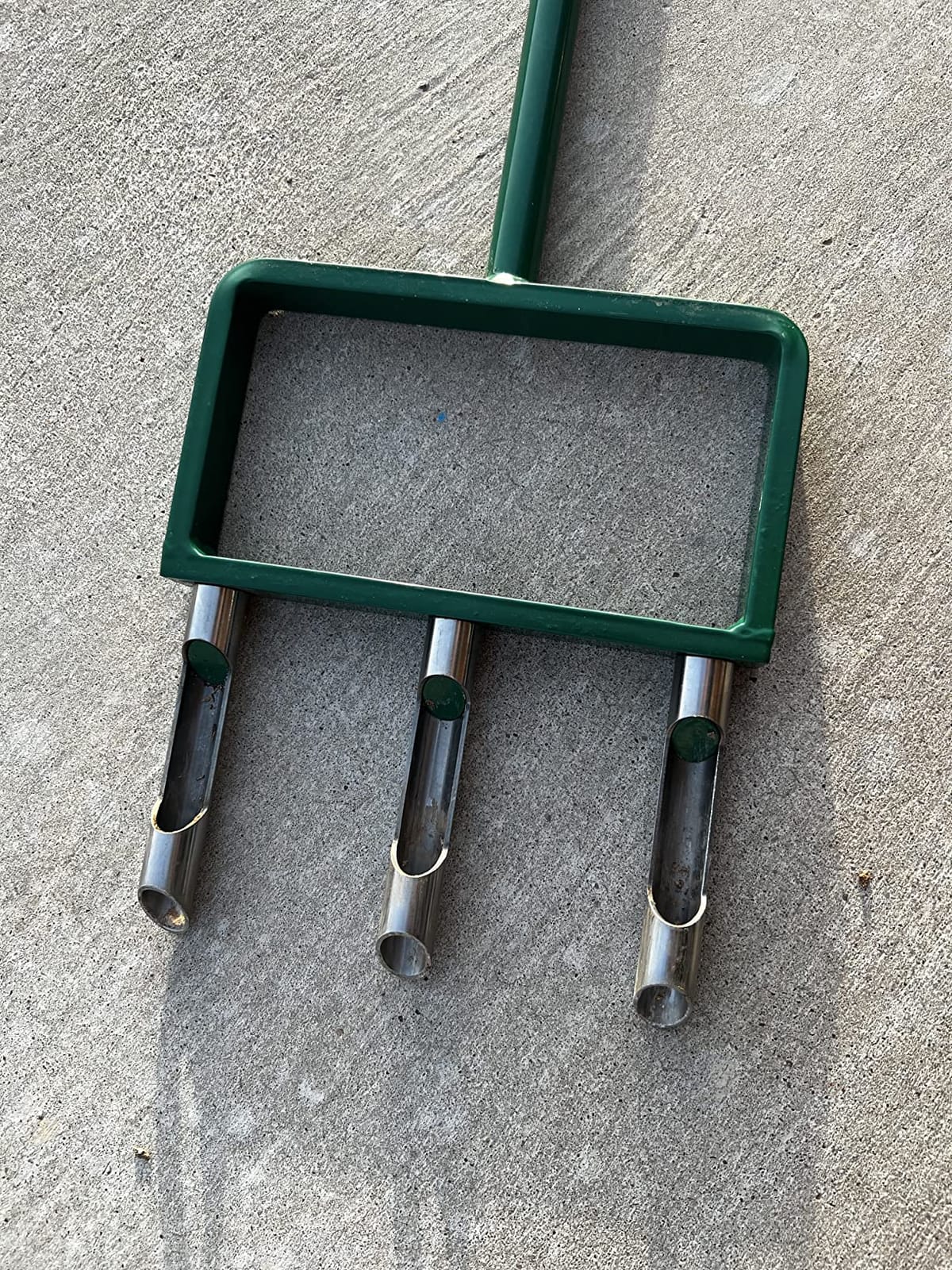
Three self-ejecting hollow tines
42 inch wide frame
Powder-coated steel
5.6 pounds
+ Pros
- Beveled tines eject cores so it never clogs mid-pass
- Powder-coated steel holds up in dense clay
- No assembly required and tines swap by hand
- 42 inch width makes back-and-forth passes efficient
- Cons
- Manual coring is exhausting on large lawns
- Needs damp soil or tine tips may bend
- Tines dull over time and replacements cost extra
The Landzie solves a specific problem well: hollow-tine coring without the clogging that plagues open-barrel corers. The beveled stainless steel hollow tines push each core out on the way up, so you are not stopping every ten steps to clean a barrel packed with wet clay. At 4.3 stars from 350 reviews, the feedback is unusually consistent on that point.
It is also 42 inches wide and weighs 5.6 pounds, which makes back-and-forth passes over a large lawn surprisingly efficient for a hand tool. That wide frame is the reason this is on the list rather than a three-tine hand corer: you cover real ground without the machine weighing you down.
Self-ejecting tines and the clay problem
Owners credit the ejection design with keeping the tool working in dense compacted clay, where open-barrel corers stall. Powder-coated steel holds up in the same conditions. The caveat from the reviews is soil moisture: in very dry or rocky ground the tine tips can bend, so water the lawn a day ahead and pull any stones first.
No assembly, and tines you can change yourself
The tines arrive fitted to the frame with no assembly required, and they are removable by hand. That matters over the life of the tool, because tines dull with use and a replacement is a two-minute swap rather than a new purchase. The manufacturer also sells hollow and spike replacement tines, which keeps this viable as a long-term purchase.
Where the effort is the limiting factor
Owners are consistent that manual coring is exhausting and impractical on a large lawn, regardless of width. At three tines you are still putting a foot down for every press. Use this for a compacted front yard, a side yard, or a strip you re-aerate every spring, and let a tow-behind handle anything larger.
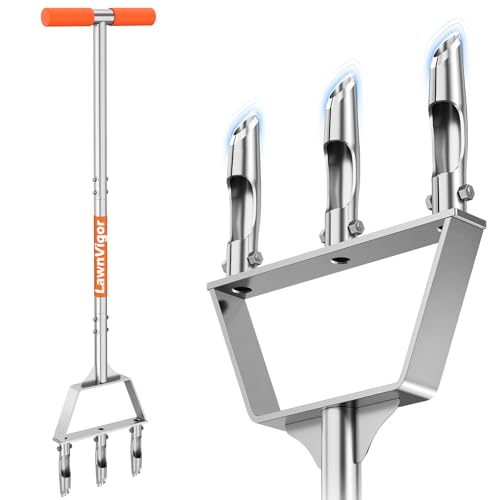
7. LawnVigor Manual Lawn Core Aerator - Best for Spot Repair
Manual Lawn Core Aerator for Compacted Soil with Non-Clogging Hollow Tines
Three hollow heat-treated tines
About 4 inches of penetration
Replaceable tines
+ Pros
- Hollow tines eject plugs with little clogging
- Heat-treated tines cut cleanly through clay
- Sturdy build with wrenches and hardware included
- Handle height suits shorter users
- Cons
- Only three tines so each press covers very little
- Handle grips are loose and can blister palms
- Dry hard ground is very difficult to penetrate
The LawnVigor is the highest rated tool in this roundup at 4.5 stars across 255 reviews, and it earns that on one number: roughly 4 inches of penetration from hollow heat-treated tines. That is the deepest manual coring reach here, and it does it with non-clogging tines that push their plugs out on the way up.
That combination makes it a repair tool rather than a lawn tool. Three tines of about 0.9 inch diameter means each foot press is a small circle of ground, so you are filling a bald patch beside a downspout, a compacted dog path, or a thin area where the swing set sat, not treating 5000 square feet.
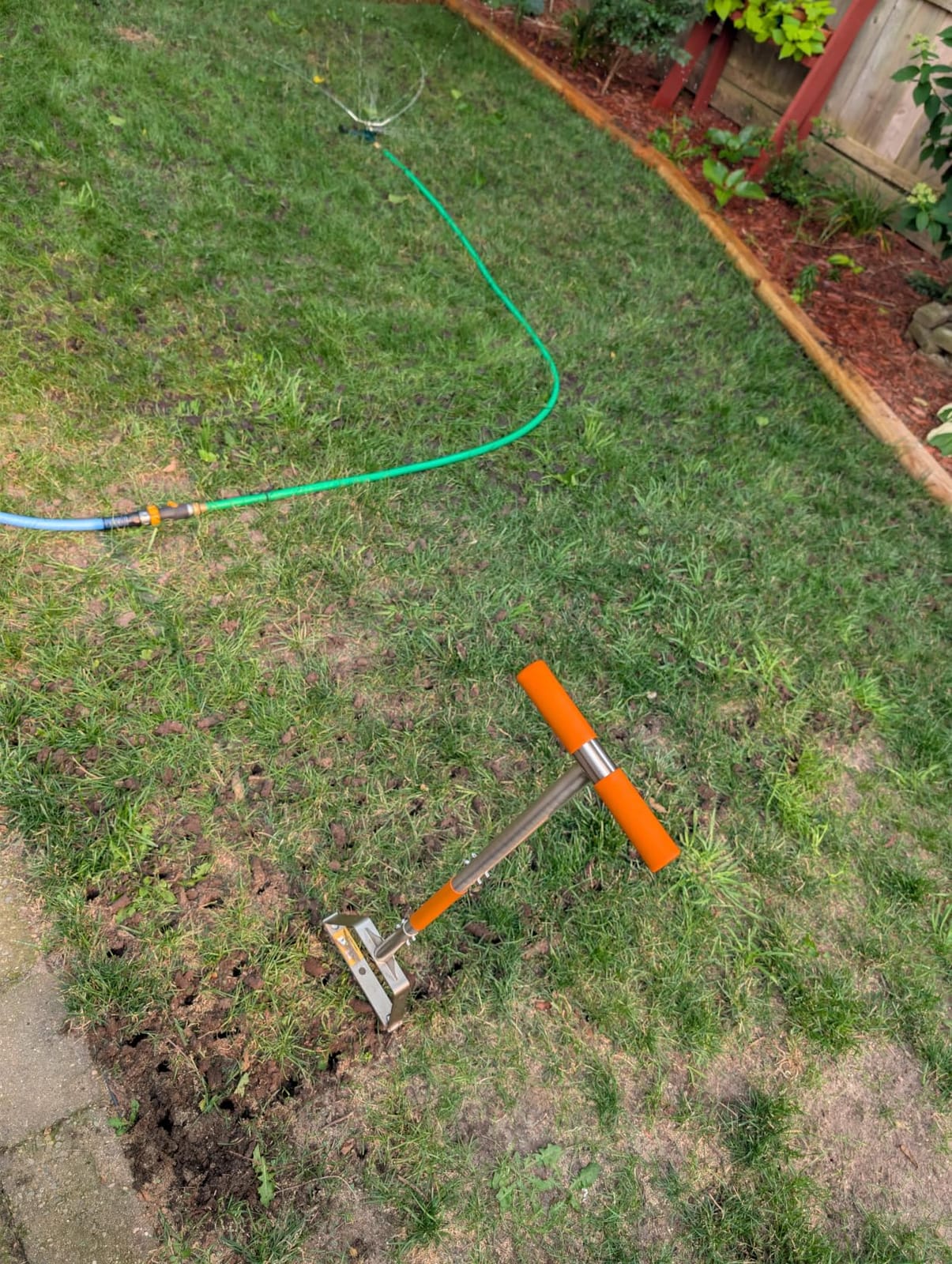
Heat-treated hollow tines in clay
Heat-treated steel is what lets these tines cut rather than smear, and owners report they stay sharp through clay and pull complete soil columns. White plastic inserts inside the tines help release plugs, which is the same anti-clog idea that makes the Landzie work, applied at a smaller scale.
Ergonomics and a shorter handle height
The non-slip handle and foam foot plate are the quiet strengths here. At an assembled height of about 37 inches with a foot plate for downward pressure, it is the most adjustable-looking tool in the manual group, and owners specifically call out that the handle height suits shorter users and reduces bending.
Where it falls short
Two honest limits. The handle grips are reported as loose and prone to spinning during use, which can blister palms on a long session, so wrap the grip if you are doing a lot of presses. And dry, hard ground is very difficult to penetrate, which is the same moisture rule that applies to every manual corer.
8. Dolibest 4 Corer Plug Aerator - Best Budget Manual Corer
Dolibest Lawn Coring Aerator, Stainless Steel 4 Corer Plug Aerator Tool with Soft Rubber Grip...
Four stainless steel coring plugs
Each 3.5 inches long
Soft rubber grip and foot bar
+ Pros
- Stainless coring plugs resist rust and bending
- Rubber grip reduces hand fatigue
- Foot bar keeps shoes off core ejection
- Produces 1.5 to 3 inch cores on moist soil
- Cons
- Open barrel design clogs in heavy clay
- Needs cleaning every 30 to 40 steps in wet soil
- Not efficient for aerating a whole lawn
The Dolibest gives you four genuine coring plugs where most of its price bracket gives you solid spikes. Each plug is 3.5 inches long and 0.5 inch in diameter, mounted on a black powder-coated steel frame with a soft rubber grip and a foot bar, and owners report pulling 1.5 to 3 inch cores from moist soil with decent topsoil.
Stainless coring plugs are the real upgrade over cheap plated steel. They resist the rust and bending that end the life of a corer stored in a damp shed, and the included 12 inch hand tool for cleaning cores, transplanting and weeding is a small thing that turns out to matter when you are clearing wet soil out of a barrel.
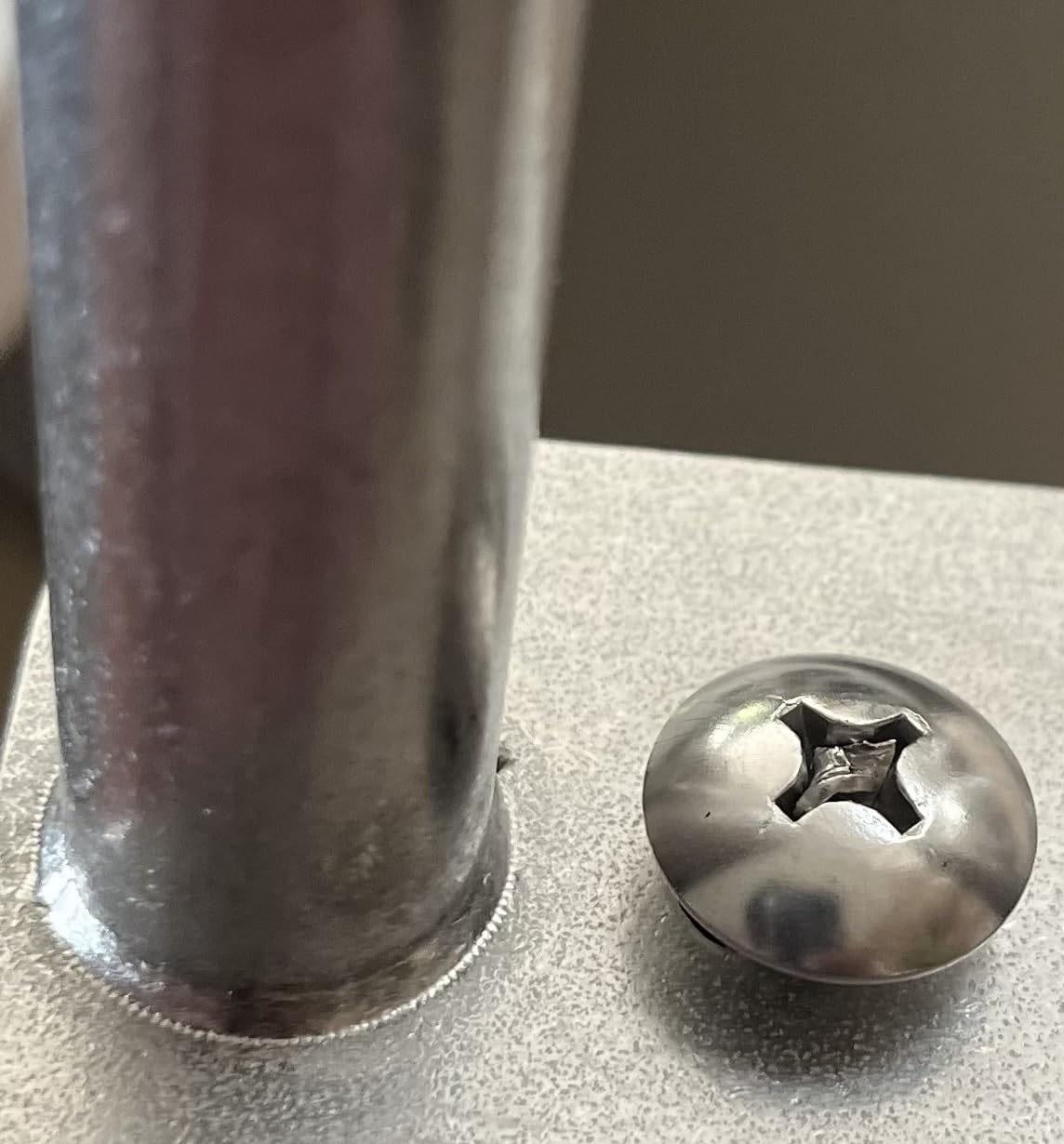
Clogging is the defining limitation
The open barrel design is what makes the tool affordable and it is also what owners complain about most. In heavy clay and wet conditions the barrel packs, and cleaning every 30 to 40 steps is the reported reality. If your soil is loose loam and you water ahead of time, you will rarely trigger it.
Foot bar and grip comfort over long sessions
The foot bar does two jobs here: it gives you the leverage to drive a stainless plug into ground that resists, and it keeps your shoe from blocking the core on the way out, which is a specific complaint owners raise about cheaper four-plug corers. The soft rubber grip is the other lever on fatigue across a long session.
Choose it for a plan, not a lawn
Reviewers are clear that it is not efficient for aerating an entire lawn. This is a plan tool: a re-seeded strip, a repaired section, a small yard under about 2000 square feet where you can walk the grid in an afternoon.
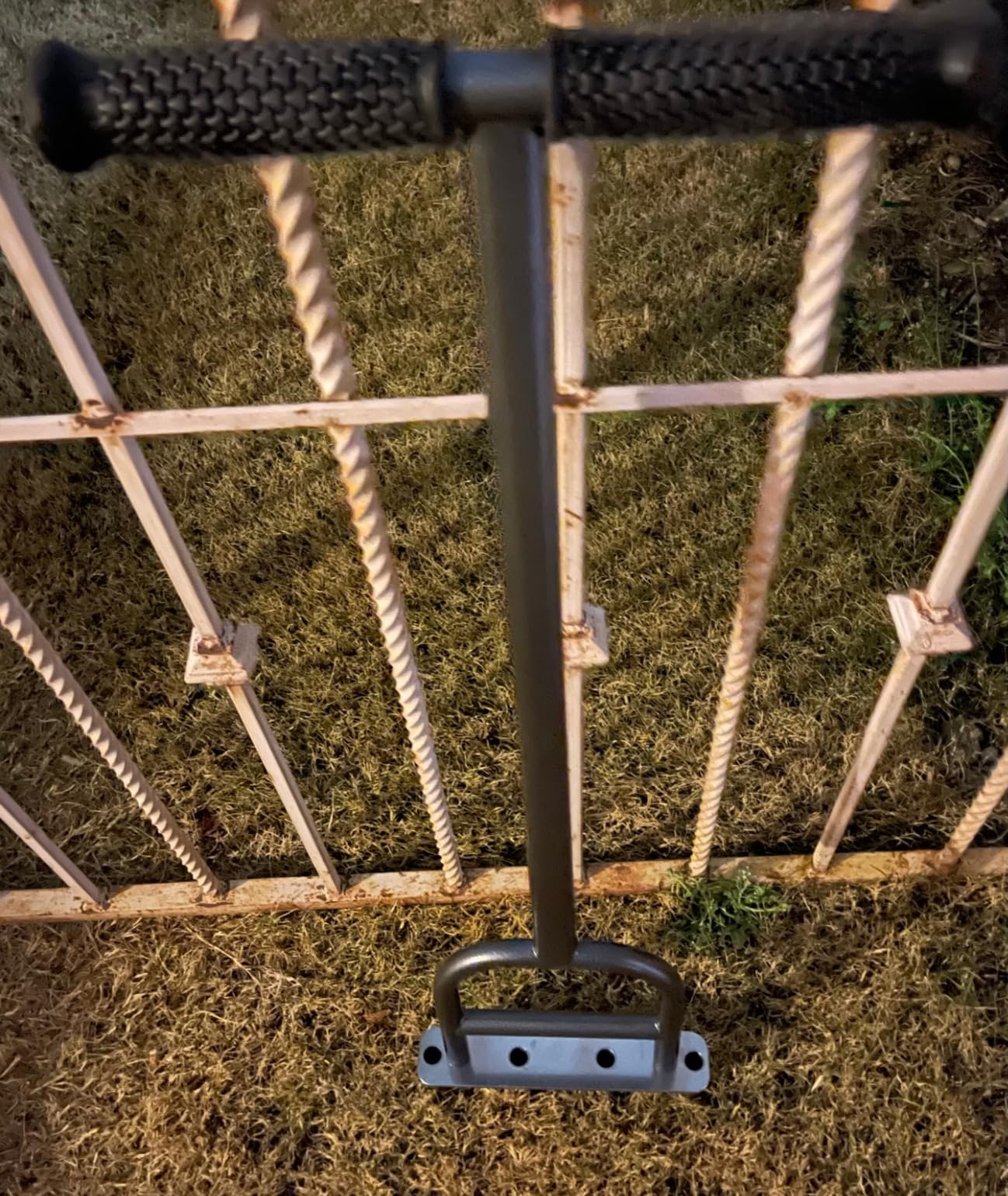
9. Suchtale 40 Inch Tow Behind Spike Aerator - Best for Farms and Acreage
Suchtale 40-Inch Tow Behind Spike Aerator with Galvanized Steel Tines, Durable Lawn Aerator Soil...
10 star tines at 8 inch diameter
Penetrates up to 2 inches deep
Weight tray takes 110 lbs
+ Pros
- Leaves no plugs to rake off the field
- Easy to assemble with pictorial instructions
- Works well on moist ground with tray weight loaded
- Good value against professional services
- Cons
- Hitch arms bent on some setups
- Spikes bend if run over rocks
- Tow bar can be short for some carts
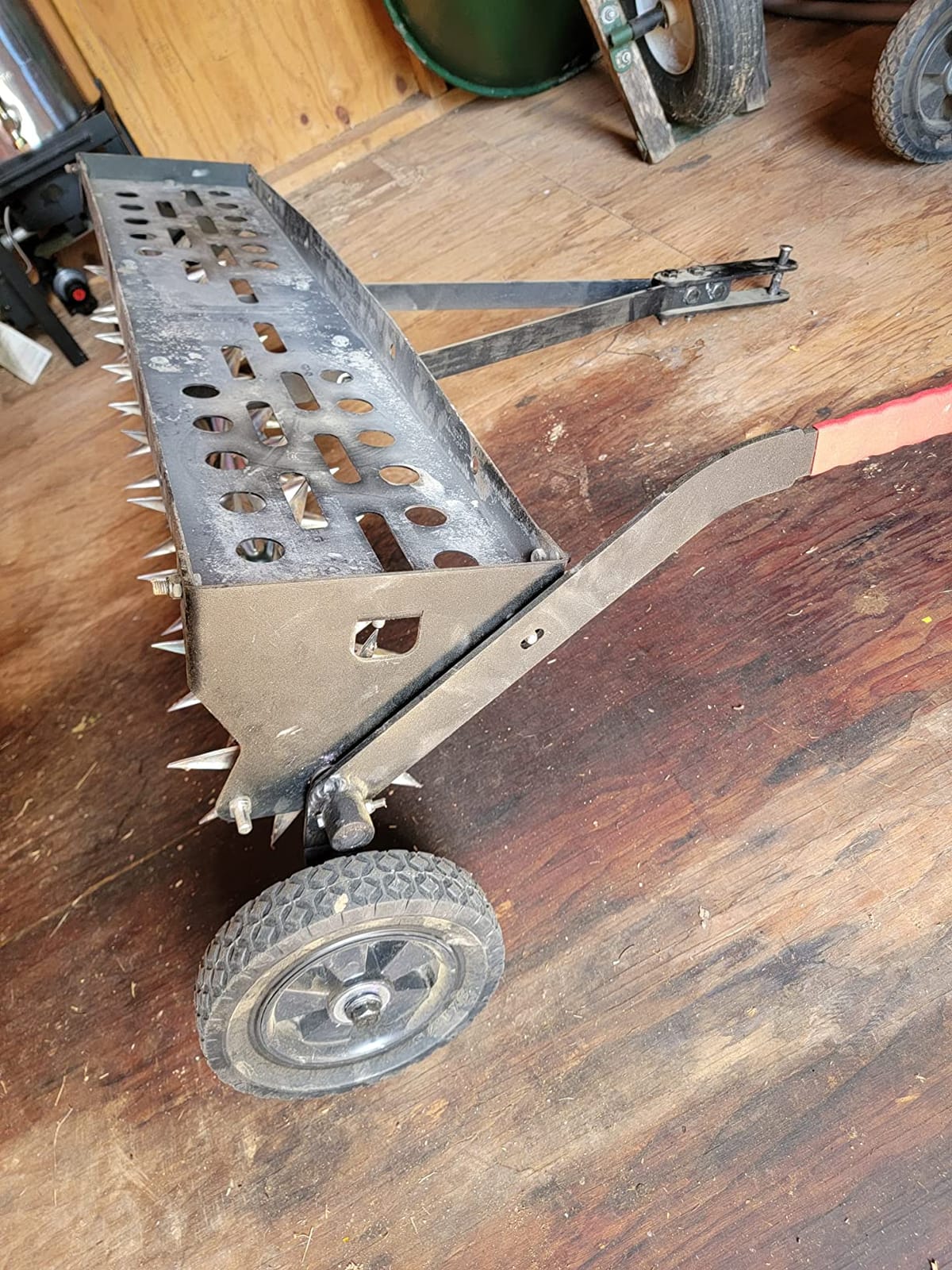
On acreage and pasture, the thing that kills a coring aerator is the cleanup. Cores over a large area are a genuine problem, and that is where a spike aerator earns its place. The Suchtale runs 10 star-shaped tines of 8 inch diameter across 40 inches, and owners frequently describe it as matching professional service work without the recurring service.
Ten star tines with 10 spike tips each penetrate up to 2 inches, and the tines rotate independently through turns so you do not leave unworked arcs at every row end. The weight tray accepts up to 110 lbs, which is enough ballast to get consistent depth on soft pasture ground.
When spike aeration is the right call on open ground
Spiking is a legitimate tool on sand and loam, and open field or pasture ground is usually not hard clay. If your soil is loamy and you simply want better water infiltration across a large area without a cleanup pass, this does that job at a fraction of the labor a corer would demand. The powder-coated all-steel frame and reinforced side plates are built for field work rather than a suburban lawn.
Assembly and hitch
Owners call the pictorial instruction manual straightforward and the pin-style hitch quick to work out. The pin hitch suits ATVs and riding mowers. Watch the tow bar length, though, because a shorter bar will not reach some club carts and riding platforms, and that is a fitment question to answer before you buy rather than after.
Durability reports to plan around
Most reviews are positive, and a smaller set report specific hardware failures: bent hitch arms within minutes on some setups, tires coming off the wheels after one use for one buyer, and spikes that bend if run over rocks. On stony pasture, walk the field and pull rocks first, and check the hitch welds after the first pass.
10. BARAYSTUS 4-Prong Foot-Step Spike Aerator - Best for Light Surface Work
BARAYSTUS 4‑Prong Lawn Aerator Tool, Foot‑Step Spike Aerator
Four hardened steel spikes
Foot bar for extra force
Two-stage height at 36.6 or 40 inches
3 pounds
+ Pros
- Low-cost way to break up surface thatch
- Two-stage height suits different users
- Foot bar adds real downward force
- Rubber grip softens hand contact
- Cons
- Only four prongs so coverage per step is minimal
- Spikes perforate without removing any cores
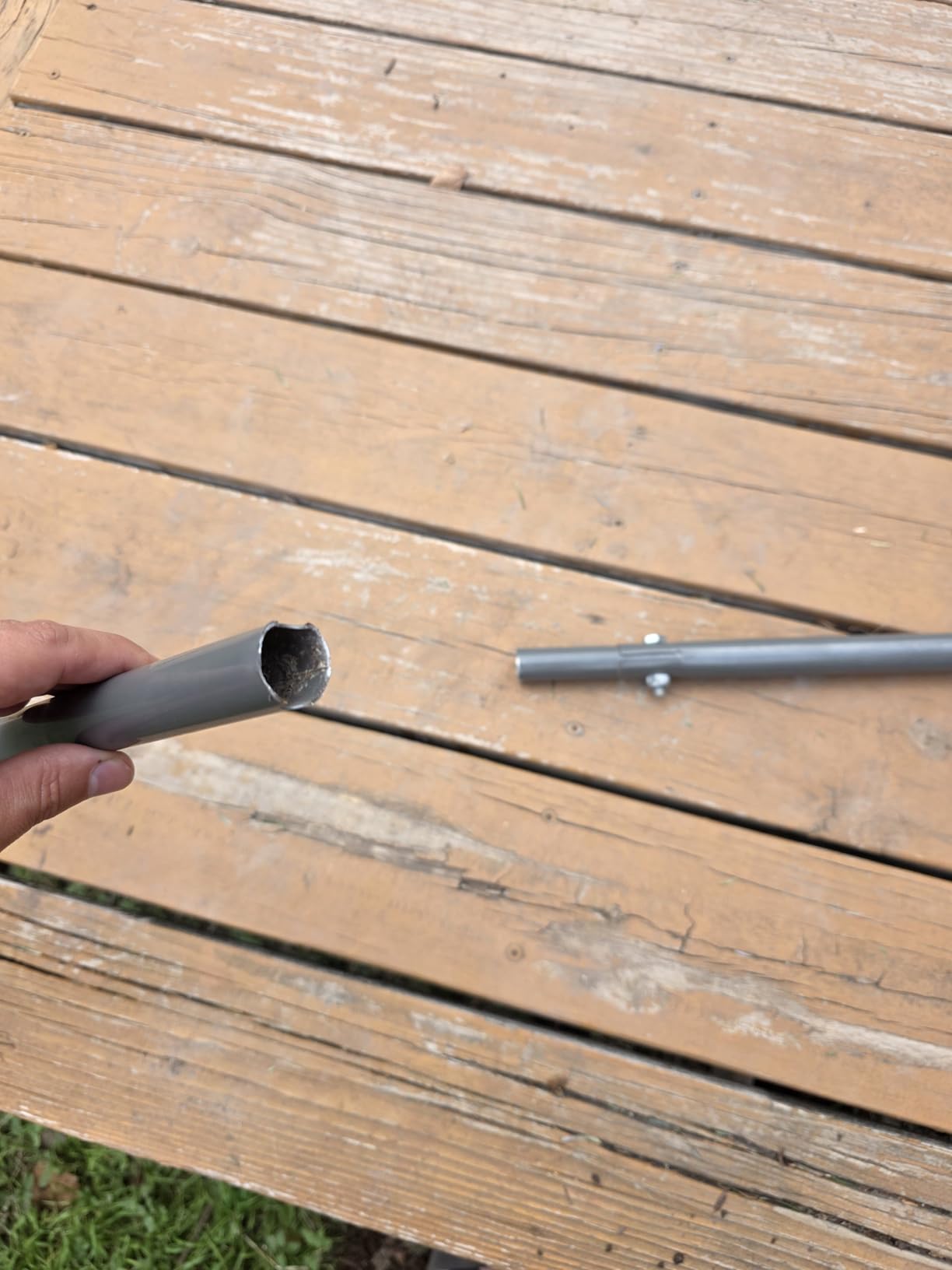
- Spikes can bend on hard or rocky ground
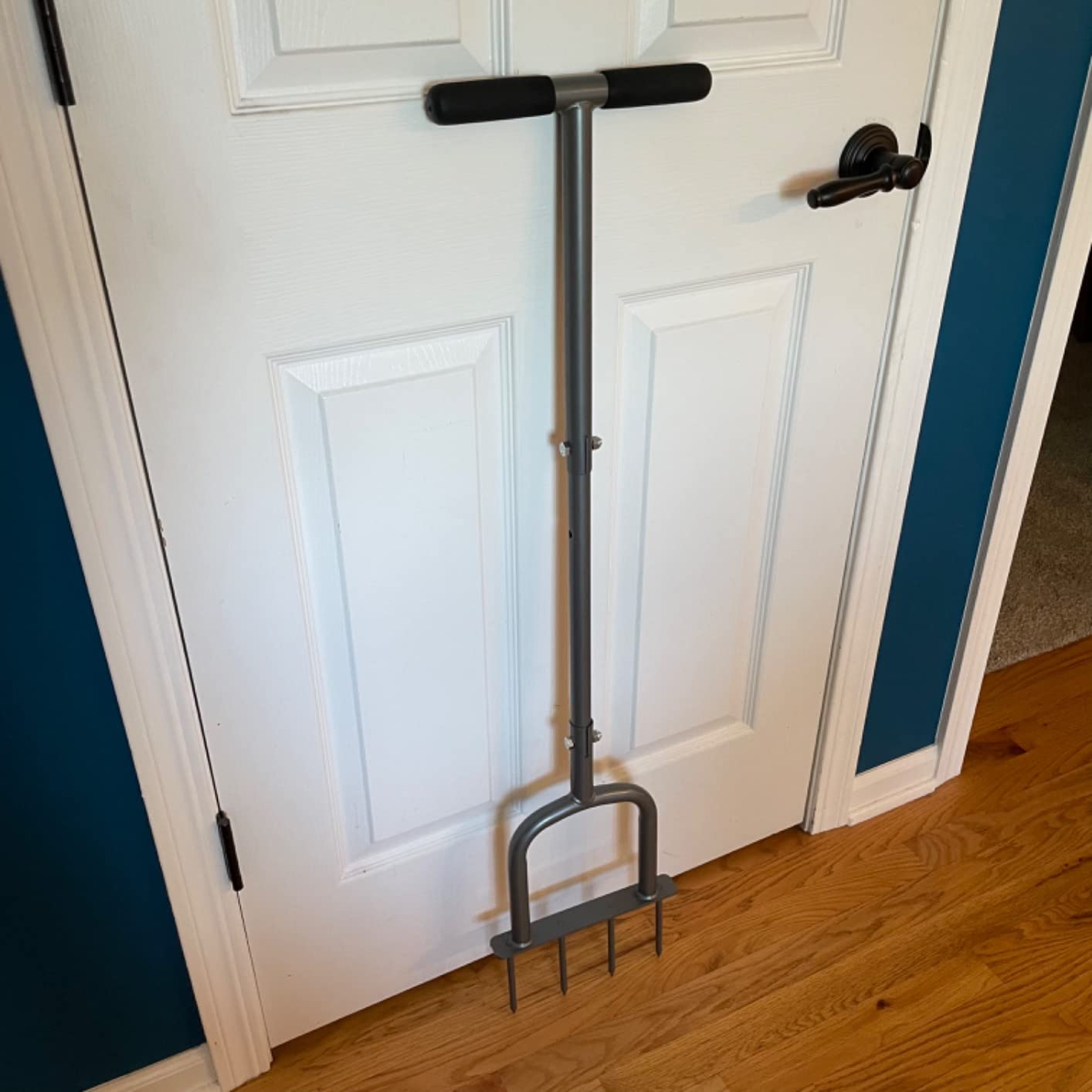
The BARAYSTUS is the lightest tool here at 3 pounds and the simplest, and it fills a gap the rest of the roundup ignores. If you want to scratch a thatch crust on soft ground, treat a garden bed edge, or perforate a small patch without taking on a corer, four hardened steel spikes on a foot bar do the job at almost no cost.
The two-stage handle adjustment is the detail I would not expect at this level. Setting it at 36.6 or 40 inches lets a taller user work more upright and a shorter user keep their back neutral, and the soft rubber grip keeps hand contact bearable over repeated steps.
What four prongs can and cannot do
Coverage per step is very limited, and this is the constraint to plan around rather than a flaw. Every owner repeats it. That makes the tool right for beds, borders, small patches and paths, and wrong for anything measured in hundreds of square feet. Think of it as a spike aerator with one prong per corner of a small square.
Spikes that perforate, not core
Be clear that this removes nothing from your soil. Reviewers describe it as perforating the ground without removing cores, which is the standard spike limitation and is fine on light surface work. On hard or rocky ground the spikes can bend, so do not force them where a core aerator with hollow tines is what the soil actually needs.
A cheap first tool or a stopgap
Most owners treat this as an entry point for light thatch and surface loosening, not as a compaction solution. It weighs 3 pounds, assembles simply and stores anywhere, which makes it a sensible thing to own alongside a corer for the small jobs the corer is too much effort for.
How to Buy a Lawn Aerator for Compacted Soil
Test your compaction before you spend anything
Three field tests take ten minutes and tell you which tool you need. First, the screwdriver test: try to push a flat-head screwdriver six inches into a damp spot of lawn. If it stops at an inch or two, you have compaction. Second, the water test: pour a gallon over a marked patch and see whether it disappears within fifteen minutes or sits on the surface. Third, the ribbon test: squeeze a handful of moist soil. If it forms a dense ribbon longer than an inch and a half without breaking, you have clay, and you need hollow tines specifically.
If the screwdriver test comes back easy, your problem is probably thatch rather than compaction, and you need a dethatcher. That distinction comes up constantly on lawn forums and it is the most common purchase mistake in the category.
Understand penetration depth versus spike length
These are not the same number, and the confusion causes most disappointed buyers. Spike length is how long the tine is. Penetration depth is how far it actually travels in your soil, which is limited by soil resistance, machine weight and ballast. A spike rated at 2.8 inches on soft ground may enter 2 inches in clay. The useful target is roughly 3 inches of penetration with holes 2 to 6 inches apart and plugs around 1 inch in diameter, the dimensions the trade treats as a real aeration pass.
Tine spacing and hole density
Spacing is what determines how much of the lawn gets treated in one pass. Wide spacing leaves untreated ribbons between tine rows, and you end up chasing your own coverage. Manual four-row tools and tow-behind drum tines both solve this by overlapping the rows, so work perpendicular passes the way you overlap mowing stripes.
Working width and lawn size
Width is the number that decides whether a tool is practical. Under about 3000 square feet, a manual tool is genuinely workable. From roughly 3000 to 8000 square feet, a wider corer or a powered unit saves hours. Above 8000 square feet, a tow-behind is the only realistic option, which means you need a riding mower, zero-turn or ATV already.
Ballast and the weight tray
An empty weight tray means shallow cores. Add ballast in stages and pull a core to check after each stage, aiming for a plug about 1 inch wide and 3 inches long. Do not max the tray on the first pass, because an over-loaded frame bottoms out on hardpan and scrapes rather than coring. Capacity across this group ranges from 110 lbs to 175 lbs.
Power source, storage and the rental question
Manual means no fuel, no battery and no storage footprint, and it is the right answer for small lawns and spot work. Electric and gas units cover a medium lawn quickly but add maintenance and storage. Tow-behind needs a machine to pull it. And if you have no riding mower, renting is often the honest answer, though a repeated complaint on forums is that there is no rental outlet within a reasonable drive.
If renting is not available where you live, the alternatives people actually use are scarifying, a rented tiller for a full renovation, hand-pulling cores with a digging fork on small patches, or building a simple coring tool. If you want more aerator and yard-tool coverage while you decide, we have guides on lawn darts sets, bait aerators and portable kayak fishing aerators.
When to Aerate and What to Do Afterwards
Timing by grass type
Cool-season lawns, meaning fescue, Kentucky bluegrass and ryegrass, are aerated in early spring or early fall while the grass is actively growing. Warm-season lawns, meaning Bermuda, Zoysia and St. Augustine, are aerated in late spring through midsummer as they grow out of dormancy. Avoid aerating a lawn that is drought-stressed or going dormant, because the shock compounds the original problem.
Five steps for a proper pass
First, water the lawn the day before so the soil is damp but not saturated. Second, mow, because turf that is already long snags on tines. Third, pass at a walking pace and overlap each row. Fourth, make a second pass perpendicular to the first if you want thorough coverage, which is what regular users report doing. Fifth, leave the plugs on the lawn. Raking them up is the most common mistake in the category, and the plugs break down and return nutrients to the soil over the following week or two.
Overseed, topdress and feed
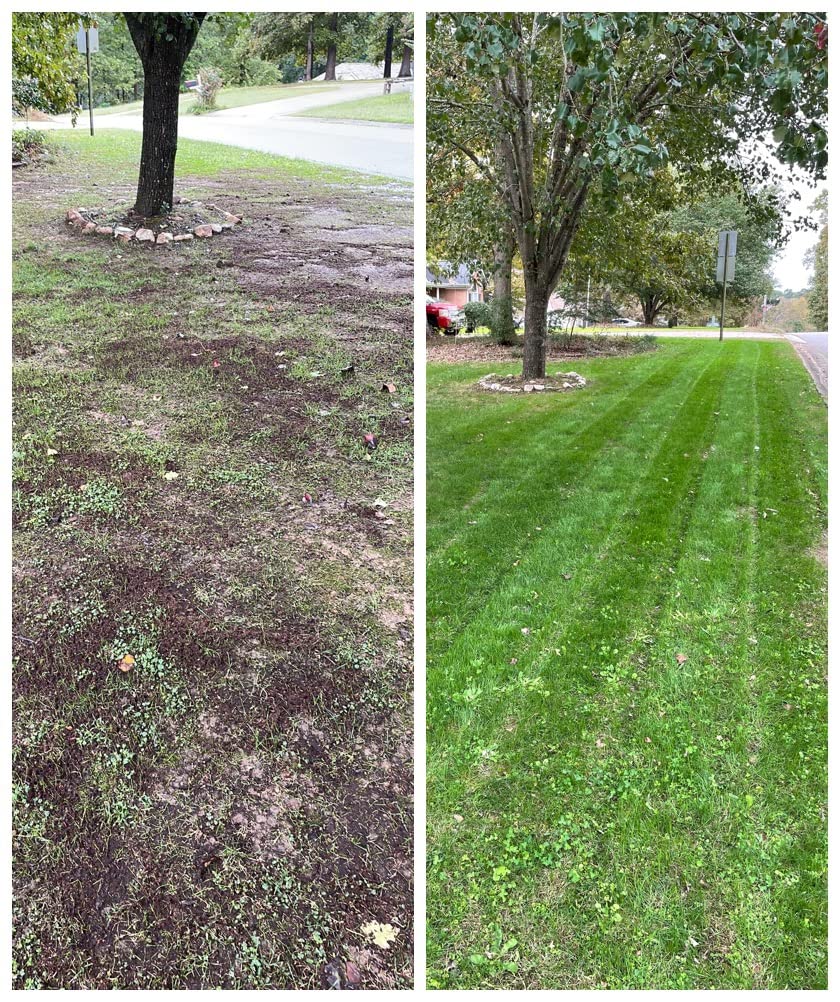
Aeration is only half the job. The open holes are an ideal seedbed, so overseed immediately, then water it in. A light topdressing of screened compost or topsoil over the plugs helps them break down faster, and a follow-up fertilizer application gives the new roots something to grow on. Skip the overseeding and the aeration benefit largely disappears.
Aerator or dethatcher
If water beads on the surface and the grass mat is thick, you want a dethatcher. If water runs off, the ground is hard and the screwdriver will not go in, you want an aerator. Running a dethatcher over compacted soil tears the surface roots you are trying to protect, and running an aerator on a thatch problem does almost nothing.
Frequently Asked Questions
Will an aerator work on hard ground?
Yes, if the soil is damp. Water the lawn the day before aerating so the ground is moist but not saturated. On bone-dry hard ground, even a coring aerator struggles to get tines below the surface crust, and on dry clay you risk bending tines. Aerate when the soil gives slightly underfoot.
Which is better, core or spike aerator?
A core aerator is better for compacted soil. A hollow-tine core aerator pulls a plug of soil out and leaves an open channel, while a spike aerator drives a solid pin in and pushes surrounding soil sideways, which compacts the hole walls. Spikes are mainly useful as light maintenance passes on sand and loam.
How many passes should I make with a plug aerator?
Two passes in perpendicular directions give thorough coverage, which is what experienced owners report doing. On a small lawn a single pass in two directions is enough. Overlap each row like you overlap mowing stripes so you do not leave untreated ribbons between tine lines.
How long should lawn aerator spikes be?
Aim for roughly 3 inches of actual penetration rather than a spike length number, because a long spike may only travel 2 inches in hard soil. Useful aeration holes are about 1 inch in diameter, 3 inches deep and 2 to 6 inches apart. Spike length and penetration depth are different measurements.
Do spike aerator shoes really work?
Barely on compacted soil. Shoes cannot generate the downward force needed on hard ground, and because the pins are solid the holes close over quickly. They are fine for scratching light thatch on soft lawns. If your issue is compaction, use hollow-tine coring instead.
Should you put down topsoil after aerating?
A light topdressing helps, and do not skip the seed. Aeration opens the holes, then you overseed and water it in so new roots grow into them. Lightly topdress with screened compost or topsoil to help the plugs break down faster, then fertilize. Raking up the plugs first throws away the nutrients they carry.
Which Lawn Aerator Should You Buy?
If you want one answer, the Yard Butler Manual Lawn Coring Aerator ID-6C is our pick. It pulls real plugs, the long handle keeps you upright, the foot bar gives you the force to enter hard ground, and 8722 reviews at 4.3 stars make it the most proven manual corer here.
Match the tool to the job instead. For a small yard with no riding mower, the Landzie 42 inch hollow tine corer gives you clog-free coring and a wide frame. For clay soil and a tractor, the Agri-Fab 48 inch pulls the deepest cores in the group and takes 175 lbs of ballast. For a large property with a zero-turn or ATV, the Brinly 40 inch plug aerator uses narrower spoons to get 3 inches of depth with less turf damage. For a routine monthly pass, the Brinly SAT2 spike aerator or the Suchtale 40 inch keeps channels open without leaving plugs to rake.
Whatever you choose, test your soil first, aerate when the ground is damp, leave the plugs where they fall, and follow up with seed and fertilizer. That last step is what turns an afternoon of coring into a lawn that actually thickens. Check the current options and pick a tool that matches the size of the problem.