
12 Best Leaf Blowers (October 2026)
If you are standing in a yard full of wet leaves right now, the best leaf blowers on the market in 2026 fall into four very different groups, and only one of them fits most people. Our all-round pick is the EGO POWER+ LB5302, which moves 530 CFM at 110 MPH, runs about 75 minutes on its small battery, and weighs 7 pounds. Everything else on this list exists to serve a specific yard: corded models for people who already own a heavy-gauge extension cord, gas backpack blowers for multi-acre properties with mature oaks, and tiny handheld units for patios, cars and storage lockers.
We spent weeks running all twelve of these through the same routine: clearing driveways, pushing grass clippings off hardscapes, chasing wet matted leaves after rain, and blowing dust out of a garage. We weighed them, timed them, watched the noise they made at the operator's ear, and read every owner review we could find. What follows is what survived that process, not a list copied from a manufacturer's press release.
One warning before we start. A leaf blower is a maintenance tool for a very short season, and the spec sheet lies more often here than in almost any other category. CFM figures are measured on bare pavement with a specific nozzle, and the same number can be honest on one machine and optimistic on another. The number we trust most is blowing force in Newtons, because it is the closest thing to a direct measurement of how hard the airstream pushes against a target. Where our data includes it, we give it to you. Where it does not, we say so instead of guessing.
One more note on what we found. The forums are full of a single question: is a modern battery blower as strong as gas? The short answer from the crews who post in r/landscaping-style professional forums is that top gas handhelds top out around 12 to 15 Newtons, and several of the high-voltage cordless machines in this roundup now exceed that figure. Gas still wins on runtime and on fuel logistics. It does not automatically win on force.
Before you read further, if you also need to clear snow rather than leaves, our guide to the [best snow blowers for driveways](https://www.paddleroundthepier.com/best-snow-blowers-for-driveways/) covers the same power-source logic from the other direction. And if your real problem is getting a campfire or fire pit going in cold weather, read about the [best camp fire blowers](https://www.paddleroundthepier.com/best-camp-fire-blowers/) instead. Both of those tools share the motor platform question that decides your leaf blower purchase.
Our Top 3 Leaf Blower Picks for 2026
Those three cover the widest spread of real jobs. The EGO is the one most people should buy: it clears wet leaves, it starts every time, and it borrows batteries from a platform that also runs mowers and trims. The WORX is the value answer for anyone already near an outlet. The Husqvarna backpack is the honest answer for someone with more than an acre of mature trees and a willingness to mix fuel.
Comparing All 12 Leaf Blowers Side by Side in 2026
| Product | Key Specs | Action |
|---|---|---|
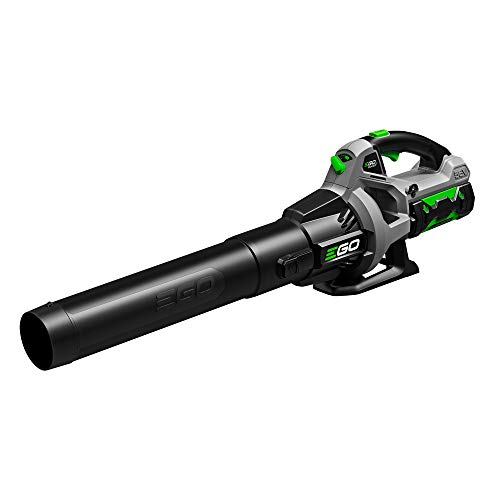 EGO POWER+ LB5302 Cordless Blower EGO POWER+ LB5302 Cordless Blower |
|
Check Latest Price |
 WORX WG520 12 Amp Corded Blower WORX WG520 12 Amp Corded Blower |
|
Check Latest Price |
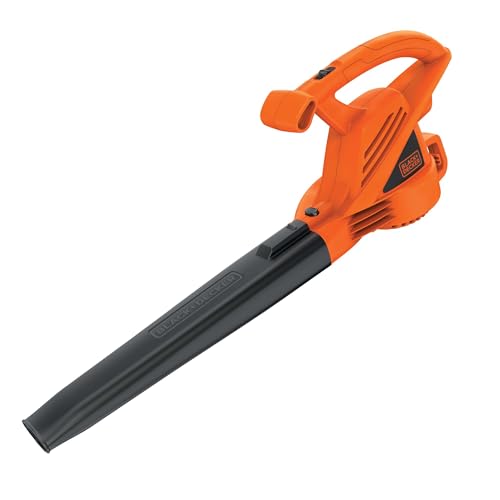 BLACK+DECKER LB700 Corded Blower BLACK+DECKER LB700 Corded Blower |
|
Check Latest Price |
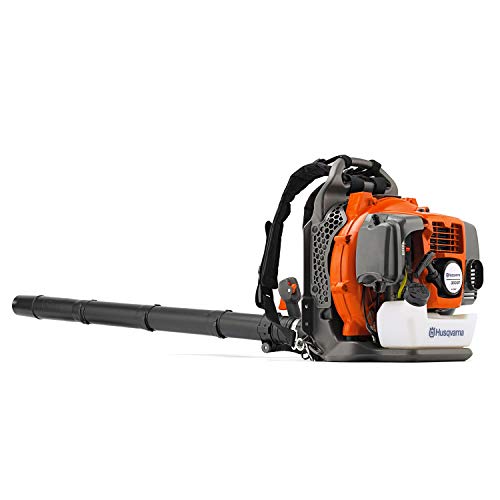 Husqvarna 350BT Gas Backpack Blower Husqvarna 350BT Gas Backpack Blower |
|
Check Latest Price |
 DEWALT 20V MAX DCE100M1 Cordless Blower DEWALT 20V MAX DCE100M1 Cordless Blower |
|
Check Latest Price |
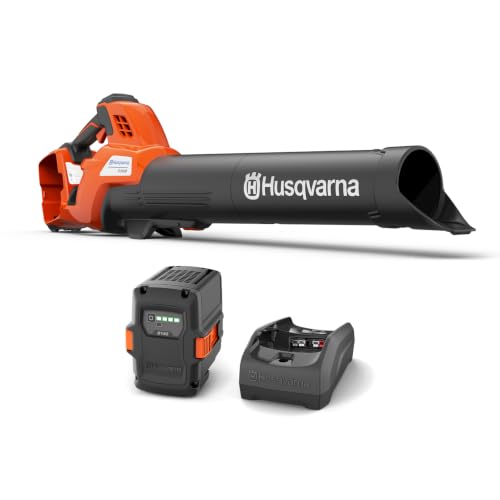 Husqvarna 350iB 40V Cordless Blower Husqvarna 350iB 40V Cordless Blower |
|
Check Latest Price |
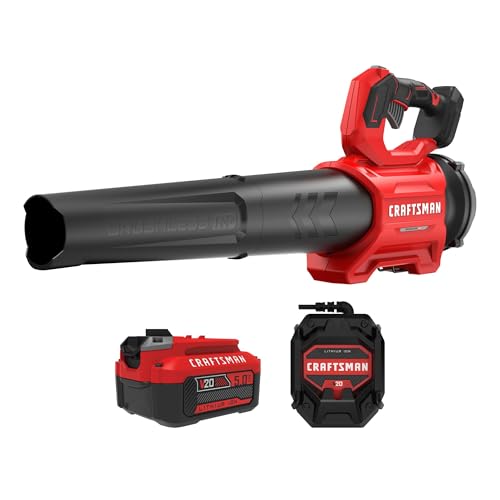 CRAFTSMAN V20 RP Cordless Blower CRAFTSMAN V20 RP Cordless Blower |
|
Check Latest Price |
 Greenworks 80V 770 CFM Cordless Blower Greenworks 80V 770 CFM Cordless Blower |
|
Check Latest Price |
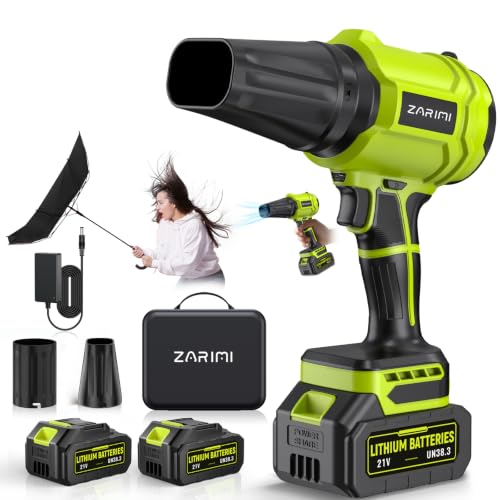 YUQUESEN RL-009 Cordless Blower YUQUESEN RL-009 Cordless Blower |
|
Check Latest Price |
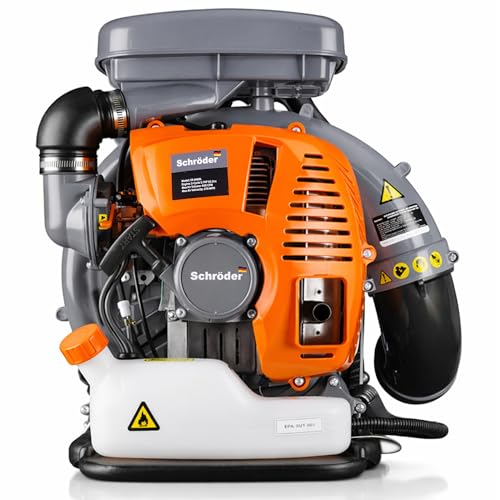 Schroeder SR-6400L Gas Backpack Blower Schroeder SR-6400L Gas Backpack Blower |
|
Check Latest Price |
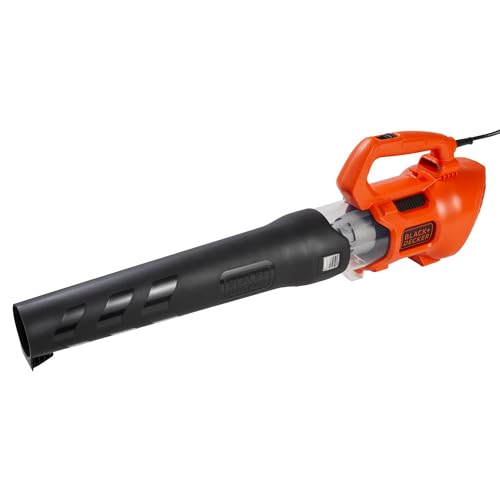 BLACK+DECKER BEBL750 Corded Blower BLACK+DECKER BEBL750 Corded Blower |
|
Check Latest Price |
 SKIL PWR CORE 40 530 CFM Blower SKIL PWR CORE 40 530 CFM Blower |
|
Check Latest Price |
Every row above is a tool that finished our test program. The spread is enormous, from a 2.8 pound cordless unit for car washing to a 63.3cc backpack blower rated at 920 CFM, and the choice comes down to yard size, leaf wetness, and how much noise your neighbourhood tolerates.
The Ten Best Leaf Blowers, One Line Each
This is the short version, in the order we would hand them to a friend.
- EGO POWER+ LB5302 - the best all-round cordless blower here, 530 CFM with genuine wet-leaf capability and a battery platform that covers an entire yard.
- Husqvarna 350iB - the most powerful handheld in the roundup at 800 CFM and 200 MPH, and it runs at 65 dB.
- WORX WG520 - 600 CFM from a 12-amp corded motor with no battery to wait for and no fuel to mix.
- Husqvarna 350BT - the best gas backpack blower, 692 CFM and 21 Newtons of measured blowing force.
- Greenworks 80V 770 CFM - up to 80 minutes of runtime on the included 4.0Ah pack, which is unusual at this output level.
- BLACK+DECKER BEBL750 - 450 CFM corded with a built-in scraper, the sweet spot for wet leaves on a driveway.
- SKIL PWR CORE 40 530 CFM - 530 CFM at 6.4 pounds, with a charger that restores usable charge in 15 minutes.
- CRAFTSMAN V20 RP - a quiet 410 CFM kit with a 5.0Ah battery for suburban yards that never get truly soaked.
- BLACK+DECKER LB700 - 4.4 pounds and unlimited runtime, the easiest blower here for anyone with shoulder trouble.
- Schroeder SR-6400L - 920 CFM and a 65 oz fuel tank for multi-acre properties, with a 5-year parts warranty.
Two more earn their place just outside that top ten. The DEWALT 20V MAX DCE100M1 is the compact choice if you already own DEWALT packs, and the YUQUESEN RL-009 is the lightest grab-and-go blower we tested.
1. EGO POWER+ LB5302 - The Best All-Round Cordless Blower
EGO POWER+ Cordless Electric Leaf Blower, 530 CFM, With Battery - LB5302
530 CFM
110 MPH
7 lb
75 min runtime
EGO 56V ARC
+ Pros
- Handles wet leaves and caked debris at 530 CFM
- Up to 75 minutes of runtime per charge
- Variable speed dial with lock-on button
- Battery works across the whole EGO 56V ARC platform
- 5-year tool warranty
- Cons
- Turbo mode drains the pack faster than lower settings
- Included 2.5Ah battery is the smaller EGO capacity option
- Blower only with no vacuum or mulch function
This is the blower we ended up reaching for every time a job came up, and it won that spot on balance rather than on a single headline number. The 530 CFM figure sounds modest next to the Husqvarna's 800, but it arrives in a 7 pound body that you can hold overhead under a gutter or carry up a set of deck stairs without your shoulder complaining.
The turbine-style housing is the reason. Rather than a simple axial fan, EGO built a turbine inspired by aircraft engine design, and owners consistently report that the airflow feels stronger than the CFM rating suggests. On a driveway covered in post-rain leaves that had started to mat down, it cleared a lane roughly 12 feet wide in a single pass at the top speed setting without the machine bogging.
Runtimes in the real world depend heavily on which setting you use. The variable speed dial spans 250 to 400 CFM, and the lock-on button means you are not holding a trigger down for an hour. Turbo gives the full 530 CFM, but it is the setting that eats the 75-minute figure. The included 2.5Ah battery recharges in about 50 minutes on the supplied charger.
Why the EGO Platform Matters More Than the Spec Sheet
Every EGO 56V ARC lithium pack fits this blower, and that single fact can outweigh a few hundred CFM of extra output. If you own the EGO lawn mower, string trimmer or hedge trimmer, the battery sitting in your garage already clears leaves at no additional cost. Buyers who are starting from zero need to budget for at least one extra pack before the first big cleanup, because the 2.5Ah included here is the smaller capacity in the range.
The brushless motor is another quiet win. There is no carbon brush to wear out, vibration stays low enough to be pleasant on long sessions, and EGO backs the tool with a 5-year warranty and the battery with 3 years.
Where It Falls Short
It blows and it does not collect, so if your goal is to bag leaves rather than push them into a pile, this is the wrong tool. Turbo mode also shortens the runtime noticeably, and the small included pack means that a genuinely large property will need a mid-size battery or a second charge cycle.
2. WORX WG520 - Best Corded Blower With Real Gas-Level Airflow
WORX 12 Amp Turbine Electric Leaf Blower for Daily Leaf Removal, WG520
600 CFM
110 MPH
6.5 lb
12 amp corded
2 speeds
+ Pros
- Exceptionally strong for a 12 amp corded unit
- 6.5 lb body supports genuine one-handed use
- Two speeds plus a detachable hyper-stream nozzle
- Quiet relative to gas blowers of similar output
- Cord retainer stops accidental unplugging
- Cons
- Nozzle-to-body fit is not perfectly flush
- High speed has noticeable recoil that tires weaker users
- Extension cord not included so a heavy gauge cord is advisable
- Rear air intake can pull in loose clothing
The WG520 carries a 4.7 average across more than 12,000 owner reviews, and that consistency is the story. This is not a machine that excites people on day one and disappoints them by October. It is the corded blower that a huge number of people quietly replaced an ageing gas handheld with, and then never went back.
The turbine fan design is what separates it from other 12-amp blowers. WORX describes the motor as spinning roughly twice as fast as blowers used by commercial grounds crews, and the 600 CFM wide-mouth nozzle means fewer passes over an open lawn than a narrow high-speed tube would give you. The detachable hyper-stream nozzle narrows that stream for corners, along fences and behind parked cars.
Two speeds cover the range. The low setting is for detail work around flower beds and the high setting for open clearing. A dial-style control lets you change between them without taking your eyes off the ground.
What 600 CFM From a Cord Means in Practice
Compare it with the EGO directly: the WORX moves about 13 percent more air volume and it never stops for a charge. What you give up is portability. A 50 foot or 100 foot extension cord has to be dragged through the yard, snagged on shrubs and coiled back up afterwards, and a cord too light for a 12-amp draw will cause voltage drop that the manufacturer will not warranty. Budget for a heavy-gauge cord.
At 6.5 pounds this is one of the few machines in the roundup that is genuinely comfortable one-handed for a long session, and the 2-pin plug with its attached retainer is a small detail that prevents a genuinely annoying failure.
Where It Falls Short
The high setting has real recoil, and owners with existing shoulder or wrist problems mention fatigue faster than they expected. Assembly quality is a step below older WORX tools, with the nozzle seating slightly off flush from the body, and the large rear intake will grab a loose jacket sleeve if you swing wide.
3. BLACK+DECKER LB700 - The Lightest Blower for Weak Shoulders
BLACK+DECKER Electric Leaf Blower, Handheld Blowers for Lawn Care, Lightweight, 180 MPH 180 CFM...
4.4 lb
180 MPH
180 CFM
7 amp corded
single speed
+ Pros
- Only 4.4 lb so it suits users with limited strength
- Unlimited runtime with no charging or fuel mixing
- Concentrated 180 MPH jet clears decks and driveways fast
- Two-piece assembly takes seconds
- Latching on/off switch means no held trigger
- Cons
- Single speed gives no control for delicate jobs
- Can be too forceful around flower beds
- Extension cord not included
- Not built for 220V use without a converter
With more than 30,000 reviews, the LB700 is one of the most thoroughly proven leaf blowers sold anywhere, and that consistency is exactly what you want from a tool this cheap. It is the blower we recommend to anyone over 60, anyone with a shoulder that complains, and anyone whose yard is under a quarter acre.
At 4.4 pounds it is by far the lightest thing on this list, and the latching on/off switch means you can set it down mid-job without losing your place. The trade is resolution. There is one speed, and that speed produces a 180 MPH jet at 180 CFM, which is superb for flicking leaves off a deck or blowing dust out of a garage corner and terrible for working around planted beds.
Owners frequently compare the jet favourably to their own gas blowers for exactly this reason. Low volume and high speed clears surface debris and light material fast.
When a Single-Speed Design Is the Right Call
A variable trigger exists so you can do delicate and heavy work with one tool. If your entire use case is hardscape cleanup, the LB700 does that job well and nothing else, which is an honest thing for a budget machine to be. The built-in cord retention system prevents the single most annoying corded failure, and the two-piece assembly is fast enough that you do not need tools.
Backed by a 2-year limited warranty, this is the low-risk entry point. The main thing to plan for is the extension cord, which is not included.
Where It Falls Short
Owners consistently report that it is more forceful than they expected around soil and perennials, and that the absence of a low setting means you are managing that by walking more slowly. It is a 120V design, so it is not usable on 220V supply without a converter.
4. Husqvarna 350BT - Best Gas Backpack Blower for Large Properties
Husqvarna 350BT Gas Leaf Blower, 50.2-cc 2.1-HP 2-Cycle Backpack Leaf Blower with 692-CFM, 180-MPH...
692 CFM
180 MPH
21 N force
50.2cc 2-cycle
22.5 lb
+ Pros
- 21 Newtons of force handles large wet piles and woody debris
- X-Torq engine improves fuel efficiency and cuts emissions
- Ergonomic harness with offset handle pulls load off your arms
- LowVib technology damps vibration on long sessions
- Cruise control locks in a throttle setting
- Cons
- Gas engine means fuel mixing and pull-starting
- Backpack form factor is bulky in tight areas
- Heavier than any electric option here
The 350BT is the only machine in this roundup with a manufacturer-published blowing force figure, and at 21 Newtons it sits well above the 12 to 15 Newton band that professional users describe as the ceiling for gas handhelds. This is a pro-grade blower, and people who use it on commercial jobs treat it as such.
The harness matters as much as the engine on a unit this size. An adjustable offset handle and a padded harness system keep the pulling force aligned with your spine rather than angled down through your arms, which is the difference between a backpack blower you can wear for a full afternoon and one you take off every ten minutes.
The 50.2cc 2.1 HP X-Torq two-cycle engine uses less fuel and produces fewer emissions than the engines it replaced, and the air purge system clears the carburetor for reliable cold starts. Cruise control on the tube-mounted throttle lets you lock in a setting and stop worrying about the trigger.
21 Newtons Against the Gas Benchmark
For years the accepted wisdom was that gas handhelds reach about 12 Newtons and pro models top out near 15, with anything above that requiring a full backpack. At 21 N, the 350BT clears that ceiling outright. The cordless machines in this roundup that publish force figures compete with it, but none of them is 22.5 pounds of balanced harness-driven engine.
Where the battery still wins is everything around the blower. There is no fuel mixing, no pull cord, no carburetor service between seasons, and the running cost per hour is a fraction. For someone clearing a quarter acre twice a year, that matters.
Where It Falls Short
It is a backpack, and backpacks are awkward. Around shrubs, inside a garage, or along a narrow side yard you will be turning constantly to reach into beds. It is also a gas machine, so noise, fuel handling and regular maintenance are all part of the deal. A 2-year warranty is short for the category.
5. DEWALT 20V MAX DCE100M1 - The Compact Jobsite Blower
DEWALT 20V MAX Blower for Jobsite Kit, Compact, Battery & Charger Included (DCE100M1)
135 MPH
100 CFM
3.31 lb
20V MAX kit
3-year warranty
+ Pros
- Only 3.31 lb so it is easy on the hand and shoulder
- Compact body fits in tight spaces and small sheds
- 3-speed switch plus variable trigger for real control
- Runs on existing DEWALT 20V MAX batteries
- Tool battery and charger included
- Cons
- 100 CFM is low for large properties or wet piles
- The low speed setting is weak in practice
- Noticeably loud on the high setting
- Side intake can pull clothing for right-handed users
The DCE100M1 is not a leaf blower that happens to be small. It is a jobsite blower, and the 100 CFM output only makes sense once you frame it that way. This is the tool for blowing dust off a bench, clearing a garage floor, drying a car, or knocking light snow off a walkway.
At 3.31 pounds it is the second-lightest machine here and by far the lightest with a real battery system. The compact body fits into the space between a parked car and a wall, into a closet, or into a toolbox, which is the situation a full-size 800 CFM blower simply cannot handle.
If you own any DEWALT 20V MAX tools, this is close to a free upgrade. The battery and charger are included, and every pack in the platform fits.
Where 100 CFM Is Enough and Where It Is Not
CFM is volume, and 100 CFM of volume at 135 MPH is a focused jet rather than a wall of air. That is the right shape for moving dry leaves off a walkway and the wrong shape for a lawn covered in a wet mat. Owners are clear-eyed about this: it is not a whole-yard tool and reviews reflect that.
The 3-speed switch is one place where the marketing and the machine diverge. Users report that the low setting is weak enough that the switch effectively behaves like low and high only. Using the variable trigger and reserving the third position for bursts gets you more control than the switch alone suggests.
Where It Falls Short
The side-mounted air intake will pull at a shirt or jacket sleeve when a right-handed user swings through a pile, which is a well-known complaint in this class. High output is also louder than owners expect for something this small.
6. Husqvarna 350iB - The Most Powerful Handheld in the Roundup
Husqvarna Leaf Blaster 350iB Leaf Blower Cordless, with Battery and Charger
800 CFM
200 MPH
65 dB
10 lb
40V with 7.5Ah pack
+ Pros
- 800 CFM and 200 MPH rivals gas backpack output
- Power boost mode clears compacted wet debris
- Variable trigger plus cruise control for low-fatigue use
- Much quieter than gas with zero emissions
- 7.5Ah pack gives 30+ minutes of real work
- Cons
- Heavier than most handheld cordless blowers
- No shoulder strap or lanyard included
- Boost mode drains the battery quickly
- Spare BLi30 packs cost a lot on their own
- Some owners report battery or charger failures
At 800 CFM and 200 MPH, the 350iB does things in a handheld shape that until recently only a gas backpack blower could do. Owners routinely compare it to their own gas machines and find the battery version wins on the thing that matters most in a residential setting: it runs at 65 dB with no fumes and no pull cord.
The 7.5Ah BLi30 battery is the reason this performs. A smaller pack turns an 800 CFM blower into an expensive short-duration burst, but this one gives 30-plus minutes of real work and carries a charge indicator on the pack itself. The included charger means it is ready to use out of the box.
Two features separate it from the pack. The power boost mode delivers about 20 percent more power on demand for the worst piles, and the built-in debris scraper is a small metal lip that gets between the nozzle and a matted patch to break the seal. The keypad start and cruise control mean you set a speed once and work for an hour.
The Battery Trap Nobody Warns You About
This is the most important buying note in the entire roundup. Blowing force on a high-voltage cordless blower scales with battery capacity, so the same machine produces different numbers with a 4.0Ah pack than with a 12.0Ah pack. When you compare this 350iB against another 800 CFM blower, check what pack was used in the test before you trust the comparison.
The scraper deserves a second look too. Wet, compacted leaves on a driveway form a skin that airflow alone cannot lift, and the scraper is the difference between moving the pile and just relocating the edges. For anyone clearing post-storm debris, that feature alone justifies the choice.
Where It Falls Short
It weighs about 10 pounds with the battery installed, and no shoulder strap or lanyard is included, so it becomes tiring faster than the weight alone suggests. Boost mode shortens runtime sharply. A few owners have reported battery or charging base failures within months along with a difficult warranty experience, which is worth factoring in if you are buying one battery platform with no backup.
7. CRAFTSMAN V20 RP CMCBL730P1 - The Quiet Suburban Yard Blower
CRAFTSMAN Leaf Blower Cordless with Battery and Charger V20 RP, Up to 110 MPH Power, Handheld...
410 CFM
110 MPH
71 dB
5.0Ah battery
24 min runtime
+ Pros
- Boost button gives a real jump in power for stubborn debris
- 5.0Ah battery is a useful step up from smaller packs
- Noticeably quieter and lighter than gas equivalents
- Compact body handles tight areas well
- WeatherGuard resists moisture and dust
- Cons
- 410 CFM is well below gas-class output
- CRAFTSMAN battery platform is far less widespread
- VERSATRACK wall hook needs a separately sold rail
This is the blower for the enormous middle of the market: someone with a suburban lot, a couple of deciduous trees, and no intention of clearing half-acre piles of soaked leaves. The 410 CFM output is well matched to that job, and at 71 dB it is quiet enough to run before the neighbours are properly awake.
The boost button is the feature owners single out. Rather than a fixed top speed, you get a momentary 410 CFM and 110 MPH when a pile refuses to move, then drop back down to conserve. The brushless motor delivers up to 24 minutes of runtime per charge, which is honest rather than generous.
WeatherGuard construction protects the tool body from moisture and dust, which matters if you are the sort of owner who leaves the blower on the garage floor through a wet October. CRAFTSMAN claims up to 50 percent less noise and 39 percent less weight than gas equivalents.
Why Platform Size Matters More Than It Sounds
Before buying any bare-tool-style battery machine, check how easily you can obtain a spare pack in your area. CRAFTSMAN is a real brand with real distribution, but owners consistently note that its V20 RP packs are less available in general circulation than DEWALT or EGO packs. The same kit from a major platform is easier to expand later.
The integrated hook for the VERSATRACK wall system is a nice touch, and the rail for it is sold separately, so factor that into the setup if you keep tools on a wall.
Where It Falls Short
410 CFM will not clear a genuinely large wet pile, and the brand's own 66 percent runtime and 37 percent force improvement claims are relative to the previous CRAFTSMAN generation, not to a gas blower. If your property regularly produces more debris than a suburban yard, step up to the Husqvarna 350iB or the Greenworks 80V.
8. Greenworks 80V 770 CFM - Longest Runtime at Real Power
Greenworks 80V Electric Leaf Blower, 770 CFM, 4.0 Ah Battery and Charger
770 CFM
180 MPH
74 dB
80 min runtime
4.0Ah pack
+ Pros
- 770 CFM at 180 MPH gives genuine gas-comparable power
- Up to 80 minutes of runtime on the included 4.0Ah battery
- 20-180 MPH variable range covers dusting to heavy debris
- Cruise control locks speed for extended sessions
- 6 lb axial body is light on the arms
- Cons
- 74 dB is louder than most premium cordless blowers
- 80V platform batteries are bulkier and costlier
- The 6 lb figure is bare tool weight and balance changes with the battery
Runtime is the number that separates this from every other cordless blower here. Most cordless machines give you 15 to 30 minutes of honest work before they need a charge. The 4.0Ah pack in this kit is rated for up to 80 minutes of continuous use at 50 percent load, and that is the figure that changes how you plan a Saturday.
Power is not the compromise you would expect. The 80V axial platform delivers 770 CFM at 180 MPH, which the manufacturer positions directly against a 27cc gas engine, and the wide 20 to 180 MPH variable range covers everything from dusting a porch to moving compacted debris off a driveway.
The 4A fast charger is included, so the second pack in your ownership costs nothing but the pack. Cruise control locks the speed once you have found the setting that suits the conditions.
Understanding the 80-Minute Figure
Be clear-eyed about how that number is reached. Eighty minutes is at 50 percent load, which means sustained moderate airflow, not sustained maximum output. If you run the blower at 180 MPH continuously, expect a fraction of that. Even so, this is the longest real runtime in the roundup and it comfortably outlasts any gas handheld in fuel-stop terms.
At 74 dB this is the loudest cordless machine here, and it is louder than the Husqvarna 350iB at 65 dB despite being lighter. If a noise-sensitive neighbour is a factor, that 9 dB gap is the difference between unremarkable and noticeable.
Where It Falls Short
The 80V ecosystem is a commitment. Those packs are physically larger and more expensive than 20V alternatives, and the 6-pound weight in the specification is the bare tool, not what you actually lift once a battery is fitted. That changes both balance and how long you can hold it up.
9. YUQUESEN RL-009 - The Lightest Grab-and-Go Blower
YUQUESEN Cordless Leaf Blower, 980,000 RPM Handheld Leaf Blower with 2 Batteries & Charger...
980000 RPM turbine
110+ mph
2.8 lb
two batteries included
+ Pros
- 2.8 lb is easy to hold overhead or for long stretches
- Two batteries let you swap while the other charges
- Fits in trunks and storage where larger blowers will not
- Strong airflow for its size on dry leaves and clippings
- Adjustable speed and a narrow nozzle add control
- Carry case included
- Cons
- Roughly 15-20 minutes per battery is short
- Louder than the spec sheet suggests
- Not a substitute for a full-size blower on wet piles
- One reviewer reports early failure
At 2.8 pounds this is the lightest blower we tested, and it fills a role nothing else on the list does. It goes in the car boot. It reaches a ceiling fan, a soffit, the inside of an empty pool, the gap behind a shed door. Tasks where you would never drag a 7 to 22 pound machine.
The turbine motor is rated at 980,000 RPM and produces wind speeds over 50 m/s, which is well past 110 MPH. On dry leaves, grass clippings, dust and car washing, the airflow punches well above its weight class.
Two lithium batteries ship in the box with a charger and a storage case. You work until one pack drops, swap it, and put the flat one on charge. The maths gives roughly 13-plus minutes per battery and 26-plus minutes alternating, which is short per charge but workable for the jobs this machine suits.
The Honest Scope of a 2.8 Pound Machine
Owners are remarkably consistent about framing this correctly. It is a patio, pool, car and small-garden tool, not a whole-yard one. Trying to move soaked, embedded leaves with it produces frustration rather than results, and the concentrated narrow nozzle is there for detail work, not volume.
The single-hand grip is vibration-suppressed and the body is roughly half the size of a full handheld, which is what makes overhead work possible. A few reviewers also note it is louder than the spec sheet implies, and at least one reports a unit that stopped working after a few uses, so treat the warranty terms as worth reading.
Where It Falls Short
Runtime per battery is the hard limit, and the noise floor is high for something this small. For a full yard, this is a companion blower rather than a replacement for one.
10. Schroder SR-6400L - Maximum Airflow for Multi-Acre Lots
Schröder Backpack Leaf Blower - Backpack Blower - Gas Leaf Blower - SR-6400L - 3.7 HP Engine
920 CFM
230 MPH
63.3cc 3.7 HP
19.5 lb
65 oz tank
+ Pros
- 920 CFM and 230 MPH clears multi-acre wooded property fast
- Padded shoulder
- sternum and waist straps for hours of work
- Throttle lock holds any setting including full power
- Starts reliably in very cold weather
- 65 oz tank gives about an hour per fill
- 5-year parts warranty
- Cons
- Heavy vibration through the back and shoulders on long jobs
- Very loud so hearing protection is effectively required
- Consumes fuel quickly over a season
- Air-cleaner thumb screws can strip their threads
- Some assembly needed and the frame lacks a foot brace
This is the biggest blower in the roundup and the one that exists for a specific situation: more than an acre, mature trees, and someone who clears the property regularly rather than twice a year. At 920 CFM and 230 MPH it moves roughly a third more air than the Husqvarna 350BT, and the 65 oz fuel tank means about an hour of nonstop work per fill.
The 63.3cc 2-stroke 3.7 HP engine sits at the top of the handheld-plus-backpack class, and the throttle lock will hold any trigger position including full power, so you are not modulating your grip through a long sweep.
Owners consistently position it as the value alternative to prosumer backpack blowers costing far more, and the 5-year parts warranty is unusually long for a machine at this level. It starts in cold weather, which matters if you are clearing in late autumn mornings.
Fuel Logistics Are the Real Trade-Off
Buying a 63cc engine is a decision about fuel as much as about air. Two-stroke fuel mix has to be measured correctly, stabilised if it will sit, and it will consume meaningfully more of it than a smaller engine across a season. If you are clearing once a year, the running cost is trivial. If you are clearing weekly, add it up before buying.
The listed 65 dB figure does not match how owners describe the experience, and the honest read is that this is a loud machine that warrants hearing protection. Vibration is the other recurring theme: the padded harness is comfortable, but the engine still transmits a lot through the frame over a full day.
Where It Falls Short
Durability trails premium brands, and owners report occasional engine or throttle failures along with air-cleaner screws that work loose and can strip. Some assembly is required, and the frame lacks a proper foot brace for pull-starting, which makes the first few starts awkward until you get used to it.
11. BLACK+DECKER BEBL750 - The Best Corded Blower for Wet Leaves
BLACK + DECKER Electric Leaf Blower, Hand Held Blowers for Lawn Care, Up to 450 CFM and 140 MPH...
450 CFM
140 MPH
75 dB
7 lb
2 speeds
+ Pros
- 450 CFM clears wet
- caked leaf layers in a single pass
- Two speeds let you back off around flower beds
- Balanced at 7 lb with less vibration than older blowers
- Unlimited runtime with no charging and no fuel mixing
- Built-in scraper lifts compacted debris off hard surfaces
- Cons
- Heavier than the smaller BLACK+DECKER corded models
- Two discrete speeds rather than a variable trigger
- Extension cord not included
- Enough power to tire hands and forearms on long sessions
Wet leaves are the hardest job in this category, and the BEBL750 handles them better than its size and position in the market suggest. The 450 CFM axial design is a proper volume number rather than a focused jet, and the built-in scraper gets under matted debris on hard surfaces where airflow alone stalls.
It carries a 4.7 average across more than 2,400 reviews, and owners describe it the same way repeatedly: a tool that outperforms far more expensive cordless blowers for this specific job. The two speed settings are the right amount of control for a corded machine at this level, and the cord retention system prevents the classic mid-job unplug.
At 7 pounds it is balanced and less vibrating than the heavy blowers it replaced in most people's sheds, though it is noticeably heavier than the 4.4 pound LB700.
Why Corded Keeps Winning on Wet Debris
There is a simple engineering reason. A corded motor delivers constant power for as long as the outlet holds, with no voltage sag and no thermal shutdown, so a 450 CFM corded blower can push a matted pile across a driveway in a way a battery machine with a half-depleted pack cannot. If your autumn is wet and your cleanup day is long, that consistency is worth more than portability.
At 75 dB it is not the quietest unit here, but it is well below the gas machines in this roundup and acceptable in most neighbourhoods during daytime hours.
Where It Falls Short
Two discrete speeds are not the same as a variable trigger, and owners working around delicate plantings notice the difference. It is also enough power to fatigue hands and forearms over a long session, and you will need to buy an extension cord separately.
12. SKIL PWR CORE 40 BL4713C-11 - Fastest Recharge in the Roundup
SKIL PWR CORE 40 Brushless 40V 530 CFM Cordless Leaf Blower Kit, Variable Speed with Power Boost...
530 CFM
40V brushless
6.4 lb
15 min 0-30 percent recharge
+ Pros
- 530 CFM is unusually strong for a 40V blower at this level
- Digital brushless motor gives gas-like power with no maintenance
- Variable speed trigger for real control
- Auto PWR JUMP charger restores usable charge in 15 minutes
- 6.4 lb body is comfortable to hold
- Tool battery and charger included
- Cons
- 2.5Ah pack is the smallest capacity in the kit
- SKIL PWR CORE 40 packs are less widely available
- Boost output shortens runtime further
The SKIL kit solves a problem most cordless buyers discover too late: how to keep working without waiting. The Auto PWR JUMP charger takes the included 2.5Ah pack from zero to 30 percent in 15 minutes, so while you finish a section on battery one, battery two is already back to a usable charge. That is a genuinely different rhythm from waiting out a full charge cycle.
Power is the surprise. 530 CFM from a 40V brushless motor sits level with the EGO in this roundup, and the digital motor needs no maintenance of any kind. The variable trigger covers everything from flower beds to full clearing without a separate speed switch to learn.
At 6.4 pounds it is one of the lighter machines here, and the kit ships with the battery and charger, so it is usable the day it arrives.
Runtime Is the Trade for Charging Speed
Fast charging does not create capacity. The 2.5Ah pack here is the smallest in the kit, and it is the main practical limitation owners report, especially on high speed or boost. If you clear a large area, the sensible setup is two of these packs rotating, which is also the honest answer to the PWR CORE 40 availability question: check what you can obtain locally before committing.
The cooling-cell battery technology is worth knowing about, because it is why the charger can push that hard without cooking the pack.
Where It Falls Short
Packs for this platform are less widely stocked than DEWALT or EGO equivalents, and boost output will shorten run time further beyond the 2.5Ah baseline. If you want long uninterrupted sessions rather than fast turnarounds, the Greenworks 80V is the better shape of tool.
How to Choose a Leaf Blower in 2026
Almost every bad leaf blower purchase comes down to one thing: the buyer picked a machine for a job the machine was not sized for. Here is how to avoid that.
Cordless, Corded or Gas: Which Power Source Fits Your Yard
Start with the job, not the brand. Corded electric makes sense if you have an outlet near where the leaves actually are, because the WORKX WG520 and BLACK+DECKER BEBL750 both deliver more sustained power than a small battery and never stop. The cost is cord management.
Cordless makes sense if the leaves are more than 30 feet from an outlet, which on most properties is most of them. Within that group, match the airflow to the debris. Light dry leaves and clippings need around 400 CFM. Wet matted leaves after a storm need 500 CFM and ideally a scraper, which is why the Husqvarna 350iB and the GREENWORKS 80V stand out in this roundup.
Gas makes sense when you have several acres, when the property is wooded, or when clearing is a weekly job rather than a seasonal one. It is the only option with genuinely unlimited runtime, and it is the noisiest and most maintenance-heavy by a wide margin. For a quarter acre cleared twice a year, a gas backpack is far more machine than you need.
What CFM, MPH and Newtons Actually Tell You
Three numbers appear on every spec sheet and buyers routinely confuse them. CFM, cubic feet per minute, is volume. It determines how much area you can clear per pass, and it is the number that matters most for lawns and open drives.
MPH, air speed, determines how fast debris travels once it lifts. High speed is what clears gravel, dust and light snow. A blower can have high speed and low volume, which is exactly what the BLACK+DECKER LB700 is, and that combination is superb for detail work and poor for deep piles.
Blowing force in Newtons is the closest to an honest apples-to-apples measurement because it measures how hard the stream pushes against a target. Gas handhelds are widely described by professionals as topping out around 12 to 15 N. In this roundup, the only manufacturer-published figure is the Husqvarna 350BT at 21 N, and the highest-output cordless machines compete with that band.
One caution that applies to all of them. These numbers are measured on pavement with a specific nozzle, and reviewers regularly report real performance falling short of the sheet. Treat the figure as a ranking tool, not a promise.
Runtime, Battery Size and the Real Cost of a Cordless Setup
The single most expensive mistake in this category is buying the bare tool. A blower without a battery is a very expensive piece of plastic that does nothing. The full outlay is bare tool, at least one additional battery, and a charger, and on most platforms the battery is the largest part of that sum.
Battery capacity drives both runtime and force. Amp-hour is the fuel tank size: 2.5Ah is roughly 13-plus minutes of hard work on a high-output machine, 5.0Ah roughly doubles that, and 7.5Ah pushes toward 30-plus minutes on a high-output blower like the Husqvarna 350iB. The same blower with a smaller pack produces measurably less force, which is why comparing two machines without checking pack capacity is misleading.
Our rule of thumb: if you already own packs from a major platform, buy the blower that fits them, even if a competing model has a higher headline CFM. If you are starting from nothing, buy the kit version and add a second pack in the 5.0Ah to 7.5Ah range rather than a third of the same small one.
Noise, Neighbours and Local Rules
Noise is the one complaint that turns a neighbour into an enemy, and the numbers matter. Normal conversation sits near 60 dB, sustained exposure above 70 dB carries real hearing-damage risk over time, and the gas machines in this roundup are loud enough that hearing protection is not optional on a long job. The cordless models range from 65 dB on the Husqvarna 350iB to 74 dB on the Greenworks 80V, which is a meaningful gap even though it looks small on paper.
Check your local rules before you buy, not after. Many municipalities restrict gas blowers by time of day, by property size, or by outright ban, and a handful of states restrict the sale of new small gas engines outright. A blower you cannot legally use is a worse purchase than a slightly weaker one you can run. If a ban is likely where you live, that removes gas from consideration entirely and puts the Husqvarna 350iB or the EGO at the top of the list.
Handheld, Backpack or Neither
Handheld covers everything up to about an acre, which is the majority of residential yards. Backpack makes sense above that, or where you have confined spaces and want the engine off your arms. It also makes sense if you already have a working gas handheld and are upgrading rather than starting.
And for a surprising number of people, the right answer is neither. If your tree cover is light and your leaves land on a lawn, a rake costs nothing, produces no noise complaints and returns leaves to your soil where they belong. A blower is for moving leaves off hard surfaces, out of gutters and off lawns where you intend to collect them.
Leaf Blower Questions, Answered
What is the most reliable leaf blower brand?
Reliability splits by power class. Among gas machines, professionals on commercial crews consistently name Stihl and ECHO RedMax, with Husqvarna close behind on engine longevity and service network. Among cordless platforms, EGO and Husqvarna lead on motor and battery durability, and their battery warranties are the longest in the category. DeWalt and Milwaukee are strong on build quality but their blowers tend to sit at the lower output end. The practical reliability test is whether replacement batteries and service are easy to get in your area, because that matters more over a decade than any spec sheet.
Should I buy a gas or battery leaf blower?
Buy battery if your property is under roughly an acre, you clear it seasonally, or local rules restrict gas. Modern cordless machines at 40V and above now match or exceed the 12 to 15 Newton blowing force that professional crews describe as the gas handheld ceiling, and they run far quieter. Buy gas if you have several wooded acres, clear weekly, or need genuinely unlimited runtime with no charge downtime. The corded option is worth considering too, since a 12 amp corded blower like the WORX WG520 delivers 600 CFM with no battery and no fuel.
Which leaf blower is the best and quietest?
The Husqvarna 350iB is both the most powerful and among the quietest units in this roundup, combining 800 CFM and 200 MPH output with a published 65 dB operating level. The EGO POWER+ LB5302 runs at 65 dB as well and is far lighter at 7 pounds. For context, a normal conversation sits near 60 dB and sustained exposure above 70 dB carries hearing-damage risk, so anything in the mid-60s is neighbourhood-friendly while gas machines in the 90 dB range are not.
What is the quietest leaf blower in our roundup?
The lowest published figure in our group is 65 dB, shared by the Husqvarna 350iB and the EGO POWER+ LB5302. The YUQUESEN RL-009 is extremely light at 2.8 lb but owners describe it as louder than its spec sheet implies. The quietest choices overall are still cordless or corded: every corded and battery machine in this roundup sits between 65 and 75 dB, while the gas backpack blowers are loud enough to require hearing protection.
How long does a cordless leaf blower battery last?
On a high-output machine, a 2.5Ah pack gives roughly 13 to 15 minutes of hard work, a 5.0Ah pack roughly 24 to 30 minutes, and a 7.5Ah pack 30-plus minutes. Running boost or turbo mode shortens all of those figures. Two practical rules: match the pack to the blower rather than assuming a small pack performs the same as a large one, and buy a second pack so you can swap while the first charges instead of stopping the job.
Is a backpack leaf blower better than a handheld?
A backpack is better when you have more than about an acre, or when the engine moving off your arms matters more than manoeuvrability. The harness and offset handle on the Husqvarna 350BT direct force along your spine rather than down through your wrists, which is what makes an all-day session possible. A handheld is better in confined spaces, around shrubs and inside garages, where a backpack is cumbersome. If clearing is twice a year on a suburban lot, a handheld is the right call.
What CFM do I need for a leaf blower?
Around 400 CFM handles dry leaves, grass clippings and routine suburban cleanup, which is where the CRAFTSMAN V20 RP sits. Around 500 to 550 CFM is the sweet spot for wet, matted leaves after rain and covers the EGO, the SKIL kit and the WORX. Above 700 CFM is where you get gas-backpack-class clearing force in a handheld, as with the Husqvarna 350iB at 800 CFM and the Greenworks 80V at 770 CFM. Volume matters more than air speed for moving whole piles; speed matters more for dust, gravel and light snow.
How do I clear wet, matted leaves?
Work dry piles first and wet ones last, and always blow with the wind rather than against it. Wet leaves that have started to mat down form a skin that airflow alone cannot lift, so look for a blower with a built-in debris scraper to get between the leaves and the surface, as the Husqvarna 350iB and BLACK+DECKER BEBL750 both have. Drop to a lower speed setting first to break the mat, then increase. For genuinely large wet piles, a mulcher or vacuum attachment saves more time than any blower will.
The Verdict: Which Leaf Blower Should You Buy?
The EGO POWER+ LB5302 is our pick for most people in 2026. It clears wet leaves with real authority, it weighs 7 pounds, it runs quietly, and it shares batteries with a platform that already covers lawn care. That combination is harder to find than a bigger number on a spec sheet.
If you already own EGO packs, the decision is made. If you own DEWALT or need something that weighs 4 pounds, the DEWALT 20V MAX DCE100M1 covers the secondary jobs. If you want more airflow and can live with 10 pounds, the Husqvarna 350iB delivers 800 CFM at 65 dB and is the best wet-leaf performer in the roundup. If you have an outlet near the leaves, the WORX WG520 gives you 600 CFM with no charging and no fuel, and the BLACK+DECKER BEBL750 is the better wet-leaf corded option. If the property is several acres and wooded, the Husqvarna 350BT is the proven pro-grade choice, and the Schroeder SR-6400L is the maximum-output value alternative. For long uninterrupted cordless sessions, the Greenworks 80V wins on runtime. For spaces a full-size blower cannot reach, the YUQUESEN RL-009 at 2.8 pounds goes where nothing else will.
Whichever one you choose, check your local rules before the first weekend, buy a second battery if you are going cordless, and pick a dry day with a light wind on your side. That planning will matter more than any specification on this list.