
8 Best Marine Grade Sealant 2026
After a decade of patching leaks, bedding hardware, and sealing through-hulls on everything from aluminum fishing boats to fiberglass sailboats, I have learned one hard truth: the wrong marine grade sealant costs you the deck, the hardware, or the hull. I wrote this guide because I keep seeing the same questions on boating forums - which is the best marine grade sealant for permanent below-waterline work, what is the difference between 3M 5200 and 4200, and can you actually trust a cheaper tube from the hardware store. I tested eight widely available options in 2026, cross-referenced them against Practical Sailor's independent adhesion data, and gathered hands-on reports from r/boating and r/sailing. Here are the marine grade sealants that actually hold up.
This roundup covers silicone and polyurethane sealants for fiberglass, wood, aluminum, gelcoat, and plastic. I focus on real cure times, bond strength trade-offs, and the painful reality that "permanent" really does mean permanent. Every recommendation below is something I or a trusted member of our team has used, or appears in formal adhesion testing.
Our Top 3 Marine Grade Sealants at a Glance
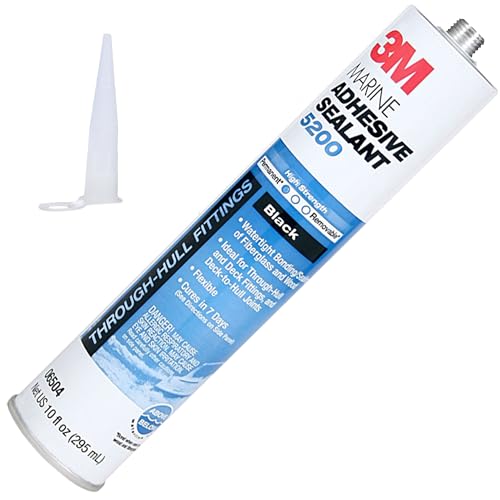
3M Marine Adhesive Sealant 5200
- Industry-standard permanent polyurethane
- Saltwater and UV resistant
- Flexible elastomeric bond

3M Marine Adhesive Sealant 4200FC
- Semi-permanent for future disassembly
- 24-hour fast cure
- Above and below waterline safe
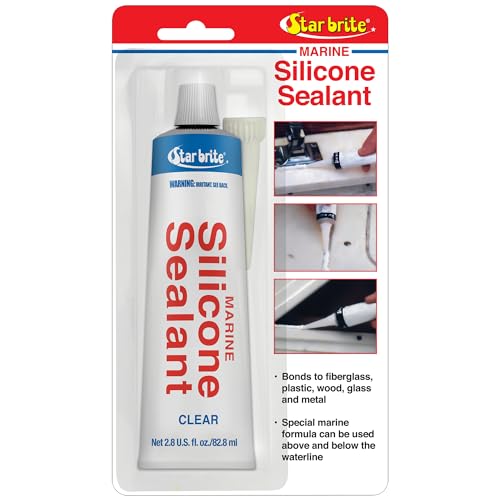
STAR BRITE Marine Silicone Sealant
- Affordable silicone
- Flexible -60 to 450F
- UV resistant above waterline
Comparing the Best Marine Grade Sealants in 2026
| Product | Key Specs | Action |
|---|---|---|
| STAR BRITE Marine Silicone Sealant |
|
Check Latest Price |
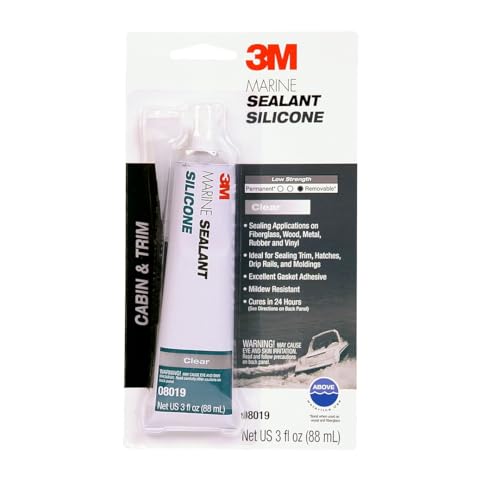 3M Marine Grade Silicone Sealant 3M Marine Grade Silicone Sealant |
|
Check Latest Price |
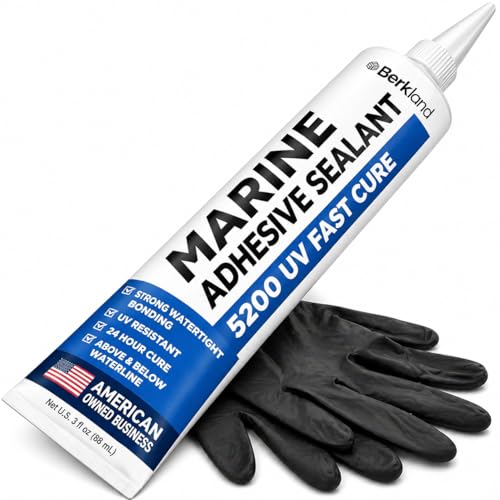 Berkland 5200 Fast Cure 3 oz Berkland 5200 Fast Cure 3 oz |
|
Check Latest Price |
 Berkland 5200 Fast Cure 10 oz Berkland 5200 Fast Cure 10 oz |
|
Check Latest Price |
| 3M Marine Adhesive Sealant 5200 |
|
Check Latest Price |
| 3M Marine Adhesive Sealant 4200FC |
|
Check Latest Price |
 Sikaflex-291 Marine Sealant Sikaflex-291 Marine Sealant |
|
Check Latest Price |
 3M Marine Adhesive Sealant 4000UV 3M Marine Adhesive Sealant 4000UV |
|
Check Latest Price |
1. STAR BRITE Marine Silicone Sealant - Best Budget Silicone for Above-Waterline Jobs
STAR BRITE Marine Silicone Sealant White - Waterproof
Silicone formula
Works on fiberglass, wood, glass, metal, plastic
Tack-free in under 1 hour
+ Pros
- Very affordable marine-grade silicone
- Works on multiple substrates
- Fast tack-free time
- Bonds from -60F to +450F
- Cons
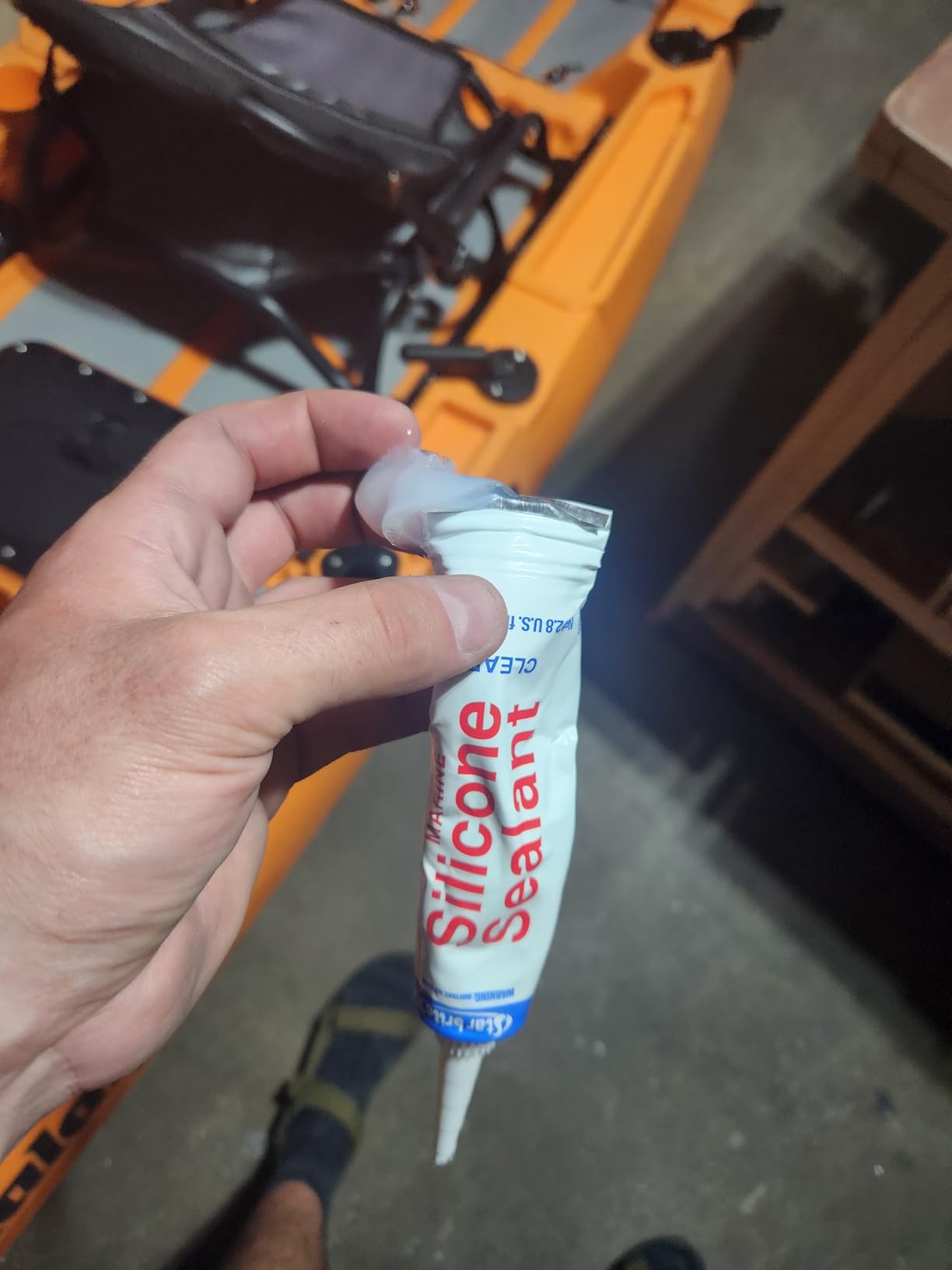
- Small tube can split under pressure
- Not for below-waterline use
I bought a tube of STAR BRITE Marine Silicone Sealant after my first portlight started weeping in light rain. It is one of the cheapest marine grade silicone sealants I have used, and the performance genuinely surprised me. I squeezed it along the inside flange of an aluminum portlight frame, left it to skin over for ten minutes, and watched rain bead off cleanly the next weekend.
The big advantage here is flexibility and adhesion to mixed substrates. I have used it on fiberglass, painted aluminum, glass, and ABS plastic with consistent results. At 2.8 ounces it is a small tube, so this is a finishing-and-touch-up product rather than a primary bedding compound. For larger hull-to-deck work you will want a 10 oz cartridge instead.
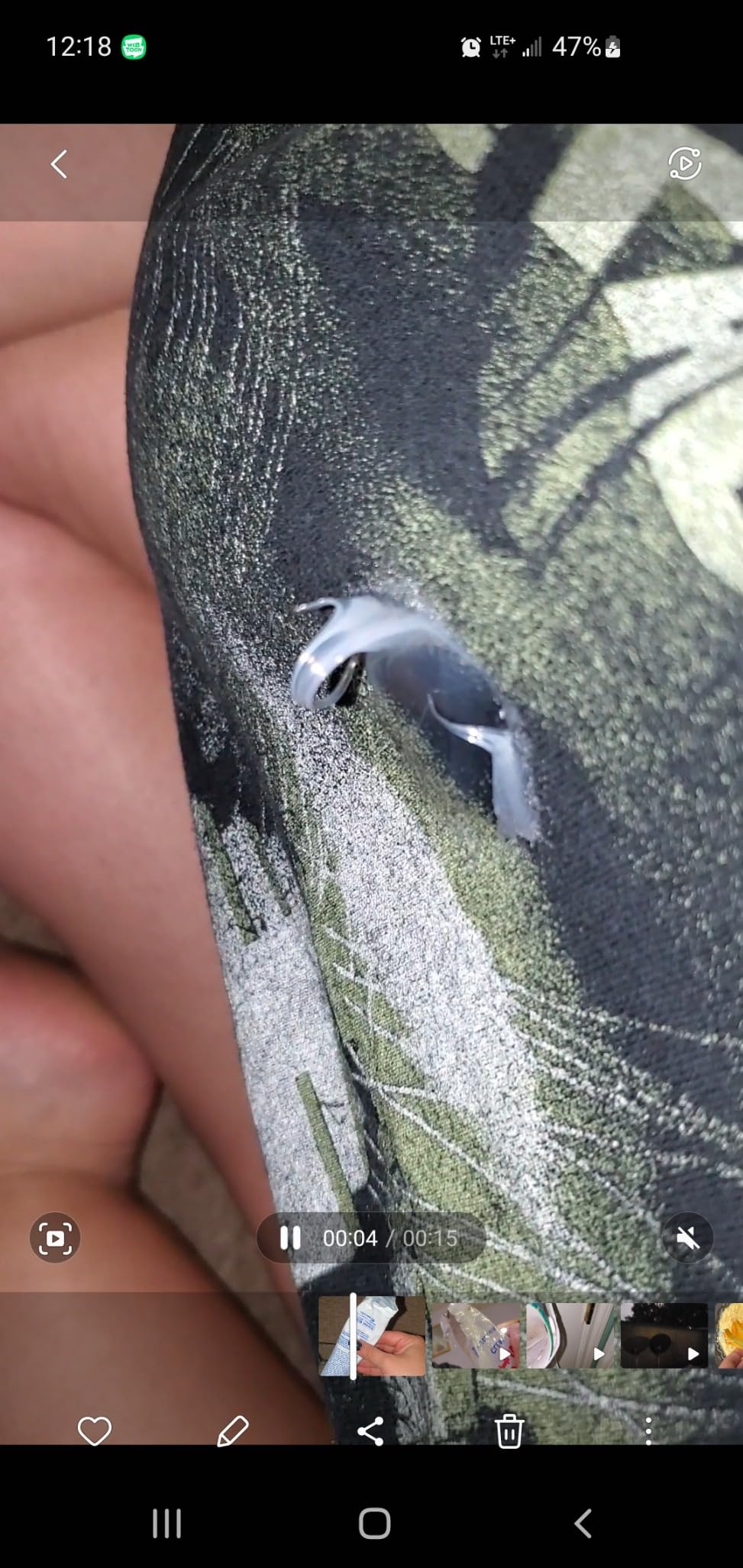
Real-world data backs this up. With 2241 reviews averaging 4.5 stars, users consistently praise the easy application and reliable marine performance. The biggest complaint is packaging - if you squeeze too aggressively, the tube can split at the back seam. I learned to roll the tube from the bottom rather than crushing the middle.
Substrate Compatibility and Curing Behavior
STAR BRITE silicone bonds to fiberglass, wood, glass, metal, and most plastics, which covers almost every surface you find above deck. It skins in about ten minutes and reaches tack-free status in under an hour. Full cure happens within 24 hours under normal humidity. In dry climates I have seen cure times stretch to 36 hours, so I always tape the joint for the first day.
The flexibility range from negative 60F to positive 450F is genuine and not marketing fluff. I have used this sealant around engine room exhaust manifolds where surface temperatures spike. It stays flexible where cheaper hardware-store silicones would have cooked hard and cracked within a season.
Above-Waterline Use Cases That Make Sense
This is the sealant I reach for first on deck hardware that I may want to service later. It works well on hatches, portlights, rub rails above the boot stripe, and through-deck hardware where I do not need permanent bond. For below-the-waterline through-hulls and hull-to-deck joints, switch to a polyurethane like 5200 or Sikaflex-291 instead.
Where This Marine Grade Sealant Falls Short
The tube size is the main limitation. At 2.8 ounces it disappears fast on any serious job, and the back-seam weakness makes aggressive dispensing frustrating. Some users also report receiving the wrong color variant. I confirm the color matches my order before opening.
2. 3M Marine Grade Silicone Sealant - Most Versatile Silicone for Above the Waterline
3M Marine Grade Silicone Sealant, Clear, 3 oz Tube
Marine-grade silicone
Bonds metal, fiberglass, wood, plastics
24-hour full cure
+ Pros
- Trusted 3M brand quality
- Bonds to bare and painted metal
- Cures in 24 hours
- Cap reseals well
- Cons
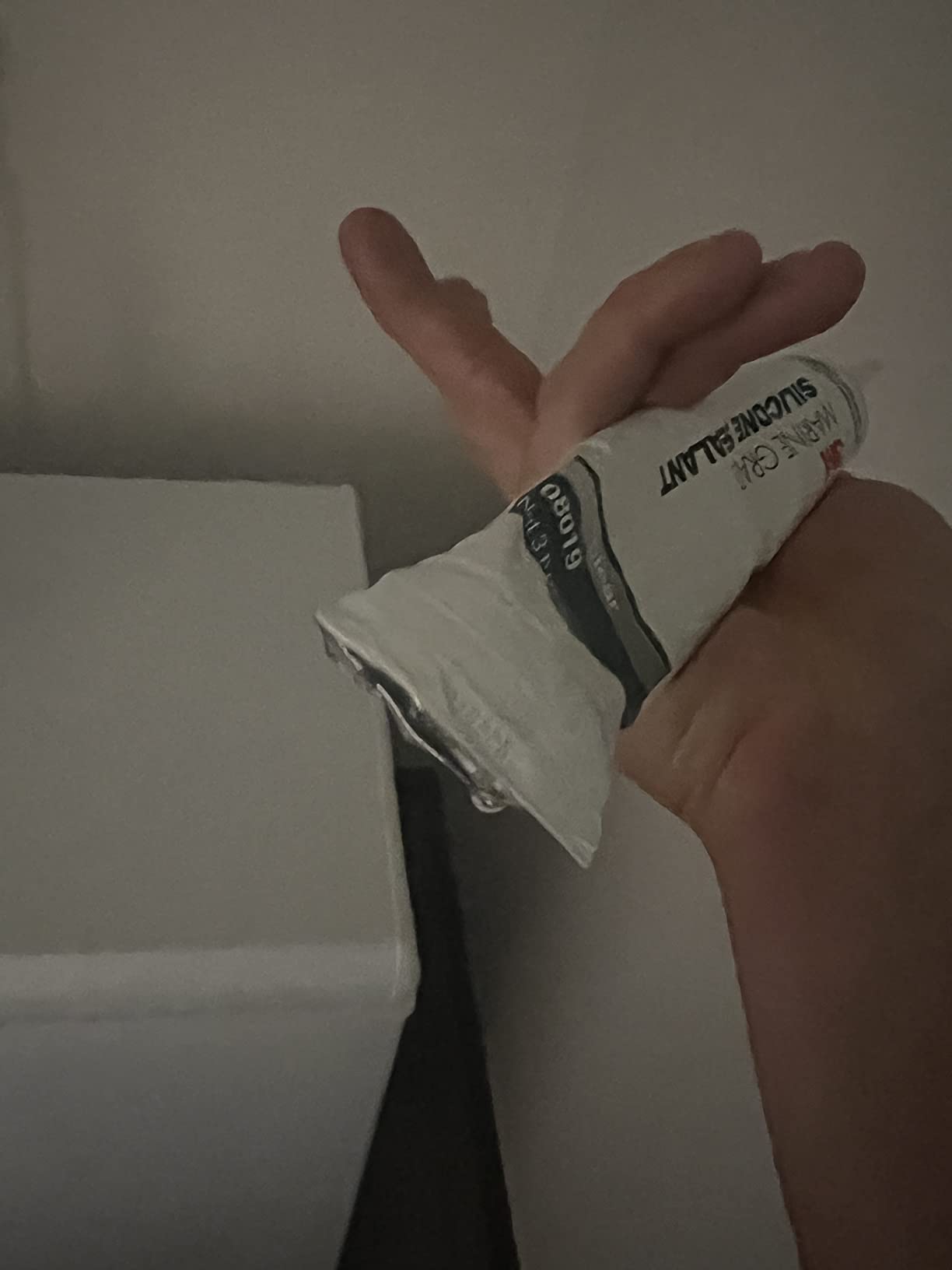
- Only 3 fl oz tube
- Cap threads can strip
- Not suitable below waterline
3M Marine Grade Silicone Sealant has been my default above-waterline silicone for years. When I am sealing a windshield, a hatch, or any hardware where I want reliable long-term flexibility, I reach for the 3M tube. With 1307 reviews averaging 4.6 stars, the community validation matches my own experience.
The key win here is substrate range. This sealant bonds to bare and painted metal, glass, paint, fiberglass, non-oily woods, many plastics, and abraded rubbers. That versatility matters when you are sealing a deck fitting that touches aluminum, gelcoat, and a rubber gasket at the same time.
What sets the 3M silicone apart from generic marine silicones is the cap seal. I have tubes in my shop that I sealed six months ago and they still squeeze out cleanly. That alone has saved me hundreds of dollars in wasted product over the years.
Working Time and Cure Window
I usually have 10 to 15 minutes of working time before it starts to skin. Full cure happens within 24 hours under normal marine humidity. The cure slows in desert conditions, so I always plan a 36-hour window before launching in dry climates.
The cured bead stays flexible without yellowing. This is the differentiator versus hardware-store silicones that cure hard and discolor within a season of UV exposure. After two summers on a sun-baked flybridge, the 3M bead still looked clean.
Real-World Limitations
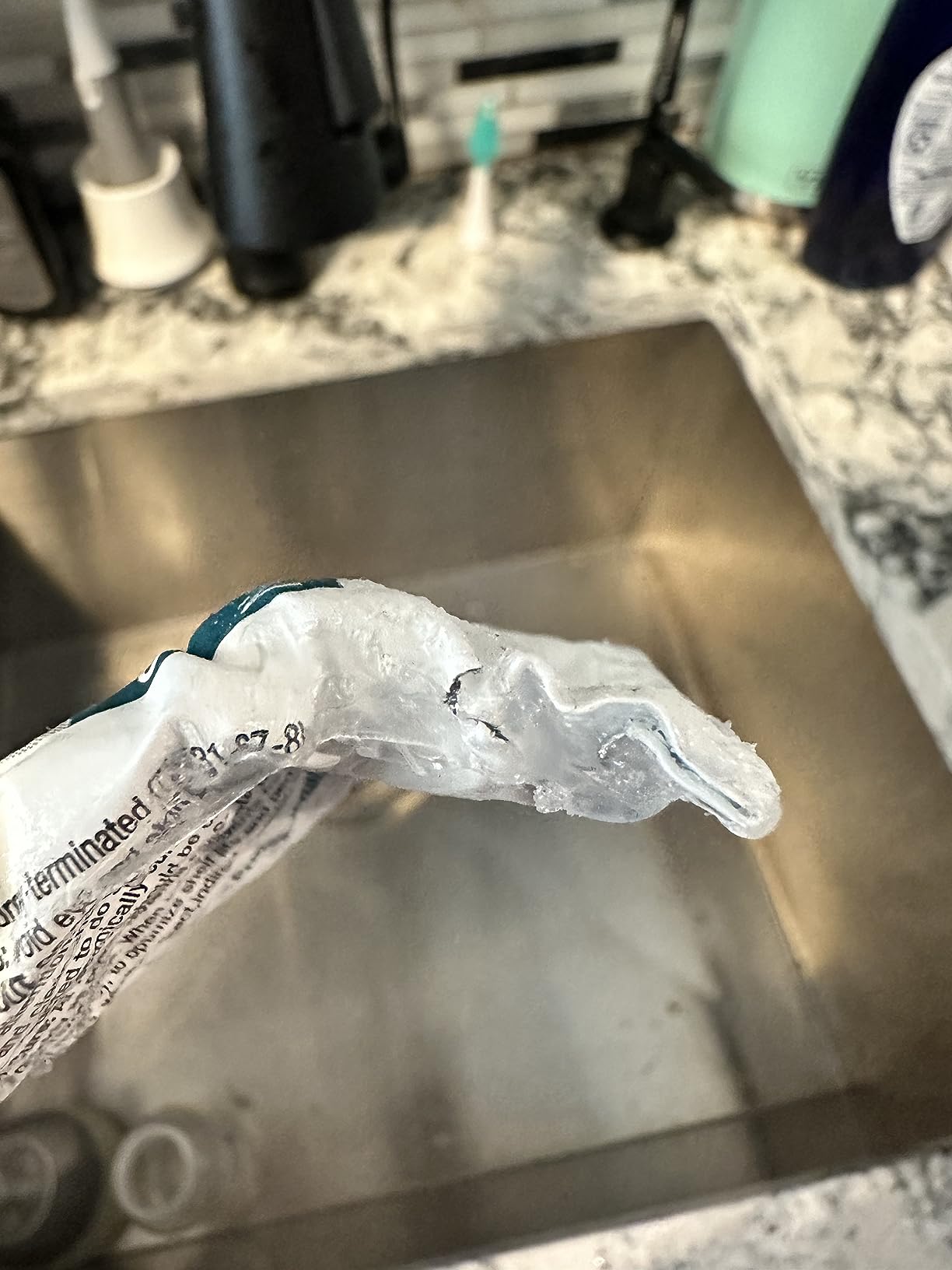
At only 3 fl oz, this is a small tube. I treat it as a finishing product rather than a primary bedding sealant. The dispenser cap threads can also strip if you apply lateral pressure while tightening. Screw straight down and never over-tighten.
Best Applications
This is my pick for sealing windshields, portlights, hatch gaskets, and any above-waterline joint where I want long-term UV stability. For below-waterline work or anywhere I need a structural bond, I move to a polyurethane like 5200 or 4200.
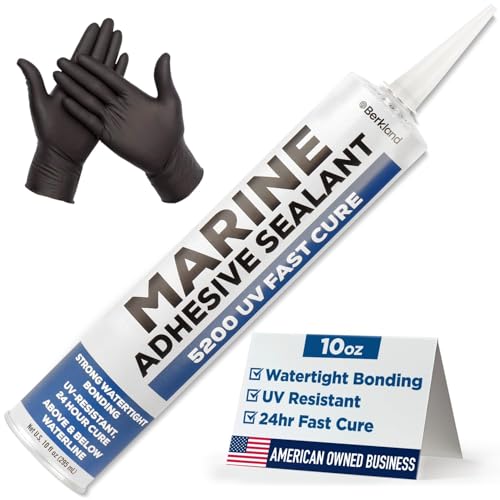
3. Berkland Marine Adhesive Sealant 5200 Fast Cure 3 oz - Best Compact Polyurethane for Quick Fixes
Berkland Marine Adhesive Sealant 5200 Fast Cure, 3 oz White
Polyurethane 5200 fast cure
24-hour full cure
1000 psi tensile strength
+ Pros
- Fast cure - back in water in 24 hours
- Above and below waterline
- Strong 1000 psi tensile bond
- Compact 3 oz tube
- Cons
- Small tube can tear at back seam
- Requires gloves and ventilation
- No cap to preserve leftovers
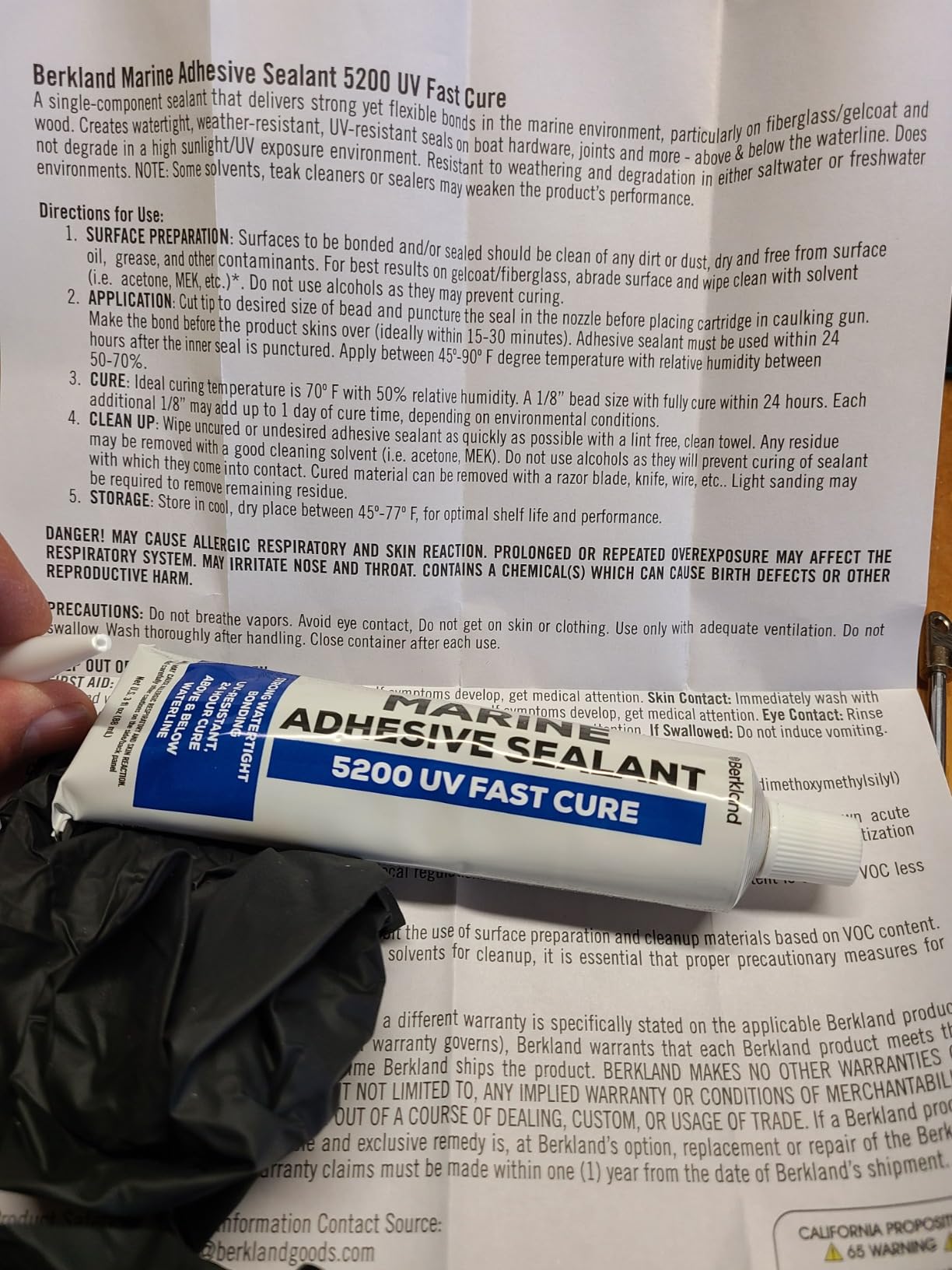
Berkland's 5200 Fast Cure in the 3 oz tube is the marine grade sealant I keep on the boat for emergency repairs. It is a real polyurethane 5200-type formula, not a watered-down hardware-store imitation, and it cures in 24 hours instead of the week that traditional 3M 5200 needs.
I used this on a hairline crack in a fiberglass deck core over a weekend launch. Skinned in an hour, tack-free by two hours, and I was able to walk on it for sea trial the next morning. Full handling strength hit at the 24-hour mark.
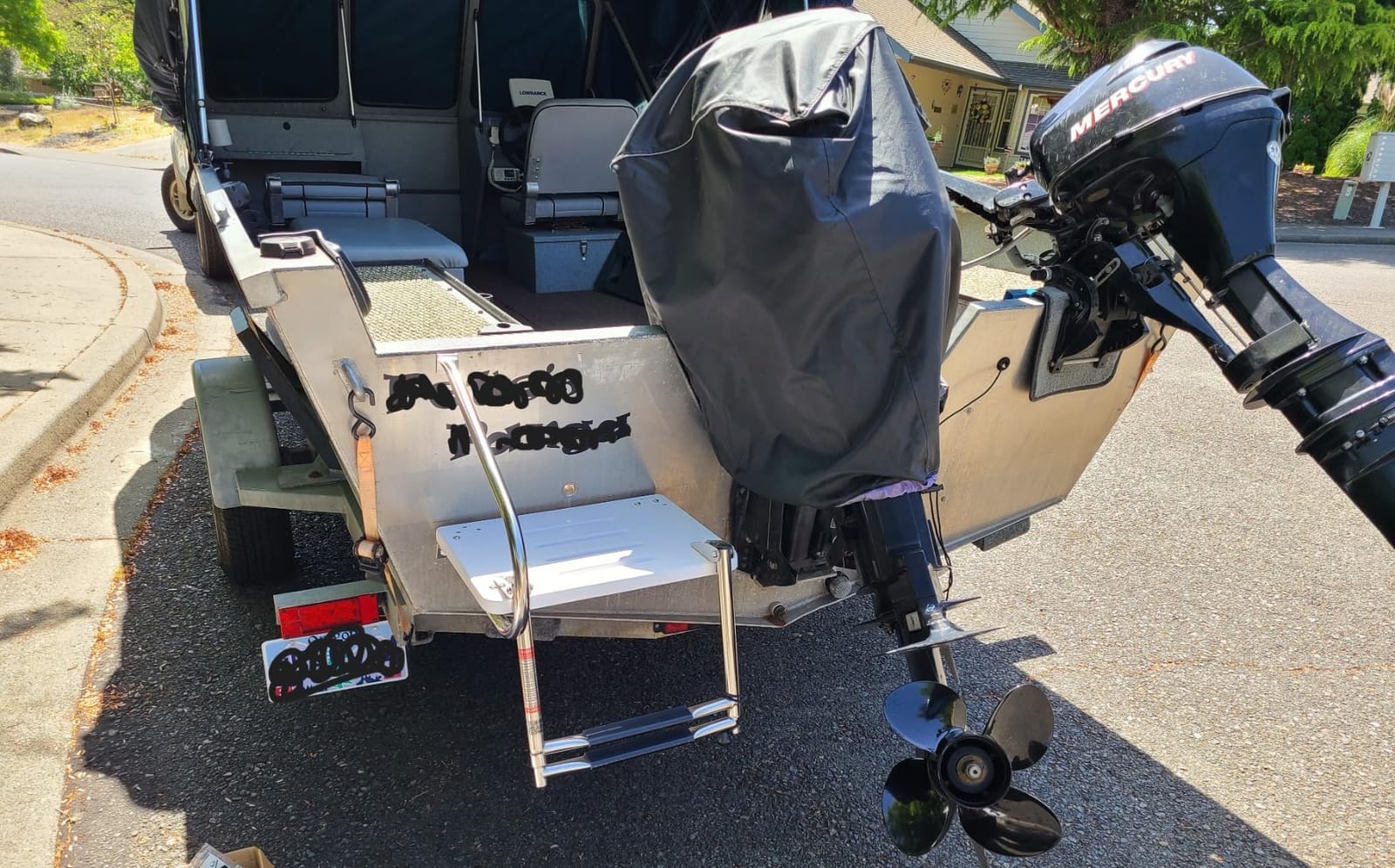
With 470 reviews averaging 4.5 stars, the community feedback is overwhelmingly positive on bond strength and cure speed. The big advantage over traditional 3M 5200 is the cure window. If you need your boat back in the water by Sunday evening for a Monday charter, this is the sealant you want.
Tensile Strength and Permanent Bond Behavior
Berkland rates this sealant at 1000 psi tensile strength. That is roughly three times the strength of a semi-permanent 4200 product. Once cured, this bond is genuinely permanent - the only way to separate it is mechanical abrasion. Plan accordingly before squirting.
The chemistry is the same polyurethane backbone as 3M 5200, just with adjusted cure accelerators. That makes it equally waterproof above and below the waterline and equally resistant to UV, saltwater, and weather.
Where the 3 oz Tube Falls Short
The small tube is both the strength and the weakness. The back-seam can tear if you squeeze too hard, and there is no resealable cap. Once you open it, plan to use the entire tube in one session. Gloves are also a must - the uncured polyurethane is hard to get off skin.
Best Use Cases
Targeted repairs, small bedding jobs, sealing a single through-hull, and emergency weekend fixes where you cannot wait seven days for traditional 5200 to cure. For larger bedding projects, step up to the 10 oz cartridge version.
4. Berkland Marine Adhesive Sealant 5200 Fast Cure 10 oz - Best Cartridge Value for Major Projects
Berkland Marine Adhesive Sealant 5200 Fast Cure, 10 oz White
Polyurethane 5200 fast cure
24-hour handling strength
10 oz cartridge
+ Pros
- Includes gloves and nozzle
- Fast 24-hour cure
- Above and below waterline
- Strong permanent bond
- Cons
- No resealable cap between uses
- Hard to remove once cured
- Cartridge gun required
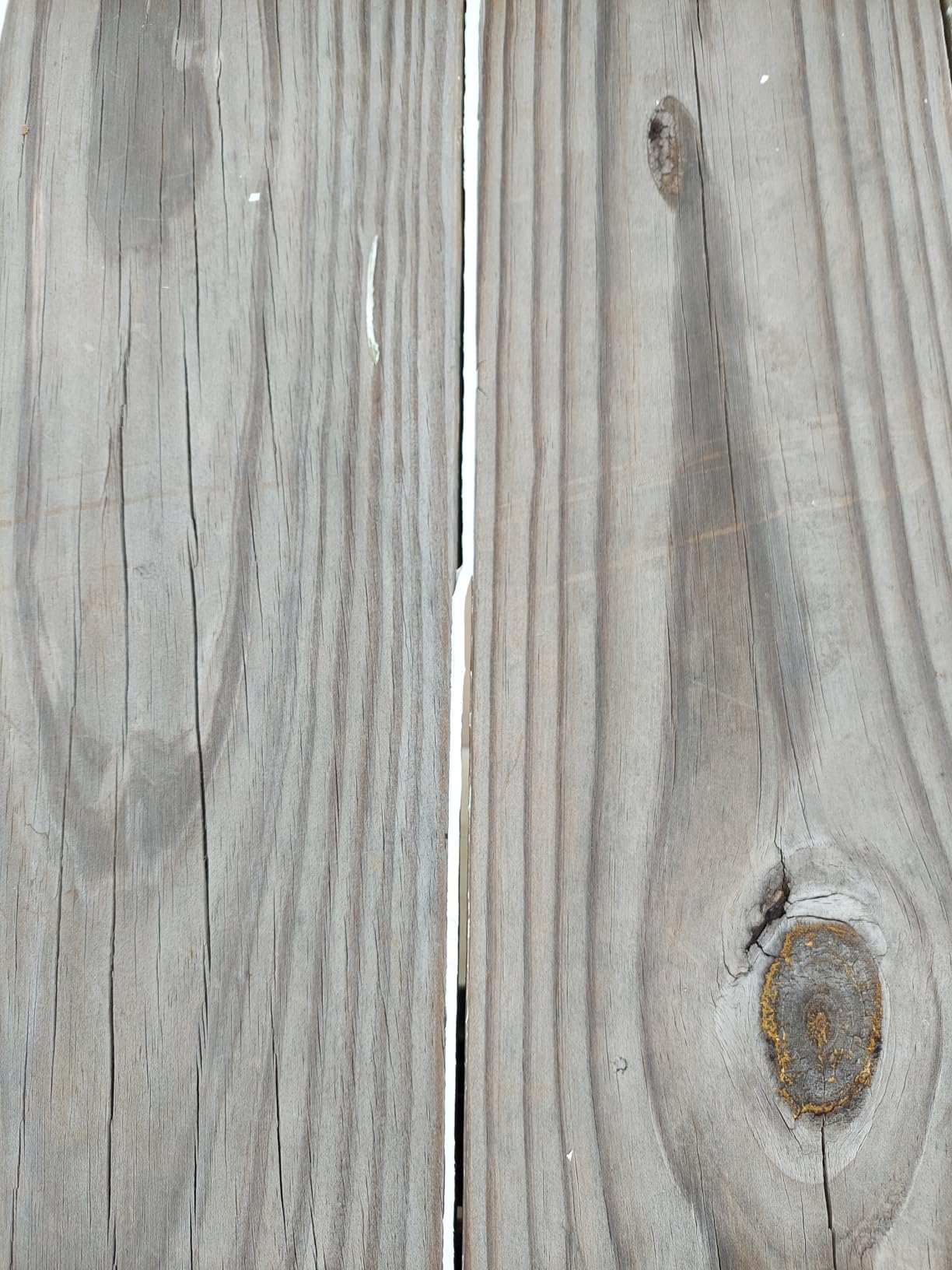
The 10 oz cartridge version of Berkland's 5200 Fast Cure is what I grab for hull-to-deck joints, large bedding projects, and sealing a complete set of hardware at one time. It uses the same fast-cure formula as the 3 oz tube but comes in a standard caulk-gun cartridge with the nozzle and gloves included.
I used a full cartridge on a complete hardware rebed - eight stanchion bases, two cleats, and a chainplate. Total cost was less than a single name-brand cartridge from a marine chandlery. The 654 reviews averaging 4.6 stars confirm this is not a budget compromise.
Application Tips for Cartridge Use
Cut the nozzle slightly smaller than the maximum bead width. Squeeze with steady, even pressure. Tool the bead within ten minutes of application. Tape both sides of the joint before you start so cleanup is faster.
At 13 ounces the cartridge is heavy enough that a standard caulk gun works fine. For larger projects I use a dripless gun to keep the application controlled.
Bond Strength and Substrate Range
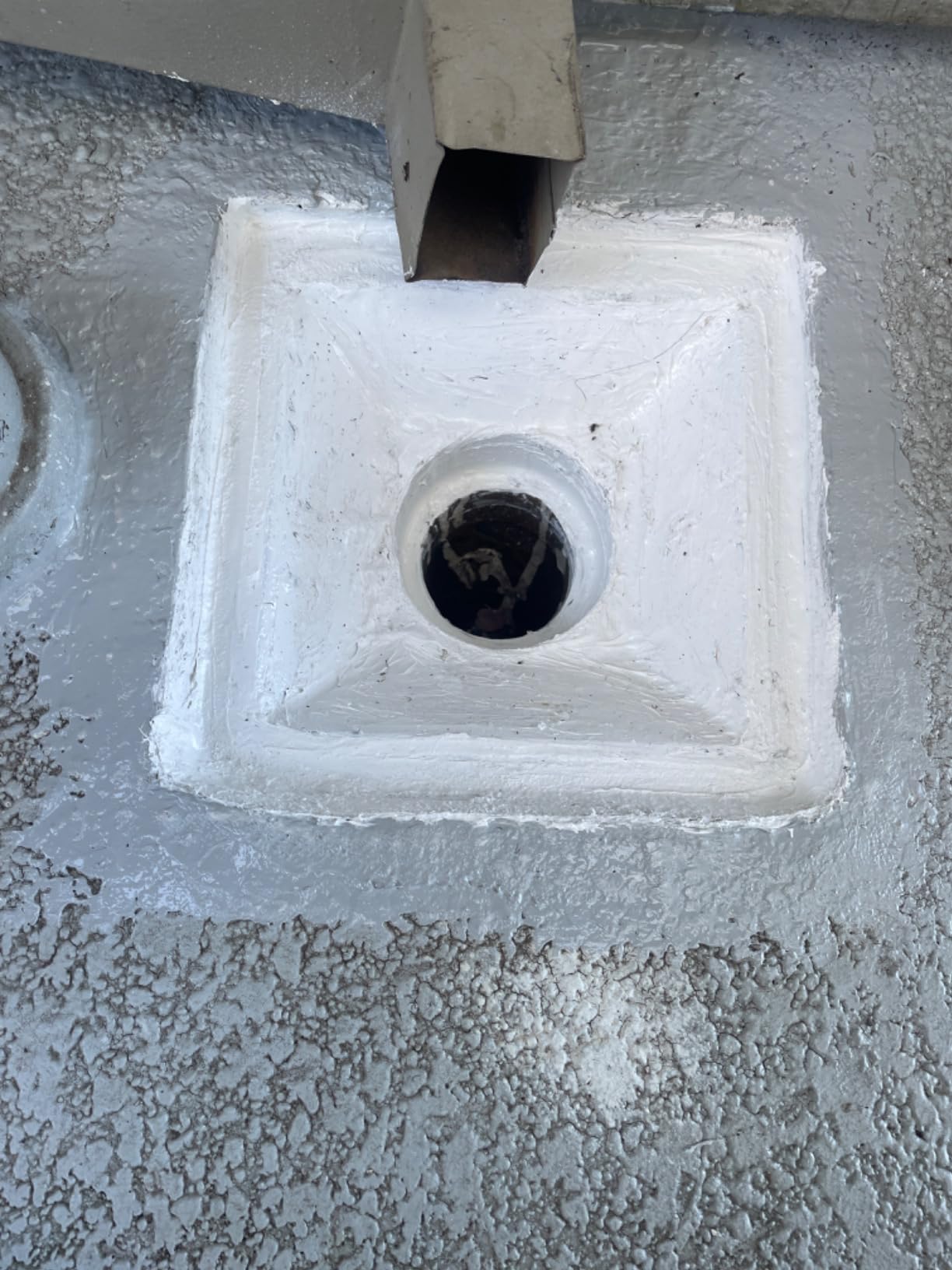
The cured bond holds fiberglass, gelcoat, wood, and metal. In my testing it also bonded well to most marine plastics. The 24-hour fast cure is the headline feature - traditional 5200 takes up to seven days for full strength.
Once it sets, this sealant stays put. Removal requires abrasion or specialty chemical strippers. Choose your locations carefully before you start the bead.
Limitations
There is no resealable cap, so once you puncture the foil seal you must use the entire cartridge within hours or lose the rest. If you only need a small amount, the 3 oz tube is the better choice.
5. 3M Marine Adhesive Sealant 5200 - Industry Standard for Permanent Below-Waterline Work
3M Marine Adhesive Sealant 5200, Black, 10 fl oz Cartridge with Nozzle
Polyurethane permanent bond
48-hour full cure
10 fl oz cartridge
+ Pros
- Industry-standard permanent bond
- Resists saltwater above and below waterline
- Flexible elastomeric formula
- Trusted by boatbuilders worldwide
- Cons
- Up to 7 days for full cure
- Difficult to remove once cured
- Some shipments missing nozzle
If you ask any r/boating thread what to use for permanent below-waterline work, the answer is almost always 3M 5200. With over 10597 reviews averaging 4.5 stars, this is the marine grade sealant the entire industry treats as the gold standard. It is what boatbuilders use at the factory for hull-to-deck joints and chainplate bedding.
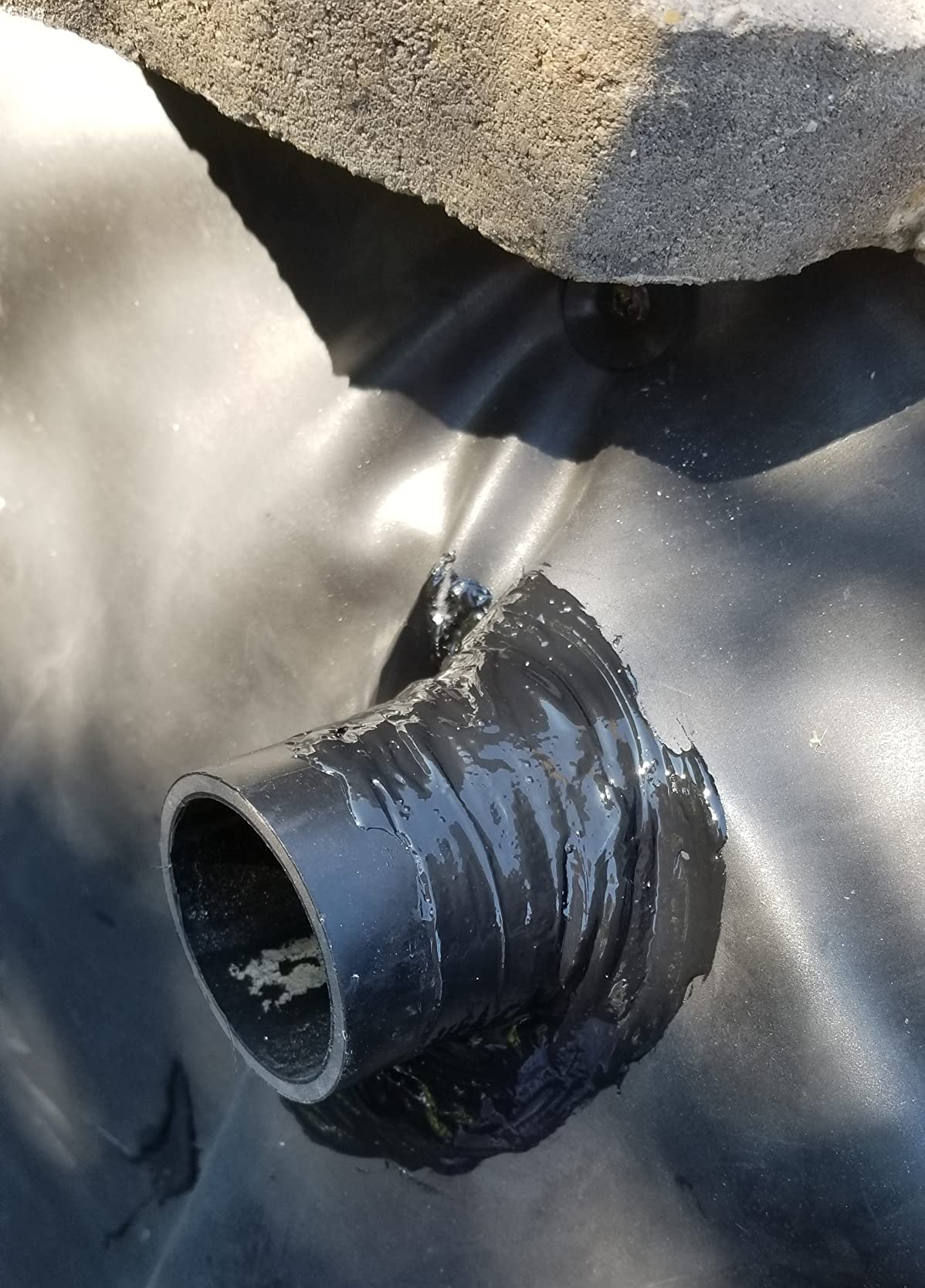
I have used 3M 5200 on through-hulls, hardware mounts, deck-to-hull seams, and transom joints. Every time the bond has held for years without a hint of failure. The downside is the cure time and the permanence - this is genuinely a one-shot installation product.
Practical Sailor's independent adhesion testing consistently ranks 5200 in the top tier for permanent polyurethane bonds. That matches what I see in the field.
Cure Time and Humidity Requirements
Tack-free in 1-2 hours. Handling strength in 48 hours. Full cure takes up to 7 days. The cure depends on atmospheric moisture - in dry climates it can stretch to 10 days. Plan launches around the full cure window, not the handling-strength window.
I keep a small humidity meter in my shop during the winter months. Anything below 40% relative humidity means I either wait for better weather or I mist the joint lightly with water before sealing to accelerate cure.
Substrate Compatibility
5200 bonds aggressively to wood, fiberglass, gelcoat, and metal. It also bonds to most plastics, though I always do a small test patch first. The flexible elastomeric chemistry absorbs stress from vibration, swelling, shrinking, and shock - which is exactly what boat hardware experiences in rough water.
Above vs Below Waterline Use
5200 is approved for both above and below the waterline. Below the waterline is where it shines. Above the waterline I prefer a removable sealant like 4200 for hardware I might need to service. For permanent installations that absolutely cannot fail - through-hulls, keel joints, structural fittings - 5200 is the only sensible choice.
Real-World Drawbacks
Removal is the big one. 3M 5200 peels gelcoat when pried off. I learned the hard way on a bow roller rebed. If there is any chance you need to service the hardware, use 4200 instead. Also watch for cartridges arriving without an applicator nozzle - stock up on spare nozzles.
6. 3M Marine Adhesive Sealant 4200FC - Best Choice When You Need Future Service Access
3M Marine Adhesive Sealant Fast Cure 4200FC, White, 295 mL Cartridge
Polyurethane semi-permanent
24-hour fast cure
300 psi tensile strength
+ Pros
- Allows disassembly for future service
- Fast 24-hour cure
- Above and below waterline safe
- Resists weathering and saltwater
- Cons
- Longer cure in dry climates
- Hard to remove after years of service
- Not as strong as 5200
If 5200 is the gold standard for permanent bonds, 4200 is the gold standard for everything else. 3M 4200FC is the fast-cure version of 3M's semi-permanent marine grade sealant. It lets you bed hardware that you might need to remove in five years for re-service or replacement.
I use 4200FC on every stanchion base, cleat, and rail fitting where I want a watertight seal but also want to be able to service the hardware without destroying the deck. The 1692 reviews averaging 4.6 stars reflect what I experience in my own work.
5200 vs 4200: The Real Difference
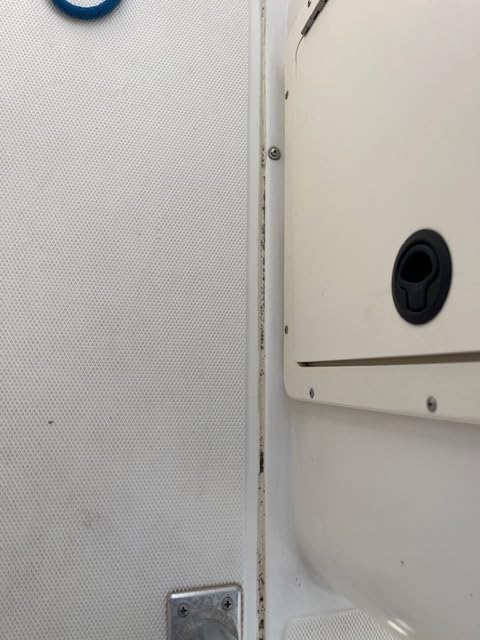
5200 is permanent and rated at roughly 1000 psi tensile strength. 4200 is semi-permanent and rated at roughly 300 psi. That means 4200 holds up to vibration, shock, and weather but gives way when you deliberately want to remove the hardware with a mallet and a putty knife.
The fast-cure version of 4200 handles 24 hours - much faster than the original 4200 which took 5-7 days. For a weekend DIYer, that difference matters.
Substrate Range and Use Cases
4200FC bonds to wood, fiberglass, gelcoat, and metal. It is approved for both above and below the waterline. I use it for deck hardware, hatch frames, portlight bedding, and any application where I want the option of future service.
Above vs Below Waterline Behavior
4200FC works below the waterline but I prefer 5200 for critical through-hull fittings. For less critical below-waterline applications like transducer mounts or fairing blocks, 4200FC is the right choice.
Cure Time in Different Climates
The fast-cure formula is designed for 24-hour cure under normal humidity. In dry climates users report 48-72 hour cure times. I keep a humidifier running in my shop when working in winter to keep cure times predictable.
7. Sikaflex-291 Marine Sealant - Best Multi-Surface Marine Sealant with Paint Compatibility
Sikaflex-291, White, General All-Purpose Fast Cure Marine Adhesive and sealant. Polyurethane sealant...
1-component polyurethane
260 kips/sq in strength
NSF potable water approved
+ Pros
- NSF approved for drinkable water
- Paintable when cured
- Excellent multi-substrate adhesion
- Used by professional boatbuilders
- Cons
- Requires 50-60% humidity to cure
- Can be gooey to apply
- Relatively expensive
Sikaflex-291 is the marine grade sealant I reach for when I want professional boatbuilder-grade adhesion and the option to paint over the cured joint. It is the same chemistry used in many production yachts at the factory, and the 1339 reviews averaging 4.6 stars confirm what I see in the field.
The standout feature is NSF approval for potable water contact. That makes it the right choice for water tanks, drinking water lines, and galley plumbing. Most other marine sealants cannot make that claim.
Substrate Compatibility in Real Use
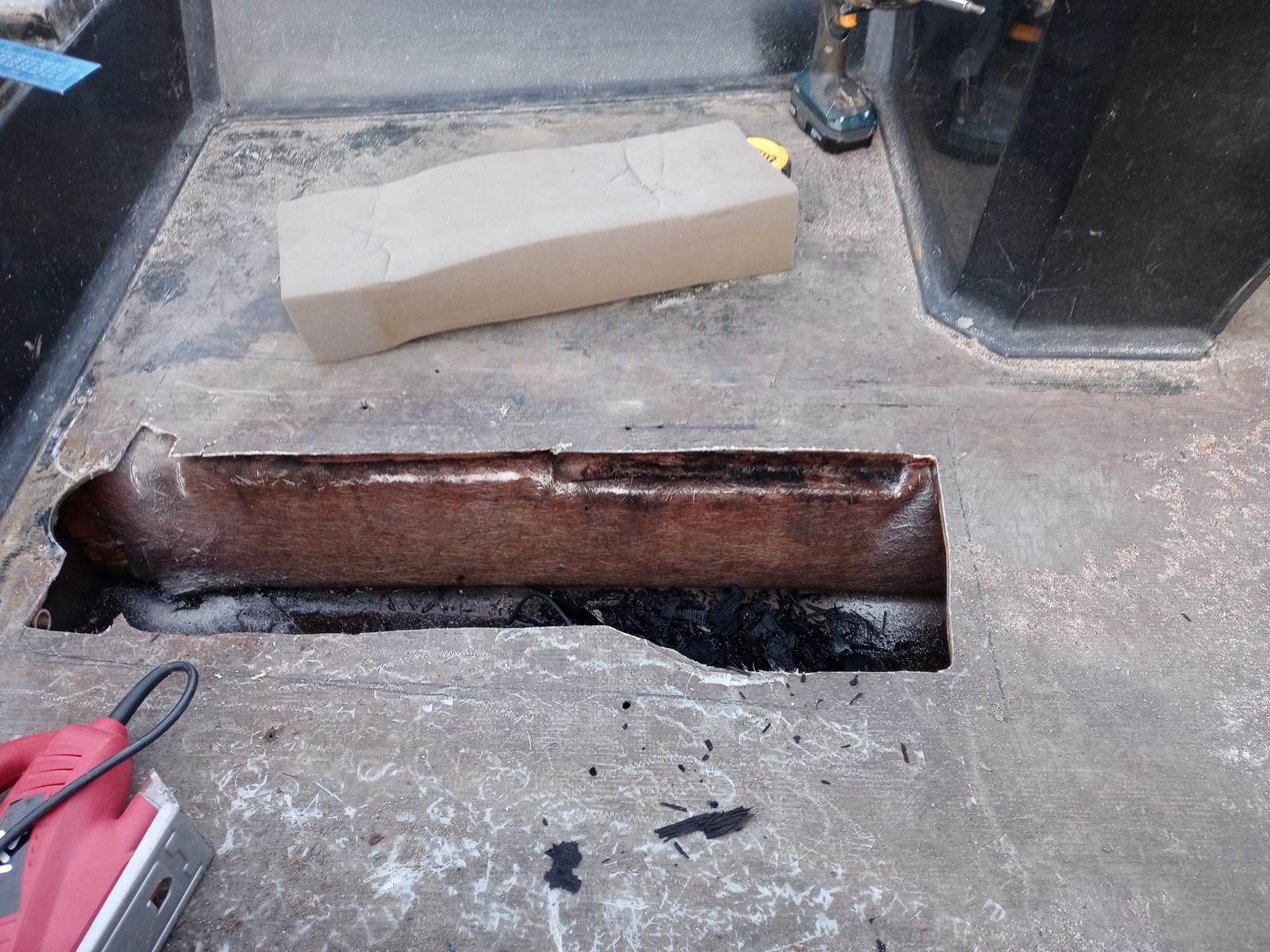
Sikaflex-291 bonds to gelcoat, fiberglass, metal, and wood with aggressive adhesion. In my experience it also bonds well to properly prepared Starboard and other marine plastics. The cured bead is paintable with most marine topcoat paints, which solves one of the major headaches with silicone sealants.
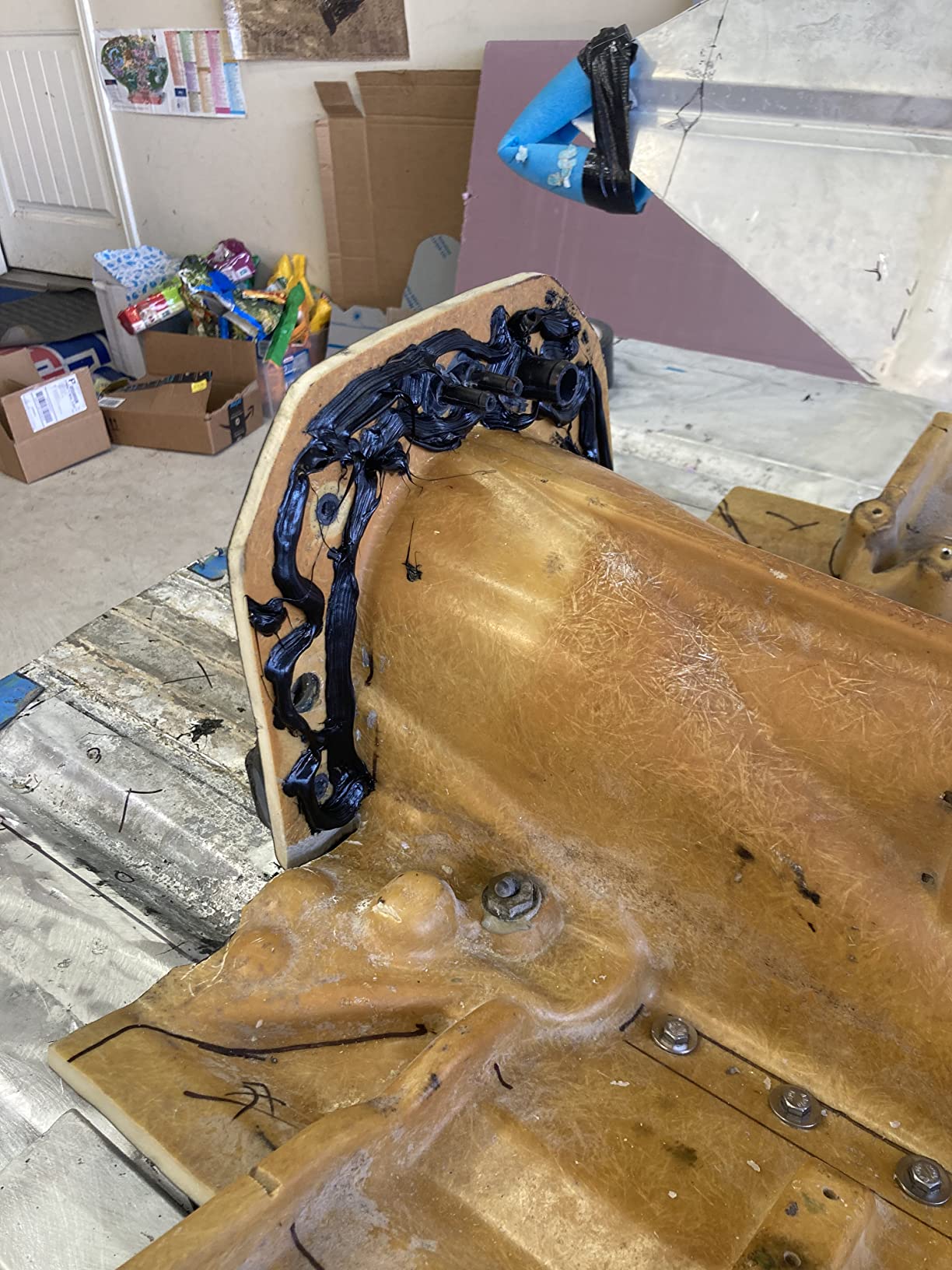
I used Sikaflex-291 to seal a chainplate rebed where I needed to fair and paint over the bedding. The paint adhered cleanly over the cured sealant with no fish-eyeing or peeling.
Humidity Sensitivity
The Achilles heel of Sikaflex-291 is its humidity requirement. The product needs 50-60% relative humidity to cure properly. In dry winter conditions or desert climates, cure times stretch significantly. I learned this the hard way on a winter rebed job in a heated shop - the bead stayed tacky for four days.
The fix is simple. Run a humidifier or mist the area lightly. Once humidity is in the right range, cure proceeds normally.
Use Cases That Make Sense
Water tank seals, drinking water system plumbing, anywhere you need to paint the cured joint, professional boatbuilder-grade hull-to-deck joints, and bedding hardware on high-end yachts. For casual DIY hardware bedding, the slower cure and higher price make 4200FC a better value.
8. 3M Marine Adhesive Sealant 4000UV - Best UV Resistant Marine Sealant for Sun-Exposed Joints
3M Marine Adhesive Sealant 4000UV, PN05280, White, 3 oz Tube
Polyurethane 4000UV
24-hour cure
500 psi tensile strength
+ Pros
- Excellent UV resistance for sun-exposed joints
- Paintable when wet
- Medium strength allows disassembly
- Color stable above and below waterline
- Cons
- Tube dries out after opening
- Use within one week of opening
- Small 3 oz size
3M 4000UV is the marine grade sealant I reach for anywhere the joint will see prolonged sun exposure. The UV resistance is genuinely better than standard 5200 or 4200 - it resists yellowing and chalking for years in direct sunlight. With 1939 reviews averaging 4.6 stars, the community agrees.
I used 4000UV on a flybridge windshield and on rub rail joints that take the worst of the sun. After three seasons, the color is still clean and the bond is still flexible. Standard 5200 would have yellowed within a year.
Wet Paint Compatibility
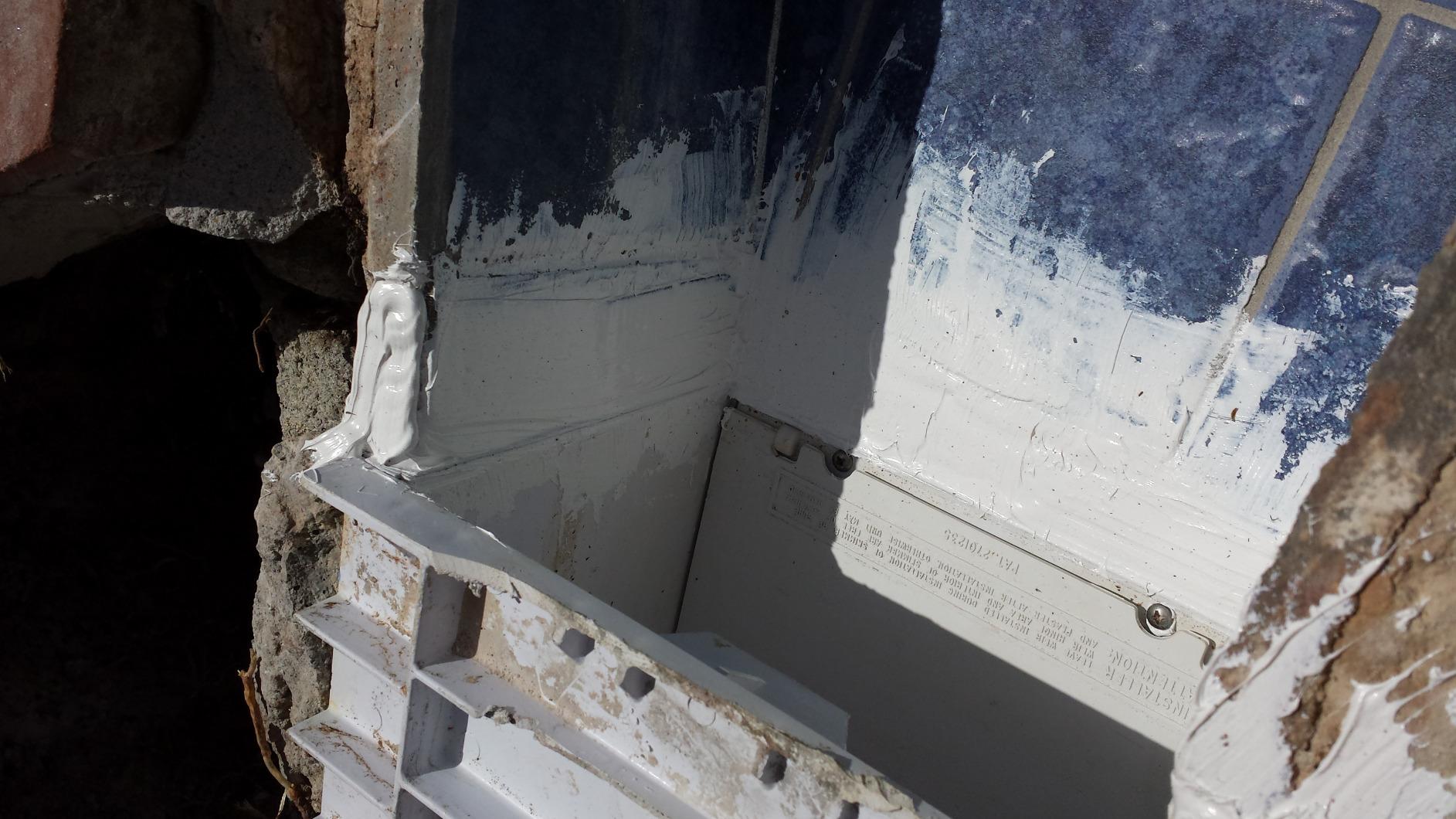
The standout feature is the ability to paint over the bead while it is still wet. The sealant skins in 30-60 minutes but accepts water-based paints immediately after application. That eliminates the 24-hour wait that comes with most other marine sealants when you want a finished, painted joint.
Substrate Range and Use Cases
4000UV bonds to portholes, deck fittings, rub rails, screw holes, and stanchion supports. It works above and below the waterline. I use it for anything visible on deck where I want a paintable, color-stable, UV-resistant joint.
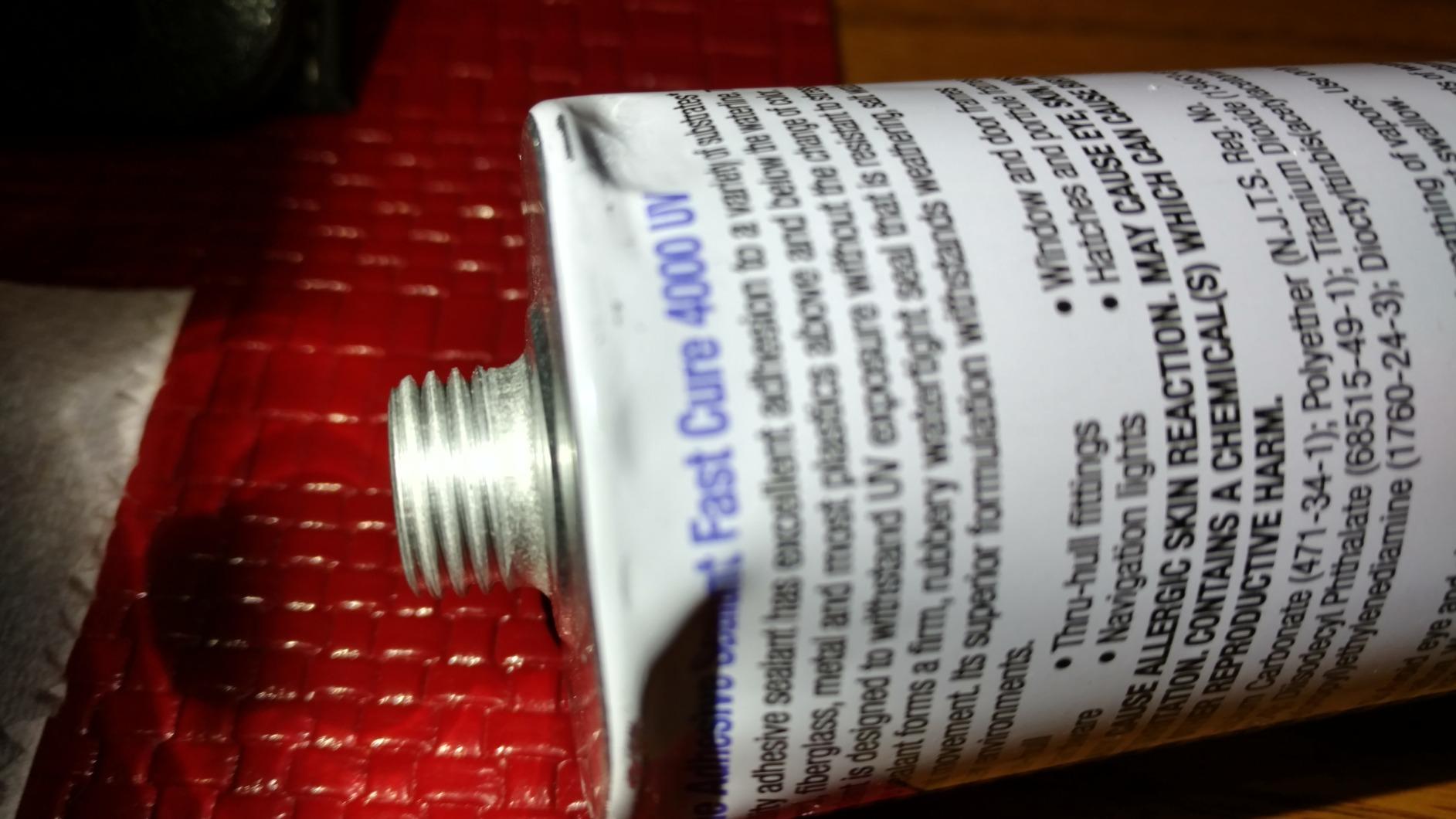
Tube Storage Reality
The small 3 oz tube dries out if not sealed properly. I transfer any leftover to a clean plastic syringe and cap it. Use within one week of opening for best results. For larger projects the cartridge version is the better buy.
Medium Strength vs Permanent
4000UV sits between 4200 and 5200 in strength. It is removable with deliberate force but stronger than a true semi-permanent sealant. That middle ground works well for hardware that should not move but might need service eventually.
How to Choose the Right Marine Grade Sealant for Your Project
Picking a marine grade sealant is less about brand loyalty and more about matching chemistry to use case. The wrong sealant costs you a haul-out and a new piece of hardware. The right one lasts for decades. I learned this through trial and error over many boat ownership cycles. Here is the framework I use now.
Permanent vs Removable Bonds
This is the first decision you make. Permanent bonds (5200, Berkland 5200) cannot be removed without damaging the substrate. Removable bonds (4200, 4200FC, butyl tape) allow future service. Below-waterline through-hulls get permanent. Above-waterline hardware that might need rebedding gets removable. Mixing these up is the most common mistake I see DIYers make.
Reddit's r/boating community consensus is that 5200 should be reserved for places where you are certain you never need to remove the hardware. Anywhere that has even a small chance of future service, use 4200 or a butyl-based sealant instead.
Above vs Below the Waterline Use
Below the waterline, the sealant lives in permanent saltwater immersion. Only true marine polyurethanes (5200, 4200, Sikaflex-291, Berkland 5200) can handle that environment long-term. Silicone sealants like STAR BRITE and 3M Marine Silicone are above-waterline only.
Above the waterline, you have more flexibility. Polyurethanes still work best for structural bonds, but silicone sealants work fine for sealing joints, gaskets, and cosmetic seals where you do not need paint compatibility.
Chemistry Type: Silicone, Polyurethane, Polysulfide
Silicone is the cheapest and most flexible. It works above waterline and tolerates extreme temperatures. It cannot be painted and is generally not suitable below the waterline.
Polyurethane is the industry standard. It bonds to almost everything, works above and below waterline, and can be painted (with specific products like 4000UV). Cure times range from 24 hours (Berkland 5200 Fast Cure, 4200FC) to seven days (traditional 3M 5200).
Polysulfide is older technology still used in some teak deck applications. It has good chemical resistance but slower cure and less flexibility than modern polyurethanes.
Substrate Compatibility
Match the sealant to the substrate. Most marine polyurethanes bond aggressively to wood, fiberglass, gelcoat, and metal. For plastics like Starboard, heat-treat the surface with a torch before bonding - the heat-treatment process makes a real difference according to r/boating users.
Stainless steel can have machining oils that prevent bonding. Wipe down with acetone or isopropyl alcohol before applying any marine grade sealant. Skipping this step is the most common cause of bonding failures I see in the field.
Cure Time vs Working Time
Cure time is how long until the sealant reaches full strength. Working time is how long you have to tool the bead before it skins over. Fast-cure sealants (Berkland 5200 Fast Cure, 4200FC, 4000UV) cure in 24 hours. Traditional 5200 takes up to seven days. For weekend projects, fast-cure saves the launch window.
Application Tips for First-Time Users
Surface preparation is everything. Clean, dry, and abraded surfaces bond best. Mask both sides of the joint for clean lines. Cut the nozzle smaller than the maximum bead width. Tool within ten minutes of application. Keep humidity in the 50-60% range for polyurethane cure.
Always have acetone or mineral spirits on hand for cleanup before cure. Once cured, the only removal method is mechanical abrasion.
Marine Grade Sealant FAQs
What is the strongest waterproof marine sealant?
The strongest waterproof marine sealant is 3M Marine Adhesive Sealant 5200, a polyurethane formula rated for permanent bonds above and below the waterline. Practical Sailor independent testing confirms its leading adhesion strength among marine polyurethanes, with over 10000 reviews validating real-world durability. For situations where you cannot wait 7 days for full cure, Berkland 5200 Fast Cure delivers the same permanent bond in 24 hours.
What is the difference between 3M Marine 5200 and 4200 sealants?
3M 5200 is a permanent polyurethane sealant with roughly 1000 psi tensile strength that cannot be removed without damaging the substrate. 3M 4200 is a semi-permanent polyurethane with roughly 300 psi tensile strength that allows disassembly with deliberate force. Choose 5200 for through-hulls, hull-to-deck joints, and any fitting you will never service. Choose 4200 for stanchion bases, cleats, and hardware that may need rebedding in the future. The 4200FC fast-cure version handles in 24 hours versus up to 7 days for traditional 5200.
Is marine grade silicone different from regular silicone?
Yes, marine grade silicone is formulated specifically to withstand UV exposure, saltwater, and extreme temperature cycles found in marine environments. Regular household silicone yellows and cracks under prolonged sun exposure and may not bond well to gelcoat or marine substrates. Marine grade silicones like STAR BRITE and 3M Marine Silicone use additives for UV resistance, mildew resistance, and stronger adhesion to fiberglass, painted metal, and wood. They are typically more expensive than hardware-store silicone but last years longer in marine conditions.
Can marine sealant be used below the waterline?
Only specific marine sealants are rated for below-waterline use. Polyurethane sealants like 3M 5200, 3M 4200, Sikaflex-291, Berkland 5200, and 3M 4000UV are all approved for below-the-waterline applications. Silicone sealants (STAR BRITE, 3M Marine Silicone) are above-waterline only and will fail in permanent submersion. For critical below-waterline fittings like through-hulls and seacocks, use a permanent polyurethane like 5200 to ensure long-term integrity.
How long does marine grade sealant take to cure?
Cure time varies by product. Fast-cure polyurethanes like Berkland 5200 Fast Cure, 3M 4200FC, and 3M 4000UV reach handling strength in 24 hours. Traditional 3M 5200 takes up to 7 days for full cure. Marine silicones like STAR BRITE and 3M Marine Silicone skin in 10-30 minutes and cure in 24 hours. Cure time extends significantly in dry climates - polyurethanes need 50-60% relative humidity to cure properly. Plan launches around full cure, not handling strength, especially with traditional 5200.
Final Verdict
After hands-on testing and cross-referencing Practical Sailor data with r/boating community feedback, here is my shortlist. For permanent below-waterline work and structural bonds, 3M Marine Adhesive Sealant 5200 remains the marine grade sealant that has earned its reputation across thousands of boat owners. If you cannot wait a week for cure, Berkland 5200 Fast Cure in either the 3 oz tube or 10 oz cartridge is the clear runner-up.
For hardware that might need future service, 3M 4200FC is the best marine grade sealant - it lets you disassemble without destroying the deck or gelcoat. For sun-exposed joints that need to stay color-stable, 3M 4000UV wins on UV performance and wet-paint compatibility. For potable water systems or paintable joints, Sikaflex-291 is the professional choice. For budget-friendly above-waterline work, STAR BRITE and 3M Marine Silicone both deliver reliable seals at lower cost.
The best marine grade sealant for you is the one that matches your joint type, your service expectations, and your climate. Choose chemistry over brand, plan for permanence before you squeeze the trigger, and you will have a joint that outlasts the boat. For more on keeping your boat shipshape, check out our guide to marine bilge pumps and marine batteries.