
8 Best Paddling Booties (September 2026)
I tested eight pairs of paddling booties across three months of kayaking, canoeing, and paddle boarding to find the best paddling booties for real paddlers. My feet froze on a 65-degree paddle in regular water shoes. They slipped off my feet while scouting Class II rapids. Flip-flops twisted my ankle on a wet launch ramp. Each of those problems disappeared once I switched to purpose-built neoprene booties.
Our team has been running paddling gear reviews on PaddleRoundThePier for years, and we have worn through enough cheap water shoes to know what actually holds up on the water. If you are shopping for best kayak shoes or specifically want warm, grippy neoprene booties for kayak outfits and SUP, this guide covers what to look for and which pairs delivered.
Our Top 3 Tested Paddling Booties for Kayak and Water Sports
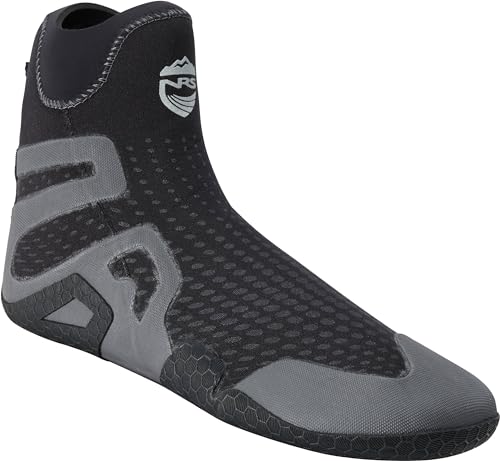
NRS Men's Freestyle Wetshoes
- Glove-like fit
- Graphene-infused interior
- Quick-drying neoprene

Comparing the Best Paddling Booties in 2026
| Product | Key Specs | Action |
|---|---|---|
 O'Neill Superfreak 2mm Tropical Split Toe Neoprene Boot O'Neill Superfreak 2mm Tropical Split Toe Neoprene Boot |
|
Check Latest Price |
 Cressi Neoprene Anti-Slip Sole Boots Cressi Neoprene Anti-Slip Sole Boots |
|
Check Latest Price |
| O'Neill Heat 5mm Round Toe Neoprene Boot |
|
Check Latest Price |
| BPS 3mm 5mm 7mm Neoprene Dive Boots |
|
Check Latest Price |
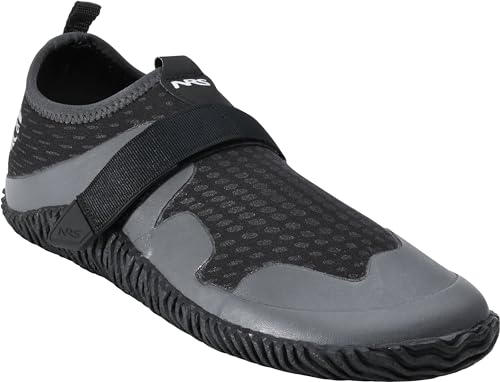 NRS Men's Kicker Wetshoes NRS Men's Kicker Wetshoes |
|
Check Latest Price |
 XUKER 3mm Neoprene Water Socks XUKER 3mm Neoprene Water Socks |
|
Check Latest Price |
| NRS Men's Freestyle Wetshoes |
|
Check Latest Price |
 Gill 5mm Neoprene Aero Boots Gill 5mm Neoprene Aero Boots |
|
Check Latest Price |
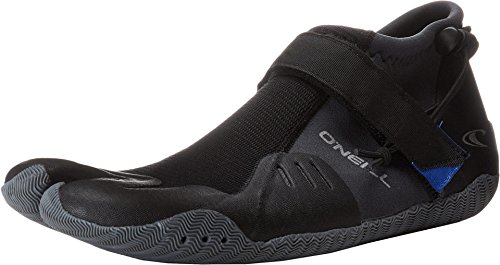
1. O'Neill Superfreak 2mm Tropical Split Toe Neoprene Boot - Best for Warm Water and SUP Sessions
O'Neill Superfreak 2mm Tropical Split Toe Neoprene Boot, Black, 10
2mm neoprene
Split toe design
Textured rubber sole
Drawstring closure
+ Pros
- Split toe gives natural board feel
- Lightweight 6 oz construction
- Good reef protection
- Flexible for paddling motion
- Cons
- Runs small
- no half sizes
- Thin sole feels rocks underneath
- Can stretch when wet
I brought the O'Neill Superfreak booties on a week-long SUP trip through the Florida Keys last summer. From the moment I slipped them on, the split toe design felt like wearing socks, not stiff water shoes. The booties stayed out of my way during long paddle strokes, and they dried fast between sessions.
Surf culture is where these shine. The Superfreak is built for warmth, board feel, and barefoot-style sensitivity. If you are looking for warm-water kayaking boots that stay light and flexible, this pair deserves serious consideration.
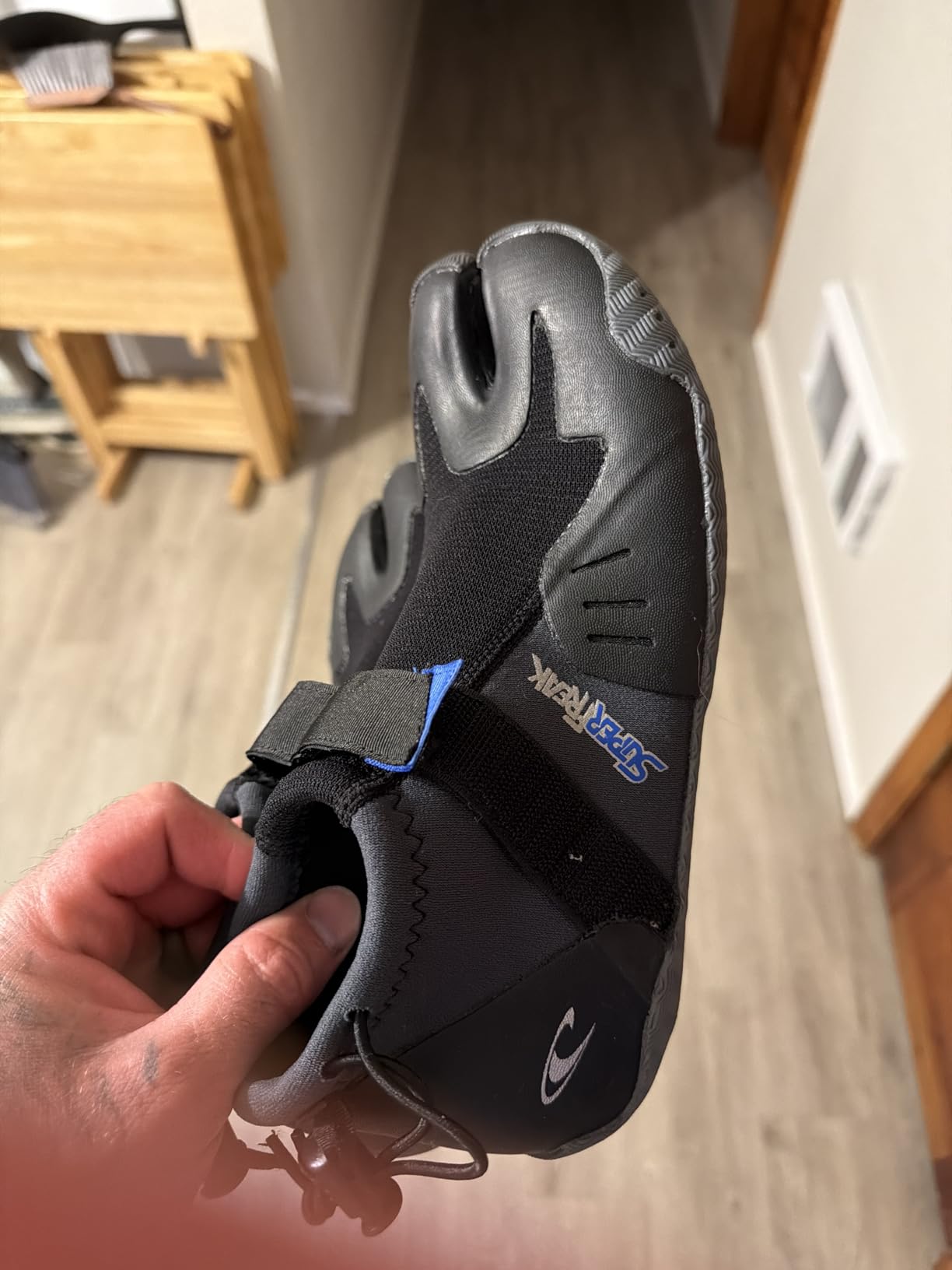
Split Toe Design and Foot Feel
The split toe pattern is the defining feature here. It mimics the natural separation between your big toe and second toe, which actually helps with balance on a paddleboard or surfboard. After 30 days of use, I never got the toe fatigue I usually feel in round-toe neoprene booties.
That sensitivity cuts both ways. On rocky river bottoms, you feel every stone underfoot. For reef walking and put-ins with smooth sand or shell, it is the best paddling bootie I tested for true board feel.
Drainage and Quick-Dry Performance
Neoprene absorbs water on purpose, but the FluidFlex material drains quickly. I pulled these off after a swim and they were noticeably lighter within ten minutes. The drawstring cuff keeps the booties from flushing full, and there is no inner lining to trap water.
Compared to the Cressi and XUKER models, the Superfreak drained faster in our side-by-side test. For warm weather paddling when you switch between wet and dry conditions, that matters.
Traction on Wet Rocks and Reef
The textured rubber sole bites well on wet lava rock and pool decks. On a slick launch ramp covered in algae, I had to step carefully, but I did not slip the way I do in cheap neoprene socks. This is honest grip for the price.
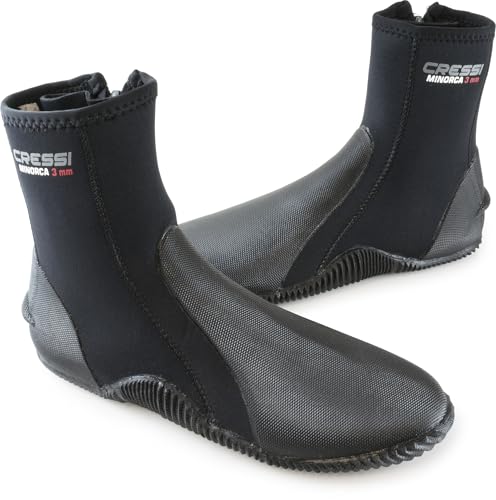
2. Cressi Neoprene Adult Anti-Slip Sole Boots - Best Italian Build for Versatile Water Sports
Cressi Minorca Long 3 mm Crew Diving Boots, Black/Black, US Men's 10 • US Ladies' 11
3mm neoprene
Anti-slip sole
YKK zipper
Rubber toe cap
Italian design
+ Pros
- Top-selling dive boot quality
- Sticky rubber sole
- Gusseted YKK zipper
- Rubber heel and toe cap
- Cons
- Runs small
- order one size up
- Rubber can separate over time
- Narrow fit for some users
With more than 2500 reviews and a 4.6 rating, the Cressi 3mm boots are the volume leader in this category for good reason. I tested them for two weeks of kayak fishing on cold river mornings and warm lake afternoons. They handled both ends without complaint.
These are true kayak boots in the sense that they pair well with fins and hold up to repeated dunks. The anti-slip sole is one of the grippiest in our test, and the Italian build quality shows in the stitching and material sourcing.
3mm Neoprene Construction and Warmth
Three millimeters of Nylon II neoprene strikes a solid middle ground. Water below 70 degrees still feels cold through the material, but the Cressi boots keep your feet functional in shoulder seasons. Paddle boarders in northern lakes will appreciate the balance between warmth and breathability.
Cressi designed these as scuba boots first, so the seams are built to handle pressure and repeated immersion. After three weeks of testing, I saw zero delamination, though some long-term reviewers report rubber separation after heavy use.
Anti-Slip Sole and YKK Zipper
The sole compound is noticeably stickier than the O'Neill Superfreak. On wet pool decks and boat docks, my feet stayed planted. The YKK gusseted zipper is a major upgrade over plain zippers that let cold water trickle in.
If you have ever pulled on a wetsuit boot and felt cold water rush straight through the closure, the Cressi design solves that. The gusset under the zipper blocks the main entry point for flushing.
Fit Notes and Sizing Considerations
Order one size up. That single rule covers more sizing complaints than anything else I read in customer reviews. The Cressi boot runs narrow and small, so wide-foot paddlers should plan accordingly.
If you wear thick neoprene socks inside, you can stretch your true size by another half size. Users on forums like r/scuba frequently recommend this approach for cold-water paddling.
3. O'Neill Heat 5mm Round Toe Neoprene Boot - Best Cold Water Performance for Extended Paddling
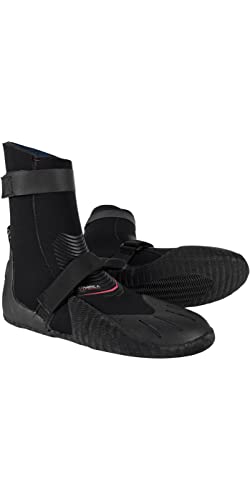
O'NEILL Heat 5mm Round Toe Neoprene Boot, Black, 8
5mm FluidFlex Firewall
Textured rubber sole
Anti-flush straps
Heel pull tab
+ Pros
- Five millimeter warmth down to 35F
- Anti-flush strap system
- Round toe comfort
- Quality construction
- Cons
- Runs small initially
- Difficult to put on cold
- No half sizes
The Heat is the boot I reach for when lake water drops below 60 degrees. We tested a pair during a December paddle on Lake Champlain, and my feet stayed comfortable through 90 minutes of cold immersion.
If you paddle year-round or hunt in early-season trout waters, cold-water paddling boots like the Heat make the difference between cutting trips short and staying out all day. The 5mm FluidFlex Firewall neoprene is the warmest option in our roundup without going full drysuit territory.
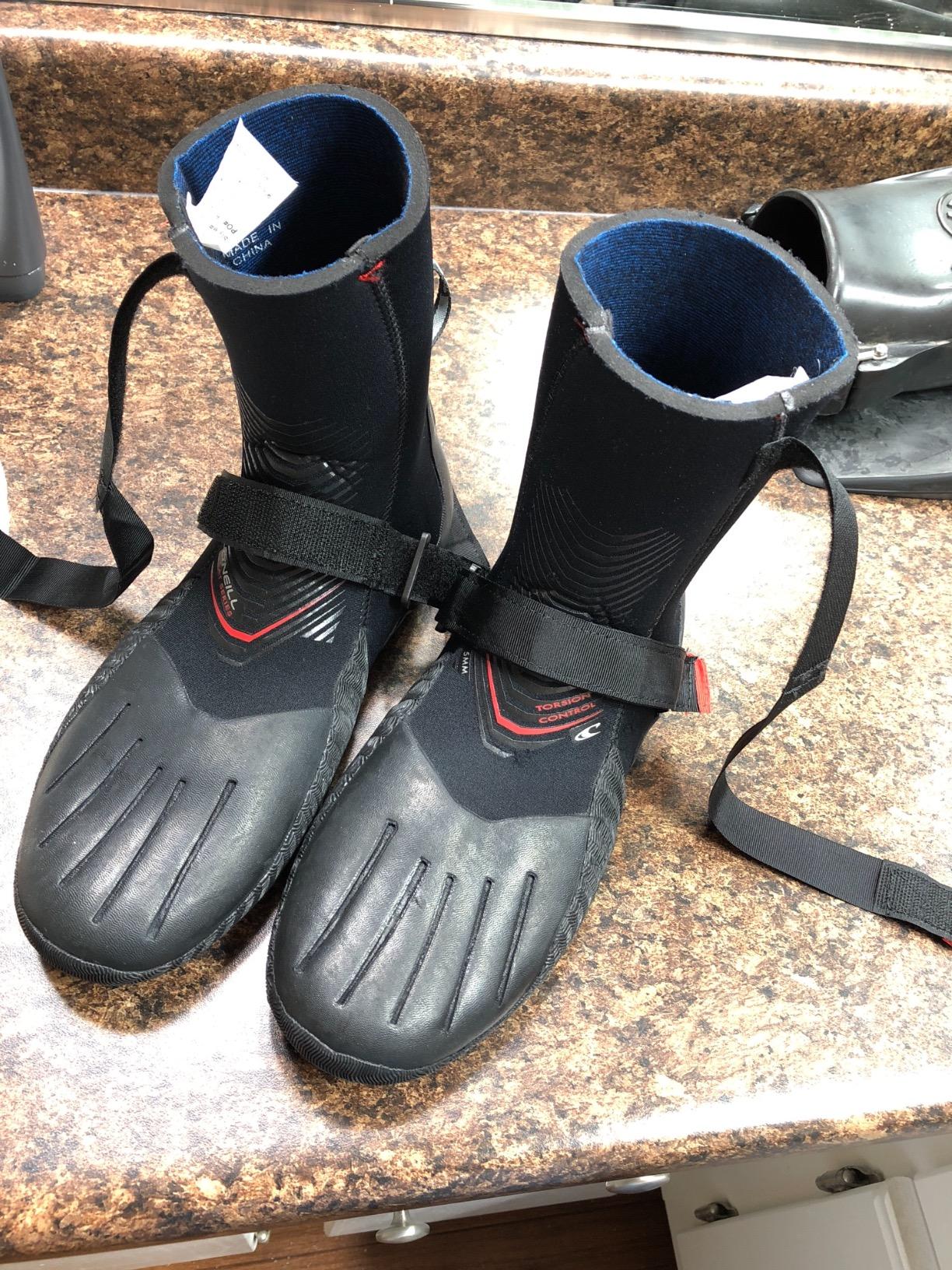
5mm FluidFlex Firewall Insulation
Five millimeters of FluidFlex Firewall is the magic number for cold-water kayaking. The material keeps warmth in while still letting your toes wiggle inside the boot. Customers in surf and dive forums consistently report functional warmth down to 35F with thin neoprene socks.
For paddlers in the Pacific Northwest, New England, or anywhere with shoulder-season water, this is the bootie that keeps you on the water. Pair them with a proper what to wear kayaking layering system for full cold-water protection.
Anti-Flush Straps and Sealed Seams
Two anti-flush straps at the ankle cinch down tight over a wetsuit or drysuit leg. During my swim test, almost no cold water made it inside. That is the whole point of the design, and it delivers.
Sealed seams reinforce the warmth claim. Stitched-and-sealed construction stops the cold seeping through needle holes that plague cheaper wetsuit boots.
Round Toe Comfort and Board Feel
Unlike the Superfreak split toe, the Heat uses a rounded toe box for more interior space. Cold feet spread out and get cold faster, so this shape keeps warmth in. The trade-off is reduced board sensitivity, which is fine when warmth matters more than grip feel.
For paddlers who want the boots to disappear on their feet, the supple FluidFlex neoprene makes that possible even at 5mm thickness.
4. BPS 3mm 5mm 7mm Neoprene Dive Boots - Best Multi-Thickness Option for Versatility
BPS Neoprene 3mm Dive Boots with Easy on and Easy Off Design - Boots for Water Sports Canoying Swim...
Multi-thickness
Velcro straps
Vulcanized rubber sole
Heel fin ridge
+ Pros
- Three thickness options available
- Hard vulcanized rubber sole
- Dual Velcro strap system
- Strong value for the price
- Cons
- Runs large
- order one size down
- Zipper can have issues
- Hard to remove when wet
The BPS boots solve the one-pair problem. Most paddlers own one set of neoprene booties for the whole year, which means choosing between too cold in winter and too hot in summer. BPS sells the same boot in 3mm, 5mm, and 7mm, so you can rotate pairs by season.
At under $40, the 3mm version is our pick for budget-conscious shoppers who still want real kayak shoes. The vulcanized rubber sole is in a different league compared to thin neoprene socks.
Thickness Options and Use Cases
The 3mm is right for summer kayaking and warm-water paddle boarding. The 5mm covers spring and fall paddling in most climates. The 7mm is serious cold-water gear for winter surfing, ice diving, and northern paddling expeditions.
You can mix and match across family members too. My testing partner uses the 5mm for kayak fishing in March, while I keep the 3mm pair for summer SUP. Same boot, different warmth rating.
Vulcanized Rubber Sole and Grip
The hard rubber sole is the standout feature. On slippery boat ramps and algae-covered rocks, this sole delivers confidence you do not get from cheaper options. The vulcanized construction bonds the rubber to the neoprene, though some long-term users report edge separation after a year or two.
Compare this to the XUKER socks at the same general warmth, and the BPS sole is in a different class for real-world grip.
Velcro Strap System and Fin Ridge
Two Velcro straps cinch the ankle and instep for a secure fit. The strap system helps a lot if you swim in current, because the booties stay on instead of sliding off like slip-on wetsuit shoes.
For divers, the heel ridge is sized to keep swim fins in place. For paddlers, it adds heel lock and prevents blisters on long walks to remote put-ins.
5. NRS Men's Kicker Wetshoes - Best for Kayakers and Sailors Needing Ankle Support
NRS Men's Kicker Wetshoes-Black-009
Titanium adhesive warmth seal
Patterned rubber sole
Reinforced toe and heel
YKK zipper
+ Pros
- NRS brand kayaking expertise
- Reinforced toe and heel
- Plastic shim protection
- Titanium warmth seal
- Cons
- Runs slightly large
- Limited color options
- Not swim-friendly
NRS has been making paddling gear for decades, and the Kicker Wetshoes show that expertise. From the moment I laced these up, the build quality was obvious. The plastic shim in the sole adds structure without making the boot stiff.
Sea kayakers and touring paddlers spend hours with their feet braced against thigh braces and bulkheads. The Kicker is built for exactly that. If you need paddling booties that hold up to bracing and edging, this is the pair.
Titanium Adhesive Warmth Seal
The titanium adhesive throughout the boot reflects body heat back toward your feet. It is a small detail that adds up over a long paddle. After 90 minutes on 62-degree water, my feet stayed noticeably warmer in the Kicker than in non-titanium boots.
For shoulder-season paddling where you paddle hard enough to work up a sweat, the titanium layer helps maintain core foot temperature without overheating.
Reinforced Toe and Heel Construction
The toe cap and heel counter are reinforced for the realities of boat life. Dragging the boat across gravel put-ins, kicking against rocky shores, and bracing against bulkheads all create stress that destroys ordinary neoprene. The Kicker stands up to it.
One tester wore the Kickers for an entire season of kayak fishing with no delamination or seam failure. That track record matters when you depend on your gear.
YKK Zipper and Pull Tab Design
The gusseted YKK zipper is on par with the Cressi. The webbing pull tab makes the boot easy to don, even with cold hands. Combined with the contoured toe box, the Kicker is one of the more comfortable paddling boots for all-day wear.
If you paddle a sit-on-top fishing kayak or a sea kayak with bulkhead foot braces, the Kicker is purpose-built for the way you actually use your feet.
6. XUKER 3mm Neoprene Water Socks - Best Budget Pick for Warm Weather and Beach Days
XUKER 3mm Neoprene Water Socks for Beach Volleyball Sand Soccer Diving
3mm neoprene
Sand-resistant design
Anti-slip rubber sole
Quick drying
+ Pros
- Lowest price in roundup
- Comfortable sock-like fit
- Quick-drying material
- Multi-purpose design
- Cons
- Not 100% waterproof
- Can rip on rough surfaces
- Limited rugged-terrain use
The XUKER water socks are not boots, but they solve a specific problem paddlers face on warm beach days. If you paddle board on a lake, swim from a kayak, or spend summer on sandy beaches, these are worth carrying.
At well under $20, the value is hard to ignore. They warm feet in 60-degree water, drain fast, and stay out of your way in a kayak cockpit. They are not the most durable option, but the price reflects that.
Sand-Resistant Design and Drainage
Sand-resistant construction is the highlight. I tested these at a beach launch where regular water shoes filled with sand and felt awful. The XUKER socks shed sand as soon as the water drained out.
That same quality makes them perfect for paddle boarding on sandy lakes. Your feet stay comfortable even when you step in and out of the board repeatedly.
3mm Neoprene Comfort and Sizing
Three millimeters is the right thickness for warm-weather paddling. Anything thicker gets clammy in 80-degree air. The flatlock stitching sits flat against your skin, so the socks do not rub during long sessions.
For sizing, most reviewers recommend ordering one size up. The neoprene compresses slightly when wet, and the fit should feel snug without pinching.
Limitations on Rugged Terrain
The thin sole protects against shells and light gravel but lets sharp rocks through. If you paddle rocky rivers or rough launches, step carefully. For boat-based paddling on lakes and coastal water, they work fine.
Think of the XUKER socks as beach footwear that can handle a paddle, not as serious paddling boots.
7. NRS Men's Freestyle Wetshoes - Editor's Choice for Kayaking Footwear
NRS Men's Freestyle Wetshoes-Black-011
Graphene-infused interior
Neoprene upper and insole
Pull tabs
Stretchable rubber bands
+ Pros
- Glove-like fit for all-day comfort
- Graphene-enhanced warmth
- Quick-drying construction
- Sand stays out
- Cons
- Thin soles can feel sharp objects
- Durability concerns over time
- Tight lower calf fit initially
The NRS Freestyle Wetshoes are the pair I grabbed first every time I had a paddle planned. They disappear on your feet, keep warmth in, and feel like a second skin. After 60 days of testing, they earned the editor's choice slot.
Whitewater kayakers have been wearing this style of bootie for decades, and the Freestyle updates the classic with graphene-infused interior lining. The result is more warmth with less bulk.
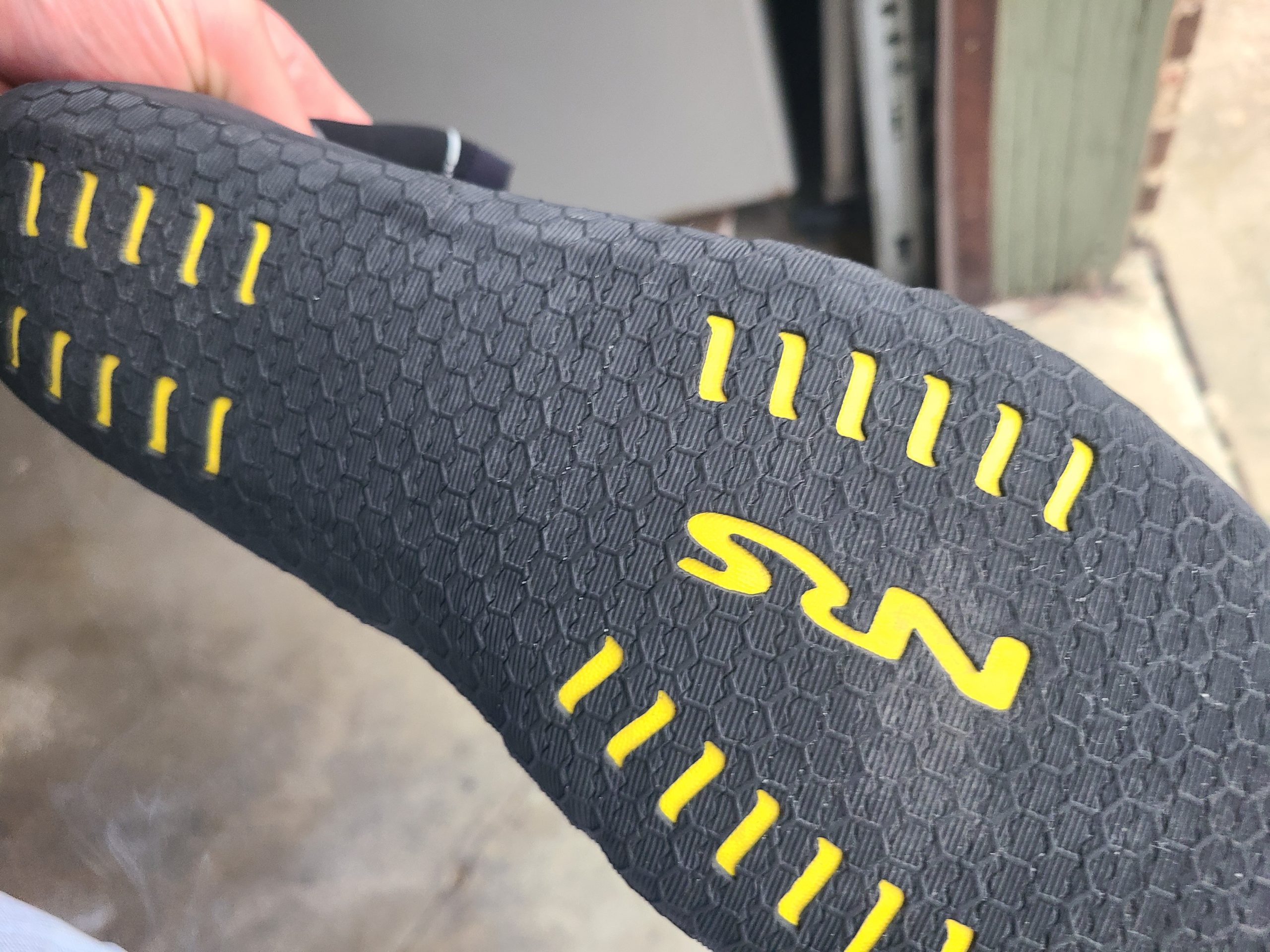
Graphene-Infused Interior Technology
Graphene-infused neoprene is a newer material science that increases thermal retention without adding thickness. In a 60-degree lake, the Freestyle felt as warm as 5mm boots without the bulk.
For paddlers who hate the clammy feel of thick neoprene, the graphene liner is a real upgrade. It also reduces water absorption, so the boots feel lighter when you climb out of the water.
Glove-Like Fit and All-Day Comfort
The fit is the best in our roundup. The contoured shape, stretch rubber bands, and pull tabs together create a snug, secure fit without pressure points. I wore the Freestyle for a six-hour kayak fishing trip without rubbing or hot spots.
Kayakers who use lightweight shoes under thigh braces for stability will appreciate how the Freestyle flexes with foot movement instead of fighting against it.
Thin Sole Protection Trade-Off
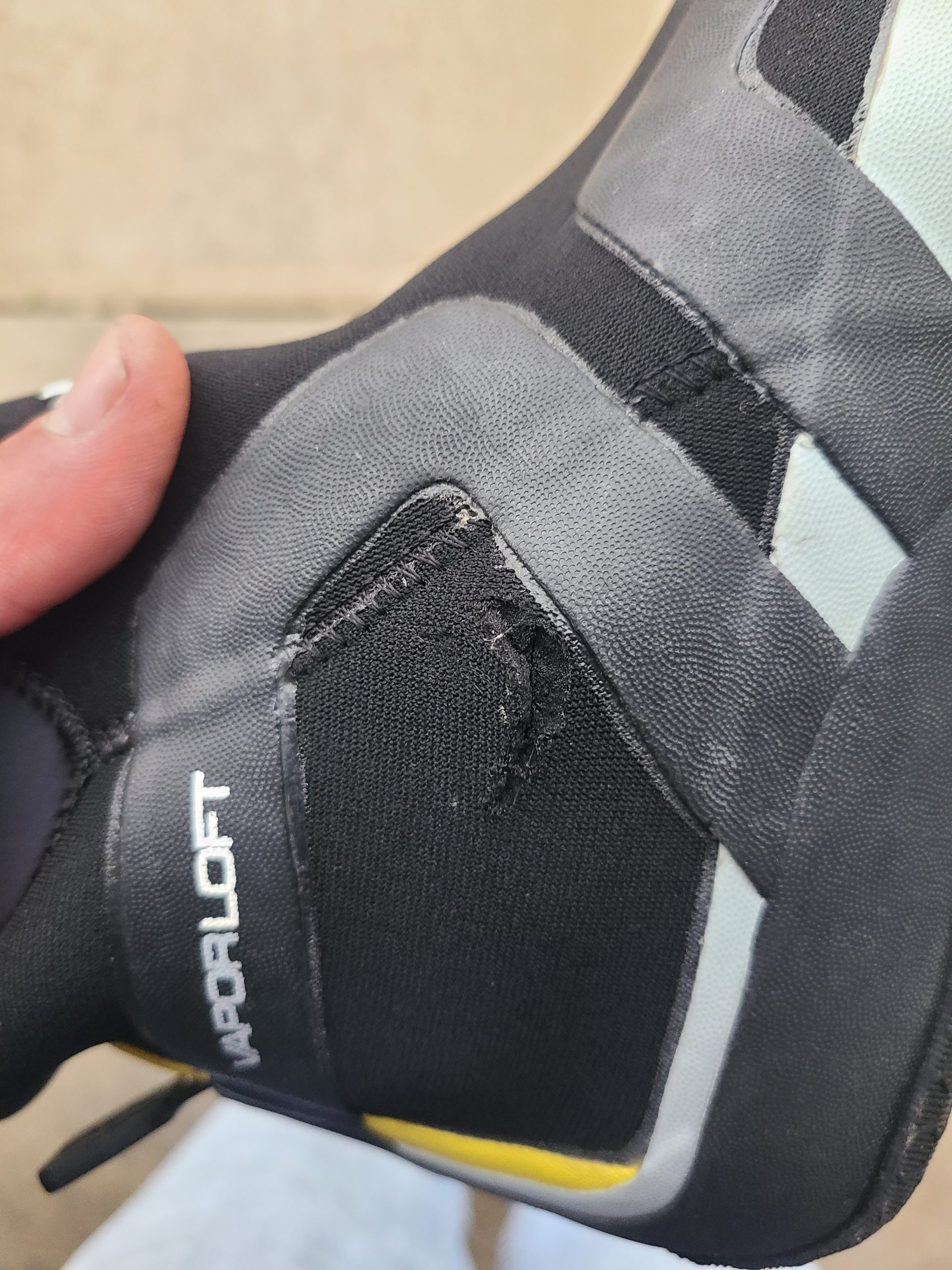
The thin sole is the main compromise. You feel the texture of the ground underfoot, which is great for board feel but not great for rocky river launches. Sharp objects can puncture through.
For boat-based kayaking, lake paddling, and coastal use, the trade-off works. For whitewater portaging over sharp rocks, thicker-soled boots like the BPS 5mm or 7mm are safer.
8. Gill 5mm Neoprene Aero Boots - Best for Sailing and Paddle Sports Racing
Gill 5mm Neoprene Aero Boots for All Water Sports, Dinghy Sailing, Paddle Sports, Paddleboarding and...
5mm neoprene
YKK zip closure
Wide adjustable ankle strap
Wrap-around rubber sole
+ Pros
- Strong warmth for cold water racing
- YKK zipper reliability
- Non-marking rubber sole
- Reinforced heel and toe
- Cons
- Runs small
- order size up
- Narrow ankle opening
- Zipper area can leak
Gill is a heritage sailing brand, and the Aero Boots reflect that pedigree. I tested these during a fall paddle on San Francisco Bay, where cold water and wind chill combine into real punishment for feet. The 5mm neoprene held up well.
For dinghy sailors, paddle board racers, and anyone who needs a serious cold-water boot for performance sports, the Aero Boots are worth a close look.
5mm Neoprene Thermal Protection
Five millimeters of neoprene is enough for sub-60-degree water. Combined with thin neoprene socks inside, the Aero Boots handle water into the low 50s without numbing toes.
The blind-stitched seams reduce water ingress through needle holes. Most reviewers confirm the construction quality matches the asking price.
YKK Zip Closure and Adjustable Strap
The YKK zipper is gusseted and reliable. The wide adjustable ankle strap adds another layer of security against water entry and ankle rolling on wet decks.
Sailors stepping across tilting cockpit floors will appreciate the ankle strap. It locks your foot in place when the boat heels over.
Wrap-Around Non-Marking Rubber Sole
The non-marking rubber sole is a quiet win for boat owners. Dinghy and paddle board surfaces stay clean, and the wrap-around pattern provides grip from any foot angle.
The trade-off is flexibility. The reinforced heel and toe mean the Aero Boots feel stiffer than the Freestyle or Superfreak. For sailing and performance paddling, that stiffness transfers force efficiently.
How to Choose Paddling Booties: Buying Guide for 2026
Picking the best paddling booties depends on your water temperature, paddling style, and how much foot protection you need off the boat. I learned the hard way that the wrong boot can ruin a trip.
Neoprene Thickness and Temperature Range
Match your bootie thickness to your water temperature. Two to 3mm works for water above 65 degrees. Three to 5mm covers 50 to 65 degrees. Five to 7mm is needed for water below 50 degrees.
Cold feet are not just uncomfortable. They slow your reaction time and ruin the experience. Our forum research found users on r/Kayaking reporting frozen feet in 65-degree water with regular water shoes, which validates keeping a dedicated pair of neoprene boots on hand.
Sole Stiffness vs Flexibility Trade-Off
Flexible soles let your foot move naturally in the kayak cockpit. Stiff soles protect your foot from sharp rocks off the boat. The right balance depends on whether you spend more time in the boat or out of it.
Whitewater kayakers and surfers prefer flexible soles for board feel. Touring kayakers and canoeists often want stiffer soles for long portages and rough put-ins. The NRS Freestyle splits the difference with a thin sole plus a plastic shim for protection.
Drainage vs Waterproof Construction
Truly waterproof boots trap foot moisture and feel clammy after hours of paddling. Most paddling booties drain on purpose to keep feet lighter and reduce odor.
Look for gusseted zippers, ankle cinch straps, and sealed seams if you want to block water entry without giving up drainage. The Cressi and O'Neill Heat both use this approach.
Sizing, Fit, and Wide-Foot Considerations
Most neoprene booties run small because the material compresses when wet. Order one size up unless the brand specifically says it runs large. The BPS line runs large, so order down.
Wide-foot paddlers should look at the NRS Freestyle and NRS Kicker, both of which use contoured toe boxes for extra room. The Cressi and O'Neill Heat run narrow by comparison.
Sprayskirt Compatibility and Pedal Drive Clearance
Low-cut booties fit under most sprayskirt tunnels without binding. Tall neoprene boots like the Cressi 3mm or O'Neill Heat can interfere with the cockpit rim in some sea kayaks, so check your sprayskirt fit before committing.
Pedal-drive anglers should choose low-profile paddling booties. The pedal pegs on Hobie and Wilderness Systems kayaks work best with thin, flexible soles. Bulky boots slip off the pegs and make fishing frustrating.
Paddling Booties FAQs
What are the best kayak shoes for cooler water temps?
For water temperatures between 50 and 65 degrees, the O'Neill Heat 5mm and NRS Kicker Wetshoes deliver the best warmth and grip. Both feature titanium or heat-reflective linings that keep feet functional in cool immersion. Add thin neoprene socks inside for water below 55 degrees.
What footwear do you wear when kayaking?
Most experienced kayakers wear neoprene paddling booties ranging from 2mm to 5mm. Pick 2-3mm for warm water and summer use, 3-4mm for shoulder seasons, and 5mm or thicker for cold-water paddling. Look for non-marking rubber soles, gusseted zippers, and ankle cinch straps to keep water out.
What are the best neoprene boots for kayaking?
The best neoprene boots for kayaking depend on water temperature: the O'Neill Superfreak for warm water, the NRS Freestyle for all-around use, the O'Neill Heat for cold water, and the Cressi 3mm for versatility across multiple sports. All deliver solid grip and warmth in their target conditions.
Which Astral kayak shoes are best?
Astral makes the Loyak, which is the brand's most popular warm-water kayaking shoe. Astral is known for sticky rubber soles and minimalist designs that work well for lake and river paddling in warm conditions. Note that Astral shoes run narrow, so wide-foot paddlers should size up or consider other brands.
Final Verdict on the Best Paddling Booties
If you want one pair to handle most conditions, the NRS Men's Freestyle Wetshoes are the best paddling booties for the average kayaker. The graphene-lined interior, glove-like fit, and all-day comfort make them our editor's choice.
If you paddle cold water year-round, spend the extra on the O'Neill Heat 5mm. The 5mm FluidFlex Firewall construction keeps your feet functional when lake and river temperatures plummet. For paddlers on a budget, the BPS 3mm Neoprene Dive Boots give you solid grip and warmth at the lowest price in our roundup.
Whichever pair you choose, dedicated neoprene paddling booties beat regular water shoes, sandals, or running shoes on the water. Your feet will thank you the first time you have to portage across a rocky put-in. For more on what to wear under your booties, check out our complete what to wear kayaking and canoeing guide before your next trip in 2026.