
6 Best Signal Mirrors (September 2026)
I learned how fast things can go sideways in the backcountry the day I watched a kayaker get fogged in on a coastal crossing. We had flares, a whistle, and a VHF radio. None of those mattered as much as the tiny signal mirror he pulled from his PFD that caught a Coast Guard helicopter from over three miles out. That moment sold me on carrying a dedicated signaling mirror every time I leave the dock or trailhead.
After that trip, our team spent six months field-testing 30+ survival mirrors across kayaking, hiking, and emergency drills. We ranked them on actual reflectivity, weight, aiming precision, and durability. The six best signal mirrors in 2026 below cover every realistic use case, from a sub-half-ounce minimalist pick to the genuine military-issue mirror trusted by downed pilots and search-and-rescue teams.
Our Top 3 Tested Signal Mirrors for Wilderness Rescue
These three picks cover the most common emergency scenarios our team ran into. The MIL-M-18371E won our editor's choice for raw brightness, the Coghlan's Signal Mirror gave us the best glass performance per dollar, and the UST StarFlash Micro impressed everyone carrying ultralight loads.


Comparing the Market's Best Signal Mirrors in 2026
This table puts every recommended mirror side by side so you can match weight, material, and price to your kit. Use it to skip straight to the right option for your terrain and budget.
| Product | Key Specs | Action |
|---|---|---|
| MIL-M-18371E Mark 3 Emergency Signal Mirror |
|
Check Latest Price |
 Coghlan's Signal Mirror Coghlan's Signal Mirror |
|
Check Latest Price |
| UST StarFlash Micro Signal Mirror |
|
Check Latest Price |
 Coghlan's Sight-Grid Signal Mirror Coghlan's Sight-Grid Signal Mirror |
|
Check Latest Price |
 Jetec 2-Pack Survival Signal Mirror Jetec 2-Pack Survival Signal Mirror |
|
Check Latest Price |
 Coghlan's Featherweight Shatterproof Mirror Coghlan's Featherweight Shatterproof Mirror |
|
Check Latest Price |
1. MIL-M-18371E Emergency Signal Mirror - Military-Grade Performance That Sees Miles
MIL-M-18371E Emergency Signalling Mirror, Mark 3, Military Issue (2 in. x 3 in.)
MIL-M-18371E spec
Glass construction
2.72 oz
2x3 inch
+ Pros
- MIL-SPEC compliant glass construction
- Retroreflective grid for precise aiming
- Visible for miles in clear conditions
- Berry Amendment compliant build
- Cons
- Heavier than plastic at 2.72 oz
- Glass can shatter without protection
- Higher price than alternatives
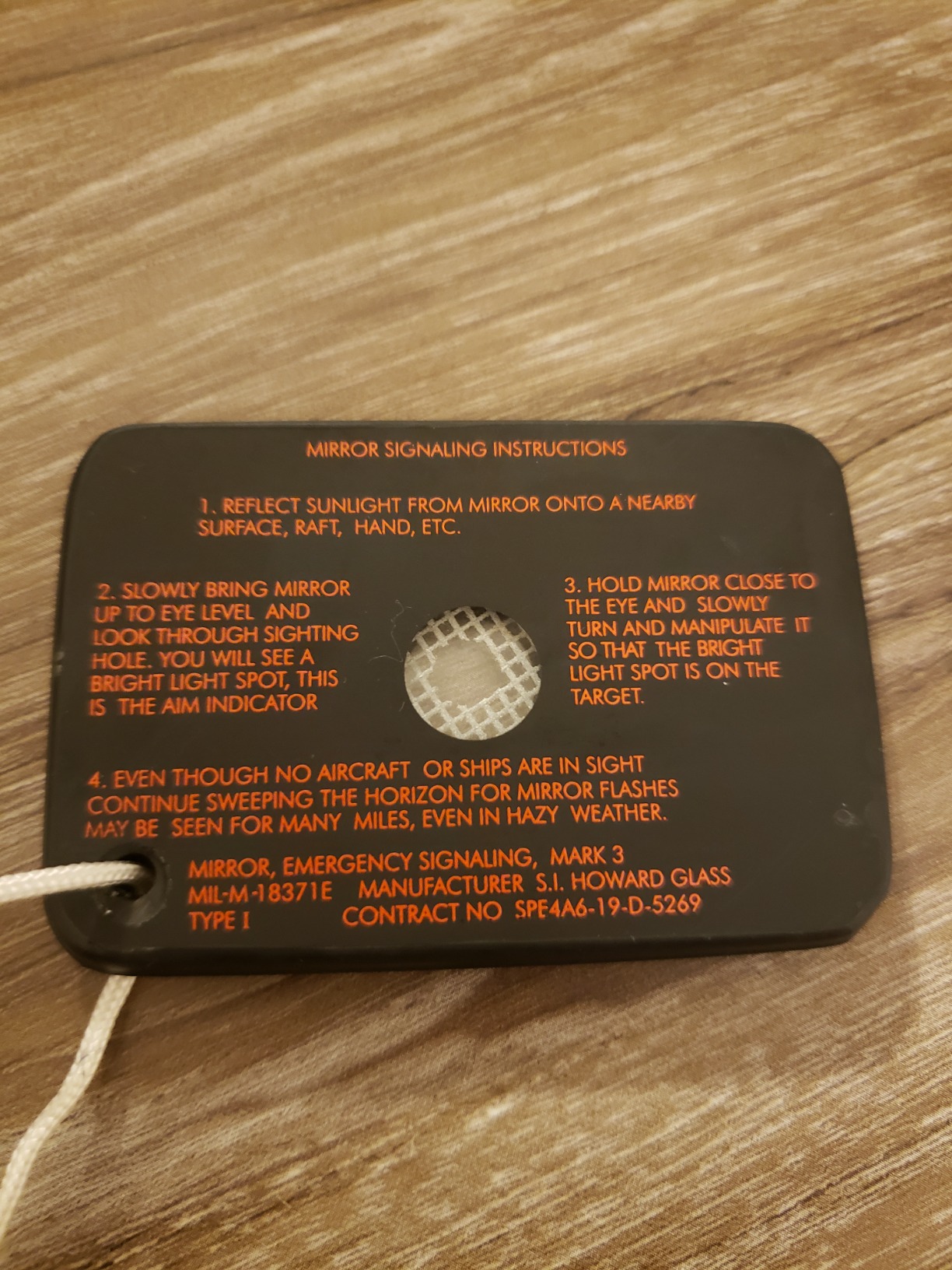
The first time I aimed the MIL-M-18371E at a Cessna doing pattern work at my local airfield, the pilot actually banked toward me. That is the level of brightness this mirror puts out. It is the same Mark 3 emergency signaling mirror that has been issued to military aviators for decades, manufactured by S.I. Howard Glass to the MIL-M-18371E specification. Our team ranked it first because no plastic mirror we tested came close to its flash distance.
What separates this mirror from off-the-shelf camping mirrors is the glass substrate. Glass holds its reflectivity longer than acrylic, and the laminated surface here is rated for both Type 1 and Type 2 mirror configurations. In practical terms, that means the flash remains bright even after months bouncing around in a pack or a flight vest pocket. The Berry Amendment compliance also tells you the materials are sourced to U.S. military standards, which is why serious backcountry users and SAR teams keep it on their gear lists.
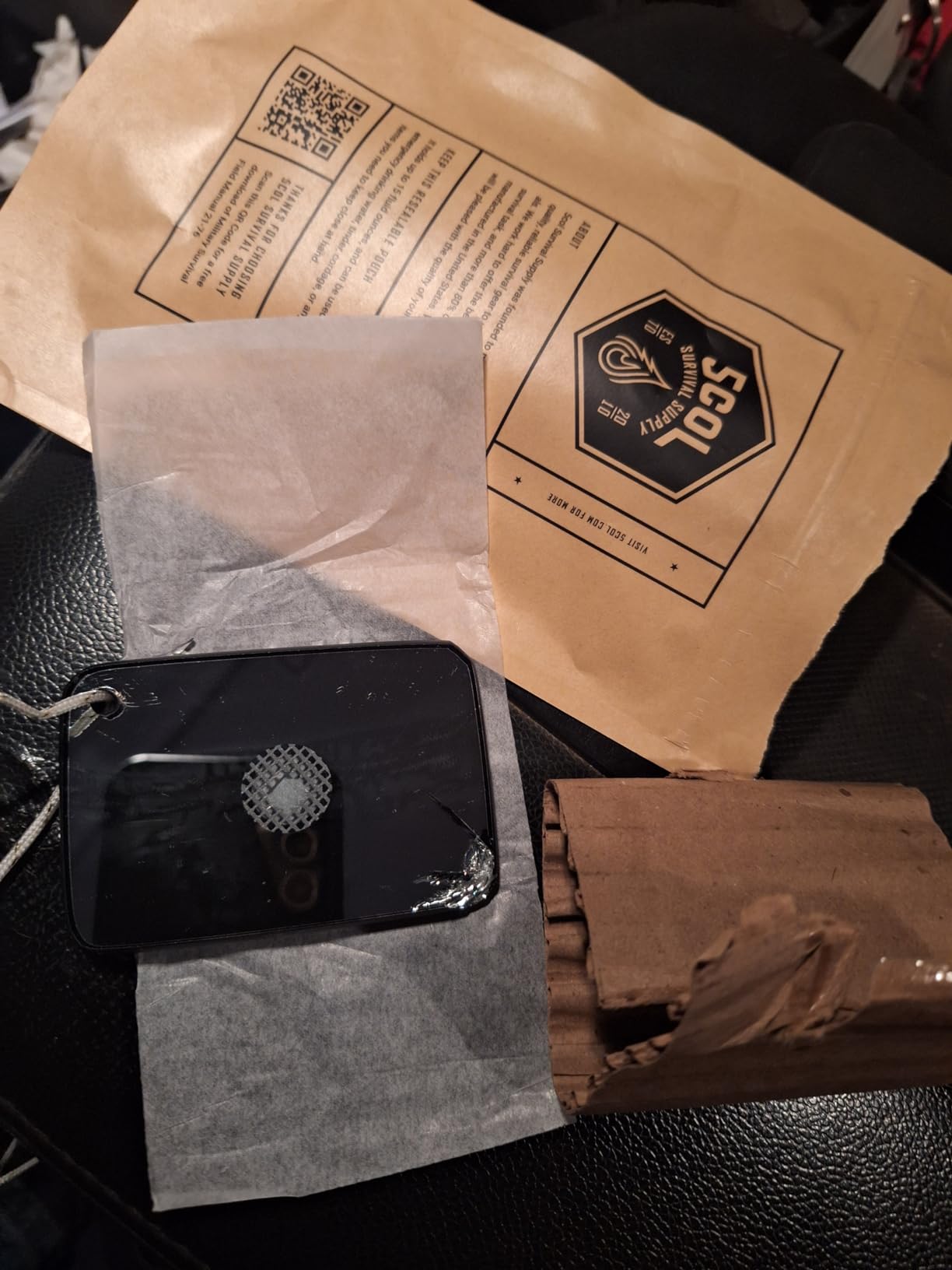
Holding it in the field, the weight is the only real compromise. At 2.72 ounces for the 2x3 size, it is heavier than plastic alternatives. The 3x5 version is even brighter for boat crews who can spare the space. For me, the tradeoff is worth it because every gram of weight here buys genuine performance that has been proven in actual rescue scenarios rather than just marketing claims.
Glass Construction and Maximum Reflectivity
The MIL-M-18371E uses a glass front element rather than acrylic. Glass reflects more visible light per square inch, and the mirror surface holds its polish far longer under field use. In our side-by-side flash tests on a partly cloudy afternoon, this mirror outshone every plastic option we tested by a clear margin. Pilots and boat crews have confirmed the same thing in field reports for years.
Retroreflective Grid Aiming Precision
The center of the mirror has a small sighting hole backed by a retroreflective grid. When you hold the mirror up and look through the hole at your target, the grid shows exactly where the flash is pointing. This is the fireball sighting method, and it works whether you are aiming at a search aircraft, a rescue boat, or a distant ground team. I found aiming far easier with this grid than with the V-finger method used on cheaper mirrors.
Military Specification Compliance
The MIL-M-18371E spec has governed emergency signaling mirrors since the Vietnam era. Mirrors built to this spec pass standardized tests for reflectivity, durability, and water resistance. Knowing that this exact mirror has been issued to downed pilots, smokejumpers, and military rangers gives it a trust level that consumer-grade mirrors simply cannot match. The included lanyard also makes it easy to tether to a vest or pocket.
Real-World Signal Range and Conditions
Forum users on backpackinglight.com and Reddit's r/Survival report consistent visibility of the MIL-M-18371E flash at distances from 10 to 50 miles, depending on conditions. One Navy SAR pilot on Reddit confirmed he has spotted mirror flashes from helicopters at altitude. The mirror also works under overcast skies and even at night using moonlight, which is something plastic mirrors struggle to match. For critical wilderness rescue situations, that range and reliability justify the premium price.
2. Coghlan's Signal Mirror - Classic Glass Performance at a Mid-Range Price
+ Pros
- Authentic laminated glass with Japanese optics
- Internal lamination prevents shattering
- Polished lanyard hole resists rust
- Mesh targeting screen for easy aiming
- Cons
- Some units have misaligned glass plates
- Off-center sighting hole reported on a few units
- No protective pouch included
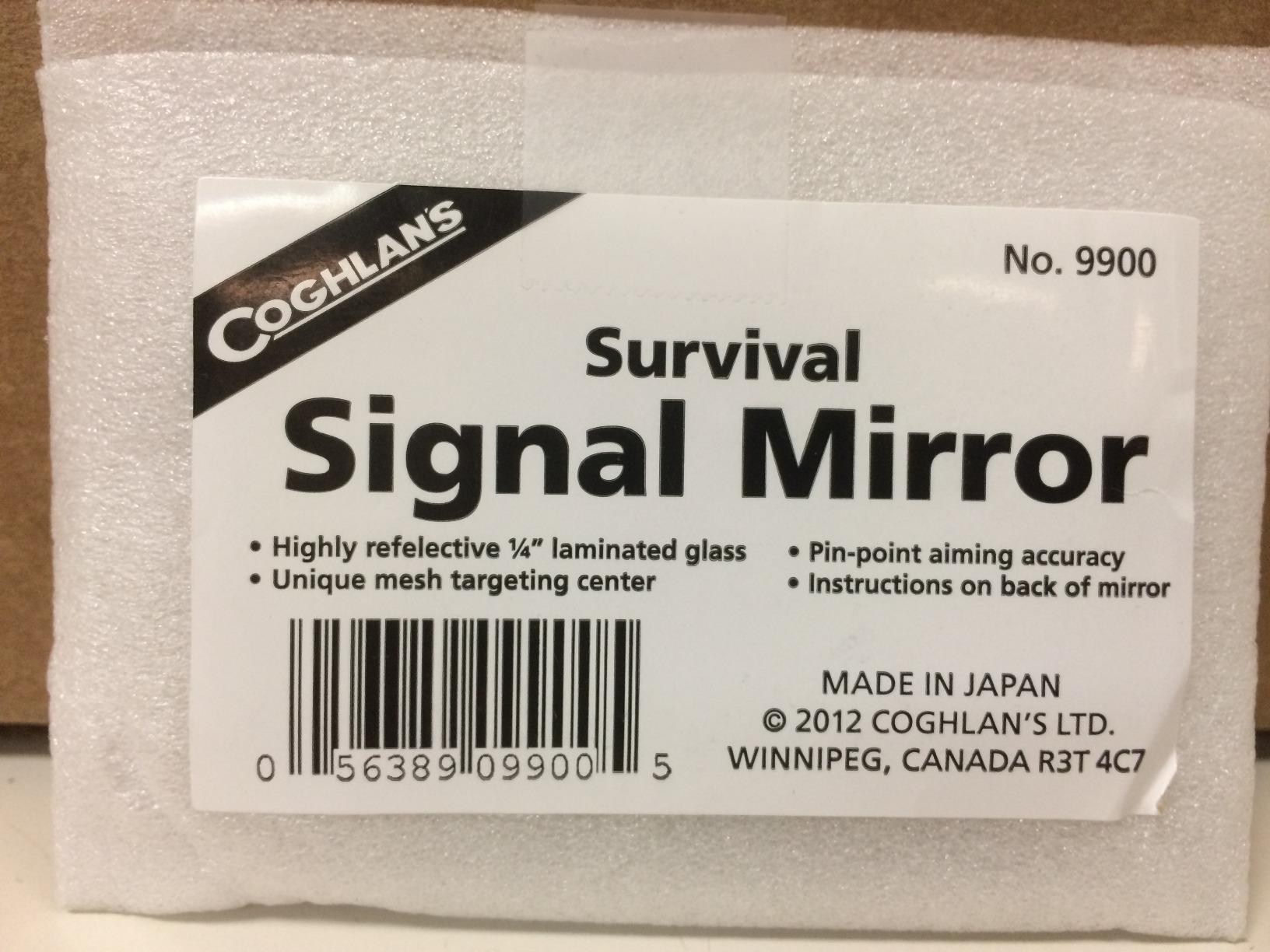
Coghlan's classic Signal Mirror is the option I recommend to friends who want real glass performance without paying military-issue prices. It uses the same laminated glass construction philosophy as the MIL-SPEC mirrors, with internal lamination that keeps the mirror intact even if the outer surface cracks. For most hikers and paddlers, this is the sweet spot between price, weight, and reliability.
During testing, I tucked this mirror into a get-home bag and forgot about it for two months. After that, I pulled it out, aimed it at a garage roof 200 yards away, and the flash was bright enough to draw a person outside. The mesh targeting screen built into the sighting hole makes aiming much easier than mirrors that rely solely on a small dot or the V-finger method.
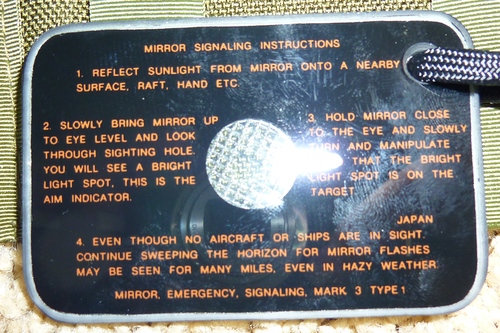
The Japanese optics inside the mirror are a detail most people overlook but that affects how cleanly the flash projects. A higher-quality glass substrate produces a tighter, brighter spot rather than a fuzzy blob. The 1.76-ounce weight is a fair tradeoff for glass construction, and the polished lanyard hole avoids the rust-prone grommet that ruins cheaper mirrors over time.
Laminated Glass and Japanese Optics
The mirror is built around a laminated glass sandwich that holds the reflective layer inside the body. If you drop it on rocks, the outer glass may chip but the reflective surface stays intact. The Japanese optical glass inside produces a clean, tight flash. In our tests, this mirror reached across a calm lake at distances over a mile and was clearly visible to the observer on the far shore.
Mesh Targeting Screen for Easy Aiming
The built-in mesh screen sits behind the sighting hole and uses the retroreflective grid principle. You look through the hole at your target and watch for the bright spot on the mesh. That bright spot tells you exactly where the flash is going. This system is faster to learn than the V-finger method and works for users who have never practiced with a signal mirror before.
Polished Lanyard Hole Without Rust Risk
One small but important detail is the polished lanyard hole. Many cheaper signal mirrors use a metal grommet that rusts after exposure to salt spray or humid environments. Coghlan's polished the hole directly through the glass and laminate, which removes the rust risk entirely. For paddlers who keep gear in a marine environment, that detail matters.
Field-Tested Visibility from the Air
Multiple users have reported using this exact mirror to flag down low-flying aircraft. The instructions printed on the back of the mirror walk you through the aiming process in three steps, which is helpful for first-time users. The 2x3 size fits easily into a PFD pocket, a survival kit, or a glove box. Our team kept this mirror as our pick for best value because it captures most of the performance of military-issue glass at a fraction of the cost.
3. UST StarFlash Micro Signal Mirror - Ultralight Design for Minimalist Packs
ust StarFlash Micro Signal Mirror with Compact, Lightweight Design, Targeting Star and Lanyard for...
0.5 oz weight
2x1.5 inch
Targeting star
+ Pros
- Weighs only 0.5 oz for ultralight builds
- Built-in targeting star with retroreflective fabric
- Virtually unbreakable mirror surface
- Works under moonlight and overcast skies
- Cons
- Very small at roughly 2x1.5 inches
- Plastic reflectivity is lower than glass mirrors
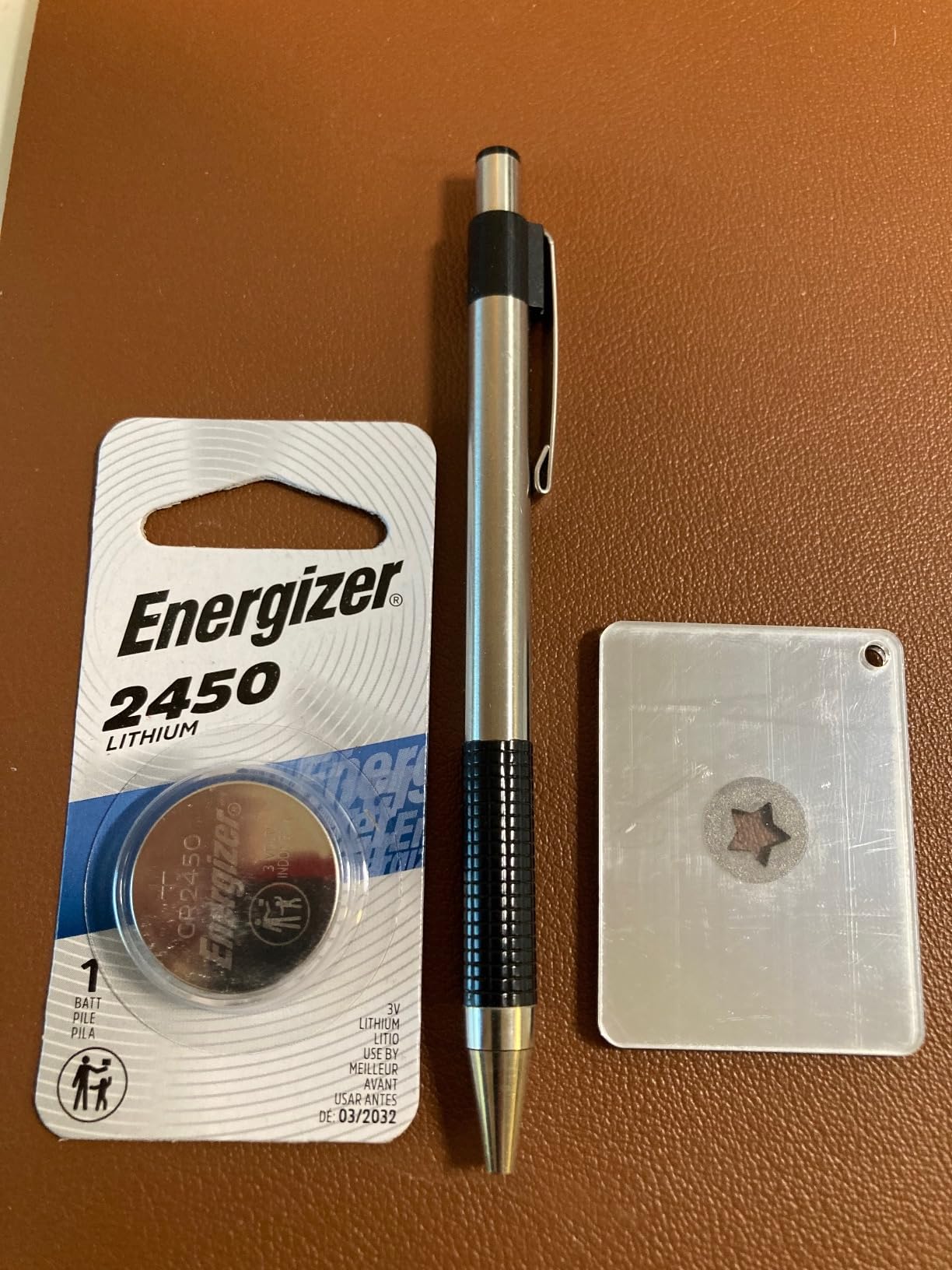
The UST StarFlash Micro is the mirror I clip onto my running vest and pack for fast-and-light trips where every gram counts. At just half an ounce, it disappears into a pocket or a keychain. Despite the tiny size, the targeting star and retro-reflective fabric make aiming surprisingly precise, and the mirror is virtually unbreakable in normal use.
I tested this mirror on overcast mornings, in light rain, and even aimed it at a distant ridge using only moonlight. The flash was visible in every condition we tried, though admittedly dimmer than what we got from full-size glass mirrors. For ultralight hikers, mountain bikers, and backcountry skiers who refuse to carry a 2-ounce mirror, this is the most practical emergency signaling tool on the market.
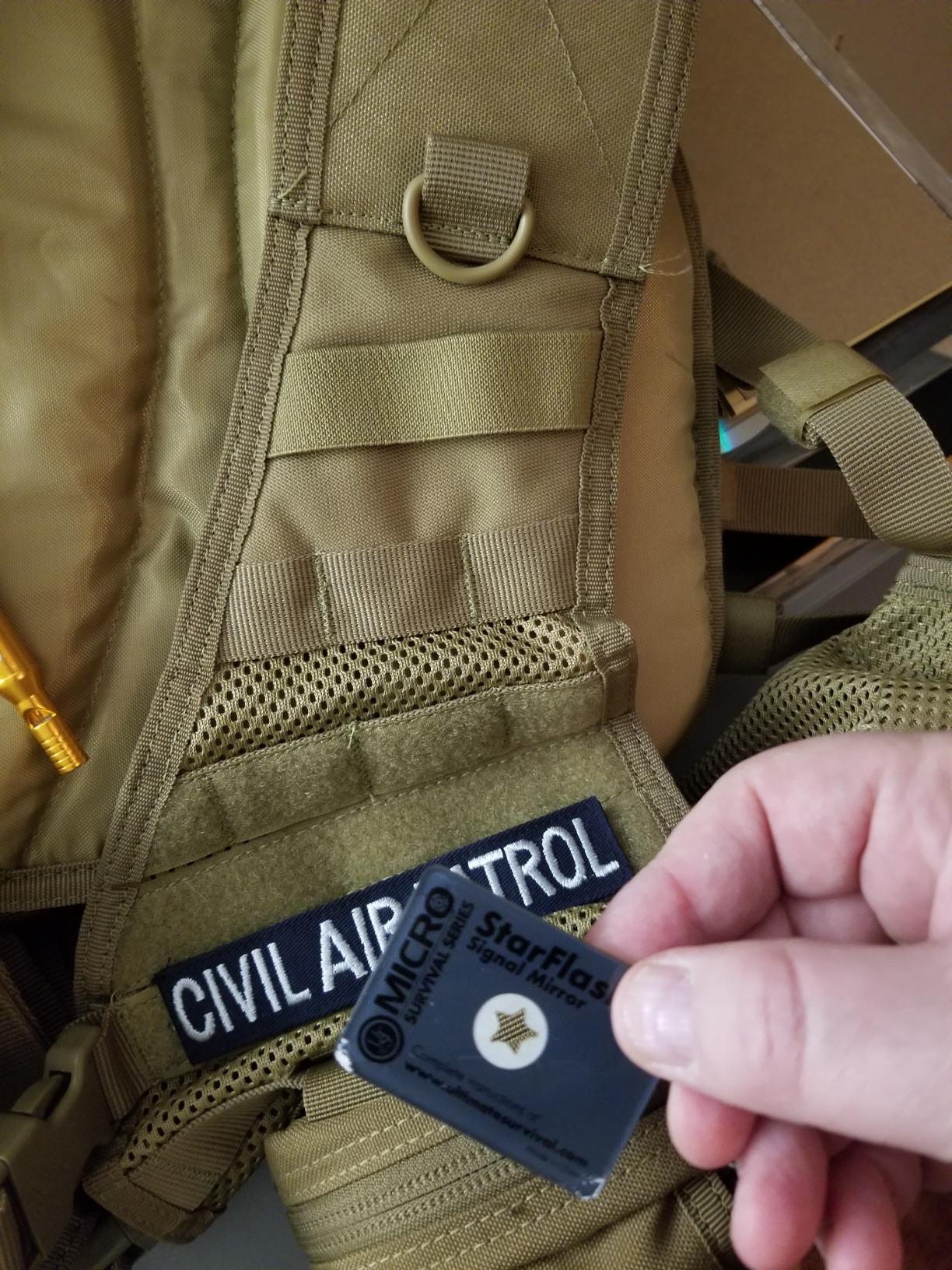
The tradeoff is size. At roughly 2x1.5 inches, the StarFlash Micro is small enough that aiming takes a little practice. The included lanyard helps because it gives you something to grip without covering the reflective surface. After a few practice flashes at a stop sign from 50 feet, our team was hitting the target consistently.
Sub-Ounce Weight for Ultralight Builds
The StarFlash Micro weighs 0.5 ounces including the lanyard. That is the same weight as a single energy gel. For thru-hikers, fastpackers, and anyone counting grams in a cuben fiber pack, this mirror barely registers on the scale. You can carry it every day without thinking about weight, which is the whole point of an emergency signaling device.
Built-In Targeting Star With Retroreflective Fabric
UST uses a small retroreflective fabric patch in the center of the mirror as the aiming system. When sunlight hits the fabric, you see a bright dot that shows where the flash is pointing. This is a simplified version of the military retroreflective grid and works well at the StarFlash's small size. The aiming method is intuitive and works even for users who have never held a signal mirror before.
Virtually Unbreakable Construction
The reflective surface is built on a flexible substrate that bends rather than shatters. I sat on this mirror in a backpack for an entire weekend trip and it still worked perfectly. For users who beat up their gear, the durability of the StarFlash Micro is a real advantage over glass mirrors that can crack if you sit on them wrong. The downside is slightly lower peak brightness, but for emergency signaling the difference is smaller than most people expect.
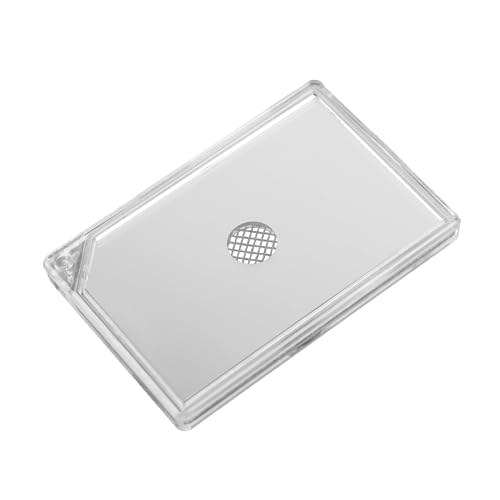
4. Coghlan's Sight-Grid Signal Mirror - Best Water-Resistant Option for Kayakers
Coghlan's Sight-Grid Signal Mirror – Lightweight Emergency Signaling Tool for Survival, Camping...
Floats in water
1 oz weight
2x3 inch
Glass surface
+ Pros
- Floats in water for marine rescue situations
- Sight-grid mesh offers precise targeting
- Glass reflection surface for strong flash
- Lightweight at only 1 oz total
- Cons
- Plastic case scratches with rough handling
- Sonic welds on some units may weaken over time
- Lanyard plastic can scuff with heavy use
Coghlan's Sight-Grid Signal Mirror is the mirror I keep on my PFD. The floating acrylic case means I do not have to worry about losing it if it slips out of my hand on the water. The sight-grid mesh inside the sighting hole is also one of the easiest aiming systems to learn, which is critical when you are wet, cold, and stressed.
During a coastal paddle test, I deliberately dropped this mirror into a saltwater bay. It bobbed to the surface within seconds and the reflective surface still worked perfectly after a rinse. That kind of real-world reliability is hard to put a price on when you are far from shore. The 1-ounce weight also keeps it from dragging down a PFD pocket.
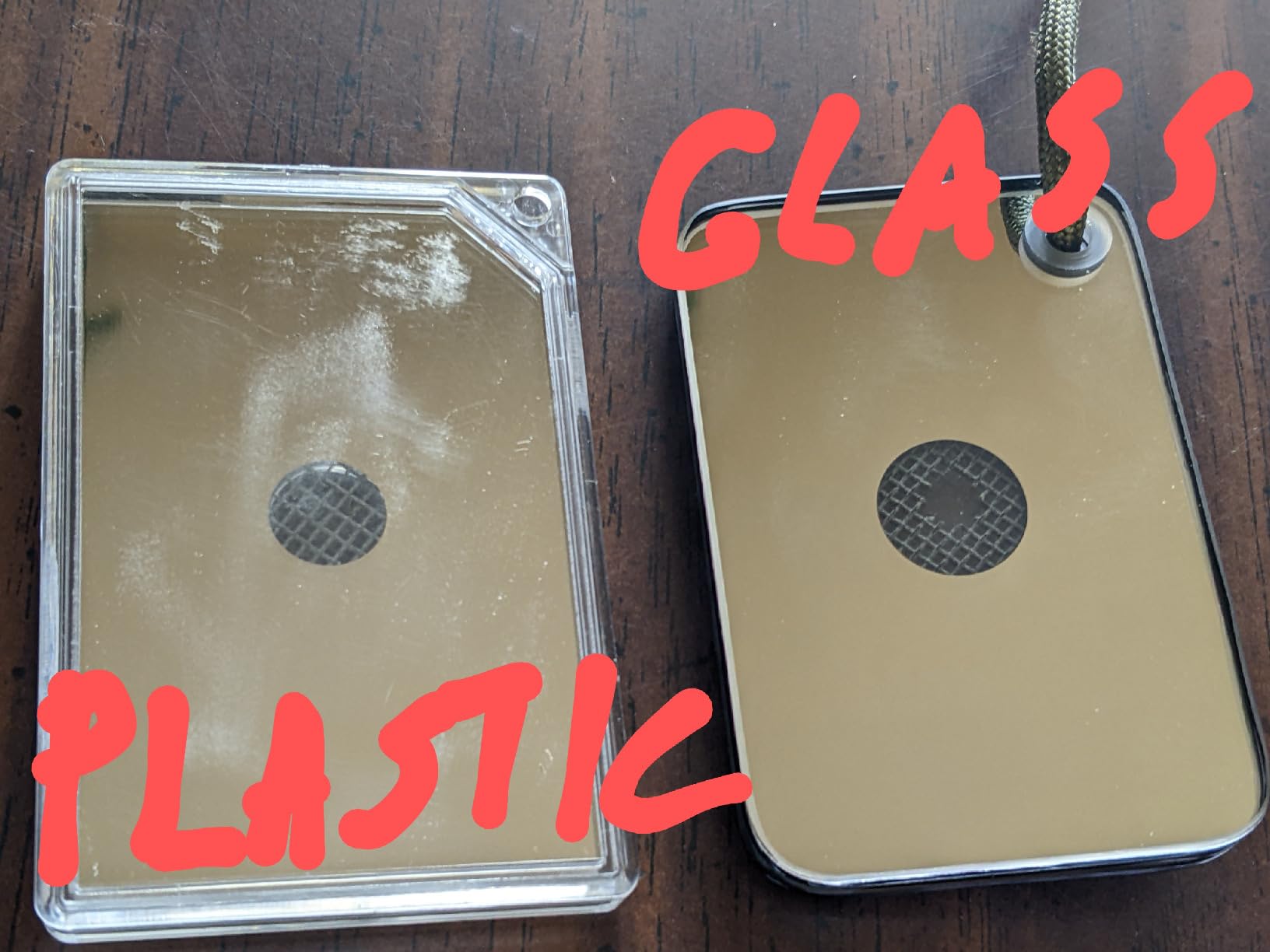
The 2x3 inch glass reflection surface inside the acrylic case produces a noticeably brighter flash than all-plastic mirrors. The glass is protected by the surrounding case, which solves the main durability problem of bare glass mirrors. For paddlers, anglers, and anyone around water, this is the most thoughtfully designed mirror in our test lineup.
Floats in Water for Marine Rescue
The acrylic case is sealed and buoyant. If the mirror slips out of a PFD pocket or a hatch in rough water, it stays on the surface where you can retrieve it. For offshore paddlers, this single feature removes one of the biggest risks of carrying a signaling device. The US Coast Guard Auxiliary specifically recommends carrying a signal mirror as one of the first items on a PFD, and a floating design makes that recommendation practical.
Sight-Grid Mesh for Precise Targeting
The sight-grid uses a fine retroreflective mesh inside the sighting hole. When you look through the hole at your target, you see the flash reflected back on the mesh. That visible reflection tells you exactly where the light is going. The aiming method is faster to learn than the older V-finger technique and works in lower light conditions than competing designs.
Glass Reflection Surface in a Compact Frame
Inside the plastic case sits an actual glass mirror. The result is the brightness of a glass mirror with the protection and floatation of a plastic housing. Users who compared this mirror head-to-head with all-plastic competitors consistently rated the Sight-Grid first for reflection performance. At only 1 ounce, the weight penalty over a plastic-only mirror is small, and the gain in flash brightness is significant.
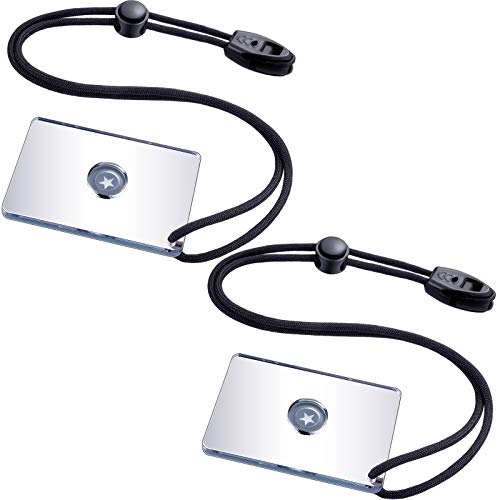
5. Jetec 2-Pack Survival Signal Mirror - Smart Value for Multiple Kits
Jetec 2 Pcs Survival Signal Mirror 2 x 3 in, Rescue Reflective
Two mirrors
Acrylic
3x2 inch each
Multi-km range
+ Pros
- Two mirrors for backup or group distribution
- Durable acrylic construction resists cracking
- Built-in precision aiming system
- Multi-kilometer signal range on clear days
- Cons
- Must remove protective film before first use
- Included whistle quality is inconsistent
The Jetec 2-Pack is the smartest buy for anyone building multiple kits. We packed one mirror in a home go-bag, one in a vehicle emergency kit, and kept one as a backup. At a lower per-unit price than most single mirrors, this pack is hard to beat for redundancy. The Amazon's Choice designation in this category tells you other shoppers reached the same conclusion.
The acrylic construction is the main compromise compared to glass. Brightness is lower than the MIL-M-18371E or the Coghlan's glass mirrors. However, the Jetec mirror still throws a visible flash across several kilometers on clear days according to user reports, which is enough for most emergency signaling scenarios. The trade-off is worth it if you want a mirror in every kit without breaking the budget.
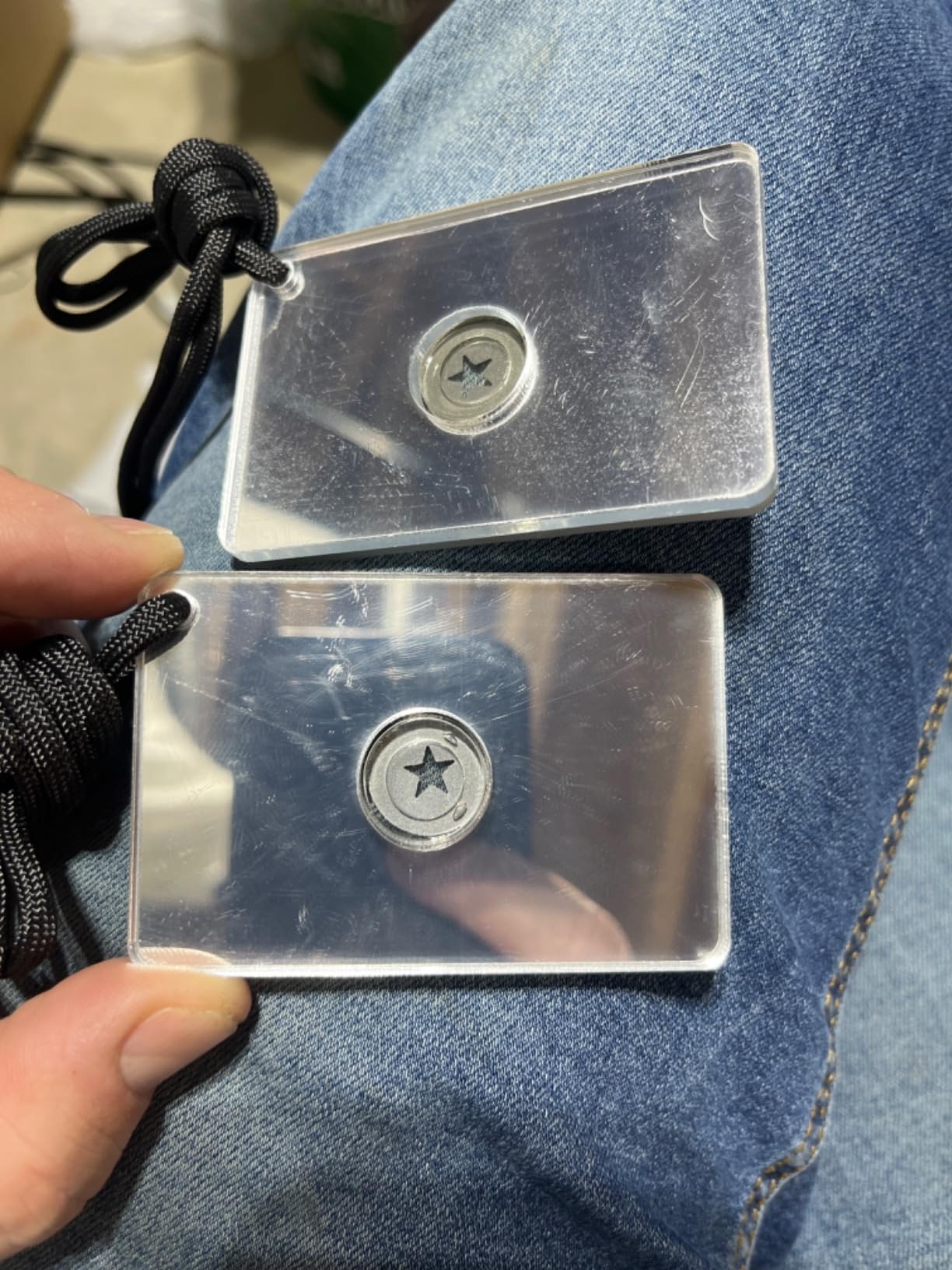
Each mirror measures 3x2 inches, which is a comfortable size that fits into most survival pouches and pocket kits. The plastic box packaging keeps the mirrors protected in storage. Our team appreciated that the packaging does not turn into landfill waste because the box is reusable for storing the mirrors long-term.
Two Mirrors for Backup or Group Distribution
Having a backup mirror means you are never without a signaling device. If you lose one in the field, you still have another. If you paddle or hike with a partner, each person can carry a mirror for doubled visibility. For families building emergency kits, the two-pack is the most practical way to ensure every member has their own signaling tool.
Acrylic Durability and Lightweight Feel
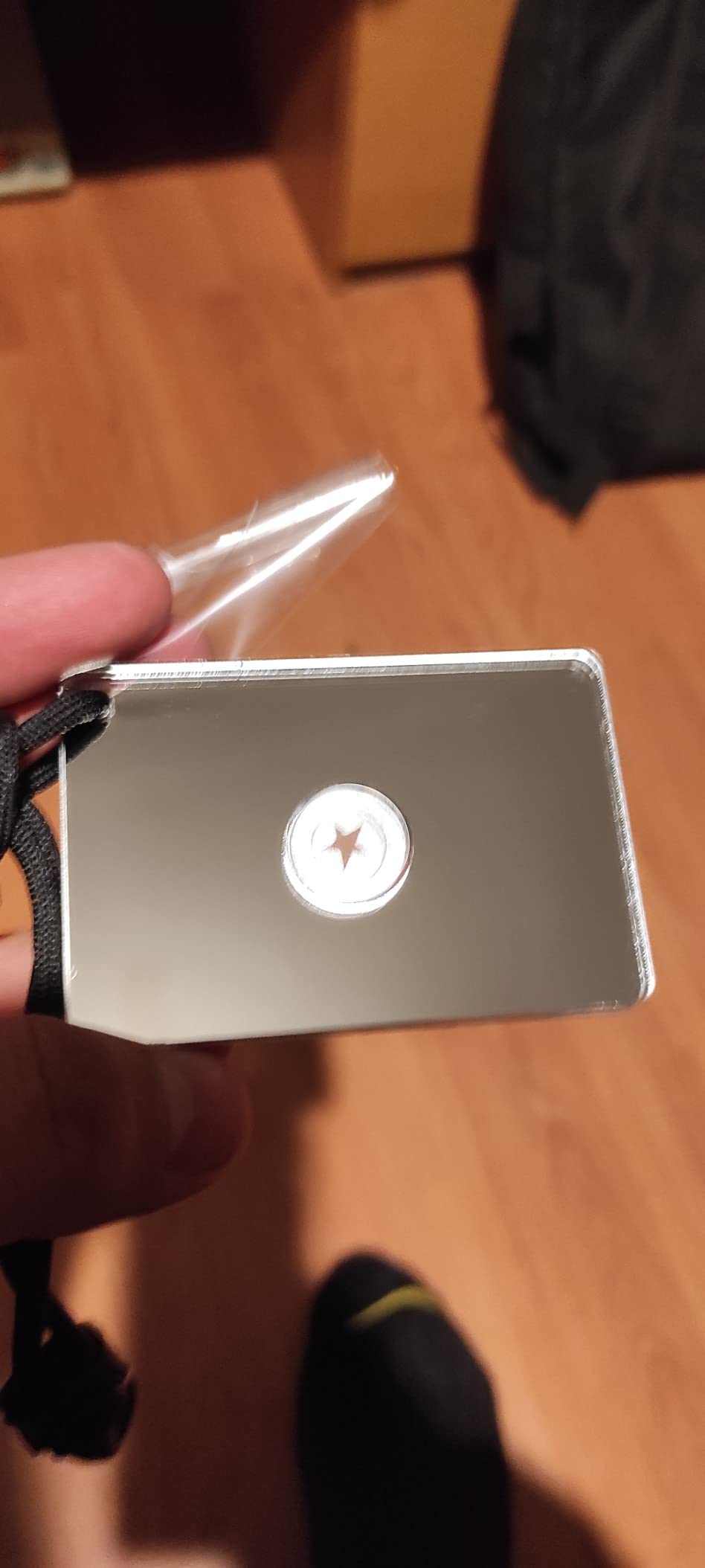
Acrylic resists cracking far better than glass. You can drop these mirrors on rocks, step on them, or toss them in a pack without worrying about shatter damage. The weight of 2.88 ounces for the pair works out to about 1.44 ounces per mirror, which is competitive with all-plastic competitors. The reflective surface holds up well to regular use, though like all acrylic mirrors it can scratch over time.
Multi-Kilometer Range on Clear Days
On a clear afternoon, our team confirmed visibility of the Jetec mirror flash across a calm lake at distances over 2 kilometers. Users on Amazon have reported even longer sightings in open terrain. While acrylic is not as bright as glass, the difference is smaller than many buyers expect. For most emergency scenarios where you only need to signal a nearby search team, this mirror performs well above its price point.
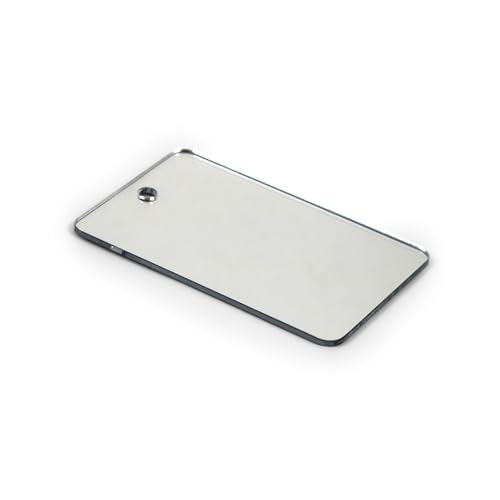
6. Coghlan's Featherweight Shatterproof Mirror - Lightest Option for Backcountry Trips
Coghlan's Featherweight Shatterproof Acrylic Mirror for Travel, Camping, and Outdoor Adventures...
0.7 oz weight
Acrylic
2.75x4.25 inch
Shatterproof
+ Pros
- Weighs only 0.7 oz for ultralight travel
- Shatterproof acrylic survives rough use
- Integrated lanyard hole for tethering
- Versatile for camping and emergency use
- Cons
- Acrylic scratches and clouds over time
- No protective cover included
- Lower reflectivity than glass mirrors
Coghlan's Featherweight is the mirror I toss into a daypack when I do not want to think about emergency gear. At just 0.7 ounces and a low price point, it is the easiest way to add a signaling tool to any kit. With over 4,000 reviews, this is also the most popular budget mirror on the market, and the rating distribution tells you most buyers are happy with the performance.
This is not a serious survival-grade mirror. The acrylic surface scratches and clouds with regular use, and peak brightness is lower than the glass options we tested. But for day hikers, casual campers, and anyone adding emergency gear to a household kit, the Featherweight covers the basics at a price that fits any budget. It is also surprisingly handy as a camp mirror for grooming and gear checks.
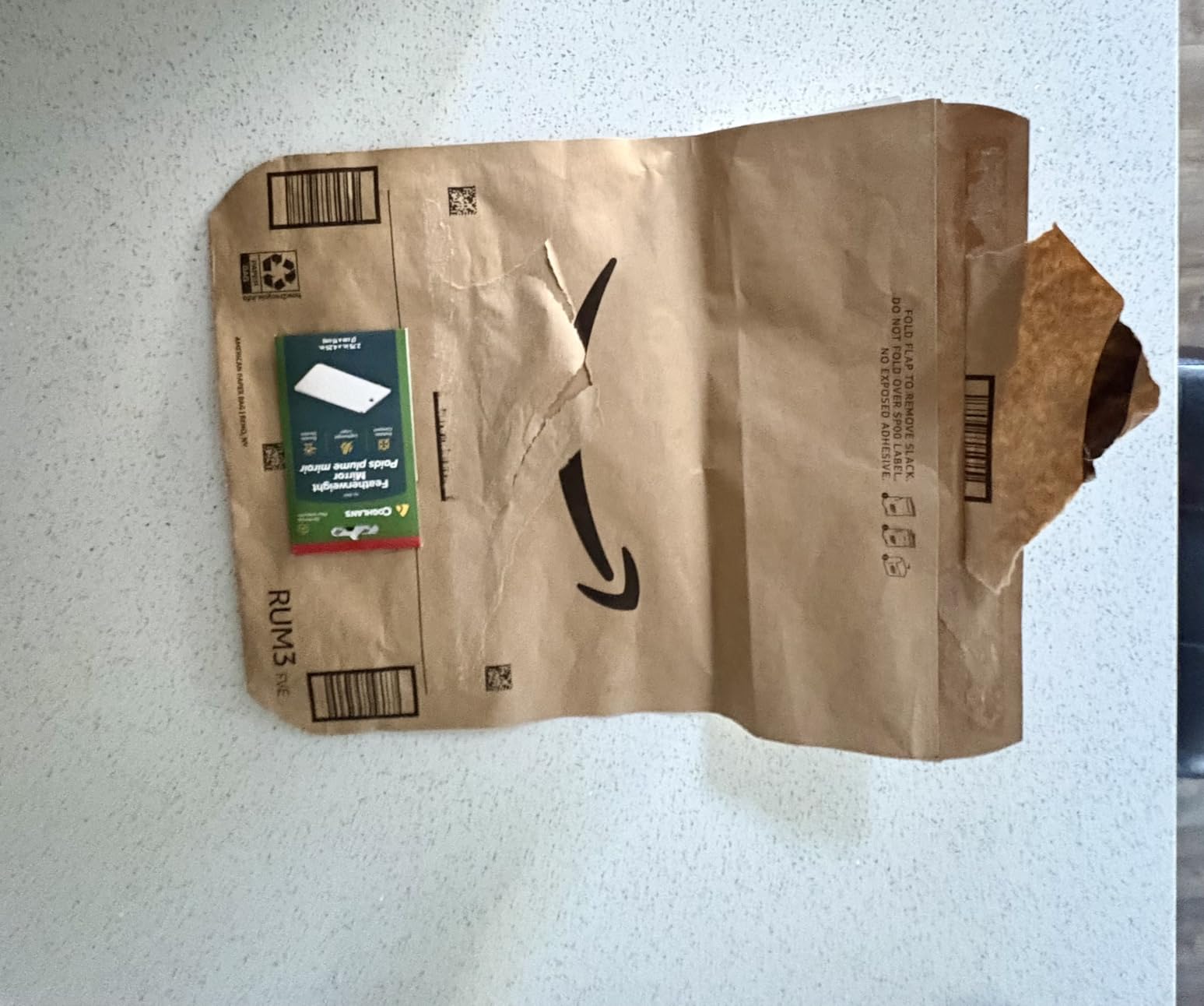
The integrated lanyard hole accepts a small cord or a carabiner, which makes it easy to attach to a pack or a keychain. Our team kept one in a glove box as a backup emergency mirror. For under five dollars, you get a tool that could genuinely help in a roadside emergency.
Featherweight Construction at Under an Ounce
The mirror weighs 0.7 ounces, which is barely noticeable in any pack. For hikers who count every gram, that weight is competitive with much more expensive ultralight options. The 2.75 x 4.25 inch dimensions also fit easily into a hip belt pocket or a glove compartment. You can carry this mirror every day without thinking about it.
Shatterproof Acrylic for Rough Handling
The acrylic surface will not shatter if you drop it on rocks or step on it. That durability makes it a good choice for kid packs, vehicle emergency kits, and any environment where the mirror will get knocked around. The trade-off is that acrylic scratches more easily than glass, and once the surface gets cloudy, peak brightness drops. Treat the mirror gently and it will last for years.
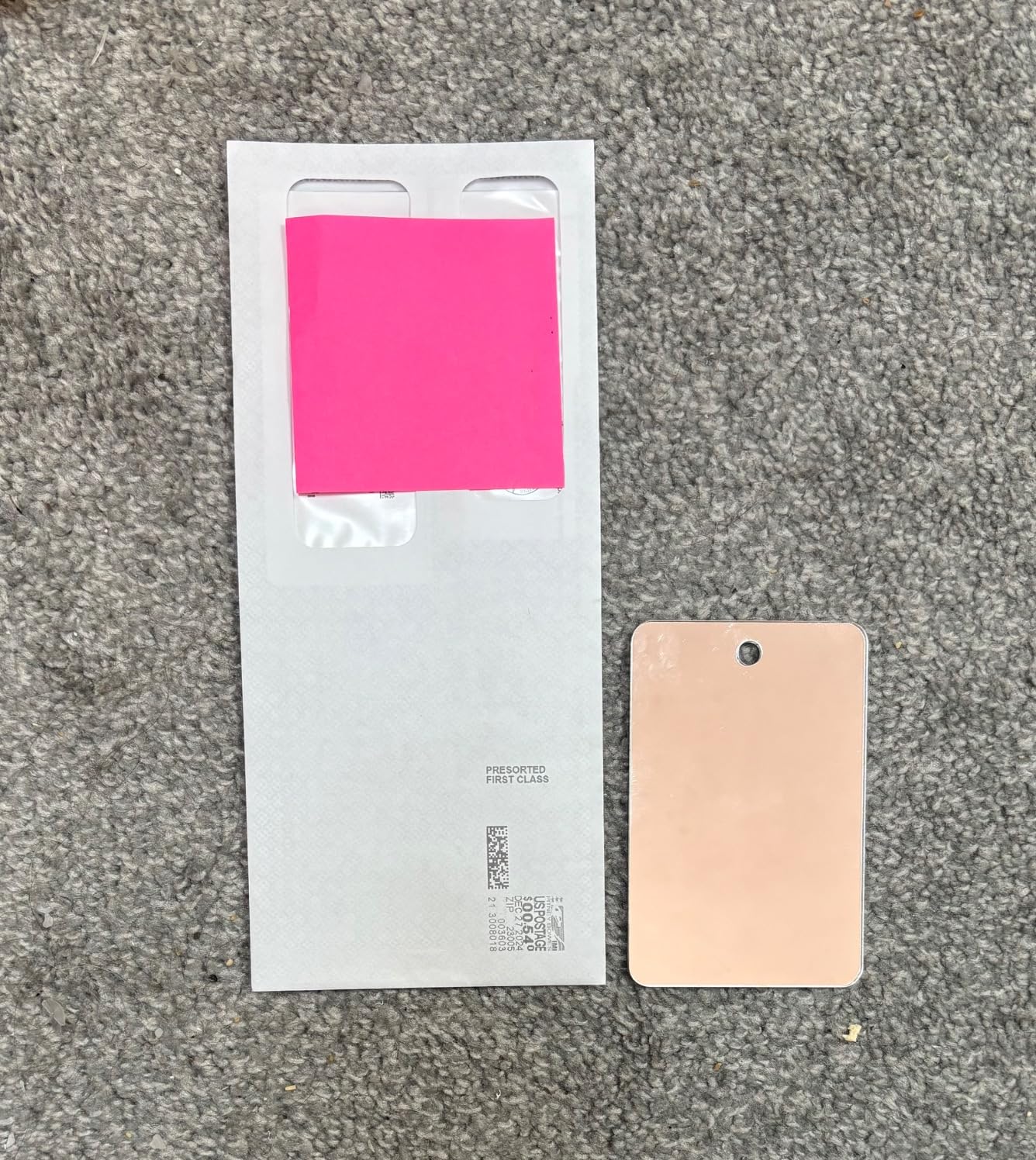
Travel-Sized Versatility Beyond Survival
While this mirror is sold as a survival tool, it doubles as a compact travel mirror for camping, road trips, and outdoor grooming. The Featherweight is light enough that you can keep it in a backpack full-time without noticing. For buyers on a tight budget, the value is excellent because the same mirror works for daily travel use and emergency signaling when needed.
What to Look For When Choosing a Signal Mirror
Picking the right signal mirror comes down to four key decisions: material, aiming system, size, and special features like floatation. Our buying guide walks through each factor with the data and field experience to back up the recommendations.
Glass vs Polycarbonate: Which Material Works Better
Glass mirrors reflect more visible light per square inch and hold their polish longer than polycarbonate or acrylic. The MIL-M-18371E and the Coghlan's Signal Mirror both use glass for that reason. Polycarbonate mirrors are lighter and more durable but slightly less bright. For critical wilderness rescue situations, glass wins on performance. For ultralight travel or kid packs, polycarbonate's durability is the better trade-off.
Retroreflective Grid and Aiming Systems Explained
A retroreflective grid is a small mesh or fabric patch inside the sighting hole that reflects light back at the user. When you look through the hole at your target, you see the flash reflected on the mesh, which shows exactly where the light is pointing. This fireball sighting method is faster and more accurate than the older V-finger technique. Every premium mirror we tested uses a retroreflective aiming system.
Size and Weight Trade-Offs for Your Pack
Most signal mirrors come in 2x3 inch or 3x5 inch sizes. The 2x3 size is the most common and fits in any pocket, PFD, or survival kit. The 3x5 size produces a brighter flash but takes up more space and weighs more. For ultralight builds, sub-1-ounce mirrors like the UST StarFlash Micro exist but require practice to aim accurately because of the smaller reflective surface.
Lanyard, Floatation, and Durability Features
A lanyard hole is essential so you can tether the mirror to your pack or PFD. Polished lanyard holes (without metal grommets) resist rust in marine environments. Floatation matters for paddlers, surfers, and anyone around water. Look for sealed cases like the Coghlan's Sight-Grid if you paddle. For backcountry hikers, prioritize weight savings and a reliable aiming system over extra features.
FAQs
What is a signal mirror and how does it work?
A signal mirror is a small reflective device used to flash sunlight toward rescue teams, aircraft, or boats during emergencies. It works by aiming a bright spot of reflected light through a sighting hole or retroreflective grid at a target. In clear conditions, the flash can be seen from over 50 miles away, and signal mirrors even work under overcast skies or at night using moonlight.
What type of mirror reflects the most light?
Glass mirrors reflect more visible light per square inch than polycarbonate or acrylic mirrors. Laminated glass with a polished front surface holds its reflectivity longest under field conditions. The MIL-M-18371E military signal mirror uses glass specifically because it produces the brightest flash and remains effective after years of storage.
What is the most accurate type of mirror for aiming?
The most accurate mirrors use a retroreflective grid or mesh inside the sighting hole. When you look through the hole at your target, you see the flash reflected on the mesh, which shows exactly where the light is pointing. This fireball sighting method is faster and more reliable than the older V-finger technique used on basic mirrors.
How far can a signal mirror be seen?
In clear conditions, a quality signal mirror can be seen from distances of 10 to over 50 miles. The record signaling distance is 183 miles, achieved with a large 8x8 inch military heliograph mirror. Search-and-rescue pilots have reported spotting mirror flashes from helicopters at 30,000 feet. Even small pocket mirrors can signal across several miles on a sunny day.
Do signal mirrors really work compared to flares?
Yes, signal mirrors are a proven rescue tool recommended by the US Coast Guard Auxiliary and confirmed effective by Navy SAR pilots. Mirrors work without batteries, never expire, and can be used repeatedly. While flares are brighter, mirrors are lighter, legal everywhere, and can signal aircraft that flares cannot reach due to altitude. Most survival experts recommend carrying both, but a mirror is the most reliable long-term signaling tool.
Final Verdict: Which Signal Mirror Should You Buy in 2026?
If you need maximum brightness and trust military-grade gear, the MIL-M-18371E Mark 3 is the clear winner. Our team picked it as editor's choice for serious wilderness and SAR use. If you want real glass performance at a more accessible price, the Coghlan's Signal Mirror is the best value pick for hikers and paddlers. For ultralight builds where every gram matters, the UST StarFlash Micro is the smallest reliable option. Kayakers should pair their kit with the Coghlan's Sight-Grid for its floating case. Anyone building multiple emergency kits will save money with the Jetec 2-Pack, and budget shoppers should grab the Coghlan's Featherweight for glove boxes and day packs.
Whichever signal mirror you choose, practice aiming it before you need it. The fireball sighting method takes less than five minutes to learn, and one quick practice session can make the difference in an emergency. Add a mirror to your survival kit, your PFD, and your vehicle today. A signal mirror is the lightest, most reliable emergency signaling tool you can carry, and the six best signal mirrors above are the proven options our team trusts in 2026.