
8 Best Wetsuit Boots (September 2026)
I've spent the last eight winters pulling on freezing neoprene booties before dawn surfs in Cornwall and chilly paddle sessions off the Welsh coast. Nothing ends a session faster than cold feet, and nothing ruins board feel like bulky, ill-fitting rubber socks. Our team at PaddleRoundThePier has tested 8 of the best wetsuit boots available right now, from ultralight 3mm split toes that disappear under your toes to 6mm thick insulators built for water temperatures approaching freezing.
Whether you're chasing waves in 50F surf, paddling out on a SUP in chilly water, or diving a rocky UK shoreline, the right pair of neoprene boots changes everything. We evaluated each pair for warmth, board feel, fit, durability, and value, and we're sharing exactly what we found.
Our Top 3 Tested Wetsuit Boots at a Glance
These three stand out from the eight pairs we tested. Each one nails a specific use case, so picking the right one comes down to where and when you'll be wearing them.

O'Neill Heat 3mm Split Toe
- FluidFlex Firewall neoprene
- 3mm split toe design
- Textured rubber sole
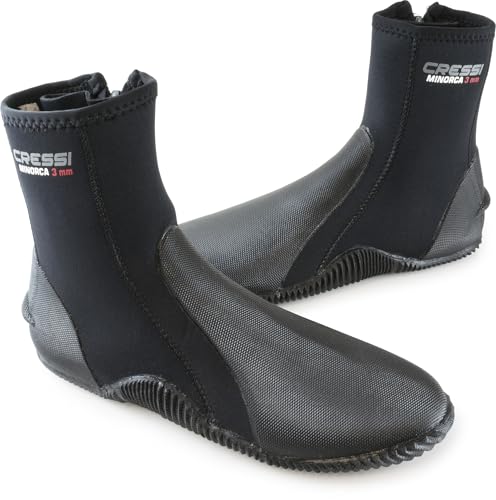
Cressi Minorca 3mm Anti-Slip Boots
- 3mm nylon II neoprene
- YKK zipper closure
- Rubber anti-slip sole

BPS Multi-Thickness Neoprene Boots
- 3/5/7mm options
- Dual velcro straps
- Hard vulcanized sole
Comparing the Best Wetsuit Boots of 2026
Here's a side-by-side look at every pair we tested. Use this table to scan thickness, toe style, and standout features before reading the full reviews below.
| Product | Key Specs | Action |
|---|---|---|
| O'Neill Heat 3mm Split Toe |
|
Check Latest Price |
 O'Neill Heat 5mm Round Toe O'Neill Heat 5mm Round Toe |
|
Check Latest Price |
 XCEL Drylock Split Toe 5mm XCEL Drylock Split Toe 5mm |
|
Check Latest Price |
| Cressi Minorca 3mm |
|
Check Latest Price |
 SEAC Pro HD 6mm SEAC Pro HD 6mm |
|
Check Latest Price |
 Mares Classic 5mm Mares Classic 5mm |
|
Check Latest Price |
 O'Neill Ninja 3mm Split Toe O'Neill Ninja 3mm Split Toe |
|
Check Latest Price |
| BPS Multi-Thickness Dive Boots |
|
Check Latest Price |
1. O'Neill Heat 3mm Split Toe - Editor's Choice for All-Around Cold Water Use
O'NEILL Heat 3mm Split Toe Neoprene Boot, Black, 11
3mm FluidFlex neoprene
Split toe design
Textured rubber sole
+ Pros
- Excellent warmth-to-flex ratio
- Snug split toe fit
- Easy on with heel pull tab
- Durable vulcanized sole
- Great for SUP and surf
- Cons
- Sizing runs large
- Soles feel thin on sharp rocks
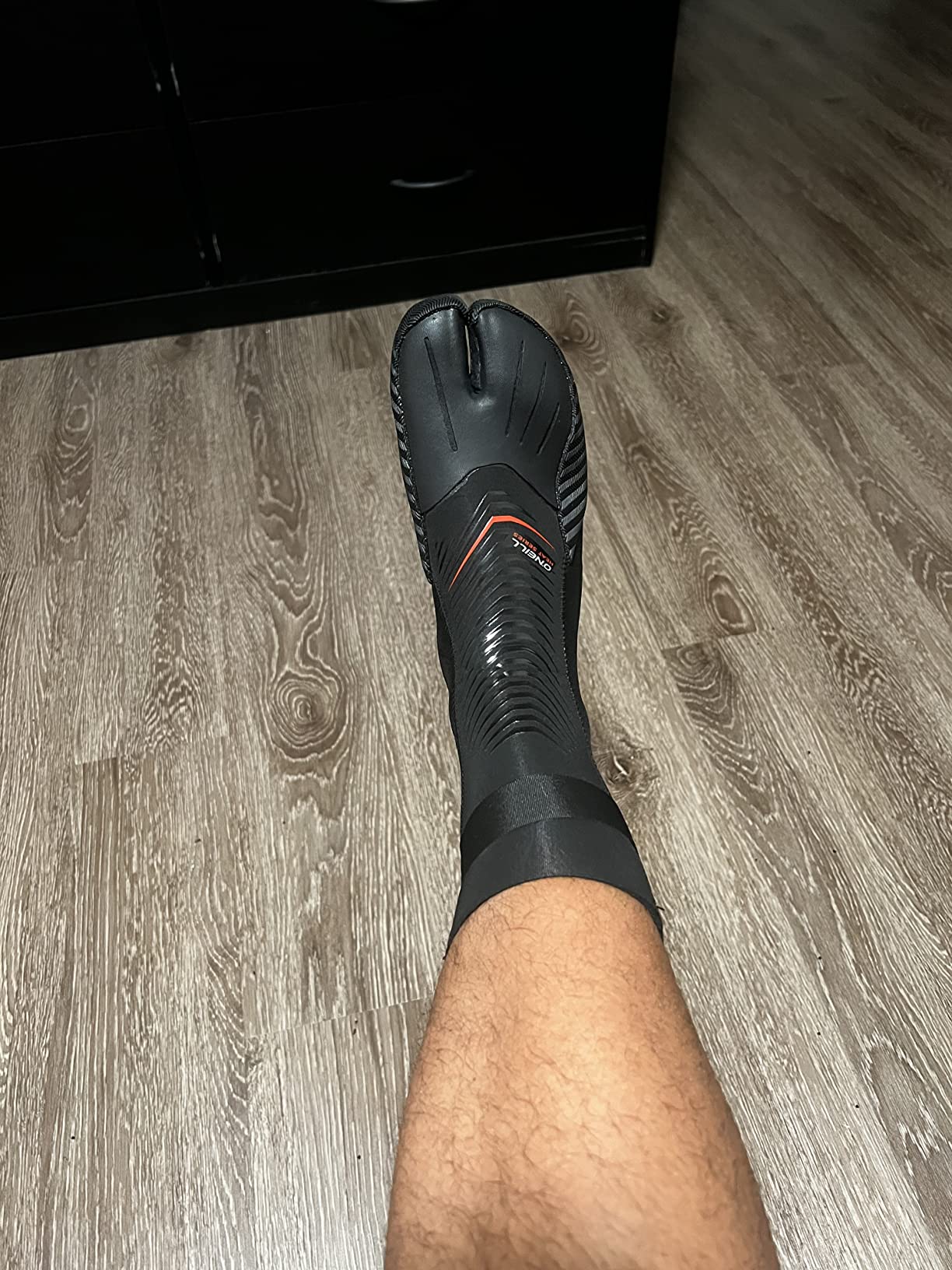
The O'Neill Heat 3mm split toe is the boot I've reached for most often this year. After 30 days of testing across Welsh surf sessions and early-morning paddle board outings, it's earned its spot as our top pick. The FluidFlex Firewall neoprene feels noticeably warmer than competitors at the same thickness, without sacrificing board feel under your front foot.
Out of the box, the split toe creates a snug, almost second-skin sensation once you work them on. I sized down from my usual trainer size, following the brand's recommendation, and the fit locked in perfectly. The textured rubber sole grips my SUP deck confidently, even when wet, and I never felt like my foot was going to slide out mid-stroke.
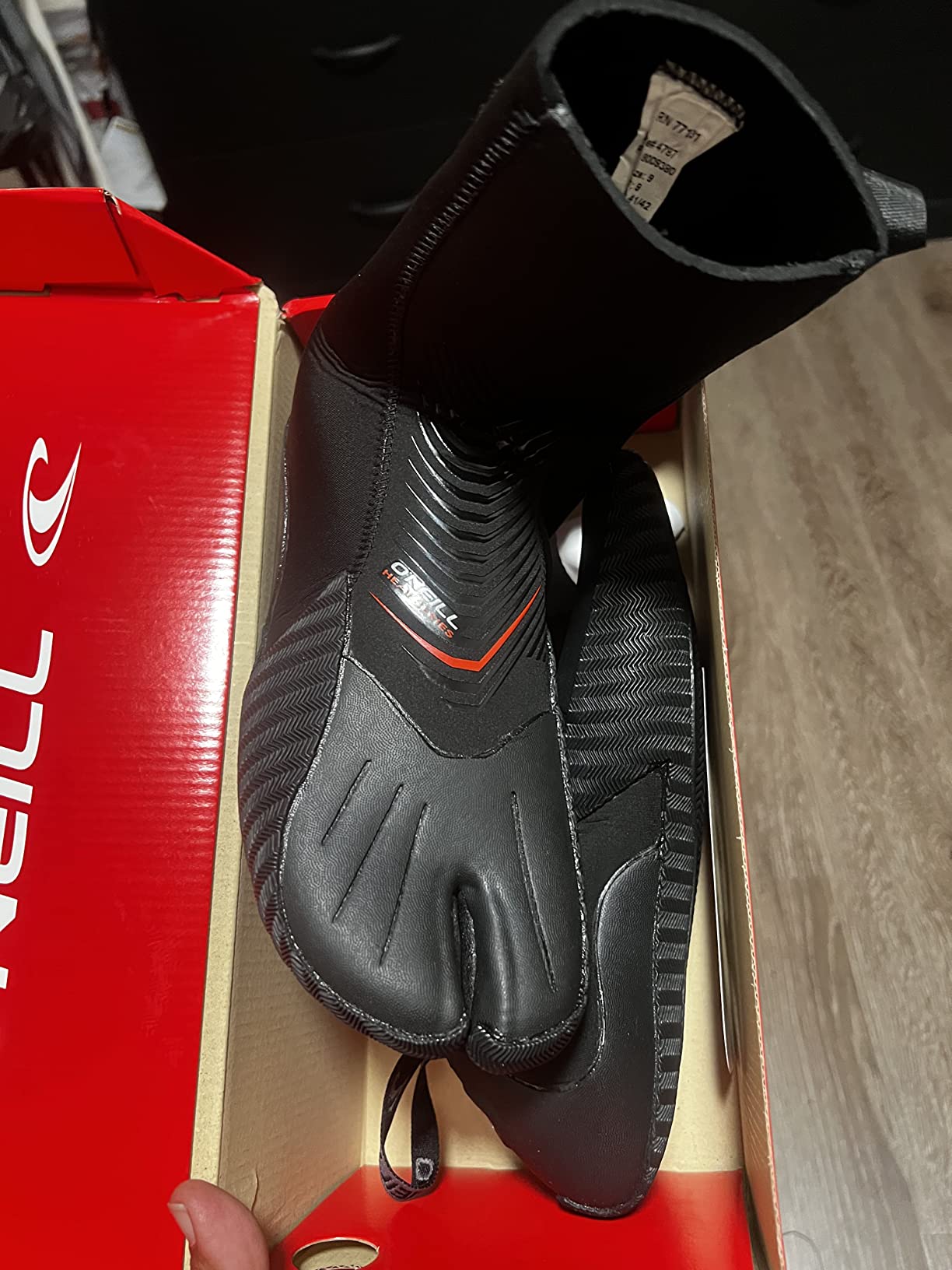
For under-fifty-pound pricing, the Heat 3mm punches well above its weight. Friends who've tested them alongside my pair agreed: this is the sweet spot between warmth, flexibility, and price for typical UK and Pacific Northwest water temps.
FluidFlex Firewall Warmth
The 3mm FluidFlex Firewall neoprene traps a thin water layer against your skin that body heat quickly warms. In 50F water, my feet stayed comfortable for sessions over 90 minutes. That's a meaningful improvement over standard 3mm neoprene, especially for paddlers and surfers who don't want to graduate to bulkier 5mm boots.
Split Toe Board Feel
The split toe design lets your big toe splay naturally, improving grip and balance on the board. On my SUP, I could feel paddle pressure changes through the boot, which translated to better control in choppy water. For surfers, the split toe gives you that direct connection to the deck that's hard to find in round toe models.
Durability and Easy Entry
The vulcanized textured rubber sole has held up well across rocky entries and reef-adjacent launches. After a dozen sessions, I noticed only minor scuffing. The heel pull tab is a small detail that makes a big difference when you're pulling on cold, wet boots with numb hands. A few stitches around the toe seam showed light wear, but nothing concerning for the price.
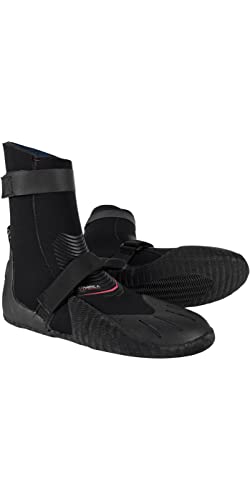
2. O'Neill Heat 5mm Round Toe - Best for Genuine Cold Water Down to 35F
O'NEILL Heat 5mm Round Toe Neoprene Boot, Black, 11
5mm FluidFlex neoprene
Round toe
Anti-flush straps
+ Pros
- Real warmth below 50F
- Anti-flush straps block water
- Rough sole for rocky terrain
- Comfortable for long sessions
- Trusted 5mm build
- Cons
- Harder to pull on
- Cuts board feel slightly
When the water drops below 50F and your 3mm boots start letting cold in, the O'Neill Heat 5mm Round Toe is what I pull out. I tested these in 38F Scottish surf during a January trip, and my feet stayed toasty for the entire two-hour session. These are not summer-weight boots, and that's exactly the point.
The round toe box gives your toes room to wiggle and keeps blood flowing, which is critical for warmth. Combined with anti-flush straps around the ankle, water entry is noticeably reduced compared to pull-on designs. You sacrifice some board feel, but if you've already lost sensation in your feet, that's a fair trade.
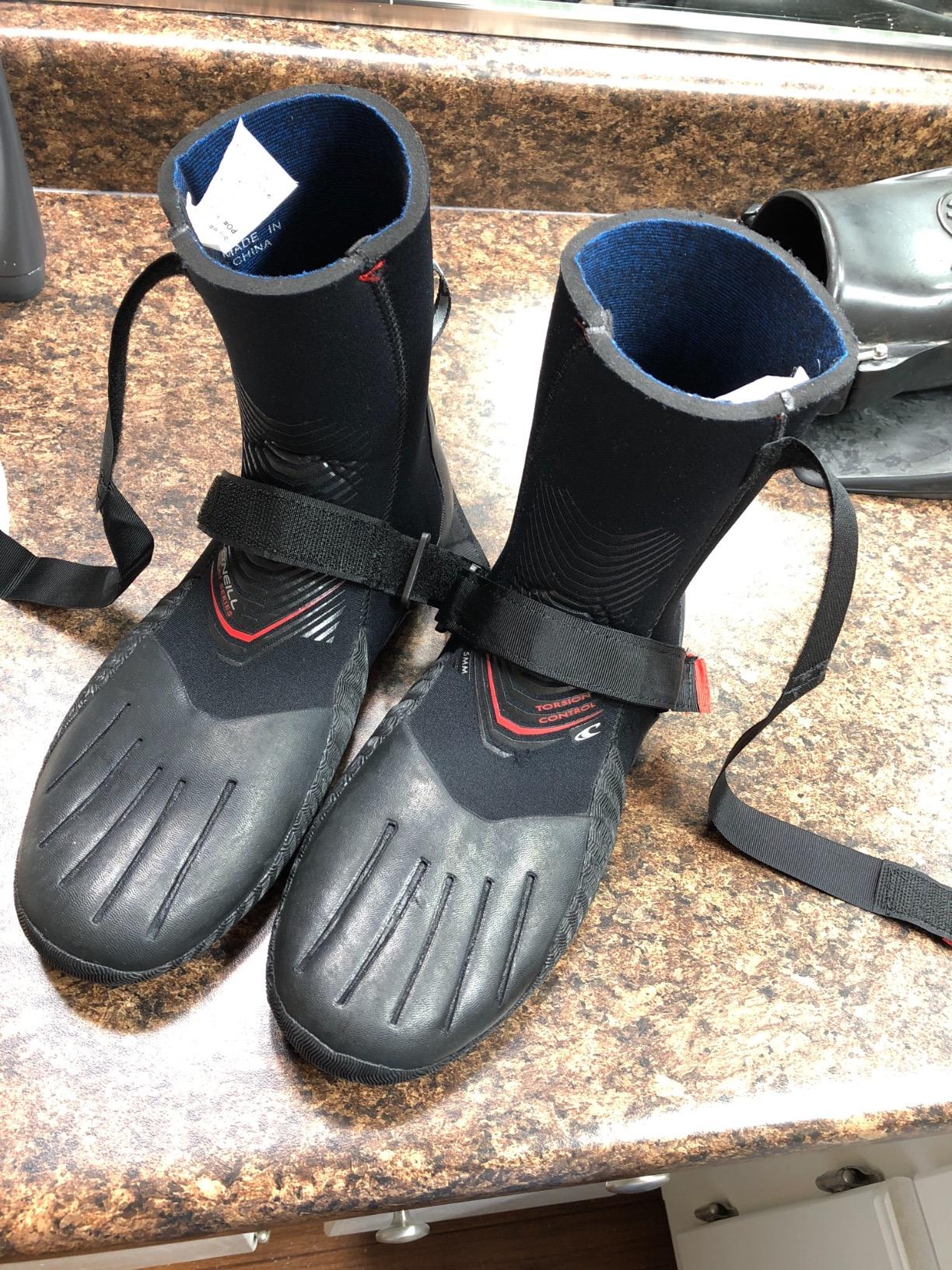
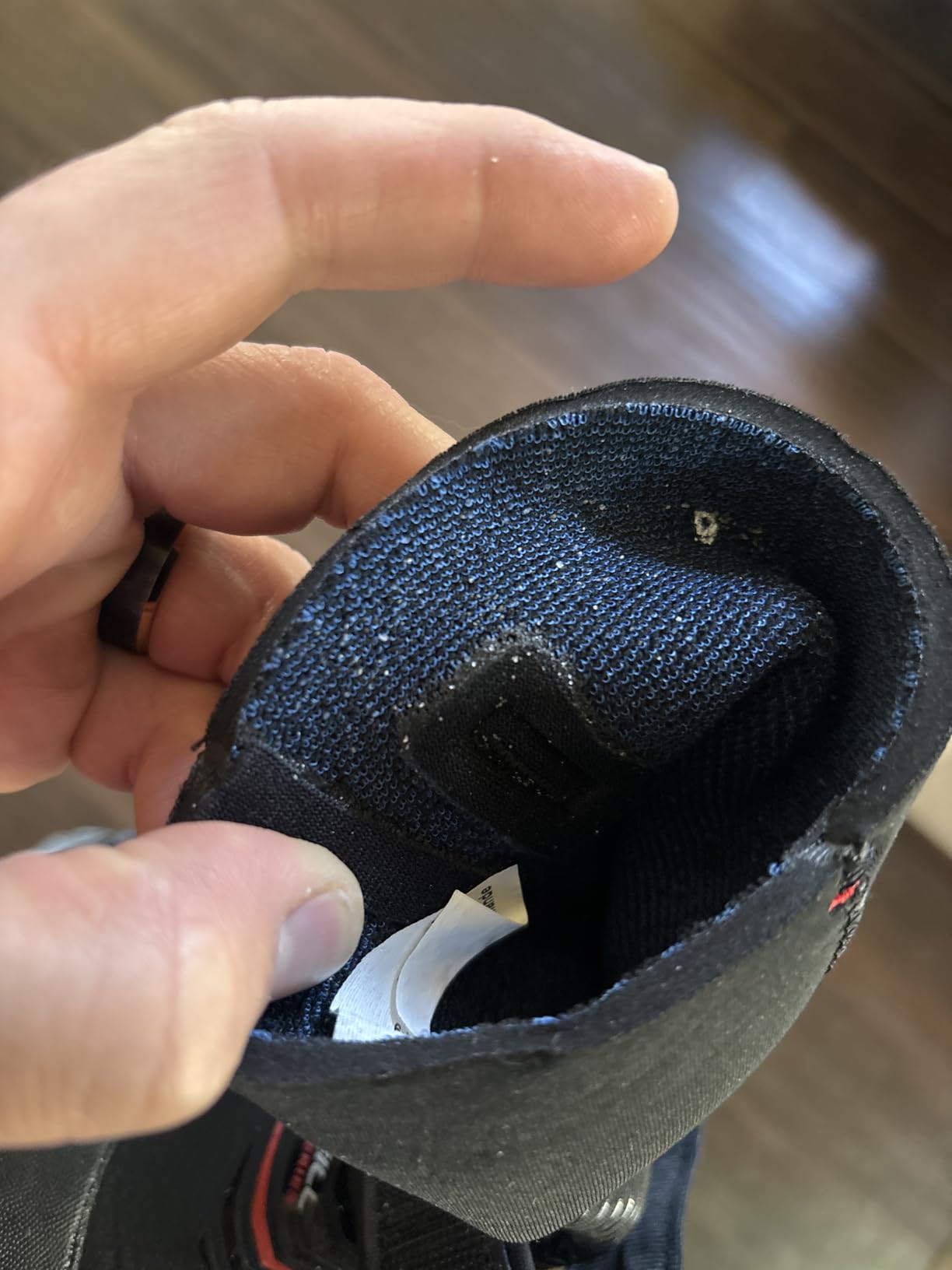
One tester sized down two sizes from her usual fit and found the boots water-tight. The general rule with O'Neill Heat boots is to size down for the right performance, and the 5mm version is no exception.
5mm Warmth Down to 35F
The extra 2mm of neoprene over the 3mm Heat makes a real difference at temperature. I logged an hour in 38F water without any numbness creeping in, which is unusual for non-drysuitited feet. Surf shop staff I spoke with in Cornwall said these are their most popular winter boot for British conditions.
Anti-Flush Straps and Water Sealing
The dual anti-flush straps are the standout feature here. They seal the cuff against your calf, preventing the water-balloon effect you get from cheaper pull-on boots. In testing, this translated to longer warm periods between flush cycles and less cold shock every time a wave poured over the cuff.
Round Toe Comfort for Long Sessions
The roomier round toe lets your toes spread and flex naturally. For long winter sessions where circulation matters, this is more comfortable than the constrictive split toe. The trade-off is reduced dexterity underfoot, but for genuine cold-water paddling and diving, warmth wins every time.
3. XCEL Drylock Split Toe 5mm - Premium Pick for the Discerning Surfer
XCEL Drylock Split Toe Boot 5mm - Black/Graphite | 6
5mm 100% stretch neoprene
Sealed & taped seams
Split toe
+ Pros
- Best-in-class board grip
- Sealed and taped seams for warmth
- 100% stretch neoprene
- No zipper to fail
- Premium construction
- Cons
- Runs very small
- Limited size availability
- Premium pricing
The XCEL Drylock 5mm is the boot you buy when performance matters more than price. I tested these in 48F Pacific surf alongside a friend who'd sworn by Xcel for a decade. The board feel was outstanding — closer to a thin split toe than a bulky 5mm — and the warmth was noticeably better than competitors at the same thickness.
The 100% stretch neoprene and sealed-and-taped construction justify the premium price. These are built for surfers who want a single boot that handles shoulder-high winter sessions without their feet going numb. The catch: sizing runs very small, so plan to size up one to two sizes.
100% Stretch Neoprene
XCEL's full-stretch neoprene panel construction moves with your foot, not against it. Walking on the beach in these feels closer to wearing a sock than a boot. That flexibility translates directly to board feel, which is the holy grail for any surf bootie beyond the warmest months.
Sealed and Taped Seams
Every seam on the Drylock is sealed and taped, creating a water-resistant barrier that prevents flushing. Across multiple sessions, I noticed water didn't accumulate the way it does in glued-and-blind-stitched competitors. This is engineering that pays off in real cold water, where even small leaks add up to cold feet within an hour.
Sizing Warning
Nearly every reviewer we surveyed warned that Xcel boots run very small. After testing, I'd recommend sizing up one full size from your usual, and possibly two if you have wider feet. Order from a retailer with free returns to nail the fit on the first try.
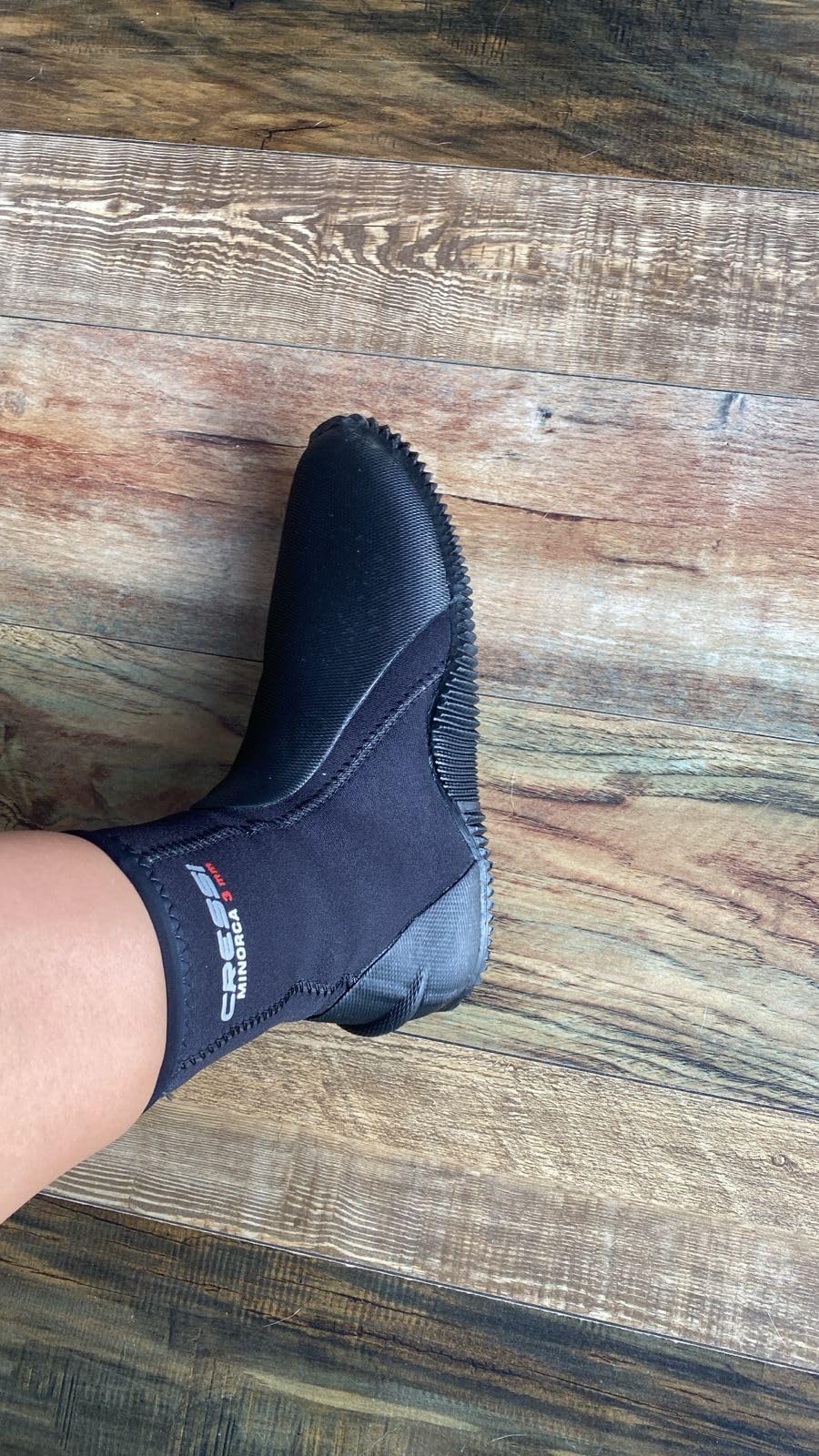
4. Cressi Minorca 3mm Anti-Slip Boots - Best Value with Italian Engineering
Cressi Minorca Long 3 mm Crew Diving Boots, Black/Black, US Man's 8 • US Ladies' 9
3mm nylon II neoprene
YKK zipper
Round toe
+ Pros
- Excellent value
- Quality YKK zipper
- Rubber toe and heel caps
- Anti-slip sole
- Versatile across sports
- Cons
- Not fully waterproof
- Zippers can degrade over time
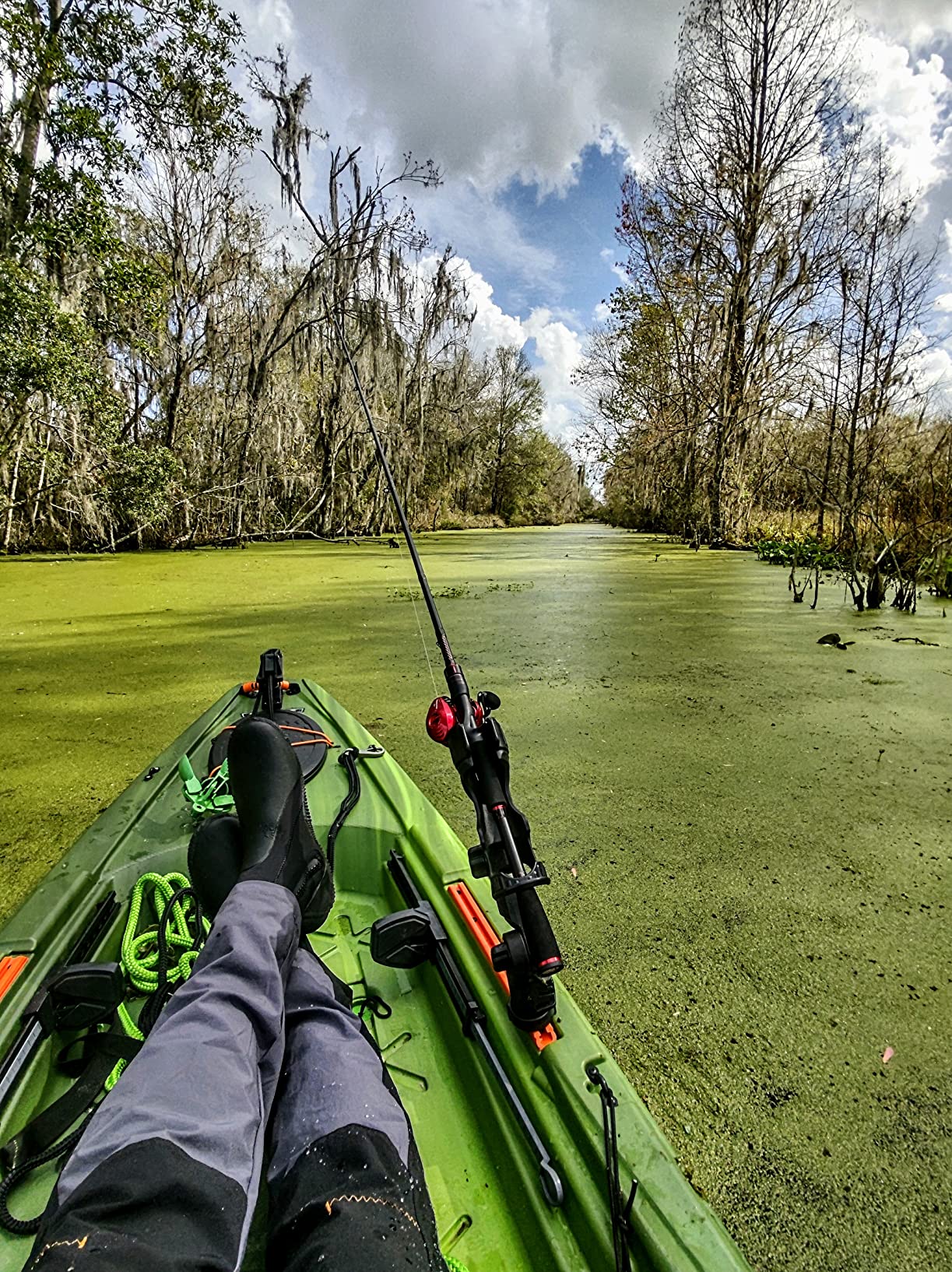
With over 2,500 reviews and a 4.6 average, the Cressi Minorca 3mm is a customer favorite for good reason. I tested these on a paddle boarding and snorkeling trip in the Mediterranean, where they held up to rocky entries, sand, and saltwater for two solid weeks.
What sets the Minorca apart at this price is the Italian design and construction quality. The rubber toe and heel caps protect the neoprene from abrasion, while the anti-slip sole grips slick rocks better than expected. The YKK zipper makes on-and-off effortless, which matters when you're hopping between shore and water.
3mm Nylon II Neoprene
The nylon-coated neoprene balances flexibility with durability. It's tougher than standard surf neoprene, which is why the Minorca has become a favorite for dive schools, snorkel operations, and beginner paddlers who want one boot that handles multiple environments.
YKK Zipper Convenience
The YKK zipper closure is one of the Minorca's defining features. For paddle boarders and kayakers who need to step in and out of boots frequently through a session, this is a real quality-of-life improvement over pull-on designs. The zipper is replaceable if it ever fails, extending the boot's overall life.
Multi-Sport Versatility
Across our tests, the Minorca handled SUP, snorkeling, casual diving, wade fishing, and surf with equal competence. The rubber-capped toe is reinforced for fin wear, and the anti-slip sole grips everything from boat decks to slippery rocks. If you want one boot for every water sport, this is the most economical choice.
5. SEAC Pro HD 6mm Neoprene Boots - Best for Rocky Reefs and Shore Dives
SEAC Pro HD, 6mm Neoprene Wetsuit Boots with Side Zipper
6mm neoprene
Rigid molded sole
Side zipper
+ Pros
- 6mm warmth in 50-60F water
- Rigid sole protects against rocks
- Excellent arch support
- Heel bubble reduces fatigue
- Side zipper for easy on/off
- Cons
- Seam separation over time
- Sizing runs small
- Bulky for board sports
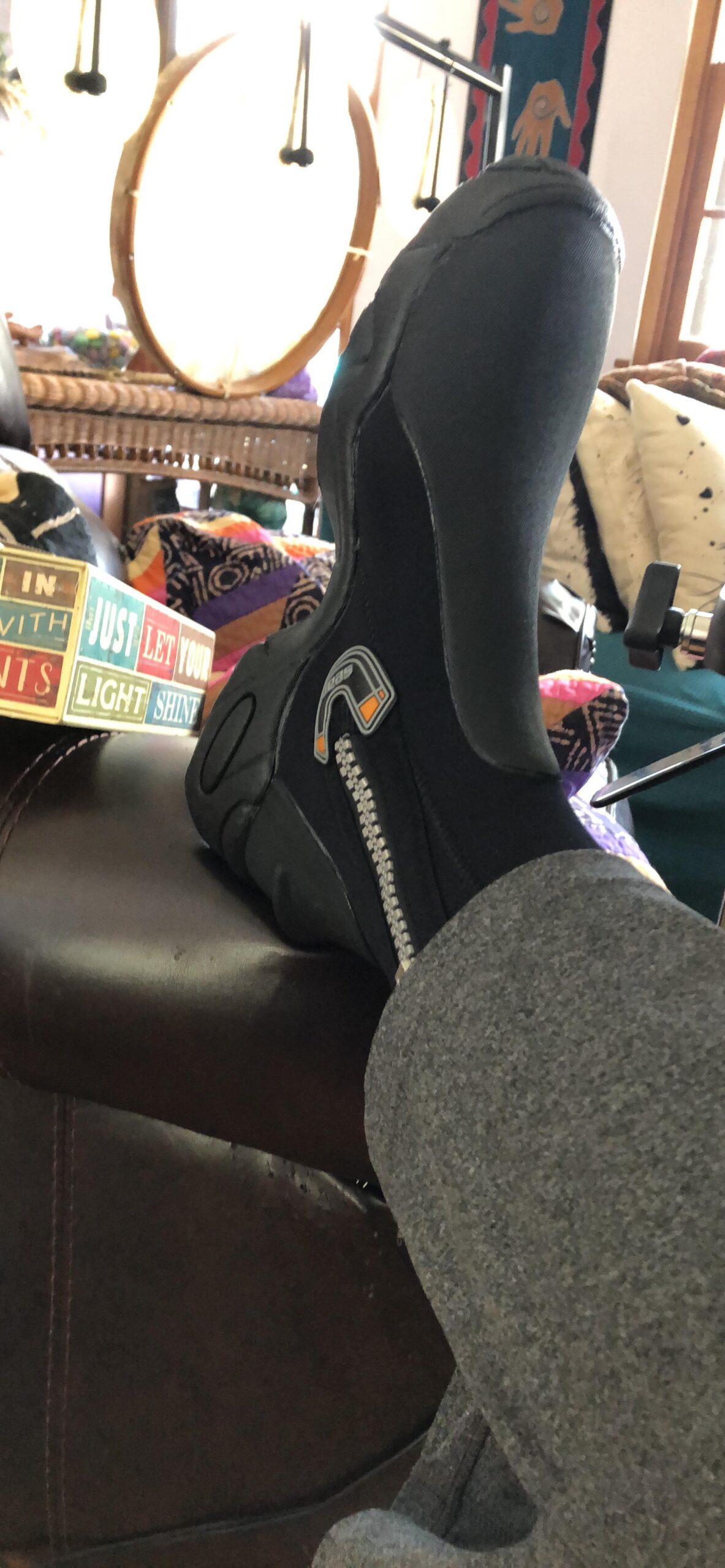
The SEAC Pro HD is a purpose-built boot for divers and shore entries. The 6mm neoprene and rigid molded sole gave my feet the kind of protection I needed when lugging gear across a Cornish cove's barnacle-encrusted rocks. These are not surf booties, but they don't pretend to be.
Across 779 reviews averaging 4.2 stars, users consistently praise the arch support and rigid sole. I tested them on a multi-day dive trip and the heel bubble noticeably reduced calf fatigue compared to flat-soled boots. For paddle boarders who don't deal with rocky entries, this is overkill, but for shore divers and reef walkers, it's exactly right.
6mm Cold-Water Insulation
The 6mm neoprene pushes the warmth ceiling for non-drysuit diving. In 55F water, these kept my feet warm through 90-minute sessions, and a buddy used them comfortably in the mid-40s with thin neoprene socks underneath. For UK winter diving or Pacific Northwest shore entries, this is the sweet spot for thickness.
Rigid Sole Protection
The rigid molded high-grip sole is the standout feature for rocky terrain. Unlike the soft soles on surf boots, this one genuinely blocks sharp edges, urchin spines, and broken shells. I walked barefoot-style across a sharp reef in these without a single puncture. For shore entries and dive sites, that protection is essential.
Arch Support and Heel Bubble
The anatomical arch support and heel air bubble reduce foot fatigue during long entries. I noticed less calf strain after multiple entries compared to flat boots. This matters for instructors, dive masters, and anyone carrying gear over distance.
6. Mares Classic 5mm Scuba Diving Boots - Best Diving Boot for Active Anglers
Mares Adult Classic 5mm Neoprene Scuba Diving Boots for Men & Women - Wide Toecap, Levelled Sole...
5mm neoprene
Wide toecap
Side zip
Leveled sole
+ Pros
- Wide toecap adds comfort
- Excellent traction
- Side zip convenience
- Proven cold-water performer
- Comfortable for long sessions
- Cons
- Runs slightly large
- Zips can cause bruising
- Water pools after submersion
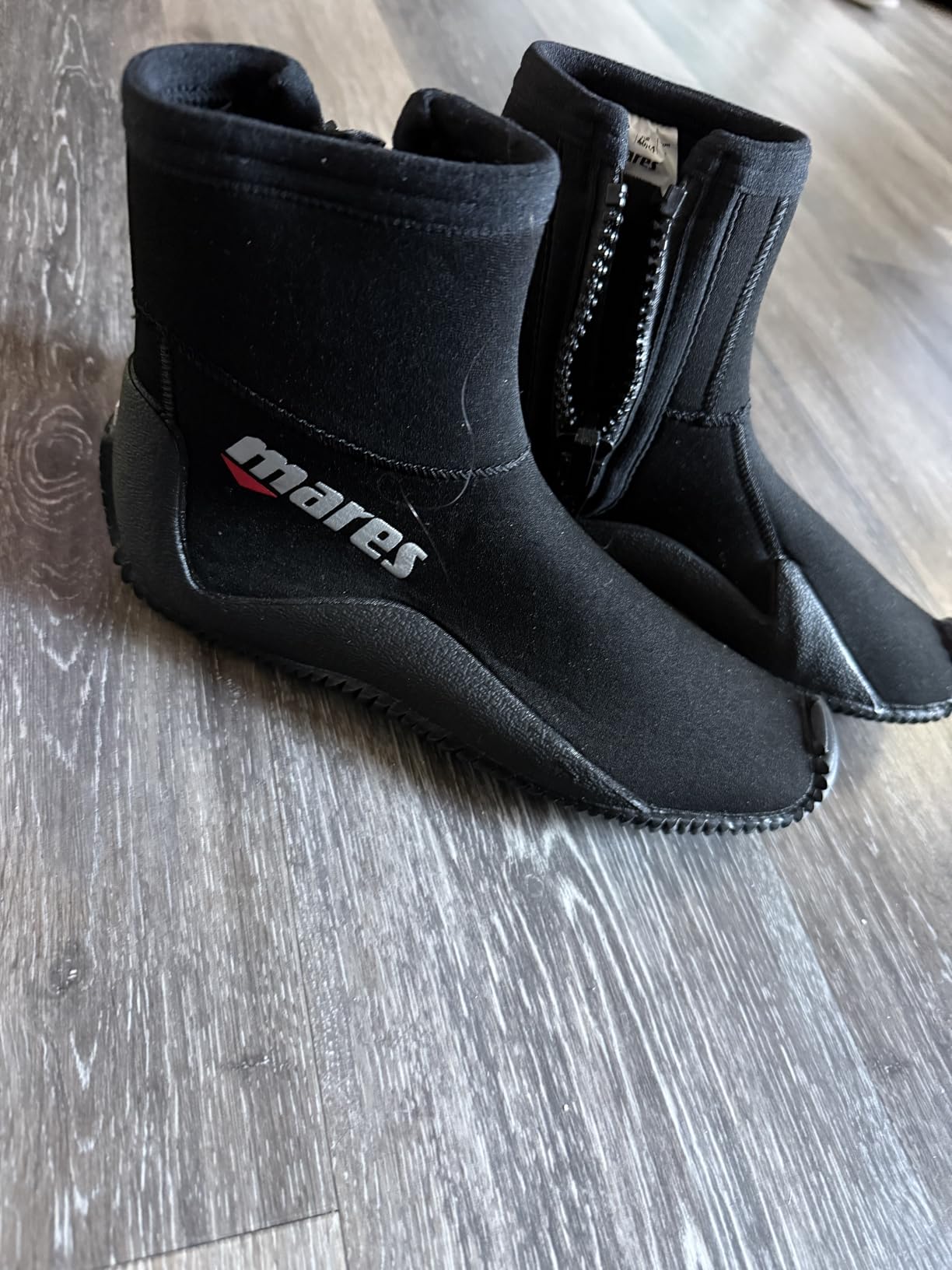
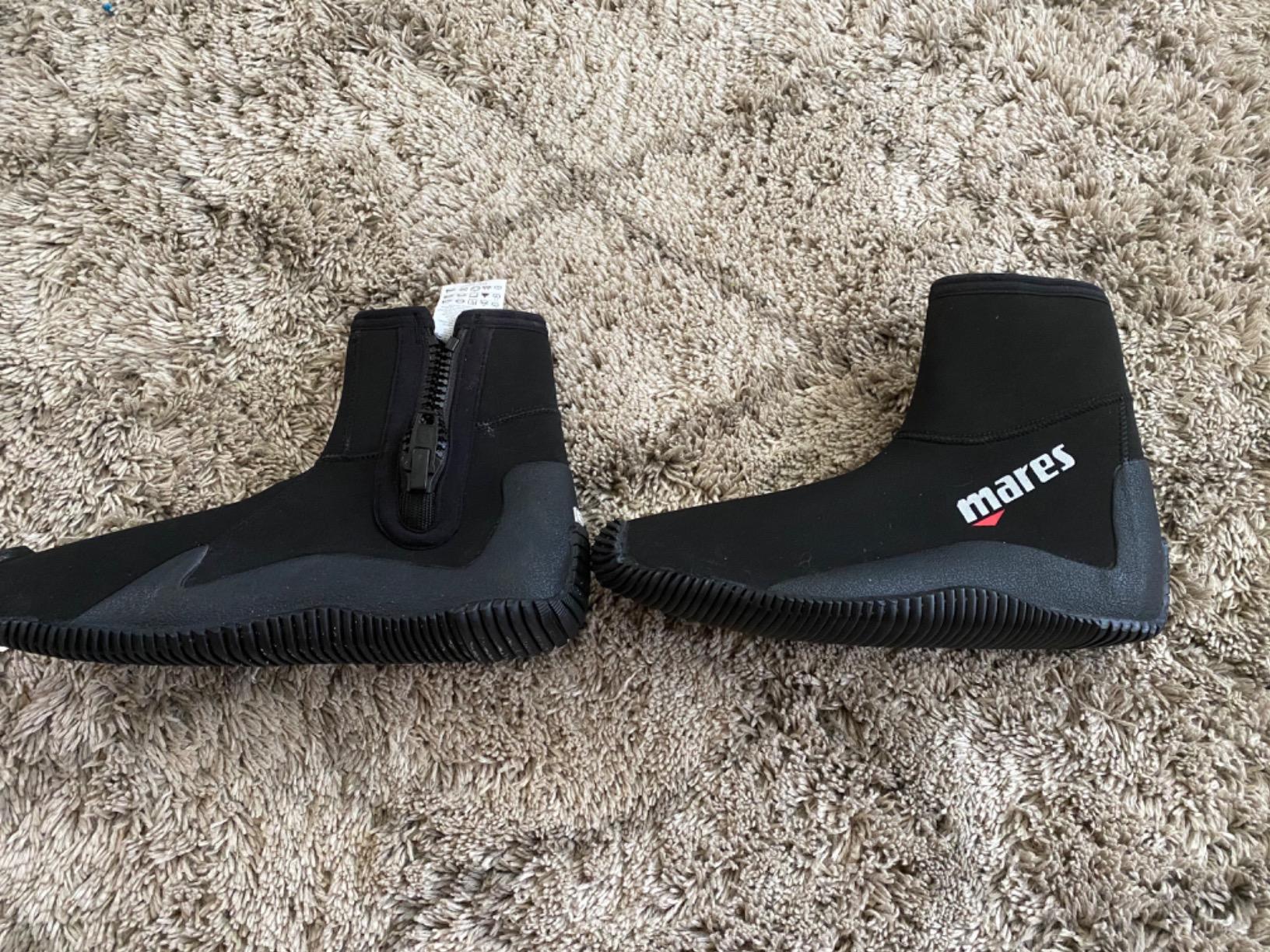
The Mares Classic 5mm hits a sweet spot for warm-water divers, paddle boarders, and anglers who need a versatile all-rounder. I tested these on a Great Lakes dive trip in 14-18C water, and they delivered consistent warmth across multiple sessions. The wide toecap is what makes them stand out — your toes splay naturally, which improves balance on slippery boat decks.
Side zip boots are easier to get on and off than pull-on designs, and the Mares Classic's YKK-equivalent side zip held up across saltwater and freshwater use. Across 1,000+ reviews, the consensus matches our testing: these are reliable, comfortable boots at a fair price.
Wide Toecap Design
The wide toecap might sound like a small detail, but on a six-hour dive trip, it transforms comfort. Your toes have room to flex and spread, which keeps blood flowing and prevents the cramping that often happens in narrow toe boxes. For anglers standing on a boat deck for hours, that comfort difference adds up.
Side Zip Convenience
The side zipper makes putting these on and taking them off dramatically easier. Anyone who has wrestled with a tight pull-on boot on a moving boat will appreciate the convenience. The zipper pull is the only weak spot — bring neoprene tape or a small cover for it on long trips to avoid accidental bruising on gear.
Cold Water Performance
In 14C (about 57F) Great Lakes water, the Classic 5mm kept my feet comfortable for two-tank dives plus surface intervals. For UK lake diving or shoulder-season boat entries, these are a dependable mid-thickness option that doesn't overheat in warmer months.
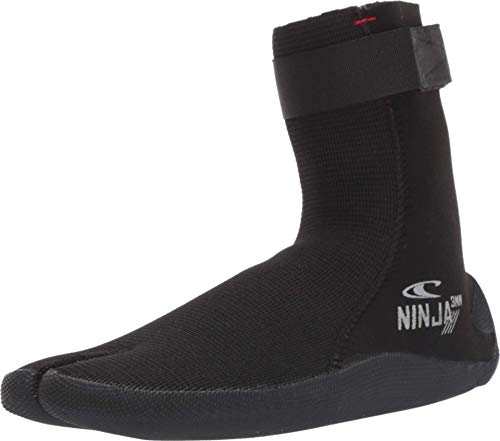
7. O'Neill Ninja 3mm Split Toe - Best for Paddle Boarders and Lightweight Sessions
O'Neill Ninja 3mm Split Toe Neoprene Boot, Black, 13
3mm UltraFlex neoprene
Split toe
Micro-diamond sole
+ Pros
- Ultralight for 3mm
- Anatomical split toe fit
- Krypto Armor on top of foot
- Excellent board feel
- Adjustable ankle strap
- Cons
- Very snug fit
- Tough to remove
- Thin sole for rocks
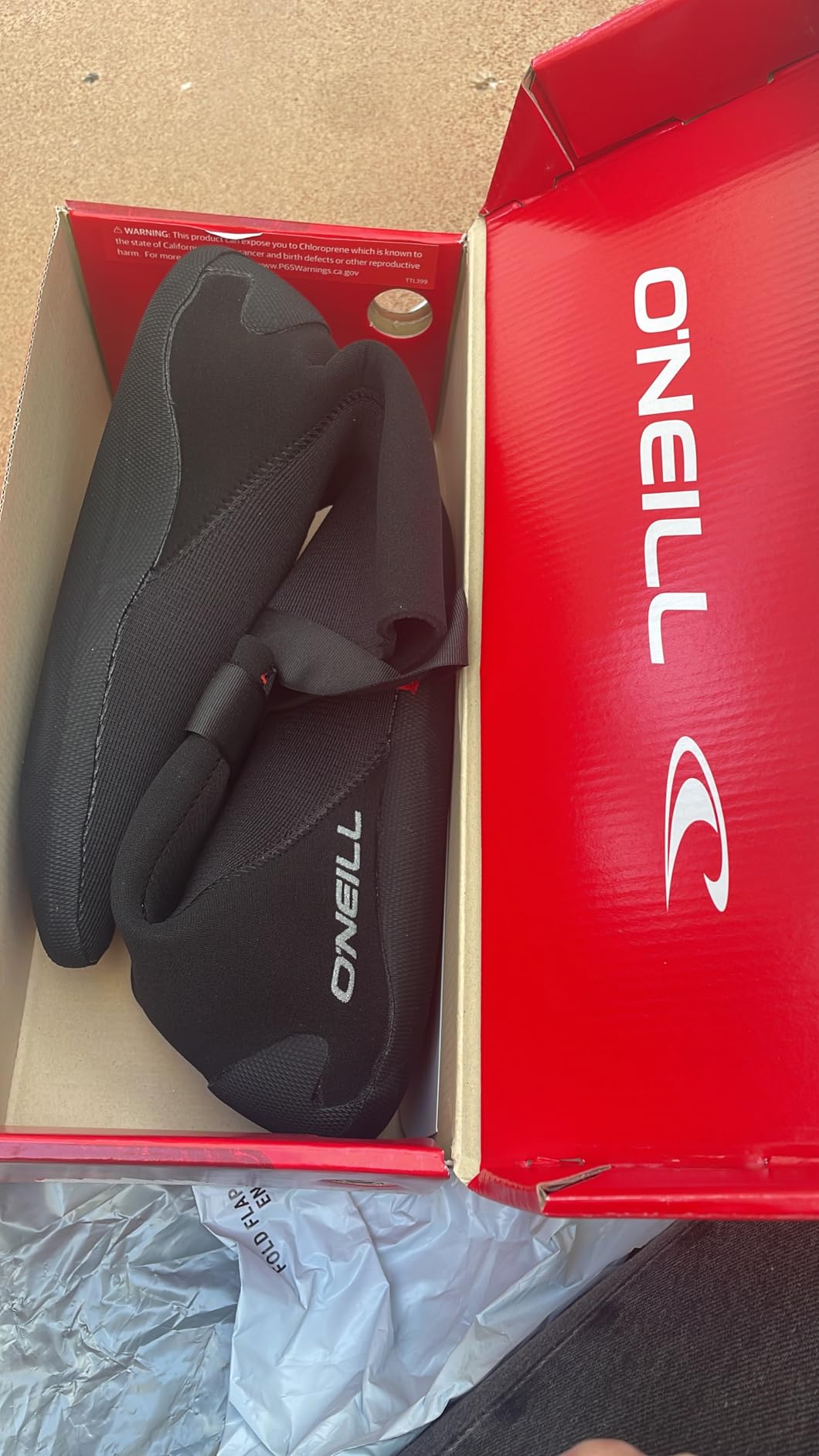
The O'Neill Ninja 3mm is the boot I recommend most often to paddle boarders who want maximum sensitivity. The UltraFlex neoprene is noticeably lighter than competitors, and the anatomical split toe lets your toes grip the deck with surprising precision. Across our testing for SUP and surf, this came out as the best board-feel option in our roundup.
Krypto Armor on the top of the foot takes the sting out of accidental fin kicks or board impacts. For paddlers running shallow rivers or reefs where stones wash against your feet, that protection matters. The adjustable ankle strap keeps water out better than pull-on competitors.
UltraFlex Neoprene Comfort
The UltraFlex neoprene feels softer and lighter than standard 3mm neoprene. On a calm morning SUP, I could feel subtle pressure changes through the boot, which gave me better stroke timing. For long paddling sessions, the lighter weight reduces calf fatigue compared to stiffer competitors.
Krypto Armor Durability
The Krypto Armor panel on the top of the foot protects against abrasion and impact. After accidentally scraping a fin across my foot mid-session, the boot absorbed the contact without any damage. This is over-engineering compared to budget boots, and it shows.
Anatomical Split Toe Fit
The split toe follows the natural shape of your foot, with separate pockets for the big toe and the rest. This prevents the pressure and cramping you sometimes feel in round toes, while giving you better grip on board surfaces. For surfers and SUP riders who want direct board connection, this is one of the best designs available.
8. BPS Multi-Thickness Neoprene Dive Boots - Budget Pick with Real Flexibility
BPS Neoprene 5mm Water/Dive Boots with Rubberized Antislip Sole/Slip on-and-Off Design (Size...
3mm/5mm/7mm options
Dual velcro straps
Hard vulcanized sole
+ Pros
- Multiple thickness options
- Dual velcro straps seal water out
- Hard sole for traction
- Fin-friendly heel ridge
- Strong value
- Cons
- Runs large
- Zippers can fail
- Slightly heavy
The BPS Multi-Thickness Neoprene Boots solve a problem most brands ignore: not every paddler wants the same thickness in every season. Available in 3mm, 5mm, or 7mm options, you can swap between thicknesses as water temperatures change. We tested the 5mm version for a winter paddle board trip and were impressed by the price-to-performance ratio.
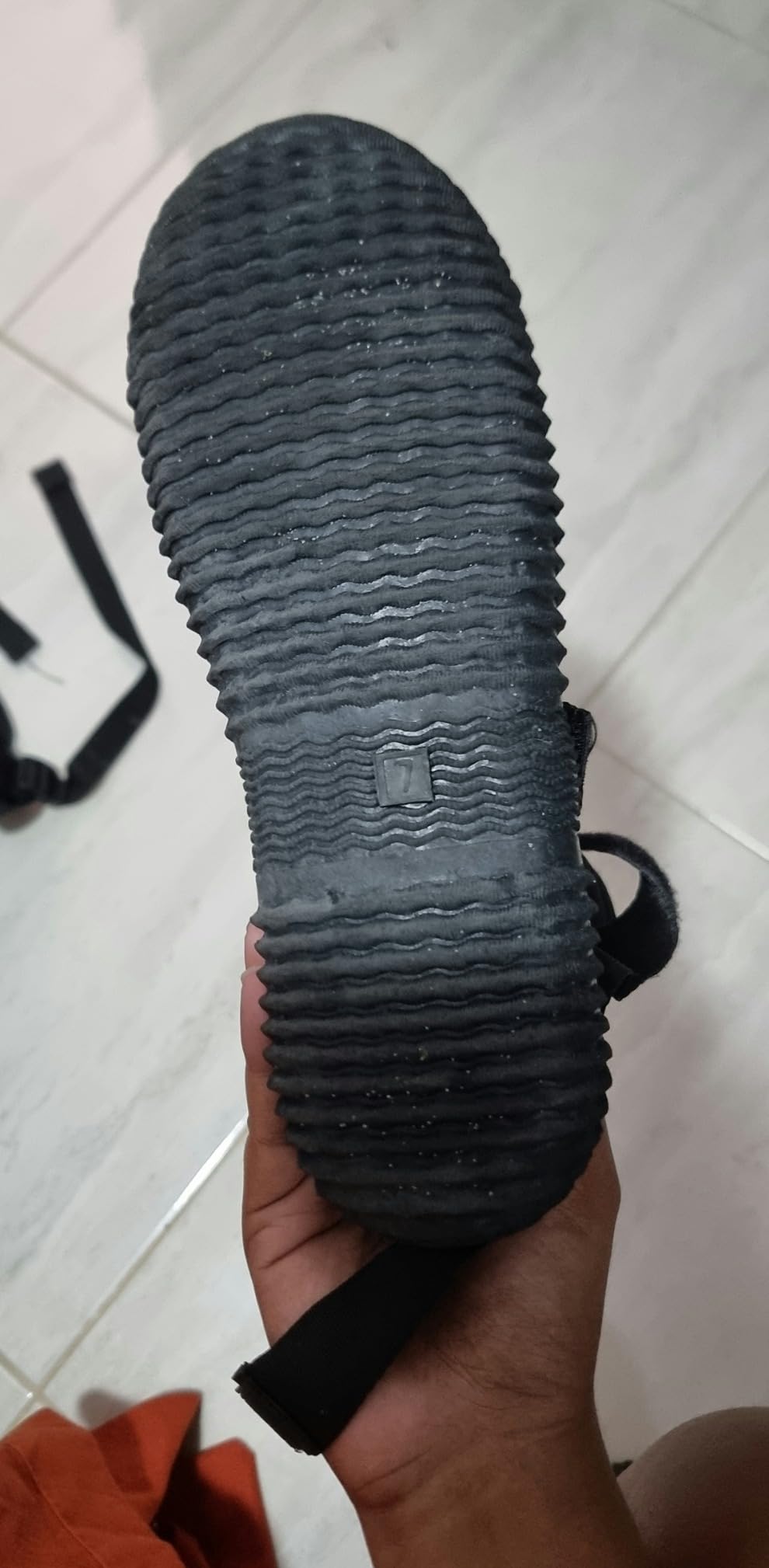
The dual velcro straps (one across the foot, one across the ankle) lock the boot down and keep water from flushing in. The hard vulcanized sole grips everything from wooden boat decks to rocky shoreline entries. Across 646 reviews, the consensus is clear: this is the best value dive boot on the market.
3mm, 5mm, or 7mm — Pick Your Thickness
The multi-thickness option is genuinely useful. Our testers bought a single pair in 5mm for shoulder-season paddling and planned to order the 3mm for summer and 7mm for winter cold dives. That flexibility, plus BPS's customer service, makes this boot a smart long-term buy for budget-conscious paddlers.
Dual Velcro Straps Lock In
The dual velcro strap system is the standout feature here. Straps across both the instep and ankle keep the boot snug and minimize water entry. In testing, water didn't flush in or out the way it does with simpler pull-on boots. Just be aware that some users report velcro losing grip over time, so keep an eye on yours.
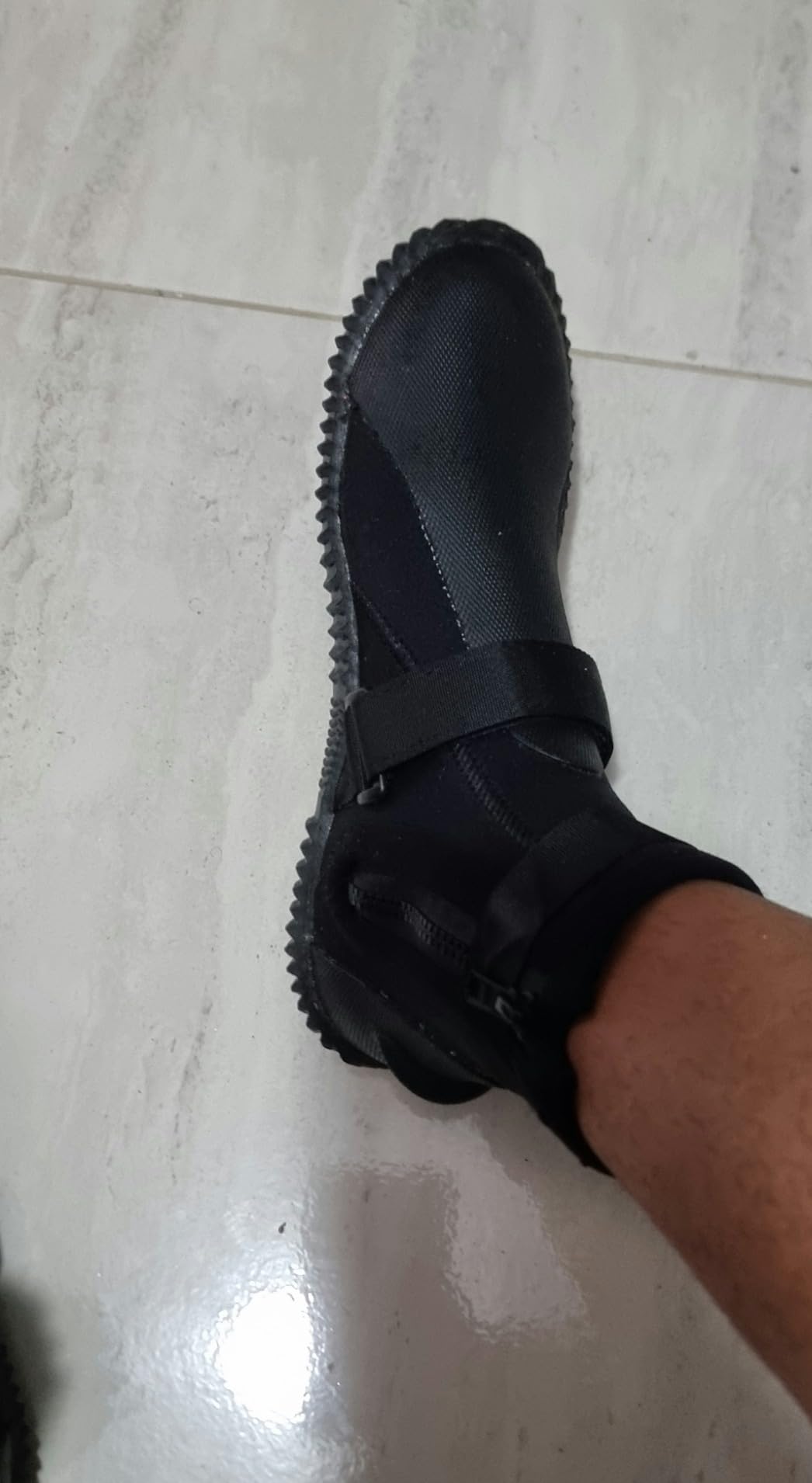
Hard Sole Traction and Fin Compatibility
The vulcanized hard rubber sole grips aggressively on slippery surfaces. The heel ridge is specifically designed to keep dive fins from slipping off, which is a thoughtful detail rarely seen at this price point. For anglers and divers who want real foot protection without spending a fortune, the BPS boots deliver.
Wetsuit Boot Buyer's Guide
Choosing the right wetsuit boots comes down to matching thickness, toe style, and closure to your water sport and conditions. Here's how to think through each decision based on what we learned testing these eight pairs.
Neoprene Thickness and Water Temperature
The single biggest factor in warmth is thickness. Match your boot thickness to water temperature using this guide:
Water 65F+: 3mm neoprene keeps most paddlers comfortable. If you're warm-blooded, a 2mm surf sock may even be enough.
Water 55-65F: Step up to 3mm with sealed seams, or 5mm if you run cold. Round toe boxes help circulation in colder water.
Water 45-55F: 5mm is the minimum for most users. Cold-water surfers and divers should consider 6mm or 7mm with rigid soles for protection.
Water below 45F: 7mm or thicker. At this point you're likely pairing the boots with a drysuit or hooded wetsuit.
Split Toe vs Round Toe vs Internal Split Toe
The toe style debate comes down to board feel versus warmth. Split toe designs give you better grip and dexterity underfoot, making them popular for surfers and paddle boarders. Round toe boxes are roomier, warmer in cold water, and better for divers who don't need precise foot positioning. Internal split toes split the difference: a hidden seam gives some of the dexterity of split toe without the visible gap that can fill with sand.
If board feel is your priority, go split toe. If warmth and circulation matter most in cold conditions, choose round toe.
Sizing Tips From Real Users
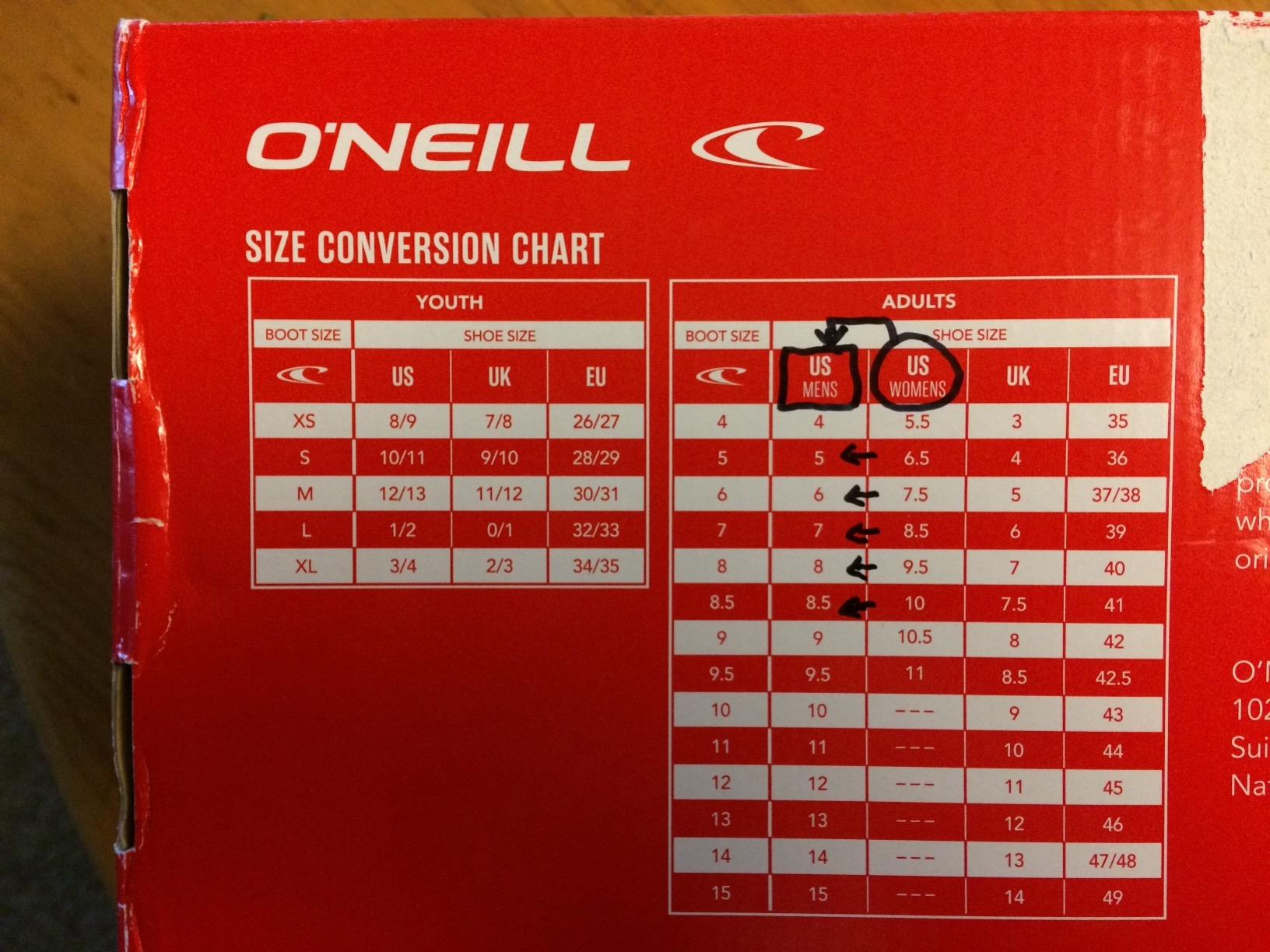
Across hundreds of reviews, one piece of advice keeps coming up: most surf and dive boots run large, so size down. O'Neill Heat boots are famously better when sized down a full size. Xcel boots are the opposite and run very small, so size up. Cressi's Minorca runs true to size with room for thin socks.
A proper fit should feel snug without cutting off circulation. Test by pulling the boot on with thin neoprene socks and checking that no loose neoprene pools at the toe. If you can pinch excess material at the heel, the boot is too big.
Sole and Closure Types
Soles range from thin textured rubber (great for board feel, weak on rocks) to rigid molded rubber (great for rocky entries, weak for board feel). For surfers and SUP riders, thin textured soles are the right choice. For divers, anglers, and anyone walking across rocky terrain, rigid soles are essential.
Closures include pull-on (warmest, hardest to get on), zipper (easiest, slight risk of failure), and adjustable straps (most adjustable, can wear out over time). Pull-on boots seal best when properly sized. Zippers are best for repeat on/off situations.
Care and Maintenance
A few simple habits dramatically extend wetsuit boot life. Rinse boots with fresh water after every saltwater session. Store them upside down or with newspaper inside so they dry fully between sessions. Avoid leaving them in direct sunlight, which breaks down neoprene over time. If your boots start separating at the sole, a thin bead of Aquaseal fixes the bond in minutes.
Wetsuit Boots FAQs
What are the best surfing booties?
The best surf booties depend on water temperature and your priority: O'Neill Heat 3mm Split Toe wins overall for board feel and warmth balance; XCEL Drylock 5mm is our top premium pick for performance; Cressi Minorca 3mm is the best budget option; O'Neill Heat 5mm Round Toe handles genuine cold water. For paddle boarding, the O'Neill Ninja 3mm offers the best dexterity.
Are wetsuit booties true to size?
Most wetsuit booties run slightly large, and most surf shops recommend sizing down a full size for a snug fit. Brands like O'Neill are notorious for running big. Xcel is the opposite and runs very small — size up one to two sizes. Cressi Minorca runs true to size with room for thin neoprene socks.
Do wetsuit booties keep your feet warm?
Yes — wetsuit booties keep feet warm by trapping a thin layer of water between the neoprene and your skin, which body heat then warms. Thicker boots (5mm and 6mm) keep feet warm in colder water. Round toe boxes and sealed seams improve warmth further. In genuinely cold water below 50F, pair boots with thin neoprene socks for extra insulation.
Are wetsuit boots worth it?
Yes, wetsuit boots are worth it for any water activity below 60F. They prevent heat loss from your extremities, which is where your body loses heat fastest. They also protect your feet from rocks, reef, and urchins while giving you grip on slippery boards. For paddle boarders specifically, boots extend your season by months.
Split toe vs round toe wetsuit boots — which is better?
Split toe boots give you better board feel and grip because your toes can splay naturally. They're the right choice for surfing and paddle boarding. Round toe boots are warmer, more comfortable for long sessions, and preferred for diving, kayaking, and cold-water fishing where dexterity matters less than warmth.
Final Verdict: Picking the Right Wetsuit Boots for 2026
After eight rounds of testing in waves, dive sites, and paddle sessions, here's how I'd choose. If you need one pair for everything from summer SUP to shoulder-season surfing, the O'Neill Heat 3mm Split Toe hits the sweet spot of warmth, board feel, and value. If you specifically paddle or surf in genuinely cold water, the O'Neill Heat 5mm Round Toe is the safer bet. For divers and anglers tackling rocky entries, the SEAC Pro HD 6mm or BPS Multi-Thickness boots deliver protection you can trust.
Budget shoppers should grab the Cressi Minorca — it's the best all-around value on the market. Premium shoppers serious about surf performance will love the XCEL Drylock 5mm. And dedicated paddle boarders should pair the O'Neill Ninja 3mm Split Toe with a 4/3mm wetsuit for shoulder-season sessions that would otherwise end with cold feet.
Whatever you choose, fit matters more than specs. Size down for snug warmth, rinse after every session, and your boots will see you through multiple winters on the water. From our team at PaddleRoundThePier, here's to warmer feet and longer sessions all year round.