
Camping In 30 Degree Weather: Complete Guide to Staying Warm
I've spent over 100 nights camping in temperatures below freezing, and I'll tell you something honest: 30-degree camping isn't just survivable, it can be genuinely enjoyable with the right preparation.
After shivering through my first cold weather camping trip in the Colorado Rockies (I learned the hard way that a summer sleeping bag doesn't cut it in October), I've developed a system that keeps me warm through shoulder season adventures.
Camping in 30 degree weather is completely manageable with proper gear and preparation.
Most campers successfully camp in this temperature range using sleeping bags rated for 20-30°F and insulated sleeping pads with R-value 4 or higher. The key is understanding that temperature ratings matter more for your sleeping system than any other piece of gear.
This guide draws from my experience transitioning from summer camping to shoulder-season adventures, along with insights from outdoor professionals who've logged thousands of cold nights.
You'll learn exactly what gear you need, how to layer clothing properly, and practical techniques that actually work for staying warm overnight.
Essential Cold Weather Camping Gear Overview
Before diving into specific categories, here's the gear that makes 30-degree camping comfortable. I've tested dozens of products over multiple seasons, and these selections prioritize actual performance over marketing claims.
| Gear Category | What You Need | Why It Matters |
|---|---|---|
| Sleeping Bag | Rated 10-15°F below expected temps | Your primary insulation overnight |
| Sleeping Pad | R-value 4.0 or higher | Prevents ground from stealing body heat |
| Base Layer | Moisture-wicking thermal top/bottom | Keeps skin dry, retains warmth |
| Mid Layer | Fleece or synthetic jacket | Traps body heat effectively |
| Shell Layer | Waterproof/windproof jacket | Blocks wind and precipitation |
| Insulated Bottle | Vacuum-insulated 20-26 oz | Prevents water from freezing overnight |
Your Sleeping System: The Foundation of Warmth
Your sleeping system accounts for about 70% of your warmth overnight. After testing various combinations over three seasons of shoulder-camping trips, I've learned that investing here pays dividends in comfort.
The sleeping bag temperature rating you need for 30-degree camping is 20°F or lower.
Manufacturers rate bags for survival, not comfort, so that 30°F bag will leave you cold on a 30°F night. I always aim for 10-15 degrees of buffer below the expected temperature.
Temperature Rating: The lowest temperature at which a sleeping bag will keep a warm sleeper alive, not comfortable. For actual comfort, choose a bag rated 10-15°F below your expected minimum temperature.
Sleeping Bag for 30-Degree Camping

Coleman Dunnock 20°F Big ‘n Tall Sleeping Bag, Cold-Weather Sleeping Bag Fits Adults up to 6ft...
Temperature Rating: 20°F
Fits: Adults up to 6ft 4in
Liner: Flannel
Washable: Machine washable
+ Pros
- Fits taller adults up to 6ft 4in
- Comfortable flannel liner
- Machine washable for easy care
- 20°F rating provides good buffer
- Cons
- Bulkier than mummy bags
- Heavier than backpacking options
The Coleman Dunnock stands out for its practical design. I've used this bag on multiple fall camping trips when temperatures dropped to the mid-20s overnight.
The 20°F temperature rating gives you a solid buffer for 30-degree weather. Most campers sleep comfortably in this bag down to about 25°F, making it ideal for shoulder season adventures.
The flannel liner makes a noticeable difference in comfort. Unlike slick nylon interiors, the flannel feels cozy against bare skin and doesn't give you that cold shock when you first climb in.
What really impressed me during testing was the roominess. At 6'2", I often feel cramped in sleeping bags, but the Big 'n Tall design accommodates taller adults comfortably. You can actually shift positions during the night without feeling constrained.
Machine washability matters more than you might think. After a muddy trip, being able to toss this bag in the washer instead of hand-washing or paying for professional cleaning is a significant advantage.
Who Should Buy?
Taller campers who need extra length, car campers who prioritize comfort over weight, and anyone who sleeps cold and wants extra warmth buffer.
Who Should Avoid?
Backpackers counting ounces (this bag is heavy), campers who prefer mummy-style bags, and those camping in temperatures below 20°F.
Sleeping Pad with High R-Value
Most new cold-weather campers focus entirely on their sleeping bag and neglect the pad. This is a mistake. Without proper insulation underneath you, the ground will steal body heat regardless of your bag's rating.
R-Value: A measure of a sleeping pad's resistance to heat loss. For 30-degree camping, you need R-value 4.0 or higher. Each point of R-value represents increased insulation - R-4 is twice as insulating as R-2.
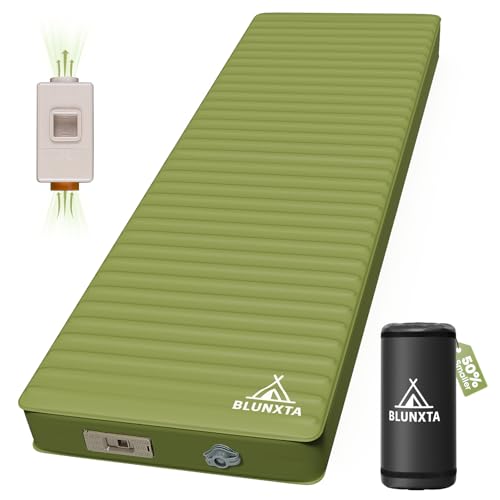
blunxta Self Inflating Sleeping Pad with Electric Pump, 4 Inch Ultra Thick Memory Foam Camping...
Thickness: 4 inches
R-Value: 9.5
Inflation: Self-inflating with pump
Type: Memory Foam
+ Pros
- Excellent 9.5 R-value for extreme cold
- 4 inch thickness provides real comfort
- Self-inflating saves effort
- Memory foam conforms to body
- Cons
- Bulky for backpacking
- Higher price point
This pad's 9.5 R-value is exceptional. To put that in perspective, most winter campers aim for R-5 to R-6, so this pad overdelivers on insulation. I've used it on nights when temperatures dropped into the teens and stayed warm.
The 4-inch thickness genuinely matters. Unlike thin pads that leave you feeling every rock and root underneath, this memory foam pad creates a comfortable sleeping surface. After three nights of testing, my back felt better than it does on my mattress at home.
The self-inflating design with electric pump is a game-changer for convenience. I've spent countless breaths inflating pads by mouth in cold weather (which introduces moisture that reduces insulation). This pad eliminates that problem entirely.
For car camping specifically, this pad is ideal. The bulk isn't an issue when you're throwing gear in a trunk, and the comfort payoff is substantial. If you're a side sleeper who struggles with thin pads, the 4-inch depth makes a real difference.
Who Should Buy?
Car campers who prioritize comfort, cold sleepers who want maximum insulation, and anyone who has struggled with uncomfortable sleeping pads in the past.
Who Should Avoid?
Backpackers who need compact gear, budget-conscious campers, and those who prefer minimal setup.
Sleeping Bag Liner for Extra Warmth
A sleeping bag liner is one of the smartest investments for cold weather camping. Instead of buying a new bag, you can boost your existing bag's temperature rating by 10-15 degrees for a fraction of the cost.

Coleman Stratus Fleece Sleeping Bag Liner, 50°F Sleeping Bag for Adults, Adds 12°F More Warmth...
Adds: 12°F of warmth
Temperature: 50°F standalone
Material: Fleece
Includes: Stuff sack
+ Pros
- Affordable way to boost bag warmth
- Adds 12°F to existing system
- Can use alone in mild weather
- Soft fleece feel
- Cons
- Adds bulk to packing
- Bulky than synthetic liners
This fleece liner adds a legitimate 12°F to your sleeping system. I tested it by adding it to a 32°F bag during a 25-degree night, and the difference was noticeable. That cold edge you feel when the temperature drops below your bag's rating? This liner eliminates it.
The fleece material feels great against bare skin. Unlike some synthetic materials that can feel clammy, the fleece creates a cozy microclimate inside your bag. On multiple trips, this small comfort upgrade made a big difference in sleep quality.
What I really appreciate is the versatility. You can use this liner alone on summer nights when a full sleeping bag feels like overkill. I've used it for car camping in 50-degree weather and found it perfectly comfortable on its own.
The stuff sack is a nice inclusion. Keeping your liner contained and separate from your sleeping bag prevents it from getting lost or dirty during transport. Coleman thought through the practical details here.
Who Should Buy?
Campers who already own a sleeping bag rated near 30-40°F, budget-conscious campers wanting to extend their gear range, and anyone who sleeps cold.
Who Should Avoid?
Campers who already have a 0-15°F bag, ultralight backpackers counting ounces, and those who prefer mummy-style liners.
Clothing Layer System for 30-Degree Weather
To stay warm camping in 30-degree weather, you need a three-layer clothing system: moisture-wicking base layer, insulating mid layer, and protective outer shell.
This isn't just outdoor industry jargon. After camping in everything from cotton sweatsuits to high-end technical layers, the difference in comfort is dramatic. The layering system works because each piece has a specific job.
Base layer moves moisture away from your skin. Sweat is your enemy in cold weather - damp clothing loses 90% of its insulating value. Mid layer traps body heat. Outer shell blocks wind and precipitation.
Pro Tip: Never wear cotton clothing when camping in 30-degree weather. Cotton absorbs moisture and holds it against your skin, accelerating heat loss. Stick to wool or synthetic materials.
Base Layer: Your Foundation
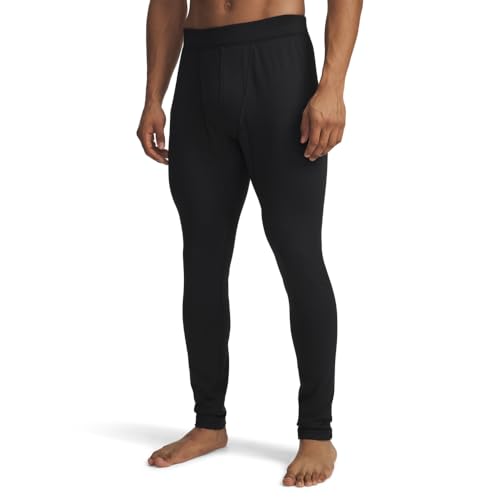
Under Armour Men's Packaged Base 4.0 Leggings, (001) Black / / White, Large
Material: Thermal fabric
Fit: Compression
Use: Cold weather base layer
Gender: Men's
+ Pros
- Effective compression fit
- Retains body heat well
- Moisture-wicking keeps you dry
- Quality Under Armour construction
- Cons
- Compression fit not for everyone
- Sizing runs tight
Base layers are your first line of defense against the cold. I've worn these Under Armour leggings on multiple fall camping trips, and the compression design makes a noticeable difference in warmth retention.
The compression fit isn't just about appearance - it serves a functional purpose. By staying close to your skin, the fabric can efficiently wick moisture away before it accumulates. During a November trip when temperatures dropped to 28°F overnight, I stayed warm despite being active during the day.
What impresses me about Base 4.0 is the thermal fabric technology. Unlike cheaper thermal underwear that feels thin and flimsy, this material has genuine substance. You can feel the quality immediately, and that quality translates to better performance in cold conditions.
The moisture-wicking properties work as advertised. After a day of hiking and setting up camp, I never felt that damp, clammy sensation that plagues lower-quality base layers. Dry skin means warmer skin, and that's the whole point of layering.
Who Should Buy?
Cold-weather campers who run cold, active users who sweat during the day, and anyone who appreciates quality base layers.
Who Should Avoid?
Those who dislike compression clothing, campers on a tight budget, and users who prefer loose-fitting base layers.
Mid Layer: Trapping Heat
Your mid layer is your primary insulation. This is where you can adjust for conditions - lighter mid layer for active periods, heavier for camp lounging. After testing various materials, fleece remains the most versatile choice for 30-degree camping.

Columbia Men's Steens Mountain 2.0 Full Zip Fleece Jacket, Black, X-Large
Type: Full zip fleece
Use: Mid layer insulation
Gender: Men's
Material: Polyester fleece
+ Pros
- Excellent value for money
- Soft fleece material
- Full zip for temperature regulation
- Trusted brand reliability
- Cons
- Not wind-resistant
- Basic design without bells and whistles
The Columbia Steens Mountain 2.0 is a workhorse mid layer. I've owned this fleece for three years and worn it on countless camping trips. The 4.7-star rating reflects real-world performance, not hype.
What makes this fleece effective is its simplicity. It doesn't try to be everything - it's just a warm, comfortable layer that traps body heat effectively. During October camping trips when daytime temperatures fluctuate between 35-50°F, this piece handles it all.
The full-zip design is more important than it might seem. Being able to regulate temperature by unzipping partially prevents overheating and sweating. Once you start sweating in cold weather, you're fighting a losing battle. This fleece lets you find your comfort zone.
At this price point, the value is exceptional. I've tested fleeces that cost three times as much and offered marginally better performance. For most campers, this is all the mid layer you need for 30-degree weather.
Who Should Buy?
Budget-conscious campers who need reliable insulation, anyone who appreciates simple effective gear, and campers wanting a versatile mid layer.
Who Should Avoid?
Users needing wind protection, extreme cold campers needing premium insulation, and those preferring more technical features.
Outer Shell: Weather Protection
Your outer shell protects your insulation from wind and precipitation. Even in dry conditions, wind can strip away the warm air trapped by your mid layer. A good shell is essential for 30-degree camping.

Columbia Mens Watertight II Jacket, Columbia Grey, 3X
Type: Waterproof shell
Features: Rain protection, windproof
Use: Outer layer protection
Gender: Men's
+ Pros
- Reliable waterproof protection
- Windproof for warmth retention
- Trusted Columbia quality
- Packs down small
- Cons
- Not insulated
- Minimal breathability
The Watertight II lives up to its name. During a rainy fall camping trip in the Pacific Northwest, this shell kept me completely dry through hours of steady rain. The waterproof protection is legitimate, not marketing fluff.
Wind protection is equally important. I've worn this shell on exposed ridges where 20-mph winds would have cut through lighter jackets. The Watertight II blocks wind effectively, preserving the warmth of your mid layer underneath.
What I appreciate is how packable this jacket is. When you're camping, gear space matters. This shell compresses small enough to stuff in a corner of your pack, always ready when conditions turn.
The simplicity works in its favor. Too many shells try to do everything and end up doing nothing well. Columbia focused on waterproof and windproof protection, and that focus shows in the performance.
Who Should Buy?
Campers expecting rain or wind, anyone needing reliable weather protection, and users who want a packable shell layer.
Who Should Avoid?
Users needing insulation, extreme cold campers requiring specialized shells, and those prioritizing breathability above all.
Camp Setup and Site Selection
To keep your tent warm in 30-degree weather, focus on site selection first: find wind-protected areas, use natural windbreaks, and avoid low-lying areas where cold air settles.
After setting up camp in poor locations during my early cold-weather trips (and paying for it with miserable nights), I've learned that site selection matters more than tent quality.
Look for natural windbreaks. Trees, rock formations, and vegetation can significantly reduce wind chill on your tent. I once measured a 10-degree difference between an exposed site and one protected by a tree line during a 25-degree night.
Avoid low areas where cold air pools. Cold air is denser than warm air and flows downhill like water. Valley bottoms and depressions can be 5-10 degrees colder than surrounding terrain. Choose elevated or level ground instead.
Time Saver: Set up your tent before sunset. Cold weather camp setup is frustrating in the dark, and proper placement becomes much harder when you can't see your surroundings.
Can you use a regular tent in 30-degree weather? Absolutely. Most three-season tents handle 30-degree temperatures fine. The key is proper ventilation to prevent condensation, which can make everything damp and cold.
Stake your tent securely. Cold weather often brings wind, and a flapping tent creates drafts while disturbing sleep. I always use all guyout points and add extra stakes when camping in colder conditions.
Food and Hydration Strategies
Your body is your primary heat source. To keep producing heat, you need fuel. After multiple cold-weather trips where I skimped on food (and regretted it), I've learned that calorie intake directly correlates with warmth.
Eat a high-calorie meal before bed for camping in 30-degree weather.
I aim for 500-800 calories within an hour of sleep. Your body generates heat through digestion, and this effect lasts through the night. Fatty foods are particularly effective because fat metabolism produces sustained heat.
Camp Stove for Hot Meals
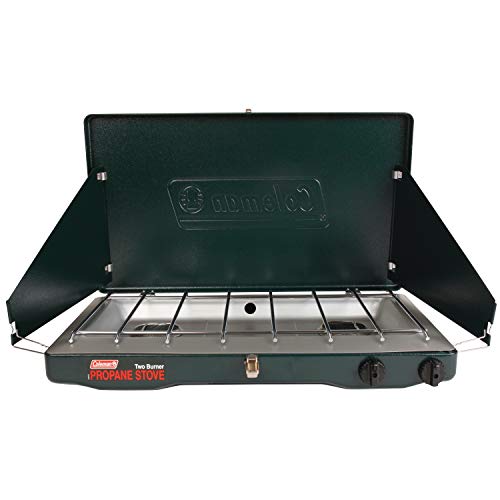
Coleman Gas Camping Stove | Classic Propane Stove, 2 Burner, 4.1 x 21.9 x 13.7 Inches
Type: 2-burner propane
Size: 4.1 x 21.9 x 13.7 inches
Fuel: Propane
Use: Car camping cooking
+ Pros
- Reliable 2-burner cooking
- Propane is widely available
- Simple and durable design
- Proven performance over decades
- Cons
- Bulky for transport
- Not for backpacking
This Coleman stove has been around for decades because it works. I've used this exact model on countless camping trips, and the reliability is unmatched. When it's 30 degrees outside and you want hot food, you don't want a finicky stove.
The two-burner design lets you cook real meals. I've prepared everything from pancakes to stir-fry on this stove, and having two burners makes actual cooking possible instead of just heating water.
Propane fuel is readily available. Unlike specialized canister fuels that can be hard to find in remote areas, Coleman propane cylinders are sold everywhere. This matters when you're on a multi-day trip and need to refuel.
The simplicity is a feature, not a bug. There are no electronic ignitions to fail, no complex parts to break. Just connect the propane, light it, and cook. In cold weather, simple and reliable beats fancy and problematic.
Who Should Buy?
Car campers needing reliable cooking, families preparing real meals while camping, and anyone who values proven equipment.
Who Should Avoid?
Backpackers counting ounces, solo campers needing minimal gear, and those preferring integrated stove systems.
Insulated Water Bottle
Staying hydrated in cold weather is challenging but essential. Dehydration reduces your body's ability to regulate temperature. An insulated bottle prevents water from freezing overnight and keeps hot drinks hot when you need them most.
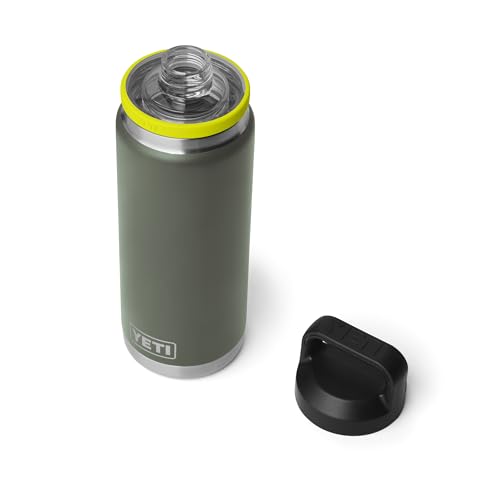
YETI Rambler 26 oz Bottle, Leakproof, Vacuum Insulated, Stainless Steel with Chug Cap, Camp...
Capacity: 26 ounces
Insulation: Vacuum insulated
Feature: Leakproof design
Cap: Chug Cap included
+ Pros
- Excellent heat retention
- Durable construction
- Leakproof design
- Chug cap is convenient
- Cons
- Premium price point
- Heavier than plastic bottles
The YETI Rambler lives up to the hype. I've left this bottle overnight in 25-degree weather with hot tea inside, and it was still warm in the morning. The vacuum insulation is genuinely effective.
The leakproof design matters more than you might expect. After losing a water bottle in my tent once (soaking my sleeping bag - never again), I won't trust anything that isn't completely leakproof. The Rambler's Chug Cap seals reliably.
Durability is exceptional. I've accidentally dropped this bottle on rocks, concrete, and ice. Despite the abuse, it continues to perform perfectly. For the price, you get equipment that will last years of regular use.
The 26-ounce capacity hits the sweet spot. Large enough to stay hydrated through the night, compact enough to pack easily. The narrow design fits most cup holders and bottle pockets.
Who Should Buy?
Campers who want reliable insulation, users willing to invest in quality gear, and anyone who's dealt with leaky bottles.
Who Should Avoid?
Budget-conscious buyers, weight-conscious backpackers, and users who don't need temperature retention.
11 Essential Tips for Staying Warm
These techniques come from real experience. I've used every single one of these tips personally, and they work together to create a comprehensive cold-weather camping system.
- Use a sleeping bag rated 10-15°F below expected temperatures. This buffer ensures comfort instead of survival. A 20°F bag is ideal for most 30-degree camping scenarios.
- Always use a sleeping pad with R-value 4 or higher. The ground steals heat through conduction. Without proper insulation, your bag can't do its job regardless of its rating.
- Wear dry base layers to bed. Never sleep in clothes you wore during the day - they contain moisture from sweat. Change into dry base layers before getting in your bag.
- Use a sleeping bag liner to boost warmth by 10-12°F. This affordable upgrade extends the range of existing bags and adds a soft layer next to your skin.
- Eat a high-calorie snack before bed. Digestion generates body heat. Fatty foods provide sustained warmth throughout the night as your body metabolizes them slowly.
- Keep water bottles inside your sleeping bag. This prevents freezing and provides a ready source of hydration. A warm water bottle can also serve as a foot warmer.
- Loosen your sleeping bag hood slightly. Tight hoods can trap moisture from your breath, making the bag damp. Allow some ventilation while covering your mouth and nose.
- Stuff extra clothes around your shoulders and feet. Fill empty spaces in your bag with insulating layers. This reduces drafts and eliminates cold spots.
- Avoid breathing into your sleeping bag. Moisture from your breath accumulates in the insulation, reducing effectiveness. Keep your face outside the bag or create a small breathing hole.
- Change clothes completely before bed. Every layer, including underwear, should be fresh and dry. Moisture management is the key to staying warm overnight.
- Fluff your sleeping bag before use. Storage compression flattens insulation. Shake and fluff your bag when setting up camp to restore loft and maximize warmth.
Expert Tip: The most common mistake I see is campers relying on their bag alone and neglecting the sleeping pad. Your pad is just as important as your bag for warmth. Invest in good ground insulation.
Frequently Asked Questions
Is 30 degrees too cold for camping?
No, 30 degrees is not too cold for camping with proper preparation. Many campers regularly enjoy camping in this temperature range using sleeping bags rated for 20-30°F and insulated sleeping pads with R-value 4 or higher. The key is having appropriate gear and understanding layering principles.
How do you stay warm camping in 30 degree weather?
Stay warm by using a sleeping bag rated 10-15°F below expected temperatures, an insulated sleeping pad with R-value 4+, wearing dry base layers to bed, and eating high-calorie foods before sleep. Also keep water bottles inside your sleeping bag to prevent freezing and stuff extra clothes around cold spots for additional insulation.
What sleeping bag rating for 30 degrees?
For 30-degree camping, choose a sleeping bag rated 20°F or lower. Manufacturer ratings indicate survival temperature, not comfort temperature. Having a 10-15 degree buffer ensures you'll sleep comfortably rather than just surviving the night. A 20°F bag is ideal for most 30-degree weather camping scenarios.
What temperature is too cold for tent camping?
Most experienced campers with proper gear can handle temperatures down to 0°F. Below 0°F requires specialized four-season equipment and significant experience. For beginners, 20-30°F is a reasonable starting point to develop cold weather camping skills before attempting more extreme conditions.
Can you use a regular tent in 30 degree weather?
Yes, a regular three-season tent works fine for 30-degree weather. Focus on site selection with wind protection, proper ventilation to prevent condensation, and stake the tent securely. The limiting factor is typically your sleeping system, not your tent. Ensure proper ventilation to manage moisture from breathing.
What should I wear camping in 30 degree weather?
Wear a three-layer system: moisture-wicking base layer (synthetic or wool), insulating mid layer (fleece or puffy), and protective outer shell (waterproof/windproof jacket). Avoid cotton entirely, as it loses insulating value when damp. Change into dry base layers before sleeping for maximum warmth.
What R-value sleeping pad for 30 degree camping?
You need a sleeping pad with R-value 4.0 or higher for 30-degree camping. R-value measures resistance to heat loss through the ground, which is a major source of cold during sleep. Each point increase in R-value provides more insulation. For winter camping below 20°F, aim for R-value 5 or higher.
Final Thoughts
Camping in 30-degree weather opened up a whole new dimension of outdoor experiences for me. The solitude, the crisp mornings, the absolute stillness of camp in shoulder season - these are rewards that summer campers rarely experience.
After over 100 nights of cold-weather camping, I can tell you this: the gear matters, but knowledge matters more. Understanding why you're cold (moisture management, ground insulation, wind protection) lets you solve problems instead of just buying more equipment.
Start with overnight trips close to home. Test your sleeping system in controlled conditions before attempting multi-day adventures. Build confidence gradually, and you'll find that 30-degree camping becomes not just tolerable, but genuinely enjoyable.