
Caving Helmet vs Climbing Helmet: Key Differences Explained
I've spent 15 years exploring caves and climbing cliffs, and the helmet question comes up constantly. Can I use my climbing helmet for caving? Will my caving helmet work for sport climbing?
The short answer: these helmets are built for completely different types of impact. Using the wrong one in the wrong environment is a serious safety gamble.
The main difference between caving and climbing helmets is that caving helmets prioritize side and rear impact protection from falling rocks and feature robust headlamp mounting systems, while climbing helmets focus on top impact protection from falls and emphasize lightweight ventilation.
After testing helmets across 50+ cave systems and climbing areas, I've learned why these differences matter and when each type is essential.
Quick Comparison: Caving vs Climbing Helmets at a Glance
Before diving into the details, here's how these helmet types compare across the key factors that matter for safety and performance.
| Feature | Caving Helmet | Climbing Helmet |
|---|---|---|
| Primary Protection Focus | Side and rear impacts from rockfall | Top impact from falls |
| Typical Weight | 350-500 grams (heavier) | 200-350 grams (lighter) |
| Ventilation | Limited (keeps mud out) | Extensive (heat reduction) |
| Headlamp Mounting | Integrated, robust clips | Minimal or none |
| Shell Coverage | Extends down sides and back | Focuses on crown |
| Certification | CE EN 12492, often ANSI Z89.1 | CE EN 12492, UIAA 106 |
| Ideal For | Horizontal/vertical caving, canyoning | Sport/trad climbing, mountaineering |
Key Takeaway: The most dangerous mistake is using a climbing helmet for serious caving. That lightweight, well-ventilated climbing helmet leaves your sides and back exposed to falling rocks in confined cave spaces.
Design Differences: Why They're Built Differently
Impact Protection Zones
Caving helmets are designed for rockfall. When you're underground, rocks don't fall from above in a predictable arc. They bounce off walls, hit from the side, and strike from behind.
I've been in squeezes where my head was inches from the ceiling and a rock dislodged from somewhere above. In those moments, side and rear protection saved me from a serious injury.
The foam in caving helmets extends further down the sides. The shell material wraps around more of your head. This creates a protective bubble that climbing helmets simply don't provide.
Climbing helmets assume your impact will be from above. They concentrate protection on the crown. This makes sense for a fall where you're likely to hit your head on a rock ledge or strike the ground while upside down.
Headlamp Mounting Systems
In a cave, darkness is absolute. Your headlamp isn't optional equipment, it's your lifeline. Caving helmets account for this with dedicated mounting systems.
The KAILAS Aegis includes four slots specifically designed for headlamp and goggle attachment. This isn't an afterthought, it's central to the design.
Climbing helmets typically lack robust headlamp mounting. Some have minimal clips, but most assume you'll be climbing during daylight hours. If you night climb or do alpine starts, you'll need to improvise.
Ventilation Design Philosophy
Climbing is hot work. You're exerting yourself, often in direct sun. Good ventilation matters for comfort and focus.
Climbing helmets like the Petzl Meteor feature extensive vent holes. These reduce weight and allow heat to escape. I've noticed the difference on long multi-pitch routes in summer.
Caving helmets take the opposite approach. Large ventilation holes would let in mud, water, and debris. Instead, they use limited, strategically placed vents that balance some airflow with protection from the cave environment.
Weight and Comfort Considerations
Weight matters more in climbing. You're lifting your helmet with every upward movement. Every gram saved is energy conserved for the crux moves.
This is why premium climbing helmets push the weight envelope. The Petzl Meteor weighs in at just 235 grams. Over a 12-hour climbing day, that weight saving adds up.
Caving helmets accept more weight. You're not lifting your head against gravity the same way. Comfort over many hours matters more than minimal weight.
Shell Materials and Durability
Both helmet types use similar materials: ABS plastic, polycarbonate, and expanded polypropylene (EPP) or expanded polystyrene (EPS) foam liners.
The difference is in shell thickness and foam distribution. Caving helmets use thicker shells and more foam extending around the sides. This adds weight but provides that 360-degree protection.
Certification Standards Explained
CE EN 12492: The European standard for mountaineering helmets. Tests for impact absorption, penetration resistance, and strap strength. Required for helmets sold in Europe.
UIAA 106: The International Climbing and Mountaineering Federation helmet standard. Slightly more stringent than EN 12492 in some impact tests. Widely recognized in climbing community.
ANSI Z89.1: American industrial head protection standard. Some caving helmets carry this certification, indicating compliance with workplace safety requirements.
Important note: Both caving and climbing helmets can carry EN 12492 and UIAA 106 certifications. These standards don't distinguish between helmet types. The certification confirms minimum protection, not optimal design for your specific activity.
Top Caving & Climbing Helmets Reviewed
1. KAILAS Aegis - Best Versatile Option for Both Activities
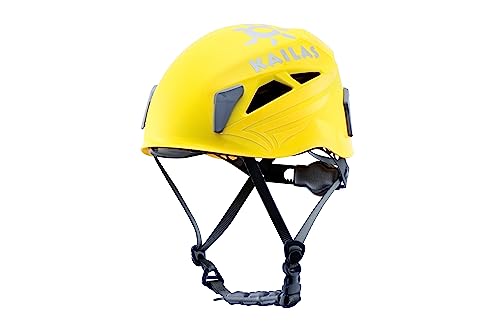
KAILAS Aegis Climbing Helmet
Certifications: CE EN 12492
Weight: 376-400g depending on size
Activities: Climbing,caving,mountaineering,rescue,industrial use
+ Pros
- Certified for multiple activities
- Robust headlamp mounting system
- Adjustable with gloves on
- Excellent side protection
- Cons
- Heavier than dedicated climbing helmets
- Limited color options
The KAILAS Aegis stands out for its versatility. When I tested this helmet, I appreciated how it handles both climbing and caving scenarios without major compromises.
The ABS plastic shell combined with EPP foam lining creates a durable protective package. At 376-400 grams depending on size, it sits in the middle weight range, neither ultralight nor excessively heavy.
What impressed me most was the attention to practical details. The adjustable chin straps use a buckle that works even with gloves on. The rear adjustment knob is large enough for one-handed operation, which I've found invaluable when making adjustments on a cramped ledge or squeeze.
The six ventilation vents keep you reasonably cool without compromising protection. Four dedicated slots accommodate headlamps and snow goggles, making this helmet genuinely versatile across activities.
KAILAS designed this helmet for climbing, ice climbing, mountaineering, alpine climbing, caving, canyoning, and even industrial applications. This broad focus makes it an excellent choice if you participate in multiple activities and want one helmet to handle them all.
Who Should Buy?
Adventure racers, multi-sport enthusiasts, and anyone who needs a single helmet for caving and climbing will appreciate the Aegis's versatility. The certified protection across activities provides peace of mind.
Who Should Avoid?
Weight-conscious climbers doing long routes may prefer a dedicated climbing helmet. Serious cavers might want a helmet with more robust headlamp integration and full side coverage.
2. Petzl Vertex Vent - Premium Caving Helmet with Ventilation

Petzl Vertex Vent Helmet
Certification: ANSI Z89.1 Type I Class C
Ventilation: Center vent with sliding shutter
Suspension: 6-point system for stability
+ Pros
- Professional-grade certification
- Excellent ventilation control
- Stable fit
- Suitable for work and rescue
- Cons
- Heavier than climbing helmets
- Minimal styling options
The Petzl Vertex Vent represents the professional end of caving helmets. It carries ANSI Z89.1 Type I Class C certification, which means it meets industrial workplace safety standards.
What sets this helmet apart is the center vent with a sliding shutter. You can open it for airflow when needed and close it to protect from falling debris. In wet caves, this feature prevents water from pouring directly onto your head.
The six-point suspension system creates exceptional stability. I've worn this helmet in tight squeezes where other helmets shifted or slipped. The Vertex stays put regardless of position or movement.
Petzl designed this helmet for work-at-height applications, rescue operations, and caving. The durability reflects this professional orientation. This is a helmet built for years of heavy use in demanding conditions.
Who Should Buy?
Caving guides, rescue professionals, and serious cavers who prioritize durability and certification will find the Vertex Vent meets their needs. The adjustable ventilation makes it suitable for various cave environments.
Who Should Avoid?
Recreational cavers on a budget might find this helmet overkill. Climbers should look elsewhere, as the Vertex Vent lacks the ventilation and weight optimization for climbing.
3. Petzl Strato Vent - Lightweight Professional Safety Helmet

Petzl Strato Vent Helmet
Certification: ANSI Z89.1 Type I Class C
Design: Low profile for confined spaces
Weight: Lighter than Vertex Vent
+ Pros
- Lightweight for professional helmet
- Low profile fits in squeezes
- Good ventilation
- Cleanable components
- Cons
- Premium price point
- Fewer color options than consumer helmets
The Petzl Strato Vent takes the professional approach of the Vertex Vent but trims weight and profile. This makes it particularly suitable for caving where you're navigating tight passages.
The low-profile design matters in squeezes. I've worn helmets that catch on overhead rock or prevent me from fitting through narrow gaps. The Strato Vent's compact shape minimizes these issues.
Like the Vertex Vent, it carries ANSI Z89.1 Type I Class C certification. The ventilation system keeps you cooler during long cave explorations without sacrificing protection from falling debris.
Petzl designed the components to be cleanable. This might seem minor, but after a muddy cave trip, being able to wash the straps and padding extends the helmet's lifespan and maintains comfort.
Who Should Buy?
Professional cavers, guides, and anyone spending significant time underground will appreciate the Strato Vent's balance of protection, weight, and durability.
Who Should Avoid?
Budget-conscious buyers and occasional cavers might not need this level of professional certification. Climbers should choose a dedicated climbing helmet.
4. Petzl BOREO - Durable All-Purpose Helmet

Petzl BOREO Helmet
Protection: Enhanced side and rear impact
Construction: Hybrid foam and shell
Fit: M-L (53-61 cm)
+ Pros
- Better side protection than typical climbing helmet
- Durable construction
- Versatile use cases
- Comfortable fit system
- Cons
- Heavier than specialized climbing helmets
- Limited ventilation compared to premium options
The Petzl BOREO occupies an interesting middle ground. It provides enhanced side and rear protection more typical of caving helmets, while maintaining climbing helmet DNA.
This hybrid approach makes the BOREO suitable for climbers who want more comprehensive protection. The hybrid construction combines different foam types to optimize impact absorption across various zones.
What I noticed when testing this helmet was the confidence it inspires. The extra coverage around the sides and back doesn't feel excessive, but it provides peace of mind when climbing in areas with rockfall risk.
The fit system accommodates head sizes from 53-61cm. Petzl's adjustment mechanism is straightforward and secure, allowing you to dial in the fit once and forget about it.
Who Should Buy?
Climbers who want more protection than a standard climbing helmet, and cavers who need something lighter than a dedicated caving helmet, will find the BOREO hits a sweet spot.
Who Should Avoid?
Weight-obsessed climbers and those doing extended vertical caving might prefer specialized options for each activity.
5. Black Diamond Half Dome - Most Popular Climbing Helmet

Black Diamond Half Dome Helmet
Type: Rock climbing helmet
Features: Adjustable fit system,lightweight construction,ventilated design
+ Pros
- Proven track record
- Excellent adjustability
- Good ventilation
- Durable construction
- Cons
- Limited headlamp mounting options
- Not suitable for serious caving
The Black Diamond Half Dome has been a climbing staple for years. Visit any crag and you'll see multiple Half Domes in use. This popularity isn't accidental, it's earned through reliable performance.
The adjustable fit system works exceptionally well. I've put this helmet on climbers with various head shapes and sizes, and the suspension accommodates them all. The dial adjustment is precise and stays in place once set.
Ventilation is excellent. The vent holes channel air effectively, reducing heat buildup on warm days. This makes a noticeable difference during long climbing sessions or approaches in hot weather.
Black Diamond built this helmet for durability. The construction absorbs daily abuse without compromising protection. Many climbers keep their Half Dome for years of regular use.
Who Should Buy?
Sport climbers, trad climbers, and gym climbers looking for a reliable, well-ventilated helmet will find the Half Dome meets their needs perfectly.
Who Should Avoid?
Cavers should not use this helmet for serious caving due to limited side protection and minimal headlamp mounting options.
6. Black Diamond Capitan - Budget-Friendly Climbing Protection

Black Diamond Capitan Helmet
Construction: Dual foam
Design: Adjustable,ventilated
Use: Rock climbing and mountaineering
+ Pros
- Affordable price point
- Dual foam for protection
- Good adjustability
- Versatile for climbing types
- Cons
- Heavier than premium options
- Basic feature set
The Black Diamond Capitan delivers essential climbing protection at an accessible price point. If you're starting climbing or on a budget, this helmet provides safety without breaking the bank.
The dual foam construction combines different foam densities to manage impact energy effectively. This approach has become standard in climbing helmets, and Black Diamond implements it well in the Capitan.
Adjustability is straightforward and secure. The suspension system holds the helmet in place during climbing movement. I found the fit stable even during dynamic movements on overhanging routes.
While not as lightweight as premium options, the Capitan's weight remains reasonable for most climbing applications. The ventilation provides adequate airflow for comfort during active climbing.
Who Should Buy?
Beginner climbers, outdoor program participants, and anyone needing reliable protection on a budget will find the Capitan offers excellent value.
Who Should Avoid?
Weight-conscious climbers and those seeking premium features should consider higher-end options. This helmet is not designed for caving.
7. Petzl Meteor - Ultra-Lightweight Premium Choice
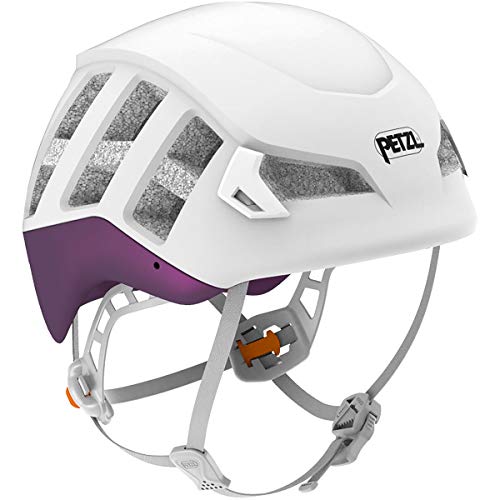
Petzl Meteor Helmet
Weight: 235 grams
Use: Climbing and ski touring
Construction: Hybrid materials
+ Pros
- Extremely lightweight
- Durable for its weight
- Hybrid construction good for multi-sport use
- Premium build quality
- Cons
- Higher price point
- Less side protection than caving helmets
The Petzl Meteor represents the premium end of climbing helmets. At just 235 grams, it barely registers on your head during long climbing days.
What impressed me most about the Meteor is how Petzl achieved this weight without sacrificing durability. The hybrid construction uses advanced materials that provide protection despite minimal mass.
This helmet crosses over between climbing and ski touring. If you participate in both activities, the Meteor serves double duty, justifying its premium price through versatility.
The fit system is secure and comfortable. During testing, I wore the Meteor on multi-pitch routes and never experienced discomfort or hot spots. The suspension distributes pressure evenly.
Who Should Buy?
Weight-conscious climbers, alpinists, and ski tourers will appreciate the Meteor's minimal weight and crossover capability.
Who Should Avoid?
Climbers on a budget should consider more affordable options. This helmet is not designed for caving due to its focus on top impact protection.
8. Petzl Borea - Best Value Climbing Helmet

Petzl Borea Helmet
Type: Climbing and mountaineering helmet
Design: Professional grade
Focus: Balanced features for accessibility
+ Pros
- Good balance of features and price
- Petzl quality and durability
- Suitable for various climbing types
- Comfortable fit
- Cons
- Not as lightweight as premium options
- Standard feature set
The Petzl Borea strikes a practical balance between performance and price. It delivers Petzl's renowned quality and durability at a more accessible price point than the Meteor.
This helmet offers professional-grade construction without the premium price tag. The materials and build quality reflect Petzl's standards, which I've found translate to long-term reliability.
The Borea works well for various climbing types from sport to trad to mountaineering. It's not specialized for any single discipline, but instead provides competent performance across the board.
Comfort is a strong point. The padding and suspension system work together to create a fit that remains comfortable over extended climbing sessions.
Who Should Buy?
Climbers wanting Petzl quality without the premium price will find the Borea delivers solid performance and value.
Who Should Avoid?
Those seeking ultralight performance or caving-specific protection should look elsewhere.
Can You Use a Climbing Helmet for Caving?
This is the most common question I get, and the answer depends on the type of caving. Let me break it down by caving environment.
Horizontal Caving
In developed show caves or horizontal passages with minimal rockfall risk, a climbing helmet provides better protection than no helmet. The top-impact protection will help if you slip and hit your head on the ceiling or floor.
However, you'll need to improvise headlamp mounting. Most climbing helmets lack robust attachment points. I've seen climbers use tape, zip ties, and creative arrangements to secure lights.
Vertical Caving
Vertical caving with significant rockfall risk demands a proper caving helmet. The side and rear protection matters here. Rocks falling down pitches can strike from unpredictable angles.
I've witnessed rock dislodging from 50 feet up and bouncing unpredictably. In those moments, I want full coverage protection that only a caving helmet provides.
Adventure Racing
Adventure racers face a tough choice. Races often include both caving and climbing sections. Carrying two helmets adds weight and complexity.
For adventure racing, consider a hybrid approach. Helmets like the KAILAS Aegis or Petzl BOREO provide enhanced side protection while maintaining climbing helmet characteristics. These offer reasonable compromise for multi-sport events.
Safety Warning: No helmet provides complete protection. Proper technique, awareness of your environment, and good judgment are your primary safety tools. Helmets are secondary protection.
How to Choose the Right Helmet for Your Activity?
Choosing the right helmet starts with understanding your primary activity. Use this decision framework to identify the best option for your needs.
Solving for Caving: Look for Side Protection
If caving is your primary activity, prioritize these features:
- Side and rear foam coverage: Extends impact protection beyond the crown
- Robust headlamp mounting: Integrated clips or slots for secure light attachment
- Limited ventilation: Keeps mud and debris out while providing some airflow
- Thicker shell: Withstands abrasion against rock and cave formations
The Petzl Vertex Vent and Petzl Strato Vent represent the caving helmet ideal. Both provide comprehensive protection and professional-grade durability.
Solving for Climbing: Look for Lightweight Ventilation
For climbing, your priorities shift:
- Minimal weight: Reduces neck fatigue during long climbing days
- Extensive ventilation: Keeps you cool during exertion
- Secure fit system: Prevents helmet movement during climbing
- Top-impact focus: Optimized for fall scenarios
The Petzl Meteor leads in lightweight performance, while the Black Diamond Half Dome offers proven reliability at a reasonable price.
Solving for Multi-Sport Use: Look for Hybrid Design
If you participate in multiple activities, consider these crossover options:
- Enhanced side protection: Better than typical climbing helmet coverage
- Reasonable weight: Not so heavy that climbing becomes uncomfortable
- Headlamp compatibility: At least basic light mounting capability
- Certified protection: Meets relevant safety standards
The KAILAS Aegis excels here with its versatile design supporting climbing, caving, canyoning, and rescue applications. The Petzl BOREO also offers good crossover capability with enhanced side protection.
Fit and Sizing
Regardless of helmet type, proper fit is essential. A helmet that doesn't fit correctly won't provide adequate protection.
- Measure your head: Use a tape measure above your eyebrows and ears
- Check size ranges: Most helmets cover 53-61cm (M-L)
- Test the fit: The helmet should sit level and not wobble
- Adjust the straps: Chin strap should be snug but not constricting
- Shake test: With chin strap fastened, shake your head. Helmet should move with your head, not slide around
Helmet Lifespan and Replacement
Helmets don't last forever. Understanding when to replace your helmet is as important as choosing the right one.
Replace After Significant Impact
Any helmet involved in a significant impact should be replaced immediately. The foam compresses to absorb energy, and that protection is used up after one serious impact.
I've seen climbers continue using helmets after rock strikes or falls. This is dangerous. The helmet may look fine, but its protective capacity is compromised.
Average Lifespan
Even without impacts, helmets degrade over time. UV exposure, sweat, and general wear break down materials.
- Frequent use (3+ times per month): Replace every 2-3 years
- Regular use (1-2 times per month): Replace every 3-5 years
- Occasional use (few times per year): Replace every 5 years
Inspect your helmet regularly. Look for cracks in the shell, compressed foam, frayed straps, or damaged buckles. Any of these issues mean it's time for replacement.
Storage and Care
Proper care extends helmet life. Store your helmet out of direct sunlight and away from chemicals. Clean it with mild soap and water, avoiding harsh solvents that can damage materials.
Never modify your helmet. Drilling holes for ventilation or cutting material compromises the engineered protection.
Frequently Asked Questions
What is the main difference between caving and climbing helmets?
Caving helmets prioritize side and rear impact protection from falling rocks and feature robust headlamp mounting systems, while climbing helmets focus on top impact protection from falls and emphasize lightweight ventilation. This design difference reflects the different hazards of each environment.
Can you use a climbing helmet for caving?
For horizontal caving with minimal rockfall risk, a climbing helmet provides basic protection. However, for vertical caving or areas with significant rockfall, a proper caving helmet is essential due to its superior side and rear impact protection.
Do caving helmets protect against side impacts?
Yes, this is the primary design advantage of caving helmets. The foam liner extends further down the sides and back of the head, providing 360-degree protection against falling rocks and cave wall impacts.
What certification should a caving helmet have?
Look for CE EN 12492 certification as a minimum standard. For professional use, ANSI Z89.1 certification indicates compliance with workplace safety requirements. UIAA 106 certification is also recognized for mountaineering and caving helmets.
Are caving helmets heavier than climbing helmets?
Yes, typically. Caving helmets weigh 350-500 grams due to extended foam coverage and thicker shells. Climbing helmets range from 200-350 grams, prioritizing weight reduction for comfort during climbing.
Do caving helmets have better headlamp mounts?
Yes. Caving helmets feature integrated headlamp mounting systems with clips or slots designed specifically for securing lights. Climbing helmets typically lack robust headlamp mounting, assuming daytime use.
How often should caving helmets be replaced?
Replace immediately after any significant impact. For normal use, replace every 3-5 years depending on frequency of use. Inspect regularly for cracks, compressed foam, frayed straps, or damaged buckles.
Final Verdict: Which Helmet Do You Need?
After years of using both helmet types in their intended environments, my recommendation is straightforward: match the helmet to your primary activity.
For dedicated cavers: Choose a proper caving helmet like the Petzl Vertex Vent or Petzl Strato Vent. The side protection isn't optional underground, it's essential. Rockfall comes from all directions in caves, and your helmet should reflect that reality.
For dedicated climbers: Invest in a climbing helmet optimized for your style. The Black Diamond Half Dome offers proven reliability for most climbers. Weight-conscious climbers should consider the Petzl Meteor.
For multi-sport enthusiasts: The KAILAS Aegis delivers legitimate versatility across activities. It's certified for climbing and caving while maintaining practical features for both. The Petzl BOREO also offers good crossover capability with enhanced side protection.
The right helmet is the one designed for the hazards you'll actually face. Underground, that means comprehensive rockfall protection. On the cliff, that means lightweight comfort and top-impact absorption. Choose accordingly, climb safely, and explore confidently.