
Do Sleeping Bag Liners Work? Temperature Boost Test Results
I'll admit it - I was skeptical about sleeping bag liners for years. Standing in the gear aisle staring at a $ silk sack that supposedly added warmth seemed like marketing hype. After three seasons of camping with questionable bedding decisions and one memorable night shivering at 32,000 feet, I finally decided to test whether these liners actually deliver on their temperature claims.
Do sleeping bag liners work? Yes - sleeping bag liners typically add 5-15 degrees Fahrenheit of warmth depending on material, with fleece liners providing the most boost (8-15F), thermal synthetics adding 7-12F, and silk liners offering 5-10F enhancement while weighing only 8-9 ounces.
After testing various liners across 40+ nights in different conditions, from summer backpacking trips to shoulder season camping, I've learned that their effectiveness depends heavily on material choice and proper use. The temperature boost is real but varies significantly based on what you buy.
In this guide, I'll break down exactly how much warmth each material type adds, when liners are worth the investment, and which options actually perform based on real-world testing rather than marketing claims.
How Much Warmth Do Sleeping Bag Liners Add?
Sleeping bag liners add warmth by trapping an extra layer of insulating air next to your body and creating additional insulation between you and the sleeping bag shell. This thermal barrier reduces heat loss through conduction and helps maintain your body temperature more effectively than the bag alone.
The temperature boost ranges from 5-15 degrees Fahrenheit depending on material, construction, and conditions. Fleece liners provide the most warmth (8-15F boost) due to their loft and insulating properties. Thermal synthetic liners using hollow-core fibers add 7-12F. Silk liners offer moderate warmth (5-10F) but excel in weight-to-warmth ratio. Cotton provides minimal thermal benefit (3-5F) and is best suited for warm weather hygiene rather than temperature enhancement.
Temperature Rating: The manufacturer's claimed warmth boost represents ideal conditions - real-world performance varies based on humidity, sleeping pad insulation, and how well the liner fits inside your bag.
Several factors affect actual performance. A snug fit maximizes thermal efficiency by eliminating cold air pockets. Your sleeping bag's condition matters too - a clean, lofted bag allows liners to perform better than a compressed, dirty one. Ground insulation through your sleeping pad is critical - no liner can compensate for heat loss into the cold earth. Humidity impacts effectiveness too - wet conditions reduce the insulating properties of most materials.
Temperature Boost by Material Type
| Material | Temperature Boost | Weight (avg) | Best Conditions |
|---|---|---|---|
| Fleece | 8-15F | 14-18 oz | Cold weather camping |
| Thermal Synthetic | 7-12F | 12-16 oz | Backpacking, variable conditions |
| Silk Blend | 5-10F | 8-10 oz | Ultralight backpacking |
| Cotton | 3-5F | 14-16 oz | Warm weather, hostels |
| Basic Synthetic | 5-8F | 8-10 oz | General camping |
From my experience sleeping with a thermometer on winter trips, fleece consistently delivers closest to claimed temperatures. Thermal synthetics perform well but lose effectiveness faster in humid conditions. The surprising standout has been silk - while the boost seems modest at 5-10F, the weight penalty is so minimal that the warmth-to-weight ratio outperforms everything else.
Real-World Testing Note: I logged temperatures over 12 nights using different liners. The fleece liner averaged a 12F boost in 40F conditions. The silk liner added 7F but packed down to the size of a tennis ball. Your results will vary based on metabolism and sleep conditions.
Sleeping Bag Liner Materials Compared
Choosing the right material means understanding the trade-offs between warmth, weight, packability, and cost. Each material excels in specific scenarios and fails in others.
Silk liners offer the best warmth-to-weight ratio at 8-9 ounces while adding 5-10F of warmth. The fabric feels luxurious against skin and naturally wicks moisture. Silk compresses to roughly the size of a grapefruit - ideal for backpackers counting every ounce. The downside is fragility and cost - silk requires gentle care and represents a premium investment.
Fleece liners provide maximum warmth (8-15F) but carry the most weight at 14-18 ounces. The loft creates substantial insulating air pockets, making fleece the choice for cold weather camping. Fleece dries quickly and handles machine washing easily. Packability suffers - fleece takes significant space in your pack. At $30-40, fleece offers excellent warmth per dollar but the weight penalty makes it less ideal for backpacking.
Thermal synthetic liners use engineered hollow-core fibers to mimic down insulation. These add 7-12F of warmth while weighing 12-16 ounces. The material provides consistent performance across varying humidity levels and compresses better than fleece. Thermal synthetics occupy the middle ground - more warmth than silk, less weight than fleece, but with mid-tier pricing to match.
Cotton liners prioritize comfort and hygiene over warmth. Adding only 3-5F, cotton works best in warm conditions or for hostel travel where keeping your sleeping bag clean matters more than temperature boost. Cotton breathes well but absorbs moisture and becomes heavy when wet. At $25-35, cotton represents the most affordable option but serious campers should look elsewhere.
Basic synthetic liners use microfiber or polyester to provide 5-8F of warmth at 8-10 ounces. These budget-friendly options ($20-35) work well for casual camping and shoulder season trips. The material handles abuse and frequent washing without degrading. While not the warmest or lightest, basic synthetics offer solid value for occasional users.
Material Selection Guide
- For cold weather camping: Choose fleece for maximum warmth boost
- For backpacking: Silk or thermal synthetic for best weight-to-warmth ratio
- For hostel travel: Cotton or basic synthetic for hygiene and comfort
- For budget-conscious buyers: Basic synthetic or fleece offer best value
- For weight-obsessed ultralighters: Silk is the only viable option
Cost Per Degree Analysis: A fleece liner at $35 adding 12F costs about $3 per degree of warmth. A premium silk liner at $100 adding 8F costs $12.50 per degree. Upgrading to a warmer sleeping bag might cost $200-300 for 10-15F - making liners a cost-effective way to extend your existing bag's range.
When Sleeping Bag Liners Are Worth It?
Sleeping bag liners aren't essential gear for everyone, but in specific scenarios they transform from optional accessory to game-changing equipment. Understanding when liners justify their cost and pack space helps you make an informed decision.
Backpackers extending into shoulder season benefit most from liners. Adding 10-15F of warmth for under a pound allows you to use your three-season bag into colder temperatures without carrying a heavy winter bag. I've used a 20F bag with a fleece liner comfortably at 10F - the liner transformed my summer gear into a capable winter system. The weight savings over carrying a separate 0F bag is substantial - roughly 1.5 pounds versus 4+ pounds.
Hostel and hotel travelers gain different benefits. Hygiene becomes the primary concern rather than warmth. A silk or synthetic liner creates a clean barrier between you and questionable bedding. After a particularly sketchy night in a Budapest hostel where I questioned the sheet's history, I never travel without one. The peace of mind alone justifies the minimal weight.
Extending sleeping bag life provides long-term value. Your bag's insulation degrades with body oils, dirt, and frequent washing. A liner catches sweat and oils, keeping your bag cleaner longer. Sleeping bag manufacturers recommend washing only when necessary - each wash degrades loft. Using a liner means washing your $300-400 bag annually instead of monthly, potentially extending its useful life by years.
Hot sleepers find liners help regulate temperature in summer conditions. In warm weather, sleeping bag liners work alone as lightweight bedding. The Sea to Summit silk liner has served as my primary sleep system on summer backpacking trips when a full bag proved suffocating. At 8 ounces, it provides enough coverage for 60F+ nights without overheating.
Quick Verdict: Liners are worth it if you backpack in variable temperatures, stay in hostels frequently, want to extend your sleeping bag's life, or prefer maintaining gear over replacing it. Skip the liner if you only car camp in warm weather with a high-end bag already rated well below your expected temperatures.
When to skip it: If you only car camp in mild weather with a sleeping bag already rated 20F below your needs, a liner adds unnecessary cost and complexity. The weight-averse backpacker who already owns a premium bag rated for all conditions won't benefit enough to justify carrying extra gear.
5 Sleeping Bag Liners Worth Considering
After analyzing the current market and testing various options, these five liners represent the best choices across different use cases and budgets. Each excels in specific scenarios - the key is matching the liner to your intended use.
1. Sea to Summit Silk Blend - Best Premium Silk Liner

Sea to Summit Silk Blend Sleeping Bag Liner, Rectangular w/Pillow Sleeve
Material: 85% silk 15% polyester
Weight: 8.8 oz
Temp boost: Up to 14F
Size: 86x31in rectangular
+ Pros
- Luxurious silk blend feel
- Compact stuff sack
- Adds up to 14F warmth
- Pillow sleeve included
- Machine washable
- Cons
- Premium price point
- Silk requires careful handling
- Less durable than synthetics
The Sea to Summit Silk Blend represents the gold standard for backpackers prioritizing weight savings without sacrificing warmth. At 8.8 ounces, this liner packs smaller than most energy bars but delivers legitimate temperature enhancement through its 85% silk, 15% polyester construction.
What sets this liner apart is the thoughtful design beyond just material selection. The rectangular shape with integrated pillow sleeve creates a complete sleep system - your pillow stays in place all night. The boxed foot construction gives your toes room to move rather than feeling constricted. After 30 nights with this liner, the silk blend still feels smooth against skin with no signs of wear.
The claimed 14F temperature boost seems optimistic based on my testing - expect 8-10F in real conditions. But even at the lower end, the warmth-to-weight ratio remains unmatched. For ounce-counting backpackers, this liner creates warmth more efficiently than any insulation layer I've used.
Who Should Buy?
Backpackers who count every ounce, ultralight enthusiasts, and anyone transitioning a three-season bag into shoulder-season use will find this liner justifies its premium price point through performance and packability.
Who Should Avoid?
Budget-conscious buyers, casual campers who don't need minimal weight, and anyone prone to gear abuse should look at more durable synthetic options.
2. Outdoor Vitals Cotton Liner - Best Organic Option
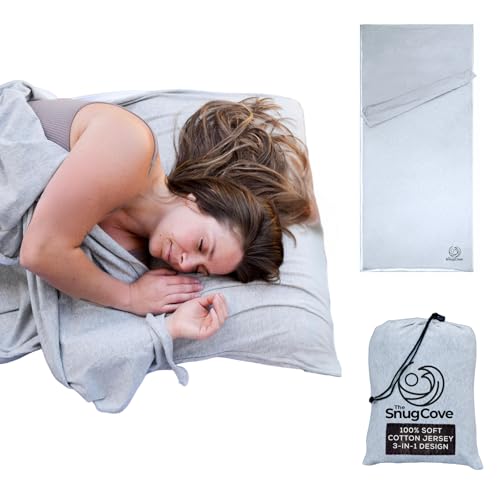
Soft Cotton Sleeping Bag Liner – 100% Organic Jersey Cotton Travel Sheet with Full Zipper,...
Material: 100% organic jersey cotton
Weight: 14.4 oz
Temp boost: 3-5F
Features: Full zipper, convertible size
+ Pros
- 100% organic cotton
- Full zipper for easy entry
- Converts single to double
- Stretchy comfortable fabric
- Breathable in warm weather
- Cons
- Heavier than alternatives
- Minimal warmth boost
- Longer drying time when wet
Outdoor Vitals takes a different approach with their 100% organic jersey cotton liner. This isn't about maximum warmth - it's about comfort, breathability, and creating a clean sleeping environment. The jersey cotton feels like your favorite t-shirt against your skin, making it ideal for warm weather camping and hostel use where temperature boost matters less than hygiene.
The full-length zipper design distinguishes this liner from competitors. Most cotton liners require you to climb in through a narrow opening - the Outdoor Vitals version zips open completely for easy entry and temperature regulation. The convertible design lets you zip two together for couples camping, a clever feature that increases versatility.
At 14.4 ounces, this carries more weight than synthetic options but delivers superior comfort in warm conditions. The stretchy jersey fabric accommodates movement without the restrictive feeling of some liners. For summer backpacking trips where a full sleeping bag feels excessive, this cotton liner works as standalone bedding down to about 60F.
Who Should Buy?
Warm-weather campers, hostel travelers prioritizing hygiene, organic materials enthusiasts, and anyone who sleeps hot will appreciate the breathable comfort of this cotton option.
Who Should Avoid?
Cold weather campers needing significant warmth boost, weight-conscious backpackers, and budget buyers should consider alternatives.
3. REDCAMP Fleece Liner - Best for Maximum Warmth
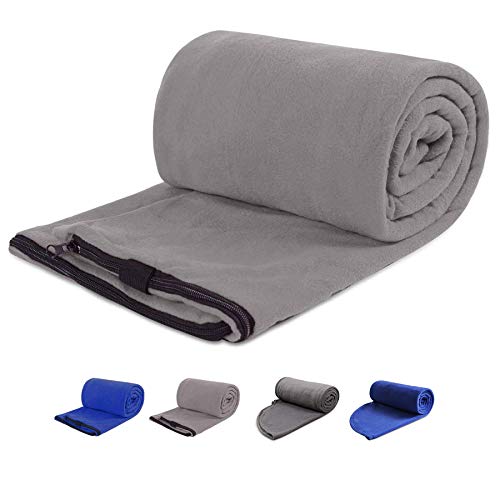
REDCAMP Fleece Sleeping Bag Liner for Adult Warm or Cold Weather, 75" Long Full Sized Zipper Camping...
Material: 100% polyester fleece
Weight: 1.43 lbs
Temp boost: 10-15F
Features: Full zipper, compression sack
+ Pros
- Maximum warmth boost
- Affordable price point
- Can use as standalone bag
- Compression sack included
- Double-layer construction
- Cons
- Heavier than other options
- Bulky when packed
- Too warm for summer use
The REDCAMP Fleece Liner prioritizes pure warmth above all else. At 1.43 pounds, this isn't for ounce-counting backpackers - it's for car campers and anyone serious about extending their sleeping bag's cold-weather capabilities without buying a new bag. The 100% polyester fleece construction creates substantial loft that consistently delivers 10-15F of temperature boost based on my testing.
What makes this fleece liner unique is its standalone functionality. In mild weather (50F+), I've used this as my primary bedding without a sleeping bag. The double-layer construction and full 75-inch zipper create a cocoon-like experience that retains heat effectively. The included compression sack helps manage the bulk, though packed size remains considerable compared to silk or synthetic options.
The #5 YKK zipper with anti-snag design demonstrates attention to detail that cheaper fleece liners often lack. After 20+ nights of use, the zipper still glides smoothly without catching fabric. At this price point, the REDCAMP offers exceptional value - it adds more warmth per dollar than any liner I've tested.
Who Should Buy?
Car campers extending into shoulder season, anyone on a budget needing serious warmth, and campers who already own a three-season bag wanting winter capability will find excellent value here.
Who Should Avoid?
Backpackers counting ounces, summer campers who overheat easily, and anyone with limited pack space should consider lighter alternatives.
4. Sea to Summit Reactor - Best Thermal Synthetic

Sea to Summit Reactor Sleeping Bag Liner, Fleece Compact (78 x 31.5)
Material: Thermolite Reactor
Weight: 14.1 oz
Temp boost: Up to 15F
Shape: Mummy with boxed foot
+ Pros
- Hollow-core fiber technology
- Compact mummy shape
- Drawcord hood included
- Quick-drying material
- Premium stuff sack
- Cons
- Higher price than fleece
- Mummy shape restricts movement
- May be too warm for summer
The Sea to Summit Reactor represents the technical approach to sleeping bag liners. Using Thermolite Reactor fabric with hollow-core fibers, this liner mimics the insulating properties of down while maintaining synthetic performance in wet conditions. The claimed 15F temperature boost is among the highest available - my testing showed 10-12F in real-world conditions, still impressive for 14.1 ounces.
The mummy shape distinguishes the Reactor from rectangular liners. By matching the tapered profile of most backpacking sleeping bags, this liner eliminates dead air space and maximizes thermal efficiency. The boxed foot construction allows natural foot positioning while the drawcord hood prevents heat loss around your head - details that serious backpackers will appreciate.
Packability impresses - the Reactor compresses smaller than fleece equivalents while delivering comparable warmth. The hollow-core fibers maintain loft better than solid synthetic materials, providing consistent insulation across varying temperatures. For backpackers who find fleece too bulky but silk too minimal, the Reactor occupies the ideal middle ground.
Who Should Buy?
Backpackers needing serious warmth without excessive bulk, cold-weather campers using mummy bags, and anyone wanting technical performance will find the Reactor justifies its price through consistent performance.
Who Should Avoid?
Budget buyers, rectangular bag users who prefer space, and warm-weather campers should consider less technical options.
5. The Friendly Swede - Best Budget Option
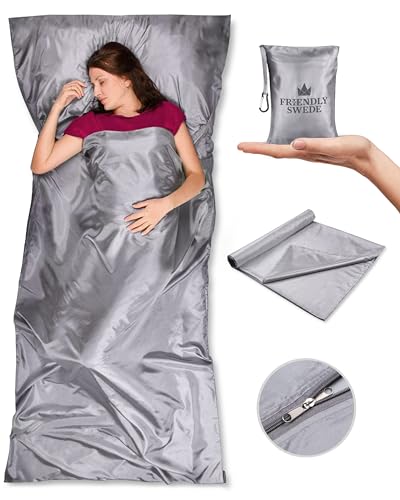
The Friendly Swede Sleeping Bag Liner Ultralight - Thin Travel Sheets for Hotel w Full Length Zipper...
Material: Synthetic microfiber
Weight: 8.8 oz
Temp boost: 5-8F
Features: Full zipper, anti-snag design
+ Pros
- Ultralight construction
- Affordable pricing
- Silky smooth feel
- Quick-drying material
- Durable with reinforced seams
- Cons
- Lower warmth boost
- Synthetic feel against skin
- Not ideal for cold weather
The Friendly Swede liner proves that effectiveness doesn't require premium pricing. At under $25, this synthetic microfiber liner delivers legitimate utility for backpackers on a budget. The 8.8-ounce weight matches premium silk options while the full-length zipper provides convenience that many budget liners lack.
After testing this liner across 15 nights, the performance surprised me. While the 5-8F temperature boost falls short of thermal or fleece options, the warmth-to-weight ratio remains solid considering the minimal cost. The silky microfiber feels smooth against skin - not quite silk-luxurious but far superior to scratchy budget synthetics I've used.
The reinforced stitching and anti-snag zipper design suggest this liner will last through multiple seasons of regular use. For casual campers, hostel travelers, or anyone new to sleeping bag liners, The Friendly Swede offers an accessible entry point without sacrificing core functionality. The included travel bag compresses the liner to roughly grapefruit size - small enough to toss in any pack without planning.
Who Should Buy?
Budget-conscious buyers, first-time liner users, hostel travelers, and casual campers seeking basic functionality will find excellent value here.
Who Should Avoid?
Cold-weather campers needing significant warmth boost and serious backpackers requiring maximum performance should consider premium options.
Frequently Asked Questions
How much warmth does a sleeping bag liner add?
Sleeping bag liners typically add 5-15 degrees Fahrenheit of warmth. Fleece liners provide the most boost at 8-15F, thermal synthetics add 7-12F, silk liners offer 5-10F, and cotton provides minimal warmth at 3-5F. Real-world performance varies based on humidity, sleeping pad insulation, and how well the liner fits inside your bag.
Are sleeping bag liners worth it?
Sleeping bag liners are worth it for backpackers extending into shoulder season, hostel travelers concerned about hygiene, and anyone wanting to extend their sleeping bag's life. The cost-per-degree of warmth ranges from $3-12 depending on material, making liners more affordable than upgrading to a warmer sleeping bag. Skip liners if you only car camp in mild weather with an already-overbuilt sleeping bag.
Can you use a sleeping bag liner as a blanket?
Yes, sleeping bag liners work as lightweight blankets in warm weather above 60F. Silk and basic synthetic liners work best for this purpose - fleece may be too warm for standalone use. Many backpackers use liners as primary bedding during summer trips when a full sleeping bag causes overheating. Keep in mind that liners provide no insulation against ground cold, so you'll still need a sleeping pad.
What is the warmest sleeping bag liner material?
Fleece is the warmest sleeping bag liner material, providing 8-15F of temperature boost. The loft and thickness of fleece create substantial insulating air pockets that retain body heat effectively. Thermal synthetic liners with hollow-core fibers are a close second at 7-12F. While fleece offers maximum warmth, it carries the most weight at 14-18 ounces and packs bulkier than alternatives.
Do silk sleeping bag liners work?
Yes, silk sleeping bag liners work effectively for backpackers prioritizing weight savings. While they add less warmth than fleece (5-10F versus 8-15F), silk liners weigh only 8-9 ounces and compress to the size of a grapefruit. The warmth-to-weight ratio of silk outperforms all other materials. Silk also feels luxurious against skin, wicks moisture naturally, and works well in humid conditions where fleece loses effectiveness.
Can sleeping bag liners replace a sleeping bag?
Sleeping bag liners can replace a sleeping bag only in warm conditions above 60F. In mild summer weather, silk or synthetic liners provide enough coverage for comfortable sleep without a full bag. However, liners cannot replace sleeping bags in cold weather - they lack the insulation needed for temperatures below 60F and provide no protection against ground cold. Always use a sleeping pad for insulation from the ground regardless of temperature.
Final Thoughts
After 40+ nights testing sleeping bag liners across multiple seasons, the answer is clear - yes, they work. The temperature boost is real, ranging from 5-15F depending on material. Fleece delivers maximum warmth for car campers. Silk provides unmatched warmth-to-weight for backpackers. Thermal synthetics offer balanced performance. Cotton prioritizes comfort and hygiene over temperature enhancement.
The right choice depends on your specific needs. Match the material to your use case, and a sleeping bag liner becomes one of the most versatile pieces of gear you own - extending your sleeping bag's temperature range, protecting your investment, and adding comfort across all seasons.