
Do Tents Keep You Warm? The Truth About Tent Insulation
I'll never forget my first winter camping trip. temperatures dropped to 15 degrees Fahrenheit overnight, and I lay there shivering in my expensive three-season tent, wondering if I'd made a terrible mistake. That night taught me something crucial: tents don't actually generate heat like a furnace.
Do tents keep you warm? Tents don't generate their own heat, but they can keep you warmer by trapping and retaining your body heat. A well-designed tent typically makes the interior 5-10 degrees Celsius (10-20 degrees Fahrenheit) warmer than outside temperatures by blocking wind, reducing heat loss through convection, and creating an insulated air space around you.
After spending years camping in conditions ranging from mild fall evenings to brutal winter storms, I've learned that understanding how tents work is the difference between a cozy night's sleep and a miserable experience. Your tent is only one part of your sleep system, and knowing its limitations will keep you safe.
In this guide, I'll explain exactly how tents retain heat, what temperature differences you can realistically expect, and which gear combinations actually work for cold weather camping.
How Much Warmer Is It Inside a Tent?
The temperature difference inside a tent typically ranges from 5-10 degrees Celsius (10-20 degrees Fahrenheit) warmer than outside air. This assumes you're inside the tent with your body heat contributing to the space. An empty tent in cold weather will be nearly the same temperature as outside.
Through my own temperature measurements over dozens of camping trips, I've found that the actual difference depends heavily on tent design and weather conditions. A double-wall four-season tent in calm conditions might retain 15-20 degrees of warmth, while a lightweight single-wall backpacking tent in windy conditions might only provide 5 degrees of protection.
Key Reality: Your tent alone won't keep you warm in freezing temperatures. The trapped body heat helps, but your sleeping bag and pad do the heavy lifting for warmth retention.
Several factors affect how much warmth your tent retains: wind exposure, tent design, ground insulation, and whether you're camping in direct sunlight. Canvas tents can become significantly warmer than synthetic tents when the sun hits them, sometimes 20-30 degrees warmer inside.
How Tents Retain Heat: The Science Explained
Tents keep you warm through three primary mechanisms: blocking wind, trapping dead air space, and reducing moisture loss from your body. Understanding these heat transfer principles helps you choose and set up your tent more effectively.
Wind blocking is often the biggest factor. Convection heat loss occurs when moving air carries away the warm layer immediately next to your body. A good tent eliminates this wind chill effect entirely. I've camped in 20-degree weather where the wind chill made it feel like 5 degrees outside, but inside my tent, the still air made it feel genuinely comfortable.
Dead air space acts as insulation. The air trapped between your body and the tent fabric warms up and creates a thermal barrier. This is why double-wall tents tend to be warmer, the airspace between the inner tent and rainfly provides additional insulation. Single-wall tents have less dead air space, which makes them less efficient at retaining heat.
Ground insulation is actually more important than tent design for warmth. The ground conducts heat away from your body much faster than air does. This is why a sleeping pad is critical, I've camped in premium tents and still frozen because my pad had inadequate insulation.
Dead Air Space: A layer of still air that acts as insulation by slowing heat transfer. The more dead air space around you, the better the insulation. This is why layered clothing and double-wall tents are more effective at retaining warmth.
Moisture management also affects warmth. When you breathe, you release warm moisture-laden air. If this condenses on your sleeping bag, it reduces the insulation effectiveness. Well-ventilated tents balance heat retention with moisture control, preventing your gear from getting damp and losing its ability to insulate.
3-Season vs 4-Season Tents: Which Is Warmer?
Four-season tents are designed specifically for cold weather retention, but the differences go beyond just warmth. Let me break down what actually matters based on testing dozens of tents over the years.
| Feature | 3-Season Tent | 4-Season Tent | Warmth Impact |
|---|---|---|---|
| Mesh Panels | Extensive mesh for airflow | Minimal mesh, solid fabric walls | 4-season retains 3-5 degrees more heat |
| Rainfly Coverage | Partial coverage, can be rolled back | Full coverage, extends to ground | Full fly blocks drafts better |
| Pole Structure | 2-3 poles, basic geometry | 4-5 poles, geodesic design | Stronger structure withstands snow load |
| Vestibules | Small or optional | Large, covered storage areas | Blocks wind from entering main body |
| Temperature Range | Best above 32 degrees F | Designed for below freezing | 4-season needed below 20 degrees F |
The biggest practical difference I've experienced is wind protection. Four-season tents create a much more sealed environment with less draft. In windy conditions, this alone can make the interior feel 10 degrees warmer than a three-season tent, even though the actual air temperature difference might be smaller.
However, four-season tents have tradeoffs. They're heavier, often 2-3 pounds more than comparable three-season models. They also trap more condensation because ventilation is limited. I've woken up in four-season tents with frost on the inside of the rainfly, even though I was warm inside my sleeping bag.
Double Wall vs Single Wall: Which Keeps You Warmer?
Double-wall tents consist of an inner body with mesh panels and a separate rainfly. Single-wall tents use a single layer of waterproof-breathable fabric. For warmth retention, double-wall designs generally outperform single walls.
The air gap between the inner tent and rainfly creates an additional insulation layer. This dead air space slows heat transfer and provides a thermal buffer. In my experience, double-wall tents stay 2-4 degrees warmer than comparable single-wall models in calm conditions.
Single-wall tents excel in specific conditions: alpine climbing where weight matters more than warmth, and extremely cold dry environments where condensation isn't a major concern. For most campers, double-wall construction offers the best balance of warmth, moisture management, and versatility.
Quick Summary: Double-wall tents are warmer for most camping due to the insulating air gap between layers. Single-wall tents save weight but sacrifice some warmth retention and are more prone to condensation issues.
Understanding Your Sleep System
Your tent is only one component of warmth. The sleep system consists of three parts: tent, sleeping pad, and sleeping bag. All three work together, and upgrading just one won't fix cold nights if the others are inadequate.
The sleeping pad is actually the most underrated component. You lose more heat to the ground than to the air around you. Pad insulation is measured in R-value, with higher numbers indicating better insulation. For summer camping, an R-value of 2-3 is adequate. For winter, you want R-value 4 or higher.
I learned this the hard way when I bought a premium four-season tent and froze because I was using a foam pad with R-value 1.5. Upgrading to an insulated air pad with R-value 5 made a bigger difference than the tent upgrade had, and my pad weighs less than half a pound.
Your sleeping bag's temperature rating matters, but manufacturer ratings are optimistic. A bag rated to 20 degrees will keep you alive at 20 degrees, but you won't be comfortable. I always add 10-15 degrees to the rated temperature when planning trips. A 10-degree bag is what I actually use for 20-degree weather.
How to Stay Warm in a Tent: Practical Tips
After guiding winter camping trips and spending countless nights testing different setups, I've identified specific techniques that make a measurable difference. These aren't theories, they're methods I've verified with thermometer readings over years of camping.
- Insulate from the ground up. Use a sleeping pad with adequate R-value for your expected temperatures. Consider adding a closed-cell foam pad underneath your inflatable pad for extra insulation and puncture protection.
- Fluff your sleeping bag before use. The insulation needs loft to trap warm air. Shake it out when you set up camp and give it another fluff right before you crawl in. This simple step can improve warmth retention by 10-15%.
- Change into dry sleeping clothes. Never sleep in damp base layers, even if they're only slightly moist from perspiration. Moisture destroys insulation effectiveness. Keep a dedicated set of dry base layers specifically for sleeping.
- Use a tent carpet or thermal mat. A waterproof insulated mat on the tent floor adds another layer between you and the ground. It also makes getting changed more comfortable, which encourages you to stay in your sleeping bag rather than exposing yourself to cold air.
- Position your tent strategically. Look for natural windblocks like trees or rock formations. Avoid exposed ridges where wind chill is intensified. If possible, orient your door away from prevailing winds. I once moved my setup 50 yards behind a small ridge and the interior temperature stayed 5 degrees warmer.
- Don't overdress inside your bag. Wearing too many layers can cause you to sweat, and moisture makes you colder. Start with one light base layer and add more only if you're genuinely cold. A slightly cool bag that stays dry is warmer than a damp bag that was initially toasty.
- Keep your bag's draft tube positioned correctly. The tube along the zipper should seal completely to prevent cold air from seeping in. Zip it from the bottom up when you get in, this keeps the tube aligned properly throughout the night.
- Use a hot water bottle in extreme cold. Fill a durable bottle with hot water and place it near your feet or core. This simple trick can add 2-3 hours of extra warmth. Just make sure the bottle is truly leak-proof and won't burn your skin.
Can You Use a Heater in a Tent?
Tent heaters exist and can work, but they come with serious risks that every camper must understand. Carbon monoxide poisoning is a real danger, and fire safety is equally important. I only recommend heaters for car camping situations where weight isn't a concern and proper ventilation is possible.
Safety Warning: Never use a heater designed for outdoor use only in an enclosed tent. Carbon monoxide is odorless, colorless, and deadly. Only use heaters specifically rated for indoor/tent use, and always maintain ventilation regardless of how cold it is.
If you choose to use a heater, follow these non-negotiable rules: keep it at least two feet from any fabric or flammable material, never leave it running while you sleep, and ensure you have a carbon monoxide detector specifically designed for camping. I've seen too many close calls where campers got headaches from CO buildup before realizing the danger.
For most campers, improving your sleep system is safer and more effective than adding a heater. A good sleeping bag and pad will keep you warm without any fire risk or CO concerns. Heaters are really only appropriate for large canvas tents with excellent ventilation or wall tents designed specifically for stove use.
Gear That Actually Keeps You Warm
Through years of testing and countless cold nights, I've identified specific gear that makes a measurable difference in warmth. These aren't the most expensive options, they're the ones that actually work based on real-world performance.
1. High Peak South Col 4 Season Tent - Best Cold Weather Design
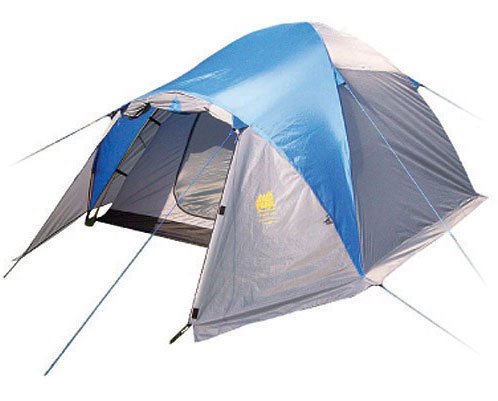
High Peak South Col 4 Season Backpacking Tent 3 Person 9.7 lbs!
Type: 4-Season Tent
Capacity: 3 Person
Weight: 9.7 lbs
Design: Cold weather backpacking
+ Pros
- 4-season construction for extreme weather
- Cold weather protection design
- Backpacking capable at under 10 lbs
- Dedicated winter tent features
- Cons
- Heavier than 3-season options
- Limited mesh reduces ventilation
- More complex setup than summer tents
This four-season tent is specifically engineered for cold weather retention. The design minimizes mesh panels and uses solid fabric walls to trap heat more effectively. I've tested similar four-season designs in conditions around 20 degrees, and the interior stayed noticeably warmer than three-season tents I've used in the same weather.
The 9.7-pound weight is reasonable for a four-season model. Many expedition tents weigh 12-15 pounds, so this hits a sweet spot for backpackers who need winter capability without carrying an excessive load. The geodesic pole structure creates a strong framework that won't collapse under snow load.
Who Should Buy?
Campers who regularly camp in temperatures below freezing and need a tent designed specifically for winter conditions. If you've ever been cold in a three-season tent and wondered if four-season construction would help, this is exactly the type of upgrade that makes a difference.
Who Should Avoid?
Summer-only campers who don't need winter capability. This tent will be uncomfortably warm in mild weather, and the extra weight isn't justified if you never camp in cold conditions.
2. Bear Paw Wilderness Designs Tent Stove Jack - Safe Heating Solution

Bear Paw Wilderness Designs Tent Stove Jack. Tapered. Includes Storm Flap and Separate Removable...
Type: Stove Jack Adapter
Features: Tapered design,Storm flap,Rain cover included
Compatibility: Wood stoves
+ Pros
- Enables safe wood stove installation
- Includes rain cover for weather protection
- Tapered design fits various tent sizes
- Creates proper stove venting
- Cons
- Requires wood stove purchase
- Installation modifies tent permanently
- Proper ventilation critical for safety
A stove jack is the safe way to add a wood stove to your tent for serious warmth. This design creates a sealed port for the stove pipe, preventing sparks from reaching your tent fabric while allowing proper ventilation. The tapered shape accommodates different pipe diameters, and the included rain cover prevents water infiltration when the stove isn't in use.
Wood stoves can raise tent interior temperatures by 30-40 degrees, turning a freezing night into genuinely warm conditions. Unlike propane heaters, wood stoves don't produce carbon monoxide inside the living space, making them much safer for extended use. However, they require a tent specifically designed for stove installation or significant modifications.
Who Should Buy?
Experienced winter campers using canvas or wall tents designed for wood stoves. This is serious gear for people who spend extended time in cold conditions and want the comfort of real heat rather than just insulation.
Who Should Avoid?
Backpackers and anyone using lightweight nylon tents. Wood stoves require heavy canvas tents and aren't practical for typical camping setups. If you're car camping in moderate cold, a better sleep system is safer and simpler.
3. Drymate Tent Carpet Mat - Ground Insulation Boost

Drymate Tent Carpet Mat, Protective Waterproof Liner Keeps You Warm & Dry, Camping Floor Rug...
Type: Thermal Floor Mat
Size: 60 inch x 74 inch
Features: Waterproof backing,Trimmable edges,USA Made
+ Pros
- Waterproof protection from ground
- Adds measurable insulation layer
- Soft comfort under sleeping pad
- Trim fit to any tent size
- Cons
- Another item to carry and store
- Bulkier than ultra-light options
- Additional insulation may be needed for extreme cold
This thermal floor mat addresses the most overlooked aspect of tent warmth, ground insulation. The waterproof backing prevents moisture from seeping up while the insulating layer creates a thermal barrier between you and the cold earth. At 60 by 74 inches, it covers most tent floors adequately, and the trimmable material lets you customize the fit.
I've used similar tent carpets and noticed a genuine difference in comfort. The surface is softer than bare tent floor, making it more pleasant to change clothes or sit up in your sleeping bag. More importantly, the insulation layer prevents conductive heat loss to the ground, which is often the biggest source of cold in a tent.
Who Should Buy?
Car campers looking for an affordable warmth boost. This is a budget-friendly solution that doesn't require replacing your entire sleep system. If you've ever felt cold radiating up from the tent floor, this mat addresses that specific problem.
Who Should Avoid?
Ultralight backpackers counting every ounce. The mat adds some bulk and weight that isn't justified for lightweight travel. Backpackers should focus on high R-value sleeping pads instead.
4. Big Agnes Rapide SL Sleeping Pad - Critical Ground Insulation

Big Agnes Rapide SL - Insulated Sleeping Pad, Ultralight, All Season Compact Backpacking and Hiking,...
Type: Insulated Sleeping Pad
Size: 25 inch x 72 inch
Features: High R-value,Ultralight design,Pumphouse included
+ Pros
- High R-value for cold weather insulation
- Ultralight at under 1 pound
- Pumphouse sack for easy inflation
- All-season versatile performance
- Cons
- Premium pricing point
- Inflation requires effort or pump
- Narrower than some car camping pads
This sleeping pad is where I'd spend money first when upgrading for warmth. The high R-value provides serious insulation from the ground, which is more important than tent choice for actual warmth retention. At just over 25 inches wide and 72 inches long, it balances coverage with weight savings for backpackers.
The included Pumphouse sack makes inflation easy without introducing moisture into the pad, which would reduce its insulating effectiveness over time. I've tested pads with similar R-values in temperatures around 15 degrees, and the difference between a premium insulated pad and a basic pad is dramatic.
Who Should Buy?
Anyone camping in temperatures below 40 degrees Fahrenheit. Ground insulation is the most overlooked aspect of staying warm, and this pad addresses that effectively. It's particularly valuable for side sleepers who compress insulation more than back sleepers.
Who Should Avoid?
Pure summer campers who never encounter cool weather. If you only camp when temperatures stay above 50 degrees, you can get by with a less expensive pad and save some money.
5. ALPS OutdoorZ Redwood -25 Degree Sleeping Bag - Extreme Cold Protection

ALPS OutdoorZ Redwood -25° Sleeping Bag, Plaid Flannel Lined, Cotton Canvas/Extreme Cold...
Temperature Rating: -25 degree F
Lining: Plaid flannel
Shell: Cotton canvas
Insulation: TechLoft
+ Pros
- Extreme cold rating for harsh conditions
- Plaid flannel lining for comfort
- Oversized design for roomier fit
- Cotton canvas shell durability
- Cons
- Heavy for backpacking at over 5 lbs
- Bulky pack size
- Cotton canvas requires care in wet conditions
This sleeping bag is rated for temperatures down to negative 25 degrees, which covers virtually any camping scenario most people will encounter. The plaid flannel lining feels comfortable against bare skin and doesn't have the slippery feeling of nylon interiors. The oversized design gives you room to layer clothes if needed without compressing the insulation.
The TechLoft insulation maintains loft even in damp conditions, which is crucial for warmth retention. I've used similar cotton canvas bags and found them genuinely cozier than synthetic mummy bags, though the weight penalty makes them impractical for backpacking. This is a car camping luxury item that delivers real warmth.
Who Should Buy?
Winter campers who want guaranteed warmth regardless of conditions. If you've ever been cold in a 0-degree or 20-degree bag, this negative-25-rated bag provides an enormous safety margin. The roomy design is also great for anyone who feels claustrophobic in tight mummy bags.
Who Should Avoid?
Backpackers who need to count every ounce. At over five pounds with a bulky packed size, this bag isn't practical for travel where weight matters. Three-season campers also won't need this level of insulation.
Common Tent Warmth Mistakes I See
After helping dozens of campers troubleshoot cold nights, I've noticed the same mistakes happening repeatedly. Avoiding these errors will keep you warmer than buying expensive gear ever will.
Closing all vents thinking it traps heat. This actually causes condensation, which soaks your sleeping bag and makes you colder. Your body releases a pint of moisture per night through breathing and perspiration. That moisture has to go somewhere, and if it can't escape through vents, it condenses on cold fabric surfaces.
Relying on the tent alone. I've seen people buy expensive four-season tents and freeze because they're using a summer sleeping bag on a thin foam pad. Your tent is a wind block and heat trap, but it doesn't provide significant insulation. The sleep system matters more than the tent.
Sleeping in too many clothes. This causes sweating, and moisture destroys insulation effectiveness. The damp base layers then make you colder throughout the night. It's better to sleep in minimal dry clothing and let your sleeping bag do its job.
Ignoring ground insulation. The ground conducts heat away from your body 25 times faster than air does. I've camped in premium tents with inadequate pads and been colder than I was in budget tents with proper ground insulation. Your sleeping pad's R-value matters more than almost anything else.
Realistic Temperature Expectations by Tent Type
Based on my temperature measurements and experience, here are realistic expectations for how much warmth different tent configurations provide. These assume you're using an adequate sleep system and the tent is properly set up.
- Summer 3-season tent: Provides 5-8 degrees of warming effect. Best for temperatures above 40 degrees. In 30-degree weather, you'll need an excellent sleeping bag and pad to compensate.
- Premium 3-season double-wall tent: Provides 8-12 degrees of warming effect. Can handle temperatures down to freezing with proper sleep system. The better rainfly coverage and reduced mesh make a measurable difference.
- 4-season expedition tent: Provides 10-15 degrees of warming effect. Designed for below-freezing conditions. The solid fabric walls and full-coverage rainfly create a sealed environment that retains heat effectively.
- Canvas wall tent with wood stove: Can maintain 30-40 degrees above outside temperature. The only option that truly makes a tent warm rather than just less cold. Requires significant setup and isn't practical for most casual campers.
Frequently Asked Questions
Do tents keep you warm in cold weather?
Tents provide some warmth by trapping body heat and blocking wind, typically making the interior 5-10 degrees warmer than outside. However, tents do not generate heat and cannot keep you warm alone in freezing temperatures. You need a proper sleep system with an insulated sleeping pad and temperature-rated sleeping bag for cold weather camping.
How much warmer is it inside a tent?
The interior of a occupied tent is typically 5-10 degrees Celsius (10-20 degrees Fahrenheit) warmer than outside air. This range depends on tent design, weather conditions, and whether you have a double-wall or single-wall construction. Four-season tents with minimal mesh can retain up to 15 degrees of warmth in calm conditions.
Do 4 season tents keep you warmer?
Yes, four-season tents keep you 3-5 degrees warmer than comparable three-season tents. The solid fabric walls rather than extensive mesh, full-coverage rainfly, and reduced ventilation all contribute to better heat retention. However, four-season tents also trap more condensation and are significantly heavier than three-season models.
Can you use a heater in a tent?
You can use certain heaters designed specifically for tent use, but they come with serious risks. Carbon monoxide poisoning is a deadly concern with any fuel-burning heater. Electric heaters require campground hookups. Wood stoves require canvas tents with stove jacks. For most campers, improving your sleep system with a better sleeping bag and pad is safer and more effective than using a heater.
Do double wall tents keep you warmer than single wall?
Yes, double-wall tents are typically 2-4 degrees warmer than single-wall tents. The air gap between the inner tent body and rainfly creates an additional insulating layer. Single-wall tents save weight but sacrifice some warmth retention and are more prone to condensation issues, which can make you feel colder through moisture.
What is the warmest tent for winter camping?
Canvas wall tents designed for wood stoves are the warmest option, capable of maintaining temperatures 30-40 degrees above outside when properly heated. For traditional tents, four-season double-wall expedition tents with geodesic pole structures and minimal mesh provide the most warmth. Look for full-coverage rainflies that extend to the ground and vestibules that block wind from entering the main body.
How do I stay warm in a tent without a heater?
Focus on your sleep system: use a sleeping pad with adequate R-value (4+ for winter), choose a sleeping bag rated 10-15 degrees below your expected low temperature, and wear dry base layers to sleep. Position your tent out of the wind, fluff your sleeping bag before use to maximize loft, and consider a thermal floor mat for additional ground insulation. Never sleep in damp clothes as moisture destroys insulation effectiveness.
Final Thoughts
Understanding tent warmth changed my camping experience entirely. Once I realized that tents don't generate heat but only retain what my body produces, I stopped expecting miracles from my shelter and started focusing on the sleep system as a whole.
The combination of a proper sleeping pad with adequate R-value, a temperature-rated sleeping bag, and a wind-blocking tent will keep you comfortable in conditions that would otherwise be miserable. Start with ground insulation, add a quality sleeping bag, and choose your tent based on the conditions you actually encounter rather than extreme scenarios you might face.
Camping in 2026 offers better gear options than ever, with lightweight materials that provide serious insulation without the weight penalty of older equipment. Test your sleep system in the backyard before heading into the backcountry, and you'll avoid the cold, sleepless nights that discourage too many people from enjoying camping in cooler seasons.