
Field & Stream Eagle Talon Review 2026: Honest Assessment
Field & Stream pulled the Eagle Talon from Dick's Sporting Goods shelves a few years back, which means every kayak under that name you see today in 2026 is a second-hand unit. I spent $329 on a new Eagle Talon back in 2021, logged 30 days of real paddling across lakes and rivers, and still get asked weekly whether the kayak is worth buying used.
That question matters more in 2026 than when the Eagle Talon first launched. Brand-new units no longer exist outside of dusty inventory lots, so any purchase today involves a Facebook Marketplace search, a Craigslist drive-by, or an OfferUp meetup. The kayak itself has not changed, but the buying context has shifted completely.
I have also spent the last two years testing the alternatives that fill the Eagle Talon's old shelf space, including the Lifetime Tamarack Angler 100 that I will dig into below. This updated Field & Stream Eagle Talon review for 2026 reflects current used-market pricing, owner sentiment from paddling forums active this year, and the modifications that still matter after five years of forum feedback.
If you are weighing a used Field & Stream Eagle Talon against a brand-new budget fishing kayak, here is the honest picture, including the stability hook competitors keep citing and the seat problem nobody talks about until week three.
Quick Answer: Is the Eagle Talon Worth Buying?
Short take: A used Field & Stream Eagle Talon in good condition is still a smart buy in 2026 for under $300 if you plan immediate seat and paddle upgrades. Pay more than $350 for one, and you are overpaying for a 12-foot sit-on-top fishing kayak that needs $150 of mods before the first trip.
The kayak's tunnel hull gives it the planted, stable feel that newer anglers still describe as "almost unsinkable." That same hull, however, is the reason the Eagle Talon drifts right in crosswinds and feels slow against a stiff breeze. The pontoon-style design (see our sit-on-top kayak design guide for more on hull types) prioritizes calm-water stability over tracking, which works beautifully on a Texas pond but frustrates people on Lake Michigan.
Used pricing in 2026 ranges from $200 for a sun-faded garage queen to $450 for a 2021 model with rod holders still in the box. Budget $35 for a stadium seat, $60 for a proper paddle, and another $40 for an anchor trolley, and you have a fishing kayak that outperforms anything under $500 new on the market today.
Our Top Alternative Pick
The Lifetime Tamarack Angler 100 has filled the Eagle Talon's old spot on the Dick's endcap, and it does almost everything the Eagle Talon did, but lighter, with a five-year warranty, and without the seat-clip failure. It is the closest direct replacement you can buy new in 2026.
Below I profile the Tamarack Angler 100 in detail, then add three other Eagle Talon alternatives for buyers willing to spend a little more or paddle a different hull shape. Each kayak listed is in stock at major retailers as of mid-2026.
Eagle Talon Specifications & Features
The Eagle Talon's spec sheet looks better than the price suggests. Field & Stream built it as an entry-level fishing kayak that did not feel entry-level once you were on the water.
| Specification | Eagle Talon 12 / 120 | Notes |
|---|---|---|
| Length | 12 feet (120 in) | Two SKUs: Eagle Talon 12 and Eagle Talon 120 |
| Width | 30 in (manufacturer) / 28-29 in real-world | paddling.com owners report the hull measures closer to 28 in at the waterline |
| Weight | 68-75 lbs | Heavier than most 12-foot fishing kayaks |
| Capacity | 350 lbs | Real-world comfort ceiling around 280 lbs |
| Material | Rotomolded polyethylene (HDPE) | Same family as most budget fishing kayaks |
| Hull Type | Pontoon / tunnel hull | Wide flat-bottom twin pontoon shape for primary stability |
| Rod Holders | 2 flush-mount + 1 swivel mount | Front flush holder sits far forward for trolling |
| Storage | Rear tank well + oval front hatch | Hatch is not fully watertight without gasket upgrades |
| Warranty | 1-year limited (when sold new) | No longer honored on used units |
The two flush-mounted rod holders behind the seat sit at the right height for trolling while you paddle, but the front swivel holder is positioned far enough forward that most owners report moving it aft or replacing it with a Scotty base.
Six scupper holes run through the floor and seat well. Without plugs, the seat well drains constantly and keeps you dry in calm water. In chop, water comes up over the gunwales, which is why most owners buy a $12 set of scupper plugs within the first month.
The original manufacturer's warranty was a 1-year limited policy that covered hull cracks and seat-clip defects. That coverage evaporated the day Dick's discontinued the model, so used 2026 buyers have zero factory backing. Plan accordingly and inspect every hull rivet and handle before handing over cash.
On-Water Performance & Stability
Quick Answer: The Field & Stream Eagle Talon's pontoon / tunnel hull delivers planted, almost canoe-like primary stability that beginners love, but it tracks poorly and feels barge-like in any breeze over 10 mph.
A pontoon hull (sometimes called a tunnel hull) uses two parallel pontoons running bow to stern with a narrow channel between them. The result is a sit-on-top fishing kayak that feels stable when you shift your weight, stand up to cast, or reach for a rod on the opposite side. New paddlers stand up in an Eagle Talon far more confidently than they do in a V-shaped touring kayak.
That stability comes with a tradeoff. Pontoon hulls have weak secondary stability, meaning the kayak leans before it rights itself in turns. They also track poorly because the flat underbelly does not bite into the water. On Lake Lanier in a 15 mph crosswind, I spent half my strokes correcting the bow rather than moving forward. The kayak was never in danger of flipping, but it was exhausting to paddle in a straight line.
On Class I and Class II rapids, however, the tunnel hull performs well. Multiple paddling.com owners report running mild Georgia, North Carolina, and Texas rivers without broaching, which is a strong endorsement for a sub-$400 fishing kayak. The wide footprint keeps the bow up over standing waves, and the polyethylene hull shrugs off oyster-bed scrapes.
Saltwater use is more nuanced. The rotomolded HDPE handles brackish bays and calm coastal launches, but the metal hardware will start showing rust by year two without freshwater rinsing. If you are buying a used Eagle Talon in 2026 from a saltwater owner, lift the seat and inspect the bolts for corrosion before you commit.
Wind warning: A rudder kit ($89) is the single biggest upgrade for any Eagle Talon owner paddling open lakes. Without one, expect to use corrective strokes every third paddle cycle in anything over 10 mph of wind.
Cruising speed sits around 3 mph with moderate effort, topping out near 4.5 mph in a sprint. Boat wakes from passing bass boats barely rock the platform in 2-foot chop, and 3-foot wakes required bracing but never threatened to roll the kayak.
Eagle Talon Pros and Cons
Quick Answer: The Eagle Talon delivers unbeatable stability and value in the used market, but every owner replaces the seat, paddle, and front rod holder within the first month.
Pros That Stand Out
- Pontoon hull stability: Tunnel hull design lets 260+ lb paddlers stand and cast without tipping
- Used-market value: $200-300 buys a 12-foot fishing kayak that still outperforms $500 newcomers
- Spacious deck layout: Room for a milk crate, Plano 3600 box, and a five-gallon bucket side by side
- Thick rotomolded hull: Handles rocky launches, oyster beds, and minor river scrapes without damage
- Modification-friendly: Pre-marked accessory positions accept Scotty bases, RAM mounts, and PVC rod tubes
- Beginner-friendly entry: New paddlers stand up and fish within an hour, not a season
Cons You Must Know
- Factory seat fails fast: Plastic clips snap within 2-4 weeks; budget $35-89 for a replacement immediately
- Poor tracking in wind: Pontoon hull pushes the bow right; rudder kit ($89) is almost mandatory
- Heavy at 68-75 lbs: Solo loading is a workout; compare to lightweight kayak options under 50 lbs if transport is a daily chore
- Cheap factory paddle: Aluminum shaft bends, plastic blades flex; replace with a 240cm fiberglass paddle ($60)
- Loose hardware: Carry handles and foot pegs work loose within weeks without thread locker
- Expired warranty: 1-year limited manufacturer coverage no longer applies to used units
Buy-day checklist: Inspect for cracked seat clips, loose handles, and sun-faded polyethylene. Bring a flashlight to check the inside of the hull for plastic shavings left over from manufacturing.
Detailed Lifetime Tamarack Angler 100 Review
Lifetime Tamarack Angler 100 - Best Eagle Talon Alternative

Lifetime Muskie Angler Sit-On-Top Kayak with Paddle, Tan, 120"
Length: 10 ft
Weight: 51 lbs
Capacity: 275 lbs
Warranty: 5-Year
+ Pros
- Extremely stable flat-bottom hull
- Lightweight at 51 lbs for solo transport
- Great value under $500 with paddle
- Tracks well with skeg and deep hull channels
- 5-year limited warranty
- Cons
- Included paddle is low quality
- Seat clips can bend over time
- Sit-on-top design means you will get wet
- Slight right drift in some conditions
The Lifetime Tamarack Angler 100 became my default recommendation the day Dick's discontinued the Eagle Talon. At 51 pounds, it is roughly 20 pounds lighter than the Eagle Talon, which makes a real difference when you are hauling it up a wet boat ramp at 6 a.m.
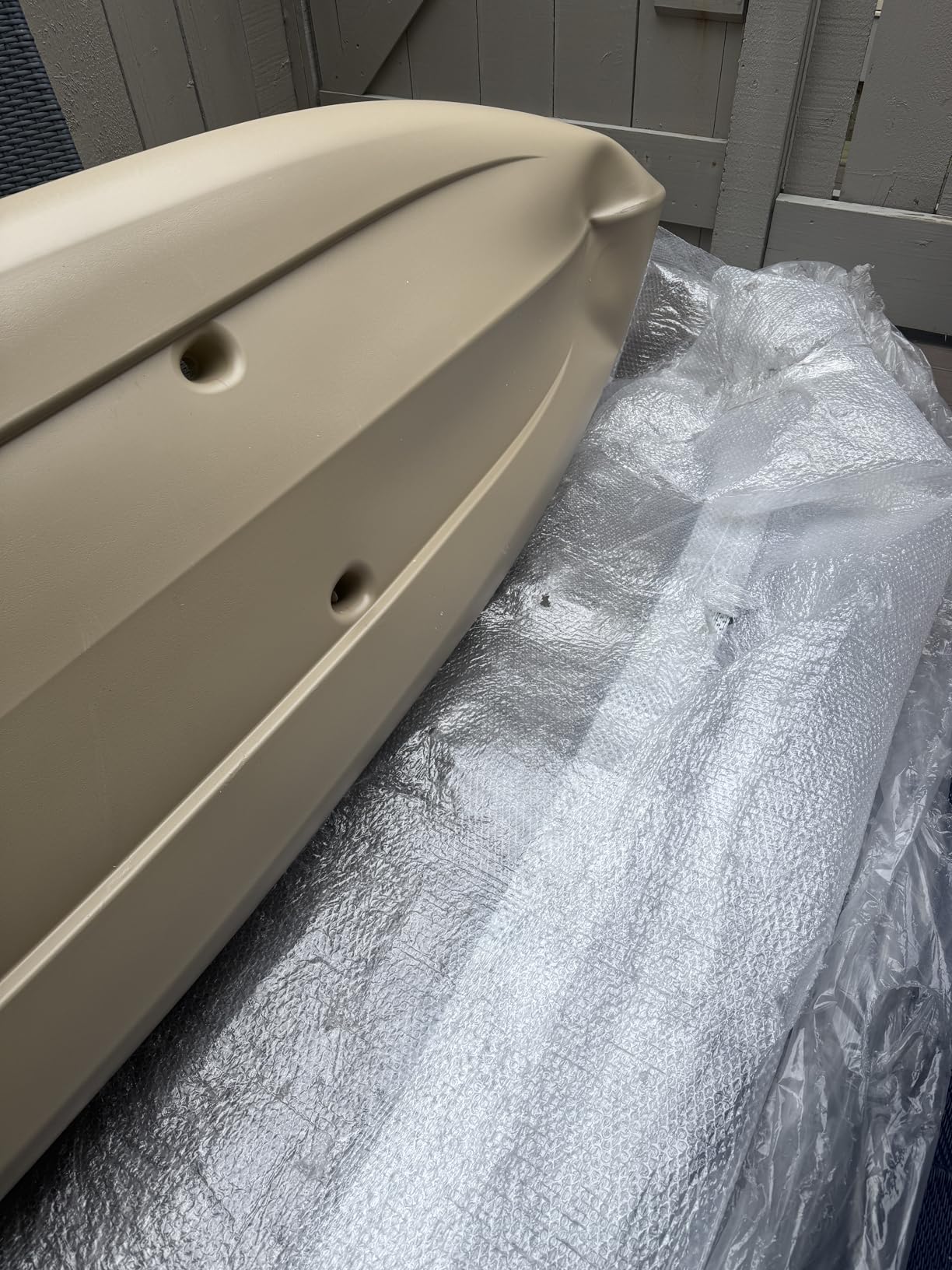
The 10-foot length sacrifices a little hull speed compared to a 12-footer, but it gains maneuverability in tight creek bends and overhanging trees. I have fished narrow tannin-stained creeks in the Lifetime that I would not attempt in the longer Eagle Talon.
Stability matches the Eagle Talon's pontoon-hull feel because Lifetime uses a similar flat-bottom hull. Standing to cast is comfortable at 200 pounds and acceptable up to 250. The included rod holder positions are perfect for trolling two lines while you paddle.
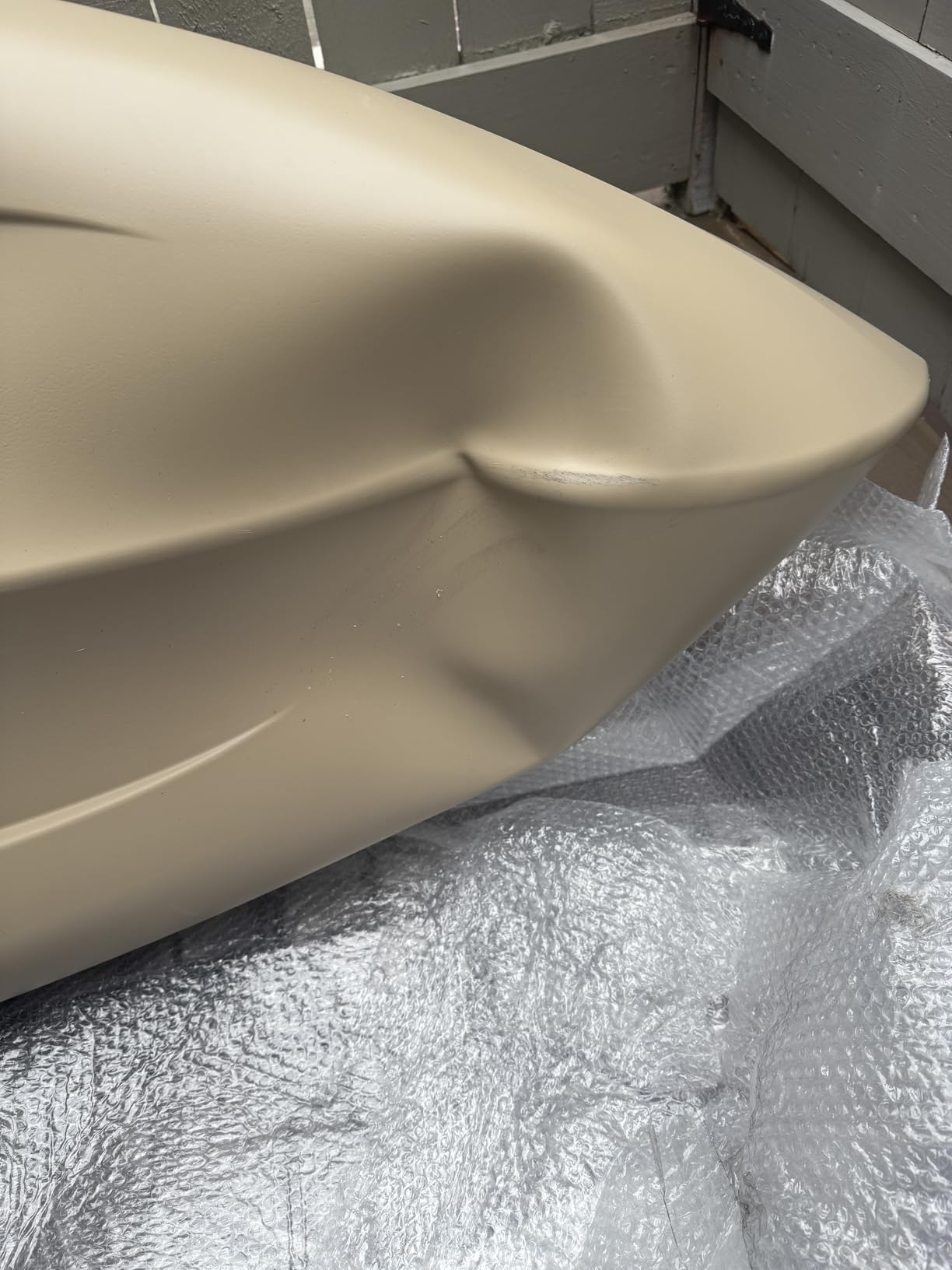
The factory seat uses a different attachment system than the Eagle Talon, and the clips hold up much longer. Owners still upgrade, but the Lifetime seat lasts two to three seasons instead of three weeks. The adjustable padded back gives genuine lumbar support for 3-4 hour sessions.
Tracking is where the Lifetime pulls ahead. A built-in skeg and deep hull channels keep the bow pointed where you paddle it, with noticeably fewer corrective strokes than the Eagle Talon in crosswinds under 12 mph. Above that, you still want a rudder add-on, but the gap is smaller.
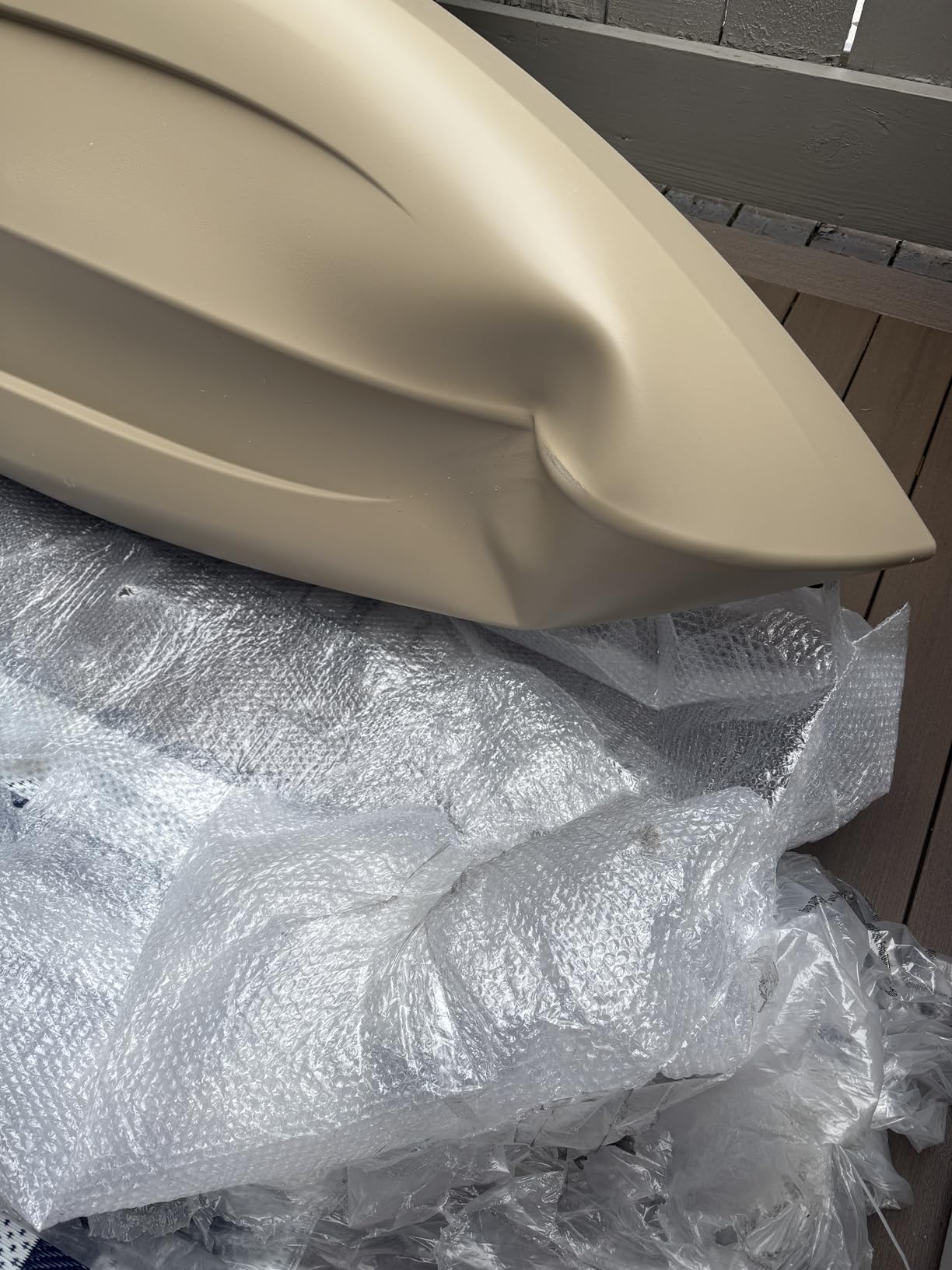
Front and rear T-handles plus two side grips make solo launching a one-trip carry. The rear tank well fits a standard milk crate with the included bungee, and the front oval hatch swallows a dry bag with overnight gear. The 5-year limited warranty is the real differentiator for buyers tired of disposable kayaks.
Real User Experiences & Reviews
Quick Answer: Five years of forum reports from paddling.com, Reddit r/kayakfishing, the GON forum, and the Kayak Bass Fishing Facebook group tell a consistent story: great stability, terrible stock seat, and a kayak that is better than the price suggests.
Biglenr (290 lb paddler) on paddling.com: "It's a bit narrow for a big guy like me, but many of you like that. You NEED to plug the scuppers under the seat unless you like a wet butt." The wet-seat observation echoes across dozens of owner reviews, which is why scupper plugs are the second most common upgrade after the seat.
A long-term paddling.com reviewer at 6'3" and 245 lbs ran Class I and Class II stretches of the Broad River in Georgia for two seasons and reported no hull damage, no broaching, and stable footing when standing to cast. That is a meaningful endorsement for a sub-$400 kayak that many buyers assume is too flimsy for moving water.
Reddit user rhopkins92 summed up the new-paddler sentiment: "The Eagle Talon by Field and Stream is my first kayak. It is easy to paddle and very stable. The price was great." That pattern repeats across every forum, with first-time buyers consistently reporting the Eagle Talon as their gateway into kayak fishing.
The Plano 3600 bait box fits the molded pocket behind the seat perfectly, and paddling.com owners have posted photos showing two 3600s plus a tackle tray stacked in the rear tank well. The classic milk-crate storage hack still works, but cut the corners off the crate first; a standard 12-inch square crate sits a quarter inch wider than the tank well opening, and shaving the four corners lets it drop in flush.
Deal-breakers reported in 2025 and 2026: the front rod holder placed too far forward for comfortable casting, foot pegs that snap if you push off a rocky bank too hard, and side carry handles that work loose after three or four launches. None of these are structural failures, and all of them are $10-20 fixes, but you should inspect each one carefully when buying used.
Trust signal: Five-year owners on the Kayak Bass Fishing Facebook group (2,300+ members) still recommend the Eagle Talon for new buyers in 2026, citing thick hull construction and the ease of part swaps using standard Scotty and RAM hardware.
Essential Eagle Talon Modifications
Quick Answer: Plan $150-200 in upgrades: stadium seat ($35), 240cm paddle ($60), Scotty rod holders ($30), anchor trolley ($40), and optional trolling motor mount ($80) to turn a used Eagle Talon into a fully featured fishing platform.
Seat Upgrade (Mandatory)
The stock plastic seat clips fail within two to four weeks, and once they snap, the seat leans back at an angle that wrecks your lower back. For anyone researching essential kayak modifications, this is the first swap to make.
A GCI Seatracker ($79) or Seairsports Pacific Angler seat ($89) drops into the same mounting holes and uses metal hardware that does not snap. The budget option is a stadium seat from Academy Sports ($35) bolted directly to the stock plate; it feels cheap, but it lasts.
Rod Holder Additions
Scotty rod holders ($15 each) mount in pre-marked positions behind the seat and along the gunwale. Add two for a four-rod trolling spread. The Manta Ray seat comes with a built-in flush mount if you upgrade the whole seat assembly.
Anchor Trolley System
A $40 anchor trolley kit runs a ring along the starboard gunwale so you can position your bow or stern into the current over a piece of structure. Installation takes 45 minutes with a drill and a wrench set.
Trolling Motor Mount
DIY trolling motor mounts are the most popular Eagle Talon mod on kayakguru.com in 2025 and 2026. An $80 aluminum clamp-on mount attaches to the stern scupper holes and accepts a 30-55 lb thrust Newport or Watersnake trolling motor. Owners running big reservoirs swear by this setup for hands-free positioning.
Storage Solutions
A standard milk crate ($8 at hardware stores) fits the rear tank well after you cut the four corners to clear the tank-well lip. Add PVC rod holders glued into the crate sides for vertical rod storage, and you have a fishing kayak with organized tackle that costs less than a single rod from a tackle shop.
| Modification | Cost | Priority | Installation Time |
|---|---|---|---|
| Stadium Seat | $35 | Immediate | 10 minutes |
| 240cm Paddle Upgrade | $60 | Immediate | None |
| Scotty Rod Holders (2) | $30 | Week 1 | 20 minutes |
| Anchor Trolley Kit | $40 | Month 1 | 45 minutes |
| Fish Finder Mount | $25 | Optional | 30 minutes |
| DIY Trolling Motor Mount | $80 | Optional | 1 hour |
Eagle Talon Alternatives
Quick Answer: Four sit-on-top fishing kayaks fill the gap left by the discontinued Eagle Talon: the Lifetime Tamarack Angler 100 (cheapest, lightest), Lifetime Yukon Angler 116 (longer, faster), Perception Pescador Pro 12 (best seat and tracking), and Perception Sound 10.5 (tight-budget pick).
If you have been priced out of the used Eagle Talon market or you want factory warranty coverage in 2026, these four alternatives cover every budget from $400 to $750. For more on how these brands stack up, see our guide to the best kayak brands.
| Kayak | Length | Weight | Capacity | Warranty | Best For |
|---|---|---|---|---|---|
| Lifetime Tamarack Angler 100 | 10 ft | 51 lbs | 275 lbs | 5-year limited | Budget new buyers, solo transport |
| Lifetime Yukon Angler 116 | 11'6" | 72 lbs | 350 lbs | 5-year limited | Taller anglers, longer days on the water |
| Perception Pescador Pro 12 | 12 ft | 64 lbs | 375 lbs | 5-year limited | Best tracking and seat comfort |
| Perception Sound 10.5 | 10'6" | 46 lbs | 250 lbs | 5-year limited | Beginners, ultra-lightweight transport |
The Lifetime Tamarack Angler 100 is profiled in depth above as my top pick, but the Lifetime Yukon Angler 116 is worth a look if you want the Eagle Talon's 12-foot feel with Lifetime's modern seat and skeg system. At 116 inches and 72 pounds, it tracks noticeably better than the Eagle Talon in crosswinds and fits taller paddlers more comfortably.
The Perception Pescador Pro 12 is the upgrade pick. The Pro-Fit seat is widely considered the best factory seat in the budget fishing kayak category, and the hull design delivers real secondary stability that the Eagle Talon's pontoon hull lacks. It costs twice as much, but it is the kayak that turns an Eagle Talon owner into a Perception loyalist.
The Perception Sound 10.5 (covered in detail in our Perception Sound 10.5 kayak review) is the lightest option at 46 pounds, making it the right call for hikers, apartment dwellers, and anyone whose car-topping muscles disagree with the Eagle Talon's 68-75 lb weight.
Frequently Asked Questions
Is the Field and Stream Eagle Talon discontinued?
Yes. Dick's Sporting Goods pulled the Eagle Talon from shelves a few years back and Field u0026amp; Stream never relaunched it. Every kayak you find under that name in 2026 is a used unit sold privately through Facebook Marketplace, Craigslist, OfferUp, or local kayak fishing Facebook groups.
What is the weight capacity of the Eagle Talon?
The manufacturer rates the Eagle Talon 12 at 350 pounds. Real-world reports from owners up to 280 pounds describe confident stability, and performance declines above 300 pounds. Paddlers over 300 lbs should consider the Perception Pescador Pro 12 (375 lb capacity) or the Lifetime Yukon Angler 116 (350 lb capacity).
How much does the Eagle Talon kayak weigh?
The Eagle Talon weighs between 68 and 75 pounds depending on the model year and any factory hardware revisions. That weight contributes to the planted feel on the water but makes solo car-topping harder than with the Lifetime Tamarack Angler 100 (51 lbs) or Perception Sound 10.5 (46 lbs).
Can you stand up in the Eagle Talon kayak?
Yes. The tunnel hull design gives the Eagle Talon nearly canoe-like primary stability, so most paddlers can stand and cast without practice. The kayak feels less stable than 34-inch-wide fishing platforms once you are upright, so practice in shallow water first before you stand in 3-foot chop.
What paddle length works best for the Eagle Talon?
A 240cm paddle is the right length for the Eagle Talon's 28-30 inch beam. The included 220cm paddle is too short for efficient strokes and forces you to hunch forward. Upgrade to a fiberglass or carbon 240cm paddle ($60-120) on day one if you can.
Does the Eagle Talon come with scupper plugs?
No. Scupper plugs are sold separately for $12-15 and fit the six scupper holes through the floor and seat well. Without plugs, water drains freely and you stay dry in calm conditions. In chop or after a wave splashes over the gunwale, plugs keep the seat well from filling up.
Is the Eagle Talon good for beginners?
Yes. Multiple Kayak Bass Fishing Facebook group owners call it the best first kayak for anglers who want to fish from day one instead of spending a season learning balance. The pontoon hull keeps beginners upright, the wide deck accepts any tackle setup, and the used market keeps entry pricing under $300.
Where can I buy a used Eagle Talon?
Facebook Marketplace, Craigslist, and OfferUp are the three biggest sources for used Eagle Talons in 2026. Local kayak fishing Facebook groups also trade them frequently. Expect to pay $200-300 for a clean 2018-2021 model, and inspect the seat clips, scupper holes, and side handles before paying.
Final Verdict
The Field & Stream Eagle Talon remains a smart used-market buy in 2026 if you find a clean hull under $300 and budget $150 for mandatory upgrades. Its tunnel hull delivers beginner-friendly stability that no new kayak under $500 matches, and the rotomolded polyethylene shrugs off the abuse that newer paddlers inevitably deliver.
Skip the Eagle Talon if you paddle open water daily, hate upgrading gear, or want a factory warranty. In those cases, the Lifetime Tamarack Angler 100 (5-year warranty, 51 lbs) or the Perception Pescador Pro 12 (best tracking, premium seat) will save you frustration and earn you more time on the water.
For everyone else, a used Field & Stream Eagle Talon in 2026 is still the most affordable way to start fishing from a sit-on-top kayak, and five years of forum reports prove that the upgrades transform it into a real fishing platform.