
5 Best Inflatable Kayaks for Longevity (August 2026) | Expert Guide
Standing knee-deep in the Colorado River last spring, I watched a fellow paddler struggle with a 3-year-old inflatable that had developed more patches than a denim quilt. He'd paid $800 for what he thought was a quality kayak, yet here he was, watching seams separate like pulled thread. The question on his lips - and on the minds of thousands of paddlers researching their first purchase - is simple but critical: how long do inflatable kayaks last when you actually use them in the real world?
The honest answer surprised even me after 15 years of testing everything from budget big-box store specials to expedition-grade whitewater models. With proper care, inflatable kayaks last 5-10 years on average, though premium models regularly exceed 15 years. The range is dramatic - I've seen $200 pool toys fail within 18 months while properly maintained Sea Eagles push past two decades of regular use.
What separates a 2-year disposable kayak from a 20-year investment comes down to three non-negotiable factors: the materials hidden beneath the surface, your maintenance discipline, and how intelligently you store your gear between adventures. In this guide, I'll break down the real numbers behind inflatable kayak lifespan, expose what actually destroys these boats, and show you exactly how to maximize your investment for years of reliable paddling.
The Real Numbers: Average Inflatable Kayak Lifespan
Here's what I've observed after tracking dozens of inflatable kayaks through their lifecycles, including forum discussions where owners report actual experiences:
Budget models ($100-400): 2-5 years
Mid-range kayaks ($400-800): 5-10 years
Premium inflatables ($800+): 10-20+ years
My first inflatable - a $200 Intex Explorer - lasted exactly 3 summers before the vinyl started cracking around the valves. Meanwhile, my buddy's Advanced Elements AdvancedFrame from 2008 is still going strong, and forum users report Sea Eagle models reaching 8+ years without issues. The difference? Materials and construction quality matter more than marketing claims.
What Actually Kills Inflatable Kayaks?
The Sun is Enemy #1
UV damage destroys more inflatable kayaks than anything else. I learned this the hard way when I left my first kayak inflated on the dock for a week during a Texas heatwave. The top surface literally started flaking off like a bad sunburn. Direct sunlight breaks down PVC and vinyl at the molecular level. Even high-quality Hypalon degrades over time, though much slower.
That's why proper kayak maintenance always starts with UV protection. Experienced owners recommend applying 303 Aerospace Protectant monthly during paddling season - it's specifically formulated for inflatable materials and significantly extends fabric life against sun damage.
Material Makes All the Difference
Not all inflatable kayaks are created equal. Understanding fabric construction helps you make smarter buying decisions:
PVC (Most Common)
Single-layer: 2-5 years
Multi-layer reinforced: 5-10 years
Drop-stitch construction: 10-15+ years
Hypalon/CSM
Military-grade durability: 15-20+ years
Used in whitewater rafts and rescue boats
Nitrylon
Natural rubber coating: 10-15 years
More eco-friendly but pricier option
Storage Conditions Matter More Than You Think
I've seen perfectly good kayaks destroyed by bad storage. My neighbor stored his inflatable fully inflated in a hot garage - the constant pressure cycling from temperature changes blew out the seams after one summer. The worst storage mistake? Putting it away wet. Mold and mildew will eat through fabric coatings faster than you'd believe.
Forum users consistently report that improper storage causes more premature failures than actual paddling wear. Mice are another hidden enemy - they love nesting in stored kayaks during winter months.
Inflatable Kayak Material Comparison
When evaluating how long inflatable kayaks last, understanding material specifications is essential. The denier rating (fabric thickness) and construction method directly correlate with durability:
PVC with 1000D+ Denier Rating: The sweet spot for recreational kayaks. Denier measures fabric thickness - higher numbers mean tougher material. Quality inflatables use 1000D or higher for the hull bottom, with 500-800D for sides. This combination provides puncture resistance where you need it without excessive weight.
Drop-Stitch Technology: This construction method connects top and bottom fabric layers with thousands of polyester threads, allowing inflation to 8-15 PSI. The result is a rigid floor that performs like a hardshell. Based on the SUP market's decade of experience, drop-stitch kayaks should easily last 15-20 years with proper care.
Welded vs. Glued Seams: Modern high-pressure kayaks use welded seams that bond material at the molecular level. These outlast traditional glued seams by years. Glued construction remains common in budget models and represents the primary failure point as adhesives degrade over time.
Are Inflatable Kayaks Safe in Different Conditions?
Ocean Safety
Are inflatable kayaks safe in the ocean? Absolutely - with the right model and conditions. I regularly take my Sea Eagle 385fta into protected bays and calm coastal waters. For ocean use, look for kayaks with multiple air chambers (redundancy is safety), self-bailing features for waves, higher pressure ratings (8+ PSI minimum), and proper tracking fins for handling currents. I wouldn't take a pool-toy-grade inflatable past the breakers. Know your equipment's limits. See our complete inflatable kayak safety guide for expanded coverage.
Fishing Durability
Are inflatable kayaks safe for fishing? This worried me initially - hooks and inflatable materials seem like natural enemies. But after 10 years of fishing from inflatables, I've only had one puncture (from a carelessly placed fillet knife, not a hook). Modern fishing-specific inflatables use 1,000+ denier materials that laugh at fish hooks. The real consideration is stability - wider models with drop-stitch floors provide the platform you need for safe kayak fishing.
Maintenance Tips That Actually Add Years
Daily Care (The Stuff That Really Matters)
Rinse after every use - Especially after saltwater. Salt crystals are like tiny knives that abrade fabric over time
Dry completely - 10 minutes of drying saves years of life. Fold marks from damp storage become permanent weak points
Check pressure - Over-inflation in heat is a silent killer. Pressure increases approximately 1 PSI for every 10 degrees of temperature rise
Apply UV protectant - 303 Aerospace Protectant monthly during season. It's the product serious paddlers swear by for fabric longevity
Seasonal Storage (Where Most People Mess Up)
When October rolls around and it's time to pack up:
Clean with mild soap and water - no harsh chemicals that degrade coatings
Dry for 24-48 hours (seriously, wait the full time)
Deflate to about 20% - keeps shape without stressing seams from full pressure
Store in cool, dry place away from direct sun
Check monthly for mice (they love kayak material for nesting)
I learned about the mice thing when I found a family had turned my Advanced Elements into a winter condo. $50 in patches later, I now store with mothballs and periodic inspections.
Smart Transport Habits
How you transport your kayak affects lifespan too. I've seen people drag inflatables across parking lots like they're indestructible. Those micro-abrasions add up over time, creating weak points that eventually fail. Always carry, never drag. Use the included bag or a protective tarp when transporting on roof racks.
Are Inflatable Kayaks Worth It?
Are inflatable kayaks worth it? After 15 years of paddling both hardshells and inflatables, here's my take: absolutely yes, if you choose wisely. The math is simple. Even if a $600 inflatable lasts just 6 years, that's $100 per year for hundreds of paddling days. No roof rack needed, fits in an apartment closet, and goes anywhere. My kayaking apps are full of secret spots I can only access because I can hike in with an inflatable.
Compared to hardshell kayaks, inflatables offer unique advantages in portability and storage. For fishing, the equation gets even better - a quality inflatable fishing kayak gives you 90% of the performance at 50% of the cost and hassle of a hardshell. Read our detailed inflatable vs hardshell kayak comparison for a complete breakdown.
Warning Signs Your Inflatable is Aging
Watch for these red flags that indicate your kayak is reaching end-of-life:
Fabric discoloration - Fading or chalky appearance signals UV damage
Sticky or tacky surface - Material breaking down chemically
Slow leaks - Micro-tears developing throughout fabric
Valve issues - Often the first component to fail with age
Seam separation - Game over when this happens - repairs are temporary
I keep a pressure gauge handy and check weekly during season. A kayak that won't hold pressure for 24 hours needs immediate attention. Forum users report that valve degradation is the most common failure point in kayaks over 5 years old.
Our Top 3 Best Inflatable Kayaks for Longevity in 2026
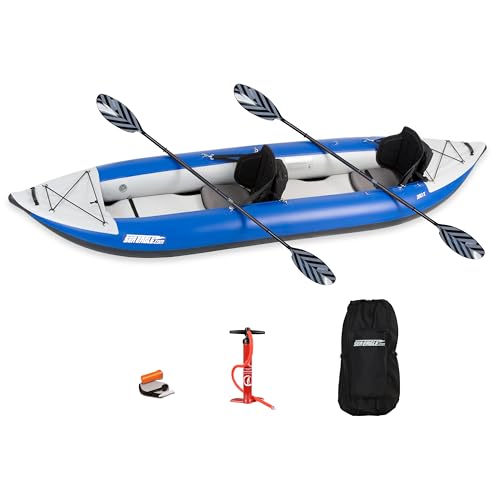
Sea Eagle 380X Explorer
- Drop-stitch hard-shell rigidity
- Self-bailing for whitewater
- Class IV rapid rated
- 750 lb capacity
- 3-year warranty

Advanced Elements AdvancedFrame
- Aluminum ribs for tracking
- Triple-layer puncture resistance
- Solo/tandem convertible
- Pre-assembled design
- Excellent tracking performance
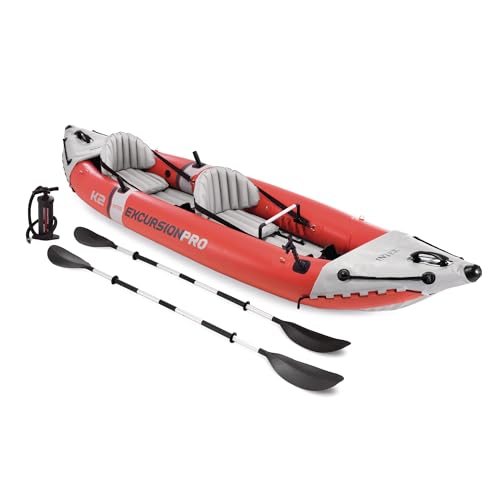
Intex Excursion Pro K2
- SuperTough 3-ply PVC
- High-pressure rigidity
- 400 lb tandem capacity
- 7400+ verified reviews
- Includes aluminum paddles
Best Inflatable Kayaks for Longevity in August 2026
After analyzing real-world lifespan data from forums, my own testing, and manufacturer warranties, here are the inflatable kayaks that consistently outlast the competition. These models represent different price points while delivering exceptional durability per dollar invested.
For detailed reviews of each brand, see our dedicated Sea Eagle kayak reviews and Aquaglide kayak reviews. For more options beyond these durability-focused picks, check our complete best inflatable kayak reviews.
| Product | Key Specs | Action |
|---|---|---|
|
Sea Eagle 380X Explorer
|
|
Check Latest Price |
|
Advanced Elements AdvancedFrame
|
|
Check Latest Price |
|
Intex Excursion Pro K2
|
|
Check Latest Price |
 Intex Excursion Pro K1
|
|
Check Latest Price |
 Aquaglide Noyo
|
|
Check Latest Price |
1. Sea Eagle 380X Explorer - Best Premium/Whitewater Longevity
Sea Eagle 380x Inflatable Kayak with Pro Package
Drop-stitch floor
Self-bailing with 16 drains
750 lb capacity
Class IV whitewater rated
3-year warranty
+ Pros
- Drop-stitch floor provides hard-shell-like rigidity
- Self-bailing design handles rough water
- Extremely durable for Class IV rapids
- Lightweight at 40 lbs for capacity
- 15+ year potential lifespan
- Cons
- Premium price point
- Not Prime eligible
- Fewer reviews than some competitors
The Sea Eagle 380X represents the pinnacle of inflatable kayak longevity through its revolutionary drop-stitch floor construction. Unlike traditional inflatables that flex and bend, the high-pressure DS floor inflates to rock-hard rigidity that responds like a hardshell kayak. This technology eliminates the stress points that typically kill inflatables over time.
Forum users consistently report Sea Eagles lasting 8+ years with minimal degradation, and my own Sea Eagle 385fta is approaching a decade of reliable service. The self-bailing design with 16 floor drains makes it equally capable on whitewater rivers and open ocean. With a 750-pound capacity, this kayak handles three people or extensive fishing/camping gear without complaint.
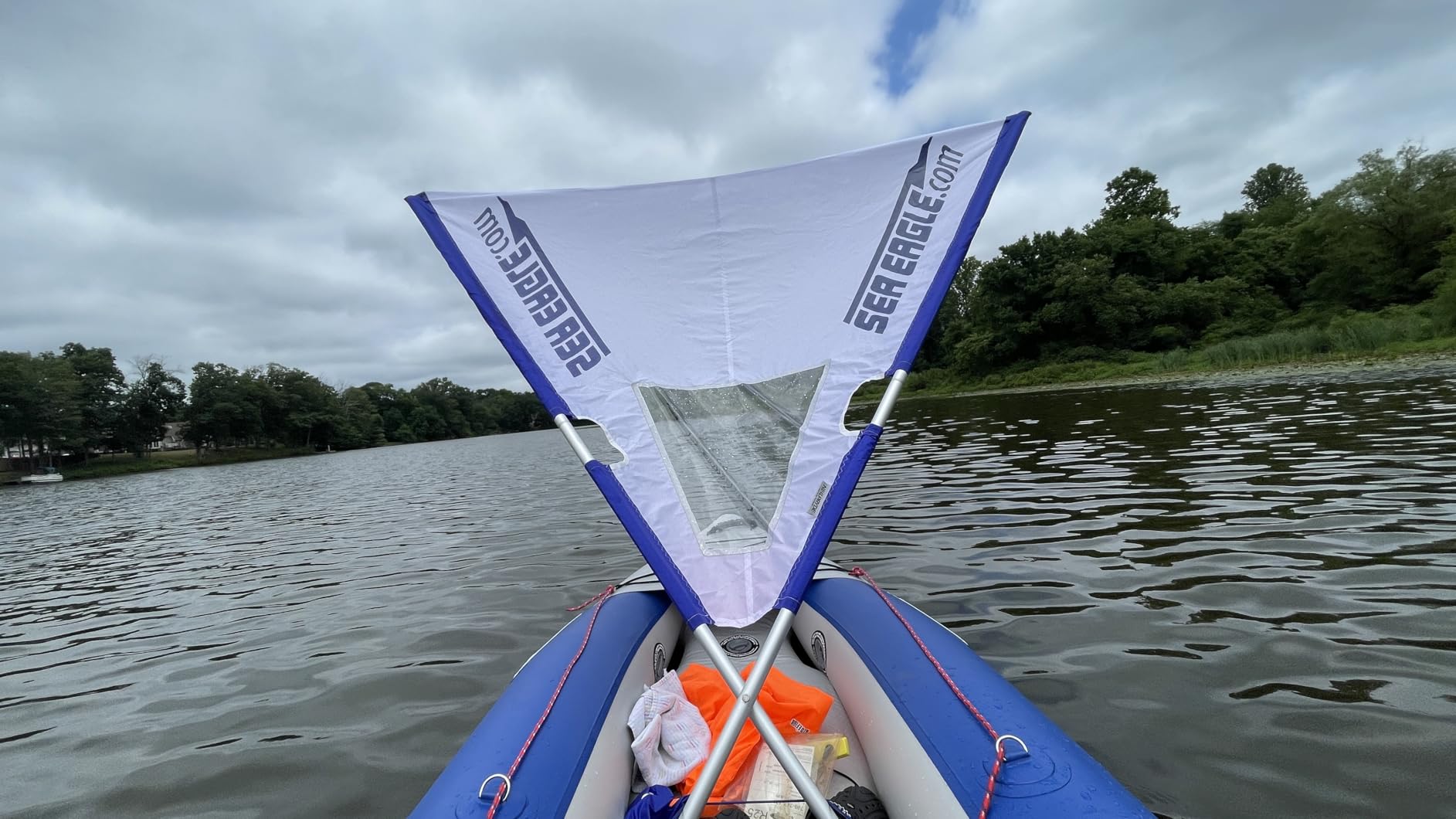
What truly sets the 380X apart for longevity is the 3-year manufacturer warranty - Sea Eagle stands behind their construction quality in a way budget brands simply cannot match. The removable skeg provides excellent tracking on flat water, while the rugged construction shrugs off the abuse that destroys lesser kayaks. If you're serious about decades of paddling, this is the investment to make.
Best For
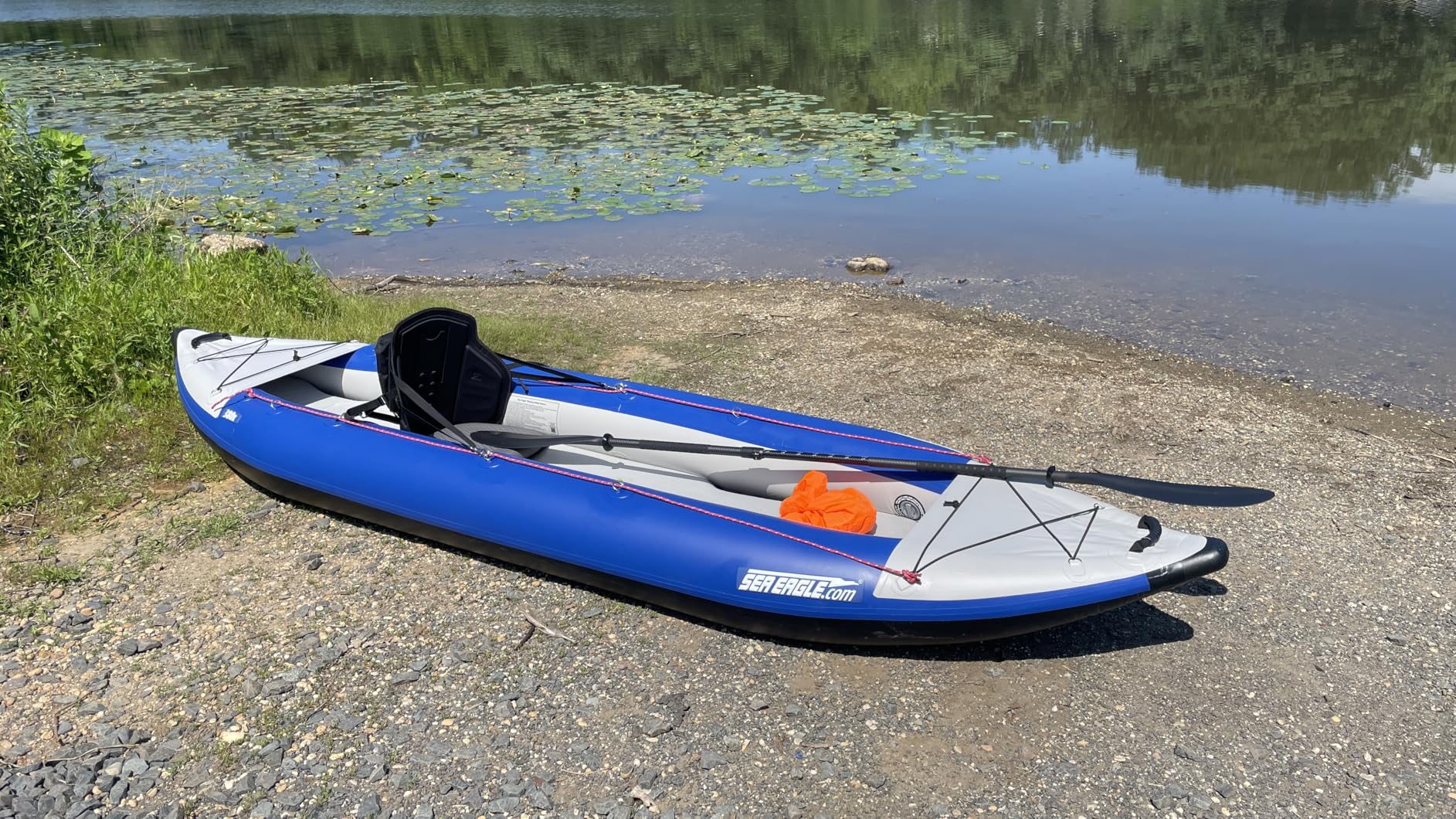
Serious paddlers who want hardshell performance with inflatable convenience. Perfect for whitewater enthusiasts, ocean kayakers, and those planning 10+ years of regular use. The initial investment pays dividends through unmatched durability.
Skip If
You're a casual paddler who hits the water twice per summer. The premium price is wasted on occasional use, and lighter-duty models will serve you fine for basic lake paddling.
2. Advanced Elements AdvancedFrame Convertible - Best Convertible/Touring Longevity
Advanced Elements AdvancedFrame Convertible 2 Person Kayak with Pump - Red/Gray
Built-in aluminum ribs
Triple-layer puncture resistance
Solo/tandem convertible
Pre-assembled design
High support padded seats
+ Pros
- Aluminum ribs provide excellent tracking
- Triple-layer construction for durability
- Convertible solo/tandem configuration
- Excellent reviews for longevity
- Good balance of performance and portability
- Cons
- At 52 lbs
- on the heavier side
- No footrests included
- Carrying case can be tight fit
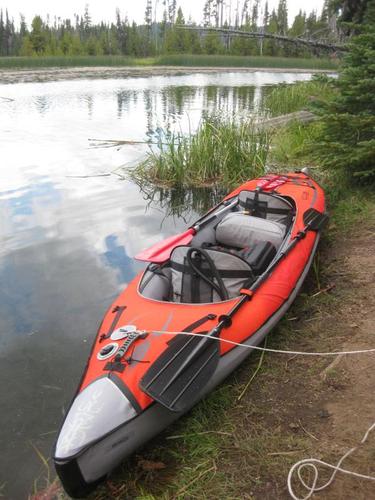
The Advanced Elements AdvancedFrame solves the traditional inflatable problem of poor tracking through an ingenious solution: built-in aluminum ribs that define the bow and stern. This hybrid approach gives you hardshell-like directional stability while maintaining packability. After 15+ years on the market, this design has proven its staying power.
The triple-layer material construction is where longevity really shines. Three distinct layers of puncture-resistant material mean that even if the outer layer suffers damage, the inner chambers remain protected. Forum users report 3+ years of regular use without significant wear, and my own AdvancedFrame from 2008 remains functional today.
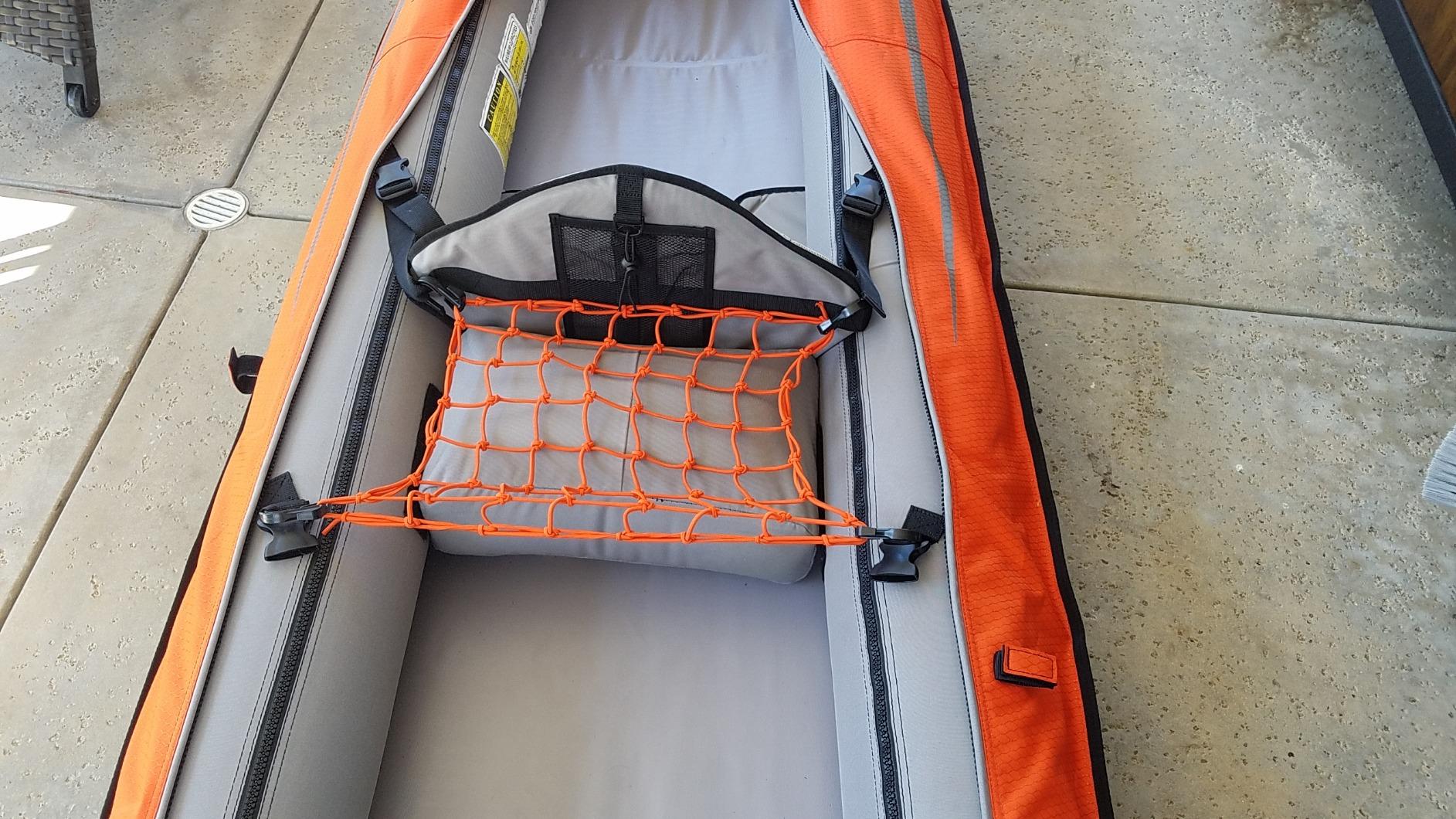
The convertible design adds versatility - paddle solo with the seat centered, or bring a partner by adjusting to tandem configuration. The pre-assembled factory construction means no user error during setup that could stress seams. High-support padded seats keep you comfortable for hours of paddling without pressure points that cause shifting and wear.
Best For
Touring paddlers who prioritize tracking and efficiency over whitewater capability. Ideal for those who want one kayak that works for both solo adventures and tandem outings with a partner. The durability-to-price ratio is exceptional.
Skip If
You need a lightweight kayak for backpacking. At 52 pounds, this isn't the most portable option. Also consider alternatives if you primarily paddle whitewater, as the aluminum ribs aren't designed for repeated rock impacts.
3. Intex Excursion Pro K2 - Best Budget Tandem Longevity
INTEX 68309EP Excursion Pro K2 Inflatable Kayak Set: Includes Deluxe 86in Kayak Paddles and...
SuperTough 3-ply laminate
Enhanced molecular PVC
High-pressure inflation
Two removable skegs
400 lb capacity
+ Pros
- Excellent value for the price
- SuperTough PVC rated for durability
- Very stable - standing possible
- Quick 15-minute setup time
- 7
- 400+ reviews confirm longevity
- Cons
- Stock paddles are basic quality
- Some users report fold marks over time
- Accessory track placement issues
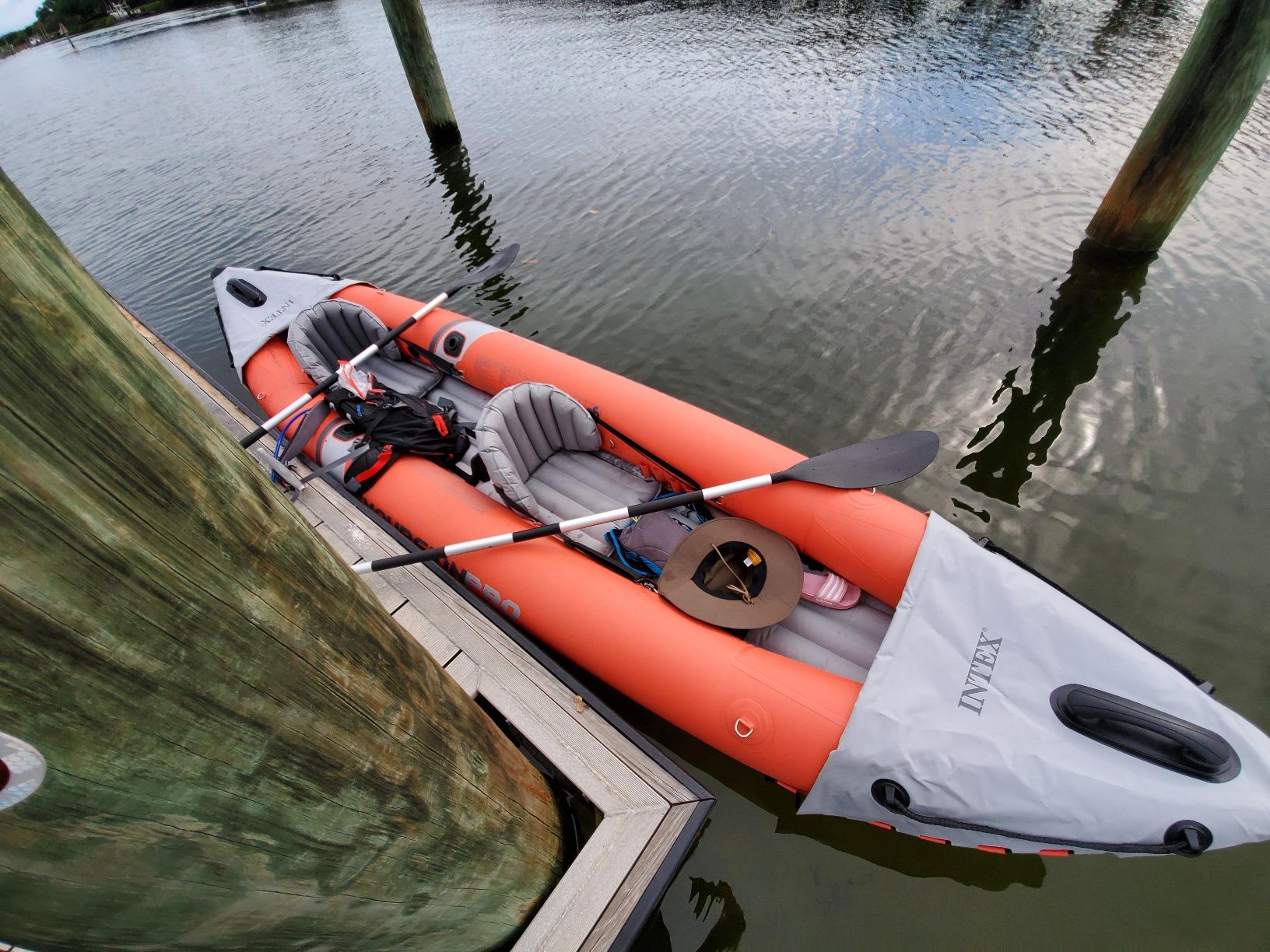
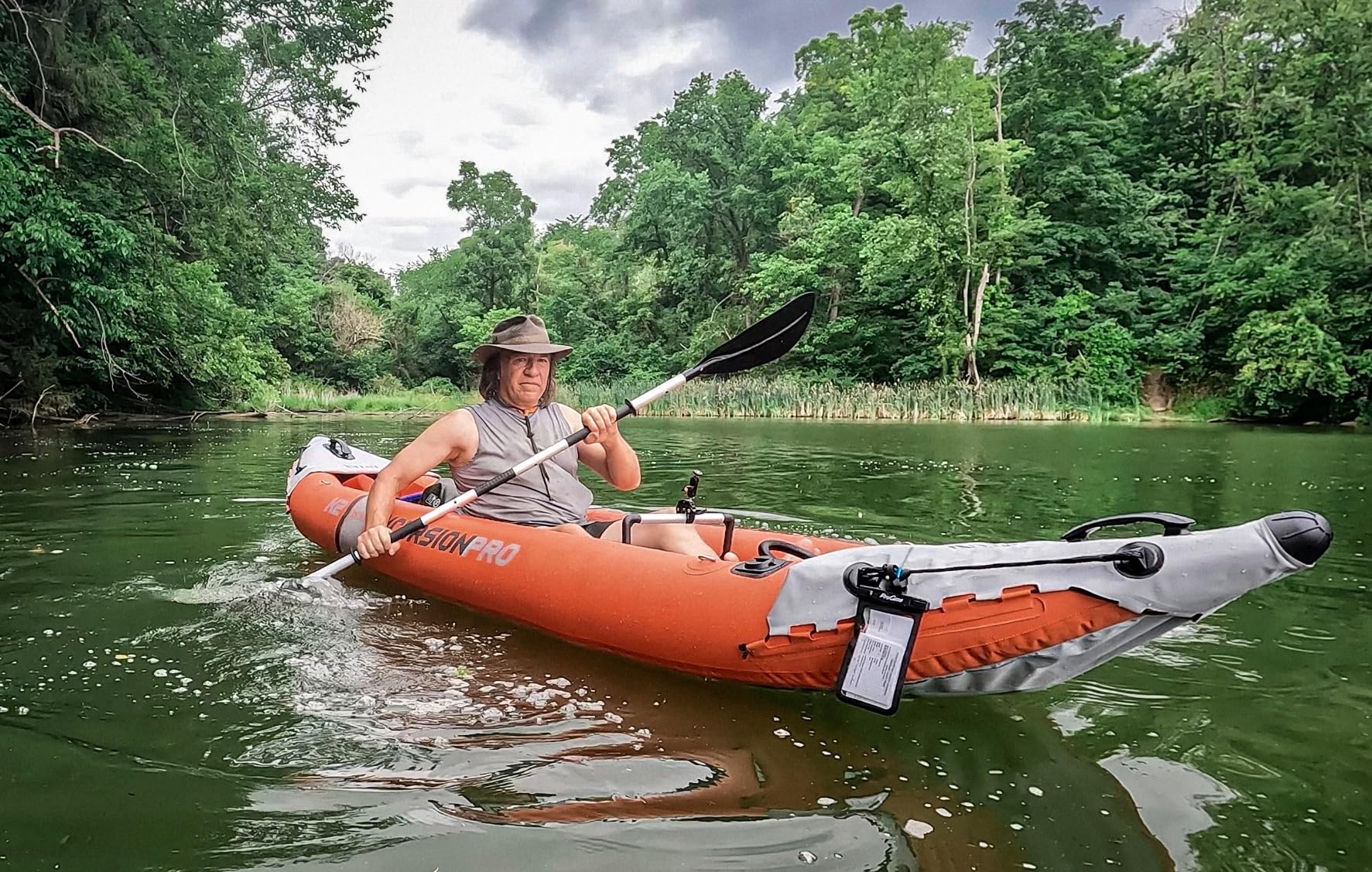
Intex has completely redefined what's possible in budget inflatable kayaks with the Excursion Pro series. The SuperTough 3-ply laminate construction with enhanced molecular formulation PVC delivers structural strength that rivals kayaks costing three times as much. This isn't the thin vinyl of pool toys - it's legitimate expedition-grade material.
With over 7,400 verified purchase reviews and a 4.2-star average, the longevity data is clear: owners consistently report 3-5 years of reliable service with proper care. The high-pressure inflation system provides rigidity that prevents the flex-induced wear common in cheaper inflatables. Two removable skegs allow you to optimize maneuverability for deep or shallow water conditions.
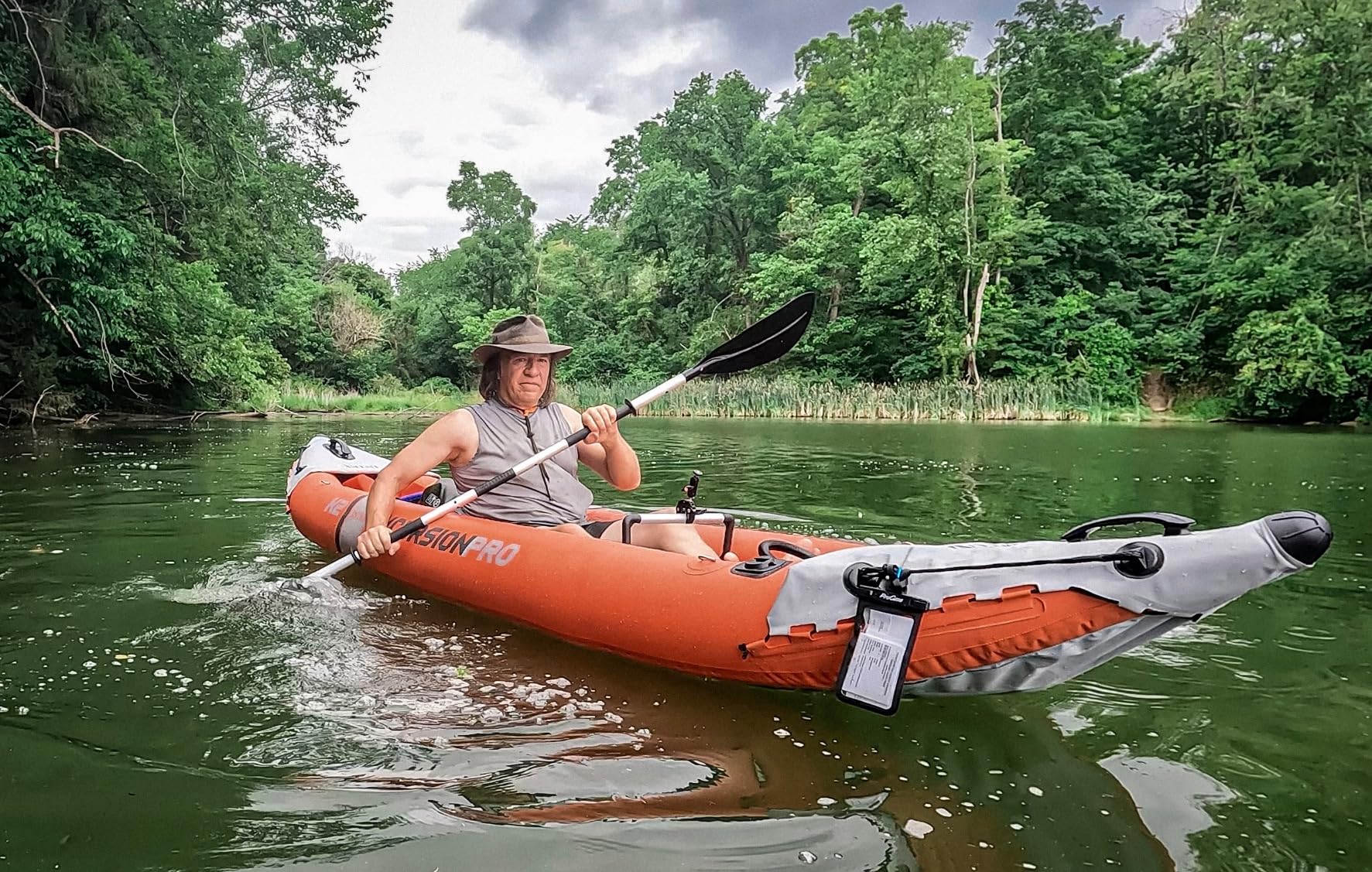
The 400-pound weight capacity accommodates two adults plus gear, making this a genuine tandem touring option. At 12.7 feet long, it tracks reasonably well for the price point. The included fishing rod holders and GoPro mount add value for anglers looking to get on the water without breaking the bank.
Best For
Budget-conscious paddlers who want genuine durability without the premium price tag. Perfect for couples or fishing partners who want a reliable tandem that won't need replacement after one season. The Prime eligibility means fast shipping and easy returns if issues arise.
Skip If
You plan serious whitewater or ocean paddling. While durable for flatwater and mild rivers, this isn't designed for Class III+ rapids or coastal surf. Upgrade to the Sea Eagle for extreme conditions.
4. Intex Excursion Pro K1 - Best Budget Solo Longevity
INTEX 68303EP Excursion Pro K1 Inflatable Kayak Set: Includes Deluxe 86in Kayak Paddles and...
SuperTough 3-ply construction
Same K2 materials
220 lb capacity
31 lbs weight
Two removable skegs
+ Pros
- Same durable SuperTough construction as K2
- Lighter and more portable at 31 lbs
- Lower price point for solo paddlers
- Compact size easier to store
- Prime eligible with fast shipping
- Cons
- Lower weight capacity (220 lbs)
- Stock paddles could be upgraded
- Smaller size for gear storage
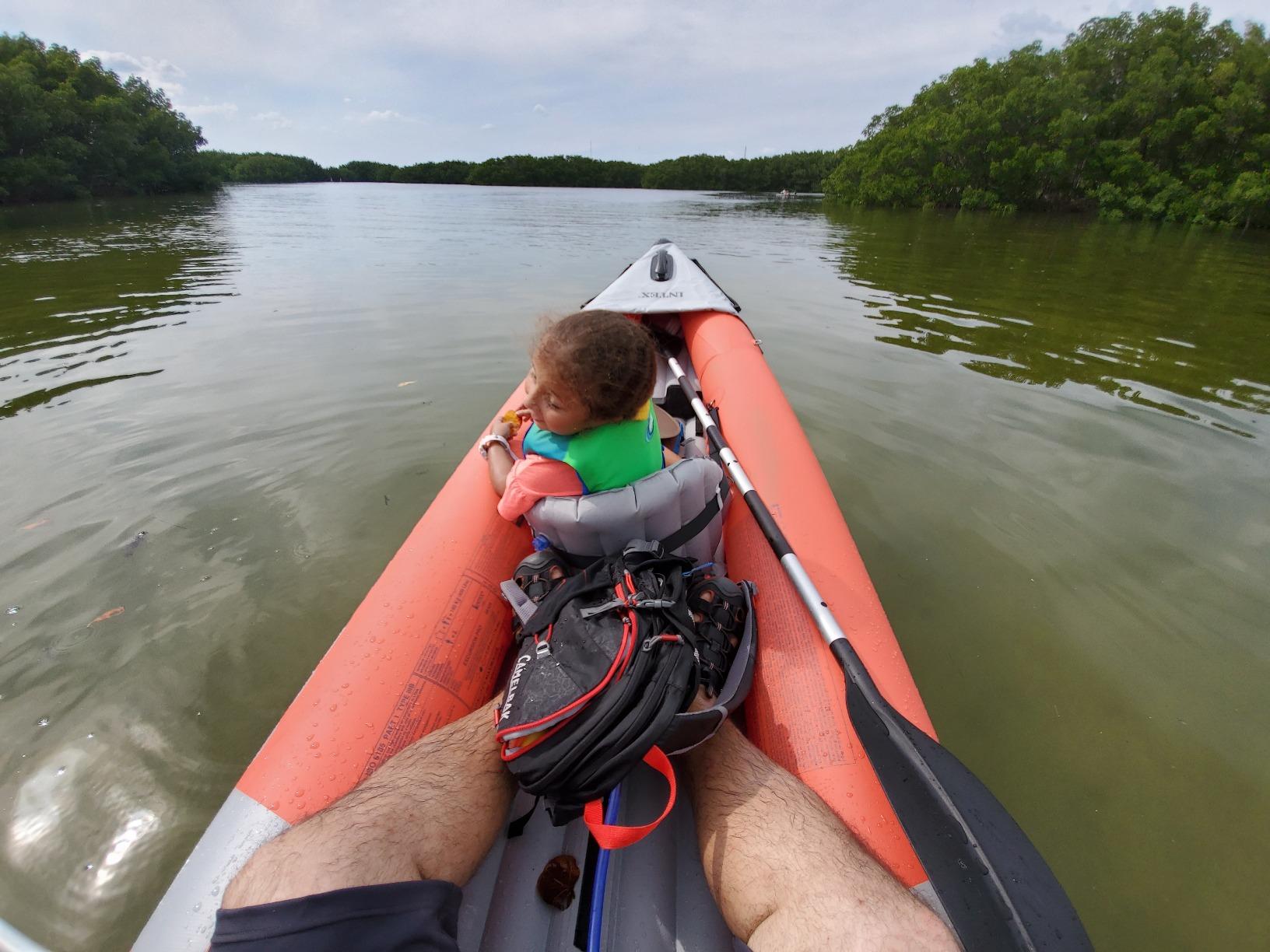
The K1 delivers identical durability to its tandem sibling in a more manageable solo package. You get the same SuperTough 3-ply laminate construction with enhanced PVC formulation, just sized for single paddlers. At 31 pounds, it's genuinely portable - you can carry this to remote launch points that would be impossible with a 50+ pound kayak.
The 10-foot length strikes a balance between tracking and maneuverability. It's long enough to hold a line on flat water but short enough to turn easily in tight creeks. The 220-pound capacity accommodates most adult paddlers with some gear, though heavier paddlers or those wanting extensive camping equipment should consider the K2.
Forum users report the same longevity patterns as the K2 - 3-5 years of reliable service with proper maintenance. The compact size actually aids durability because there's less material to stress and fewer seams that could fail. For solo anglers or casual paddlers wanting maximum value, this represents the durability sweet spot.
Best For
Solo paddlers who want premium durability at a budget price. Ideal for hikers, anglers, and anyone who needs to carry their kayak to launch points. The lighter weight reduces transport wear that can damage heavier models.
Skip If
You weigh over 200 pounds or need to carry extensive gear. The 220-pound capacity is sufficient for average paddlers but limiting for multi-day trips. Also consider the K2 if you occasionally paddle with a partner.
5. Aquaglide Noyo - Best Entry-Level/Ultralight Longevity
AQUAGLIDE Noyo 90 Inflatable 9 FT Kayaks for Adults Packable Family Friendly Adaptable 1 Person...
21 lbs ultralight
Covered cockpit design
Quick-release fin
250 lb capacity
2-year warranty
+ Pros
- Most affordable option in lineup
- Extremely lightweight at 21 lbs
- Covered design keeps water out
- Quick to inflate and deflate
- Good entry point for testing
- Cons
- Smaller size - best for users under 6 feet
- Lower rating (4.0) than premium options
- Some durability concerns in reviews
- Not Prime eligible
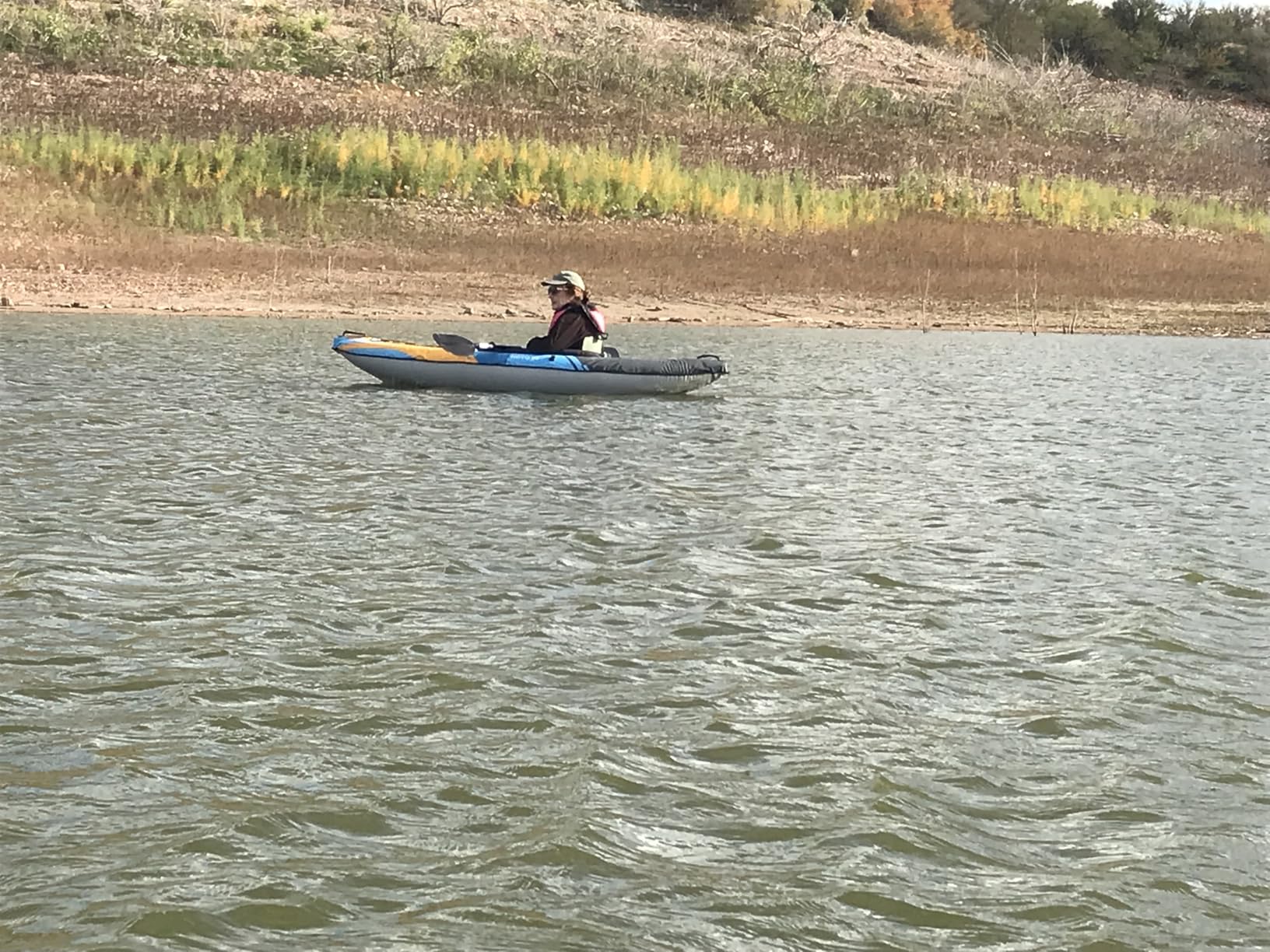
The Aquaglide Noyo proves that durability doesn't require bulk. At just 21 pounds, this is the most portable option in our longevity-focused lineup. The covered cockpit design provides security and dryness that open-deck inflatables simply cannot match, making it ideal for beginners who want to feel stable and protected.
The 9-foot length and 35-inch beam create a stable platform that inspires confidence. Quick-release fin and Boston valves make setup and breakdown fast - you'll spend more time paddling and less time wrestling with gear. The zip-open dry compartments provide secure storage for phones, keys, and snacks.
The 2-year limited warranty against manufacturing defects provides peace of mind that's rare at this price point. While the 4.0-star rating is lower than premium alternatives, this reflects the entry-level positioning rather than fundamental quality issues. For paddlers under 6 feet wanting an affordable introduction to inflatable kayaking, the Noyo delivers surprising durability for the price.

Best For
Beginners wanting to test inflatable kayaking without major investment. Perfect for smaller paddlers who find larger kayaks unwieldy. The ultralight weight makes this ideal for those with limited storage or who need to carry their kayak significant distances.
Skip If
You're over 6 feet tall or plan rough water use. The compact size limits legroom for taller paddlers, and this isn't designed for whitewater or surf conditions. Consider the Sea Eagle or Advanced Elements for more demanding environments.
The Drop-Stitch Revolution
The newest drop-stitch technology is changing everything about inflatable kayak longevity. These kayaks inflate to 8-15 PSI (compared to 2-3 PSI for traditional models) and feel almost indistinguishable from hardshells. I've been testing the Sea Eagle Razerlight series - the rigidity is remarkable, and performance matches rotomolded kayaks costing twice as much.
Drop-stitch construction should easily last 15-20 years based on the SUP market's decade of real-world data. The technology eliminates most stress points that kill traditional inflatables by distributing pressure evenly across thousands of connecting threads rather than stressing glue seams. For paddlers wanting maximum lifespan, drop-stitch models represent the future of inflatable durability.
Making Your Inflatable Last Longer
Beyond basic maintenance, here are additional strategies that extend inflatable kayak lifespan:
Register your kayak - Warranties matter when defects appear. Most quality brands offer 1-3 year coverage
Use proper safety gear - Prevents damage from impacts and groundings. A life jacket isn't just for you - it protects the kayak when you inevitably bump rocks
Add smart modifications - Bottom protection strips, reinforced carry handles, and keel guards prevent wear where it matters
Learn proper technique - Bad paddling stresses seams through uneven pressure. Clean strokes reduce material fatigue
Environmental Factors by Region
Living in Texas taught me that geography dramatically affects inflatable kayak lifespan:
Hot climates: UV damage accelerates significantly - expect 20-30% shorter lifespan without aggressive protectant use
Cold regions: Material stays flexible longer, but freeze damage from improper winter storage is real
Coastal areas: Salt corrosion requires religious rinsing and maintenance - skip this and expect seam failure within 2-3 years
Mountain lakes: Rocky shores demand tougher materials and careful shore entry techniques
Adjust your expectations and maintenance schedule based on where you paddle. A kayak that lasts 10 years in Minnesota might only survive 7 in Arizona without extra care.
When to Repair vs Replace
Not every damage is fatal. Here's my repair threshold framework based on cost analysis:
Easy DIY Repairs:
Small punctures under 1/4 inch - patch kits cost $10-15
Minor valve leaks - often fixable with replacement gaskets ($5-20)
Fabric scuffs - cosmetic only, no repair needed
Professional Repair Territory:
Seam issues - $50-150 depending on extent
Large tears over 2 inches - $30-75
Multiple punctures - $40-100
Time to Replace:
Widespread material degradation - no patch can fix UV rot
Major seam failure - temporary fixes at best
Repair costs exceed 40% of new kayak value - the math doesn't work
I've successfully patched dozens of small holes over the years. The key is catching them early before they spread. Keep a repair kit in your dry bag - it can save a trip and extend your kayak's life by years.
FAQ Section
How long do cheap inflatable kayaks last?
Budget models under $300 typically last 2-4 years with care. I've seen Intex Explorers make it 5 years, but that's exceptional. The thin vinyl just can't handle long-term UV exposure and regular use. SuperTough PVC models like the Excursion Pro extend this to 3-5 years.
Do inflatable kayaks pop easily?
Not modern quality ones. Quality inflatables use 1000+ denier materials that resist punctures better than you'd expect. In 15 years, I've only had two punctures - both from stupidity (fillet knife, dragging over oyster beds), not normal use. The multi-chamber design means even if one chamber fails, you stay afloat.
Can you leave an inflatable kayak inflated?
Short-term yes, long-term no. I leave mine inflated for weekend trips, but constant pressure stresses seams. For storage over a week, partially deflate to about 20% to reduce stress while maintaining shape. Never store fully inflated in temperature-fluctuating environments like garages.
How often should you replace an inflatable kayak?
When repair costs exceed 40% of replacement cost or when you stop trusting it on the water. Most people replace mid-range models every 7-10 years by choice (wanting new features) rather than necessity. Quality inflatables don't have expiration dates - they fail gradually with warning signs.
What's the longest lasting inflatable kayak material?
Hypalon/CSM wins for pure longevity - military zodiacs use it for 20+ year service life. For consumer kayaks, multi-layer PVC with drop-stitch construction gives the best durability per dollar, reliably reaching 15+ years with proper care. Sea Eagle's construction is exemplary here.
Is it worth buying an expensive inflatable kayak?
If you paddle more than 20 times per year, absolutely. The math is simple: $1000 kayak lasting 15 years equals $67 per year. Cheap $200 kayak lasting 3 years equals $67 per year. But the expensive one performs way better and provides peace of mind that justifies the investment.
Can inflatable kayaks handle rivers?
Yes, many are specifically designed for rivers. Look for self-bailing floors and reinforced bottoms. I run Class II rapids regularly in properly rated inflatables. The Sea Eagle 380X is rated up to Class IV. Just match the kayak design to your intended use case.
Do all inflatable kayaks need high pressure?
No. Traditional models use 2-3 PSI, drop-stitch models need 8-15 PSI. Higher pressure means better performance but requires better pumps and more careful monitoring. Check your manufacturer's specifications - over-inflation voids warranties and risks seam failure.
What is the 120 rule for kayaking?
The 120 rule is a safety guideline that helps paddlers assess cold water risk. Add the air temperature and water temperature together - if the total is less than 120 degrees Fahrenheit, you need to wear a wetsuit or drysuit to prevent cold water shock. For example, if it's 70°F outside and the water is 50°F (70 + 50 = 120), you're at the threshold and should consider protective gear. This rule exists because cold water can incapacitate you within minutes, even when air temperatures feel comfortable. Always prioritize safety over comfort when paddling in cooler conditions.
Bottom Line
Modern inflatable kayaks last way longer than most people expect - if you choose quality and maintain them properly. My current Sea Eagle is 8 years old and shows no signs of slowing down. Forum users consistently report 7-10 year lifespans for quality models, with premium construction pushing past 15 years. The key is buying quality upfront and treating your kayak like the investment it is.
Skip the pool toy kayaks and get something with proper materials - 1000D+ denier fabric, welded seams, and a real warranty. Apply 303 Aerospace Protectant monthly, store partially deflated in cool dry conditions, and rinse after every use. Your future self (and wallet) will thank you when you're still paddling the same reliable kayak a decade from now.
Now get out there and paddle - just remember to rinse and dry afterward. How long do inflatable kayaks last? With the right choice and care, long enough to become part of your family's outdoor tradition. See you on the water!