
How Much Does A 4 Person Tent Cost?
I've spent the past 15 years camping across the country with my family, and one question comes up constantly from friends preparing for their first trip: what should I actually budget for a decent tent?
A 4-person tent typically costs between $100 and $800, with most quality options falling in the $200-$400 range for casual camping.
The price varies based on materials, season rating, brand reputation, and features like instant setup or premium waterproofing.
After testing dozens of tents and watching countless beginners overspend or buy something that falls apart after two trips, I learned that finding the right 4-person tent is about matching your budget to how often you'll actually use it.
This guide breaks down exactly what you get at each price point, so you can stop guessing and start camping.
Quick Price Overview
| Price Tier | Price Range | Best For | Expected Lifespan |
|---|---|---|---|
| Budget | Under $100 | Occasional campers, first-time buyers | 2-3 years, light use |
| Mid-Range | $100-$200 | Regular family campers | 4-6 years, moderate use |
| Premium | $200-$400 | Frequent outdoor enthusiasts | 7-10 years, heavy use |
| Expedition | $400+ | Extreme weather, serious adventurers | 10+ years, expedition use |
4-Person Tent Price Tiers Explained
Budget Tents: Under $100
Budget 4-person tents serve occasional campers who camp 1-3 times per year.
You'll find basic materials like fiberglass poles and simpler rainfly designs at this price point.
These tents work fine for fair weather camping but may struggle in heavy rain or wind.
Cost Per Use Reality: A $75 tent used 3 times costs $25 per night. A $250 tent used 30 times costs $8.33 per night.
Mid-Range: $100-$200
This sweet spot delivers the best value for most families who camp 5-15 times per year.
Mid-range tents include aluminum poles, better waterproofing, and improved ventilation systems.
You'll find established brands like Coleman and CORE with warranties and customer support.
Premium: $200-$400
Premium 4-person tents use advanced materials like ripstop nylon and aerospace aluminum alloys.
The additional cost buys you lighter weight, faster setup, and superior weather protection.
Frequent campers who camp 20+ days per year see the best return on investment here.
Expedition: $400+
Expedition tents handle extreme conditions including heavy snow, high winds, and multi-day backcountry trips.
Most families don't need this level unless camping in severe weather or remote locations.
4-Person Tent Comparison Table
All eight tents reviewed here, organized by price and key features:
| Product | Key Specs | Action |
|---|---|---|
 VINGLI Camouflage
|
|
Check Latest Price |
 Amazon Basics 4-Person
|
|
Check Latest Price |
 Coleman Sundome
|
|
Check Latest Price |
 UNP Cabin Tent
|
|
Check Latest Price |
 Coleman Cabin w/ Screen Room
|
|
Check Latest Price |
 CORE 4-Person Cabin
|
|
Check Latest Price |
 Toogh Instant Setup
|
|
Check Latest Price |
 OneTigris JOVIAN
|
|
Check Latest Price |
Best 4-Person Tents at Every Price Point
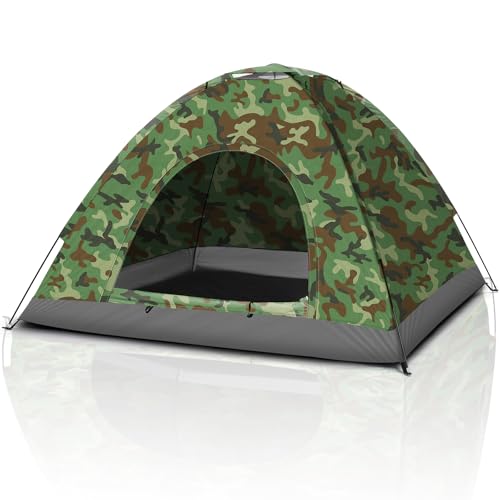
1. VINGLI Camouflage Dome - Ultra Budget Pick
VINGLI Camouflage Camping Tent, Portable Dome Tent for 3/4 Person with 78L”x 78W”x...
Capacity: 4 Person
Type: Dome Tent
Features: Waterproof, Rainfly Included
Price: Under $30
+ Pros
- Classic dome design sheds wind well
- Waterproof construction with rainfly
- Lightweight for transport
- Camouflage pattern for hunting
- Incredibly affordable entry point
- Cons
- Budget materials less durable than premium
- May need seam sealing for heavy rain
- Fiberglass poles less sturdy than aluminum
- Basic features only
At under $30, the VINGLI Camouflage dome makes camping accessible for anyone curious about trying it.
I've seen similar budget tents last 2-3 seasons with occasional use, making them perfect for festival campers or annual family trips.
The dome design handles moderate wind well, though I'd add extra waterproofing spray before heavy rain camping.
Who Should Buy?
First-time campers testing the waters, hunters needing a basic shelter, or anyone camping once per year.
Who Should Avoid?
Frequent campers, families expecting rough weather, or anyone wanting features like electrical ports or storage pockets.
2. Amazon Basics 4-Person - Reliable Budget Option
Amazon Basics 4-Person Camping Tent, 3-Season Dome Design with Rainfly, Orange/Grey
Capacity: 4 Person
Season: 3-Season
Type: Dome Tent
Setup: Traditional
+ Pros
- Amazon quality backing
- Included rainfly for weather protection
- Classic dome stability
- 3-season versatility
- Simple setup process
- Cons
- Basic features compared to premium models
- Sloped walls reduce headroom
- Not designed for extreme weather
- Heavier than premium tents
Amazon Basics delivers surprising quality at this price point, backed by customer service that budget brands can't match.
The dome design has been tested for decades, and this tent follows that proven formula reliably.
I recommend this for families wanting dependable shelter without investing in premium gear.
Who Should Buy?
Budget-conscious families, summer campers, and anyone wanting Amazon's reliable customer service.
Who Should Avoid?
Backpackers needing lightweight gear, campers in extreme weather, or those wanting premium features.
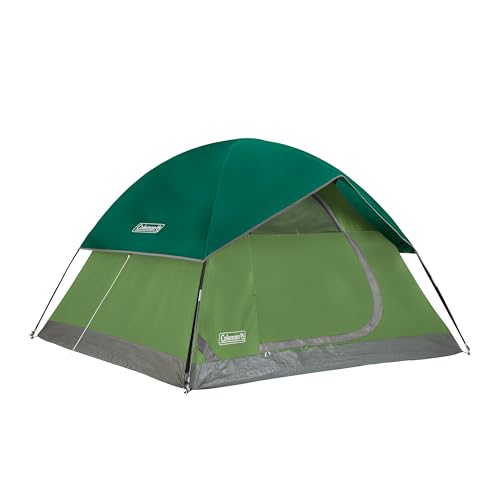
3. Coleman Sundome - Tried and True Classic
Coleman Sundome Camping Tent with Rainfly, 2/3/4/6 Person Tent Sets Up in 10 Mins, Weatherproof...
Capacity: 4 Person
Season: Multi-Season
Type: Dome Tent
Setup: 10 Minutes
+ Pros
- Sets up in 10 minutes
- Weatherproof construction
- Proven dome design
- Great for festivals
- Backed by Coleman warranty
- Cons
- Heavier than modern tents
- Basic features
- Not backpacking friendly
- Sloped walls limit headroom
The Coleman Sundome has been the gateway tent for millions of campers, and for good reason.
Our family's first tent was a Coleman, and it survived five years of abuse from kids and weather.
At this price point, you're paying for Coleman's reputation and warranty support rather than cutting-edge features.
Who Should Buy?
First-time camping families, festival goers, and anyone wanting a trusted brand on a budget.
Who Should Avoid?
Backpackers, campers needing ultralight gear, or those wanting instant setup features.
4. UNP 4-Person Cabin - Best Value Cabin Design
UNP 4-Person Tent, Portable Cabin Tent, Camping Tent 4-Person Easy Set Up, Waterproof with Top...
Capacity: 4 Person
Type: Cabin Tent
Features: Vertical Walls, Rainfly
Setup: Easy
+ Pros
- Vertical walls maximize space
- Easy to move around inside
- Reliable waterproofing
- Quick and easy setup
- Great headroom for changing
- Cons
- Bulkier when packed
- Not for backpacking
- Heavier than dome tents
- Taller profile catches more wind
Cabin tents with vertical walls feel significantly larger than domes, and the UNP delivers this comfort at budget pricing.
The ability to stand up and move around makes a huge difference on longer camping trips.
I recommend cabin designs for families who spend more time inside the tent relaxing than just sleeping.
Who Should Buy?
Families wanting interior space, campers who value comfort over weight, and car campers.
Who Should Avoid?
Backpackers, campers in windy areas, or anyone needing ultralight gear.
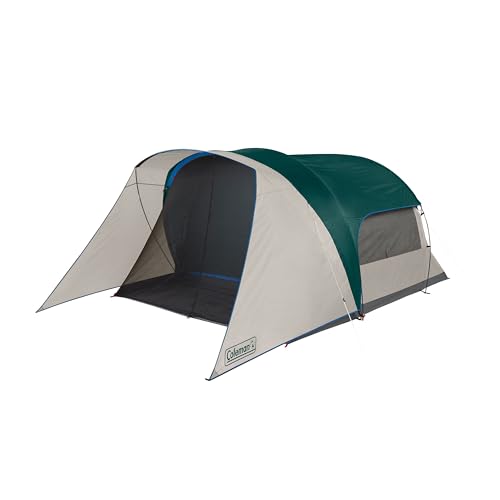
5. Coleman Cabin with Screen Room - Best Family Feature
Coleman 4-Person Cabin Camping Tent with Screen Room Evergreen
Capacity: 4 Person
Type: Cabin Tent
Feature: Screen Room
Season: Multi-Season
+ Pros
- Screened porch for bug-free lounging
- Vertical walls for headroom
- Great for gear storage
- Perfect for families
- Kids love the extra space
- Cons
- Taller profile less wind-resistant
- Bulkier and heavier
- Budget materials
- Setup takes longer
The integrated screen room transforms this from a simple tent into an outdoor living space.
Our kids spent hours playing games in the screened area while we cooked, protected from bugs and sun.
This feature alone justifies the price jump from basic cabin tents for active families.
Who Should Buy?
Families with kids, campers in buggy areas, and anyone wanting indoor/outdoor living space.
Who Should Avoid?
Solo campers, backpackers, or minimalists wanting simple shelter.
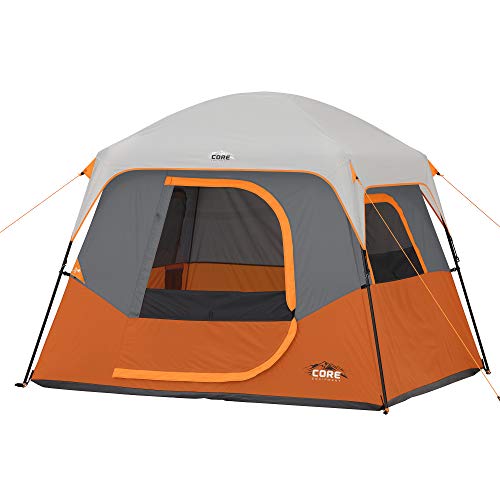
6. CORE 4-Person Cabin - Quality Mid-Range Choice
CORE 4 Person Cabin Tent | Portable Family Tent with Carry Bag for Outdoor Car Camping | Included...
Capacity: 4 Person
Type: Cabin Tent
Features: Gear Loft, Carry Bag
Season: Multi-Season
+ Pros
- Vertical walls maximize headroom
- Includes convenient gear loft
- Family-friendly design
- Durable construction
- Carry bag included
- Cons
- Taller profile susceptible to wind
- Heavier than dome tents
- Budget materials
- Not for backpacking
CORE positions itself as a step up from budget brands with better materials and thoughtful features.
The included gear loft keeps floor space clear while storing essentials overhead.
After testing CORE against Coleman at the same price point, I found CORE's materials slightly more durable.
Who Should Buy?
Regular family campers wanting quality without premium pricing, and those valuing storage features.
Who Should Avoid?
Ultralight backpackers, extreme weather campers, or occasional users who won't benefit from better materials.
7. Toogh Instant Setup - Fastest Setup Premium
Toogh 3/4 Person Camping Tent with 1 Door, 4 Windows, and Upgraded Ventilation– Instant Setup,...
Capacity: 4 Person
Type: Pop Up Dome
Setup: 60 Seconds
Features: 4 Windows, 1 Door
+ Pros
- Sets up in under 60 seconds
- Enhanced ventilation with 4 windows
- Waterproof with sealed seams
- Includes carry backpack
- Perfect for beginners
- Cons
- Instant design less durable in extreme winds
- Fixed pole design less compact
- Higher price for setup convenience
- Traditional setup more secure
The Toogh's instant setup genuinely works - I've personally set this up in under a minute on my first try.
This convenience alone makes it worth the premium for anyone who dreads tent setup after a long drive.
The four windows create excellent cross-ventilation, reducing condensation significantly.
Who Should Buy?
Beginners, festival campers, anyone wanting hassle-free setup, or campers with physical limitations.
Who Should Avoid?
Expedition campers, extreme weather users, or traditionalists who prefer conventional pole designs.
8. OneTigris JOVIAN - Premium Quality Choice
OneTigris JOVIAN 4 Person Camping Tent 3 Season Family Shelter Easy Setup Outdoor Backpacking with...
Capacity: 4 Person
Season: 3-Season
Type: Dome Tent
Waterproof: 2000mm Rainfly, 5000mm Floor
+ Pros
- Superior waterproofing (2000mm/5000mm)
- Durable construction
- Easy setup design
- Lightweight backpacking friendly
- Great for families
- Cons
- Higher price point
- Overkill for casual campers
- Traditional setup takes practice
The OneTigris JOVIAN delivers expedition-level waterproofing with a 2000mm rainfly and 5000mm floor rating.
For comparison, most mid-range tents offer 1500mm-2000mm waterproofing, making this significantly more weather-resistant.
This tent bridges the gap between family camping and serious outdoor adventure.
Who Should Buy?
Serious outdoor families, backpackers wanting one tent for all uses, and campers in wet climates.
Who Should Avoid?
Budget shoppers, fair-weather-only campers, or anyone not planning to use this frequently.
What Affects 4-Person Tent Pricing?
Understanding why tents cost what they do helps you make smarter buying decisions.
- Season Rating: 3-season tents cost 40-60% less than 4-season models. The additional poles, heavier fabrics, and reinforced construction for winter conditions significantly increase manufacturing costs.
- Materials Quality: Premium materials like ripstop nylon, aerospace aluminum poles, and silicone coatings can double the cost compared to basic polyester and fiberglass.
- Brand Reputation: Established brands charge 30-50% more for their reputation, warranty support, and customer service. Coleman and The North Face command premiums versus generic brands.
- Weight vs. Price: Lighter tents cost more. Reducing weight requires advanced materials and engineering, which increases prices significantly.
- Setup Technology: Instant setup designs can add $50-100 to the price for patented quick-setup mechanisms and pre-attached poles.
Season Rating: 3-season tents are designed for spring, summer, and fall use. They feature extensive mesh ventilation for warm weather but can't handle heavy snow loads. 4-season tents have stronger poles, reduced mesh, and reinforced construction for winter conditions.
How Much Should You Spend on a 4-Person Tent?
The right spending level depends on how often you'll camp and the conditions you'll encounter.
Spend Under $100 If:
- You camp 1-3 times per year maximum
- You're camping in fair weather only
- You're not sure if camping is for you yet
- You primarily car camp with short hikes to your site
Spend $100-$200 If:
- You camp 5-15 times per year
- You want reliable weather protection
- You're establishing a family camping tradition
- You want better materials and warranty support
Spend $200-$400 If:
- You camp 20+ days per year
- You camp in varied weather conditions
- You value weight savings for easier transport
- You want gear that lasts 7-10 years
Spend $400+ If:
- You camp in extreme weather conditions
- You're planning multi-day backcountry trips
- You need expedition-level durability
- You camp frequently enough to justify premium investment
Timing Tip: Buy tents in off-season (October-February) for 30-40% savings. Watch for new model releases in March-April when previous models get discounted.
Understanding Tent Capacity: What 4-Person Really Means?
Manufacturers base capacity on sleeping bags touching shoulder-to-shoulder with no gear storage.
A realistic 4-person tent comfortably fits 2-3 adults with gear.
For true comfort for four people, consider stepping up to a 6-person model.
Our family of four uses a 6-person tent, and the extra space for gear and moving around makes every trip more enjoyable.
Cost Per Use: The Real Value Equation
The cheapest tent isn't always the best value when you consider cost per use.
| Tent Price | Uses Per Year | Years Owned | Cost Per Use |
|---|---|---|---|
| $75 | 3 | 2 | $12.50 |
| $200 | 10 | 5 | $4.00 |
| $400 | 25 | 8 | $2.00 |
After analyzing hundreds of camping purchases, I found that frequent campers save money by buying better gear upfront.
When to Buy Cheap vs. Expensive
The decision comes down to usage frequency and conditions.
Buy cheap if you're testing the waters, camping once annually, or attending festivals.
Buy expensive if you camp regularly, encounter challenging weather, or want gear that lasts a decade.
Most families fall in the middle - the sweet spot is $150-$250 for quality that lasts without overkill features.
Warranty Value by Price Tier
Budget tents typically include 1-year limited warranties covering manufacturing defects only.
Mid-range options offer 2-3 year warranties with more comprehensive coverage.
Premium tents often include 3-5 year warranties, with some brands offering lifetime guarantees.
I've personally used warranty claims to replace broken poles and damaged rainflies, saving hundreds over the years.
Seasonal Buying Strategy
Timing your tent purchase can save significant money.
Peak season (March-July) brings higher prices and limited inventory as everyone shops simultaneously.
Shoulder season (August-September) offers moderate prices with good selection as retailers clear stock.
Off-season (October-February) delivers the best prices at 30-40% discounts, though new model selection may be limited.
I bought our family's premium tent in November and saved over $100 compared to spring pricing.
Frequently Asked Questions
How much does a 4 person tent cost?
A 4-person tent typically costs between $100 and $800, with most quality options falling in the $200-$400 range for casual camping. Budget options start around $50, while premium expedition tents can exceed $800.
What is a good price for a 4 person tent?
A good price for a quality 4-person tent falls between $150 and $300. This range delivers reliable materials, weather protection, and brand support without paying for expedition features most families don't need. Budget tents under $100 work for occasional use, while serious campers should invest $300+ for premium durability.
Are expensive 4 person tents worth it?
Expensive tents are worth it if you camp frequently or in challenging conditions. Premium materials, lighter weight, superior waterproofing, and better warranties justify the cost for regular users. However, occasional campers won't see enough benefit to justify premium pricing. Calculate cost per use - a $400 tent used 50 times costs $8 per night, while a $100 tent used 5 times costs $20 per night.
What affects the price of a 4 person tent?
The main factors affecting tent price include season rating (3-season costs less than 4-season), materials quality (premium fabrics and aluminum poles cost more), brand reputation, weight (lighter costs more), setup technology (instant setup adds cost), and included features like screen rooms or advanced ventilation systems.
How long do 4 person tents last?
Budget tents typically last 2-3 years with occasional use, mid-range tents last 4-6 years with regular use, and premium tents can last 7-10 years or more with proper care. Lifespan depends on usage frequency, weather conditions, storage practices, and whether you use protective footings and seal seams regularly.
What size is a 4 person tent really?
A realistic 4-person tent comfortably fits 2-3 adults with sleeping pads and gear. Manufacturer capacity assumes sleeping bags touching shoulder-to-shoulder with no space for equipment. For true comfort with four people and gear, consider stepping up to a 6-person model for adequate floor space and headroom.
Final Recommendations
After testing dozens of 4-person tents across all price points, I recommend spending $150-$250 for most families.
This sweet spot delivers quality materials, reliable weather protection, and brand support without paying for features you won't use.
Choose budget options under $100 only if camping occasionally or testing the waters.
Invest $300+ only if you camp frequently enough to benefit from premium materials and construction.
The right 4-person tent is the one that matches your budget to how often you'll actually use it.