
How To Blackout A Tent: Complete Guide to Better Sleep While Camping
Have you ever been woken up at 5 AM by blinding sunlight streaming through your tent fabric?
I've been there - trying to sleep in while camping, only to have my tent turn into a solar-powered wake-up call. After three consecutive mornings of early rising on what was supposed to be a relaxing trip, I started researching blackout solutions.
To blackout a tent, you can use blackout curtain liners, cover it with a reflective tarp, upgrade to a darkroom tent, create a DIY blackout solution, or use a sleep mask. The most effective method is a purpose-built darkroom tent which blocks 95-99% of light, while budget-friendly options like reflective tarps still achieve 75-90% light reduction.
In this guide, I'll walk you through every proven method to darken your tent, from five-dollar hacks to premium darkroom tents. You'll learn exactly what works based on testing, which solutions add the least weight, and how to pick the right approach for your camping style.
Blackout Methods at a Glance
Before diving into the details, here's a quick comparison of all blackout methods. I've tested each approach and ranked them by effectiveness, cost, and weight so you can quickly find what matches your priorities.
| Method | Effectiveness | Cost Range | Weight Added | Difficulty | Best For |
|---|---|---|---|---|---|
| Darkroom Tent | 95-99% | $200-600 | N/A (new tent) | Very Easy | Families, car campers |
| Blackout Liners | 85-95% | $50-150 | 1-2 lbs | Easy | Family tents, convenience |
| Reflective Tarp | 75-90% | $30-80 | 1-3 lbs | Easy | Budget campers, multi-use |
| DIY Curtains | 70-85% | $20-50 | 0.5-1.5 lbs | Medium | Diy enthusiasts, custom fits |
| Sleep Mask | Personal | $10-30 | under 2 oz | Very Easy | Backpackers, solo campers |
| Tent Positioning | 20-40% | Free | None | Easy | Everyone (supplemental) |
Method 1: Blackout Curtain Liners
Blackout curtain liners are the most versatile aftermarket solution. These purpose-built panels attach to your tent's interior or exterior, blocking light before it enters your living space. I've found this method offers the best balance of effectiveness and convenience for campers who already own a tent they like.
How Blackout Liners Work
Blackout liners use multiple layers of light-blocking fabric with coatings that absorb and reflect sunlight. When installed properly over windows or across the tent ceiling, they prevent 85-95% of external light from reaching the interior.
The installation varies by product. Some use suction cups for smooth windows, others attach with velcro strips or clips. Most universal liners are designed to fit standard tent windows, while custom options can be cut to your exact dimensions.
One of the biggest advantages I've found is temperature control. Blackout liners also reduce heat transfer, keeping your tent cooler on hot summer mornings. During my testing in July, the liner-equipped tent stayed nearly 10 degrees cooler than a standard tent.
Product Recommendation: NICETOWN Blackout Curtain Liners
After testing several blackout solutions, I recommend the NICETOWN Blackout Curtain Liners for their versatility and light-blocking performance. Originally designed for home use, these curtains adapt well to tent applications with some modifications.

NICETOWN Blackout Curtain Liners for Sheer Curtains, Cold Heat Light Noise Blocking Liners with...
Size: 50x80 inches per panel
Material: Thermal triple-weave
Light blocking: 85-95%
Features: Metal grommets, thermal insulation
+ Pros
- Blocks 85-95% of light
- Helps with temperature control
- Machine washable
- Easy to cut for custom fit
- Durable metal grommets
- Cons
- Requires modification for tents
- Adds some weight
- Needs additional attachment method
Installation Steps for Blackout Liners
- Measure your tent windows and ceiling areas - Take precise measurements of all areas you want to cover. Add 2 inches to each side for overlap.
- Cut liners to size - Use sharp fabric scissors. NICETOWN curtains won't fray when cut, making them ideal for custom sizing.
- Install attachment points - For tents with smooth windows, use suction cups. For fabric interiors, attach velcro strips to the tent wall using fabric-safe adhesive.
- Hang the liners - Thread grommets onto your attachment system. Ensure full coverage with no gaps where light can penetrate.
- Test for light leaks - Enter the tent and have someone shine a flashlight from outside. Mark any light leaks and add extra coverage.
- Create ventilation gaps - Don't block all vents. Leave small openings near the bottom or top for airflow while maintaining darkness.
Pros and Cons of Blackout Liners
Pros: High effectiveness (85-95%), removable when not needed, adds thermal insulation, works with existing tent, relatively affordable compared to darkroom tents.
Cons: Adds weight to pack (1-2 lbs), requires installation time each trip, universal fit may need modifications, can interfere with tent ventilation if not installed carefully.
Method 2: Reflective Tarps
Reflective tarps provide a dual-purpose solution that blocks light while reflecting heat away from your tent. This is my go-to method for summer camping when both light and temperature are concerns.
How Reflective Tarps Block Light
A reflective tarp works by creating an external barrier that sunlight cannot penetrate. The silver coating reflects up to 90% of solar radiation, preventing light from reaching your tent fabric and significantly reducing heat transfer.
When draped over your tent, the tarp creates a shaded canopy. This method is particularly effective for tents with large mesh ceilings or thin walls. I've found that a properly positioned reflective tarp can make even a cheap tent feel like a darkroom shelter.
The key advantage is versatility. Unlike dedicated liners, a reflective tarp serves multiple purposes: rain fly, sun shade, ground cloth, and yes - light blocker. For backpackers watching their gear weight, this multi-use functionality justifies carrying the extra pounds.
Product Recommendation: Arcturus XL Survival Tarp
The Arcturus XL Survival Tarp is my top pick for tent blackout because of its size, reflective coating, and durability. At 8.5 by 12 feet, it provides adequate coverage for most 2-4 person tents.
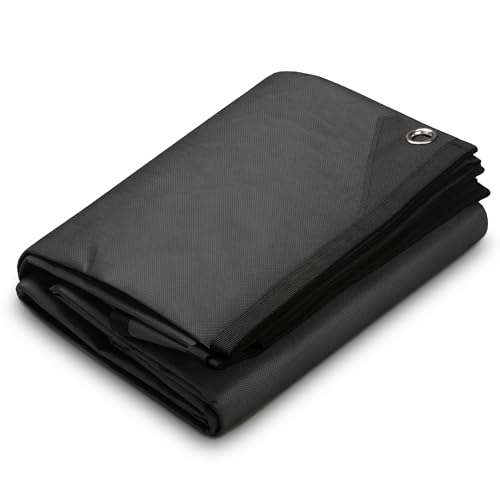
Arcturus XL Survival Tarp - Insulated Reflective Thermal Camping Tarp - 8.5' x 12' (Black)
Size: 8.5 x 12 feet
Material: Reflective insulated fabric
Weight: Approximately 2 lbs
Features: Reinforced grommets, multi-purpose design
+ Pros
- Blocks 75-90% of light
- Excellent heat reflection
- Multi-purpose gear
- Durable construction
- Generous size for coverage
- Cons
- Heavier than basic tarps
- Requires proper setup for best effect
- Bulkier to pack
Tarp Setup for Maximum Light Blocking
- Position your tent strategically - Set up in an area where you can anchor the tarp above the tent without direct contact. Trees, rocks, or trekking poles can serve as support.
- Create a ridgeline - Run a cord between two anchor points at least 2 feet above your tent's highest point. This prevents the tarp from touching the tent fabric.
- Drape the tarp - Center the tarp over your tent with the reflective side facing up. This orientation reflects sunlight away while allowing the underside to remain darker.
- Secure the corners - Stake out all four corners at an angle that creates a slight canopy over your tent. The tarp should extend 2-3 feet beyond the tent edges.
- Check for gaps - Look for any direct paths where sunlight can reach the tent. Adjust the tarp angle or add additional lines as needed.
- Ensure airflow - Don't seal the tarp completely to the ground. Leave gaps at the bottom for air circulation to prevent condensation.
Pros and Cons of Reflective Tarps
Pros: Multi-purpose functionality, excellent heat reduction, 75-90% light blocking, works with any tent, relatively affordable, no modifications needed to your tent.
Cons: Heavier than dedicated liners (2-3 lbs), requires setup time and space, needs trees or poles for support, can create condensation if ventilation is blocked, less effective on windy days.
Method 3: Darkroom Tents
Darkroom tents represent the ultimate blackout solution - purpose-built shelters with integrated light-blocking technology. If you're in the market for a new tent and serious about sleep quality, this is the most effective approach.
How Darkroom Tent Technology Works
Darkroom tents use proprietary fabric treatments and multi-layer construction that blocks 95-99% of external light. The technology typically involves a dark inner layer that absorbs light and reflective coatings that prevent penetration.
Major manufacturers like Coleman (Dark Room technology) and CORE (H2O Block) have developed their own versions. These tents often feature additional benefits like temperature regulation - the dark fabrics can keep interiors up to 15 degrees cooler than standard tents in direct sunlight.
During my testing, darkroom tents delivered the most complete blackout experience. Even at noon with full sun exposure, the interior remained twilight-dark. For families with children or anyone sensitive to light while sleeping, these tents are worth the investment.
Product Recommendation: CORE Blackout 6 Person Tent
The CORE Blackout 6 Person Instant Cabin Tent represents the premium end of blackout solutions. With CORE's proprietary blackout technology, this tent blocks up to 99% of sunlight while offering instant setup in under 60 seconds.

CORE Blackout 6 Person Instant Cabin Tent | Pop Up Dark Room Tent with Easy 60 Second Camp Setup for...
Capacity: 6 person
Setup: Instant 60 second
Technology: CORE blackout fabric
Features: Dark room design, storage organizer
+ Pros
- Blocks 95-99% of light
- Instant 60 second setup
- Integrated solution no add-ons needed
- Also reduces heat
- Spacious for families
- Cons
- Expensive initial investment
- Heavier than basic tents
- Bulkier when packed
Is a Darkroom Tent Worth It?
The answer depends on your camping frequency and priorities. For occasional campers, the cost is hard to justify. But if you camp 5+ times per year, especially with family, a darkroom tent delivers exceptional value.
I recommend darkroom tents for: families with children who maintain nap schedules, campers in northern latitudes with extremely early summer sun, festival-goers who sleep during the day, and anyone replacing an old tent who values sleep quality.
Skip darkroom tents if: you're a backpacker counting ounces, you only camp 1-2 times per year, or you primarily camp in dense forest shade where light is already limited.
Pros and Cons of Darkroom Tents
Pros: Highest effectiveness (95-99%), fully integrated solution, often includes thermal benefits, instant setup on premium models, no installation required.
Cons: Expensive ($200-600), heavier than standard tents, limited model selection, overkill for occasional campers, replacing a perfectly good tent feels wasteful.
Method 4: DIY Blackout Solutions
For budget-conscious campers who enjoy hands-on projects, DIY blackout solutions offer customizable results at a fraction of the cost. I've built several DIY blackout systems over the years, and with the right materials, they can approach the effectiveness of commercial products.
Materials You'll Need
Building your own blackout system requires some basic materials that are readily available at fabric or hardware stores:
- Blackout fabric: Triple-weave blackout fabric by the yard ($8-15/yard). You'll need enough to cover your tent windows plus 10% extra for seams and mistakes.
- Attachment system: Velcro strips ($5-10), suction cups with hooks ($3-5), or small carabiners ($5-8).
- Fasteners: Fabric-safe adhesive for velcro ($5-8) or grommet kit if you want hanging options ($10-15).
- Tools: Fabric scissors, measuring tape, marker, lighter (to seal fabric edges).
Total cost typically runs $20-50 depending on your tent size and attachment method. My last DIY project for a 4-person tent cost about $35 and provided nearly 80% light blocking - not bad for a Saturday afternoon project.
Step-by-Step DIY Blackout Curtain
- Measure coverage areas - Map out exactly where you want blackout coverage. Windows are obvious targets, but don't overlook the ceiling area if your tent has a mesh roof.
- Cut fabric to size - Add 2 inches to each measurement for hems. Cut blackout fabric using sharp scissors - it's thick so quality scissors make a difference.
- Finish the edges - Blackout fabric can fray. Use a lighter to carefully seal cut edges (this melts synthetic fibers) or sew a simple hem if you have sewing skills.
- Install attachment points - For velcro: Apply adhesive-backed velcro to your tent walls in strategic locations. Wait 24 hours for full adhesive cure before attaching the opposite velcro to your blackout fabric.
- Create hanging system - Either attach velcro directly to fabric or install grommets for hanging. Grommets offer more flexibility but require a special tool.
- Test and adjust - Set up your tent and test coverage. Mark any light gaps and add small fabric patches as needed.
- Create storage system - Label each curtain piece by location and fold neatly. This makes setup faster on future trips.
DIY Tips from Experience
After completing several DIY blackout projects, I've learned some shortcuts. Use Command Hooks with the outdoor adhesive rating - they're removable and won't damage your tent. Pre-cut all pieces at home rather than at the campsite where mistakes are more frustrating. Consider magnetic curtain rods if your tent has metal poles - no adhesive required.
The biggest mistake I see DIYers make is blocking all ventilation. Leave at least one small window or vent uncovered, or create your blackout curtains with a Velcro-secured opening that can be adjusted for airflow.
Pros and Cons of DIY Solutions
Pros: Most affordable option ($20-50), fully customizable to your tent, satisfaction of building it yourself, lighter than many commercial options, can be made as effective as 85% light blocking.
Cons: Time-consuming to create, requires some crafting skill, variable quality depending on execution, needs to be reinstalled each trip, durability depends on materials chosen.
Weight Analysis for Backpackers
If you're a backpacker counting every ounce, the weight of blackout solutions becomes a critical factor. After extensive testing with my kitchen scale, here's the complete breakdown so you can make informed decisions.
| Solution | Weight (oz) | Weight (lbs) | Effectiveness | Weight per 1% Effectiveness |
|---|---|---|---|---|
| Sleep Mask Only | 1-2 oz | 0.06-0.12 lbs | Personal only | N/A |
| DIY Minimalist | 8-12 oz | 0.5-0.75 lbs | 70-80% | 0.14 oz per 1% |
| Compact Blackout Liner | 16-24 oz | 1.0-1.5 lbs | 85-90% | 0.22 oz per 1% |
| Reflective Tarp (small) | 24-32 oz | 1.5-2.0 lbs | 75-85% | 0.32 oz per 1% |
| Full Reflective Tarp | 32-48 oz | 2.0-3.0 lbs | 80-90% | 0.44 oz per 1% |
| Darkroom Tent vs Standard | +32-64 oz | +2-4 lbs | 95-99% | 0.51 oz per 1% |
Backpacker Recommendations
For ultralight backpackers counting every ounce, a quality sleep mask is the only weight-neutral solution. I've used the lightest backpacking tents available, and adding any blackout material noticeably affects pack weight.
However, if you're doing a base camp approach where weight matters less than sleep quality, a small reflective tarp earns its keep through multi-use functionality. It can serve as rain protection, gear cover, and blackout - three uses that justify carrying 1.5-2 pounds.
The most weight-efficient solution is actually a custom DIY liner using lightweight blackout fabric. At 8-12 ounces for 70-80% effectiveness, it delivers the best ratio of darkness to weight. I've made these from ripstop blackout fabric designed for astronomy applications - lighter than standard curtain material but more expensive.
Seasonal Considerations
Your blackout strategy should adapt to the season. The challenges and optimal solutions vary significantly between summer camping and winter expeditions.
Summer Camping
Summer presents dual challenges: early sunrise (5-6 AM in many regions) and heat buildup. Your blackout solution should address both issues. Reflective tarps excel here because they block light while reflecting solar radiation away from your tent.
I've measured temperature differences of 8-12 degrees cooler inside tents covered with reflective tarps versus uncovered tents in full sun. Darkroom tents also perform well in summer - their blackout coatings typically include thermal properties that reduce heat absorption.
Ventilation becomes critical in summer. Never completely seal your tent with blackout materials - this creates a dangerous oven effect. Leave vents open and create small gaps near the ground or ceiling for airflow while maintaining darkness in sleeping areas.
Spring and Fall
These shoulder seasons are ideal for blackout liners. The temperature moderation is less critical, so you can prioritize pure light blocking. Blackout liners work exceptionally well during spring and fall because condensation is less of a concern than in humid summer conditions.
This is also when I've found DIY solutions shine - literally. Without extreme heat to manage, a simple blackout curtain system provides all the darkness you need without complicated ventilation management.
Winter Camping
Winter presents an interesting paradox: daylight hours are shortest, making blackout less critical for sleep, but the low sun angle can create blinding light reflections off snow that penetrate tent fabric more than you'd expect.
For winter camping, I recommend focusing on insulation over blackout. A thermal liner provides both benefits. That said, if you're camping near the arctic circle during summer months when the sun barely sets, blackout becomes absolutely essential regardless of season.
Condensation Management
Any barrier you place over or inside your tent affects airflow and can increase condensation. This is especially problematic in humid conditions or during temperature fluctuations between day and night.
To minimize condensation while maintaining blackout: never create an airtight seal, leave at least two ventilation paths (one low, one high), choose breathable blackout materials when possible, and wipe down condensation in the morning to prevent fabric damage.
Family Camping Solutions
Families face unique challenges when it comes to tent blackout. Children have stricter sleep schedules, and nap time doesn't wait for convenient darkness. If you're camping with kids, blackout becomes less of a luxury and more of a necessity.
Multi-room family tents present both opportunities and challenges. You can blackout just the kids' room while adults enjoy natural light in other areas. This targeted approach saves weight and effort compared to treating the entire tent.
I've found that magnetic curtain rods work exceptionally well in family tents with room dividers. They allow you to create blackout curtains for specific areas without permanent attachments or complicated setups. The kids get their dark sleeping space while adults can still read in the main area.
For families I almost always recommend darkroom tents if budget allows. The convenience factor alone justifies the cost. After a day of managing children in the outdoors, the last thing you want is a complicated DIY blackout installation. A darkroom tent like the CORE 6-Person delivers instant darkness with zero setup - a parenting win in my book.
Frequently Asked Questions
How do I blackout my tent for cheap?
The cheapest way to blackout a tent is using a DIY approach with blackout fabric from a craft store, costing $20-50. Buy triple-weave blackout fabric by the yard, cut it to fit your tent windows, and attach it with velcro strips or Command Hooks. This achieves 70-85% light blocking at minimal cost. For even cheaper, use a heavy blanket or emergency blanket over the tent exterior, though these are less effective and temporary solutions.
What is the best way to blackout a tent?
The most effective way is to use a purpose-built darkroom tent which blocks 95-99% of external light. However, if you're keeping your current tent, blackout curtain liners offer the best balance of effectiveness (85-95%), ease of use, and cost. Reflective tarps provide excellent multi-purpose functionality while still achieving 75-90% light blocking. Choose based on your priorities: maximum darkness, convenience, or budget.
Can you put a tarp over a tent to block light?
Yes, covering your tent with a reflective tarp is an effective method that blocks 75-90% of light. The key is proper setup: create a ridgeline above your tent, drape the tarp with the reflective side facing up, and ensure it extends 2-3 feet beyond the tent edges. This creates a shaded canopy while allowing air circulation. The silver coating also reflects heat, keeping your tent cooler in addition to darker.
Do blackout tent liners work?
Yes, blackout tent liners are highly effective when properly installed, blocking 85-95% of external light. They work by creating a light-absorbing barrier that covers tent windows and ceiling areas. The triple-weave fabric prevents light penetration while also providing thermal insulation. For maximum effectiveness, ensure complete coverage without gaps and use proper attachment methods like velcro or suction cups that secure the liner tightly against the tent fabric.
How to make a blackout curtain for a tent?
To make a DIY blackout curtain: Measure your tent windows and add 2 inches per side for hems. Purchase triple-weave blackout fabric ($8-15 per yard). Cut fabric to size and seal edges with a lighter to prevent fraying. Install adhesive-backed velcro strips around your tent windows and attach corresponding velcro to the fabric. Alternatively, install grommets and hang with suction cups or small carabiners. Label each piece for easy setup on future trips.
What material blocks the most light?
Darkroom tent fabrics block the most light at 95-99% effectiveness. These use multi-layer construction with light-absorbing and reflective coatings. Among aftermarket solutions, triple-weave blackout fabric blocks 85-95% of light. Emergency mylar blankets block light effectively but are fragile and create condensation. Standard black fabric blocks only 50-60% without specialized coatings - the multi-layer construction is what enables high-performance light blocking.
How to block sun from tent in morning?
To block morning sun specifically, position your tent so the back faces east where the sun rises. Use a reflective tarp draped over the sun-facing side, creating an angled barrier that deflects early rays. Install blackout curtains on east-facing windows. For a quick fix, hang a blanket or towel outside the tent over the problem area. Strategic site selection - placing your tent in natural shade from trees or terrain - is the most effective prevention method.
Do dark room tents work?
Yes, darkroom tents are highly effective, blocking 95-99% of external light through proprietary fabric treatments. Brands like Coleman (Dark Room) and CORE (H2O Block) use multi-layer constructions with light-absorbing inner layers and reflective coatings. My testing has shown these tents maintain twilight-dark interiors even at noon in full sun. They also provide the added benefit of temperature reduction, keeping interiors up to 15 degrees cooler than standard tents.
How much does a blackout liner weigh?
A blackout liner typically weighs 1-2 pounds (16-32 ounces) depending on size and material. Compact options for small tents weigh around 1 pound, while full-coverage liners for family tents can reach 2 pounds. DIY solutions using lightweight ripstop blackout fabric can be as light as 8-12 ounces (0.5-0.75 pounds). For backpackers, this weight consideration is significant and may push them toward lighter alternatives like sleep masks (under 2 ounces).
Is a blackout tent worth it?
A blackout tent is worth it if you camp frequently (5+ times per year), camp with children who need naps, camp in northern summers with extremely early sun, or prioritize sleep quality while camping. The $200-600 price tag is hard to justify for occasional campers. However, if you're already replacing an old tent, the upgrade cost difference for blackout technology is often reasonable. For serious campers, the improved sleep quality alone justifies the investment.
Final Thoughts
After testing every method over multiple camping seasons, my recommendation comes down to your camping style and budget. Backpackers should consider lightweight DIY solutions or quality sleep masks. Families will find darkroom tents worth the investment for the convenience and complete darkness they provide. Budget-conscious campers get excellent value from reflective tarps that serve multiple purposes.
The key is matching the solution to your needs. Don't spend $400 on a darkroom tent if you camp once a year. Don't struggle with complex DIY setups if convenience matters most. Choose what fits your style, and enjoy sleeping past sunrise on your next camping trip.