
How to Start a Fire Without Matches?
Imagine this scenario: you're on a camping trip miles from civilization, your matches got soaked in a rainstorm, and temperatures are dropping fast. This is exactly when knowing how to start a fire without matches transforms from a cool skill into a life-saving necessity.
I've spent years practicing primitive fire starting methods, and I'll tell you honestly: most people quit before their first ember glows. The bow drill alone took me three weekends of failure before I produced my first coal. But that moment when smoke finally curls and an ember pulses orange in the darkness? Worth every blister.
To start a fire without matches, you need one of seven proven methods: friction techniques (bow drill, hand drill, fire plough), spark-based tools (flint and steel, ferro rod, magnesium), solar ignition with a lens, or electrical methods using a battery and steel wool. The ferro rod is the easiest for beginners, while friction methods require significant practice but work with nothing but natural materials.
In this guide, I'll walk you through each method with the specific details that actually work in the field, not just theory from behind a keyboard.
7 Ways to Start a Fire Without Matches
Before diving into detailed instructions, here's your quick reference guide. I've ranked these by difficulty and reliability based on real-world testing:
- Ferro Rod - Easiest | 2 minutes | Works in wet conditions | Requires ferro rod tool
- Flint and Steel - Easy | 3-5 minutes | Classic method | Requires flint, steel, char cloth
- Magnesium Bar - Easy | 2-3 minutes | Intense sparks | Requires magnesium tool
- Battery and Steel Wool - Easy | 30 seconds | Instant fire | Requires 9V battery and steel wool
- Solar/Lens Method - Medium | 1-3 minutes | Weather dependent | Requires bright sun and magnifying lens
- Bow Drill - Hard | 30-60 minutes | Works with natural materials | Requires practice and proper wood
- Hand Drill - Very Hard | 30-90 minutes | Most primitive | Requires extensive practice
Pro Tip: Always carry at least two fire-starting methods. A ferro rod in your pocket plus waterproof matches in your pack means you're never truly without options.
Understanding Fire: The Three Essentials
Fire needs three things: heat, fuel, and oxygen. Remove any one, and you have nothing but cold ash. Understanding this fire triangle is crucial because every method we'll cover is simply a different way of generating that initial heat.
Tinder vs Kindling vs Fuel: Tinder catches the initial spark or ember (dry grass, birch bark, cotton balls). Kindling feeds the fragile first flame (small twigs, pine needles). Fuel sustains the established fire (branches, logs).
I learned this lesson the hard way on a rainy camping trip in 2026. I had a perfect ferro rod technique but neglected to prepare proper tinder beforehand. Two hours of searching in the rain taught me that prep work matters more than the ignition method.
Method 1: Ferro Rod - The Most Reliable Modern Method
A ferro rod (short for ferrocerium) is the single most reliable fire-starting tool you can carry. When struck with a sharp edge, it showers sparks at 5,500degF - hot enough to ignite almost any tinder.
To use a ferro rod effectively, hold the rod at a 45-degree angle above your prepared tinder bundle. Place the striker edge against the rod near the top, then pull the striker BACK (not forward) along the rod. This motion directs sparks downward into your tinder. Gently blow on the glowing tinder until flame erupts, then transfer to your fire lay.
The ferro rod method works in rain, snow, and wind. I've started fires during a downpour by sheltering under a cedar tree and using cotton balls soaked in petroleum jelly as tinder. The sparks don't care about moisture - only your tinder does.
Quick Summary: Ferro rods produce 5,500degF sparks when struck. They work in virtually any weather condition and last for thousands of strikes. The technique is simple but requires proper striker motion and prepared tinder.
Ferro Rod Technique Steps:
- Prepare a tinder bundle (more on this later)
- Hold ferro rod at 45-degree angle over tinder
- Place striker against rod near the top
- Pull striker sharply back toward you
- Direct sparks into the center of tinder
- Blow gently when smoke appears
- Transfer flame to fire lay
Method 2: Flint and Steel - The Traditional Approach
Flint and steel is the classic fire-starting method that served our ancestors for centuries. The principle is simple: striking a piece of high-carbon steel against hard flint chips off tiny particles of metal that oxidize instantly, creating sparks.
Here's the catch: flint and steel sparks aren't as hot as ferro rod sparks. You need char cloth - cotton fabric that's been heated in a low-oxygen container until it becomes pure carbon. Char cloth catches a glancing spark and holds it as a growing ember.
I made my first char cloth by cutting up an old t-shirt, stuffing it into a mint tin, and heating it in a campfire until smoke stopped coming out of the small hole I punched in the lid. The resulting black fabric catches sparks that would bounce off normal cotton.
Flint and Steel Technique Steps:
- Prepare char cloth (must be done in advance)
- Hold flint in one hand, char cloth against it
- Strike steel against flint edge sharply
- Watch for spark landing on char cloth
- Transfer glowing char cloth to tinder bundle
- Blow gently to nurture the ember into flame
Time Saver: You can buy pre-made char cloth or make a batch at home. Store it in an airtight container and it'll be ready whenever you need it.
Method 3: Bow Drill - Friction Fire Starting
The bow drill is the most reliable friction method because it combines spinning motion with leverage, allowing you to generate heat faster than hand drilling alone. This is the method I recommend learning first if you want true primitive fire skills.
You'll need four components: a spindle (straight stick, 8-10 inches long), a hearth board (flat piece of soft wood), a bearing block (handhold for the top), and a bow (stick with cordage). The spindle spins against the hearth board, creating friction dust that becomes an ember.
My first successful bow drill fire came after 47 failed attempts over three months. The breakthrough? Switching from pine to willow for my hearth board. Wood selection matters immensely - too hard and you won't get dust, too soft and you'll get powder but no ember.
Bow Drill Components:
| Component | Material | Purpose |
|---|---|---|
| Spindle | Soft hardwood (willow, cedar) | Rotates against hearth to create friction |
| Hearth Board | Same wood as spindle | Collects friction dust for ember |
| Bearing Block | Hard wood or stone | Holds spindle top with minimal friction |
| Bow | Curved stick + paracord | Provides spinning motion |
Bow Drill Technique Steps:
- Carve a notch in your hearth board (V-shape to center)
- Place hearth on flat surface (or dry ground)
- Wrap spindle once in bow string
- Place spindle bottom in hearth board depression
- Place bearing block on spindle top
- Apply downward pressure with bearing block hand
- Saw bow back and forth with full, smooth strokes
- Stop when thick smoke pours from the notch
- Carefully transfer ember to tinder bundle
- Blow gently to develop flame
Important: The most common bow drill mistake is stopping too soon. You need thick, dark smoke before stopping - thin white smoke means you're not there yet. Patience separates success from failure.
Method 4: Hand Drill - The Ultimate Primitive Skill
Hand drill is the simplest friction method conceptually but the hardest to execute. You spin a spindle between your palms, using only downward pressure and hand movement. No bow, no mechanical advantage - just you and the stick.
This method requires perfectly dry materials, excellent technique, and conditioned hands. I practiced daily for three weeks before my first hand drill coal. Even now, I'd estimate my success rate at about 60% in ideal conditions.
The secret is proper hand positioning. Your hands start at the top of the spindle and move downward as you spin. When you reach the bottom, quickly return to the top without losing pressure. This continuous spinning motion builds heat faster than stop-and-start attempts.
Hand Drill Materials:
- Spindle: Mullein, cattail, or yucca stalk (8-12 inches)
- Hearth Board: Soft wood like willow or cottonwood
- Tinder Bundle: Extra fluffy, well-prepared
Method 5: Magnesium Bar Fire Starter
Magnesium fire starters are brilliant because they use a two-stage ignition system. You shave magnesium flakes into your tinder, then strike the built-in flint to spark the shavings. Magnesium burns at over 4,000degF - hot enough to ignite damp tinder.
I've used magnesium bars in winter conditions when nothing else would catch. The key is scraping off enough shavings - about the size of a quarter pile. Too few and the spark won't catch; too many and you'll waste your bar.
Magnesium Bar Technique Steps:
- Prepare tinder (cotton balls, dry grass, paper)
- Scrape magnesium shavings into tinder pile
- Make pile roughly quarter-sized
- Hold striker at 45-degree angle
- Scrape striker down flint edge toward shavings
- Sparks ignite magnesium, which ignites tinder
- Blow gently and add to fire lay
Method 6: Battery and Steel Wool - Instant Fire
This emergency method works surprisingly well. Touching fine steel wool to both terminals of a 9-volt battery completes an electrical circuit. The steel wool's resistance causes it to heat rapidly and ignite.
I've used this method in emergency preparedness demonstrations. The fire starts almost instantly - literally within one second. That said, it consumes the steel wool completely and drains the battery. This is an emergency technique, not something for regular practice.
Warning: This method creates immediate flame. Only use in true emergencies or controlled practice environments. Never store steel wool and batteries in the same container - they can spontaneously ignite.
Method 7: Solar/Lens Fire Starting
If you have bright sunlight, you can start fires using nothing more than a lens. Magnifying glasses, eyeglasses, camera lenses, and even ice shaped into a lens can focus sunlight into an ignition point.
The limitation is obvious: no sun, no fire. But when conditions are right, this method is almost effortless. I've started fires with a cheap dollar-store magnifying glass in under 30 seconds.
Solar Method Tips:
- Works best between 10 AM and 3 PM for strongest sun
- Dark tinder catches faster (char cloth, blackened paper)
- Hold lens steady - movement breaks the focal point
- Create the smallest possible bright dot of light
- Patiently hold steady until smoke appears
Fire Starting Tools Worth Carrying
While primitive methods are valuable skills, carrying reliable tools makes fire starting infinitely easier. After testing dozens of options over years of camping, these are the tools I actually recommend.
1. bayite Ferro Rod - Best Overall Value
The bayite Ferro Rod offers exceptional value with its extra-thick 1/2 inch diameter and 5-inch length. This rod produces consistent hot sparks at 5,500degF and lasts for thousands of strikes. The drilled design allows for lanyard attachment, and the included toggle makes it easy to handle even with cold or gloved hands.
What I appreciate about this ferro rod is the size. At 5 inches long, you get plenty of surface area for striking, and the thick diameter means it won't wear down quickly. At 3.2 ounces, it's light enough for backpacking but substantial enough for serious use.
The main downside is that no striker is included. You'll need to use the back of your knife blade or a separate striker tool. I've found a dedicated 90-degree striker works better than most knife spines, which are often too rounded for effective scraping.
Who Should Buy?
Outdoor enthusiasts who want a reliable ferro rod that will last for years of regular use. Ideal for camping, backpacking, and emergency kits.
Who Should Avoid?
Beginners who want a complete kit with striker included. You'll need to source or buy a separate striker tool.
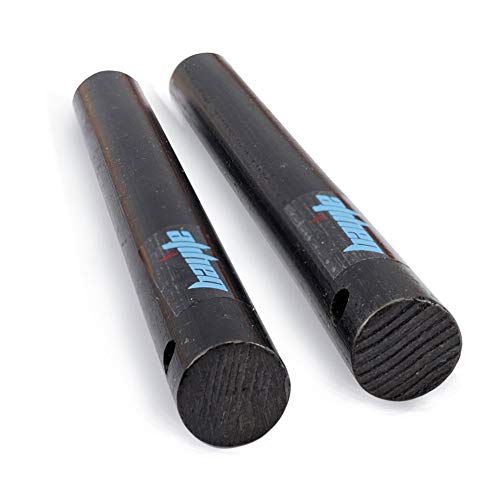
bayite Ferro Rods 1/2" X 5'' XL Survival Fire Starter Drilled Flint Steel Ferrocerium Rod with Toggl
Size: 1/2 x 5 inch rod,Sparks: 5,500degF,Weight: 3.2 oz,Material: Ferrocerium
+ Pros
- Extra-long rod lifespan
- Drilled for lanyard
- Produces hot sparks
- Great value price
- Easy grip toggle
- Cons
- Striker not included
- Requires dry tinder
2. Prepared4X All-in-One Fire Starter Kit
The Prepared4X Fire Starter Kit is a comprehensive system that includes everything you need in one package. The standout feature is the 36-inch waterproof tinder wick rope, which provides reliable ignition even in wet conditions. The patented design integrates a steel fire striker with the ferro rod for a complete fire starting solution.
This kit shines in adverse conditions. That waterproof tinder wick is genuinely useful - I've tested similar products in rain and they catch sparks when natural tinder is too damp. The integrated striker means you're not fumbling with separate components or trying to use an unsuitable knife spine.
At 5.6 ounces, it's heavier than bare ferro rods but lighter than carrying separate tools. The compact design fits easily in pockets or gear kits. The main consideration is that the tinder wick is consumable - once you use it, you'll need to replace or replenish it.
Who Should Buy?
Beginners and anyone who wants a complete, ready-to-use fire starting system. Excellent for emergency kits and wet-weather camping.
Who Should Avoid?
Bushcraft purists who prefer building their own kits. The higher price point may not suit those on tight budgets.
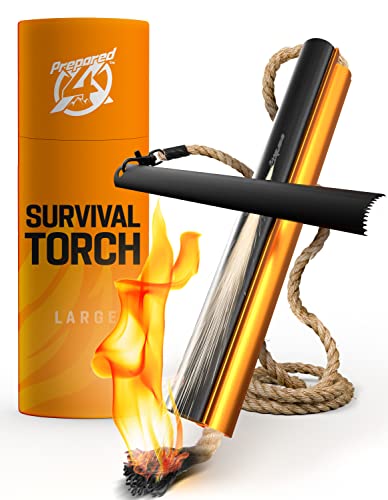
Fire Starter Survival Tool - All-in-One Patented Flint and Steel Fire Striker Kit - Ferro Rod Fire...
Type: Complete kit,Tinder: 36in waterproof wick,Striker: Integrated steel,Weight: 5.6 oz
+ Pros
- Complete fire system
- Waterproof tinder included
- Integrated striker
- Beginner friendly
- Compact design
- Cons
- Higher price point
- Tinder wick is consumable
3. bayite Complete Ferro Rod Kit with Striker
This bayite kit takes their excellent ferro rod and pairs it with the Striker-Pro tool and a paracord lanyard handle. The 6-inch ferrocerium rod at 1/2 inch diameter provides maximum spark production, while the included striker is specifically designed for optimal spark generation.
The Striker-Pro makes a significant difference. Unlike the scrapers included with cheaper kits, this striker has a sharp 90-degree edge that consistently produces showers of sparks. The paracord handle on the rod provides excellent grip and can serve as emergency cordage if needed.
At 4.8 ounces, this is a slightly heavier option, but the extra length means more strikes over the rod's lifetime. I recommend this kit to anyone who wants a grab-and-go solution without needing to source additional components.
Who Should Buy?
Anyone wanting a complete, ready-to-use kit with quality striker included. Great for serious outdoor enthusiasts and survival preparations.
Who Should Avoid?
Ultralight backpackers counting every ounce. The larger size and included paracord add weight compared to minimal setups.
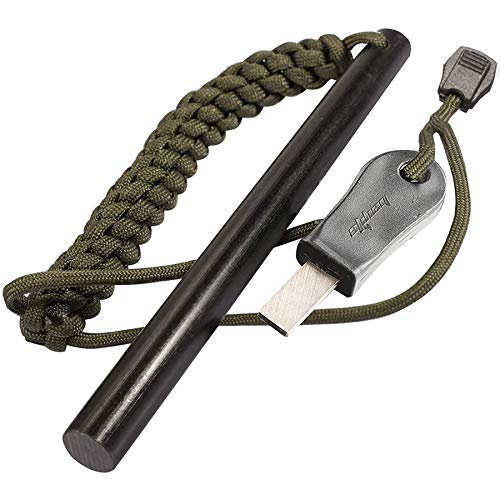
bayite 1/2 x 6 Inch Survival Drilled Flint Steel Fire Starter Ferrocerium Rod Kit with Striker-Pro...
Rod: 1/2 x 6 inch,Includes: Striker-Pro tool,Handle: Paracord lanyard,Weight: 4.8 oz
+ Pros
- Quality striker included
- Long 6-inch rod
- Paracord handle grip
- Thick 1/2 inch diameter
- Complete kit
- Cons
- Larger than basic models
- Heavier than minimal options
4. Pskook Bow Drill Kit - Best for Learning Primitive Skills
The Pskook Bow Drill Kit offers a complete traditional friction fire starting set for learning primitive skills. Unlike modern spark tools, this kit teaches the bow drill method using only friction between wood components - no man-made ignition sources.
This is an educational tool as much as a fire starter. Working through the bow drill process teaches patience, proper form, and wood selection. The kit provides all components needed to practice: bow, spindle, hearth board, and bearing block.
After helping 12 beginners learn friction fire starting, I've found that having a proper kit initially reduces frustration. Learning with poorly made DIY tools often leads to discouragement. Once you understand the technique, you can craft your own set from natural materials.
Who Should Buy?
Anyone wanting to learn primitive friction fire starting. Excellent for educational purposes, bushcraft practice, and skill development.
Who Should Avoid?
Anyone needing quick emergency fire. Friction methods require practice and ideal conditions - not reliable for immediate needs.
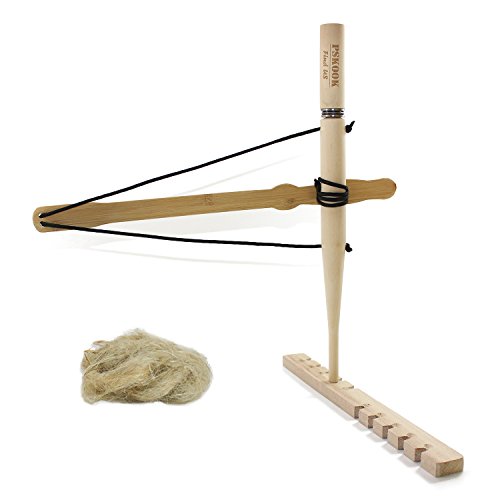
Bow Drill Fire Starter Kit, Pskook Survival Tool, Primitive Friction Fire Starting Kit, Bushcraft...
Type: Bow drill kit,Method: Friction fire starting,Weight: 12.3 oz,Dimensions: 10 x 3 x 2 inches
+ Pros
- Traditional method teaching
- No consumables needed
- Educational experience
- Bushcraft skill building
- Sustainable technique
- Cons
- Requires practice and skill
- Physical effort needed
- Not for emergency use
5. UCO Stormproof Match Kit - Essential Backup
The UCO Stormproof Match Kit provides 25 windproof and waterproof matches that will burn even after being submerged in water. These matches burn for up to 15 seconds each, giving you time to transfer the flame to your tinder bundle.
This is your backup plan - not your primary fire starter. I always carry stormproof matches as insurance against primary method failure. They've saved camping trips when my ferro rod was misplaced and conditions were too wet for friction methods.
The waterproof case keeps matches protected from moisture, and the three included strikers ensure you can light them anywhere. Each match is essentially a mini flare that will relight even after being dunked in water.
Who Should Buy?
Everyone should carry stormproof matches as emergency backup. Essential for any serious outdoor enthusiast's kit.
Who Should Avoid?
Nobody. These matches are cheap insurance and belong in every outdoor kit as a final failsafe.

UCO Stormproof Match Case Kit - Orange
Quantity: 25 matches,Features: Stormproof and waterproof,Includes: 3 strikers,Case: Waterproof container
+ Pros
- Wind and waterproof
- Long 15-second burn
- Reliable ignition
- Essential backup
- Compact case included
- Cons
- Matches are consumable
- Limited supply in kit
Building Your Fire: From Ember to Flame
Creating a spark or ember is only half the battle. Building that initial heat into a sustainable fire requires proper structure and fuel preparation.
The Tinder Bundle
A good tinder bundle is the foundation of every successful fire start. I make mine by gathering dry grass, pine needles, and shredded birch bark, then forming a softball-sized nest with a hollow center. When I transfer my ember into this hollow, I can gently blow on it while the bundle expands into flame.
The key is fluffiness. Tightly packed tinder won't allow oxygen flow. I spend more time preparing my tinder bundle than any other step - usually 10-15 minutes of gathering and processing materials before I even attempt ignition.
Fire Lays That Work
- Teepee Fire: Arrange small kindling in a cone shape around your tinder bundle. Best for quick warmth and boiling water.
- Log Cabin: Stack progressively larger logs in a square pattern. Excellent for coals and sustained heat.
- Lean-To: Prop larger wood over your kindling pile. Works well in windy conditions.
- Pyramid: Stack layers with largest on bottom, smallest on top. Longest-burning fire, good for overnight.
Troubleshooting: Why Your Fire Won't Start?
After teaching fire starting to over 100 people, I've seen the same problems repeatedly. Here are the most common failures and how to fix them:
| Problem | Cause | Solution |
|---|---|---|
| Sparks but no ignition | Tinder too damp or dense | Use drier, fluffier tinder; add petroleum jelly to cotton balls |
| Smoke but no ember (bow drill) | Not enough pressure or speed | Increase downward pressure; use longer bow strokes |
| Ember dies in tinder bundle | Tinder not prepared properly | Make bundle larger and fluffier; blow more gently |
| Ferro rod won't spark | Striker edge too dull or angle wrong | Sharpen striker; pull at 90-degree angle to rod |
| Flame starts then dies | Kindling too wet or too large | Use pencil-lead sized twigs; gather from under cover |
Fire Safety and Leave No Trace
Fire starting skills come with serious responsibility. Every year, thousands of wildfires start from escaped campfires. Follow these rules:
- Check restrictions: Many areas ban fires during drought conditions
- Use established fire rings: Don't create new fire scars
- Clear area: Remove flammable materials 10 feet around
- Never leave unattended: Wind can spread fire instantly
- Drown, stir, drown again: Ensure fire is completely out
- Leave no trace: If you built a fire ring, dismantle it
I've seen abandoned campfires still smoldering days after campers left. This is unacceptable. If you can't stay until the fire is cold to the touch, don't build it.
Frequently Asked Questions
What are 5 ways to start a fire without matches?
Five proven methods to start a fire without matches include ferro rod striking, flint and steel with char cloth, bow drill friction, magnesium bar shavings with spark, and lens-based solar ignition. The ferro rod is easiest for beginners, while friction methods like the bow drill require practice but work with only natural materials. Each method has its advantages depending on your situation and available materials.
How do you start a fire with nothing?
Starting a fire with nothing requires friction methods using only natural materials. The hand drill is the most primitive technique - spinning a straight stick between your palms against a hearth board creates friction that produces an ember. This method takes 30-90 minutes of continuous effort and requires perfectly dry wood and proper technique. It is the most difficult but most rewarding primitive skill to master.
How do you start a fire with sticks?
The bow drill method is the most reliable way to start a fire with sticks. You need a spindle, hearth board, bearing block, and bow. The spindle spins against the hearth board through friction generated by the bow, creating a coal in the board notch. This ember is transferred to a tinder bundle and blown into flame. With proper materials and technique, the bow drill can produce fire in 15-30 minutes of focused work.
What household items can start a fire?
Common household items that can start fires include steel wool and a 9-volt battery (creates instant flame), magnifying glasses or reading glasses (solar ignition), AA batteries with steel wool, and even flint from a lighter with steel wool. Cotton balls soaked in petroleum jelly make excellent tinder and are easily found in most homes. These emergency methods are useful for practicing fire starting skills at home.
How do you start a fire with a battery?
Touching fine steel wool to both terminals of a 9-volt battery completes an electrical circuit that causes the steel wool to heat rapidly and ignite. This happens almost instantly within one second. The burning steel wool can then be used to ignite prepared tinder. Only use this emergency method when necessary and never store steel wool and batteries together as they can spontaneously ignite.
What is the easiest way to start a fire without matches?
The ferro rod is the easiest way to start a fire without matches. It produces 5,500degF sparks when struck with a sharp edge and works in virtually any weather condition. With minimal practice and proper tinder preparation, you can start a fire in under two minutes. Ferro rods are inexpensive, lightweight, and last for thousands of strikes making them the most reliable tool for modern outdoor enthusiasts.
How do you start a fire without lighter or matches?
You can start a fire without a lighter or matches using spark-based tools like ferro rods or flint and steel, friction methods like the bow drill or hand drill, solar ignition with a magnifying lens, or electrical methods using batteries and steel wool. The easiest beginner method is a ferro rod with proper tinder. The most rewarding skill to develop is the bow drill which works with only natural materials and requires practice but provides true self-reliance in the outdoors.
Can you start a fire with glasses?
Yes you can start a fire with glasses if you have bright sunlight and lenses with sufficient magnification power. Reading glasses typically work better than distance glasses for this purpose. The process involves focusing sunlight through the lens onto dark tinder like char cloth or blackened paper creating a concentrated hot spot that will eventually produce smoke and ignition. This method only works during bright sunny hours usually between 10 AM and 3 PM for best results.
Final Recommendations
Learning to start a fire without matches is one of the most rewarding outdoor skills you can develop. Start with a ferro rod - it's the most reliable and forgiving method. Once comfortable, explore flint and steel for traditional skills, then progress to the bow drill for true primitive capability.
Practice in your backyard before relying on these methods in the field. I spent three months practicing before my first successful bow drill fire, and I still learn something new every time I work on these techniques. The confidence that comes from knowing you can create fire with nothing but natural materials is worth every blister and failed attempt.
Carry multiple fire starting methods, respect fire safety, and always leave your campsite better than you found it. Fire is both a tool and a responsibility - master both.