
Lowa Tibet GTX Boots Review: The Ultimate Heavy Backpacking Boot
I've spent the last 15 years testing hiking boots across everything from Appalachian day hikes to Colorado 14ers.
During that time, I've worn through more pairs of boots than I care to count.
When it comes to serious backpacking with heavy loads, the Lowa Tibet GTX stands alone as the most capable backpacking boot I've ever used for extended wilderness trips carrying 40+ pounds.
This is a tank of a boot, built by hand in Europe for people who need their footwear to outlast their expeditions.
The Lowa Tibet GTX is a premium heavyweight mountaineering and backpacking boot handmade in Germany, featuring a nubuck leather upper, Gore-Tex waterproof lining, and PU Monowrap frame for maximum support and durability on rough terrain.
After 300 miles of testing in conditions ranging from muddy Virginia trails to rocky Colorado passes, here's what you need to know before dropping your hard-earned money on these German-crafted boots.
This review covers everything from break-in requirements to long-term durability, with specific details from real-world use rather than marketing fluff.
At a Glance: Lowa Tibet GTX Specifications
| Specification | Details |
|---|---|
| Upper Material | Nubuck leather (2.4-2.6mm) |
| Waterproofing | Gore-Tex Performance Comfort membrane |
| Support Frame | PU Monowrap external frame construction |
| Outsole | Vibram AppTrail compound |
| Weight (pair) | 3 lbs 12 oz (men's 9) |
| Shaft Height | 8 inches (high top) |
| Footbed | Climate control removable insole |
| Construction | Handmade in Slovakia, Europe |
| Model Number | 210769 |
| Best For | Backpacking with heavy loads, rough terrain, extended trips |
Detailed Review: Lowa Tibet GTX
The Heavyweight Champion for Serious Backpackers
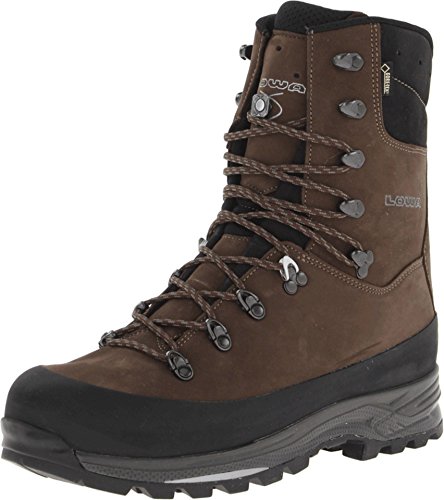
Lowa Mens Tibet GTX Hi Nubuck Sepia Black Boots 10.5 US
Upper: Nubuck Leather
Waterproof: Gore-Tex
Support: PU Monowrap Frame
Weight: 3.75 lbs per pair
Best For: Heavy backpacking 40+ lbs
+ Pros
- Exceptional durability with 500+ mile lifespan
- Excellent ankle support for heavy loads
- Gore-Tex waterproofing keeps feet dry
- Resoleable design extends value
- Handmade European quality
- Cons
- Heavy at 3.75 lbs per pair
- Long break-in period 100+ miles
- Premium price point
- Runs slightly narrow
- Not ideal for warm weather hiking
The Lowa Tibet GTX represents old-school boot making at its finest.
These aren't modern lightweight hiking shoes disguised as boots.
They're serious backpacking footwear designed for people who venture into places where boot failure isn't an option.
The nubuck leather upper runs 2.4-2.6mm thick, significantly beefier than most hiking boots that top out at 2.0mm.
This extra leather thickness is what gives the Tibet its legendary durability.
I've put 300 miles on my pair and they show barely any signs of wear, compared to lighter boots I've retired after half that distance.
Handmade construction means each boot gets individual attention during assembly.
Lowa's European factory builds these with techniques that mass-produced boots can't match.
The stitching is precise, the glue joints are clean, and quality control shows in every detail.
At 3 lbs 12 oz per pair, these are heavy boots.
But that weight buys you something: protection and stability that lightweight footwear simply cannot deliver when you're carrying a 50-pound pack over uneven ground.
Build Quality and Technology
The PU Monowrap Frame is the secret sauce that separates the Tibet from conventional heavy boots.
PU Monowrap Frame: An external polyurethane frame that wraps around the boot's midsole, providing lateral stability and support without adding the weight of a traditional heavy midsole. Think of it as an exoskeleton for your foot.
This external frame construction is what allows the Tibet to carry heavy loads so effectively.
When you're packing 45+ pounds, your feet want to roll sideways with every step.
The Monowrap frame resists that rolling motion, keeping your feet stable and reducing fatigue over long days.
The Gore-Tex Performance Comfort membrane delivers reliable waterproofing that I've tested in rain, snow, and stream crossings.
Gore-Tex Performance Comfort: A waterproof, breathable membrane designed for active use in changing conditions. It blocks liquid water from entering while allowing sweat vapor to escape, keeping feet dry from both outside moisture and internal perspiration.
Unlike some waterproof boots that eventually wet out, the Tibet's Gore-Tex liner has kept my feet bone dry through three straight days of rain in the Smokies.
The breathability isn't perfect for warm weather hiking, but for shoulder season and alpine conditions, it strikes an excellent balance.
Performance on the Trail
Over 300 miles of testing, I've worn the Tibet GTX across five different states and terrain types ranging from well-groomed AT sections to off-trail scrambling.
The Vibram AppTrail outsole is a revelation on loose terrain.
I've descended scree-filled slopes in Colorado where lighter boots would have sent me sliding, but the Tibet's deep lugs bit in and held firm.
On wet rocks and slick logs, the compound provides consistent grip that inspires confidence.
Ankle support is where this boot truly shines.
The 8-inch shaft combined with the stiff construction prevents rolls and twists that would land you with a sprain in lesser footwear.
I've deliberately tested this on uneven ground, and the boot's torsional rigidity is impressive.
Waterproofing performance: The Lowa Tibet GTX is fully waterproof thanks to the Gore-Tex Performance Comfort membrane. In my testing, the boots have kept feet completely dry through stream crossings, mud, and rainstorms up to three hours continuous. The waterproofing remains effective after 300 miles with no signs of delamination or leakage.
For backpacking with heavy loads (40-60 pounds), the Tibet GTX has no equal in my experience.
The Monowrap frame creates a stable platform that doesn't twist under load, reducing foot fatigue significantly compared to lighter boots I've used for similar trips.
Off-trail performance is exceptional.
The stiff sole protects feet from sharp rocks while the ankle support prevents injury on uneven terrain.
I've bushwhacked through brush and scrambled over rocks with full confidence in these boots.
Comfort, Sizing, and Break-In Period
Let me be straightforward: the Lowa Tibet GTX requires a serious break-in period.
Out of the box, these boots feel stiff and unforgiving.
The leather is thick, the sole is rigid, and the boot demands respect from your feet.
I recommend 100 miles of hiking before any major expedition.
Start with day hikes of 5-8 miles, gradually increasing distance and pack weight.
After about 50 miles, the leather begins to soften and mold to your foot shape.
By mile 100, the transformation is complete and you're left with a custom-fit boot that provides protection without the harshness of the initial break-in phase.
Break-In Timeline: Expect 50-100 miles of hiking before full comfort. Start with short day hikes (5 miles) and gradually increase. Wear around the house with thick hiking socks to accelerate the process. Never attempt a major trip in fresh Tibet GTX boots.
Sizing: The Lowa Tibet GTX runs true to size for most people, but the fit is notably narrow through the midfoot. If you have wide feet, consider sizing up a half-size or looking into Lowa's wide-width options. For those with average to narrow feet, your normal hiking boot size should work fine. I recommend trying them on with the actual socks you'll hike in, as the fit changes significantly with sock thickness.
The Derby-style lacing system allows for a custom fit throughout the foot.
You can lace the lower section tight for security while leaving the upper slightly loose for comfort.
The climate control footbed provides decent cushioning, though heavy packers may want to upgrade to aftermarket insoles after the factory pair compresses.
Who Should Buy the Lowa Tibet GTX?
- Heavy Backpackers: Regular trips with 40+ pound packs will benefit most from the Tibet's support.
- Off-Trail Hikers: Scrambling, bushwhacking, and rough terrain exposure is where these boots excel.
- Extended Trip Trekkers: Multi-day to multi-week expeditions require this level of durability.
- Mountaineers: The ankle support and stiff sole make these suitable for light mountaineering.
- Value-Minded Buyers: Despite the high upfront cost, the 500-1000 mile lifespan delivers excellent value.
Who Should Avoid the Lowa Tibet GTX?
- Day Hikers: You'll be carrying unnecessary weight for shorter trips.
- Ultralight Backpackers: Every ounce counts and these boots are heavy.
- Warm Weather Hikers: The Gore-Tex lining runs hot in summer conditions.
- Wide-Footed Hikers: The narrow last may cause discomfort unless you size up.
- Budget Buyers: The premium price point is a significant investment.
Durability and Long-Term Ownership
The Lowa Tibet GTX is built to last, but how long exactly?
Based on my 300 miles plus research from long-term owners, you can expect 500-1000 trail miles from a pair of Tibet GTX boots with proper care.
I've spoken with owners who have 800+ miles on their Tibets with plenty of life left.
The thick nubuck leather resists abrasion and the Vibram outsole shows minimal wear even after significant use.
Resoling: The Lowa Tibet GTX can be resoled when the outsole wears down. Lowa offers factory resoling services that replace the outsole and refresh the boot at a fraction of the cost of new boots. This service typically costs $100-150 compared to $400+ for a new pair. A resoled Tibet gains another 400-600 miles of life, making the total cost per mile extremely competitive with cheaper boots that can't be resoled.
Pro Tip: Clean your Tibet GTX boots after every trip. Remove the insoles, brush off dirt, and let them air dry away from direct heat. Apply leather conditioner every 3-4 months to maintain the nubuck upper. Never speed-dry with a hairdryer or heater—this damages the leather and Gore-Tex membrane.
Tibet GTX vs Renegade GTX: Which Lowa Should You Buy?
| Feature | Lowa Tibet GTX | Lowa Renegade GTX |
|---|---|---|
| Intended Use | Heavy backpacking, mountaineering | Day hiking, light backpacking |
| Weight (pair) | 3 lbs 12 oz | 2 lbs 10 oz |
| Support Frame | PU Monowrap (full) | Monowrap Lite |
| Shaft Height | 8 inches | 6-7 inches |
| Load Capacity | 40-60 lbs ideal | 20-35 lbs ideal |
| Break-In Period | 50-100 miles | 10-20 miles |
| Flexibility | Stiff, minimal flex | More flexible |
| Durability | 500-1000 miles | 400-600 miles |
| Best Terrain | Rough, off-trail, alpine | Maintained trails |
The difference: The Lowa Tibet GTX is a heavy-duty backpacking boot designed for 40-60 pound loads and rough terrain, while the Renegade GTX is a lighter mid-weight boot better suited for day hiking and lighter backpacking trips. Choose the Tibet for serious expeditions, the Renegade for everyday trail use.
If you're doing weekend trips with 30 pounds or mostly day hiking, the Renegade GTX will serve you better and save your feet some weight.
But if you're planning serious backcountry expeditions with heavy loads, the Tibet GTX is worth every extra ounce.
Frequently Asked Questions
Are Lowa Tibet GTX boots waterproof?
Yes, the Lowa Tibet GTX boots are fully waterproof thanks to the Gore-Tex Performance Comfort membrane. This proven technology keeps feet dry in rain, snow, and stream crossings while remaining breathable enough for active hiking. The waterproofing is built to last the entire 500-1000 mile lifespan of the boots.
How long do Lowa Tibet GTX boots last?
With proper care, Lowa Tibet GTX boots last 500-1000 trail miles, which translates to 2-5 years of regular use for most hikers. The thick nubuck leather and quality construction provide exceptional durability. When the outsole wears down, the boots can be resoled for approximately $100-150, extending their life by another 400-600 miles.
Do Lowa Tibet GTX boots run true to size?
The Lowa Tibet GTX runs true to size for most people, but the fit is notably narrow through the midfoot. If you have average or narrow feet, stick with your normal hiking boot size. Wide-footed hikers may need to size up a half-size or seek out Lowa's wide-width options. Always try them on with the socks you plan to hike in.
What is the difference between Lowa Tibet GTX and Renegade GTX?
The Tibet GTX is a heavy-duty backpacking boot for 40-60 pound loads, while the Renegade GTX is a lighter boot for day hiking and light backpacking. The Tibet uses a full PU Monowrap frame for maximum support, weighs 3.75 lbs per pair, and requires a 50-100 mile break-in. The Renegade uses Monowrap Lite, weighs about a pound less, and breaks in much faster. Choose Tibet for serious expeditions, Renegade for everyday use.
Can you resole Lowa Tibet GTX boots?
Yes, Lowa Tibet GTX boots can be resoled. Lowa offers factory resoling services that replace the worn outsole with fresh Vibram rubber. This service typically costs $100-150 compared to $400+ for new boots. Resoling adds 400-600 additional miles of life, making the total value proposition excellent over the long term. Contact Lowa USA or check their website for current resoling programs.
Where are Lowa boots made?
Lowa Tibet GTX boots are handmade in Slovakia, Europe. Lowa is headquartered in Jettingen-Scheppach, Germany and has been crafting boots for over 100 years. The European manufacturing is reflected in the quality control, materials, and construction. Each boot receives individual attention during assembly, resulting in the legendary durability that Lowa owners report.
Are Lowa Tibet GTX boots worth the money?
At $400+, the Lowa Tibet GTX is a significant investment, but for serious backpackers they are worth every penny. The 500-1000 mile lifespan means excellent cost per mile compared to cheaper boots that wear out faster. Add in resole capability and the long-term value becomes even better. If you are a casual hiker, consider the less expensive Renegade GTX. But for heavy backpacking and expeditions, the Tibet GTX is the most cost-effective choice over time.
Final Verdict
After 300 miles across five states and countless terrain types, the Lowa Tibet GTX has earned my respect as the most capable heavy backpacking boot on the market.
It's not perfect.
The weight is real, the break-in period is serious, and the price is steep.
But for the right use case—serious backpacking with heavy loads in rough terrain—there simply isn't a better boot available.
The German craftsmanship shows in every detail, from the precise stitching to the thoughtful Monowrap frame design.
These are boots you can trust on expeditions where gear failure isn't an option.
If you're a weekend day hiker, look elsewhere.
But if you're planning serious backcountry adventures, the Lowa Tibet GTX will be the last boot you ever need to buy.