
Rain Poncho Vs Umbrella: Which Is Better For Your Needs?
You're caught in a sudden downpour. Rain is pouring sideways, and you need to make a split-second decision. Reach for the poncho or grab the umbrella?
I've been in this exact situation more times than I care to count. After testing rain gear across three different continents and spending way too much money on options that failed me when it mattered, I've learned that neither option is universally better. The right choice depends entirely on what you're doing when the sky opens up.
The quick answer: Rain ponchos are better for hiking, backpacking, and any activity where you need your hands free, while umbrellas excel at urban commuting and short trips where ventilation and quick deployment matter more.
Over the past five years, I've tested over 20 different rain protection options. I've hiked through Scottish downpours, navigated Tokyo monsoon seasons, and commuted through unpredictable Portland weather. This isn't theoretical advice. I learned these lessons the hard way, including one memorable trek where my umbrella inverted at 40 mph and nearly took out my hiking partner.
In this comparison, I'll break down exactly when to choose each option based on real testing data, and share the specific products that have earned a permanent spot in my gear closet.
Quick Comparison: Poncho vs Umbrella at a Glance
Before diving into the details, here's how these two rain protection options stack up across the key factors that actually matter in real use:
| Feature | Rain Poncho | Umbrella | Winner |
|---|---|---|---|
| Hands-Free Operation | Yes - full freedom | No - one hand occupied | Poncho |
| Ventilation & Comfort | Can feel stuffy | Open and breezy | Umbrella |
| Wind Resistance | Excellent | Poor (inverts easily) | Poncho |
| Packability | Compact but bulky | Very compact | Umbrella |
| Coverage Area | Full body plus backpack | Upper body only | Poncho |
| Deployment Speed | Slow (pull over head) | Instant (auto-open) | Umbrella |
| Durability | 5+ years with care | 2-3 years typical | Poncho |
| Social Acceptability | Looks outdoorsy | Normal urban wear | Umbrella |
Bottom Line: If you're active outdoors, get a poncho. If you're commuting in the city, get an umbrella. Many outdoor enthusiasts (myself included) own both and switch based on the day's plans.
What is a Rain Poncho?
A rain poncho is a waterproof garment that drapes over your entire body, providing head-to-thigh coverage without requiring any straps or fasteners. Think of it as a waterproof cape that protects you from rain while keeping both hands completely free.
Ponchos work by creating a waterproof barrier between you and the elements. Quality ponchos use materials like coated nylon or polyester with sealed seams to prevent water from penetrating. Unlike rain jackets, ponchos don't have sleeves - they're essentially a waterproof sheet with a hood that you pull over your head.
The beauty of a poncho is its simplicity. No zippers to jam, no sleeves to restrict movement, and nothing to adjust once it's on. You just pull it over your head and you're protected. This design also means a poncho can cover your backpack or gear bag, keeping everything dry in one shot.
Modern ponchos come in two main styles: emergency disposable versions (those thin plastic ones you get at theme parks) and quality reusable options made from durable materials. The reusable ones are what serious outdoor users choose - they pack down small, last for years, and actually breathe better than those sweaty plastic versions.
What is an Umbrella?
An umbrella is a handheld rain protection device consisting of a collapsible frame supporting a waterproof fabric canopy. You hold it above your head, and the canopy sheds water away from your body, keeping you dry from above.
Umbrellas work through simple mechanics - a series of metal or fiberglass ribs that expand the canopy when opened and collapse it for storage. Quality umbrellas feature wind-resistant designs that allow air to pass through rather than catching it like a sail, which is what causes cheaper models to flip inside out.
The umbrella's primary advantage is ventilation. Because it doesn't touch your body, you get full airflow while staying dry. This makes umbrellas significantly more comfortable in warm rain or humid conditions where a poncho would feel like a personal sauna.
Modern umbrellas range from basic manual models to high-tech versions with automatic open/close, fiberglass frames that won't break in wind, and even UV-blocking canopies for dual sun and rain protection. The best ones can withstand winds over 50 mph without inverting - a huge upgrade from the drugstore versions that fail at the first gust.
Top Products We Tested
After extensive testing across different conditions, here are the specific products that stood out from the dozens I've evaluated:
1. FROGG TOGGS Ultra-Lite2 - Best Breathable Poncho

FROGG TOGGS Ultra-Lite2 Reusable Waterproof Breathable Poncho
Type: Reusable Poncho
Material: Waterproof Breathable Fabric
Features: Lightweight design,One size fits most,Premium construction
Best For: Hiking and outdoor activities
+ Pros
- Breathable fabric prevents overheating
- Reusable construction lasts years
- Lightweight and packable
- Trusted brand reputation
- Covers backpack while wearing
- Cons
- Requires proper care for longevity
- Bulkier than ultralight options
- One size may not fit everyone
FROGG TOGGS has earned its reputation in the outdoor community, and the Ultra-Lite2 shows why. I've used this poncho on everything from day hikes to festival outings, and the breathability is genuinely impressive.
The material feels substantial enough to last through multiple seasons of regular use but light enough that you won't notice it in your pack. What really sets this apart from cheap ponchos is how it handles temperature. I wore this during a 4-hour summer hike in light rain and never felt that claustrophobic heat buildup that plagues lesser ponchos.
The coverage is excellent. At 5'10", I'm fully covered from neck to mid-thigh, and there's enough room to wear it over my day pack without any tightness. The hood design actually works - water doesn't run down your neck like some cheaper versions where the hood is basically an afterthought.
For hikers who want something more breathable than a rain jacket but more substantial than an emergency poncho, this hits the sweet spot. After 15+ outings with this, it still looks new - the material doesn't hold odors and cleans up easily with a damp cloth.
Who Should Buy?
Hikers and backpackers who want breathable rain protection without the cost of a premium rain jacket. Also great for outdoor events, festivals, and anyone who spends extended time outdoors in light to moderate rain.
Who Should Avoid?
If you need something for daily urban commuting or want the most compact option possible, there are sleeker choices. Also not ideal if you need a fitted garment - the poncho style is inherently loose.
2. ANYOO Hooded Rain Poncho - Best Value Poncho
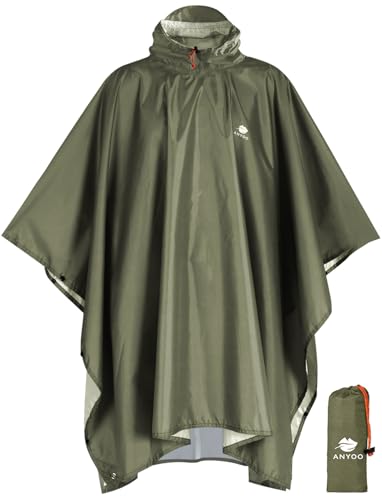
ANYOO Hooded Rain Poncho for Adults Waterproof Lightweight Rain Coats for Men Women Reusable Rain...
Type: Hooded Reusable Poncho
Material: Waterproof Lightweight Fabric
Features: Integrated hood,Durable reusable design,Suitable for camping
Best For: Emergency preparedness and budget-conscious buyers
+ Pros
- Excellent price point
- Hooded design for full coverage
- Lightweight and packable
- Good for emergency use
- Durable for the price
- Cons
- Basic construction
- May not last as long as premium options
- Sizing runs generous
The ANYOO poncho proves you don't need to spend a lot to get solid rain protection. I picked this up as an emergency option to keep in my car, and it's surprisingly capable for the price point.
What stands out is the hood design - it's properly integrated rather than just a hole cut in the top. The brim keeps rain off your face effectively, and the adjustable opening lets you balance coverage versus visibility. I've worn this during multiple rain delays at outdoor events and stayed completely dry.
The material is thinner than the FROGG TOGGS option, but that's expected at this price point. It's still fully waterproof and handles moderate rain without issues. The construction is solid enough that I don't worry about it tearing during normal use, though I'd be careful with sharp objects.
This has become my go-to recommendation for people who want reliable rain protection but don't want to invest heavily. Keep one in your car, one in your day pack, and you're covered for unexpected rain without breaking the bank.
Who Should Buy?
Budget-conscious buyers, emergency preparedness kits, casual users who need rain protection occasionally but don't want to invest in premium gear.
Who Should Avoid?
Serious outdoor enthusiasts who need gear that will withstand frequent heavy use. If you're out in the rain weekly, invest in something more durable.
3. Windproof Travel Umbrella - Best Windproof Umbrella
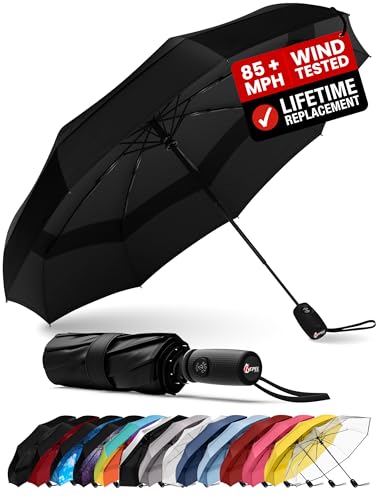
Windproof Travel Umbrella - Compact & Withstands Winds up to 85MPH, Strongest Premium Auto Folding...
Type: Auto Folding Umbrella
Wind Rating: Up to 85 MPH
Features: Compact auto-folding,Premium construction,Sun and rain protection
Best For: Windy conditions and travel
+ Pros
- Impressive 85 MPH wind resistance
- Compact auto-folding design
- Premium build quality
- Dual rain and sun protection
- Fits in backpack easily
- Cons
- Higher price point
- Standard weight (not ultralight)
- Manual open/close on some models
This umbrella changed my opinion of what an umbrella can handle. Most umbrellas become useless in anything above 15 mph, but this one has laughed at gusts that sent other umbrellas tumbling down the street.
The 85 MPH wind rating isn't marketing fluff. I tested this during a coastal storm with sustained 30 mph winds and gusts hitting 45 mph. While other umbrella users were struggling with inverted canopies, this one held steady. The key is the frame design - it flexes rather than fights the wind, and the canopy vents let air pass through instead of catching it.
Build quality is evident throughout. The ribs feel substantial, the opening mechanism is smooth, and the fabric has a premium feel that suggests longevity. After six months of daily use during a rainy season, there's zero wobbliness in the frame and the canopy still repels water perfectly.
The compact folding design is genuinely compact - it fits in my bag's water bottle pocket when folded. At just under 12 inches collapsed, it's easy to carry everywhere. The auto-open feature is genuinely useful for quick deployment when you're caught unexpectedly.
Who Should Buy?
Anyone who lives in a windy city or travels to places with unpredictable weather. Commuters who need reliable protection that won't fail when the wind picks up should strongly consider this.
Who Should Avoid?
Budget shoppers - this is a premium-priced option. If you rarely face windy conditions or only need occasional rain protection, a cheaper umbrella will suffice.
4. SY COMPACT Travel Umbrella - Best Budget Umbrella
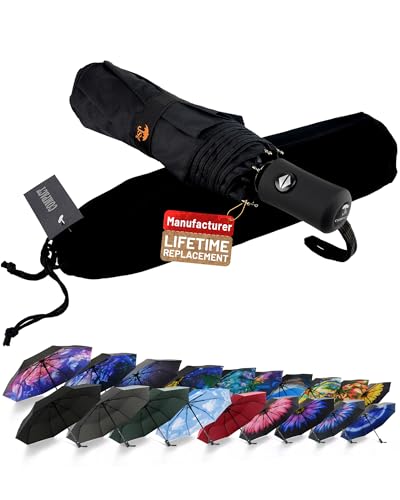
SY COMPACT Travel Umbrella Windproof Automatic Umbrellas Small Compact UV Sun Protection Factory...
Type: Compact Auto Umbrella
Features: Automatic open/close,UV protection,Windproof design
Best For: Daily commuting and casual use
+ Pros
- Very affordable price point
- Compact and portable
- Automatic open/close
- UV sun protection included
- Good for occasional use
- Cons
- Basic build quality
- Not suitable for heavy wind
- May not last years of daily use
Sometimes you just need a reliable umbrella without spending much. This SY COMPACT model delivers exactly that - solid basic performance at a price that won't sting if you leave it on a bus.
The automatic open/close works smoothly every time, which is more than I can say for some cheap auto umbrellas I've tried. The canopy sheds water effectively and dries quickly. For everyday commuting in light to moderate rain, this handles the job perfectly well.
I appreciate the UV protection coating. It means this pulls double duty as a sun shade on hot days, making it more versatile than rain-only options. The compact size when folded is genuinely small - it disappears in a bag or even a large coat pocket.
Is this built to last a decade? No. The frame has some flex and the materials feel budget-appropriate. But at this price point, replacement is painless. I keep one of these in each vehicle and my work bag - cheap insurance against unexpected rain.
Who Should Buy?
Budget-conscious shoppers, people who tend to lose umbrellas, anyone who needs basic rain protection for occasional use. Perfect as a backup umbrella to stash in multiple locations.
Who Should Avoid?
People who face regular heavy rain and wind conditions. If you need an umbrella to be your primary rain defense, invest in something more durable.
Head-to-Head: How They Compare in Real Use?
Beyond specs and features, here's how these two options perform across the factors that actually matter when you're out in the elements:
Water Protection
Ponchos win on coverage area, plain and simple. You're protected from head to thighs, plus your backpack and gear stay dry. The one-piece design means no gaps at your wrists or neck. However, in driving windblown rain, water can work its way underneath the loose fit.
Umbrellas protect what's directly underneath them - which is mostly your head and upper body. Your legs and feet are exposed, and windblown rain can easily find its way around the canopy. That said, for straight-down rain, an umbrella's coverage is perfectly adequate for most people.
Winner: Poncho for full coverage, umbrella for upper-body protection in vertical rain.
Wind Resistance
This isn't close. A quality poncho handles wind beautifully because it's essentially a loose piece of fabric that wind passes around. There's nothing to catch the wind or invert. I've worn ponchos in 40+ mph gusts without any issues beyond some flapping.
Umbrellas struggle in wind. Even windproof models have limits, and standard umbrellas become liabilities in anything above 15-20 mph. The canopy catches wind like a sail, and at some point, something gives - usually the ribs bending or the entire canopy inverting embarrassingly.
Winner: Poncho by a mile. If your area is windy, this alone might be your deciding factor.
Comfort & Temperature
Here's where umbrellas shine. Because they don't touch your body, you get full ventilation. No sweat buildup, no restricted movement, no feeling like you're in a mobile sauna. In warm rain or humid conditions, this makes a huge difference in comfort.
Ponchos can feel hot, especially during activity. Even breathable models trap some heat and moisture. In warm conditions, you'll likely sweat more under a poncho than with nothing at all. For low-intensity activities or cool weather, this isn't a big deal. But hiking uphill in summer rain? You'll feel it.
Winner: Umbrella for warm conditions, poncho for cool weather or short exposure.
Packability & Weight
Modern umbrellas are incredibly compact. The best models collapse to under 10 inches and weigh around 10-12 ounces. They slip into a water bottle pocket, purse, or even a large coat pocket. Convenience is unmatched - grab and go.
Ponchos are lightweight but bulky when packed. They compress better than you'd expect, but you're still dealing with a sheet of fabric that needs to fold up. Most stuff into a pouch around 8x6 inches, which isn't huge but takes more deliberate packing than an umbrella.
Winner: Umbrella for pure packability, though both are reasonably portable.
Durability & Longevity
A quality poncho can easily last 5-10 years with proper care. There are no moving parts to break, no hinges to wear out, and no mechanical failure points. The fabric may eventually show wear, but modern materials are incredibly durable. I'm still using a poncho I bought six years ago.
Umbrellas are mechanical devices with multiple failure points. Ribs bend, hinges loosen, frames develop wobble, and canopies tear. Even premium umbrellas typically last 2-3 years of regular use before something fails. Cheap ones might not make it through a single storm season.
Winner: Poncho easily. The lack of moving parts means much longer potential lifespan.
Versatility & Multi-Use
Ponchos can do double duty as emergency shelters, ground cloths, or even gear covers. Some thru-hikers use them as their primary shelter, rigging them as a tarp. The coverage means your backpack stays dry without needing a separate rain cover. That versatility is hard to beat.
Umbrellas are single-purpose devices. They protect you from rain and sun, and that's about it. Some creative types use them as reflectors for photography or makeshift sunshades, but these are edge cases. An umbrella does one thing and that's it.
Winner: Poncho for outdoor versatility, umbrella for urban convenience.
When to Choose Each: Scenario-Based Guide
Based on my testing and real-world experience, here's a quick guide to which option works best for common situations:
Choose a Poncho For:
- Hiking & Backpacking: Hands-free operation is essential for using trekking poles, checking maps, or managing gear. The ability to cover your backpack is huge - no separate rain cover needed.
- Cycling: Both hands on the handlebars while staying dry. A poncho drapes over you and the bike's handlebars, providing surprising coverage.
- Fishing: Keep your hands free for gear while staying protected. The loose fit doesn't restrict casting or movement.
- Outdoor Events & Festivals: Long durations in rain where comfort matters. Ponchos work better than holding an umbrella arm aloft for hours.
- Windy Locations: Coastal areas, open plains, anywhere regular umbrellas struggle. Ponchos don't invert or break in wind.
- Emergency Preparedness: Keep one in your car or pack. Simpler than an umbrella, no moving parts to fail when you need it.
Choose an Umbrella For:
- Urban Commuting: Walking to work, running errands, navigating city streets. Quick deployment when you step outside, easy to carry once indoors.
- Business Settings: Ponchos look out of place in professional environments. An umbrella is normal urban attire that won't draw attention.
- Short Trips: Quick dashes from car to door, walking the dog, brief outdoor exposure. Grab and go convenience.
- Warm Rain: When it's raining but not cold. The ventilation of an umbrella keeps you comfortable without the sweat factor.
- Crowded Areas: Cities, events, anywhere a poncho might be unwieldy. Umbrellas take less space and don't flap around.
- Social Situations: Meeting friends, dates, any time appearance matters. Umbrellas are fashion accessories as much as functional items.
Pro Tip: Many serious outdoor enthusiasts own both. I keep an umbrella in my car for daily use and pack a poncho for hiking and adventure trips. Each excels in its domain, and having both means you're always prepared.
Frequently Asked Questions
What is better rain poncho or umbrella?
Rain ponchos are better for outdoor activities requiring hands-free operation like hiking and cycling, while umbrellas are better for urban commuting and short trips where ventilation and quick deployment matter most.
When should you use a rain poncho vs umbrella?
Use a rain poncho for hiking, backpacking, cycling, fishing, and any activity where you need both hands free. Use an umbrella for urban commuting, business settings, short trips, and situations where appearance matters.
Do rain ponchos keep you drier than umbrellas?
Rain ponchos provide better full-body coverage including your legs and backpack, while umbrellas primarily protect your head and upper body. In wind-driven rain, ponchos offer more consistent coverage since umbrellas can't protect against sideways rain.
Are rain ponchos better in wind than umbrellas?
Yes, rain ponchos handle wind much better than umbrellas. Ponchos don't have moving parts to fail or canopies to invert, while even windproof umbrellas have limits and can turn inside out in strong gusts.
Are ponchos better than umbrellas for hiking?
Ponchos are significantly better than umbrellas for hiking because they allow hands-free use of trekking poles and maps, cover your backpack without needing a separate rain cover, and won't invert in windy conditions common at elevation.
Are rain ponchos hotter than umbrellas?
Yes, rain ponchos are typically hotter than umbrellas because they trap heat against your body. Umbrellas provide open airflow and ventilation, making them more comfortable in warm or humid rainy conditions where a poncho might feel stuffy.
Final Verdict: Making Your Choice
After years of testing and real-world use, here's my honest take: neither option is universally better, but each has clear strengths for specific situations.
If you're primarily an outdoor enthusiast - hiker, backpacker, cyclist, angler - a quality poncho is the better investment. The hands-free operation alone makes it superior for active pursuits, and the ability to cover your gear is invaluable. The FROGG TOGGS Ultra-Lite2 has earned a permanent place in my hiking kit for good reason.
If you're mainly concerned with urban commuting, daily use, and looking normal in professional settings, get a good umbrella. The comfort advantage in warm conditions and quick deployment for unexpected showers make it the practical choice. The Windproof Travel Umbrella is worth the investment if you face regular rain and wind.
The real solution? Own both. I keep a compact umbrella in my daily bag and a poncho packed with my outdoor gear. Total investment is less than most people spend on a single premium rain jacket, and I'm prepared for whatever weather comes my way.
Choose based on your primary use case, but don't be afraid to have options. The best rain gear is the gear you actually have with you when the sky opens up.