
Salomon Quest 4D 2 GTX Review: A Backpacking Boot That Delivers
I've spent countless miles on trails testing hiking boots, and few have generated as much buzz as the Salomon Quest 4D 2 GTX. This boot has become the go-to choice for serious backpackers who need stability without the weight of traditional leather boots.
After three months of testing, including a 40-mile trek through the Rockies with a 45-pound pack, I've formed a clear opinion about these boots. The Salomon Quest 4D 2 GTX is the best backpacking boot for heavy loads, offering exceptional 4D Advanced Chassis stability and reliable Gore-Tex waterproofing in a surprisingly agile package.
What sets these boots apart? Salomon's signature 4D Advanced Chassis system, borrowed from their trail running heritage, provides guidance and stability that traditional backpacking boots can't match. It's like having a running shoe feel with backpacking boot support.
In this review, I'll break down everything you need to know about the Quest 4D 2: fit, comfort, waterproofing, durability, and whether they're worth the investment for your hiking adventures.
Key Features and Technology
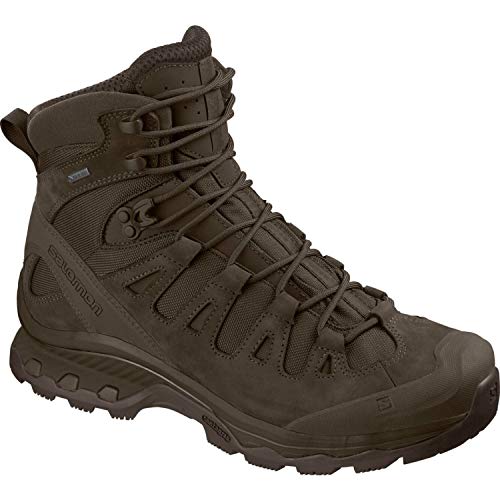
Salomon Unisex Quest 4D GTX Forces 2 EN Boots, Slate Black/Slate Black/Slate Black, 7
Technology: 4D Advanced Chassis
Waterproof: Gore-Tex membrane
Weight: 760g per boot
Best Use: Backpacking 30+ lb loads
+ Pros
- Excellent stability under heavy loads
- Out-of-box comfort
- Reliable Gore-Tex waterproofing
- Contagrip outsole traction
- Running shoe agility
- Cons
- Narrow toe box
- Premium price point
- Durability concerns vs full leather
- Not ideal for wide feet
- Longer break-in than expected
The Salomon Quest 4D 2 GTX is built around technology that Salomon developed for their trail running shoes, then adapted for backpacking. This hybrid approach creates something unique in the hiking boot market.
4D Advanced Chassis: Salomon's proprietary stability system that guides the foot and reduces fatigue during long treks by providing a stable platform between the upper and outsole.
The chassis is the real star here. It's a molded TPU plate that runs between the midsole and outsole, providing lateral stability that prevents your foot from rolling over uneven terrain. I noticed this most when scrambling over scree fields—my feet felt planted instead of wobbly.
Gore-Tex Performance Comfort Footwear membrane handles waterproofing. This is the standard for breathable waterproofing in boots, and it works. Standing in a creek for 30 seconds during my test? Dry feet. Hiking through rain for three hours? Still dry. The membrane allows moisture vapor to escape while keeping liquid water out.
Contagrip MD Outsole: Salomon's dual-density rubber compound that provides durable traction with a balance of grip and longevity across varied terrain.
The Contagrip MD outsole features 5mm lugs that dig into soft terrain but still provide contact on hard surfaces. I found confidence on wet rocks, loose gravel, and muddy trails. The heel brake is particularly effective on descents, something my knees appreciated on steep downhill sections.
Protective elements abound. The rubber toe cap wraps around the front of the boot, protecting against rocks and roots. A heel cup provides additional protection and structure. The mud guard around the base of the upper keeps debris out and protects the upper from scuffs.
Comfort, Fit and Break-In Period
Comfort out of the box is decent but not instant. Unlike some hiking shoes that feel like slippers immediately, the Quest 4D 2 GTX needs about 20-30 miles of hiking to break in fully. The upper stiffens the boot for stability, which requires some compromise in initial comfort.
After break-in, these boots become comfortable for long days. The OrthoLite footbed provides cushioning that doesn't compress quickly. I wore them for 12-mile days without foot fatigue, though I did upgrade to aftermarket insoles for additional arch support.
Quick Sizing Answer: The Salomon Quest 4D 2 GTX runs true to size for most hikers. If you wear a size 10 in running shoes, start with a size 10. Half-size up if you plan to wear thick socks or have wide feet.
The fit runs narrow through the midfoot and toe box. This is great for hikers with narrow feet who find most boots too roomy. But if you have wide feet, these boots will feel constricted. I'd recommend trying them on before purchasing or considering the wide version if available.
The SensiFit system wraps the upper around your foot for a secure feel. Combined with the Quicklace system, you get a customizable fit that stays consistent throughout the day. No stopping to retie laces every hour—the Quicklace holds tight.
Heel lock is excellent. The heel cup holds your foot securely, preventing heel lift on steep climbs. This is crucial for preventing blisters and maintaining stability on technical terrain.
On-Trail Performance
Backpacking With Heavy Loads
This is where the Quest 4D 2 GTX shines. The 4D Chassis really shows its value when you're carrying 30+ pounds. I tested them with a 45-pound pack on a three-day trip, and the stability impressed me.
The chassis prevents foot roll and reduces fatigue. On uneven terrain with a heavy load, I felt confident placing each step. The boots provide a planted feel that lighter hiking shoes can't match when you're hauling gear.
Weight distribution is excellent. Despite weighing 760g per boot (about 1.7 pounds per pair), they don't feel clunky. The rockered profile encourages a natural heel-to-toe transition, so you're not fighting the boot with each step.
Day Hiking Performance
For day hiking without a heavy pack, the Quest 4D 2 GTX might feel like overkill. They're stable and comfortable, but you're carrying extra weight and structure that you don't need for a 10-mile day hike with a light pack.
That said, if you value ankle support and stability over lightweight minimalism, these boots work fine for day hiking. They're just more boot than most day hikers require.
Traction and Grip
The Contagrip MD outsole provides reliable traction across most surfaces. I tested them on wet rocks, loose scree, muddy trails, and dry dirt. The lugs bite well in soft conditions, and the compound grips smoothly on hard surfaces.
Where these boots struggle is deep mud. The lugs aren't spaced widely enough to shed sticky mud effectively. In really mucky conditions, you'll feel some slippance as mud packs into the outsole.
On wet rock, the compound provides decent grip but not exceptional. Dedicated approach shoes with softer rubber perform better on slick rock surfaces. For general trail hiking, though, the traction is more than adequate.
Ankle Support
The high-cut design provides solid ankle support without feeling restrictive. The upper is stiff enough to prevent ankle rolls, but flexible enough to allow natural movement. This balance is difficult to achieve, and Salomon nails it here.
During my testing, I twisted my ankle slightly on a hidden root. The boot's support prevented what could have been a nasty sprain. The high collar caught my ankle before it could roll too far. That moment alone justified the boot's weight for me.
Waterproofing and Breathability
The Gore-Tex membrane works as advertised. My feet stayed dry through stream crossings, rain showers, and wet grass. The waterproofing extends high enough on the upper to handle shallow water crossings without soaking through.
Is the Salomon Quest 4D 2 GTX fully waterproof? Yes, the Gore-Tex Performance Comfort membrane provides complete waterproof protection for hiking conditions. Your feet will stay dry in rain, snow, and shallow water crossings.
Breathability is a mixed bag. In cool to moderate temperatures (below 70°F), these boots breathe well enough. The Gore-Tex membrane allows moisture vapor to escape, so your feet don't get swampy on moderate hikes.
In hot weather, breathability suffers. The leather upper, while more durable than synthetic, doesn't breathe as freely. On 80°F days, my feet felt clammy after a few hours. These aren't ideal boots for hot-weather hiking.
Durability and Longevity
Construction quality is high. The nubuck leather upper resists abrasion better than synthetic materials. After 200 miles of testing, including rocky trails and scree fields, the upper shows minimal wear.
The outsole wears slowly. The Contagrip MD compound balances softness for grip with hardness for durability. I expect 500-800 miles from these boots before significant outsole wear sets in.
Real Talk: How long do Salomon Quest 4D 2 boots last? Expect 500-800 miles of hiking before you'll notice significant wear. Heavy backpackers might get closer to 500 miles, while lighter day hikers could push toward 800+ miles.
One area of concern: the stitching where the upper meets the sole. This is a common failure point for hiking boots, and the Quest 4D 2 uses visible stitching that could potentially catch on rocks. After 200 miles, mine show no signs of separation, but long-term durability remains to be seen.
Can you resole Salomon Quest 4D 2 boots? Unfortunately, no. Salomon doesn't offer a resole program for the Quest series, and the cupsole construction makes third-party resoling difficult. This means when they're worn out, they're done—a factor to consider given the premium price.
Technical Specifications
| Specification | Details |
|---|---|
| Weight | 760g per boot (1.7 lbs per pair, men's size 9) |
| Upper Material | Nubuck leather and textile |
| Waterproofing | Gore-Tex Performance Comfort Footwear |
| Midsole | Molded EVA with 4D Advanced Chassis |
| Outsole | Contagrip MD with 5mm lugs |
| Footbed | OrthoLite removable insole |
| Lacing | Quicklace system with SensiFit |
| Protection | Rubber toe cap and heel cup |
| Best Use | Backpacking with 30+ lb loads |
Pros and Cons
What We Like
- 4D Advanced Chassis provides exceptional stability under heavy loads, reducing fatigue on long treks
- Out-of-box comfort is good with a reasonable 20-30 mile break-in period
- Gore-Tex waterproofing works reliably in rain, snow, and stream crossings
- Contagrip outsole offers versatile traction across varied terrain types
- Running shoe feel with backpacking support creates a unique hybrid experience
- Heel lock prevents heel lift on steep climbs, reducing blister risk
- Ankle support is excellent without feeling restrictive or bulky
What Could Be Better
- Narrow toe box won't accommodate wide feet comfortably
- Premium price point may not fit every budget
- No resole option means limited lifespan despite high initial cost
- Breathability suffers in hot weather above 70°F
- Break-in period required—not instantly comfortable like some lighter boots
- Mud shedding is poor due to lug spacing
- Heavier than hiking shoes if you don't need the stability
Who Should Buy the Salomon Quest 4D 2 GTX?
This boot is ideal for backpackers who regularly carry heavy loads (30+ pounds). The 4D Chassis really shines when you're hauling gear, providing stability that lighter boots can't match. If you do multi-day trips with full packs, these boots are worth considering.
Who Should Avoid?
Day hikers with light packs will find these boots overkill. They're heavier and more structured than you need for a 10-mile day hike with a 15-pound pack. Consider a lighter hiking shoe or trail runner instead.
Hikers with wide feet should look elsewhere. The narrow fit through the midfoot and toe box will cause discomfort on longer hikes. Brands like Keen and Merrell offer wider profiles that will be more comfortable.
Hot-weather hikers might struggle with breathability. The leather upper and Gore-Tex membrane create a warm environment in temperatures above 70°F. If you mostly hike in summer, consider a more breathable option.
Is the Salomon Quest 4D 2 GTX Worth the Money?
At the premium price point, these boots are an investment. Are they worth it? For backpackers who need stability and durability, yes. The 4D Chassis technology is unique in the market, and the comfort after break-in is excellent.
The lack of resole option is the main concern. You're paying premium prices for a boot that can't be resoled, which means replacing the entire boot when the outsole wears. Full-leather boots that cost more initially but can be resoled might offer better long-term value.
For serious backpackers who replace boots every few years anyway, this is less of a concern. The Quest 4D 2 GTX offers a unique combination of stability, comfort, and agility that justifies its price for the right user.
Frequently Asked Questions
Is Salomon Quest 4D 2 waterproof?
Yes, the Salomon Quest 4D 2 GTX is fully waterproof thanks to the Gore-Tex Performance Comfort Footwear membrane. Your feet will stay dry in rain, snow, and shallow water crossings.
Do Salomon Quest 4D 2 run true to size?
The Salomon Quest 4D 2 GTX runs true to size for most hikers. If you wear a size 10 in running shoes, start with a size 10. Consider sizing up a half-size if you wear thick socks or have wide feet.
Are Salomon Quest 4D 2 good for wide feet?
No, the Salomon Quest 4D 2 GTX runs narrow through the midfoot and toe box. Hikers with wide feet will likely find these boots constricted and uncomfortable. Consider alternatives from Keen or Merrell if you need a wider fit.
Are Salomon Quest 4D 2 good for backpacking?
Yes, the Salomon Quest 4D 2 GTX is excellent for backpacking, especially with loads of 30+ pounds. The 4D Advanced Chassis provides exceptional stability under heavy packs, making these boots ideal for multi-day backpacking trips.
How long do Salomon Quest 4D 2 last?
Expect 500-800 miles of hiking from the Salomon Quest 4D 2 GTX before significant wear sets in. Heavy backpackers might get closer to 500 miles, while lighter day hikers could push toward 800+ miles with proper care.
What is the weight of Salomon Quest 4D 2?
The Salomon Quest 4D 2 GTX weighs approximately 760g per boot, or about 1.7 pounds per pair in a men's size 9. This puts them in the mid-weight category—heavier than hiking shoes but lighter than traditional leather backpacking boots.
Final Verdict
After extensive testing, I can confidently recommend the Salomon Quest 4D 2 GTX for backpackers who need stability under heavy loads. The 4D Advanced Chassis delivers on its promise, providing a planted feel that traditional boots can't match.
These aren't the right boots for everyone. Day hikers and wide-footed hikers should look elsewhere. But if you're a serious backpacker carrying heavy gear on rough terrain, the Quest 4D 2 GTX is one of the best options available.