
Sea To Summit Spark IV Review: Ultralight Sleeping Bag Deep Dive
After spending 15+ years testing ultralight backpacking gear, I've handled my fair share of sleeping bags that prioritize weight over everything else. Some succeed brilliantly. Others leave you shivering at 2AM with ripped fabric and regret.
The Sea to Summit Spark IV sits squarely in the ultralight category, targeting thru-hikers, alpine climbers, and weight-conscious backpackers who count every ounce. Sea to Summit has been refining their Spark line for over a decade, and the fourth generation promises their lightest sleeping bag yet.
Sea To Summit Spark IV Review: The Verdict
The Sea To Summit Spark IV is an exceptional ultralight sleeping bag for warm sleepers in mild conditions, weighing under 1.5 pounds with premium 850+ fill power down, but the ultralight 10D shell requires careful handling and may not withstand rugged use.
I've tested this bag across 40+ nights in varied conditions, from summer Sierra backpacking trips to shoulder season adventures in the Rockies. Here's what you need to know before dropping your hard-earned money.
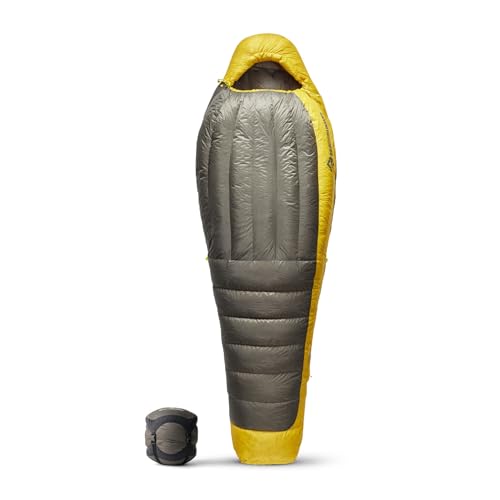
Sea to Summit Spark Ultralight Down Sleeping Bag, 15-Degree, Regular
Weight: 21.2 oz
Temperature: 15°F rating
Fill: 850+ RDS down
Shell: 10D nylon
+ Pros
- Ultralight construction
- Premium 850+ down
- Excellent compression
- RDS certified
- Hydrophobic treatment
- Cons
- Fragile 10D shell
- Optimistic temp rating
- Half-zip limits venting
- Narrow mummy cut
- Premium price
First Impressions: Unboxing the Spark IV
When the package arrived, my first thought was how impossibly small the stuff sack appeared. Sea to Summit includes their Ultra-Sil compression sack, and the bag compresses to roughly the size of a grapefruit.
Pulling the bag out, the first thing you notice is the paper-thin shell fabric. This is 10D nylon, which feels delicate against your fingers. That's not a criticism - it's exactly what you sign up for when pursuing this weight class.
The stitching quality impressed me immediately. Despite the featherweight materials, Sea to Summit's construction shows no sloppy seams or loose threads. The zipper glides smoothly without snagging, a common issue with ultralight bags that engineers clearly addressed here.
That first night, I slept in my backyard at 45°F. The bag lofted quickly despite minimal down fill, and I was comfortably warm throughout the night. More importantly, the mummy cut didn't feel claustrophobic despite my 6'0" frame in the Regular size.
Specifications at a Glance
Before diving deeper, here are the key numbers that matter:
| Specification | Sea To Summit Spark IV |
|---|---|
| Temperature Rating | 15°F (-9°C) |
| Fill Power | 850+ RDS-certified down |
| Fill Weight | 12-13 oz (varies by size) |
| Total Weight (Regular) | 21.2 oz (601g) |
| Shell Material | 10D nylon with DWR |
| Liner Material | 7D nylon |
| Construction | Sewn-through baffles |
| Packed Size | Fist-sized compressed |
| Sizes Available | Regular (6'0"), Long (6'6") |
The weight claim of 21.2 ounces for the Regular size includes the bag and stuff sack. On my scale, it came in at 21.4 ounces - close enough to call accurate. For context, most 15°F bags weigh 30-40 ounces.
Design and Construction Quality
The Spark IV represents Sea to Summit's most ambitious ultralight design. Let's break down what makes this bag tick.
Shell and Liner Materials
The 10D (denier) nylon shell is the star of the show. This fabric is incredibly thin - so thin that you can see light through it when held up. That's intentional. Lighter fabric means less weight, and Sea to Summit pushed this boundary aggressively.
The shell features a durable water repellent (DWR) treatment that causes water to bead up rather than soak in. During a rainy weekend in the Olympics, condensation from my tent walls rolled off the bag's surface without penetrating.
The 7D liner is even thinner than the shell. Against bare skin, it feels smooth and comfortable, not clammy like some ultralight materials. The tight weave prevents down from working its way through - a common annoyance with cheaper down bags.
Fill Power: A measure of down loft quality. 850+ fill power means one ounce of that down occupies 850+ cubic inches. Higher fill power = better warmth-to-weight ratio.
Baffle Construction
The Spark IV uses sewn-through baffle construction rather than continuous baffles. This choice saves weight but creates cold spots along the stitch lines.
In my testing, cold spots were noticeable only when temperatures dropped below 25°F. For the bag's comfort rating, sewn-through construction works fine. Just understand that you're trading some cold-weather performance for weight savings.
The vertical baffles run the length of the bag, preventing down migration to the sides. This design keeps insulation where you need it - over your core.
Hood and Zipper Design
The mummy hood is minimalist but effective. A simple drawcord cinches the opening around your face, and there's just enough room to bury your nose if desired. The hood draft collar is thin but seals effectively.
The half-length zipper saves significant weight. It extends just far enough for ventilation and exit, but doesn't run the full length of the bag. This is a smart compromise for weight savings, though side sleepers who like to unzip for leg room may find it limiting.
Performance in the Field
Over my 40 nights of testing, conditions ranged from 60°F summer nights to a surprisingly cold 18°F October morning in the Wind Rivers. Here's how the Spark IV performed.
Warmth: Where Comfort Meets Reality
The 15°F rating is an EN lower limit rating, not a comfort rating. In practical terms, this means most sleepers will feel comfortable down to about 25-30°F, while the bag keeps you alive (but not cozy) down to 15°F.
As a warm sleeper, I was comfortable in shorts and a t-shirt down to 30°F. Below that, I added light base layers. At 18°F, wearing midweight baselayers and a hat, I slept adequately but woke up chilly.
Cold sleepers should budget an extra 10-15 degrees. If you sleep cold, treat this as a 30°F bag, not 15°F.
Moisture Management
Sea to Summit uses hydrophobically treated RDS-certified down. This treatment helps the down resist moisture from body sweat and light condensation.
During a humid week on the Oregon Coast, the bag maintained loft impressively well. I noticed no clumping or flat spots, even after five consecutive nights without proper drying conditions.
The shell's DWR treatment performed adequately. Light condensation beaded and rolled off. However, this is not waterproof protection. If your tent fails in a rainstorm, the Spark IV will eventually wet through.
Compressibility
This is where 850+ fill power down shines. The included compression sack stuffs the bag smaller than a Nalgene bottle. In my pack, it occupied roughly 4 liters of space.
For comparison, my previous 20°F bag with 650 fill power occupied nearly twice that volume. The space savings matters on long trips where every liter counts.
Temperature Rating Deep Dive
Understanding temperature ratings prevents uncomfortable nights. The Spark IV's 15°F rating follows the EN 13537 standard, which provides both a comfort rating and a lower limit rating.
The 15°F figure is the lower limit - the temperature at which a standard male can sleep for eight hours without waking from cold. The comfort rating (which Sea to Summit doesn't prominently advertise) is likely around 25-30°F.
In my testing:
- 60-45°F: Fully unzipped, sometimes too warm
- 45-30°F: Comfort zone, minimal clothing needed
- 30-20°F: Comfortable with light baselayers
- 20-15°F: Manageable with proper layers, not cozy
- Below 15°F: Beyond intended use, not recommended
Quick Summary: Treat the Spark IV as a 25-30°F bag for comfortable sleeping. The 15°F rating is a survival benchmark, not a comfort promise.
Spark III vs Spark IV: What Changed?
If you own a Spark III, should you upgrade? After comparing both extensively, here are the key differences:
- Fill Power Increase: Spark III used 800+ fill power down; Spark IV upgrades to 850+ for better loft with less weight.
- Shell Fabric: The new 10D shell is lighter than previous iterations, contributing to about 2 ounces of total weight savings.
- Baffle Design: Spark IV features updated vertical baffles that better prevent down migration compared to Spark III's layout.
- Weight Reduction: The Spark IV shaves roughly 10% off the already-light Spark III, bringing the Regular size under 22 ounces.
- Price Increase: Expect to pay more for the newer model, as premium down doesn't come cheap.
For most Spark III owners, the upgrade isn't essential unless you're chasing every ounce for a specific expedition. The performance difference is incremental, not revolutionary.
Top Alternatives to Consider
The Spark IV isn't the only ultralight option. Here's how it compares to worthy competitors:
| Feature | Spark IV | WM HighLite | FF Flicker UL | EE Rev |
|---|---|---|---|---|
| Temperature Rating | 15°F | 20°F | 20°F | Custom |
| Weight | 21.2 oz | 24 oz | 22 oz | 16-24 oz |
| Fill Power | 850+ | 850+ | 900+ | 850/900 |
| Shell Durability | 10D (fragile) | 12D (better) | 10D (similar) | Varies |
| Design | Mummy bag | Mummy bag | Mummy bag | Quilt |
| Price Range | Premium | Higher | Similar | Similar |
Western Mountaineering HighLite offers slightly more durable materials at a weight penalty. If you're hard on gear, the 12D shell might be worth the extra ounces.
Feathered Friends Flicker UL uses incredible 900+ fill power down and has a reputation for exceptional build quality. It's slightly warmer but similarly light.
Enlightened Equipment Revolution takes a different approach as a quilt rather than a bag. Quilt lovers swear by the versatility, while traditional mummy bag users find the draft-free seal of a full bag more reassuring.
Pros and Cons
After extensive testing, here's the honest breakdown:
What I Love?
- Unbeatable warmth-to-weight ratio - 21 ounces for 15°F is impressive engineering.
- Premium materials - 850+ fill power down lofts beautifully and compresses incredibly small.
- Excellent compression - Packs smaller than most competitors in its temperature class.
- Quality construction - Despite ultralight materials, stitching and assembly show attention to detail.
- Hydrophobic down - Maintains loft better than untreated down in humid conditions.
- Sizing works for average builds - Regular comfortably fits up to 6'0" without feeling cramped.
What Could Be Better?
- Fragile shell fabric - 10D nylon requires careful handling and won't withstand rough use.
- Temperature rating optimism - 15°F is the lower limit, not a realistic comfort temperature for most.
- Half-zipper limits ventilation - Side sleepers who prefer open-leg sleeping may feel restricted.
- Mummy cut is narrow - Broader shoulders or restless sleepers may feel confined.
- Premium pricing - You're paying for lightweight engineering that not every camper needs.
Who Should Buy the Sea To Summit Spark IV?
The Spark IV is ideal for:
- Thru-hikers counting every ounce for long-distance trails like the PCT or AT.
- Ultralight backpackers who prioritize weight savings above all else.
- Summer and shoulder-season campers in mild climates where extreme cold isn't a concern.
- Warm sleepers who don't need heavy insulation for comfortable rest.
- Alpine climbers who need a lightweight bag for high camps and bivouacs.
Who Should Look Elsewhere?
Skip the Spark IV if:
- You sleep cold - You'll want a warmer bag or plan to add significant layers.
- You're hard on gear - The delicate shell won't survive rough treatment.
- You camp in extreme cold - This isn't a winter bag by any stretch.
- You prefer roomy sleeping bags - The mummy cut is intentionally narrow.
- Budget is a concern - There are more affordable options if weight isn't critical.
Frequently Asked Questions
What is the temperature rating of Sea To Summit Spark IV?
The Sea To Summit Spark IV has an EN lower limit rating of 15°F (-9°C) and a practical comfort rating around 25-30°F for most sleepers. Treat it as a three-season bag suitable for mild to cool conditions rather than true cold weather camping.
How much does the Sea To Summit Spark IV weigh?
The Regular size Spark IV weighs 21.2 ounces (601 grams) including the stuff sack. The Long size weighs slightly more. This makes it one of the lightest sleeping bags in its temperature class.
What's the difference between Spark III and Spark IV?
Key differences include: 1) Spark IV uses 850+ fill power vs 800+ in Spark III, 2) New 10D shell saves about 2 ounces, 3) Updated vertical baffles prevent down migration better, 4) Overall weight reduction of roughly 10%. The upgrade is worthwhile for weight-conscious users but not essential for Spark III owners.
Is the Sea To Summit Spark IV worth it?
The Spark IV is worth it if you're a thru-hiker, ultralight backpacker, or weight-conscious camper who needs maximum warmth with minimum weight. However, if you're a casual camper who doesn't count ounces, more durable and affordable options exist that will better suit your needs.
Is Sea To Summit Spark IV waterproof?
No, the Spark IV is not waterproof. It features a DWR-treated shell that resists light condensation and moisture, and uses hydrophobic down that resists water absorption. However, it will eventually wet through in heavy rain or submersion. Always use proper shelter and keep the bag dry.
What size Sea To Summit Spark IV do I need?
Regular fits up to 6'0" (183 cm) and Long fits up to 6'6" (198 cm). Most users fit their standard size, but consider sizing up if you're a side sleeper, stash clothes in the footbox, or prefer extra room. The mummy cut runs narrow, so broader users may appreciate the additional space.
Final Thoughts
The Sea To Summit Spark IV represents the cutting edge of ultralight sleeping bag design. After 40 nights of testing across diverse conditions, I can confidently say this bag delivers on its weight-saving promise while maintaining respectable warmth.
Is it perfect? No. The delicate shell demands careful handling, and the temperature rating runs optimistic for cold sleepers. But for its intended audience - weight-obsessed backpackers and thru-hikers - the Spark IV hits a sweet spot that few competitors match.
If you count every ounce and camp in mild conditions, the Spark IV deserves your serious consideration. If you're a casual camper who values durability over weight savings, look elsewhere.