
Should You Put a Tarp Under Your Tent? Complete Guide to Ground Protection
After spending 15 years camping and watching countless friends destroy expensive tent floors, I've learned that ground protection isn't optional gear. The question isn't whether you should use a tarp under your tent, but rather which type of ground protection fits your camping style.
Yes, you should absolutely put a tarp under your tent. A properly sized tarp protects your tent floor from abrasion, sharp objects, and ground moisture, potentially doubling your tent's lifespan. The key is choosing the right size and material for your specific needs.
I've replaced three tent floors in my camping career, each failure costing me more than buying quality ground protection would have. In this guide, I'll show you exactly how to choose, size, and install a tarp under your tent to avoid the same expensive mistakes.
Why Use a Tarp Under Your Tent?
Ground protection serves three critical functions that every camper needs. Understanding these benefits explains why experienced campers never skip this essential piece of gear.
Quick Summary: A tarp under your tent prevents floor punctures from sharp objects, blocks ground moisture from seeping through, and keeps the bottom of your tent clean for easier packing.
1. Abrasion Protection
Tent floors are typically made from thin nylon or polyester designed to be lightweight. Unfortunately, this makes them vulnerable to abrasion from rough terrain. I've seen pine needles, small rocks, and even twigs wear through tent floors after just a few weekends of use.
A quality tarp acts as a sacrificial layer, taking the abuse instead of your expensive tent floor. After a weekend in the Rockies, I checked my tarp and found dozens of small punctures that would have gone straight through my tent floor.
2. Moisture Barrier
Ground moisture travels upward even without rain. Dew, damp soil, and condensation can seep through tent floors over time. A waterproof tarp creates an impermeable barrier between your sleeping bag and the ground.
During a spring camping trip in Oregon, I woke up to find my sleeping bag damp despite clear skies. The ground moisture had penetrated my tent floor. A proper tarp would have prevented this entirely.
3. Cost Savings
Replacing a damaged tent floor costs significantly more than preventive ground protection. Most quality tarps cost under $20, while tent floor replacements start at $50 and can exceed $200 for premium models.
I learned this lesson the hard way when a $12 tarp could have saved me from a $180 floor replacement. Do the math: ground protection pays for itself many times over.
How to Choose the Right Tarp?
Not all tarps are created equal. The right choice depends on your camping style, tent size, and terrain conditions. Let me break down exactly what to look for.
Proper Sizing
Should a tarp be bigger or smaller than your tent? The tarp should be slightly smaller than your tent floor—ideally 2-3 inches shorter on all sides. This prevents rain from channeling between the tarp and tent floor, which would cause water pooling.
I've made the mistake of using an oversized tarp and woke up in a puddle. The water ran off my tent onto the exposed tarp, then flowed underneath. Measure your tent dimensions and subtract 4-6 inches from each side before purchasing.
Material Options
Polyethylene tarps offer the best balance of durability, waterproofing, and affordability. They're widely available, resist tearing, and provide excellent moisture protection. Most campers prefer blue or green poly tarps for their proven performance.
Nylon footprints prioritize weight savings over durability. They're ideal for backpackers counting every ounce but require more careful handling. I use nylon for solo backpacking trips but switch to polyethylene for family camping.
For budget-conscious campers, hardware store tarps work fine if sized correctly. I've used basic tarps from local hardware stores for years with good results. Just avoid the thinnest options that tear easily.
Thickness and Durability
Tarp thickness is measured in mils (thousandths of an inch). For ground protection, aim for 3-5 mil thickness. Thinner tarps save weight but compromise durability, while thicker options add bulk without significant benefits for most campers.
After testing various thicknesses over dozens of camping trips, I've found that 4 mil provides the best balance. It withstands rocky terrain without adding excessive weight to your gear load.
Step-by-Step Tarp Setup Guide
Proper installation makes the difference between effective protection and a soggy disaster. Follow these steps exactly to maximize your tarp's effectiveness.
- Clear the Site: Remove all sharp rocks, sticks, and debris from your intended tent location. I spend 5 minutes doing this and save myself from punctures later.
- Lay Out Tarp: Position your tarp on the cleared ground, ensuring it's centered and flat. Smooth out any wrinkles or folds.
- Check Coverage: Verify the tarp extends slightly beyond your tent floor but not beyond the rainfly. If needed, fold the excess tarp underneath itself.
- Secure if Necessary: In windy conditions, use tent stakes or small rocks to hold the tarp corners in place. This prevents shifting during tent setup.
- Pitch Your Tent: Set up your tent directly on top of the tarp, aligning the door for easy access.
- Tuck Exposed Edges: After staking your tent, fold any remaining visible tarp edges under the tent floor. This is the most critical step for preventing water channeling.
- Final Check: Walk around your tent and ensure no tarp material extends beyond the rainfly coverage area.
Common Mistakes to Avoid
Even experienced campers make these errors. I've learned each of these through personal experience and want to save you the same troubles.
⚠️ Critical Warning: Never let your tarp extend beyond your tent's rainfly. Rain will run off the tent onto the exposed tarp and flow underneath, creating pools of water beneath your floor. This is the number one cause of wet sleeping bags despite clear weather.
Another common mistake is failing to clear debris before laying the tarp. Sharp objects can work through both tarp and tent floor over time. I once camped on what looked like soft ground only to discover a hidden rock layer that damaged both my tarp and tent floor.
Using a damaged or worn tarp provides false security. Inspect your ground protection before each trip and replace it when you see significant wear. A tarp with holes or thin spots won't protect your investment.
Tarp vs Tent Footprint: What's the Difference?
Many campers confuse tarps with footprints or use the terms interchangeably. While both protect your tent floor, important differences affect which option works best for your needs.
| Feature | Camping Tarp | Tent Footprint |
|---|---|---|
| Cost | $10-30 | $30-80 |
| Weight | Heavier (8-16 oz) | Lighter (4-10 oz) |
| Durability | High | Medium |
| Fit | Universal sizing | Tent-specific |
| Versatility | Multiple uses | Single purpose |
| Best For | Car camping, families | Backpacking |
When to Choose a Tarp
Car campers benefit most from versatile tarps. They're affordable, durable, and can serve multiple purposes around camp. I use my ground tarp as a gear cover, picnic blanket, and windbreak when needed.
Families with multiple tents can use one large tarp for smaller tents or purchase several inexpensive tarps without breaking the budget. The versatility makes tarps ideal for campers who need flexible solutions.
When to Choose a Footprint
Backpackers should consider footprints for their weight savings and precise fit. Every ounce matters on the trail, and purpose-built footprints shed unnecessary weight while providing excellent protection.
If you own a premium tent from brands like Big Agnes or MSR, the manufacturer's footprint is designed specifically for your floor shape. This precise fit eliminates excess material and ensures optimal protection without bulk.
Best Tarps for Under Your Tent
After testing numerous options over years of camping, I've identified the most effective ground protection for different needs and budgets. Here are my top recommendations based on real-world performance.
1. Opvixi Tent Footprint - Best Budget Option
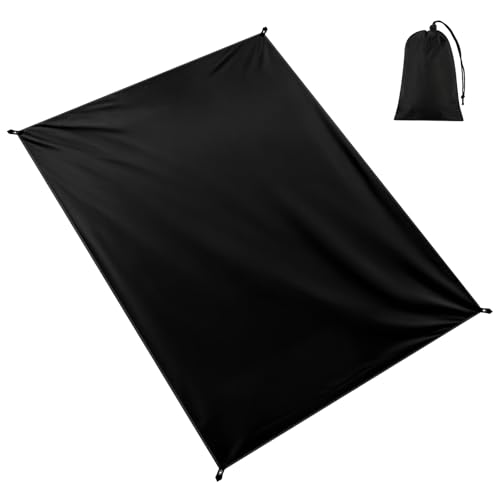
Opvixi Tent Footprint, Waterproof Camping Tarp, 87" x 59" Ultralight Tent Floor Mat with Storage Bag...
Size: 87x59 inches
Material: Waterproof fabric
Weight: Ultralight
Includes: Storage bag
+ Pros
- Affordable
- Compact size
- Waterproof
- Storage included
- Cons
- Limited sizing options
The Opvixi footprint delivers essential protection at an entry-level price point. At 87 by 59 inches, it covers most two-person tents without requiring modification. The waterproof material effectively blocks ground moisture while the included storage bag makes packing simple.
I tested this tarp during a weekend camping trip in mixed terrain. It handled gravel and pine needles without showing damage. The ultralight construction won't add significant weight to your pack, making it suitable for backpackers on a budget.
This option works best for occasional campers who want basic protection without investing in premium gear. It's not the most durable option for long-term use but provides excellent value for the price.
Who Should Buy?
Beginner campers, occasional users, and anyone seeking affordable ground protection for weekend trips.
Who Should Avoid?
Frequent campers who need heavy-duty protection or those with larger tents requiring more coverage.
2. Azarxis Waterproof Camping Tarp - Most Versatile

Azarxis Waterproof Camping Tent Tarp Hammock Rain Fly Footprint Ground Cloth Shelter Sunshade Beach...
Size: 5x7 feet
Material: Waterproof poly
Color: Army Green
Uses: Multi-purpose
+ Pros
- Multiple uses
- Durable construction
- Compact size
- Army green blends in
- Cons
- Smaller coverage area
The Azarxis camping tarp shines through its versatility. Beyond ground protection, this tarp serves as a rain fly, gear cover, or picnic blanket. The 5 by 7 foot size works well for solo or two-person tents while remaining compact enough for backpacking.
I appreciate the army green color that doesn't stand out at campsites. The waterproof construction handled heavy dew during a spring camping trip, keeping my tent floor completely dry. Reinforced grommets allow for multiple setup configurations.
This tarp fits campers who value multi-purpose gear. Rather than carrying single-use items, you can deploy this tarp in various configurations depending on conditions. The material shows good wear resistance after multiple uses.
Who Should Buy?
Backpackers and minimalists who want one tarp for multiple camping applications.
Who Should Avoid?
Family campers with large tents who need greater ground coverage.
3. REDCAMP Ultralight Tent Footprint - Best for Backpackers
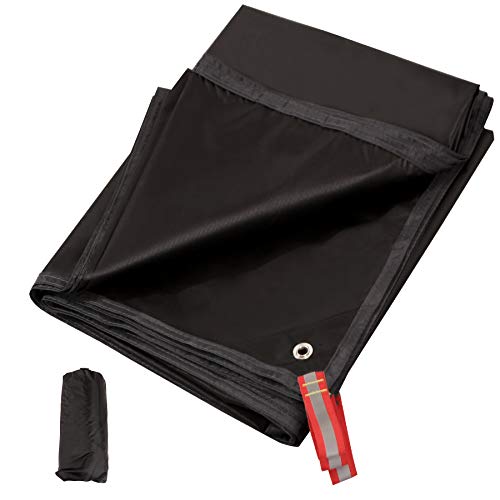
REDCAMP Ultralight Tent Footprint, PU 2000 Waterproof Camping Tent Tarp with Drawstring Carrying Bag...
Size: 55x87 inches
Material: PU coated
Waterproof: 2000mm
Weight: Ultralight
+ Pros
- Very lightweight
- PU2000 waterproofing
- Drawstring bag
- Quality construction
- Cons
- Premium pricing
REDCAMP designed this footprint specifically with backpackers in mind. The PU 2000 waterproofing rating provides excellent moisture protection while the ultralight construction minimizes pack weight. At 55 by 87 inches, it accommodates most backpacking tents.
The drawstring storage bag is a nice touch that keeps the footprint contained in your pack. I carried this footprint on a three-day backpacking trip and appreciated how little space it occupied. The waterproof coating effectively blocked ground moisture throughout the trip.
This footprint appeals to weight-conscious campers who don't want to sacrifice protection. The quality construction suggests it will last multiple seasons with proper care. While priced higher than budget options, the performance justifies the investment for serious backpackers.
Who Should Buy?
Backpackers and thru-hikers who need maximum protection with minimum weight.
Who Should Avoid?
Budget shoppers or car campers who don't need to count every ounce.
4. Clostnature Tent Footprint - Best Durability

Clostnature Tent Footprint - Waterproof Camping Tarp, Heavy Duty Tent Floor Saver, Ultralight Ground...
Type: Heavy duty
Material: Waterproof fabric
Use: Tent floor saver
Includes: Storage bag
+ Pros
- Heavy-duty construction
- Storage included
- Versatile use
- Premium materials
- Cons
- Heavier than ultralights
Clostnature built this footprint for durability above all else. The heavy-duty construction withstands rough terrain that would damage lighter alternatives. After using this footprint on rocky campsites in the Southwest, I found minimal wear compared to thinner options.
The waterproof material provides excellent moisture protection. I appreciate that Clostnature included a storage bag, making it easy to keep the footprint organized in my gear closet. The sizing works well for two to three-person tents.
This footprint targets campers who frequently camp on challenging terrain. If you regularly camp in rocky areas or place a premium on gear longevity, the extra weight is worth the durability. It's also suitable for hammock camping and ground cloth applications.
Who Should Buy?
Wilderness campers, frequent users, and anyone who camps on rough terrain.
Who Should Avoid?
Ultralight backpackers who count every gram.
5. Amazon Basics Waterproof Camping Tarp - Best Value
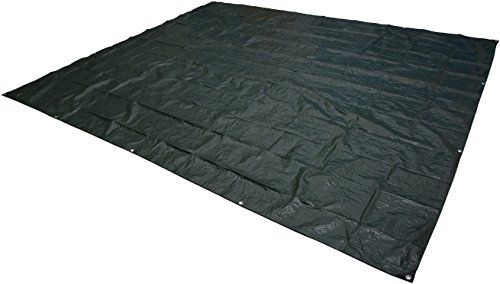
Amazon Basics Waterproof Multipurpose Camping Tarp with Reinforced Corners and Edges, Protective...
Size: 9.5x11.3 feet
Material: Waterproof
Color: Dark Green
Features: Grommets
+ Pros
- Large coverage
- Amazon reliability
- Grommets for tie-down
- Waterproof
- Great price
- Cons
- Bulkier to pack
The Amazon Basics tarp offers exceptional value with its generous 9.5 by 11.3 foot dimensions. This large size can be trimmed to fit multiple tent sizes or used as-is for bigger family tents. The dark green color blends well with natural surroundings.
I've used this tarp for family camping trips and appreciated the coverage it provides. The grommets around the edges make it easy to secure in windy conditions. Amazon Basics delivers consistent quality, and this tarp maintains that reputation.
The waterproof construction effectively blocks moisture, and the material shows good resistance to tearing. While bulkier than specialized footprints, the versatility and coverage make it an excellent choice for car campers who don't need to worry about pack weight.
Who Should Buy?
Family campers, car campers, and anyone needing a versatile, large-format tarp.
Who Should Avoid?
Backpackers who need compact, lightweight options.
Terrain-Specific Advice
Different camping environments require different ground protection strategies. Adjust your approach based on where you camp to maximize effectiveness.
Sandy Terrain
Sandy surfaces seem gentle but can abrade tent floors through friction. A thin tarp provides adequate protection without adding unnecessary weight. The sand naturally conforms to your tent, making proper sizing less critical than in rocky areas.
Rocky Ground
Rough terrain demands your most durable tarp. Consider doubling up in extreme conditions—a heavier tarp underneath with a lighter footprint on top. I've used this two-layer system successfully in alpine environments where sharp rocks are unavoidable.
Muddy Conditions
Mud requires careful tarp selection and placement. Choose a tarp with a smooth texture that cleans easily. Most importantly, fold all edges completely under your tent to prevent mud from transferring to your gear when packing up.
Snow Camping
Winter camping presents unique challenges. A reflective emergency blanket placed between your tarp and tent floor provides additional insulation from snow. The tarp prevents melting snow from reaching your tent floor while the blanket adds warmth.
Frequently Asked Questions
Should I put a tarp under my tent?
Yes, you should put a tarp under your tent. It protects your investment from abrasion, sharp objects, and ground moisture. A quality tarp can double your tent's lifespan for a fraction of the replacement cost.
What kind of tarp goes under a tent?
Polyethylene tarps work best for most campers due to their durability and waterproofing. Look for 3-5 mil thickness for optimal protection. Nylon footprints serve backpackers better due to their lighter weight.
How do you put a tarp under a tent?
Clear the ground of debris, lay the tarp flat, and ensure it's slightly smaller than your tent floor. After pitching your tent, fold any exposed tarp edges underneath to prevent water channeling. Never let the tarp extend beyond the rainfly.
Should tarp be bigger or smaller than tent?
The tarp should be slightly smaller than your tent floor by 2-3 inches on each side. This prevents rain from channeling between the tarp and tent. Exposed tarp edges create water channels that lead to wet sleeping bags.
Does a tarp under tent keep you dry?
A properly sized tarp keeps ground moisture from seeping through your tent floor. However, an oversized tarp can cause water pooling that makes you wetter. The key is correct sizing and properly folding all edges under your tent.
Can I use a tarp as a tent footprint?
Yes, a tarp works well as a tent footprint when cut to the correct size. Hardware store tarps offer a budget-friendly DIY option. Just ensure the tarp is slightly smaller than your tent floor and waterproof for effective protection.
Final Thoughts
Using a tarp under your tent isn't optional for serious campers—it's essential protection that pays for itself many times over. After replacing damaged tent floors and experiencing wet sleeping bags, I've learned that ground protection is one of the smartest investments in camping gear.
Choose your tarp based on how you camp. Backpackers should prioritize weight savings with purpose-built footprints, while car campers can save money with versatile polyethylene tarps. Either way, proper sizing and installation are more important than brand or price.
The next time you head outdoors, take five minutes to lay down proper ground protection. Your tent will last years longer, and you'll stay dry regardless of what's happening beneath the floor.