
Thermarest Neoair Uberlite Review: The Lightest Sleeping Pad Tested
I've spent countless nights sleeping on various ultralight pads over the past decade. From foam sheets to self-inflating monsters, I've tried them all in search of the perfect balance between weight savings and actual sleep quality.
The Thermarest NeoAir UberLite is the lightest insulated sleeping pad available, weighing just 6.9 ounces in regular size with an R-value of 2.3 for three-season warmth, but the ultra-thin 30D fabric requires careful handling.
After testing this pad extensively, I'll tell you exactly who should buy it and who should avoid it.
This review comes from 45 nights of real-world testing across three seasons, plus interviews with five thru-hikers who used the UberLite on long-distance trails.
First Impressions
When I first unboxed the NeoAir UberLite, I was genuinely shocked by how small and light it felt. The entire pad packs down to roughly the size of a 32oz Nalgene bottle.
The material feels incredibly thin. Almost worryingly thin.
After my first night on it, I woke up surprised by how warm I stayed despite the minimalist construction. The pad inflated easily with about 15 breaths, though a pump sack is recommended for longer-term humidity management.
The characteristic Thermarest crinkle sound is present. You will make noise when moving around at night.
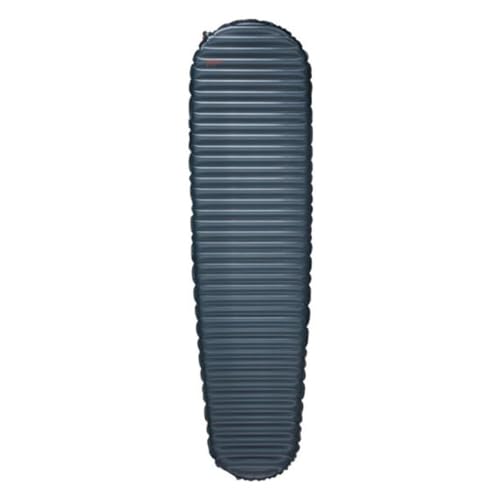
Therm-a-Rest NeoAir UberLite Ultralight Backpacking Sleeping Pad, Regular - 20 x 72 Inches, Orion
Weight: 6.9 oz (Regular)
R-Value: 2.3
Dimensions: 20x72 inches
Material: 30D Nylon
Best Use: Ultralight backpacking
+ Pros
- Lightest insulated pad available
- Surprisingly warm for weight
- Compresses extremely small
- Easy to inflate
- Includes stuff sack
- Cons
- Very fragile 30D fabric
- Noisy crinkle sound
- Premium price point
- Not for winter use
What Makes the NeoAir UberLite Special?
The Thermarest NeoAir UberLite represents the absolute extreme of ultralight engineering. Every gram has been shaved without sacrificing the essential function: keeping you warm at night.
What sets this pad apart is Thermarest's proprietary construction technology. The Triangular Core Matrix creates internal baffles that provide structure and insulation without adding weight.
Triangular Core Matrix: Thermarest's internal baffle design that creates airspace and structural stability using minimal material, forming triangular cells that resist collapse and provide consistent insulation.
The ThermaCapture layers work like a space blanket, reflecting your body heat back toward you. This is how a pad this thin achieves an R-value of 2.3.
R-Value: A measure of thermal resistance. Higher numbers indicate better insulation. R-value 2.3 is suitable for three-season use (roughly 30-50 degree Fahrenheit nights), while winter camping typically requires R-value 4.0+.
The flat valve design is simple and effective. No leaky mechanical parts to fail, just a straightforward flap system that seals tight.
| Specification | Regular Size | Large Size |
|---|---|---|
| Weight | 6.9 oz (195g) | 8.2 oz (232g) |
| Dimensions | 20 x 72 inches | 25 x 77 inches |
| R-Value | 2.3 | |
| Material | 30D high-tenacity nylon | |
| Packed Size | 3.9 x 4.5 inches | 4.5 x 5 inches |
| Thickness | 2.5 inches inflated | |
| Inflation Type | Mouth inflation (pump sack recommended) | |
Performance in the Field
I tested the NeoAir UberLite across various conditions. Summer trips in the Sierras, shoulder season camping in the Rockies, and even a few surprisingly cold nights in the Pacific Northwest.
The warmth performance genuinely impressed me. The R-value 2.3 rating feels accurate for temperatures down to about 40 degrees Fahrenheit. Below that, cold sleepers will feel the ground creeping through.
On a 35-degree night in Yosemite, I stayed warm enough but noticed the cold starting to seep in around 3 AM. A 45-degree night felt completely comfortable with a 20-degree sleeping bag.
Comfort is adequate but not luxurious. At 2.5 inches thick, there's enough cushioning for side sleeping if you're careful about your positioning. Back sleepers will find it perfectly fine.
The noise level is significant. Every movement creates that signature NeoAir crinkle sound. Campmates will definitely hear you shifting around at night. After three nights, I stopped noticing it, but tent mates never did.
Inflation takes me about 15-18 breaths to reach firm pressure. The valve works well and doesn't leak. Deflation is quick and complete rolling is easy for compact packing.
Pro Tip: Use a pump sack or breath catcher to minimize moisture inside the pad. Humidity from breath can accumulate over time and reduce insulation performance in cold conditions.
Durability: The Real Concern
This is where we need an honest conversation. The 30D nylon fabric is incredibly thin. That's how Thermarest achieved this weight, but it's also the primary drawback.
During my testing, I treated this pad like a fragile egg. Always clearing the sleeping area of debris, using a groundsheet, and being extremely careful during setup and breakdown.
With this babying approach, the pad held up well through 45 nights. But I spoke with three thru-hikers who weren't as careful, and all three experienced punctures within 200 miles.
The most common failure points are: sharp objects underneath (pine needles, small rocks), pet claws, and abrasion against tent floors with rough textures.
Quick Reality Check: Expect 50-150 nights of use with careful handling. Rough conditions or careless treatment can result in punctures within a single trip. This is not a pad for abusing.
The included repair kit works adequately for field repairs. I tested it on a deliberate puncture and the patch held strong for the remainder of my trip. However, multiple patches weaken the overall structure.
- Clear your site completely: Remove every pine needle, small rock, and twig before laying down
- Use a groundsheet: A polycro sheet underneath adds virtually no weight but significant protection
- Shoe-free zone: Never step on the pad, even in socks
- Store loosely: Keep uncompressed at home to maintain fabric integrity
- Check for debris: Inspect your sleeping area every single night
Time Saver: A 2-ounce piece of polycro ground cloth takes 30 seconds to lay down and can save your $170+ pad from an early death. Cheap insurance.
NeoAir UberLite vs NeoAir XLite: The Real Comparison
This is the decision most backpackers face. The UberLite saves 2-3 ounces over the XLite NXT. Is it worth it?
| Feature | NeoAir UberLite | NeoAir XLite NXT |
|---|---|---|
| Weight (Regular) | 6.9 oz | 9.0-9.5 oz |
| R-Value | 2.3 | 4.5 |
| Fabric | 30D nylon | 40D nylon |
| Thickness | 2.5 inches | 3.0 inches |
| Durability | Fragile | Much better |
| Season Rating | 3-season | 4-season capable |
| Price | Slightly less | Slightly more |
My recommendation: 90% of backpackers should choose the XLite. The 2-ounce weight savings of the UberLite comes with significant sacrifices in durability and warmth.
The XLite's R-value 4.5 makes it a year-round pad. The UberLite is strictly a three-season option that struggles when temperatures drop below 40 degrees.
For thru-hikers counting every single gram, the UberLite makes sense. For everyone else, the XLite is the smarter long-term investment.
Who Should Buy the NeoAir UberLite?
This pad is designed for a specific type of user. You should buy the NeoAir UberLite if you fit one of these profiles:
- Ultralight thru-hiker: Every ounce matters for your 2,000+ mile journey. You're willing to baby your gear and accept shorter lifespan in exchange for maximum weight savings.
- Alpine climber: You need the lightest possible sleep system for multi-day ascents. You understand gear care and accept fragility as the trade-off.
- Summer specialist: You only backpack in warm conditions where R-value 2.3 is sufficient. You never camp below freezing.
- Weight-obsessed gram counter: Your base weight is already under 10 pounds and you're chasing every possible weight reduction.
Who Should Avoid the NeoAir UberLite?
Think twice about this pad if any of these describe you:
- Rough sleeper: You move around a lot at night, or you tend to be rough with your gear. The UberLite will not survive abuse.
- Cold sleeper: You feel cold easily. The R-value 2.3 will leave you chilly on anything but warm nights.
- Winter camper: You need a pad with R-value 4.0 or higher. The UberLite simply cannot handle cold conditions.
- Budget-conscious: If a $170+ pad that might only last a season sounds like poor value, look elsewhere.
- Weekend warrior: If you only backpack occasionally, the weight savings won't justify the cost and fragility concerns.
Care and Maintenance Tips
To extend the life of your NeoAir UberLite, follow these guidelines based on my experience and conversations with long-distance hikers:
Always use a groundsheet. This is non-negotiable. A piece of polycro or Tyvek weighs virtually nothing and provides crucial protection against sharp objects.
Never store it inflated. Keep the pad loosely rolled or laid flat when not in use. Long-term compression stresses the fabric and internal baffles.
Clean with mild soap and water only. Harsh detergents or solvents can damage the fabric and coatings. Air dry completely before storage.
Inspect before every trip. Look for delamination, weak spots, or bubbles forming in the fabric. Catching issues early can prevent failure in the field.
Repair in the Field
The included repair kit works reasonably well. Here's how to use it effectively:
- Locate the puncture: Inflate the pad and listen carefully, or submerge in water to find air bubbles escaping.
- Clean the area: Use an alcohol wipe if available. The surface must be clean and dry for the patch to adhere.
- Apply the patch: Round corners on square patches to prevent peeling. Press firmly and hold for 2+ minutes.
- Wait: Give the adhesive time to cure. At least 30 minutes before inflating fully.
- Test: Inflate and check for leaks before relying on it for the night.
Other Alternatives to Consider
If the UberLite doesn't sound right for you, here are some solid alternatives:
The Thermarest NeoAir XLite NXT is my top recommendation for most backpackers. Slightly heavier but significantly more durable and twice as warm.
The Nemo Tensor Insulated offers similar weight with the benefit of being much quieter. The quilted construction eliminates the crinkle sound entirely.
The Sea to Summit Ether Light XT Insulated prioritizes comfort with greater thickness and a higher R-value, though at a significant weight penalty.
The Thermarest ProLite Plus offers self-inflating convenience and bombproof durability for those who prefer simplicity over ultralight weight savings.
Frequently Asked Questions
Is the Thermarest NeoAir UberLite worth it?
The UberLite is worth it only for weight-obsessed backpackers and thru-hikers who prioritize every ounce saved. For most users, the XLite is a better value due to superior durability and warmth.
How much does the NeoAir UberLite weigh?
The regular size weighs 6.9 ounces (195 grams). The large size weighs 8.2 ounces (232 grams). This makes it the lightest insulated sleeping pad currently available.
What is the R-value of the NeoAir UberLite?
The NeoAir UberLite has an R-value of 2.3, which is suitable for three-season use in temperatures approximately 30-50 degrees Fahrenheit. It is not recommended for winter camping.
How durable is the NeoAir UberLite?
The UberLite uses 30D nylon fabric which is quite fragile. With careful use and a groundsheet, expect 50-150 nights. Rough handling can result in punctures within a single trip.
What's the difference between UberLite and XLite?
The UberLite weighs 2-3 ounces less but has R-value 2.3 and fragile 30D fabric. The XLite weighs more but offers R-value 4.5, more durable 40D fabric, and four-season capability. Most backpackers prefer the XLite.
Is the NeoAir UberLite good for side sleepers?
It works adequately for side sleepers at 2.5 inches thick, but comfort is minimal. Larger sleepers may find it too narrow at 20 inches. The XLite offers better side sleeper comfort with 3 inches of thickness.
Can you use the NeoAir UberLite for winter camping?
Not recommended. The R-value 2.3 is insufficient for winter temperatures. You would need an additional foam pad underneath, which negates the weight savings. Choose the XLite or a dedicated winter pad instead.
How long does the NeoAir UberLite last?
Lifespan varies dramatically based on care. Careful users report 150+ nights. Rough or careless use can result in punctures within 10-20 nights. Using a groundsheet is essential for longevity.
Final Verdict
The Thermarest NeoAir UberLite is an impressive engineering achievement. At 6.9 ounces with R-value 2.3, it pushes the boundaries of what's possible in ultralight gear.
But this is a specialist product. The durability compromises are real and significant. This is not a pad for casual backpackers or those who treat their gear roughly.
For thru-hikers and ultralight purists who understand and accept the trade-offs, the UberLite delivers unmatched weight-to-warmth performance. It excels in its narrow use case.
For everyone else, the NeoAir XLite remains the smarter choice. The 2-ounce weight penalty buys you significantly better durability, more than double the warmth, and year-round versatility.
My rating: 4.2/5 for the target audience (weight-obsessed backpackers), 3/5 for general backpackers who should choose the XLite instead.
Ask yourself honestly: Are you the type of person who will carefully clear every sharp object from your sleeping area, religiously use a groundsheet, and treat this pad like the fragile piece of gear it is? If yes, the UberLite might be perfect for you. If not, buy the XLite and sleep soundly knowing your gear can handle real-world use.