
Tips For Ice Fishing Bass This Coming Winter - Catch More Largemouth Through the Ice
Ice fishing for bass is the practice of catching bass through a hole drilled in frozen lake ice, using specialized short rods, vertical jigging techniques, and electronics to locate fish in winter. Bass remain active under ice despite slowed metabolisms, making them viable targets for anglers willing to adapt their summer tactics to cold-water conditions.
The first time I watched a tip-up flag snap upright on a frozen Minnesota lake, I realized everything I knew about bass fishing was about to change. After paddling these same waters in my fishing kayak all summer, I assumed bass season ended when the ice formed. That 4-pound largemouth inhaling my tiny jig proved me wrong. It fought harder than any summer bass I'd hooked, nearly pulling me headfirst through the hole.
Most anglers pack away their bass gear when lakes freeze over, missing some of the year's best fishing. Winter bass do not hibernate. They simply slow down and concentrate in predictable areas. After 15 years of chasing bass through the ice from Minnesota to Maine, I have learned these fish become more catchable, not less, when you understand their cold-water behavior. This guide covers proven techniques, essential gear, and safety knowledge you need for successful ice fishing bass. I will share hard-earned lessons from mistakes that cost me fish and nearly sent me for an icy swim.
Why Ice Fish for Bass? The Winter Advantage
Most bass anglers miss incredible winter opportunities because they believe the myths. Here is the truth: largemouth and smallmouth bass remain active all winter, just at reduced speeds. Their metabolism drops when water temperatures fall below 40 degrees, but they still need to feed. In fact, some of my biggest bass have come through the ice, including fish over 6 pounds that simply outgrow their summer counterparts.
The solitude is unmatched. Those crowded summer spots where you fought for casting room? Now you have the entire lake to yourself. Additionally, when you are transitioning from winter kayaking to ice fishing, you already understand the water structure and where bass hold during cold weather. That knowledge transfers directly to your ice success.
Finding Winter Bass: Location is Everything
Bass location changes throughout the ice season. Understanding these seasonal movements separates successful anglers from those who drill random holes hoping for luck.
Early Winter Patterns (First Ice)
First ice in December means bass have not migrated far from their late fall feeding areas. I consistently locate them in 15-25 feet of water near specific structure types.
Deep weed edges: Target the last remaining green weeds, typically coontail or milfoil that survive cold water
Main lake points: Especially those with rock or timber that hold heat
Creek channel bends: Where deeper water swings close to shallow structure
Last December on Mille Lacs, I positioned over a 20-foot channel edge where I had caught bass from my kayak in November. The fish were stacked there like cordwood. An underwater camera proves invaluable here. If you can see green weeds on the screen, bass are nearby.
Mid-Winter Locations (January-February)
As winter progresses, bass move deeper and concentrate in tighter groups. The search becomes more targeted.
Deep basins: 25-40 feet near the lake's deepest holes where water remains most stable
Steep breaks: Where shallow flats drop quickly into deep water
Underwater humps: Rising from deep water to 15-20 feet, creating current breaks
The key is finding the warmest available water. Since water reaches maximum density at 39 degrees, the bottom often holds slightly warmer temperatures than mid-depths. I use my fish finder to locate these subtle temperature breaks and suspended fish.
Late Winter Hotspots (March)
Late winter bass fishing gets exciting as fish begin staging for their spring spawn. They move shallower but stay near deep water escape routes for safety.
Secondary points: In 10-20 feet of water, staging areas before the main spawn
Shallow bays: With dark bottoms that absorb solar heat and warm quickly
Spawning flats: Bass cruise the deep edges, preparing for ice-out
Smallmouth Bass Ice Fishing Tips
Smallmouth bass behave differently than their largemouth cousins under ice. While largemouth seek weeds and timber, smallmouth prefer rock piles, gravel points, and offshore structure. They tend to stay deeper longer into the winter, often holding in 30-50 feet of water on clear lakes.
For smallmouth, I downsize my presentations even more. These fish are notoriously picky in winter. A tiny tungsten jig tipped with a minnow head or small plastic often outproduces larger offerings. Silver and white color patterns work particularly well for smallmouth, matching their preferred forage of small perch and minnows.
The fight from a winter smallmouth is electric. They pull harder pound-for-pound than largemouth, making them a favorite target for experienced ice anglers. Look for them on main lake structure rather than back bays where largemouth hold.
Essential Ice Fishing Gear for Bass
Ice Fishing Rods and Reels
Your heavy summer bass rods stay home for ice fishing. Winter bass demand finesse presentations with specialized short rods.
For Active Jigging:
28-32 inch medium-light ice rod with sensitive tip
500-size spinning reel with smooth drag system
4-6 pound fluorocarbon or braided line with fluorocarbon leader

13 FISHING - Tickle Stick - Ice Fishing Rod - Gen 3-23" SUL (Super Ultra Light) - 0-1/64oz - PC...
24-30 inch lengths
Sensitive carbon blank
Detects light bites
Multiple actions available
+ Pros
- High sensitivity for winter bites
- Quality carbon construction
- Good length options
- Strong 4.5-star rating
- Ideal for bass and panfish
- Cons
- Higher price point
- Prime shipping not available
The 13 Fishing Tickle Stick has become my go-to ice rod for bass. The sensitive carbon blank transmits every subtle tap, while the backbone handles surprisingly large fish. I pair it with a 500-size spinning reel spooled with braided line and a fluorocarbon leader for the ultimate ice fishing setup.
For Deadsticking:
36-42 inch medium rod with soft tip
6-8 pound fluorocarbon line for stealth
Spring bobber or strike indicator for visual bite detection
For a complete buyer's guide, see our review of the best ice fishing rods for this season.
Ice Augers: Manual vs Power
After drilling thousands of holes through the ice, here is my practical assessment of auger options.
Drill-Adaptive Augers (Best for most anglers):
6-inch diameter handles most bass fishing situations
Ultra-lightweight at 3-4 pounds
Works with cordless drills you already own
Fast cutting and easy to transport
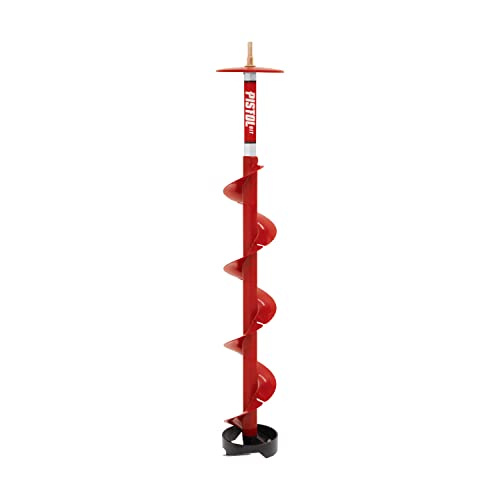
Eskimo 35400 Pistol Bit 6" Drill Adaptive Ice Auger Weighs Only 3.2 Pounds, Redrills Old Holes...
6-inch diameter
Only 3.2 pounds
Drill-adaptive design
Centering point blade
Redrills old holes easily
+ Pros
- Extremely lightweight at 3.2 lbs
- Excellent 4.7-star rating from 905 reviews
- Works with existing cordless drills
- Fast cutting performance
- Easy to transport
- Cons
- Requires separate cordless drill
- Premium price point
- 6-inch hole may be tight for large fish
The Eskimo Pistol Bit revolutionized how I approach ice fishing. At just 3.2 pounds, it eliminates the fatigue of hand augers while cutting holes faster than traditional power augers. The drill-adaptive design means I can use my existing cordless drill, saving hundreds compared to dedicated power auger systems.
Power Augers (For dedicated ice anglers):
8-10 inch holes for big fish and easier line management
Battery-powered models offer modern convenience
Essential if you drill 30+ holes per trip
Winter Bass Fishing Lures That Actually Work
This is where many anglers fail. Your summer favorites like spinnerbaits and crankbaits stay in the tackle box. Here is what actually produces strikes from winter bass.
Tungsten Jigs and Plastics:
1/32 to 1/8 ounce jig heads, with tungsten preferred for sensitivity
2-3 inch soft plastics in natural patterns
Colors: green pumpkin, brown, black for stained water
Tungsten jigs have changed ice fishing. The denser material provides better feel and faster drop rates than lead, helping you stay in the strike zone longer. The added sensitivity transmits every rock, weed, and subtle bite through your rod.
Jigging Spoons and Blade Baits:
1/8 to 1/4 ounce sizes for bass
Gold, silver, or perch patterns mimic natural forage
Vibration triggers reaction strikes from passive fish

Lindy Perch Talker Ice Fishing Lure - Great for Perch, Walleye, Trout and Whitefish
Built-in sound chamber
Attracts perch walleye trout
Vertical jigging design
Multiple color options
Proven ice fishing lure
+ Pros
- Amazon's Choice for ice fishing lures
- Proven effectiveness for multiple species
- Sound attraction feature draws fish in
- Affordable price point
- Good 4.6-star rating from 204 reviews
- Cons
- Requires proper jigging technique
- Species-specific design may need adaptation
The Lindy Perch Talker creates vibrations that draw bass from surrounding areas. The built-in sound chamber produces a distinctive rattle that triggers strikes even from fish that were not actively feeding. I have had bass shoot up 15 feet to hit this lure on a deadstick setup.
Live Bait Options:
Small golden shiners (2-3 inches) for tip-ups
Fathead minnows for jigging
Waxworms or spikes on tiny jigs for finicky fish
Line and Leader Setup
Your line choice impacts success more than most anglers realize. The right setup provides sensitivity, strength, and stealth.
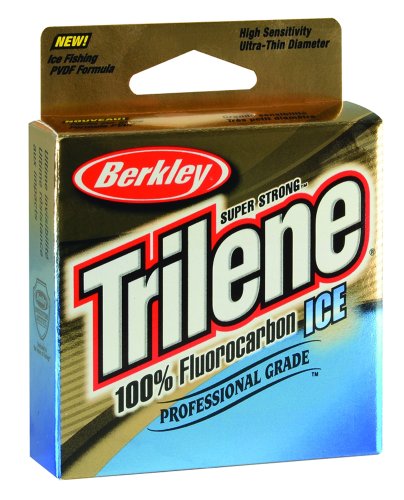
Berkley Trilene® 100% Fluorocarbon Ice, Clear, 6-Pound Break Strength, 75yd Fishing Line, Suitable...
100% fluorocarbon construction
Nearly invisible underwater
Abrasion resistant for ice holes
Designed for ice fishing
Multiple test strengths available
+ Pros
- Amazon's Choice product
- Affordable price at $7.99
- Nearly invisible to fish
- Abrasion resistant against ice edges
- Good for clear water conditions
- Cons
- Requires careful knot tying
- Sinks faster than mono
I spool my reels with braided line as a main line, then add a 3-4 foot fluorocarbon leader. The braid provides zero stretch for solid hooksets, while the fluorocarbon leader disappears underwater and resists abrasion from ice hole edges. Berkley Trilene Fluorocarbon is engineered specifically for hard water conditions.
Electronics and Tip-Ups
Modern ice fishing relies heavily on electronics. A quality ice flasher or forward-facing sonar unit shows you exactly where bass are holding in the water column. These tools eliminate guesswork and help you fish more efficiently.
Tip-ups allow you to cover more water while actively jigging. Set them with live shiners suspended 1-2 feet off bottom, then watch for the spinning spool or raised flag indicating a bite.
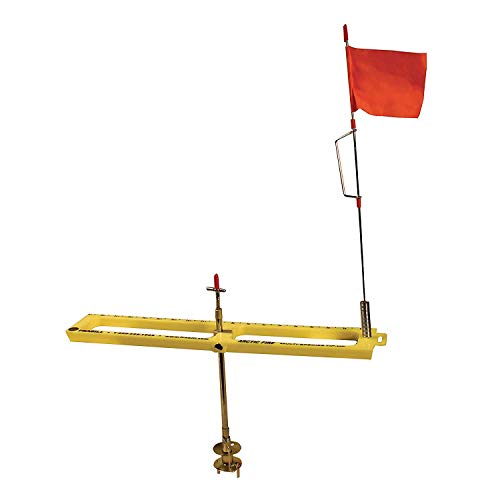
Frabill Arctic Fire Tip Up Yellow, One Size
Classic hardwood design
Dual trip settings for light or heavy fish
Large capacity spool for deep sets
Highly visible orange flag
Trusted brand in ice fishing
+ Pros
- Amazon's Choice for tip-ups
- Affordable price at $24.59
- Dual trip settings adjustable
- Large line capacity for deep water
- Reliable brand with 4.4-star reviews
- Cons
- Wood construction requires maintenance
- Not as compact as modern designs
The Frabill classic hardwood tip-up has been a standard in ice fishing for decades. The dual trip settings let you adjust for light-biting bass or heavy predators, while the large spool capacity handles deep sets for winter fish. The highly visible flag alerts you to bites from across the ice.
For electronics recommendations, see our detailed Garmin Striker 4 review for ice fishing applications.
Other Must-Have Gear
Ice scoop: Essential for keeping holes clear of slush and ice buildup
Portable shelter: Even a simple windbreak improves comfort dramatically
Safety picks: Wear them around your neck always - they could save your life
Spud bar: Test ice thickness as you walk to ensure safety
Float suit: The best insurance policy on early or late ice
Proven Ice Fishing Techniques for Bass
The Slow Jig Method
Winter bass will not chase fast-moving lures. The slow jig method produces consistent results when you need to coax bites from sluggish fish.
Drop your jig to the bottom and let it settle
Slowly lift the rod tip 6-12 inches
Hold completely still for 5-10 seconds
Let the lure flutter down on slack line
Repeat with long pauses between movements
The bite usually comes on the pause or during the fall. It feels like added weight rather than a sharp tap. When you sense anything different, set the hook with a gentle sweep. Cold water makes bass mouths tender, and aggressive hooksets will pull the lure free.
Deadsticking for Passive Bass
Sometimes bass want a stationary target. Deadsticking is the art of presenting bait with minimal movement, letting the bait do the work. This technique outproduces active jigging during cold fronts and mid-winter slumps.
Set up a second rod with live bait or a balanced lure
Suspend the bait 1-2 feet off the bottom
Use a spring bobber or slip float as a visual indicator
Move the bait only about 12 inches every 30 seconds
Let bass completely take the bait before setting the hook
I have had days where deadsticks outproduced active jigging three to one, especially during cold fronts when bass refuse to chase. The key is patience. Resist the urge to jig constantly. Let the bait sit and allow curious bass to investigate without pressure.
Working the Water Column
Never assume bass are hugging the bottom. Use your electronics to locate suspended fish and adjust your presentation accordingly.
Start at the bottom and work upward in 2-foot increments
Watch your flasher for fish rising to investigate your lure
Bass often suspend 10-15 feet off bottom in mid-winter
Adjust depth until you find the active feeding zone
The Hole-Hopping Strategy
Unlike summer where bass spread out, winter fish concentrate in specific areas. The hole-hopping strategy helps you locate these pods efficiently.
Drill multiple holes in a grid pattern around productive structure
Space holes 10-15 feet apart for adequate coverage
Fish each hole for 10-15 minutes before moving
Return to productive holes hourly as fish move
Mark GPS coordinates of the best-producing locations
Keep moving until you find them. Forum discussions consistently confirm that hole hopping is essential for winter bass success. Bass seem to roam more than walleye or panfish, so mobility is your advantage.
Ice Fishing Tips and Tricks for More Bass
Timing Your Trips
Best Times for Ice Fishing Bass:
First and last hour of daylight produce the most bites
Overcast days following sunny periods trigger feeding
Stable weather patterns matter more than time of day
Warming trends in late winter create excellent fishing
Times to Avoid:
Severe cold fronts shut down feeding activity
Bright sunny days make bass lethargic unless it is late ice
Heavy snow falling reduces visibility and fish activity
Major barometric pressure changes make fish unpredictable
Stealth Matters More Than Ever
Sound travels efficiently through ice. These tips help you avoid spooking fish in shallow water.
Walk softly, especially within 20 feet of your holes
Avoid banging equipment against the ice surface
Minimize noise when bass are holding in less than 15 feet
Use underwater camera lights sparingly - excess light spooks fish
Color Selection Secrets
Water clarity changes dramatically under ice. Match your lure colors to the conditions.
Clear water: Natural patterns, silver, white, and perch imitations
Stained water: Chartreuse, gold, and bright orange
Deep water: Glow colors that you charge with an LED light
All conditions: Black produces surprisingly well under ice
Live Bait Tactics
When artificial lures fail to produce, live bait often saves the day with finicky winter bass.
Hook minnows under the dorsal fin to keep them active and swimming naturally
Keep bait lively in an insulated bucket with aeration
Change bait every 30 minutes - sluggish bait attracts fewer fish
Barely hook waxworms to keep them wiggling enticingly
Ice Fishing Safety: Non-Negotiable Rules
I have fallen through ice twice in 15 years. Both incidents were preventable. Follow these rules to stay safe on the ice.
Ice Thickness Guidelines
4 inches: Minimum for walking and ice fishing safely
5-7 inches: Required for snowmobiles and ATVs
8-12 inches: Necessary for cars and small trucks
12+ inches: Minimum for heavy trucks
Remember that ice is never 100 percent safe. Springs, currents, pressure ridges, and bird activity create dangerous thin spots even on lakes with thick ice elsewhere.
Essential Safety Gear
Never leave shore without these critical items.
Ice picks: Wear them around your neck at all times for self-rescue
Float suit or life jacket: Cold water kills quickly - flotation extends survival time
Throw rope: 50 feet minimum for rescuing others
Whistle: For signaling emergencies when voice fails
Cell phone: Store in a waterproof case
Fishing partner: Never fish alone on early or late ice
Reading Ice Conditions
Good ice displays specific characteristics:
Clear and hard with a bluish tint
Makes a solid "ping" when struck with a spud bar
Uniform thickness without cracks or separations
Free of slush, snow, or water pooling on top
Dangerous ice shows warning signs:
Gray, dark, or honeycomb appearance
Located near inlets, outlets, or moving water
Around pressure ridges that shift and crack
Where snow insulates and slows ice formation
Late Winter Bass Fishing: The Grand Finale
March ice fishing often produces the biggest bass of the season. As fish feel spring approaching, they feed aggressively to prepare for the spawn.
Late Ice Locations
Shallow bays: 5-10 feet with dark bottoms that warm in sunlight
Canal entrances: Where current brings in baitfish and warmer water
First drop-offs: From spawning flats where staging fish hold
North shores: Receive the most direct sunlight and warm fastest
Modified Techniques
Late ice bass become more aggressive as water temperatures rise slightly.
Increase lure size slightly as bass feed more actively
Use a faster jigging cadence to trigger reaction strikes
Try horizontal presentations that mimic cruising baitfish
Fish higher in the water column as bass move upward
Safety First on Late Ice
Late ice is the most dangerous time of the season. Take extra precautions:
Check ice thickness constantly as you move - it changes hourly
Avoid shore edges where ice melts from contact with land
Watch for dark or soft spots indicating thin ice
Get off the ice immediately during warm rains or thawing
Trust your instincts - if conditions feel unsafe, leave immediately
Conservation and Responsible Ice Fishing
Catch-and-release practices become even more important during winter. Bass caught through the ice experience additional stress from cold water and handling in freezing air temperatures. Quick, careful release ensures these fish survive to spawn and provide future fishing opportunities.
Handle fish with wet gloves to avoid removing their protective slime coating. Minimize time out of water by keeping cameras and measuring tools ready. If a bass swallows the hook deeply, cut the line rather than forcing the hook out. Studies show fish survive better with a cut line than with damaged gills or throat tissue.
Consider keeping only what you will eat immediately, and release trophy fish to maintain quality genetics in the lake population. Winter harvest has more impact on fish populations than summer angling because bass are concentrated and vulnerable. Responsible anglers help ensure sustainable fisheries for future generations.
Converting Summer Spots to Winter Gold
Your summer bass knowledge transfers directly to ice fishing success. That productive point where you caught fish from your kayak? Mark it for winter. Those deep weed edges you found while exploring? They hold bass all winter long.
Your favorite summer bass lake might be a winter goldmine - check our list of top bass fishing lakes to find productive waters near you.
I maintain a dedicated winter fishing journal, tracking:
GPS coordinates of summer hotspots that produce in winter
Depth and specific structure type at each location
Time of year and ice conditions when spots were productive
Water temperature and weather patterns during success
This information becomes invaluable when planning trips. For northeast anglers, many of the lakes in our NJ bass guide freeze solid and offer excellent ice fishing opportunities.
Gear Maintenance and Storage
Proper care extends the life of your investment and ensures gear is ready when you are.
After Each Trip
Dry reels completely to prevent internal icing and corrosion
Wipe down rods to remove salt and slush residue
Inspect line for nicks and abrasion damage
Sharpen hooks that contacted ice or rocks
Clean auger blades and apply light oil to prevent rust
End of Season
Perform full reel service including drag washer cleaning
Re-spool with fresh line before next season
Oil auger blades and store in protective cover
Inspect and replace worn safety gear
Plan next year's equipment upgrades based on lessons learned
FAQ Section
Is ice fishing for bass good?
Yes, ice fishing for bass is highly productive when you understand winter fish behavior. Bass remain active under ice and can be caught consistently with proper techniques. Many anglers report catching their biggest bass through the ice, as fish concentrate in predictable areas and feed regularly despite slower metabolisms.
Do bass bite when ice fishing?
Absolutely. Bass bite throughout the winter, though they bite more subtly than in summer. Their metabolism slows but they still need to eat. The key is fishing slowly with small lures and presenting bait right in their strike zone. First ice and late ice periods typically produce the most aggressive bites.
Can I really catch bass ice fishing?
Yes, bass are absolutely catchable through the ice. Both largemouth and smallmouth bass remain active all winter. Many anglers have caught trophy bass while ice fishing, including fish over 6 pounds. Success requires understanding that winter bass concentrate in deeper water near structure and require slower presentations than summer fishing.
What is the best lure for ice fishing bass?
Small jigs from 1/32 to 1/8 ounce, preferably tungsten for better sensitivity, work best for ice fishing bass. Tip them with soft plastics, waxworms, or minnow heads. Jigging spoons and blade baits also produce over deep structure. The key is downsizing from summer lures and fishing them with slow, subtle movements.
How thick should ice be for ice fishing?
You need at least 4 inches of clear, hard ice for safe ice fishing on foot. Six inches provides better peace of mind, especially for groups. Always check ice thickness as you move across the lake since conditions vary. Avoid areas near inlets, outlets, or springs where ice remains thinner.
Do I need special gear for ice fishing bass?
You need a short ice fishing rod (28-36 inches), a small spinning reel, an ice auger, and proper safety equipment. Braided line with a fluorocarbon leader provides the best combination of sensitivity and stealth. You can use your summer fish finder through the ice with proper setup.
What depth should I fish for winter bass?
Early winter: 15-25 feet near weed edges and points. Mid-winter: 25-40 feet in deep basins. Late winter: 10-20 feet near spawning areas. Smallmouth bass often hold deeper than largemouth. Always check various depths with electronics since bass frequently suspend off the bottom.
What is the best time of day for ice fishing bass?
First and last hour of daylight produce the best action for ice fishing bass. Overcast afternoons can also be productive. Stable weather patterns matter more than specific times - avoid fishing immediately after cold fronts pass through. Late winter warming trends create exceptional fishing conditions.
Should I use a tip-up or jig for bass?
Use both simultaneously for maximum success. Set 1-2 tip-ups with live shiners to catch passive bass while you actively jig nearby. This combination covers different feeding moods and doubles your chances. Tip-ups work best during low-light periods while jigging excels during daytime.
How do I stay warm while ice fishing?
Dress in layers: moisture-wicking base layer, insulating middle layer, and windproof outer shell. Quality insulated boots and waterproof gloves are essential. A portable ice shelter blocks wind significantly. Hand and toe warmers help on brutal days. Take regular breaks to warm up if you start shivering.
Is ice fishing safe for beginners?
Ice fishing is safe for beginners who follow basic precautions. Always fish with a partner, check ice thickness before heading out, wear proper safety gear including ice picks and flotation, and stay off early or late ice until you gain experience. Consider hiring a guide for your first trip to learn proper techniques and safety.
What is the biggest mistake when ice fishing for bass?
Fishing too fast is the number one mistake. Summer bass will chase lures, but winter bass require slow, subtle presentations. Everything must slow down - your jigging cadence, lure movement, and even your hookset. Patience and persistence catch winter bass when speed fails.
Key Takeaways for Ice Fishing Bass Success
After years of hard-earned experience on frozen lakes, here are the essential points to remember for successful ice fishing bass trips.
Location changes seasonally: Start near summer spots during first ice, move to deep basins in mid-winter, then follow fish toward spawning areas in late winter
Slow down everything: Your jigging, lure movement, hooksets, and patience must all decrease for winter success
Downsize your gear: Light rods, small jigs, and subtle presentations outperform heavy tackle
Use electronics: Flashers, forward-facing sonar, and underwater cameras eliminate guesswork and speed up location
Combine techniques: Run tip-ups with live bait while actively jigging to cover different feeding moods
Safety never negotiates: Four inches minimum for walking, wear ice picks and flotation, never fish early or late ice alone
Practice conservation: Handle fish quickly with wet gloves, release trophy bass, and help maintain sustainable fisheries
Your Winter Bass Adventure Starts Now
Ice fishing for bass opens an entirely new world of angling opportunities that most anglers never experience. While others store their rods for winter, you could be pulling trophy bass through holes in the ice. The solitude, the challenge, and the reward of a hard-fought winter bass exceed anything summer fishing offers.
Start with basic gear and safe ice. Focus on the slow jig method and deadsticking techniques that produce consistent results. Keep a fishing journal to track what works on your local waters. Each trip builds knowledge that compounds into expertise.
Remember that every expert ice angler started as a beginner asking the same questions you have now. The bass are under the ice, concentrated and catchable, waiting for someone who understands their winter behavior. That angler can be you. Drill your first hole this winter and discover why ice fishing bass becomes an obsession for those who try it.