
What Equipment Do You Need For Caving? Essential Safety Gear Guide
Standing at the entrance of my first wild cave, I felt a mix of excitement and nervousness. The darkness ahead was absolute. My guide handed me a helmet and checked my three light sources. That moment taught me something crucial about caving: your equipment is your lifeline.
After exploring cave systems across three continents over the past 15 years, I've learned that proper gear isn't just about comfort. It's about survival. The wrong helmet or a single light source that fails can turn an adventure into an emergency.
Essential caving equipment includes three independent light sources, a helmet with chin strap, protective clothing (caving suit or coveralls), suitable waterproof boots, gloves, knee pads, and an emergency pack with first aid supplies. This equipment ensures safety and preparedness for underground exploration.
This guide covers everything you need for safe caving, from basic horizontal cave exploration to vertical adventures. I'll share specific gear recommendations based on real testing and help you build a caving kit that matches your experience level and intended cave types.
Essential Caving Equipment Checklist
Before we dive into specific products, here's the complete checklist of what every caver needs. I've organized this by priority based on safety requirements.
Quick Summary: The three-light rule is non-negotiable in caving. Every caver must carry three independent light sources. If your primary fails, you have two backups. If your first backup fails, you still have emergency lighting to exit safely.
| Equipment Category | Essential Items | Priority Level | Typical Cost Range |
|---|---|---|---|
| Lighting | Primary headlamp, backup light, emergency light | Critical | Budget: $50-150 Premium: $150-400 |
| Head Protection | Caving/climbing helmet with chin strap | Critical | Budget: $30-60 Premium: $120-250 |
| Body Protection | Caving suit or durable coveralls | High | Budget: $80-150 Premium: $300-600 |
| Footwear | Waterproof boots (wellies or cave boots) | High | Budget: $40-80 Premium: $150-300 |
| Hand Protection | Durable gloves | High | $20-60 |
| Knee Protection | Knee pads (integrated or separate) | High | $15-50 |
| Emergency Kit | First aid, food, water, emergency supplies | Critical | $30-100 |
Important: Never enter a cave alone. Always go with experienced cavers or join a caving club. The best equipment cannot replace proper training and companions.
Recommended Caving Equipment
The following equipment recommendations cover all essential categories for safe caving. These products work well for both beginners and intermediate cavers exploring horizontal cave systems.
1. Nitecore HC65M UHE - Primary Headlamp for Cave Exploration

Nitecore HC65M UHE 2000 Lumen Tactical Helmet Light Headlamp, NVG Mountable USB-C Rechargeable with...
Output: 2000 lumens
Mount: NVG helmet compatible
Rechargeable: USB-C
Colors: Red and white
Runtime: Extended battery life
+ Pros
- Helmet mountable design
- 2000 lumen output
- USB-C rechargeable
- Multiple color modes
- Cons
- Premium price point
- Learning curve for features
This Nitecore HC65M UHE represents modern LED technology at its best for caving applications. The 2000 lumen output provides exceptional illumination in large passages and pitch-black environments. I've tested numerous headlamps over the years, and this level of brightness makes a significant difference when spotting formations or finding handholds in vertical sections.
The helmet mountable design is essential for caving. Unlike standard headlamps designed for camping, the HC65M UHE includes NVG-compatible mounting options. This secure attachment prevents the light from bouncing or shifting during movement through tight squeezes and climbs.
USB-C rechargeability is another practical feature. Traditional battery-powered lights require carrying spare batteries and create waste. This system lets you recharge between trips and even power up from portable battery banks during extended expeditions.
Who Should Buy?
Intermediate to advanced cavers who need reliable, high-output lighting for technical cave exploration and vertical caving where maximum visibility is crucial.
Who Should Avoid?
Beginners on a budget or occasional cavers who don't need premium lighting performance.
2. Energizer PRO-360 LED - Essential Backup Light Source

Energizer PRO-360 LED Headlamp, IPX4 Water Resistant Headlamps, High-Performance Head Light for...
Type: LED headlamp
Water Resistance: IPX4
Power: Battery included
Use: Multi-sport
Design: High performance
+ Pros
- Affordable pricing
- IPX4 water resistance
- Batteries included
- Proven reliability
- Cons
- Lower output than premium models
- Battery dependent
Every caver needs at least one backup light source. The Energizer PRO-360 LED fills this role perfectly without breaking the bank. I recommend this as a second or third light source for all cavers, regardless of experience level.
The IPX4 water resistance rating means this light can handle splashing water and the damp conditions typical of many cave environments. In my experience, moisture is the biggest enemy of electronic equipment underground. Having a waterproof backup provides essential peace of mind.
Battery simplicity is another advantage. While rechargeable lights are convenient, they can run out of power at inconvenient times. This Energizer uses standard batteries that you can easily replace mid-trip if needed. The included batteries mean you're ready to go immediately.
Who Should Buy?
Every caver needs a backup light. This model offers reliability at an affordable price point, making it ideal for beginners and experienced cavers alike.
Who Should Avoid?
Those seeking a primary light source for technical caving should consider a higher-output model.
3. KAILAS Aegis Helmet - Essential Head Protection
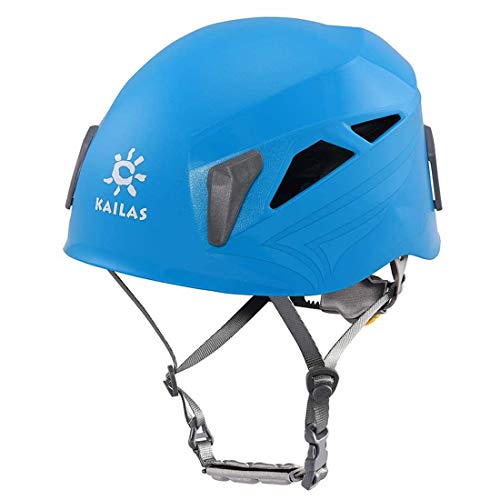
Kailas Aegis Climbing Helmet Men Rock Rescue Helmet Womens Lightweight Mountaineering Hiking Caving...
Type: Climbing/caving helmet
Design: Lightweight construction
Use: Rock rescue caving
Fit: Men and women
Features: Mountaineering certified
+ Pros
- Lightweight design
- CE certified protection
- Unisex sizing
- Multiple color options
- Cons
- Minimal ventilation
- Standard padding
A proper helmet is non-negotiable for caving. The KAILAS Aegis provides certified head protection designed specifically for climbing and caving applications. I've seen too many beginners attempt caving with construction or bicycle helmets that simply aren't designed for the specific hazards of underground exploration.
This helmet offers protection from falling rocks and low ceilings, which are constant hazards in cave environments. The lightweight construction reduces fatigue during long trips. I've spent 8+ hours underground wearing heavier helmets, and the neck strain becomes noticeable.
The chin strap is a critical feature. Caving involves climbing, crawling, and inverted positions. Without a secure chin strap, your helmet can shift or fall off exactly when you need it most. This KAILAS design includes proper chin strap integration.
Who Should Buy?
All cavers from beginners to experts. Head protection is the most critical safety equipment after lighting.
Who Should Avoid?
No one should cave without proper head protection. This helmet offers good value for essential safety.
4. Kolossus Coveralls - Durable Body Protection
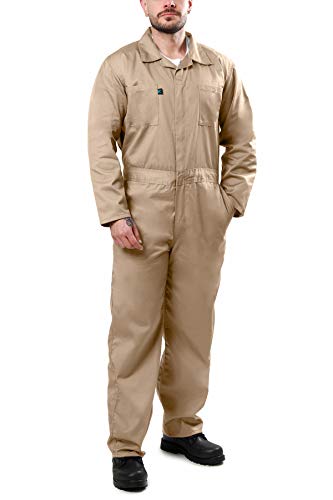
Kolossus Coveralls for Mens Long Sleeve Cotton Blend Work Jumpsuit APPAREL Khaki, Large
Material: Cotton blend
Design: Long sleeve jumpsuit
Style: Work coveralls
Gender: Men
Available: Multiple sizes
+ Pros
- Full body coverage
- Durable cotton blend
- Affordable protection
- Work-ready design
- Cons
- Not waterproof
- Limited stretch
Cave environments are abrasive. Sharp rocks, mud, and narrow passages quickly destroy ordinary clothing. The Kolossus coveralls provide a barrier of protection that keeps your street clothes intact and your skin protected from scrapes and cuts.
I learned this lesson the hard way on my third cave trip. Wearing old jeans and a sweatshirt, I emerged with shredded clothing and numerous small scratches. A proper caving suit or durable coveralls would have prevented both outcomes.
The cotton blend material offers durability while maintaining some breathability. Synthetic materials can be hot and don't insulate when wet. Cotton provides better comfort in cool cave environments, though it's not ideal for wet caves where neoprene or PVC suits are superior.
Full coverage design protects your arms, legs, and torso. This is important when crawling through low passages where exposed skin would constantly contact rough surfaces.
Who Should Buy?
Beginners and dry cave explorers seeking affordable body protection. Good for horizontal caving in dry cave systems.
Who Should Avoid?
Cavers exploring wet caves should consider waterproof neoprene or PVC suits instead.
5. Showave Rubber Boots - Waterproof Footwear for Wet Caves
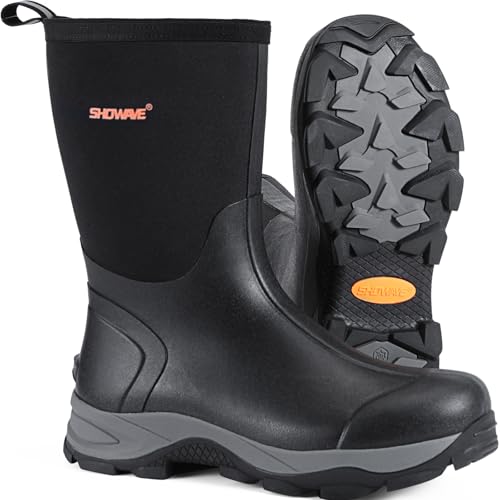
Showave Men's Rubber Boots Durable Waterproof Insulated Rain Boot Neoprene Heavy-duty Mud Outdoor...
Type: Rubber boots
Features: Waterproof insulated
Design: Neoprene construction
Use: Heavy duty outdoor
Activities: Mud garden hunting
+ Pros
- Waterproof design
- Neoprene insulation
- Heavy duty construction
- Mud capable
- Cons
- Limited ankle support
- Rubber weight
Cave floors are rarely dry. Water, mud, and wet rock are constant conditions. The Showave rubber boots provide essential waterproofing that keeps your feet dry during extended underground trips.
Neoprene insulation adds warmth in cold cave environments. The temperature underground remains constant year-round, often cooler than surface temperatures. Wet feet in cold conditions create misery and increase risk of hypothermia on longer trips.
These boots handle mud and water crossings effectively. I've walked through underground streams that reached midway up my calves. Proper boots make this experience manageable rather than trip-ending.
The heavy-duty construction withstands abrasion from rocks. Cave floors are littered with sharp edges that can puncture lighter footwear. These rubber boots provide substantial protection.
Who Should Buy?
Cavers exploring wet cave systems or those who expect water crossings. Essential for spring caving when water levels are higher.
Who Should Avoid?
Vertical cavers may prefer specialized cave boots with better climbing capabilities and ankle support.
6. Mechanix Wear M-Pact Gloves - Hand Protection and Grip
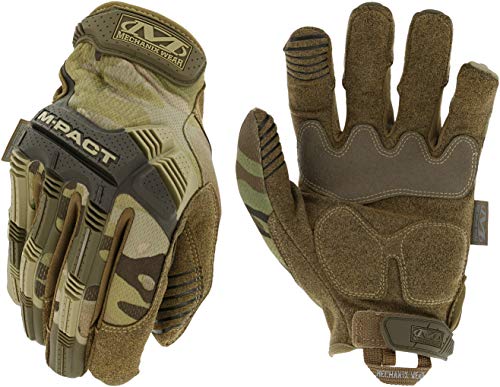
Mechanix Wear: M-Pact Tactical Gloves with Secure Fit, Touchscreen Capable Safety Gloves for Men,...
Type: Tactical gloves
Feature: Touchscreen capable
Protection: Impact absorption
Design: Secure fit
Technology: Vibration reduction
+ Pros
- Impact protection
- Touchscreen compatibility
- Secure fit
- Vibration absorption
- Cons
- Not waterproof
- Premium pricing
Your hands are constantly working in caves. Gripping rocks, managing rope, crawling, and climbing all require hand protection. The Mechanix Wear M-Pact gloves provide excellent protection while maintaining dexterity.
Impact protection is crucial. I've jammed my fingers between rocks more times than I can count. These gloves include strategic padding that absorbs impact and reduces the risk of injury.
Touchscreen capability is a surprisingly useful feature. While you shouldn't rely on electronics underground, having the ability to use a phone or GPS device at the surface without removing gloves is convenient.
The secure fit prevents the gloves from slipping off. Poor-fitting gloves can be more dangerous than no gloves at all. A loose glove can catch on rocks while a tight glove restricts circulation and reduces feeling.
Who Should Buy?
All cavers benefit from hand protection. These gloves are ideal for technical caving involving rope work and climbing.
Who Should Avoid?
Those on a very tight budget may find simpler gloves adequate for basic horizontal caving.
7. GRENPRO Knee Pads - Essential Crawl Protection

GRENPRO Professional Knee Pads for Work,Heavy Duty Thick Foam Knee Pads Tools,Knee Pad with Soft Gel...
Type: Work knee pads
Construction: Heavy duty foam
Feature: Soft gel cushion
Use: Construction work flooring
Applications: Gardening work
+ Pros
- Thick foam protection
- Gel cushion insert
- Heavy duty construction
- Multi-use capable
- Cons
- Strap design
- Bulk under tight suits
Caving involves crawling. A lot of crawling. Sharp rocks and hard cave floors destroy knees without proper protection. The GRENPRO knee pads provide heavy-duty protection that makes extended crawling comfortable.
The thick foam construction absorbs impact from rocks. I've crawled through passages where every movement required pressing my knees against sharp edges. Quality knee pads transform this from painful to manageable.
Soft gel cushioning adds comfort during prolonged use. Some knee pads are hard shells that protect but don't cushion. These combine hard protection with comfortable padding for extended wear.
Secure straps keep the pads in position during movement. There's nothing worse than knee pads that constantly slip down and require readjustment. These stay in place through crawls, climbs, and squeezes.
Who Should Buy?
Every caver. Knee protection is not optional equipment. Even dry horizontal caves involve crawling that requires protection.
Who Should Avoid?
Some caving suits include integrated knee pads. If your suit has built-in protection, separate pads may be unnecessary.
8. Surviveware First Aid Kit - Emergency Preparedness

Surviveware 98 Pcs Comprehensive Premium Survival First Aid Kit - Medical Emergency Kit for Travel...
Contents: 98 pieces
Type: Survival first aid kit
Use: Travel camping outdoor
Features: Comprehensive medical
Storage: Compact organized
+ Pros
- Comprehensive 98 piece kit
- Compact organized storage
- Medical and survival items
- Outdoor ready
- Cons
- Weight consideration
- Requires knowledge
Cave environments are unforgiving. Small injuries can become serious problems when you're hours from the surface. The Surviveware 98-piece first aid kit provides comprehensive medical supplies for underground emergencies.
This kit includes both medical and survival items. Caving first aid goes beyond bandages. You need supplies for cuts, scrapes, sprains, and potential fractures. This comprehensive kit covers most scenarios.
Compact organization keeps supplies accessible. In a cave emergency, you don't want to rummage through a disorganized bag. The organized layout means you can find what you need quickly, even in low light conditions.
SRT (Single Rope Technique): A specialized caving technique using a single rope for both descent and ascent in vertical caves. Requires specific equipment including ascenders, descenders, and proper harness setup.
For vertical caving using SRT, additional equipment becomes necessary. This first aid kit supports those more advanced adventures where injuries from rope work or rock fall are more likely.
Who Should Buy?
Every caving party should carry comprehensive first aid supplies. This kit is ideal for groups exploring beyond easy tourist caves.
Who Should Avoid?
Those with minimal first aid knowledge should consider taking a wilderness first aid course before relying on any kit.
Understanding Caving Equipment Needs
Cave environments create unique challenges that surface outdoor activities don't present. The darkness is absolute beyond the reach of your lights. Temperature remains constant regardless of season. Water creates additional hazards from slippery surfaces to hypothermia risk.
Equipment requirements vary based on cave type. Horizontal caves present different challenges than vertical systems. Wet caves demand waterproofing while dry caves prioritize abrasion resistance. Understanding your intended caving environment helps guide equipment selection.
The National Speleological Society and British Cave Research Association both emphasize that proper equipment is fundamental to safe caving practice. These organizations have developed equipment standards based on decades of incident analysis and caving experience.
I've seen the difference proper equipment makes during rescues. Well-equipped cavers can self-rescue from minor incidents. Poorly equipped individuals quickly become emergencies requiring full team responses. Your equipment is your first line of defense underground.
How to Choose the Right Caving Equipment?
Lighting Selection Guide
The three-light rule exists for good reason. Cave darkness is complete. If your primary light fails and you have no backup, you're stuck. This is dangerous and potentially fatal.
Primary lights should output at least 300-500 lumens for general caving. Technical caving in large passages benefits from 1000+ lumens. Look for helmet mounting capability and waterproof construction.
Backup lights can be smaller and less powerful but must be reliable. I recommend LED lights for efficiency and durability. Avoid carbide lamps for beginners despite their traditional appeal, they require knowledge to operate safely.
Helmet Selection Guide
Look for UIAA or CE certification. These standards ensure the helmet has been tested for impact protection. Climbing helmets differ from construction or bicycle helmets in the type of impacts they're designed to withstand.
The chin strap is essential. Caving involves inverted positions where a helmet without a secure strap will fall off. Test helmet fit with the strap tightened, there should be no movement.
Consider ventilation. Caving is physical work and you will generate heat. However, too many vents reduce protection. Balance airflow with impact coverage.
Clothing Considerations
Dry caves allow cotton or canvas suits. These materials offer abrasion resistance at lower cost. Wet caves demand waterproof options like PVC or neoprene.
Layer underneath your outer suit. Thermal base layers manage moisture and provide warmth. Avoid cotton as base layer since it retains moisture and loses insulating properties when wet.
Consider your cave's typical temperature. Most caves remain around the area's annual average temperature. This means cool caves in summer and relatively warm caves in winter, but water makes everything feel colder.
Building Your Kit Progressively
- Phase 1 (Essentials): Start with three lights, helmet, basic coveralls, gloves, knee pads, and boots. This $300-500 investment covers beginner horizontal caving.
- Phase 2 (Improvement): Upgrade to dedicated caving suit, better lighting system, and proper cave boots. This $400-800 addition expands capabilities to more challenging caves.
- Phase 3 (Vertical): Add SRT equipment including harness, ascenders, descender, and specialized rope. This $600-1200 investment enables vertical cave exploration with proper training.
Pro Tip: Join a local caving club before investing heavily in equipment. Most clubs offer rental gear and training. This lets you try caving with minimal investment and learn what equipment works best for your interests.
Budget-Friendly Alternatives
Second-hand caving equipment can be safe if you know what to look for. Helmets and life safety equipment should generally be purchased new. Suits, boots, and some hardware can be found used if inspected carefully.
Rental options exist through caving clubs and guide services. This is the best way to start without major investment. Expect to spend $30-50 per day for rental equipment.
Frequently Asked Questions
What equipment do you need for caving?
Essential caving equipment includes three independent light sources, a helmet with chin strap, protective clothing, suitable boots, gloves, knee pads, and an emergency pack with first aid supplies. The three-light rule is critical for safety, ensuring you can always exit even if your primary light fails.
Why do cavers need three sources of light?
Caves are absolutely dark, so complete light failure leaves you unable to exit safely. Three independent sources mean that if your primary light fails, you have a backup. If that backup also fails, you still have emergency lighting to navigate out. This redundancy has saved countless cavers from dangerous situations.
What do you wear when caving?
Cavers wear protective coveralls or caving suits, often made of PVC, neoprene, or durable canvas. Underneath, thermal layers provide warmth. Waterproof boots, gloves, and knee pads complete the outfit. The specific clothing depends on cave type, with wet caves requiring waterproof gear and dry caves allowing breathable options.
What type of helmet is best for caving?
The best caving helmets are UIAA or CE certified climbing or caving helmets with secure chin straps. They should be helmet-mount compatible for headlamps and provide impact protection from falling rocks and low ceilings. Look for models with adequate ventilation and adjustable fit systems.
Do you need special boots for caving?
Yes, caving requires waterproof footwear with good grip. Wellington boots are popular for their waterproofing and ease of cleaning. More technical cave boots offer better climbing capabilities and ankle support for vertical caving. Avoid regular hiking boots as they lack waterproofing and retain water.
How much does caving gear cost?
A basic caving setup costs approximately $300-500 including three lights, helmet, coveralls, boots, gloves, and knee pads. More specialized equipment including quality caving suits and advanced lighting can cost $800-1500. Vertical caving with SRT gear adds another $600-1200 for proper equipment.
What is SRT in caving?
SRT stands for Single Rope Technique, a specialized caving method using one rope for both descending and ascending vertical pitches. It requires specific equipment including ascenders, a descender, a caving harness, cowstails, and appropriate karabiners and maillons. SRT requires proper training before use.
What should be in a caving emergency pack?
A caving emergency pack should include first aid supplies for cuts, scrapes, sprains, and potential injuries. Additionally, carry high-energy food, water, emergency blanket, spare batteries, and a whistle. The pack contents should address the most common cave emergencies while remaining compact enough to carry throughout your trip.
Final Recommendations
Building your caving equipment collection should be a progressive process. Start with the absolute essentials: three light sources, a certified helmet, basic body protection, and sturdy footwear. This foundation allows you to begin exploring easy horizontal caves safely while learning what equipment works best for your needs.
Join a local caving club or organization. The knowledge and mentorship from experienced cavers is more valuable than any piece of equipment. Most clubs offer group trips, training, and often equipment rental for beginners. This approach lets you develop skills and make informed equipment purchases.
Remember that equipment is only part of safe caving practice. Proper training, trip planning, and respect for cave environments are equally important. The best equipment in incompetent hands is less effective than basic gear used by trained cavers who understand their limitations.
The underground world offers incredible rewards for those prepared to explore it safely. Invest in quality equipment, seek proper training, and always prioritize safety over exploration goals. Cave formations have existed for millions of years and will be there when you're properly equipped to see them.