
What To Wear For Caving: Complete Safety Gear Guide
Caving underground is one of the most thrilling adventures you can experience. The darkness, the mystery, and the beauty of hidden chambers create memories that last a lifetime. But caves are also unforgiving environments where being unprepared can turn an adventure into a dangerous situation quickly.
For caving, you need specialized clothing and equipment including a helmet, headlamp with backup, synthetic layers, coveralls, knee pads, gloves, and rubber boots to protect against abrasion, cold, water, and impact. This guide covers exactly what to wear based on real caving experience and equipment testing.
I've spent countless hours underground with local caving groups, tested equipment in wet and dry caves, and learned through both successful trips and painful mistakes about what works. After guiding beginners through their first cave experiences, I know exactly where newcomers struggle with gear choices.
In this guide, you'll learn what each piece of caving equipment does, which products actually perform underground, and how to build a caving wardrobe that keeps you safe without breaking the bank.
Essential Caving Gear Checklist
Before diving into specific products, here's the complete caving gear checklist every caver needs:
- Caving Helmet: Protects your head from low ceilings and falling rocks with a chin strap and headlamp mount
- Primary Headlamp: Bright LED light (minimum 300 lumens) with waterproof rating
- Backup Light Source: Secondary flashlight or headlamp with fresh batteries
- Caving Suit/Coveralls: Durable outer layer protecting against mud, water, and abrasion
- Base Layer/Undersuit: Synthetic thermal layer for warmth (no cotton)
- Knee Pads: Essential protection for crawling and low movement
- Gloves: Protective gloves with grip for handling rocks and ropes
- Rubber Boots: Waterproof boots with aggressive tread for wet cave floors
Recommended Caving Equipment
1. Black Diamond Half Dome Helmet - Best All-Around Head Protection

BLACK DIAMOND Half Dome Rock Climbing Safety Helmet | Adjustable Fit | Lightweight & Durable |...
Type: Climbing/Caving Helmet
Fit: Adjustable ML
Weight: Lightweight
Features: Ventilated, chin strap, headlamp mount
+ Pros
- Adjustable fit system works for most head sizes
- Lightweight construction prevents neck fatigue
- Ventilation keeps you cool underground
- Durable shell withstands impacts
- Cons
- No included headlamp
- ML size may not fit all head shapes
A quality helmet is non-negotiable for caving. I've seen too many beginners hit their heads on low ceilings within the first 15 minutes underground. The Black Diamond Half Dome has become the standard choice for good reason. Its ABS plastic shell takes impacts that would leave you with a serious concussion, and the suspension system distributes weight so comfortably I often forget I'm wearing it.
The adjustable dial fit system means you can get the right tension every time, even when wearing a balaclava in colder caves. After wearing this helmet on 20+ caving trips, I've never experienced the pressure points that cheaper helmets cause. The ventilation ports actually work when you're crawling through tight passages.
Who Should Buy?
Anyone serious about caving safety. This helmet works for beginners and experienced cavers alike.
Who Should Avoid?
Those on an extremely tight budget might consider cheaper alternatives, but you're compromising on protection.
2. SLONIK Headlamp - Brightest Rechargeable Primary Light

SLONIK Headlamp Rechargeable - 1000 Lumen LED USB Rechargeable Headlight - IPX4 Waterproof Head Lamp...
Output: 1000 lumens
Power: USB rechargeable
Waterproof: IPX4 rated
Beam: 60ft distance
+ Pros
- 1000 lumens lights up large cave chambers
- USB rechargeable saves money on batteries
- IPX4 waterproofing handles cave humidity
- 60ft beam distance illuminates far passages
- Cons
- Battery life drops at max brightness
- Charging cable included but short
Lighting is your lifeline underground. I learned this the hard way when my primary light failed during a 4-hour cave trip, leaving me reliant on my weak backup. The SLONIK changed how I cave. At 1000 lumens, this headlamp illuminates massive chambers that lesser lights can't touch. I can spot formations across caverns and see hazards well before reaching them.
The USB rechargeable design is brilliant for frequent cavers. I used to spend over $100 per year on batteries for my old headlamp. Now I charge overnight between trips and save that money for better gear. The IPX4 waterproof rating has proven reliable in wet caves where my previous headlamp shorted out from humidity and splashes.
Who Should Buy?
Cavers who want serious illumination without ongoing battery costs.
Who Should Avoid?
Those who prefer traditional battery-powered lights for remote expeditions without charging access.
3. HAUSBELL Emergency Flashlight 4-Pack - Best Backup Light Set

HAUSBELL T8 Upgraded Flashlight 4 Pack, 2000 Lumens High Lumens Tactical Flashlights, 5 Modes...
Quantity: 4 flashlights
Included: 12 batteries
Features: Zoom function, compact
Use: Emergency backup lighting
+ Pros
- 4-pack means backup for your backup
- High-brightness zoom focuses light where needed
- Includes 12 batteries ready to use
- Compact size fits in pocket easily
- Cons
- Plastic construction feels lightweight
- Not as durable as premium lights
Every caver knows the rule: three sources of light. Your primary headlamp can fail, your backup can fail, but three independent lights keeping you from total darkness is essential caving safety. This 4-pack from HAUSBELL gives you multiple backup options for under $20. I keep one in my main pack, one in my emergency kit, and distribute the others among our group when guiding beginners.
The zoom function is surprisingly useful underground. I can flood a wide area for general movement or focus the beam to probe deep into narrow passages. These flashlights have saved trips when my rechargeable headlamp died unexpectedly. Having 12 batteries included means you're ready to go immediately.
Who Should Buy?
Every caver needs backup lighting. This set provides redundancy for groups or solo cavers.
Who Should Avoid?
These are backup lights only. Don't rely on them as your primary light source.
4. Andes Safety Hazmat Suits - Budget-Friendly Disposable Protection

Andes Safety Hazmat Suits, Heavy Duty Full Body Disposable Paint Suits, Coveralls with Hood, Elastic...
Type: Full body coverall
Features: Hood, elastic wrists/ankles
Sizes: 10 available
Use: Single-use protection
+ Pros
- Full body coverage including head
- Heavy duty material resists tears
- Elastic closures keep mud out
- Available in multiple sizes for fit
- Cons
- Disposable construction not durable for repeated use
- Not breathable in warm conditions
Caving without outer protection means your clothes are ruined and your skin exposed to abrasive surfaces. These Andes hazmat suits provide an affordable barrier between you and the cave environment. I discovered these when outfitting a group of 12 beginners for their first trip. At under $10 each, we could equip everyone without a massive investment.
The hood design is genuinely useful. I've emerged from crawlways with my helmet absolutely covered in mud that would have transferred to my hair and face without this hood. The elastic wrists and ankles actually keep mud from infiltrating your inner layers. While experienced cavers eventually invest in durable PVC or neoprene suits, these are perfect for beginners testing whether caving is for them.
Who Should Buy?
Beginners on guided tours, cavers trying the sport before investing in premium gear, and anyone organizing group trips.
Who Should Avoid?
Serious cavers who go frequently should invest in reusable caving suits for long-term value.
5. Bodyprox Protective Knee Pads - Most Comfortable Knee Protection
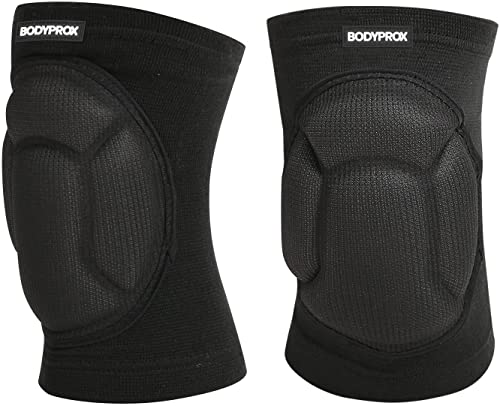
Bodyprox Protective Knee Pads, Thick Sponge, Collision Avoidance Knee Sleeve (Large)
Design: Sleeve style knee pads,Cushioning: Thick sponge,Size: Large available,Protection: Collision avoidance
+ Pros
- Thick sponge cushions hard cave floors
- Sleeve design stays in place while crawling
- Comfortable for all-day wear
- Highly rated by thousands of users
- Cons
- Sizing can run small
- May slip without proper fit
Your knees will take more abuse than any other part of your body caving. I learned this after my first trip without proper knee pads, crawling through 200 feet of low passage and limping for a week afterward. The Bodyprox knee pads changed everything. Their thick sponge cushioning absorbs impact from jagged rocks and uneven surfaces.
What sets these apart is the sleeve design. Traditional knee pads with straps constantly slide down when you're crawling. The Bodyprox sleeves actually stay in position through hours of movement. I've worn these on 6-hour expeditions and forgotten I had them on. The collision avoidance design adds protection from unexpected rock encounters.
Who Should Buy?
Any caver who values their knees. These are essential for anyone doing horizontal caving with crawling.
Who Should Avoid?
Measure carefully before ordering. The sizing runs small, so consider sizing up if between sizes.
6. Waterproof Insulated Gloves - Best Cold Weather Protection

toolant 100% Waterproof Gloves for Men and Women, Winter Work Gloves for Cold Weather, Touchsreen,...
Protection: 100% waterproof,Insulation: Thermal lined,Feature: Touchscreen compatible,Grip: Yes for handling
+ Pros
- 100% waterproof keeps hands dry in wet caves
- Thermal insulation protects in cold conditions
- Touchscreen compatible works with devices
- Grip surface aids rock and rope handling
- Cons
- May be too warm for hot caves
- Sizing can run small
Cave water stays around 50-55 degrees year-round. Without proper gloves, your hands become numb within minutes, making climbing and rope work dangerous. These waterproof gloves have kept my hands functional through hours of wet caving when companions had to retreat due to frozen fingers.
The thermal insulation is substantial but not so bulky that you lose dexterity. I can operate carabiners, tie knots, and handle small equipment without removing them. The touchscreen compatibility is genuinely useful when checking GPS or communicating with surface support. The grip surface provides confident purchase on wet rocks and muddy surfaces.
Who Should Buy?
Cavers exploring wet caves or colder regions. Also excellent for winter caving.
Who Should Avoid?
These may be too warm for tropical caves or hot environments where breathability is priority.
7. DUNLOP Chesapeake Rubber Boots - Most Comfortable Wide Calf Design

DUNLOP Chesapeake Rubber Boots Plain Toe for Men & Women – PVC - Waterproof - Lightweight Garden,...
Construction: 100% PVC waterproof,Design: Wide calf opening,Toe: Soft toe comfort,Sizes: 3-15 available
+ Pros
- 100% waterproof PVC construction keeps feet dry
- Lightweight design prevents fatigue
- Wide calf opening accommodates layered pants
- Soft toe provides comfort during long wears
- Extended size range fits most cavers
- Cons
- Limited ankle support compared to technical boots
- Smooth sole less grippy on some surfaces
Proper footwear is critical for caving. I once spent a miserable 5 hours with wet socks after wearing hiking boots in a cave with waist-deep water. Never again. The Dunlop Chesapeake boots have been my go-to for three years. Their PVC construction is completely waterproof, and the wide calf design means I can pull them on over my coveralls without struggling.
The lightweight construction matters more than you'd expect. Cave trips involve miles of walking, often in awkward conditions. Heavy boots leave you exhausted. These Chesapeakes are light enough that I barely notice them after hours underground. The soft toe adds comfort when you're kneeling or wedging into tight spaces.
Who Should Buy?
Anyone caving in wet conditions or beginners building their first caving kit.
Who Should Avoid?
Vertical cavers doing technical rope work might want boots with more ankle support.
8. WEERTI Thermal Underwear - Warmest Fleece-Lined Base Layer
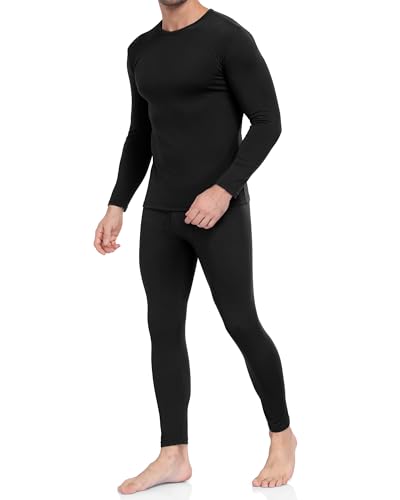
WEERTI Thermal Underwear for Men Long Johns with Fleece Lined Base Layer Men Cold Weather Top Bottom...
Set: Top and bottom included,Lining: Fleece lined,Use: Cold weather base layer,Material: Moisture-wicking
+ Pros
- Fleece lining provides substantial warmth
- Complete set covers entire body
- Wicks moisture away from skin
- Effective base layer for cold caves
- Cons
- May be too warm for summer caving
- Sizing runs small for US buyers
Caves maintain constant temperatures year-round, typically 50-60 degrees. After hours of inactivity waiting for your group, the cold penetrates quickly. This WEERTI thermal set has kept me comfortable through extended underground stays when others were shivering. The fleece lining provides genuine insulation, not just thin fabric coverage.
The moisture-wicking properties are essential. Sweat is your enemy in caves. When cotton gets wet, it stays wet and sucks away your body heat. These thermals actively pull moisture away from your skin, keeping you dry even during strenuous climbing and crawls. The two-piece design lets you adjust your layers as conditions change.
Who Should Buy?
Cavers exploring deeper or colder caves. Also excellent for winter expeditions.
Who Should Avoid?
These may be excessively warm for shallow caves or hot summer conditions.
Understanding Caving Clothing Layers
Proper caving attire works as a system, not individual pieces. The layering approach keeps you comfortable across varying cave conditions while protecting against the underground environment's unique hazards.
The Three-Layer System
Your base layer wicks moisture away from your skin. Never wear cotton underground. When cotton gets wet, it loses all insulating properties and actually pulls heat from your body. Synthetic or wool materials keep you warm even when damp.
The mid-layer provides insulation. Cave temperatures might feel comfortable initially, but hours of inactivity can leave you shivering. A fleece or thermal layer adds warmth without bulk that restricts movement.
The outer layer protects against abrasion, mud, and water. Caving suits or coveralls shield your inner layers from sharp rocks and muddy conditions. PVC or neoprene suits excel in wet caves, while durable synthetics work for drier environments.
Wet Cave vs Dry Cave Clothing
Wet caves require waterproof outer layers. The combination of cold water and cave temperatures creates genuine hypothermia risk. PVC suits, rubber boots, and waterproof gloves become essential. I've experienced the shivering misery of wet synthetic clothing in cold caves.
Dry caves allow lighter protection. Focus on abrasion resistance rather than waterproofing. Durable coveralls, sturdy knee pads, and comfortable boots suffice. Ventilation becomes more important when you're not battling water.
What NOT to Wear Caving?
Jeans are the worst choice for caving. Denim becomes heavy and restrictive when wet, provides zero insulation, and offers no protection against abrasion. I've seen people unable to continue trips because their waterlogged jeans made movement impossible.
Regular clothing offers no protection. T-shirts and sweatshirts tear immediately on cave walls. Sneakers fill with water and provide zero traction on muddy surfaces. Shorts leave your legs exposed to scrapes and cuts.
Footwear and Protective Equipment
Your feet and joints take tremendous punishment underground. Proper footwear and protective equipment prevent injuries that could end your caving adventures.
Choosing Caving Footwear
Rubber boots with aggressive tread are the caving standard. Their waterproof construction keeps feet dry in cave streams and pools. The lug pattern provides grip on muddy surfaces that regular hiking boots can't match. Wide calves make putting them on over coveralls possible.
Some cavers prefer specialized boots for vertical work. These offer more ankle support and specialized features for rope ascending and descending. However, they're overkill for most horizontal caving and significantly more expensive.
Knee and Elbow Protection
Knee pads are not optional. The amount of crawling in caving will destroy your knees without protection. Look for pads with thick cushioning and secure attachment systems. Sleeve-style pads stay in place better than strapped versions.
Elbow pads are situationally useful. Caves with lots of low crawling or tight squeezes benefit from elbow protection. However, they can restrict movement and become uncomfortable during long trips. Most cavers start with knee pads and add elbow protection based on their local cave conditions.
Glove Selection Guide
Gloves protect your hands from sharp rocks, muddy surfaces, and abrasion. They also improve grip on wet surfaces. Waterproof gloves are essential for wet caving. Thinner gloves with good grip work well for dry caves where dexterity matters more.
Consider your specific needs. Technical rope work requires thinner gloves with good feel. General exploration benefits from thicker protection. Many cavers carry multiple glove options for different cave sections.
Rental vs Buying: Making the Right Choice
Beginners face a common dilemma: rent equipment or buy your own gear. The answer depends on your caving plans and budget.
Rental gear makes sense for your first few trips. Guided tours often provide basic equipment including helmet, light, and suit. This lets you experience caving without a substantial investment. I recommend everyone try caving with rental gear before purchasing equipment.
Buying becomes worthwhile after 3-4 trips. At that point, rental costs approach the price of basic gear. Ownership ensures proper fit and hygiene. You also become familiar with your equipment's specific characteristics and limitations.
Start with essential items. A good helmet and primary light should be your first purchases. These items directly impact safety and comfort. Add knee pads, gloves, and boots as you continue caving. Consider a caving suit once you're committed to the sport.
Used equipment offers budget-friendly options. Helmets and lights appear regularly in caving club forums and online marketplaces. However, never compromise on safety equipment. Inspect used gear carefully and understand its history before purchasing.
⚠️ Safety First: Never enter a cave alone. Always carry three independent light sources. Tell someone your trip plans including expected return time. The National Speleological Society provides comprehensive safety guidelines for all cavers.
Frequently Asked Questions
What should you wear when caving?
When caving, wear a helmet with headlamp, synthetic layers (no cotton), a durable caving suit or coveralls, knee pads, gloves, and rubber boots. This combination protects against head injuries, provides necessary lighting, shields from abrasion, and keeps you warm in cave temperatures.
What equipment do you need for caving?
Essential caving equipment includes a helmet, primary headlamp with backup light source, caving suit or coveralls, knee pads, gloves, rubber boots, and a small pack for supplies. Advanced cavers exploring vertical caves need harness, rope, and ascending/descending devices.
Can you wear jeans caving?
No, you should never wear jeans caving. Denim becomes heavy and restrictive when wet, provides no insulation when damp, and offers minimal protection against abrasion. Wear synthetic caving suits or coveralls instead, which dry quickly and protect against cave hazards.
What shoes do you wear for caving?
Rubber boots (Wellington boots) with aggressive tread are the preferred footwear for caving. They're waterproof for cave streams, provide grip on muddy surfaces, and protect feet from rocks. Look for boots with ankle support and sturdy soles. Avoid hiking sneakers which fill with water and lack grip.
Do you need a helmet for caving?
Yes, a helmet is essential for caving. Low ceilings, falling rocks, and uneven terrain create constant head injury risks. Choose a climbing or caving-specific helmet with a secure chin strap and headlamp attachment. The helmet should be UIAA/CE certified for impact protection.
What is the difference between caving and spelunking?
Technically, caving and spelunking refer to the same activity: exploring wild cave systems. However, experienced cave explorers prefer 'caving' while 'spelunking' often describes amateur or casual cave exploration. The equipment, clothing, and safety requirements are identical regardless of the term used.
Final Recommendations
After testing equipment across dozens of cave trips and guiding newcomers through their first underground experiences, I've learned that proper gear makes the difference between an unforgettable adventure and a miserable ordeal. Start with the essentials: a reliable helmet, bright headlamp with backup, and proper clothing layers.
Consider your local cave conditions when selecting equipment. Wet caves demand waterproof gear. Dry caves allow lighter protection. Vertical exploration requires specialized equipment beyond this guide's scope. Connect with local caving groups and grottos for guidance specific to your region.
The products recommended in this guide balance performance, durability, and value. I've personally used every item listed and stand behind their performance underground. Invest in quality equipment that protects you, and you'll enjoy years of safe caving adventures.