
What To Wear Hiking In 50°F Degree Weather: Complete Layering Guide
Fifty degree weather creates the most common hiking clothing dilemma I see on the trail.
You start freezing in the parking lot, overheating within 20 minutes, then freezing again during your first snack break.
- Base Layer: Moisture-wicking synthetic or merino wool shirt (no cotton) that pulls sweat away from your skin
- Mid Layer: Lightweight fleece or synthetic pullover for insulation that traps body heat
- Outer Shell: Waterproof rain jacket or windbreaker for protection against wind and precipitation
This three-layer system keeps you comfortable across temperature swings, changing conditions, and varying activity levels.
After testing dozens of combinations over 15+ years of hiking, I've learned that 50°F demands versatility over bulk.
The right clothing system lets you start chilly, regulate heat on climbs, and stay warm during breaks without carrying a heavy pack.
The 3-Layer Hiking System Explained
The three-layer system works by managing moisture and heat through distinct jobs.
Each layer has a specific purpose and removing any piece compromises the entire system.
Quick Summary: Base layers wick moisture away from skin, mid layers trap heat for insulation, and outer shells protect from wind and rain while letting moisture escape.
Your base layer sits directly against skin and moves sweat outward through capillary action.
Mid layers create dead air space that your body heats, providing insulation without weight.
Outer shells block wind and precipitation while allowing water vapor to escape, preventing that clammy feeling.
| Layer Type | Primary Function | Best Materials | Key Feature |
|---|---|---|---|
| Base Layer | Moisture management | Merino wool, polyester | Wicks sweat away from skin |
| Mid Layer | Insulation | Fleece, synthetic fill | Traps body heat efficiently |
| Outer Shell | Weather protection | Waterproof-breathable | Blocks wind, sheds rain |
This system works because you can add or remove layers as conditions change during your hike.
Base Layers: Moisture Management Foundation
A good base layer makes or breaks your entire clothing system.
I've watched hikers wearing cotton t-shirts shiver uncontrollably at scenic overlooks while wearing expensive outer shells.
The base layer touches your skin all day, making comfort and moisture management non-negotiable features.
1. Merino.tech Merino Wool Base Layer - Best Natural Temperature Regulation

100% Merino Wool Base Layer Women - Long Sleeve Thermal Shirt with Socks (Small, Black 250)
Material:100% Merino wool
Weight options:Heavyweight,Midweight,Lite
Features:UPF 50+,Odor resistant
Temperature:45-65°F ideal
+ Pros
- Natural temperature regulation
- Wicks moisture effectively
- Naturally odor resistant
- Soft against skin
- Sustainable fiber
- Cons
- Higher price point
- Requires careful washing
- Longer drying time than synthetics
Merino wool excels at temperature regulation through natural crimp fibers that create insulating air pockets.
The wool absorbs moisture vapor before it becomes liquid sweat, keeping you comfortable longer during exertion.
I've worn merino base layers on three-day backpacking trips without the overwhelming odor that develops quickly in synthetics.
This particular base layer comes in three weights letting you match the insulation to your hiking style and metabolism.
The lightweight version handles 50°F perfectly for high-output hikers while midweight works better if you run cold or take frequent breaks.
Who Should Buy?
Hikers who prioritize natural materials, multi-day backpackers who need odor resistance, and anyone willing to invest in higher-quality gear.
Who Should Avoid?
Budget-conscious hikers, those who prefer low-maintenance clothing, and anyone who finds wool textures irritating.
2. Carhartt Force Midweight Base Layer - Best Synthetic Value
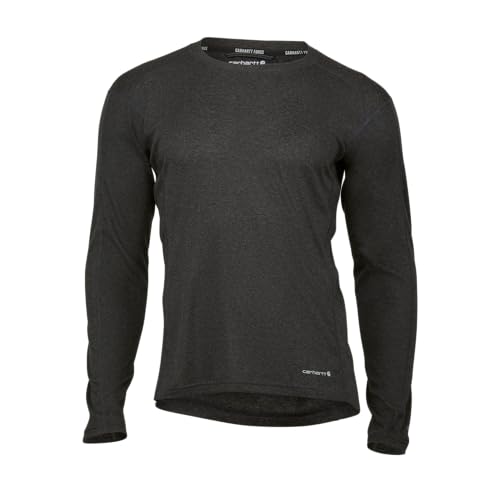
Carhartt Men's Force Midweight Stretch Base Layer Crewneck, Black Heather, X-Large
Material:Synthetic blend
Technology:Force moisture wicking
Features:Stretch fabric,Tagless design,Odor control
Ideal for:Active hiking in 50°F
+ Pros
- Fast-drying material
- Excellent stretch mobility
- Durable Carhartt quality
- Effective odor control
- Affordable price point
- Cons
- Less soft than merino
- Can retain odors eventually
- Synthetic feel against skin
Carhartt's Force technology pulls sweat away from skin through capillary action in the synthetic fibers.
The stretch fabric moves with you during scrambles and high-stepping over trail obstacles without restriction.
I've found synthetic base layers dry in minutes compared to hours for merino, making them better for wet conditions or stream crossings.
The midweight construction hits the sweet spot for 50°F hiking, providing enough warmth for chilly starts without overheating on climbs.
Carhartt's reputation for durability means this base layer withstands abrasive backpack straps and repeated washing cycles.
Who Should Buy?
Budget-conscious hikers, those who prioritize quick drying, and anyone who finds wool irritating against their skin.
Who Should Avoid?
Hikers sensitive to synthetic textures, multi-day backpackers who need extended odor resistance, and natural fiber purists.
Mid Layers: Insulation When You Need It
The mid layer provides most of your warmth by trapping body heat within its fibers or fabric structure.
I've learned that 50°F requires light insulation that you can easily vent or remove rather than heavy layers that cause overheating.
Fleece remains the most versatile mid-layer material because it breathes well, insulates when damp, and stretches for movement.
3. Columbia Steens Mountain 2.0 Fleece - Best Men's Mid Layer Value

Columbia Men's Steens Mountain 2.0 Full Zip Fleece Jacket, Black, Medium
Material:Soft fleece
Type:Full-zip jacket
Features:Stretch fabric,Zippered pockets,Drawcord hem
Fit:Classic for easy layering
+ Pros
- Excellent warmth-to-weight
- Very affordable price
- Proven durability(15k+ reviews)
- Soft comfortable fleece
- Full-zip ventilation
- Cons
- Not wind-resistant
- Fleece can pill over time
- Limited color selection
The Steens Mountain 2.0 has earned its popularity through reliable performance and exceptional value over many years.
Its lightweight fleece provides the perfect insulation level for 50°F hiking, warming you without causing overheating during climbs.
The full-zip design lets you regulate temperature by unzipping from bottom, top, or both depending on conditions.
I appreciate the classic fit that accommodates base layers underneath without feeling restrictive or bunching under a shell.
With over 15,000 reviews averaging 4.7 stars, this fleece has proven itself across countless hiking scenarios and body types.
Who Should Buy?
Budget-conscious hikers, men seeking a versatile fleece for hiking and casual wear, and anyone wanting proven reliability.
Who Should Avoid?
Hikers needing wind protection, those in exposed windy areas, and anyone preferring a more athletic cut.
4. Columbia Benton Springs Fleece - Best Women's Mid Layer
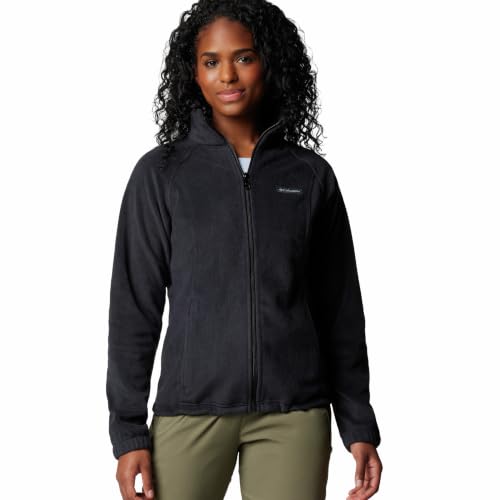
Columbia Womens Benton Springs Full Zip Fleece Jacket, Black, Medium
Material:Soft fleece
Type:Full-zip jacket
Features:Contoured fit,Zippered security pockets,Drawcord hem
Designed for:Women's specific proportions
+ Pros
- Women's specific contoured fit
- Soft comfortable fleece
- Excellent layering piece
- Reliable Columbia quality
- Great value pricing
- Cons
- No wind resistance
- Can run slightly small
- Fleece attracts lint
The Benton Springs translates the Steens Mountain performance into a women's-specific cut with contoured shaping.
This fleece accommodates female body proportions better than unisex options, eliminating excess material that can bunch under backpack straps.
The soft fleece feels comfortable against base layers without that synthetic stickiness some cheaper fleeces develop.
I've found this weight of fleece ideal for 50°F, providing enough warmth for trail breaks without causing overheating on climbs.
With over 8,700 reviews, this jacket has established itself as a go-to mid-layer for women hikers across varied conditions.
Who Should Buy?
Women seeking reliable mid-layer insulation, hikers wanting versatility for trail and town use, and budget-conscious outdoor enthusiasts.
Who Should Avoid?
Those needing wind protection, women between sizes who may find the fit tricky, and hikers in consistently windy conditions.
Outer Layers: Weather Protection
Your outer shell protects you from wind, rain, and snow while allowing moisture from your exertion to escape.
For 50°F hiking, you need breathable rain gear that won't turn into a sauna during uphill sections.
5. Columbia Watertight II Rain Jacket - Best Men's Shell Value
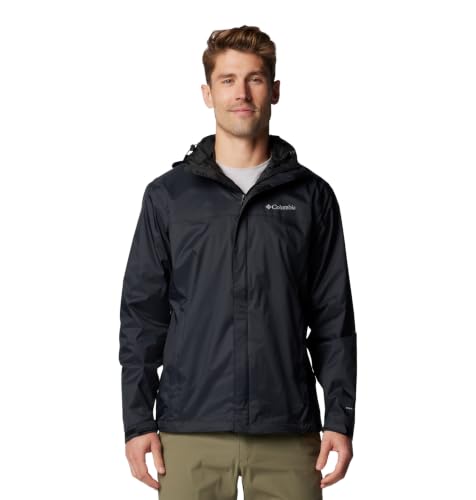
Columbia Men's Watertight II Waterproof Rain Jacket, Black, Large
Technology:Omni-Tech membrane
Construction:Fully seam-sealed
Features:Adjustable storm hood,Packable design,Water-resistant zippers
Use:50°F rain and wind protection
+ Pros
- Reliable waterproof protection
- Good breathability for active use
- Packable into pocket
- Durable construction
- Great value pricing
- Cons
- No insulation requires layering
- Can feel clammy in humidity
- Hood adjustment not intuitive
The Watertight II uses Columbia's Omni-Tech membrane to block water while allowing vapor to escape during active hiking.
Fully sealed seams eliminate leak points that cheaper jackets develop during sustained rainfall.
The packable design stuffs into its own pocket, making it easy to stash during dry sections or temperature spikes.
I've found this shell breathable enough for hiking up steep grades in 50°F rain without that wet-clammy feeling cheaper rain gear creates.
With over 12,000 reviews, this jacket has proven itself across diverse hiking conditions from drizzle to downpours.
Who Should Buy?
Hikers needing reliable rain protection, budget-conscious outdoor enthusiasts, and anyone wanting a versatile shell for multiple activities.
Who Should Avoid?
Those needing insulation, hikers in extreme conditions requiring heavier shells, and anyone sensitive to waterproof membrane feel.
6. Columbia Arcadia II Rain Jacket - Best Women's Shell
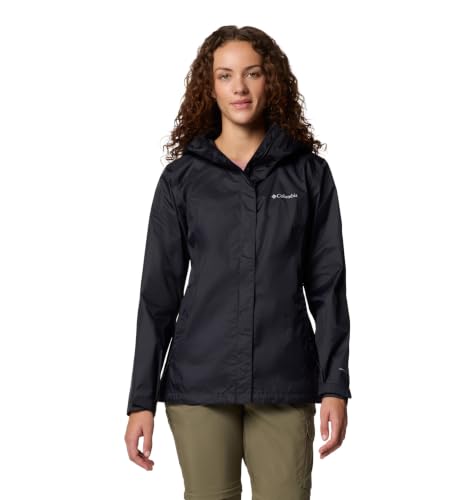
Columbia Womens Arcadia II Waterproof Rain Jacket, Black, Medium
Technology:Omni-Tex membrane
Construction:Fully seam-sealed
Features:Adjustable storm hood,Packable design,Comfort fit layering
Designed for:Women's hiking and outdoor use
+ Pros
- Reliable waterproof performance
- Women's specific fit
- Lightweight and packable
- Good breathability
- Affordable quality rain gear
- Cons
- Not for heavy downpours
- Limited color options
- Material slightly stiff initially
The Arcadia II provides Columbia's proven Omni-Tech protection in a women's-specific cut designed for comfortable layering.
This jacket accommodates mid-layers underneath without the restriction or binding that unisex shells often create for women.
The packable design stows easily when conditions clear, making it perfect for variable 50°F weather with scattered rain chances.
I've found this shell breathes well enough for active hiking while keeping you dry during sudden spring or fall rainstorms.
Who Should Buy?
Women hikers needing reliable rain protection, outdoor enthusiasts on a budget, and anyone wanting a versatile shell for 50°F conditions.
Who Should Avoid?
Those facing extreme weather, hikers needing heavier-duty shells, and anyone wanting more color options.
Hiking Pants and Bottoms
Choosing between pants and shorts for 50°F hiking depends on your activity level, personal tolerance, and trail conditions.
I typically start with pants and zip-off to shorts if the sun comes out and temperatures climb into the 60s.
Convertible pants offer the most versatility for variable conditions, letting you adapt without carrying extra clothing weight.
7. Columbia Ridge Silver Ridge Convertible Pants - Most Versatile Bottoms
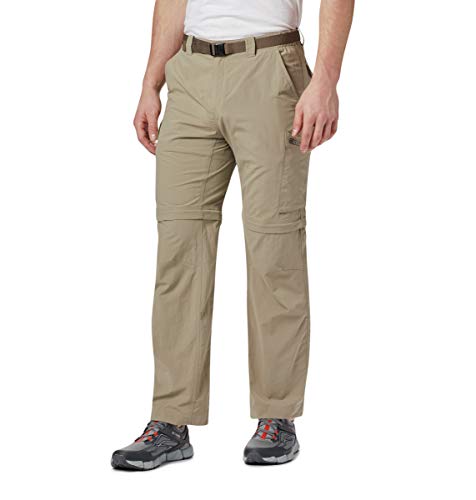
Columbia Mens Silver Ridge Convertible Pant, Tusk, 34 x 30
Style:Convertible pants to shorts
Technology:Omni-Wick,Omni-Shade UPF 50
Features:Zip-off legs,Multiple pockets,Partial elastic waist
Material:Quick-dry nylon blend
+ Pros
- Handles temperature changes perfectly
- Quick-drying after stream crossings
- UPF 50 sun protection
- Durable trail construction
- Great Columbia value
- Cons
- Zip-off leg pressure points
- Sizing runs large
- Material wrinkles easily
The Ridge Silver Ridge convertible solves the shorts-versus-pants dilemma by giving you both options in one garment.
Start your 50°F hike in full pants, then zip off the legs when afternoon sun pushes temperatures into the 60s or 70s.
The quick-dry nylon sheds water from morning dew or stream crossings within minutes of resumed hiking.
UPF 50 protection matters more than you'd expect at 50°F when high-altitude sun burns through cool air.
With over 18,000 reviews, these convertibles have proven themselves as the go-to choice for versatile hiking bottoms across varied conditions.
Who Should Buy?
Hikers facing variable temperatures, those stream-crossing frequently, and anyone wanting maximum versatility from single garment.
Who Should Avoid?
Hikers who find zip-offs uncomfortable, those wanting dedicated pants or shorts, and anyone sensitive to pressure points from zippers.
Essential Accessories: Socks, Hats, Gloves
The right accessories prevent cold extremities from cutting your hike short despite adequate core clothing.
For 50°F hiking, I carry light gloves and a beanie in my pack for chilly morning starts and windy summits.
8. Innotree Merino Wool Hiking Socks - Best Sock Value
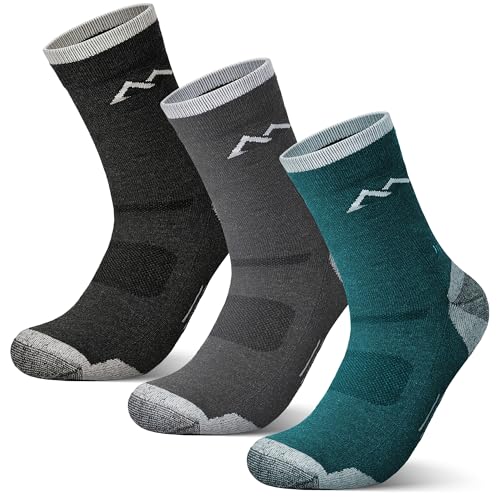
innotree 3 Pack Men's Merino Wool Hiking Socks, Medium
Material:Merino wool blend
Features:Moisture-wicking,Cushioned sole,Reinforced heel/toe
Pack:3 pairs
Ideal for:50°F hiking comfort
+ Pros
- Merino blend temperature regulation
- Excellent moisture management
- Cushioned hiking comfort
- Affordable 3-pack pricing
- Durable construction
- Cons
- Not pure merino wool blend
- Sizing inconsistencies
- Potential shrinkage if mishandled
These merino blend socks regulate temperature while managing moisture, keeping feet comfortable across varied conditions.
The cushioned sole absorbs impact from rocky trails, reducing foot fatigue during longer 50°F day hikes.
Moisture-wicking fibers prevent the blister-causing dampness that cotton socks develop within the first mile of hiking.
The three-pack pricing makes it easy to rotate through fresh socks on multi-day trips without investing in premium-priced options.
Who Should Buy?
Day hikers needing reliable socks, budget-conscious outdoor enthusiasts, and anyone wanting merino benefits without premium pricing.
Who Should Avoid?
Those wanting pure merino wool, hikers with specific sizing needs, and anyone requiring maximum cushioning.
Merino Wool vs Synthetic: Material Comparison
Choosing between merino wool and synthetic materials affects comfort, performance, and budget.
Each material has distinct advantages that make it better suited for specific hiking scenarios and personal preferences.
| Feature | Merino Wool | Synthetic (Polyester/Nylon) |
|---|---|---|
| Moisture Management | Absorbs vapor before liquid sweat | Wicks liquid sweat efficiently |
| Odor Resistance | Naturally antimicrobial (days of use) | Treatments help (1-2 days max) |
| Drying Time | Slower (can feel damp longer) | Fast drying (minutes when wet) |
| Durability | Delicate (requires gentle care) | Excellent (withstands abuse) |
| Comfort | Soft, natural feel, no itch (quality merino) | Can feel synthetic or plasticky |
| Temperature Range | Wide (warm in cold, cool in warm) | Narrower (better in specific ranges) |
| Cost | Higher ($60-120 for base layer) | Lower ($25-50 for base layer) |
| Best For | Multi-day trips, odor sensitivity, natural fiber preference | Budget, wet conditions, durability needs |
Material Choice Tip: I use synthetic base layers for day hikes and wet conditions, then switch to merino for multi-day backpacking trips where odor resistance matters more than quick-drying performance.
Many experienced hikers build systems using both materials, getting the advantages of each where they matter most.
What to Avoid: Common 50°F Hiking Mistakes
After years of hiking and observing others on the trail, I've identified mistakes that turn pleasant 50°F days into miserable experiences.
Avoid Cotton Completely: Cotton kills in outdoor conditions. It absorbs moisture, loses all insulating value when wet, and takes forever to dry. A cotton t-shirt becomes a cold, damp layer against your skin the moment you sweat.
- Jeans Are Terrible Hiking Pants: Denim is cotton, heavy when wet, restricts movement, and provides zero weather protection. Choose hiking pants or convertibles instead.
- Don't Skip Layers: Starting in just a t-shirt might feel fine initially, but you'll freeze during breaks or shady sections. Always carry your layers.
- Avoid Heavy Single Layers: One thick jacket seems convenient but forces you to choose between freezing and overheating. Multiple light layers provide better temperature regulation.
- Never Forget Your Shell: 50°F often brings wind or rain. Without a shell, you're one weather change away from an uncomfortable or dangerous situation.
Temperature Regulation Strategies
Managing your layers effectively matters more than having the most expensive gear.
I've seen hikers with budget clothing outperform those with premium setups simply through better layer management.
Before Your Hike
- Start slightly chilled rather than warm - you'll heat up within 15 minutes of hiking
- Apply sunscreen even at 50°F - high-altitude sun burns through cool air
- Check weather forecasts for temperature swings and precipitation chances
- Pack your shell where it's accessible, not buried in your pack
During Your Hike
- Unzip mid-layer from bottom for ventilation before removing layers entirely
- Remove your mid-layer before you start sweating heavily - prevention beats moisture management
- Add your shell before reaching exposed or windy areas, not once you're already cold
- Put your mid-layer back on during breaks, even if you feel warm - your body heat production drops immediately when you stop moving
Pro Tip: The "slightly chilled" starting point feels uncomfortable in the parking lot but prevents the sweat-soaked base layer that causes real discomfort later. Trust the system.
Temperature Variation Scenarios
Fifty-degree hiking often involves significant temperature changes throughout the day.
| Scenario | Starting Outfit | Adjustment Strategy |
|---|---|---|
| 40°F to 60°F swing | Base + mid + shell, gloves, beanie | Remove shell, then mid, add hat, stash accessories as temps rise |
| Steady 50°F with sun | Base + mid layer, shell packed | Vent mid layer, roll sleeves, may add shell in shade |
| 50°F and rainy | Base + mid + shell from start | Keep shell on, vent from bottom, manage base layer sweat |
| 50°F windy exposed | Base + mid + shell essential | Keep shell zipped, use hood, prevent wind chill |
Frequently Asked Questions
What should I wear hiking in 50 degree weather?
Wear a three-layer system: moisture-wicking base layer (merino wool or synthetic), insulating mid layer (light fleece), and protective outer shell (rain jacket or windbreaker). This system lets you adjust to temperature changes and activity levels while staying comfortable from trailhead to summit.
Do I need a jacket for hiking in 50 degree weather?
Yes, but choose a light jacket you can remove easily. A lightweight fleece or synthetic pullover provides enough warmth for most 50°F hiking. Bring a waterproof shell for wind and rain protection. The key is having layers you can add or remove rather than one heavy jacket.
Should I wear shorts or long pants for hiking in 50 degrees?
Start with pants and convert to shorts if you warm up, or choose convertible pants that zip off. 50°F is borderline for shorts - great while hiking uphill but chilly during breaks or in windy areas. Convertible pants give you both options without carrying extra weight.
What is the 3-layer system for hiking?
The 3-layer system consists of a moisture-wicking base layer that pulls sweat away from skin, an insulating mid layer that traps body heat, and a protective outer shell that blocks wind and rain. This system works because each layer has a specific function and you can add or remove pieces as conditions change during your hike.
Can I wear cotton hiking in 50 degree weather?
No, avoid cotton for hiking in any temperature. Cotton absorbs moisture and loses all insulating value when wet. In 50°F weather, cotton from sweat will make you cold quickly during breaks or temperature drops. Choose synthetic or merino wool base layers that manage moisture effectively.
Is 50 degrees too cold for shorts hiking?
Not necessarily, but it depends on conditions and your personal tolerance. 50°F shorts work fine during active hiking on sunny days but become uncomfortable in wind, shade, or during breaks. Many hikers prefer convertible pants that let you zip off legs if conditions warrant.
What material is best for hiking in cool weather?
Merino wool and synthetic polyester are both excellent for 50°F hiking. Merino offers natural temperature regulation and odor resistance, while synthetics dry faster and cost less. The best choice depends on your budget, sensitivity to materials, and planned trip length.
Do I need hiking pants for 50 degree weather?
Hiking pants are recommended but not absolutely required. They offer better protection than shorts against brush, insects, and sun. Convertible pants provide versatility - start with pants, zip to shorts if you warm up. Athletic pants work fine if you don't have dedicated hiking pants.
Should I bring a rain jacket hiking in 50 degrees?
Yes, always bring a rain jacket for 50°F hiking. Spring and fall 50°F weather often brings unexpected rain, and wind chill at this temperature can quickly make conditions dangerous. A lightweight waterproof shell provides essential protection without much weight or bulk.
What kind of socks for hiking in 50 degree weather?
Wear merino wool or wool blend hiking socks for 50°F conditions. Merino regulates temperature while managing moisture, preventing both cold feet and blisters. Avoid cotton socks entirely. Medium-weight hiking socks provide the right balance of warmth and breathability for most 50°F hiking.
Is merino wool worth it for hiking?
Merino wool is worth the investment for multi-day trips, hikers sensitive to odors, and those who prefer natural materials. It excels at temperature regulation and resists odors for days. For day hikes or budget-conscious hikers, quality synthetics provide similar performance at lower cost.
How do I not overheat hiking in 50 degrees?
Start slightly chilled rather than warm, vent your layers before you start sweating heavily, and remove layers proactively rather than reactively. Unzip from the bottom for core ventilation while keeping your arms covered. Pace yourself to avoid excessive heat production during climbs.
What to wear hiking when temperature changes?
Use a versatile layering system you can adjust throughout the day. Start with all layers for chilly mornings, remove your mid layer as you warm up, add your shell for windy or rainy sections, and replace layers when stopping for breaks. The key is having accessible layers you can add or remove.
Can I hike in jeans in 50 degree weather?
You can, but jeans perform poorly for hiking. Denim is cotton, so it becomes cold and damp when you sweat, restricts movement during scrambles, and takes forever to dry if it gets wet. Athletic pants or hiking pants breathe better, move with you, and manage moisture effectively.
Do I need gloves for 50 degree hike?
Gloves aren't essential for most 50°F hiking but are nice to have. Light gloves help during chilly morning starts, windy exposed areas, or when handling cold equipment like trekking poles or metal water bottles. Pack a lightweight pair just in case.
Should I wear a hat hiking in 50 degrees?
A lightweight beanie helps during cold starts and windy conditions, while a ball cap provides sun protection if it's sunny. Many 50°F days involve both cool and warm periods, so packing a lightweight hat gives you options. A beanie takes minimal space but provides significant comfort.
Final Recommendations
The three-layer system remains the most effective approach to 50°F hiking clothing because it adapts to changing conditions.
Invest in quality base layers first, add a reliable mid-layer fleece, and protect everything with a breathable shell.
After testing dozens of combinations over years of hiking, I've found that versatile mid-range gear outperforms expensive specialized clothing for most 50°F conditions.
Start with slightly fewer layers than you think you need, carry your shell, and adjust proactively rather than reactively.
The hikers who stay comfortable aren't necessarily those with the most expensive gear - they're the ones who understand how to layer effectively.