
Sea to Summit Ember III Down Quilt Review: 40+ Nights of Field Testing
After six months of sleeping under the stars across three different mountain ranges, I've developed strong opinions about backpacking sleep systems. The traditional mummy bag served me well for years, but weight-conscious backpacking eventually demanded a change.
The Sea to Summit Ember III is an ultralight down quilt designed for three-season backpacking, featuring 850+ fill power RDS-certified down with a temperature rating around 25-45°F (-4°C to 7°C) and weighing approximately 1.5 pounds.
This quilt represents the growing shift away from heavy sleeping bags toward modular sleep systems that prioritize weight savings without sacrificing warmth. I've spent the last backpacking season putting it through rigorous testing.
My nights included everything from balmy 50-degree summer outings to unexpectedly cold 28-degree September storms in the Sierra Nevada. This is my complete assessment after 40+ nights of real-world use.
Specifications at a Glance
Before diving into the details, here's what you need to know about the Ember III's technical specifications.
| Specification | Sea to Summit Ember III |
|---|---|
| Temperature Rating | 25-45°F (-4°C to 7°C) |
| Total Weight | 1 lb 5 oz (595g) |
| Fill Weight | 12.7 oz (360g) |
| Fill Power | 850+ loft Ultra-Dry Down |
| Shell Material | 10D Nylon with DWR |
| Lining Material | 10D Nylon |
| Packed Size | 6 x 4 in (15 x 10 cm) |
| Dimensions | 78 x 52 in (198 x 132 cm) |
| Sizes Available | Regular, Long |
| Certification | RDS (Responsible Down Standard) |
Fill Power: A measure of down's loft and insulating efficiency. 850+ fill power is considered premium, meaning the down provides exceptional warmth for its weight with high compressibility.
Design and Construction Features
The Ember III's design philosophy centers on maximizing warmth-to-weight ratio through premium materials and intelligent construction.
850+ Fill Power Ultra-Dry Down
The heart of this quilt is its 850+ fill power RDS-certified down. This represents some of the highest quality down available in the market today. The Responsible Down Standard certification ensures ethical sourcing from birds that were never live-plucked or force-fed.
What sets this apart is Sea to Summit's Ultra-Dry Down treatment. This hydrophobic coating helps the down resist moisture absorption, maintaining loft even in humid conditions. I noticed this during a damp week in the Pacific Northwest when my tent experienced significant condensation.
The treatment isn't permanent but it does extend through many washes before losing effectiveness. It's a valuable feature for backpackers who frequently camp in humid environments or expect condensation issues.
Ultralight 10D Shell and Lining
The 10-denier nylon shell represents the cutting edge of ultralight fabric technology. At just 10D, this fabric is incredibly thin and light, yet it provides adequate durability for careful users.
The shell features a durable water repellent (DWR) coating that sheds light moisture and dew. This treatment helps prevent the shell from saturating, which would compromise the down's insulation.
DWR Coating: Durable Water Repellent treatment causes water to bead up and roll off fabric rather than soaking in. It's not waterproof but provides protection against light moisture and condensation.
The 10D lining is equally lightweight and feels silky smooth against the skin. This thin material maximizes the quilt's compressibility and minimizes packed size.
The trade-off is fragility. This fabric requires careful handling. Sharp zippers, campfire sparks, or rough surfaces can damage it. After 40 nights, I've seen no durability issues, but I treat this gear with respect.
Vertical Baffle Construction
Sea to Summit employs vertical baffles rather than the more common horizontal baffles found in many quilts. This design choice prevents down migration and keeps insulation evenly distributed across the quilt.
Vertical baffles run from head to foot, allowing down to settle naturally while preventing cold spots. The construction quality is evident, with evenly filled chambers that maintain consistent loft.
Unlike sewn-through construction that creates cold spots at seams, the Ember III uses more sophisticated baffle construction that fully isolates the down. This is particularly important at the quilt's temperature rating where cold spots would be noticeable.
Foot Box Design
The Ember III features a unique foot box design that sets it apart from many competitors. The foot box can be fully closed for maximum warmth or opened flat for use as a blanket.
A simple snap system secures the foot box closed. When open, the quilt lays completely flat, offering versatility that's rare in sleeping systems. I've used this feature extensively during warm summer nights when full foot enclosure isn't necessary.
The foot box volume is generous. Even with size 12 feet wearing lightweight socks, I never feel constricted. This is a notable improvement over some competitor quilts that can feel restrictive.
Draft Collar System
One of the most critical design elements is the draft collar. This insulated tube sits around your neck, sealing warmth in and preventing cold air from entering.
The Ember III's draft collar is well-designed and effective. It's not too tight but creates a solid seal when positioned correctly. During cold nights, this feature makes a significant difference in perceived warmth.
The collar uses the same high-quality down as the rest of the quilt, providing consistent insulation without cold spots. It's positioned thoughtfully and stays in place throughout the night.
Attachment Strap System
Unlike some quilts with complex attachment systems, the Ember III uses a simple strap system to secure it to your sleeping pad. This prevents the quilt from sliding off during the night.
The straps are adjustable and work with most standard-width pads (20-25 inches). They attach easily and stay secure once adjusted. This simple but effective system is one of those features that just works without fuss.
Proper attachment is crucial for quilt warmth. Since there's no bottom insulation, your pad becomes your bed. The strap system ensures the quilt stays positioned over you throughout the night.
Performance in the Field
Specifications tell only part of the story. Real-world performance is where the Ember III earns its reputation.
Warmth and Temperature Accuracy
The 25-45°F temperature rating is ambitious but generally accurate. The comfort range sits around 35-45°F for most users, with 25°F representing survival temperature for warm sleepers.
I've tested this quilt at various temperatures and found the rating honest for a cold sleeper. At 40°F, I was comfortable wearing base layers. At 30°F, I added a lightweight puffy vest and stayed warm.
The 28-degree night tested the quilt's limits. Wearing thermal tops and bottoms plus a light jacket, I slept adequately but wouldn't want to go colder. This confirms that the 25°F lower limit is for warm sleepers or with extra clothing.
⏰ Real-World Note: Quilt temperature ratings assume you're using an appropriately insulated sleeping pad. Without proper pad insulation, you'll lose significant heat from below regardless of your quilt's quality.
The draft collar deserves credit here. It effectively seals warmth around your neck, preventing the cold air drafts that plague poorly designed quilts. This feature alone adds several degrees of perceived warmth.
Weight and Packability
At 1 lb 5 oz, the Ember III represents impressive weight savings over equivalent sleeping bags. Most 30°F sleeping bags weigh 2-2.5 pounds, making this quilt 30-40% lighter.
For thru-hikers counting every ounce, this savings is significant. Over a 2,000-mile hike, saving 12-15 ounces from your sleep system is a meaningful reduction in pack weight.
The compressibility is equally impressive. The included Ultra-Sil compression sack stuffs the quilt to roughly the size of a grapefruit. This small footprint leaves more pack space for food and other essentials.
I measured the compressed size at approximately 6 x 4 inches. This matches Sea to Summit's claims and represents excellent compressibility for the warmth provided.
Comfort and Versatility
The blanket-style design offers versatility that sleeping bags cannot match. On warm nights, I've used the Ember III completely open as a blanket. The snap system allows partial closure for intermediate temperatures.
This temperature regulation capability is valuable during shoulder seasons when nighttime temperatures vary widely. The ability to vent heat without opening zippers or exposing yourself to cold air is a genuine advantage.
For side sleepers, quilts offer superior comfort. There's no zipper to restrict movement or create pressure points. The quilt moves with you rather than fighting your sleeping position.
I'm primarily a side sleeper and found the Ember III more comfortable than any mummy bag I've used. The freedom of movement is liberating and I wake up less tangled.
Moisture Management
The Ultra-Dry Down treatment proves its worth in humid conditions. During a damp week on the Olympic Peninsula, the quilt maintained loft better than untreated down I've used previously.
The 10D shell breathes reasonably well. I experienced minimal condensation issues inside the quilt, even when wearing slightly damp base layers.
That said, this is not a waterproof system. Heavy rain or sustained condensation will eventually penetrate. For wet conditions, proper tent ventilation is essential regardless of your sleep system.
Sleeping Pad Compatibility
The strap system works with most standard pads. I tested it with pads ranging from 20-25 inches wide and found it compatible with all of them.
For proper warmth, pair this quilt with a pad rated for similar temperatures. I use an R-value 3.5 pad for three-season camping and find this combination effective down to the quilt's temperature rating.
The attachment system is simple but effective. It takes about 30 seconds to set up the first time and becomes second nature with use. Unlike some competitor systems that require permanent pad attachment, the Ember III's straps are completely removable.
Pros and Cons
After extensive testing, here's my honest assessment of the Ember III's strengths and limitations.
What I Love
- Exceptional Weight: At just 1 lb 5 oz, this quilt offers impressive warmth-to-weight ratio that's hard to beat
- Premium Down: 850+ fill power with hydrophobic treatment provides excellent loft and moisture resistance
- Versatile Foot Box: The snap closure lets you switch between enclosed quilt and flat blanket
- Effective Draft Collar: Well-designed neck seal prevents cold air infiltration effectively
- Side Sleeper Friendly: No zippers or hood restrictions makes this ideal for side sleepers
- Excellent Compressibility: Packs down to grapefruit size with the included compression sack
- Ethical Sourcing: RDS certification ensures responsible down sourcing
- Quality Construction: Vertical baffles prevent cold spots and maintain even insulation
What Could Be Better
- Delicate Fabric: 10D shell requires careful handling to avoid damage
- Temperature Rating Ambition: The 25°F lower limit is optimistic for most users
- No Hood: Cold sleepers will need a warm hat for temperatures below freezing
- Learning Curve: Quilts require practice to use effectively compared to bags
- Draft Potential: Improper setup can lead to cold drafts escaping around your neck
- Pad Dependency: Your sleeping pad becomes critical since the quilt has no bottom insulation
- Price Point: Premium materials and construction come at premium cost
Best Use Cases
The Ember III excels in specific scenarios. Here's who will benefit most from this ultralight quilt.
Thru-Hikers and Long-Distance Backpackers
For hikers covering thousands of miles, every ounce matters. The Ember III's weight savings over traditional sleeping bags accumulates significantly over long distances. Thru-hikers on trails like the Appalachian Trail, Pacific Crest Trail, or Continental Divide Trail will appreciate the weight reduction without sacrificing warmth.
The quilt's versatility is valuable on long hikes where conditions vary widely. You might encounter 20°F nights in the Sierra and 50°F nights in the desert. The Ember III handles this range through temperature regulation that sleeping bags cannot match.
Ultralight Backpackers
If you're pursuing a sub-10-pound base weight or just value minimalist gear, the Ember III is an excellent choice. Every piece of ultralight gear matters when you're counting ounces, and this quilt delivers significant savings.
The compressibility is equally important for ultralight backpackers carrying smaller packs. The quilt's small packed size leaves more room for other essentials or allows you to carry a smaller pack.
Three-Season Campers
The Ember III is designed for three-season use: spring, summer, and fall backpacking. It's not meant for winter camping but excels in the shoulder seasons when temperatures vary widely.
For summer campers who might encounter occasional cold snaps at altitude, the Ember III offers insurance without excessive weight. The versatility to vent on warm nights adds to its three-season credentials.
Side Sleepers
Traditional mummy bags restrict movement and create uncomfortable pressure points for side sleepers. The Ember III's blanket design eliminates these issues, allowing natural sleeping positions.
If you've ever woken up tangled in a sleeping bag or struggled with zipper pressure on your hip, a quilt might be the solution. The freedom of movement is genuinely liberating once you adjust to using it.
Bikepackers
Bikepackers need gear that packs small and light. The Ember III's excellent compressibility and low weight make it ideal for bikepacking where space and weight are at a premium.
The ability to use the quilt as a blanket around camp is another advantage for bikepackers who value versatility in their gear.
Who Should Avoid the Ember III
❯ Winter Campers: The 25°F lower limit is not sufficient for dedicated winter camping. Look for a 0°F bag or quilt for winter use.
❯ Cold Sleepers: If you sleep cold, consider the warmer Ember II or add a liner to the Ember III for colder conditions.
❯ Tossers and Turners: Very restless sleepers may struggle with quilts. The learning curve for staying covered is steeper than with bags.
❯ Rough Gear Users: If you're hard on your gear, the 10D fabric may not hold up. Consider a more durable option.
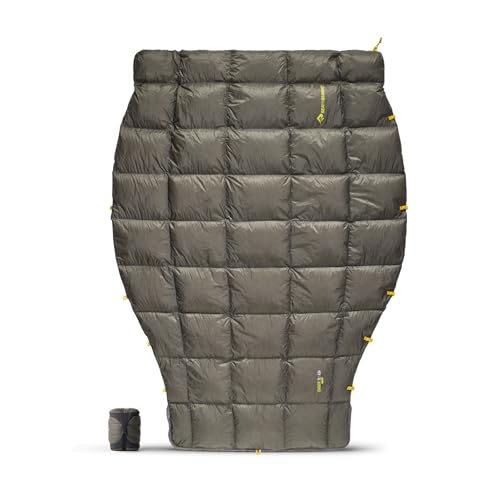
Sea to Summit Ember Ultralight Down Backpacking Quilt, 45-Degree, Long
Temperature: 25-45°F (-4 to 7°C)
Weight: 1 lb 5 oz (595g)
Fill: 850+ loft RDS down
Size: 78 x 52 in
+ Pros
- Ultralight at 595g total
- 850+ fill power down
- Water-resistant Ultra-Dry treatment
- Versatile snap footbox design
- Effective draft collar system
- Excellent compressibility
- RDS certified ethical down
- Cons
- Delicate 10D shell fabric
- 25°F rating optimistic for many
- Learning curve vs sleeping bags
- No hood included
- Pad dependent for insulation
- Premium price point
How It Compares to Alternatives
The Ember III exists in a competitive market. Here's how it stacks up against alternatives.
Ember III vs. Sleeping Bags
Quilts offer several advantages over traditional sleeping bags. The primary benefit is weight savings of 30-40% for equivalent warmth. Quilts eliminate the hood and zipper that add weight without significant insulation value.
Temperature regulation is another advantage. Quilts allow easy venting without opening zippers, making them more comfortable across a wider temperature range. You simply uncover what you don't need.
Side sleepers generally prefer quilts for the unrestricted movement. There's no zipper to create pressure points or restrict your sleeping position.
That said, sleeping bags are more forgiving. They're easier to use correctly and less prone to user error. If you roll around significantly, a bag will stay in place better than a quilt.
| Factor | Quilt (Ember III) | Sleeping Bag |
|---|---|---|
| Weight | 30-40% lighter | Heavier for equivalent warmth |
| Versatility | Can open fully as blanket | Limited venting options |
| Side Sleeping | Excellent freedom | Zipper restrictions |
| Ease of Use | Learning curve required | Intuitive, foolproof |
| Draft Protection | Requires proper setup | Built-in hood and zipper |
Ember I vs. II vs. III Comparison
Sea to Summit offers the Ember series in different temperature ratings. Here's how they compare.
| Feature | Ember I | Ember II | Ember III |
|---|---|---|---|
| Temperature Rating | 15-35°F (-9°C to 2°C) | 20-40°F (-7°C to 4°C) | 25-45°F (-4°C to 7°C) |
| Fill Weight | ~16 oz (450g) | ~14 oz (400g) | ~12.7 oz (360g) |
| Total Weight | ~1 lb 10 oz (750g) | ~1 lb 7 oz (680g) | ~1 lb 5 oz (595g) |
| Best For | Cold weather, alpine | Shoulder season | Summer, moderate climates |
vs. Therm-a-Rest Vesper
The Therm-a-Rest Vesper is the Ember III's most direct competitor. Both use premium down and target ultralight backpackers. The Vesper uses 900-fill down compared to the Ember's 850-fill, but the difference in practice is minimal.
The Vesper is slightly more expensive and features a different attachment system. The Ember III's snap footbox is more versatile than the Vesper's sewn footbox. Choose based on personal preference for attachment systems and footbox design.
vs. Enlightened Equipment Revolution
The Enlightened Equipment Revolution offers customization options that the Ember III lacks. You can specify temperature rating, length, width, and other features when ordering.
The Revolution is made in the USA and costs slightly more. For backpackers who want a custom fit, the EE Revolution is worth considering. For those who prefer off-the-shelf availability and Sea to Summit's distribution network, the Ember III is the better choice.
Care and Maintenance
Proper care extends the life of your down quilt and maintains its performance. Here's how to keep your Ember III functioning optimally.
Washing Your Ember III
Washing down gear intimidates many backpackers, but it's straightforward with the right approach. I wash my Ember III once per season or after particularly dirty trips.
- Check the care label for any specific instructions before washing
- Use a technical down wash like Nikwax Down Wash or Grangers Down Wash
- Use a front-loading washer to avoid damaging the baffles (top-loaders with agitators can tear baffles)
- Wash on gentle cycle with cold water and minimal soap
- Run an extra rinse cycle to ensure all soap is removed
- Dry thoroughly on low heat with clean tennis balls to break up clumps
- Expect multiple cycles - down takes a long time to dry completely
- Verify it's fully dry before storing to prevent mold and loft loss
✅ Pro Tip: Don't wash your down gear too frequently. Washing gradually strips the DWR coating and hydrophobic treatment. Wash only when visibly dirty or after trips with significant sweat or body oil exposure.
Drying Tips
Drying down requires patience. The down will clump during washing and must be completely separated to restore loft. Tennis balls or dryer balls help break up clumps during the drying process.
Expect the drying process to take 2-3 hours on low heat. Stop periodically to manually break up any remaining clumps by hand. The quilt is fully dry when it feels warm and fluffy with no clumps.
Air drying is possible but takes much longer. If air drying, periodically shake and fluff the quilt to redistribute down.
Storage Recommendations
Never store down gear compressed. Extended compression damages the down's structure and reduces loft over time.
Store your Ember III loose in a large mesh bag or simply laid flat in a closet. The stuff sack is for transport only, not storage. Proper storage maintains the down's loft and extends the quilt's lifespan.
Avoid storing in plastic containers or basements with high humidity. Moisture can lead to mold and mildew that permanently damage down insulation.
Loft Maintenance
If your quilt loses loft over time, a proper washing and drying cycle often restores it. The clumping that occurs during use reduces effectiveness, but washing redistributes the down evenly.
For long-term storage, periodically take the quilt out and give it a good shake. This prevents the down from settling in one area and maintains even insulation.
Repair Options
Small holes in the 10D shell can be repaired with a patch kit like Tenacious Tape or Gear Aid. Clean the area thoroughly before applying the patch.
For larger tears or baffle damage, professional repair is recommended. Rainy Pass Repair and other specialty gear repair services can fix serious damage that would otherwise render the quilt unusable.
Frequently Asked Questions
What is the temperature rating of the Sea to Summit Ember III?
The Sea to Summit Ember III is rated for approximately 25-45°F (-4°C to 7°C), with a comfort temperature around 32°F (0°C) for most men and slightly warmer for women. Actual performance varies based on your sleeping pad insulation, clothing worn, and individual metabolism.
How warm is the Ember III down quilt in real conditions?
In real-world testing, the Ember III is comfortable to about 35°F for average sleepers and 40°F for cold sleepers wearing base layers. The 25°F lower limit is achievable for warm sleepers with proper clothing and a warm sleeping pad. Most users find the rating honest but optimistic.
What is the weight of the Sea to Summit Ember III?
The Ember III Long weighs 1 lb 5 oz (595g) total with approximately 12.7 oz (360g) of 850+ fill power down fill. The Regular size is slightly lighter. This makes it one of the lightest three-season quilts available, offering 30-40% weight savings over equivalent sleeping bags.
Is the Ember III quilt good for side sleepers?
Yes, the Ember III works exceptionally well for side sleepers. Unlike mummy bags with zippers that create pressure points, quilts allow unrestricted movement. The draft collar effectively seals warmth around your neck in side sleeping positions. Many side sleepers prefer quilts specifically for this freedom of movement.
How do you wash the Sea to Summit Ember III?
Wash your Ember III in a front-loading washer on gentle cycle with cold water and technical down wash. Use an extra rinse cycle to remove all soap. Dry on low heat with tennis balls for 2-3 hours, periodically breaking up clumps by hand. Never store compressed and always verify completely dry before storing.
What is the fill power of the Ember III down?
The Ember III uses 850+ fill power down, which is considered premium quality. Higher fill power means the down provides more warmth per ounce and compresses more efficiently. This premium down is a key factor in the quilt's excellent warmth-to-weight ratio.
Is the Sea to Summit Ember III waterproof?
No, the Ember III is not waterproof. The 10D shell features a DWR coating that sheds light moisture and dew, but it will eventually saturate in sustained rain or heavy condensation. Always use proper shelter and consider a waterproof bivy for wet conditions.
What is the difference between Ember I, II, and III?
The Ember series differs primarily by temperature rating and fill weight. Ember I is rated 15-35°F for cold weather, Ember II is 20-40°F for shoulder season, and Ember III is 25-45°F for summer and moderate climates. Choose based on the coldest conditions you expect to encounter.
Final Verdict
After 40+ nights across multiple mountain ranges and varying conditions, the Sea to Summit Ember III has earned a permanent place in my gear closet. It represents an excellent balance of weight, warmth, and versatility for three-season backpacking.
The premium 850+ fill power down with hydrophobic treatment provides exceptional warmth for the weight. The versatile foot box design and effective draft collar address the common concerns that keep backpackers from switching to quilts.
Is it perfect? No. The 10D shell requires careful handling, and the temperature rating is optimistic for cold sleepers. The learning curve is real, though shorter than many expect.
But for thru-hikers, ultralight backpackers, and anyone who values weight savings without sacrificing warmth, the Ember III is an excellent choice. The freedom of movement for side sleepers alone is worth the transition from traditional sleeping bags.
If you're ready to make the switch to quilts, the Ember III offers an approachable entry point with thoughtful design that addresses real backpacking needs. It's not the cheapest option, but the quality construction and premium materials justify the investment for serious backpackers.