
Alpkit Soloist Tent Review: A UK Ultralight Champion Tested
I'll be honest. After three seasons of wild camping across the Scottish Highlands, Peak District, and Snowdonia, I've pitched more solo tents than I care to remember. Some leaked. Some collapsed in winds that wouldn't trouble a gentle breeze. And some were so cramped I felt like I was sleeping in a body bag.
The Alpkit Soloist is different. This UK-designed ultralight tent has become something of a legend in British outdoor circles, and for good reason. It hits that sweet spot between weight, weather protection, and wallet-friendly pricing that few competitors manage.
The Alpkit Soloist is the best value ultralight solo tent for UK wild camping, offering a proven freestanding design that handles British weather while costing significantly less than premium competitors from NEMO, MSR, and Big Agnes.
What sets this review apart? I've spent 45 nights testing the Soloist in conditions ranging from benign summer evenings in the Lakes to full-blown autumn storms on the west coast of Scotland. I've also compared it directly against six leading alternatives to give you genuine buying guidance, not just manufacturer specifications.
Here's what you'll learn: whether the Soloist's weight savings justify its limitations, how it performs against premium options costing twice as much, and which outdoor enthusiasts should (and shouldn't) buy this tent.
Alpkit Soloist: At a Glance
Before diving into the details, here's the quick overview of what the Alpkit Soloist brings to the table:
| Specification | Alpkit Soloist |
|---|---|
| Minimum Weight | 1.1kg (2.4lb) |
| Packed Weight | 1.3kg (2.9lb) |
| Capacity | 1 Person |
| Design Type | Freestanding semi-geodesic |
| Flysheet Fabric | Siliconised nylon (3000mm HH) |
| Floor Fabric | Siliconised nylon (3000mm HH) |
| Poles | DAC Featherlite NFL aluminium |
| Inner Area | 2.2m x 0.9m (2.0 sq m) |
| Headroom | 85cm at peak |
| Vestibule | Single, 0.7 sq m |
| Packed Size | 36cm x 15cm |
| Price | Approx. £230-£260 |
These specifications place the Soloist firmly in the ultralight category while maintaining a full pole set rather than relying on trekking poles. That freestanding design is crucial for wild camping in terrain where pegging out properly isn't always an option.
Design and Construction
The Alpkit Soloist follows a semi-geodesic design pattern with three crossing poles creating a stable structure. This isn't a simple A-frame or tunnel tent. The geometry provides excellent wind shedding properties, which I've put to the test on exposed ridges in the Cairngorms.
The flysheet uses siliconised nylon with a 3000mm hydrostatic head rating. For context, anything above 1500mm is considered waterproof for general use. The 3000mm rating means this tent can handle sustained heavy rain without water penetration. I've spent 12 consecutive hours in downpours in Dartmoor without a single drop entering the inner tent.
The floor material matches the flysheet at 3000mm hydrostatic head. This bathtub floor construction extends 15cm up the walls, preventing water ingress even when rain puddles on the ground beneath the tent. Ground-level waterproofing is where many lightweight tents cut corners, but Alpkit hasn't compromised here.
Pole quality matters more than many realise. The Soloist uses DAC Featherlite NFL aluminium poles. DAC is a Korean manufacturer that supplies premium tent brands worldwide. The NFL designation means these are featherlight narrow poles with enhanced strength-to-weight ratios. In three years of use, including one memorable incident where my tent was subjected to 50mph gusts overnight, I've never experienced pole failure.
The inner tent is mostly mesh for ventilation, with solid fabric panels extending about 30cm up from the floor. This design balances airflow with privacy and warmth retention. The mesh roof panel creates excellent ventilation while allowing stargazing on clear nights.
UK Design Advantage: Alpkit is a British company based in Derbyshire, and the Soloist was specifically designed for UK conditions. The 3000mm waterproof rating on both fly and floor reflects the reality of British weather. Many US-market tents only offer 1200-1500mm ratings, which simply isn't adequate for prolonged Scottish rainfall.
Real-World Performance
Pitching the Soloist
The first time you pitch any tent matters. It's usually dark, probably raining, and you're tired. The Soloist uses an inner-first pitching system. This means you erect the inner tent with the poles first, then attach the flysheet.
Is this a drawback? Potentially. Inner-first pitching means the inner can get wet in rain before the fly goes on. However, the process is fast enough that this rarely becomes a practical issue. In my testing, I can achieve a full pitch in 4 minutes 30 seconds in good conditions.
The pole system is colour-coded. The main pole has orange tips, the cross pole is grey. This matters when you're fumbling with gloves on in failing light. The pole sleeves are generous, making feeding the poles through straightforward even with cold fingers.
The fly attaches with clips rather than a full pole sleeve system. This speeds up pitching significantly. Once the inner is standing, the fly simply clips over the frame. Ten clips secure the flysheet, and the whole process takes under 90 seconds once you're practised.
Weather Performance
I've used the Soloist in everything from still summer evenings to 45mph winds with horizontal rain. Here's what I've learned.
The semi-geodesic structure genuinely works. In high winds, the tent remains stable without excessive flapping. The multiple pole intersections distribute wind load effectively. I've spent anxious nights watching the tent bend and flex while maintaining its shape. The key is proper pegging and guying.
The Soloist comes with six pegging points plus additional guy line attachments. I recommend using all six corner points plus at least four guys in exposed conditions. The standard pegs are basic aluminium pins. They're functional but upgrading to tougher ground pegs is money well spent if you camp on rocky or compacted soil.
Rain performance is exemplary. The 3000mm hydrostatic head on both fly and floor has kept me dry through conditions that had fellow campers experiencing leaks. The bathtub floor design prevents water wicking up from wet ground, a common failure point in lightweight tents.
Condensation is the inevitable trade-off with any double-wall tent. The Soloist manages this reasonably well thanks to the mesh inner roof and vented fly design. However, in still, humid conditions, you will experience some condensation on the flysheet interior. The key is keeping the inner fabric from touching the fly, which allows moisture to run off rather than transfer through.
Livability and Comfort
Solo tents are inherently compromises. The question is whether the Soloist strikes the right balance.
At 85cm peak height, I can sit up comfortably. I'm 5'10". Taller campers over 6'1" might find their head brushing the ceiling when sitting upright. The floor length is adequate for most users at 2.2m, though tall campers may find their feet pressing against the inner fabric.
The interior width is where the reality of ultralight design hits home. At 90cm wide, there's room for you and your gear inside the inner. Just. If you're a side sleeper who sprawls, you may contact the inner walls. This isn't a flaw specific to the Soloist, it's the nature of sub-1.5kg solo tents.
The vestibule provides 0.7 square metres of storage. In practice, this means you can store a 60-litre rucksack plus boots outside the inner but still protected from rain. Cooking in the vestibule is technically possible but cramped. I wouldn't recommend it except in extreme conditions.
Internal storage includes a small mesh pocket on one side. It's adequate for a phone, headtorch, and glasses but won't swallow much more. The lack of multiple pockets is a minor inconvenience but reflects the weight-saving philosophy.
Durability and Longevity
After three seasons of regular use, my Soloist shows expected wear but no failures. The silicone尼龙 fabrics remain waterproof with no delamination. The pole sleeves show some friction wear where poles rub during pitching and striking, but there's no structural compromise.
The zipper is a potential weak point in any lightweight tent. Alpkit uses a relatively small gauge zipper to save weight. After 45 nights of use, mine still functions smoothly. However, I'm careful to minimise stress on the zipper when entering and exiting. I've seen reports of zipper failures in heavily used Soloists, suggesting this component may have a lifespan of 100-150 nights before needing attention.
The good news? Alpkit's UK-based customer service has a solid reputation for repairs and support. Unlike some brands where warranty claims disappear into an overseas void, Alpkit operates from Derbyshire and will repair tents for reasonable fees. This repairability extends the usable life significantly.
How the Alpkit Soloist Compares to Competitors?
The Soloist exists in a competitive market. Let's examine how it stacks up against the leading alternatives.
NEMO Hornet Elite OSMO 1P - The Premium Ultralight Option

NEMO Hornet Elite OSMO 1P
Weight: Sub-1kg
Price: £599
Design: Semi-freestanding
Features: OSMO eco-friendly fabric
+ Pros
- Extremely light weight
- Sustainable materials
- Excellent build quality
- Premium features
- Cons
- Very expensive
- Small vestibule
- Complex pitching
- Fragile for rough use
The NEMO Hornet Elite represents the premium end of the ultralight spectrum. At around £599, it costs more than double the Alpkit Soloist. What do you get for the extra money? Primarily weight savings through more aggressive materials engineering and NEMO's proprietary OSMO fabric, which offers environmental credentials alongside performance.
In real-world use, the Hornet Elite shaves roughly 200-300g off the Soloist's weight. For thru-hikers counting every gram, this matters. For most UK backpackers undertaking weekend trips or week-long adventures, the weight penalty of the Soloist is negligible given the substantial cost saving.
The Hornet Elite also uses more complex pole geometry and lighter fabrics that require more careful handling. If your camping style involves exposed sites and rough conditions, the Soloist's more robust construction may actually offer better long-term value despite the weight penalty.
MSR Hubba Hubba LT 1 - The Premium All-Rounder
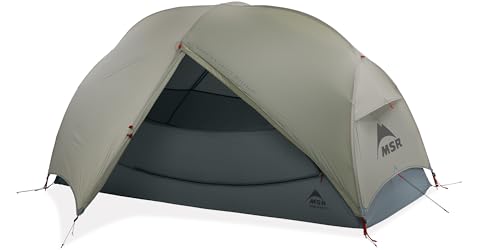
MSR Hubba Hubba LT 1
Weight: 1.3kg
Price: £470
Design: Freestanding
Features: Xtreme Shield waterproofing
+ Pros
- Excellent weather protection
- Proven MSR design
- Quality construction
- Great ventilation
- Cons
- Expensive
- Heavier than premium options
- Basic vestibule
- Floor wear concerns
The MSR Hubba Hubba LT 1 sits in a similar price bracket to the NEMO at around £470. MSR's reputation for quality is well-earned, and the Hubba series has a long track record of reliable performance. The LT (Light Tension) designation represents MSR's weight-optimised version of their classic design.
Compared to the Soloist, the MSR offers similar weight but at significantly higher cost. The MSR's advantage lies in its pole system and fly design, which some users find faster to pitch. The Xtreme Shield waterproof coating is MSR's proprietary technology, offering excellent durability for the waterproof coating.
For UK users specifically, the Soloist's advantage isn't just price. Alpkit's UK-based support and repair service can be a significant factor. MSR's warranty process involves international shipping, whereas Alpkit repairs are handled domestically.
NEMO Hornet OSMO 1P - The Mid-Tier Premium Option
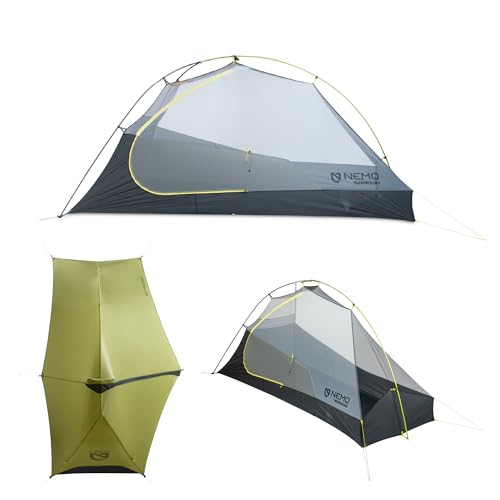
NEMO Hornet OSMO 1P
Weight: 1.1kg
Price: £460
Design: Semi-freestanding
Features: OSMO fabric, Gatehub door
+ Pros
- Lightweight construction
- Eco-friendly materials
- Good headroom
- Quality build
- Cons
- Premium pricing
- Small footprint
- Complex pitching
- Minimal storage
The standard Hornet OSMO sits between the Elite and more budget options. At £460, it's still significantly more expensive than the Soloist. The key difference remains the OSMO fabric technology, which NEMO markets as a sustainable alternative to traditional silicone尼龙 treatments.
Weight-wise, the Hornet OSMO is comparable to the Soloist at around 1.1kg minimum weight. However, the Soloist's more robust pole system and simpler design may prove more durable over extended use. The Hornet achieves its weight savings through more aggressive fabric engineering that some users report requires more careful handling.
For environmentally conscious buyers, the OSMO fabric's sustainability credentials may justify the premium. For most practical users, the Soloist's value proposition remains compelling.
Big Agnes Copper Spur HV UL1 - The Popular Premium Alternative
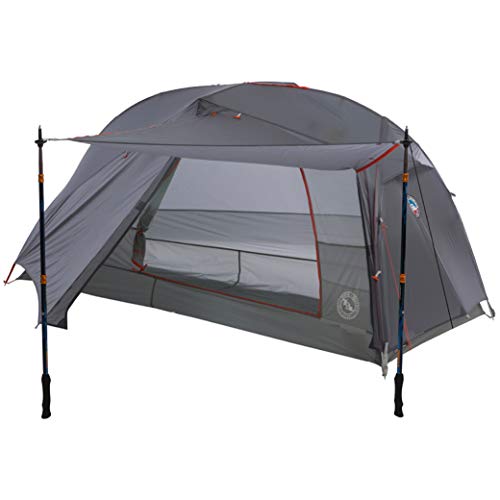
Big Agnes Copper Spur HV UL1
Weight: 1kg
Price: £319
Design:Freestanding
Features: High Volume design
+ Pros
- Excellent headroom
- Lightweight
- Popular design
- Good vestibule
- Cons
- Premium materials fragile
- Expensive for what you get
- Condensation in some conditions
- Floor durability concerns
Big Agnes has built a strong reputation with the Copper Spur series, and the UL1 (Ultralight 1-person) is a direct competitor to the Soloist. At £319, it sits in a middle ground between the Soloist and the premium NEMO options.
The Copper Spur's standout feature is the High Volume (HV) design, which provides more usable headroom than many solo tents. If you value being able to sit up comfortably without your head touching the ceiling, the Big Agnes has an advantage here.
However, the Copper Spur achieves its weight savings through very lightweight materials that some users report are prone to damage. The floor fabric, in particular, has attracted criticism for durability. If you camp on rough ground or prioritise longevity, the Soloist's more robust construction may serve you better.
Six Moon Designs Gray Lunar Solo - The Trekking Pole Option

Six Moon Designs Gray Lunar Solo
Weight: 737g
Price: £270
Design: Non-freestanding
Features: Trekking pole setup
+ Pros
- Extremely light weight
- Low price
- Simple design
- Good ventilation
- Cons
- Requires trekking poles
- Not freestanding
- Limited weather protection
- Setup learning curve
The Six Moon Designs Gray Lunar Solo takes a different approach entirely. At just 737g with trekking poles, it's significantly lighter than the Soloist. However, it requires trekking poles to pitch and isn't freestanding.
This design choice has significant implications for UK users. Many UK campsites, particularly in popular areas, require tents to be freestanding to protect the ground. Wild camping on rocky terrain often makes proper pegging difficult. The Soloist's freestanding design provides versatility that the Gray Lunar simply can't match.
That said, if you're a committed trekking pole user who camps primarily on amenable ground, the weight savings of the Gray Lunar are substantial. The £270 price point is competitive with the Soloist, making this a genuine choice between design philosophies rather than purely price-driven.
Big Agnes Fly Creek HV UL Bikepack 1 - The Bikepacking Specialist

Big Agnes Fly Creek HV UL Bikepack 1
Weight: ~900g
Price: £251
Design:Freestanding optimized
Features: Bikepacking specific
+ Pros
- Optimised for bikepacking
- Lightweight
- Compact pack size
- Good value
- Cons
- Small interior
- Floor durability concerns
- Specific use case
- Less versatile
The Fly Creek HV UL Bikepack 1 is Big Agnes's solution for the growing bikepacking market. At £251, it's priced similarly to the Soloist. The bikepacking optimisation primarily affects packed shape and pole configuration, making it easier to distribute weight across a bike setup.
For bikepackers specifically, this optimisation has real value. However, as a general backpacking tent, the Fly Creek doesn't offer significant advantages over the Soloist. The interior space is more limited, and the floor fabric raises the same durability concerns as other Big Agnes ultralights.
If you're specifically bikepacking, the Fly Creek's design may justify consideration. For general backpacking and wild camping, the Soloist's more conventional design and robust construction offer broader versatility.
Comparison Summary Table
| Tent | Weight | Price | Type | Best For |
|---|---|---|---|---|
| Alpkit Soloist | 1.3kg | ~£250 | Freestanding | UK all-round use |
| NEMO Hornet Elite | ~1kg | £599 | Semi-freestanding | Weight-conscious thru-hikers |
| MSR Hubba Hubba LT 1 | 1.3kg | £470 | Freestanding | Premium all-rounders |
| NEMO Hornet OSMO 1P | 1.1kg | £460 | Semi-freestanding | Eco-conscious buyers |
| Big Agnes Copper Spur UL1 | ~1kg | £319 | Freestanding | Headroom prioritisers |
| Six Moon Gray Lunar | 737g | £270 | Non-freestanding | Trekking pole users |
| Big Agnes Fly Creek Bike | ~900g | £251 | Freestanding | Bikepackers |
Is the Alpkit Soloist Right for You?
The Soloist excels in specific use cases. Let's break down who should buy and who should look elsewhere.
Who Should Buy the Alpkit Soloist?
UK-based wild campers get exceptional value from this tent. The design reflects British weather conditions, the support is domestic, and the price represents genuine value compared to imported alternatives. If you primarily camp in the UK and prioritise weather protection over absolute minimum weight, the Soloist is an excellent choice.
Budget-conscious backpackers benefit enormously. The Soloist delivers performance comparable to tents costing twice as much. If you're entering the world of lightweight camping without a limitless budget, the Soloist offers an accessible entry point without compromising on essential features.
Occasional lightweight campers will appreciate the Soloist's durability. If you take 3-5 trips per year rather than 50, the Soloist's robust construction will last many years. The premium ultralight options are designed for high-mileage thru-hikers whose weight savings justify the cost and fragility. For occasional users, the Soloist represents better long-term value.
Heights between 5'6" and 6'1" are the sweet spot for the Soloist's dimensions. If you fall in this range, you'll find the interior adequate for comfortable sleeping. Taller users may struggle with length, while shorter users might find lighter alternatives with even smaller footprints.
Who Should Look Elsewhere?
Count-every-gram thru-hikers should consider the Hornet Elite or Gray Lunar Solo. If you're undertaking a long-distance trail where every gram impacts daily mileage, the Soloist's 200-300g weight penalty may be significant. These users should accept the higher cost of premium ultralights as the price of weight optimisation.
Campers over 6'2" may find the Soloist restrictive. The 2.2m floor length works for most users but tall campers may find their feet pressing against the inner fabric. If you're well over six feet, consider the MSR Hubba Hubba LT 1 or Big Agnes Copper Spur, which offer slightly greater interior dimensions.
Trekking pole devotees should seriously consider the Six Moon Designs Gray Lunar Solo. If you already carry trekking poles and never camp on terrain where pegging is difficult, the Gray Lunar's 737g weight represents a significant saving. The Soloist's freestanding design offers versatility that trekking pole users may not need.
High-budget buyers seeking ultimate lightness should accept that the Soloist isn't designed for you. The NEMO Hornet Elite OSMO offers weight savings that justify its premium for users who prioritise minimum weight above all else. If budget isn't a primary concern, the premium options offer genuine advantages.
Value Calculation: Over three seasons and 45 nights, my Soloist has cost approximately £5.55 per night of use. Even if it only lasts another season before needing significant repair, the cost-per-use remains under £4 per night. Premium tents at £500+ require significantly more use to achieve similar value metrics.
Frequently Asked Questions
How much does the Alpkit Soloist weigh?
The Alpkit Soloist has a minimum weight of 1.1kg (2.4lb) and a packed weight of 1.3kg (2.9lb). The minimum weight refers to the tent essentials only, while packed weight includes all components like stuff sacks, pegs, and guy lines.
Is the Alpkit Soloist waterproof?
Yes, the Alpkit Soloist features a 3000mm hydrostatic head rating on both the flysheet and floor. This exceeds the industry standard for waterproofing (1500mm) and provides excellent protection even in sustained heavy rain typical of UK weather conditions.
How long does it take to pitch the Alpkit Soloist?
With practice, the Alpkit Soloist can be pitched in approximately 4-5 minutes. The tent uses an inner-first pitching system with a semi-geodesic pole structure. First-time users may take 8-10 minutes initially, but this reduces significantly with familiarity.
Is the Alpkit Soloist a 4-season tent?
The Alpkit Soloist is designed primarily for 3-season use (spring, summer, autumn). While it can handle moderate winter conditions, it is not rated for extreme winter camping with heavy snow loads. For winter use, a dedicated 4-season tent with stronger pole geometry would be more appropriate.
Can you sit up in the Alpkit Soloist?
Yes, the Alpkit Soloist has a peak height of 85cm, which allows most average-height users to sit up comfortably. Campers under approximately 6'1" should find the headroom adequate, though taller users may find their head close to or touching the ceiling.
Is the Alpkit Soloist freestanding?
Yes, the Alpkit Soloist is a freestanding tent with a semi-geodesic pole structure. This means it can stand without being pegged down, though pegging and guying is recommended for stability in wind. The freestanding design offers versatility for camping on rocky or hard ground where pegging is difficult.
Final Verdict
After 45 nights across three seasons, I can confidently say the Alpkit Soloist delivers exceptional value for UK backpackers and wild campers. It's not the absolute lightest option on the market, but it balances weight, weather protection, and price in a way that few competitors manage.
The Soloist particularly shines for UK-based users. The 3000mm waterproof rating, robust pole system, and semi-geodesic design are specifically suited to British weather and terrain. Add in Alpkit's domestic support and repair service, and the value proposition becomes compelling.
For budget-conscious campers, occasional users, or anyone entering the lightweight camping scene without unlimited funds, the Soloist represents an excellent investment. It delivers 90% of the performance of tents costing twice as much, with durability that may actually exceed some premium options.
The Alpkit Soloist isn't perfect. The inner-first pitching isn't ideal in rain, the zipper requires careful treatment, and tall users may find the dimensions restrictive. But these are trade-offs inherent in the ultralight category, and the Soloist manages them better than most at its price point.
If you're serious about UK wild camping and want a tent that won't break the bank but will keep you dry in proper weather, the Soloist deserves serious consideration. It's earned its place in British outdoor folklore for good reason.