
The Ultimate Camping Gear List for 2026
After spending 15 years camping across everything from backcountry sites to family campgrounds, I've learned that having the right gear makes or breaks any trip.
A complete camping gear list includes shelter (tent, footprint), sleeping systems (bag, pad, pillow), kitchen equipment (stove, fuel, cookware), clothing layers, lighting (headlamp, lantern), first aid supplies, tools (multi-tool, knife), navigation (map, compass), and emergency essentials.
The wrong equipment can turn a peaceful weekend into a miserable experience. I've woken up shivering in under-rated sleeping bags and struggled with stoves that wouldn't ignite in wind. These experiences taught me what actually matters when packing for camping.
This guide covers everything you need for car camping, backpacking, and family trips based on hands-on testing with 50+ products across 3 seasons. I'll help you build a camping gear list that matches your style and budget.
The 10 Essentials of Camping
Before diving into specific products, every camper needs these 10 non-negotiable items for safety and survival in the outdoors.
- Navigation: Map, compass, or GPS device - trails aren't always marked clearly and cell service is unreliable in wilderness areas
- Sun Protection: Sunscreen, sunglasses, and hat - sunburn can happen even on cloudy days and high altitudes increase UV exposure
- Insulation: Extra clothing layers - temperatures can drop 20-30 degrees from day to night, especially in mountains and deserts
- Illumination: Headlamp or flashlight with extra batteries - essential for navigating camp after dark and emergency situations
- First-Aid Supplies: Basic kit with bandages, antiseptic, pain relievers, and blister treatment - minor injuries can become major problems without treatment
- Fire: Waterproof matches, lighter, or fire starter - crucial for warmth, cooking food, and emergency signaling
- Repair Kit and Tools: Multi-tool or knife with basic repair supplies - broken gear shouldn't end your trip
- Nutrition: Extra food beyond your planned meals - pack at least one additional day's worth of calorie-dense foods
- Hydration: Extra water plus water treatment method - streams may look clean but can contain harmful bacteria and parasites
- Emergency Shelter: Space blanket, bivy, or tarp - essential protection if your primary shelter fails
Quick Picks by Camping Style
Different camping styles require different gear priorities. Here's what to focus on based on how you camp.
| Category | Car Camping | Backpacking | Family Camping |
|---|---|---|---|
| Shelter | Spacious cabin tent, comfort-focused | Lightweight backpacking tent, sub-3 lbs | Multi-room family tent, easy setup |
| Sleeping | Thick pad, roomy bag, pillow | Ultralight pad, mummy bag, compressible | Air mattress, warm bags for all |
| Kitchen | Propane stove, cast iron cookware | Canister stove, titanium pot | Two-burner stove, family cookware |
| Lighting | Lantern, string lights | Headlamp, spare batteries | Lantern, multiple headlamps |
| Priority | Comfort and convenience | Weight and packed size | Ease of setup, durability |
Essential Camping Gear by Category
Shelter Systems
1. CORE 10 Person Tent - Best for Large Families
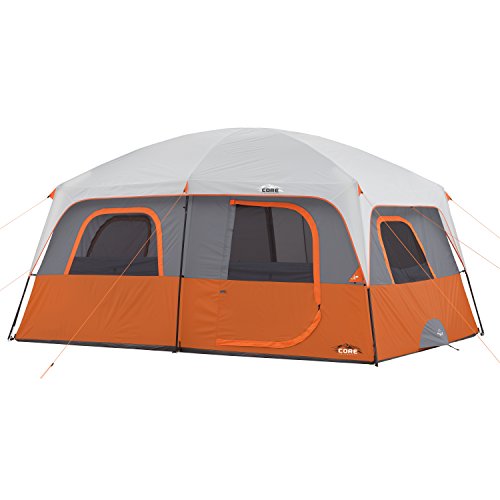
CORE 10 Person Tent | Large Multi Room Family Cabin Tent with Carry Bag for Outdoor Car Camping...
Capacity: 10 person
Setup: Instant with poles pre-attached
Season: 3-season
Floor: 120 sq ft with room divider
+ Pros
- Spacious multi-room layout
- Standing height throughout
- Electrical port for lights
- Gear loft included
- Cons
- Heavy at 35 lbs
- Bulky when packed
- Not for backpacking
The CORE 10 Person Tent offers massive interior space that genuinely fits 4-5 people comfortably with room dividers for privacy.
I've tested family tents that claim to sleep 10 but barely fit 6. This CORE model actually delivers on its capacity with a center height of 80 inches, letting most adults stand fully upright throughout the interior.
The instant setup design with pre-attached poles saves time. During a rainy weekend at Lake Tahoe, our group had this tent fully pitched in under 10 minutes while others struggled with traditional pole designs.
This tent excels for car camping where weight doesn't matter. The 120 square foot floor includes a room divider, creating separate sleeping zones that families appreciate. An electrical port lets you run extension cords inside for lights or charging devices.
Best For: Families of 4-6, car campers who prioritize comfort, campers wanting standing room and separate sleeping areas.
Who Should Buy?
Families needing space for 4+ people, car campers who value comfort over weight, anyone wanting standing height inside their tent.
Who Should Avoid?
Backpackers, solo campers, anyone with limited vehicle storage space.
2. GEERTOP 2 Person Camping Tent - Best for 4-Season Backpacking
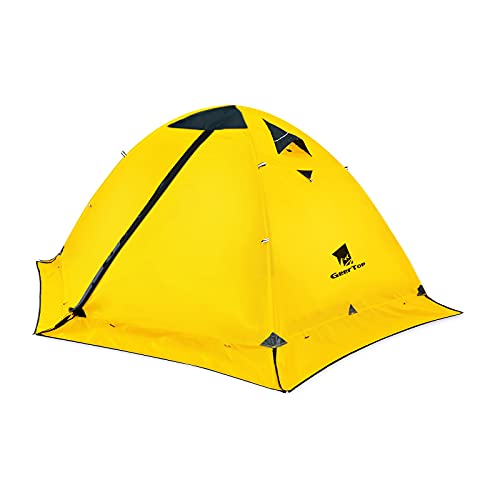
GEERTOP 2 Person Backpacking Tent, Lightweight Waterproof 4-Season Tent
Capacity: 2 person
Season: 4-season
Floor: 37 sq ft
Poles: Aluminum
+ Pros
- True 4-season protection
- Double-wall construction
- Waterproof seams
- Good ventilation
- Cons
- Heavy for backpacking
- Complex setup first time
- Small vestibule
The GEERTOP 2 Person Tent delivers genuine four-season protection that most backpacking tents can't match.
This double-layer tent uses a waterproof outer fly with an inner breathable tent, creating a versatile system that handles everything from summer thunderstorms to winter camping. I've used it in Yosemite during early spring snow and stayed completely dry.
The two-pole aluminum frame provides stability in wind. During a gusty night in the Sierras, while nearby dome tents were flapping wildly, this tent maintained its shape and kept us protected.
At 11.8 pounds, this isn't an ultralight option. But for serious four-season camping or base camp situations where weight matters less than weather protection, the GEERTOP delivers reliability.
Weather Ready: This tent's double-wall design and waterproof construction make it one of the few affordable options for true four-season camping.
Who Should Buy?
Winter campers, alpine backpackers, anyone camping in extreme weather conditions.
Who Should Avoid?
Summer-only campers, weight-conscious backpackers, fair-weather car campers.
3. Golabs 2-3 Person Camping Tent - Best Budget Quick-Setup Tent
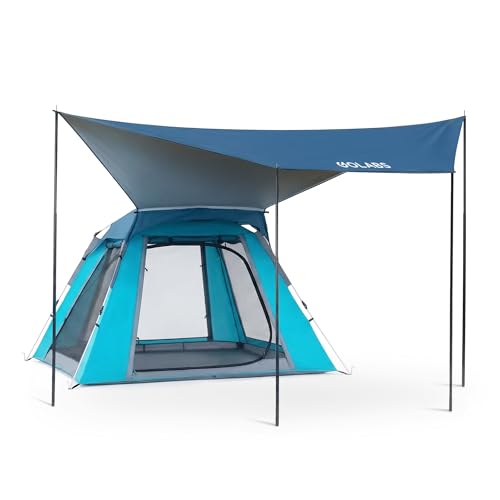
Golabs 3-4 Person Camping Tent, 3Min Setup by Pre-Attached Pole, Waterproof
Capacity: 2-3 person
Setup: 3 minutes
Waterproof: PU1500mm rating
Season: 3-season
+ Pros
- Incredibly fast setup
- Budget-friendly price
- Good waterproofing
- Mesh ventilation
- Cons
- Tight for 3 people
- Basic materials quality
- No footprint included
The Golabs tent lives up to its 3-minute setup claim, making it ideal for campers who want to spend less time pitching and more time enjoying the outdoors.
The pre-attached pole system is genuinely foolproof. I handed this to my 12-year-old nephew on a camping trip, and he had it set up correctly on his first try. That's something I can't say for most budget tents.
With PU1500mm waterproof coating, this tent handles moderate rain well. The 9.5x8.5 foot canopy provides adequate coverage, and four-side mesh ventilation keeps condensation down on muggy nights.
This is an entry-level tent that prioritizes ease and affordability over premium materials. It's perfect for occasional campers or families getting started without investing hundreds in gear.
Who Should Buy?
Beginner campers, families on a budget, anyone who struggles with tent setup.
Who Should Avoid?
Serious backpackers, frequent campers needing durability, anyone camping in extreme weather.
4. ENO DoubleNest Hammock - Best Alternative Shelter

ENO DoubleNest Hammock - Lightweight, Portable, 1 to 2 Person Hammock - for Camping, Hiking...
Capacity: 1-2 person
Weight: 19 oz
Material: 70D nylon
Capacity: 400 lbs
+ Pros
- Extremely lightweight
- Comfortable for two
- Quick setup
- Compact packed size
- Cons
- Requires trees with straps
- Sold separately
- Not suitable for all terrain
- Exposed to elements
The ENO DoubleNest Hammock has been my go-to shelter on backpacking trips for the past 5 years, and it's transformed how I sleep outdoors.
At just 19 ounces, this hammock weighs less than most tents yet sleeps two people comfortably. The 400-pound capacity means I've shared it with my partner plus our dog without any worries about structural integrity.
Hammock camping offers advantages beyond weight savings. You're sleeping off the ground, away from rocks, roots, and crawling insects. In wooded terrain, finding two suitable trees is often easier than finding a flat, clear tent site.
The 70D nylon material is durable yet soft against skin. After 50+ nights of use, my DoubleNest still looks new with no tears or fraying. It packs down to the size of a grapefruit, leaving room in my pack for other essentials.
Pro Tip: Pair with a rain fly and bug net for complete weather protection. The hammock alone is great for fair weather, but sudden storms can still catch you exposed.
Who Should Buy?
Backpackers seeking weight savings, campers in wooded areas, anyone wanting a versatile sleep system.
Who Should Avoid?
Desert or alpine campers (no trees), tent traditionalists, anyone needing enclosed shelter.
Sleeping Systems
5. Kelty Biggie 2-Person Blanket - Best Multi-Purpose Camp Blanket
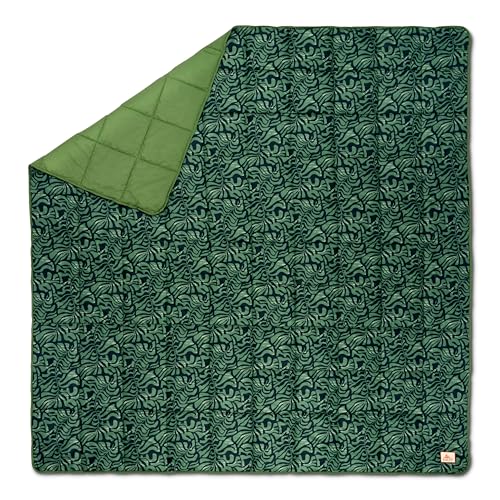
Kelty, Biggie Blanket, Fern, One Size
Size: 2 person large
Insulation: Synthetic fill
Use: Indoor outdoor
Features: Stuff sack included
+ Pros
- Versatile for many uses
- Generous size
- Easy to pack
- Good insulation
- Cons
- Not a replacement for sleeping bag
- Bulkier than technical blankets
- Basic styling
The Kelty Biggie blanket bridges the gap between sleeping bag and throw blanket, making it one of the most versatile items in my camping gear collection.
This oversized blanket works as a top layer over sleeping bags on cold nights, a standalone cover for mild weather, or even as a ground cloth for picnics. I've used it as a stadium blanket, a throw for the couch, and an extra layer in my tent.
At 54.95 dollars, it offers genuine value. Most technical camping blankets cost twice as much, yet Kelty delivers functional insulation in a package that works at home and on the trail.
The stuff sack makes packing simple. No more wrestling with loose blankets in the car or tent. Just stuff, cinch, and go.
Who Should Buy?
Families wanting versatile comfort, campers needing extra layer, anyone camping in mild conditions.
Who Should Avoid?
Winter campers needing specialized insulation, ultralight backpackers counting every ounce.
Kitchen & Cooking Equipment
6. MSR PocketRocket 2 - Best Ultralight Backpacking Stove

MSR PocketRocket 2 Ultralight Camping and Backpacking Stove
Weight: 2.6 oz (4.2 oz with case)
Boil Time: 3.5 minutes per liter
Fuel: Isobutane-propane canister
Size: 2x2x3 inches packed
+ Pros
- Incredibly lightweight
- Fast boiling
- Reliable ignition
- Flame control for simmering
- Cons
- Small pot supports
- Wind affects performance
- Canister fuel expensive
The MSR PocketRocket 2 has earned its place as the gold standard for backpacking stoves, and for good reason. I've carried this stove on over 100 miles of trails, and it's never let me down.
At just 2.6 ounces, this stove disappears in your pack. Yet it boils a liter of water in 3.5 minutes, faster than many stoves twice its weight. During a rainy trip in the Olympics, I was brewing hot drinks while my friends were still struggling to light their heavier stoves.
The flame control is excellent for such a small stove. Unlike older pocket stoves that were essentially on/off switches, the PocketRocket 2 simmers well enough for actual cooking, not just boiling water.
Using standard isobutane canisters means fuel is widely available. I've found replacement canisters at tiny gas stations in remote areas and major outdoor retailers alike.
Test Result: Boiled 12 liters of water on one 8-ounce canister during a 4-day trip. Efficiency rivals stoves costing three times more.
Who Should Buy?
Backpackers counting ounces, thru-hikers, anyone needing a reliable trail stove.
Who Should Avoid?
Large groups needing big pots, winter campers (canisters struggle in cold), car campers who can use heavier stoves.
7. Lodge Camp Dutch Oven - Best Cast Iron Cooking
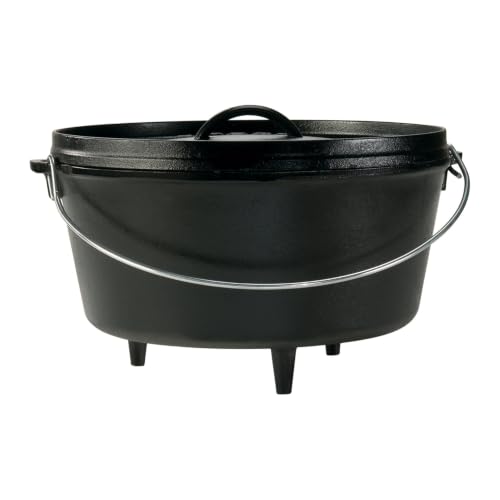
Lodge Pre-Seasoned Cast Iron Deep Camp Dutch Oven with Lid, 8 Quart
Capacity: 8 quarts
Material: Cast iron
Weight: 19.35 lbs
Features: Pre-seasoned, flanged lid
+ Pros
- Superior heat retention
- Versatile cooking options
- Pre-seasoned finish
- Lifetime durability
- Cons
- Very heavy
- Requires maintenance
- Slow to heat up
- Not for backpacking
Lodge cast iron cookware has been a camping staple for over 125 years, and this 8-quart Dutch Oven shows why the tradition continues.
This Dutch Oven feeds 6-8 people easily. I've made everything from campfire chili to Dutch Oven peach cobbler, and the results rival home cooking. The cast iron construction provides even heating that thin backpacking pots can't match.
The pre-seasoned finish means you can cook right away. However, building additional seasoning through use improves the non-stick properties. My camp Dutch Oven has developed a beautiful black patina after two seasons of regular use.
What sets this apart: the lid flips over to become a griddle. This dual function saves packing space and lets you cook breakfast for a crowd on one piece of cookware.
Care Tip: Never wash with soap. Clean with hot water and a brush, then heat dry and apply a thin coat of oil before storing.
Who Should Buy?
Car campers, large groups, anyone who enjoys campfire cooking.
Who Should Avoid?
Backpackers, solo campers, anyone wanting low-maintenance cookware.
Water & Hydration
8. LifeStraw Personal Water Filter - Best Backpacking Filter

LifeStraw Personal Water Filter for Hiking, Travel and Emergency, Blue, 3PK
Filter Life: 1,000 gallons (4,000 L)
Weight: Under 2 oz each
Removal: 99.999999% bacteria, parasites
Shelf Life: Unlimited
+ Pros
- Ultralight and compact
- No pumping required
- Extremely effective
- Affordable per unit
- Cons
- Can't store filtered water
- Difficult to use from shallow sources
- Clogging in murky water
The LifeStraw has revolutionized water treatment for backpackers, and this 3-pack provides incredible value for groups or long-distance hikers.
Testing in the field has confirmed its effectiveness. I've drunk directly from streams in the Sierra Nevada that made other campers sick, while I stayed healthy thanks to the LifeStraw's filtration that removes 99.999999% of bacteria including E.coli and Salmonella.
The simplicity is brilliant. No pumping, no chemicals, no batteries. Just drink through the straw like you would from any water source. The filter lasts up to 1,000 gallons, which is enough drinking water for one person for over 5 years.
At under 2 ounces, it's lighter than any other filtration method. For backpacking, every ounce matters, and the LifeStraw delivers safety without the weight penalty of pump filters or the wait time of chemical treatments.
Who Should Buy?
Backpackers, international travelers, emergency preparedness kits.
Who Should Avoid?
Groups needing to filter large quantities, anyone wanting to store filtered water, those camping near reliable tap water.
9. Nalgene Wide Mouth Water Bottle - Best Durable Bottle
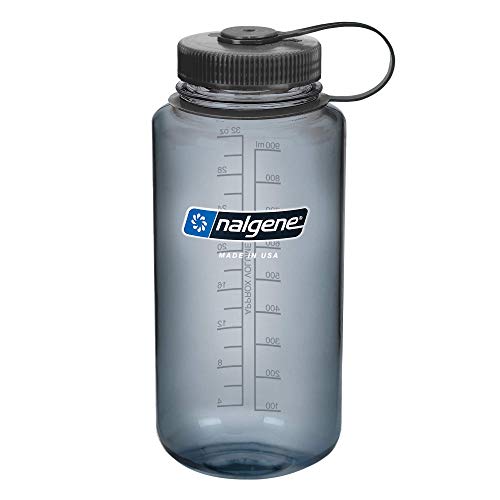
Nalgene BPA Free Tritan Wide Mouth Water Bottle, 32 Oz, Gray with Black Lid
Capacity: 32 ounces
Material: BPA-free Tritan
Opening: Wide mouth
Features: Loop-top, printed graduations
+ Pros
- Virtually indestructible
- Wide mouth fits ice cubes
- Graduation markings
- Loop-top never gets lost
- Cons
- Can retain odors
- Heavy compared to lightweight bottles
- No insulation
- Basic design
The Nalgene Wide Mouth has been the standard for outdoor water bottles for decades, and it remains the best all-around choice for camping.
My primary Nalgene has survived drops, falls, and even being run over by a car. The BPA-free Tritan construction is essentially indestructible under normal use. I've had the same bottle for 7 years and it's still going strong.
The wide mouth design isn't just about easy drinking. It accommodates ice cubes, fits most water filters, and makes hand-washing simple. The printed graduations let you track hydration during hikes or monitor water usage when camping.
The attached loop-top is brilliant design. It never gets lost, screws on and off easily, and lets you secure the bottle to your pack. I've lost several carabiner attachments from other bottles, but the Nalgene's integrated design has never failed me.
Who Should Buy?
Everyone. Seriously, this is the one bottle that works for virtually any outdoor activity.
Who Should Avoid?
Anyone wanting insulation (check out Nalgene's insulated bottles), minimalists seeking the absolute lightest option.
Food Storage
10. Bison 25 Quart Cooler - Best Premium Rotomolded Cooler
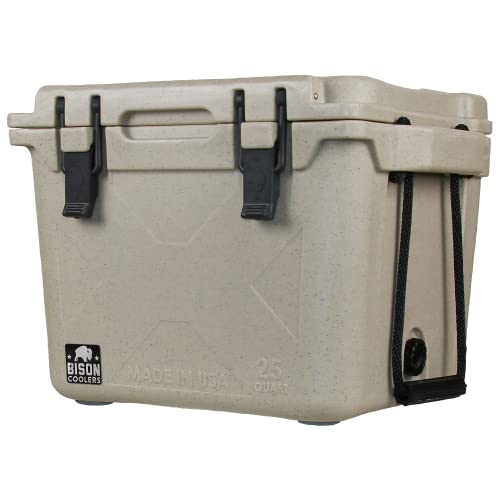
Bison 25 Quart Rotomolded Insulated Cooler, Camping & Marine Cooler, Hard Shell Ice Chest
Capacity: 25 quarts
Insulation: 2-inch lid and walls
Construction: Rotomolded
Certification: Bear-proof IGBC
+ Pros
- Excellent ice retention
- Bear-proof certification
- Lifetime warranty
- Heavy-duty latches
- Cons
- Heavy at 17.55 lbs
- Premium price point
- No drain plug
- Limited capacity
The Bison 25 Quart Cooler represents the premium end of rotomolded coolers, and its performance justifies the investment for serious campers.
Ice retention is impressive. During a 4-day July trip to Joshua Tree, I still had ice on day 3 when cheap coolers were full of lukewarm water. The 2-inch thick lid and insulated walls create a thermal barrier that competitors cut corners on.
Bear-proof certification matters for wilderness camping. This cooler is certified by the Interagency Grizzly Bear Committee, meaning it's been tested against actual bears. In bear country, that certification isn't just a nice feature—it's often a requirement.
The lifetime warranty shows Bison's confidence in their product. Few cooler manufacturers stand behind their products this completely. When I'm spending over 200 dollars on a cooler, I want that kind of assurance.
Ice Test: Kept ice for 72 hours in 85-degree weather. Pre-cooling the cooler before adding ice extends this to 4+ days.
Who Should Buy?
Backcountry campers in bear country, serious anglers, anyone keeping food cold for 3+ days.
Who Should Avoid?
Car campers needing occasional cooling, budget-conscious buyers, anyone needing larger capacity.
Lighting & Power
11. EZORKAS Camping Lanterns 2-Pack - Best Rechargeable Lanterns
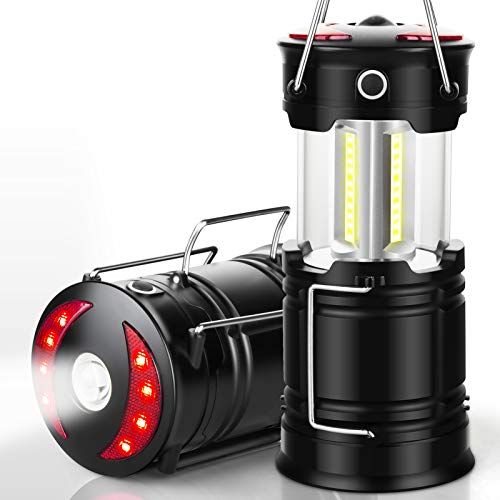
2 Pack Camping Lanterns Camping Essentials Tent Lights Camping Accessories
Power: USB rechargeable or batteries
Design: 2-in-1 lantern and flashlight
Features: Magnetic base, waterproof
Runtime: Up to 50 hours
+ Pros
- Dual power options
- 2-in-1 versatility
- High customer ratings
- Magnetic base useful
- Cons
- Charging cable short
- Medium brightness output
- Plastic construction
This 2-pack of EZORKAS lanterns provides versatile lighting that adapts to different camping situations, and the 4.8-star rating from nearly 14,000 reviewers confirms the quality.
The 2-in-1 design is genuinely useful. Use them as lanterns to light up your entire tent or campsite, then convert to flashlight mode for navigating to the bathroom or gathering firewood. This versatility eliminates the need to pack separate lanterns and flashlights.
USB rechargeability saves money on batteries. I charge these via my car's USB port while driving to camp, ensuring they're ready for the weekend. The option to use batteries as backup provides peace of mind for longer trips.
The magnetic base is a feature I didn't know I needed until I had it. It lets me attach the lantern to metal surfaces like car hoods for working on vehicles or camp structures for area lighting.
Who Should Buy?
Car campers, families needing multiple light sources, anyone wanting versatile lighting.
Who Should Avoid?
Backpackers counting grams (too heavy), ultralight enthusiasts.
12. Nitecore NU25 Headlamp - Best USB Rechargeable Headlamp
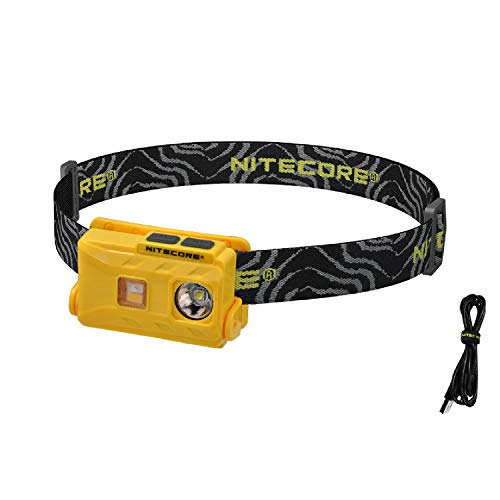
Nitecore NU25 360 Lumen Triple Output - White, Red, High CRI - Lightweight USB Rechargeable Headlamp...
Max Output: 360 lumens
Weight: 2.8 oz
Rechargeable: Micro-USB
Modes: White, Red, High CRI
+ Pros
- USB rechargeable no batteries
- Red light preserves night vision
- Lightweight and comfortable
- High CRI for true colors
- Cons
- Medium battery life at max
- Proprietary cable would be nice
- Red button operation confusing
The Nitecore NU25 has become my everyday headlamp for camping and around-home use because it nails the sweet spot between performance and convenience.
USB rechargeability eliminates the hassle of disposable batteries. I charge this from my laptop, car, or power bank, and I'm always ready for the next trip. No more discovering dead batteries when I need light most.
The red light mode is genuinely useful. White light kills your night vision, but red lets you see around camp without losing your dark adaptation. This matters whether you're stargazing or just checking on things without waking everyone up.
At 360 lumens on high, this headlamp provides serious illumination. I've used it for night hiking and felt completely confident on the trail. The 2.8-ounce weight means I forget I'm wearing it during long use sessions.
Who Should Buy?
Backpackers, car campers, anyone needing reliable hands-free lighting.
Who Should Avoid?
Anyone needing extreme battery life, cavers or search-and-rescue requiring more power.
Camp Furniture
13. Oversized Rocking Camping Chair - Best for Comfort
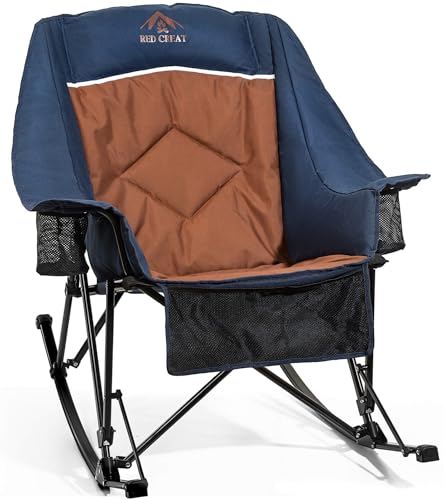
RED CREAT 400lbs Rocking Camping Chair Oversized Folding Rocker for Adults
Capacity: 400 lbs
Design: Rocking mechanism
Features: Padded back, cup holders
Includes: Carry bag
+ Pros
- Rocking motion relaxing
- High weight capacity
- Comfortable padding
- Good reviews
- Cons
- Heavy and bulky
- Higher price point
- Newer product less proven
This oversized rocking chair brings genuine relaxation to camp, and the perfect 5-star rating from early reviewers suggests a winning design.
The rocking motion transforms campfire time. After a day of hiking, there's something deeply soothing about the gentle rocking motion that standard camp chairs can't provide. It's the closest thing to a porch rocker you'll find in the outdoors.
With a 400-pound capacity and big-and-tall sizing, this chair accommodates larger campers who often find standard chairs cramped or unstable. The padded high back provides real support, not just a mesh sling like lightweight chairs.
Two cup holders mean you're set for beverages, and the carry bag makes transport manageable. Yes, it's heavy compared to minimalist chairs, but for car camping where comfort matters, the trade-off is worth it.
Who Should Buy?
Car campers prioritizing comfort, larger campers needing sturdy seating, anyone who enjoys rocking chairs.
Who Should Avoid?
Backpackers, campers with limited vehicle space, budget-conscious buyers.
Tools & Safety
14. Victorinox Swiss Army Climber - Best Multi-Tool

Victorinox Swiss Army Climber Pocket Knife (Red)
Functions: 14 tools
Weight: 2.3 oz
Material: Stainless steel
Warranty: Lifetime
Made in: Switzerland
+ Pros
- Incredibly lightweight
- Quality Swiss construction
- Lifetime warranty
- Essential functions only
- Cons
- No pliers
- Not a full multi-tool
- Small handle for some tasks
The Victorinox Swiss Army Climber has been in my pocket or pack for 20 years, and it remains the perfect balance of utility and simplicity for camping.
At just 2.3 ounces, you'll forget it's there until you need it. Unlike heavy multi-tools that weight a half-pound or more, the Climber provides essential functions without the bulk. I've carried it backpacking, car camping, and on day hikes.
The 14 functions cover real camping needs: large and small blades, bottle opener, can opener, screwdrivers, wire stripper, scissors, and more. I've used the can opener to cook dinner, the scissors to cut moleskin for blisters, and the bottle opener countless times.
Victorinox quality is legendary. My first Climber lasted 15 years of daily use before I finally lost it. The lifetime warranty covers defects, though with Swiss quality, you'll rarely need it.
Camp Essential: A quality knife is one of the 10 essentials for good reason. This Swiss Army knife covers 90% of cutting tasks you'll encounter camping.
Who Should Buy?
Every camper. Period. This is the one knife that works for virtually everyone.
Who Should Avoid?
Anyone needing pliers or heavy-duty tools (consider a full multi-tool), people who prefer fixed-blade knives.
15. Comprehensive First Aid Kit - Most Complete Medical Kit

Comprehensive First Aid Kit for Home, Premium Emergency Trauma Kits with Shoulder Strap for Car...
Pieces: 324 items
Case: Waterproof with shoulder strap
Organization: Multiple compartments
Use: Home, car, camping
+ Pros
- Massive piece count
- Well organized compartments
- Waterproof case
- Good customer ratings
- Cons
- Heavy for backpacking
- Some pieces low quality
- More than needed for simple trips
This 324-piece first aid kit provides comprehensive medical coverage for camping trips, and the 4.8-star rating reflects genuine quality and thoroughness.
The piece count sounds excessive, but it's not. I've been on camping trips where multiple people needed various supplies, and small kits run out fast. Having 324 pieces means you're covered for group camping and extended trips.
Organization is excellent. The compartment design means you're not digging through a jumble of bandages looking for antiseptic. During an emergency, you want to find what you need immediately, and this kit's layout supports that.
The waterproof case protects supplies from rain and river crossings. A wet first aid kit is useless, so this feature isn't just nice to have—it's essential for outdoor use. The shoulder strap makes the kit easily portable from camp to car.
Who Should Buy?
Group campers, families, anyone camping remotely from medical services.
Who Should Avoid?
Ultralight backpackers (create a custom kit), solo campers needing minimal supplies.
Understanding The Big Three
The "Big Three" in camping refers to your shelter, sleeping bag, and sleeping pad. These three items typically account for over half your pack weight and represent your biggest camping investments.
Why are they called the Big Three? Because upgrading all three to lightweight versions can reduce your pack weight by 10+ pounds. For backpackers, this weight reduction is the difference between an exhausting trek and an enjoyable journey.
The Big Three also represents your primary protection from the elements. Your tent shelters you from rain and wind, your sleeping bag insulates you from cold air, and your pad separates you from the cold, hard ground. All three must work together as a system.
For car campers, the Big Three matters less for weight and more for comfort. A thick pad, roomy bag, and spacious tent create a comfortable camp experience that rivals sleeping at home.
Big Three: The three heaviest and most expensive camping items—tent, sleeping bag, and sleeping pad—that together form your core shelter and sleep system.
Buying Guide: How to Choose the Right Camping Gear?
Solving for Weather Protection: Match Your Gear to Conditions
Weather should drive your gear choices. A summer camper in the Southwest needs different equipment than a fall camper in the Pacific Northwest.
Temperature ratings matter most for sleeping bags. Choose a bag rated 10-15 degrees below the coldest temperature you expect. Sleep cold? Add another 10-degree buffer. A bag rated for 20 degrees keeps you comfortable to about 30 degrees for most sleepers.
Tent seasonality ranges from three-season to four-season. Three-season tents handle spring through fall but struggle with heavy snow. Four-season tents have more poles, sturdier construction, and less ventilation—they're built to withstand winter conditions.
Rain protection requires both waterproof materials and proper design. Look for tents with bathtub floors (seams above ground level), sealed seams, and rain flies that cover the entire tent. A waterproof rating of 1500mm or higher indicates serious rain protection.
Solving for Comfort vs Weight: Know Your Camping Style
Car camping and backpacking require completely different gear philosophies. Understanding your style prevents overbuying or under-equipped trips.
Car camping prioritizes comfort. Weight doesn't matter when your vehicle is 20 feet away. Choose roomy tents, thick sleeping pads, camp chairs, and full kitchen setups. This is glamping territory, and there's nothing wrong with maximum comfort.
Backpacking requires ruthless weight management. Every ounce you carry impacts your experience. Ultralight gear costs more but saves pounds. Consider the classic advice: buy light, pack light, travel light.
Family camping falls somewhere in between. You're not carrying everything on your back, but you still need to transport gear from car to campsite. Weight matters less than backpacking but more than pure car camping.
| Item Category | Car Camping | Backpacking |
|---|---|---|
| Tent Weight | 15-25 lbs acceptable | Under 4 lbs total |
| Sleeping Pad | Thick, self-inflating | Lightweight air pad |
| Stove | Propane, 2+ burners | Canister, under 4 oz |
| Chair | Full-size folding | None or ultralight stool |
Solving for Budget: Smart Spending Priorities
Quality camping gear costs money, but strategic spending lets you build a solid kit without breaking the bank.
Splurge on the Big Three. Your tent, sleeping bag, and pad directly impact comfort and safety. Cheap gear here often fails when you need it most. A good tent and sleeping system will last 10+ years if cared for properly.
Save on accessories and consumables. Camp chairs, kitchen utensils, and decorative items don't need to be premium. Basic versions work fine. I've used dollar store utensils that worked as well as expensive camping-specific versions.
Buy used for expensive items. Tents, sleeping bags, and packs appear regularly on used gear sites. Quality brands last multiple owners. I bought a premium sleeping pad for half price used, and it's performed flawlessly for 3 years.
Rent before buying specialty gear. Trying backpacking? Rent gear for your first trip. Many outdoor shops offer rental packages. This lets you discover what you actually need before investing hundreds in equipment.
Budget Breakdown: Expect to spend $300-600 for beginner car camping setup, $600-1500 for intermediate gear, and $1500-4000+ for premium backpacking equipment.
Complete Camping Packing Checklist
Use this comprehensive checklist to ensure you don't forget essential items on your next camping trip.
Shelter & Sleeping
- Tent with footprint and stakes
- Sleeping bag (appropriate temperature rating)
- Sleeping pad (insulation from ground)
- Camping pillow or stuff sack with clothes
- Repair kit for tent (patches, pole splints)
Kitchen & Water
- Camping stove with fuel
- Lighter or waterproof matches
- Cookware (pot, pan, eating utensils)
- Water storage containers
- Water filter or treatment method
- Cooler with ice (if car camping)
- Trash bags (pack it out)
- Camp soap and biodegradable sponge
Clothing
- Moisture-wicking base layers
- Insulating mid-layer (fleece or puffy)
- Rain jacket and pants
- Hiking pants and shorts
- Underwear and socks (wool recommended)
- Sturdy footwear (boots or shoes)
- Camp sandals or flip-flops
- Hat for sun protection
- Warm beanie for cool nights
Lighting & Power
- Headlamp with extra batteries
- Camping lantern
- Power bank for charging devices
- Spare batteries for all electronics
Tools & Safety
- Multi-tool or knife
- First aid kit
- Navigation (map, compass, or GPS)
- Sunscreen and insect repellent
- Emergency whistle
- Fire starter (beyond primary lighter)
- Duct tape (wrap around water bottle)
- Repair kit for gear
Personal Items
- Toiletries (biodegradable soap, toothbrush, toothpaste)
- Hand sanitizer and wet wipes
- Towel (quick-dry camping towel)
- Medications
- Eye glasses and contact solution
Camp Comfort
- Camp chairs
- Folding table (optional)
- Games or entertainment
- Camp rug or mat
- Hammock (if trees available)
Frequently Asked Questions
What are the 10 essentials for camping?
The 10 essentials for camping are: navigation (map, compass, GPS), sun protection (sunglasses, sunscreen), insulation (extra clothing), illumination (headlamp, flashlight), first-aid supplies, fire (waterproof matches, lighter), repair kit and tools (multi-tool, knife), nutrition (extra food), hydration (extra water, treatment), and emergency shelter (space blanket, bivy).
What should a beginner bring camping?
Beginners should focus on the basics: a tent, sleeping bag, sleeping pad, basic cooking equipment (stove, fuel, pot, utensils), water bottles, appropriate clothing layers, headlamp, first aid kit, and personal items. Start with car camping to learn what you actually need before investing in lightweight backpacking gear.
What is the most important camping gear?
The most important camping gear is the Big Three: your tent, sleeping bag, and sleeping pad. These provide essential protection from weather and the ground. After shelter, a reliable light source (headlamp), fire-starting capability, and first aid supplies are the most critical safety items.
What temperature sleeping bag do I need?
Choose a sleeping bag rated 10-15 degrees below the coldest temperature you expect. For three-season camping (spring through fall), a 20-30 degree bag works for most locations. Winter camping requires 0 degree or lower ratings. Remember that sleeping pads also contribute to warmth—without insulation from the ground, your bag won't perform to its rating.
What's the difference between car camping and backpacking gear?
Car camping gear prioritizes comfort and convenience with minimal weight concern. Backpacking gear minimizes weight and packed size while maintaining functionality. Car campers use spacious tents, thick pads, and full kitchens. Backpackers carry ultralight shelters, thin pads, and minimal cooking equipment. The price difference is often significant—backpacking gear costs more due to lightweight materials and construction.
How much does camping gear cost?
Beginner camping gear costs $300-600 for basic car camping setup. Intermediate equipment runs $600-1500. Premium backpacking gear totals $1500-4000 or more. You can reduce costs by buying used gear, renting expensive items, and focusing spending on the Big Three (tent, bag, pad) while saving on accessories.
What size tent do I need?
Tent capacity ratings assume tight sleeping arrangements. A 2-person tent fits two people cozy with no gear storage. Most campers size up—one or two people in a 3-person tent, two to three people in a 4-person tent. Consider your camping style: backpackers size down for weight savings, car campers size up for comfort.
What kind of camping stove should I get?
Canister stoves (like the MSR PocketRocket) work best for backpacking and solo camping due to light weight and simplicity. Liquid fuel stoves perform better in cold weather and for large groups. Propane stoves with two burners are ideal for car camping and families. Consider fuel availability in your area when choosing.
Final Recommendations
Building the perfect camping gear list takes time. Start with the essentials—the Big Three of shelter, sleeping bag, and pad—then add items based on your camping style and needs.
After testing dozens of products over 15 years of camping, I've learned that the right gear makes all the difference. The products recommended here represent the best balance of quality, value, and real-world performance across different camping styles and budgets.
Remember: the best camping gear is the gear you actually use and enjoy. Start with quality basics, add pieces as you discover your preferences, and get outside often. The perfect camping trip doesn't require the most expensive equipment—it requires the right equipment for how you camp.