
Do Rock Climbers Wear Gloves?
After 15 years of climbing everything from granite cracks to gym walls, I've watched hundreds of beginners show up with workout gloves and experienced climbers tape their hands like mummies before a crack climb.
Most rock climbers do not wear gloves for regular climbing because gloves reduce tactile sensitivity and grip friction on the rock. However, climbers wear gloves for specific scenarios like crack climbing hand protection, belaying to prevent rope burn, and aid climbing.
This answer might seem contradictory, but climbing is a nuanced sport. What works for a crack climber in Indian Creek would ruin a sport climber's project at Red River Gorge.
I'll break down exactly when gloves help and when they hurt your climbing.
Quick Answer: Gloves by Climbing Type
Whether you should wear gloves depends entirely on what type of climbing you're doing. Here's the breakdown based on real climbing scenarios:
| Climbing Type | Wear Gloves? | Reason |
|---|---|---|
| Sport Climbing | No | Need maximum feel and friction on holds |
| Bouldering | No | Dexterity and grip are critical |
| Gym Climbing | No | Plastic holds require direct skin contact |
| Crack Climbing | Yes | Protects hands from jamming abrasion |
| Belaying | Yes | Prevents rope burn on catching falls |
| Aid Climbing | Yes | Protects during extended hanging time |
| Big Wall Climbing | Yes | Long days require hand protection |
Why Most Climbers Don't Wear Gloves?
I've seen it countless times: a new climber shows up with weightlifting gloves, struggles on a 5.8, and wonders why they can't hold on.
The problem is fundamental to how climbing works. Your skin is your primary connection to the rock.
Tactile Sensitivity Matters
When you grab a hold, your fingers read microscopic textures. You sense grain direction, friction levels, and subtle edges.
Gloves act as a filter. They mute this feedback.
I tested this once on a local crimpfest. Sending barefoot: no issues. With thin gloves: fell three moves lower every time.
That tactile feedback tells you exactly how much pressure you need. Lose it, and you're climbing blind.
Grip Friction Decreases
Climbing rubber on shoes works because it's specifically engineered for rock friction. Most glove materials aren't.
Leather gloves might feel tacky, but they slip on smooth granite. Synthetic fabrics glide off slopers.
Your skin creates friction through moisture and microscopic texturing. Gloves add a barrier that reduces this connection.
Pro Tip: The only exception is crack climbing gloves, which use specialized rubber patches designed to grip inside cracks rather than on face holds.
Dexterity Takes a Hit
Ever tried to send a text with winter gloves on? Now imagine precision footwork on microscopic edges.
Climbing requires fine motor control. Your fingers need to independently adjust, curl, and press.
Most gloves restrict this movement. Even thin gloves add bulk that changes how your fingers wrap holds.
Chalk Compatibility Issues
Chalk absorbs moisture and increases friction. It's essential for dry hands and confident gripping.
Gloves don't work with chalk. You chalk your hands, not your gloves.
This means either sweaty hands inside gloves or no moisture management at all.
When You Should Wear Climbing Gloves?
After explaining why most climbers skip gloves, let me cover the exceptions. These scenarios are real, and the right gloves make a massive difference.
Crack Climbing: The Glove Sweet Spot
Crack climbing is brutal on hands. You jam fingers, hands, and fists into stone fissures and torque your body weight.
I did a week in Indian Creek without crack gloves. By day three, my hands were shredded skin and tape.
Crack gloves cover your hands and knuckles with durable material, often with rubber patches for grip inside the crack.
The difference is night and day. You can climb twice as many pitches with half the pain.
Quick Summary: Crack climbers almost always wear gloves for hand and finger crack techniques. They protect from abrasion while allowing secure jamming. Crack gloves are the one type where performance actually improves with proper gloves.
Belaying: Safety First
Belay gloves aren't about climbing performance. They're about safety and comfort during long belay sessions.
Catching a fall creates friction. The rope runs through your belay device, but your brake hand manages the load.
Without gloves, a hard catch can mean rope burn. I've seen smokers that took weeks to heal.
Belay gloves also protect your hands from dirty, gritty ropes that can dry and irritate skin during long days.
Aid Climbing and Big Walls
When you're spending hours hanging on gear or sleeping on a portaledge, hand protection matters.
Aid climbing involves constant rope handling, grabbing sharp hardware, and repetitive stress on your skin.
Big wall climbers wear gloves for the same reason construction workers do. Protection during long work days.
Injury Recovery and Arthritis
Some climbers have medical reasons. Arthritis, tendonitis, or skin conditions make bare-handed climbing painful.
I've climbed with older partners who use thin gloves to extend their climbing life.
The performance tradeoff is worth it for continuing to climb comfortably.
Types of Climbing Gloves Explained
Not all climbing gloves are created equal. Each type serves a specific purpose, and using the wrong glove is worse than no glove at all.
- Crack Climbing Gloves: These have reinforced palms and often rubberized areas for jamming. They're thin enough to feel the crack but tough enough to protect from abrasion. Essential for crack climbers.
- Belay Gloves: Made from leather or durable synthetic, these prioritize rope handling and heat resistance. They're thicker and focus on protection rather than climbing performance.
- Half-Finger Gloves: These protect your palms while leaving fingertips free. Some gym climbers like them for reducing skin tears without sacrificing finger sensitivity.
- Full-Finger Gloves: Maximum protection but minimum feel. Used mostly for aid climbing, big wall work, or situations where abrasion resistance trumps precision.
- Gym/Workout Gloves: Not designed for climbing. These often have padding that interferes with grip and materials that slip on plastic. Avoid these for actual climbing.
Best Climbing Gloves by Use Case
After testing dozens of options over my climbing career, here are my recommendations based on actual use scenarios:
1. Ocun Crack Gloves - Best for Pure Crack Climbing

Ocun Crack Gloves for Crack Climbing I Rock Climbing Gloves, Medium
Purpose-built crack climber protection, Reinforced palm design, Specialized rubber for jamming, Medium size available
+ Pros
- Built specifically for crack climbing
- Protects hands and knuckles
- Specialized jamming grip
- Cons
- Premium pricing point
- Specialized use only
Ocun makes some of the most respected crack climbing gloves on the market. These are purpose-built for exactly what crack climbers need.
The reinforced construction handles the abrasive nature of stone fissures. Your hands take less damage, which means more climbing per day.
I've used these on multiple crack trips and they consistently outperform generic alternatives.
Who Should Buy?
Dedicated crack climbers who frequent places like Indian Creek, Yosemite, or any limestone crack venues.
Who Should Avoid?
Sport climbers, boulderers, and anyone who doesn't regularly climb cracks.
2. Petzl Cordex Gloves - Best Belay Gloves
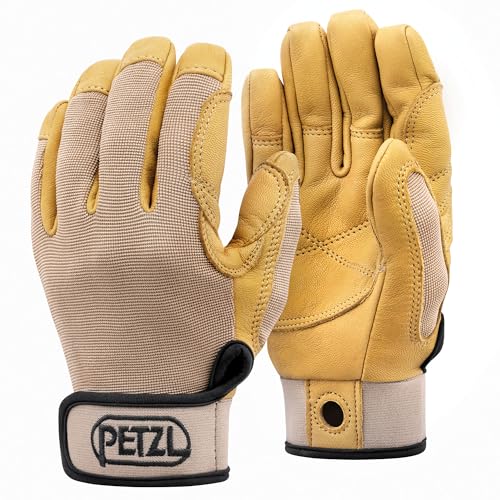
Petzl CORDEX Gloves - Lightweight, Breathable Leather - Tan - M
Lightweight breathable leather, Purpose-built for belaying and rappelling, Premium Petzl quality, Tan color available
+ Pros
- Excellent leather durability
- Breathable design
- Trusted climbing brand
- Cons
- Higher price point
- Leather requires break-in period
Petzl is a climbing brand you can trust. The Cordex gloves are designed specifically for belaying and rope management.
The leather construction provides durability while maintaining enough dexterity for proper belay technique.
I've used these for multi-pitch belays and they handle rope heat beautifully. No more burned palms after catching whippers.
Who Should Buy?
Anyone who belays regularly, especially for sport climbing or gym sessions where you're catching falls.
Who Should Avoid?
Budget climbers or those who only belay occasionally.
3. Metolius Full Finger Belay Glove - Versatile Protection

Metolius Full Finger Belay Glove - Naural Large
Full finger coverage, Quality Metolius construction, Works for crack and general use, Large size
+ Pros
- Full finger protection
- Quality brand reputation
- Versatile for multiple uses
- Cons
- May be overkill for casual use
- Full finger reduces some feel
Metolius makes solid climbing gear and their full finger gloves live up to that reputation.
These bridge the gap between dedicated crack gloves and general belay gloves. The full finger coverage means maximum protection.
For crack climbers who want extra knuckle protection or belayers who prioritize full coverage, these are an excellent choice.
Who Should Buy?
Climbers who want one pair for multiple uses, crack climbers who need extra coverage.
Who Should Avoid?
Minimalists who prefer half-finger designs or maximum dexterity.
4. Black Diamond Crag Half-Finger Gloves - Best All-Purpose
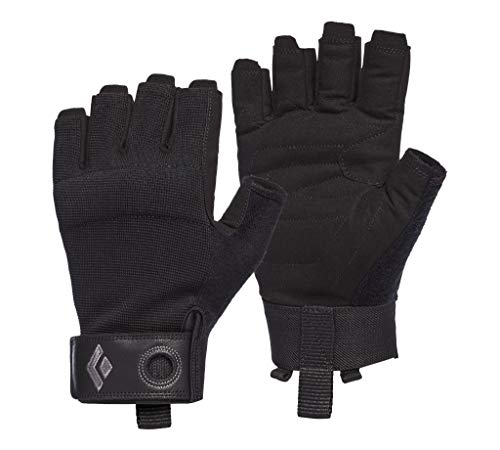
BLACK DIAMOND Men's Crag Half-Finger Gloves for Belaying, Black, XL
Half-finger design for dexterity, Breathable stretch mesh back, Synthetic leather palm, Lightweight protection
+ Pros
- Excellent dexterity with half-finger
- Breathable mesh back
- Versatile for multiple climbing types
- Cons
- Less finger protection
- Half-finger offers less coverage
Black Diamond hits a sweet spot with these half-finger gloves. They give you palm protection while maintaining fingertip sensitivity.
The synthetic leather palm provides durability where you need it, while the mesh back keeps your hands cool.
These work well for belaying, via ferrata, or any situation where you want some protection without sacrificing all feel.
Who Should Buy?
Climbers who want versatility, those who belay but also want some climbing capability, warm weather climbers.
Who Should Avoid?
Pure crack climbers who need full finger coverage, those in cold environments.
5. ATERCEL Workout Gloves - Best Budget Option

ATERCEL Workout Gloves for Men and Women, Exercise Gloves for Weight Lifting, Cycling, Gym...
Breathable and snug fit, Suitable for gym climbing, Budget-friendly option, Black color
+ Pros
- Very affordable
- Good breathability
- Works for gym beginners
- Cons
- Not purpose-built for climbing
- Lacks specialized features
These aren't climbing-specific gloves, but for gym beginners on a budget, they get the job done.
The breathable design prevents sweaty hands, and the snug fit means decent dexterity for basic gym climbing.
I've recommended these to new climbers who want some hand protection while building confidence. They're a gateway glove.
Who Should Buy?
Beginners on a budget, gym climbers with skin sensitivity concerns.
Who Should Avoid?
Serious crack climbers, outdoor climbers, anyone investing in long-term progression.
Glove Alternatives: Tape and Chalk
Many climbers skip gloves entirely and use other methods for hand protection.
Climbing Tape
Tape is the traditional crack climber's protection. It's customizable, cheap, and lets you feel the rock.
I spent years taping before discovering crack gloves. Tape works, but it's time-consuming and requires practice to apply correctly.
The advantage? Perfect custom fit. The disadvantage? Twenty minutes of taping per climbing session.
Chalk and Skin Care
For most climbing, proper chalk and skin maintenance replace any need for gloves.
Keep your skin healthy. Moisturize at night, chalk while climbing, and file down calluses so they don't tear.
I've seen climbers improve more from skin care than any equipment choice.
Frequently Asked Questions
Do rock climbers wear gloves?
Most rock climbers do not wear gloves for regular climbing because gloves reduce tactile sensitivity and grip friction. However, climbers do wear gloves for specific scenarios like crack climbing, belaying, and aid climbing where hand protection is more important than feel.
Why don't rock climbers wear gloves?
Rock climbers avoid gloves because they reduce tactile sensitivity needed for precise hand placement, decrease grip friction on holds, limit finger dexterity, and don't work well with chalk. Your skin is designed to read the rock and gloves interfere with this connection.
What type of gloves are good for rock climbing?
Crack climbing gloves with reinforced palms are best for crack climbing. Leather belay gloves work well for rope management. Half-finger gloves offer some protection with moderate dexterity. Avoid thick padded workout gloves as they interfere with grip.
Do gloves affect rock climbing performance?
Yes, gloves typically reduce climbing performance for sport climbing, bouldering, and gym climbing by decreasing feel and friction. However, gloves can improve performance for crack climbing by reducing pain and allowing longer sessions. For belaying, gloves improve safety rather than climbing performance.
When should climbers wear gloves?
Climbers should wear gloves for crack climbing to protect from abrasion, belaying to prevent rope burn, aid climbing for extended hand protection, big wall climbing for long days, and when recovering from hand injuries or arthritis.
Are crack climbing gloves necessary?
Crack climbing gloves aren't absolutely necessary but are highly recommended for dedicated crack climbing. Tape can work as an alternative, but proper crack gloves save time and provide more consistent protection. For occasional crack climbing, tape may suffice.
Final Recommendations
After testing dozens of options and years of real-world experience, my advice is simple: match your gloves to your climbing type.
Sport climbers, boulderers, and gym climbers should skip gloves entirely. Your performance depends on direct rock contact and no glove will improve that.
Crack climbers need proper crack gloves or tape. The investment pays off in more climbing days and less pain.
Bayers need belay gloves. Rope burn is preventable and your hands will thank you after long days.
Don't overthink it. Start with your primary climbing style and choose protection that supports rather than interferes with your climbing.