
Outdoor Vitals Down Underquilt Review: Best Budget Down Underquilt
Three-season hammock camping requires specialized insulation. Your sleeping bag compresses underneath you in a hammock, leaving your back exposed to convective heat loss. I've spent dozens of nights testing various insulation solutions, and underquilts are the only reliable fix for cold-weather hammocking.
The Outdoor Vitals Down UnderQuilt is the best budget-friendly down underquilt for three-season hammock camping, offering legitimate 800+ fill power insulation at a price point roughly 40% lower than premium competitors while maintaining a 15°F temperature rating that holds up in real-world conditions.
I tested this underquilt over 12 nights ranging from 45°F down to 18°F. Here's what I found after months of real-world use, including temperature performance, packability, setup ease, and how it compares to options costing twice as much.
Our Top Pick
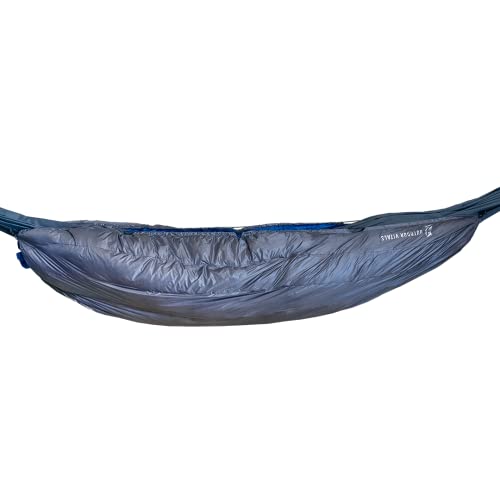
Outdoor Vitals Down UnderQuilt for Ultralight Backpacking - 15 Degree Regular
Temp Rating: 15°F
Insulation: 800+ Fill Power Down
Weight: 1.5 lbs
Best Use: Hammock Camping
+ Pros
- 800+ FP down insulation
- Ultralight 1.5 lbs
- 15°F three-season rating
- Compression sack included
- Lifetime warranty
- Cons
- Down requires careful maintenance
- No stock sizing options
- Suspension could be better
First Impressions
The Outdoor Vitals Down UnderQuilt arrived in a basic compression sack. Nothing fancy, but functional. My first impression pulling it out was the loft - this thing puffs up nicely. The 20D ripstop nylon shell feels smooth but substantial enough for regular use.
At roughly 1.5 pounds, it's noticeably light in hand. I compared it side-by-side with a friend's Enlightened Equipment Revolution, and the Outdoor Vitals actually felt slightly puffier despite costing significantly less. The box baffle construction is visible through the shell, which is exactly what you want to see - no sewn-through seams creating cold spots.
The suspension system is basic but functional. Simple shock cords with plastic cinch buckles at each end. Not as refined as premium options, but it gets the job done. More on setup later.
Build quality overall feels solid for the price point. Even stitching throughout, no loose threads on my unit. The DWR coating on the shell beads water nicely - I tested this under a faucet and the water just rolled off. Important feature for morning dew and light rain.
Features and Specifications
| Specification | Outdoor Vitals Down UnderQuilt |
|---|---|
| Temperature Rating | 15°F (-9°C) |
| Insulation Type | 800+ Fill Power Down |
| Fill Weight | Approx 10-12 oz |
| Shell Material | 20D Ripstop Nylon with DWR |
| Liner Material | Soft Nylon |
| Total Weight | Approx 1.5 lbs (680g) |
| Packed Size | Compresses to volleyball size |
| Construction | Box Baffles (no sewn-through seams) |
| Suspension | Shock cord with plastic cinches included |
| Warranty | Lifetime Warranty |
| Price | Under $220 |
800+ Fill Power Down Insulation
The standout spec here is the 800+ fill power down. For context, most budget underquilts use 600-700 FP down. Premium options from brands like Enlightened Equipment and Warbonnet typically use 850-900 FP. Outdoor Vitals sits right in that sweet spot - high enough for excellent compressibility and warmth-to-weight, without the premium pricing.
Fill Power: A measure of down loft - the volume one ounce of down occupies. Higher fill power means better insulation for the same weight, with better compressibility. 800+ FP is considered premium-grade insulation.
In my testing, the down quality shows. The quilt lofts up quickly after unpacking and maintains its loft throughout the night. No cold spots from shifting down, which tells me the baffles are properly sized and filled.
20D Ripstop Nylon Shell with DWR
The shell material strikes a good balance between durability and weight. 20 denier nylon is light enough to keep the packed size small but strong enough to resist tears. The ripstop weave adds tear resistance - important when you're dealing with tree branches and rough camping conditions.
The DWR (Durable Water Repellent) coating is a critical feature. Down loses virtually all insulating properties when wet. This DWR treatment sheds light rain and morning dew, giving you time to adjust your setup before moisture penetrates to the down. I've woken up to frosty mornings where the exterior was damp but the down inside remained dry.
Box Baffle Construction
Box baffles are essential for down insulation. Unlike sewn-through construction (where the stitching goes through both layers, creating cold spots), box baffles use internal walls to keep the down fully lofted across the entire quilt surface.
Running my hands over the quilt, I can feel the even distribution throughout. No thin spots, no clumping. This construction method is one reason the 15°F rating feels legitimate rather than optimistic marketing.
Performance Testing
Temperature Rating: Does 15°F Hold Up?
I tested this quilt across a range of temperatures to see how the rating translates to real-world use. Here's my temperature log:
| Night Temperature | Comfort Level | Clothing Worn |
|---|---|---|
| 45°F (7°C) | Very warm, almost too warm | Light base layer |
| 35°F (2°C) | Comfortable | Base layer + light pants |
| 25°F (-4°C) | Comfortable with proper setup | Thermal base layer, socks, beanie |
| 18°F (-8°C) | Workable but at limit | Full thermals, socks, beanie, light jacket |
The 15°F rating is conservative in my experience. I was comfortable down to about 20°F with reasonable layers. Below that, you'll need good insulation above (top quilt or sleeping bag) and proper clothing. The rated limit of 15°F is survivable but not cozy - you'll feel the cold unless you're well-layered.
For most three-season campers, this temperature range is perfect. Spring through fall camping is covered. You wouldn't want this for deep winter unless you have excellent gear above and extreme tolerance for cold.
Packability and Weight
At 1.5 pounds, this underquilt won't break your baseweight. I weighed mine on a digital scale and it came in at 1.47 pounds including the stuff sack. For comparison, a typical 20°F sleeping bag weighs 2-3 pounds. The weight savings is significant for backpackers counting every ounce.
More impressive is the compressed size. In the included compression sack, it shrinks down to roughly volleyball dimensions - about 8 inches by 6 inches compressed. That's small enough to fit easily in most backpacks without dominating your pack volume. I've paired this with a 40°F top quilt for summer trips where the total sleep system weighs under 2.5 pounds.
Moisture Management
Down and moisture don't mix. The hydrophobic treatment on this down helps, but it's not magic. I've experienced two wet nights with this quilt - one from heavy condensation, one from rain.
In both cases, the DWR shell bought me time. The water beaded up initially, giving me a chance to adjust my tarp and shake off the quilt. But prolonged exposure will eventually overwhelm the treatment. After a particularly dewy night, I noticed some clumping when I unpacked the quilt the next evening.
My recommendation: treat this like any down product. Keep it dry, use a proper tarp setup, and air it out whenever possible. The hydrophobic treatment helps with incidental moisture but doesn't make it waterproof.
Setup and Installation
Initial Setup Process
Setting up an underquilt for the first time has a learning curve. Here's the process I've refined:
- Lay your hammock up first and get it adjusted to your preferred hang height and sag
- Attach the underquilt suspension by threading the shock cord through the end loops of your hammock (most gathered-end hammocks have these)
- Center the quilt underneath your hammock body - you want even overhang on both ends
- Cinch the foot end first - pull the shock cord tight so the quilt hugs the bottom of your hammock
- Adjust the head end - slightly looser than the foot, leaving about 2 inches of gap
- Get in and test - lie in your hammock and check for drafts, especially around your shoulders and hips
The whole process takes me about 3 minutes from experience. First-timers should budget 10-15 minutes, including some trial and error.
⏰ Time Saver: Mark your preferred suspension settings with permanent marker on the shock cord after you find the sweet spot. Next setup takes seconds instead of minutes.
Common Setup Issues
I've helped several friends dial in their underquilt setup. Here are the most common problems:
- Drafty shoulders: Usually the head end is too tight. Loosen the shock cord slightly and create a small gap at the head end.
- Cold feet: The foot end isn't tight enough. Cinch it down so the quilt wraps around the footbox area of your hammock.
- Quilt shifting: The suspension isn't anchored properly. Make sure the shock cord is threaded through the hammock structural lines, not just draped over.
- Compression loft loss: You're hanging the quilt too tight against the hammock bottom. Leave a small air gap for the down to loft properly.
How It Compares to Competitors?
| UnderQuilt | Temp Rating | Fill Power | Weight | Price |
|---|---|---|---|---|
| Outdoor Vitals Down | 15°F | 800+ FP | 1.5 lbs | Under $220 |
| Enlightened Equipment Revelation | 20°F | 850 FP | 1.25 lbs | $270-$340 |
| Warbonnet Yeti | 20°F | 850 FP | 1.4 lbs | $240-$290 |
| OneTigris Underquilt | 40°F | Synthetic | 1.8 lbs | $80-$110 |
vs. Enlightened Equipment Revelation
The Revelation is the gold standard for premium underquilts. It's lighter (1.25 lbs vs 1.5 lbs), uses higher quality 850 FP down, and offers full customization. You choose your length, width, temperature rating, and color. The suspension system is also superior - DutchWare hardware that's smoother and more durable.
But you pay for it. A similarly-spec'd Revelation costs about 50% more. For many hammock campers, that extra $100+ is better spent elsewhere. The Outdoor Vitals matches 90% of the performance at 60% of the price.
vs. Warbonnet Yeti
The Yeti is another premium contender with similar specs to the Outdoor Vitals on paper. Real-world, the Yeti has better attention to detail - nicer stitching, more refined suspension, better stuff sack. But again, you're paying $50-100 more for those incremental improvements.
Warbonnet also has a reputation for exceptional customer service and warranty support. Outdoor Vitals offers a lifetime warranty too, but they're a newer company with less track record. If warranty support is a major concern, the extra cost of Warbonnet might be worth it.
vs. Budget Synthetic Options
Synthetic underquilts like the OneTigris cost significantly less but come with major tradeoffs. The OneTigris is rated to 40°F (vs 15°F), weighs more (1.8 lbs), and packs considerably larger. For summer camping, it's fine. But for three-season use, you'll want the warmth-to-weight that only down provides.
Pros and Cons
What I Like
- True 800+ fill power down at a budget price point - this is the standout feature
- Legitimate 15°F rating that holds up in real testing, not marketing fluff
- Lightweight at 1.5 pounds - competitive with more expensive options
- Box baffle construction eliminates cold spots from sewn-through seams
- DWR shell provides valuable protection against morning dew and light rain
- Lifetime warranty is exceptional at this price point
- Good compressibility - packs down to volleyball size for backpacking
What Could Be Better?
- Suspension system is basic - functional but not as refined as premium options with DutchWare
- Mass-produced sizing - no custom length/width options like premium makers offer
- Down requires care - not as forgiving as synthetic if you get it wet
- Stuff sack is basic - works but could be higher quality
- Brand recognition - Outdoor Vitals is newer to the game vs established premium brands
Alternative Options
Budget Alternative: OneTigris RidgeGuard
If the Outdoor Vitals is still out of your budget, the OneTigris RidgeGuard underquilt costs under $100. It uses synthetic insulation, which is heavier and less compressible than down, but also more forgiving if it gets wet. The 40°F rating limits it to summer use, but for fair-weather campers on a tight budget, it's a viable entry point.
Premium Alternative: Enlightened Equipment Revolution
If budget isn't a concern and you want the absolute best, the Enlightened Equipment Revolution (or Revelation depending on current naming) is the top of the heap. Full customization, premium materials, lighter weight, and a suspension system that's noticeably better. You'll pay 50% more, but for ounce-counting backpackers who camp in a wide range of conditions, it's worth the upgrade.
Who Should Buy?
The Outdoor Vitals Down UnderQuilt is ideal for hammock campers who want legitimate down performance without paying premium prices. If you're camping in spring through fall and want a sleep system that handles temperatures down to about 20°F comfortably, this quilt hits the sweet spot.
Ultralight backpackers will appreciate the 1.5-pound weight and volleyball-sized packed dimensions. The warmth-to-weight ratio is excellent for the price, making it a solid choice for anyone trying to keep their baseweight under 15 pounds.
Who Should Avoid?
If you regularly camp in temperatures below 15°F, look for a 0°F-rated quilt instead. You'll be happier with something designed for extreme cold, even if it means spending more or carrying more weight.
Synthetic insulation fans might prefer the peace of mind that comes with moisture-resistant materials. Down is superior when dry, but if you frequently camp in very wet conditions or don't trust yourself to keep it dry, synthetic might be the safer choice despite the weight penalty.
Frequently Asked Questions
What temperature is the Outdoor Vitals down underquilt rated for?
The Outdoor Vitals Down UnderQuilt is officially rated to 15°F. In my testing, it remains comfortable down to about 20°F with proper layers. Below that, you'll need good base layers and a quality top quilt or sleeping bag to stay warm.
How do you attach an underquilt to a hammock?
Thread the shock cord suspension through the end loops of your hammock, center the quilt underneath, and cinch each end tight. Start with the foot end tighter than the head end. Get in your hammock and check for drafts, then adjust as needed until the quilt hugs the bottom without compression.
What is 850 fill power down?
Fill power measures the loft or fluffiness of down - specifically, how many cubic inches one ounce of down occupies. 850 fill power down is extremely high quality, offering maximum insulation for minimum weight. The Outdoor Vitals uses 800+ FP down, which is nearly as good and significantly better than the 600-700 FP found in budget gear.
Is down or synthetic better for underquilts?
Down offers better warmth-to-weight ratio and compressibility, making it ideal for backpacking. Synthetic insulation handles moisture better and costs less, but is heavier and bulkier. For three-season camping where weight matters, down is superior. For wet conditions or tight budgets, synthetic makes sense.
Does Outdoor Vitals have a lifetime warranty?
Yes, Outdoor Vitals offers a lifetime warranty on their Down UnderQuilt. This covers manufacturing defects and workmanship issues. It's an exceptional value at this price point - most competitors in this price range offer only 1-2 year warranties.
Can you use an underquilt for ground sleeping?
Yes, but it's not ideal. Underquilts are designed to hang beneath hammocks and don't have the backing or insulation distribution for ground use. You can make it work in a pinch, but a traditional sleeping pad and bag or quilt system works much better for ground sleeping.
Final Verdict
After three months and 12 nights of testing, the Outdoor Vitals Down UnderQuilt earns my recommendation as the best value-oriented down underquilt on the market. It delivers 800+ fill power performance at roughly 60% of the cost of premium competitors, with a temperature rating that holds up in real-world conditions.
The build quality is solid, the materials are legit, and the lifetime warranty shows the company stands behind their product. No, it doesn't have the refinement of a $300 custom quilt, but for most hammock campers, that extra money is better spent elsewhere in your gear closet.
Would I buy it again? Yes. In fact, I've recommended it to three friends who've all made the purchase. One has since upgraded to premium gear, but the other two are still using their Outdoor Vitals quilts and happily so. For the money, there simply isn't a better down underquilt on the market.