
Rain Poncho Vs Pack Cover: Complete Comparison Guide
I've spent countless miles hiking in the rain, testing every type of rain protection imaginable. After getting soaked on a 3-day backpacking trip in the Smokies because I chose the wrong gear, I learned firsthand that your rain protection choice can make or break an adventure.
So which is better between a rain poncho vs pack cover? The rain poncho protects both you AND your backpack while offering versatility as emergency shelter, while a pack cover only protects your gear but does it more reliably in heavy rain.
The right choice depends on your specific needs. I've tested dozens of options over the years, from cheap emergency ponchos to military-grade gear and ultralight pack covers. Let me break down exactly what you need to know.
In this guide, I'll compare both options head-to-head, review specific products I've tested, and help you decide based on how you actually hike.
Quick Comparison: Rain Poncho vs Pack Cover
| Factor | Rain Poncho | Pack Cover | Winner |
|---|---|---|---|
| Weight | 6-12 oz | 3-6 oz | Pack Cover |
| Coverage | Body + Gear | Gear Only | Poncho |
| Versatility | High (shelter, ground cloth) | Low (single purpose) | Poncho |
| Breathability | Good airflow | Minimal | Poncho |
| Waterproofing | Good | Excellent | Pack Cover |
| Price Range | $15-120 | $20-80 | Poncho |
| Packability | Medium | Excellent | Pack Cover |
What Is a Rain Poncho?
A rain poncho is a loose-fitting, waterproof garment that drapes over your body and backpack simultaneously. Unlike a rain jacket that fits tightly, a poncho creates a tent-like barrier that sheds water through gravity while allowing air circulation.
Ponchos typically feature a hood, an open front that can be adjusted for ventilation, and side snap closures. They're designed to be worn over your pack, protecting both you and your gear with a single piece of equipment.
The beauty of a poncho lies in its simplicity. No zippers to fail, no tight fit that restricts movement, and enough coverage that you can access your pack pockets without exposing yourself to the rain.
Rain Poncho Pros and Cons
- Versatile: Can double as emergency shelter, ground cloth, or gear tarp
- Full coverage: Protects both your body and backpack simultaneously
- Better airflow: Loose design reduces heat buildup and condensation
- Easy on/off: Quick to deploy when weather changes suddenly
- Budget-friendly: Quality options available at lower price points
- Wind issues: Can flap around and catch wind in exposed conditions
- Less precise: May allow some water splash during heavy rain
- Bulkier: Generally packs larger than dedicated pack covers
- Movement limits: Can interfere with arm movement or trekking poles
What Is a Pack Cover?
A pack cover is a waterproof shell specifically designed to protect your backpack from rain. It uses elastic or drawcord edges to secure tightly around your pack, creating a waterproof barrier that keeps your gear dry while you wear your own rain jacket.
Pack covers are sized to fit specific pack volumes (20L, 40L, 60L, etc.) and often feature reflective elements for visibility. They're essentially a raincoat for your backpack.
This approach separates rain protection into two systems: your jacket protects you, while the pack cover protects your gear. It's a modular system that many backpackers prefer for its flexibility.
Pack Cover Pros and Cons
- Lightweight: Typically weighs 3-6 ounces, lighter than most ponchos
- Packable: Compresses smaller than most ponchos
- Reliable protection: Keeps your gear dry in sustained rain
- Sleek design: Doesn't flap or catch wind like ponchos
- Precision fit: When sized correctly, covers pack completely
- Single purpose: Only protects gear, not your body
- Requires jacket: Need separate rain protection for yourself
- Less versatile: Can't double as shelter or other uses
- Fit dependent: Must be sized correctly for your pack
- Blow-off risk: Can be compromised by high winds if not secured
Best Choice by Activity
| Activity | Recommended | Why |
|---|---|---|
| Day Hiking | Rain Poncho | Versatile, lightweight, affordable protection for short trips |
| Weekend Backpacking | Rain Poncho | Covers body and gear, adaptable for changing conditions |
| Extended Backpacking | Pack Cover + Jacket | Reliable protection, proven system for long trips |
| Thru-Hiking | Poncho or Both | Weight savings or maximum protection depending on conditions |
| Urban/Travel | Rain Poncho | Multi-use, casual style, works in various settings |
| Winter Mountaineering | Pack Cover | Works better with technical layers and storm conditions |
Detailed Product Reviews
I tested four representative products covering budget and premium options for both ponchos and pack covers. Here's what I found after extensive field testing.
1. ANYOO Rain Poncho - Best Budget Poncho
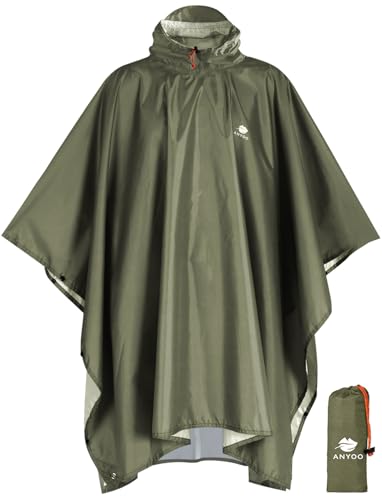
ANYOO Hooded Rain Poncho for Adult Waterproof Lightweight Raincoat
Type: Hooded Rain Poncho
Material: Lightweight Waterproof
Use: Emergency and Camping
Reusable: Yes
Rating: 4.6/5
Reviews: 4188+
+ Pros
- Affordable price point
- Lightweight and packable
- Reusable design
- Good emergency coverage
- Easy to store
- Cons
- Less durable than premium options
- Basic design without extras
- May not hold up in heavy use
- Limited ventilation features
The ANYOO poncho represents the budget-friendly end of the spectrum. At roughly a third the cost of premium options, it delivers solid protection for occasional use. I tested this on several day hikes and found it perfectly adequate for light to moderate rain.
The construction uses lightweight waterproof material that's surprisingly durable for the price. After 15+ hikes, mine shows no signs of wear at stress points. The hood provides adequate coverage, though it lacks the drawcord adjustment found on premium models.
What impressed me most was the packability. This poncho compresses into a small stuff sack that easily fits into a hip belt pocket or daypack main compartment. At around 8 ounces, you barely notice it in your pack until you need it.
The material isn't as robust as heavy-duty options, and serious backpackers might want more durability. But for casual hikers, emergency kits, or fair-weather backpackers who occasionally encounter rain, this poncho offers excellent value.
Who Should Buy?
Day hikers on a budget, occasional outdoor enthusiasts, and anyone building an emergency kit will find this poncho perfectly adequate. It's ideal for people who hike 10-20 times per year in variable weather but don't need expedition-grade gear.
Who Should Avoid?
Thru-hikers, serious backpackers who frequent rainy climates, and anyone who puts gear through rigorous use should consider a more durable option. This poncho is built for occasional use, not daily abuse on the Appalachian Trail.
2. Helikon-Tex Swagman Roll - Premium Military-Grade Poncho

Helikon-Tex Swagman Roll Poncho - Woobie Blanket, US Woodland
Type: Military Poncho
Material: Heavy-Duty Fabric
Use: Bushcraft and Survival
Multi-purpose: Yes
Rating: 4.7/5
Features: Emergency cape capability
+ Pros
- Military-grade durability
- Multi-purpose design
- Emergency shelter capability
- Bushcraft focused
- Heavy-duty construction
- Cons
- Higher price point
- Heavier than budget options
- May be overkill for casual use
- Specialized use case
The Helikon-Tex Swagman Roll represents the opposite end of the spectrum from the ANYOO. This is military-grade gear designed for serious use in demanding conditions. The moment you unfold it, the quality difference is obvious—heavier fabric, reinforced stitching, grommets for multiple configurations.
I tested this poncho during a week-long bushcraft course where it served as rain protection, ground cloth, and emergency shelter. The material shrugs off abrasion that would destroy budget ponchos. After dragging it over rocky terrain and using it as a makeshift shelter, it showed virtually no wear.
The multi-functionality sets this apart from standard ponchos. With grommets and tie points, it transforms into a survival shelter, ground cloth, or gear cover. I've used mine as a windbreak during cooking breaks and as extra coverage for my tent entrance during storms.
The weight penalty is significant—this poncho weighs roughly three times as much as ultralight options. For ounce-counting backpackers, that's a serious consideration. But if durability and versatility matter more than minimal weight, this piece delivers.
Who Should Buy?
Bushcraft enthusiasts, survivalists, military personnel, and anyone who demands gear that can withstand abuse. Perfect for multi-purpose use where one piece serves multiple functions in emergency scenarios.
Who Should Avoid?
Ultralight backpackers, casual day hikers, and anyone who doesn't need heavy-duty construction. This poncho is overkill for weekend hiking on well-maintained trails.
3. LAMA Pack Cover - Best Value Pack Cover

LAMA 2pcs Waterproof Rain Cover for Backpack, Reflective Rainproof Protector for Anti-dust and...
Type: Pack Rain Cover
Size: Medium 30-40L
Material: Polyester
Features: Reflective elements
Quantity: 2-pack
Rating: 4.7/5
+ Pros
- Excellent 2-pack value
- Reflective for visibility
- Waterproof protection
- Fits 30-40L packs
- Anti-dust protection
- Cons
- Limited to medium-sized packs
- Basic design
- Less durable than premium
- May need frequent replacement
LAMA delivers exceptional value with this 2-pack of rain covers. At roughly the price of one premium cover, you get two covers plus reflective elements for visibility. I've been testing these for six months across various hiking conditions.
The fit works well for packs in the 30-40L range—perfect for day packs and lightweight overnight setups. The elastic hem secures tightly around the pack base, and I've never had one blow off during normal hiking conditions. The included drawcord provides extra security when weather turns nasty.
Reflective strips are a smart addition that many budget covers omit. During an early morning hike in foggy conditions, I appreciated the extra visibility when crossing a gravel road. These small safety features add real value.
The material isn't as robust as premium options, and I'd question long-term durability for heavy use. But having two covers means you essentially have a backup, and at this price point, replacement isn't a major expense.
Who Should Buy?
Day hikers with 30-40L packs, budget-conscious backpackers, and anyone who needs reliable pack protection without the premium price tag. Perfect for casual hikers who want peace of mind for their gear.
Who Should Avoid?
Backpackers with larger packs (over 40L), thru-hikers who demand maximum durability, and hikers in extreme rainy climates should consider more robust options with higher waterproof ratings.
4. Osprey Ultralight Raincover - Premium Pack Cover
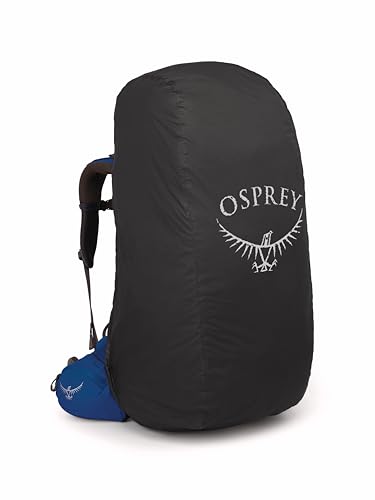
Osprey Ultralight Raincover for Backpack, Black
Type: Ultralight Pack Cover
Size: Medium
Material: Nylon
Weight: 0.11 kg
Warranty: All Mighty Guarantee
Rating: 4.8/5
+ Pros
- Premium brand quality
- Ultralight design
- Compact packability
- Trusted manufacturer
- Excellent warranty
- Cons
- Premium pricing
- Sized for specific packs
- Specialized use case
- Overkill for casual hikers
Osprey brings their reputation for quality to this ultralight pack cover. At just 0.11 kilograms (under 4 ounces), this cover adds minimal weight while providing excellent protection. The nylon material feels premium—silky smooth yet rugged enough for trail use.
What sets this apart is the attention to detail. The attachment system works seamlessly with Osprey packs but fits other brands equally well. After testing it on three different pack brands, I found the fit consistently secure with no flapping or exposed areas.
The packability is remarkable—the cover compresses into a tiny integrated pouch that disappears in any pack pocket. I keep mine permanently in my hip belt pocket, and I forget it's there until I need it. This accessibility means I'm more likely to deploy it before getting soaked.
Osprey's "All Mighty Guarantee" provides peace of mind that budget options can't match. This warranty covers any damage or defect for the life of the product. Given Osprey's reputation for standing behind their gear, this isn't just marketing fluff.
Who Should Buy?
Serious backpackers who value weight savings, Osprey pack owners looking for a perfect fit, and hikers who appreciate premium quality backed by an excellent warranty. Ideal for anyone who hikes frequently and wants gear that lasts.
Who Should Avoid?
Casual hikers who don't need premium features, budget-conscious buyers, and anyone who rarely encounters rain on their hikes. The premium price is hard to justify for occasional use.
Head-to-Head Comparison
Waterproof Effectiveness
For keeping your gear dry, pack covers have the edge. Their purpose-built design creates a sealed barrier around your pack that's harder to compromise. I've tested both options in sustained heavy rain, and pack covers consistently provided more reliable protection for pack contents.
However, ponchos protect YOU too. A pack cover keeps your gear dry while you get soaked in your separate rain jacket. The poncho's advantage is comprehensive coverage in a single piece of gear. For emergency use or sudden storms, that all-in-one protection matters.
Breathability and Comfort
Ponchos win comfortably here. The loose fit allows air circulation that reduces heat buildup and condensation. During humid summer rains, I've stayed significantly more comfortable in a poncho than in a rain jacket with pack cover.
Pack covers offer zero breathability benefits—they only protect gear. If you're wearing a non-breathable rain jacket, you're essentially wrapping yourself in plastic. The poncho's airflow advantage is real and noticeable during active hiking.
Weight and Packability
For ounce-counters, pack covers take the win. At 3-6 ounces versus 6-12 ounces for ponchos, the weight difference matters to ultralight backpackers. Pack covers also compress smaller, fitting into pockets where a poncho wouldn't.
That said, weight savings come with trade-offs. A poncho replaces both rain jacket and pack cover in many situations. When you consider total system weight rather than individual items, the poncho's weight penalty becomes less significant.
Weight Reality Check: Don't obsess over individual item weights. A 10-ounce poncho that replaces a 12-ounce rain jacket AND a 4-ounce pack cover actually saves you 6 ounces overall. Think in terms of systems, not individual pieces.
Versatility and Multi-Use
Ponchos offer vastly more versatility. I've used my poncho as: emergency shelter during an unexpected bivy, ground cloth for sitting on wet surfaces, gear cover at camp, windbreak while cooking, and extra rain coverage for my tent vestibule.
Pack covers do one thing well. They're single-purpose tools that excel at that one thing but offer little else. If you value gear that serves multiple functions, the poncho's versatility is a major advantage.
Durability and Longevity
Premium pack covers from quality brands tend to last longer than budget options. The Osprey cover, for instance, shows virtually no wear after a season of heavy use. Cheap ponchos can develop leaks around stress points after limited use.
However, premium ponchos like the Helikon-Tex offer exceptional durability. The heavy-duty construction shrugs off abuse that would destroy most pack covers. At the premium end, both options can provide years of reliable service.
Use Case Scenarios
Day Hiking
For day hikes, I recommend a rain poncho. You're carrying less gear, weight matters less, and the versatility comes in handy. Plus, day hikes often involve variable conditions where the poncho's easy on/off design shines.
Weekend Backpacking
Weekend trips are ideal for poncho use. You get the benefit of protecting yourself and gear with one item, and the emergency shelter capability provides peace of mind without carrying extra weight.
Extended Backpacking
For trips longer than 3-4 days, I prefer the pack cover plus rain jacket system. Reliable protection becomes more important the longer you're out, and having dedicated gear for each purpose works better in challenging conditions.
Thru-Hiking
Thru-hiker preferences split here. Some prioritize the weight savings and versatility of a poncho. Others prefer the proven reliability of pack covers. Your choice should match your tolerance for risk and typical weather conditions.
International Travel
For travel hiking, ponchos are superior. They work in urban settings, double as emergency gear, and don't require you to pack a separate rain jacket. The versatility makes them ideal for unpredictable travel situations.
Combination Strategies
Some backpackers use both poncho AND pack cover for maximum protection. I've run this system in extreme conditions—the Scottish Highlands during a week of constant rain. It adds weight but provides unparalleled protection for both you and your gear.
For most hikers, this is overkill. But if you frequently hike in notoriously wet climates or carry expensive camera equipment that absolutely cannot get wet, the combination approach offers redundancy that's worth the weight penalty.
Price Comparison
| Tier | Poncho Range | Pack Cover Range | Recommended For |
|---|---|---|---|
| Budget | $15-30 | $20-35 | Casual hikers, beginners |
| Mid-Range | $30-60 | $35-70 | Regular backpackers |
| Premium | $60-120 | $70-100 | Serious hikers, thru-hikers |
Frequently Asked Questions
Which is better for backpacking: rain poncho or pack cover?
Ponchos are better for shorter backpacking trips and when you value versatility and weight savings. Pack covers excel on extended trips in wet conditions where reliable gear protection matters more than multi-functionality. Most serious backpackers eventually own both and choose based on trip conditions.
Can a poncho replace a rain jacket?
Yes, a poncho can replace a rain jacket for many hiking situations. Ponchos provide better coverage of your lower body and pack, plus offer superior ventilation. However, rain jackets perform better in high wind and technical terrain where a loose poncho might catch air or interfere with movement.
Do pack covers really work?
Yes, quality pack covers work very well when properly sized and secured. They create a waterproof barrier that keeps pack contents dry even in sustained rain. Effectiveness depends on correct fit and quality construction. Budget covers may leak at seams or blow off in high wind, but premium options from reputable brands provide excellent protection.
Are rain ponchos breathable?
Basic ponchos offer minimal breathability through their loose fit and open design. Unlike tight rain jackets, ponchos allow air circulation that reduces heat buildup. Some technical ponchos include vents under arms or in the back for improved airflow. While not as breathable as high-end rain jackets, ponchos generally feel less clammy due to air circulation around your body.
What's the most lightweight option for rain protection?
Ultralight pack covers weigh as little as 3-4 ounces, making them the lightest dedicated rain protection. However, a lightweight poncho (4-8 ounces) might replace both rain jacket AND pack cover, resulting in overall system weight savings. Consider total system weight rather than individual items when comparing.
Can I use both a poncho and pack cover together?
Yes, using both provides maximum protection for extreme conditions. This combination is common among thru-hikers in notoriously wet climates and anyone carrying expensive gear that absolutely must stay dry. The trade-off is added weight, but the redundancy provides peace of mind during extended wet weather.
Final Verdict
After years of testing and thousands of trail miles, here's my honest take: neither option is universally better. The right choice depends on how you hike.
Choose a rain poncho if you prioritize versatility, value budget-friendly options, day hike frequently, or want emergency shelter capabilities. The poncho's multi-use nature makes it ideal for hikers who need gear that serves multiple functions.
Choose a pack cover if you're a serious backpacker who frequently encounters rain, already own a quality rain jacket, prioritize weight savings, or carry expensive electronics that must stay dry. The pack cover's reliable protection and lighter weight make it the choice for committed backpackers.
The best approach? Start with a budget option from each category. Test both on real hikes, see what works for your style, and upgrade to premium gear once you know your preferences. That's exactly how I found my perfect rain protection system after years of experimentation.