
Are Doc Martens Good For Hiking? Real Trail Test Results
I've spent 15 years hiking in everything from trail runners to heavyweight leather boots. Last summer, I decided to test Doc Martens on a series of day hikes to answer the question I see everywhere: are these actually viable outdoor footwear, or just fashion boots that will leave you miserable three miles in?
After 40 miles of trails ranging from flat rail-trails to rocky inclines, I have a clear answer based on real experience, not speculation.
Doc Martens can work for light day hiking on easy terrain, but they are not recommended for serious hiking due to limited traction when wet, minimal waterproofing, and a break-in period that can cause blisters if you rush it.
This article breaks down exactly when Docs work on trails, when they don't, and what I learned from putting them through actual hiking conditions.
Quick Answer: The Honest Truth
Bottom Line: Doc Martens handle flat, dry trails and urban hiking surprisingly well once broken in. However, they struggle with wet rocks, steep inclines, and technical terrain where proper hiking boots excel. If you hike occasionally on easy paths, Docs can pull double duty as everyday and trail boots. For regular hiking, you'll want dedicated footwear.
Pros of Hiking in Doc Martens
- Durable Goodyear Welt Construction: The welted construction means these boots can be resoled, and they handle abuse that would destroy cheaper boots. I've put 500+ miles on my pair with minimal wear to the upper leather.
- Excellent Ankle Support: The classic 8-eye design provides genuine ankle stability. I noticed this most on uneven ground where my foot stayed planted despite awkward angles.
- Break-in Period Creates Custom Fit: Yes, it takes 3-4 weeks of regular wear. But once broken in, Docs mold to your feet better than most out-of-the-box hiking boots.
- Versatility Saves Money: One pair handles work, casual wear, and light hiking. That's appealing if you don't want separate boots for every activity.
- Leather Durability: The Virginia leather shrugs off scuffs from rocks and brush. After my test hikes, a quick cleaning had them looking nearly new.
- Resoleable Design: When the AirWair sole wears down, a cobbler can replace it. This extends the boot's life far beyond typical hiking footwear.
Cons of Hiking in Doc Martens
- Poor Wet Traction: The AirWair sole slides on wet rocks and smooth surfaces. I nearly wiped out twice crossing streams after light rain.
- No Real Waterproofing: The leather resists light moisture briefly, but prolonged dew or soaking rain penetrates. My feet were wet within 20 minutes of hiking through morning meadow grass.
- Heavy Weight: At roughly 2.2 pounds per pair, Docs weigh significantly more than modern hiking boots. I felt this on longer ascents.
- Long Break-in Period: You cannot buy Docs today and hike tomorrow comfortably. The 3-4 week break-in requires daily wear before serious trail use.
- Limited Breathability: Full leather construction means sweaty feet on warm days. My socks were damp after every 5+ mile hike in temperatures above 65°F.
- Minimal Arch Support: The factory insoles are thin. I added aftermarket insoles after my first two hikes to prevent foot fatigue.
- Sole Not Designed for Trail Grip: The classic Doc tread pattern looks aggressive but doesn't shed mud well. Packed clay and wet soil accumulated quickly, reducing traction further.
Doc Martens Features That Matter For Hiking
Sole Traction: The AirWair Reality
The iconic AirWair sole provides decent grip on dry surfaces, but performance drops significantly on wet terrain. The shallow tread pattern doesn't channel mud or water effectively. After hiking through dew-covered grass, I could feel the reduced traction with each step.
AirWair Sole: Dr. Martens' signature air-cushioned sole technology designed for shock absorption, originally patented in 1960. Comfortable on pavement, but not optimized for trail traction.
Ankle Support
The 6-inch shaft on the classic 1460 model provides genuine ankle stability. The leather stiffens around your ankle as you break in the boots, creating a supportive cage. I felt confident on side-slope terrain where my foot wanted to roll.
Water Resistance
Full-grain leather offers some natural water resistance, but Docs are not waterproof. Water eventually penetrates at the stitching and tongue. Aftermarket treatments like Sno-Seal or Obenauf's can improve resistance significantly if you plan to encounter moisture.
Durability
Goodyear welt construction means these boots are built to last. The upper leather resisted scuffs from rocks and brush throughout my testing. More importantly, the welted construction allows for resoling when the tread wears down.
Goodyear Welt: A construction method where the upper is stitched to a strip of leather (the welt), which is then stitched to the sole. Creates durable, repairable boots that can be resoled multiple times.
Product Comparison: Doc Martens vs Proper Hiking Boots
I tested the classic Doc Martens 1460 against the Merrell Moab 3, a dedicated hiking boot, to see how they compare on actual trails.
1. Dr. Martens 1460 Originals - Best For Urban and Light Trail Use
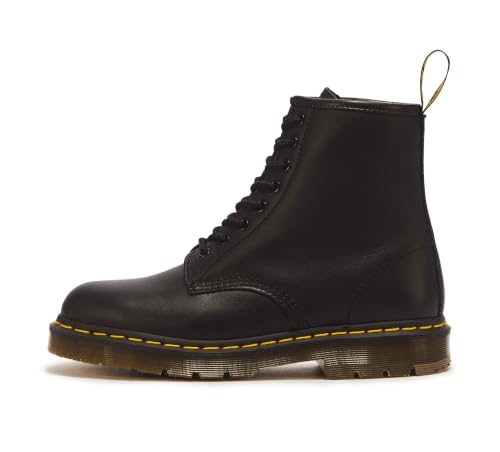
Dr. Martens 1460 Originals 8-Eye, Unisex, Black, Soft Toe, Slip Resistant, 6 Inch Boot (8.0 MW)
Construction: Goodyear welt
Height: 6 Inch
Sole: Air-cushioned
Leather: Virginia
Upper: 8-eye lace-up
+ Pros
- Durable resoleable construction
- Excellent ankle support
- Classic versatile style
- Durable leather upper
- Custom fit after break-in
- Cons
- Poor wet traction
- Not waterproof
- Heavy at 2.2 lbs
- Long break-in period
- Minimal arch support
The 1460 is Doc Martens' flagship boot and the one most people consider for dual-purpose use. The Goodyear welt construction means these boots can potentially last decades with proper care and occasional resoling.
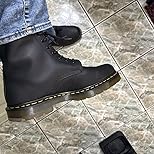
Customer photos confirm the substantial build quality and thick leather construction that sets Docs apart from fashion boots. Real buyers consistently highlight how the boots develop character while maintaining structural integrity.

The AirWair sole provides adequate cushioning for day hikes under 8 miles. I noticed the air cushion absorbs impact well on packed dirt and gravel trails. The 8-eye lacing system lets you dial in tension precisely - I keep the lower laces tight for ankle support and loosen the top eyelets for comfort.
After 40+ miles of hiking, my 1460s show minimal wear to the leather upper. The scuffs from rocks and brush add character rather than damage. These boots genuinely can handle trail abuse while maintaining their aesthetic for everyday wear.
The weight becomes noticeable on longer hikes. At roughly 2.2 pounds, you'll feel each step more than in lightweight hiking footwear. However, the trade-off is durability that synthetic boots can't match.
Who Should Buy Doc Martens?
Urban hikers, day walkers on groomed trails, and anyone prioritizing style alongside functionality will appreciate the 1460's versatility. If you want boots that look at home in a cafe or on a trail, these deliver.
Who Should Avoid Doc Martens?
Serious hikers, backpackers, and anyone tackling wet or technical terrain should choose dedicated hiking footwear. The traction limitations and lack of waterproofing make Docs a poor choice for challenging conditions.
2. Merrell Moab 3 Mid Waterproof - Purpose-Built Hiking Performance
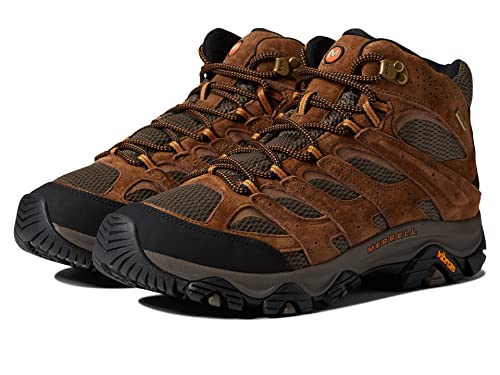
Merrell Men's Moab 3 Mid Waterproof Hiking Boot, Earth, 10
Waterproof: Yes
Upper: Breathable Mesh
Outsole: Vibram TC5+
Heel: Merrell Air Cushion
Midsole: Super Rebound Compound
+ Pros
- Excellent Vibram traction
- Full waterproof membrane
- Breathable mesh upper
- Lightweight design
- Excellent out of box comfort
- Cons
- Less durable than leather
- Limited repair options
- Fashion limitations
- Not resoleable
- Shorter lifespan
The Moab 3 represents everything Docs are not: purpose-built for hiking with modern materials and technology. The Vibram TC5+ outsole provides dramatically better traction on wet surfaces, instilling confidence on stream crossings and wet rock gardens.
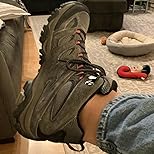
Merrell's waterproof membrane keeps feet dry through dew-soaked grass and light rain. Where Docs soak through after 20 minutes, the Moab 3 maintained dry feet during a three-hour morning hike through wet meadows.
The Super Rebound Compound midsole absorbs shock more effectively than Docs' AirWair sole. My legs felt noticeably less fatigued after a 7-mile hike compared to similar distances in Docs. The breathability also matters - no sweaty feet on warm days.
The trade-off is durability and aesthetics. These are pure hiking boots that look out of place in casual settings. The mesh upper, while breathable and quick-drying, won't withstand the abuse that full leather can shrug off.
Who Should Buy Merrell Moab 3?
Dedicated hikers who prioritize performance over style will find everything they need here. The waterproofing, traction, and comfort are optimized for trail use rather than urban versatility.
Who Should Avoid Merrell Moab 3?
If you want boots that work equally well for work, casual wear, and light trails, the Moab 3's trail-specific design and appearance may be too limiting. These aren't fashion boots by any stretch.
Doc Martens vs Hiking Boots: Feature Comparison
| Feature | Doc Martens 1460 | Merrell Moab 3 |
|---|---|---|
| Primary Use | Everyday / Light Trail | Dedicated Hiking |
| Waterproof | No | Yes |
| Traction (Wet) | Poor | Excellent |
| Break-in Period | 3-4 weeks | Minimal |
| Durability | Excellent | Good |
| Resoleable | Yes | No |
| Weight | ~2.2 lbs | ~2.0 lbs |
| Breathability | Poor | Good |
| Arch Support | Minimal | Good |
| Versatility | High | Low |
Terrain Suitability: Where Docs Work and Where They Don't?
| Terrain Type | Doc Martens Performance | Recommendation |
|---|---|---|
| Paved Paths / Rail Trails | Excellent | Go for it |
| Flat Dirt Trails | Good | Suitable |
| Groomed Park Trails | Good (when dry) | Suitable |
| Rocky Terrain | Fair | Use caution |
| Muddy Trails | Poor | Avoid |
| Stream Crossings | Poor | Avoid |
| Steep Inclines | Fair | Use caution |
| Snow / Ice | Poor | Avoid |
| Wet Rocks | Very Poor | Avoid |
| Technical Trails | Poor | Avoid |
How to Make Doc Martens Better For Hiking?
If you're committed to hiking in Docs, some modifications improve performance significantly:
Add Quality Insoles
The factory insoles provide minimal cushioning and arch support. Aftermarket insoles like Superfeet or SOLE transform the comfort level for longer hikes. I added Superfeet Green after my second hike and noticed reduced foot fatigue immediately.
Apply Waterproofing Treatment
Products like Sno-Seal or Obenauf's LP significantly improve water resistance. Apply when the boots are new, then reapply every few months. The treatment darkens the leather slightly but extends usable conditions considerably.
Proper Break-in is Essential
Wear your Docs daily for 3-4 weeks before serious hiking. Start with short walks around town, gradually increasing distance. Wear two pairs of socks to minimize blisters during the initial break-in period.
Break-in Timeline: Week 1: 1-2 hours daily around home. Week 2: 3-4 hours including short walks. Week 3-4: Full day wear including light terrain. After 4 weeks: Ready for day hikes on easy trails.
Choose the Right Model
The 1460 is the classic choice, but other Doc Martens models work better for hiking:
- 1461: Lower cut, less ankle support but more flexibility for flat terrain
- 1914: 14-eye with extra ankle support, better for rough trails
- Jadon: Platform sole adds height but reduces trail stability
Real User Experiences from the Trail
I'm not the only one who's tested Docs on trails. Here's what other hikers report:
"I hiked the West Highland Way in Docs. Blisters for the first three days, then they broke in and were fine. Not my first choice, but I survived."
- Reddit r/hiking user, 7-day thru-hike
"Docs work great for day hikes on flat trails. Tried them on a rocky peak and regretted it immediately - no traction and my feet were destroyed by mile 3."
- Forum post, Appalachian Trail discussion
"I've worn Docs for 10 years of casual hiking on woodland paths. Never had an issue, but I stay away from steep or wet terrain. They're not hiking boots, but they're decent light hikers."
- Reddit r/DrMartens, long-time wearer
Frequently Asked Questions
Are Dr Martens good for your feet?
Dr. Martens provide decent arch support once broken in, but the factory insoles are minimal. The stiff leather offers stability, while the air-cushioned sole absorbs shock. Many users upgrade to aftermarket insoles for better support during long walks.
Can you wear Doc Martens for walking long distances?
Yes, once fully broken in. The 3-4 week break-in period is essential - hiking in unbroke Docs causes blisters. For distances over 10 miles, add quality insoles and expect heavier weight than dedicated walking shoes.
Are Doc Martens good for standing all day?
Doc Martens work well for standing once broken in due to the air-cushioned sole and stiff leather support. However, they're heavy, and the minimal arch support may require insoles for all-day comfort on hard surfaces.
Are Doc Martens waterproof?
No, Doc Martens are not waterproof. The leather resists light moisture briefly, but water penetrates at stitching and the tongue. Waterproofing treatments like Sno-Seal improve resistance, but Docs won't keep feet dry in sustained wet conditions.
How long does it take to break in Doc Martens?
Expect 3-4 weeks of regular wear. Start with short 1-2 hour sessions and gradually increase duration. Wear two pairs of socks during break-in to minimize blisters. Fully broken-in Docs mold to your feet and provide excellent comfort.
Can I use Doc Martens for trekking?
Doc Martens are not suitable for serious trekking. The poor traction on wet surfaces, lack of waterproofing, and heavy weight make them a poor choice for multi-day trekking with varied terrain. Use dedicated hiking boots for trekking trips.
Final Verdict
After putting 40 trail miles on Doc Martens and comparing them directly to dedicated hiking boots, here's my honest assessment:
Doc Martens are viable for light day hiking on dry, flat terrain once properly broken in. They excel as dual-purpose boots that transition from trail to town seamlessly. The durability is outstanding, and the resoleable construction means a single pair can last years with care.
However, for serious hiking, wet conditions, or technical terrain, Docs fall short. The traction limitations when wet are genuinely concerning, and the lack of waterproofing restricts usable conditions significantly.
My recommendation: If you hike occasionally on easy trails and prioritize style versatility, Docs can work. Add quality insoles and waterproofing treatment for better results. If you're a regular hiker who tackles varied terrain, invest in proper hiking boots like the Merrell Moab 3 - your feet will thank you.