
5 Best Whitewater Kayaking Gear (September 2026) Essential Guide
Looking for an outdoor pursuit that challenges both body and mind while connecting you with raw, untamed nature? Whitewater kayaking delivers exactly that blend of physical intensity and natural immersion that so many adventure seekers crave in 2026. This dynamic water sport has seen renewed interest as more paddlers discover the unique satisfaction of reading rivers, mastering strokes, and navigating rapids with precision and confidence.
Unlike flatwater paddling where tranquility rules, whitewater kayaking demands split-second decisions, technical skill development, and a deep respect for river dynamics. Yet despite these challenges, beginners can safely enter this sport through structured learning paths that build competence progressively. From pool sessions where you learn to roll in controlled conditions to your first Class II river run, each milestone builds the foundation for more ambitious adventures.
This guide walks you through everything required to begin your whitewater kayaking journey safely and successfully. You will learn about essential gear selections, fundamental paddling techniques, river classification systems, safety protocols including the critical 120 rule for cold water, and practical steps for progressing from first strokes to confident river running. Whether you dream of playboating in local whitewater parks or creeking remote canyons, the knowledge here provides your starting point.
What You Will Learn in This Guide
- Comprehensive understanding of whitewater kayaking fundamentals and terminology
- Detailed gear recommendations with specific beginner-friendly products
- Basic paddling techniques including strokes, braces, and rolling concepts
- Safety measures including the 120 rule, river signals, and rescue skills
- Understanding of the International Scale of River Difficulty (Class I-VI)
- Pool session guidance and readiness assessment checklist
- Practical tips for planning your first whitewater adventure
Beginning Your Whitewater Kayaking Adventure
Whitewater kayaking represents one of the most engaging forms of river recreation available today. The sport combines elements of technical skill, physical fitness, risk management, and environmental awareness into a cohesive activity that rewards dedicated practice. When you see experienced paddlers navigating turbulent rapids with apparent ease, remember that their competence developed through systematic skill building and progressive exposure to more challenging conditions.

The journey from complete novice to competent whitewater paddler typically spans months rather than weeks, but each stage offers its own rewards. Your first successful roll in a pool session, initial eddy turn in moving water, and completed river run without swimming all mark meaningful progress. Understanding what whitewater kayaking entails helps set realistic expectations and prepares you for the learning curve ahead.
Understanding Whitewater Kayaking
At its core, whitewater kayaking involves navigating a specialized kayak through moving river water that contains rapids, waves, and obstacles. The term "whitewater" refers to the aerated, frothy appearance of turbulent water where air mixes with the current. Unlike sea kayaking or flatwater paddling on lakes, whitewater kayaking requires specific boat designs, safety equipment, and technical skills to manage the dynamic river environment.
- River Dynamics: Moving water creates features including eddies (calm areas behind obstacles), waves, holes (recirculating water), and currents of varying speeds. Reading these features and understanding how they affect your kayak separates successful paddlers from those who merely survive the rapids.
- Progressive Difficulty: Rivers range from gentle Class I riffles suitable for first-timers to extreme Class VI rapids that challenge world-class athletes. The classification system helps paddlers match their skills to appropriate river sections.
- Physical Demands: Paddling against currents, performing braces to maintain balance, and executing rolls when capsized all require upper body strength, core stability, and cardiovascular endurance. Regular practice builds these capacities over time.
- Mental Components: Quick decision-making under pressure, spatial awareness in three dimensions, and the ability to remain calm when situations become intense all contribute to success. Many paddlers find this mental aspect as rewarding as the physical challenge.
The whitewater kayaking community emphasizes safety, continuous learning, and environmental stewardship. Organizations like American Whitewater work to protect river access and provide safety information, while local paddling clubs offer mentorship and group trip opportunities for newcomers. Engaging with this community accelerates your learning and connects you with valuable resources.
Also Read: River vs Sea Kayaking: Your Ultimate Comparison
The Allure of Kayaking on Whitewater
Why do thousands of paddlers choose to navigate turbulent rivers when calmer waters offer easier recreation? The motivations vary, but several consistent themes emerge when experienced whitewater kayakers describe their passion for the sport.
Adventure and Adrenaline
The immediate rush of descending through a rapid, feeling the kayak respond to currents, and successfully threading between obstacles creates an adrenaline response that many find addictive. This sensation differs fundamentally from artificial thrills because it emerges from authentic interaction with natural forces. The river presents ever-changing challenges even on familiar stretches, ensuring that no two runs feel identical.
- Natural Connection: Whitewater kayaking transports you into environments often inaccessible by other means. River canyons, waterfalls, and remote gorges become your playground. The sensory experience of water spray, the sound of rushing currents, and the visual complexity of moving water creates moments of profound natural immersion.
- Flow State: The concentration required for technical paddling naturally induces a flow state where everyday concerns fade. When navigating challenging rapids, your complete attention focuses on the immediate task, providing mental relief from stress and worry. Many paddlers report this psychological benefit as their primary motivation for continuing.
- Achievement and Progression: Mastering new skills, graduating to more difficult rapids, and completing challenging runs provides tangible markers of improvement. This progression system creates long-term engagement as you continually set and achieve new paddling goals.
Physical Fitness Benefits
Beyond the adventure aspects, whitewater kayaking delivers comprehensive fitness benefits that complement its recreational appeal. Regular paddling develops functional strength, cardiovascular capacity, and coordination that transfers to other activities.
- Upper Body Development: Each stroke engages your shoulders, back, arms, and core muscles. The resistance provided by water creates natural strength training without the repetitive motion issues of gym equipment. Over time, paddlers develop noticeable muscular endurance in these areas.
- Core Stability: Maintaining balance in turbulent water requires constant core engagement. Your abdominal and lower back muscles work continuously to stabilize your torso and transfer power from your legs through your hips to your paddle. This core conditioning benefits posture and prevents back pain.
- Cardiovascular Health: Extended paddling sessions elevate heart rate and improve aerobic capacity. The interval nature of rapids followed by calmer recovery sections creates a natural high-intensity interval training pattern that efficiently builds cardiovascular fitness.
- Coordination Enhancement: The complex movements required for paddling strokes, bracing, and rolling improve neuromuscular coordination. Hand-eye coordination develops as you learn to place paddle blades precisely where needed, while whole-body coordination improves through integrating upper and lower body movements.
These fitness benefits accumulate regardless of your primary motivation for paddling. Whether you seek adventure, natural connection, or social engagement with other paddlers, your body receives comprehensive conditioning that supports overall health and wellbeing.
Also Read: Kayaking Apps: Your Best Digital Paddling Guide
Getting Started With Whitewater Kayaking
Beginning your whitewater kayaking journey requires thoughtful preparation beyond simply purchasing equipment. The sport demands specific gear for safety, appropriate kayak selection for your intended use, and knowledge of how to use everything properly. Understanding these requirements before your first river encounter ensures you start with confidence rather than confusion.
The gear section below includes specific product recommendations for beginners, selected based on community feedback, value, and suitability for newcomers to the sport. These recommendations balance quality with accessibility, providing reliable options that will not require immediate replacement as your skills develop.
Necessary Gear for Beginners
Proper equipment protects you from the hazards inherent in whitewater environments while enabling you to perform necessary techniques effectively. The following categories cover essential items that every beginner should acquire before entering moving water.
Essential Safety Equipment
Safety gear represents your primary protection against the risks of whitewater kayaking. Never compromise on these items or attempt to paddle without them properly fitted and functioning.
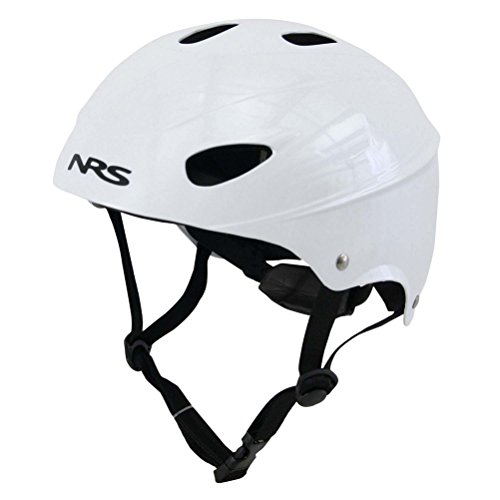
- Helmet: A whitewater-specific helmet protects your head from impacts with rocks, your own paddle, and other hazards. Unlike climbing or cycling helmets, whitewater helmets are designed to handle water impact and multiple hits while draining water effectively. Look for CE 1385 certification indicating safety testing for water sports.
- Personal Flotation Device (PFD): Your life jacket must be US Coast Guard approved Type III and specifically designed for paddling. Whitewater PFDs provide adequate buoyancy for swimming rapids while allowing the arm mobility necessary for paddling strokes. The PFD should fit snugly without riding up when you pull on the shoulder straps.
- Spray Skirt: This neoprene or nylon cover seals the cockpit, preventing water from entering your kayak while allowing quick release if you need to exit. Proper fit between skirt and cockpit rim is essential for effectiveness and safety.
- Whistle: A simple signaling device attached to your PFD allows you to alert others in emergency situations. The universal distress signal is three long blasts.
Kayak and Paddle Selection
Your kayak and paddle represent significant investments that determine your experience on the water. For beginners, stability and forgiveness matter more than high-performance characteristics that benefit expert paddlers.
- Kayak: Beginners should consider river runners or crossover kayaks that balance stability with maneuverability. These designs forgive mistakes while still allowing you to develop proper technique. Avoid playboats initially as their specialized design sacrifices stability for trick performance.
- Paddle: Whitewater paddles are shorter and stronger than flatwater paddles, typically 190-200cm for most adults. Lightweight materials like fiberglass or carbon fiber reduce fatigue during long sessions. The right paddle length depends on your height, kayak width, and paddling style.
Clothing and Protection
Appropriate clothing extends your paddling season and keeps you comfortable in varied conditions. The 120 rule explained later in this guide helps determine your thermal protection needs based on combined air and water temperatures.
- Wetsuit or Drysuit: When water temperatures drop below comfortable swimming levels, insulation becomes essential. Wetsuits (3mm to 5mm) work for moderate conditions, while drysuits with appropriate underlayers handle colder environments.
- Footwear: Neoprene booties protect your feet during portages and provide grip on wet rocks while remaining comfortable inside the kayak.
- Gloves and Layers: Paddling gloves prevent blisters and improve grip. Quick-dry synthetic layers manage moisture and temperature better than cotton.
Rescue and Emergency Equipment
As you progress beyond initial pool sessions, certain rescue equipment becomes necessary for group safety.
- Throw Bag: This rope rescue device allows you to assist swimmers by throwing a floating rope from shore or an eddy. Every paddler in a group should carry one.
- First Aid Kit: A compact kit with supplies for cuts, bruises, and basic medical needs should accompany every group.
- Knife: A blunt-tipped rescue knife attached to your PFD can cut entangled ropes in emergency situations.
- Float Bags: These air-filled bags installed in the kayak's bow and stern keep the boat afloat when flooded, making rescue easier.
Recommended Beginner Gear
Based on community feedback, expert recommendations, and value considerations, the following products represent excellent starting points for beginners. Each balances quality, durability, and accessibility for those new to whitewater kayaking.
For a comprehensive look at specific kayak models, explore our detailed guide to the best whitewater kayaks available 2026.
| Product | Key Specs | Action |
|---|---|---|
 Wilderness Systems Aspire 105 Wilderness Systems Aspire 105 |
|
Check Latest Price on Amazon |
 Pelican Argo 100X Recreational Kayak Pelican Argo 100X Recreational Kayak |
|
Check Latest Price on Amazon |
 NRS Havoc Livery Kayak Helmet NRS Havoc Livery Kayak Helmet |
|
Check Latest Price on Amazon |
 Onyx MoveVent Dynamic Paddle Vest Onyx MoveVent Dynamic Paddle Vest |
|
Check Latest Price on Amazon |
 Astral Ceiba Life Jacket Astral Ceiba Life Jacket |
|
Check Latest Price on Amazon |
Top 3 Recommendations for Beginners
Pelican Argo 100X Kayak
- Ultra-lightweight at 36 lbs
- Affordable beginner price
- Excellent stability for new paddlers
Onyx MoveVent Dynamic PFD
- USCG Type III approved
- 1
- 400+ verified reviews
- High-back design for kayak seats
Wilderness Systems Aspire 105 Review
+ Pros
- Excellent tracking with skeg deployed
- Superior comfort from premium seating
- Stable beginner-friendly design
- Good for flatwater and mild rapids
- High weight capacity
- Cons
- Higher price point
- 48 lbs may be heavy to transport
- Limited advanced whitewater capability
The Wilderness Systems Aspire 105 represents an ideal entry point for beginners seeking a kayak that bridges flatwater stability with mild whitewater capability. Its crossover design acknowledges that most newcomers want versatility rather than specialized performance. The adjustable skeg system particularly benefits beginners who struggle with tracking in wind or current, allowing you to deploy additional stability when needed and retract it for maneuverability practice.
What distinguishes this kayak for learning is the Phase 3 Air Pro seating system. Hours of practice sessions become more sustainable when your seat supports proper posture without creating pressure points. The thigh and knee padding helps you develop proper boat control techniques including edge control and bracing positions. These comfort features translate directly to longer effective practice time.
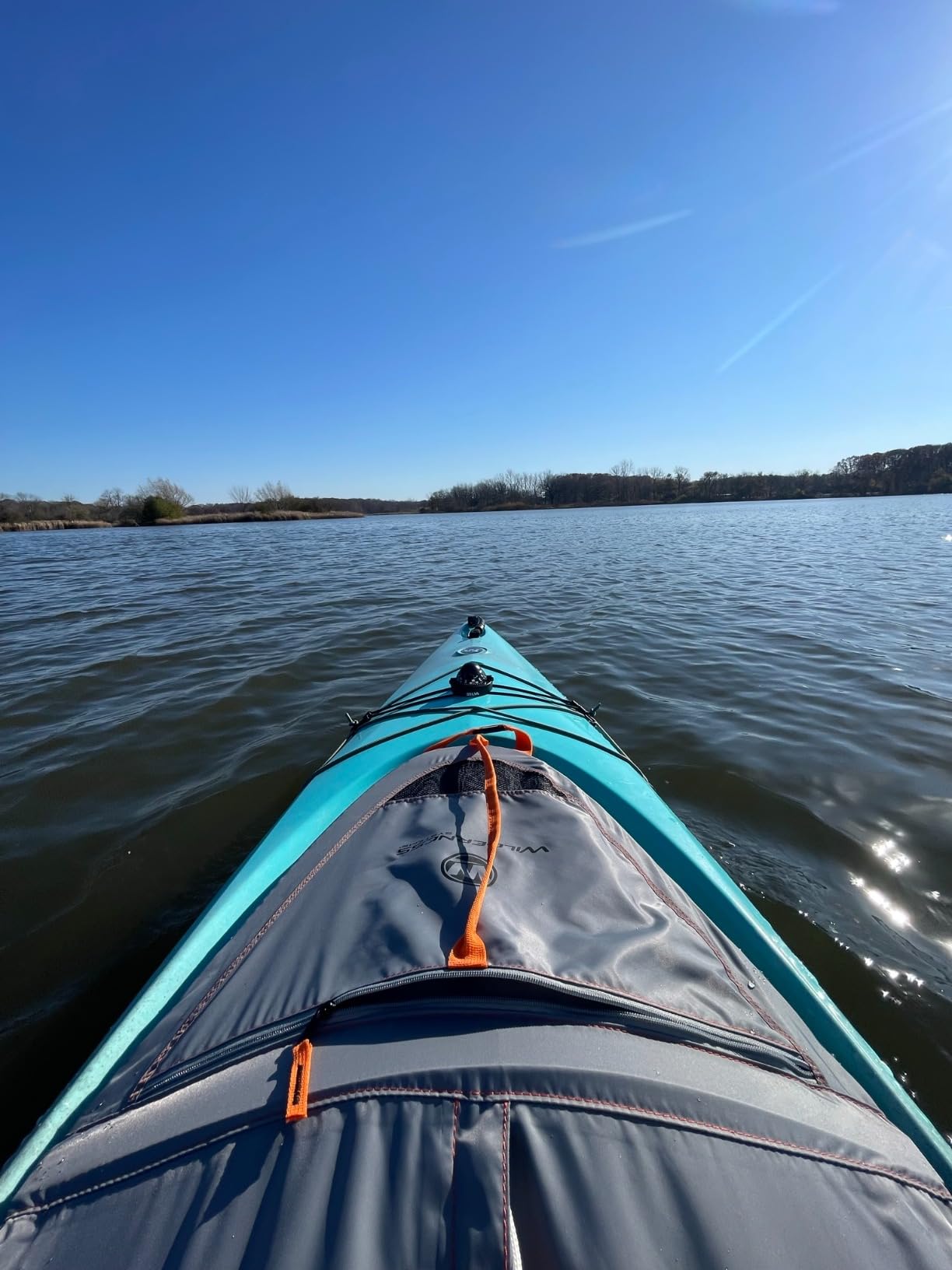
The 400-pound weight capacity accommodates paddlers of various sizes plus essential gear, while the 10'6" length strikes a balance between transportability and on-water performance. At 48 pounds, some may find solo transport challenging, but the weight reflects durable construction that withstands the bumps and scrapes inevitable during skill development. This durability ensures your investment lasts through the learning phase into intermediate paddling.
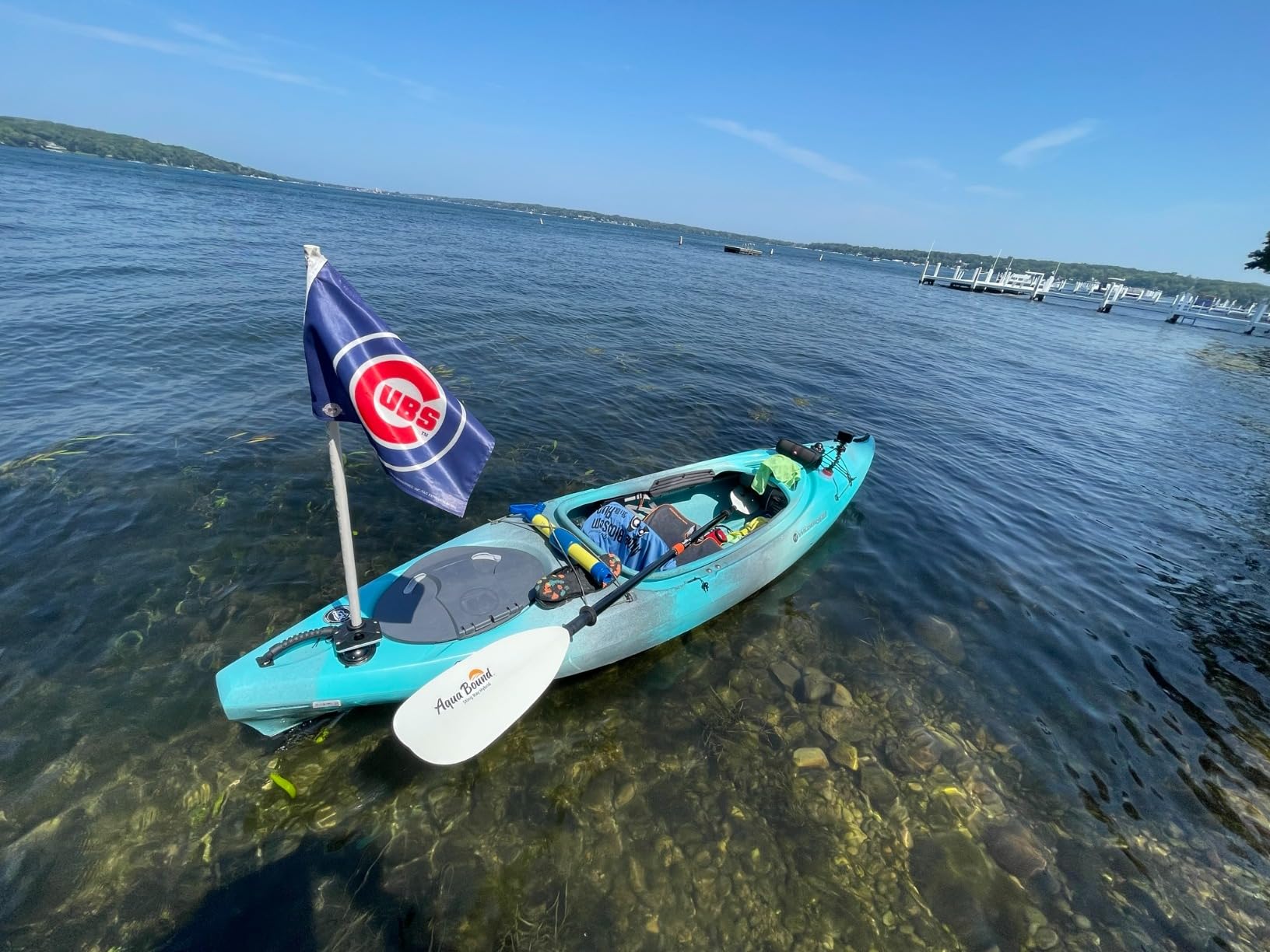
While the Aspire 105 handles Class I and mild Class II rapids competently, experienced paddlers will eventually want a dedicated whitewater boat for more challenging rivers. However, as a learning platform and recreational kayak for rivers and lakes, it provides exceptional value. The ability to paddle multiple environments with one boat makes it economical for beginners testing their commitment to the sport.
Pelican Argo 100X Review
Pelican Argo 100X - Recreational Sit-in Kayak - 10 ft - Fade Deep Blue/White
10 ft length
36 lbs lightweight
Ram-X durable material
275 lb capacity
Ergoform seating
+ Pros
- Extremely lightweight at 36 lbs
- Very affordable entry point
- Excellent stability for beginners
- Durable impact-resistant construction
- Easy to transport and store
- Cons
- Fixed footrests not adjustable
- Limited storage capacity
- Not for advanced whitewater
- Maximum 275 lb capacity
The Pelican Argo 100X addresses the primary barriers many beginners face: cost and transportability. At a price point significantly below premium kayaks, it removes financial risk from the decision to try paddling. The 36-pound weight means most adults can carry it to the water without assistance, removing another common obstacle that prevents regular practice.
Stability matters most for beginners, and the twin-arched multi-chine hull delivers confidence-inspiring steadiness on the water. This stability allows novices to focus on stroke technique rather than constant balance correction. The Ergoform seating provides adequate comfort for sessions lasting several hours, though dedicated paddlers may eventually want more sophisticated seating systems.
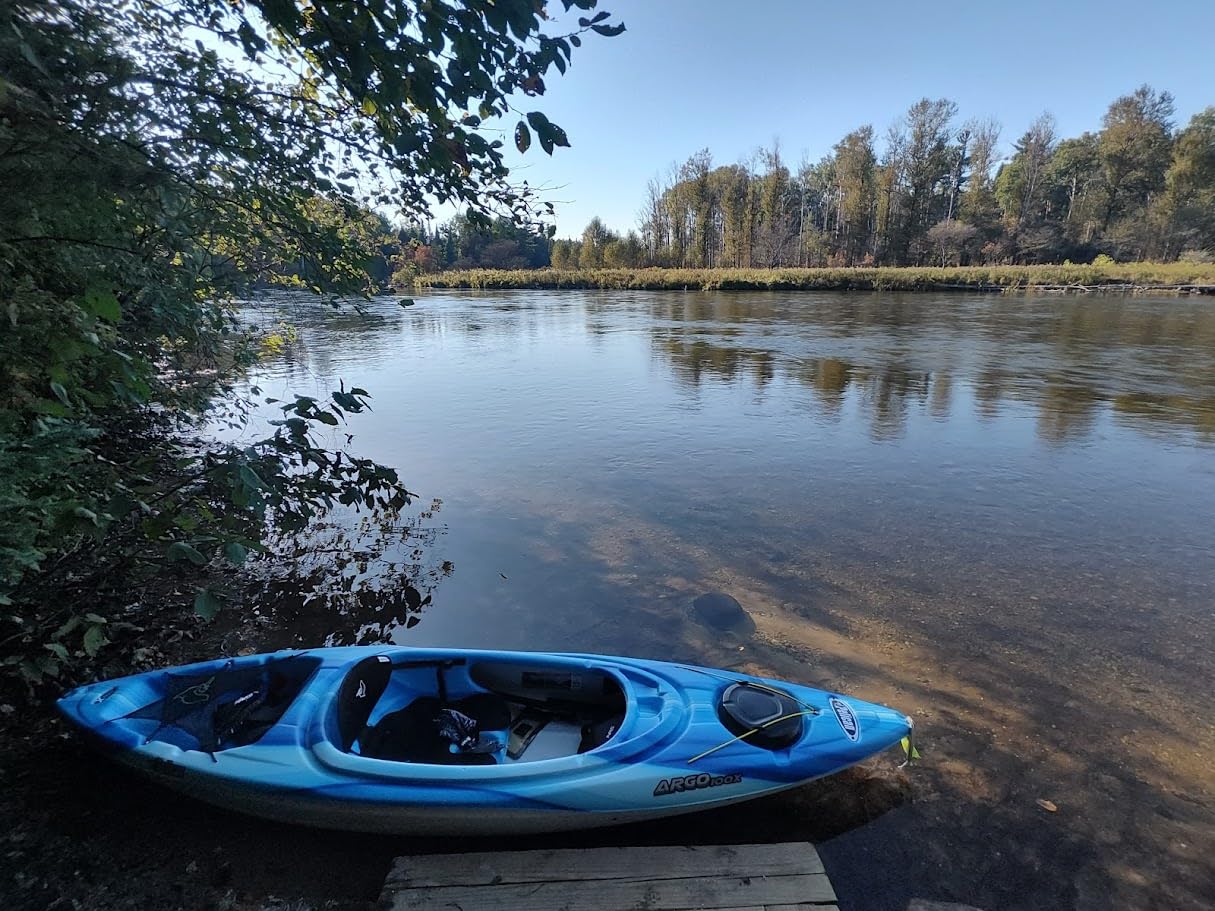
The patented Ram-X material demonstrates impressive impact resistance, recovering from scrapes and bumps that would damage lesser kayaks. This durability particularly benefits beginners who inevitably contact rocks, docks, and shorelines while developing boat control. The Argo 100X forgives these learning mistakes without requiring immediate repairs or replacement.
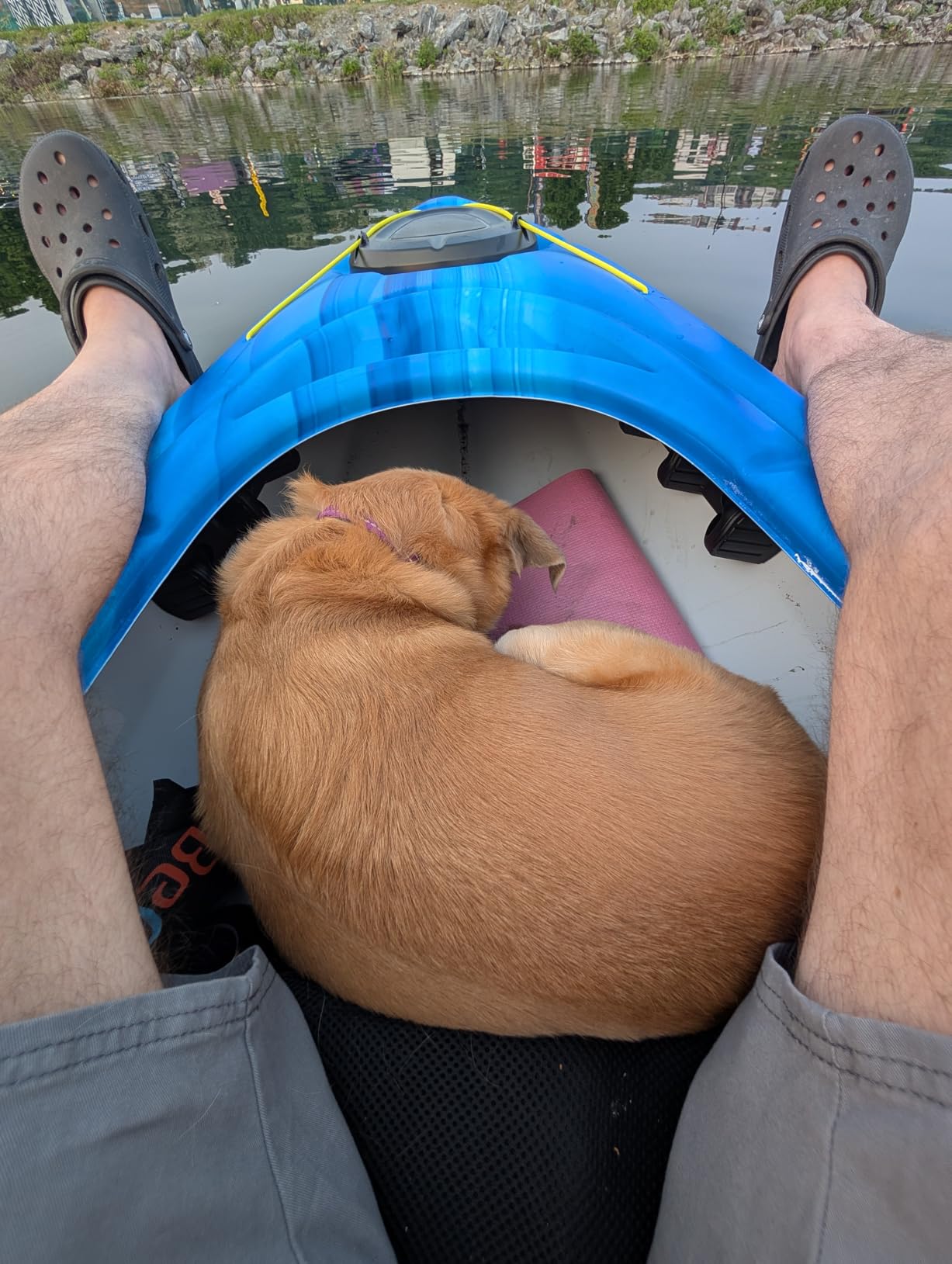
Limitations exist that more experienced paddlers will eventually encounter. The fixed footrests cannot adjust to different leg lengths or paddling positions, the 275-pound capacity restricts larger paddlers or heavy gear loads, and the design targets flatwater and very mild current rather than true whitewater applications. However, as an affordable platform for learning basic strokes, wet exits, and initial rolling attempts in calm conditions, the Argo 100X delivers remarkable value.
NRS Havoc Livery Kayak Helmet Review
NRS Havoc Livery Kayak Helmet-White-Universal
CE 1385 certified
DialFit adjustment
Adjustable chin strap
Plush FIT pads
Replaceable padding
+ Pros
- Affordable price point
- Trusted NRS whitewater brand
- Safety certification included
- DialFit customization system
- Multiple color options available
- Cons
- One-size may not fit all
- Some report low ear coverage
- Limited ventilation
- Not for Class V-VI rapids
Helmet selection for whitewater kayaking requires balancing protection, comfort, and cost. The NRS Havoc Livery succeeds admirably as a budget-conscious option that does not compromise essential safety standards. CE 1385 certification confirms the helmet meets European safety standards specifically for paddle sports, indicating it has passed impact testing relevant to the hazards you will encounter.
The DialFit adjustment system addresses the common problem of helmets that either squeeze uncomfortably or shift during use. By tightening or loosening the rear dial, you customize the fit to your specific head shape. This adjustability proves particularly valuable for beginners who may share helmets during classes or rental situations before purchasing their own.
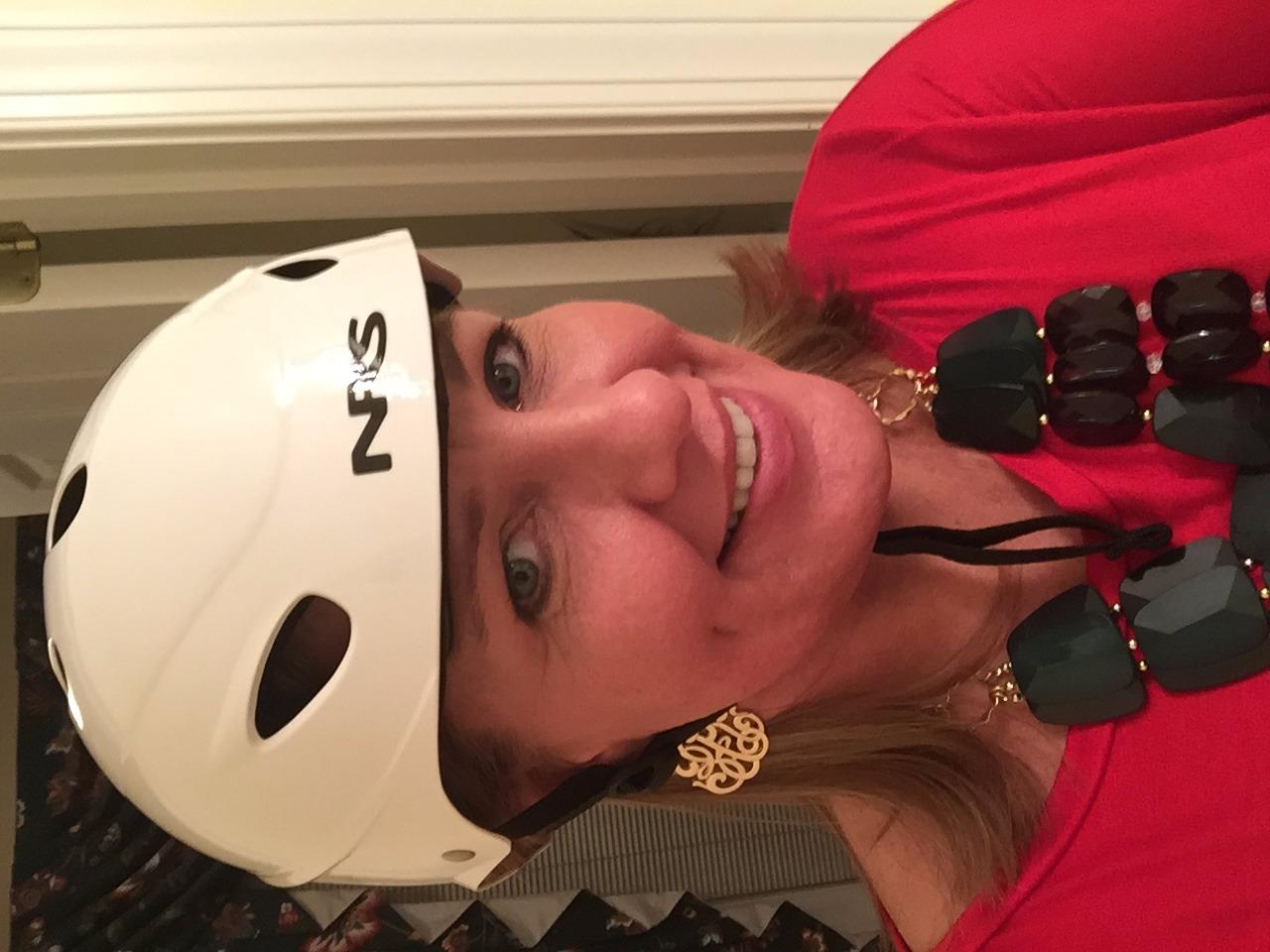
NRS has established itself as a trusted name in whitewater safety equipment through decades of product development and river community engagement. The Havoc Livery reflects this heritage with durable construction that withstands the multiple minor impacts common during learning. Replaceable padding extends the helmet's useful life as compression from use gradually degrades the original pads.
Some users report the one-size design fits larger heads better than smaller ones, and the helmet may sit low over some ears, affecting hearing. These fit issues underscore the importance of trying helmets before purchase when possible. For Class I-III rapids where most beginners operate, the Havoc Livery provides adequate protection at a price that leaves budget for other essential gear.
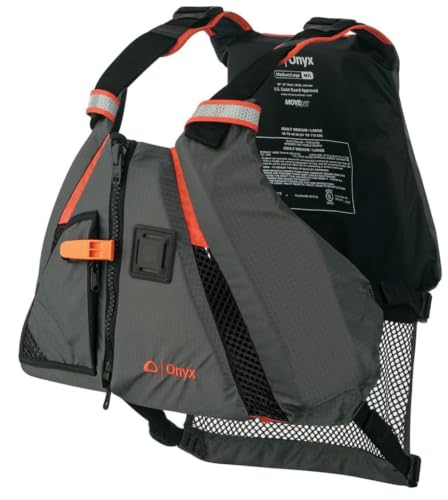
Onyx MoveVent Dynamic Paddle Vest Review
Onyx MoveVent Dynamic Paddle Vest Adult Life Jacket, USCG/TC Approved
USCG Type III approved
Mesh lower back
SOLAS reflective material
Expandable zippered pockets
Multiple sizes
+ Pros
- Excellent value for money
- Coast Guard approved design
- High back fits kayak seats
- 1
- 400+ positive reviews
- Lightweight comfortable fit
- Cons
- Not for whitewater swimming
- Less buoyancy than premium PFDs
- Pockets somewhat small
- May ride up on some body types
Personal flotation devices vary dramatically in design, comfort, and suitability for specific paddling disciplines. The Onyx MoveVent Dynamic succeeds as a general-purpose paddling PFD that serves beginners well across multiple water sports. The US Coast Guard Type III approval ensures it meets legal requirements and provides adequate flotation for conscious wearers who can assist their own rescue.
The mesh lower back specifically addresses a common complaint among kayakers: traditional PFDs bunch up uncomfortably against kayak seat backs. By removing material from this contact point while maintaining flotation elsewhere, the MoveVent allows you to sit upright without constant adjustment. This comfort translates to wearing the PFD consistently rather than leaving it unbuckched on hot days.
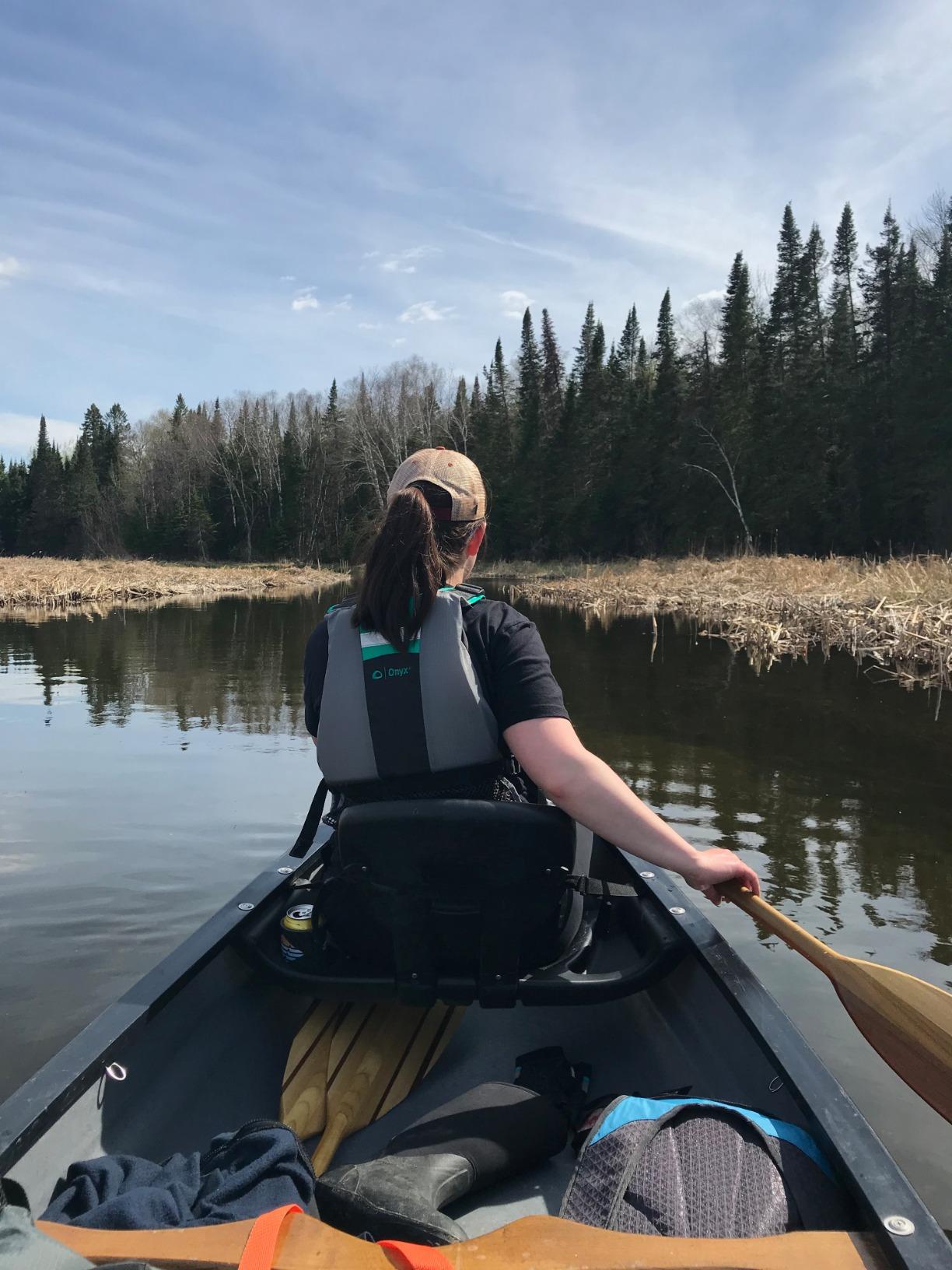
With over 1,400 reviews and consistently high ratings, the MoveVent has proven itself across thousands of paddling hours. The SOLAS-grade reflective material enhances visibility during low-light conditions, adding a safety margin for early morning or evening sessions. Expandable pockets provide storage for essentials like whistles, keys, and energy bars without interfering with paddling motion.
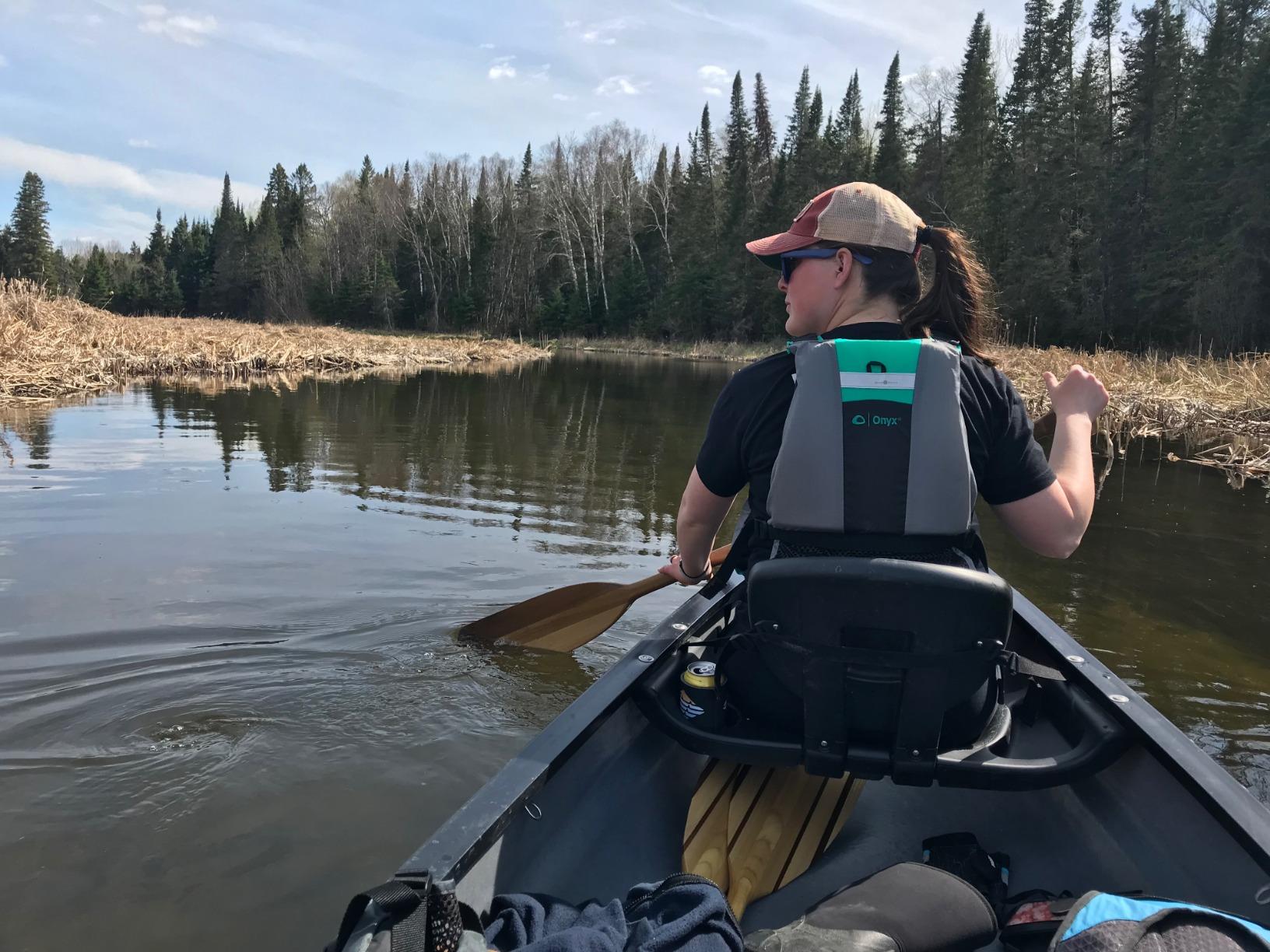
The caveats deserve consideration. The MoveVent prioritizes comfort over maximum buoyancy, making it less suitable than specialized whitewater rescue PFDs for extreme environments. Some users report the vest rides up on certain body types, requiring periodic adjustment. For calm water, Class I rapids, and general recreational paddling where most beginners spend their initial season, these limitations rarely create problems.
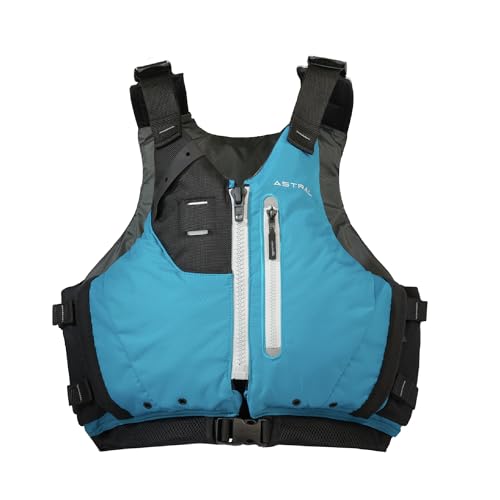
Astral Ceiba Life Jacket Review
Astral Ceiba Life Jacket - Adult Life Vest - Water Blue - Medium/Large
Organic Kapok buoyancy
Bluesign approved shell
17.4 lbs design buoyancy
Fleece-lined hand pockets
Nine adjustment points
+ Pros
- Eco-friendly sustainable materials
- Exceptional comfort for long sessions
- Perfect for whitewater and touring
- Premium construction quality
- 5.0 star rating
- Cons
- Higher price point
- Thick padding may not suit larger chests
- Limited color selection available
- Fewer reviews (newer product)
Astral has built a reputation for environmentally conscious paddling gear that refuses to compromise performance for sustainability. The Ceiba Life Jacket exemplifies this philosophy using organic Kapok fibers rather than petroleum-based foams for buoyancy. Kapok, harvested from seed pods, provides natural flotation while reducing environmental impact. The Bluesign-approved recycled shell fabric further demonstrates commitment to responsible manufacturing.
Comfort distinguishes the Ceiba from budget alternatives most noticeably. The nine adjustment points allow precise customization to your torso dimensions, eliminating the shifting and riding up that plague ill-fitting PFDs. Fleece-lined hand warmer pockets address the reality that paddlers often encounter cold, wet hands during shoulder-season trips. These details reveal a design process informed by actual paddling experience rather than abstract engineering.
The 17.4 pounds of design buoyancy provides substantial flotation when needed, while the overall cut maintains the arm mobility essential for technical paddling. Astral specifically designed this vest for whitewater, touring, canoeing, and sailing applications, creating a versatile PFD that transitions across your growing paddling interests. The quick-access knife tab and security pocket with key loop add practical utility for safety equipment storage.
Price represents the primary barrier for beginners considering the Ceiba. At significantly more than budget alternatives, it requires conviction about your paddling future. The thick Kapok padding may also feel bulky on larger-chested paddlers, making proper fitting essential. For those committed to long-term paddling who value sustainability alongside performance, the Ceiba delivers exceptional quality that justifies its premium positioning.
Understanding Your Kayak
Selecting the right kayak type significantly impacts your learning curve and enjoyment of whitewater kayaking. Different hull designs prioritize different characteristics, creating tradeoffs between stability, maneuverability, speed, and forgiveness. Understanding these distinctions helps you choose equipment aligned with your goals and skill level.
Different Types of Whitewater Kayaks
Whitewater kayaks fall into three primary categories, each designed for specific river features and paddling styles. Beginners should understand these distinctions before purchasing, as the wrong type can frustrate learning or limit progression.
For more detailed information on selecting the right boat, read our complete guide to types of whitewater kayaks.
- Playboats: These short, highly maneuverable kayaks excel at performing tricks in river features like waves and holes. Their low volume ends and flat hulls allow aerial maneuvers and spins that define freestyle kayaking. However, playboats sacrifice stability and speed, making them challenging platforms for beginners still developing fundamental boat control. The reduced length also reduces tracking ability in flatwater sections between rapids.
- River Runners: Representing the middle ground that serves beginners best, river runners balance maneuverability with stability and provide reasonable speed for covering river miles. These kayaks handle a variety of rapids competently without extreme specialization. The Dagger Katana exemplifies a popular crossover river runner that works well for beginners transitioning from flatwater experience.
- Creek Boats: Designed for steep, technical whitewater including waterfalls and tight canyons, creek boats feature increased volume to resurface quickly and blunt ends to absorb impacts. Their displacement hulls track well in aerated water. While incredibly capable in challenging environments, creek boats feel large and unwieldy to beginners on easier rivers, making them poor choices for initial learning despite their safety features.
Beginners should prioritize river runners or crossover designs that forgive mistakes while still allowing skill development. As your abilities and preferences clarify through experience, you can specialize into playboats for park-and-play surfing or creek boats for expedition-style river running.
Navigating a Kayak
Effective kayak control requires coordinating paddle strokes with body positioning to direct the boat where intended. These fundamental techniques form the foundation upon which advanced whitewater skills build.
- Forward and Reverse Paddling: The forward stroke propels the kayak ahead, initiated by rotating your torso and planting the paddle blade fully in the water beside your hip, then pulling back while rotating forward. The reverse stroke uses the back face of the paddle, pushing water forward from behind your hip to slow or move backward.
- Turning Techniques: Sweep strokes create turns by applying force at a distance from the kayak's center. Forward sweeps starting at the bow and arcing toward the stern turn the boat away from the paddling side. Combining forward sweeps on one side with reverse sweeps on the other allows pivoting in place.
- Bracing for Stability: When current, waves, or your own imbalance threaten to capsize the kayak, bracing strokes provide stability. Low braces use the back face of the paddle against the water's surface, while high braces use the power face. The hip snap—a quick rotation of the lower body—coordinates with the brace to right the boat.
- The Eskimo Roll: When capsized in a kayak with a spray skirt, the Eskimo roll allows recovery without exiting the boat. By sweeping the paddle across the surface while simultaneously performing a hip snap to rotate the kayak upright, you return to paddling position. This skill requires dedicated practice, typically beginning in pool sessions.
Consistent practice of these fundamental techniques in controlled environments builds the muscle memory that transfers to dynamic river situations. Consider taking classes from ACA-certified instructors to ensure you learn proper form from the beginning rather than developing habits that require later correction.
Also Read: Winter Kayaking: Your Ultimate Guide To Master the Chill
Skills Required For Whitewater Kayaking for Beginners
Entering whitewater kayaking without foundational skills creates unnecessary risk and frustration. The learning curve steepens when you lack basic competence in boat control, safety procedures, and self-rescue techniques. Dedicating time to skill acquisition before attempting significant rapids pays dividends in safety and enjoyment.
New paddlers should master flatwater fundamentals first with our kayak paddling for beginners guide before progressing to moving water.
Basic Paddling Techniques
Every stroke you execute should serve a purpose—propulsion, steering, or stabilization. Random paddling wastes energy and reduces control. Understanding stroke mechanics allows you to select the appropriate technique for each river situation.
- Forward Stroke: The workhorse of paddling, the forward stroke moves the kayak ahead efficiently. Key elements include torso rotation rather than arm pulling, full blade immersion at the catch, and clean exit at your hip to minimize drag. Proper forward stroke technique prevents shoulder strain and maximizes endurance.
- Reverse Stroke: Used for slowing, stopping, or moving backward, the reverse stroke applies the same principles as the forward stroke but in reverse sequence. The blade enters near your hip and pushes water forward toward your feet.
- Sweep Strokes: These wide-arc strokes turn the kayak efficiently by applying force at maximum distance from the boat's centerline. Forward sweeps begin near the bow and arc outward toward the stern, while reverse sweeps move from stern to bow. The wider the arc, the more turning force generated.
- Draw Stroke: When you need to move the kayak sideways toward your paddle—perhaps to close with an eddy line or avoid an obstacle—the draw stroke pulls water toward the boat. The blade enters perpendicular to the hull and draws straight toward you.
- Duffek or Bow Rudder: This advanced stroke plants the paddle blade near the bow like a rudder, using the current's force to pivot the kayak. Essential for precise eddy turns and ferry angles, the duffek requires timing the blade placement with boat momentum.
Safety Measures and Rescue Skills
Whitewater kayaking presents genuine risks that demand respect and preparation. The following safety measures and rescue skills form the minimum competence for anyone entering moving water beyond Class I.
The 120 Rule for Cold Water Safety
Hypothermia represents one of the most significant dangers in whitewater kayaking, particularly for beginners who may spend unexpected time in the water. The 120 rule provides a simple guideline for determining when thermal protection becomes necessary. Add the air temperature (in Fahrenheit) to the water temperature (in Fahrenheit). If the total is less than 120, you need thermal protection such as a wetsuit or drysuit.
For example, if the air temperature is 70 degrees and the water temperature is 50 degrees, the sum equals 120—exactly at the threshold. Any colder conditions in either air or water push you below 120, requiring insulation. Cold water extracts body heat approximately 25 times faster than cold air, meaning even brief immersion in chilly conditions without protection risks dangerous hypothermia development.
Smart paddlers apply a margin of safety, using the 120 rule as a minimum rather than pushing to the limit. When in doubt, wear the wetsuit or drysuit. The discomfort of overheating is easily managed by splashing water on yourself, while the consequences of underdressing for cold water can be severe.
Essential River Signals
Communication becomes challenging over roaring rapids where voice carries only short distances. The paddling community uses standardized hand signals to convey critical information:
- All Clear/OK: Tap the top of your head repeatedly with a flat hand to indicate you are uninjured and safe.
- Stop/Emergency: Wave one arm horizontally across your throat to signal immediate danger requiring all paddlers to stop.
- Go Left/Right: Point in the intended direction of travel, typically indicating the safe route through a rapid.
- Help: Wave one arm overhead in large circles to indicate you need assistance.
- Look/Attention: Point to your eyes with two fingers, then point toward whatever requires attention.
Self-Rescue Skills
Every whitewater kayaker should master these fundamental rescue capabilities:
- Wet Exit: When you capsize and cannot roll, the wet exit allows safe escape from the kayak. Lean forward, tuck your body close to the deck, locate the spray skirt grab loop at the front of the cockpit, pull it forward to release the skirt, and push yourself out of the boat while protecting your face from submerged obstacles.
- Eskimo Roll: The definitive self-rescue skill allows you to recover from capsizing without leaving the kayak. Multiple rolling styles exist, including the C-to-C roll (compact and powerful) and the sweep roll (smoother and more continuous). Both rely on the hip snap—a quick rotation of your lower body that rights the kayak coordinated with paddle support.
- Swimming Rapids: When exiting the kayak becomes necessary, assume the defensive swimming position on your back with feet downstream and knees slightly bent. This position allows you to see approaching obstacles and push off with your feet. Keep your feet near the surface to avoid foot entrapment in rocks or submerged branches.
- T-Rescue: This assisted rescue involves another paddler approaching your capsized kayak perpendicular to it, allowing you to grab their boat while they pull you upright. The T-rescue provides a recovery option when solo rolling fails.
Pool Sessions: The Ideal Learning Environment
Before attempting rolls or braces in cold, moving river water, beginners should master these skills in the controlled environment of a pool. Many kayak clubs, community centers, and paddling shops organize pool sessions specifically for skill practice.
Pool sessions offer several advantages for beginners. Warm water eliminates the hypothermia risk that discourages extended practice in natural environments. Controlled conditions without current allow you to focus entirely on technique rather than reading water. The ability to stand up at any moment reduces anxiety about being trapped underwater. Instructors can observe and correct your form more easily when not managing river hazards.
To find pool sessions near you, contact local paddling clubs through American Whitewater's club directory, inquire at kayak shops about instructional programs, or check community center aquatic programs. Many areas offer winter pool sessions when outdoor paddling becomes impractical, creating ideal opportunities to develop skills for spring river season.
During your first pool session, expect to focus on wet exits, hip snap fundamentals, and initial rolling attempts with instructor assistance. Multiple sessions typically precede consistent rolling success—persistence pays off more than natural talent in developing this skill.
Also Read: Unforgettable Apostle Islands Kayaking Trip Essential Guide
Whitewater Ratings
The International Scale of River Difficulty provides a standardized classification system that helps paddlers match their skills to appropriate river sections. Understanding these ratings prevents dangerous mismatches between ability and river challenge.
Ratings consider multiple factors including current velocity, wave size, hazard presence, and rescue difficulty. Water levels significantly affect ratings—a Class III rapid at normal flow may become Class IV or V during flood conditions. Always check current river levels and recent reports before paddling.
- Class I: Easy: Small rapids with low-speed current, minimal obstacles, and straightforward passages suitable for complete beginners. These sections provide moving water experience without significant hazard.
- Class II: Novice: Straightforward rapids with clear channels and occasional maneuvering requirements. Waves may reach 1-2 feet, but routes remain obvious without scouting. Ideal for beginners developing fundamental skills.
- Class III: Intermediate: Moderate rapids with irregular waves, constricted passages requiring precise maneuvering, and potential for significant hazard if mistakes occur. Rapids typically require scouting from shore before running.
- Class IV: Advanced: Intense rapids with powerful currents, large waves, and complex routes demanding expert boat control. Consequences of errors are serious. Prior experience and solid rolling skills become essential.
- Class V: Expert: Extremely difficult rapids with violent currents, large unavoidable holes, and complex routes requiring precise execution under pressure. Significant hazard exists even for skilled paddlers.
- Class VI: Extreme and Exploratory: The upper limit of difficulty, rarely attempted and only by teams of expert paddlers with extensive safety preparation. Not navigable at all water levels. The "minus" and "plus" designations (III+, IV-) provide finer gradations within classes.
Beginners should restrict themselves to Class I and easy Class II rapids until developing solid rolling skills, reliable river reading abilities, and self-rescue competence. Progress gradually through more difficult Class II sections before attempting Class III. Never allow ego or peer pressure to push you onto rivers beyond your prepared skill level.
Also Read: How to Store a Paddle Board Effectively: Essential Guide
Tips for Your First Time Out on the Water
Transitioning from pool practice and flatwater sessions to actual whitewater requires thoughtful preparation and appropriate progression. The following guidance helps ensure your first river experiences build confidence and skills safely.

Creating a Solid Plan
Successful river trips result from preparation extending beyond the put-in. Planning encompasses skills assessment, route selection, contingency preparation, and group coordination.
- Skills Assessment: Honestly evaluate your current abilities against the demands of your intended river section. Can you roll consistently in similar conditions? Have you practiced wet exits until automatic? Do you understand basic river reading? If gaps exist, address them before committing to the trip.
- Information Gathering: Research your intended river using guidebooks, American Whitewater's river database, and recent trip reports. Current water levels dramatically affect difficulty. Local paddle shops often provide invaluable condition updates and hazard warnings.
- Backup Planning: Identify emergency exit points along the route where you can take out if problems arise. Carry emergency contact information and inform someone not on the trip about your planned route and expected return time.
- Group Coordination: Ensure all group members share similar skill levels and expectations. Designate a trip leader responsible for final decisions. Establish communication protocols including river signals and regroup points after significant rapids.
Ready to Try Whitewater? Self-Assessment Checklist
Before launching on your first Class I-II river trip, honestly assess your readiness using this checklist. Missing competencies can be addressed through additional practice, classes, or guided trips rather than hoping for the best.
- Swimming Ability: Can you swim at least 50 meters comfortably in clothing while wearing a PFD? Are you confident treading water and maneuvering while floating downstream?
- Wet Exit Competence: Have you practiced wet exits until you can perform them calmly and automatically without instructor assistance or hesitation?
- Basic Rolling: While not strictly required for Class I-II, developing your roll dramatically increases confidence and safety. Pool session practice should produce at least occasional successful rolls.
- Stroke Proficiency: Can you paddle forward, backward, and turn reliably in flatwater without constant correction or fatigue? Do you understand the mechanics of proper forward strokes?
- Bracing Familiarity: Have you practiced low and high braces in controlled conditions? While you may not need them immediately, knowing how to brace prevents capsizes as you encounter waves and current differentials.
- Equipment Knowledge: Can you properly fit and adjust your PFD, helmet, and spray skirt? Do you understand how to release your spray skirt quickly in emergency? Is your equipment appropriate for the conditions (consider the 120 rule)?
- River Reading Basics: Can you identify basic river features including eddies, current seams, waves, and obstacles? Do you understand how water moves around rocks and bends?
- Signal Familiarity: Do you know the standard river hand signals and can you recognize them when demonstrated by others?
- Group Paddling Experience: Have you paddled with others in a group setting, practicing basic formation and communication?
- Physical Preparation: Is your fitness level adequate for sustained paddling effort over the expected trip duration? Have you considered the demands of potential swims or portages?
Answering "no" to any item does not preclude river paddling but indicates areas requiring attention before your trip. Consider taking an ACA-certified beginner whitewater course to systematically develop these competencies with professional guidance.
Spot Selection: Making The Right Choice
Selecting an appropriate river section for your first whitewater experience significantly affects your enjoyment and safety progression. Several factors should influence your decision.
- Classification Appropriateness: First river trips belong on Class I rivers with perhaps one or two easy Class II rapids. These sections provide moving water experience without the consequences of mistakes on more difficult rapids. Never let enthusiasm override appropriate progression.
- Water Level Considerations: Rivers change character dramatically with water levels. High water increases speed, wave size, and hazard difficulty, potentially upgrading rapids a full class or more. Low water may expose rocks and create pinning hazards. Check gauge readings and local knowledge before committing.
- Weather Forecasts: Rain can change rivers rapidly, particularly smaller watersheds. Cold rain combined with cold water multiplies hypothermia risk through the 120 rule. Wind creates additional challenges for boat control. Check forecasts and adjust plans accordingly.
- Familiar Locations: Local knowledge dramatically improves safety. Paddling with someone familiar with the river provides hazard warnings, line recommendations, and eddy locations that guidebooks cannot fully capture. For your first trips, prioritize locations where experienced companions know the water.
Looking for great beginner-friendly destinations? Explore our list of the best places to kayak in the U.S. for specific recommendations.
Safety First: On-Water Protocols
Once on the water, specific protocols maintain group safety and ensure effective response if problems arise.
- Never Kayak Alone: Solo paddling removes the safety net of assistance during emergencies. Minimum group size for whitewater should be three paddlers, ensuring someone can assist while another seeks help if needed.
- Maintain Visual Contact: Keep group members within sight, particularly at rapids. Establish eddies below rapids as regroup points where everyone waits until the entire group arrives safely.
- Pre-Run Scouting: Before any rapid beyond your certain comfort level, take out and scout from shore. Identify hazards, select your line, and communicate plans with the group. Many problems result from running rapids "blind" without this assessment.
- Gear Verification: Double-check that PFDs remain properly fastened, helmets are secure, and spray skirts are attached before approaching significant rapids. The pre-rapid ritual prevents discovering loose equipment at the worst moment.
Your first river trip represents a significant milestone in your whitewater kayaking journey. Proper preparation ensures it becomes a positive memory that motivates continued progression rather than a frightening experience that discourages further participation.
FAQs
Conclusion
Whitewater kayaking offers a unique combination of physical challenge, technical skill development, and natural immersion that rewards dedicated practitioners throughout their paddling careers. This guide has covered the essential knowledge you need to begin your journey safely and effectively, from understanding equipment requirements and basic techniques to internalizing safety protocols like the 120 rule and the International Scale of River Difficulty.
Your path forward should include concrete next steps: enroll in ACA-certified beginner classes or pool sessions offered by local paddling clubs, acquire essential safety gear including an appropriately fitted helmet and PFD, and practice fundamental strokes on flatwater until they become automatic. Connect with your local paddling community through American Whitewater's club directory to find mentors and paddling partners who can guide your progression.
Remember that whitewater kayaking is a journey measured in seasons rather than weeks. The paddler executing elegant lines through Class IV rapids began as a novice learning wet exits in a pool. Your first season should focus on building fundamentals, developing your roll, and experiencing Class I-II rivers with appropriate guidance. Resist the temptation to rush progression—rivers will always be there as your skills develop.
Safety remains paramount throughout your kayaking career. The gear recommendations, 120 rule guidance, and safety protocols outlined here exist because paddlers before you learned hard lessons. Treat the river with respect, paddle within your abilities, and never let group pressure override your assessment of conditions or readiness.
Key Takeaways for Beginners
- Begin with pool sessions to learn rolling and wet exits in warm, controlled conditions before attempting rivers
- Apply the 120 rule rigorously to prevent hypothermia in cold water conditions
- Progress through river classifications gradually—Class I to Class II to Class III—rather than skipping ahead
- Never paddle alone; minimum group size of three provides safety redundancy
- Take ACA-certified classes from qualified instructors rather than learning exclusively from friends or videos
- Join a local paddling club to find mentors, partners, and organized trips appropriate for your skill level
- Use the readiness checklist honestly to assess your preparation before attempting new challenges
The river community welcomes newcomers who approach the sport with humility, commitment to learning, and respect for safety. Your whitewater kayaking adventure starts with a single step—perhaps enrolling in that first pool session or contacting your local paddling club. Take that step today, and the rivers will be waiting.