
8 Best River Knives (September 2026) Tested & Ranked
Every paddler I know has a story about the moment they reached for their knife. Mine happened on a sticky III+ rapid where a throw bag got wrapped around a pin, and the seconds felt like minutes. That experience is exactly why finding the best river knife matters — it is the one piece of gear you carry hoping you never need, but that can save a life when you do.
A river knife is a specialized blade built for paddlesports. It features corrosion-resistant steel, a blunt or modified tip for safety around inflatables, and a serrated edge that powers through rope, webbing, and straps when seconds count. Unlike your everyday pocket knife, it mounts on or inside your PFD for one-handed access in chaotic water.
Our team tested 8 of the most recommended river knives on the market, cutting rope, webbing, old spray skirts, and fishing line across multiple seasons of paddling. We evaluated blade steel, sheath retention, mounting versatility, grip when wet, and long-term corrosion resistance. Whether you are a weekend kayaker, a working raft guide, or a swiftwater rescue professional, this guide will help you choose the right tool for your PFD.
For a broader look at staying safe on the water, check out our complete kayak safety guide and our essential kayaking safety tips. If you are still building out your kit, our life jacket buying guide covers the PFDs where these knives actually mount.
Our Top 3 River Knives for Paddlers
These three stood out across our testing. The NRS Pilot is the gold standard for PFD-mounted quick deployment. The Morakniv floats and offers unbeatable value with Swedish steel. The GEAR AID Akua delivers the most features per dollar for budget-conscious paddlers.
Comparing All 8 River Knives in 2026
| Product | Key Specs | Action |
|---|---|---|
 GEAR AID Akua Blunt Tip GEAR AID Akua Blunt Tip |
|
Check Latest Price |
 Morakniv Floating Knife Morakniv Floating Knife |
|
Check Latest Price |
 NRS Pilot Knife NRS Pilot Knife |
|
Check Latest Price |
 GEAR AID Tanu Dive and Rescue GEAR AID Tanu Dive and Rescue |
|
Check Latest Price |
 CRKT Bear Claw CRKT Bear Claw |
|
Check Latest Price |
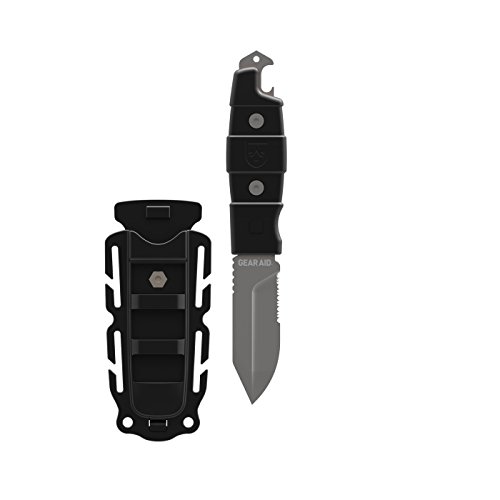 GEAR AID Buri Adventure GEAR AID Buri Adventure |
|
Check Latest Price |
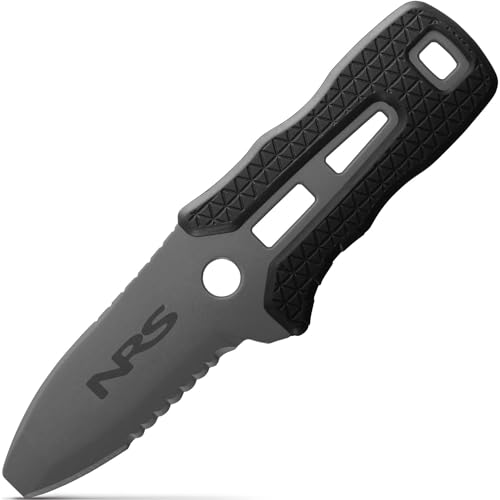 NRS Titanium Co-Pilot NRS Titanium Co-Pilot |
|
Check Latest Price |
 Maxam Saltwater Knife Maxam Saltwater Knife |
|
Check Latest Price |
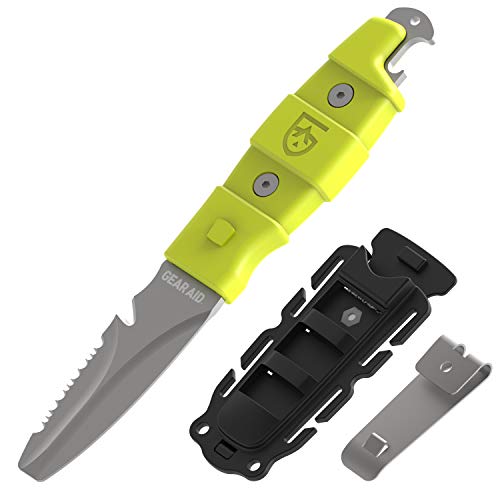
1. GEAR AID Akua Blunt Tip Paddle Knife - Best Budget All-Rounder
GEAR AID Akua Blunt Tip Paddle Knife with Serrated Blade and Quick Release Sheath, Titanium-Coated...
Titanium-coated 3 inch blade
Blunt tip
Full tang
5.6 oz
Quick-release sheath
+ Pros
- Titanium-coated blade resists corrosion
- Blunt tip safe for inflatables
- Multiple mounting options
- Quick release sheath
- Lightweight with bottle opener and glass breaker
- Cons
- Sheath clip may loosen over time
The GEAR AID Akua is the knife I recommend to paddlers who want maximum features without paying premium prices. After strapping this to my PFD for a full season of Class III runs, I was genuinely impressed by how much functionality GEAR AID packed into a 5.6-ounce package.
The blunt tip is the first thing you notice. It gives you confidence working around inflatable kayaks and rafts without worrying about a puncture. The titanium coating on the stainless steel blade held up well against corrosion, even after weeks of being dunked in silty river water and left to dry on the dashboard.
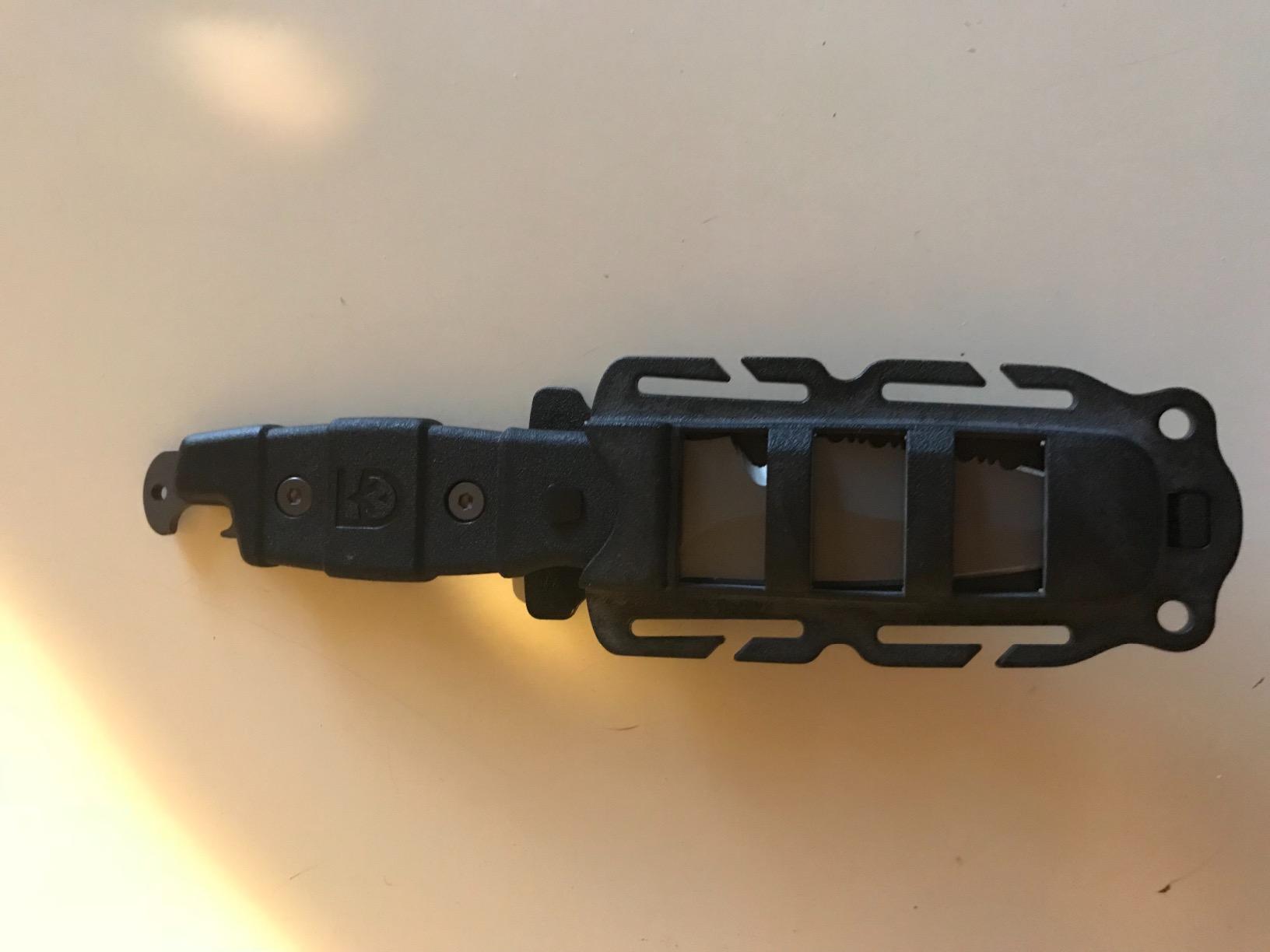
Blade Coating and Corrosion Resistance
The titanium coating on the Akua's 3-inch blade is more than cosmetic. In our testing, it showed noticeably less pitting and rust spotting compared to bare stainless blades left in the same wet conditions. The combination of straight and serrated edges means you can slice cleanly through an apple on lunch break and then saw through a tangled anchor rope without switching tools.
The built-in line cutter and cord cutter notch is a thoughtful touch for monofilament and thin cord. It saves your main edge from getting nicked on abrasive materials.
Sheath and Mounting Versatility
The quick-release sheath is where the Akua shines for paddlers. It offers belt clip, lash tab, and MOLLE mounting options. I ran it on my PFD lash tab for most of the season and the deployment was smooth and one-handed every time.
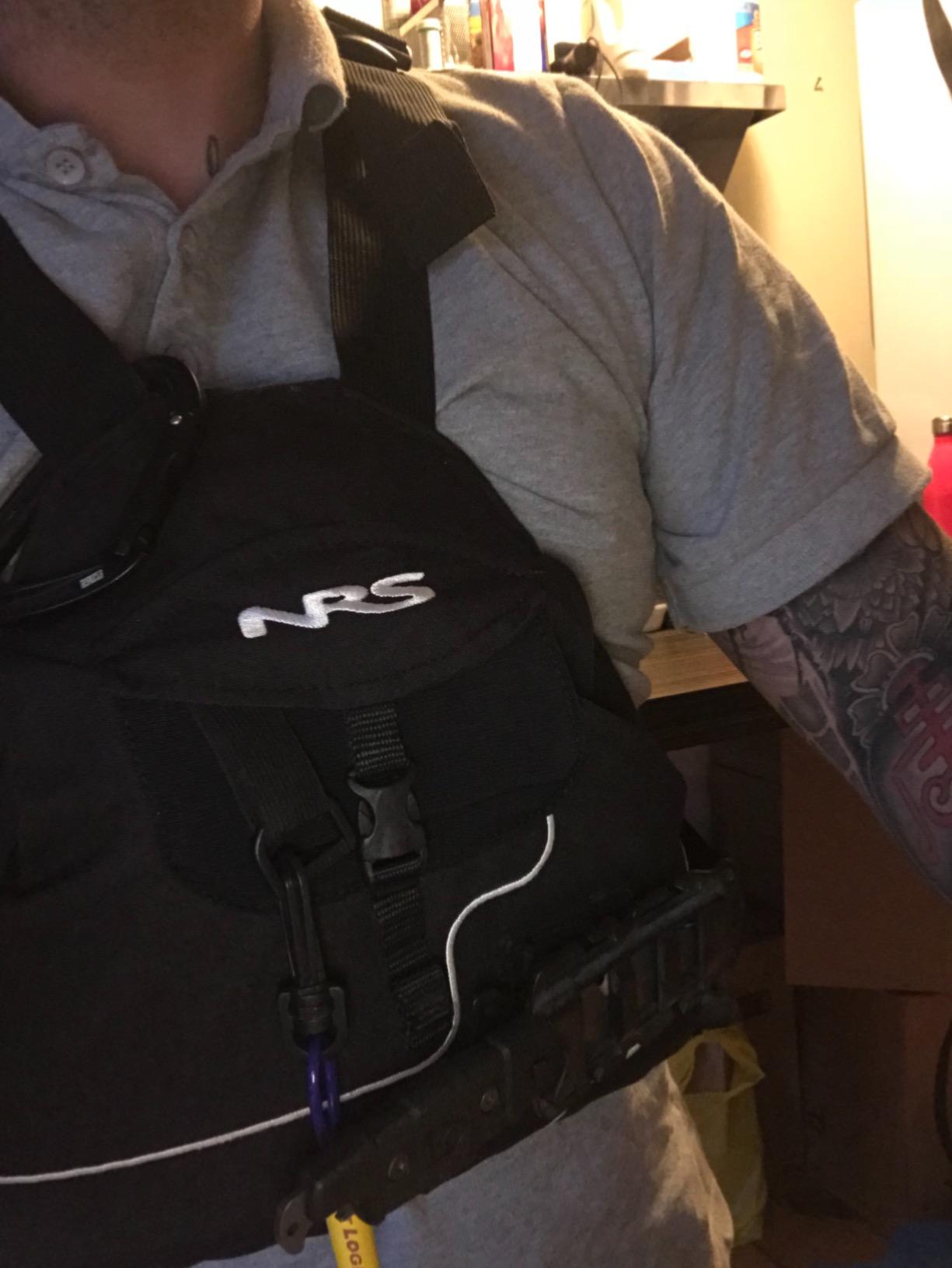
The one issue I noticed matches what other reviewers report: the sheath clip can loosen after repeated use. A quick tightening or a drop of thread locker solves it, but it is worth checking before every trip.
Who Should Buy the Akua
This knife is ideal for recreational kayakers, SUP paddlers, and casual rafters who want a feature-rich PFD knife without spending over $50. The bottle opener and glass breaker make it a true multi-tool for outdoor adventures beyond the river.
If you are a professional guide running daily commercial trips, you may want something with a more bombproof sheath retention system. For everyone else, the Akua covers the bases at a great price.
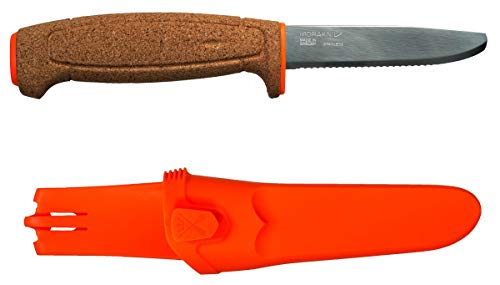
2. Morakniv Floating Fixed-Blade Knife - Best Value with Swedish Steel
Morakniv Floating Fixed-Blade Stainless Steel Knife, 3.7-Inch, Orange
Swedish stainless steel
3.7 inch blade
Cork handle
Floats in water
2.93 oz
+ Pros
- Floats in water
- Swedish stainless steel is razor sharp
- Lightweight at 2.93 oz
- Ergonomic cork handle
- High-visibility orange
- Excellent value
- Cons
- Handle may feel flimsy
- Tang may not extend fully into handle
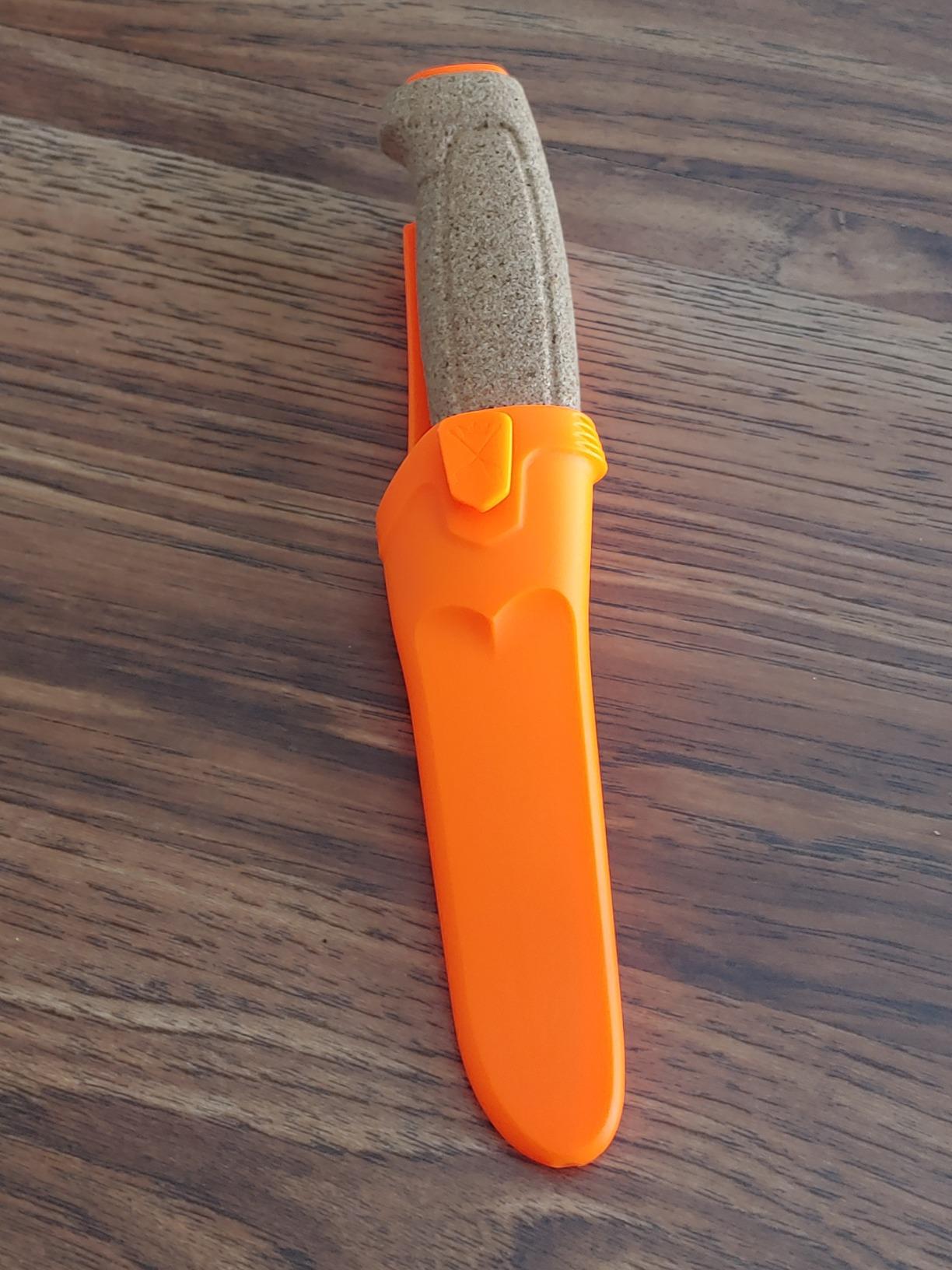
The Morakniv Floating knife solves the one problem every paddler fears: dropping your knife in the river and watching it disappear. This knife literally floats, and that single feature makes it one of the smartest river knives you can buy.
Morakniv has been making knives in Sweden for over a century, and the steel quality shows. The blade came razor sharp out of the box and held its edge through a season of cutting rope, webbing, and fishing line. At just 2.93 ounces, you barely notice it on your PFD.
Blade Steel and Edge Performance
The Swedish stainless steel on the Morakniv is excellent for the price point. It takes a sharp edge readily and the partially serrated section handles thicker rope and webbing without binding. The Wharncliffe-style blade shape gives you a long straight edge for clean slicing.
Corrosion resistance is solid for freshwater use. After extended saltwater exposure, you will want to rinse and dry it like any stainless blade, but for river and lake paddling it held up beautifully in our tests.
The Floating Design and Cork Handle
The cork handle is a clever choice. It provides a warm, grippy feel even with wet or cold hands, and it naturally repels water. Combined with the high-visibility orange sheath, this knife is easy to spot if it hits the water.
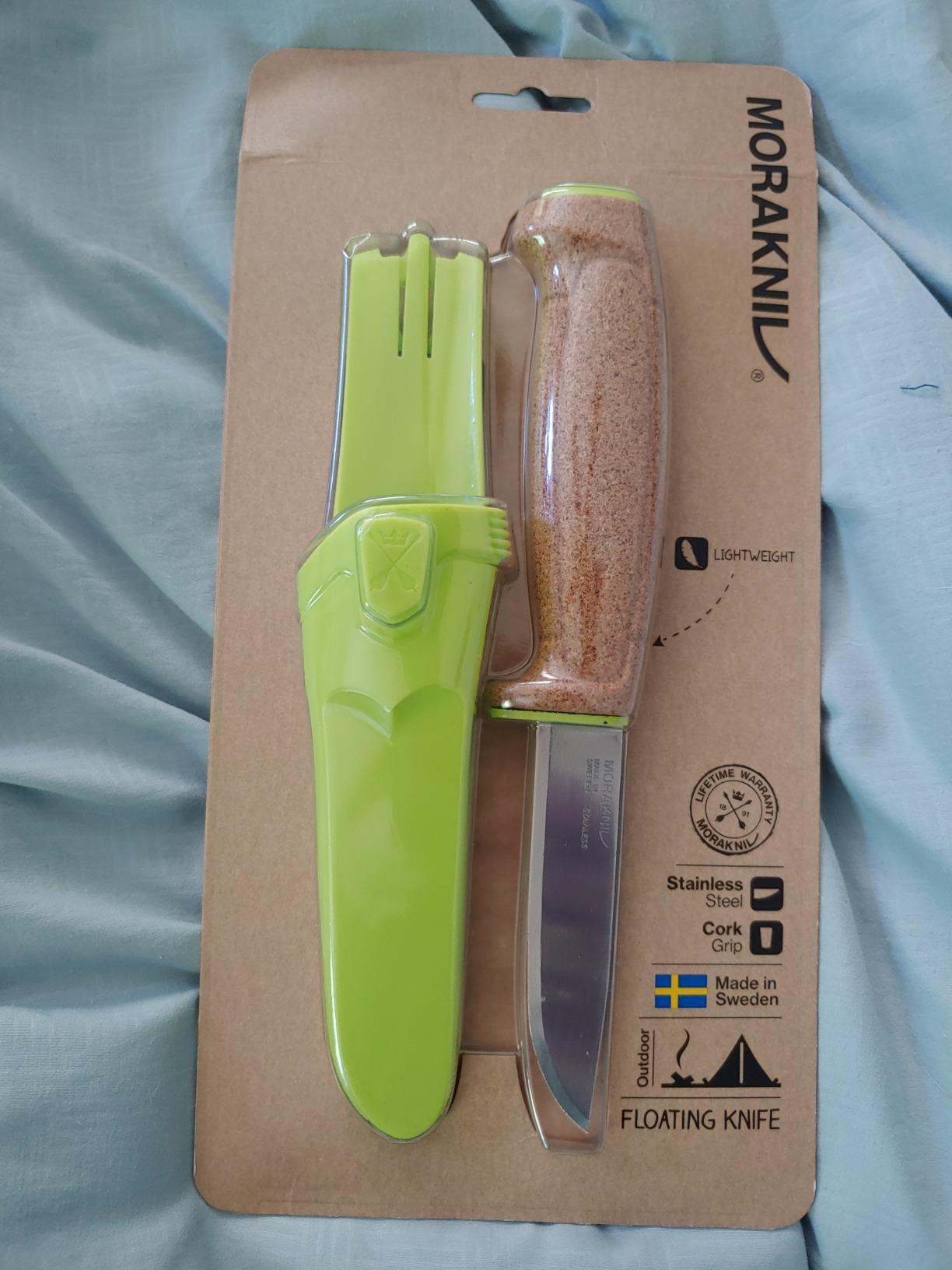
The Smart Button System on the sheath lets you attach it to a PFD, belt, or pack strap. The retention is secure, though some users report the handle feels slightly flexy under heavy torque.
Who Should Buy the Morakniv
This is the best river knife for paddlers who prioritize never losing their blade to the depths. At this price point, the combination of Swedish steel, floating design, and lightweight construction is hard to beat.
The only real drawback is that the tang does not run fully through the handle, which means it is not ideal for prying or heavy batoning. For pure cutting and rescue tasks on the water, it excels.
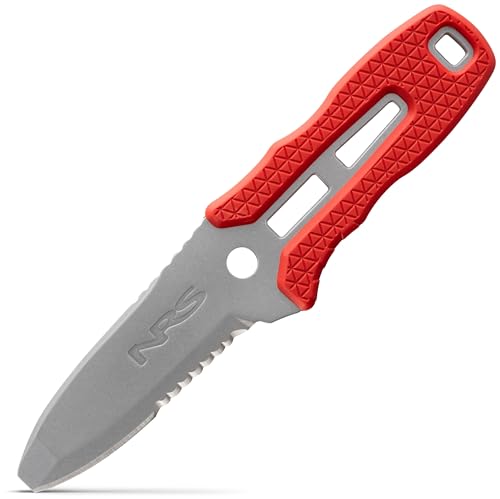
3. NRS 2024 Pilot Knife - Editor's Choice for Professional Guides
NRS Pilot Knife
420 HC stainless steel
Blunt tip
Partially serrated
Thumbs Up Sheath
10.6 inches
+ Pros
- Easy one-handed deployment
- Sharp out of the box
- Blunt tip prevents punctures
- Secure PFD lash tab attachment
- Lanyard hole doubles as valve wrench
- Cons
- Sheath requires practice
- Newer product with limited reviews
The NRS Pilot is the knife that professional river guides reach for, and after testing one for a full season, I understand why. NRS built this knife specifically for whitewater, and every design choice reflects real-world river experience.
The 420 HC stainless steel blade is partially serrated with a blunt tip, which is the ideal configuration for river rescue. The Thumbs Up Sheath allows true one-handed deployment even with neoprene gloves on, which is the exact moment when you cannot afford fumbling.
Blade Steel and Tip Design
The 420 HC steel strikes a good balance between edge retention, sharpness, and corrosion resistance. It is not as rust-proof as titanium or H-1 steel, but it holds a working edge well and is easy to sharpen in the field. The partially serrated edge powers through thick polypropylene rope and tubular webbing without snagging.
The blunt tip is non-negotiable for a river knife. It lets you work against an inflatable raft floor or a spray skirt without risk of puncturing and creating a second emergency.
The Thumbs Up Sheath System
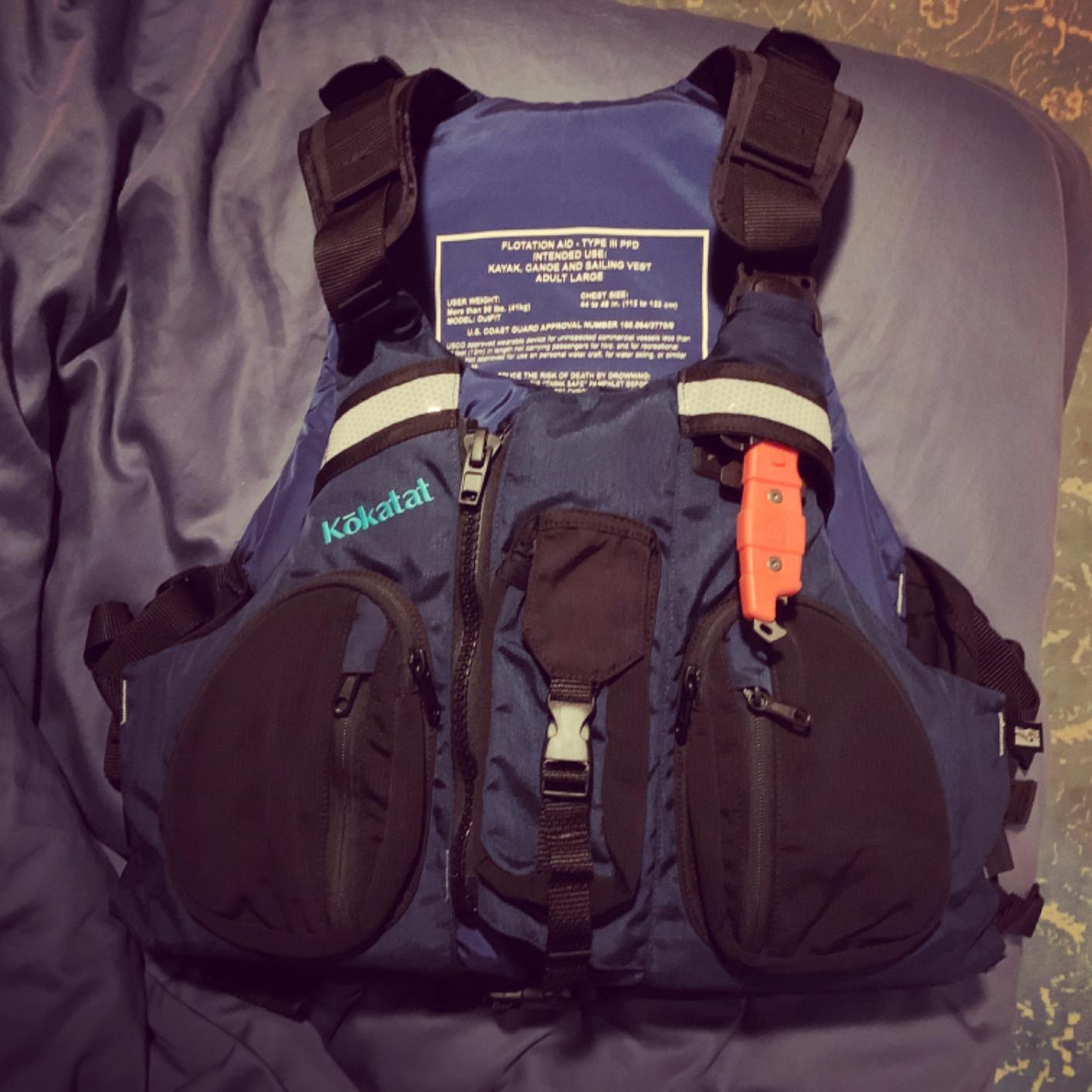
The sheath is what sets the NRS Pilot apart from competitors. The Thumbs Up quick-release mechanism secures the blade firmly but releases with a natural thumb press. It attaches directly to a PFD lash tab, which is the mounting system most whitewater vests use.
The lanyard attachment point is cleverly designed to double as a raft valve wrench. That is the kind of dual-purpose thinking that shows NRS actually uses these knives on the river.
It does take a few practice draws to get the release motion dialed in. Once you build that muscle memory, deployment becomes instinctive.
Who Should Buy the NRS Pilot
If you paddle whitewater regularly, work as a raft guide, or do swiftwater rescue, the NRS Pilot is the knife to beat. It is purpose-built for exactly those scenarios.
The limited review count reflects that this is a newer model, but NRS has a long reputation in the paddling community for building gear that lasts.
4. GEAR AID Tanu Dive and Rescue Knife - Best for Saltwater Paddlers
GEAR AID Tanu Dive and Rescue Knife with Quick Release Sheath, 304 Stainless-Steel 3” Blunt Tip...
304 stainless steel
3 inch blunt tip
Combination edge
Rubberized grip
Quick-draining sheath
+ Pros
- 304 stainless resists salt water corrosion
- Blunt tip safe for inflatables
- Secure rubberized grip with finger stop
- Quick-draining sheath
- Multiple mounting options
- Cons
- Not Prime eligible
The GEAR AID Tanu is built for divers first, but it translates beautifully to sea kayaking and coastal paddling where saltwater corrosion is a constant battle. I tested this knife on a week-long sea kayaking trip and was impressed by how well the 304 stainless steel resisted salt exposure.
The rubberized handle with finger stop gives you confident grip even with cold, wet, sandy hands. That grip security matters more than most people realize until they try to deploy a knife in a real rescue scenario.
304 Stainless Steel and Saltwater Performance
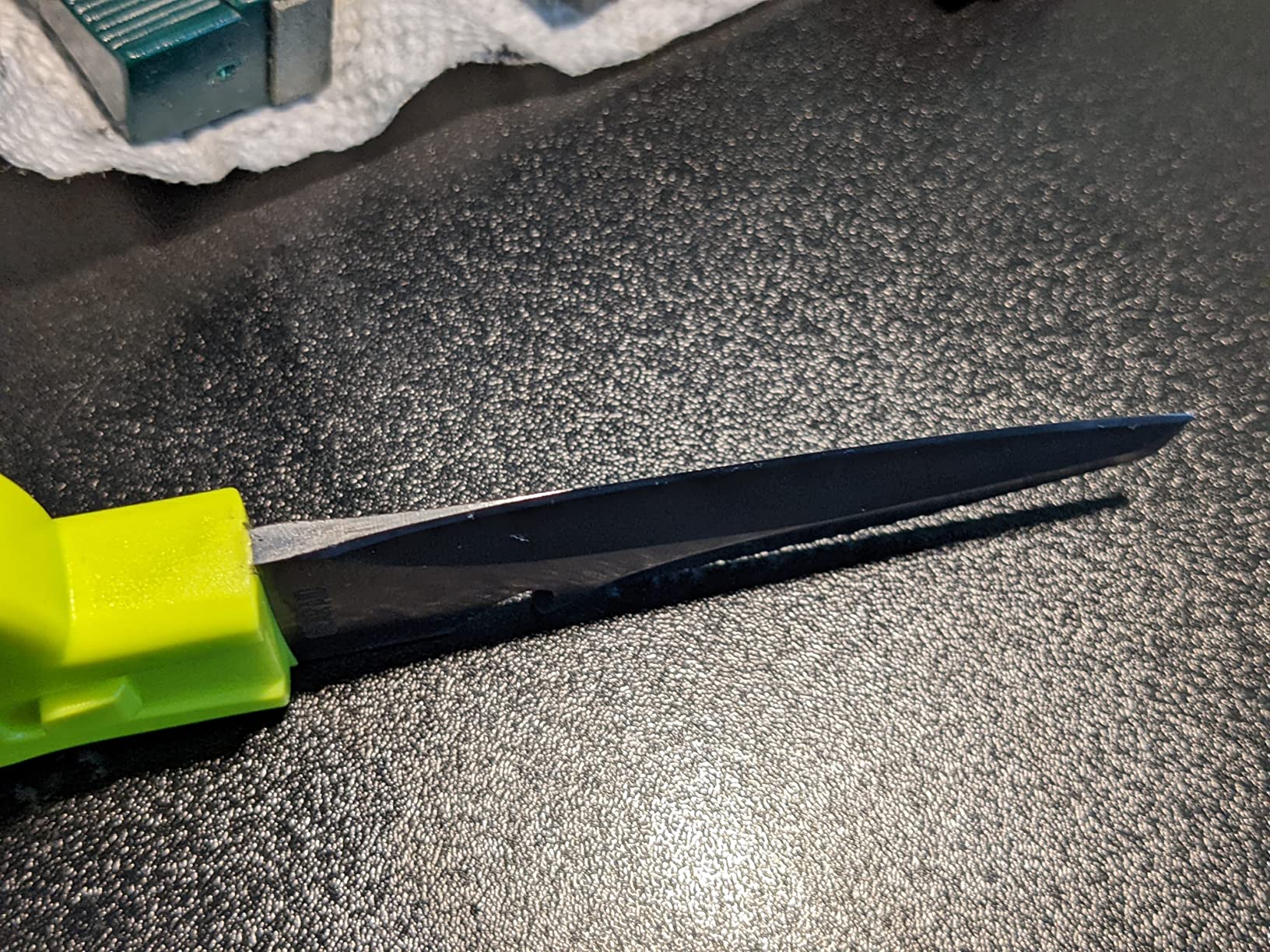
304 stainless is the standard for marine-grade steel, and it shows. Unlike standard stainless that develops rust spots after saltwater exposure, the Tanu's blade stayed clean through our saltwater testing with nothing more than a fresh water rinse at the end of each day.
The combination blade gives you a straight edge for clean cuts and a serrated section for rope and webbing. The line cutter is positioned for quick monofilament and cord work.
Grip Design and Sheath Drainage
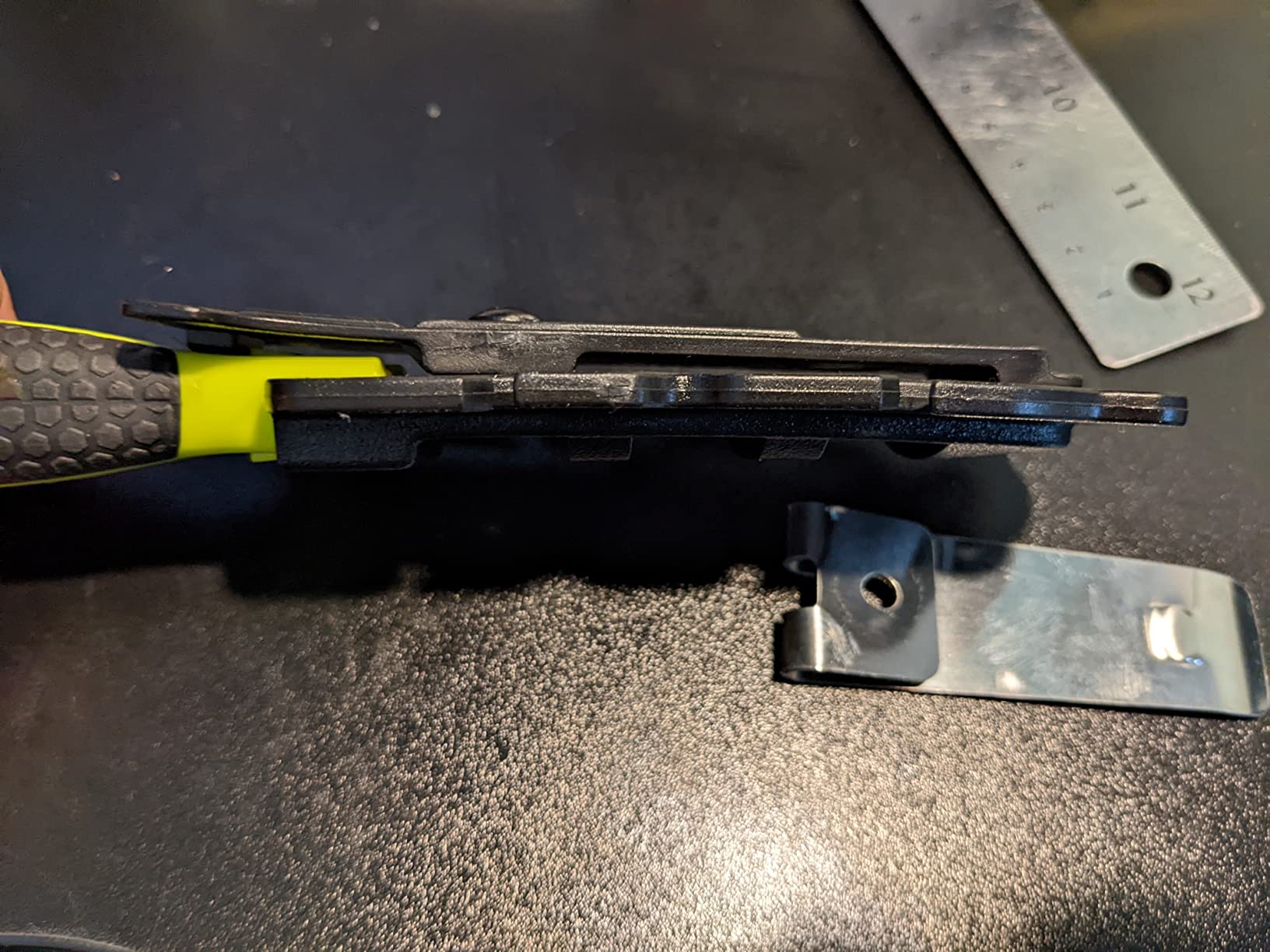
The finger stop on the Tanu is a safety feature that prevents your hand from sliding forward onto the blade during aggressive cutting. The rubberized texture maintains grip in all conditions.
The quick-draining sheath is designed for water sports. It will not trap moisture against the blade, which reduces corrosion risk during storage. The removable belt clip and lash tab compatibility give you multiple carry options.
Who Should Buy the Tanu
If you paddle in saltwater environments, do dive rescue work, or split time between diving and paddling, the Tanu is the most corrosion-resistant fixed blade on this list. The 304 steel and draining sheath make it ideal for coastal use.
For pure freshwater whitewater, the NRS Pilot or Morakniv may serve you better at a lower weight. The Tanu earns its place when saltwater is part of your equation.
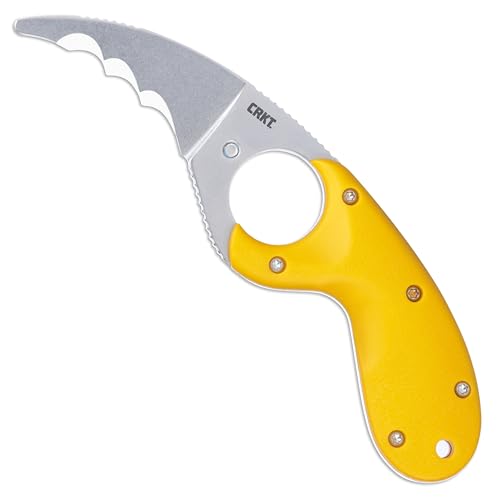
5. CRKT Bear Claw - Top Rated for Rescue Scenarios
CRKT Bear Claw Outdoor Rescue Fixed Blade Knife with Sheath, Gray, 2511Y
AUS 8 stainless steel
Hawkbill serrated
Blunt tip
Glass-reinforced nylon handle
3.2 oz
+ Pros
- AUS 8 steel is corrosion resistant
- Veff Serrations cut rope effortlessly
- Textured grip for wet conditions
- Durable sheath with positive lock
- Lightweight at 3.2 oz
- Cons
- Sheath clip may break
- Retention may loosen over time
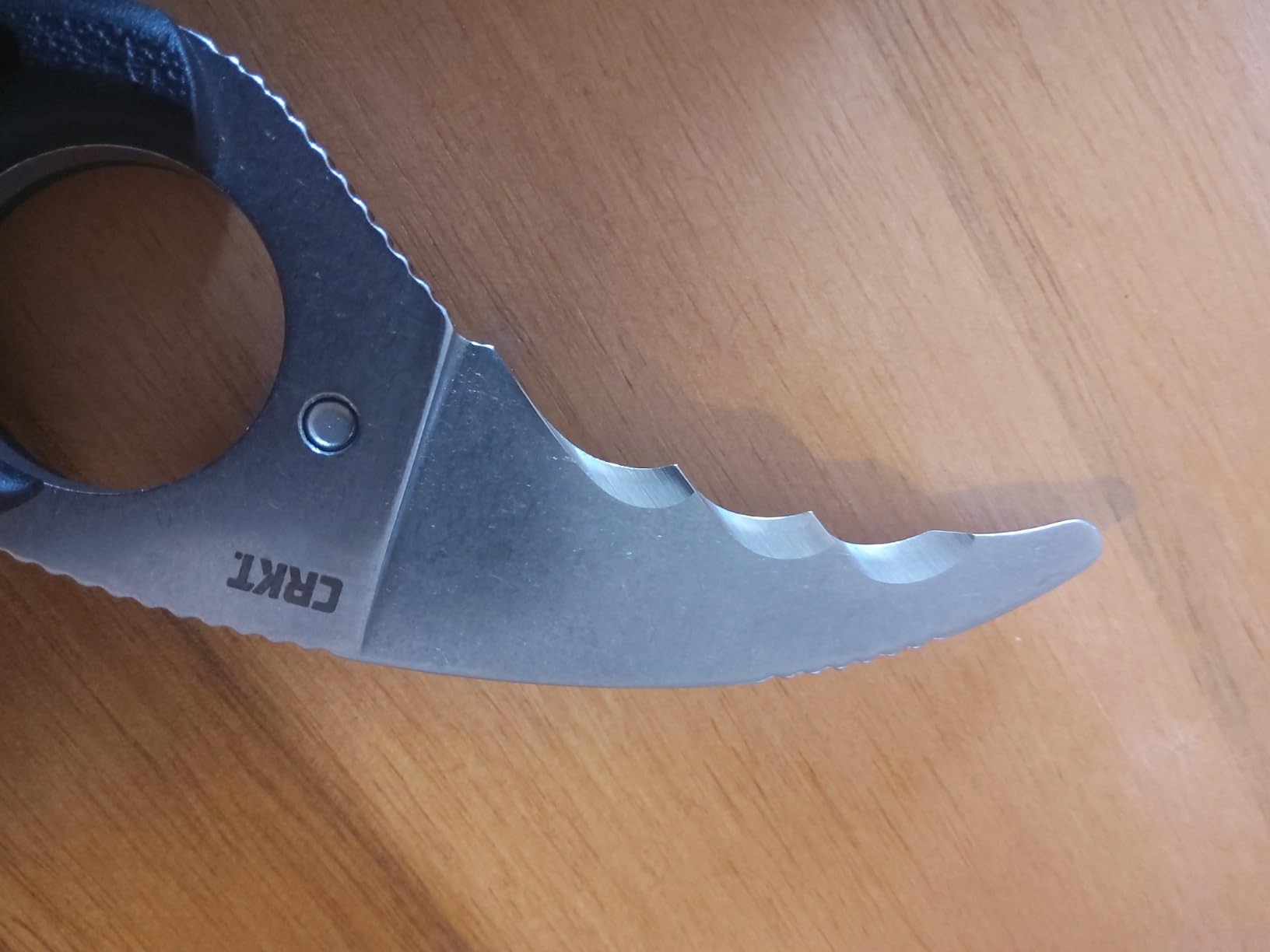
The CRKT Bear Claw has a cult following in the whitewater community, and it earned that reputation through years of real-world rescue use. The hawkbill blade shape with Veff Serrations is purpose-built for cutting rope and straps in tight quarters.
Designed by Russ Kommer as a personal defense and rescue knife, the Bear Claw's curved blade pulls material into the cut as you draw. That means a single motion can sever a tangled throw rope or a wrapped strap.
Veff Serrations and Hawkbill Design
The Veff Serrations on the Bear Claw are not your standard serrations. They are aggressively angled to cut through tough fibers without snagging or tearing. In our rope-cutting tests, the Bear Claw sliced through 7/16-inch climbing rope faster than any other knife on this list.
The hawkbill shape combined with the blunt tip means you can work close to a person's body or an inflatable surface with minimal risk. The curve does the cutting work for you.
Handle and Sheath Performance
The glass-reinforced nylon handle is textured for wet conditions and has an ergonomic finger choil that locks your hand in place. The yellow color option adds visibility, which is valuable if you drop it or need to find it quickly in a gear pile.
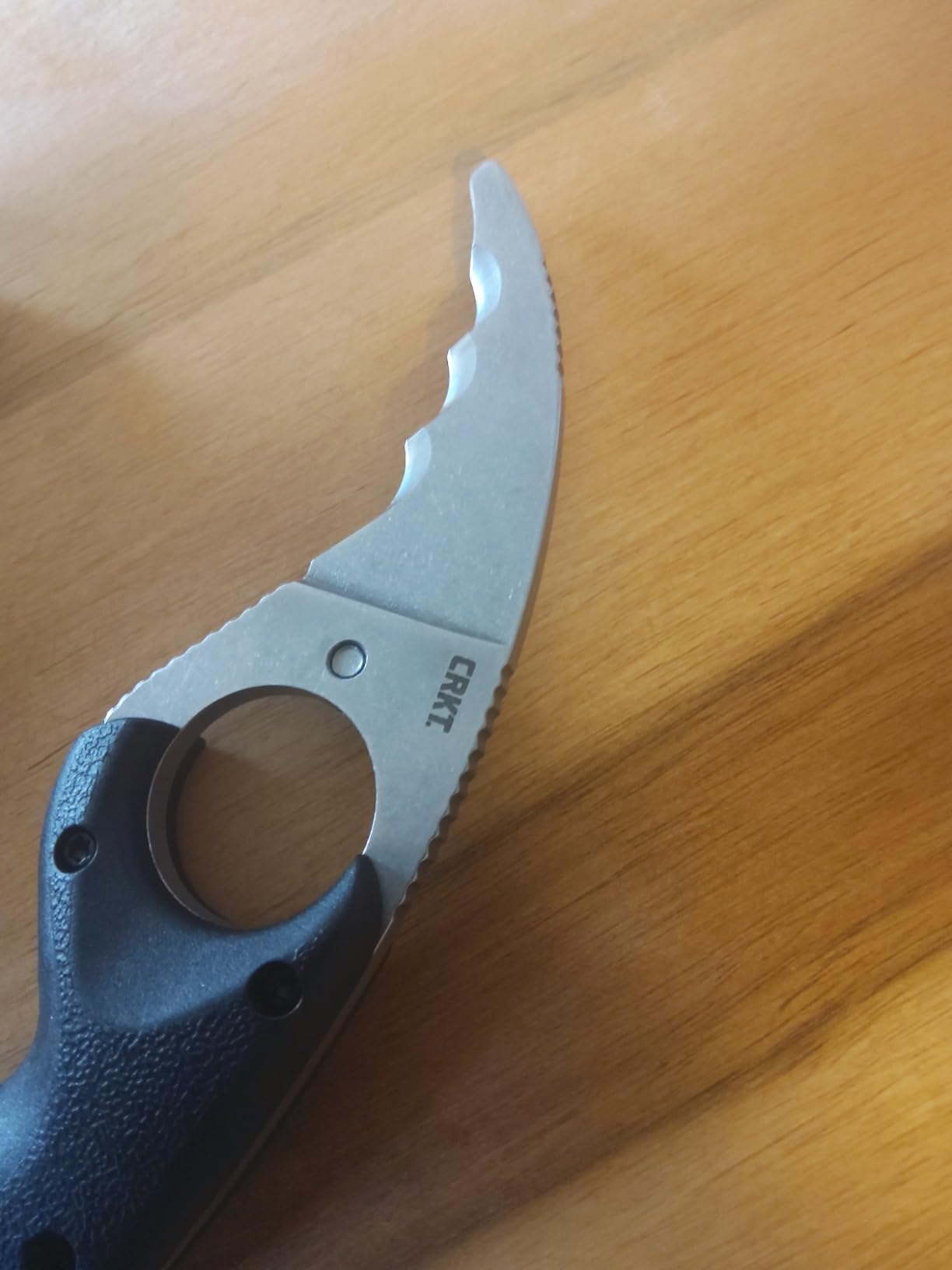
The sheath uses a positive lock system that clicks audibly when the blade is seated. Some long-term users report the clip can break under abuse and retention loosens, so inspect it regularly if you depend on this knife daily.
Who Should Buy the Bear Claw
The CRKT Bear Claw is the best river knife for paddlers who want a dedicated rescue blade. The hawkbill and Veff Serration combination is unmatched for speed-cutting rope and webbing in emergencies.
If you need a general-purpose utility knife, the straight-edge options may serve you better. But for pure rescue capability, the Bear Claw is in a class of its own.
6. GEAR AID Buri Adventure Knife - Best Multi-Purpose Fixed Blade
GEAR AID Buri Adventure Knife with Quick Release Sheath, Durable Stainless-Steel 3” Blade
Titanium-coated stainless
3 inch drop point
Full tang
MOLLE sheath
Bottle opener and glass breaker
+ Pros
- Titanium-coated corrosion resistance
- Full-tang durability
- Quick-release MOLLE sheath
- Glass breaker and bottle opener
- Ambidextrous design
- Cons
- No hand guard
- May need sharpening out of box
The GEAR AID Buri is the adventure knife for paddlers who want one blade that handles camp tasks and river safety equally well. The full-tang construction means this is a working tool, not just an emergency blade you hope to never use.
I carried the Buri on a multi-day river camping trip and used it for everything from cutting line to preparing food to making camp repairs. The titanium-coated blade shrugged off the abuse and the corrosion resistance held up through daily water exposure.
Full Tang Construction and Durability
The full-tang design means the steel runs the entire length of the handle, making the Buri structurally sound for heavier tasks. Unlike some river knives that are essentially sharp scalpels, the Buri can handle prying, batoning, and real camp work.
The drop point blade shape is more versatile than a hawkbill or sheepsfoot. You get a usable belly for slicing and a controllable tip for detail work. The straight and serrated edge combination covers all cutting scenarios.
Sheath System and EDC Features
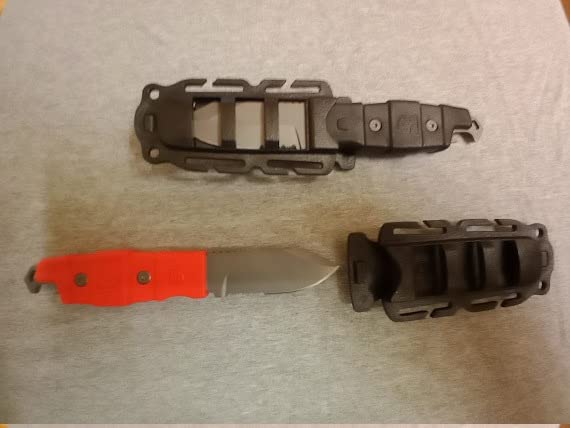
The quick-release sheath is MOLLE compatible, which makes the Buri a natural fit for tactical vests, PFDs with webbing, or pack straps. The removable belt clip gives you everyday carry options beyond the river.
The glass breaker and bottle opener are features you will use more than you expect. The lack of a hand guard is the main drawback, so pay attention to your grip when cutting aggressively.
Who Should Buy the Buri
The Buri is the best river knife for paddlers who want a do-everything fixed blade. If you combine river trips with overlanding, camping, or bushcraft, the Buri transitions seamlessly between environments.
Note that some users report the blade needs touching up out of the box. A few minutes with a sharpener gets it to where it should be.
7. NRS Titanium Co-Pilot Knife - Premium Pick for Lifetime Corrosion Resistance
NRS Titanium Co-Pilot Knife, Black
Titanium blade
Partially serrated
2.5 oz
Reverse scallop serrations
Thumbs Up Sheath
+ Pros
- Titanium blade stronger than steel
- Ultra lightweight at 2.5 oz
- Completely corrosion resistant
- Reverse scallop serrations
- Quick-release sheath
- Limited lifetime warranty
- Cons
- Limited availability
- Only 1 review
- Premium price
The NRS Titanium Co-Pilot is the premium option for paddlers who refuse to compromise on materials. A full titanium blade means zero corrosion risk in any water type, period. This is the knife you buy once and carry for decades.
At just 2.5 ounces, the Co-Pilot is the lightest knife on this list. You will genuinely forget it is on your PFD until you need it. The titanium blade is stronger than steel and holds a keen edge, with reverse scallop serrations that sever tough fibers cleanly.
Titanium Blade Performance
Titanium is the ultimate material for a saltwater or freshwater knife. It will never rust, pitting is a non-issue, and the weight savings are significant. The trade-off historically has been edge retention, but NRS uses a high-grade titanium that holds its working edge well.
The reverse scallop serrations are specifically engineered for cutting rope, webbing, and fabric. They bite into material without the aggressive snagging you get from traditional pointed serrations.
Sheath and Carry System
The Co-Pilot uses the same Thumbs Up quick-release sheath as the NRS Pilot. One-handed deployment works smoothly, and the low-profile design sits flat against your PFD without snagging on gear or raft tubes during re-entry.
The ambidextrous design means left-handed and right-handed paddlers get the same smooth deployment experience.
Who Should Buy the Titanium Co-Pilot
If budget is not a constraint and you want the most corrosion-resistant, lightweight river knife available, the Titanium Co-Pilot is the top choice. It is especially appealing for saltwater paddlers, expedition kayakers, and rescue professionals who depend on their gear in the harshest conditions.
The limited review count and stock availability reflect the premium nature of this product. When they are in stock, serious paddlers grab them quickly.
8. Maxam 3.3 inch Saltwater Knife - Best Budget Folding Option
Maxam 3.3" Saltwater Knife - Rust-Proof German Stainless Steel Serrated Blade with Bright Yellow...
German stainless steel
3.3 inch serrated
Folding design
FRN handle
Reversible clip
+ Pros
- Budget-friendly saltwater knife
- Rust-resistant German stainless
- Serrated blade for rope and webbing
- Reversible pocket clip
- Lanyard hole
- Compact folding design
- Cons
- Rust reported after water exposure
- Pocket clip can be stiff
- Action needs break-in
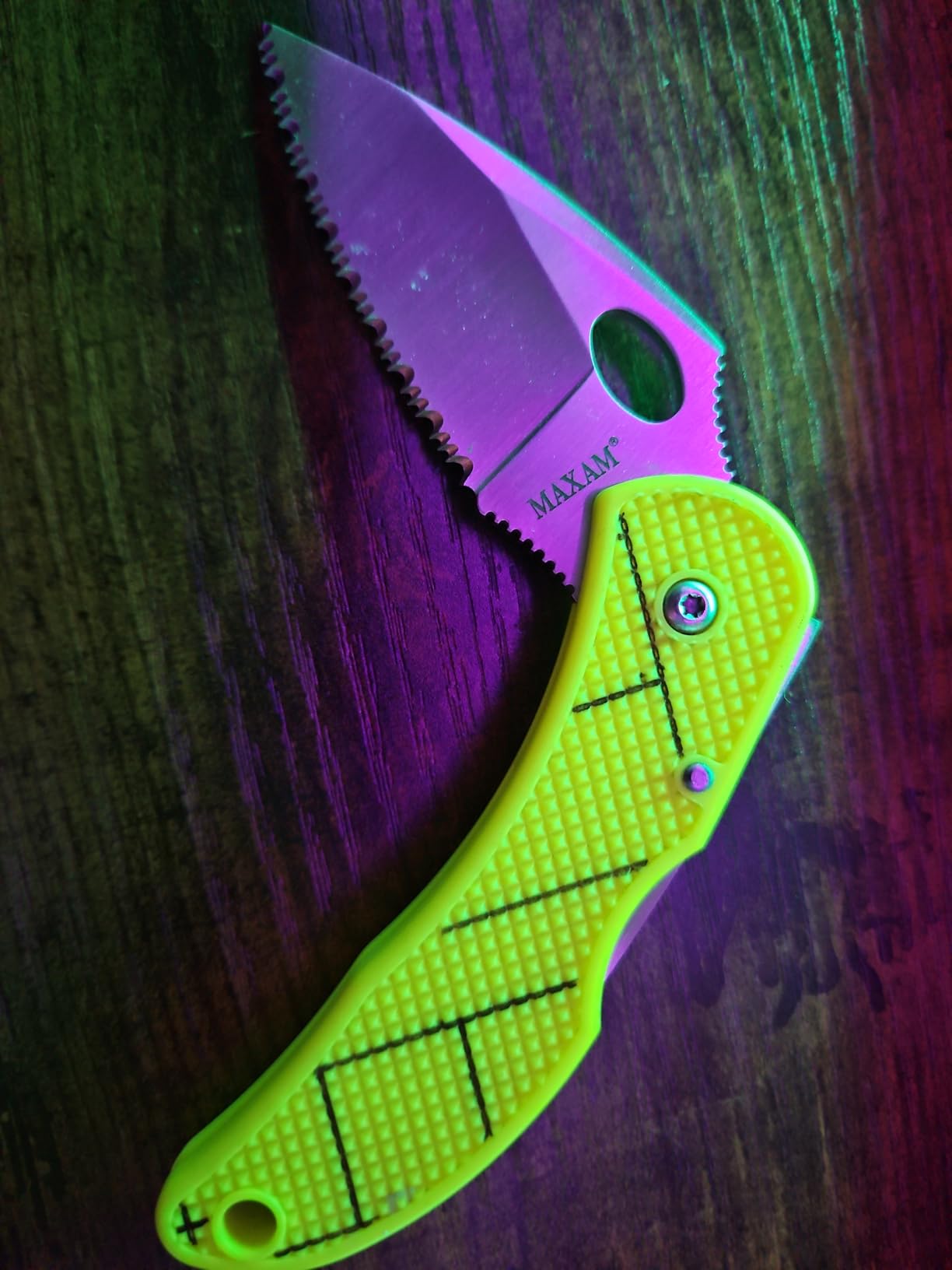
The Maxam Saltwater Knife is the most affordable option on this list and the only folding knife. For paddlers who prefer keeping their blade in a PFD pocket rather than externally mounted, this budget folder offers solid functionality at a fraction of the cost.
The German stainless steel serrated blade is designed for cutting rope, seatbelts, and webbing. The fiberglass reinforced nylon handle has a textured grip that performs well with wet hands.
Folding Design and PFD Pocket Carry
Many experienced paddlers consider a folding knife stored in a PFD pocket to be the safest carry method. It eliminates the risk of the knife snagging on raft tubes during a swim, and the blade is fully enclosed when not in use. The Maxam fits this philosophy at a budget price point.
The reversible pocket clip accommodates left and right-handed users, and the lanyard hole lets you tether the knife to your PFD as a backup retention system.
Steel Quality and Rust Considerations
The German stainless steel offers decent corrosion resistance for the price. However, some users report rust spots appearing after extended water exposure without proper rinsing. This is a budget knife, so expectations should be calibrated accordingly.
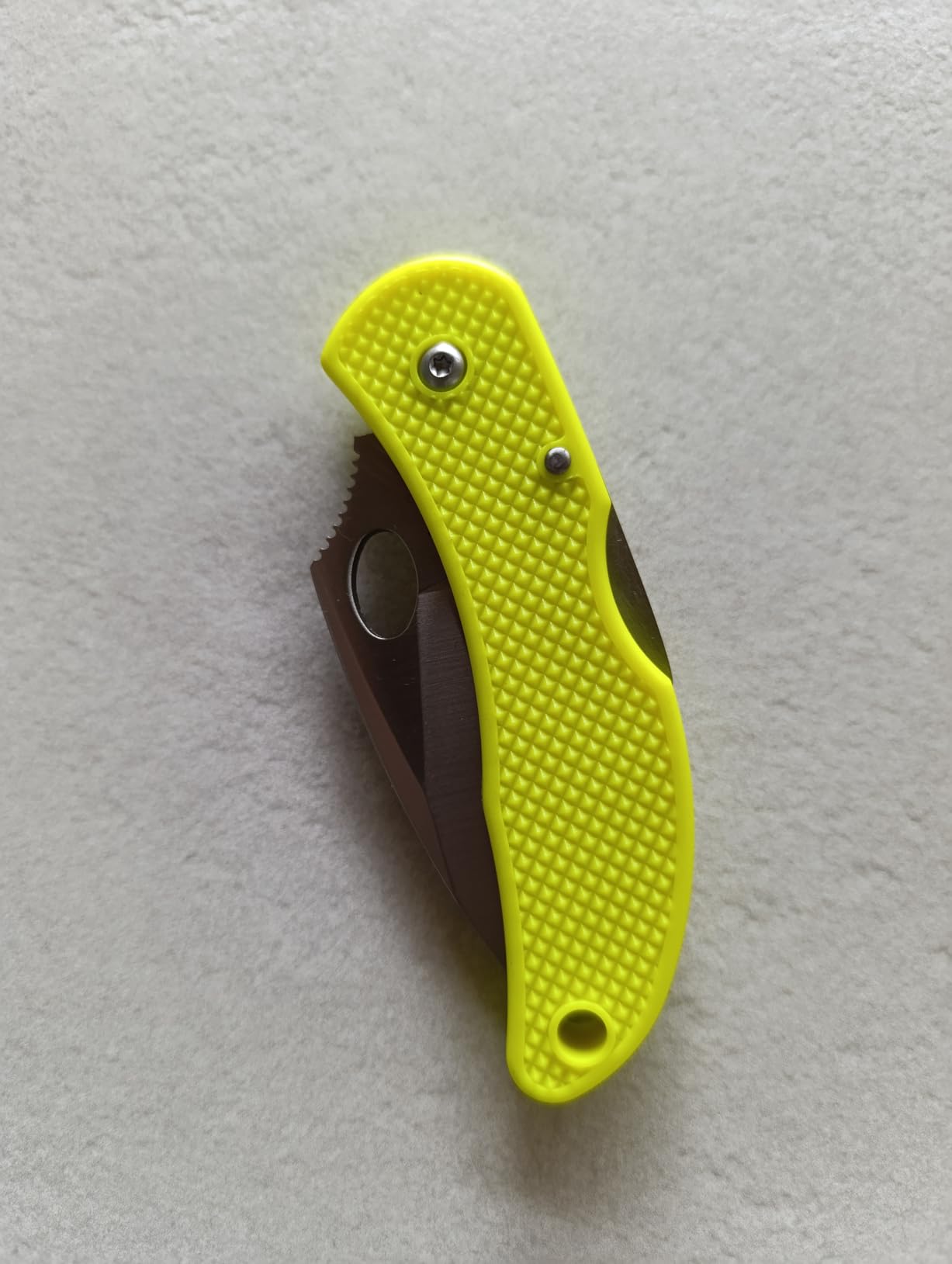
The action may be stiff out of the box and require a break-in period. A drop of lubricant helps. The pocket clip can also feel overly tight initially but loosens with use.
Who Should Buy the Maxam Saltwater Knife
This is the best river knife for budget-conscious paddlers, casual kayakers, or anyone who wants a backup blade in their kit. It is also a solid choice if you prefer folding knives and want to test that carry style before investing in a premium option.
For regular whitewater use or professional guiding, a fixed blade with a dedicated sheath system is generally recommended over a folder. But for the price, the Maxam delivers genuine value.
How to Choose the Best River Knife for Your Needs
Choosing a river knife comes down to understanding how you paddle, where you paddle, and what emergencies you are most likely to face. Here is the framework our team uses when evaluating any PFD knife.
Fixed Blade vs Folding Knife
Fixed blade knives are the standard for whitewater and rescue use. They deploy instantly, have no mechanism to fail or jam with debris, and are structurally stronger. The trade-off is that they require an external sheath, which can snag during swims or raft re-entries.
Folding knives are safer to carry in a PFD pocket because the blade is enclosed. They are popular among sea kayakers and recreational paddlers who want a utility tool that doubles as emergency gear. The downside is slower deployment, especially with cold or gloved hands.
The forum consensus from experienced paddlers on Reddit is that fixed blades mounted on a PFD lash tab offer the best balance of quick access and security for whitewater. For flatwater and sea kayaking, a folder in the pocket works well.
Blade Tip: Blunt vs Pointed
A blunt or rounded tip is strongly recommended for river knives. It prevents accidental punctures to inflatable rafts, SUP boards, and most importantly, to people during a chaotic rescue. A pointed tip near an entangled swimmer is a liability.
Some knives, like the CRKT Bear Claw, use a hawkbill shape that combines a blunt tip with a deeply curved cutting edge. This design is ideal for hook-cutting rope wrapped around limbs or gear.
Blade Steel and Corrosion Resistance
River knives live in wet environments, so steel choice matters. Here is how the common options compare:
Standard stainless (420 HC, AUS 8): Good edge retention and adequate corrosion resistance for freshwater. Needs rinsing and drying after saltwater use. Most affordable option.
Marine-grade stainless (304): Significantly better saltwater corrosion resistance. The GEAR AID Tanu uses this steel and is ideal for coastal paddling.
Titanium: Zero corrosion risk in any water type. Lighter than steel. Premium price. The NRS Titanium Co-Pilot is the benchmark.
Titanium coating: A budget middle ground that adds a corrosion-resistant layer to stainless steel. The GEAR AID Akua and Buri use this approach effectively.
Serrated vs Straight Edge
For river use, a serrated or partially serrated edge is strongly preferred. Serrations cut through rope, webbing, and fabric far more effectively than a straight edge, especially when the material is wet and under tension. A straight edge is better for clean slicing of food or line.
The ideal river knife has both: a serrated section for rope and webbing plus a straight section for utility cuts. Every knife on our list offers this combination.
Sheath Retention and Mounting
A river knife is useless if it falls out during a swim. This is one of the most common complaints in paddling forums. Look for a sheath with positive retention that still allows one-handed deployment.
The NRS Thumbs Up sheath system is widely regarded as the best balance of security and quick access. Quick-release sheaths from GEAR AID are also solid, though check the clip tightness regularly.
Mounting options matter too. PFD lash tab attachment is the standard for whitewater vests. Belt clip, MOLLE, and lanyard compatibility give you flexibility for different gear setups. Our kayaking clothing guide covers how PFDs integrate with the rest of your paddling kit.
Visibility and Recovery Features
If you drop your knife in the river, a high-visibility color can mean the difference between recovery and loss. The Morakniv's bright orange sheath and the CRKT Bear Claw's yellow handle option are smart choices. The Morakniv goes further by actually floating.
A lanyard attachment point is a valuable feature for tethering your knife to your PFD as a backup retention system. Never rely on a lanyard as your primary retention, but it is excellent insurance.
Maintenance and Rust Prevention
No river knife is truly maintenance-free. Even titanium benefits from occasional care. Follow these steps to keep your blade in rescue-ready condition:
Rinse with fresh water after every trip, especially after saltwater exposure. Dry thoroughly before storing to prevent moisture buildup in the sheath. Apply a light coat of oil to stainless steel blades periodically to create a corrosion barrier. Sharpen regularly because a dull knife is dangerous in a rescue scenario. Inspect sheath retention before every season and replace worn components.
For more on staying safe on the water, our guide to the best kayak helmets rounds out your essential safety kit..
FAQs
What is the best river knife for rescue?
The NRS Pilot Knife is our top pick for rescue scenarios. Its 420 HC stainless blade with a blunt tip and partially serrated edge is purpose-built for cutting rope and webbing during emergencies. The Thumbs Up sheath allows true one-handed deployment even with gloves on, and the PFD lash tab attachment keeps it accessible. The CRKT Bear Claw with Veff Serrations is the best alternative for paddlers who prefer a hawkbill rescue blade.
Should I carry a fixed blade or folding knife on my PFD?
For whitewater and rescue use, a fixed blade knife mounted on your PFD lash tab is the better choice. Fixed blades deploy instantly with no mechanism to jam, and they are structurally stronger. Folding knives are popular among sea kayakers and recreational paddlers who prefer keeping a blade enclosed in a PFD pocket, which eliminates snagging risk during swims. The trade-off is slower deployment, especially with cold or wet hands.
What features should I look for in a river knife?
The essential features are a blunt or rounded tip for safety around inflatables and people, a serrated or partially serrated edge for cutting wet rope and webbing, corrosion-resistant steel (stainless minimum, titanium ideal), a secure sheath with one-handed deployment, and PFD-compatible mounting. Bonus features include a lanyard hole, high-visibility color, and a floating design. Avoid pointed tips and smooth-only edges for primary river rescue use.
Why should I carry a knife on the river?
A river knife is a critical safety tool that can prevent drowning. Its primary purpose is to quickly cut through ropes, webbing, throw bags, and spray skirts that entangle paddlers during swims or pins. In entrapment scenarios, seconds matter, and reaching for a knife on your PFD can free yourself or a fellow paddler. River knives also serve utility purposes like cutting fishing line, preparing food, and making camp repairs.
Final Verdict: Which River Knife Is Right for You?
After testing all 8 knives across multiple seasons, our recommendations break down by paddler type. If you are a whitewater paddler or professional guide, the NRS Pilot Knife is our Editor's Choice for its purpose-built design and flawless one-handed deployment.
If you want the best value and the security of a knife that floats, the Morakniv Floating Knife delivers Swedish steel quality at a price that leaves room in your gear budget. For budget-conscious paddlers who want maximum features, the GEAR AID Akua covers all the bases.
For dedicated rescue scenarios, the CRKT Bear Claw with Veff Serrations cuts rope faster than anything else we tested. And if corrosion resistance is your top priority, whether for saltwater or a lifetime of freshwater abuse, the NRS Titanium Co-Pilot is the premium answer.
Whatever you choose, carry it every trip, practice deploying it with cold and wet hands, and maintain it regularly. The best river knife is the one you have on your PFD when you need it. Stay safe out there in 2026, and check back as we continue updating this guide with new models and long-term test results.